My intention is to post a Thoughtful Thursday column each week and share some of the insights I have learned in the past week. Here are some of the things I’ve learned this week:
Optimal Living Daily – How to Find Meaning in Life: 7 Steps to a More Fulfilling Existence
Define what it is that you want in life. What are your goals and aspirations? What brings you happiness and fulfillment? Be clear about what you want.
Connect with others and build meaningful relationships. When you have close relationships with other people, they can provide a sense of connection and purpose. Get involved in activities that bring you together with other people, such as clubs, groups, or social events.
Find your passion and do what you love every day.What are you interested in and what do you love doing? When you’re passionate about something, it brings a sense of joy and excitement into your life. You’ll be more motivated to pursue these interests, and you’ll feel more fulfilled when you’re doing them. Explore different activities and interests and see which ones make you feel the most alive.
Serve others and make a difference in the world. Helping others can give your life purpose and meaning. You’ll feel more connected to something larger than yourself, and you’ll have a sense of satisfaction from knowing that you’re making a positive impact in the world.
Live in the present moment and appreciate the here and now. When you’re constantly living in the past or future, you miss out on all the beauty that exists in the present.
Be accepting of change and understand that things will not always go according to plan. When you’re constantly expecting things to stay the same, it can lead to disappointment and frustration. When you accept change and understand that it’s a normal part of life, you’ll be more prepared for when things don’t go as expected.
Be your most authentic self. When you’re being genuine and true to yourself, it helps you connect more with others and build meaningful relationships. It allows you to live a more fulfilling life since you’re not pretending to be someone that you’re not.
The Jordan Harbinger Show – Sovereign Citizens – Skeptical Sunday
Sovereign citizens are people who don’t acknowledge the legitimacy of the United States government – don’t pay taxes, don’t have IDs, don’t register their cars, or acknowledge zip codes
They don’t believe the police or the courts have jurisdiction over them. They are not subject to the laws of the United States of America.
They represent themselves in legal matters and use pseudo legalese.
The roots of the movement grew out of White Nationalism. The modern sovereign citizen movement has an African American branch, the Moorish Sovereign Citizens.
Some sovereign citizens believe there are two classes of citizens within the United States: sovereign (original) citizens and federal (U.S.) citizens. Sovereign citizens have all of the rights of the Constitution but federal citizens don’t. Federal citizens voluntarily surrendered their freedom in exchange for benefits from the U.S. Government. Sovereign citizens renounce federal citizenship and reclaim the rights as common law citizens.
Sovereign citizen arguments have no basis in law and have never been successful in court.
Sovereign citizens believe that you are not the person on your birth certificate. The birth certificate is its own entity. A birth certificate is ALL CAPS, a separate entity. They insist that the corporation that is the U.S. Government uses citizens as collateral to the Federal Reserve.
Sovereign citizens believe that as long as they don’t travel for commerce or cross state lines, they don’t need a license or registration. They will paint private use on their vehicles and issue themselves license plates.
Gurus sell sovereign citizen ideology. They appeal to desperate people, such as people in foreclosure or debt.
Gurus sell diplomatic immunity cards. If they create their own country and issue themselves cards that say diplomatic immunity, they believe they will have diplomatic immunity. Gurus also sell how-to books and membership cards. They are really just selling hope.
They believe that not only are you out of debt because your birth certificate is the one who owes the debt, not you, but that there is a bunch of money waiting for you somewhere. The corporations masquerading as our country owe you money.
Straw man account is the bank account attached to the corporate entity on your birth certificate (ALL CAPS) and this bank account is overflowing with cash – known as redemption. According to the sovereigns, the government set up secret bank accounts in our birth certificate names. They believe that with the magic words and forms, you can access it.
In 2016, the IRS discovered a sovereign citizen straw man scheme but only after issuing more than $43 million to sneaky sovereigns.
Bond process – by submitting the right set of papers, sovereign citizens believe they can wipe out their mortgage, tax bills, and student loans. Many people find themselves in the sovereign citizen movement through financial desperation.
There are between 200,000-300,000 people who consider themselves sovereign citizens.
The courts often reject sovereign citizen arguments without much explanation. No sovereign citizen has ever successfully argued their points in a court of law.
The Personal Finance Podcast – How Much Should You Spend on a Family Vacation?
This episode really surprised me. It suggested that people should aim to spend 5-10% of their net income on vacations (without going into debt). I definitely spend much less than that and instead have prioritized saving for retirement and short-term needs. I am curious to hear your thoughts about this!
You should never go into debt for a vacation.
Know your NET monthly income and monthly expenses. Know how much debt you have.
Have your emergency fund fully funded. 3-6 months of expenses
Be on track to hit your retirement goals. Investing your dollars is the only way to prepare for retirement.
Look at your short-term goals. Prioritize those goals.
Calculate your disposable income. Determine if there are any savings earmarked for vacation. Put savings in a high-yield savings account.
Automate savings using discretionary income – example: 5-10%
Once you build wealth, you may be able to spend 20-30% of your income on vacations.
By income:
$40k: 5% of net income – $2k per year on vacations/ 10%: $4k per year on vacations (will need to travel hack)
$60k net: 5%: $3k per year on vacations/ 10%: $6k per year on vacations (travel hack or side hustle)
$80k net: 5%: $4k per year/ 10%: $8k per year on vacations
$100k net: 5%: $5k per year/ 10%: $10k per year on vacations
Look for ways to increase your salary, get a side hustle, or learn to travel hack.
This post from Gabe the Bass Player stood out to me this week:
“If you are looking for chances to connect you will find them all over the place.
You’ll probably have to go first. It might be a little weird. It will be scary. You might not get the response you’re hoping for. You might over share. You might ask the wrong question. Your effort might not get reciprocated.
But it beats the alternative…
If you’re not looking for chances to connect, the depth of your relationships and your relational maturity are at the mercy of others’ initiative…and your indifference.“
“What a simple verb. A five-letter modifier that opens the door to discussion.
If we state something as a fact, we’re asking for an argument.
But seems opens the door to learning and discussion.
What are you seeing that I’m not seeing?”
Often times we fail to see or consider other perspectives. We state something as fact, argue with others, and put the blame on others. We tell ourselves stories and accept them as truth. We forget that our feelings and thoughts are not facts. One phrase I’ve learned in therapy is “The story I tell myself is…” This phrase has been really helpful. Rather than put blame on others, verbally attack others, or believe my thoughts are truth, I put my thoughts out there with that phrase – and I have noticed that sometimes my perspective was wrong. I assumed incorrect intentions, didn’t have all of the context, etc. What story are you telling yourself?
I look forward to reading, learning, and sharing more with you soon!
My intention is to post a Thoughtful Thursday column each week and share some of the insights I have learned in the past week. Here are some of the things I’ve learned this week:
TED Business – A simple way to inspire your team – David Burkus
Most leaders and organizations try to drive the point of why we do what we do. They look to their mission statement and send it out in e-mails, print it on posters, and put it on a company website that no one visits.
Most people are less inspired by a compelling answer to “Why?” and more motivated by a clear answer to the question “Who? Who is served by the work that we do?” If I asked you to think of a time when you felt highly engaged and inspired at work, you would probably think of the last time you felt your work was important to someone else – the last time a client thanked you or expressed appreciation.
Ex: call centers soliciting donations – some of the workers got to meet with a student who had received scholarship funds raised by that call center and got to hear how receiving those funds made a positive impact on them. They got to meet the answer to their question, “Who is served by the work that we do?” When the researchers followed up a month later, they made double the number of calls per hour and solicited 5x the amount of donations. Pro-social motivation – the desire to protect and promote the well-being of others
If you think about the people your work positively impacts, you will be more motivated in your work. Who is served by the work that we do?
If you are in a leadership role, part of your job is to become the chief storytelling officer – always ready to tell the story of the client, coworker, or community member whose life is made better by the work your team does. If you aren’t in a leadership role, you can still motivate yourself and other people by capturing every instance you hear of someone who is served by the work you are doing and every thank you that you get for any time you or anyone else needs a positive story about how the work that we are doing matters. Help them find the answer to the question “Who?”
During part of the COVID-19 pandemic, I was a part-time Shipt shopper. I fulfilled Target orders by shopping and delivering them directly to customers within a 15-mile radius, communicated with the customers regarding order status, out of stock items, recommended substitutions, and preferences throughout the process, and used self-check-out to ring up and bag orders. This gig was very satisfying, especially when I focused on how I was serving others – people who had just become parents, elderly people who don’t drive, people who were more susceptible to getting COVID-19, etc. I often received feedback about my communication, expertise in picking out produce and bagging items, and about how much of an impact this had on them.
Instead of asking “Why do I do this?” ask “Who am I serving?”
The Unf*ck Your Fitness Podcast – 6 Tips to Keep You Going on Your Fitness Journey When Life Gets Tough
Expect that life is going to get hard. There is going to be a time when you don’t feel like working out. How are you going to plan for those disasters? You don’t need to be perfect, but you do need to be consistent overall.
You need to look at your workouts as “I get to work out” instead of “I have to work out.”
You need to have habits and a routine in place. If it’s not a part of your life, you will be quick to decide that it’s not important. It needs to be just as much of a routine as brushing your teeth.
It’s not optional. Once you commit to a healthy lifestyle and workout program, it isn’t optional. When life gets hard, the last thing you should do is quit on yourself. When life gets out of control, you need to control what you can! You can control what you eat, what you drink, and how much you work out.
Have a plan. When you’re following a plan, you can pick up where you left off without feeling lost.
Have some accountability. Having someone encourage you and maybe work out with you is so important.
The Jordan Harbinger Show – Timeshares – Skeptical Sunday
Timeshares are a $10.5 billion industry and there are over 1,500 timeshare resorts. Over 10 million households in the U.S. own one or more timeshares.
Over half of timeshare owners are GenZ or millennials. The average age of a timeshare owner is 39 years old.
63% of timeshare owners have a four-year college degree.
A timeshare is basically owning a vacation. You are committing to paying an annual fee to go on a trip at the same resort for the rest of your life.
3 models
Fixed term: buying the right to exclusively use the property in the same place during the same week every year
Floating: more flexibility – you and others need to figure out when you get to use it each year. Everyone usually wants the exact same weeks.
Points-based: variety – get to pick a different location each time if you want to. Highly desired destinations cost more points
Why would people choose to get a timeshare instead of going on vacation whenever they want wherever they want?For some, it involves less decision fatigue and planning because you’re super limited in where and when you can go. Some large companies, such as Disney, Hilton, and Marriott are more vetted and care about their brand.
NEGATIVES:
Maintenance fees ($1,000 average/yr that can increase each year) – generally also costs $24k to pay for timeshare up front – many people take out a loan from the timeshare developer that carries an interest rate of 6-17%!
Points-system – points are devalued over time and people have difficulty finding a booking that fits their needs
The companies try to sell you the idea that if you don’t want your timeshare anymore, you can get out of it by selling it. The problem is that nobody wants it.
It is hard to get out of the contracts. Law firms specialize in getting people out of timeshares.
Overall, the true cost of the timeshare and maintenance fees is not a deal for most people. The selection of destinations is limited. As opposed to timeshares, planning an individual vacation allows you to choose your destination, dates, and allows you to pick your lodging based on the location of other things.
This post from Seth’s Blog resonated with me this week:
“Access to information used to be scarce. We ranked college libraries on how many books they had, and time at the microfilm reader was booked in advance.
Today, if there’s something I don’t know, it’s almost certainly because I haven’t cared enough to find out.
I don’t understand molecular biology, the history of Sardinia or much of agronomy–but that’s my choice. Now that information is widely and freely available, our sense of agency around knowledge needs to change.
It pays to acknowledge that this is a choice, and to be responsible for it. What else have we chosen not to know?”
Self Improvement Daily – You’re Living What Used To Be Your Goal
You might not even realize it, but there’s something about your life right now that used to be your goal or dream. Maybe you bought a house, moved to a new city, got married, landed that job, completed that project, ran that race, or brought that event to life.
Maybe it doesn’t feel like it. We often don’t see all of the life milestones we’ve reached because we’re focused on new goals, new aspirations, and new dreams. Rather than measuring our progress from who we used to be and where we are today, we often measure the difference between where we are now and where we want to go.
You’re living what used to be a goal of yours. When we acknowledge how far we’ve come, we remind ourselves that we have what it takes to keep on going.
I look forward to reading, learning, and sharing more with you soon!
My intention is to post a Thoughtful Thursday column each week and share some of the insights I have learned in the past week. Here are some of the things I’ve learned this week:
Life Kit – Scarfing down your food? Here’s how to slow down and eat more mindfully
We live in a society where many people eat while on the go, while scrolling on their phones, or while watching tv. When you are eating while scrolling on your phone or watching tv, you aren’t engaging your senses and aren’t conscious of the amount you are eating.
Mindful eating asks us to slow down and notice our food. Allocate time to eat and ONLY eat.
Most nutritionists urge us to take 20 minutes to eat a meal. It takes that amount of time for your brain to signal to your body that you are full. Otherwise, you get that signal too late and feel terrible.
Engage your senses as you eat. Notice the smells, colors, tastes, textures, and emotions that you’re feeling.
Honor the food. Acknowledge the work that went into that meal.
Take the time to taste the food. Try to eat one chip at a time. Put your food in a smaller dish beforehand to limit your intake. Allocate time to eat and ONLY eat.
Savor and chew your food thoroughly to engage your senses and help with digestion.
I’ve finished reading two books in the past week.
“I am more than my body: the body neutral journey” was written by Bethany C. Meyers, CEO of the be.come project. Bethany has over 15 years of experience in the fitness industry as an instructor, teacher, and workout creator. I struggle with my body image, and this book was much needed and thought-provoking. In fact, while I was reading this book, I had to refrain from exercising due to a foot injury, and my primary emotion was guilt. I felt guilty for not being able to be consistent with my habits. This book came at the right time. I will discuss this book in much more detail on my blog sometime, as I got SO much out of this book that may be helpful to others.
In short, body neutrality is the idea that each of us is more than our body, and our worth is not limited to our physical self. It is respecting our body even though we may feel differently about it on any given day.
The body neutral journey is to acknowledge the feelings we have, explore why those feelings came about, and reconnect with our self-worth.
Some of the many points to consider: If you have been speaking poorly to yourself and judging yourself harshly, how much of that is seeping out into your relationships with others? How do your own comments about your body impact the people around you who hear them (especially children)? Are you appreciating the functions of your body without criticism? Are you focused on your body’s failings? Are you comparing yourself to others? When choosing to exercise, are you solely focused on changing your physical form? What influences or media do you consume that frames exercise as a punishment, a requirement, or a means only to change your physical shape?
Fit, Healthy & Happy Podcast – 8 Essential Habits to Become Ultra Fit
Look at your entire journey. What are your goals? What are you looking to achieve? Where do you want to be by the end of the year? Have you progressed? Have you regressed? Address that and understand why, and implement the changes necessary to make sure you are progressing. It is easy to make excuses, but you need to be honest with yourself about how you can improve and implement the necessary changes. Set a goal and be intentional in making progress to achieve it.
Establish a workout routine and keep track of it. Keeping track allows you to be more aware of what are doing and also allows you to more easily measure your progress.
Follow a nutrition protocol. Make sure you’re eating enough protein to maintain and build muscle. Eat mostly clean foods.
Prepare by planning your workouts and food and developing new goals and challenges.
Have accountability. Methods include using a habit tracker or checking in with friends or a fitness coach.
Continual learning. Listen to podcasts and do research. You don’t need sketchy supplements.
Develop habits that make it easier for you to achieve your goals.
Don’t be all or nothing. There will be ups and downs in your journey. Keep showing up.
Mentally Stronger with Therapist Amy Morin – The Truth About Alcohol and Addiction Recovery with Former School Principal/Author Daniel Patterson
I don’t drink, but I wanted to learn more about alcohol and addiction recovery. This podcast was very insightful!
1 out of 5 deaths for people between the ages of 20-49 is attributed to alcohol.
Many people go to great lengths to hide their drinking problems.
Daniel said that, in any situation, alcohol was the top priority: strategizing, sneaking around, mental equity spent wondering will I have enough, do I have enough, where can I get enough, should I drink beforehand, and not being present at outings.
Daniel got really defensive when his wife would call him out on his problem and would say things like “I can stop, I can take a break” and make empty promises like “I’m only going to drink on the weekends” and would last for a weekend. Pretty soon he was drinking every day again. Eventually he would use his trauma as his defense.
“You can quit for other people, but you can only stay sober for yourself.”
“My wife went to therapy to deal with how to understand me without enabling me. I would lie to my doctor about my alcohol use.”
“I was using my previous trauma as a hall pass to drink.”
“To quit, you have to be willing but you don’t need to be ready.” Many alcoholics will set a quit date and then make excuses like “we’re going to the lake and I like to drink at the lake, it’s the 4th of July and I’ll want to drink,” etc. There is always going to be a reason to drink, but there is always going to be a reason to not drink too.
After quitting, Daniel reports that his mental health became more manageable, he was sleeping better, and through therapy, his trauma became processed, so he had eliminated a lot of my talking points he would use to defend his drinking.
Many alcoholics will say “I don’t need medication. I don’t take medication” when referring to their mental health needs, which is interesting because they are using alcohol as self-medication.
To begin quitting, Daniel removed all alcohol from his house and would mark days off the calendar with an X, take two walks each day “sober walks”, watched tv, read books, listened to podcasts, etc. He tried to be sober for one month, and he felt better, so he stopped drinking altogether. He reports his energy and sleep were better, and he was so proud of himself.
“It’s never been easy, but it’s gotten easier.”
Access to resources is a huge barrier for many people. It requires good insurance and time freedom and financial freedom to go to treatment and take time off work.
“People say life is boring without alcohol, but life without alcohol is peaceful. I think they’re mistaking peace for boredom. It is a transition at first; you have been giving your brain an instant hit for years, so your brain is trained for instant gratification, and you take it away and have to sit with it. It can be lonely without drinking because the changes that have to be made for sustained recovery often require not doing the things you used to do with the people you used to do them with. You have to rest in your emotions and you can’t drink every time you’re anxious, nervous, sad, or celebrating. Alcohol has Velcroed itself to every situation, rite of passage, and emotion in our society that it is odd if you don’t drink and not odd if you do drink.”
“People are treatment-averse and label-averse. They are afraid of being labeled an alcoholic. I encourage people to ask the question: Does drinking benefit my mental health, my physical health, my finances, and my relationships?”
People who want to change their behavior but are unsure where to start or what to do can start listening to podcasts of others’ stories and experiences.
Advice for loved ones of alcoholics: treat alcoholism as a medical condition and not a moral failure. Encourage medical treatment for the addiction. This can help take the morality and shame out of it. Substance use disorders have a significant biological component to them. It’s not a moral failure, a sign of weakness, or a shortcoming. Getting health professionals involved is key for so many people who want to get into recovery. Al-anon is a good resource.
Advice for those struggling with addiction: Try cutting back or quitting as an experiment. Some people find it easier to think about it as “one day at a time.”
The Jordan Harbinger Show – Dr. Sohom Das – Rehabilitating the Criminally Insane
This week I listened to this podcast AND read the book “In Two Minds: Stories of Murder, Justice, and Recovery from a Forensic Psychiatrist” written by Dr. Sohom Das.
When a violent crime is committed, the justice system needs to determine if the perpetrator of that crime is a permanent danger to society who should be locked away for life, or if they’re mentally ill to a degree that proper treatment would allow them to re-enter that society. In other words, are they bad, or are they mad?
Dr. Sohom Das is a consultant forensic psychiatrist who works in prisons and criminal courts to assess and rehabilitate mentally ill offenders. He is also the author of “In Two Minds: Stories of Murder, Justice, and Recovery From a Forensic Psychiatrist.”
Forensic psychiatrists work in a few different environments. Dr. Sohom Das does most of his work in courts as an expert witness. His job is to decipher whether a defendant has a mental illness and whether they had symptoms at the time of the violent offense. If they did, he needs to determine whether their symptoms affect their criminal culpability. If they do, he makes a recommendation as to whether they should go to prison or to a psychiatric hospital.
Determining mad vs. bad (a spectrum): mad (a psychotic illness – people hearing voices, telling them to hurt people, or people that have paranoid delusions). They might attack somebody because they have a delusional belief that that person’s a pedophile or that person wants to attack, hurt them, or kill them. So that’s one end of the spectrum.
The other end of the spectrum, which would be bad, would be a personality disorder. Psychopathy would be a really well-known one. Antisocial personality disorder causes people to be impulsive and aggressive. They don’t care about the rights and wrongs of other people. They are career criminals that just have a complete lack of empathy and remorse.
Dr. Sohom Das reports that 99 percent of the defendants that he has assessed have had some kind of trauma or abuse in their childhood: physical abuse, sexual abuse, neglectful parents, drug abuse, homelessness, witnessing violence, gang violence. These factors often cause criminality, but they also cause mental illness. So that’s why they’re so common. Dr. Sohom Das emphasized that he rarely sees someone who purely has a psychotic illness and has had no problems in their background or upbringing.
If you have a severe mental illness and you’re lucky enough to have a good family support structure that cares about you and will take you to a doctor and will make sure you take your prescribed medications, then your outcome generally is going to be a bit more positive.
A lot of his patients come from broken homes. They are adopted or brought up in the care system or have families that don’t look out for them. They drift into homelessness, and the mental illness itself can massively damage their physical health.
Regarding faking it: “If somebody tells me that they’re hearing voices, but they’ve been going to work every single day, they’re going down to the pub with their friends, they’re managing a normal home and family life, and they’re socializing, then I’m going to be suspicious. I’m looking at all of the evidence. I also see what their mental state is like from objective evidence from other people. If they’re remanded in prison, I will speak to the prison officers. If that person says they’re paranoid or is acting paranoid in front of me, but the prison officers say that they’re laughing and joking with others on the wings, then I’m suspicious.”
“The other telltale sign is that if somebody’s really, really unwell, they don’t have an agenda. They’re not trying to convince. They’re not trying to say that they need to be in the hospital because in their minds, those delusions are real. So they don’t think they need to be in the hospital or need antipsychotic medication. Whereas those who are trying to exaggerate or fabricate have an agenda. They tell me straight away that they’re hearing voices or that they’re paranoid.”
“So when somebody says, Voices inside my head,’ I’m already suspicious because an actual auditory hallucination feels as real as you hearing my voice now. It’s actually external outside to somebody’s head, even though people say ‘voices in my head’. The voices in psychosis tend to be quite blunt. If someone says they have a really detailed intellectual conversation with a voice, that’s really unlikely. It’s usually just one message and it’s negative, like ‘You’re a piece of sh*t‘ or ‘people think you’re a pedophile‘ or ‘these people want to rape you.’ They’re short, simple phrases that repeat over and over again.”
People can’t just fake it on the day of their psychiatric interview. If they claim to hear voices, it has to be bleed into their functioning and should affect their work, family members, and social functions. Witnesses would corroborate that a mentally ill person was acting bizarre and responding to themselves on the street, and police officers would also observe these behaviors. The police interview transcripts would indicate mental illness.
There’s a misconception that if you are found not guilty by reason of insanity, the case is dropped and you are released back onto the streets. That’s very rarely the case, especially if you’ve committed serious violence. The person would go to a secure psychiatric hospital for treatment, possibly for years.
By far the most common diagnosis is antisocial personality disorder. It’s somebody that’s impulsive, aggressive, doesn’t care about the rights and wrongs of other people, and doesn’t learn from their mistakes. They’ll have repeated prison sentences and won’t change their lifestyles. They are career criminals who intend to offend.
Psychopaths tend to have the symptoms of antisocial personality disorder, but also tend to be really charming, manipulative, and deceitful. It’s not obvious that they’re antisocial. They tend to be very charming and pleasant, but they will stab anyone in the back to get what they want.
Sociopaths tend to not be quite as skilled as psychopaths in fitting into society. They tend to be outlaws and career criminals. They don’t have the emotional stability to plot for months or weeks about how to hurt someone. Instead, they tend to explode in anger.
Borderline personality disorder came from being borderline between a personality disorder and a psychosis. People with borderline personality disorder don’t intend to offend and aren’t antisocial. They do have empathy and care about other people, but they have unstable relationships and tend to explode with anger because they can’t contain their emotions. They often lash out and regret it immediately, whereas psychopaths, sociopaths, and those with antisocial personality disorder don’t regret it.
Dr. Sohom Das has done over 1,000 evaluations for criminal court alone! His main priority is determining bad (personality disorder) vs. mad (psychosis). Because of their backgrounds with trauma, physical sexual abuse, homelessness, abusive parents, drug abuse, etc., they tend to have elements of personality disorder and elements of criminality. Although there are people on different points of the spectrum, the law is very black and white. So you either have a psychiatric defense like not guilty by reason of insanity or diminished responsibility for murder, or you don’t. There are no gray areas. It’s a yes or no. His role is never to decide whether someone’s guilty or not guilty or to decide the length of punishment.
If they end up going to prison, he can say that they should go to prison by saying that they shouldn’t go to hospital by process of elimination, but he can never say how long the prison sentence should be. He trusts and has to have trust in the court system.
Traits of school shooters Dr. Sohom Das has pointed out: They are usually quite isolated, withdrawn, and marginalized. They’re romantically and sexually unsuccessful (involuntarily celibate). They tend to find their own little communities on the internet and kind of weaponize and encourage misogyny. Entitlement is another trait. They feel entitled to sex. They feel that society is geared against them because they aren’t attractive.
The easiest, simplest, and quickest predictor of future violence is previous violence, and it usually escalates. The majority of the time it’s young men who carry on offending, and their level of aggression and violence increases. They often don’t learn from their mistakes, so they serve prison sentences and carry on committing violence.
One of the cons of working as a forensic psychiatrist is the lack of customer satisfaction and success stories. They don’t hear about what happens to the clients after their assessment or treatment.
I look forward to reading, learning, and sharing more with you soon!
My intention is to post a Thoughtful Thursday column each week and share some of the insights I have learned in the past week. I went on a vacation and took time away from blogging last week, so here are some of the things I’ve learned in the past two weeks:
The Productive Woman – 9 Reasons to Declutter
Declutter is not just the stuff on your floor. It’s anything that stands between you and the life you want to be living. Simplify your life by simplifying your space and your schedule.
By decluttering, you will save time for what matters most to you. The less stuff you own, the less time you have to spend caring for it, cleaning it, and moving it to clean around and under it. The less things you are doing that don’t add value to your life, the more time you have for what really matters to you. Decluttering is a time saver across the board.
Decluttering can foster peace of mind, even in a very busy life. The visual distraction of clutter increases cognitive overload and can reduce our working memory. Clutter can make us feel stressed, anxious, and depressed. Reducing the amount of clothing we have will reduce decision fatigue. The less stuff we have, the less time we have to spend making decisions about what to use, what to do with it, and where to store it.
Decluttering will help us have greater enjoyment of the things we keep. A cluttered home negatively impacts how we feel about our homes and our lives. We enjoy life more when we are less surrounded by clutter.
Decluttering will contribute to having a safer space. Cluttered homes can be unsafe.
A decluttered space will contribute to more efficient and productive work. Less distraction=improved focus. Ex: a spa is minimalist and that contributes to the peaceful, calm feeling. People with cluttered homes and offices tend to procrastinate more.
Decluttering reduces stress. When we are surrounded by clutter, our stress hormones are elevated. Clutter leads to anxiety, embarrassment, family stresses, and more.
Decluttering is better for the environment. Less stuff being purchased, kept, and stored is better for conserving planetary resources. By donating the items you purge, you can make them available to others who will use them.
Decluttering can contribute to better relationships. It can also result in fewer arguments.
Decluttering can save you money. If you aren’t accumulating more stuff, you aren’t spending as much money. If you are able to sell items you are purging, that is more money in your pocket. Also, if you don’t have as much stuff, you can live in a smaller space and also avoid paying for storage units. People are paying to store stuff in storage units that they aren’t using because they aren’t at home. Many people are also unable to park in their garages because their garages are filled with stuff!
Sad to Savage – In My Running Era & Habits For The Last Half of 2023
Sad to Savage is a great podcast about daily habits, and I started my daily habits journey in 2022 before I discovered this podcast. We have some of the same daily habits and I am regularly evaluating my habits and considering adding new habits. Here are some ideas presented in this podcast:
Start building the habit of waking up earlier to go on a daily walk.
Work on a morning and nighttime routine.
Start listening to podcasts and habit stack.
Get 7-8 hours of sleep every night.
Get in bed by a set time each day.
Clean your house weekly.
Spend 30 minutes outside each day.
Read every day.
Listen to a podcast every day.
Schedule a weekly date night.
Call a friend every day.
Drink tea every night.
Write affirmations every day.
Have at least one healthy meal each day.
Cook at home a certain number of nights each week.
Learn how to read food labels.
Choose when you are allowed to drink alcohol (ex: only on weekends).
Meal plan and prep.
Make your coffee at home.
Limit your coffee intake each day.
Eat breakfast each morning.
Take your medications or vitamins every day.
Move your body 30 minutes each day.
Use the stairs instead of the elevator.
Try a new workout class once each month.
Stretch daily.
Journal every day.
Write one thing you’re grateful for every day.
Meditate.
Clean one space each day.
Have a productive break each day to clean or organize an area of your house.
Do dishes before bed each day.
Plan out your day. Write a to-do list for the next day each evening.
Make your bed daily.
Save/invest money each month.
Limit your screentime each day.
Lay out your clothes for the next day.
I use my Silk & Sonder journal to track my habits and you can get a free digital habit tracker here. It looks like the photo below.
Here are my daily habits for August (many of which I have been doing for several months):
Take my temperature at 5 a.m. every day (for future fertility tracking).
Drink one bottle of water in the morning before work. This is because I generally don’t drink as much water at work and want to start my day hydrated!
Listen to a podcast each day.
Play brain cognition games on Lumosity & Elevate apps each day.
Read 30+ minutes each day.
Do a 10-minute ab workout each day (rest days allowed).
30+ minutes of walking/running/lifting weights each day (rest days allowed).
Write an affirmation, complete a journal prompt, and write in my One Line A Day journal each day.
Do dishes before bed each day.
Catch up with/message 5 people each day. Work on networking. This is a result of the free Jordan Harbinger networking course I am taking!
Life Kit – Let’s have some cheap fun
Public parks and beaches – picnic, swim, fly a kite, hike, music in the park
Penny date – explore things without an objective. Take a penny and pick a direction for heads and tails. Flip the coin, see the direction it takes you, and go.
Attend a parade
Get a coloring book and crayons/pencils or a paint by number set
Open mic nights
Museums (sometimes can get free passes with a library card)
Recreate a family recipe
Taste test chocolates, ice cream, chips, etc.
Themed hangouts- pick a theme and invite people over. Ex: romcom movie marathon, French movies and French onion soup, etc.
Go to an open house, even if you aren’t looking for a home.
Go to the mall or a vintage store with a friend and try on silly outfits.
Write your future self a letter and give it to a friend for safekeeping.
Host a book club
We recently returned from a trip to Colorado. Here are some of the FREE things we did:
Drove through Rocky Mountain Arsenal Wildlife Refuge
Viewed the Boettger Mansion
hiked the hilly Lookout Mountain Trail
viewed and hiked at the Mother Cabrini Shrine
viewed and hiked at the Red Rocks Park & Amphitheater
Walked the 16th Street Mall in Denver
Toured the Denver Mint
Attended mass at the beautiful Cathedral Basilica
Walked around City Park in Denver
There are so many FREE options that you may not think about! You don’t always need to spend money to have fun.
The Jordan Harbinger Show – Fast Fashion- Skeptical Sunday
The fashion industry is a $2.4 trillion industry! The features that drive this industry are cheap manufacturing prices, making clothes that follow current trends in the quickest ways possible, and using low-grade disposable materials meant for just a few wears so consumers keep coming back to the stores for more. People are literally buying clothes intended to be thrown away. The fibers, yarns, and fabrics are inferior quality. Clothes are designed for the trends for the season, but fashion seasons are moving faster and faster every year.
As the number of choices offered to the consumer increase, the number of times a piece of clothing is worn before it is subject to the trash decreases. This is shocking because I regularly wear clothes I bought almost a decade ago. I haven’t purchased items that get thrown away unless they are really stained.
The fashion industry has trained consumers to want to be hip, stylish, and up to the latest trends, so they come to their stores more. Consumers come running whenever they ring the bell. Fashion collections used to come out 4 times per year, but now some companies pump out 12-24 collections per year. Zara reportedly comes out with 24 fashion collections each year! A person trying to stay fashionable is buying and getting rid of incredible amounts of clothes.
In the 1970s, the average household invested 10% of its income (about $4k) on 25 pieces of clothing each year. Today, the average household spends 3.5% of its income (about $1,700) on 70 pieces of clothing each year! Clothing has gotten much cheaper but is not as durable.
85% of clothes being pumped out of the factories and into the stores ends up in a landfill! We discard 92 million tons of clothes-related waste each year!
Transparency is lacking in the production and disposal of our clothes. Clothes that go to poor countries are hurting. Most donated clothes go to Africa. Africans are stuck with the waste and are deterred from ever starting a textile industry of their own. Plus, a seamstress or tailor cannot make a living because no one can compete with the cost of the West’s hand-me-downs.
Most of the donations that make it to poor communities eventually end up in a landfill. Each piece of clothing in a dump is money in a corporation’s pocket.
Consider donation places that only serve your community or sell unwanted donations to textile or recycling plants (not Goodwill or Red Cross- these get shipped around the world). The fashion industry emits more carbon than the shipping and international aviation industries combined!
Returns of items bought online exceed the amount of all purchased goods. The system is set up to run on waste.
There are a few classic looks that last through decades: jeans and a t-shirt, a good suit, a nice black dress. The irony is that trendy clothes are the ones we look back on and frankly can’t believe we ever wore in public.
The fashion industry is the second-largest consumer of water worldwide. It takes 700 gallons of water to produce 1 cotton shirt and 2,000 gallons of water to produce one pair of jeans. That’s enough water for someone to drink 8 cups a day for 10 years! Jeans are made from cotton, which is a very water-intensive plant.
A lot of water is used to dye the clothes. The dying process uses enough water to fill 2 million Olympic-sized swimming pools each year. The dye water travels and ends up contaminating the oceans and lakes.
60% of garments are made from polyester, a plastic that does not break down. When materials don’t break down, they turn into microplastics. 35% of all microplastics in the oceans came from the laundering (washing) of synthetic textiles.
Female garment workers in Asia face poor work conditions with low wages and forced overtime. 80% of fashion factory employees are women. The industry exploits and takes advantage of women working in these factories. 1 in 6 people on Earth work for the textile industry, and only 2% of them earn a living wage!
The cheapest materials are stretch materials (t-shirts, jeans, yoga pants). Stretch materials are made with low-skill labor. The industry loves stretch materials because they can be made cheap and imperfectly. A tailored suit has to be made precisely and fit right. Stretch materials mask imperfections and don’t have to fit right at all. They just have to stretch to fit us.
Fast fashion benefits: affordable prices and instant gratification for consumers.
The entire industry now is driven by influencers. They seem to get a pass, but it’s problematic. They portray themselves as so progressive on social, economic, and ecological issues, while they sell us the very problems that they claim to hate.
The supply chain is invisible. The “made in” label on clothing is unique to the U.S. and the country that sewed the main seam is the country listed on the label. There are proposals to get rid of the made in labels. Our clothes touch a lot of borders, and that’s how the supply chain works. Ultimately, we are failing to create an industry that looks after its employees and their surroundings. Fast fashion is all about the ways to make bigger profits all the time.
Tips: Websites like mygreencloset.com offer options for zero-waste fashion collections. Stop playing the fast-fashion game. Buy quality, well-made clothes that will last for years. Alternatives: clothing rental markets. Upcycling- making clothes out of used materials and textiles. Wear the same signature look every day. If you don’t have to think about what you want to wear every day, wear the same thing every day. This will prevent you from purchasing fast fashion.
Sad to Savage – Your New Daily Affirmations
Here are some ideas for daily affirmations! I am smart. I am kind. I am confident. I am loved and I am loving. I am grateful. I am growing. I am capable. I am a positive role model. I am inspiring. I am beautiful. I am driven. I am choosing a positive perspective. I am strong mentally and physically. I am creative. I am making healthy choices for my physical and my mental health. I am really proud of myself. I love my body. I am kind to my body. I speak kind words to my body. I am becoming the best version of myself. I love and approve of myself. I love the positive perspective that I am actively creating. I can do really hard things. I am not my past. I am creating my own future. I am safe and secure. I am creating a really beautiful life that I am really proud of. I am worthy of love and attention. I consciously release the past by choosing to live in the present. I am worthy of my own love and I am worthy of the kind words that I say about others. I am choosing to respect and to take care of myself. I am patient with myself and I am patient with others. I am the most important person in my life. I choose to let go of the things that I cannot control. I believe in myself. I am growing every single day and I am proud of the big and the little moments of my growth. I am my favorite person. I love you and I am so proud of you.
I read seven books in July. The most recent books were easy reads that did not require much brainpower. “Speaking American: How Y’all, Youse, and You Guys Talk: A visual guide” was written and illustrated by Josh Katz, a graphics editor for the New York Times whose work has focused on finding patterns in data and turning them into stories. This book was a fascinating look at the dialect variation in the United States and included insightful maps of the data.
Examples include tag sales vs. rummage sales vs. garage sales vs. yard sales vs. stoop sales, scratch paper vs. scrap paper, soda vs. pop vs. coke, take-out vs. carry-out, and how people pronounce aunt, syrup, caramel, crayons, quarter, coupon, grocery store, and many other words.
Dialect variation in American English is a reminder of our personal history, our family, and who we are and where we come from. No matter how much media we consume, we inevitably acquire the speech patterns of the people we surround ourselves with.
“Other-wordly: words both strange and lovely from around the world” was written by Yee-Lum Muk and based on the discovery that “every language has names for the odd and wonderful, for the unexpected things that have meaning, for the parts of our lives that are other-wordly.” Here are some of my favorites.
kummerspeck (noun, German): excessive weight gained through eating as a means of relieving stress or strong emotion
fernweh (noun, German): an ache for distant places; the craving for travel
fuubutsushi (noun, Japanese): the things – feelings, scents, images – that evoke memories or anticipation of a particular season
tartle (verb, Scottish): to hesitate while introducing or meeting someone because you gave forgotten their name
deipnosophist (noun, English): someone skilled in small talk or in conversing around the dining table
I look forward to reading, learning, and sharing more with you soon!
My intention is to post a Thoughtful Thursday column each week and share some of the insights I have learned in the past week. Here are some of the things I’ve learned this week:
Optimal Living Daily – Important Questions to Ask When Planning Your Week
What do I want/need to accomplish this week?
What’s the weather going to be like this week?
Is everything on my list in alignment with my unique priorities and values?
Is my to-do list for the week reasonable and realistic given my other commitments?
Do I have sufficient self-care scheduled in each day?
If something comes up last minute, do I have the flexibility to handle it with grace and ease?
NerdWallet’s Smart Money Podcast – Social Media Shopping Tips, and Smart Spare Cash Investing
Everything on social media seems so urgent. Influencers say that there is a limited time to make this purchase with their discount code, so people are likely to make impulse purchases. Realize that you can probably find a different discount code later if you really want to.
Take the time to compare prices and check out reviews online before purchasing items on social media. You can use the Honey browser extension to pull in discount codes.
I have been tempted to impulsively purchase items on social media, but after looking at reviews online, I have decided against it many times. Keep in mind that many influencers are being paid to promote products and do not have your best interests in mind. Sometimes these products are not highly-rated.
Consider using a credit card for extra fraud protection.
Know how to save for emergencies and work to save 3-6 months of essential costs. Weigh your investment options.
Invest in stocks if you don’t need the funds for at least five years. This is because dips in the stock market can take time to recover.
Index funds are a popular investment option because they are hands-off. They can generate a reliable return over long periods of time. Index funds average returns of up to 10% each year.
If you want to be more active than index funds, you can buy mutual funds or exchange traded funds (ETFs) that target particular segments of the market (ex: technology, healthcare, etc.) You could also buy individual stocks. Researching individual stocks can take a lot of work and they are likely to fluctuate a lot.
Frugal Friends Podcast – How to Hack Your Next Vacation with Chris Hutchins
Use Google Flights to search for multiple dates, airports, and airlines
International travel: book flights to a major city near the non-major city you want to travel to and then look into local options to get to non-major city (saves $$$)
Negotiate your Airbnb, especially if last-minute or a lot of availability is showing on their calendar. Reverse-image search to see if this listing is posted elsewhere at a lower cost. Then try to negotiate. I have never tried this, but I have read many success stories!
Large families- ask hotels if they have a discount for booking a second room.
Book hotels directly on the hotel’s website. Ask for upgrades.
Use Autoslash.com for car rentals.
Airalo – directory of esims you can buy all over the world for international travel for your phone.
There is no amount of interest charged on a credit card that makes it worth getting points. If you can’t pay it in full each month, it’s not worth it.
If you’re using points and miles to go on a vacation, you could have used cash back to buy other things, so it’s not truly a “free vacation.”
In general, when you earn points and miles, you have two options: you can either use them as an equivalent cash rate (through Chase portal, Amex portal, etc.) or transfer the points to airlines and hotel rooms. Any trip you take using points is good. The best value you can get is to transfer the points to an airline and book directly.
Ways to earn: sign-up bonus with new card (spending $3-4k within first 3 months usually) or spending optimally. Some cards are great for airline tickets. Others are best for gas and groceries. Look at where you spend your money and choose a card that earns the most points on those categories. Some people use a card for a specific category and a different card for everything else.
Some cards are worth annual fees if the credits and perks they give you are utilized and worth more than the annual fee. Some cards come with travel credits, delivery credits, etc.
Travel hacking mistake: optimizing a trip by getting the best deal rather than going where you want to go and doing what you want to do.
Use points portals from your credit cards to get cash/points back with purchases you plan on making anyway, buy gift cards to meet minimum spends to get sign-up bonuses (Amazon, Home Depot, Menards, etc.) If your card awards you for grocery purchases, you could buy gift cards at a grocery store to maximize points. Retailer gift cards don’t have fees to buy them, but paying activation fees for things like Visa or Amex gift cards is usually not worth getting points for unless it is a last resort to achieve a minimum spend sign-on bonus.
Get different auto insurance quotes every 6 months-1 year.
The Accidental Creative with Todd Henry – Excellent Advice for Living (with Kevin Kelly)
You don’t have to attend every argument you’re invited to. You can’t reason someone out of a position that they didn’t reason themselves into. Most views are not going to be changed within an argument with logic. The best way to change someone’s mind is to try to listen to them and understand why they believe what they believe. You will have much more power to nudge them by using compassion and listening.
You really don’t want to be famous. Read the biography of any famous person. It’s a burden.
Stuff You Should Know – James Beard: Food Legend
James Beard is a very highly regarded chef who was self-taught with no formal training. He started the farm-to-table concept and new American cuisine. He made a name for himself by making food for cocktail parties.
In 1937, he moved to New York and taught himself how to cook. He published his first cookbook in 1940.
He published 20 cookbooks from 1940-1983. In 1972, he published James Beard’s American Cookery, a 877-page compendium with 1,500 recipes, in which he tried to do for American cooking what his friend Julia Child had achieved for French cooking with Mastering the Art of French Cooking.
James Beard took French food and Americanized it and made American cuisine in the process.
He founded, with restaurant critic, Gael Greene, City Meals on Wheels. It is similar to meals on wheels but covers New York City.
Julia Child and James Beard were very good friends and were some of the most well-known chefs in America.
Many of Beard’s cookbooks are still in print, and he is acknowledged as one the most influential exponents of good cooking in the twentieth century. The James Beard Foundation in New York preserves his residence and makes annual awards that carry on his legacy.
The James Beard Foundation gave awards for great American chefs with a certificate and chef’s knife. The James Beard Foundation Award, the most coveted individual honor in the American food industry, is known as the “Culinary Oscar.”The Michelin Star is also highly coveted and is awarded to restaurants, not individual chefs.
James Beard Chef and restaurant awards started in the early 1990s. Wolfgang Puck was the very first winner. Bobby Flay once won rising star chef.
Restaurants that have been nominated for a James Beard award typically double their reservations and increase sales by 20-25%.
Controversies: some award winners have reputations of berating chefs and treating employees poorly. There is also criticism that most winners have been white male chefs.
The James Beard awards were canceled for 2020 and 2021. They said it was due to the pandemic, but insiders report that it’s because every award winner is white and they were already being criticized for lack of diversity.
There is now an ethics committee that evaluates nominees on a personal level. Private investigators now investigate the nominees.This has also brought significant criticism.
This post is directly from Seth’s Blog, one of my favorite blogs and the top business blog:
[a note to a frustrated friend, just starting out on a long career]
There are three reasons that our goals might not be achieved. In order of palatability, they are:
Perhaps the goals are too lofty, too based on chance, unlikely for anyone to achieve, surrounded by barriers that are rooted in class or caste, or simply unrealistic.
If that’s the case, change expectations and/or pick different goals.
Or, perhaps the goals are useful, but we need more persistence, more time and some hard-earned lucky breaks along the way.
If so, be persistently patient.
Alas, if it’s not these two, the most likely reason is that we need to walk away from our expectations and our insistence that we’re already doing the work perfectly. It could be that we need to expend more effort than we hoped, develop new skills, find and embrace new strategies and develop a taste for the emotional labor that’s required to get from here to there.
Empathy, a cycle of skills improvement, developing new attitudes and showing up in service often accompanies the careers of people who get from here to there.
I love the Jordan Harbinger Show podcast and this free networking course was recommended to me. I started this week and am looking forward to completing it soon! In this incredibly helpful course, Jordan outlines (through video and text) how to build your network, reconnect with past contacts, and dig the well before you get thirsty. In other words, he provides guidance on how to maintain your network instead of just reaching out to people when you need something (ex: a job). I highly recommend this course for anyone looking to improve their networking skills. This practice will soon be added to my daily habits!
I heard this quote on TikTok this week and it has stuck with me: “Expectations are premeditated resentments.”
I look forward to reading, learning, and sharing more with you soon!
My intention is to post a Thoughtful Thursday column each week and share some of the insights I have learned in the past week. Here are some of the things I’ve learned this week:
Fit, Healthy & Happy Podcast – 10 New Habits to Add to Enrich Your Life to Become Fitter, Healthier & Happier
Make a habit of waking up earlier.
Get sunlight as early as you possibly can.
Minimize screen time, especially early in the morning.
Put your money where your mouth is and invest in yourself.
Utilize cold showers as well as hot/cold therapy.
Have a self-reflection process (meditation, breathing, journaling, etc.)
Take time for self-care. Examples: journaling, meditation, going on a walk with no stimulus, being alone with your thoughts
Be a life-long student. Challenge what you know and reaffirm what you know.
Aim for 10k steps per day.
Check out of your day and create a plan for the next day each evening.
Set a phone cut off time each evening, utilize different focus modes on your phone, and cut out social media before bed.
TED Talks Daily – How to be a team player — without burning out with Rob Cross
We are doing more collaborative work than ever before, and the problem is that it is overloading us. Collaboration can help us work better and smarter, can help us come up with ideas we never would have had on our own, and can make us happier than executing tasks alone. Collaborative work is now taking up to 85% of people’s work week.
We are often too eager to jump into collaborations that burn up our time. About 50% of the collaboration overload problem starts with the beliefs we have about ourselves and what it means to be a good colleague and a productive person.
Trigger: the desire to help others – can get so bogged down in helping that it prevents you from meeting your own goals and over time, you become a bottleneck slowing others down. The need for accomplishment – the cycle can get addictive. It leads you to solve more and more small problems for other people and avoid the bigger ones critical to your success. Fear – fear of missing out – frantic need to be apart of something, fear of losing control, fear of what others will say. These fears drive unproductive choices and lead us into burnout.
Learn to get comfortable saying “no.” Be clear about what projects or deadlines you have. Every “yes” means saying “no” to something else. Remember you can delegate. Look for moments where you can give partial direction or empower someone. Be intentional in crafting your work life. Ask yourself how it aligns with your goals, how much time it will take, and what the upsides are.
I can relate to this! I have a tendency to want to help others, feel accomplished or useful, and fear what others will say if I don’t help with something and have a free moment. It has caused burnout in the past and is something I am slowly working on.
Disclaimer: These next two podcast episodes were about different methods to parenthood. I am not personally undergoing either of these, but was curious to learn more, as NerdWallet has been covering the price of parenthood recently and had an episode about adoption. I wanted to see how these methods compare to adoption.
NerdWallet’s Smart Money Podcast – The Price of Parenthood: In Vitro Fertilization and the Future of Parenthood
More than 73,000 babies were born via IVF in 2020 from over 300,000 implantation cycles.
It is impossible to find an average cost, as the cost differs from state to state, insurance company, medications you take, and how many cycles you go through.
IVF- some insurance covers a few rounds and some insurance doesn’t cover any.
Initial cost: testing and medications needed: $5,000. Procedure cost for 1 cycle (collecting eggs and fertilizing them): $11,000 + costs of pregnancy and childbirth. Some patients do IVF and surrogacy. It may take several cycles of IVF for a successful pregnancy, and there is an added cost for each cycle.
IVF is generally considered a luxury treatment because it is not readily available to people who don’t have $. Insurance generally does not cover the cost, and people often go through a few cycles!
NerdWallet’s Smart Money Podcast – The Price of Parenthood: How Egg Freezing Works
Some insurance companies are required to cover medically necessary fertility preservation (sperm or egg freezing). This is often the case when patients are undergoing chemotherapy and desire to have kids someday.
Some insurance companies cover egg freezing even without a diagnosis that warrants it. Some insurance companies cover testing, procedures, and medication with a lifetime maximum benefit of $15k for procedures and $10k for medication.
You can save up by maxing out your HSA contributions every year.
Extraction costs= $6k-8k. You also need to pay for medications that can cost thousands of dollars. This is for one round of freezing, and generally people need at least two rounds. The cost is estimated at $20-$30k for two rounds. Storage costs average about $500/year.
One thing I found interesting is that egg freezing carries a similar cost of adoption!
Myth: More sweat = better results and better workouts. Fact: Focus on progressive overload. The sauna is not your saving grace for losing weight; you are just losing water. Sweat every day.
Myth: Spot reduction. Fact: You are better off working your body as a whole.
Myth: Lifting weights will make women bulky. Fact: You need a combination of strength training with cardio.
Myth: You can build a great physique with just cardio. Fact: Lifting will improve your muscularity and physique. Lift 3x/week minimum.
Myth: You have to eat entirely clean to make progress. Fact: Allow yourself some treats.
Myth: Stretching before exercise will prevent injuries. Fact: Stretching can actually increase the chances of injury.
Myth: No carbs after (insert time here). Fact: Setting time limits on carbs is not necessary.
Food, We Need to Talk – A “Healthy” Relationship with “Unhealthy” Food ft. Jordan Syatt
In junior high, Jordan recalls his time in wrestling, where he and others went to extreme measures to “make weight” for competitions, such as working out in a sweatshirt, not drinking any water, and skipping meals. These practices can lead to eating disorders – wrestlers often binge eat then starve themselves to make weight for competitions.
Power lifting helped get over his eating disorder. He took his focus away from trying to be lean to trying to gain strength and knew he had to fuel his body properly. He became a 5-time world-record power lifter.
If you are hyper-focused on weight, it is important to have a balance between clean eating and splurges. A more balanced diet decreases binges.
Calorie counting can trigger binge eating for some people. As soon as a limit is put on how much you can eat that day, some people view it as a countdown to eating until you’re all out of calories.
Be more self-aware and structured with your diet by adding more fruits and vegetables.
Being strict about only eating clean food can lead you to say no to social gatherings, refrain from eating cake at birthday parties, and refrain from some foods you love. Allow yourself to splurge sometimes. You can have any food you want. The majority of your food should be whole, minimally processed, nutrient-dense foods: fruits, vegetables, lean proteins, high fiber, and whole grains.
You should have zero guilt or negative emotions for having treats in moderation.
Jordan ate a Big Mac every day and ate a healthy diet overall and exercised regularly. He lost seven pounds in one month. The purpose of the Big Mac challenge was to show that you can still have treats and make progress as long as you are consistent with the other aspects of your life (overall nutrition and exercise).
If something scares you, it’s probably the right move. If stopping counting calories scares you, you should probably stop counting calories. If taking a rest day scares you, you should probably take a rest day. If going to the gym scares you, you should probably go to the gym.
Switched on Pop – My Beyonce Ticket Cost $4,000: Why The Touring Industry Might Be Broken
People were put in groups on Ticketmaster. You had to apply to a tiered status to try to get tickets. It’s like a lottery system. People are placed on waitlists.
The concert industry is broken. Part of the problem is Ticketmaster. Tickets and fees have never been more expensive. Some people spend thousands of dollars on tickets to Beyonce or Taylor Swift, and even nosebleed tickets are hundreds of dollars.
The monopoly of Ticket Master Live Nation has a total chokehold of the industry. They control the venues, they are the promoters, they are the management of the artists, they control the sale of tickets, and they control all aspects of the live music industry. Before they merged, Ticket Master was solely a ticketing agency. Live Nation was historically an artist manager and promoter. Live Nation was considering their own ticketing world to compete with Ticket Master, and they eventually merged.
AEG (a competitor promoter) was used for Taylor Swift’s tour. They still had to work with Ticket Master on selling the tickets they were promoting.
Solutions: legislation restricting the second-hand market in certain ways or a breakup of Ticket Master Live Nation so that it isn’t a monopoly.
The Jordan Harbinger Show – Fireworks – Skeptical Sunday
The fireworks industry netted $2.2 billion in 2021.
Cons: fireworks damage property, pollute the environment, and literally blow off fingers. Firework injuries are up 25% in the last 15 years. About 4,800 people per year have hand or finger injuries due to fireworks.
Fireworks emit metals and gases into the air.
The fear that fireworks conjure fascinates us. Neuroscientists say that the reason we enjoy fireworks is because they frighten us – similar to horror movies and haunted houses
Los Angeles had its worst air quality in a decade after the fourth of July in 2022.
There are over 14,000 fireworks displays in the U.S. alone during the 4th of July weekend. Fireworks used to celebrate independence temporarily increase particulate pollution by an average of 42%.
The Veterans’ Administration website indicates that fireworks often trigger combat veterans’ PTSD, resulting in flashbacks and nightmares. Many of them need to plan to get away from firework shows. Pets are also impacted and are often terrified. Some animals become so frightened that they run away. According to the American Kennel Club, more pets go missing during July 4th weekend than any other time of the year. In an ironic twist, the celebration of America can cause our nation’s iconic mascot, the bald eagle, to abandon their nests.
According to the National Fire Protection Association, fireworks account for approximately 19,500 fires per year, leading to an estimated $105 million in property damage.
The political and monetary reasons for fireworks are massive. Many people believe fireworks are protected by the second amendment (gunpowder). Gunpowder fuels the fireworks.
I look forward to reading, learning, and sharing more with you soon!
My intention is to post a Thoughtful Thursday column each week and share some of the insights I have learned in the past week. Here are some of the things I’ve learned this week:
Self Improvement Daily- Heck Ya or No Thank You
We tend to overcommit to things out of obligation, guilt, boredom, or an overall lack of boundaries. You can control what you commit to, and you can and should say no to protect your time, boundaries, and self-care. “You deserve to feel like you’re putting your heart into everything you do. That’s a real possibility in your life. And the only way you get there is by raising your standards.”
So the next time you’re making a decision to do something or not, ask yourself “Do I really want to do this?” If your answer is “Heck Ya” then follow the pull of it. If it’s anything else, politely say “No Thank You.”
Brian Ford
How to Be a Better Human- How to get the medical care you deserve
Doctors are often rushing from patient to patient, and many times patients feel unheard. Here are some tips to get the medical care you deserve:
Prepare for your appointment with a chronological written history of your issue/story. This helps because if you feel/look fine at your appointment, you can still get your doctor’s attention with a written chronology of information and also save the doctor time. Also, come prepared with questions. Often doctors are rushed, so having your story written down and organized helps!
Try to get your doctor to listen to you. Some sample statements are “I want to really explain to you how this illness has affected my life.” For a chronic health issue, state “These symptoms are different than what I had been experiencing.” Emphasize what you have tried already for treatment. Ask your doctor what diagnosis the doctor thinks this is. It also helps to have a family member or spouse with you to get the doctor’s attention.
Have your primary care doctor or referring provider provide the specialist with a note of your symptoms, progress, what has been tried, etc.
Try to get to know your provider before an urgent issue comes up to build trust.
Doctors have more focus during telemedicine visits. There are fewer distractions, as they are only seeing one patient at a time, they aren’t dealing with others knocking on their door, etc. Virtual appointments present a greater opportunity to share your story.
I have learned that you really need to be your own advocate in the healthcare system. Throughout most of my life, I had various symptoms and was (mis)diagnosed with various conditions, and sometimes I was told that it’s “normal” or that it’s “in my head.” Other times, my symptoms worsened and I felt unheard because providers tried to tell me that it’s normal to have those symptoms with my diagnosis. After several doctor visits with different providers, many medications, and worsening symptoms, I decided to be my own advocate and write a chronological history of my symptoms, what medications I’ve tried, etc. and requested to be seen at the notorious Mayo Clinic in Rochester, MN. I am grateful that I was accepted for a second opinion. With my personal written chronological history and a list of questions, I finally left my appointment feeling heard and understood, and I was eventually properly diagnosed and presented with treatments and resources that had not been considered by other providers. Be your own advocate!
TED Talks Daily- The secret to making new friends as an adult
Friendship does not happen organically in adulthood. It is based on effort. In childhood, repeated unplanned interactions and shared vulnerabilities created friendship, which were easy in the school setting. These factors require more effort in adulthood.
Marisa G. Franco
Overcome covert avoidance, which is seeing people physically but checking out mentally. Show up and engage with people.
For friendship to happen, someone has to be brave and initiate conversation.
Having outside friendships is necessary for a healthy marriage and makes you more resilient through the difficulties of marriage.
Be vulnerable and assume people like you. For long-distance friendships and breaks in communication, assume people still want to connect but may be busy.
In-person connections tend to be stronger than virtual connections.
Find a group that meets around a hobby (hiking, meditation, book club, football, etc.). We tend to like people who are familiar to us. Ask members if they want to meet up before or after the group meets.
Our personalities are fundamentally a reflection of our experiences of connection or disconnection (coping mechanisms, friendly, open, cynical, aggressive, violent). How we have connected impacts who we are, and who we are impacts how we connect.
Marisa G. Franco
Jordan Harbinger Show- Death- Skeptical Sunday
The average funeral cost in the United States is over $11,000.
The rising cost of funerals leads to 88,000 bodies going unclaimed every year so that families won’t be on the hook for paying a bill.
funerals.org has helpful resources of your rights, ways to cut costs when planning a funeral, and funeral/burial requirements.
Some ways people cut costs:
Half of Americans choose to cremate to cut costs. Others proceed with immediate burial to eliminate the embalming process.
Shop around.
Purchase a casket online. Mortuaries are required to accept a casket from an outside vendor.
Plan a memorial service, where there is no need for embalming, refrigeration, a grave site, or a fancy casket.
Consider donating your body to a medical school for research.
Eliminate the vault. A vault made of concrete, steel, or lightweight fiberglass-type materials completely encloses the casket in the grave, while a less expensive concrete grave liner covers only the top and sides. No state or federal law requires the use of a burial vault, but most cemeteries do. The vault prevents the grave from sinking in after decomposition of the body and casket, making it easier to mow with heavy equipment.
Interesting facts:
There is no federal law mandating embalming. Some states require it. Most funeral homes have a policy that they won’t allow a viewing unless you embalm.
4.3 million gallons of embalming fluid are used in the United States each year.
The strangest idea from this podcast was the concept of green burials: no embalming fluids, no concrete vaults, only biodegradable burial containers (a small box that disintegrates into the earth within 3-6 months/after 12 months, there is no evidence of your burial), hand dug graves, and no polished monuments.
When I first heard this, it gave me serial killer vibes! However, the podcast host mentioned that green burials result in you being part of the earth just like every animal who died throughout history.
I look forward to reading, learning, and sharing more with you soon!

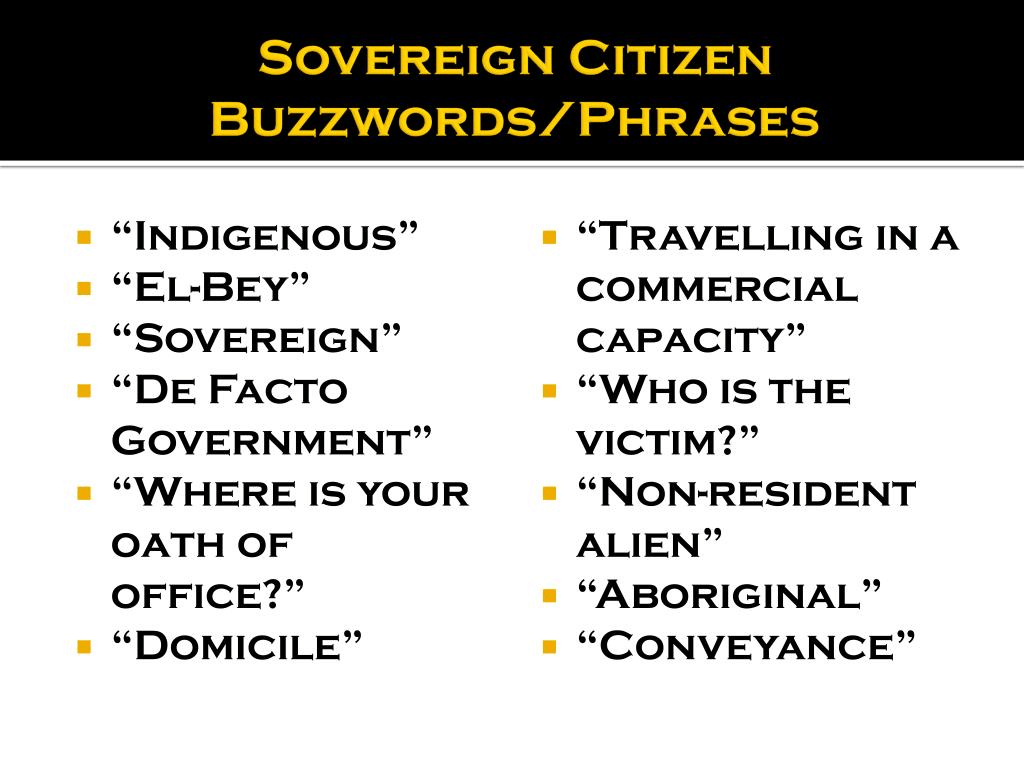

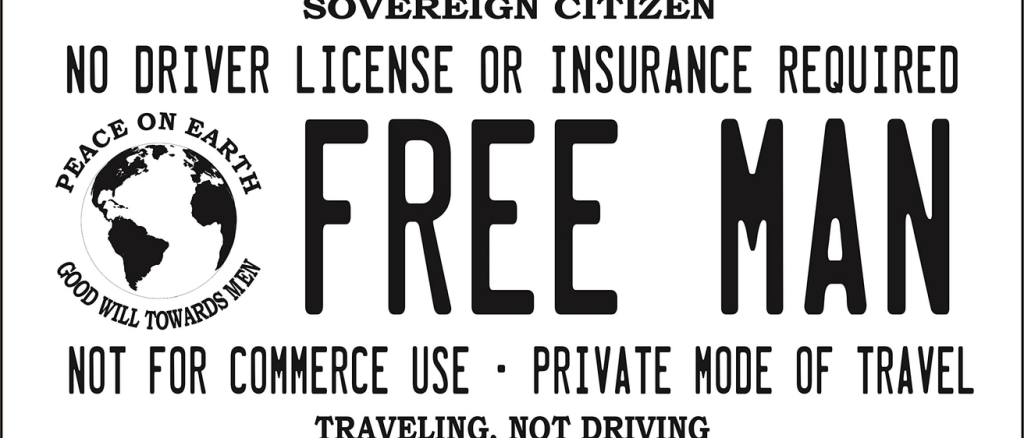

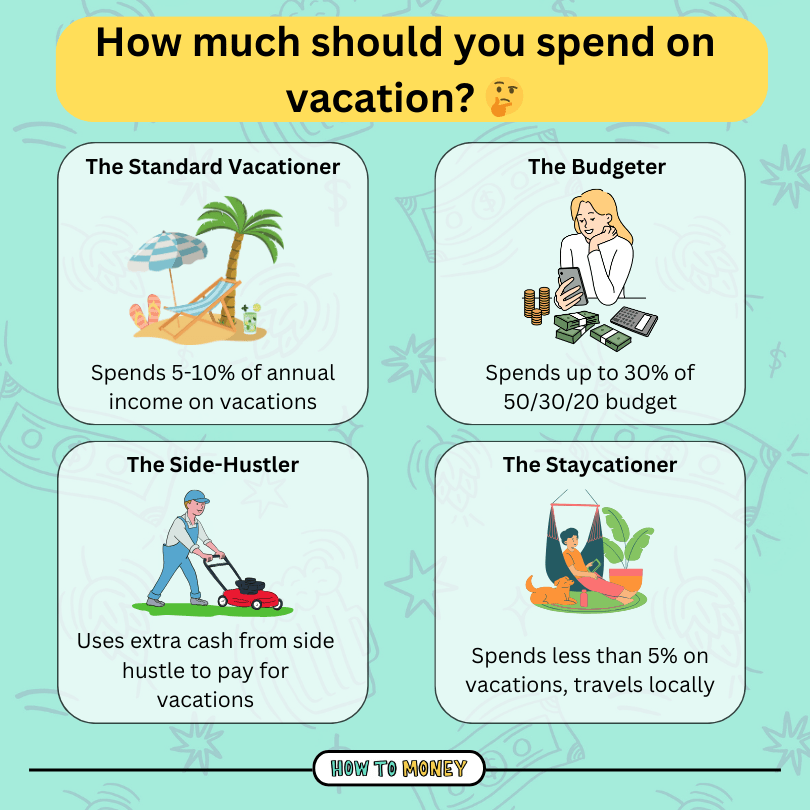

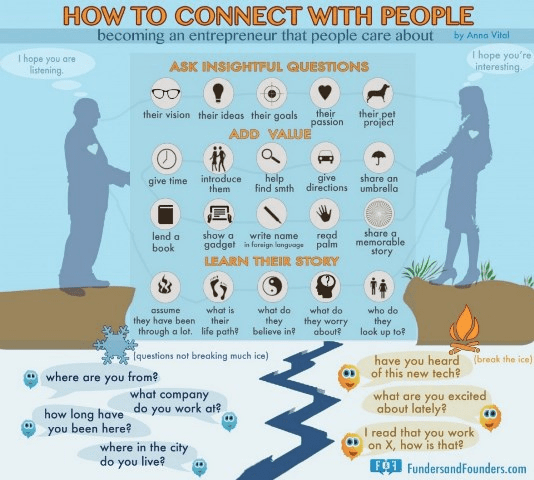

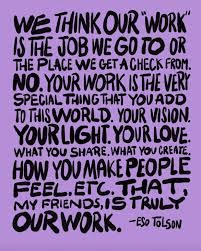

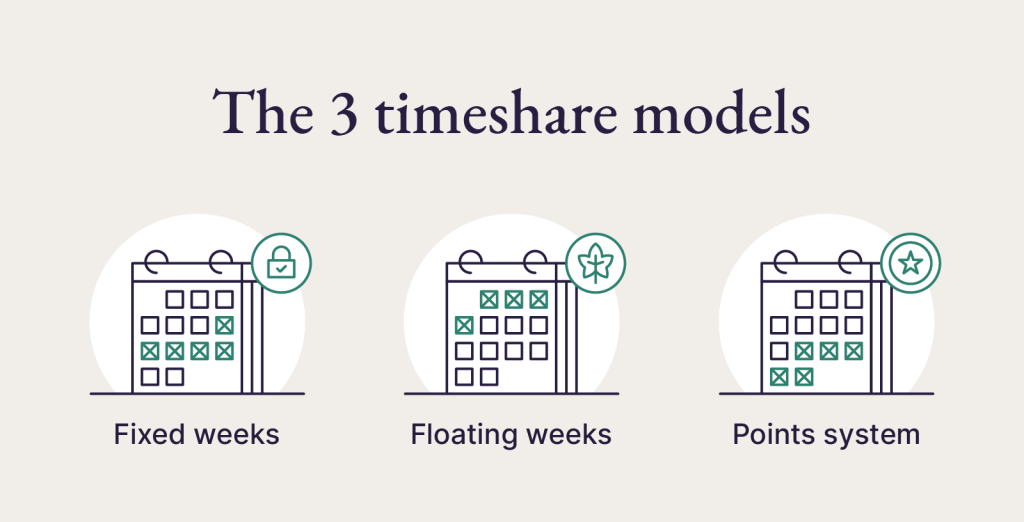

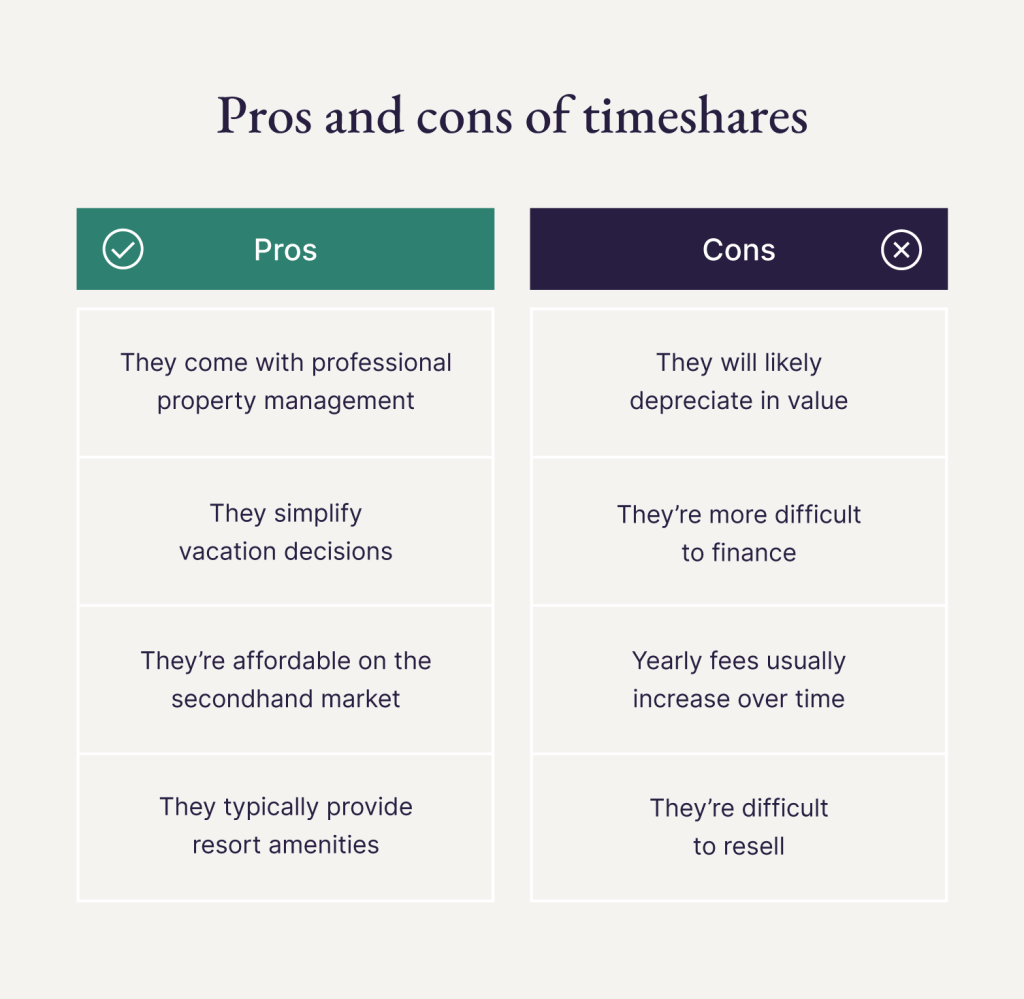

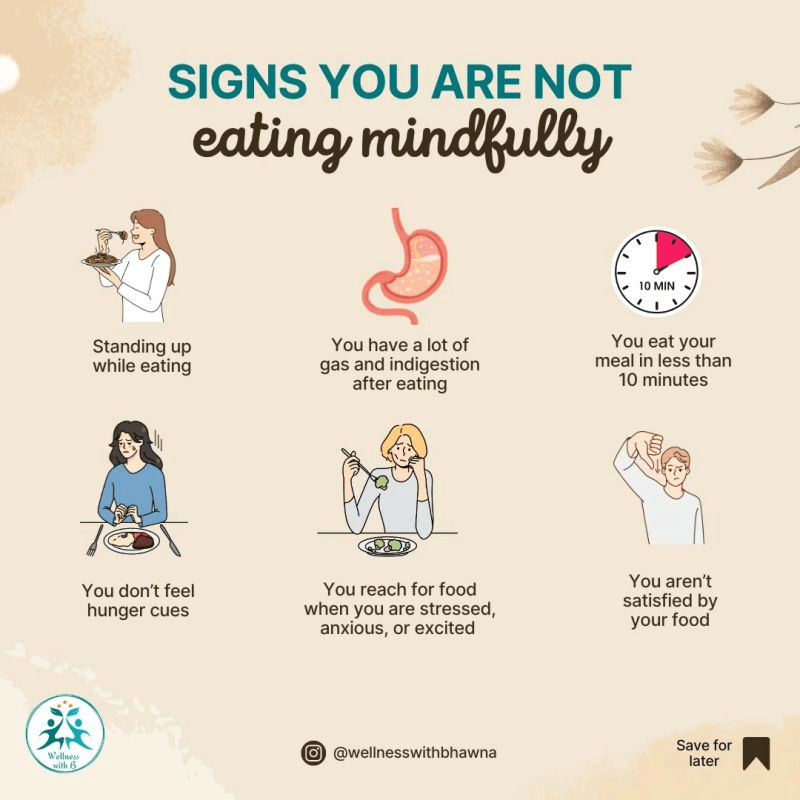
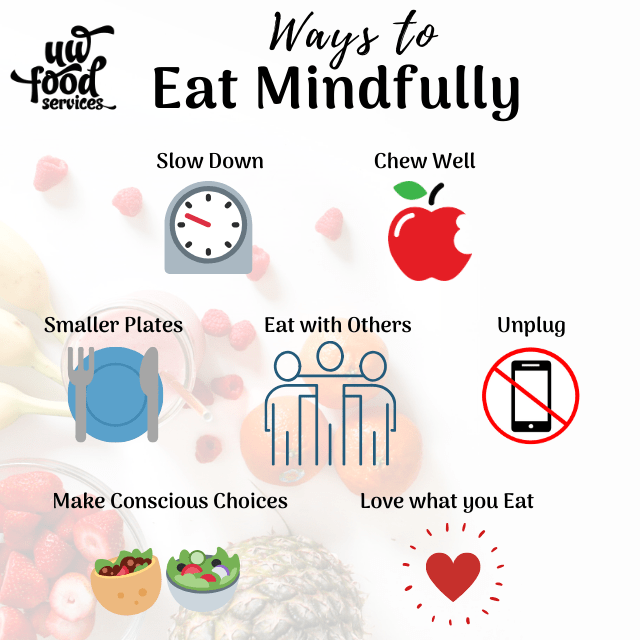
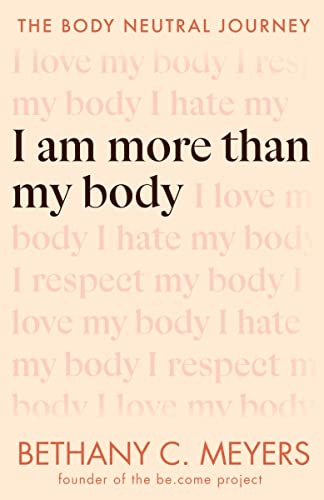

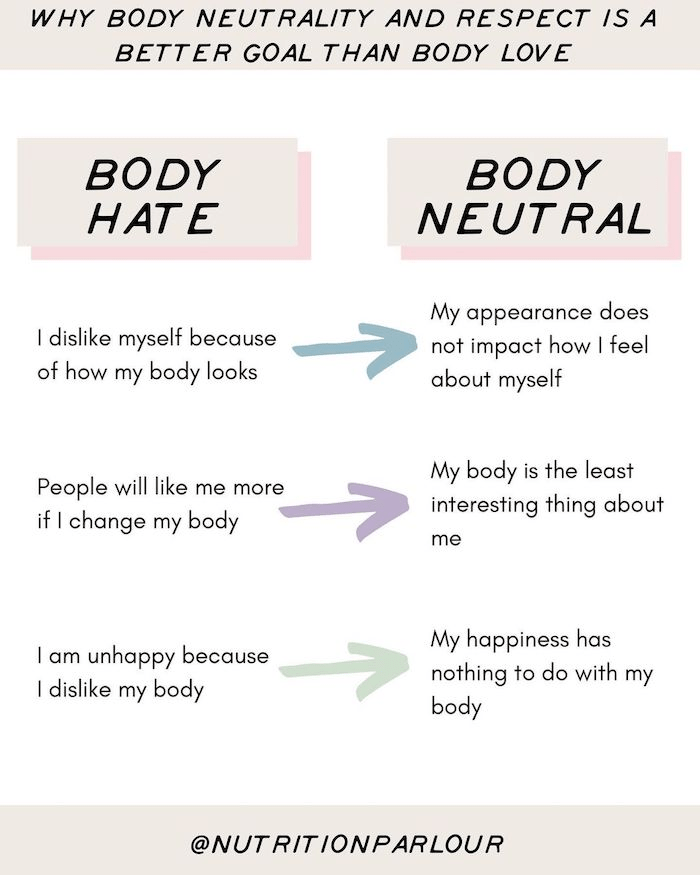

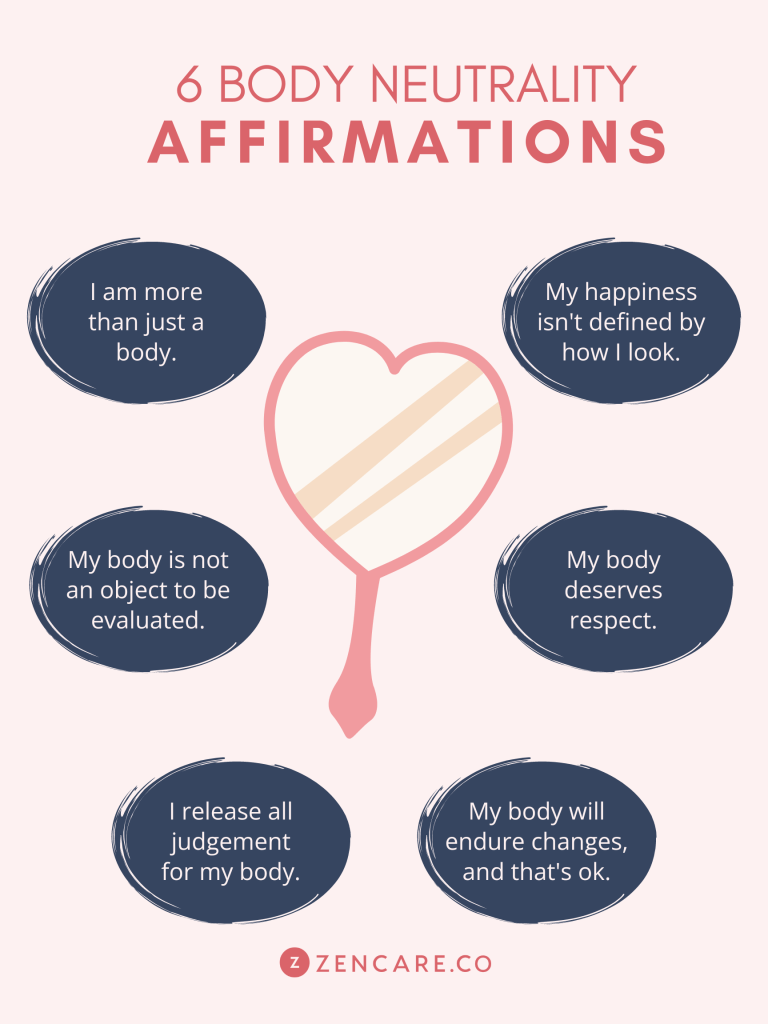
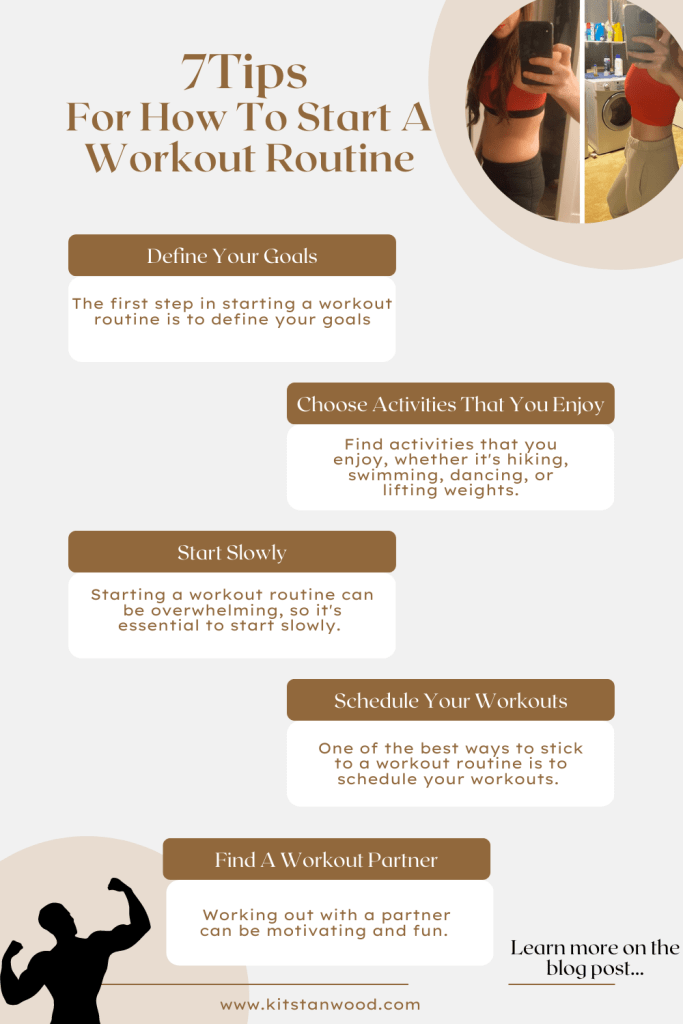


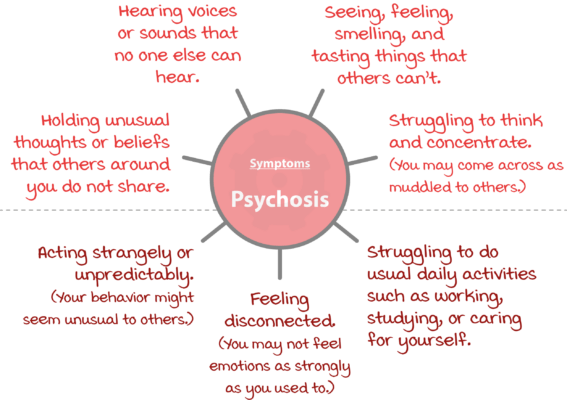
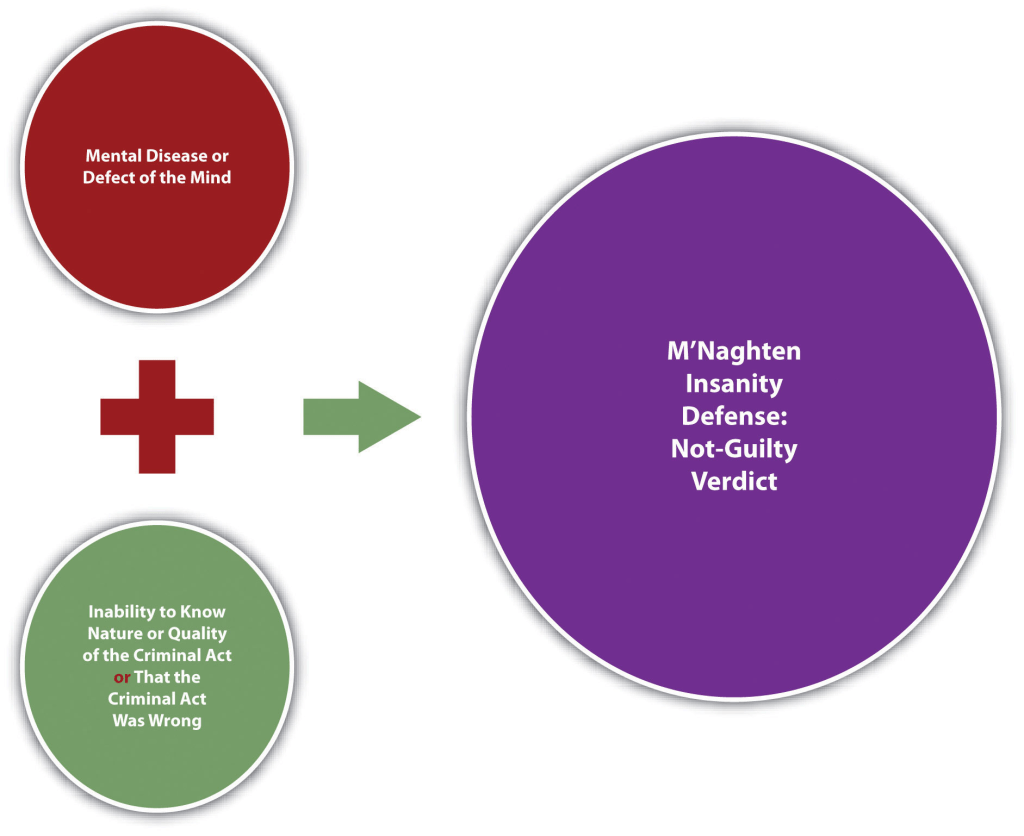
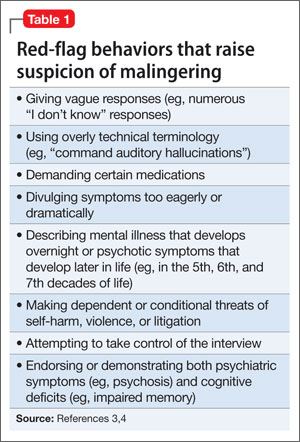
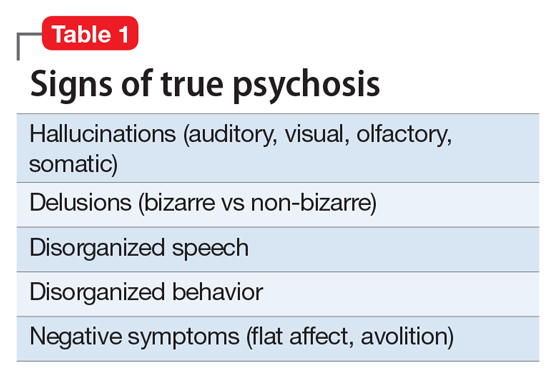
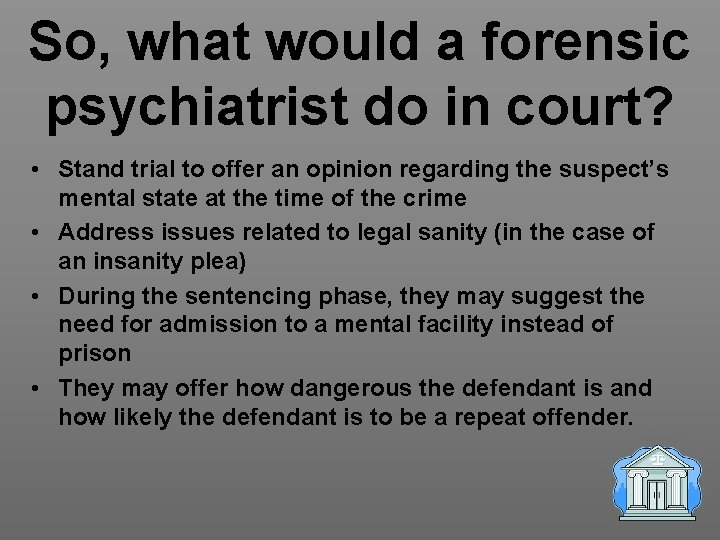
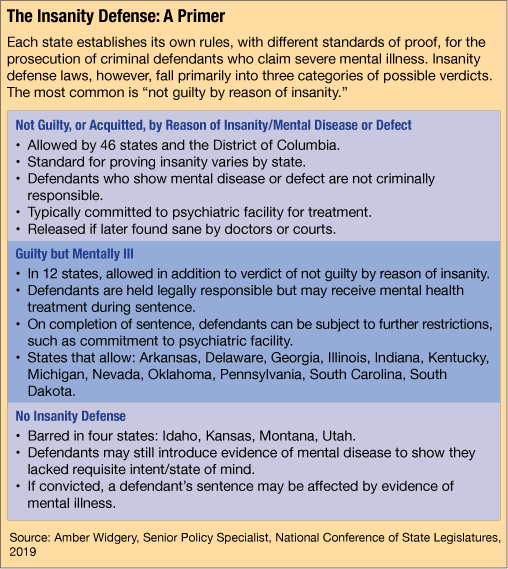
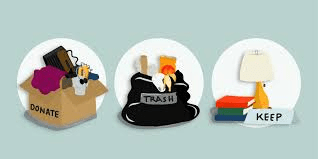

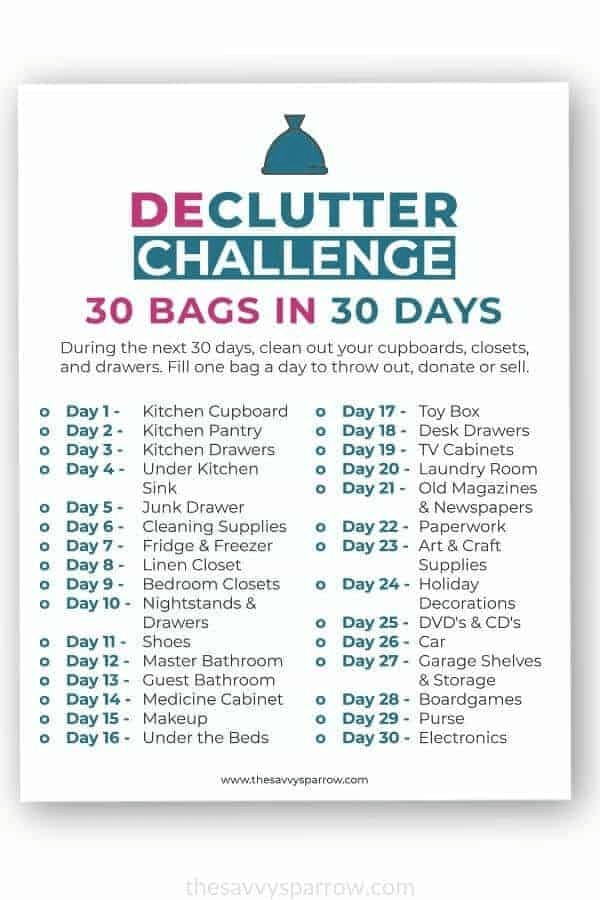
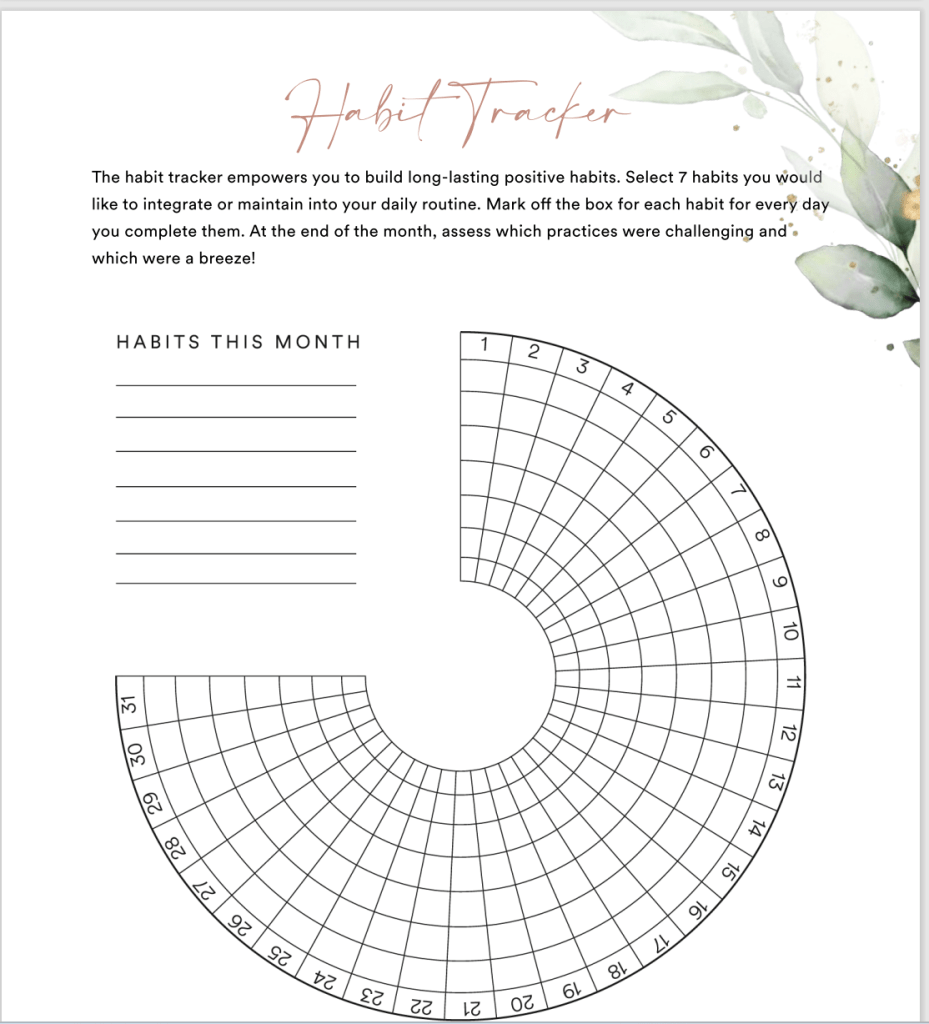

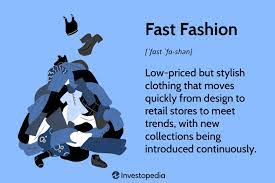

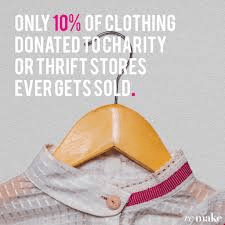
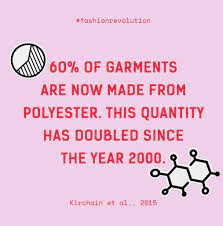


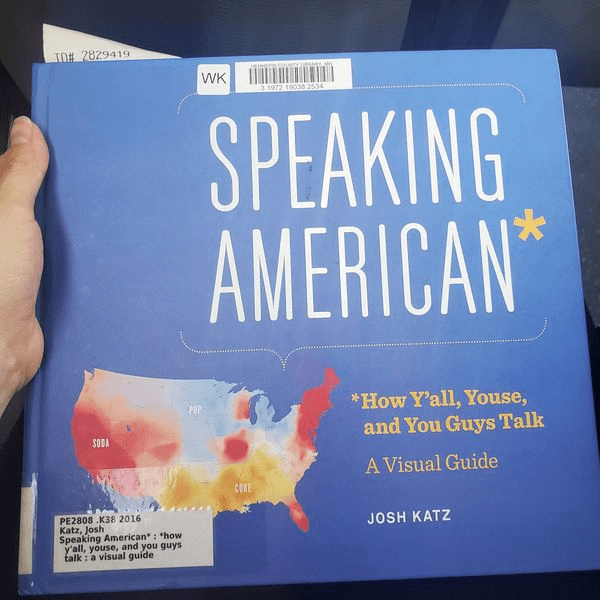
 Examples include tag sales vs. rummage sales vs. garage sales vs. yard sales vs. stoop sales, scratch paper vs. scrap paper, soda vs. pop vs. coke, take-out vs. carry-out, and how people pronounce aunt, syrup, caramel, crayons, quarter, coupon, grocery store, and many other words.


 Here are some of my favorites.


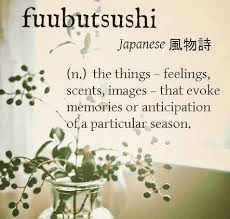
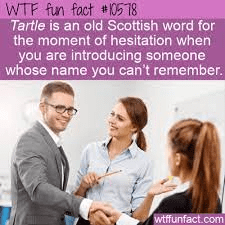
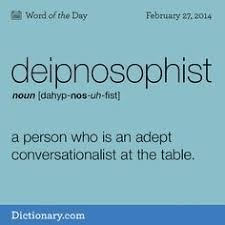

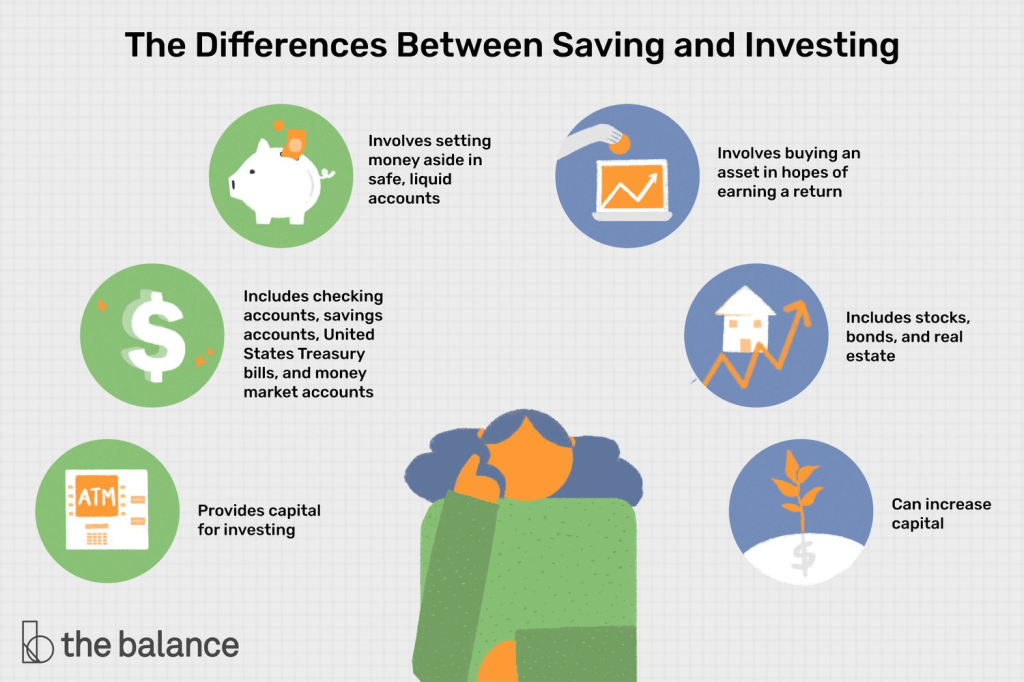
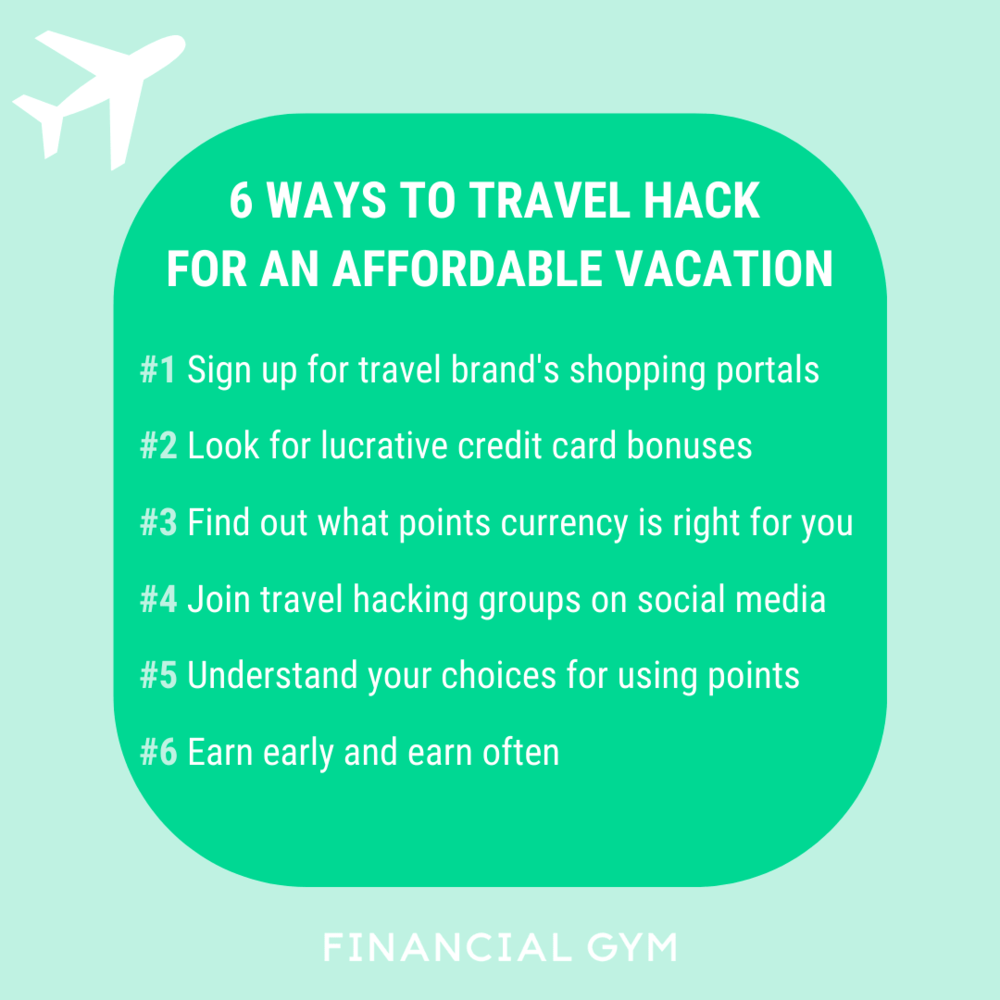
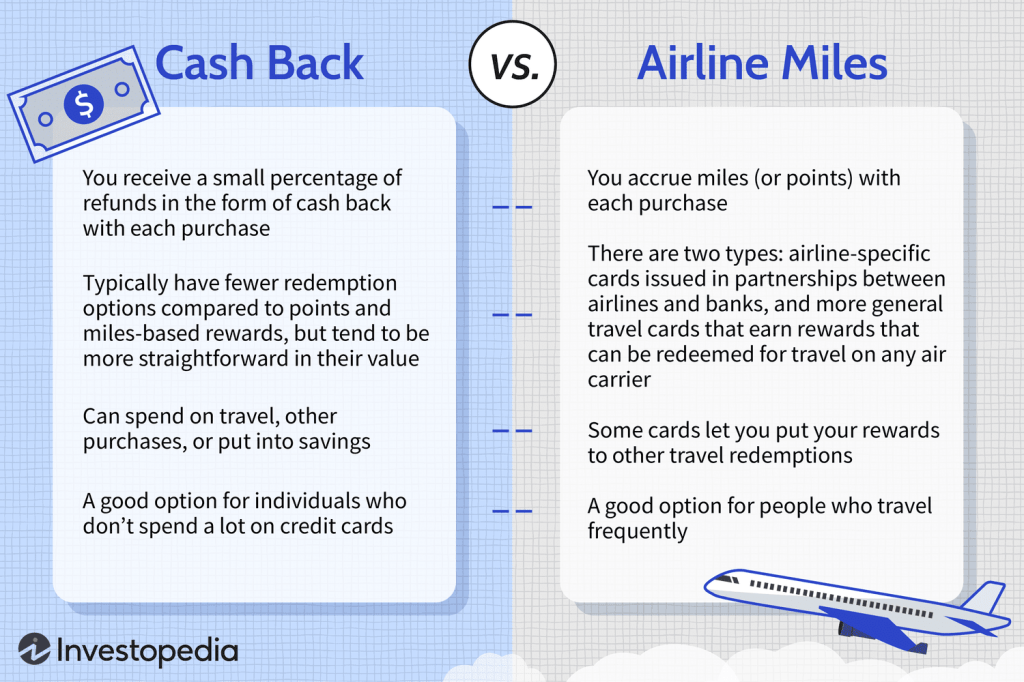
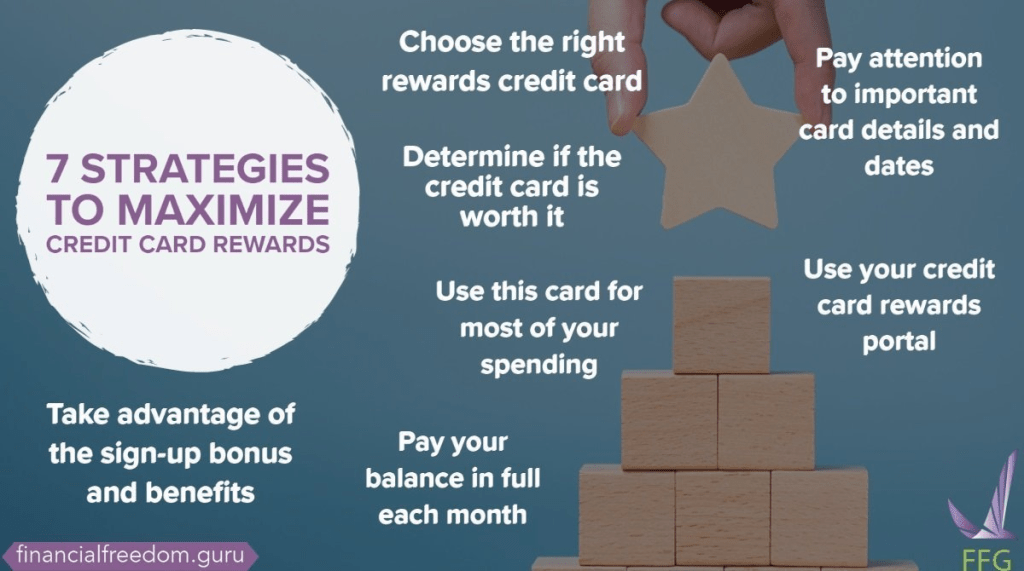

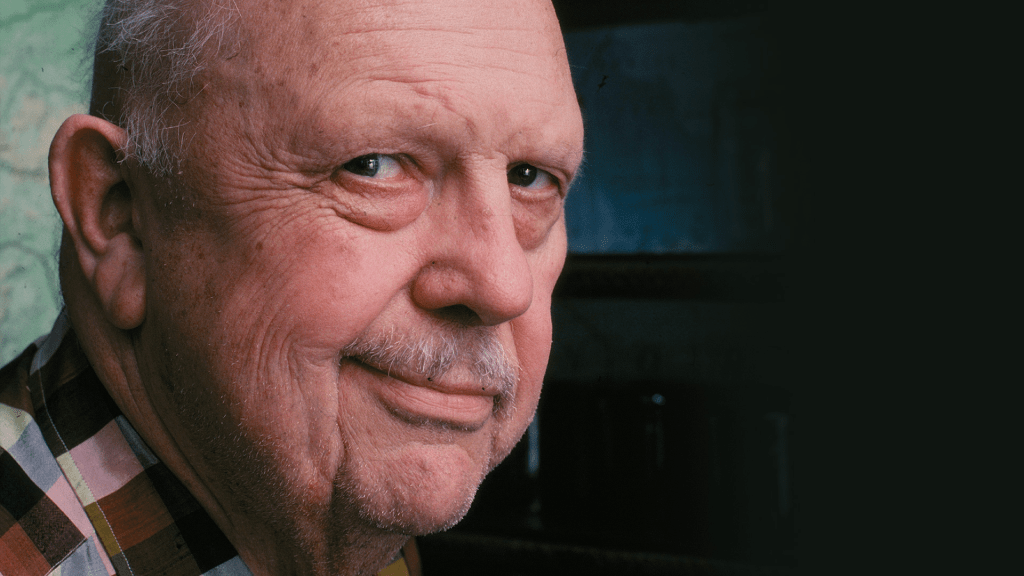

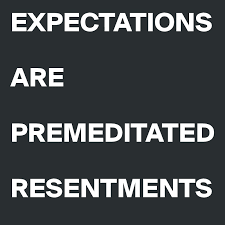
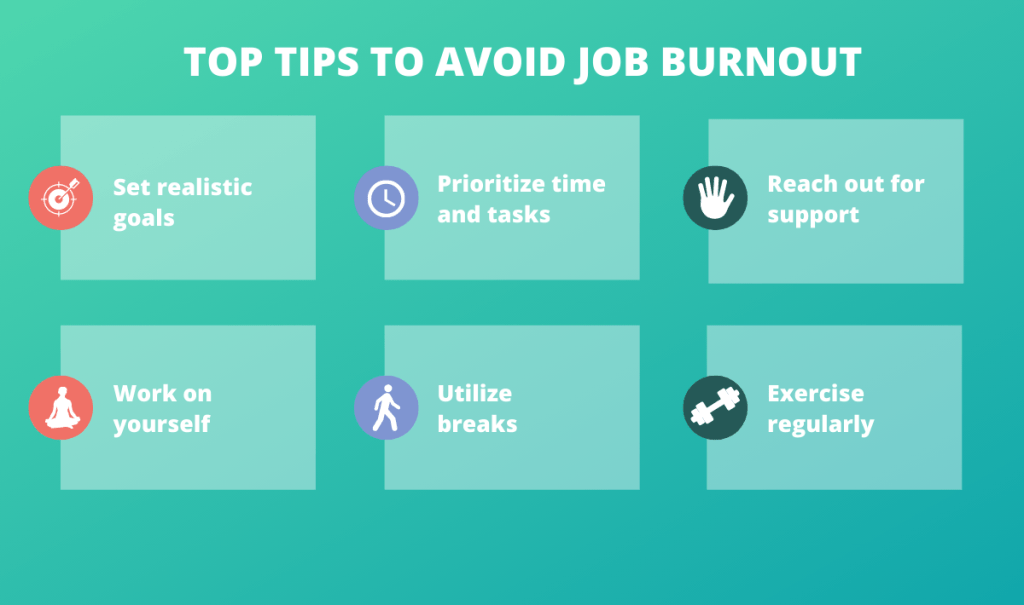
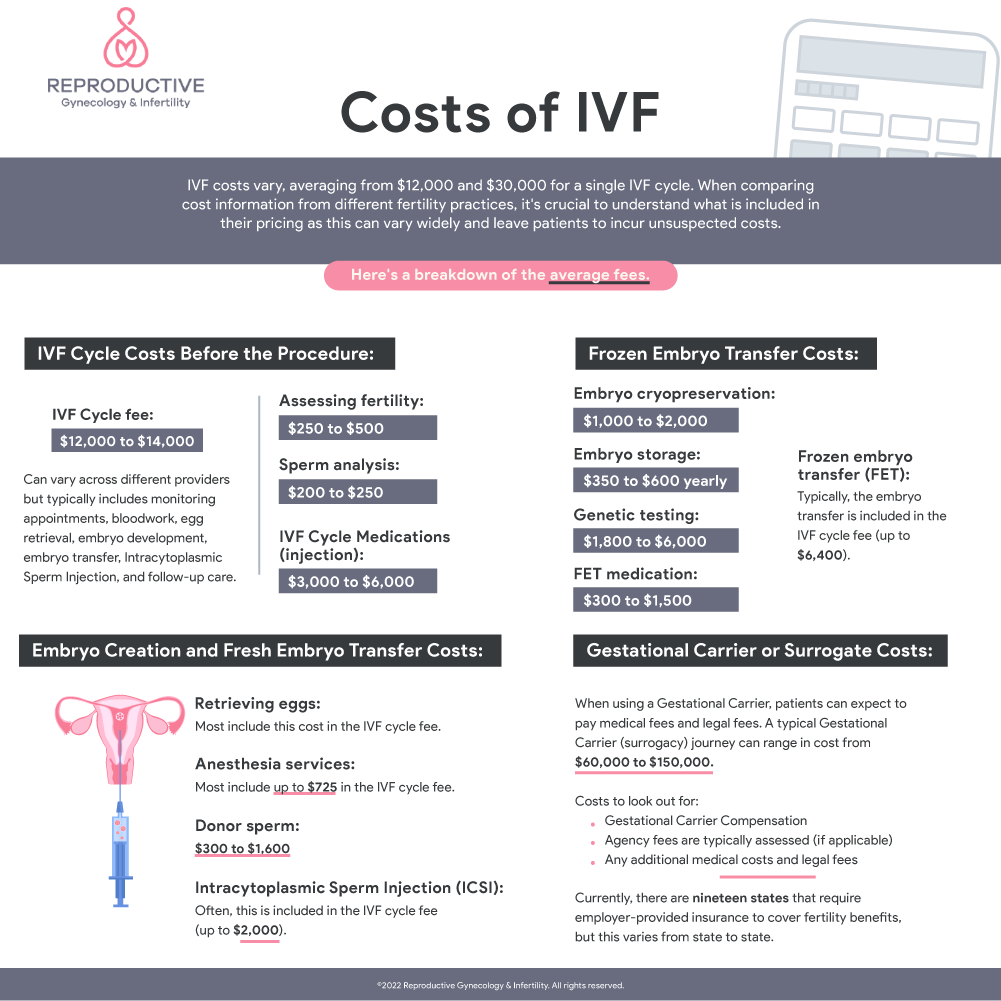
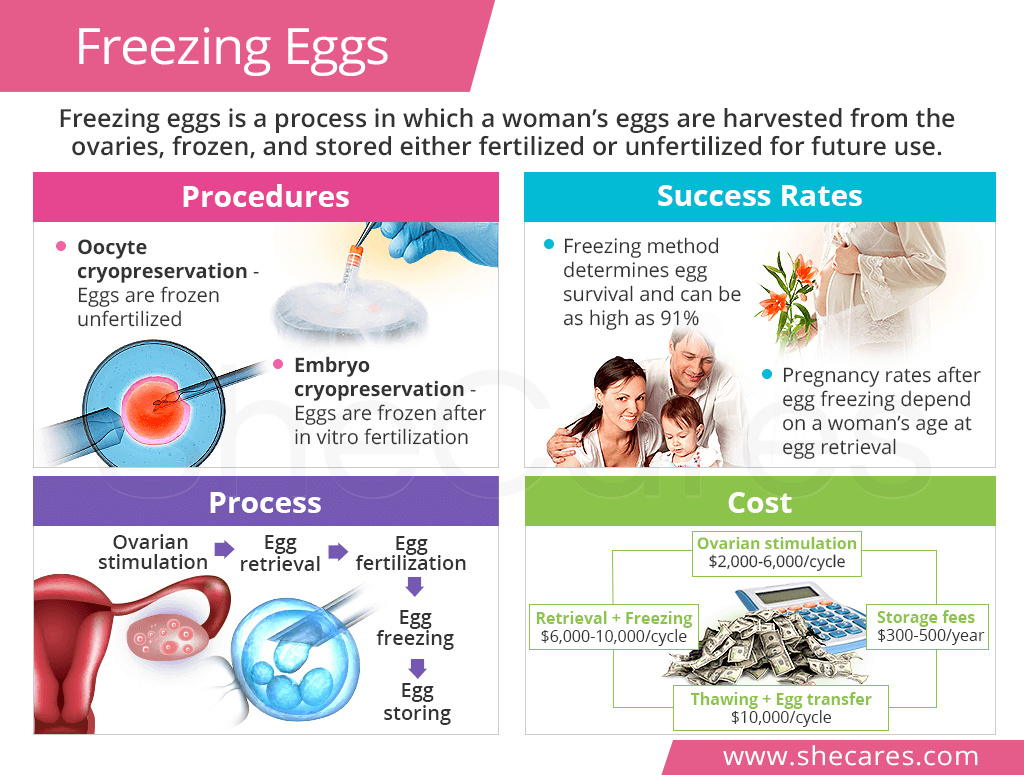
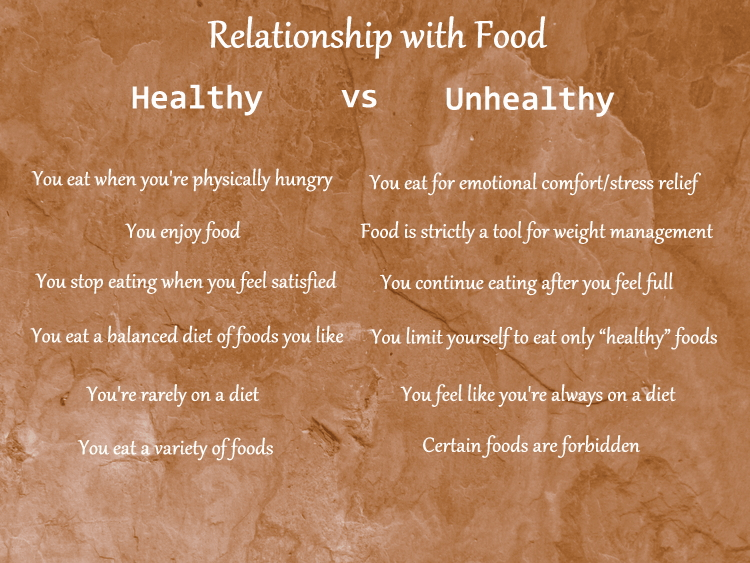

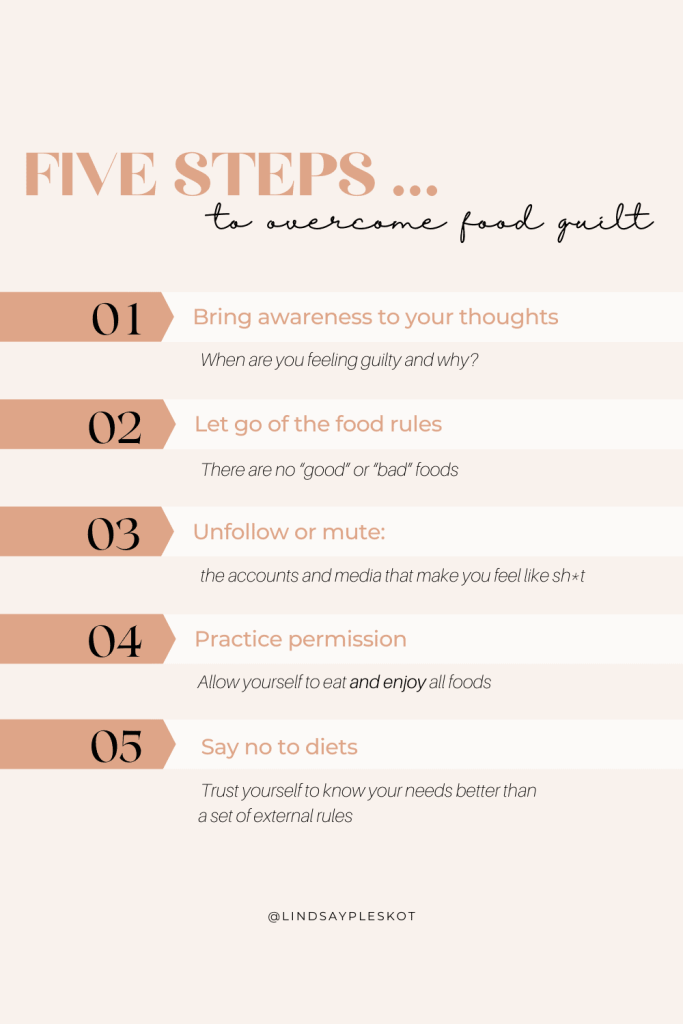

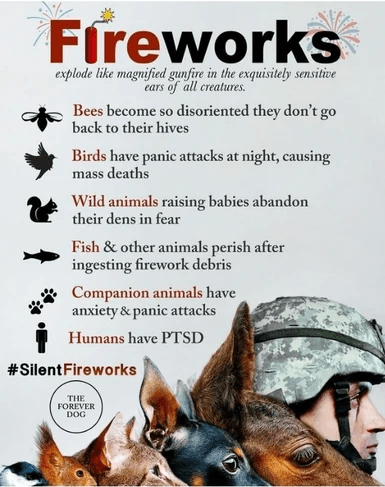
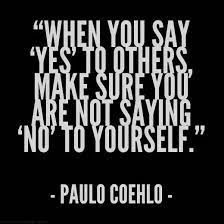

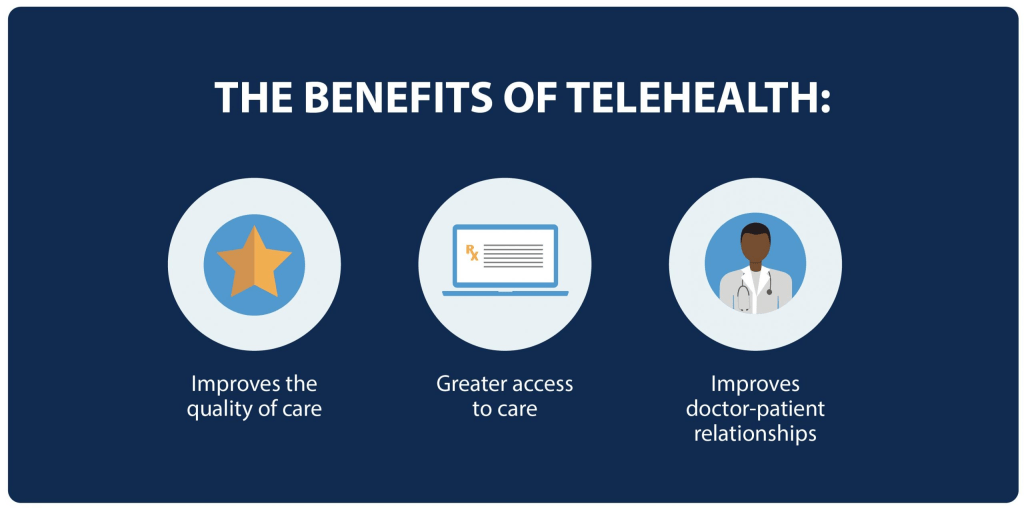
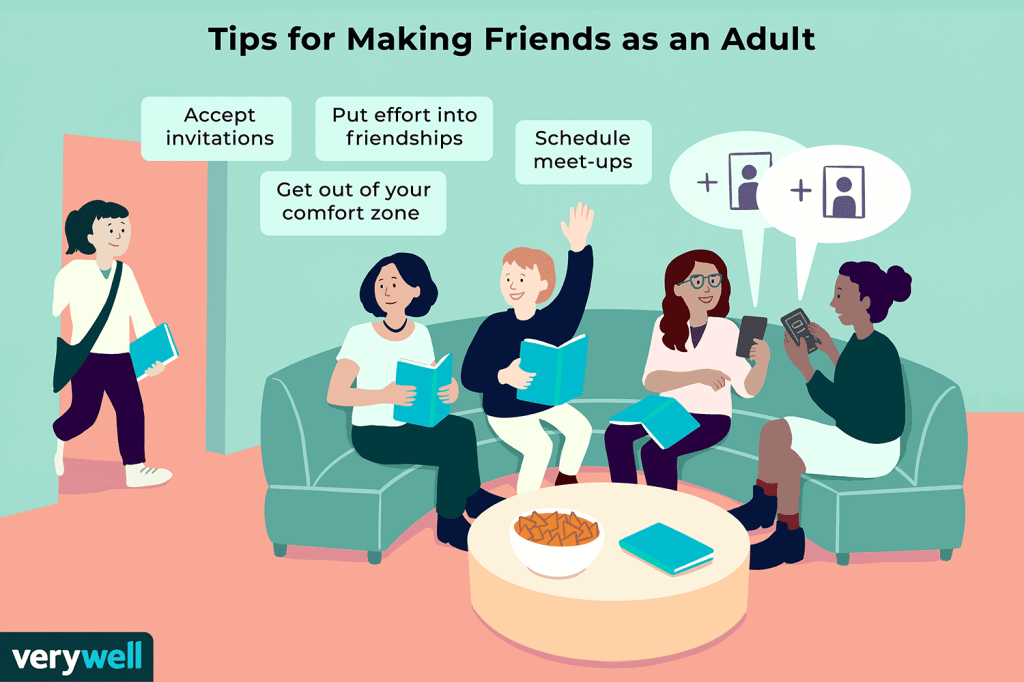
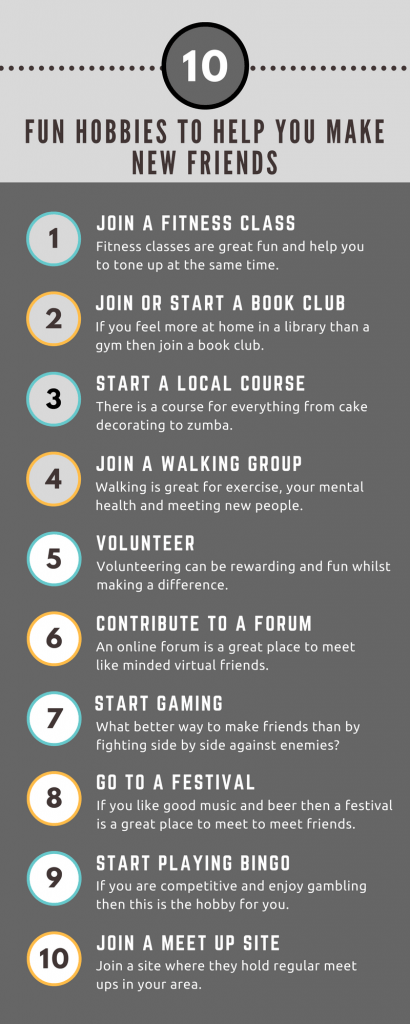


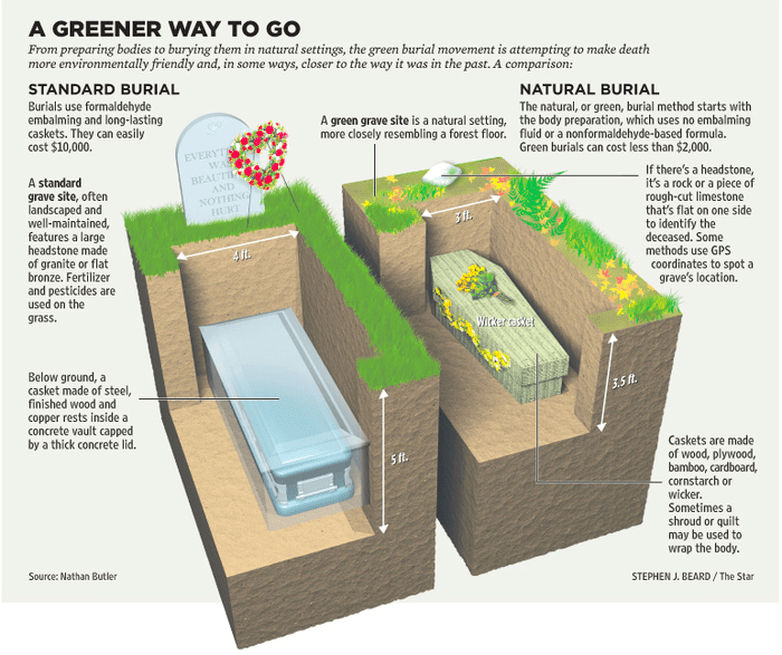
 Read Learn Share