
My intention is to post a Thoughtful Thursday column each week and share some of the insights I have learned in the past week. Here are some of the things I’ve learned this week:
- Try acting like a lawyer for one week by tracking your time and billing it to different projects. The experience will give you some ideas of how to best spend your waking hours.
- You will see how many hours you actually work if you have a salary job.
- You can even track your workday and track how many hours you spend in meetings, responding to e-mails, etc.
- Time tracking is data that can show you the truth of where your time is going so that you can make more rational choices about how you want to spend your time.
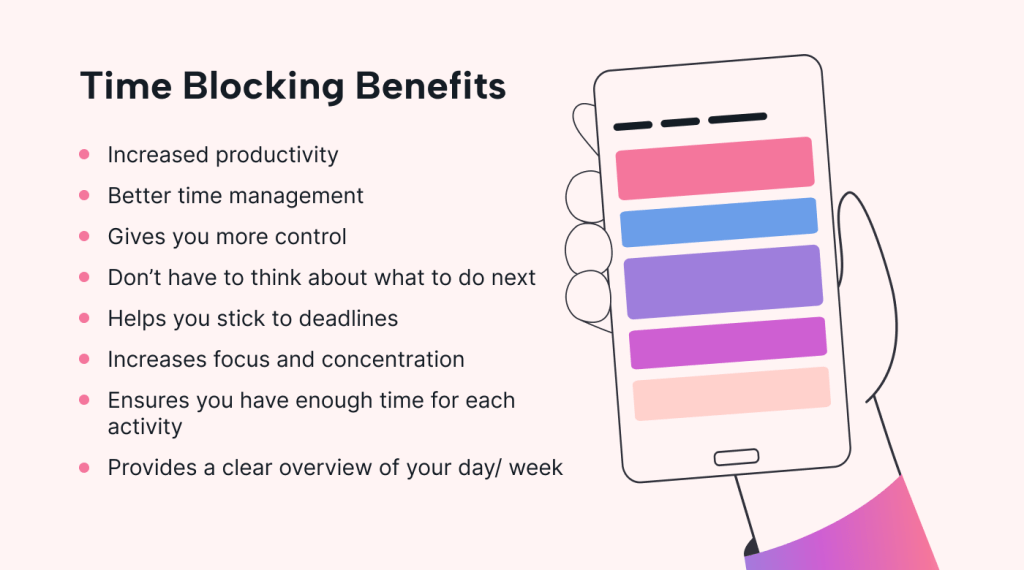
I selected a 2024 planner that allows me to timeblock, and it has been interesting! Almost all of my time, aside from work, sleep, eating, and working out, has been spent on classes and schoolwork.
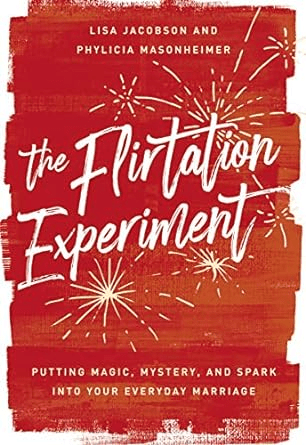
- Continually communicate with your partner about what the high and low of your day was. Continuously find joy and humor.
- Watch a funny video short together and laugh.
- This podcast recommended this book. I haven’t read it yet.
- Belonging – we need to feel a sense of connectedness to others and feel we are part of a group or community.
- Feeling part of a group creates inner harmony and balance, better mental and physical health, and fewer negative emotions.
- We need to be able to share our thoughts and heart without worrying we will be judged.

- Legacy – feeling connected to something bigger – finding people dedicated to creating change, inspiring people, and helping others – celebrating growth, exchanging ideas, and creating new friends
- Jay Shetty had a dinner party with several people he didn’t know well and asked them a few questions: What has been your biggest personal or professional win of 2023? What has been your biggest challenge, personally or professionally, in 2023? How can the people at this table help you/what support can they offer you?
- Each person personally shared their flaws, roadblocks, and challenges and there was so much trust in the room. Who in your life would you want to spent more time with because you want to share their same legacy? Are these people inspiring you by the way they live? Have they dedicated their life and work to helping people physically, mentally, emotionally, or spiritually?
- Independence – relationship with ourselves – autonomy and personal usefulness
- Sense of feeling you have value – Reflect on what you are doing and who you are becoming. Who you want to become is the most important question you will ever answer. Take action to become that person. Who do you want to become? Who are you becoming? What is that independent autonomous path that you are building and trying to take because you know that that will lead to your higher self? What is the independent desire for who you want to become?
- We only become things that we don’t want because we aren’t sharing the deepest parts of ourselves. If you don’t share who you are, people will expect you to be who they want you to be.
- Safety – people who bring security and stability into our lives – people we feel the deepest and safest with
- People who feel trusted become more trustworthy as a result of increased oxytocin levels in their brains.
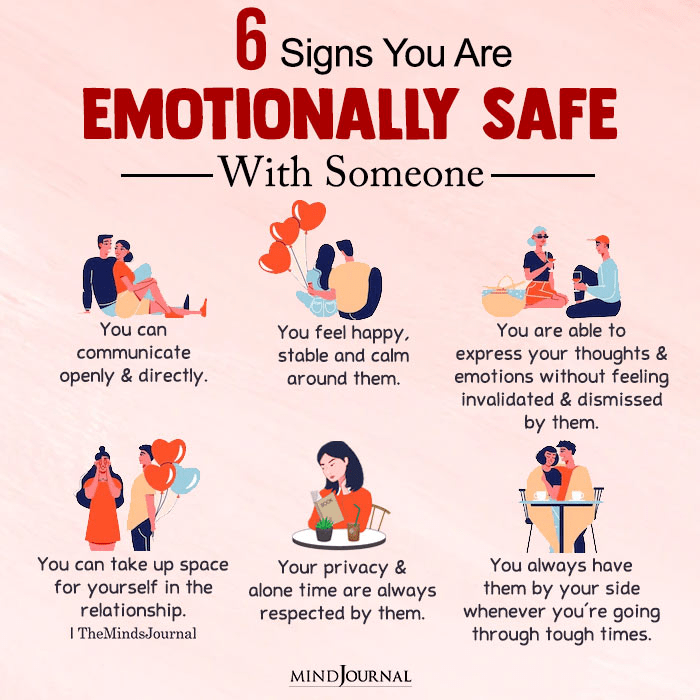
- Service – relationships based on surrender and service
- Who are we serving? Who are we taking care of? Jay Shetty recommends you spend 20% of your time with people who are guiding you, 60% of your time with people who are peers with you who you feel uplifted by/people you uplift, and 20% of your time with people you are serving and giving to – be a teacher and student at the same time to create humility and proactivity.
One of the most difficult parts of self-improvement is sustaining the positive changes you’ve introduced into your life. It’s easier to get motivated to start than it is to stay consistent and maintain your desired habits and routines.
Here are a few things to have in place that will support you in actually keeping the good habits you’ve worked hard for:
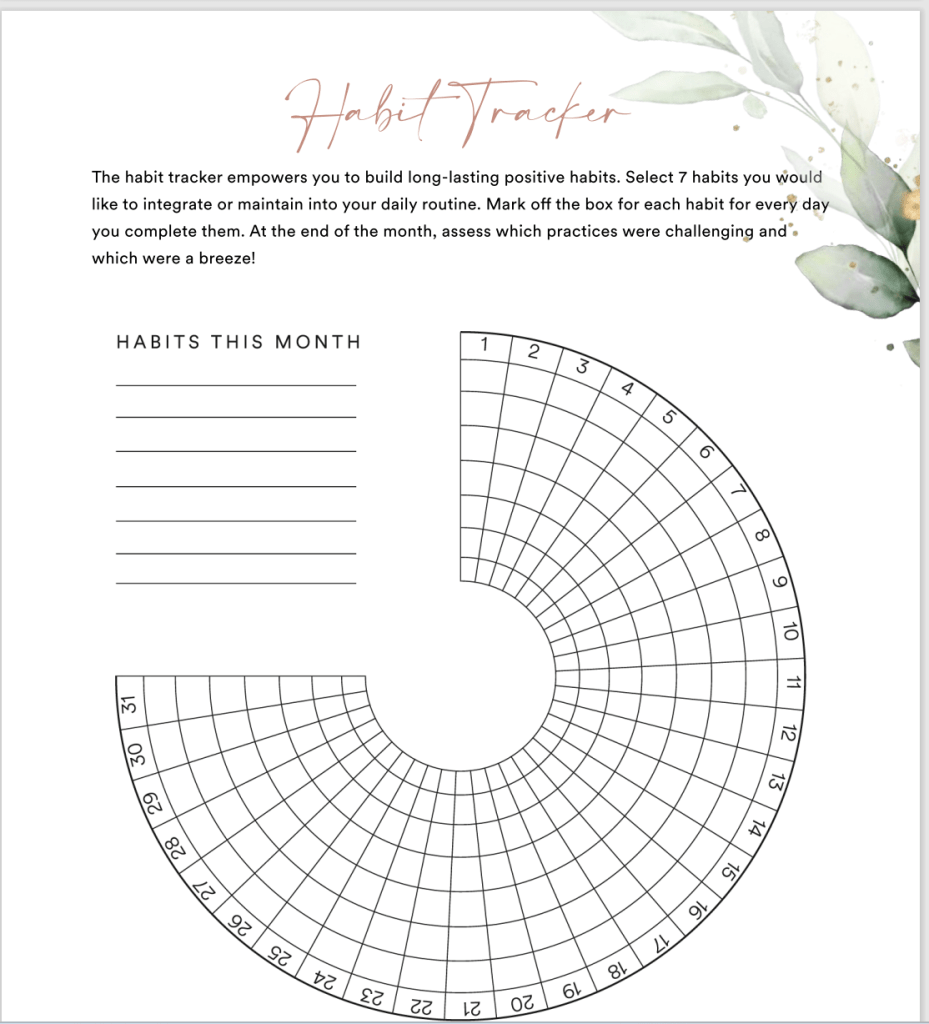
Have awareness of the slip – have pieces in place that make you aware of if you’re meeting certain expectations in your life. I highly recommend using a habit tracker for a visual record of your consistency.
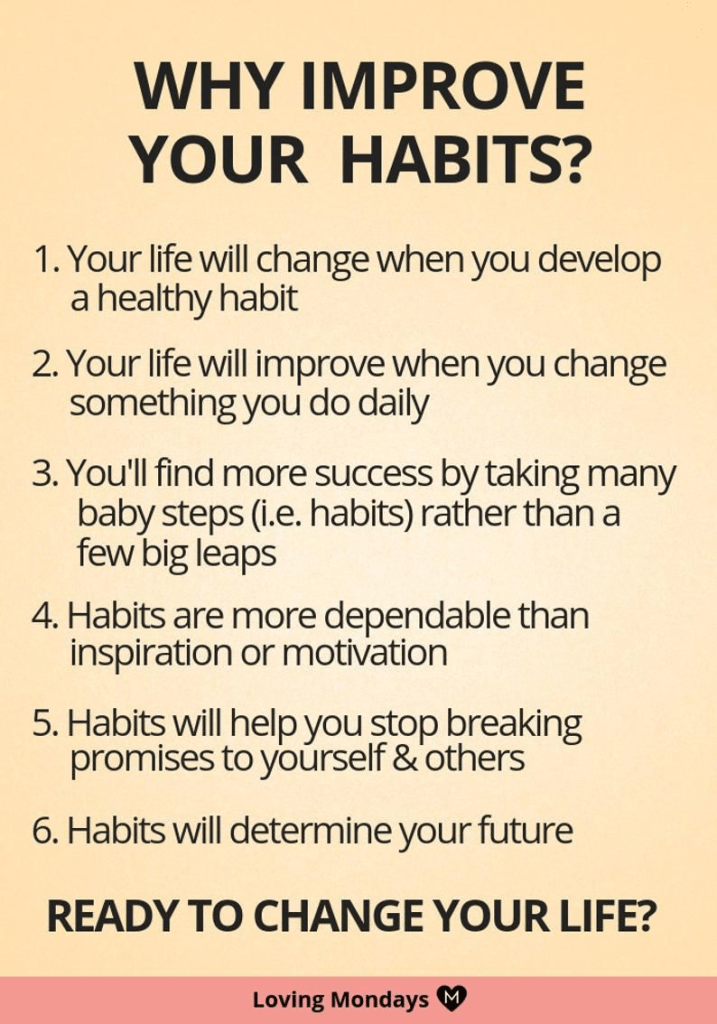
Clarity – If you’re not crystal clear on what your standards are, then it’s impossible to know if things are slipping. For example, if you say you want to work out more, set a specific standard to provide clarity and measure your consistency, such as “I want to work out for 30 or more minutes five times each week.” Use a habit tracker to make it easy to notice when you’re starting to slip. The clarity gives meaning to the awareness.
System for reviewing your performance – have the resources in place to hold yourself accountable to reaching a higher standard. If you’re not intentional about paying attention to the things that are focuses for you, they’re naturally going to gravitate toward their comfort zone. Again, I recommend using a habit tracker.
You can find several free habit trackers here: https://www.saturdaygift.com/habit-tracker-printable/
- Fentanyl reportedly kills more adults under the age of 45 than guns, COVID-19, or cancer.
- The Belgian doctor who invented fentanyl invented over 100 medicines. He was trying to find something that was better than morphine for hospital procedures, such as open-heart surgery. Fentanyl comes on faster and goes away faster, doesn’t cause nausea, and is basically the best hospital drug.
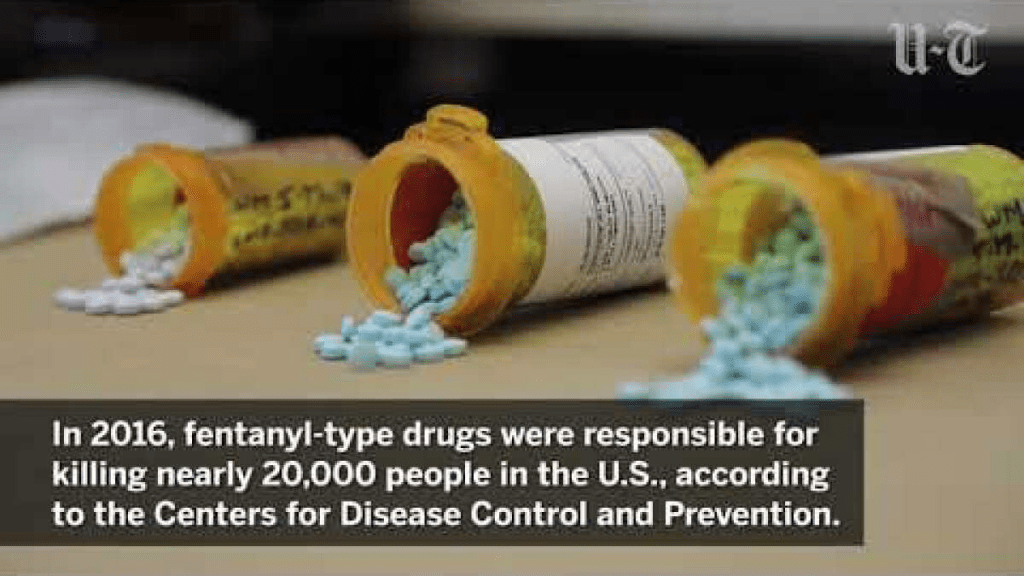
- The DEA estimated that only 700 people died of fentanyl overdose in 2014. According to NIH, in 2016, almost 20,000 people died from synthetic opioid overdoses, most of that fentanyl.
- Fentanyl is much cheaper than heroin because it’s synthetic and made in a lab. It’s also more potent, making it incredibly profitable. It is incredibly addictive.
- Much of the supply was being produced in China, where it was quasi-legal. The Chinese government was slow to ban analogs of the drug, so manufacturers used slight tweaks to the recipe that added a molecule here or there but left the basic chemical structure intact.
- When pain prescriptions run out, some people seek out illicit heroin on the street. There isn’t enough heroin to feed the demand, so fentanyl steps in to fill the void.
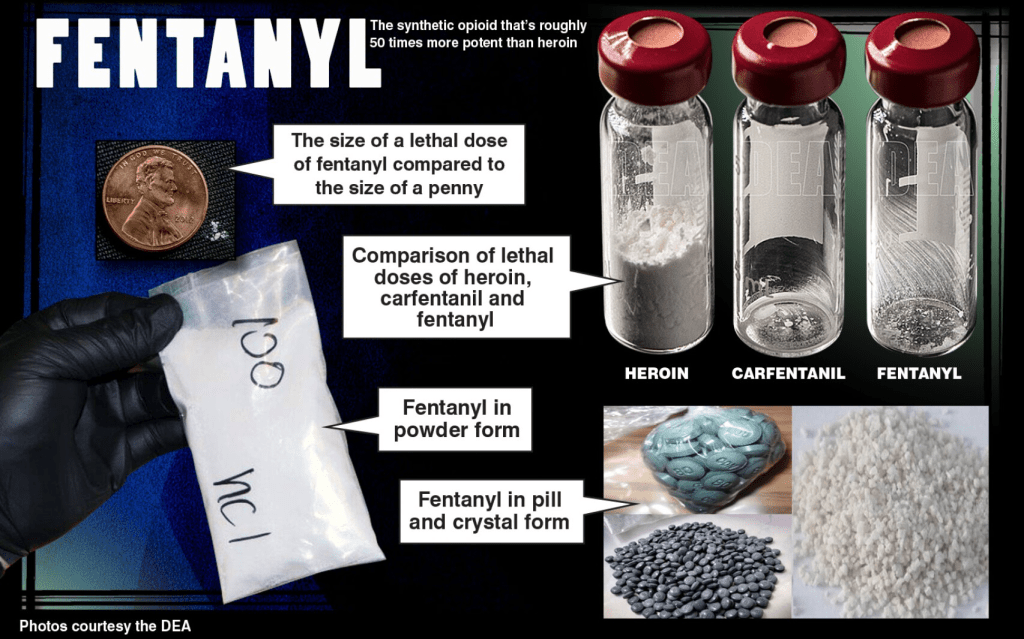
- Mexican dealers ship fentanyl to places like San Diego, El Paso, etc. It is distributed by regional gangs.
- Fentanyl is cheaper, but it doesn’t last very long. The fentanyl high is reported to only last up to a few hours (sometimes only 15 minutes), leaving people scrambling to find more.
- Fentanyl offers a shorter high, a greater addiction potential, and a higher risk of overdose than heroin.
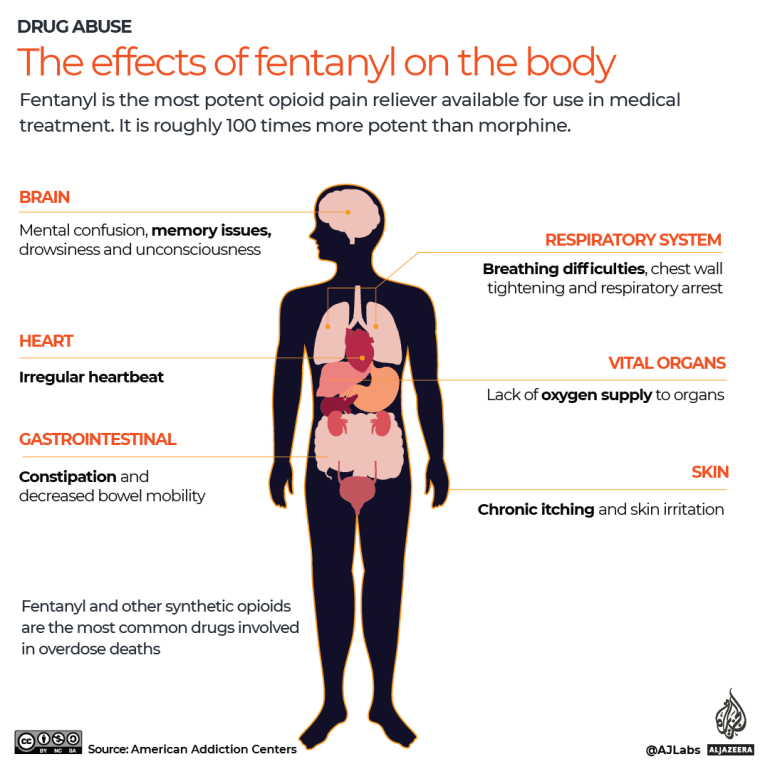
- Some deaths from overdoses can be helpful for fentanyl dealers because people believe they need to try it; some say it’s a form of advertisement for how powerful the drug is and they want to try it.
- Resources: Dansafe.org to buy fentanyl test strips, drugsdata.org to see what is in drug supplies
- Suboxone is a blocker to prevent you from getting the high from heroin. Suboxone doesn’t block the high from fentanyl.
- Do you own too much stuff? Is your calendar overflowing with so much stuff that it causes you stress? Are you stressed out by how much you have to do all the time? This episode is for you.
- More is not always better. Clutter increases stress and increases the risk of mental health problems, financial problems, time management troubles, and social problems.
- Living in a small space makes you think twice about what you really need.
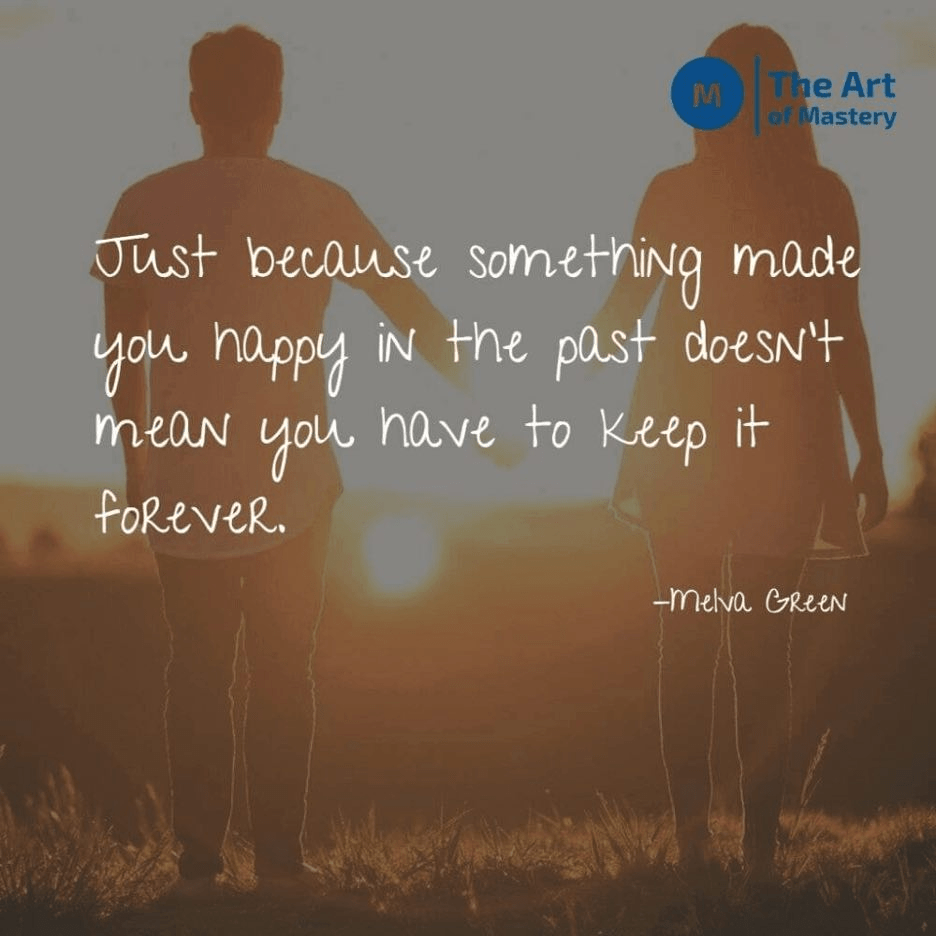
- How much is enough will vary depending on your age and life changes. Just because something added value to your life before doesn’t mean it will continue to produce that same amount of value. You don’t need to hold onto items just because they are sentimental.
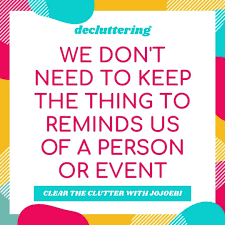
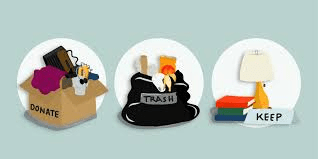
- There are three categories that all of your possessions can fit into: essential, non-essential, or junk.
- Most of the things we’re holding onto that we don’t want to let go of, we’re holding onto “just in case” or for “someday.” The problem is that we hold onto many of these items that take up space in our homes and in our lives. Let go.
- Our memories are not in our things. Our memories are inside us. If we let go of some sentimental things, we aren’t letting go of the memories. You can take photos that trigger the memories, but you don’t need to hold onto things you won’t get value from. Instead, you can give them away and add value to someone else’s life.
- There is more grief involved in holding onto something than in letting that dream die.

- Spontaneous combustion rule: what would happen if that thing spontaneously combusted? Would you replace it or would you feel a sense of relief?
- You can donate items or try to sell them. Some people try to sell anything they can get $20 for and donate after one week if it doesn’t sell.
- Physical clutter, hidden clutter (calendar clutter/business) – “if something is not an emphatic yes, say no.”
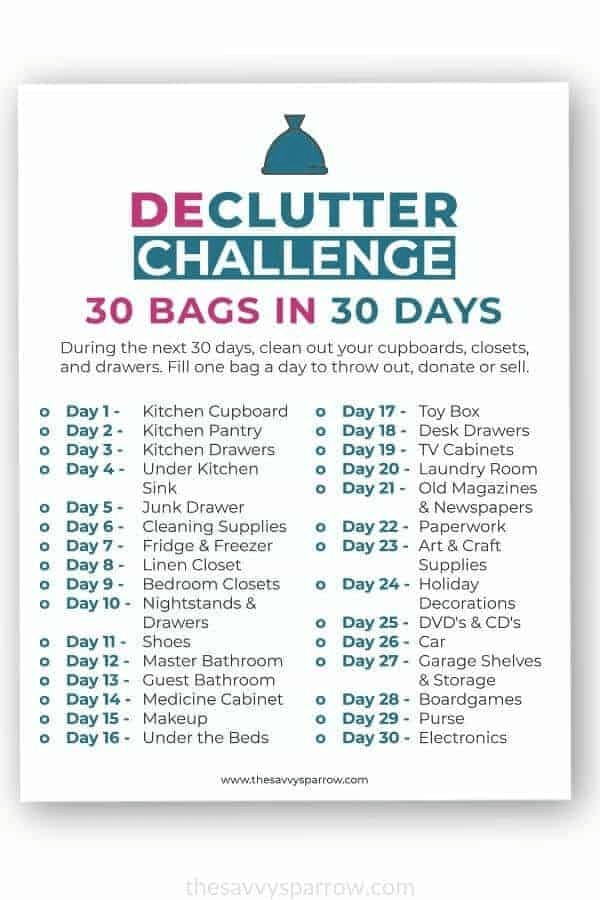
- Resources: 30-day minimalism game (1 item day one, 2 items day 2,… 30 items day 30), theminimalists.com
- Ask yourself what value something brings into your life. Sometimes we hold onto things just because they were given to us as a gift even though they don’t really add value to our lives or because we paid a lot for it. Get rid of things that aren’t improving your life.
- Use the spontaneous combustion rule.
- Create a challenge to start subtracting things from your life.
I look forward to reading, learning, and sharing more with you soon!





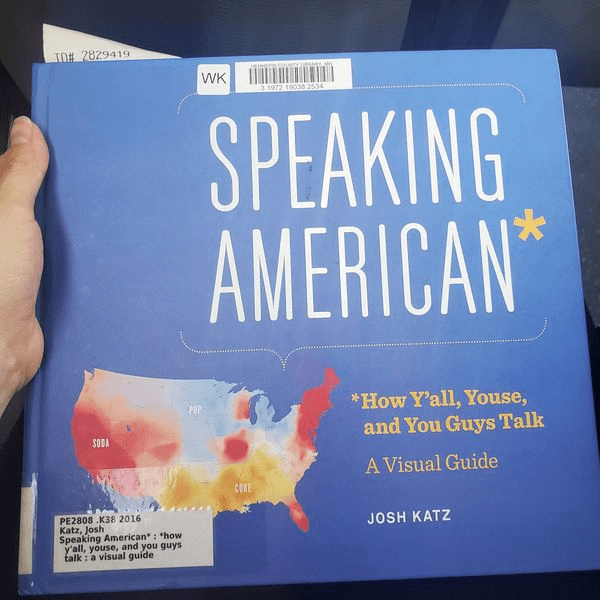
 Examples include tag sales vs. rummage sales vs. garage sales vs. yard sales vs. stoop sales, scratch paper vs. scrap paper, soda vs. pop vs. coke, take-out vs. carry-out, and how people pronounce aunt, syrup, caramel, crayons, quarter, coupon, grocery store, and many other words.


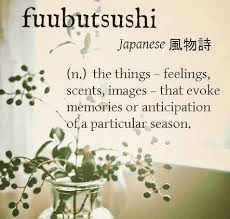
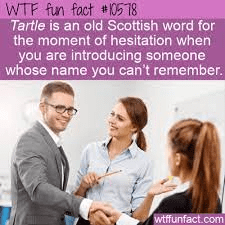
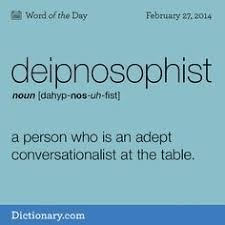
 Here are some of my favorites.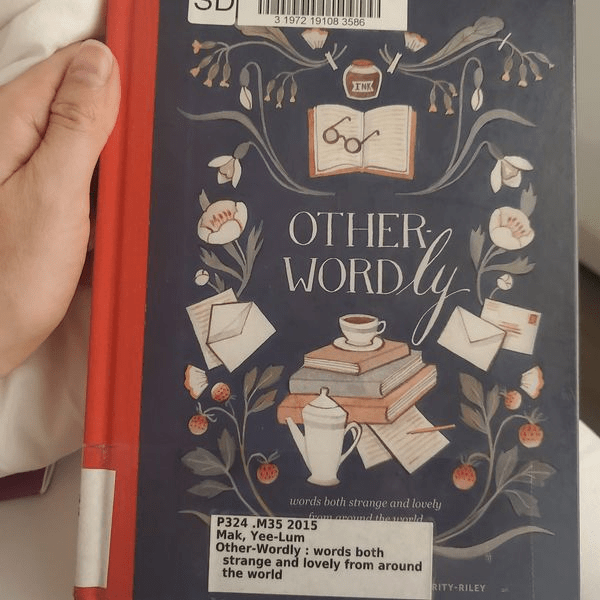


 Read Learn Share