Thoughtful Thursday posts, Uncategorized

Thoughtful Thursday – March 7, 2024

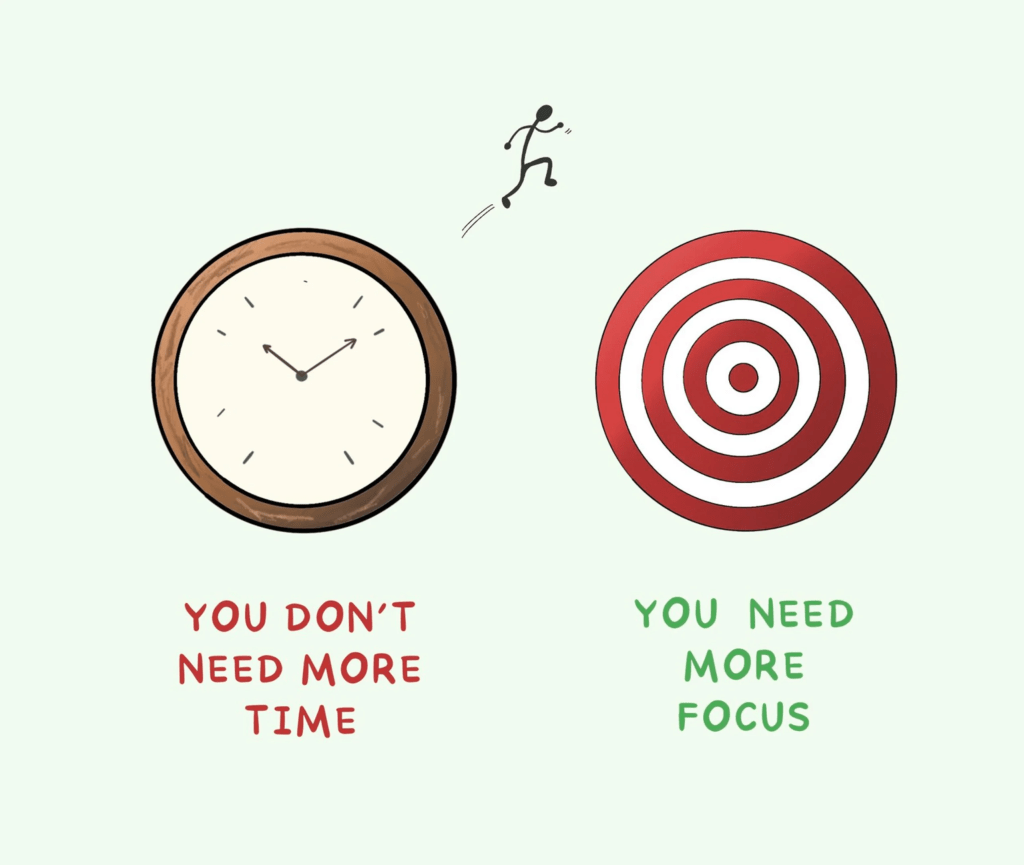
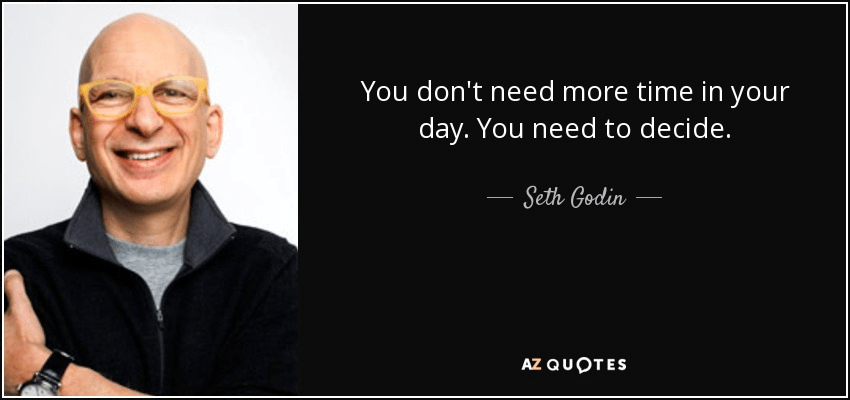
Before Breakfast – You don’t need more time
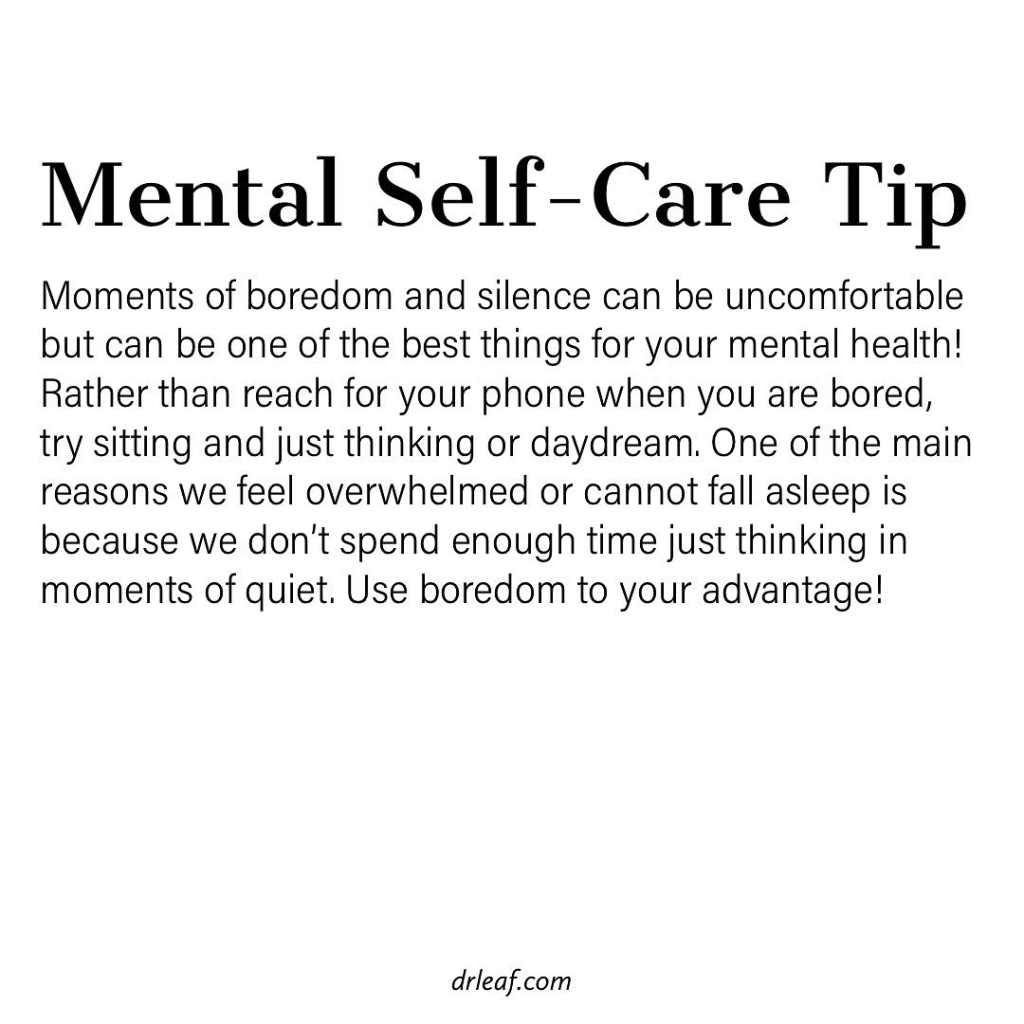
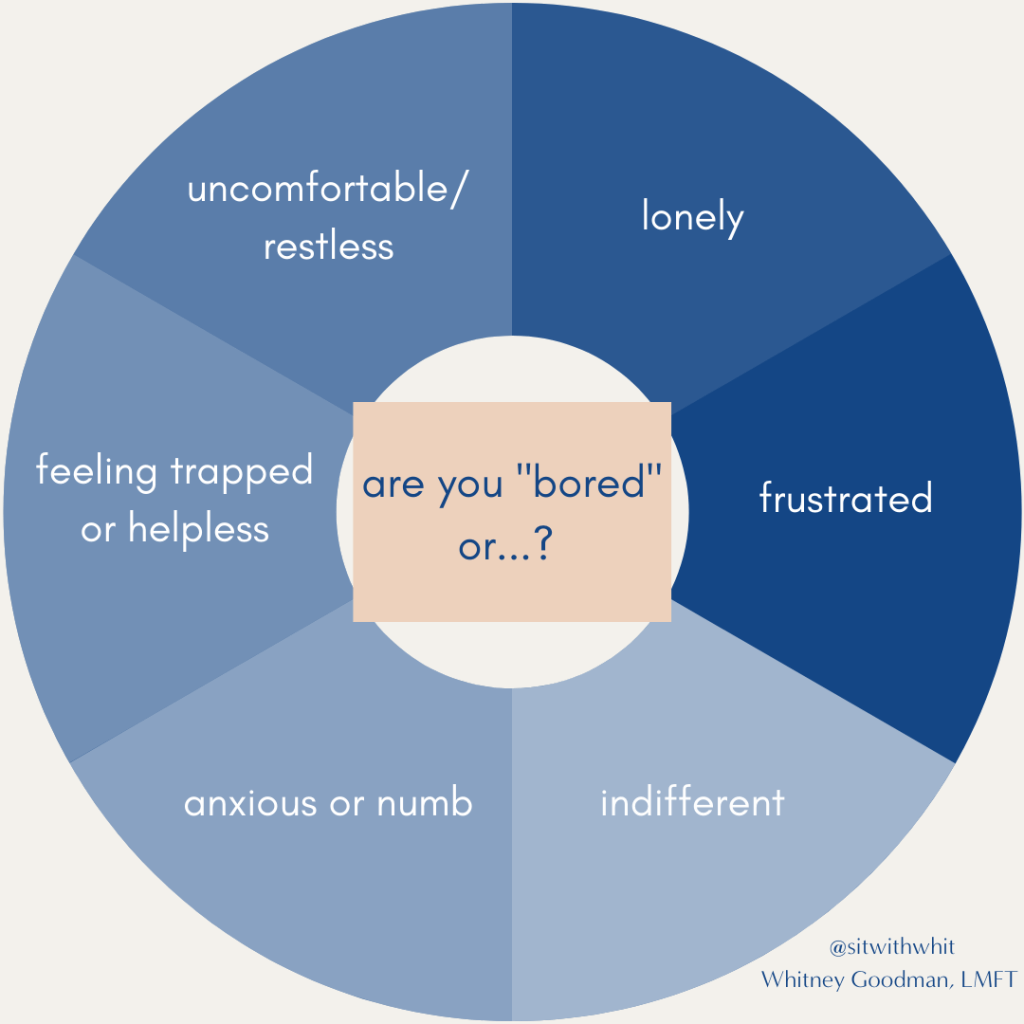
TED Health – Why you shouldn’t trust boredom
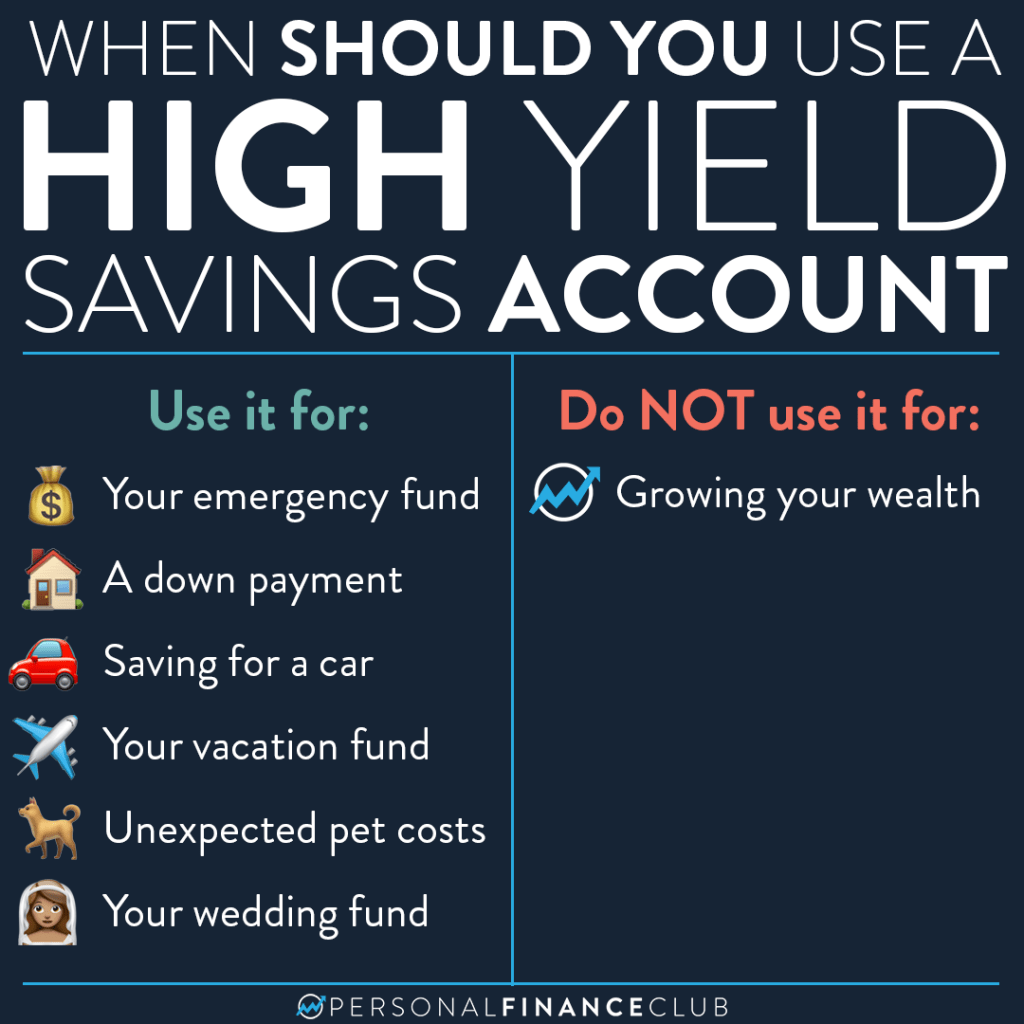
DIY Money – Where to Hold Your Emergency Fund
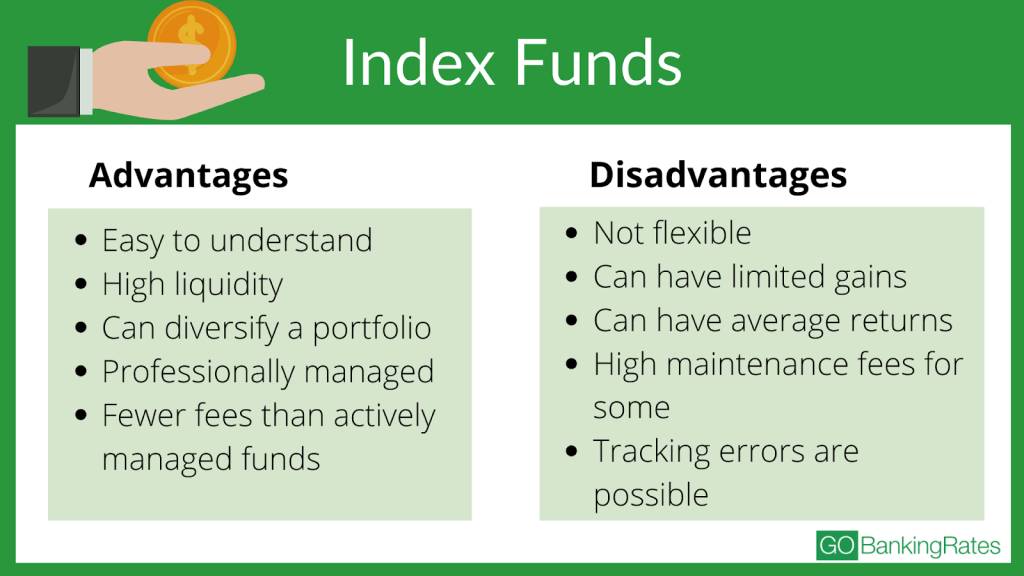
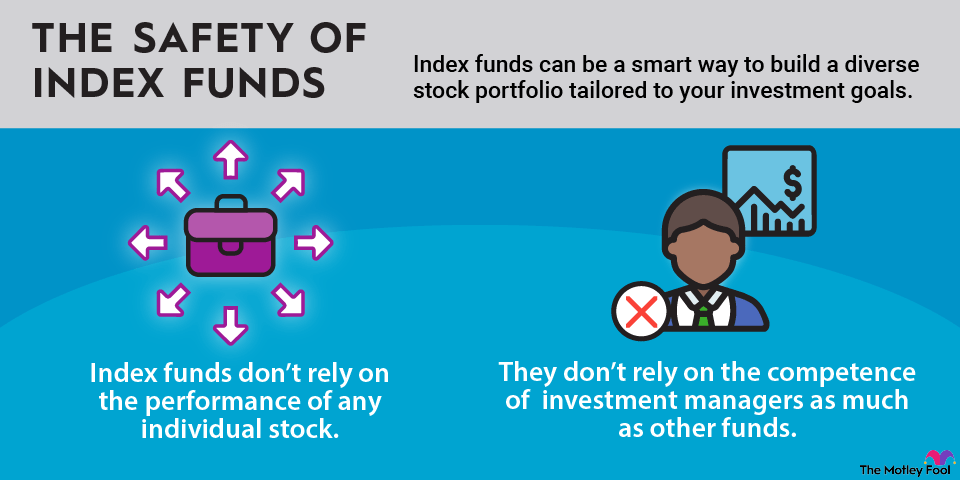
Life Kit – Investing for beginners
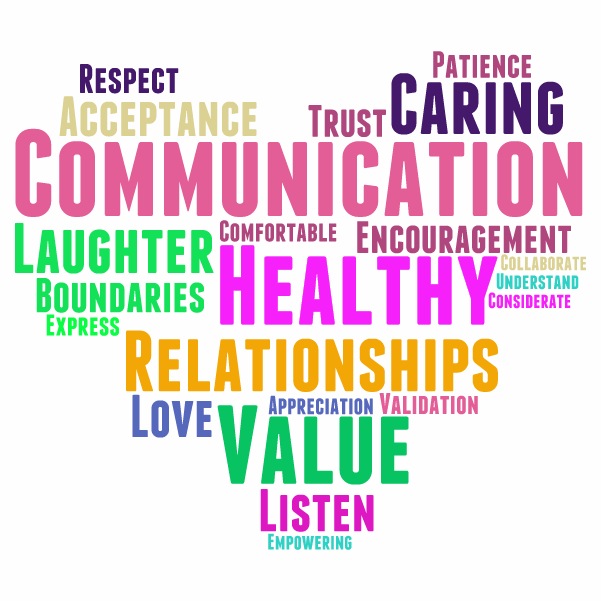
Psych2Go – 12 Signs You’re in a Healthy Relationship

I really enjoyed this post from Gabe the Bass Player this week:

https://www.gabethebassplayer.com/blog/out-of-gas

Out Of Gas

March 5, 2024

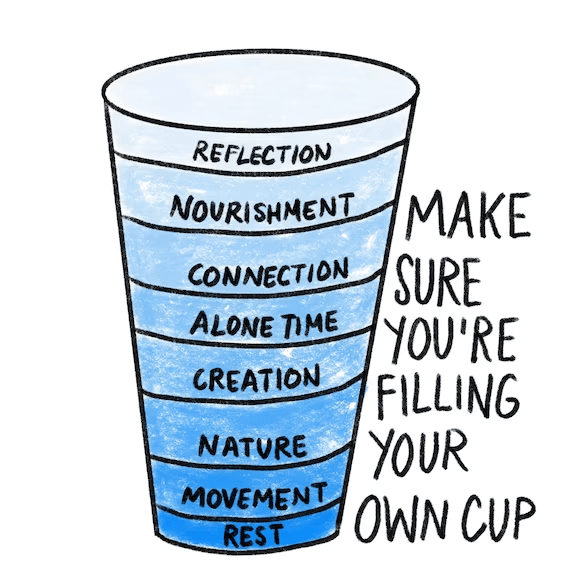
When the car runs out of gas we don’t call the car broken. It just needs gas.

Same thing with us…when we’re out of gas we might feel broken but really we just need to be filled up.

The metaphor is easy to understand.

The hard part is knowing what fills you up and having the guts to make time for it.

Book review posts, Thoughtful Thursday posts, Uncategorized

Thoughtful Thursday – November 30, 2023

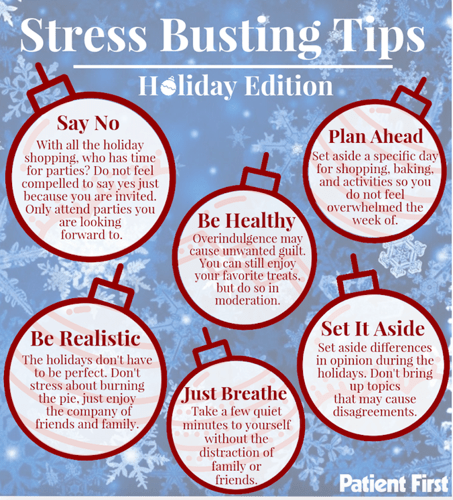
On Purpose with Jay Shetty – 10 Ways to Manage Stress & Anxiety During the Holidays
Mentally Stronger with Therapist Amy Morin – Stressful Holiday Season? How to Manage Your Mental Health
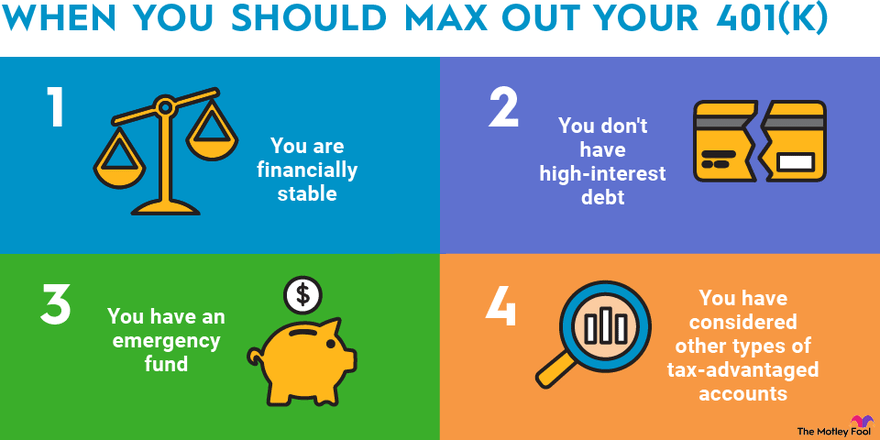
Inside Out Money – End-of-year financial sh*it you need to do!

https://www.gabethebassplayer.com/blog/if-you-work-hard

I loved this post from Gabe the Bass Player. This is his post:

If You Work Hard…

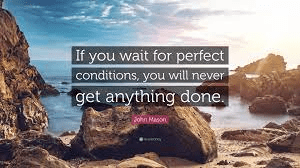
The perfect conditions

Somewhere, there is the ideal soil for growing mangoes. Or the best possible wave for surfing. Or the most romantic sunset for a proposal.

But it’s not right here and it’s not right now.

Our success has a lot to do with how we dance with conditions that aren’t quite perfect.

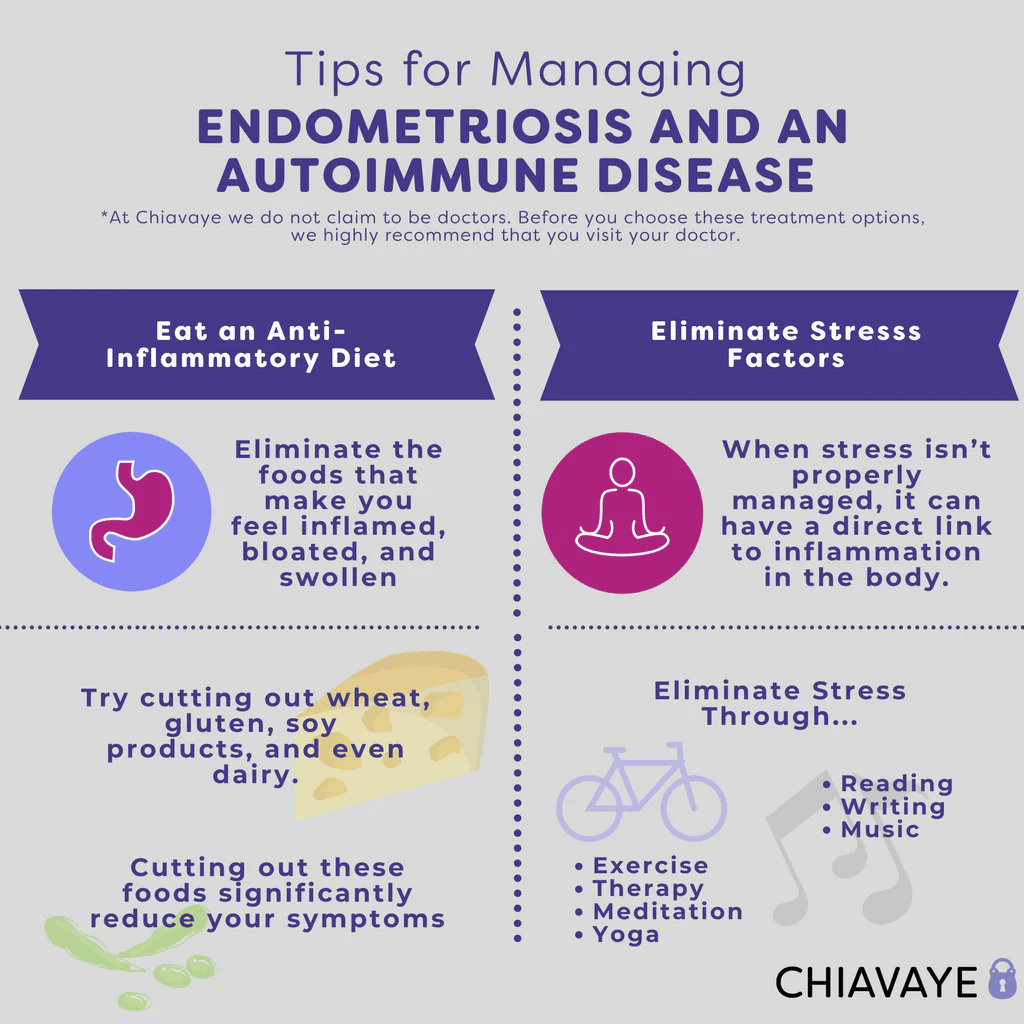
The Women’s Vibrancy Code – Reclaiming Life from Endometriosis
Self Improvement Daily – “Happiness ‘when’ starts with happiness now.”
Thoughtful Thursday posts, Uncategorized

Thoughtful Thursday – November 16, 2023

The Mel Robbins Podcast – 6 Magic Words That Stop Anxiety & Overwhelm
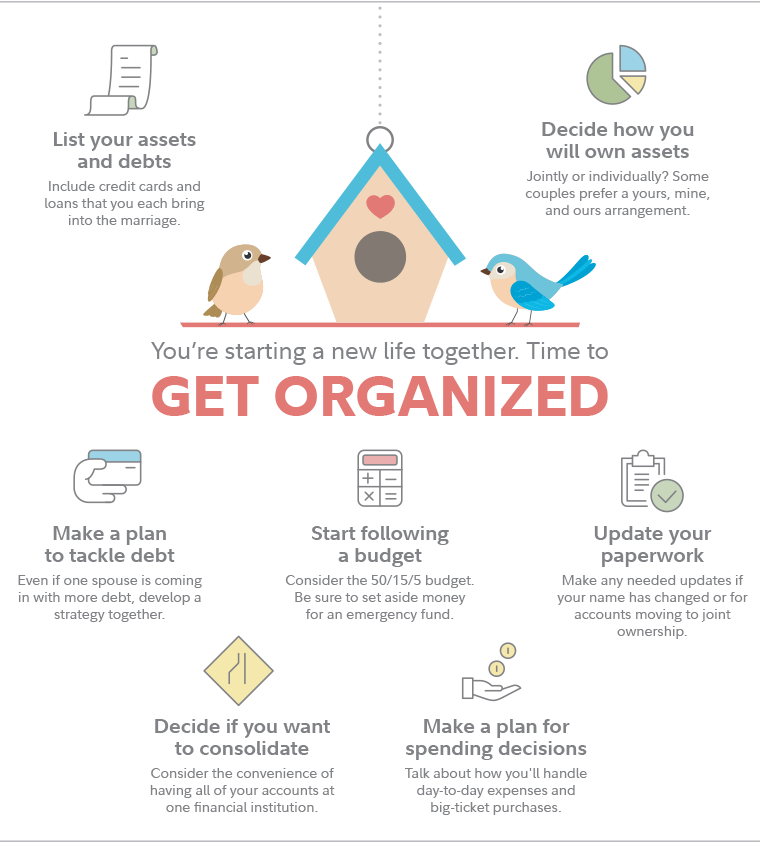
Money and Marriage Podcast – Six Money and Marriage Facts that Every Couple Should Know
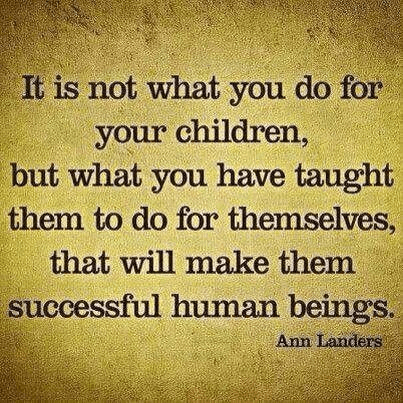
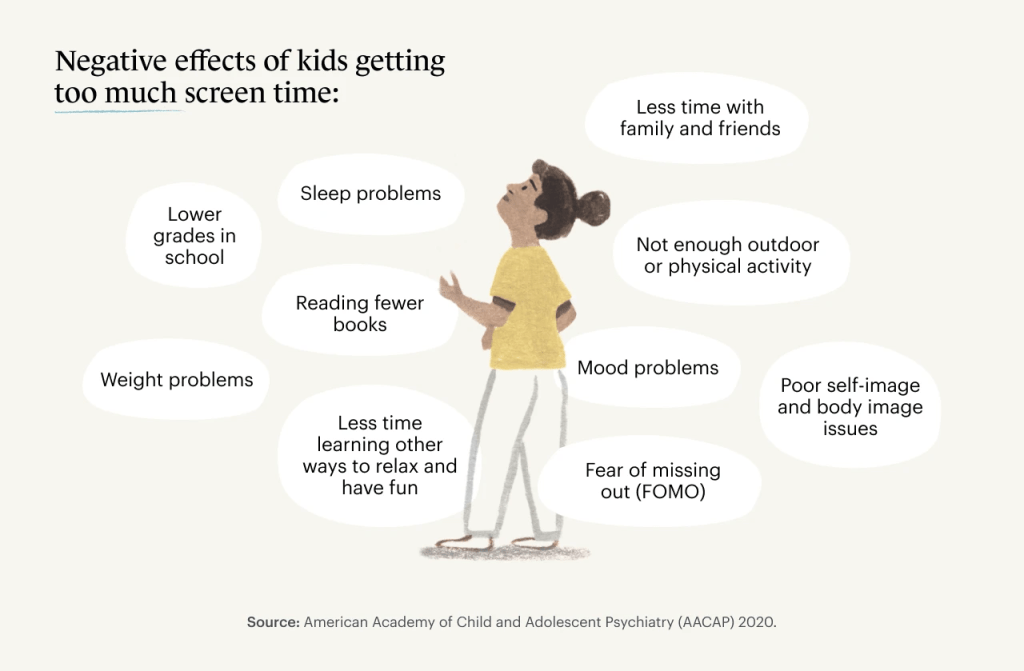
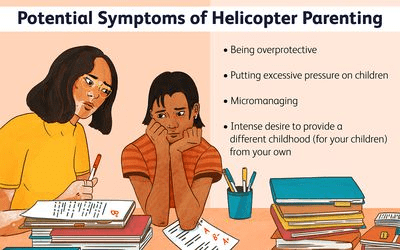
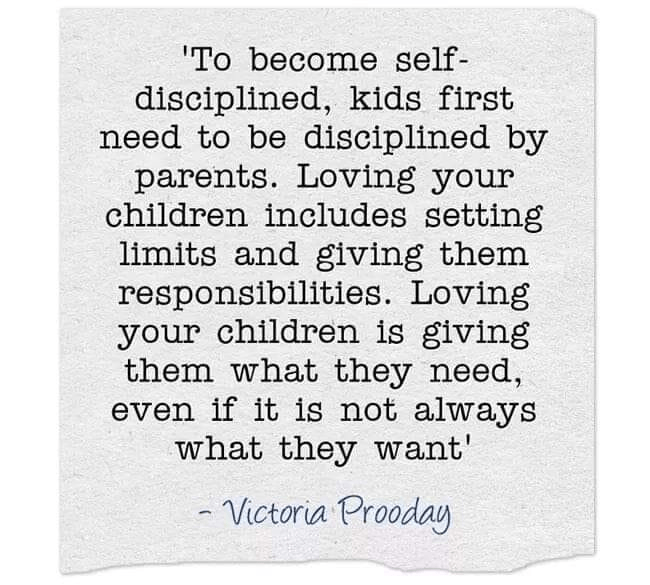
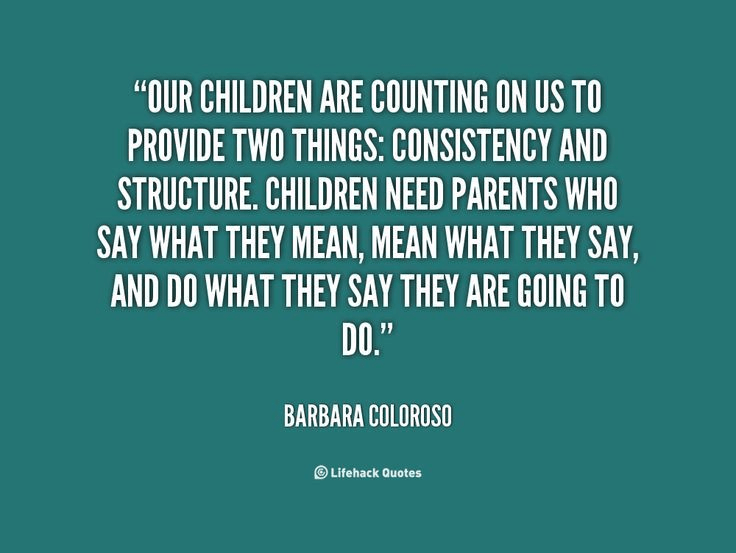
Life Kit – The consequences of overindulging your kids
  • Am I hindering my child from developmentally-appropriate tasks? Does this situation hinder the child from learning the tasks that support their development or learning at this age? Ex: packing my child’s lunch, cleaning their room for them, tying their shoes, etc. If yes, you are overindulging.

  • Am I giving them a disproportionate amount of family resources? Does this situation give a disproportionate amount of family resources to one or more of the children (money, space, time, or attention)? If yes, you are overindulging.

  • Am I making choices that benefit me more than the child? Does this situation exist to benefit the adult more than the child? If you are giving more than you’re comfortable with in order to make yourself calm, you are overindulging.

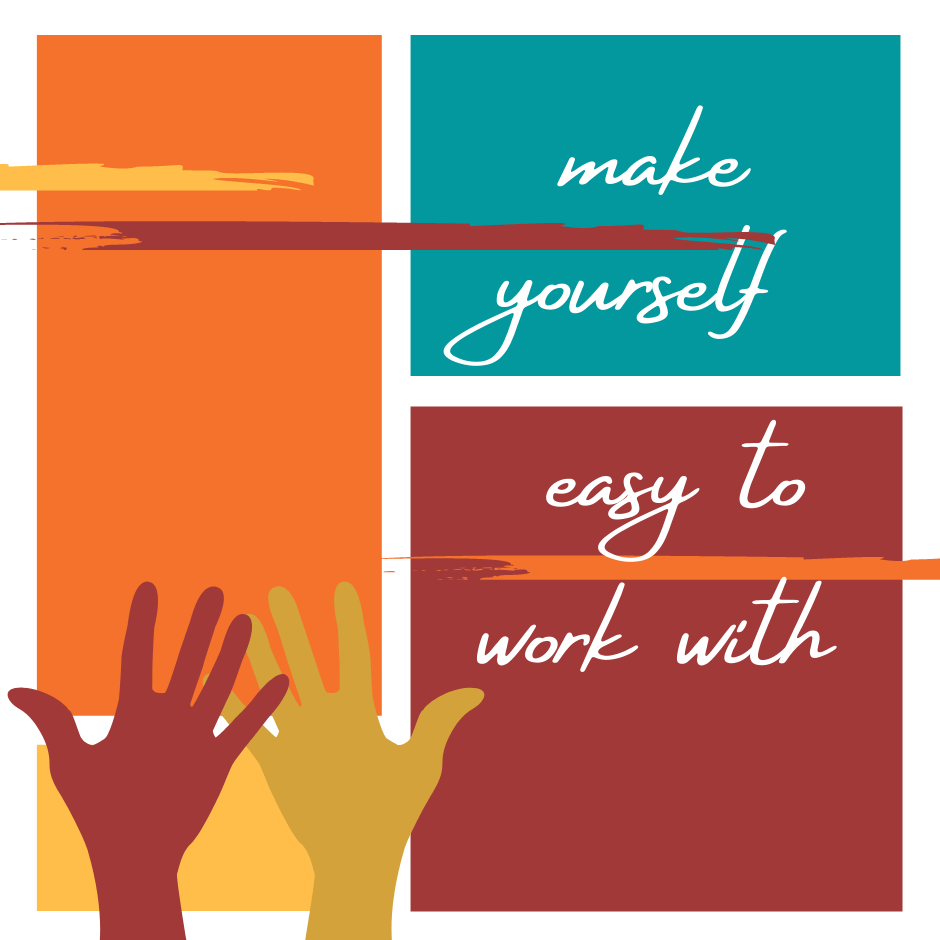
https://www.gabethebassplayer.com/blog/easy-to-work-with

Easy To Work With

November 14, 2023

It doesn’t mean you’re always happy or never rock the boat or always following the rules or just being super laid back all the time. Those things might encompass the ‘easy’ part.

But to be easy to WORK with…

It means you speak with clarity, show up prepared, take responsibility, make others better, embrace the long term vision as you take care of today’s details. And you show up on time.

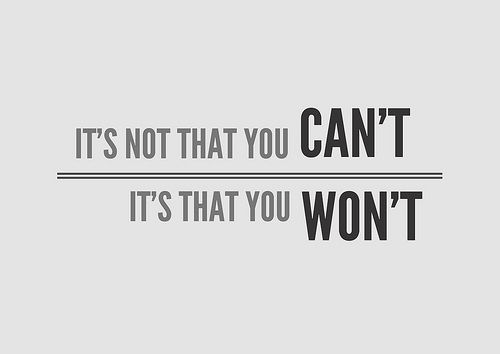
Self Improvement Daily – You Can’t Or You Won’t?
Thoughtful Thursday posts, Uncategorized

Thoughtful Thursday – September 28, 2023

On Purpose with Jay Shetty – My Birthday Episode: 12 Lessons I’ve Learned in the Last 12 Months & Ways You Can Apply Them Into Your Life

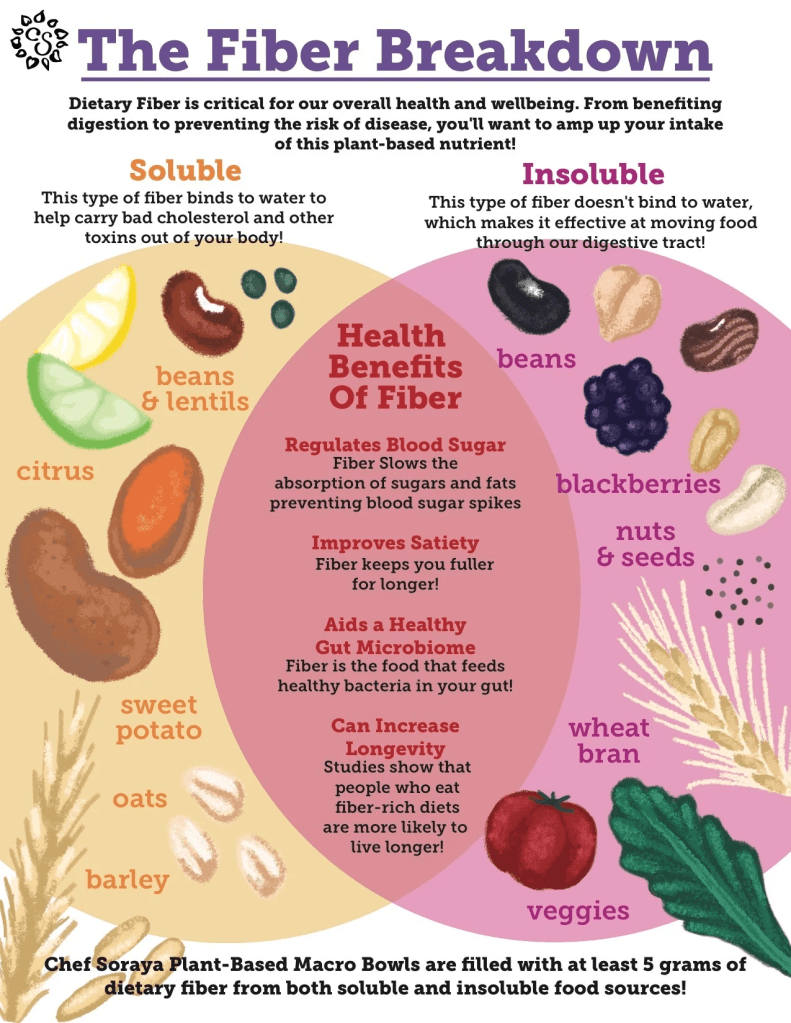
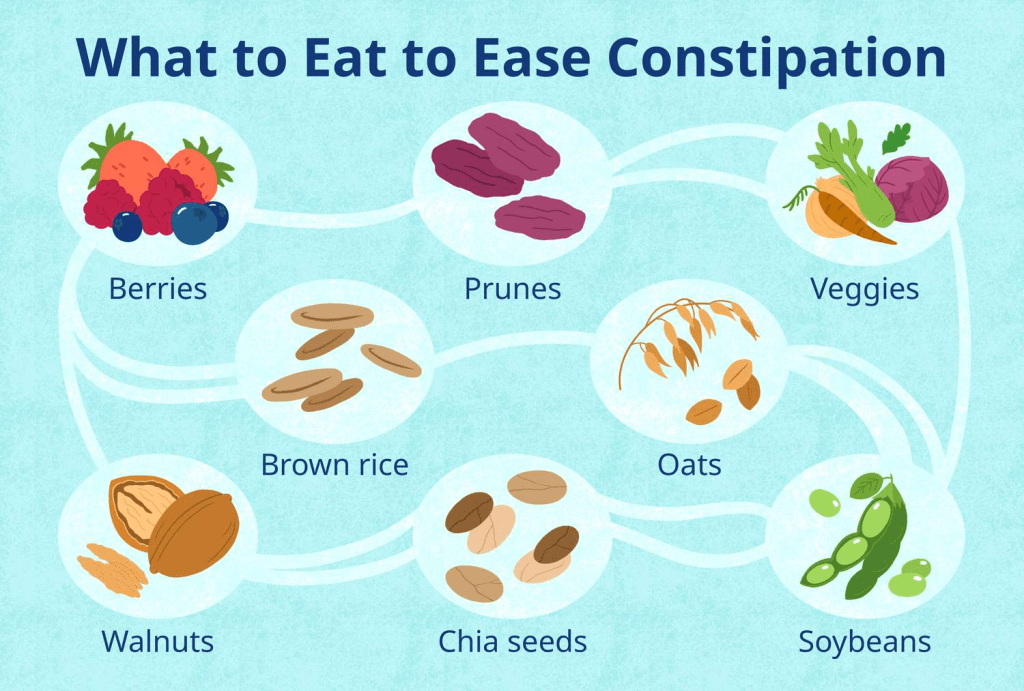
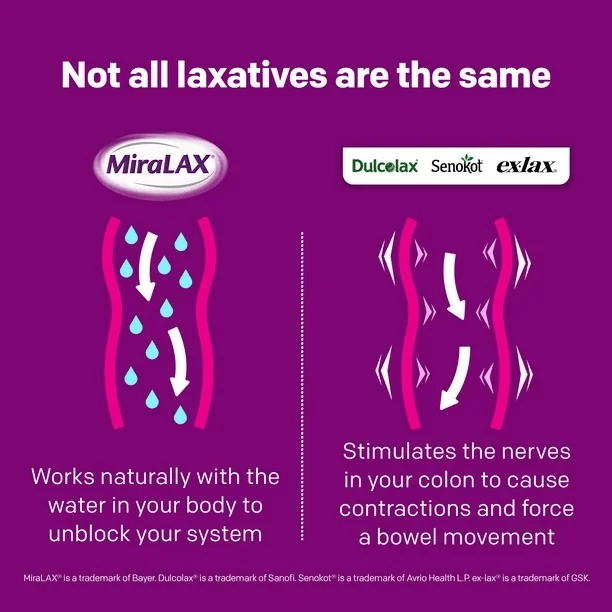
Life Kit – We’ve heard we need more fiber in our diets
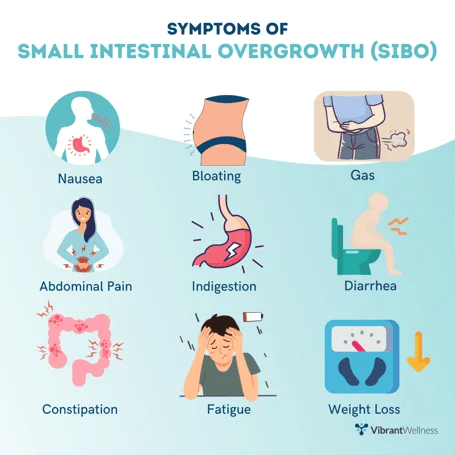
The Liz Moody Podcast – How to Eliminate Bloat & Constipation

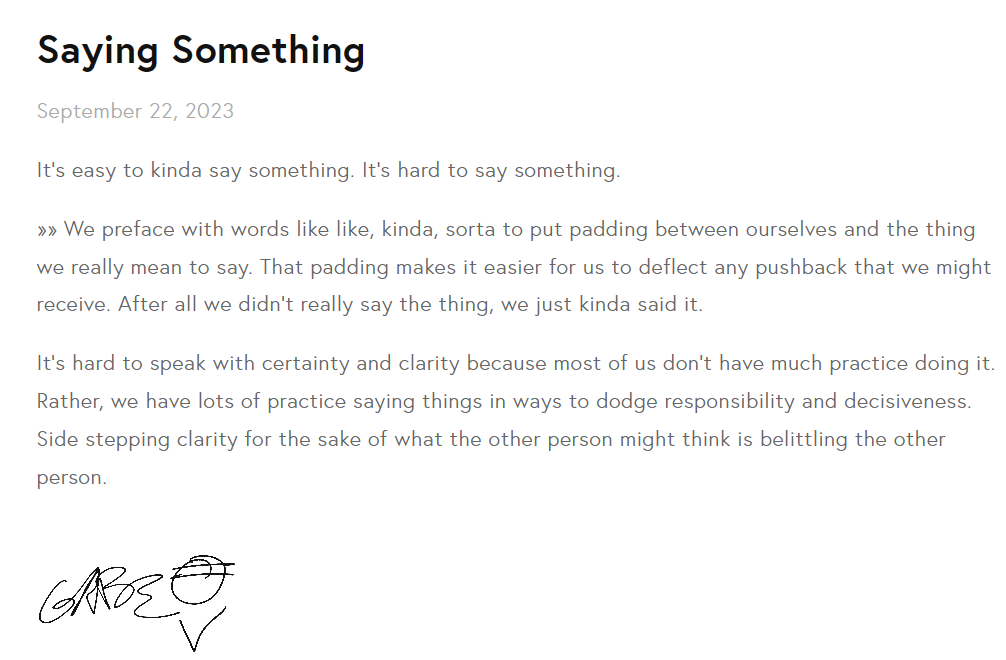
https://www.gabethebassplayer.com/blog/saying-something

Thoughtful Thursday posts, Uncategorized

Thoughtful Thursday – September 21, 2023

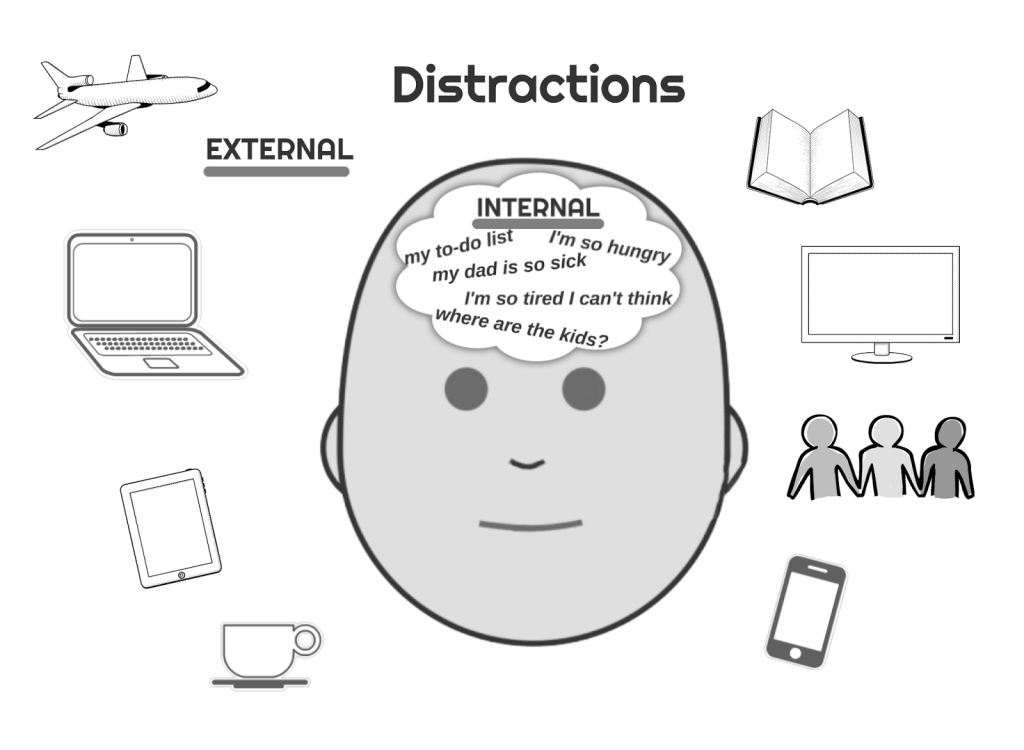
Chasing Life – The Distracted Brain
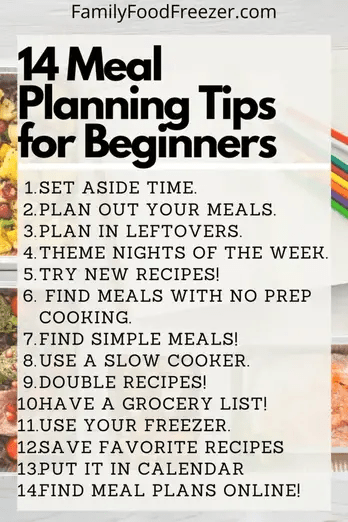
Frugal Friends Podcast – How to Systematize Your Sunday Meal Prep
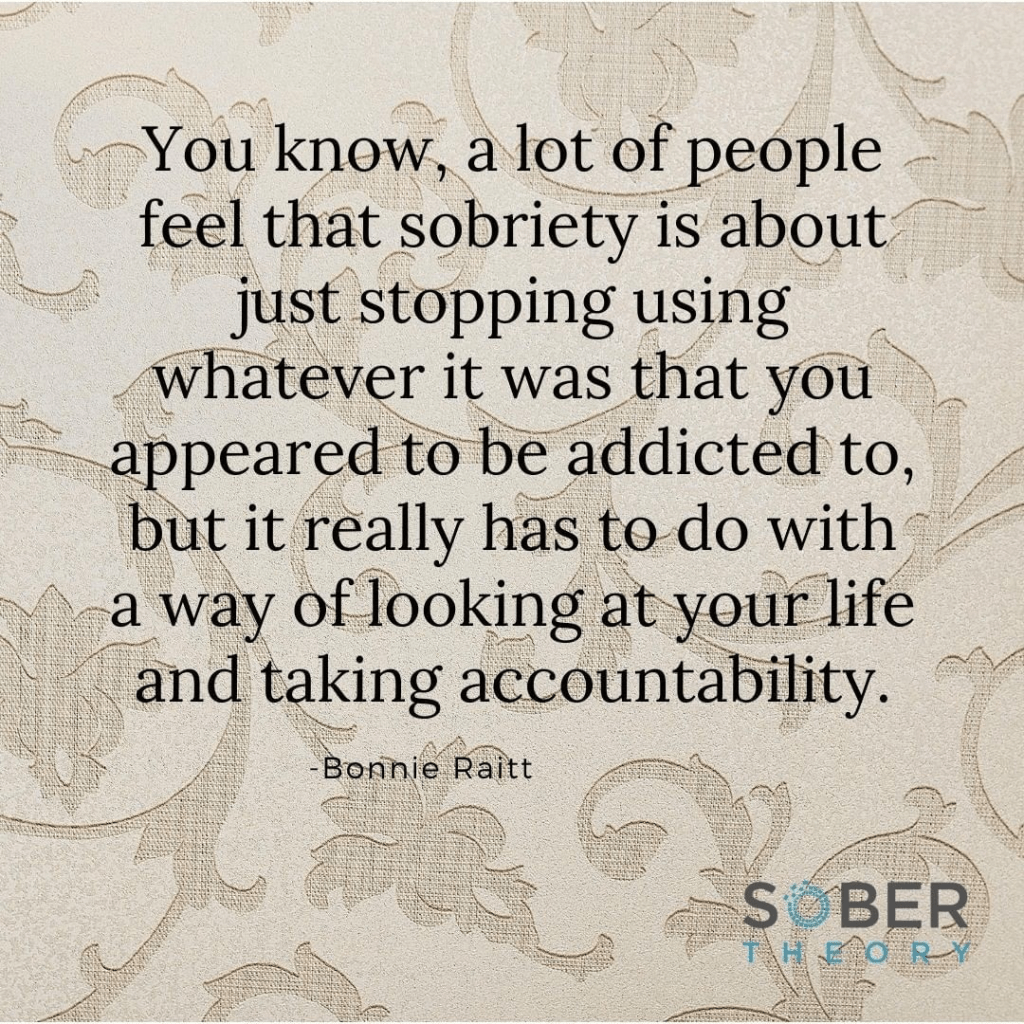
Sobriety Uncensored – Episode 41 – FAQs
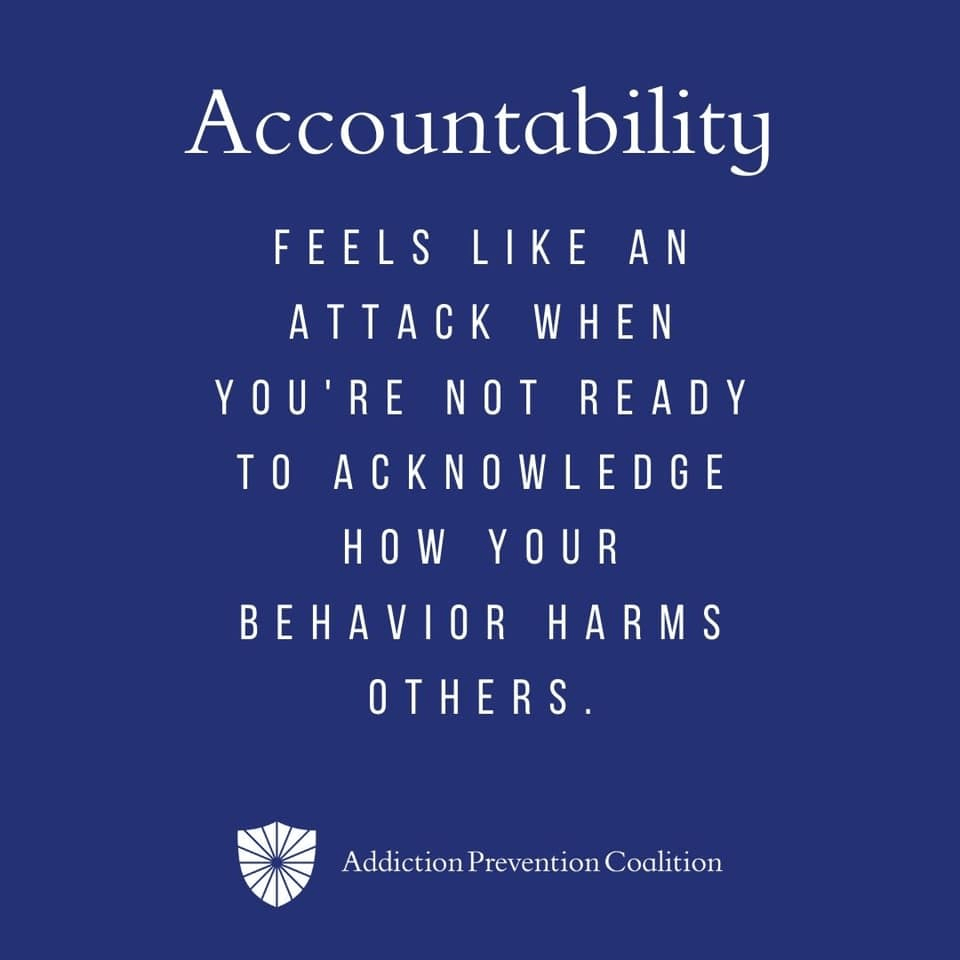
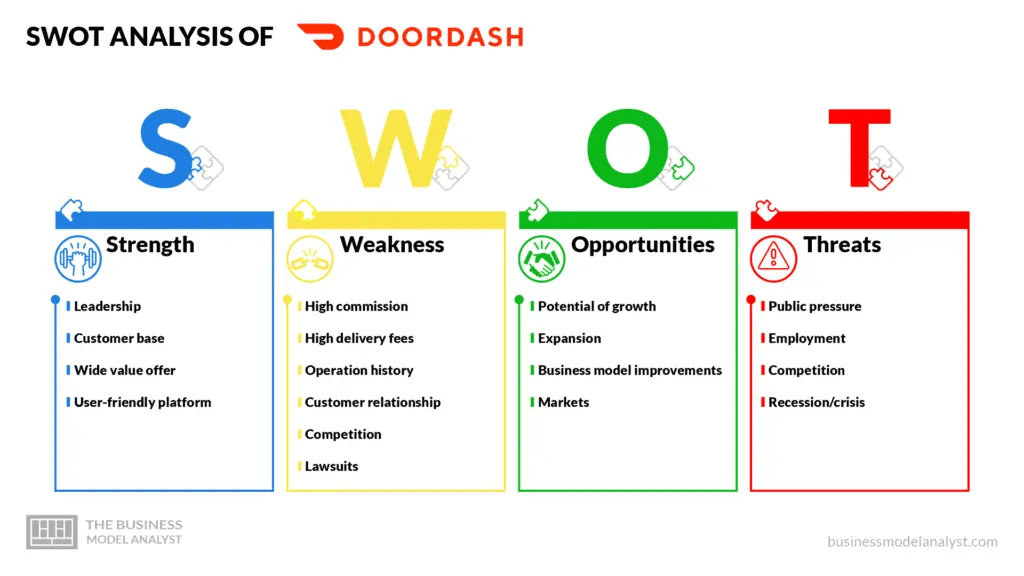
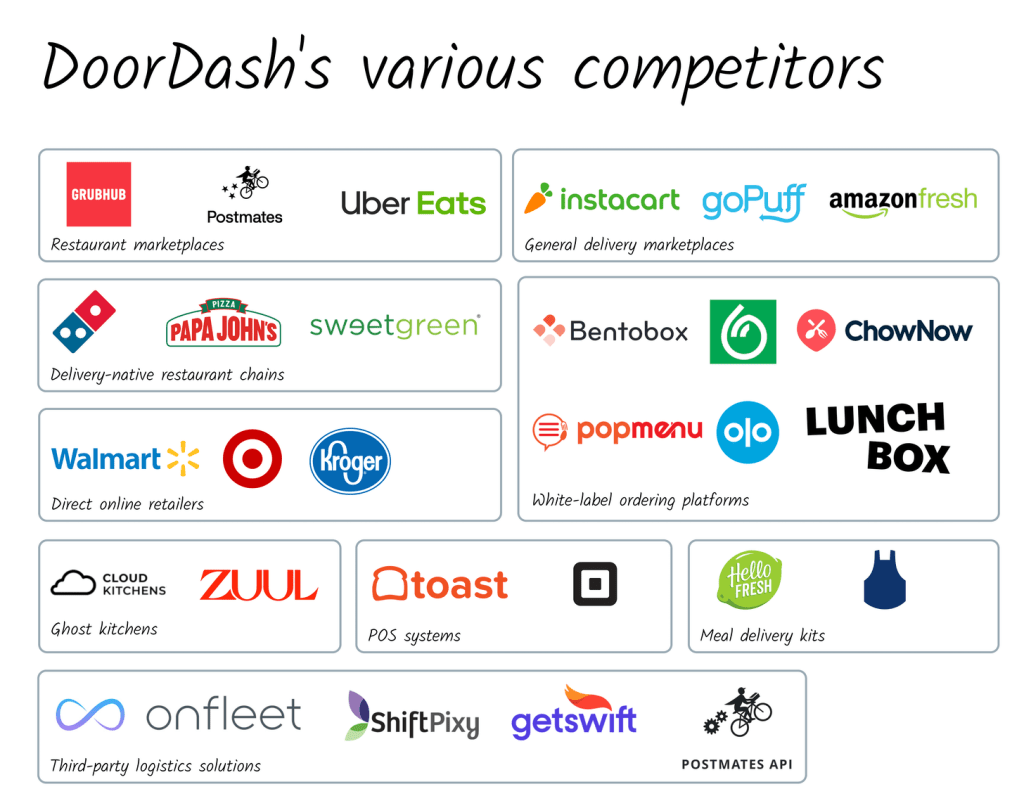
How I Built This with Guy Raz – DoorDash: Tony Xu

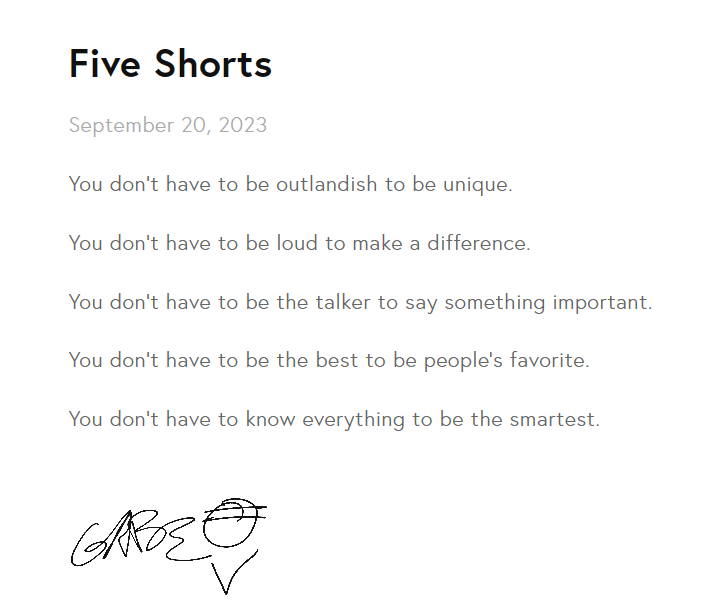
https://www.gabethebassplayer.com/blog/five-shorts

Thoughtful Thursday posts, Uncategorized

Thoughtful Thursday- May 25, 2023

My intention is to post a Thoughtful Thursday column each week and share some of the insights I have learned in the past week. Here are some of the things I’ve learned this week:

Self Improvement Daily- When You Are Your Own Friend

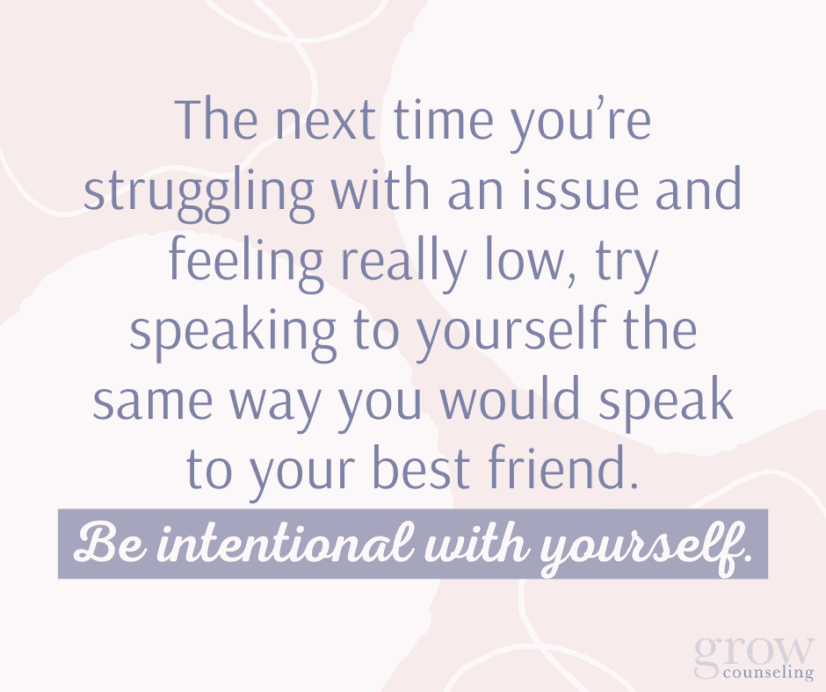
Let’s say you had a miscommunication, let someone down, and got defensive about it, or you got into a big fight with a family member. In your own head, you may get really critical and get upset that you didn’t have more emotional control. You tell yourself you’re an awful person.

Now look at the example from a different angle. Instead of you being the person involved in the fight that made a few mistakes, you’re a good friend of that person. After they tell you about the event and the circumstances around it, what would you say to them? You likely wouldn’t tell them how awful of a person they are. You would likely be supportive and encouraging. You’d highlight their best qualities and understand that this was an isolated incident.

This isn’t about a lack of taking responsibility for our actions. The point is that we are so quick to find the goodness and humanity in others and the flaws within ourselvesSo the next time you catch yourself criticizing or going through self-deprecating thoughts, ask yourself this question – “What would I tell myself if I were my own friend?”

Self Care IRL- The 8 small steps you need to start your self-improvement journey
  1. Do not change everything at once. Start with 1-3 small goals you can easily achieve. Ex: one healthy meal each day, walk 20 minutes every day, etc. You can increase and expand on your habits after a while. Progress is more important than perfection. Perfection does not exist.
  2. Make a plan of action and actually stick to it. Staying focused and motivated requires discipline. Discipline requires planning. Take action every day, even if it’s just a small step.
  3. Habit stacking. Ex: journal while drinking coffee. Listen to a podcast or watch tv while on the treadmill. Read while riding public transportation to work.
  4. Celebrate your wins—both big and small. Every step forward is success. Share your wins with friends to add accountability.
  5. Don’t be too hard on yourself. Everyone makes mistakes. You are bound to have setbacks along the way. Learn from your mistakes and keep going. Be patient with yourself. Progress takes time. Forgiving yourself is the ultimate flex in life. Practicing self-compassion is vital if you want to improve yourself.
  6. Find your support system. It is crucial if you have goals in sight. Whether you need hands-on support or emotional support, knowing that someone is there to lift you up will be incredibly helpful for encouragement and accountability. The podcast host mentioned getting together with a group of people weekly or monthly on a Wednesday to discuss “Wednesday wins”–“wins” each person has had in the past week or month. Lift each other up and encourage each other.
  7. Set goals for yourself. Document how soon you want to achieve it to determine a plan and how hard you need to work. Don’t feel overly committed to that number. Plans can change. Set weekly or monthly goals to track your progress just to see how far you have come.
  8. Be patient and keep working toward your goals, even when things get tough. You will have setbacks.
TED Talks Daily- What makes a “good college” — and why it matters – Cecilia M. Orphan
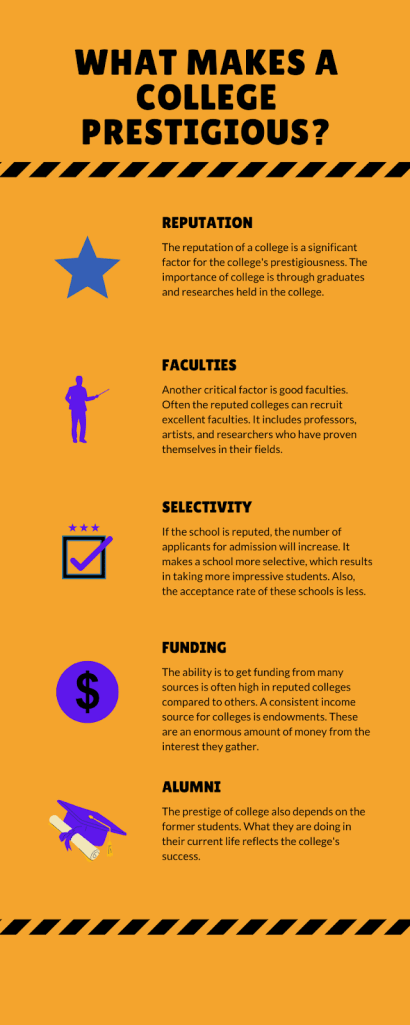
  • We say we want colleges to be more equitable and more accessible. We tend to obsess over a tiny group of colleges most of us could never get into. It’s not because we aren’t smart enough. It’s because there isn’t enough space for all of us. They intentionally cap the number of students that they accept.
  • Instead of calling them prestigious universities, some people refer to them as “highly rejective colleges” – Harvard, Stanford, Yale, Princeton, MIT, etc. These are all major research institutions.
  • Regional public universities (RPUs) are the exact opposite of highly rejective colleges.  They pride themselves in accepting almost everyone who applies — students are more likely to be first-generation college students, students of color, low-income students, veterans, and adults balancing work and family while going to school. RPU students often don’t have the test scores required to get into a highly rejective college. It’s not that they aren’t capable; it’s because they weren’t given the same advantages as other students. RPUs change more lives than prestigious universities by allowing more students access to education.
  • People sometimes criticize RPUs and refer to them as “the 13th grade,” “not real,” or “almost anyone can get in.”
  • The colleges that already have the largest endowments tend to receive the most charitable donations. Imagine if these donations were spread across the many RPUs in the country.
  • In the U.S. and throughout the world, far more public funding goes to highly rejective colleges than to regional public universities, causing RPUs to become more expensive, which hurts low-income students and causes student loan debt to skyrocket.
  • If we really want more low-income students to go to college and equity in higher education, we need to fund regional public universities. Instead of giving to your highly rejective alma mater, consider giving to universities that really need it.
  • Last year, billionaire philanthropist Mckenzie Scott gave $1.5 billion to 73 different colleges and universities that serve low-income students and students of color.
  • There is no better way to make a difference in higher education than to give to the colleges that change the lives of their students and communities. This isn’t all about money. We all have the power to change the way we think about and talk about regional public universities or stop people when they frame them in negative ways.
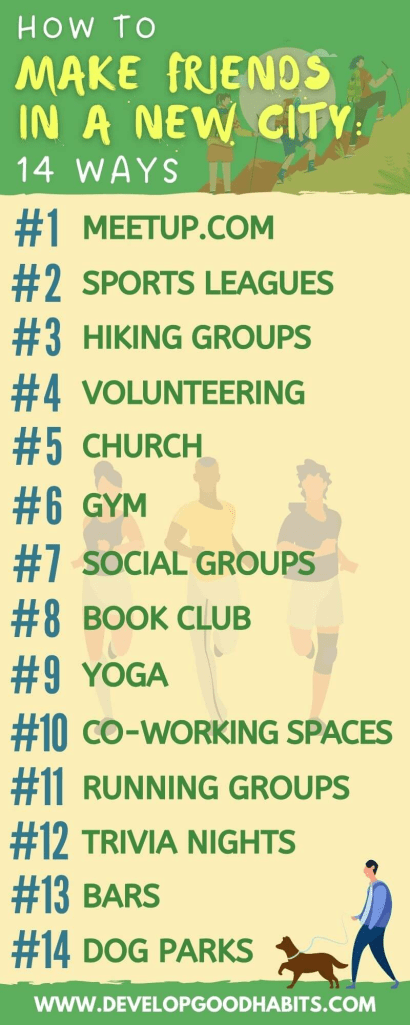
Life Kit- Making friends anywhere you move
  • Be active and intentional about making connections. Alert your network. Post on your socials and ask for introductions. Tell your coworkers, especially if you have a remote job. Communicate what kind of connection you’re looking for – someone to show you around, another couple with school-age kids, etc. We tend to think that it’s going to be so awkward to reach out to people who we aren’t in touch with anymore. You just have to own it.
  • Reconnect with old friends. You might end up better friends with them than before. Acknowledge the gap in time and that you haven’t been the best at keeping in touch. Propose specific plans for catching up. Follow up after meeting in person.
  • Incorporate more routine into your day. Ex: coffee shops. With routine, you are seeing the same faces and it becomes less intimidating to talk to them. You can incorporate any activity, community, or place you love. No matter where you live, you can develop that sense of home. Find a place for yourself that isn’t work and isn’t home: book club, soccer club, etc.
  • Find online groups, event listings, and meetups. Now is your chance to engage in an activity you’ve been thinking about. Ex: book clubs. You don’t have to know anyone there, but you can connect with others about the same book you’ve read. You meet regularly. Commit to showing up more than once. It changes the way you engage with people who are there. Stop trying to form a relationship with the collective and focus on forming relationships with the singular. It can be less intimidating to focus on individual members first.
  • When getting to know people, focus on the connection, not the relationship. Being honest about yourself is key to adult relationships. Get comfortable with the things that make you different and the interests that you have. If you are introverted, only say “yes” to the activities that you know will bring you joy. Focus your energy on one-on-one interactions. Making new friends takes effort, especially when you barely know anyone around you.
  • Take-aways: be open and intentional about making new friends. Tell your network that you’re moving or looking to meet people. Reconnect with old friends and acknowledge the passing of time. Make clear plans to meet. Build your own routines and find places you feel at ease. Go to group gatherings. For recurring groups, commit to going at least three times. Friendships start with one-on-one relationships. Remember that all of this takes time.

When I first moved to my city, I didn’t have any friends in the area aside from former coworkers. I am grateful to have met several girls in an online Facebook group for girls making friends. Through this group, I have joined a book club, hiking groups, and made many quality friends who share similar interests.

Optimal Finance Daily- Understanding the Seven Habits of Wealth by Rob Berger
  1. Hard work– achieving financial security is often the result of consistent diligence.
  2. Modest living– modest living can produce great wealth on a modest income.
  3. Patience– produces thoughtful, long-term decisions that can produce wealth while minimizing risk.  Patiently waiting for the right time to buy a stock or company
  4. Perseverance– working through challenges. Perseverance keeps us focused on our goals and enables us to confront all challenges.
  5. Balance– healthy balance of stocks, bonds, or other investments
  6. Self-awareness– brings into focus the motivations behind the daily decisions we make. Allows us to understand what motivates us to spend money, what investments are best for us given our tolerance for risk, and what will produce contentment in our lives.
  7. Learning– enables us to improve our careers, investments, and spending, as well as other areas of our lives

“What we are and what we have is a result of what we repeatedly do.” Wealth then, is not the result of an act, but the result of our habits.

How to Be a Better Human- How to set boundaries and find peace (w/ Nedra Glover Tawwab)
  • We want kids to be assertive, but we don’t teach them how to be assertive with us.
  • Pay attention to the things you complain most about. This will tell you where you need to set boundaries.
  • Many people right now are having boundary issues around being overwhelmed and overcommitting themselves. You can say no to things! People found pleasure during the pandemic by not having to attend social obligations. You don’t need to do those things if you don’t want to.  Place value on the relationships that are important.
  • Trying to do everything on your own/not asking for help- there are times when we don’t have the skillset, time, or mental capacity to do it all. We need to seek help. It can be hard to be vulnerable and ask for help.
  • Codependency- thinking “if I did this, this person would suffer this consequence because of my lack of support for their issue.” Stop thinking like this!
  • Set boundaries, find peace!

I posted an extensive blog post about this book recently. Check it out here:

Main Accounts: The Story of MySpace- Welcome to MySpace

Popularity:

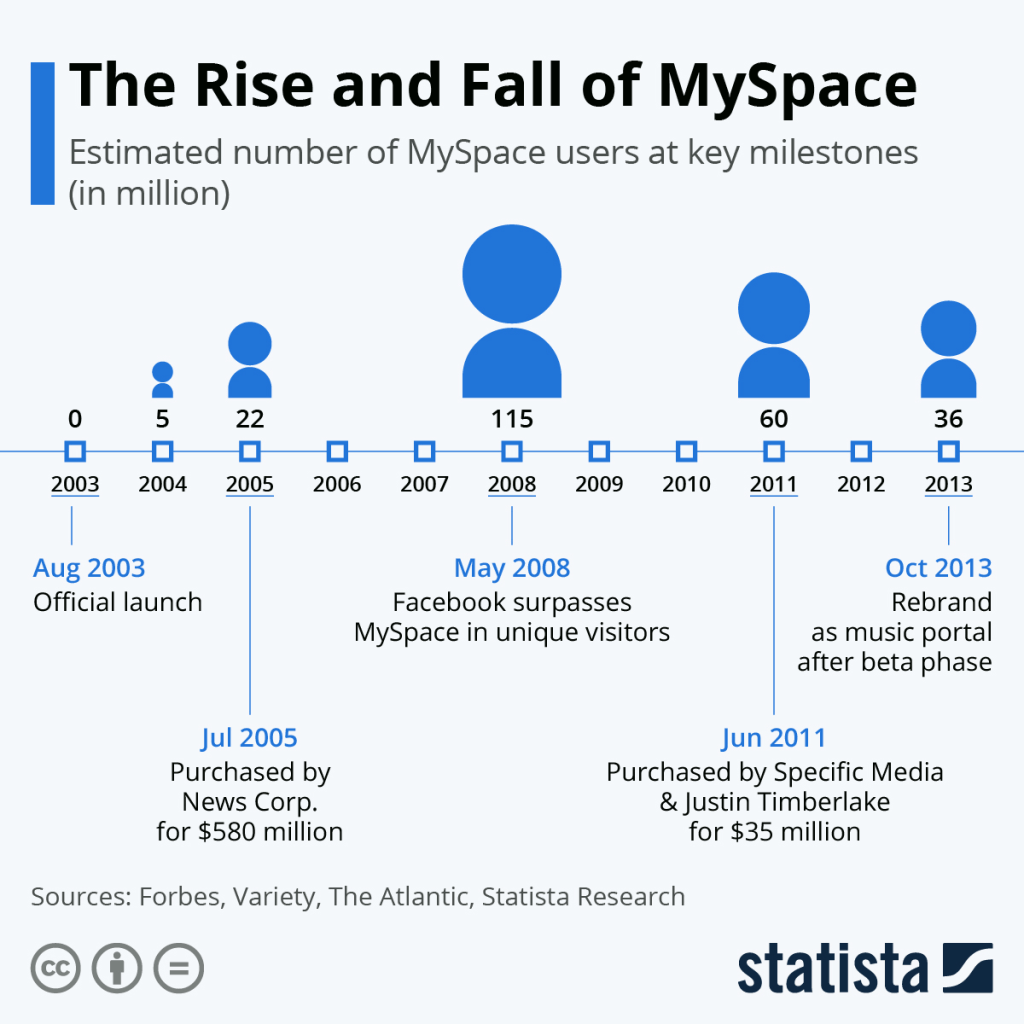
  • MySpace used to be the most popular website in America. It launched in August 2003. The creators, Tom Anderson and Chris Dewolfe, took inspiration from sites like Friendster and Asian Avenue. There were only 100,000 users in October 2003, but, the following year, after picking up dissatisfied Friendster users, the site exploded to 5 million users! MySpace peaked in 2008 with over 100 million users. At the height of its popularity, 250,000 people were signing up for new accounts every day. Most of the users were young – in their teens and twenties. It was at the center of their social lives.
  • In 2005, MySpace was seeing 16 million visitors per month and was the biggest social network in the world. It was sold to News Corporation, and Intermix negotiated the deal. This was done without the knowledge of the founders of MySpace. Chris and Tom were each paid $30 million. They left the company in 2009, and News Corporation brought in a new CEO and its own people.
  • When MySpace launched, social media was an unknown quantity. People had no idea how to make money off of social networks or even if they could make money off of it. The consequences of social media had yet to be seen.

Origins:

  • Tom Anderson had founded the company with Chris Dewolfe. Before MySpace, Tom had worked for Chris as a copywriter and product tester at another startup. Tom was a musician, went to film school, and dabbled in the hacker community as a teenager. MySpace does not have the typical Silicon Valley origin story.
  •  While at Euniverse, Tom and Chris had at their disposal the company’s database of over 30 million e-mail addresses. The e-mails of everyone who signed up with a new MySpace account could be added to the database. MySpace was a subsidiary of its parent company, Intermix.

What set MySpace apart:

  • MySpace offered opportunities for people to express their creativity and meet people in ways that felt thrilling and scary at the time. People used MySpace in the aftermath of Hurricane Katrina to keep in touch with friends and family after they evacuated Louisiana. Soldiers in Iraq and Afghanistan used it to connect with people back home. It was a place where millions of people could connect to one another. MySpace was one of many projects at the company EUniverse (an early ecommerce company). EUniverse was one of the few survivors of the dot com crash. EUniverse was later renamed Intermix.
  • On Friendster, users related to each other as a chain of connections. On MySpace, it didn’t really matter if your friends were strangers or actually friends. You added who you wanted and showed users who mattered to you by selecting users for your Top 8.
  • Top 8 created competition and encouraged users to curate their friends and spotlight people or bands that reflected on their personalities and personal tastes. From the glittery, sleezy design to the carefree way people communicated on it, MySpace felt like a party on the internet. People talked more casually on MySpace.
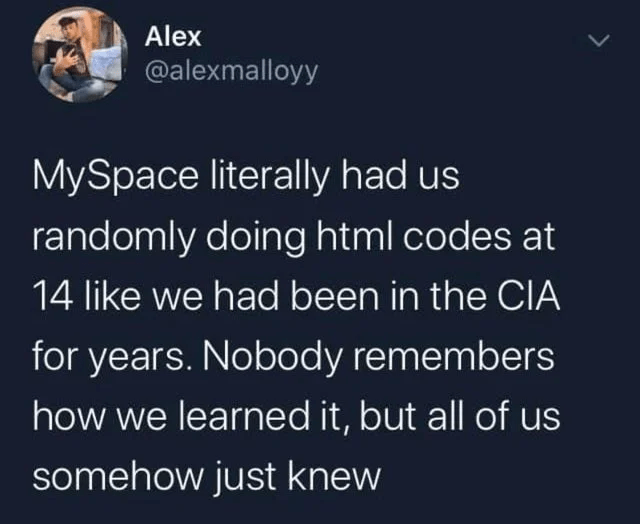
  • MySpace allowed you to tweak the HTML on your profile page so that you could change the color of the background, have a song playing while people looked at your page, etc. People put a lot of thought into it. Customizable pages (scrolling text, text that would blink, colorful texts, embedded music) allowed for self-expression.
  • MySpace was giving users free software. Previously, if you wanted to set up a website for yourself, you’d have to buy software. The way users were paying MySpace was with all of their data and information. The legacy of MySpace is the pioneering of this business model – of monetizing user data.
  • Another unique feature is that creator Tom Anderson was automatically everyone’s friend.

Why MySpace did not last:

  • MySpace was sold as “the perfect media company that generates free content through its users. It generates free traffic by its users inviting their friends, and all you have to do is sell the ads.”
  • MySpace was on track to be the biggest mass platform for advertising in the world. Facebook is the biggest single mass platform for advertising in the world. The lack of engineering expertise and talent and the lack of focus on abilities to outcompete on the actual quality of the product is what doomed MySpace to fail against Facebook. You have to have great engineering and great talent, and that is what made Facebook win. MySpace lost relevance because it couldn’t scale up to be mainstream like Facebook.
  • The social network felt chaotic and open in a free-for-all sense much like the city where it was created: Los Angeles. It sometimes felt like a cool nightclub. However massive it was, it was still youth-oriented. With various scenes and clicks, it felt very niche. MySpace was notable and big, but it wasn’t TikTok size.
  • People who were big on the platform could not scale out and achieve mass fame. The internet culture was not mass culture in the 2000s. They were sort of niche. All of this was happening before there was viral content and before algorithms filtered what users would see. There wasn’t a “for you” page. You had to find it yourself.

https://www.gabethebassplayer.com/blog/festival-walking

I loved Gabe The Bass Player’s post on May 16 (all credit to Gabe the Bass Player):

Festival Walking

May 16, 2023

“Summer. The height of the music festival season. The height of…

“Is this band any good? I’m going to decide right now as I walk past the stage for thirty seconds…”

It doesn’t matter if you’re a well established act or a new act. No one gets a pass. You get the time it takes for someone walking past the stage to be compelling enough for them to stay. You gotta be good.

The truth is…you’ve probably got thirty seconds but their question is answered within five. And that interaction is what they’ll carry with them forever and tell their friends about when your name comes up.”

I look forward to reading, learning, and sharing more with you soon!
Thoughtful Thursday posts, Uncategorized

Thoughtful Thursday- April 27, 2023

My intention is to post a Thoughtful Thursday column each week and share some of the insights I have learned in the past week. Here are some of the things I’ve learned this week:

Optimal Finance Daily- Rental Properties Pros and Cons by Andy Hill (Part 1)
Optimal Finance Daily- Rental Properties Pros and Cons by Andy Hill (Part 2)

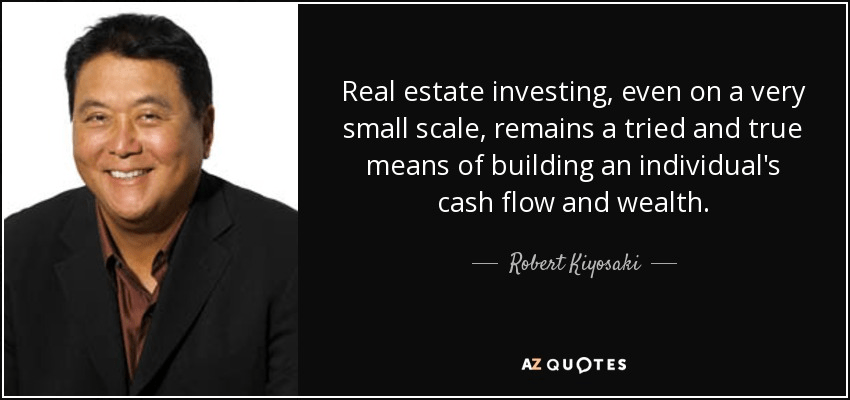
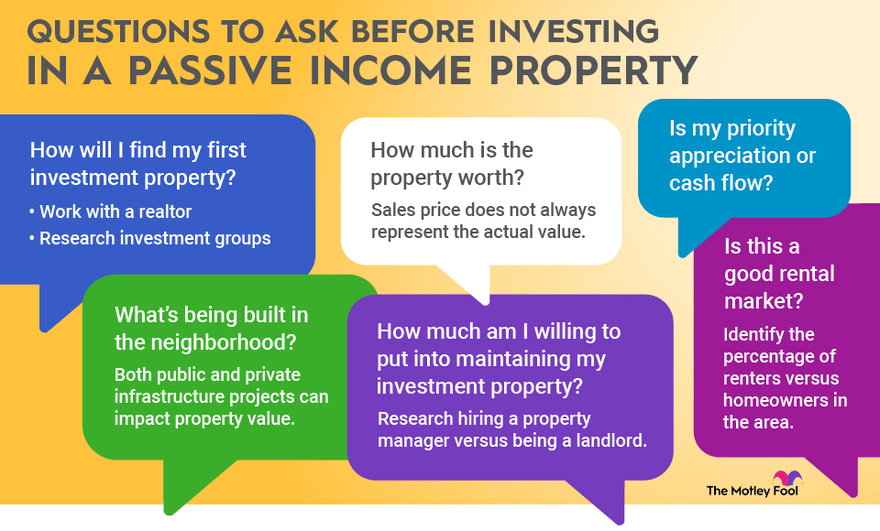
Many people aspire to own rental properties to earn more money and often refer to rental properties as passive income. Here are the facts.

Pros:

  • Real estate can outperform index funds.
  • You can grow your income stream more quickly.
  • House hacking- some people are able to rent a room or area of their homes that covers much of their housing costs.
  • You can work with a property manager so that you don’t need to field late-night calls of issues.

Cons:

  • *REAL ESTATE INVESTING IS NOT PASSIVE.* You need to dedicate time to ensure you’re doing it right financially, legally, and ethically.
  • Taxes and insurance costs can be unpredictable.
  • Neighborhoods can be unpredictable. A changing neighborhood can make it difficult to lease your property and can change the type of tenants who want to live there.
  • Leverage requires increased risk. You need to really understand how your money is invested and how your properties are generating income.
  • Home values can drop in tough times. It’s nearly impossible to predict how the real estate market will move.
Self Care IRL- All the reasons we need to stop saying, “I’m sorry for your loss” + 8 Alternatives

“I’m sorry for your loss.” We see this commented on social media and hear this phrase frequently when a loved one dies. Most people don’t know what else to say, and this phrase is so overused that it can come across as insincere. Here are 8 excellent and genuine alternatives to “I’m sorry for your loss.”

3 things you can say IF YOU ARE WILLING TO HELP/FOLLOW THROUGH:

“I’m so sorry that you’re in pain right now, but I am here with you and for you. I am willing to help in any way I can. Is there anything that you can think of that you need right now?” Tip: be prepared to help if asked. Do not use this if you won’t follow through.

“I know there will be some challenges ahead for you. I want you to know that I’m here and I’m willing to help. Would it be okay if I call next week to check in?” Tip: actually call next week and follow through.

“I know there’s nothing I can say right now to make things better, but also, I know that having someone to talk to at times like this is really important, so if it’s okay, I’ll call you next week when things settle for you.” Tip: actually call next week.

5 things you can say that don’t require you to help or follow through:

“Your mom was an incredible person. I see so much of her in you. I’m keeping you in my thoughts.”

“Your friendship/relationship was so special. I’m saddened by the news. You’re in my thoughts.” The podcast host said this is a great remark for someone you mostly know on social media.

“May God continue to shine a light on the joyful memories you get to hold in your heart.”

“Sending big hugs your way and wishing you peace, joy, and comfort.” The podcast host said this is perfect for online empathy.

Adult Education- Health Disparities with Dr. Lisa Cooper
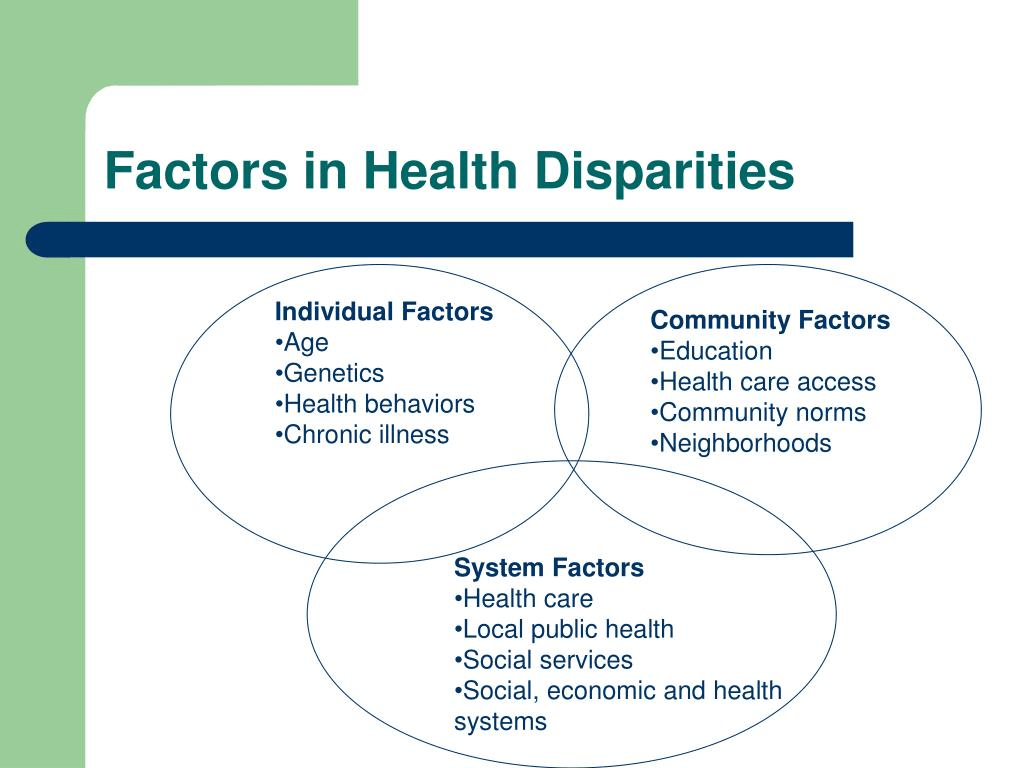
  • There are people in America who live on the same street who have very different access to healthcare. It is not just about $; it is about access and systems. This can include access to transportation, access to insurance, and access to networks and facilities covered by insurance.
  • Some neighborhoods where a lot of people of color live do not have access to supermarkets with many fresh fruits and vegetables, schools in these neighborhoods often don’t have the same investment, and oftentimes there are fewer businesses. These are all examples of possible health disparities.
  • Health disparities are avoidable differences in health among groups that have different levels of wealth, power, or prestige in society. They are unjust and unfair and can impact rural areas, women, people with disabilities, people in poverty, and minorities.
Stuff You Should Know- How Game Shows Work
  • The first game show was aired in 1938 Great Britain and was called Spelling Bee. It was an actual spelling bee.
  • If people are winning more $ than budgeted each episode, sometimes they are presented with lotto options, such as payouts over a number of years instead of all at once.
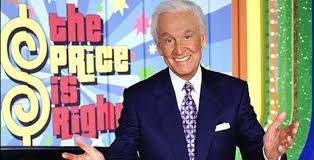
  • Bob Barker was a game show host from 1956-2007 (1956-1975 for Truth or Consequences + 1972-2007 for the Price is Right).
  • In 1991, there were 2 game shows still filming: Price is Right and Family Feud. Wheel of Fortune’s daytime show got the axe. Game shows came close to extinction, as they were replaced with daytime talk shows. The Price is Right and Family Feud never went away.
  • Game shows are cheap to produce, so you can find them in most countries around the world.
  • 3,000 people try out for Wheel of Fortune every year and only 500 make the cut.
  • Being on a game show sounds exciting, but 5-6 episodes are usually filmed each day, so there is a lot of standing around (without access to your phone)!
Freakonomics Radio- The Most Interesting Fruit in the World

Something to ponder: In a grocery store, there are a wide variety of apples, almost all of which were grown in the United States. Yet, they are more expensive (per pound) than bananas. This is wild to think about considering that bananas in the United States are all imported and have been grown, picked, boxed, washed, and placed in ripening rooms in another country. Bananas are typically the cheapest fruits around!

In 1900, Americans were eating 1.5 million bunches of bananas per year. By 1910, Americans were eating 40 million bunches of bananas per year!

Sailing as an export mode of transportation was not fast enough to reliably keep bananas from over-ripening. In the 1930s, refrigerated trucks allowed for bulk importation of bananas in the United States.

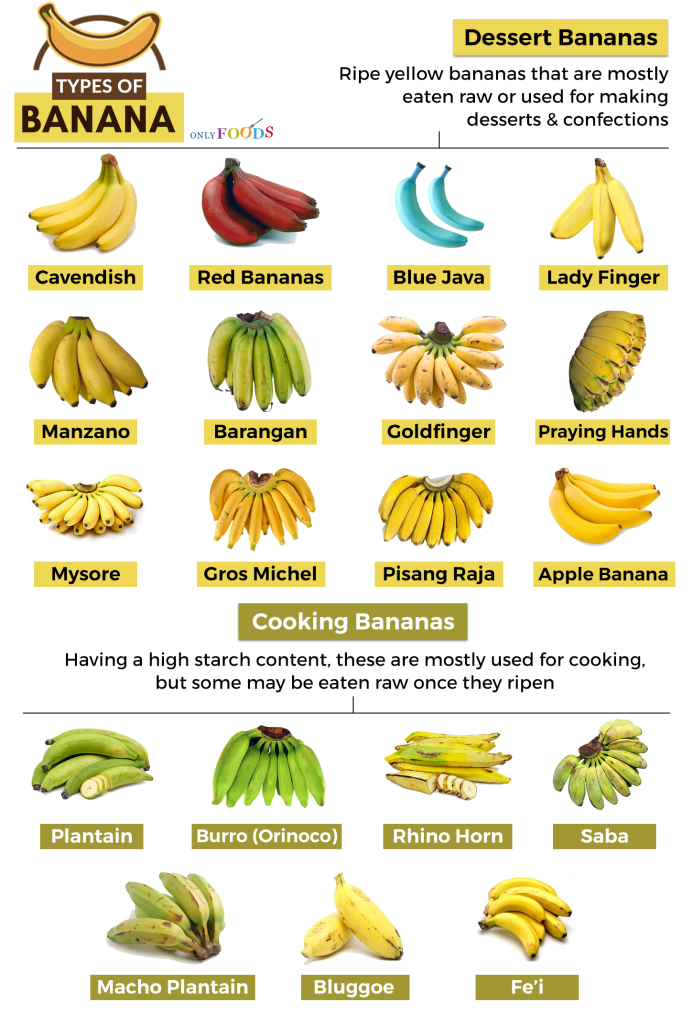
There are over 1,000 varieties of bananas in the world. The first popular one in the United States was the Gros Michel banana, also known as the “Big Mike” banana. This was the most popular banana until the 1950s, when Panama Disease mostly wiped it out. Panama Disease is a fungus that causes the banana plant to wilt. The Gros Michel variety has been virtually extinct since the 1950s, but this variety is still grown in Uganda.

This is a photo of the Gros Michel variety:

Bananas used to have seeds, but the banana was made seed-free using banana hybrids! The Cavendish banana is a human invention.

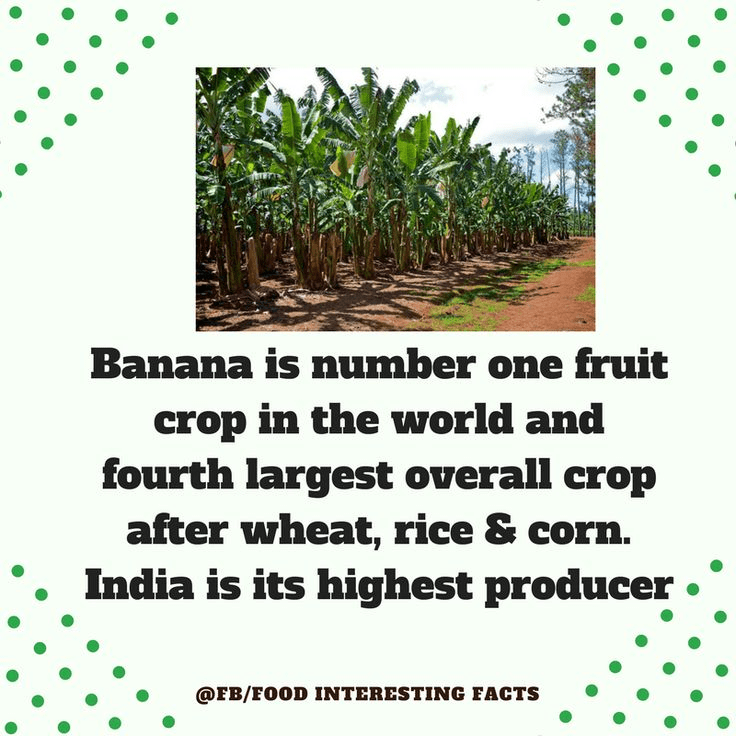
After Panama Disease wiped out most of the Gros Michel variety, the most popular banana changed to the Cavendish banana, which is what most of us eat today. Although the Cavendish bananas only account for 50% of global banana production, the Cavendish banana takes up 99% of the banana export market. India is the highest producer of bananas. and Ecuador is the largest exporter of bananas.

Bananas were once advertised as “fruit in a germ-proof wrapper.’

Bananas are the fourth most important crop in the world, behind rice, wheat, and corn! 400 million people rely on bananas as a source of food or a source of income.

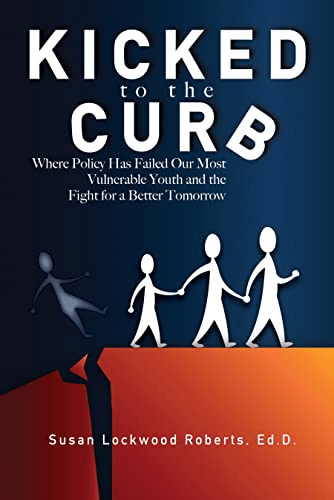
Earlier this week, I read “Kicked to the Curb: Where policy has failed our most vulnerable youth and the fight for a better tomorrow” written by Susan Lockwood Roberts. I learned so much and here is a summary of my thoughts.

This book was a very insightful, easy read. The author addressed the problems with the education system, especially in educating incarcerated youth using the same cookie-cutter approach used in the standard education system, yet with less funding. Under-performing youth are viewed as difficult and are often kicked to the curb, resulting in societal costs of unemployment, non-productivity in the workforce, and crime. Teachers often teach the way they were taught, and this does not usually work when teaching incarcerated children. Students who are at risk due to family relationships, aspiring to be a first-generation high school graduate, or poverty likely need relationships in order to succeed and may require a more individualized, targeted approach. The author worked in engaging policy problems and changing methodologies in order for children, teachers, and staff to succeed. Some of these programs included daily adult mentoring, work-based learning experiences, career exploration and goal setting, professional development for teachers so that they can shift the way they do things according to the backgrounds of the students, reforming curriculum and acquiring updated textbooks, and developing methods of engaging students using a variety of instructional strategies. The author acknowledges that progress has been made, but that more needs to be done.

When youth don’t finish high school, the path to a high school credential is through adult education, and adult education programs receive less than 10% of funding going to K-12 and less than 5% of what is spent to support higher education. As a result, fewer than 10% of the people who need adult education services can access them. As a society, we can’t figure out how to invest more money in education, but we don’t know about the $225 billion lost every year to low literacy and numeracy among our citizens. What do we value?

This blog post (https://www.gabethebassplayer.com/blog/your-contribution) made me consider 3 questions we should ask ourselves frequently in our jobs and our lives. Say you want to make progress toward a goal, such as starting a daily habit or training for a marathon. Ask yourself these questions and reflect:

  1. Are you content with your contribution (right now)?
  2. Are you content with what you’re contributing (right now)?
  3. What are you contributing (right now)?
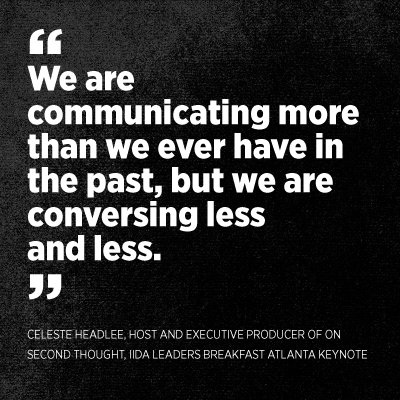
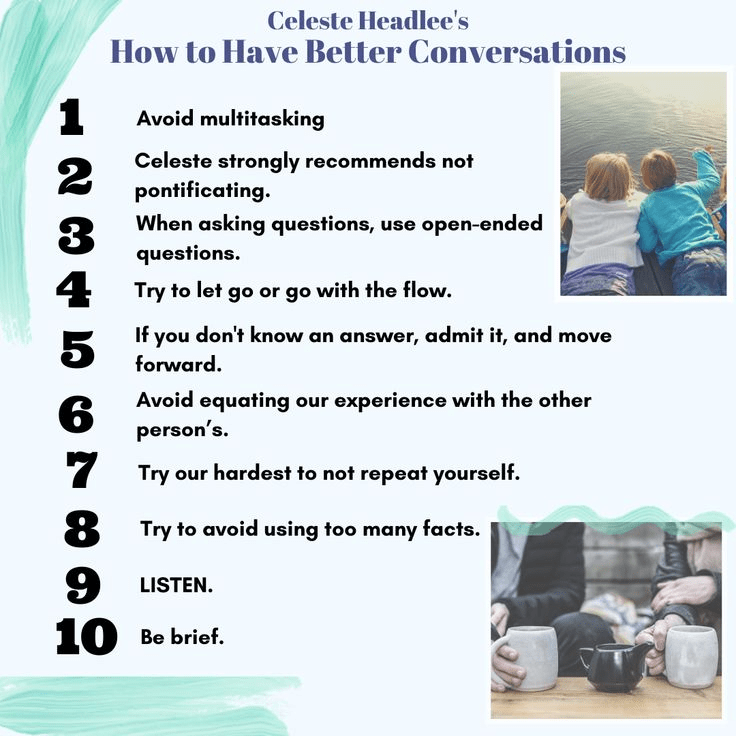
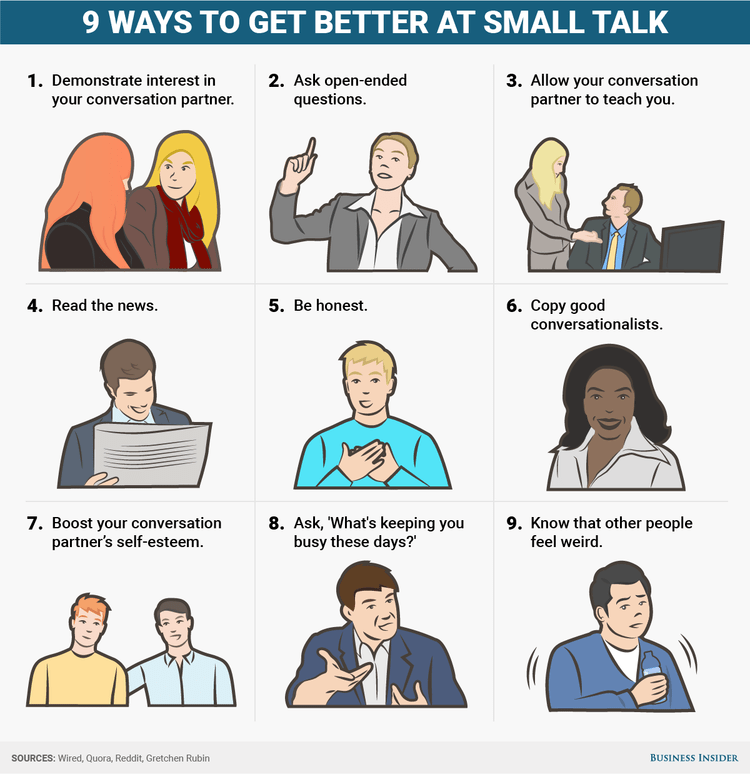
TED Talks- Celeste Headlee- 10 Ways to Have a Better Conversation

It used to be that in order to have a polite conversation, we just had to stick to the weather and our health. These days, with climate change and anti-vaxxing, those subjects are not always safe either.

A conversation requires a balance between talking and listening. Conversational competence might be the single most overlooked skill we fail to teach. An important skill is being able to have a coherent and competent conversation.

  1. Don’t multitask. Be fully present.
  2. Don’t pontificate. Enter every conversation assuming you have something to learn. Sometimes that means setting aside your personal opinion. Everyone you will ever meet knows something that you don’t.
  3. Use open-ended questions. Start your questions with who, what, where, when, why, or how. This allows people a chance to think about the question and respond with a genuine response.
  4. Go with the flow. Stories and ideas are going to come to you, but sometimes you need to let them go to fully listen to what the other person is saying.
  5. If you don’t know, say that you don’t know. Talk should not be cheap.
  6. Don’t equate your experience with theirs. All experiences are individual, and it is not always about you.
  7. Try not to repeat yourself. It’s boring and condescending.
  8. Stay out of the weeds. You don’t need to remember and present all of the details.
  9. LISTEN. If your mouth is open, you’re not listening and learning. Listen first to understand, then to reply.
  10. Be brief. Conversations should be short enough to retain interest, but long enough to cover the subject.

All of this boils down to one sentence: Be interested in other people. Go out, talk to people, listen to people, and be prepared to be amazed.

I look forward to reading, learning, and sharing more with you soon!
Thoughtful Thursday posts, Uncategorized

Thoughtful Thursday- April 20, 2023

My intention is to post a Thoughtful Thursday column each week and share some of the insights I have learned in the past week. Here are some of the things I’ve learned this week:

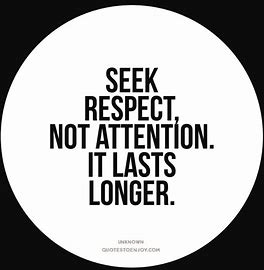
Self Improvement Daily- Earn Respect, Not Validation

Our interest to prioritize and maintain strong social connections is fundamental to our success as a species, and in order to appease our ego, we seek validation, approval, and acknowledgement from others as a means to confirm our importance. This may cause us to do things that aren’t in alignment with who we want to be because we need quick access to the validating spike of feeling important.

What we’re actually searching for, that leaves a deeper and lasting impression, is other people’s respect. This goes beyond what you do and into who you are– your character and your values. This is more difficult to earn, and in a society that is addicted to immediate gratification, sometimes people don’t even have the patience to get there.

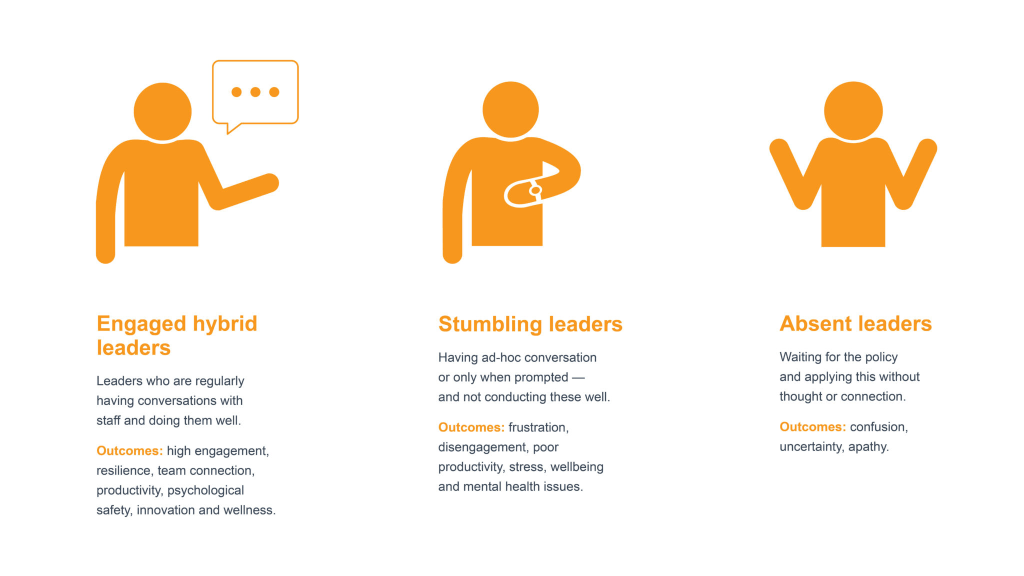
Ted Talks Daily- 4 ways to make hybrid work better for everyone

I was surprised to learn that, using surveys, polls, and meta-analyses, over 70% of employees in most global surveys want a mix of in-person and remote formats moving forward.

Many employers unexpectedly moved to a remote or hybrid format during the COVID-19 pandemic. Many also haven’t put much thought into a plan. Some employers want employees in the office a certain number of days each week, but don’t care when. Others haven’t set expectations. Others have clear expectations about when employees need to be in the office. Here are 4 ways to make hybrid work better for everyone:

  1. Coordinate anchor days — days you and those you collaborate with are in the office on the same day.
  2. Plan spontaneity. Set aside 6-7 minutes of online meetings to chat informally about something other than work. Consider happy hours, trivia challenges, or lunches or coffee with coworkers.
  3. Match digital tools with communication objectives. Sometimes e-mails, IMs, and phone calls won’t cut it. Use video calls for conversations when needed.
  4. Consistency between hybrid policies and attitudes is the only way to build a hybrid culture for everyone. If you want your employees to come in a certain number of days, assign days or make that expectation clear. If there aren’t any clear expectations and people don’t come in the same number of days, nobody should be made to feel guilty for not coming in as often as others.
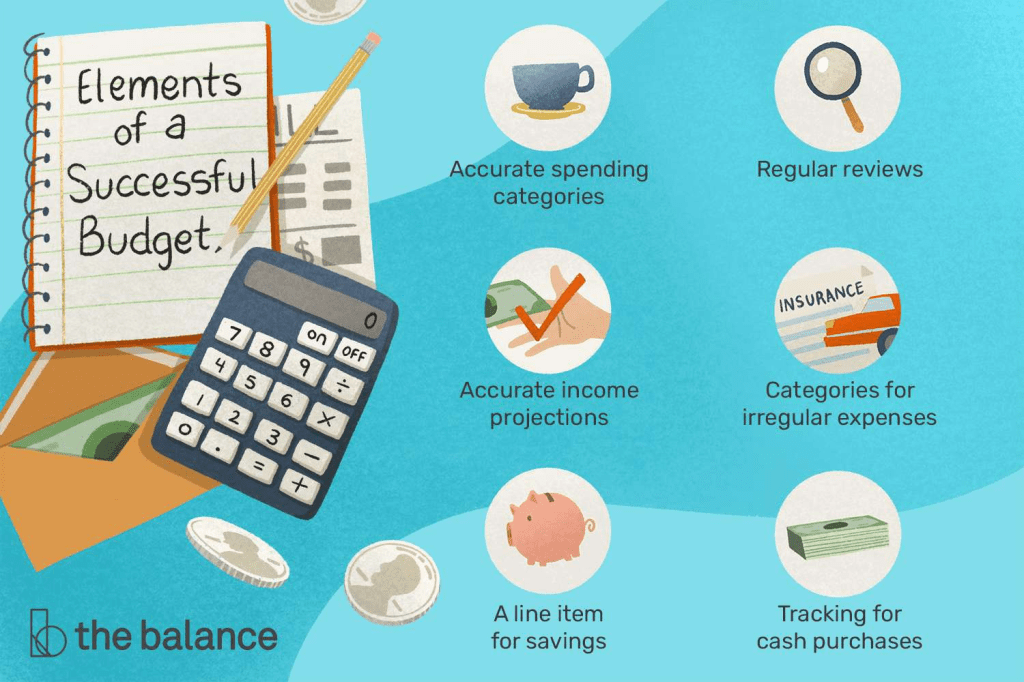
Optimal Finance Daily- Budgeting Tips: 10 Ways to Lower Your Life’s Fixed Costs by Joshua Becker
  1. Buy or rent a smaller home. Housing costs generally take up the largest percentage of a person’s expenses.
  2. Avoid car payments.
  3. Double-check recurring expenses and cancel any you no longer need or use.
  4. Research insurance costs. Double-check your premiums and compare other options.
  5. Take your lunch to work.
  6. Pay off your credit card debt. Interest payments are like flushing dollars down the drain. We don’t receive anything for them.
  7. Stop upgrading your phone just because you are eligible.
  8. Cut utility bills at home. Get a programmable thermostat, lower the temperature on your water heater, unplug unused electronics, cut cable, or seal your home better for cold and heat.
  9. Research childcare options in your area. Sometimes new childcare centers are much less expensive than the one your child or children is currently enrolled in.
  10. Ditch the storage unit. If your storage unit is simply storing stuff because you own too much stuff, get rid of it. Stop paying money to keep stuff you don’t need.
Curious Kid Podcast- Curious About Prosthetics

https://www.bakersfield.com/news/health/15-interesting-facts-about-prosthetics/article_fd58fef4-a590-5067-8d3e-6463e5374126.html

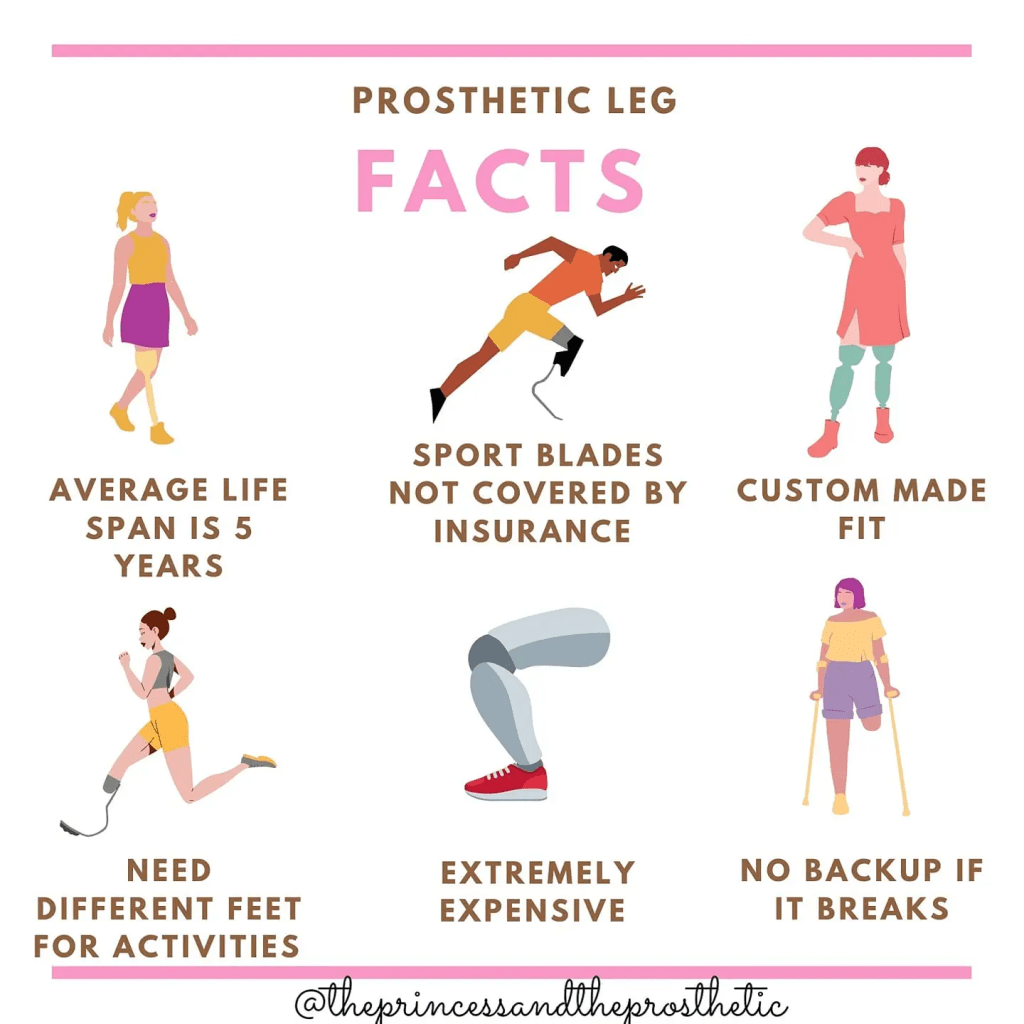
The word “prosthetic” is Greek. When translated to English, it means “addition.” A prosthetic is a device that provides support in place of the body part so that people can perform day-to-day functions.

  • In ancient Rome, there are accounts of warriors who used prosthetics made of iron and wood to make artificial arms and legs.
  • Thousands of years ago, prosthetics were cosmetic.
  • During the French Renaissance, prosthetics became functional and included harnesses and knee lock controls, as well as softer materials.
  • Limb loss can be caused by a disease or cancer that impacted that body part, a car accident, or being born without a body part.
  • Prosthetics are made according to what body part is missing. How it looks and how it is made is dependent on the person and body part. Generally, measurements are taken and a cast is made. A mold is made to specifications. It is shaped to be comfortable for the patient. Most prosthetics are constructed with lightweight carbon fiber, aluminum, and titanium components.

Nearly 75 percent of amputations are caused by diabetes and cardiovascular complication. The most common type of amputation is a below-knee amputation.

The average prosthetic lasts *only* three to five years!

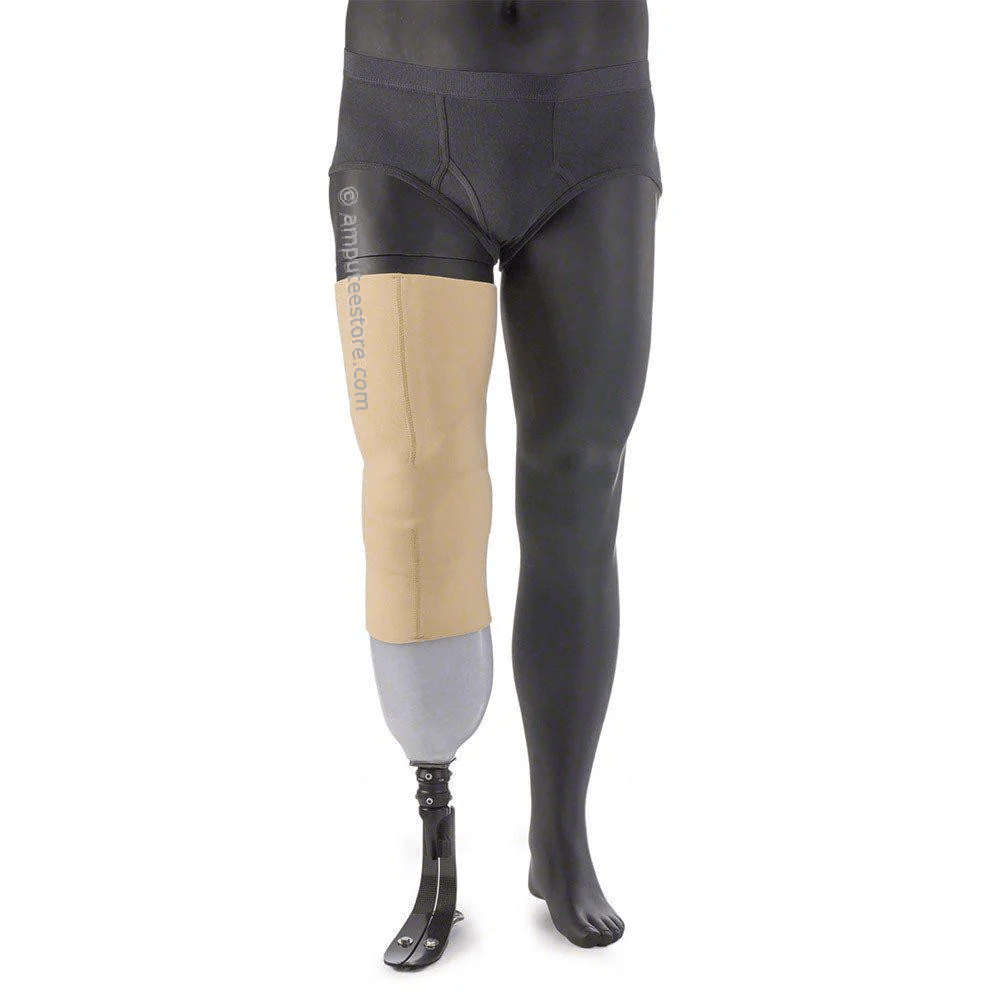
Most amputees wear a stump shrinker, which is a compression sock that keeps the limb from swelling when the prosthesis is not on their limb. Most amputees wear a silicone gel liner that helps to cushion and protect the limb during walking.

https://www.gabethebassplayer.com/blog/best-price-guaranteed

Best Price. Guaranteed.

But what does best mean?

Lowest?

Most efficient?

Most satisfaction?

Most bang for the buck?

The price most people would enjoy?

Since ‘best’ isn’t defined, the guarantee is also meaningless.”

Gabe the Bass Player at gabethebassplayer.com
The Economics of Everyday Things- Gas Stations

In the U.S., Americans use 374 million gallons of gas every day!

Gas is cheap in the U.S. relative to other countries. Considering the amount we use, though, every penny counts.

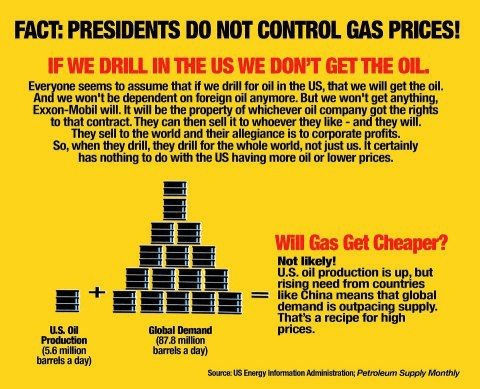
We often blame politicians and oil executives, but the easiest target is the gas station owner. There are 145,000 gas stations in the U.S. 8 out of 10 are independently owned and operated. They pay oil companies for the right to use their branding and gas. Many come from other countries.

  • 50-60% of cost of gas is from the cost of crude oil. $4.00 cost of one gallon of gas= $2 cost of crude, 70 cents to refine it, 40 cents to move it from refinery to gas station, 50 cents for federal/state/local taxes. For a $4.00 gallon of gas it costs about $3.60 to get it to the pump. Gas station owners make about 30-40 cents out of every gallon they sell, which has to cover maintenance, electric bill, rent, liability, etc. In the end, they are averaging 7 cents per gallon of profit.
  • Gas stations have a daily profit of about $300 after all expenses.
  • Gas stations regularly face competition with other area gas stations.
  • Station owners usually buy a few days of gas at a time and store it in underground tanks, but the price of wholesale gas changes every 24 hours. As a station owner, you can lower your prices and lose money or keep a little profit margin and watch your customers go to another station.
  • When crude prices go up, station owners are slow to pass on the extra cost to us at the pump, but when they fall, they don’t set the prices lower right away either. When gas prices increase, tight margin on gas gets squeezed even further, people buy less gas, and people also buy less inside the store. Higher gas prices also result in more theft.

Gas isn’t a big money maker. The bulk of a gas station owner’s income comes from selling food, where they have an average 33% gross profit inside the store.

Healthier Together- How to Know if You Should Have Kids + Debunking Myths About Parenthood

I don’t have kids (yet), so this was an interesting podcast with different perspectives and insights!

Many people ask “Are you going to have KIDS?” One point the podcast host made is “How will you know whether you want to have KIDS (plural)? Should I have KID? Then you can decide whether you should have KIDS.”

The most surprising point I learned on this podcast is that the ideal age to become a parent is said to be 38 or 39! This provides time to enjoy two adulthoods: 18-38 can be spent traveling, establishing your relationship with your partner, establishing your career, etc. Another adulthood starts when having kids at 38 or 39. This also results in having wisdom, perspective, and better finances, and, if you live long and are healthy, your kids can still care for you when you are old.

Many people have kids earlier due to societal or family pressure or the fear of infertility. If you have concerns about fertility with waiting, check with your doctor about fertility tests and risks. This makes more sense than having kids earlier simply due to this sometimes-unreasonable fear. Some fertility treatments are covered by insurance or are available through grants.

If you are concerned about finances, you can save money through hand-me-downs, secondhand retail, community or church groups, and neighborhood exchanges. You can also do a childcare exchange with friends.

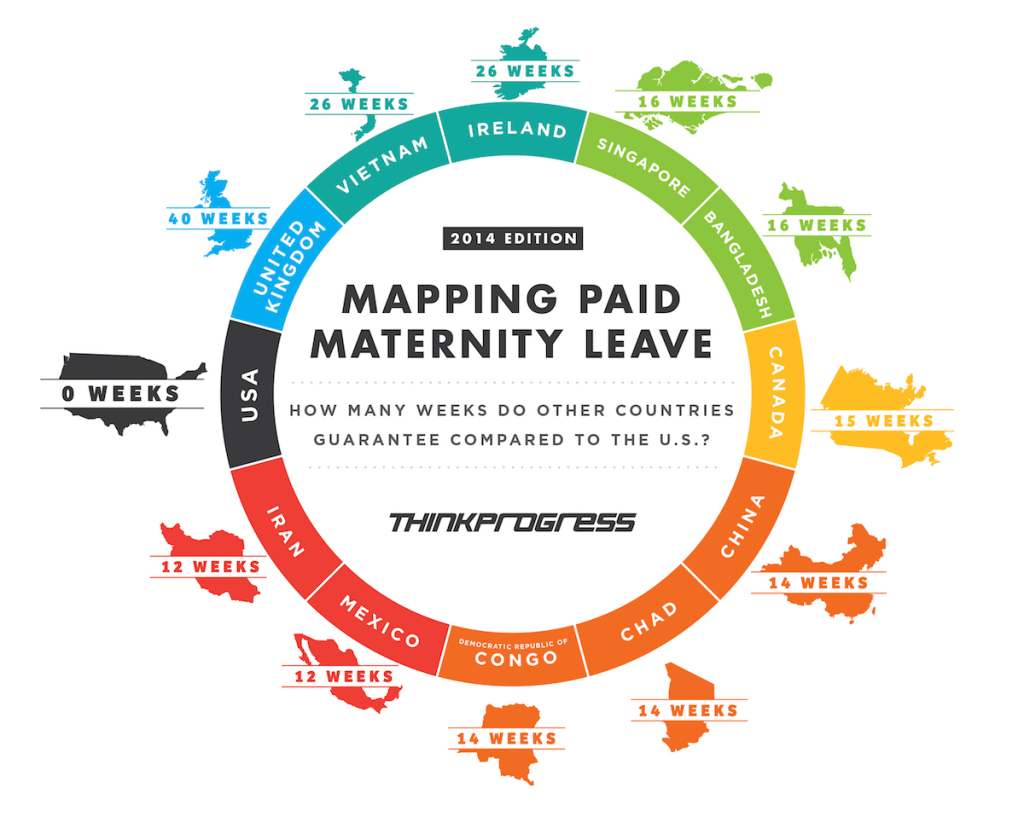
Our society says we value children, but we do not put the $ or attention there. Many employers do not offer paid maternity or paternity leave, resources, or flexibility for childcare, etc.

You may never feel 100% confident in your decision to have kids. That’s okay. 60/40 confident is enough. It isn’t about baby or no baby. If you are postponing or thinking about not having kids, ask yourself if there’s anything you haven’t done yet in life that needs to happen. We will have some disappointments. Ask yourself “What hasn’t happened yet that I want to happen between now and when I die?” It’s about thinking about what is important to you that hasn’t happened yet and how you will fit that in. Be able to name those things and think about, if you actually have extra time and $, are you really going to do those things?

If you are afraid to bring a child into this world, know that people were also worried in the 80s and other decades. There have always been big issues dominating our consciousness and people still chose to have children and have not regretted it. There is always going to be some concern or worldly issue.

There is a lot of stress involved in raising kids, but the major factor is whether the child was planned or an accident and whether the parents had a close, high-quality relationship before having a child. Once kids are grown, parents rave about being parents.

There are many ways of finding life satisfaction and meaning even without having kids. Many parents do say that having kids has brought the most happiness in their lives, but that does not mean that you need to have kids to be happy. Volunteering, hobbies, career fulfillment, being a coach, and many other things can also bring meaning and happiness.

You can get to know your partner better than ever before just by thinking and talking this topic through. It’s not just “yes” or “no.” What are your fears? What do you want your life to look like? How will you share in the responsibilities? What is important to you?

I look forward to reading, learning, and sharing more with you soon!