Thoughtful Thursday posts, Uncategorized

Thoughtful Thursday – November 14, 2024

Self-Growth Nerds – 5 Most Powerful Questions to Ask Yourself

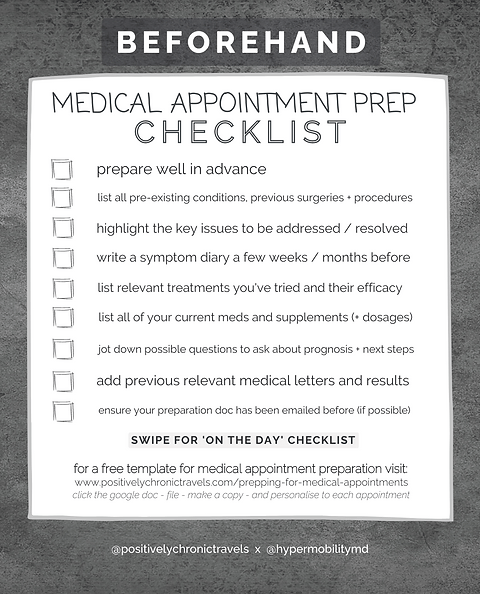
TED Health – A Healthier You: A 5-step guide to better doctor visits

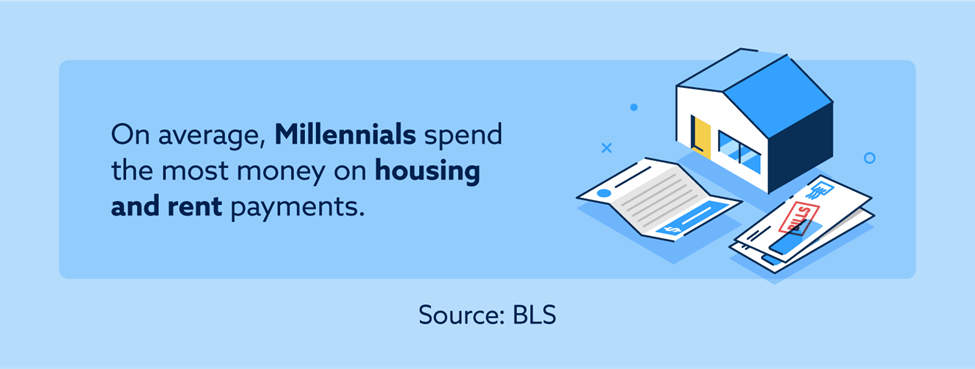
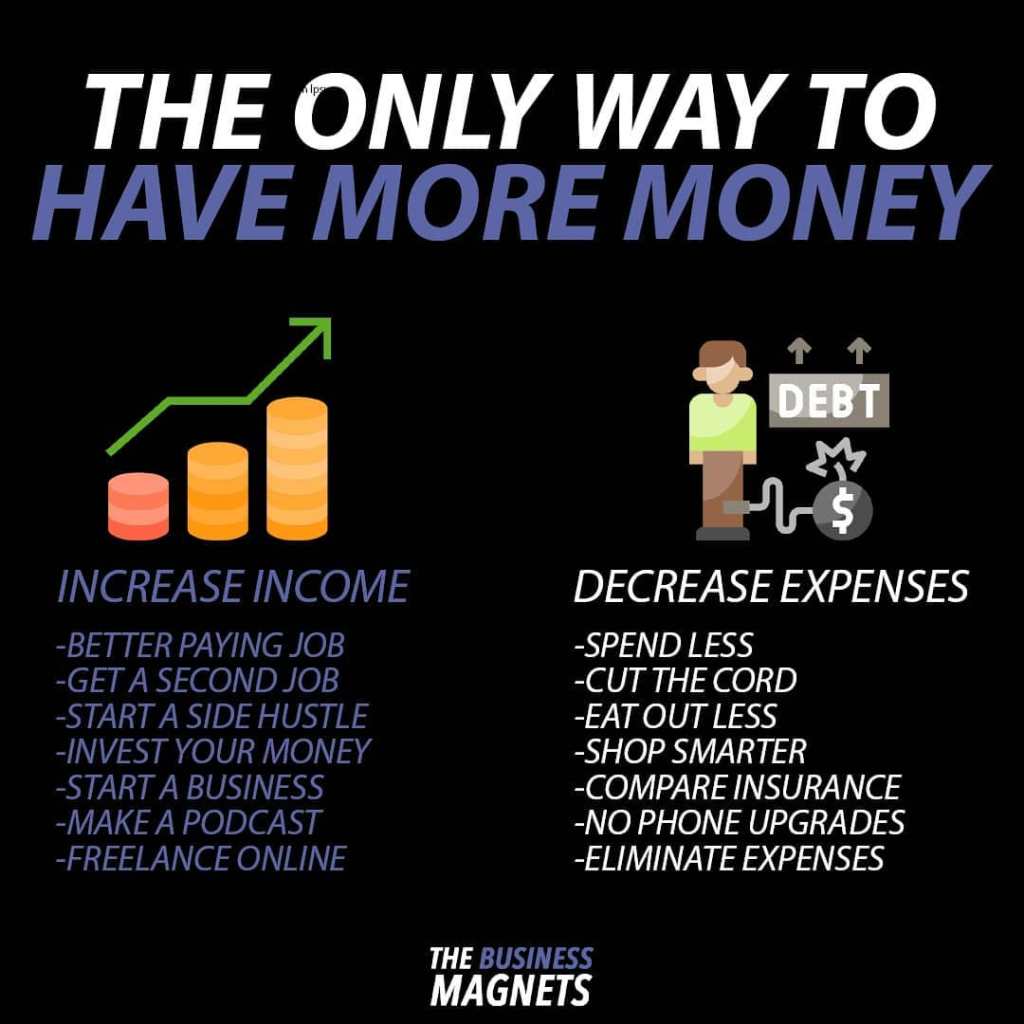
NerdWallet’s Smart Money Podcast – Are You Spending Like Your Generational Peers?

Fit, Healthy, & Happy Podcast – Fitness & Health Habits to Break

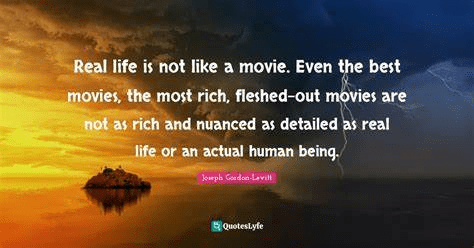
The problem with the movie version

There are lights, camera and action, but mostly there’s the unreality of making it fit.

Happily ever after, a climax at just the right moment, perfect heroes, tension, resolution and a swelling soundtrack. Every element is amplified and things happen right on schedule.

Consume enough media and we may come to believe that our life is carefully scripted, and that we’re stars of a movie someone else is directing.

This distracts us from the truth that real life is more muddled and less scripted. There is no soundtrack. We’re actually signed up for a journey and a slog. Nothing happens ever after. It’ll change, often in a way we don’t expect.

We have no choice but to condense a story when we want to film it. Our real story, on the other hand, cannot be condensed, it can only be lived. Day by day.”
Thoughtful Thursday posts, Uncategorized

Thoughtful Thursday – January 4, 2024

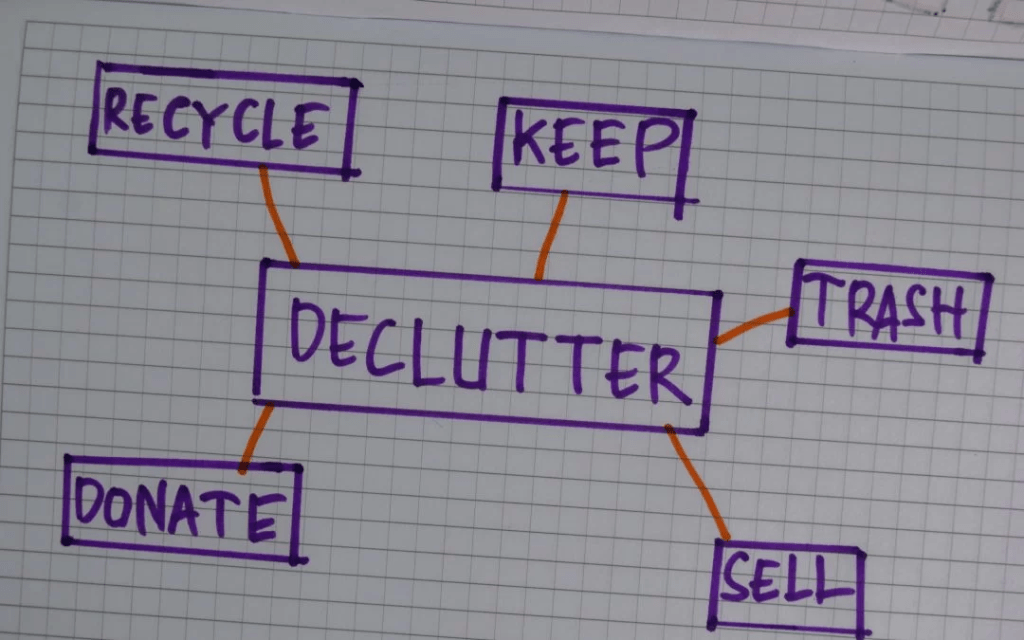
Frugal Friends Podcast – Declutter Your Home in 30 Days
Life Kit – The decluttering philosophy that can help you keep your home organized
Fit, Healthy & Happy Podcast – 10 Life Changing Things I Learned in 10 Years of Lifting

Optimal Finance Daily – 6 Things You Should Never Scratch Off Your Budget
Optimal Finance Daily – Stop Using These 6 Ridiculous Excuses For Not Saving Money
Thoughtful Thursday posts

Thoughtful Thursday – October 26, 2023

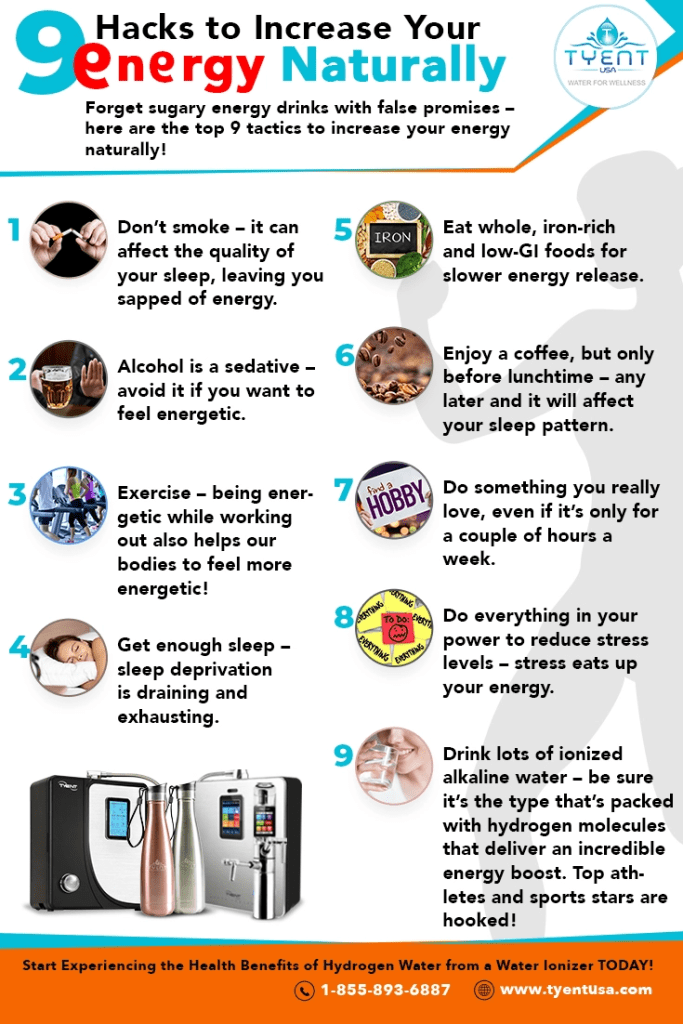
Fit, Healthy & Happy Podcast – 7 Tips to Naturally Increase Energy Levels
The Liz Moody Podcast – The 5 Habits That Have Changed My Life The Most
Rich Habits Podcast – Money Hacks for Marriage

It could have easily gone the other way

It could have been way better. It could have been far worse. It’s easy to imagine that outcomes are inevitable, but they’re not.

Was it your fault, or was it luck (good or bad)?

If our story of the past is filled with second guesses, shame or blame, it can carry forward. Or perhaps we’ve over-sold ourselves on just how talented, hardworking and insightful we are, when in fact, we sort of got lucky.

When we rewrite our narrative of the past, we end up creating a different future.

We have more control over that narrative than we give ourselves credit for.”

⭐️⭐️⭐️⭐️⭐️ I highly recommended this book!!

Thoughtful Thursday posts, Uncategorized

Thoughtful Thursday – August 24, 2023

Fit, Healthy & Happy Podcast – 8 Tips For Better Workouts
Psych2Go On the GO – 4 Types of OCD & How They Manifest
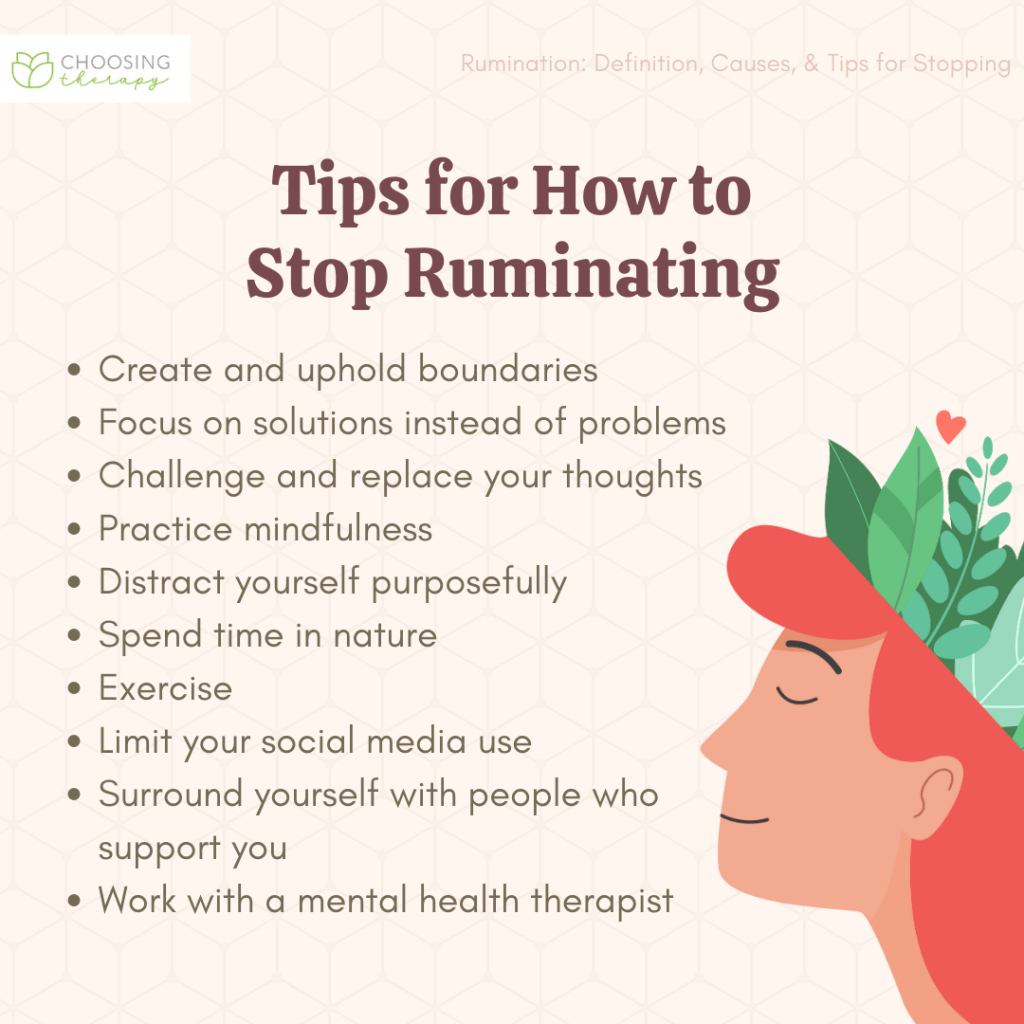
  • Intrusive thoughts and rumination: repetitive and constant thoughts ranging in topic, but common ones are violent intrusive thoughts, sexual intrusive thoughts, obsessions, and analyzing things followed by rituals or compulsions to make the bad things not happen. Ruminations are when one dwells upon a question or theme that is unproductive and likely to lead nowhere.

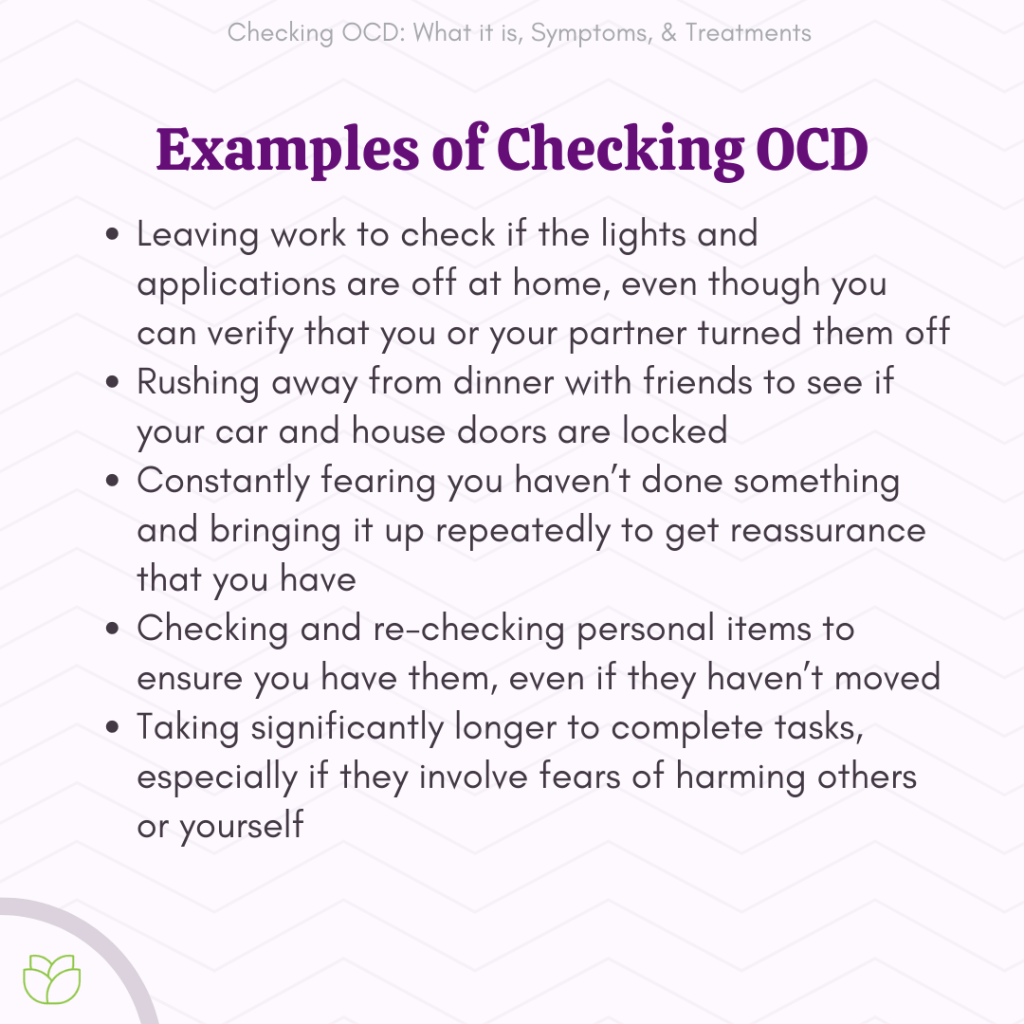
  • Checking: OCD can present itself in the need to check on something (acts on the compulsion). This can display itself in a variety of ways: checking in with family members to gain reassurance about their firms, unrelenting need to check the door repeatedly to make sure it’s locked out of fear of a burglary, checking an e-mail over and over analyzing imperfections, etc.

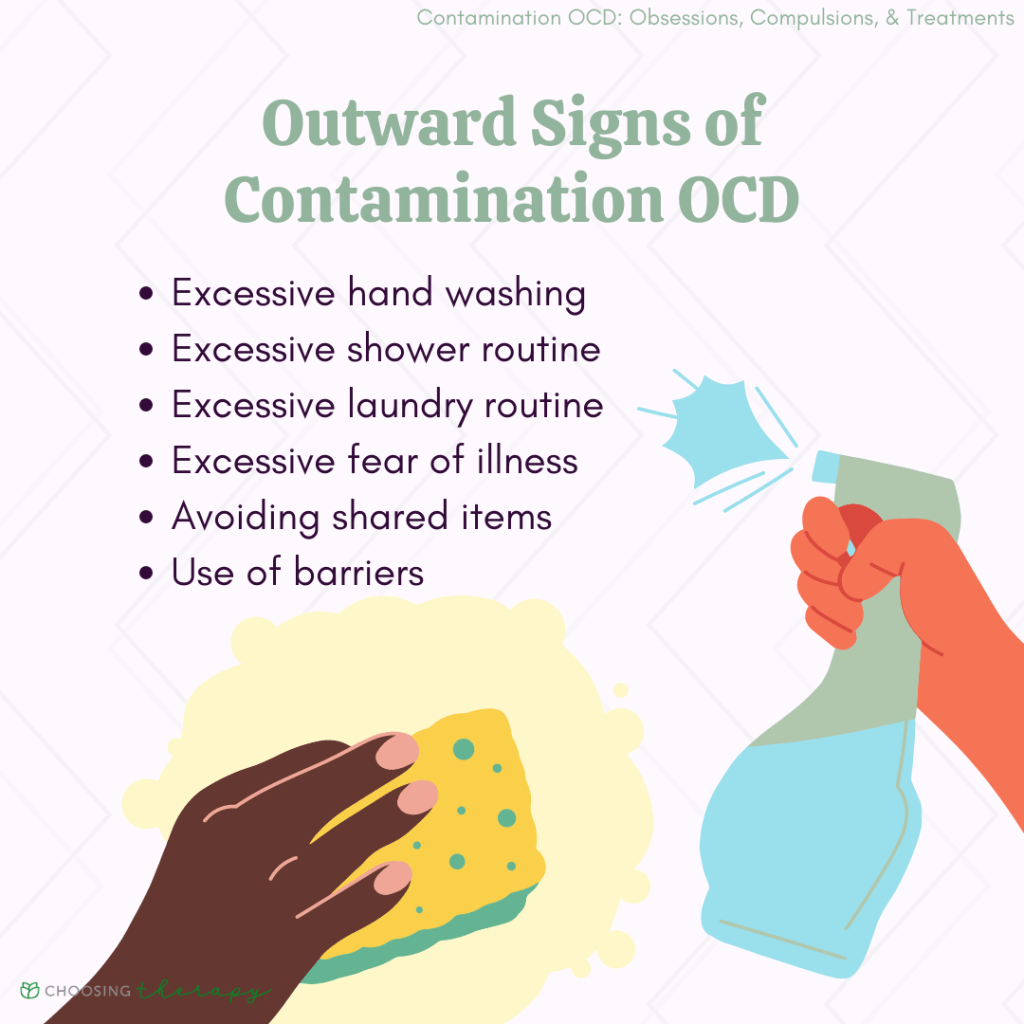
  • Contamination or mental contamination: characterized by the strong fear of being dirty or contracting germs from objects or people. Could excessively brush teeth or scrub hands or shower to wash away bad thoughts.

  • Symmetry and orderliness: organizing books or dvds, making sure everything is neat, clothes folded perfectly and hanging the same way. Can’t shake the strong feeling that it isn’t “just right.” With OCD, the compulsion only provides relief for a short amount of time

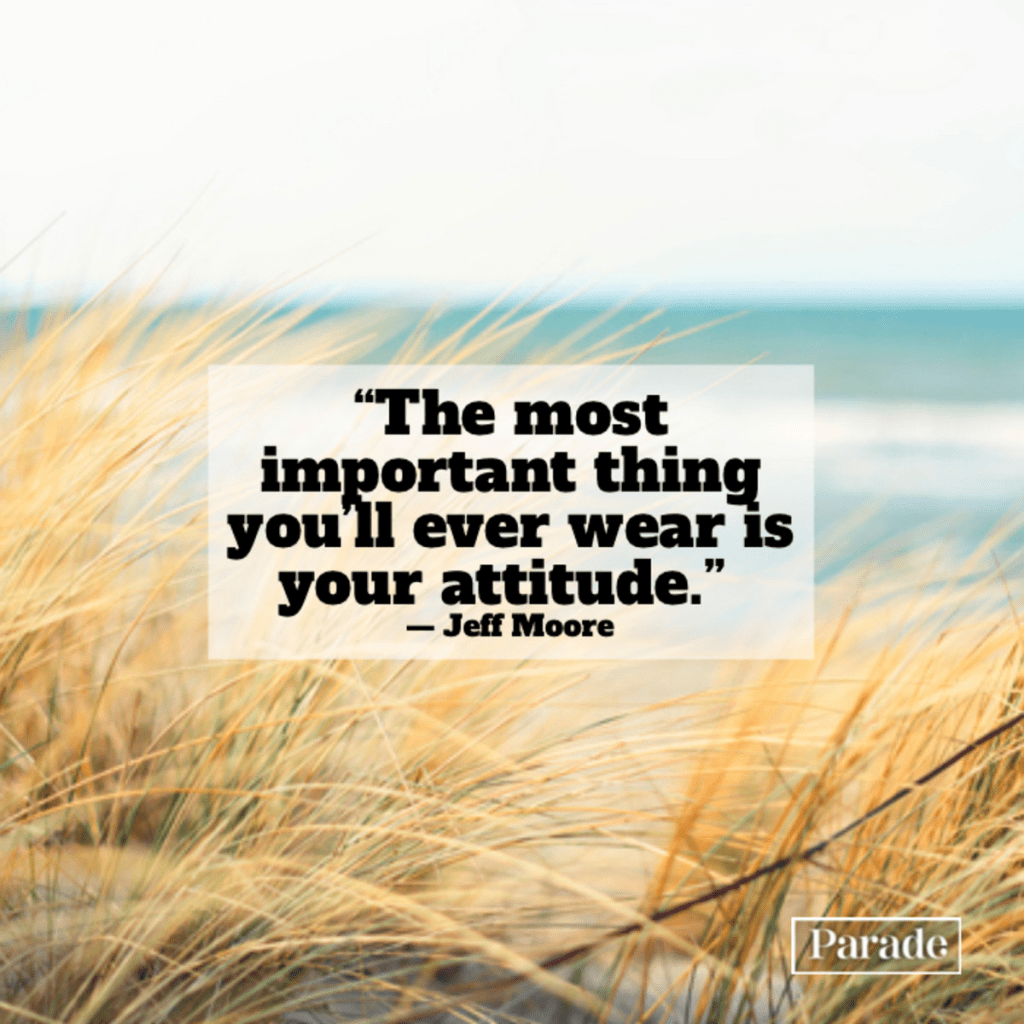
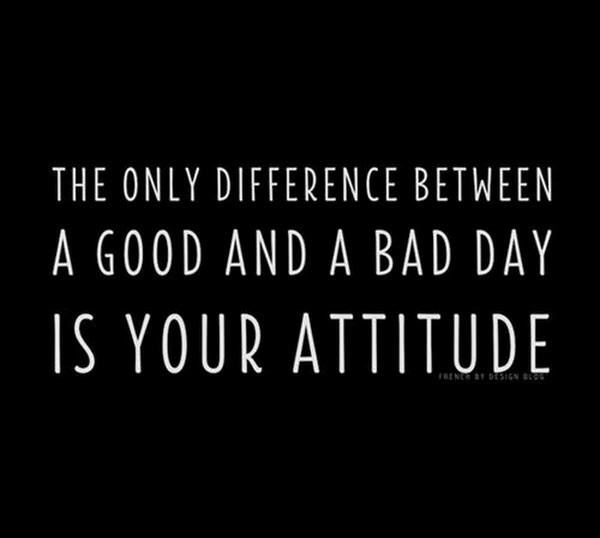
Self Improvement Daily – “The most important thing you’ll ever wear is your attitude.”
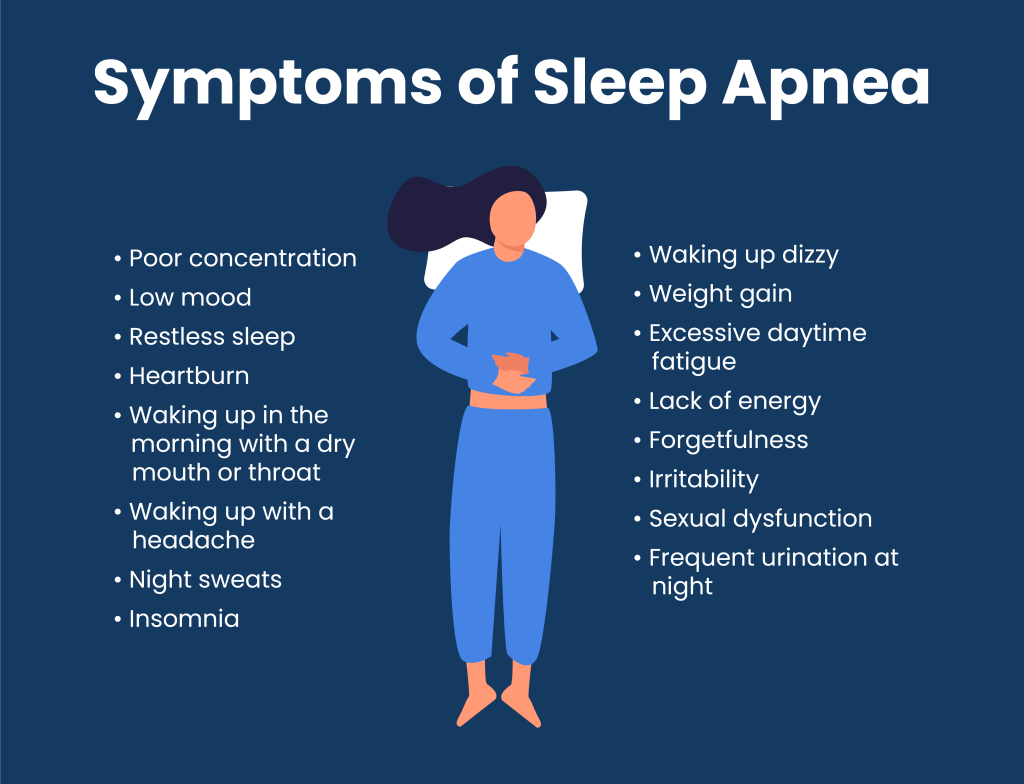
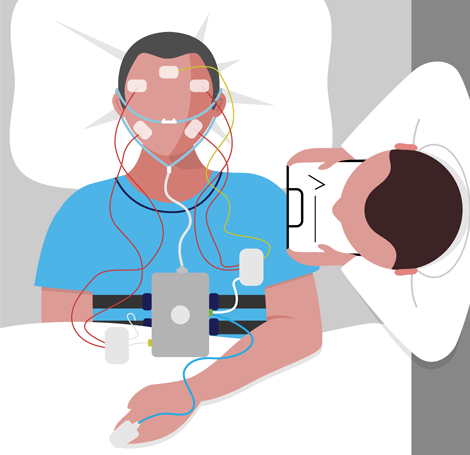
The Well Man’s Podcast – Sleep Apnea
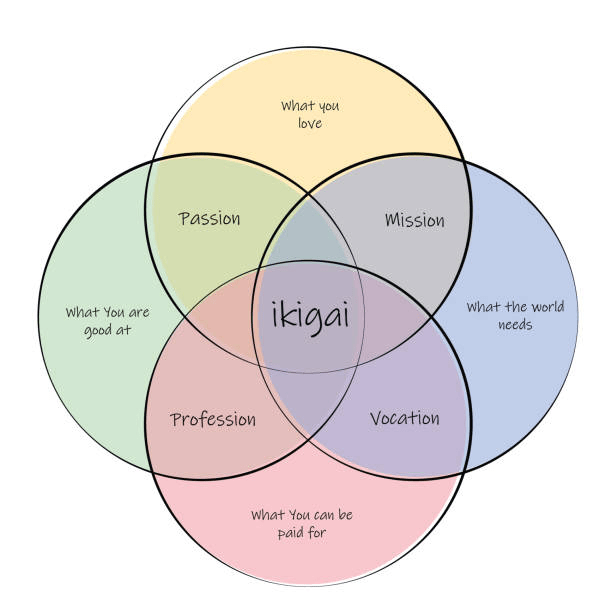
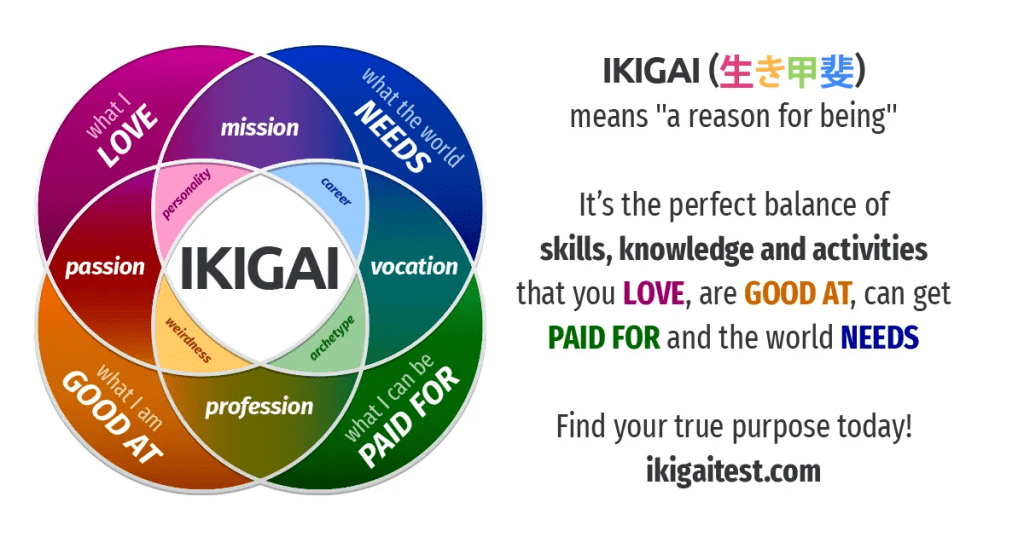
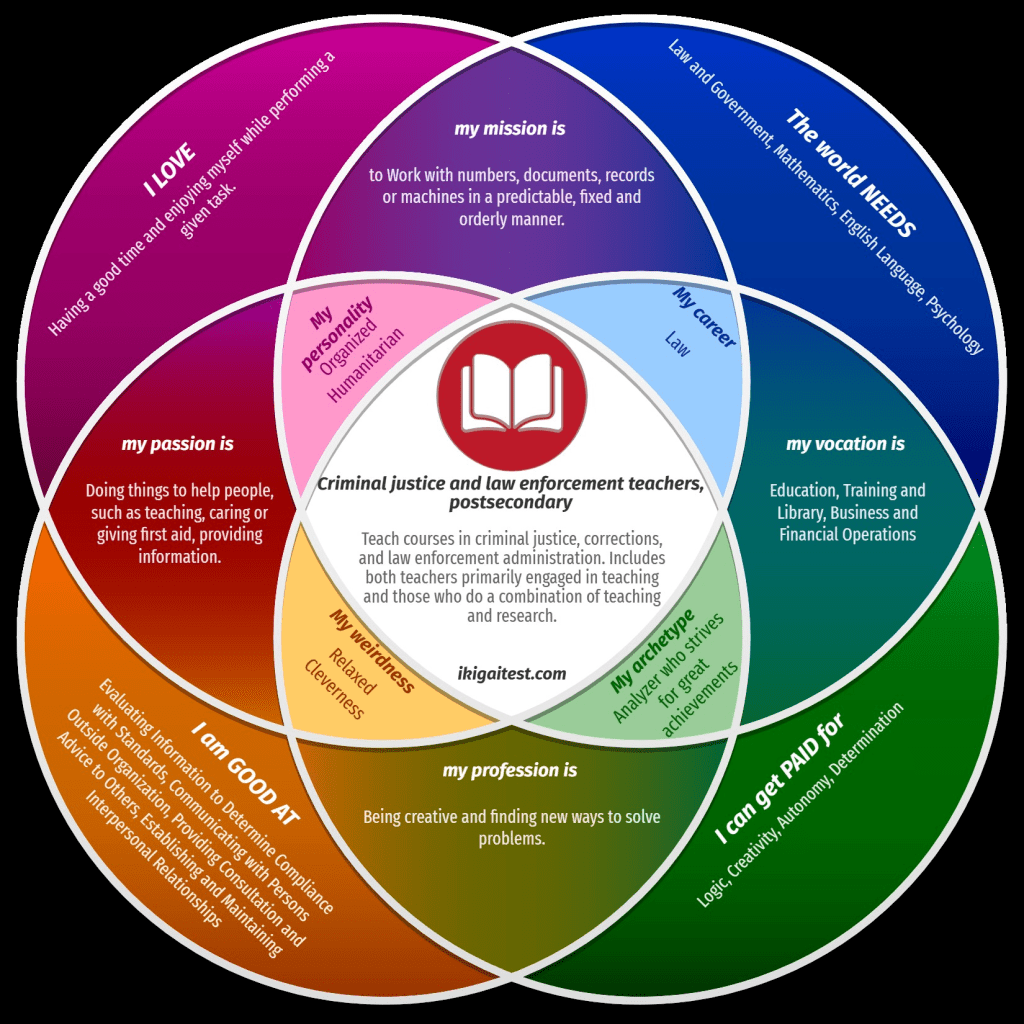
High Performance Mindset – What is Your Ikigai?
Thoughtful Thursday posts, Uncategorized

Thoughtful Thursday – August 17, 2023

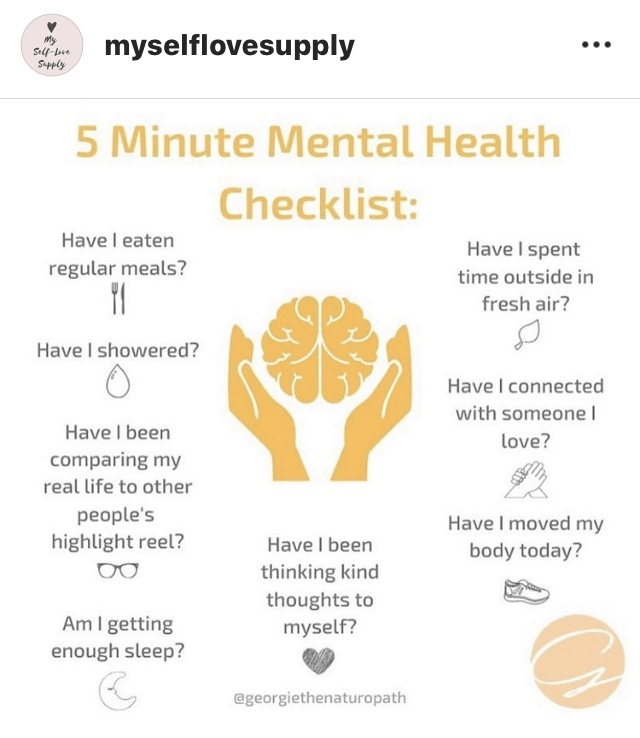
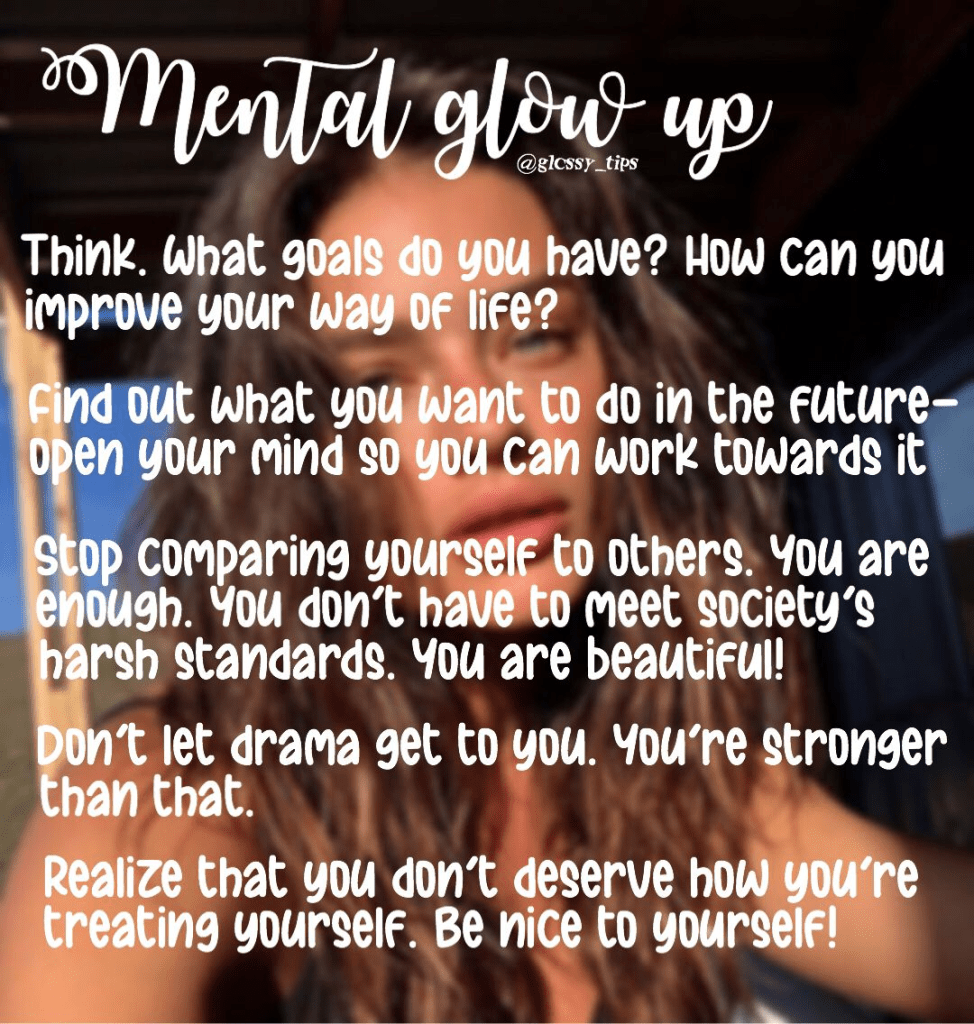
Fit, Healthy & Happy Podcast – How to Glow Up Mentally (Mental Health Checklist)
Sad to Savage – How I Became The Person I Was Envying
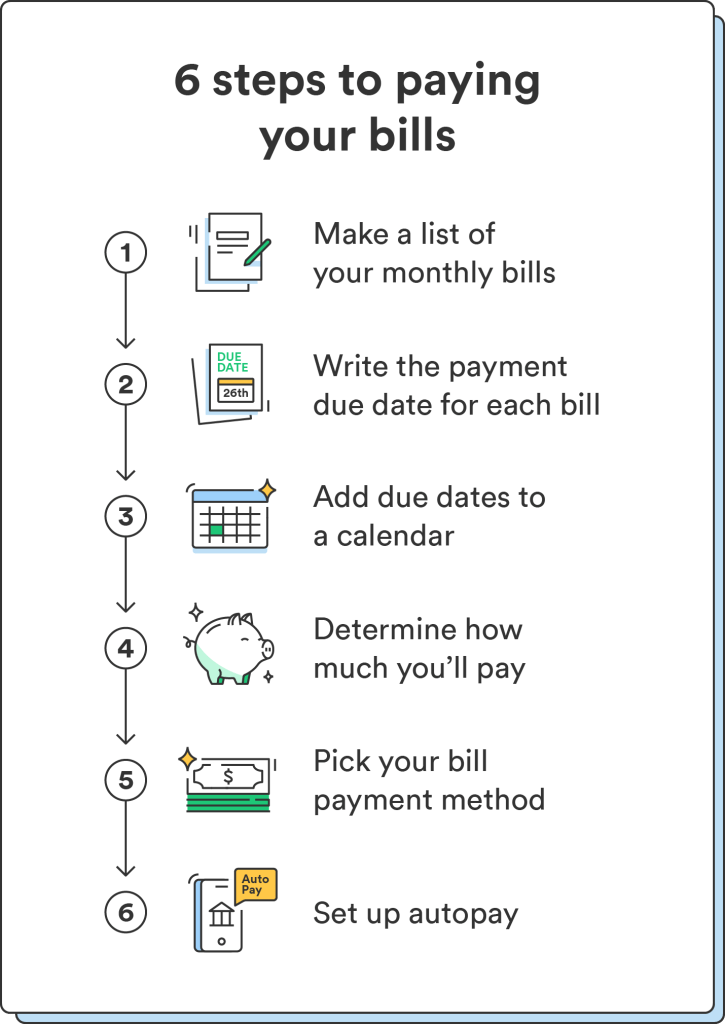
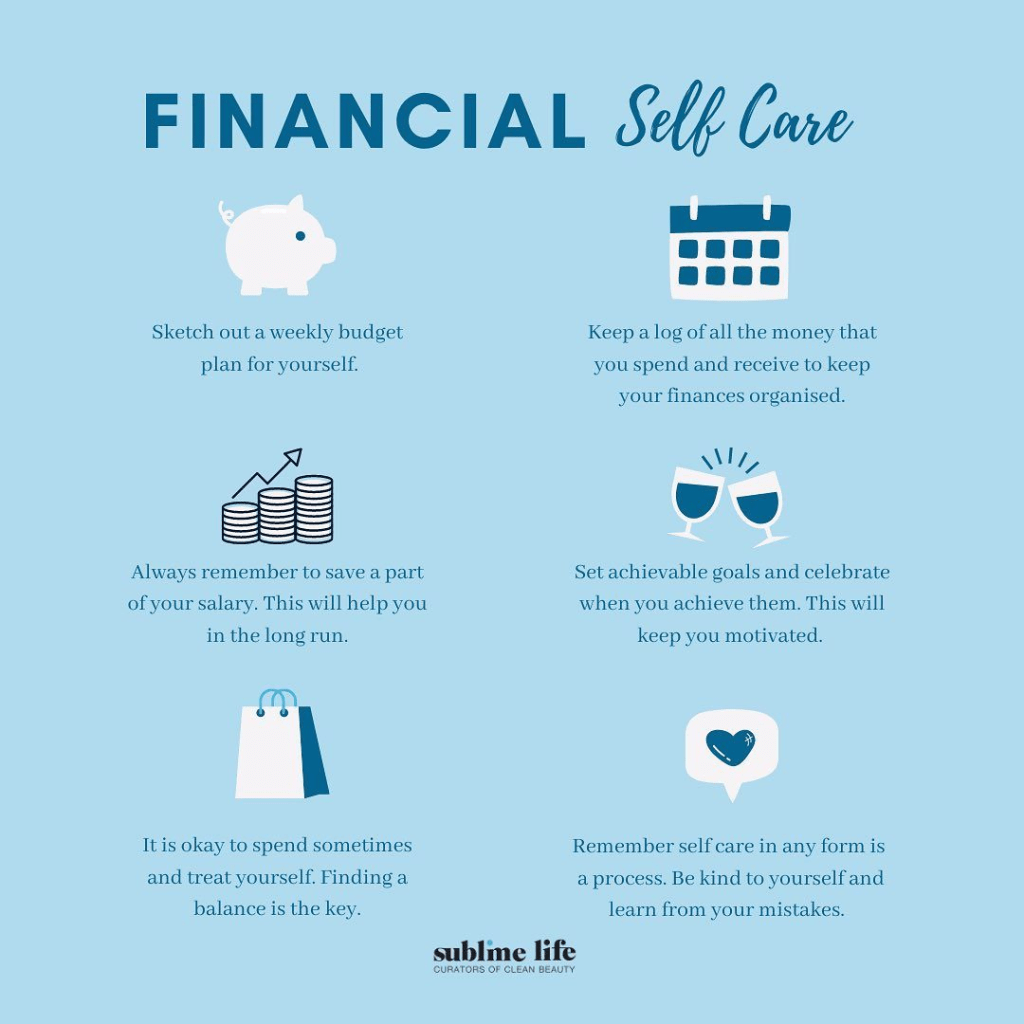
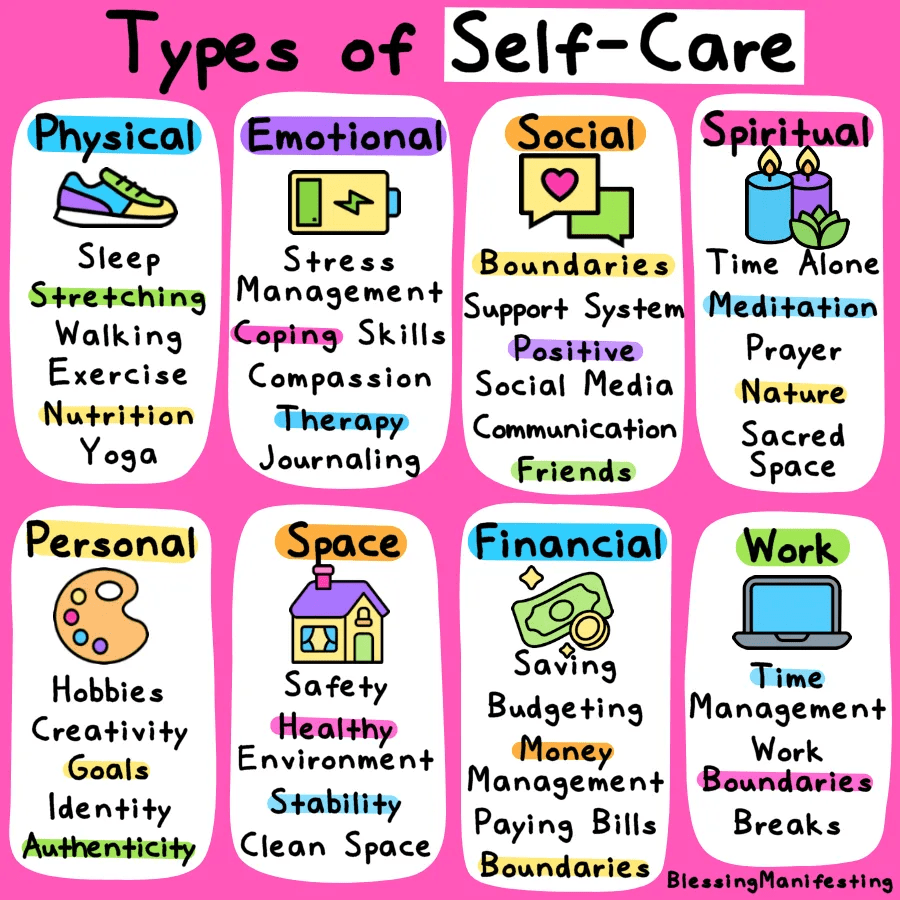
Life Kit – Start a financial self-care routine
  • Monthly:
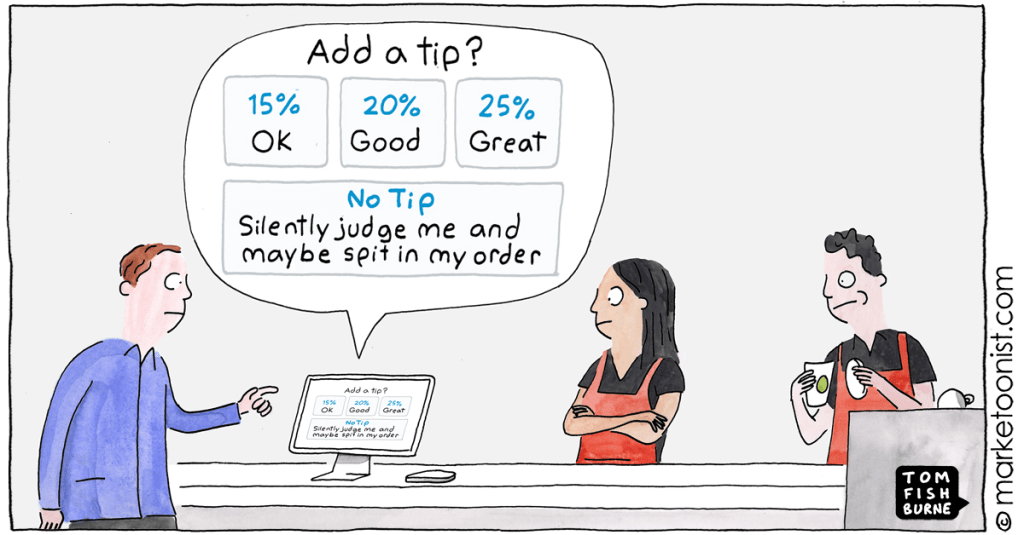
Frugal Friends Podcast – How Much Should You Tip?

Non-negotiable:

Thoughtful Thursday posts, Uncategorized

Thoughtful Thursday – August 10, 2023

My intention is to post a Thoughtful Thursday column each week and share some of the insights I have learned in the past week. Here are some of the things I’ve learned this week:

Optimal Health Daily – 10 Simple Fitness Tips You Can Implement Today by Lea Genders
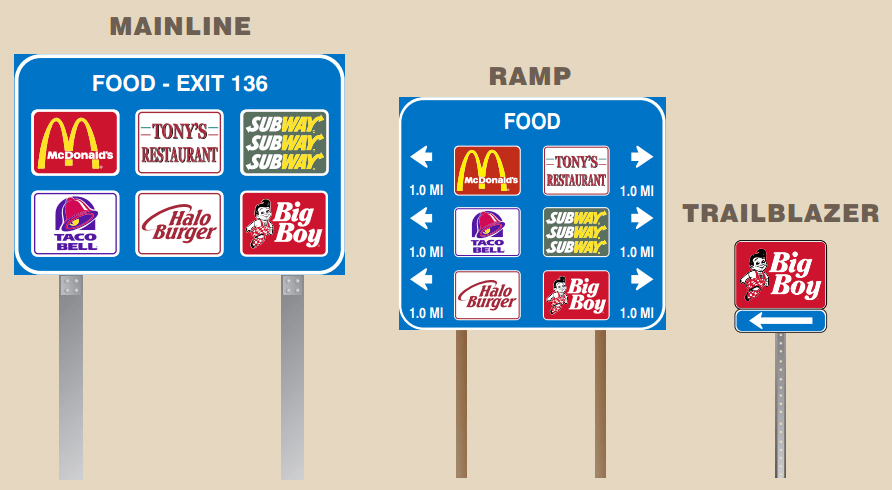
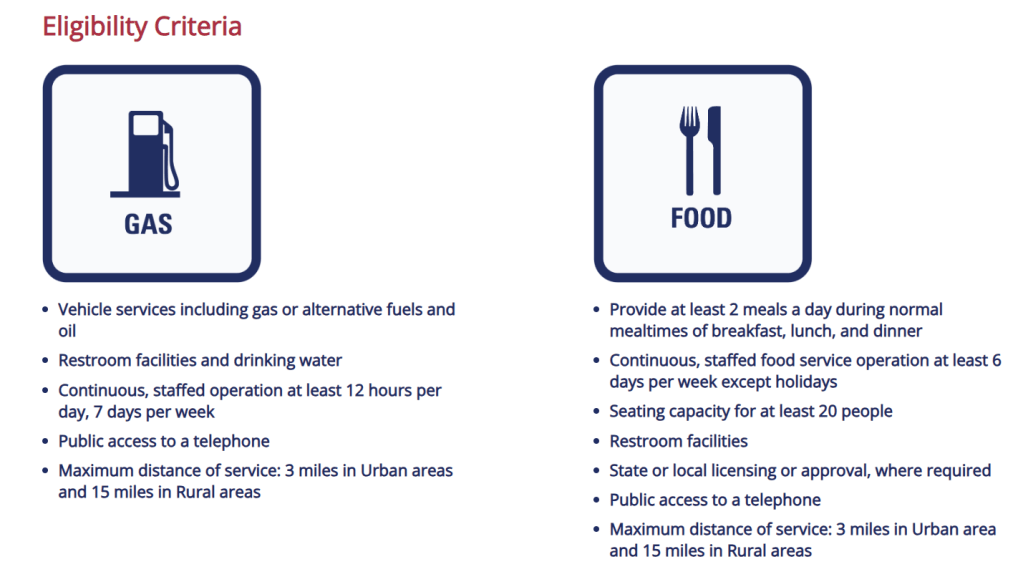
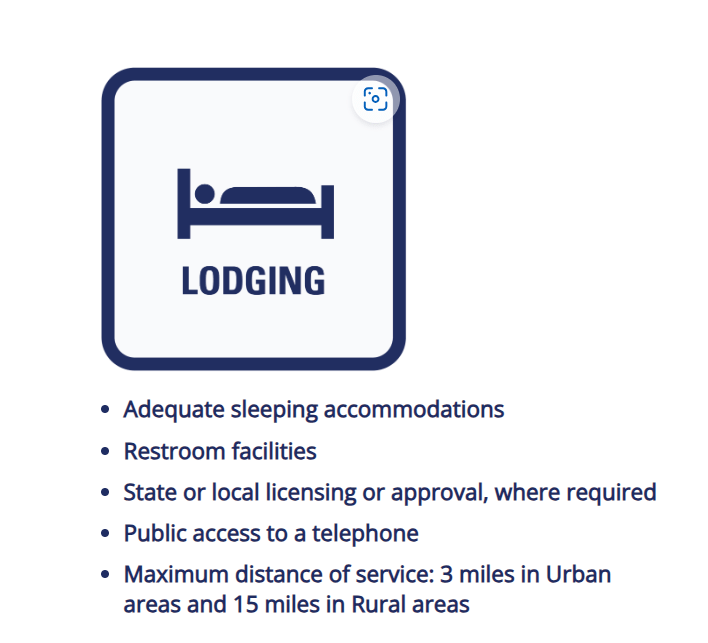
Stuff You Should Know – Short Stuff: Blue Highway Signs

https://minnesota.interstatelogos.com/state/eligibilityCriteria.aspx?programId=085

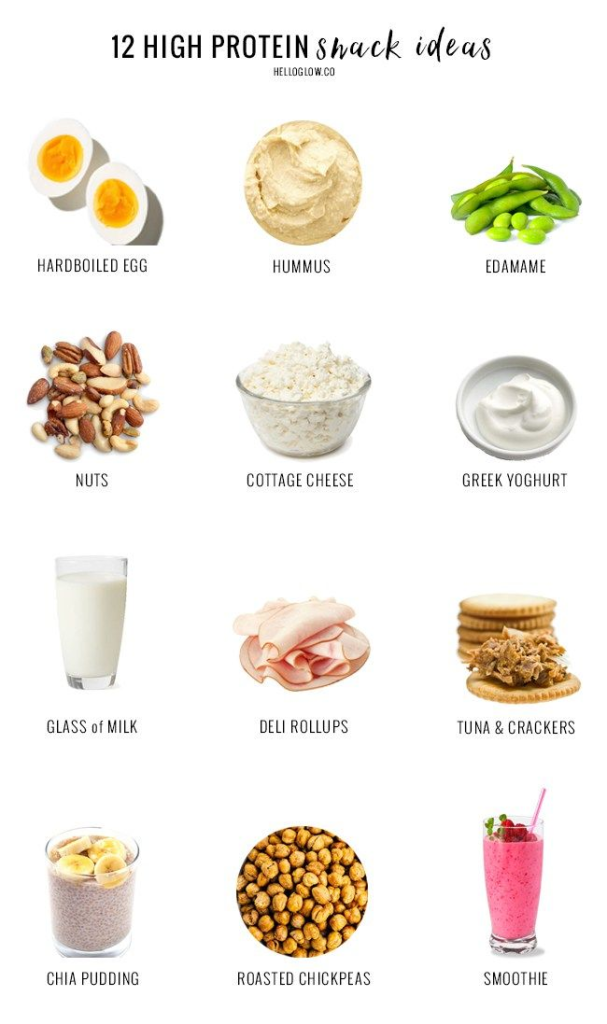
Fit, Healthy & Happy Podcast – 20 Healthiest Meals & Snacks to Eat In A Pinch

This post was taken directly from Seth’s Blog, a daily blog I read.

Anti-smart

There’s a difference between intellectual and smart. A plumber is smart, they know how to do a skilled and effective job on the task at hand. Intellectualism isn’t about practical results, it’s a passion for exploring what others have said, though this approach is sometimes misused to make others feel uninformed or to stall.

If you want to know what the scholars have written, ask an intellectual.

And if you’ve got a problem worth solving, it might pay to ask a smart person.

And yet, if the GPS is broken and we need directions, sometimes we hesitate to ask a local. And if your computer isn’t working, swearing at it might be less effective than asking an IT pro.

There are a couple of reasons we might resist help from someone who is smart:

–It exposes us to change and all the emotions that come from that. If we insulate ourselves from useful insight, we can stay put, stuck, with no changes required.

–It can make us seem dumb in comparison. It might be better to live with the problem than be seen as someone who didn’t know about it.

Access to smart is easier than ever before. But we need to seek it out.

Thoughtful Thursday posts, Uncategorized

Thoughtful Thursday – July 13, 2023

My intention is to post a Thoughtful Thursday column each week and share some of the insights I have learned in the past week. Here are some of the things I’ve learned this week:

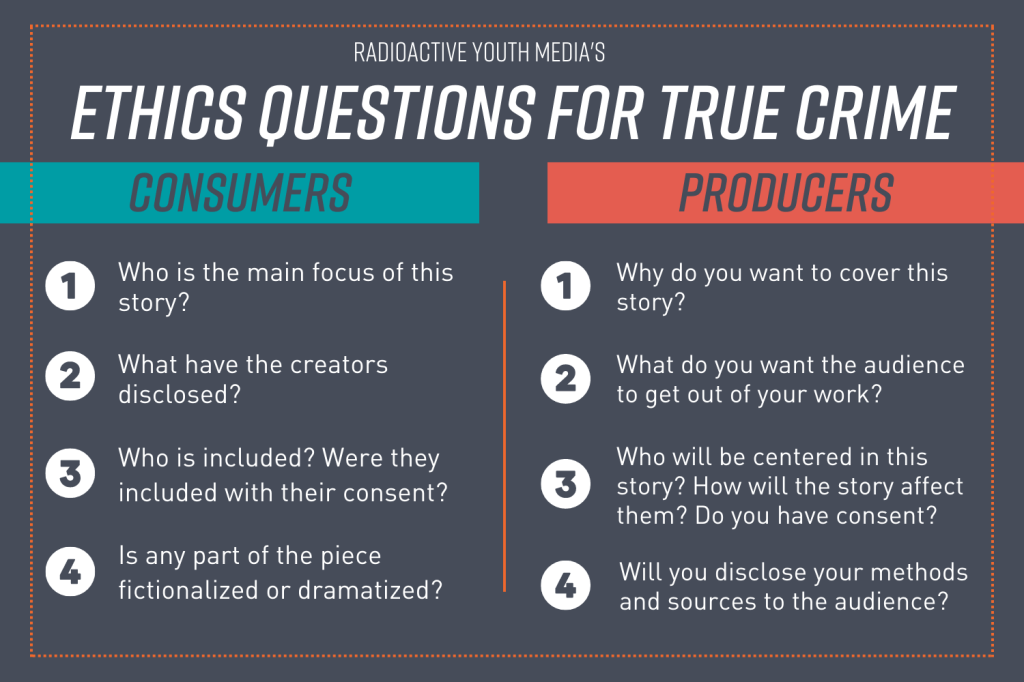
TED Talks Daily – Are you an ethical true crime fan? 4 questions to ask
  • Ask yourself – Why am I interested in this? Some people are driven by a sense of community or justice, but others are intrigued by horror or morbid curiosity. If that’s the only reason you’re interested, it might be time to try something new.
  • How does this make me feel? Hedonic motivations are not ethical.
  • How might the people involved in this story feel? Are they being hurt? Is there a justifiable reason to inflict that harm? Can some good come from retelling the story, or is it just for entertainment?
  • Am I motivated to act?
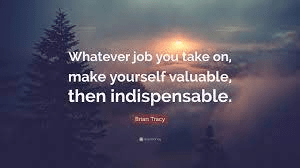
As We Work – The Value in Being Invaluable at Work
  • People who are invaluable aren’t just doing their job well. They’re doing the job that needs to be done. They’re paying attention to what’s going on around them and point themselves to the work that has the greatest impact for the organization.
  • Indispensable people are high-performing in their realm. They are focused on what they want to do and are focused on what their role/job is. Impact players are oriented on what’s happening around them and what needs to be done.
  • Most valuable people figure out how to solve problems and do things. They do the job that needs to be done, move to where the action is, and are ready to learn.
  • To go from indispensable to invaluable, train others on the things you’re skilled in. To be invaluable, see the agenda and get on the agenda. Offer help on specific things. Don’t offer to help by saying “let me know if you need anything.” Invaluable people need to be mindful of doing work quietly and behind the scenes. We need to be actively making sure people see our work. Elevate your contribution and make people see the good work you are doing (gracefully).
  • Swoop in to fix a problem, make a thoughtful contribution, offer to help, teach others how to do things only you know how to do, look around and above you to learn the company’s agenda and try to do that work. Don’t be afraid to share what you know.

Here are some recommendations to be invaluable at work:

  • Don’t be afraid to take the lead and take ownership.
  • Embrace change.
  • Derive and offer solutions to challenges or problems.
  • Focus more on the work that matters, not the work that spins the wheels. Anticipate needs and be proactive.
  • Be a thought leader. Apply yourself in a way that provides new and valuable thinking that benefits your team or company.
  • Take initiative.
  • Seek to gain more knowledge and always share knowledge and demonstrate your worth.
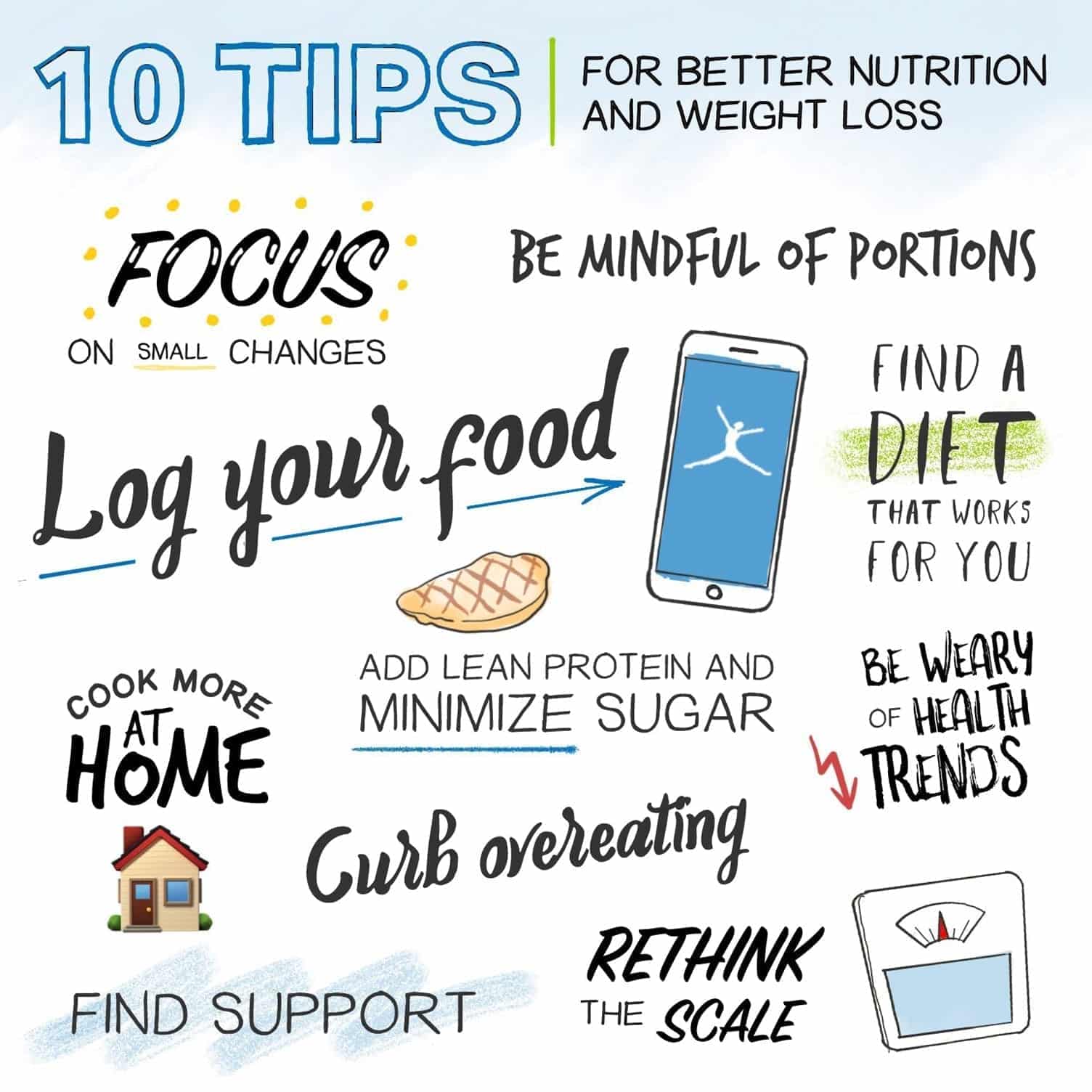
Fit, Healthy & Happy Podcast – The Worst Nutrition Mistakes that Everybody Makes (Avoid These)
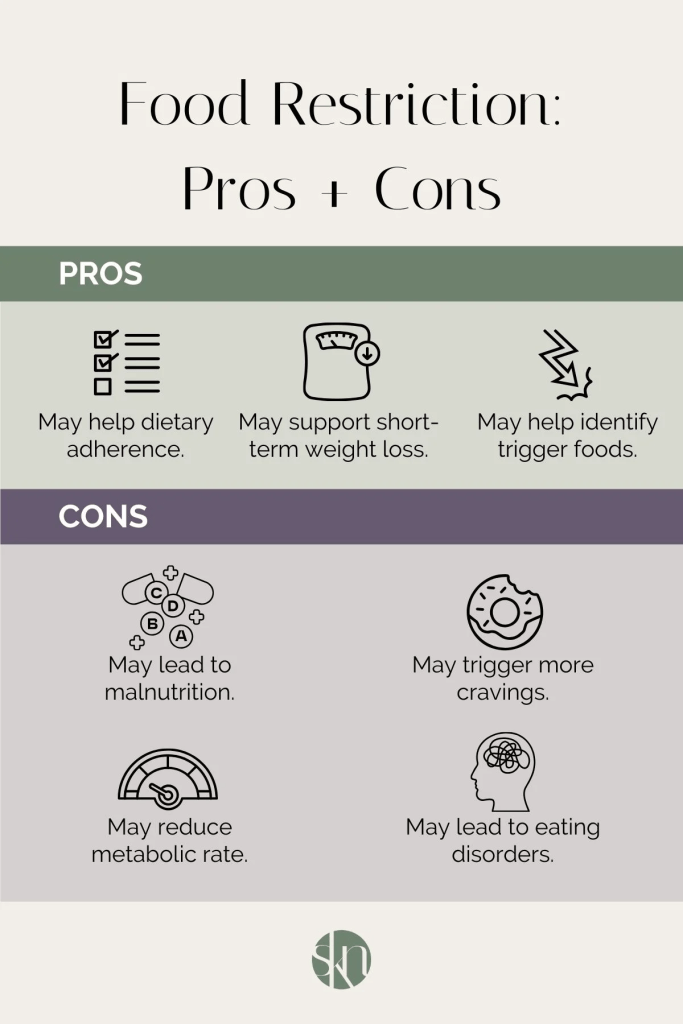
  • Restrictive diets – keto, low carb, no carb, fasting. Instead, follow something you can consistently do long-term.
  • Skipping meals – can lead to making poor decisions and overeating later on
  • Not reading food labels- try to choose items that have more protein than fat.
  • Eating too many processed foods- high in sugar, salt, fat, and preservatives
  • Not getting enough fruits and vegetables
  • Overeating – usually caused by eating too quickly or not paying attention to feelings of fullness
  • Focusing on the micro over the macro – ex: focusing on supplements instead of proper amounts of water, focusing on timing of meals instead of protein intake
Speaking of Psychology – What does modern retirement look like? With Mo Wang, PhD
  • For many people, retirement is no longer an abrupt end to their working lives, but a slow process of transition. Many people participate in bridge employment, which occurs when they actively retire but still engage in paid work activities part-time. 2/3 of people generally engage in bridge employment before retiring.
  • Many people are not working for the money in retirement. They instead want a social environment and begin working again.
  • When organizations offer flexible work arrangements such as remote work, they are most likely to keep their older employees, who often delay retirement.
  • Retirees who retire from stressful or physically demanding jobs often experience an improvement in well-being in retirement. Others experience a decrease in well-being if they had a job with high status or have financial difficulties.
  • In today’s current Social Security system, two workers are supporting one retiree.
  • You need to find an identity outside of your work to maintain a sense of well-being!
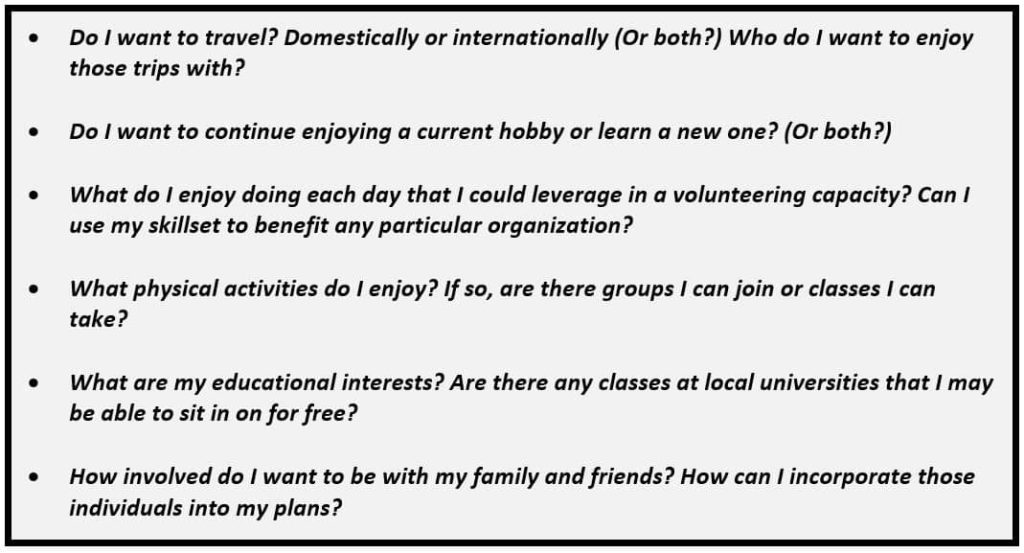
  • When considering retirement, ask yourself what you would like to do during retirement, have a plan for leisure activities, where you would like to live, and who you want to share retirement with. Without having a plan, many people lose their sense of identity or become bored because work was their entire identity.
The Clever Girls Know Podcast – 21 Money Myths to Ditch Now

Myths:

  • Myth: Money is the root of all evil. Fact: Money in itself is not evil. Change your mindset and think of money as a tool.
  • Myth: You cannot negotiate your bills. Fact: If you don’t ask, you aren’t going to know.
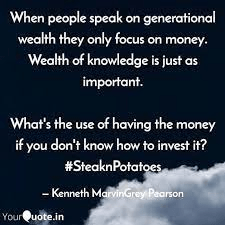
  • Myth: Building generational wealth is for the rich. Fact: Anyone can do this. Transferring generational knowledge (lessons about responsibility, lessons about investing) is a way of transitioning generational wealth. It doesn’t always need to involve monetary assets. Invest small amounts of money as you can. You choose what aspects you want to transition, whether it’s assets or knowledge or both.
  • Myth: Personal finance is confusing and complicated. Fact: It can be but doesn’t have to be. It’s up to us to take the time out to understand the basics of financial literacy. Personal finance can become easy to understand by taking action and reading a book or researching. Knowledge is power.
  • Myth: You should always buy the cheapest option. Fact: Sometimes the cheapest option is not the best option. Sometimes it is worth investing a little more to get quality over quantity.
  • Myth: It is impossible to have fun and save money at the same time. Fact: It is possible with good planning to live a good life and do things that make you happy while also saving money at the same time. It’s all about prioritizing and determining where you are going to spend your money. It’s all about doing things that matter to you that you enjoy and compromising priorities so that you can do both.
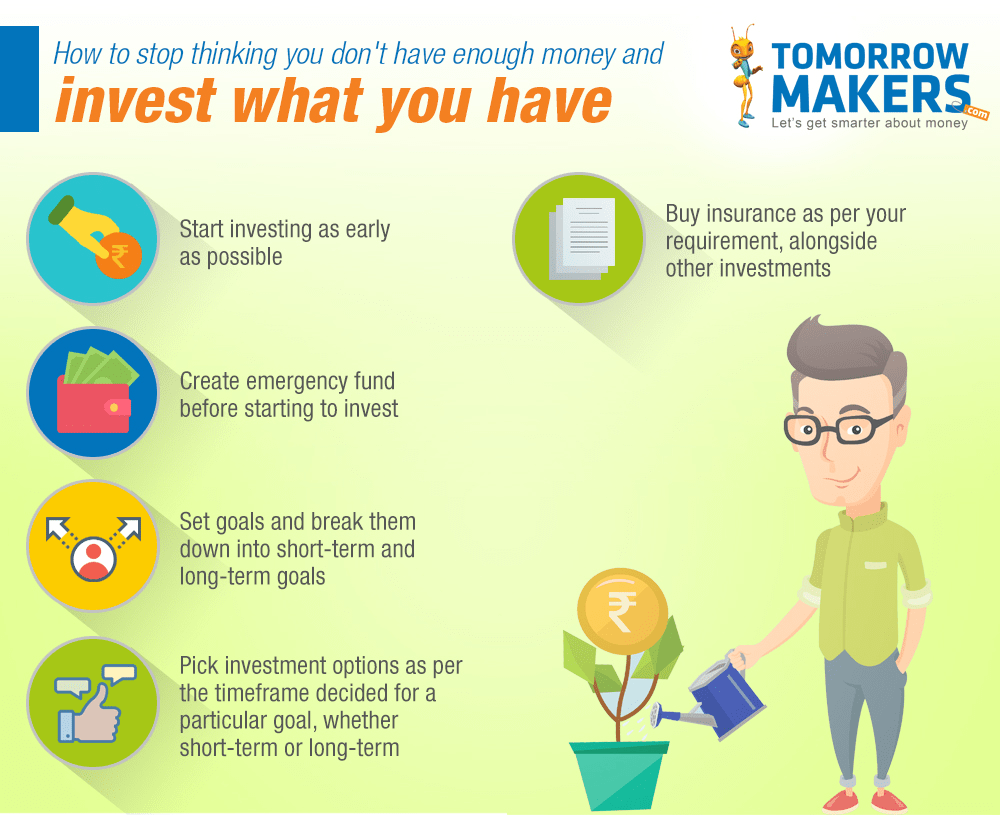
  • Myth: You need tons of money to start investing. Fact: You can start investing with small amounts. The key to investing is investing consistently over time. Small amounts add up due to compound interest.
  • Myth: Credit cards are bad for your finances. Fact: Credit cards are a tool. You need to build a budget and be able to pay the balance in full each month. Leverage credit cards as an option to built your credit.
  • Myth: Renting means you’re throwing away your money. Fact: You aren’t building equity, but renting offers flexibility and can be less expensive, especially if you need to move a lot. You don’t have the home expenses of repairs and renovations. Homes come with their own set of expenses and they can be very costly. Plan out your finances so that you are able to rent or buy a house AND invest at the same time.
  • Myth: Having a balance on your credit card is good for your credit. Fact: Avoid paying high interest by paying your balance in full. Credit companies want to see use of credit as well.
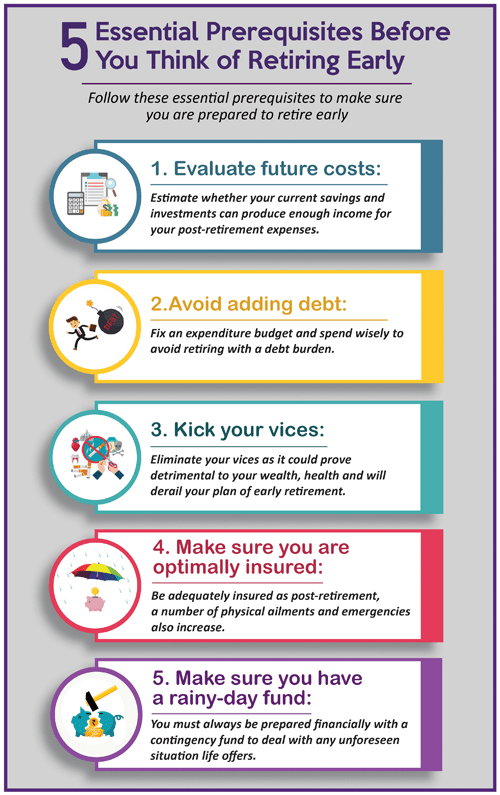
  • Myth: You can’t retire until you’re 65 or older. Fact: You choose when you want to retire by determining how aggressive you want to be with your retirement goals and exploring options to accelerate your goals toward early retirement. Early retirement is not for everyone. If it’s something you want to pursue, you will need to restructure your plan and save aggressively for retirement.
  • Myth: Investing is hard. Fact: Investing CAN be hard but doesn’t have to be. Learn how investing works by learning the basics and picking a low-maintenance low-cost index fund. Do your research, understand your risk tolerance, and get clear on your goals and objectives about why you are investing.
  • Myth: Your 401(k) can serve as your emergency fund. Fact: You should not be leveraging your 401(k) as an emergency fund. You will be hit with fees, penalties, and income tax. Save your 401(k) for retirement.
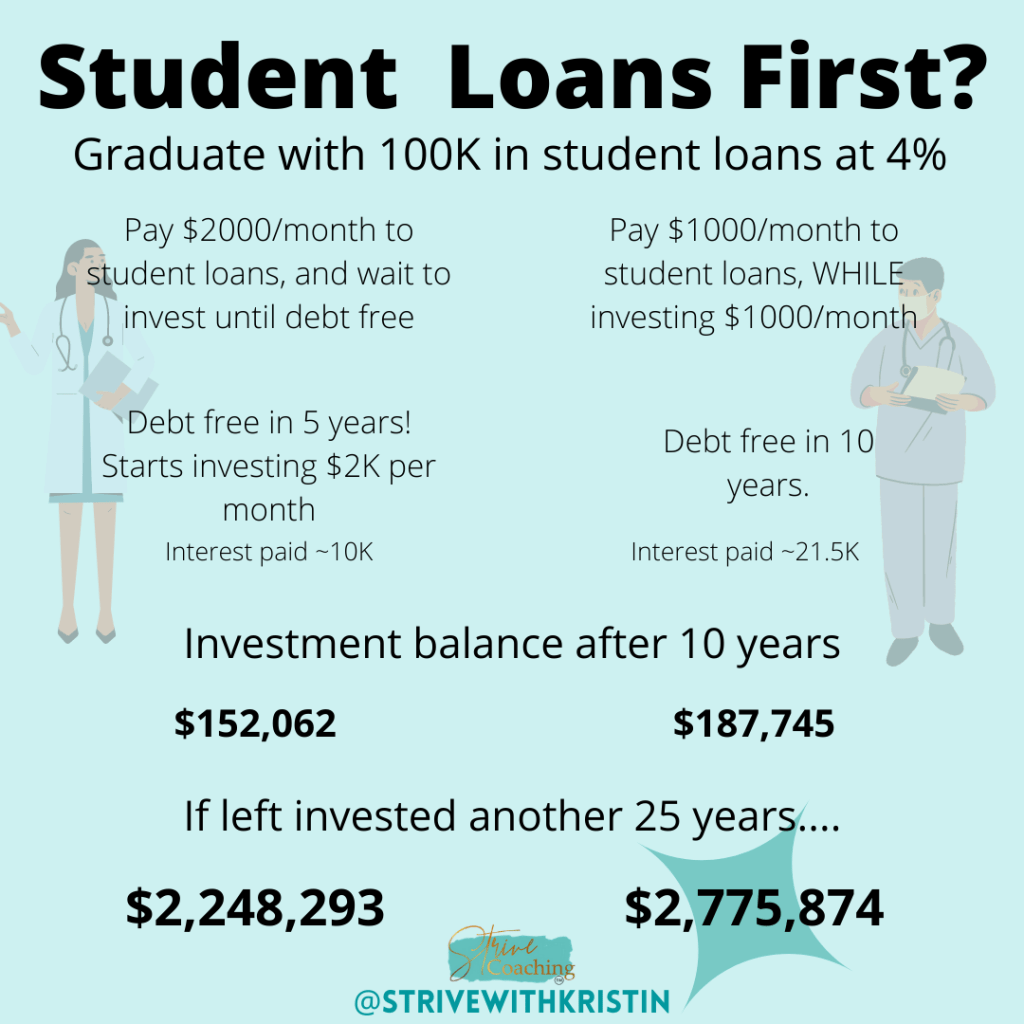
  • Myth: You cannot save if you have debt. Fact: You may have a mortgage, student loans, and credit card debt, but you can still save for retirement and should contribute up to your employer match due to the power of compound interest. Debt payoffs can take several years. That’s years of time that you are missing out on compound interest.
  • Myth: If you have a credit card, you do not need an emergency fund. Fact: A credit card is not an emergency fund because you will need to pay interest – often a high interest rate. Do not leverage a credit card as emergency savings. Instead, put money aside for emergency savings.
  • Myth: You should pay off your mortgage as quickly as possible. Fact: You should pay off high-interest debts first (such as credit cards).

To date, the biggest money mistake I’ve made is that I waited to save for retirement until after I paid off my student loans.

  • Myth: Don’t worry about retirement until you’re older. Fact: You want to begin saving for your retirement as soon as possible!
  • Myth: Student loans are the best way to finance your education. Fact: You should explore other options such as grants, scholarships, help from family members, and working part-time first.
  • Myth: You can never pay off debt. We are not all meant to be in debt. Fact: Prioritize paying off debt, especially high-interest debt. It is possible to pay off debt.
  • Myth: Money is a private topic and should not be talked about with anyone. Fact: Money can be private, but you grow from sharing and learning from others’ experiences and getting support and accountability. Find people and resources that you trust and leverage them to help you navigate through any financial situations you are facing and educate and empower yourself to do well with your money.
  • Myth: Money can’t buy happiness. Fact: The bottom line is that money is a tool and you can leverage money to achieve the things and buy the things that truly bring you joy.
Self Improvement Daily – Jumpstarting A Dead Battery

It’s fascinating to think about how a car is capable of producing its own energy, but it loses that ability with a dead battery. It has wasted potential because it cannot self-start and initiate the process that could fix it, yet a small outside spark is all it takes to kick the engine into gear so that it can return to its normal energy producing process.

There’s a similar process without ourselves, but instead of it being useful when we’re out of electricity, an outside force can help to reignite our self-belief. In the face of a major setback or failure, we sometimes find ourselves completely drained of self-belief and incapable of restoring it. The outside spark in this case is encouragement. All it takes is a little encouragement to jumpstart your self-belief and get you back on a better path.

We need more people seeking out opportunities to help each other, uplift each other, and to see the good in others that they fail to see themselves. There may be someone in your life who needs to be seen, acknowledge, supported, and encouraged. Be that person for others and let them reignite their self-belief.

I have finished reading two books in the past week.

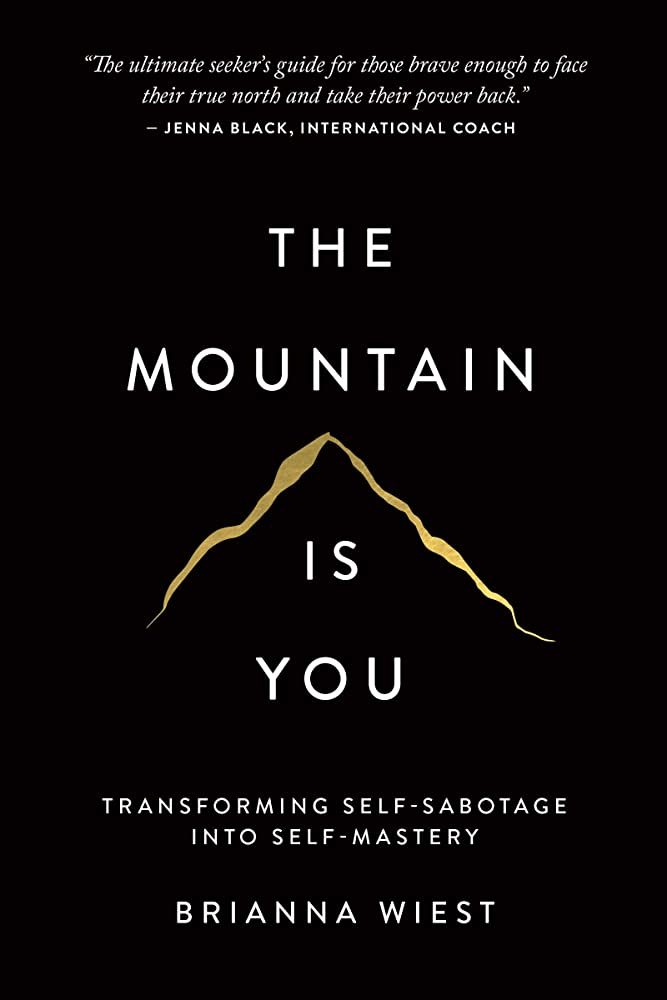
“The Mountain is You” was written by Brianna Wiest and emphasized the many ways self-sabotage obstructs our paths to becoming our best selves. I read this book as part of a book club I’m in. This book was very reflective and educational and covered patterns indicative of self-sabotage and how to tell if you’re in a self-sabotage cycle. 👍 Aside from the many examples, here are some of my favorite points:

➡️“Arriving” often makes us hungrier for more. When we want something really badly, it is often because we have unrealistic expectations associated with it. We imagine it will change our lives in some formidable way, and often, that’s not the case.

➡️What you do every single day accounts for the quality of your life and the degree of your success. It’s not whether you “feel” like putting in the work, but whether or not you do it regardless. ❤️ Listen to your behaviors. Filter out the noise. Manage your discomfort by making small changes. Become the best version of yourself. Find your inner peace.

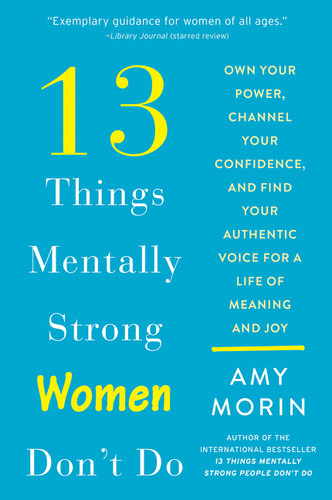
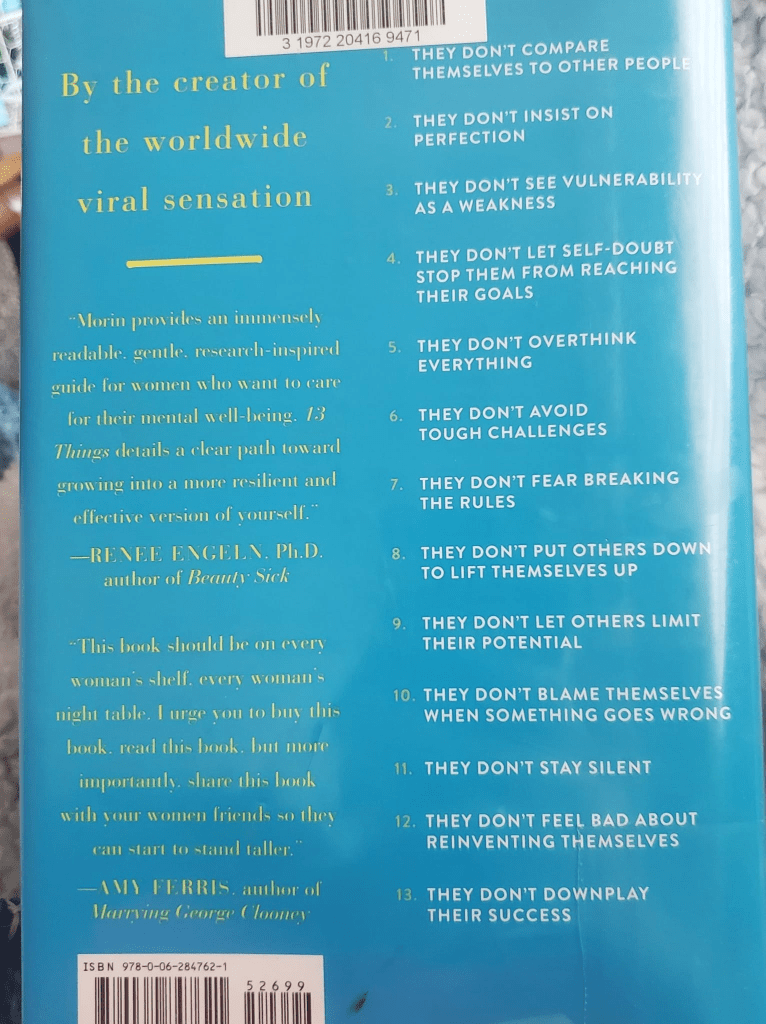
“13 Things Mentally Strong Women Don’t Do” was written by Amy Morin, a licensed clinical social worker, psychotherapist, and an instructor at Northeastern University. This book covered the 13 things mentally strong women don’t do in detail and included bullet lists of what’s helpful and not helpful with each of these traits. Here are a few takeaways:

“If you woke up tomorrow and a miracle had occurred, how would you know things were better? What would you be doing differently?” Go do those things. Change your behavior first and you’ll change how you feel.

Although I have really improved my mental strength in recent years, I often still struggle with some of the traits mentally strong people don’t do: insist on perfection (of myself and others), overthink everything (get caught up in analysis paralysis), and blame myself when something goes wrong. I loved this consideration: You can influence others, but you are not responsible for their choices. You have no way of knowing how things would have turned out if you had done them differently. You made your choices based on the information you had then, not the information you have now. Change the story you tell yourself. ❤️

I look forward to reading, learning, and sharing more with you soon!
Thoughtful Thursday posts, Uncategorized

Thoughtful Thursday – June 29, 2023

My intention is to post a Thoughtful Thursday column each week and share some of the insights I have learned in the past week. Here are some of the things I’ve learned this week:

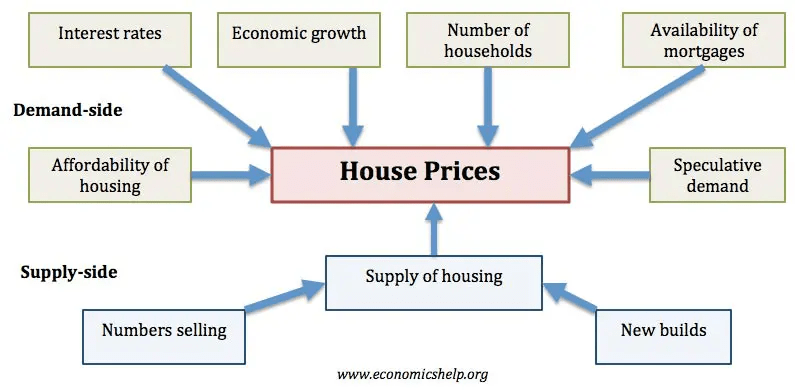
Science Vs – Who Killed Affordable Housing?

Who killed affordable housing? Accusations are flying around all over the place of the culprit: greedy landlords, developers, the short-term rental industry, and too many baby boomers active in the housing market causing millennials to not have a chance.

  • Developers: often described as “rip-off artists, greedy, bulldozers, opportunists” out to make a profit off of housing.
    • Many people think developers are responsible for raising the price of neighborhoods.
    • Brand new apartments are going to be more expensive than older ones in the same way that new cars are more expensive than older cars. So the new market-rate building on your block is not going to be affordable unless you’re making good money.
    • It’s generally not true that the building itself raises the prices of other buildings/rents in the neighborhood. Sometimes your rent will go up, but it isn’t because of the new development; it’s because you’re living in a desirable neighborhood that is seeing prices rise. That’s why the developers chose to put a new building there.
    • Developers aren’t the heroes, but they aren’t the villains.

Airbnb: draws a lot of criticism and blame – most Airbnbs are entire homes, not a spare room or couch in someone’s home as the company was originally created to provide. Today, the vast majority (79%) of Airbnb supply are entire homes and apartments, and this has been the fastest growing component over the past 3 years as Airbnb grows further from its sharing economy roots. Studies have shown that Airbnbs are responsible for 20% of the increase in rent of the time period studied.

  • Zoning: the rules that a city makes about what can be built and where it can be built.
    • Many cities require a certain percentage of single-family detached homes. Some cities have laws that require 3 parking spots per studio apartment! This is a sneaky way to make it harder to build more housing/apartment buildings.
    • Some zoning codes require minimum lot sizes – for example, in Connecticut, many homes require almost 2 acres of land per house even if not in a rural area! So many houses have doubled in size since the 1950s.
    • Los Angeles is 74% single-family zoned. Seattle is 80% single-family zoned. The bottom line is that research shows that places with more red tape from zoning are more expensive.

Supply and demand: Demand for housing has gone up. Back in the 1980s, rules changed about how financial institutions could lend money for mortgages. After that happened, more people had access to loans for mortgages, so people who previously weren’t eligible were now eligible, so now we are in a bidding war. When prices go up, housing becomes more valuable, and that attracts investors.

Frugal Friends Podcast – The Best Money Saving Tips for 2023
  • Housing, transportation, groceries, taxes, and healthcare expenses make up about 72% of consumer spending.
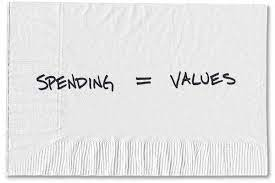
  • The biggest tip to saving money is to figure out what you value. You can spend money on the things you value and focus on saving money on what you don’t value. Example: one of my values is finding and trying gluten-free dairy-free items at a discount grocery store. I allow myself to splurge on these discounted items when I occasionally shop.
  • Work on always aligning your spending with what you value or always trying to increase or decrease your income to be enough for what you value. Can you look at your bank statement and be happy with it?
  • Don’t feel pressured to spend money on things others value. Example: latest fashion, expensive happy hours/restaurants, latest technology. Say no as often as you say yes so that you can empower yourself to know more about yourself and what you value.
  • Simplify to streamline. Simplify your physical space to save money on other important physical products. Simplify your schedule for less takeout and services. Simplify your digital life for fewer online purchases and subscriptions.
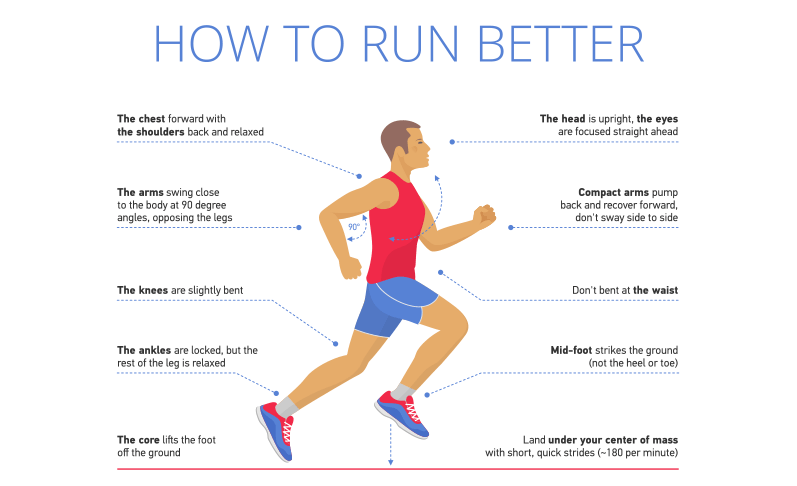
Life Kit – How to start running in the body you have
  • Many people struggle with their inner critic: “I’m not a runner.” Name that inner critic and tell it to chill out.
  • Gear: pick up a new pair of running shoes. Go to a running specialty store and get a gait analysis/shoe fit. Get shorts and t-shirts. Avoid chafing by not wearing cotton socks and by wearing body lube.
  • Blisters on your feet when you run can signal that you have the wrong shoes or wrong socks. Cotton socks can stick to your feet from the sweat and can create friction that causes blisters. Synthetic fibers (polyester or bamboo fiber are best).

Signs you’re wearing the wrong running shoes:

  • If you’re going on your first run, start by walking for five minutes to get yourself warmed up and mentally together. You can start by running for 15 seconds and then walking for 1 minutes and slowly build up to longer run times and shorter walk times. Every two weeks, try to increase the intensity.
  • Your natural form is special to you. Form tips: don’t clench your fists, loosely close your hands, don’t look down, look at the horizon 6-8 feet in front of you, and do belly breathing.
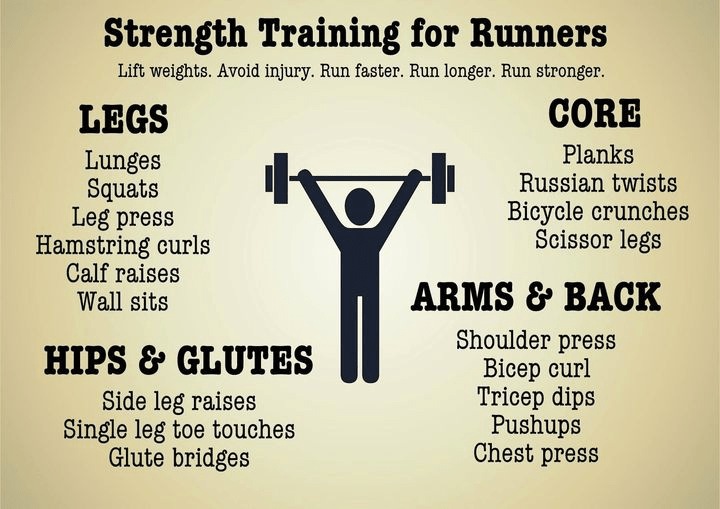
  • On the days when you are not running, cross-train. Exercise your body in other forms that aren’t specific to running, such as cycling, yoga, or lifting weights. Many of us sit on our butts all day, so we need to strengthen our glutes. Make sure you are doing exercises for your glutes: glute bridges, banded clam shells, squats, leg raises, etc.
  • If you are having issues with time, start with 2 days of running and 1 day of cross-training each week. Then, build up to 3 days of running and 2 days of cross-training. Get creative with your time. Can you work out while watching tv?
  • After a while, you will start to notice that running is either not as hard as it used to be when you started, or you will realize that you hate it just as much as you did when you started. If you still hate running after a while, take up something else – cycling, paddle boarding, walking, swimming, etc. Regular exercise is vital.
  • Running affirmations: No struggle, no progress. I’ll run if I have to run by myself. Your race, your pace. This is hard, but I can do hard things. Slow is steady, and steady is fast.
Fit, Healthy & Happy Podcast – 50 Biggest Takeaways from 500 Episodes of Health & Fitness Podcasts

I won’t cover all 50, but here are those that most resonated with me:

  • By changing nothing, nothing changes.
  • Read more and learn more. Reading non-fiction books will change your life. You don’t have to agree with everything in each book, but if you find one golden nugget that you can take with you to make you a little bit better, you will become your best self.

Choose your hard. Being overweight is hard, working out is hard, sleeping in is hard, waking up and getting everything else done is hard. Which hard are you going to choose? Choose the hard that will make you feel your best.

  • Be on a routine that involves progressive overload.
  • Don’t eat out of boredom. Decide if you’re truly hungry.
  • You can’t out-exercise a bad diet. You need to focus on both nutrition and fitness.
  • Work hard and don’t look for shortcuts. A lot of your problems can be solved with

Eat until you’re satisfied, not until you’re stuffed.

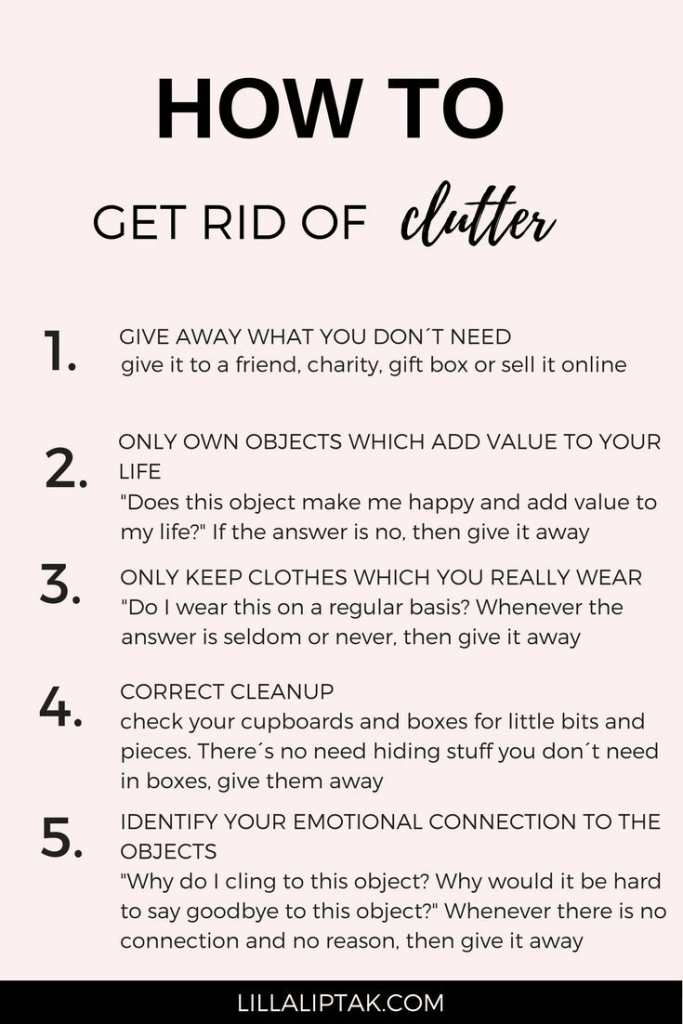
  • A clear space = a clear mind. Declutter.
  • Stop hitting snooze! Hop out of bed and make the first decision for your day.
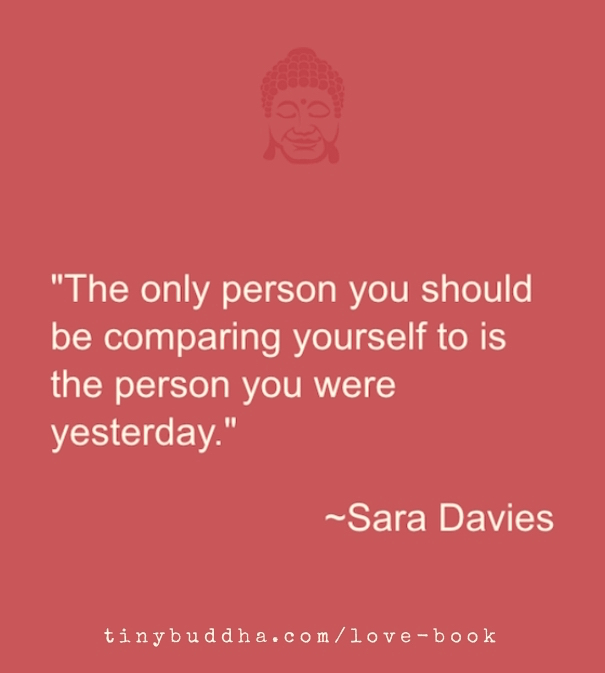
  • Comparison is the thief of joy. Someone is always going to look better than you. Focus on your journey and your growth.
  • Your self-worth isn’t how you look. Instead of being focused on how you look, focus on longevity, strength, and many other traits.

You could be good today. Instead, you choose tomorrow. Get started right now. Not all of the conditions are going to be perfect during any given day.

  • Work hard and don’t look for shortcuts. A lot of your problems can be solved with hard work. Shortcuts are rarely the answer.
  • Discipline trumps motivation. Don’t rely on motivation. Show up every single day.

  • Purpose over pleasure. Think of long-term goals.
  • Dropping one vice can give you amazing results.
  • Small changes and habits + consistency each day = substantial results over time. The power of the compound effect

If you don’t fight for what you want, you deserve what you get. Choose your hard.

If you don’t make time for your wellness, you will be forced to make time for your illness.

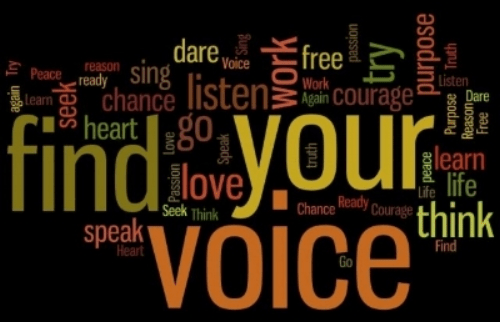
The Accidental Creative with Todd Henry – 10 Questions for Finding Your Voice
  1. What angers you? Are there specific things that evoke a compassionate anger in you? We’re talking about the things that evoke a desire to intervene in a situation as an act of compassionate or to rectify a great wrong.
  2. What makes you cry? What moves you with emotion? Think about the last several instances that caused you to cry.
  3. What have you mastered? Are there tasks, skills, or opportunities that you have simply mastered and can do without thinking? Start with what you do well, and work your way toward your goal.
  4. What gives you hope? What do you look forward to? What great vision do you have for your future and the future of others?
  5. As a child, what did you want to be when you grew up? That can give us insight into the deeper seeds of fascination that may still reside within us.
  6. If you had all the time and money in the world, what would you do? We believe that a lack of resources is the obstacle to our happiness and fulfillment, but for many of us the limitation has nothing to do with a lack of money or time. The limitation is our fear of falling short of our own self-perception.
  7. What would blow your mind? List out everything that would thrill you if it were to happen, including relational things, business things, travel, ambitions, hopes, etc. It’s a great way to identify patterns in your motivation.
  8. What platform do you own? What platform do you already have for self-expression? What foundation can you build on to begin affecting the kinds of change you’d like to see?
  9. What change would you like to see in the world? If you could identify a single thing you would like to see before you die, what would it be? You may not be the one to lead this change, but you may be able to play a significant role in it.
  10. If you had one day left, how would you spend it? What questions would you ask? Who would you spend time with? What work would you do? This is a way to begin identifying patterns within your passions, skills, and experiences.
Conscious Fertility – Endometriosis: It’s More Than Period Pain with Shannon Cohn
  • If you have symptoms that interfere with your life, that cause your day to go differently (limitations to school/work/activities you enjoy doing), that is not normal. If the period pain is so bad that it interferes with your daily life, that should be investigated. GI symptoms are also common with endometriosis. People are generally told they have IBS. If you are experiencing nausea, fatigue, pain, migraines, and a lot of GI issues, talk to your OBGYN and advocate for yourself. Symptoms to look for: digestive issues- constipation, diarrhea, pain with bowel movements, severe bloating, body pain, menstrual pain, pain with intercourse, infertility
  • The only definitive way to diagnose endometriosis is a surgery (laparoscopy). An excision surgery is the most important treatment option. Exercise, diet, and birth control alone cannot heal endometriosis.
  • Resource: https://endowhat.com/

https://www.pbs.org/video/below-the-belt-the-last-health-taboo-wmzdvy/

This is a link to a PBS special covering endometriosis.

I look forward to reading, learning, and sharing more with you soon!