My intention is to post a Thoughtful Thursday column each week and share some of the insights I have learned in the past week. Here are some of the things I’ve learned this week:
The 5 AM Miracle – 12 Productivity Tips You Need to Know
Checklists are everything. When you can optimize every task with detailed checklists, you’ve won.
Respond to every e-mail within 24 hours if you possibly can.
Make sure your technology is not an obstacle to your success. Properly working, fast technology is a gamechanger.
Arguing is almost always a complete waste of time. Arguing with people on social media is not worth it. It wastes your time and life.
Pack a produce bag for work so that you will eat the healthiest things you can.
Introduce one-minute workouts each hour.
Work alone or work anonymously whenever possible. This helps limit distractions.
Work in a boring office. This will help you execute tasks.
Work with a timer to keep you focused and help you maintain a sense of urgency.
Drink water between your coffee or other caffeinated beverages. This will help you have the best energy and focus you need for yourself.
Dress for the job you want, even if you work from home. If you present yourself to yourself as you would like to, you’re maintaining standards for yourself and others.
Read something for personal or professional growth for a half hour each day. Use a physical book. The level of focus and engagement with a physical book is significantly higher than a digital resource or audio resource that would allow you to be distracted and go do something else. Physical books change your level of engagement.
The Lazy Genius Podcast – 7 Routines That Work for Me
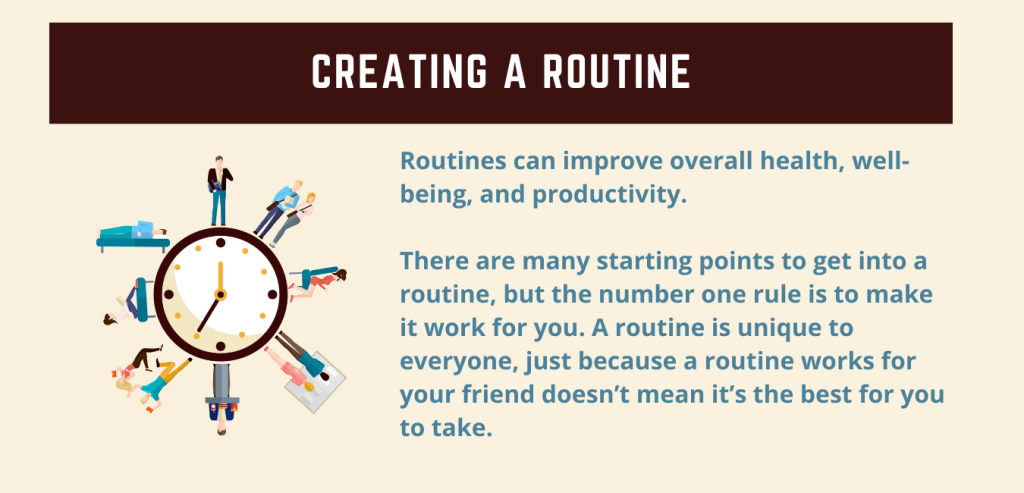
• Your routines should support what matters to you. Routines that work for others might not work for you or might not be needed for you. These routines work for the podcaster. These are not my routines.
Weekly meal planning routine – meal plan on Sundays for the upcoming week. Write the meals on a whiteboard and shop for groceries or place a grocery delivery order.
Morning weekday routine – get up, get kids ready, unload dishwasher, pack lunches, etc.
Saturday morning routine – stay in bed, read, go for a walk, or do whatever you want to do in the morning.
One Line A Day journal and Connections/Joy journal – to write down and keep memories
Weekday lunch break – delicious and colorful lunch
Afternoon weekday routine – support kids through snacks, homework, driving carpools, play, etc.
Monthly routine of workdays – connect with someone monthly and work together
I am still working on creating my ideal morning and evening routines, but here are insights into some of my routines:
Daily – always. No matter what:
Read 30+ minutes.
Play cognition/brain games in Lumosity and Elevate apps.
Listen to a podcast/read a podcast transcript.
Nightly:
Dishes before bed
Log food I ate and symptoms that day.
Write in my One Line A Day journal.
Read Seth’s Blog, Gabe the Bass Player blog, and daily devotional.
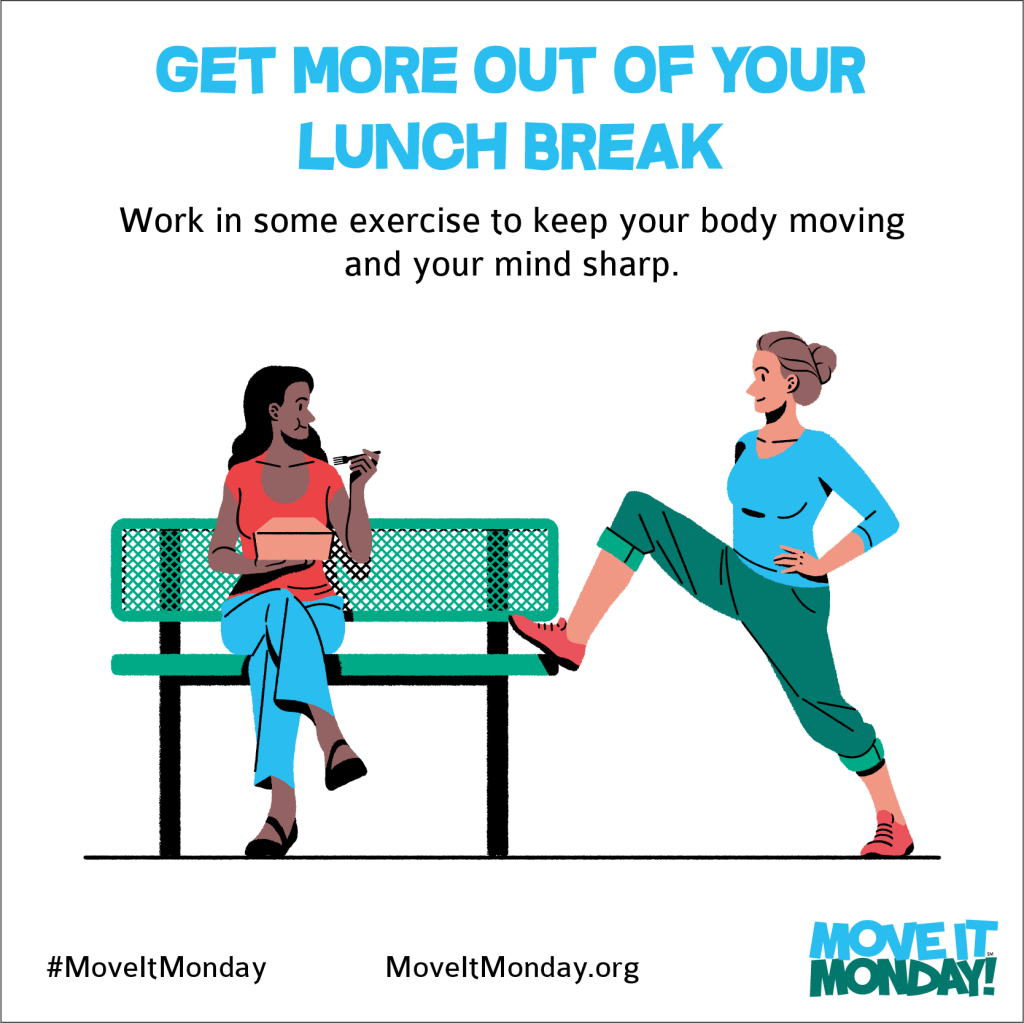
Lunches when working from home – eat lunch and get movement in.
Lunches when working in the office – eat lunch and read.
Sundays – meal plan and prep lunches/suppers
15th and last day of each month – financial check-in – review and log all transactions, note account balances, and check retirement account balances and performance.
Last day of each month – reflect on the month – accomplishments, highlights, challenges, and lessons learned. Think about what I want to focus on in the month ahead.
Life Kit – Negotiation tactics for everyday life
Benchmarking – researching good information (objective data) and determining an appropriate price point (ex: salary or purchases) – Ask, People resources, Paper resources
Ex: delayed flight compensation– ask at the counter, ask people within your networks, research online
Win/win – what do we both want in this situation and how do we benefit from that?
Present a menu of options with three different options – ex: messy house – options: change cleaning schedule, change division of tasks, or hire housecleaner.
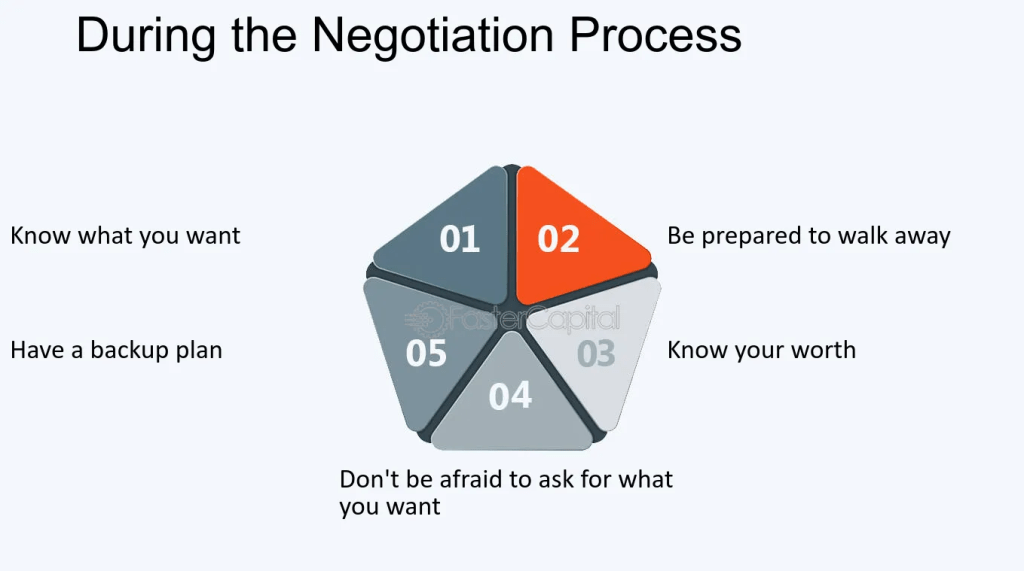
Think about your backup plan. If you are unable to negotiate with this person, what is your alternative? Have a really good alternative so that you are able to think with a clear head and are less likely to make a decision you will regret later on. You want to signal to them subtly that you have a backup plan.
When you have a strong backup plan, it influences your negotiation performance. If you don’t have a strong backup plan, it impacts the way you engage in a negotiation and leaves you feeling in a corner.
Parties involved in negotiations – power broker, decision maker, and messenger.
Knowing who these people are in negotiations is important and will impact how you direct your energy in a negotiation.
Set a collaborative tone. HALT: Any time you are feeling hungry, angry, lonely, or tired is probably a bad time to engage in negotiations. Be mindful of the timing and context of the situation.
Know when it’s time to step away from a negotiation. If it is a long-standing relationship that you value and want to maintain, make sure that how you negotiate and how frequently you negotiate isn’t wearing out or fatiguing that relationship.
Chasing Life – Do These Quick Weight Loss Hacks Work?
IKA experts – “I know all” experts – there is often a correlation between how little knowledge someone has on a topic and how much confidence they have around that topic.
There are many people making questionable promises when it comes to weight loss.
Weight loss product ads are everywhere. Marketers do a great job at targeting the most vulnerable populations: those who have been hurt by the healthcare system, those with autoimmune conditions or nonspecific symptoms, those who have trouble losing weight, and those who have terrible insecurities.
Our general attitude is “might help, won’t hurt, why not.” Tummy teas – pretending to fix one problem (weight) but creating more (dehydration, laxative effect)
Don’t challenge people who are seeing benefit or wish to do a specific task. Instead, educate them on potential risks based on what science says. Challenge the individuals spreading misinformation and the companies selling miracle cures. There is always a risk and you need to understand if that risk is acceptable to you for the potential benefit.
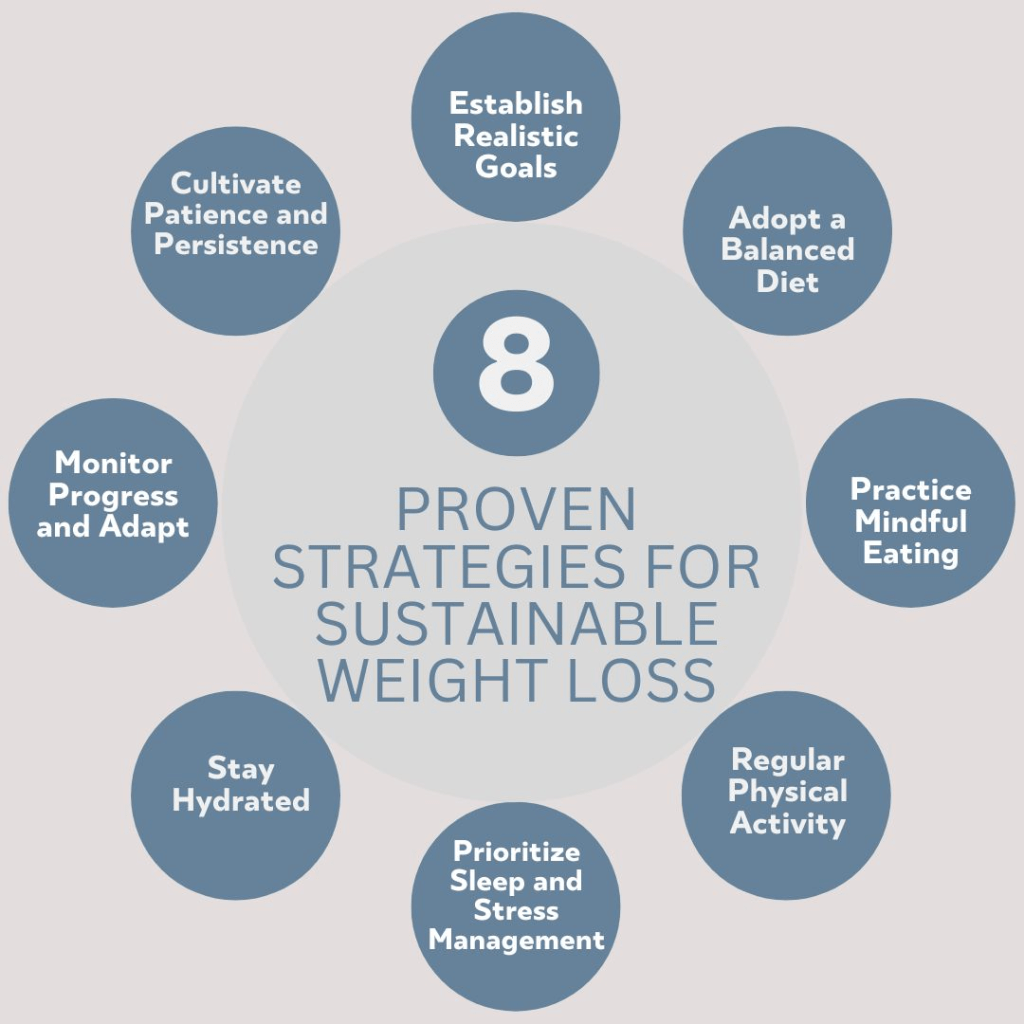
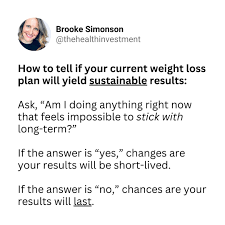
Seek something sustainable and long-term.
Calories in, calories out is very accurate. If you overeat calories and you don’t burn enough calories, you will gain weight.
Intermittent fasting – eat less – narrow time window
Keto – high fat meals that are dense and hard to overeat
Limiting types of foods you can eat – restricting calories
Whichever one of these restrictive diets you can stay on for the rest of your life, because they don’t feel restrictive to you since they match your lifestyle and taste -that’s ultimately what’s going to help you lose weight and keep the weight off.
We need to have a long-term relationship with a doctor to provide continuity of care and sustain weight loss.
Patients should be engaged in their own health to look something up before their visits to a doctor, but you need to pair your resources with information from a doctor. Some people get sucked into products and claims that are harmful.
If something sounds too good to be true, it likely is. There are no miracle shortcuts when it comes to weight loss.
Be aware of buzz words and fuzzy claims on products.
Anything not regulated by the FDA does not have to adhere to their strict standards of safety or effectiveness.
I look forward to reading, learning, and sharing more with you soon!
My intention is to post a Thoughtful Thursday column each week and share some of the insights I have learned in the past week. Here are some of the things I’ve learned this week:
Before Breakfast – Bill your time for a week
Try acting like a lawyer for one week by tracking your time and billing it to different projects. The experience will give you some ideas of how to best spend your waking hours.
You will see how many hours you actually work if you have a salary job.
You can even track your workday and track how many hours you spend in meetings, responding to e-mails, etc.
Time tracking is data that can show you the truth of where your time is going so that you can make more rational choices about how you want to spend your time.
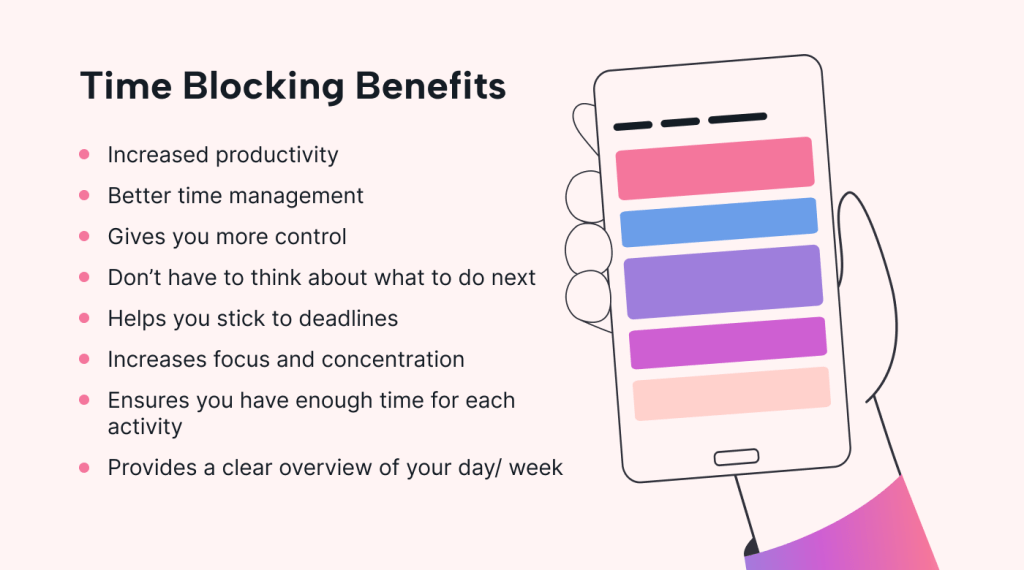
I selected a 2024 planner that allows me to timeblock, and it has been interesting! Almost all of my time, aside from work, sleep, eating, and working out, has been spent on classes and schoolwork.
Focus on Marriage Podcast – Maintaining Joy When Your Plate is Full
Continually communicate with your partner about what the high and low of your day was. Continuously find joy and humor.
Watch a funny video short together and laugh.
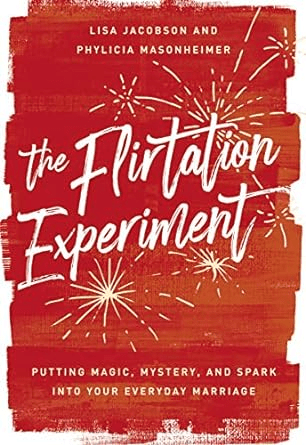
This podcast recommended this book. I haven’t read it yet.
On Purpose with Jay Shetty – The 5 Relationships You Need to Invest in to Supercharge Your 2024
Belonging – we need to feel a sense of connectedness to others and feel we are part of a group or community.
Feeling part of a group creates inner harmony and balance, better mental and physical health, and fewer negative emotions.
We need to be able to share our thoughts and heart without worrying we will be judged.
Legacy – feeling connected to something bigger – finding people dedicated to creating change, inspiring people, and helping others – celebrating growth, exchanging ideas, and creating new friends
Jay Shetty had a dinner party with several people he didn’t know well and asked them a few questions:What has been your biggest personal or professional win of 2023? What has been your biggest challenge, personally or professionally, in 2023? How can the people at this table help you/what support can they offer you?
Each person personally shared their flaws, roadblocks, and challenges and there was so much trust in the room. Who in your life would you want to spent more time with because you want to share their same legacy? Are these people inspiring you by the way they live? Have they dedicated their life and work to helping people physically, mentally, emotionally, or spiritually?
Independence – relationship with ourselves – autonomy and personal usefulness
Sense of feeling you have value – Reflect on what you are doing and who you are becoming. Who you want to become is the most important question you will ever answer. Take action to become that person. Who do you want to become? Who are you becoming? What is that independent autonomous path that you are building and trying to take because you know that that will lead to your higher self? What is the independent desire for who you want to become?
We only become things that we don’t want because we aren’t sharing the deepest parts of ourselves. If you don’t share who you are, people will expect you to be who they want you to be.
Safety – people who bring security and stability into our lives – people we feel the deepest and safest with
People who feel trusted become more trustworthy as a result of increased oxytocin levels in their brains.
Service – relationships based on surrender and service
Who are we serving? Who are we taking care of? Jay Shetty recommends you spend 20% of your time with people who are guiding you, 60% of your time with people who are peers with you who you feel uplifted by/people you uplift, and 20% of your time with people you are serving and giving to – be a teacher and student at the same time to create humility and proactivity.
Self Improvement Daily – Slipping Back to How Things Used to Be
One of the most difficult parts of self-improvement is sustaining the positive changes you’ve introduced into your life. It’s easier to get motivated to start than it is to stay consistent and maintain your desired habits and routines.
Here are a few things to have in place that will support you in actually keeping the good habits you’ve worked hard for:
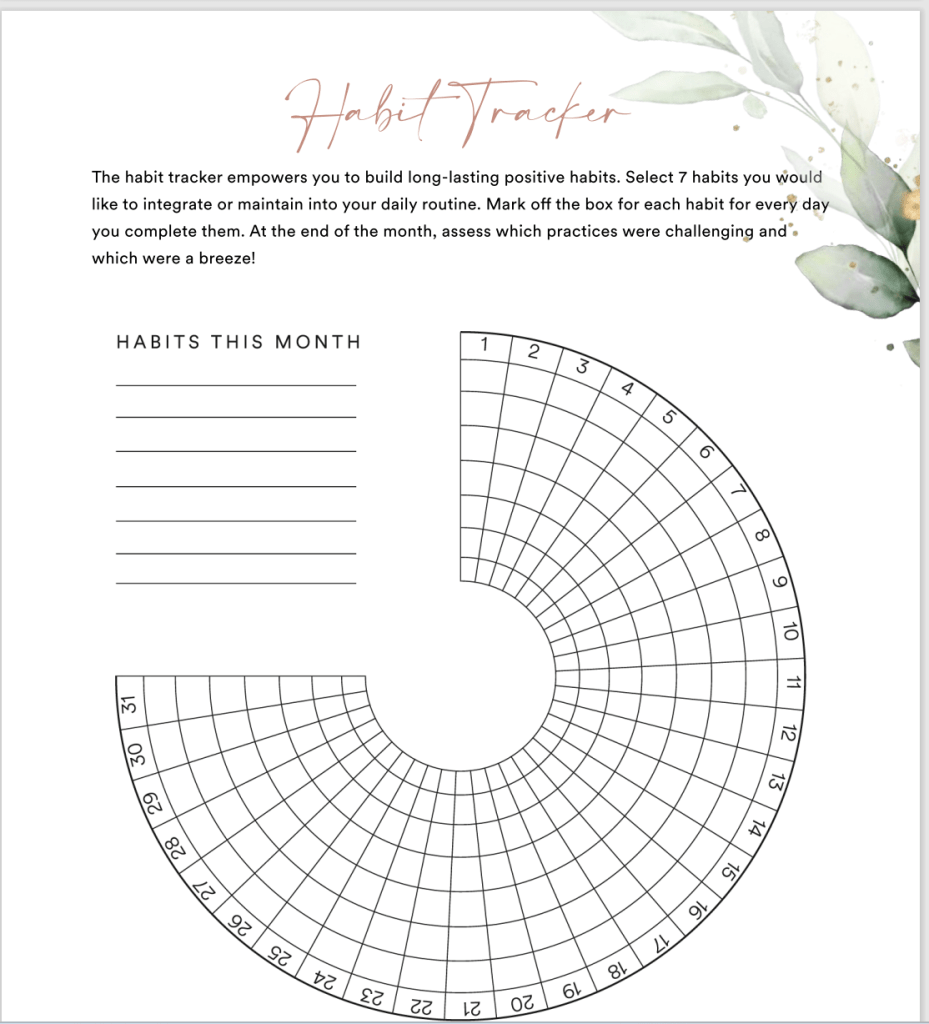
Have awareness of the slip – have pieces in place that make you aware of if you’re meeting certain expectations in your life. I highly recommend using a habit tracker for a visual record of your consistency.
Clarity – If you’re not crystal clear on what your standards are, then it’s impossible to know if things are slipping. For example, if you say you want to work out more, set a specific standard to provide clarity and measure your consistency, such as “I want to work out for 30 or more minutes five times each week.” Use a habit tracker to make it easy to notice when you’re starting to slip. The clarity gives meaning to the awareness.
System for reviewing your performance – have the resources in place to hold yourself accountable to reaching a higher standard. If you’re not intentional about paying attention to the things that are focuses for you, they’re naturally going to gravitate toward their comfort zone. Again, I recommend using a habit tracker.
Terrible, Thanks for Asking – “Why are drug dealers putting fentanyl in everything?” from Search Engine
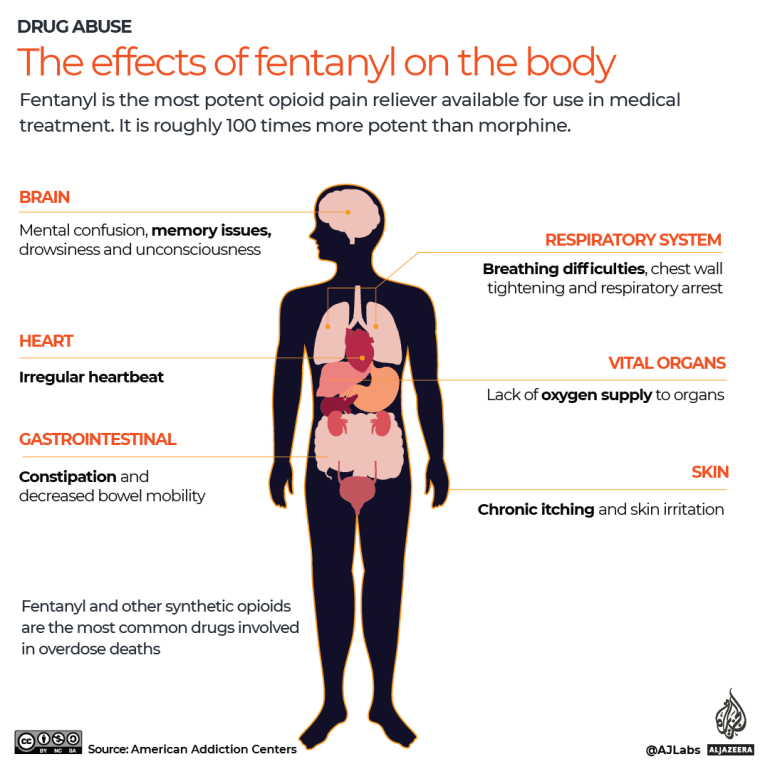
Fentanyl reportedly kills more adults under the age of 45 than guns, COVID-19, or cancer.
The Belgian doctor who invented fentanyl invented over 100 medicines. He was trying to find something that was better than morphine for hospital procedures, such as open-heart surgery. Fentanyl comes on faster and goes away faster, doesn’t cause nausea, and is basically the best hospital drug.
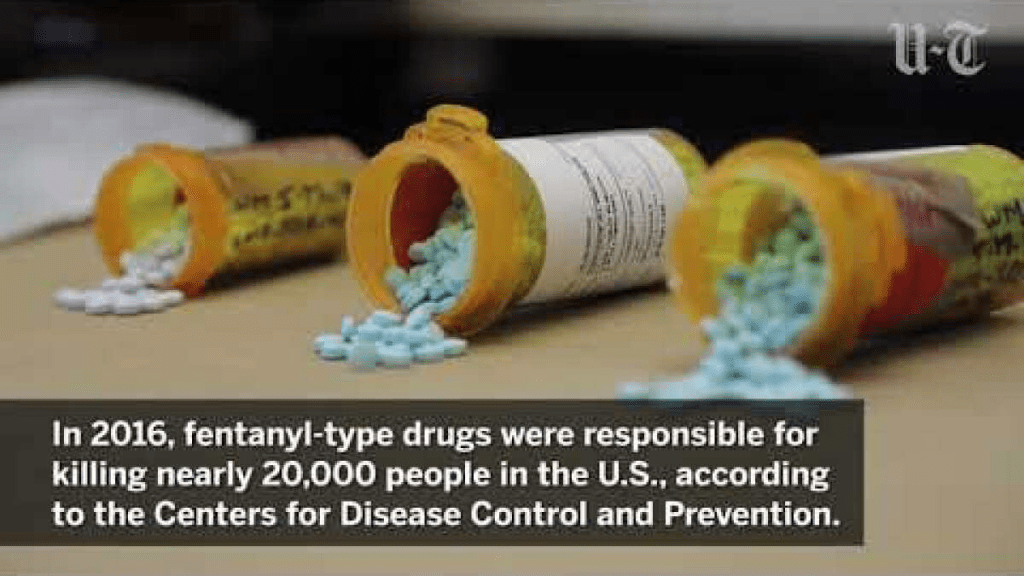
The DEA estimated that only 700 people died of fentanyl overdose in 2014. According to NIH, in 2016, almost 20,000 people died from synthetic opioid overdoses, most of that fentanyl.
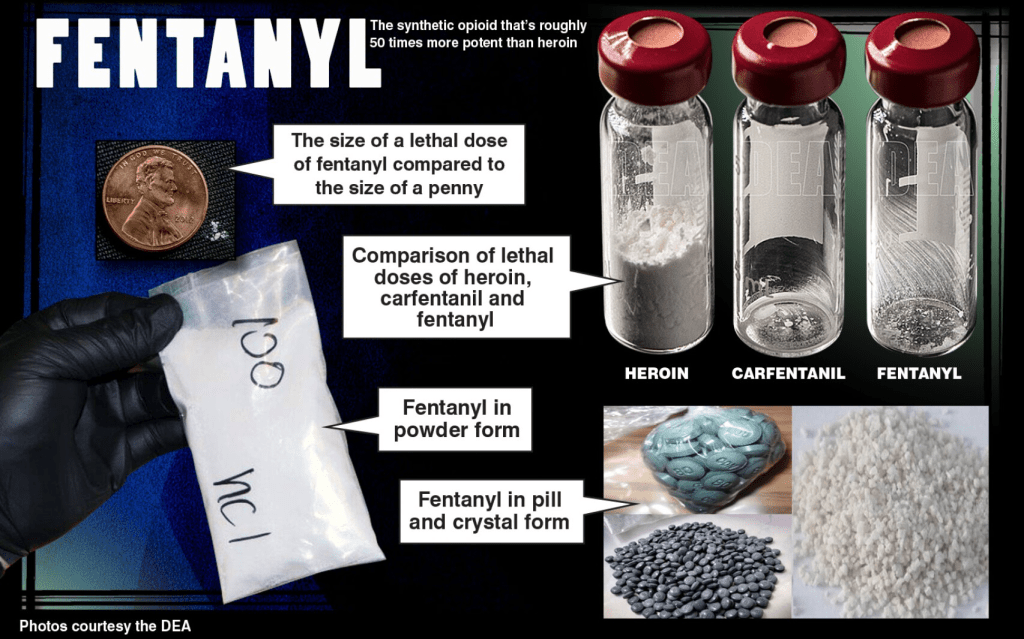
Fentanyl is much cheaper than heroin because it’s synthetic and made in a lab. It’s also more potent, making it incredibly profitable. It is incredibly addictive.
Much of the supply was being produced in China, where it was quasi-legal. The Chinese government was slow to ban analogs of the drug, so manufacturers used slight tweaks to the recipe that added a molecule here or there but left the basic chemical structure intact.
When pain prescriptions run out, some people seek out illicit heroin on the street. There isn’t enough heroin to feed the demand, so fentanyl steps in to fill the void.
Mexican dealers ship fentanyl to places like San Diego, El Paso, etc. It is distributed by regional gangs.
Fentanyl is cheaper, but it doesn’t last very long. The fentanyl high is reported to only last up to a few hours (sometimes only 15 minutes), leaving people scrambling to find more.
Fentanyl offers a shorter high, a greater addiction potential, and a higher risk of overdose than heroin.
Some deaths from overdoses can be helpful for fentanyl dealers because people believe they need to try it;some say it’s a form of advertisement for how powerful the drug is and they want to try it.
Resources: Dansafe.org to buy fentanyl test strips, drugsdata.org to see what is in drug supplies
Suboxone is a blocker to prevent you from getting the high from heroin. Suboxone doesn’t block the high from fentanyl.
Mentally Stronger with Therapist Amy Morin – The Minimalists: Why You Should Declutter Your Life
Do you own too much stuff? Is your calendar overflowing with so much stuff that it causes you stress? Are you stressed out by how much you have to do all the time? This episode is for you.
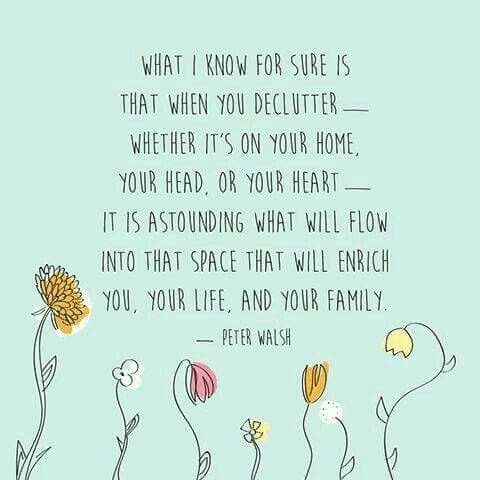
More is not always better. Clutter increases stress and increases the risk of mental health problems, financial problems, time management troubles, and social problems.
Living in a small space makes you think twice about what you really need.
How much is enough will vary depending on your age and life changes. Just because something added value to your life before doesn’t mean it will continue to produce that same amount of value. You don’t need to hold onto items just because they are sentimental.
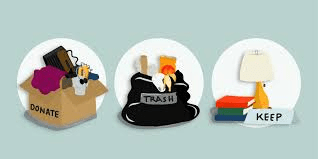
There are three categories that all of your possessions can fit into: essential, non-essential, or junk.
Most of the things we’re holding onto that we don’t want to let go of, we’re holding onto “just in case” or for “someday.” The problem is that we hold onto many of these items that take up space in our homes and in our lives. Let go.
Our memories are not in our things. Our memories are inside us. If we let go of some sentimental things, we aren’t letting go of the memories. You can take photos that trigger the memories, but you don’t need to hold onto things you won’t get value from. Instead, you can give them away and add value to someone else’s life.
There is more grief involved in holding onto something than in letting that dream die.
Spontaneous combustion rule: what would happen if that thing spontaneously combusted? Would you replace it or would you feel a sense of relief?
You can donate items or try to sell them. Some people try to sell anything they can get $20 for and donate after one week if it doesn’t sell.
Physical clutter, hidden clutter (calendar clutter/business) – “if something is not an emphatic yes, say no.”
Resources: 30-day minimalism game (1 item day one, 2 items day 2,… 30 items day 30), theminimalists.com
Ask yourself what value something brings into your life. Sometimes we hold onto things just because they were given to us as a gift even though they don’t really add value to our lives or because we paid a lot for it. Get rid of things that aren’t improving your life.
Use the spontaneous combustion rule.
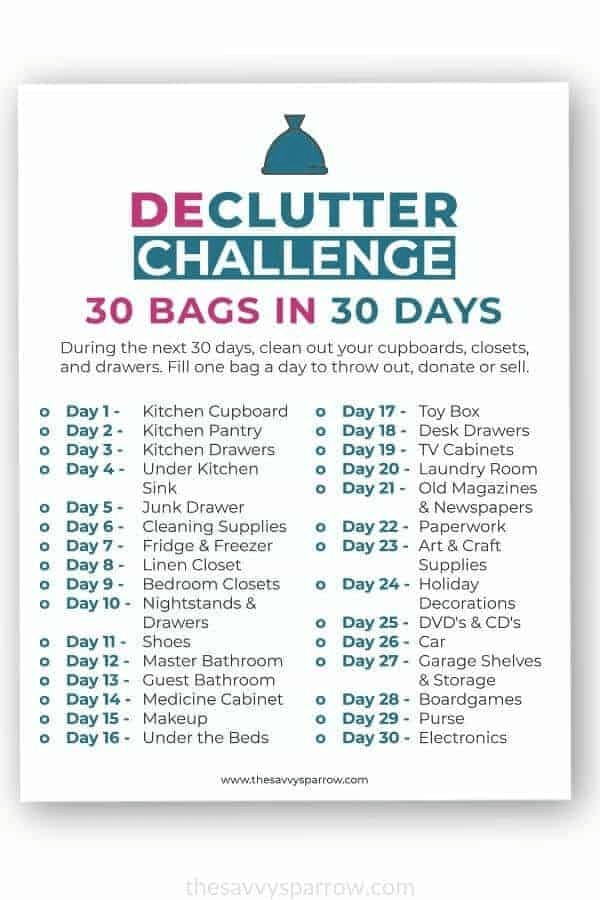
Create a challenge to start subtracting things from your life.
I look forward to reading, learning, and sharing more with you soon!
My intention is to post a Thoughtful Thursday column each week and share some of the insights I have learned in the past week. Here are some of the things I’ve learned this week:
The Mel Robbins Podcast – How to Make 2024 the Best Year: 6 Questions to Ask Yourself
What are the highlights from the past year of your life? Don’t do this based off of memory alone. Look through your journals, calendar, camera roll, social media posts, etc.
What were the hardest aspects of this past year? Reflect on categories such as health & wellness, career/money/school, relationships, and purpose/spirituality/meaning.
What are all of the things you learned about yourself this year?
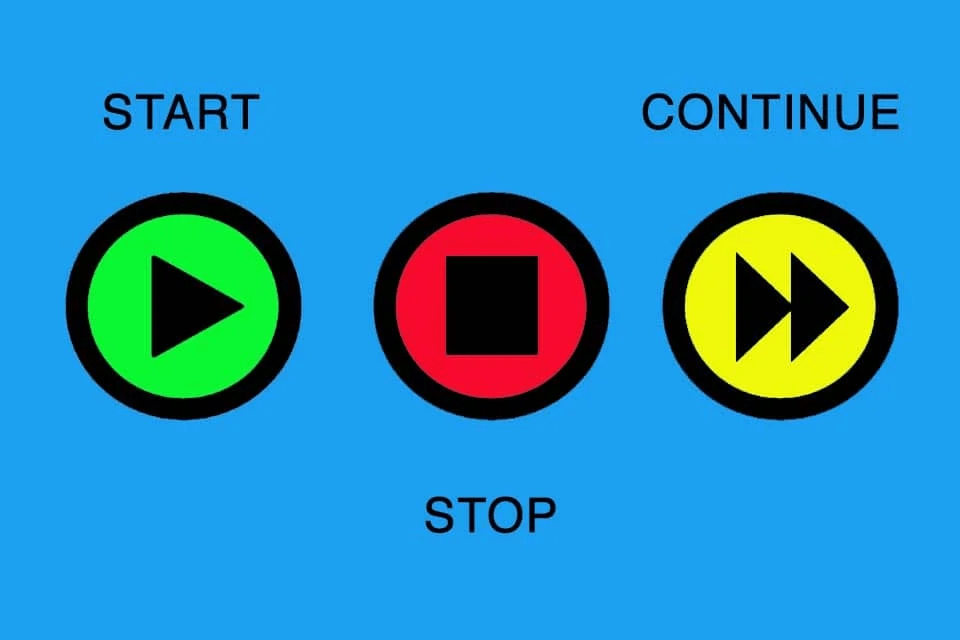
What would you like to stop doing? Ex: complaining, working so much, saying yes to everything
What would you like to start doing? Ex: strength training three days each week,a morning routine
What would you like to continue doing?
Fit, Healthy & Happy Podcast – 10 Lifestyle Changes to Make You Fitter, Healthier & Happier in 2024
Drop one vice that’s holding you back. Think about what you need to get rid of instead of what you need to add. Where are you wasting a lot of time in your life?
Evaluate your circle. 4 quarters is better than 100 pennies. Aim to have more depth and quality in your relationships. Surround yourself with people who make you the best version of yourself.
Encourage more feedback from others.
Allocate more time to be creative – podcast, workout routines, art, music, etc.
Invest in yourself. That could be with time, money, energy, or all three. Read, take courses, hire a coach, etc.
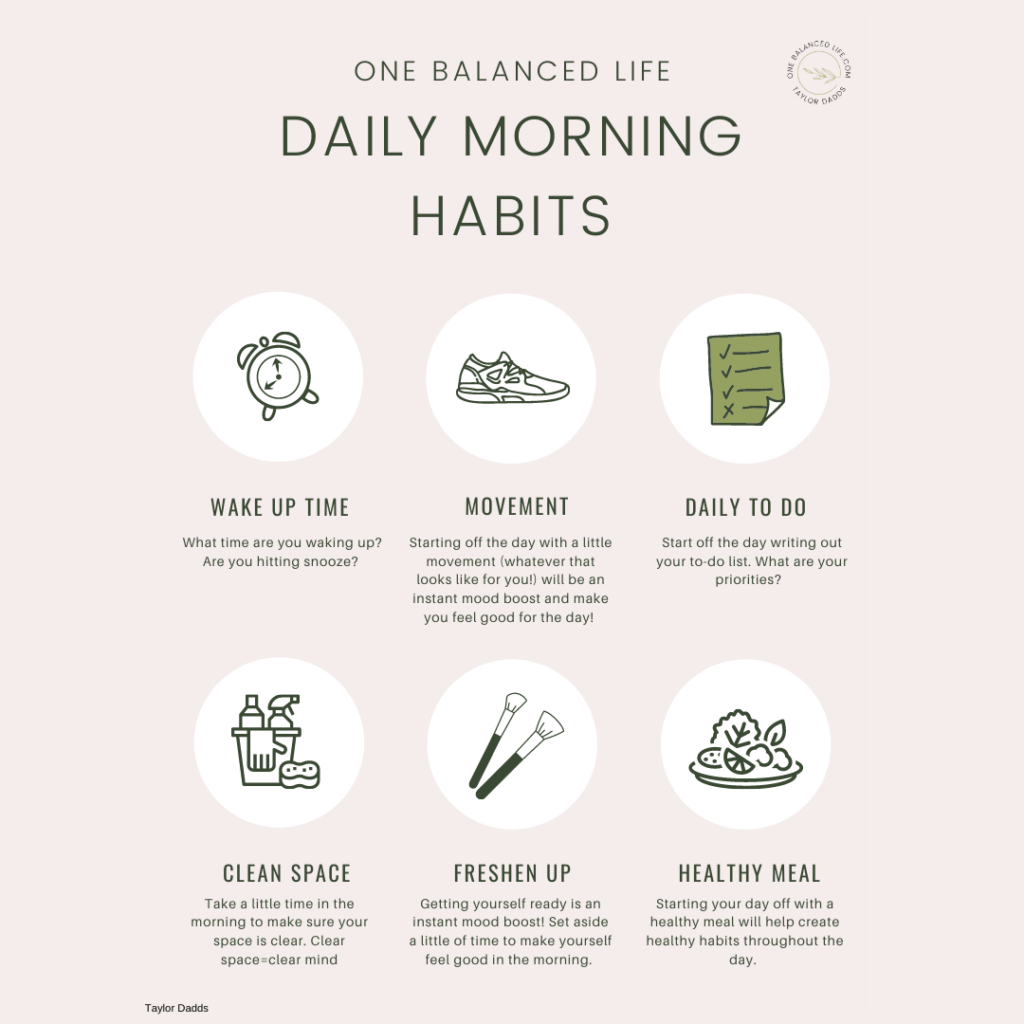
Re-evaluate and develop a morning routine you can consistently do.
Invest in your sleep routine and sleep space.
Plan a getaway/trip you are looking forward to.
Take a daily media break, whether it be one day per week or even 30 minutes each day.
Go above and beyond. Set some aggressive goals. Aim to push yourself to go further.
Mary’s Cup of Tea – Clean Up Your Digital Space(s) Before the New Year
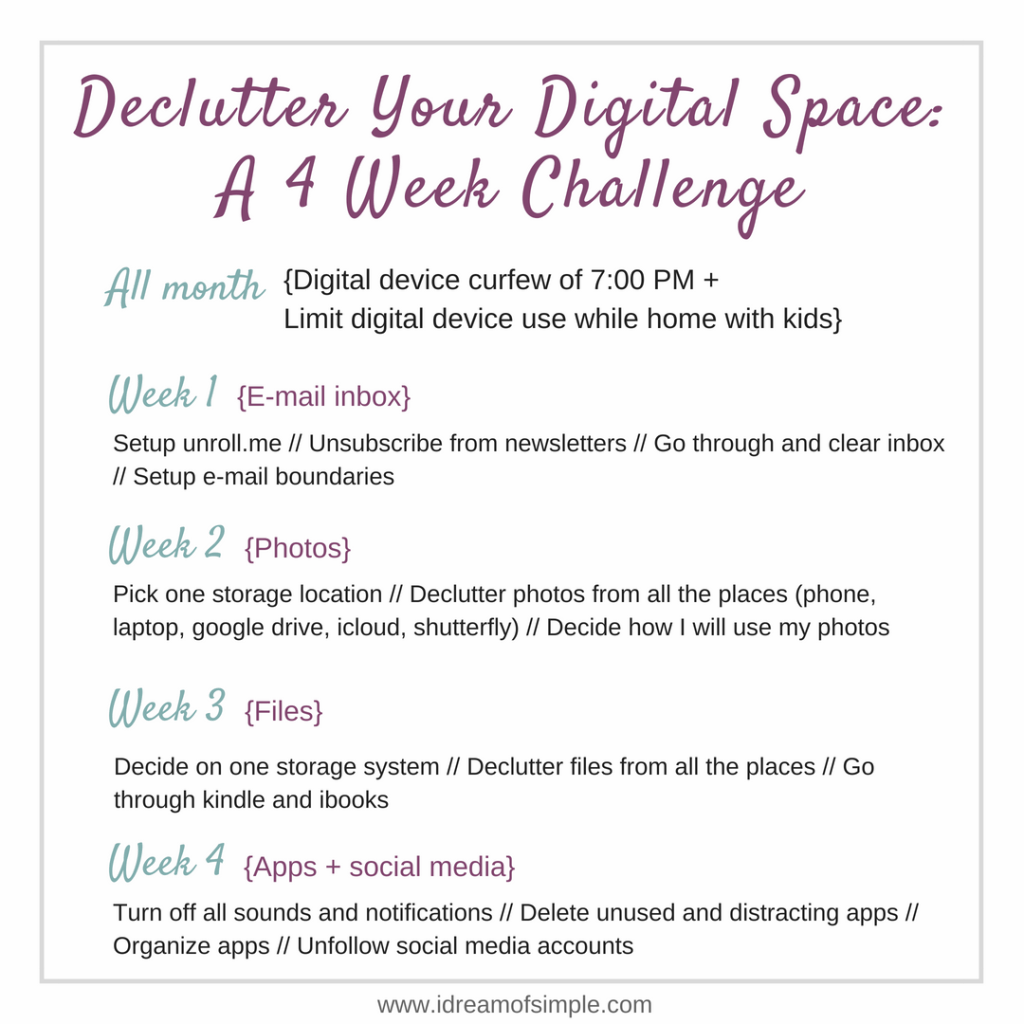
Cancel the subscriptions that you are not using. Review your bank statements for recurring charges. Do you use all of the streaming services you are paying for? If you share the same address, you only need one Amazon Prime account. You can still have different payment methods.
Clean up your photos. The key to remembering your life is to delete photos you no longer need. Delete selfies if you are done with them.
Delete screenshots you don’t need anymore. Make organized albums if you need to reference them often.
Go through the Notes app on your phone. Make organized albums if you need to reference them often.
Clean up your e-mail. Unsubscribe from e-mail lists you don’t need, block senders, etc. Make a new e-mail for only important stuff! Use your old e-mail for shopping, subscriptions, etc.
Unfollow people on social media who make you feel bad about yourself or who influence you to buy things often.
Delete your downloads folder.
I am definitely going to start working on this before the new year, as I have over 39,000 unread e-mails (mostly marketing e-mails) and thousands of screenshots and photos on my phone.
Hot Girl Energy Podcast – things that have made my life better…habits to take into 2024
These notes are from the podcaster. These are not my personal habits.
Don’t drink coffee on an empty stomach.
Get ready for the day no matter what.
Retrain your hair to wash it 1-2x/week instead of every day.
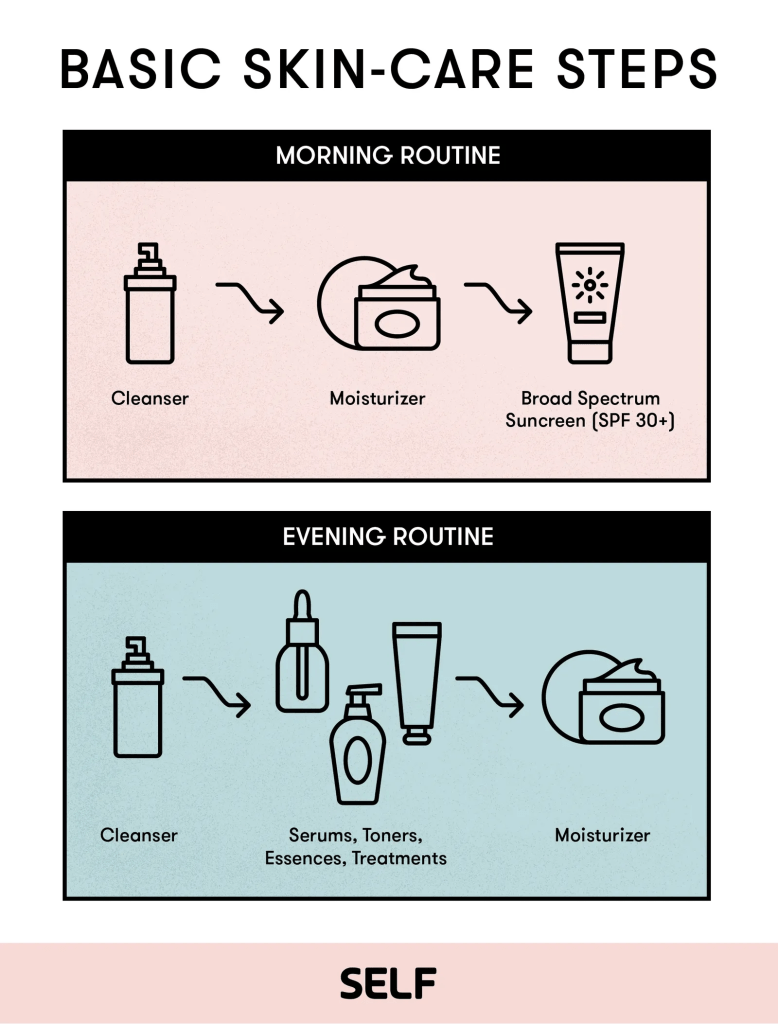
Create a skincare routine.
Body care – dry brushing, body lotion/oil, etc.
Go to bed earlier and wake up earlier to stay productive throughout the morning.
Add electrolytes into your daily routine.
Learn how to cook and make healthy, delicious meals.
Schedule workouts for the week in advance.
Drink less alcohol.
Here are some of my personal habits.
Some of my daily habits from 2023:
Read every day
Elevate and Lumosity apps (“brain games”) every day
Dishes before bed every day
One Line A Day every day
Podcast every day
One bottle of water each morning before work
Some of the best things I did for myself in 2023:
Turned off push notifications for e-mails and most apps
Started unsubscribing to some marketing e-mails
Took a leap and started a new job in an area I’m more passionate about
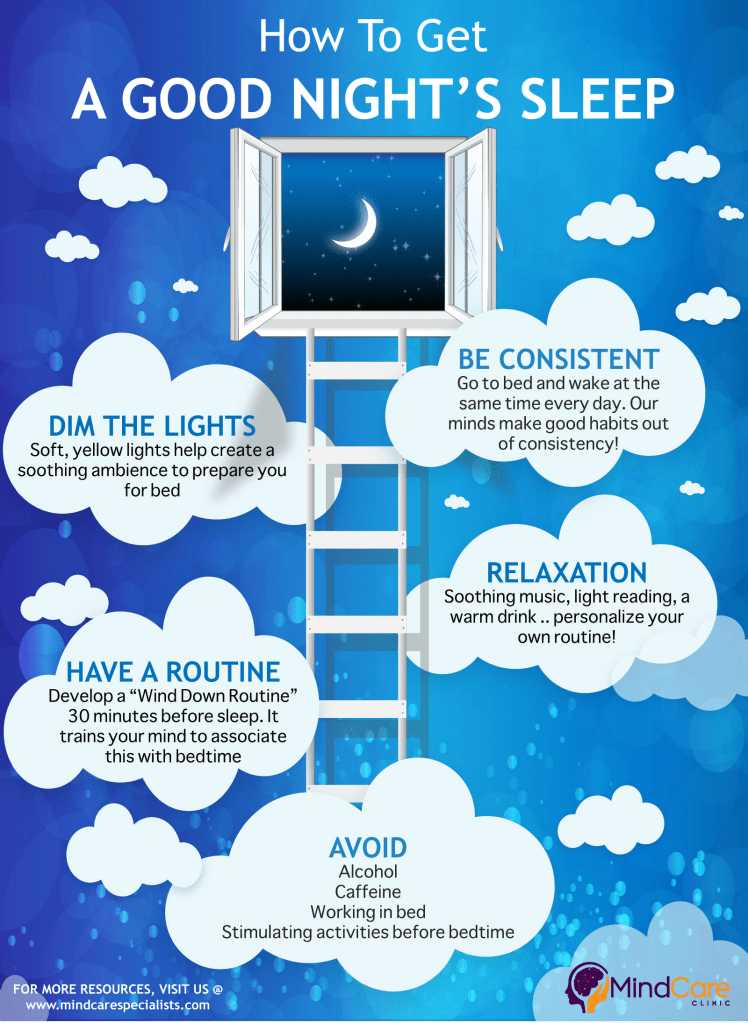
Started a wind-down routine before bed (reading instead of tv/electronics)
Started walking during lunch breaks when working from home
Attended monthly group hikes to meet new outdoorsy people and explore new areas
Started prioritizing a social life more, while still allowing myself to say no to some things
Finance: tracked all income and expenses each month and made necessary changes, moved funds to a high-yield savings account, rolled over retirement accounts to Vanguard (much lower expense ratio and more control over my investments), shopped around for home and auto insurance
Possible habit ideas for 2024:
Mental health:
No screen time after ___ p.m.
Spend 10 minutes outdoors each day
Sleep by ___ p.m. each night
Follow a morning and night routine each day
Write down three things you’re grateful for each day
Write affirmations each day
Schedule time for yourself each day where you won’t use electronics
Personal growth:
Read every day
Spend time learning something new each day
Listen to a podcast each day
Creativity:
Journal each day
Cook a new dish each week/month
Listen to a new song every day
Take one photo each day
Cleanliness:
Dishes before bed each day
Set a timer for 15 minutes each day and clean/organize
Put aside one thing to donate each day
Finances:
Save $___ each month
Set a budget and stick to it
Keep track of all income and expenses for the year
Physical health:
Walk ____ steps each day
Drink ___ oz of water each day
Keep a food log each day
Work out each day
Create a meal plan
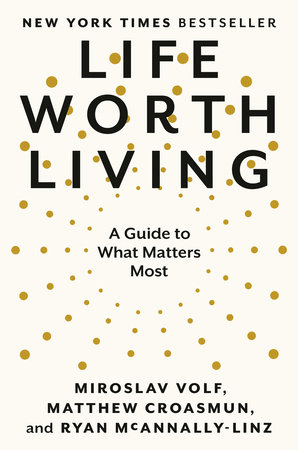
As you consider habits for 2024, consider the following notes and questions from the book Life Worth Living:
“Life Worth Living: A Guide to What Matters Most” was written by Matthew Croasman, Miroslav Volf, and Ryan McAnnally-Linz, three Christian theologians and professors at Yale who teach the popular class, Life Worth Living. This book served as a guide to defining and creating a flourishing life, contained wisdom from many minds and cultures, and cited 276 sources. This book was incredibly thought-provoking and life-changing.
**I highly recommend everyone reads this!** This book encourages readers to reflect on the following questions (and many more): What matters most? What is a good life? Does our daily routine have a justification? Is what we do getting us what we want? What do we really want? What is worth wanting? Who are you responsible to? What do you admire most about those you admire? What feelings do you think characterize a genuinely good life? What are my highest ideals and deepest values? How big is your forest? Who and what is in your forest? What is worth dying for? Are there people or ideals you hope you would be willing to die for?
Your life is worth living well. Your life is too valuable to be guided by anything less than what matters most.
I look forward to reading, learning, and sharing more with you soon! Soon I will be sharing a list of the books I read in 2023 as well as my plans for my blog in 2024!
My intention is to post a Thoughtful Thursday column each week and share some of the insights I have learned in the past week. Here are some of the things I’ve learned this week:
Mary’s Cup of Tea – 5 Habits that Have Made Me a Better Person
In this episode, Mary reflects on the five habits that have made her a better person.
Reading – many people only “read” audiobooks or social media posts. Audiobooks often cause people to half-listen; they listen while doing something else. Reading books requires you to be fully present in reading. It forces yourself to slow down and process what you’re consuming rather than looking for the next best thing or next glamorous picture on social media. Reading makes you empathetic, thoughtful, conscientious, broadens your vocabulary, and allows you to understand and be understood because you have more words to describe something.
I can relate to this! In 2020, I started reading one book each month for knowledge or personal development. In 2021, I committed to reading 21+ minutes each day. In 2022, I read 30+ minutes each day and read 76 books (and took detailed notes about each one). This year, in 2023, I have read over 80 books so far. I have become more knowledgeable in a variety of topics, have experienced personal growth, have broadened my vocabulary, and have gained empathy and different perspectives.
Journaling – writing down things and looking back at them can make you realize that things weren’t as big of a deal as you thought, can help you brainstorm solutions, and can slow down your mind in the attention economy.
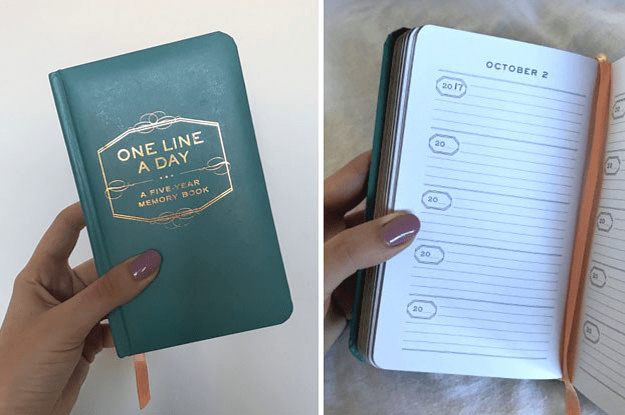
I also relate to this in a small way. I have been using my dated five-year One Line A Day journal for the past four years. I write a sentence or two about each day and am able to see what I wrote on that date over the course of five years. It has been interesting to read about my growth and life changes (careers, marriage, house hunting and home buying, etc.) and it is has often reminded me that the things I was stressing about turned out to not be such a big deal in the long run!
Photo courtesy of Buzzfeed
Singing and dancing randomly – fun, sparks creativity, happiness
I don’t do this often aside from singing in the car, but it sounds like a great idea to try!
Spending sober and cellphone-free time with loved ones – be fully present in mind, body, and spirit with those you love – swimming, playing board games, etc.
I love this idea. Two days ago, my Fitbit broke, and yesterday I spent time with friends (without my Fitbit and without my cell phone). I had so much fun and felt that I was fully present with them rather than worrying about what time it was, who was texting me, and what the latest notifications were. It was lovely!
Shopping second hand – buying things you want at a low price, buying quality items and saving money
I love a good deal on things that I actually want or need!
Healthy Beyond 40: 5-Step Method for Creating Lasting Healthy Habits for Weight Loss & Fitness
Think about your habit identity. Think about who you want to be and how your habits support that. Ex: “I want to be a healthy mom with patient, be present with my kids, and have energy.” That’s your habit identity.
What healthy habit will help support that identity? Focus on your fundamental needs: mindset, movement habits, or food freedom. Pick one habit out of one of those areas. Ex: meal prep.
Time – where are you going to find the time to do this? Plan out a schedule. Ex: meal prep on Sundays. Block out time to work on this habit.
Make a habit loop: cue, routine, and reward. Ex: the order you get ready in the morning. Idea: Any time you make a meal, cook extra protein for future meals.
Track your habits using a habit tracker. Slowly stack in new habits.
You probably have more time for habits than you think. Do a time inventory for at least one day. See how long you use your phone each day. Turn your phone off or disable notifications and remove distractions. Time block to get things done.
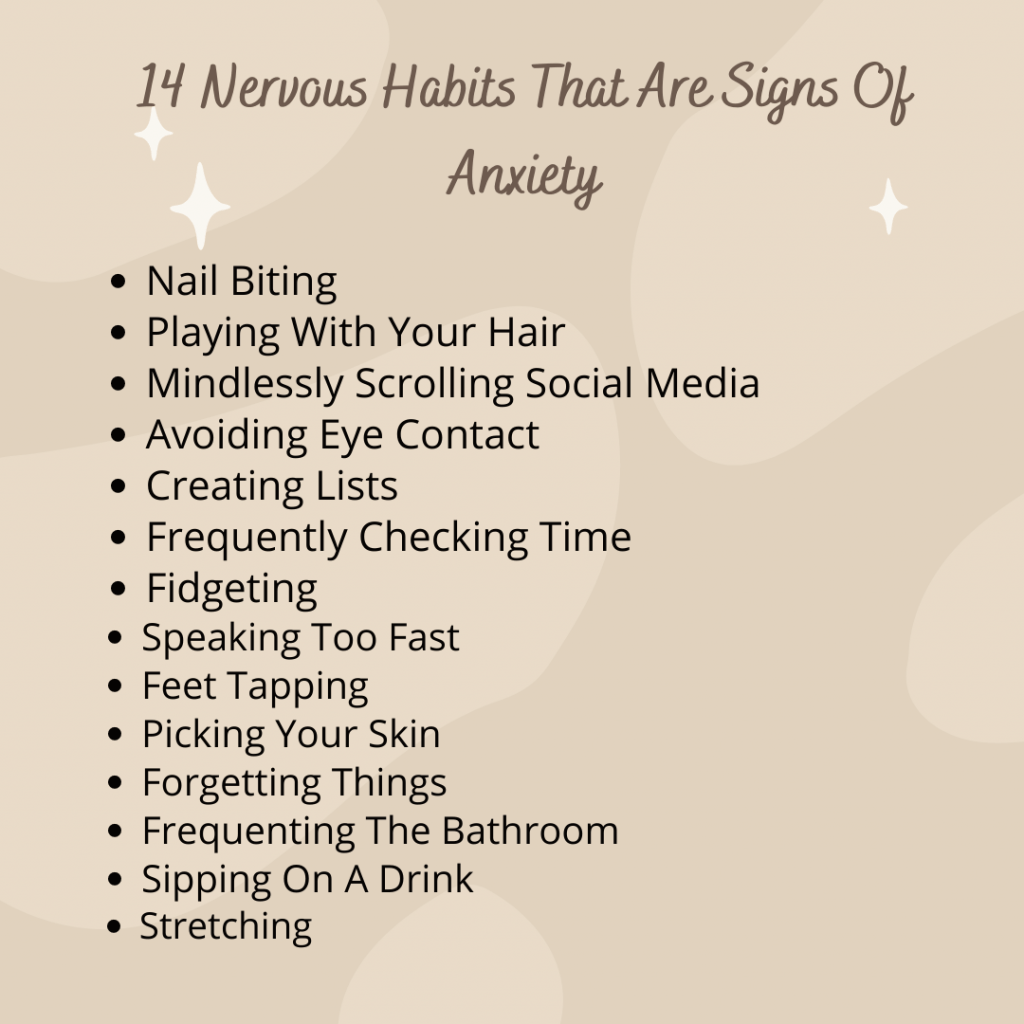
Psych2Go on the GO – 8 Little Habits You Don’t Know Are Signs of Anxiety
Hair twirling
Picking at your skin – peeling skin, picking around nailbeds
Daydreaming or checking out mentally
Fidgeting or playing with something (tapping a pen/pencil)
Sleeping too little or too much
Being on social media too much
Talking too much or too little or arguing
Forgetfulness and lack of concentration
The Productive Woman – 10 Gifts to Give Yourself for the New Year
Time – give yourself the gift of time by simplifying your life, your schedule, and your space to leave more time for the things that matter to you. Evaluate whether your schedule and space are serving you. Eliminate things that are using up your time that could better be spent on things that really matter to you.
Tangible gift: new planner, hiring help for tasks you don’t like to do (cleaning, yardwork)
Health – Often, when life is very full and we have several responsibilities and are taking care of everyone, the first thing we drop is taking care of ourselves. Schedule your medical, dental, and eye checkups. Carve out time to eat well, get enough sleep, and move your body every day. Evaluate your physical, mental, and emotional inputs and eliminate those that don’t contribute to your health and replace them with things that do.
Learning – be a life-long learner. Commit to setting aside time to learn something new each day or week. This can be through reading, podcasts, researching, or taking lessons.
Tangible gift: classes/lessons, conference, book
Perspective – learning to see things from a broader perspective is valuable for our well-being, our creativity and problem-solving abilities, our relationships, and our ability to resolve conflicts. Read or listen to something that comes from a different background or culture than yours. Have a conversation with someone you disagree with. Travel to a place different from where you live. Intentionally cultivate curiosity instead of judgment. Try the improv comedy technique: “yes, and…” You can dismantle limiting beliefs that have become habits of mind while cultivating the flexibility that will help you think creatively about future challenges.
Tangible gift: travel
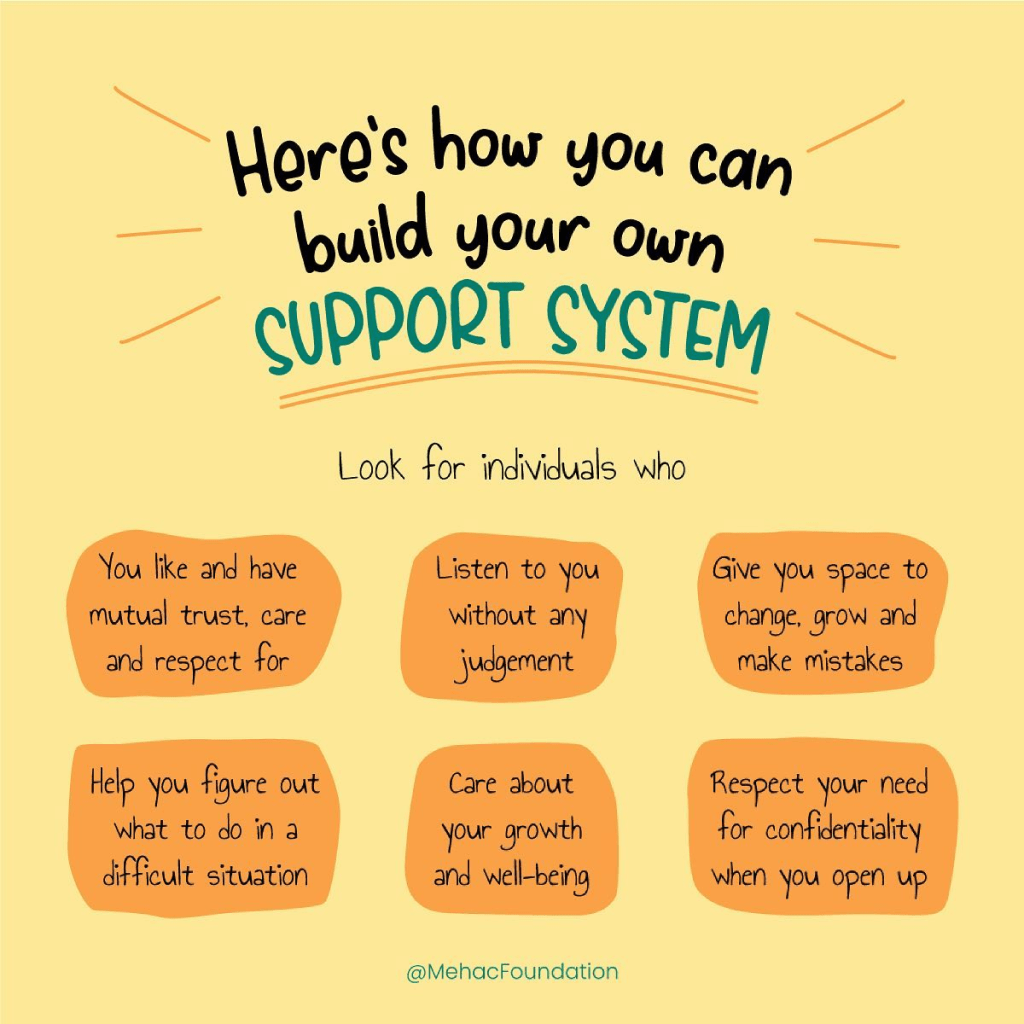
Friendship – a strong support system. Be a support system for others. A life that matters most often matters in relation to other people. Schedule time to get together with friends. Pick up the phone and call someone you haven’t spoken to in a while.
Tangible gift: planning activities with friends (classes, getaway, etc.).
Forgiveness – Harboring unforgiveness and resentment impairs our own quality of life and productivity. Let go of the burden of resentment or blame and choose to forgive others to enhance your quality of life and allow yourself to be more productive.
Peace – get rid of conflict, strife, anxiety, and fear. The stress of constantly conflicted or anxious thinking can impact our physical health. Give yourself the gift of peace for your well-being and to be more productive. Practice quietness of body and of mind. Meditation and reading can help. Teach yourself to accept what is instead of fighting and resisting against it.
Tangible gift: investing in a meditation app, signing up for a retreat
Joy – happy people are more productive. Recognize, seek, and foster moments of joy. Intentionally create a life based on your own values and priorities. Look for joy in the small things. Ex: the laughter of a small child, a sunset, a gathering of loved ones. Stop comparing yourself to others. Comparison is the thief of joy.
Tangible gifts: arrange experiences that bring you joy
Adventure – make memories. Do one big adventure (a few hours) and one small adventure (one hour) each week or start by planning to do one new thing each month.
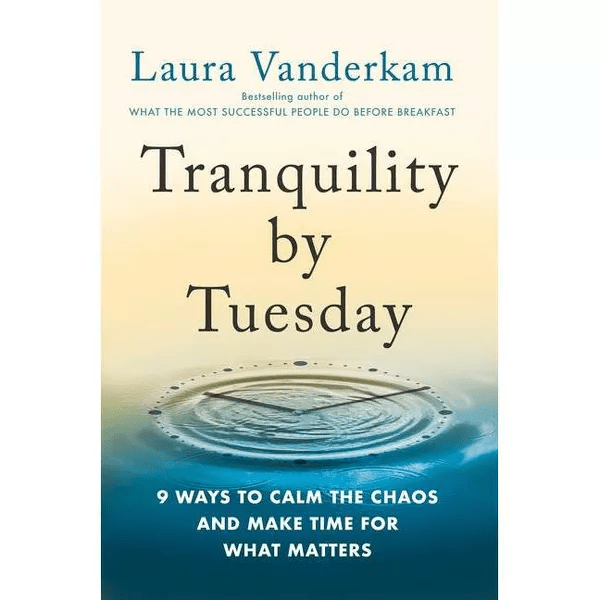
Tangible gifts: “Tranquility by Tuesday” book, set up an adventure somewhere new or try something new
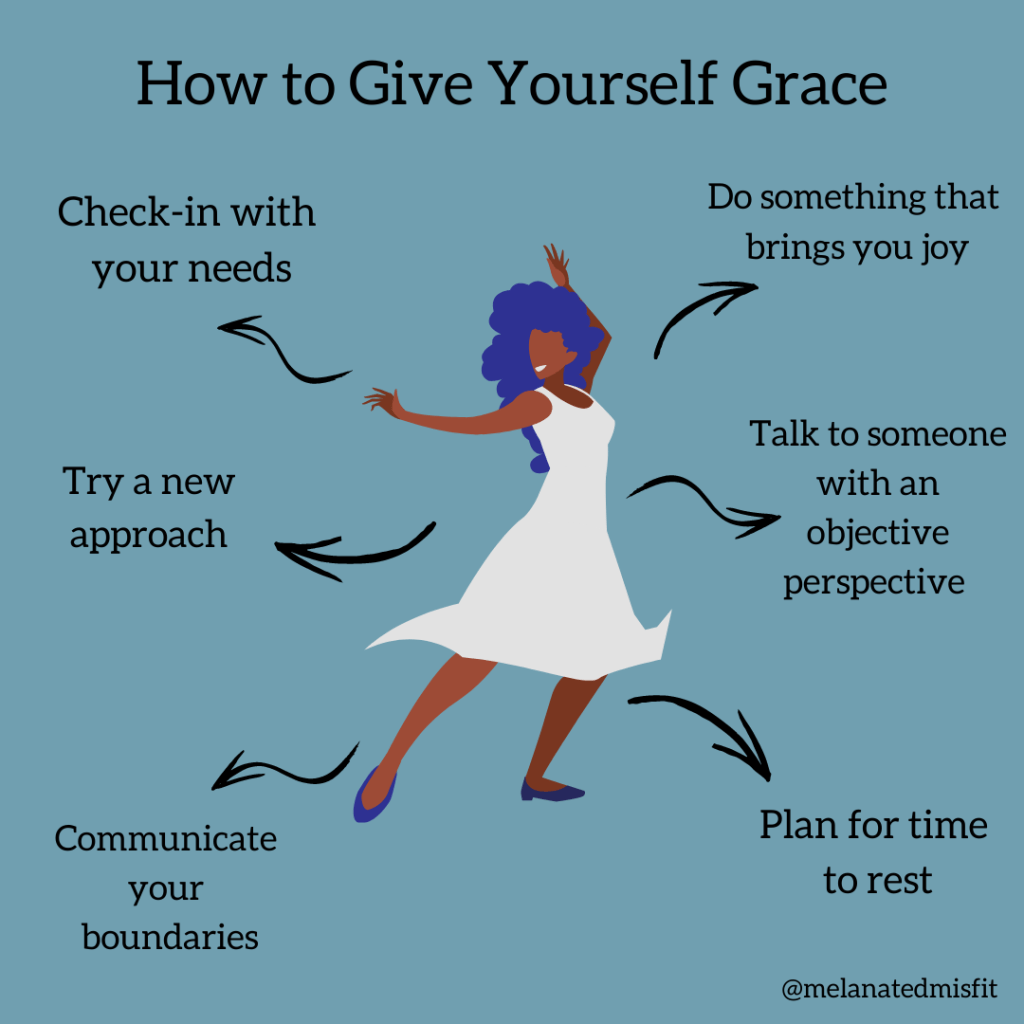
Grace – give love, forgiveness, kindness, and peace. Give grace to yourself and others. Don’t be perfect; be real. Give yourself permission to not do everything. Never feel selfish for taking “you” time. Do one thing a day that you are proud of. Every day, look for something you are proud of in the people who are closest to you.
Tangible gift: buy yourself a piece of art that reminds you to extend grace.
I loved this post from Gabe the Bass Player this week! Are you setting your own deadlines? Are you in the driver’s seat of your life?
My intention is to post a Thoughtful Thursday column each week and share some of the insights I have learned in the past week. Here are some of the things I’ve learned this week:
Self Care IRL – 8 acts of self respect to start your new year
Say no regularly. By saying no, you have more time to focus on yourself and the lifestyle you want to create.
Remove yourself from drama cycles. Don’t surround yourself with people who often complain and leave you feeling burned out and exhausted.
Stop gossiping. It provides escapism, causes you to judge yourself more, and does not create a healthy relationship with those you gossip with.
Find things that make you happy and do them. Find things you love and are passionate about.
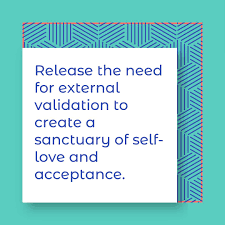
Release the need for external validation. Needing external validation can lead to avoidance and the inability to take action. The highest level of respect we can give ourselves is to validate from within.
Find a way to give back or help other people.
Move your body. Move your body, change your mind.
Learn your own values. Most people are living within other people’s values or actions. Do your actions and priorities align with your values?
Fit, Healthy & Happy Podcast – Secrets to Getting Super Fit for 2024
Start executing on your goals now. Do not wait until a specific date or the perfect situation. If you have a big goal, get started now.
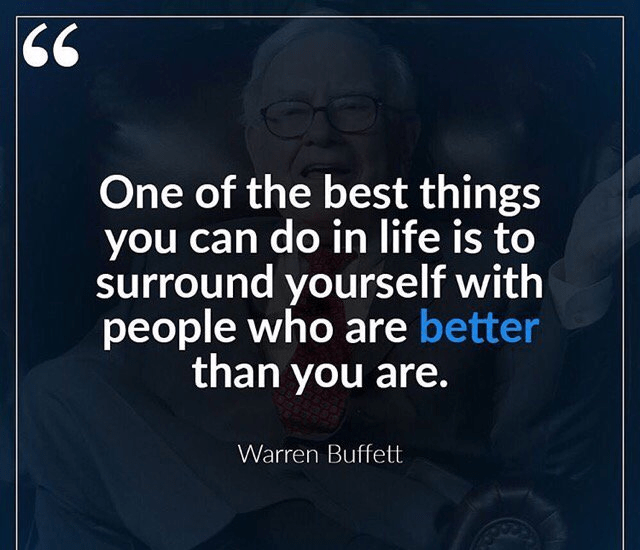
Create a circle around you of people who are also fit, healthy, and happy. Surround yourself with people who are doing better than you and who inspire you.
Have a coach to optimize and plan your nutrition, training, and accountability.
Plan ahead – meals, workouts, commitments.
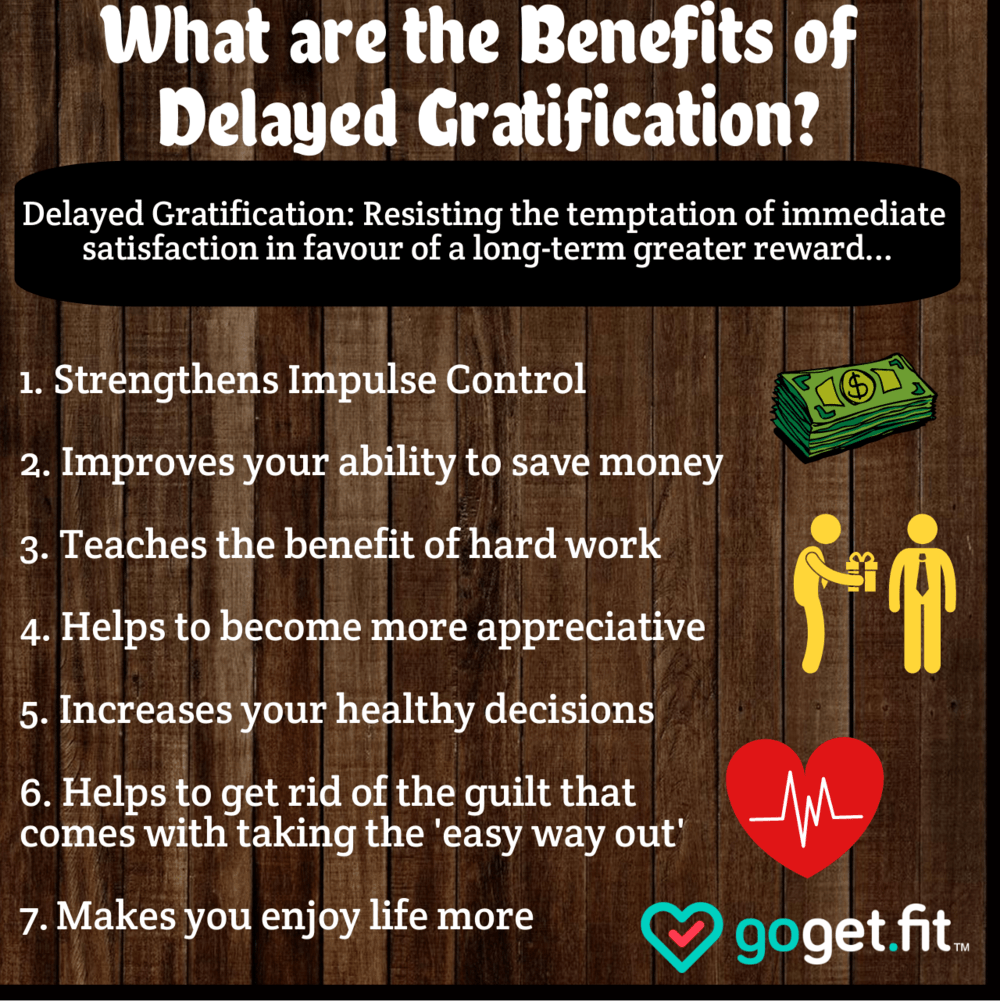
Be willing to sacrifice what you want now with what you can get later. Practice delayed gratification.
No excuses. Look for reasons to work out, not excuses.
Mary’s Cup of Tea: the Self-Love Podcast for Women – The Best Book on Communication
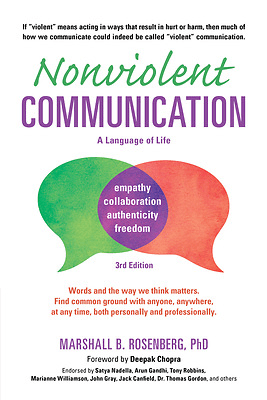
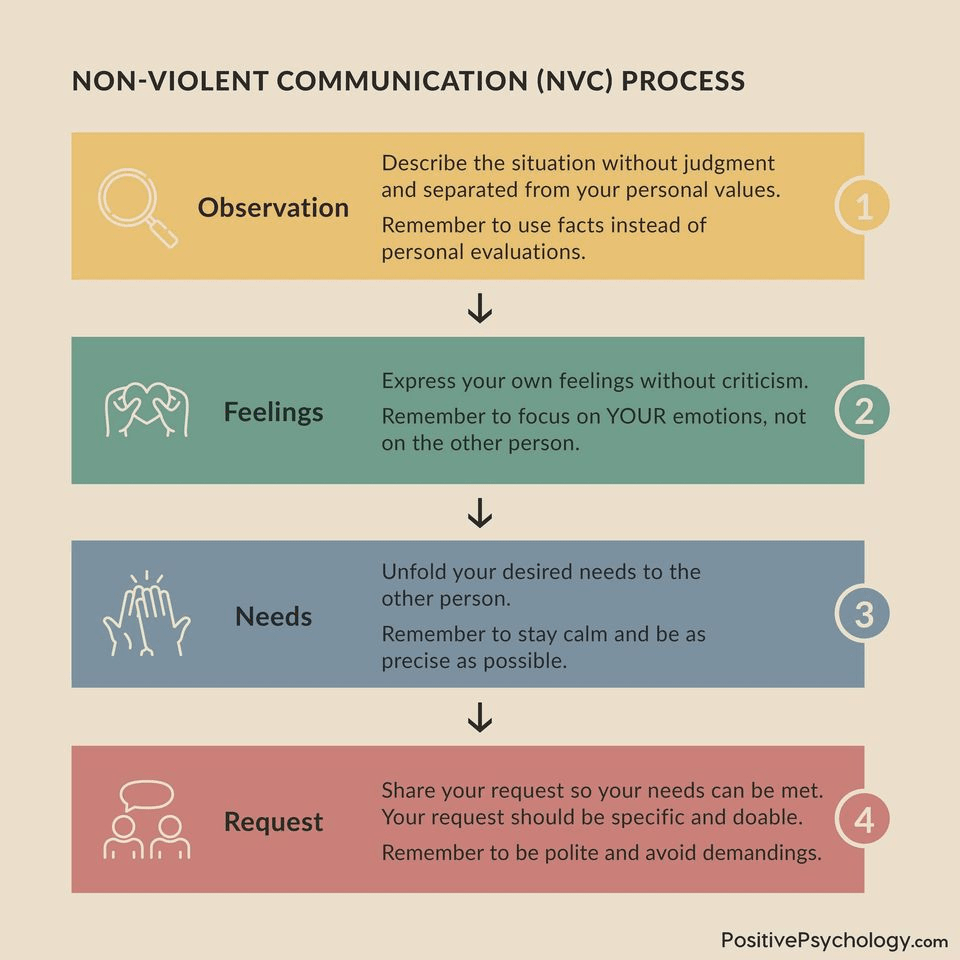
Book – Nonviolent communication
Violent communication: results in hurt or harm. Judging others, bullying, having racial bias, blaming, finger pointing, discriminating, speaking without listening, criticizing others or ourselves, name calling, reacting when we’re angry, using political rhetoric, being defensive, judging who’s right or wrong
Nonviolent communication: integration of consciousness, language, communication, and means of influence
Learn to sense the needs of other people and tune into empathy and bring it back to the feelings and the needs as opposed to being defensive, offensive, trying to be right, trying to convince someone otherwise, trying to prove your point, or trying to be more understood. Sense the needs of other people and what they are feeling beneath the words they are expressing.
I have not read this book, but after listening to this podcast, I will be adding it to my list of books I’d like to read!
Intermittent Fasting – Top 10 Anti-Inflammatory Foods
Berries (specifically, wild blueberries and cherries)
Fatty fish – sardines, anchovies, mackerel, wild salmon
Cruciferous vegetables
Olives and cold pressed single source organic olive oil (in a dark bottle)
Avocado
Nuts (walnuts, almonds, macadamia)
Tomatoes
Peppers
Green leafy vegetables
Dark chocolate
The Mel Robbins Podcast – Reset Your Gut in 5 Days
Dr. Amy Shaw is a medical doctor trained at Harvard, Cornell, and Columbia University.
Bloating is normal and is caused by having unhappy gut bacteria.
FFF morning routine: fasting, fitness, and fermented and fibrous foods
Stress can cause bloating. Stress can cause your nervous system to interfere with your gut’s ability to properly digest food and keep your gut bacteria balanced.
5-step method to heal inflammation, reset your natural hormone balance, and heal food sensitivities
Dr. Amy Shaw recommends you fast for 12 hours (supper to breakfast)to heal your gut.
Rest your gut in 5 days
Five day reset:
Day 1: fasting (12 hours), fitness, fermented and fibrous foods. Add 30 minutes of exercise. When you start moving your body, the distention starts to move. Physically twisting your gut will release some gas and get things moving. Ex: yoga, abs
Day 2: fasting (12 hours), fitness, fermented and fibrous foods. Eliminate dairy, gluten, white sugar, or whatever you think may be triggering you.
Day 3: fasting (12 hours), fitness, fermented and fibrous foods. Start eating foods your gut loves. Spinach, asparagus, fruit, yogurt, etc. Protein: soaked black beans, fish, tofu, eggs, cottage cheese, yogurt, nuts. Your gut doesn’t want “fake” protein – fake meat substitutes, bars, shakes, etc. Processed red meat can cause inflammation.
Day 4: fasting (12 hours), fitness, fermented and fibrous foods. Enjoy. Spend time with people who are good for your mental health and gut health. Spend time with people who make you feel your best.
Day 5: fasting (12 hours), fitness, fermented and fibrous foods. Put it all together: exercise, protein-rich food, enjoy.
It can take up to three weeks to figure out what foods you’re sensitive to with an elimination diet.
You may feel better in as little as three days!
When you eat probiotic foods, the bacteria are delivered to the bacteria that are already in your gut, and our body is more likely to incorporate natural probiotics into our gut ecosystem compared to probiotic supplements.
Sad to Savage – Getting 1% Better, Habit Stacking, Waking Up Early and Willpower
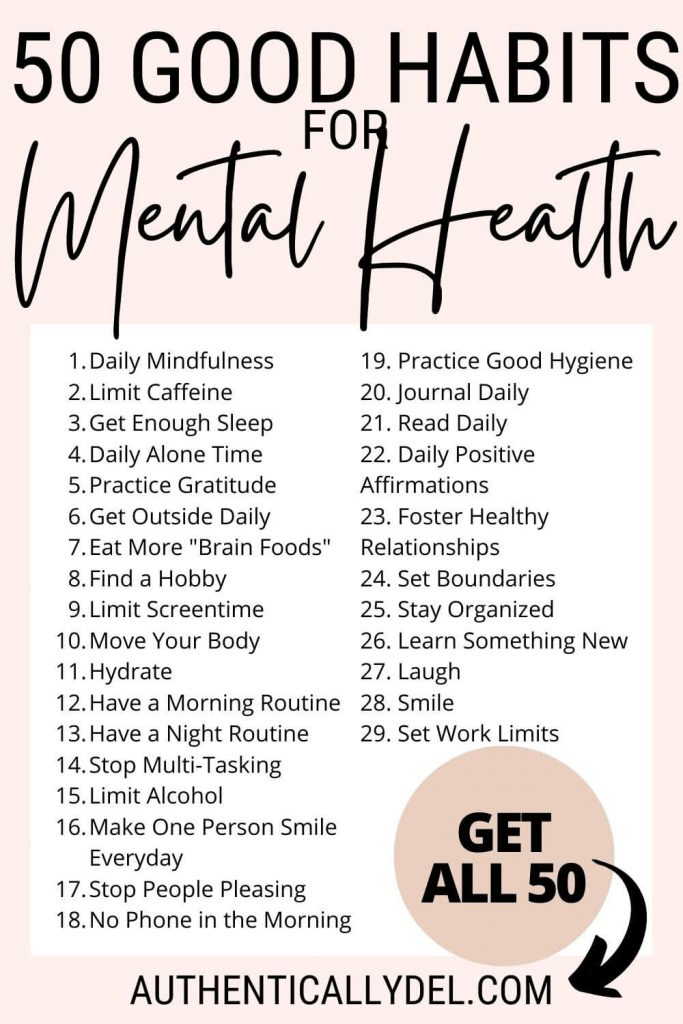
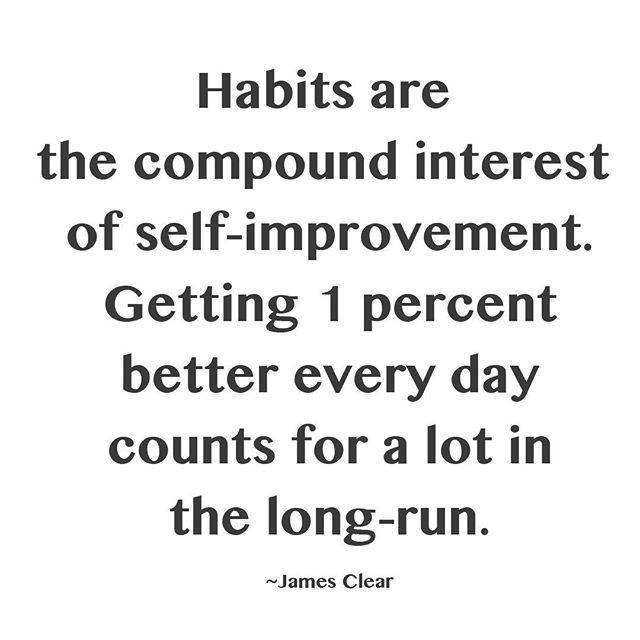
Ways to get 1% better: daily walk, hit 10k steps, read every day, write self-love affirmations, clean up your space, dishes before bed, clear off table every day, lay out clothing for tomorrow, listen to a podcast, call a friend, habit stack
Habit stack ideas: podcast or audiobook while working out, folding laundry, cooking, or meal prepping.
You will never walk away from a book without learning at least one thing.
Waking up early will change your life. It allows you to create time for yourself before you give your time to others (through work). You will have the most willpower in the morning.
Consistent schedule – Monday through Friday – pick a time you want to wake up and a consistent morning routine. To wake up, sit up in bed and chug warm water. Put your phone on the ground so that you must physically get up to turn off your alarm. Use an automatic light bulb to wake you up at a specific time.
Elevate your morning, elevate your life.
I am working on establishing my morning routine and slowly working on getting up earlier. It is something I have been struggling with, as I sleep through multiple alarms.
Inside Out Money – Simple joys and the art of saving money
Simple joys that can keep you from spending money: a walk out in nature, talking with a friend or family member, playing in the yard with kids, reading a good book from the library
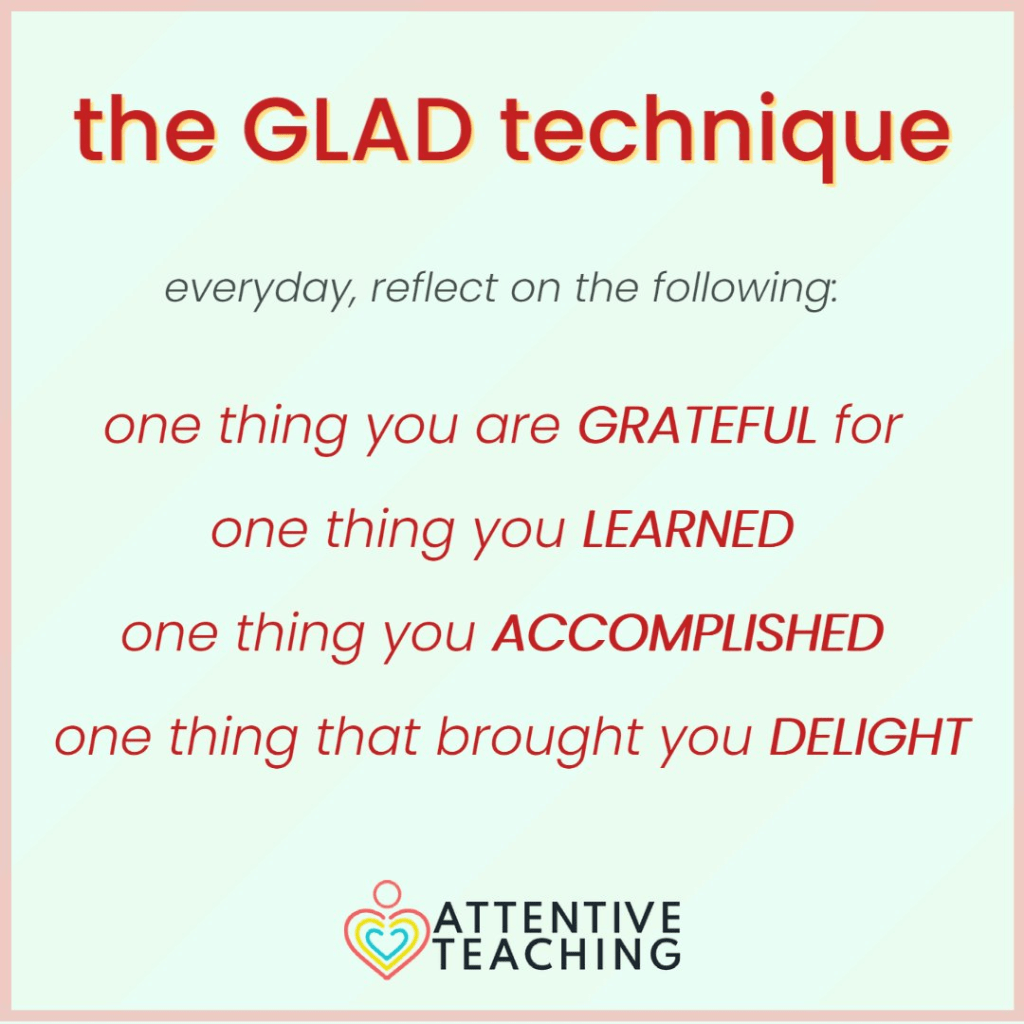
Gratitude daily – GLAD method: Something you’re grateful for, something you’ve learned, something you’ve accomplished, something you’ve delighted in.
I love this idea and am looking forward to trying it!
Find something you’re grateful for that you often take for granted.
If you have too many items, your family won’t know what’s important to you when you die.
Clean to have an organized life.
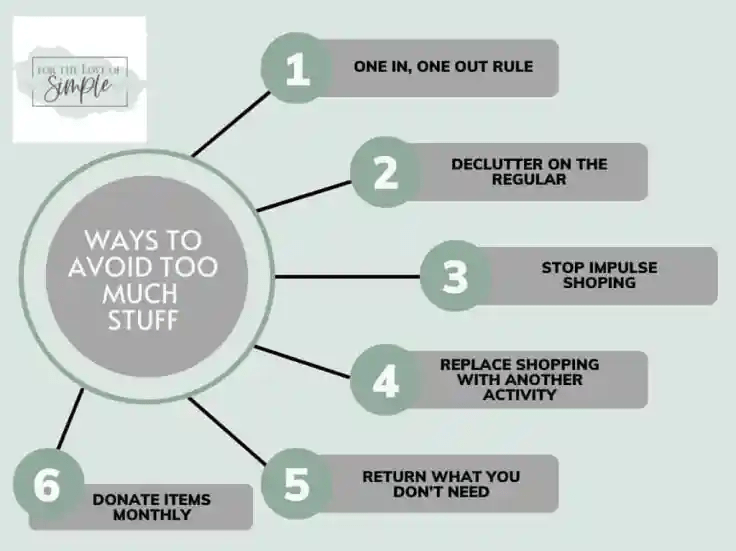
Make a list of what you’re shopping for and stick to it.
Consider a no-spend month and use what you have OR allow yourself to only spend on a certain day of the week so that you must delay instant gratification.
Limit time on social media to avoid being influenced into buying more items.
Questions to ask yourself while decluttering:
Is this my favorite?
Do I love it?
If I lost it, would I replace it?
Would I buy it again?
How much would it cost me if I had to replace it?
What’s the worst thing that could happen if I let it go?
Is this thing in solid working order?
Is this item plastic?
Would this item come with me if I were moving/downsizing?
Does this item spark joy?
Did I bring this items into my life?
If I were free from guilt, would I still keep it?
Will I have more space to do the things I want?
Do I need to save it for tax or legal reasons?
Have I used it in the last year?
Do I want my kids or others in my family to have to take on the burden of this item?
I look forward to reading, learning, and sharing more with you soon!
My intention is to post a Thoughtful Thursday column each week and share some of the insights I have learned in the past week. I went on a vacation and took time away from blogging last week, so here are some of the things I’ve learned in the past two weeks:
The Productive Woman – 9 Reasons to Declutter
Declutter is not just the stuff on your floor. It’s anything that stands between you and the life you want to be living. Simplify your life by simplifying your space and your schedule.
By decluttering, you will save time for what matters most to you. The less stuff you own, the less time you have to spend caring for it, cleaning it, and moving it to clean around and under it. The less things you are doing that don’t add value to your life, the more time you have for what really matters to you. Decluttering is a time saver across the board.
Decluttering can foster peace of mind, even in a very busy life. The visual distraction of clutter increases cognitive overload and can reduce our working memory. Clutter can make us feel stressed, anxious, and depressed. Reducing the amount of clothing we have will reduce decision fatigue. The less stuff we have, the less time we have to spend making decisions about what to use, what to do with it, and where to store it.
Decluttering will help us have greater enjoyment of the things we keep. A cluttered home negatively impacts how we feel about our homes and our lives. We enjoy life more when we are less surrounded by clutter.
Decluttering will contribute to having a safer space. Cluttered homes can be unsafe.
A decluttered space will contribute to more efficient and productive work. Less distraction=improved focus. Ex: a spa is minimalist and that contributes to the peaceful, calm feeling. People with cluttered homes and offices tend to procrastinate more.
Decluttering reduces stress. When we are surrounded by clutter, our stress hormones are elevated. Clutter leads to anxiety, embarrassment, family stresses, and more.
Decluttering is better for the environment. Less stuff being purchased, kept, and stored is better for conserving planetary resources. By donating the items you purge, you can make them available to others who will use them.
Decluttering can contribute to better relationships. It can also result in fewer arguments.
Decluttering can save you money. If you aren’t accumulating more stuff, you aren’t spending as much money. If you are able to sell items you are purging, that is more money in your pocket. Also, if you don’t have as much stuff, you can live in a smaller space and also avoid paying for storage units. People are paying to store stuff in storage units that they aren’t using because they aren’t at home. Many people are also unable to park in their garages because their garages are filled with stuff!
Sad to Savage – In My Running Era & Habits For The Last Half of 2023
Sad to Savage is a great podcast about daily habits, and I started my daily habits journey in 2022 before I discovered this podcast. We have some of the same daily habits and I am regularly evaluating my habits and considering adding new habits. Here are some ideas presented in this podcast:
Start building the habit of waking up earlier to go on a daily walk.
Work on a morning and nighttime routine.
Start listening to podcasts and habit stack.
Get 7-8 hours of sleep every night.
Get in bed by a set time each day.
Clean your house weekly.
Spend 30 minutes outside each day.
Read every day.
Listen to a podcast every day.
Schedule a weekly date night.
Call a friend every day.
Drink tea every night.
Write affirmations every day.
Have at least one healthy meal each day.
Cook at home a certain number of nights each week.
Learn how to read food labels.
Choose when you are allowed to drink alcohol (ex: only on weekends).
Meal plan and prep.
Make your coffee at home.
Limit your coffee intake each day.
Eat breakfast each morning.
Take your medications or vitamins every day.
Move your body 30 minutes each day.
Use the stairs instead of the elevator.
Try a new workout class once each month.
Stretch daily.
Journal every day.
Write one thing you’re grateful for every day.
Meditate.
Clean one space each day.
Have a productive break each day to clean or organize an area of your house.
Do dishes before bed each day.
Plan out your day. Write a to-do list for the next day each evening.
Make your bed daily.
Save/invest money each month.
Limit your screentime each day.
Lay out your clothes for the next day.
I use my Silk & Sonder journal to track my habits and you can get a free digital habit tracker here. It looks like the photo below.
Here are my daily habits for August (many of which I have been doing for several months):
Take my temperature at 5 a.m. every day (for future fertility tracking).
Drink one bottle of water in the morning before work. This is because I generally don’t drink as much water at work and want to start my day hydrated!
Listen to a podcast each day.
Play brain cognition games on Lumosity & Elevate apps each day.
Read 30+ minutes each day.
Do a 10-minute ab workout each day (rest days allowed).
30+ minutes of walking/running/lifting weights each day (rest days allowed).
Write an affirmation, complete a journal prompt, and write in my One Line A Day journal each day.
Do dishes before bed each day.
Catch up with/message 5 people each day. Work on networking. This is a result of the free Jordan Harbinger networking course I am taking!
Life Kit – Let’s have some cheap fun
Public parks and beaches – picnic, swim, fly a kite, hike, music in the park
Penny date – explore things without an objective. Take a penny and pick a direction for heads and tails. Flip the coin, see the direction it takes you, and go.
Attend a parade
Get a coloring book and crayons/pencils or a paint by number set
Open mic nights
Museums (sometimes can get free passes with a library card)
Recreate a family recipe
Taste test chocolates, ice cream, chips, etc.
Themed hangouts- pick a theme and invite people over. Ex: romcom movie marathon, French movies and French onion soup, etc.
Go to an open house, even if you aren’t looking for a home.
Go to the mall or a vintage store with a friend and try on silly outfits.
Write your future self a letter and give it to a friend for safekeeping.
Host a book club
We recently returned from a trip to Colorado. Here are some of the FREE things we did:
Drove through Rocky Mountain Arsenal Wildlife Refuge
Viewed the Boettger Mansion
hiked the hilly Lookout Mountain Trail
viewed and hiked at the Mother Cabrini Shrine
viewed and hiked at the Red Rocks Park & Amphitheater
Walked the 16th Street Mall in Denver
Toured the Denver Mint
Attended mass at the beautiful Cathedral Basilica
Walked around City Park in Denver
There are so many FREE options that you may not think about! You don’t always need to spend money to have fun.
The Jordan Harbinger Show – Fast Fashion- Skeptical Sunday
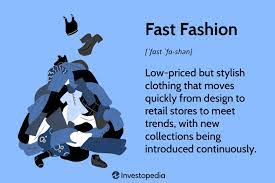
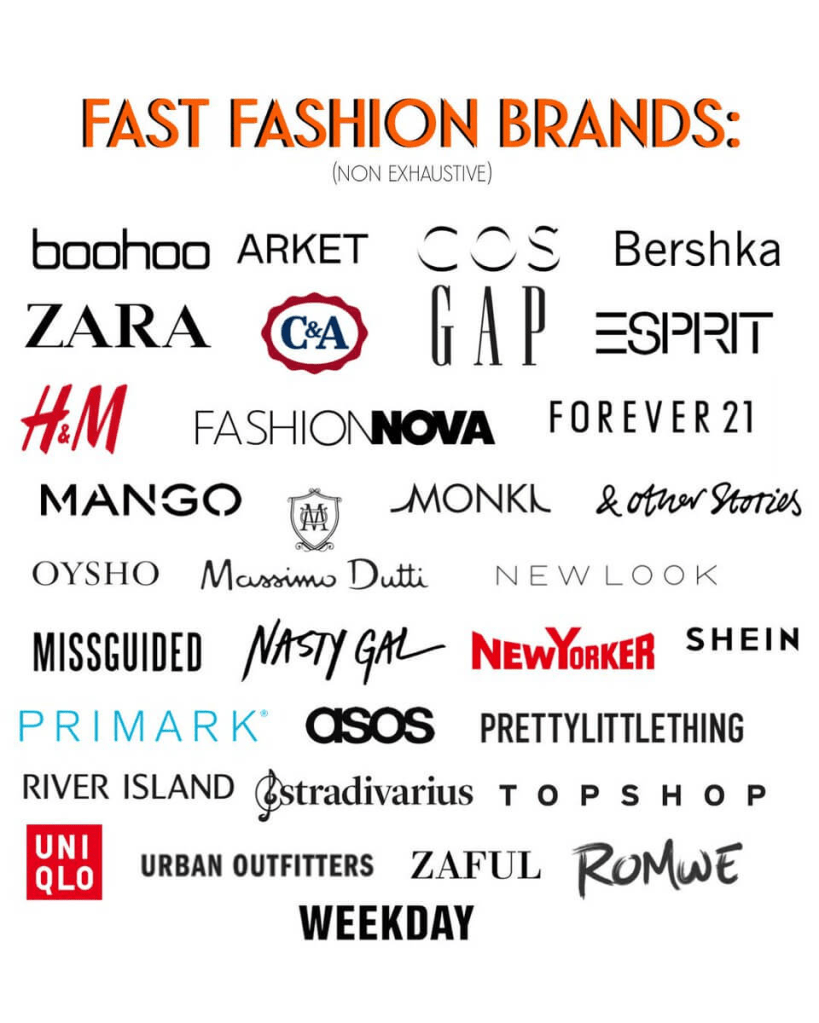
The fashion industry is a $2.4 trillion industry! The features that drive this industry are cheap manufacturing prices, making clothes that follow current trends in the quickest ways possible, and using low-grade disposable materials meant for just a few wears so consumers keep coming back to the stores for more. People are literally buying clothes intended to be thrown away. The fibers, yarns, and fabrics are inferior quality. Clothes are designed for the trends for the season, but fashion seasons are moving faster and faster every year.
As the number of choices offered to the consumer increase, the number of times a piece of clothing is worn before it is subject to the trash decreases. This is shocking because I regularly wear clothes I bought almost a decade ago. I haven’t purchased items that get thrown away unless they are really stained.
The fashion industry has trained consumers to want to be hip, stylish, and up to the latest trends, so they come to their stores more. Consumers come running whenever they ring the bell. Fashion collections used to come out 4 times per year, but now some companies pump out 12-24 collections per year. Zara reportedly comes out with 24 fashion collections each year! A person trying to stay fashionable is buying and getting rid of incredible amounts of clothes.
In the 1970s, the average household invested 10% of its income (about $4k) on 25 pieces of clothing each year. Today, the average household spends 3.5% of its income (about $1,700) on 70 pieces of clothing each year! Clothing has gotten much cheaper but is not as durable.
85% of clothes being pumped out of the factories and into the stores ends up in a landfill! We discard 92 million tons of clothes-related waste each year!
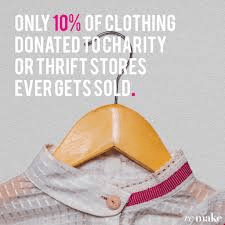
Transparency is lacking in the production and disposal of our clothes. Clothes that go to poor countries are hurting. Most donated clothes go to Africa. Africans are stuck with the waste and are deterred from ever starting a textile industry of their own. Plus, a seamstress or tailor cannot make a living because no one can compete with the cost of the West’s hand-me-downs.
Most of the donations that make it to poor communities eventually end up in a landfill. Each piece of clothing in a dump is money in a corporation’s pocket.
Consider donation places that only serve your community or sell unwanted donations to textile or recycling plants (not Goodwill or Red Cross- these get shipped around the world). The fashion industry emits more carbon than the shipping and international aviation industries combined!
Returns of items bought online exceed the amount of all purchased goods. The system is set up to run on waste.
There are a few classic looks that last through decades: jeans and a t-shirt, a good suit, a nice black dress. The irony is that trendy clothes are the ones we look back on and frankly can’t believe we ever wore in public.
The fashion industry is the second-largest consumer of water worldwide. It takes 700 gallons of water to produce 1 cotton shirt and 2,000 gallons of water to produce one pair of jeans. That’s enough water for someone to drink 8 cups a day for 10 years! Jeans are made from cotton, which is a very water-intensive plant.
A lot of water is used to dye the clothes. The dying process uses enough water to fill 2 million Olympic-sized swimming pools each year. The dye water travels and ends up contaminating the oceans and lakes.
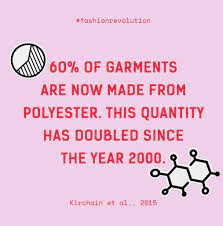
60% of garments are made from polyester, a plastic that does not break down. When materials don’t break down, they turn into microplastics. 35% of all microplastics in the oceans came from the laundering (washing) of synthetic textiles.
Female garment workers in Asia face poor work conditions with low wages and forced overtime. 80% of fashion factory employees are women. The industry exploits and takes advantage of women working in these factories. 1 in 6 people on Earth work for the textile industry, and only 2% of them earn a living wage!
The cheapest materials are stretch materials (t-shirts, jeans, yoga pants). Stretch materials are made with low-skill labor. The industry loves stretch materials because they can be made cheap and imperfectly. A tailored suit has to be made precisely and fit right. Stretch materials mask imperfections and don’t have to fit right at all. They just have to stretch to fit us.
Fast fashion benefits: affordable prices and instant gratification for consumers.
The entire industry now is driven by influencers. They seem to get a pass, but it’s problematic. They portray themselves as so progressive on social, economic, and ecological issues, while they sell us the very problems that they claim to hate.
The supply chain is invisible. The “made in” label on clothing is unique to the U.S. and the country that sewed the main seam is the country listed on the label. There are proposals to get rid of the made in labels. Our clothes touch a lot of borders, and that’s how the supply chain works. Ultimately, we are failing to create an industry that looks after its employees and their surroundings. Fast fashion is all about the ways to make bigger profits all the time.
Tips: Websites like mygreencloset.com offer options for zero-waste fashion collections. Stop playing the fast-fashion game. Buy quality, well-made clothes that will last for years. Alternatives: clothing rental markets. Upcycling- making clothes out of used materials and textiles. Wear the same signature look every day. If you don’t have to think about what you want to wear every day, wear the same thing every day. This will prevent you from purchasing fast fashion.
Sad to Savage – Your New Daily Affirmations
Here are some ideas for daily affirmations! I am smart. I am kind. I am confident. I am loved and I am loving. I am grateful. I am growing. I am capable. I am a positive role model. I am inspiring. I am beautiful. I am driven. I am choosing a positive perspective. I am strong mentally and physically. I am creative. I am making healthy choices for my physical and my mental health. I am really proud of myself. I love my body. I am kind to my body. I speak kind words to my body. I am becoming the best version of myself. I love and approve of myself. I love the positive perspective that I am actively creating. I can do really hard things. I am not my past. I am creating my own future. I am safe and secure. I am creating a really beautiful life that I am really proud of. I am worthy of love and attention. I consciously release the past by choosing to live in the present. I am worthy of my own love and I am worthy of the kind words that I say about others. I am choosing to respect and to take care of myself. I am patient with myself and I am patient with others. I am the most important person in my life. I choose to let go of the things that I cannot control. I believe in myself. I am growing every single day and I am proud of the big and the little moments of my growth. I am my favorite person. I love you and I am so proud of you.
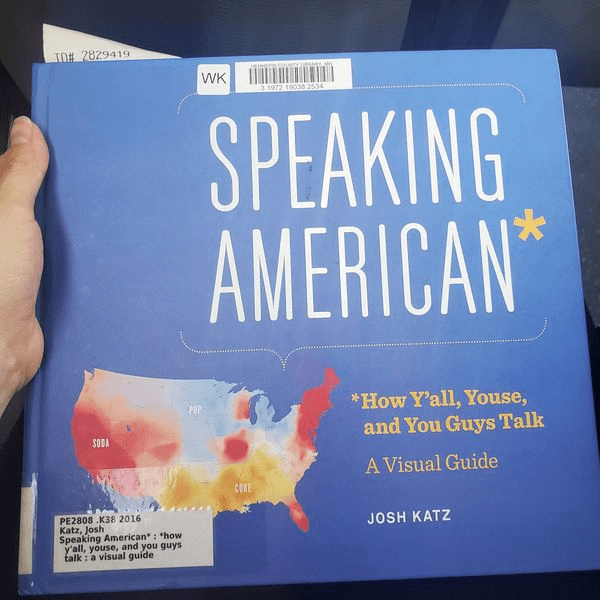
I read seven books in July. The most recent books were easy reads that did not require much brainpower. “Speaking American: How Y’all, Youse, and You Guys Talk: A visual guide” was written and illustrated by Josh Katz, a graphics editor for the New York Times whose work has focused on finding patterns in data and turning them into stories. This book was a fascinating look at the dialect variation in the United States and included insightful maps of the data.
Examples include tag sales vs. rummage sales vs. garage sales vs. yard sales vs. stoop sales, scratch paper vs. scrap paper, soda vs. pop vs. coke, take-out vs. carry-out, and how people pronounce aunt, syrup, caramel, crayons, quarter, coupon, grocery store, and many other words.
Dialect variation in American English is a reminder of our personal history, our family, and who we are and where we come from. No matter how much media we consume, we inevitably acquire the speech patterns of the people we surround ourselves with.
“Other-wordly: words both strange and lovely from around the world” was written by Yee-Lum Muk and based on the discovery that “every language has names for the odd and wonderful, for the unexpected things that have meaning, for the parts of our lives that are other-wordly.” Here are some of my favorites.
kummerspeck (noun, German): excessive weight gained through eating as a means of relieving stress or strong emotion
fernweh (noun, German): an ache for distant places; the craving for travel
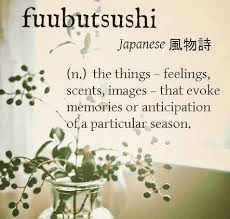
fuubutsushi (noun, Japanese): the things – feelings, scents, images – that evoke memories or anticipation of a particular season
tartle (verb, Scottish): to hesitate while introducing or meeting someone because you gave forgotten their name
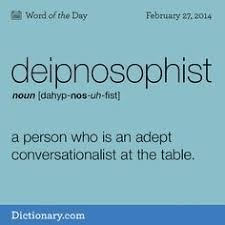
deipnosophist (noun, English): someone skilled in small talk or in conversing around the dining table
I look forward to reading, learning, and sharing more with you soon!
My intention is to post a Thoughtful Thursday column each week and share some of the insights I have learned in the past week. Here are some of the things I’ve learned this week:
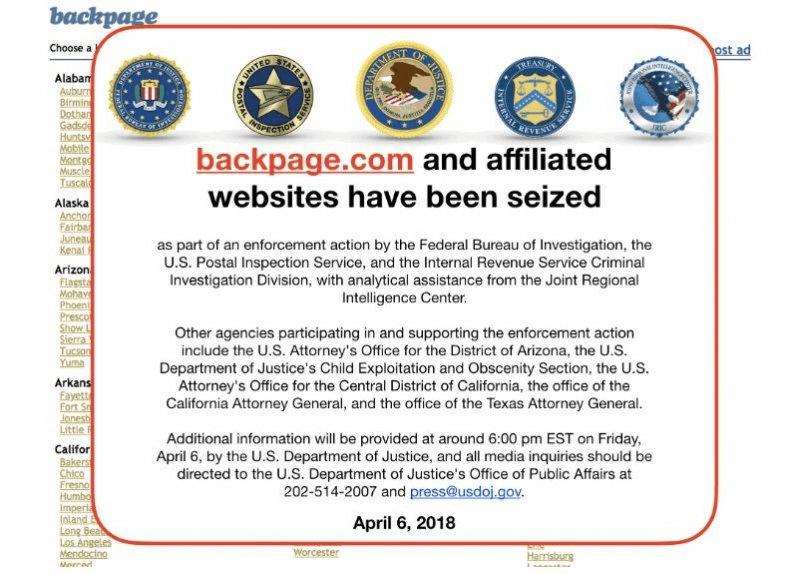
One book I read this past week was “Taking Down Backpage: Fighting the World’s Largest Sex Trafficker” written by Maggy Krell, a legal trailblazer who has taken on high-profile criminal and civil cases. One of the most important things I learned from this book is that The Communications Decency Act shields internet providers from facing suit over the content by those posted on their sites, but does not provide immunity if a provider engages in their own criminal acts. Despite its reputation, sadly Backpage could not be charged for pimping, but bank fraud and money laundering charges held, $200 million in assets were seized, and BackPage was shut down. Visitors to the page have been greeted by this message:
How to Be a Better Human- Why Kim Scott thinks you need to ask for feedback
One thought-provoking podcast I listened to this week was about soliciting feedback. Nearly all of us have experienced times when someone went off on us for something we had been doing for a while that people didn’t like but didn’t correct until they couldn’t take it anymore. We think “why didn’t you tell me?” One of the solutions to this is to solicit feedback regularly. There are four steps:
Think about the words you’re going to use to ask for feedback, and make sure the question can’t be answered with a “yes” or “no.” Don’t ask “Do you have any feedback for me?” Consider asking “What could I do or stop doing that would make it easier to work with me?” Some of my other favorites include “What could I do to be more successful in this role?” “What concerns do you have at the moment?”
Embrace the discomfort. No matter how good your question is, the other person may feel uncomfortable for a moment.
Listen with the intent to understand, not to respond. Ask follow up questions.
Reward the candor. Use the recommendations given. Continue asking for feedback after corrections have been made. Be open to changes.
Optimal Relationships Daily- How to Spend Money Wisely
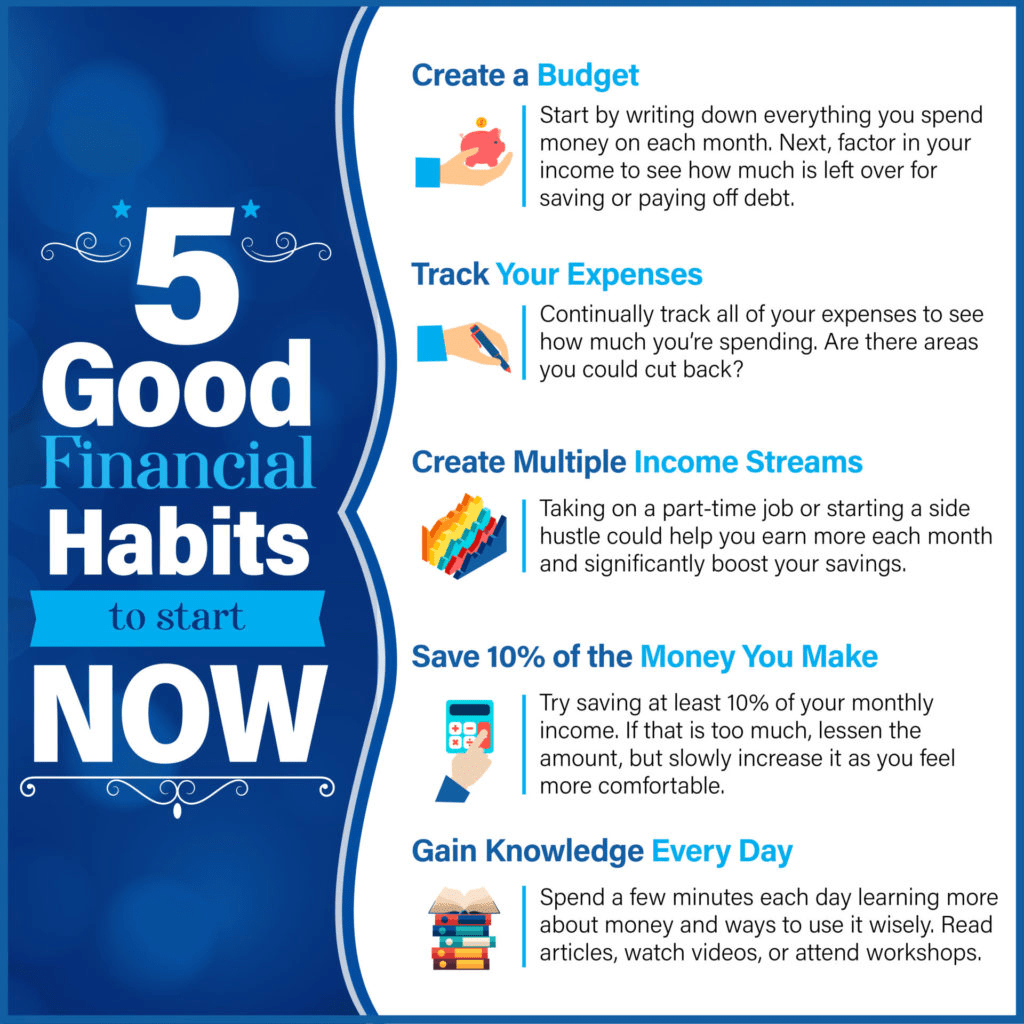
Make a list of what you value. The best way to spend money wisely is to align your spending with your values. Ask yourself: “Am I spending my money on things I value?”
Make a list of things you really enjoy. Avoid spending too much money on things that aren’t at the top of your “joy” list.
Make a list of places, things, or people that cause you to make poor spending choices. If you can identify these weak points, then you can begin to live your life in a way that helps to avoid some of these spending hot spots.
Review your regular spending for things to eliminate. List your required spending for the month, such as rent or mortgage, insurance, debt payments, utilities, services, etc. Is there anything on that list that you don’t need or want?
Review your regular spending to identify things to reduce. Can you call the providers to ask for a better rate?
Create a budget.
Start writing down each purchase you make.
Switch to only cash if you have a problem with credit card spending.
Implement a “sleep on it” rule. For any purchase over X amount, wait one night/a week/thirty days, etc. to evaluate the potential purchase against your values and your budget.
Put future spending on a calendar. It allows you to prepare by saving for the spending requirement and allows you time to shop around for the best price.
When I graduated from college, I was determined to work hard, live frugally, and pay off my student loans early. In addition to working three low-paying jobs, I kept a categorized and color-coded Excel spreadsheet of all of my income and spending. I then evaluated my spending each month and worked on cutting back some expenses. It worked well for me! This month, I started tracking my spending again and am making an additional category: recurring, variable, and impulse purchases. I look forward to evaluating each month to get a better idea of my expenses and values.
The School of Greatness- 3 Daily Habits to Improve Your Life w/ James Clear
James Clear is the author of “Atomic Habits,” which has sold over 5 million copies. He recommends 3 daily habits to improve your life:
Learn something new by reading or listening to podcasts.
Physical activity
Reflection and review of your day
The more your habits align with an expectation of a group or tribe, the easier they are to stick to. Join groups where your desired behavior is the normal behavior. One example listed was drinking habits. If you want to stay sober, make sure you spend time with people who are sober and don’t pressure you to drink.
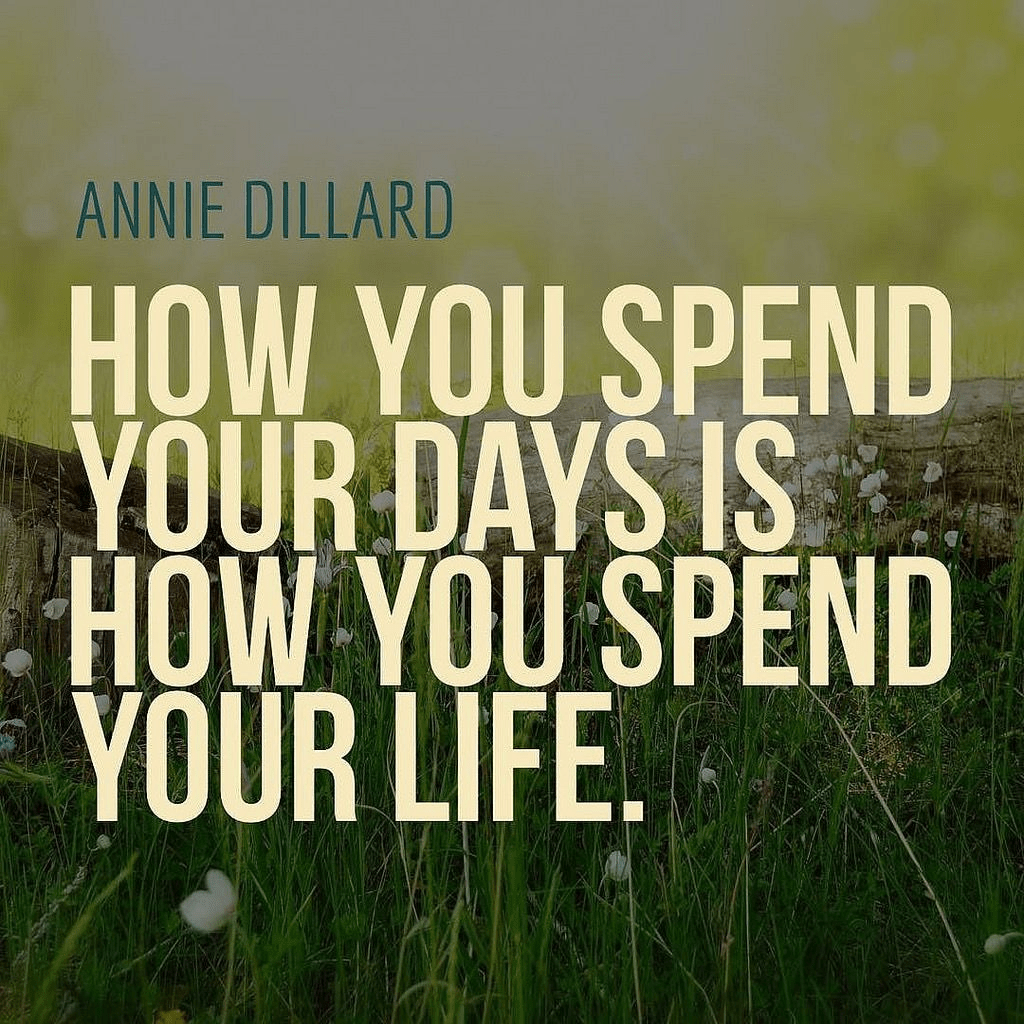
The way you spend your days is the way you spend your life. The bad days are more important than the good days. They test you and your values, and you need to find a way to show up.
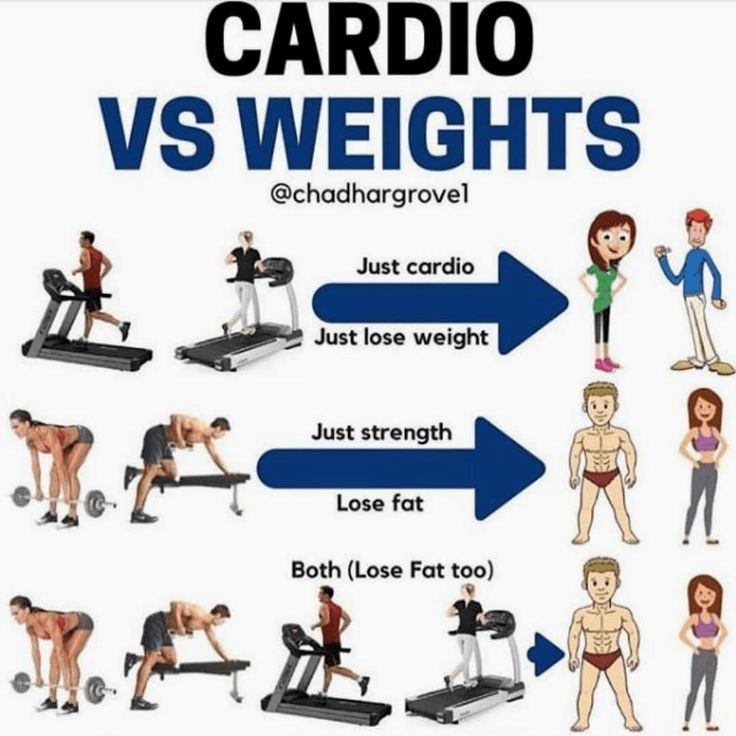
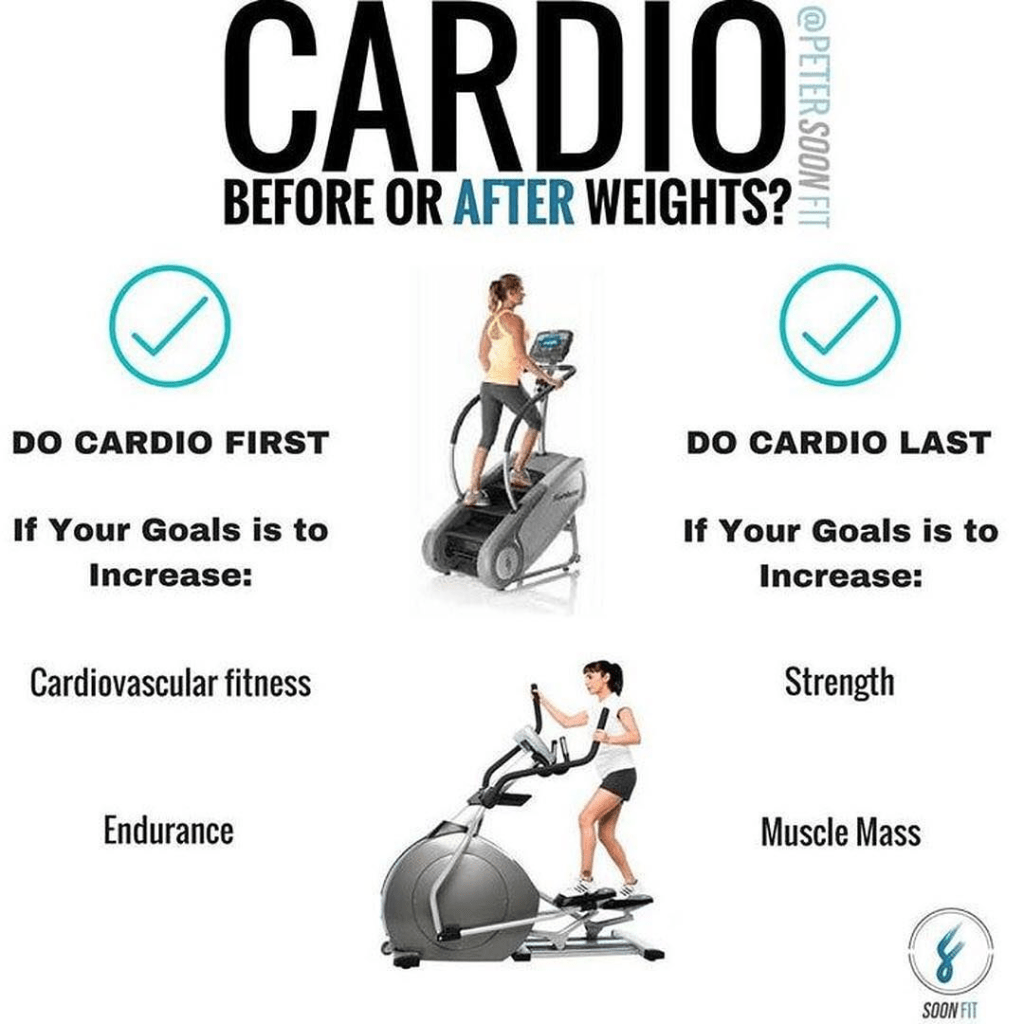
Food, We Need To Talk- Cardio, Lifting…or BOTH?
People who diet or want to lose weight tend to decrease calories and increase movement/cardio.
To lose weight, you need to burn more calories than you eat. Cardio is an easy way to burn calories, but you need to increase muscle mass to increase your metabolism. You need to do a mix of strength training and cardio. Cardio alone is one of the worst weight loss tools.
Over half of our daily metabolism comes from our basal metabolic rate. One of the biggest determinants of BMR is muscle mass. Muscle requires more calories to maintain. As you lose weight, your BMR is going down. Try to counteract that by building new muscle tissue by lifting weights.
Don’t just look at the # on the scale. Muscle mass can cause you to be in the overweight/obese category weight-wise. Focus on increasing your muscle mass. The most ideal place for new weight loss clients is for the scale not to move at all (signaling you’re gaining muscle and losing fat and building your metabolism). Maintaining muscle is easier than building it. You only need to do 1/7 of the work to maintain it.
If you do the same thing every day or week, your body will get used to it. You need to switch things up and add more weight to your exercises.
Cardio is useful in overall health and preventing diseases, but if you have to do cardio and lifting on the same days, whatever you do first is what you’re going to get best at. Prioritize according to your goals. If your goal is to change your body composition, lift weights first.
I look forward to reading, learning, and sharing more with you soon!
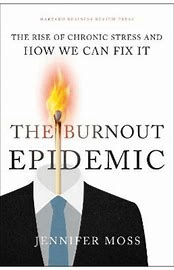
“The Burnout Epidemic: The Rise of Chronic Stress and How We Can Fix It” by Jennifer Moss was among my top 20 favorite books I read in 2022. Jennifer Moss is an award-winning journalist, author and international public speaker.
Packed with insightful research and data, this book examined what causes burnout and what organizations can do to prevent it, how companies can build an anti-burnout strategy, and how leaders can measure burnout in their own organizations. I will note that this book surprisingly focused more on organizations and leaders instead of the typical self-care ideas.
There are 6 causes of burnout:
Workload
Perceived lack of control
Lack of reward or recognition
Poor work relationships
Lack of fairness
Values mismatch
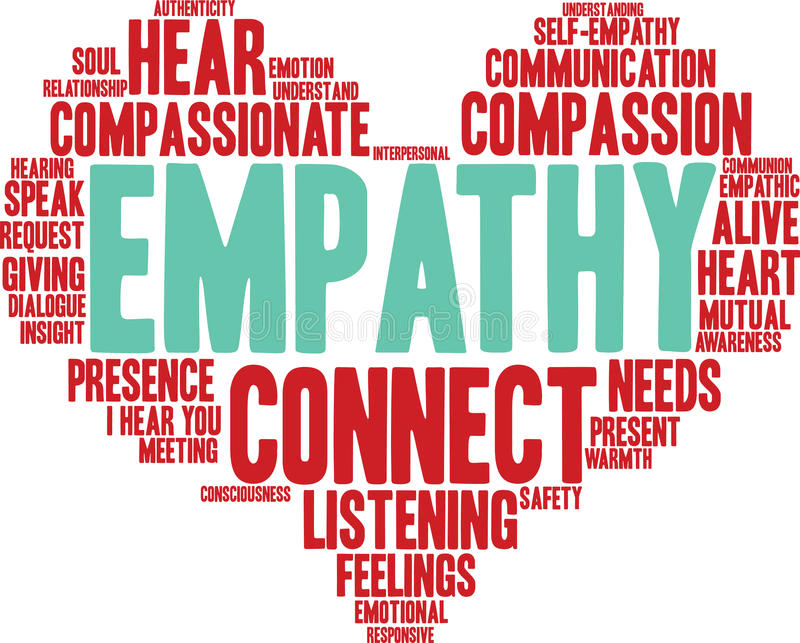
Leaders should ask themselves “How do we create a better, healthier workplace for people so they don’t burn out?” “Empathy drives great leadership. If that tenet is at the root of our decision making, we are more likely to prevent burnout because the pro-social payoffs are plenty.”
Jennifer Moss
MOTIVATION factors include challenging work, recognition for one’s achievements, responsibility, the opportunity to do something meaningful, involvement in decision making, and a sense of importance to the organization.
HYGIENE factors include salary, work conditions, company policy and administration, supervision, working relationships, and status and security.
“Often, employees don’t recognize when an organization has good hygiene, but bad hygiene can cause a major distraction.”
Jennifer Moss
Tips for leaders to help avoid burnout: focus on strengths, increase training, provide resources and support, give everyone a voice to share concerns or ideas, recognize hard work, and check in frequently but don’t micromanage.
Perfectionists (me!): stop trying to control everything, understand the difference between self-knowledge and self-awareness, accept help, and take care of yourselves so that you can take care of others.
In cases of workload burnout, ask yourself: “Is what I’m doing helping or harming me? Do I continue to raise my hand even though I know I should focus on accomplishing my current workload? Do I communicate to others when I feel like it’s too much? Do I delegate well? Have I identified what gives me energy and what drains me? Do I manage my distractions? Do I have outside interests or do I give my life to work? Do I have a close friend at work I can lean on for support?”
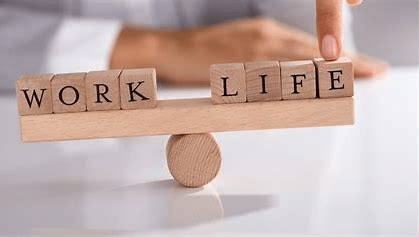
Working from home at the start of the COVID-19 pandemic was tough. I was suddenly working and quarantining in my small one-bedroom apartment at the time, and it was hard to separate work life from my home life since I was always home. The couch I sat on to read or watch tv was the same seat I sat on to work all day. As client demands increased, and training a colleague from home was not an option, my workload continued to pile up. There were many times I worked all day, took a break for supper, and then worked at night to keep up with the new demands. Without a social life or many hobbies, and with businesses closed, my work was my life. Some days I felt like I didn’t do anything exciting or anything for MYSELF; when I reflected on my day, all I could think about was work. My perception of my day was solely focused on my reflection of work that day.
I knew I needed a change, so eventually, I started focusing on daily habits or doing something for myself each day. I started with reading every day, later added listening to a podcast each day, and eventually added exercising each day. With businesses closed, I started walking on a walking path near my apartment to exercise each day, and on the walking path, I made a nearby friend who happened to work at the same company as I did! We were able to meet and go on walks for 3-5 miles most evenings. Getting out in nature while socializing quickly became the best part of my days and the best form of stress relief.
In 2022, I had focused extensively on forming daily habits. It was a life-changing year, and it helped me to cultivate passions outside of work. Sure, work was very stressful at times, but I took pride in looking back on my days knowing that I had done several things for ME. Through some career changes, I am also grateful to have found an organization that is invested in preventing employee burnout.
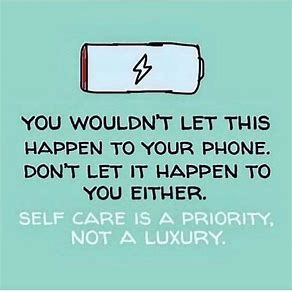
Some things are out of your control, but YOU can and should take action on the things that ARE in your control to prevent burnout.
I look forward to reading, learning, and sharing more with you soon!
















 Examples include tag sales vs. rummage sales vs. garage sales vs. yard sales vs. stoop sales, scratch paper vs. scrap paper, soda vs. pop vs. coke, take-out vs. carry-out, and how people pronounce aunt, syrup, caramel, crayons, quarter, coupon, grocery store, and many other words.


 Here are some of my favorites.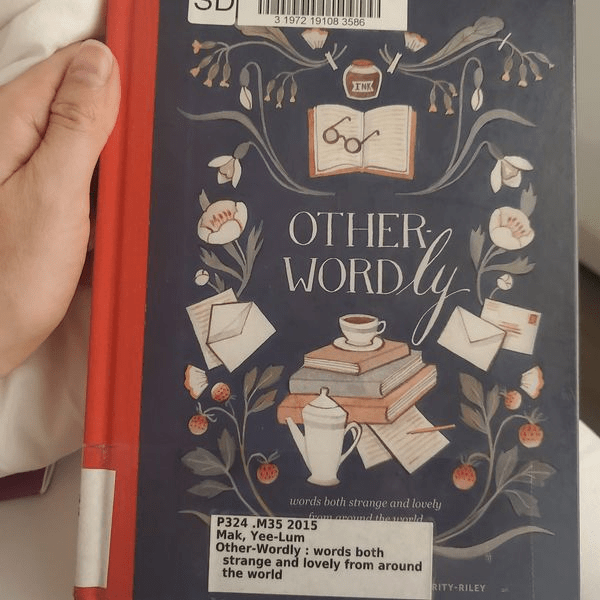







 Read Learn Share