
My intention is to post a Thoughtful Thursday column each week and share some of the insights I have learned in the past week. Here are some of the things I’ve learned this week:
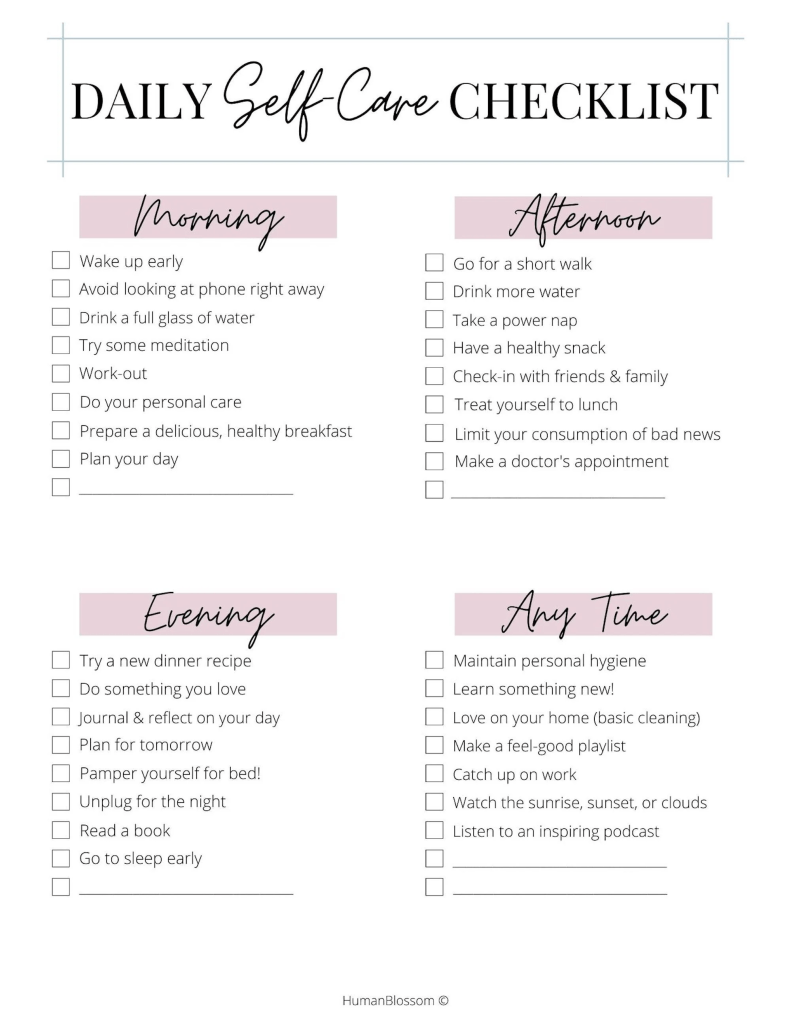
- Create a supportive morning routine. Establish a morning routine that prepares you for the day ahead. Wake up earlier if this is the only way you can carve out extra time for you.
- Choose healthier food and drink options. Watch your intake of sugar, salt, caffeine, and alcohol so that you feel better.
- Move your body regularly. Move your body, change your mind!
- Listen to yourself. Check in with how you’re feeling and recognize when you need to slow down, do less, avoid social media, take a nap, share a laugh, or rest.
- Do something that makes you happy. Do something for yourself every day.
- Create a calming evening and bedtime routine that helps you wind down from the day and prepare your body and mind for sleep.
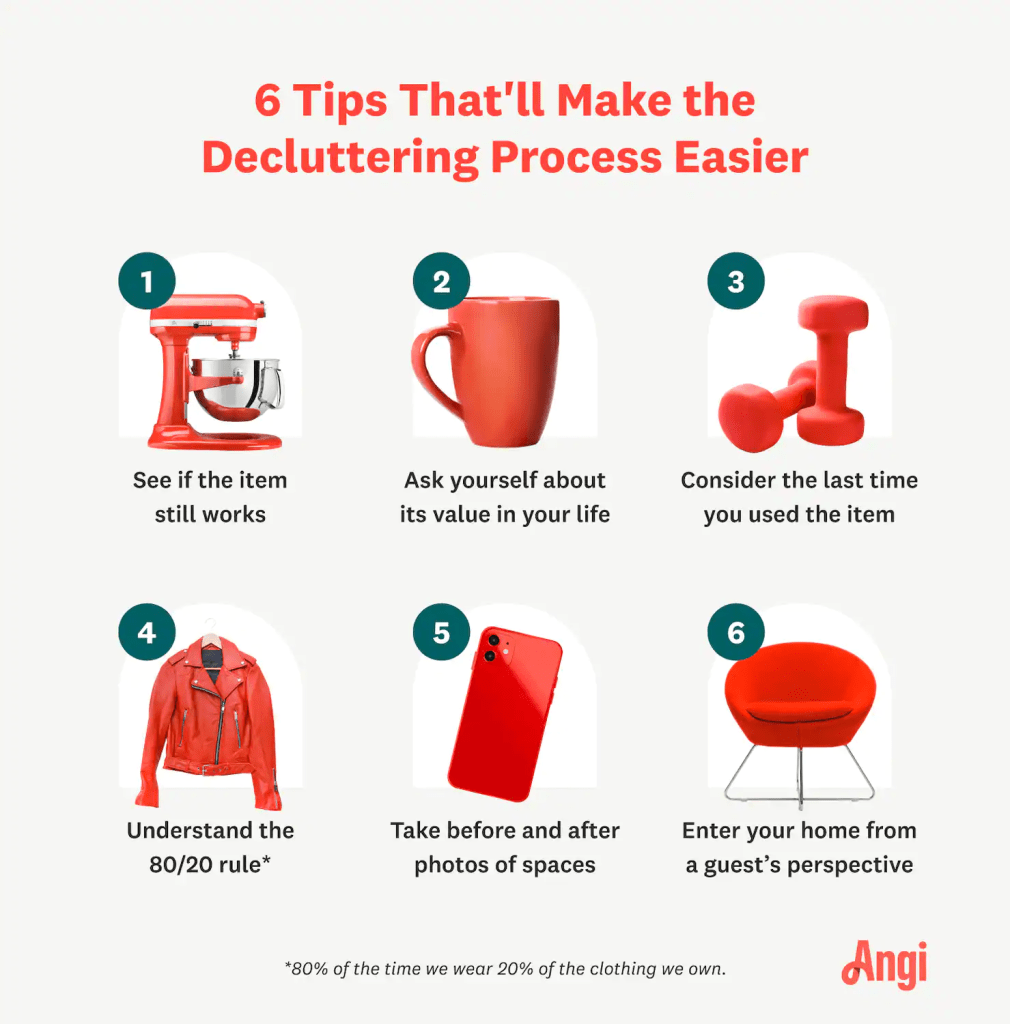
- Pick up regularly.
- Do dishes after each meal.
- Stop recreational shopping. We can’t possibly simplify our home if we’re continually shopping and bringing more things into it.
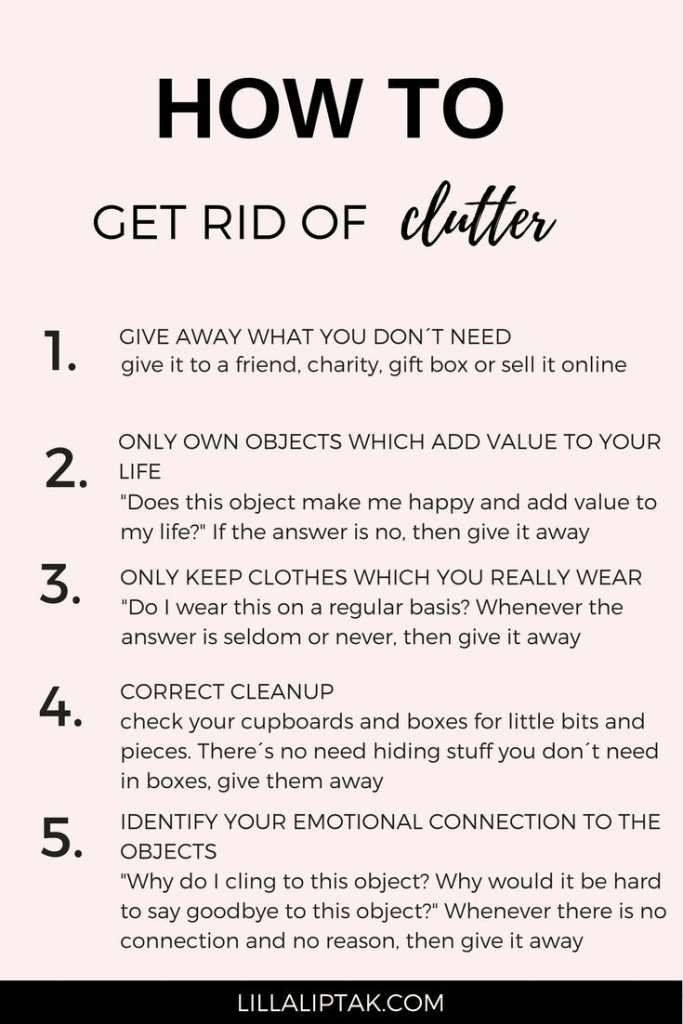
- Declutter the excess. Start in the kitchen. Save the sentimental items for last. Declutter the non-essentials in all the main living areas of your home first. It will make every aspect of everyday living more efficient, leaving you a good chunk of spare time.
- Questions to ask as you declutter: Do I love it? Do I use it? Does it help me live the life I want to live? Too often we base our decisions on who we were in the past, who we hope to be in the future, or who we think we’re supposed to be. Are the things in your home helping you live your current life?
In the past week, I read a book about decluttering. “The Gentle Art of Swedish Death Cleaning” was written by Swedish author Margareta Magnusson. This was a quick, easy read. Here are the main points:
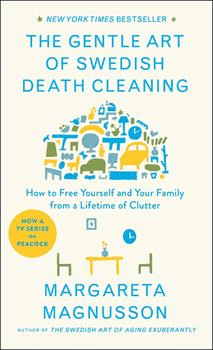
Death cleaning is the concept of removing unnecessary things and making your home nice and orderly when you think your death is coming closer, though this can be done at any age or life stage. It consists of thinking more about how to make your life simpler and smaller by getting rid of things you don’t need or want anymore. 
Consider this: “what are you going to do with all your things when you do not have the strength for or the interest in taking care of them anymore?” Many adult children worry about the amount of possessions their parents have amassed over the years.  Do not leave the burden to your loved ones to take care of what you didn’t bother to take care of yourself. You have a duty to sort out your life.
All things should have a place of their own. While you ponder where something belongs, you may find that you don’t need it at all. You don’t need to keep things you don’t want or don’t use. Think about getting rid of things to let others enjoy them and take care of them. 
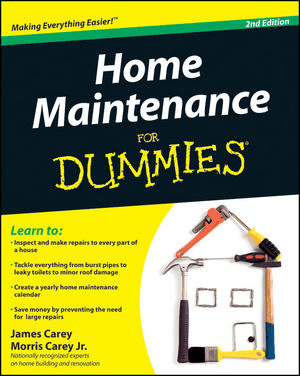
This past week I also finished reading “Home Maintenance for Dummies” by James Carey and Morris Carey. This book provided basic repair tips, benefits of caulking, monthly/seasonal/annual maintenance checklists, and cleaning tips for various types of floors, bathtubs, siding, and more. I obtained a basic understanding of maintenance and minor repairs relevant to our home. Here are some take-aways:
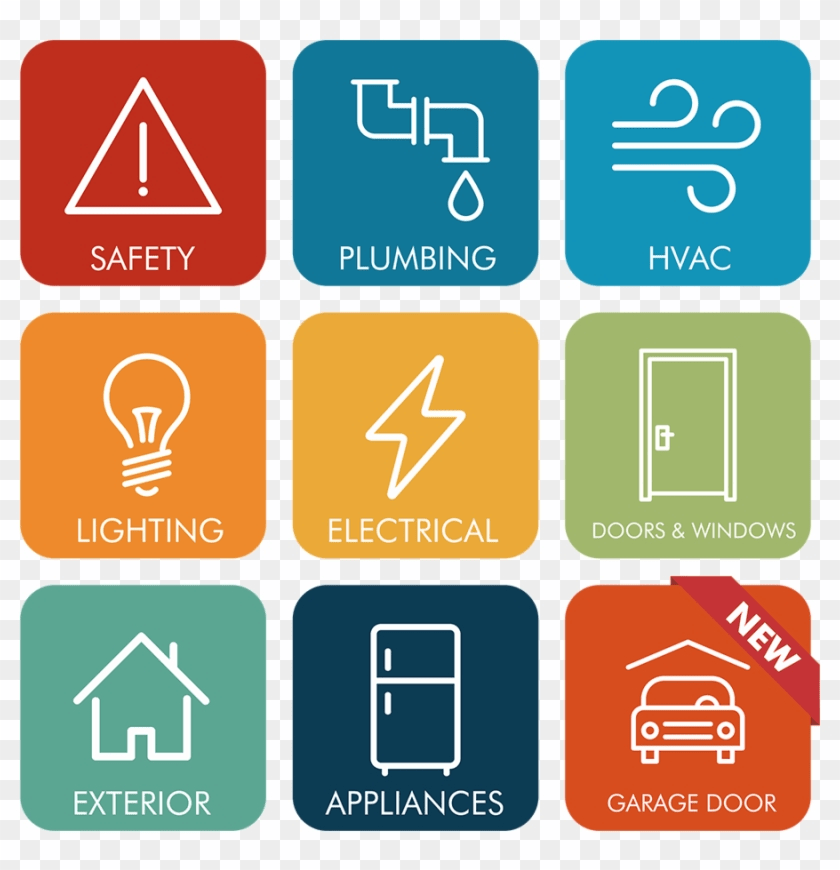
Home improvement tasks can be categorized into musts, shoulds, and coulds:
Musts: anything that threatens health and safety, violations of fire or building codes, structural weaknesses, and other critical needs.
- Examples: install smoke detectors and carbon monoxide detectors, put fire extinguishers in kitchen and garage, replace all old and faulty electrical wiring, install exterior lighting for safety and security, clean out the dryer duct, have the furnace service and repaired or replaced if needed, get an auto-reversing garage door, and eliminate mold.
Shoulds: anything that cuts utility bills, reduces maintenance costs, or prevents a large repair in the future
- Examples: attic insulation, caulk around windows and doors, insulate water heater and hot water pipes, replace old toilets with water-saving toilets, replace old appliances with Energy Star-rated appliances, take steps to protect against termites/pests, repair dripping faucets, switch to double-pane or triple-pane windows, seal driveway/walkway cracks
Coulds: anything related to improving appearance and function
- Examples: installing new carpet, vinyl flooring, kitchen remodel, aesthetic bathroom remodel
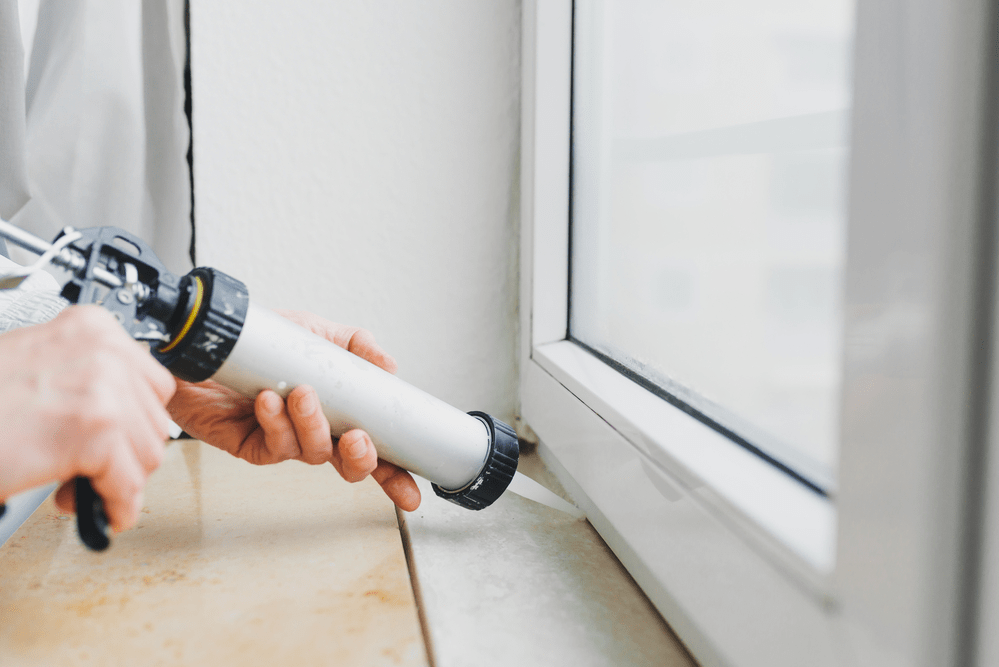
Caulk is helpful for the trim around windows and doors, the bathtub, and exterior cracks.
Cleaning tips:
- Siding/fence/window screens: use a pressure washer.
- Bathtub: use automatic dishwashing powder and let sit for an hour. Use a nylon bristle brush to scrub away stains.
- Faucet aerator: use an old toothbrush or a toothpick and vinegar.
- Drains: pour salt and baking soda into the drain, add 1 cup vinegar, let it foam, and chase with at least 2 quarts of boiling water.
- Walls: Use soapy water or Spic and Span.
- Vinyl flooring: use a damp mop and 1 tablespoon white vinegar or dish soap and water. Clean scuff marks with an art eraser.
- Carpet stains: use vinegar or club soda.
- shower doors: use lemon-oil polish and a scouring pad OR a sponge with dishwashing detergent.
- Dishwasher and washing machine: use citric acid crystals.
- Dryer duct and dryer vent: use a dryer duct cleaning brush and a vacuum cleaner.
- Range hood: use dish soap and water.
- Exterior air condenser unit: use a hose and fin tool.
- Gutters: use a gutter scoop and hose.
This site has several articles covering the basics of the book. You can also serach for monthly, seasonal, and annual home maintenance checklists.
- Avoid whole life insurance. It is expensive! Also, your amounts and needs will change as you get older and have paid off the house, don’t have dependents, etc.
- Buy term life insurance and invest the rest. Term life insurance is much less expensive.
- Find a fiduciary. Fiduciaries don’t get commissions.
- People who sell whole life insurance often get 7-9% commissions.
- Generally you don’t have a high need for ongoing life insurance plans in retirement. You will likely not have outstanding debts or dependents.
- Term amount – should be amount of mortgage and outstanding debts, $100k per kid, and an additional $100k for grieving
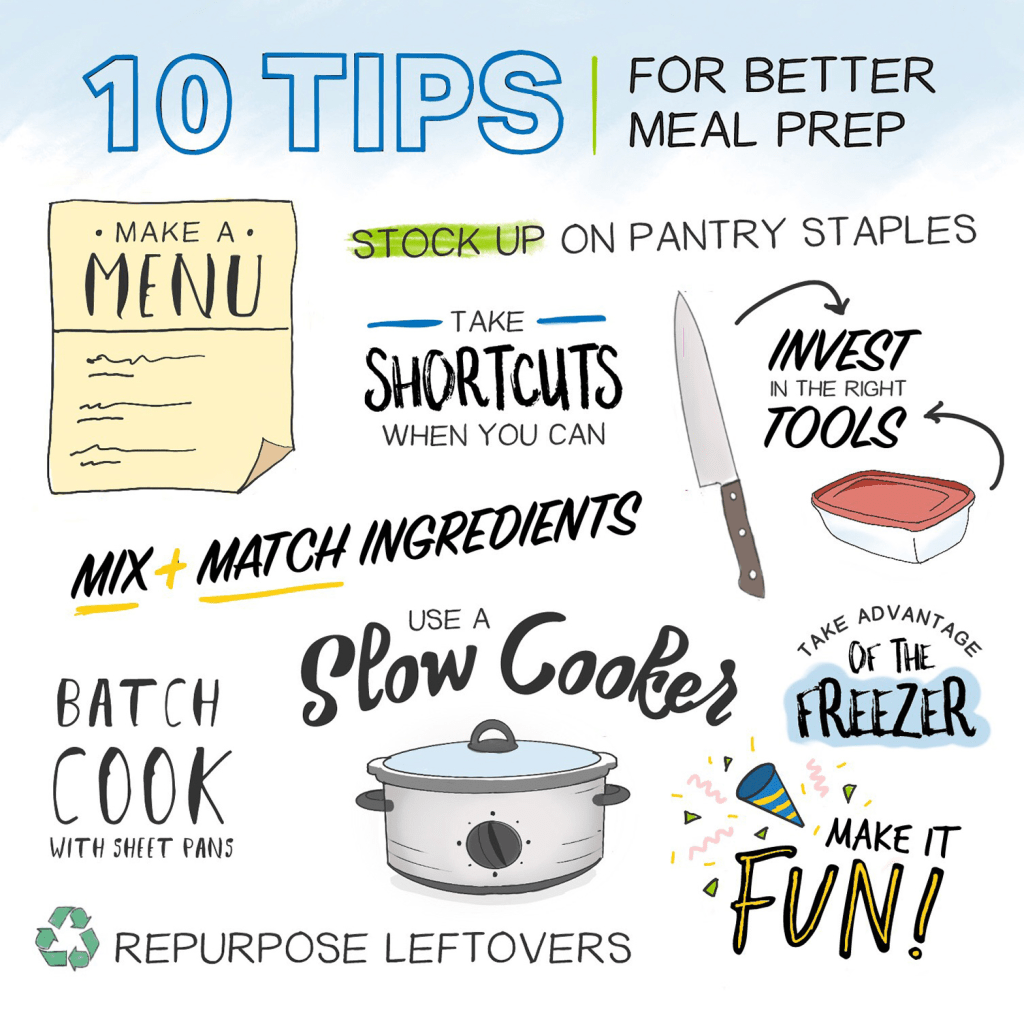
- For some people, meal prep means making two entrees and eating them all week. For some people, it’s freezing meals. For others, it’s preparing ingredients and mixing and matching them throughout the week. Personally, I have prepared 2-3 entrees to eat all week, but I am eager to try preparing ingredients and mixing and matching them throughout the week to add variety!
- Meal prepping allows you to better control your diet.
- Pick a day or two to prep ingredients that you can eat throughout the week. Foods that work well for meal prep: bell peppers, green onions, roasted veggies, a grain (quinoa, brown rice, jasmine rice, farro), a protein (chickpea, chicken, seafood, beef). Mix and match your meals throughout the week. Overnight oats (in the fridge) also work great for breakfast.
- If you can cook five ingredients twice each week, you can do many different meal combinations. Or you can prepare a couple big meals and freeze the rest.
- Use glass storage containers to keep food fresh.
I look forward to reading, learning, and sharing more with you soon!
 Read Learn Share