Book review posts, Uncategorized

September 2024 Reads

Book review posts, Uncategorized

August 2024 Reads

Book review posts, Uncategorized

June 2024 Reads

Book review posts, Uncategorized

May 2024 Reads

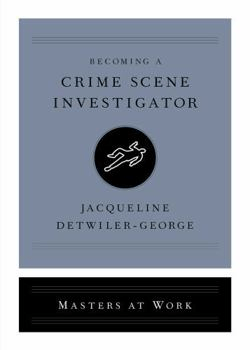
  • This job has many names: crime scene investigator, evidence technician, forensic investigator, crime scene technician, crime scene analyst, and crime scene examiner.
  • The science part of crime scene investigation involves knowing how to collect evidence so that it can be analyzed and deployed in court and knowing what to grab at the scene.
  • Crime scene investigators do not perform all of the functions they are depicted handling on tv. It is different everywhere. Some police/sheriff’s departments have their own crime labs, while others send all evidence to regional or state labs for processing.
  • Crime scene investigators used to be generalists. Now they specialize. Forensic analysts often collect master’s degrees and professional certifications.
  • Most standard crimes can be solved with a combination of photography, DNA evidence, serology, fingerprints, ballistics comparison, drug chemistry, and computer forensics.
    • Less common: blood spatter analysis, trace evidence analysis, forensic anthropology, and questioned documents
  • A background in hard science and forensics can lead a person toward dozens of different exciting careers, such as forensic anthropology, veterinary forensics, mail crime, digital forensics, arson investigation, bomb analysis, medical and mortuary sciences, chemical warfare forensics, etc.
Book review posts, Uncategorized

April 2024 Reads

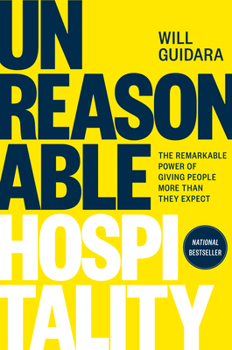
Hardcover Unreasonable Hospitality: The Remarkable Power of Giving People More Than They Expect Book

Book review posts, Uncategorized

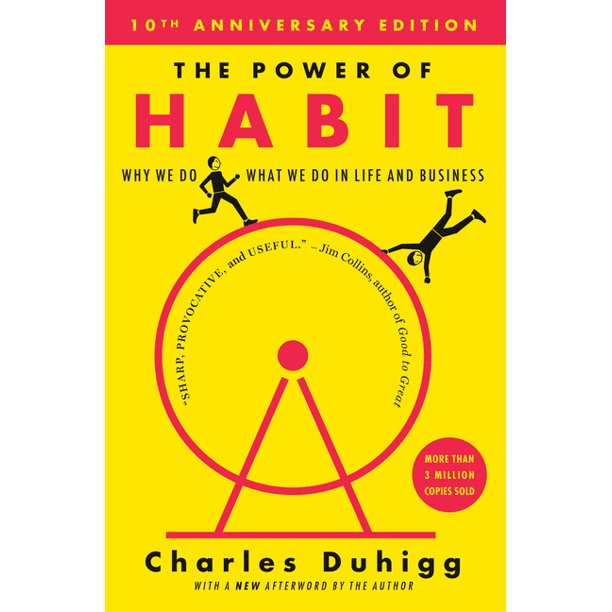
The Power of Habit

“The Power of Habit” written by Charles Duhigg is among my favorite books I’ve read this year and among the most helpful books I have ever read. This book focused on the process of creating and modifying habits, habitual cues and rewards, and contained many interesting marketing examples shaped by habits: Pepsodent, Febreze, Target, foaming shampoo/toothpaste/laundry detergent, the response to Rosa Parks, AA, etc.

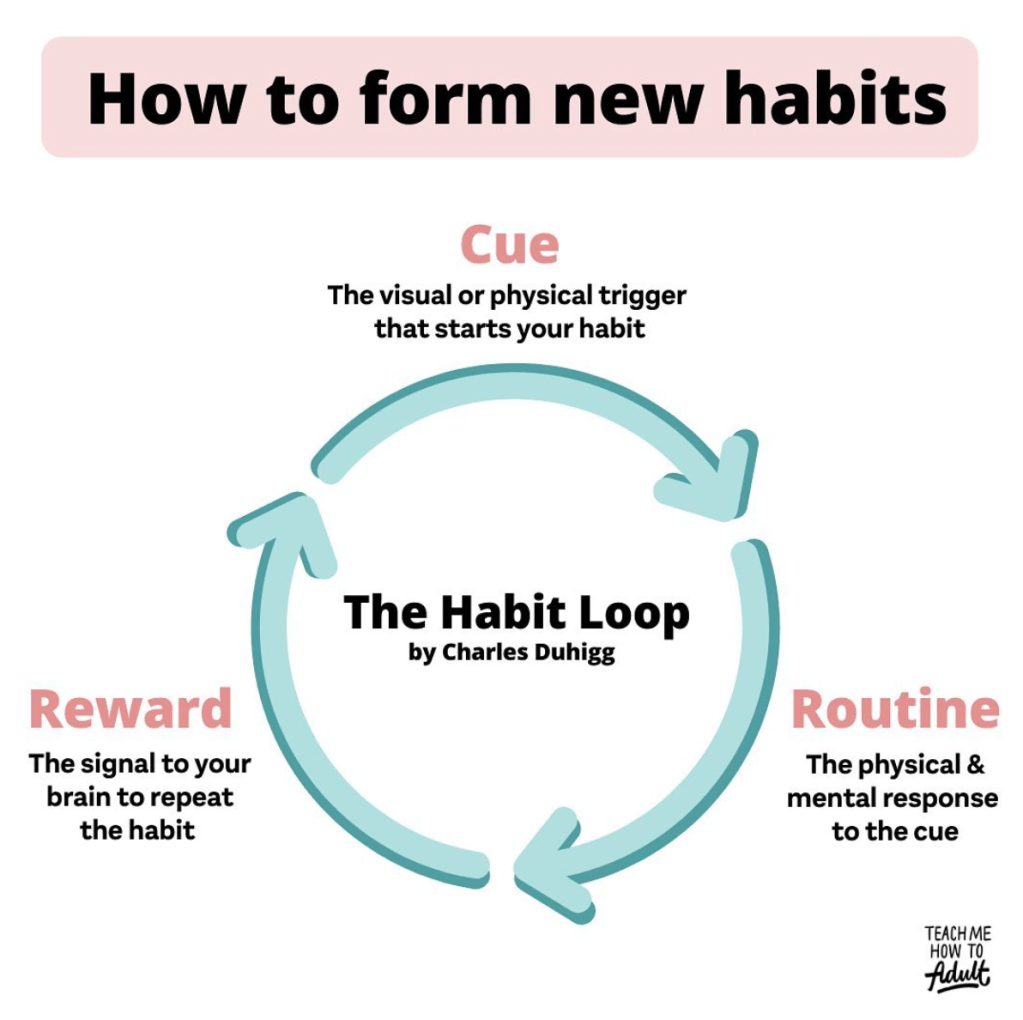
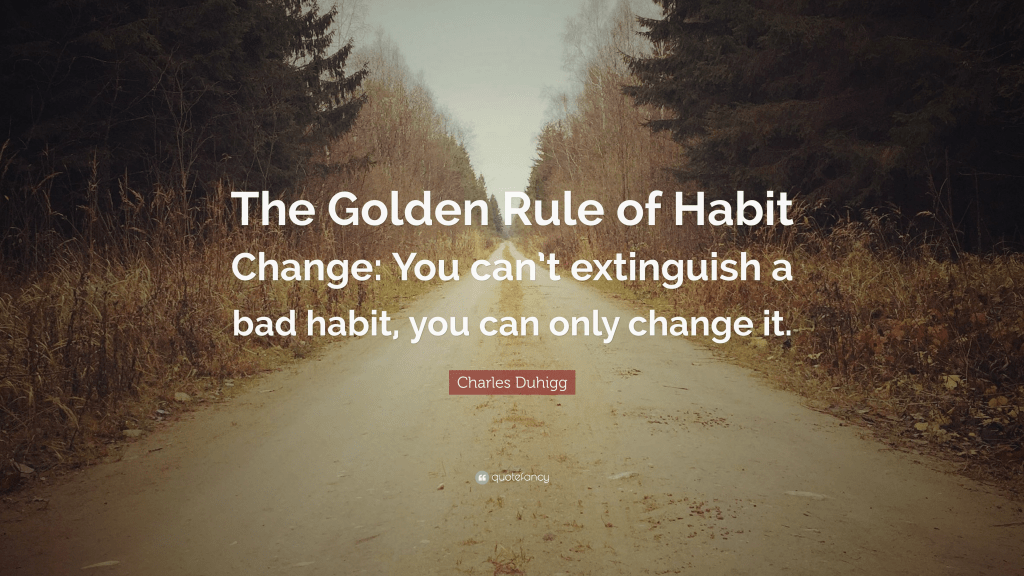
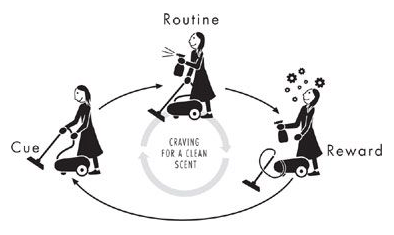
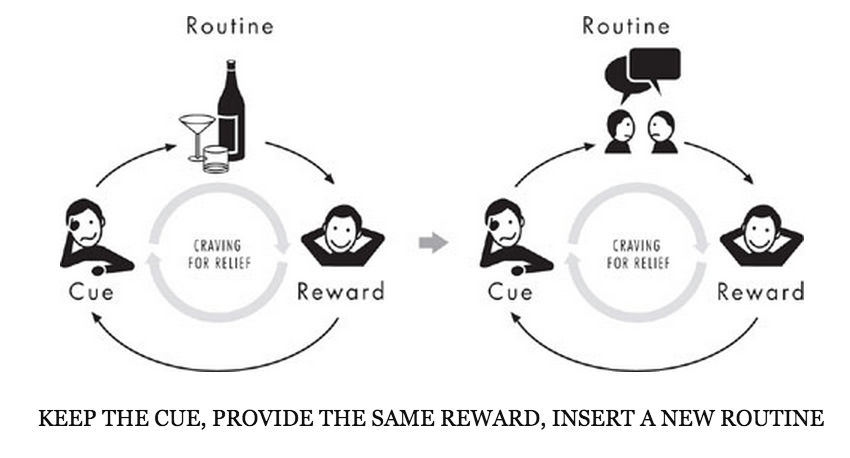
The habit cycle consists of the cue➡️routine➡️reward. If you use the same cue and provide the same reward, you can shift the routine and change the habit. Almost any behavior can be transformed if the cue and reward stay the same.

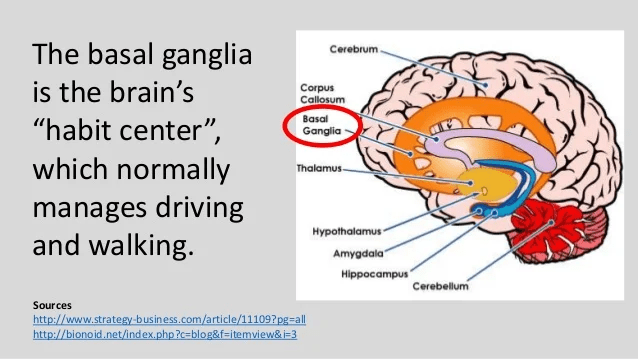
The basal ganglia (part of your brain) stores hundreds of habits we rely on every day. If the basal ganglia gets damaged, such as in those with Parkinson’s or Huntington’s disease, you may lose your habits.

If you want to change a habit, you must find an alternative routine, and your odds of success go up dramatically when you commit to changing as part of a group.

To modify a habit, you must decide to change it. You must consciously accept the hard work of identifying the cues and rewards that drive the habit’s routines and find alternatives. You must know you have control and be self-conscious enough to use it.”

Charles Duhigg

Almost all of the patterns that exist in our lives – how we eat, sleep, talk to people, spend our time, spend our money – are habits. You have the freedom and responsibility to change these habits.

Once you understand that habits can be rebuilt, the power of habit becomes easier to grasp, and the only option left is to get to work.

Charles Duhigg

Almost all habitual cues fit into one of five categories: location, time, emotional state, other people, and the immediately preceding action.

Here are some common habits (related to eating) that I can think of that fall into these categories:

Location: eating popcorn at a movie theater, drinking at a bar, eating cake at a birthday party

Time: eating breakfast, lunch, or supper around the same time each day, even if you aren’t actually hungry

Emotional state: feeling stressed or sad can result in binge-eating junk food

Other people: being surrounded by people at parties and social events may urge you to eat or drink

Immediately preceding action: eating dessert or something sweet after a meal because it is your way of ending the meal

❗❗One of the most interesting stories was about the history of Febreze, which was initially manufactured to destroy odors. Researchers provided free bottles to households with pets, and upon following up with them months later, found that people couldn’t detect most of the bad smells in their homes because they became desensitized. The product’s cue was hidden from those who needed it most, so Febreze ended up in the back of a closet. Febreze then changed to a distinct scent and was positioned as a reward: the nice smell that occurs at the end of a cleaning routine. The irony is that a product manufactured to destroy odors was transformed into the opposite: an air freshener used as the finishing touch when things are already clean!❗

Pepsodent increased awareness of tooth film as a cue to become the best-selling toothpaste for more than 30 years. The reward was marketed as beautiful teeth. Mint oil and other chemicals were used to create a cool, tingling sensation on the tongue and gums. People craved that irritation, and although it doesn’t make the product work any better, it convinces people that it’s doing the job.

Later, Crest became the top seller by featuring fluoride, which was the first ingredient in toothpaste that actually made it effective at fighting cavities.

Foaming is a huge reward. Shampoo, toothpaste, and laundry detergent often contain foaming agents. Although there’s no cleaning benefit, once the customer starts expecting that foam, the habit starts growing.

Alcoholics Anonymous (AA) is a method for attacking the habits that surround alcohol use. AA forces people to identify the cues and rewards that encourage their alcoholic habits and then helps them find new behaviors.

It’s not obvious from the way the 12 steps are written, but to complete those steps, someone has to create a list of all the triggers for their alcoholic urges.

J. Scott Tonigan

Then, AA asks alcoholics to search for the rewards they get from alcohol: escape, relaxation, companionship, the blunting of anxieties, and an opportunity for emotional release.

If order to offer alcoholics the same rewards they get at a bar, AA has built a system of meetings and companionship – “the sponsor” each member works with along with frequent meetings.

“Hey Ya!” by Outkast was a flop at first. Many people changed the radio station when it came on. It needed to become part of an established listening habit to become a hit, so it was sandwiched between songs that were already popular, and it grew in popularity.

The author discussed that the response to Rosa Parks and societal change was the result of social ties across dozens of groups.

Movements don’t emerge because everyone suddenly decides to face the same direction at once. They rely on social patterns that begin as the habits of friendship, grow through the habits of communities, and are sustained by new habits that change participants’ sense of self.

Charles Duhigg

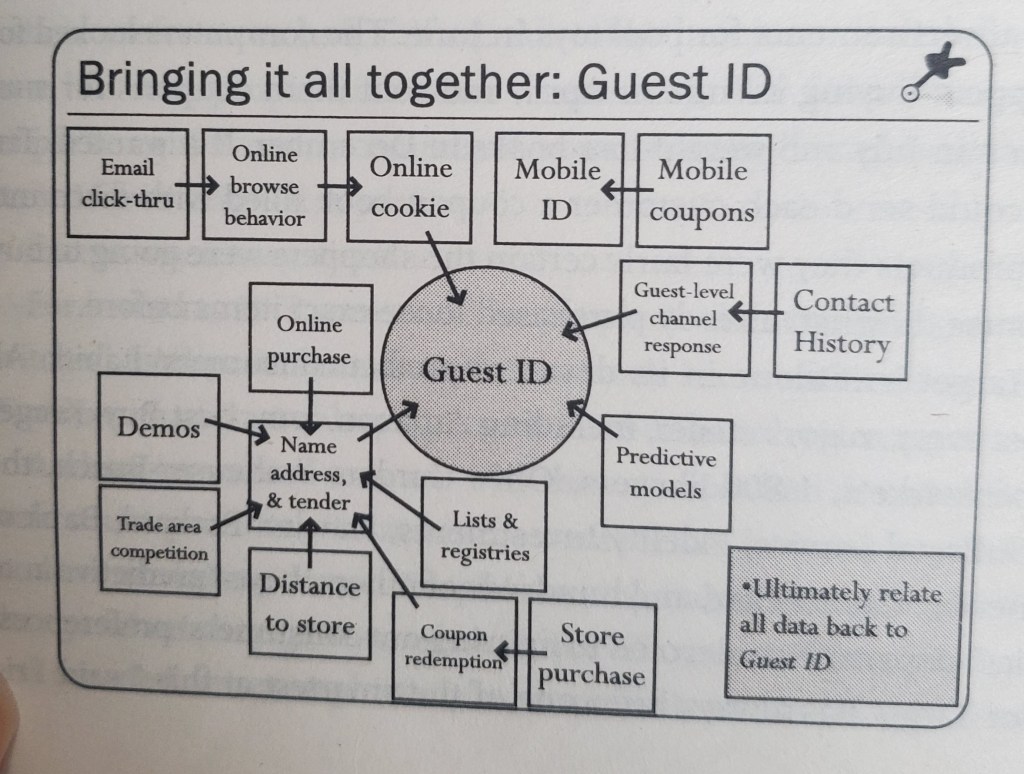
Target extensively tracks customers’ buying habits. Every person has a permanent Guest ID #, and Target analyzes shopping habits, demographics, age, marital status, kids, how far from the store the customer lives, websites visited, etc.

To read more about habits and my habits journey, check out:

A podcast I highly recommend that focuses on habits is Sad to Savage with Shelby Sacco.

I look forward to reading, learning, and sharing more with you soon!
Book review posts, Uncategorized

Brilliant Insights From “Tribe of Mentors” by Timothy Ferriss + My Mentor

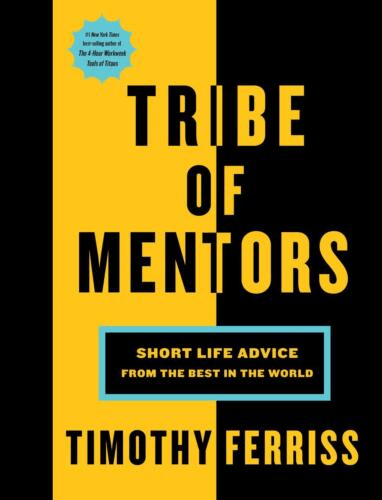
One of my favorite books from 2022 was Tribe of Mentors by Timothy Ferriss. Tim tracked down more than 100 experts to navigate life and included nearly 600 pages of their recommendations. I have always tried to take away at least one thing from one person (the author) with each book I’ve read, so having over 100 people offer input in this book was amazing!

One piece of advice that SO many mentors gave that changed their lives was to learn how to say NO without guilt, pressure, or obligation. This is relevant to work, social outings, opportunities, and every other aspect of life.

This is a lesson that so many people could find useful. In the past, I had often felt overwhelmed with obligations, and now I am more careful with how I spend my time and energy and whom I spend my time with.

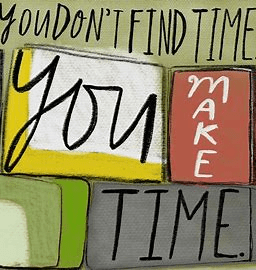
“Busy is a decision. You don’t find the time to do something. You make the time to do things.”

Debbie Millman

This was a lesson increasingly evident with the COVID-19 pandemic. Finding ourselves with extra time due to the lack of social events, commute, and, for some, their jobs, did not always result in doing the things we had been procrastinating on that we had always said we would do “if we had more time.” I think COVID-19 really taught us what our priorities are with our time.

from Debbie Millman- Career questions to ask yourself: Am I spending enough time on looking for, finding, and working toward a great job? Am I constantly refining and improving my skills? What can I continue to get better and more competitive at? Do I believe that I am working harder than everyone else? If not, what else can I be doing? What are the people who are competing with me doing that I’m not doing?

from Arianna Huffington- “Burnout is not the price you have to pay for success.” When we prioritize our well-being, our performance goes up across the board.

When you feel overwhelmed or unfocused, ask yourself these questions: Sleep? Exercise? Healthy food? Am I resentful because I’m not setting or holding a boundary?

Brene Brown

from Leo Babauta- “Don’t try to find your passion… if you continue to optimize your mastery, you’ll eventually arrive at your passion.” “Make yourself proud.” We spend too much time trying to please everyone and we forget that it’s all already within.

from Jerome Jarre- “Promoting unethical or unhealthy companies for $ is not success. It’s corruption of your belief system and legacy.” He turned down a $1 million Snapchat series contract to promote Sour Patch Kids!

This is admirable. It bothers me when I see influencers promote items that they likely don’t personally use. Going against your belief system and promoting products you don’t use but are paid to promote is not influencing; it is dishonest and inauthentic.

“Don’t let the weight of fear weigh down the joy of curiosity.”

Jerome Jarre

from Mark Bell- “Either you’re in, or you’re in the way.” Often, we chase after people who aren’t “in” and don’t fit into our lives or business. We waste time with these people when our focus should be on the people who are in.”

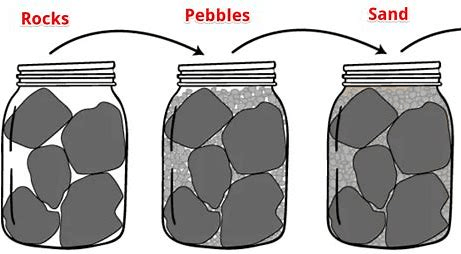
“Think of your time like a jar, your priorities as rocks, and everything else as pebbles or sand.” Are you going to fill it with your rocks or let others fill it with theirs? Schedule specific blocks of time in advance for your rocks. Learn to say no. You don’t owe anyone lengthy explanations.

David Houston

from Scott Belsky- “I am always surprised by how lazy people are when making serious decisions about their careers. Join a team not for what it is, but for what you think you can help it become. You must seize the opportunities when they present themselves, not when they are convenient or obvious. The only way to cultivate your own luck is to be more flexible (you’ll need to give up something for the right opportunity), humble (timing is out of your control), and gracious (when you see it, seize it!). Life’s greatest opportunities run on their schedule, not yours.”

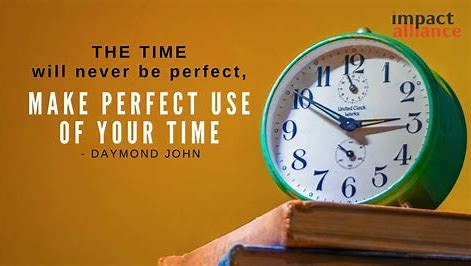
This really resonated with me. We often wait for the “perfect” time to make a change: the perfect time to change jobs, the perfect time to have kids, the perfect time to start a hobby or start working out… The perfect time will never arrive. We need to make sacrifices and take opportunities as they come.

from Dr. Gabor Mate- “Just say no” is the least helpful advice one can say to a person caught up in any addiction. If you want to help people, ask why they are in so much pain that they are driven to escape it through ultimately self-harming habits or substances. Then support them in healing the trauma, a process that starts with non-judgmental curiosity and compassion.”

I highly recommend this book! The best outcome is that everyone will find different things that speak to them!

One of my mentors is my former college professor/advisor/work study supervisor, Dr. DeWitt. He helped guide me through many challenges of college and helped me in my career discernment process. He really shaped who I am today.

Wit from Dr. DeWitt: Dr. DeWitt ended every class with “Any questions, concerns, or editorial comments?”

Although many of us found this ending to be solely entertaining, I also found it to be a sign of a great leader. With this ending, he showed that he was open to questions, he was open to feedback, and he was open to learning or being corrected with editorial comments. We should all strive to be open to questions, feedback, learning, and being corrected, and this remark has resonated with me since I first heard it.

I look forward to reading, learning, and sharing more with you soon!