Book review posts, Uncategorized

Life Lessons from “God Never Blinks: 50 Lessons for Life’s Little Detours”

“God Never Blinks: 50 Lessons for Life’s Little Detours” was written by Regina Brett, and most of these essays originally appeared in the Plain Dealer (Cleveland) or the Beacon Journal. The author always thought that God must have blinked when she arrived because she ended up confused by nuns at age 6, became a lost soul who drank too much at 16, an unwed mother at 21, a college graduate at 30, a single mother for 18 years, a wife at 40, and got cancer at 41. Here are some of my favorite lessons from the book:
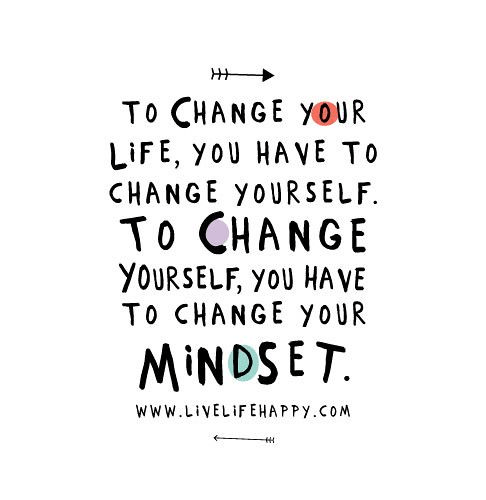
Reframe your mindset. Instead of saying you “have to,” say you “get to.” “I get to go to work today.” “I get to get groceries.”

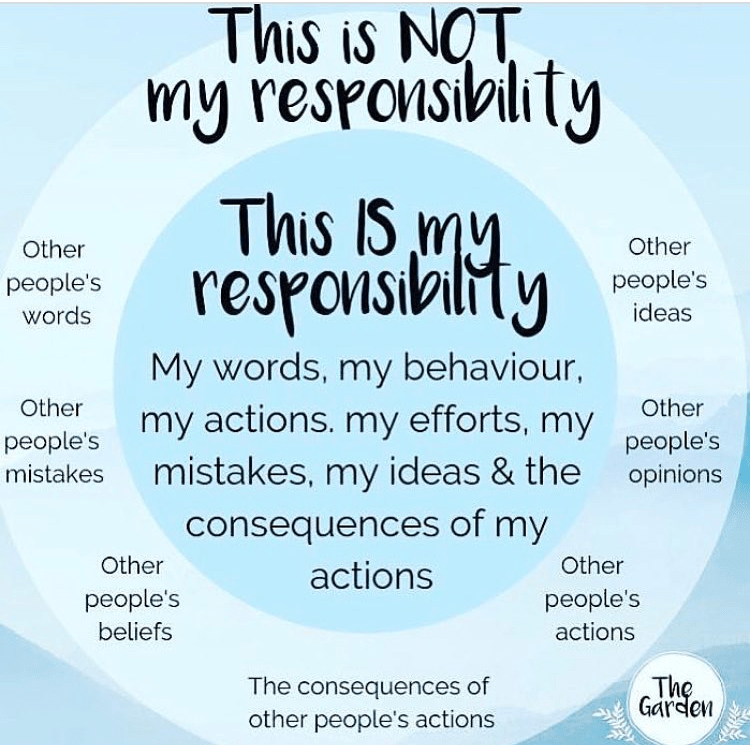
No one else is in charge of your happiness. You are the CEO of your joy. It takes work to rewire your thoughts about yourself, but when you do, everything in your life changes for the better, especially your most intimate relationships. Get up, dress up, and show up. Do the best you can do today.
Living an abundant life doesn’t mean winning the lottery, marrying rich, or getting a raise. It starts with a raise in consciousness and spreads from there. It starts with knowing that what you want isn’t always what you need and often isn’t what you truly want. It starts with making smart choices that lead to long-term gratification.

When an argument has reached an impasse, get comfortable with saying “You aren’t going to convince me and I’m not going to convince you, so let’s agree to disagree.”

“How will I ever believe that I am good enough?” – By helping others believe that they are good enough.

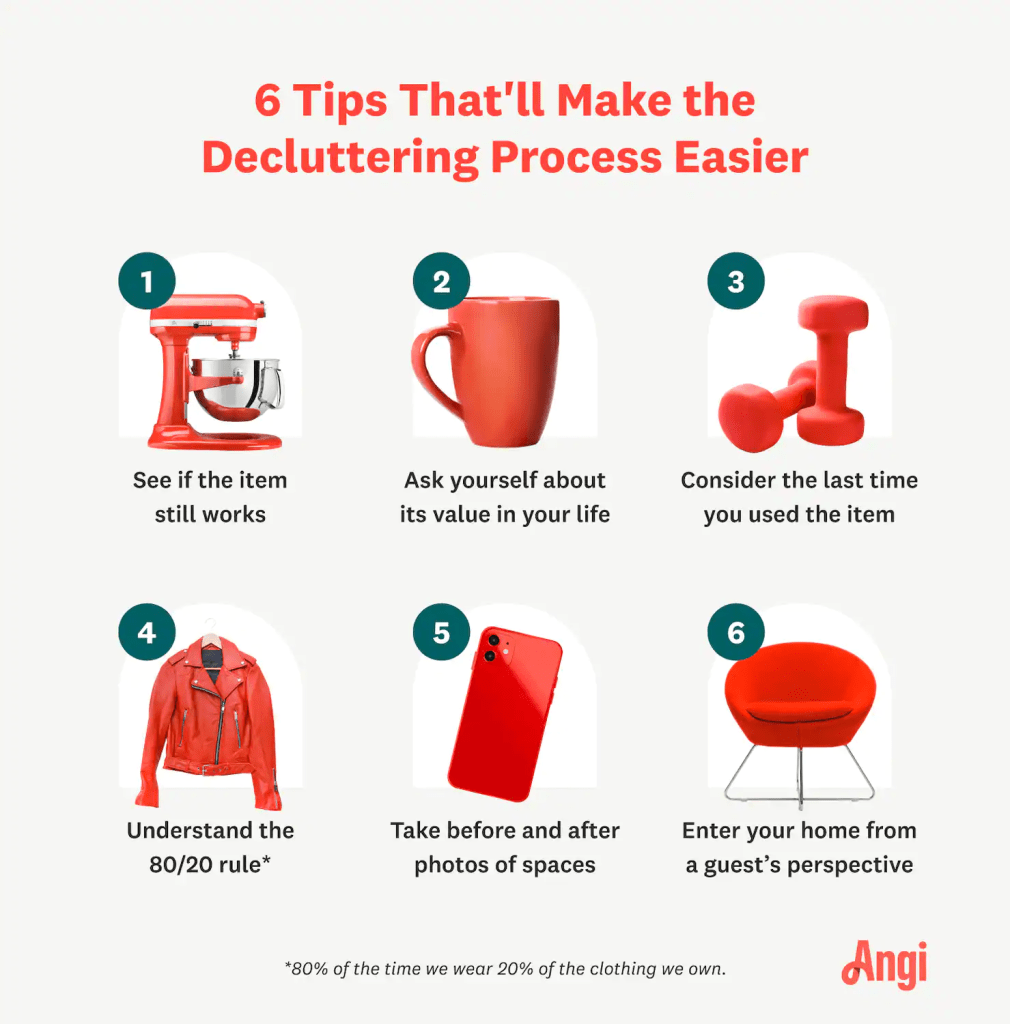
Get rid of anything that isn’t useful, beautiful, or joyful. Decluttering forces you to let go of the past and creates an opening for the future. When you finally let go of the person you used to be, you get to discover the person you are now and the person you want to become.

Ground rules for relationships – use the mnemonic SAFE:

  • Secret – can the relationship pass public scrutiny? If a relationship has to be kept a secret, you don’t belong in it.
  • Abusive – does it harm or degrade you or your children in any way?
  • Feelings – are you in the relationship to avoid painful feelings? Is it a mood-altering relationship?
  • Empty – is it empty of caring and commitment?

Stay away from unavailable people, keep no secrets, beware of addictions, be the real deal, tell the world what you want in a partner, ignore the wrapper (a tender heart will outlive the washboard tummy), and create a greater you.

How not to write (the condensed version): wait until you have children, wait until they go off to college, wait until you have two hours of uninterrupted time to write, wait until you retire, wait until a doctor says you have six months to live, then die with your words still inside of you.

It’s never too late to have a happy childhood. Go for it. This one is up to you.

3 simple steps can change your life:

  • Choose something you need to say no to – no to an unhealthy relationship, projects that don’t need to be done by you, people who ask you to donate your time and talent to one more committee or commitment.
  • Choose one things you need and want to say yes to. Say yes to what enhances your life and the world around you.
  • Share those two things – the yes and no – with your biggest cheerleader.
If you don’t ask, the answer is always no. You already gave it to yourself. You don’t ask, you don’t get.
A 40th birthday gift idea for a spouse was to gather 40 letters/cards about how he/she impacted their lives. Too often we don’t hear what we mean to others until it is too late. If you keep your friends high on the priority list, even if you lose your health, you’ll still have what matters most. Your job won’t take care of you when you’re sick, but your friends will. Stay in touch with them.

Read the Psalms. No matter what your faith, they cover every human emotion. They offer praises as well as curses, consolation, desolation, boasts of strength, and cries of weakness and also reveal the many faces of God: powerful rock, shepherd, companion, comforter, provider, host, creator, judge, advocate, and deliverer.

Have a personal mission statement. The author’s personal mission statement is the Prayer of Saint Francis of Assisi.

I look forward to reading, learning, and sharing more with you soon!
Thoughtful Thursday posts, Uncategorized

Thoughtful Thursday – October 5, 2023

The Mel Robbins Podcast – The Best Advice I Ever Heard

Photo From how to keep house while drowning, by KC Davis. 

Life Kit – The new rules of laundry
The Journal – The Billionaire Keeping TikTok on Your Phone

https://www.eff.org/deeplinks/2020/08/tiktok-ban-seed-genuine-security-concern-wrapped-thick-layer-censorship

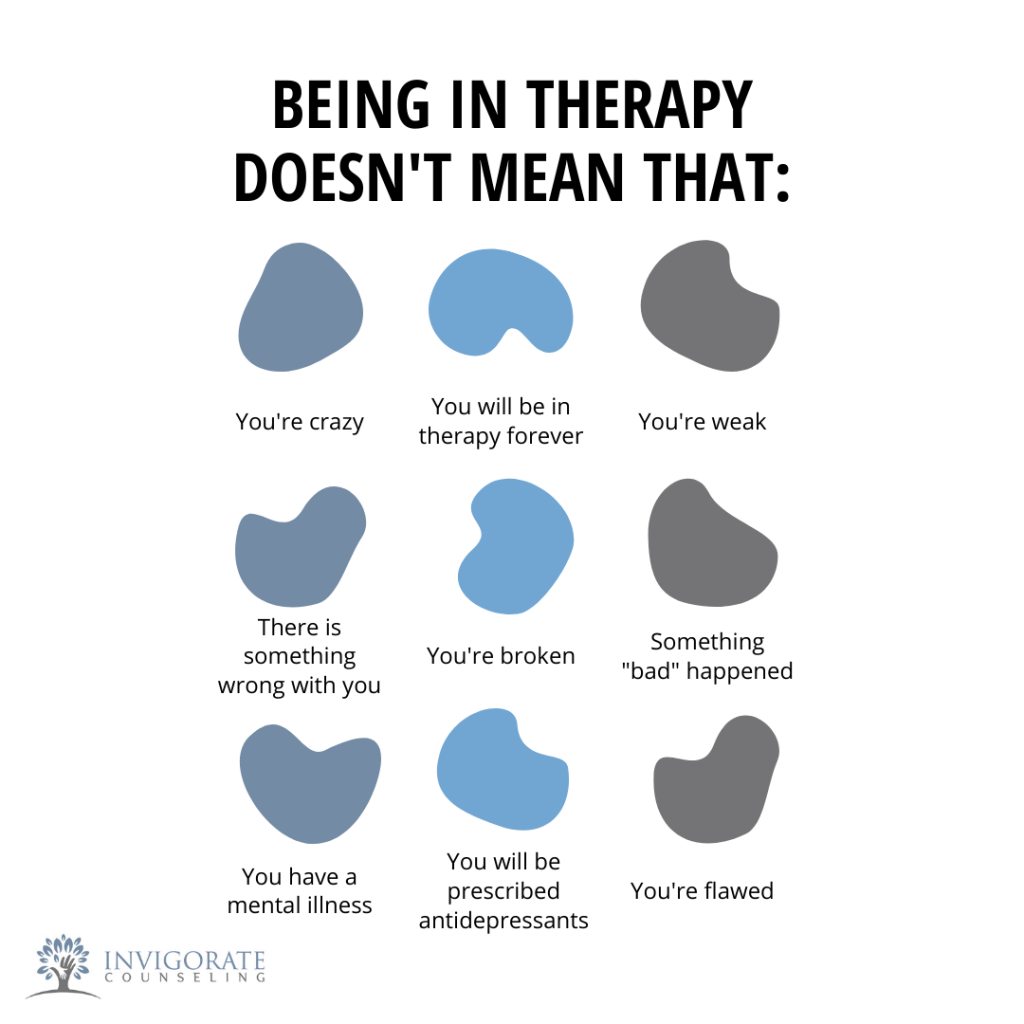
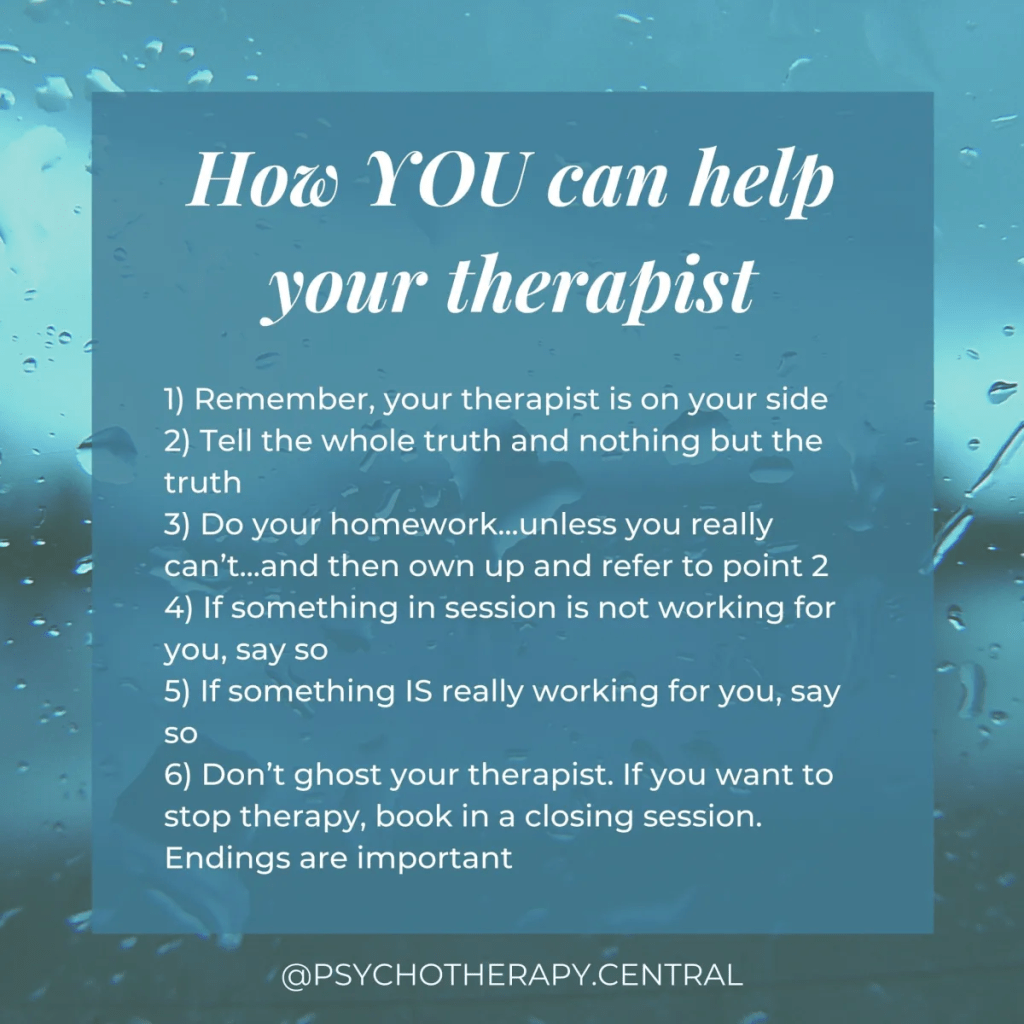
Mentally Stronger with Therapist Amy Morin – Friday Fix: 7 Things Therapists Wish You Knew About Therapy

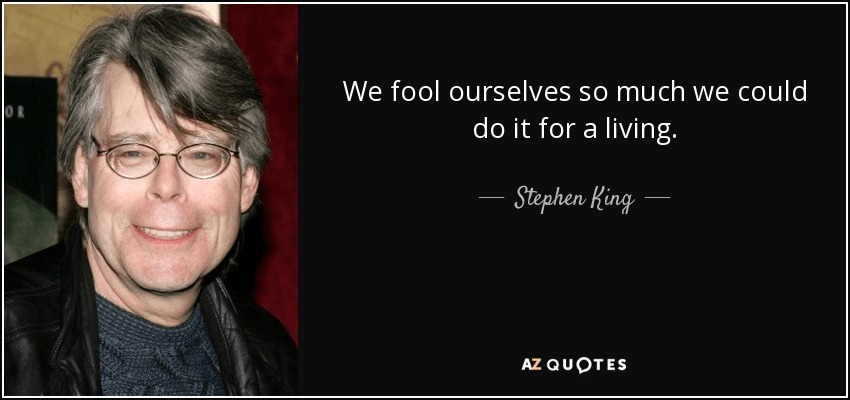
Fooling ourselves

It’s tempting to believe that we’re not easy to fool.

Not by a magician, a politician or a banker. Other folks might be easily duped by a spammer or a hustler, but not us.

And yet, no one fools you more than you.

When you look in the mirror, do you see what others see, or is it possible you see someone far less (or far more) attractive than others do?

Do we assume that our work is so good and so useful that anyone who doesn’t see that is confused or misguided?

Perhaps we feel like an impostor, a fraud or an unseen genius…

These are all forms of self-deception.

A useful way forward might be to ask, “is it working?”

If the marketplace of ideas, of commerce or of relationships sees something of value, perhaps they’re right. And if they don’t, perhaps we might develop the empathy to understand what’s missing in our narrative about what we do or how we do it.

Marketing to others begins with marketing to ourselves.

If it turns out that our self-deception is a reliable source of fuel for us to achieve our goals, it might be worth living with. But at some point, our ability to fool ourselves becomes toxic. It blocks our ability to create generous and useful work, and it eats away at our confidence and peace of mind.

It’s not easy to see ourselves as others do. But perhaps they’re onto something.”

Thoughtful Thursday posts, Uncategorized

Thoughtful Thursday – September 28, 2023

On Purpose with Jay Shetty – My Birthday Episode: 12 Lessons I’ve Learned in the Last 12 Months & Ways You Can Apply Them Into Your Life

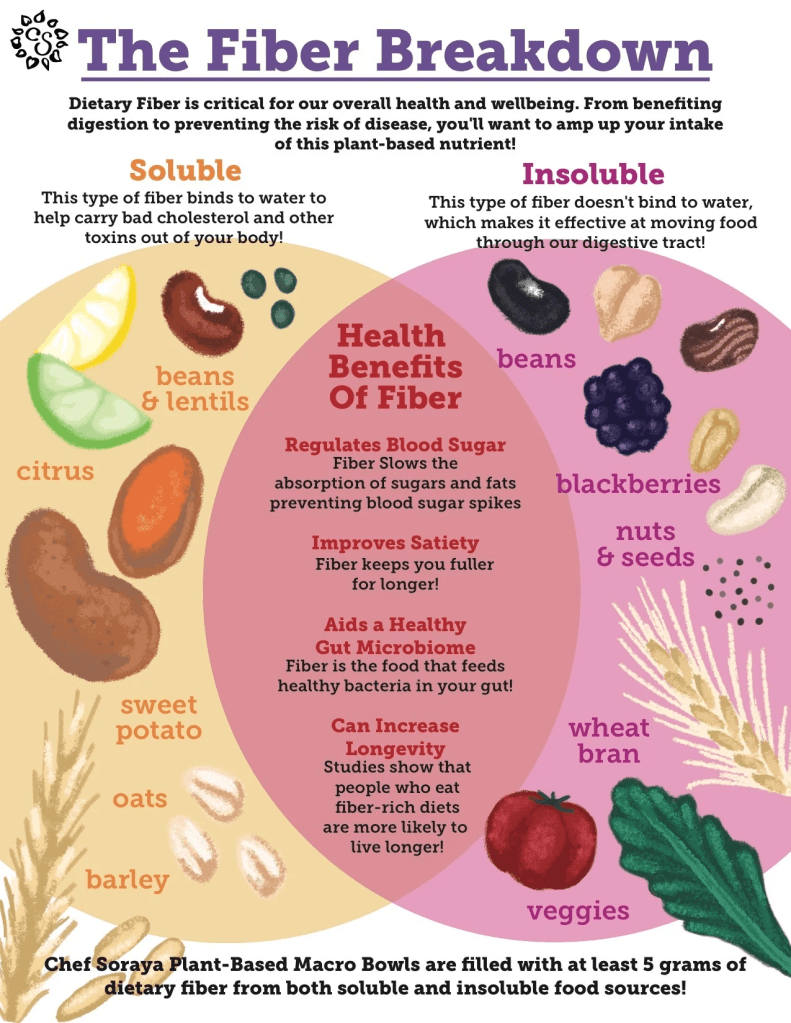
Life Kit – We’ve heard we need more fiber in our diets
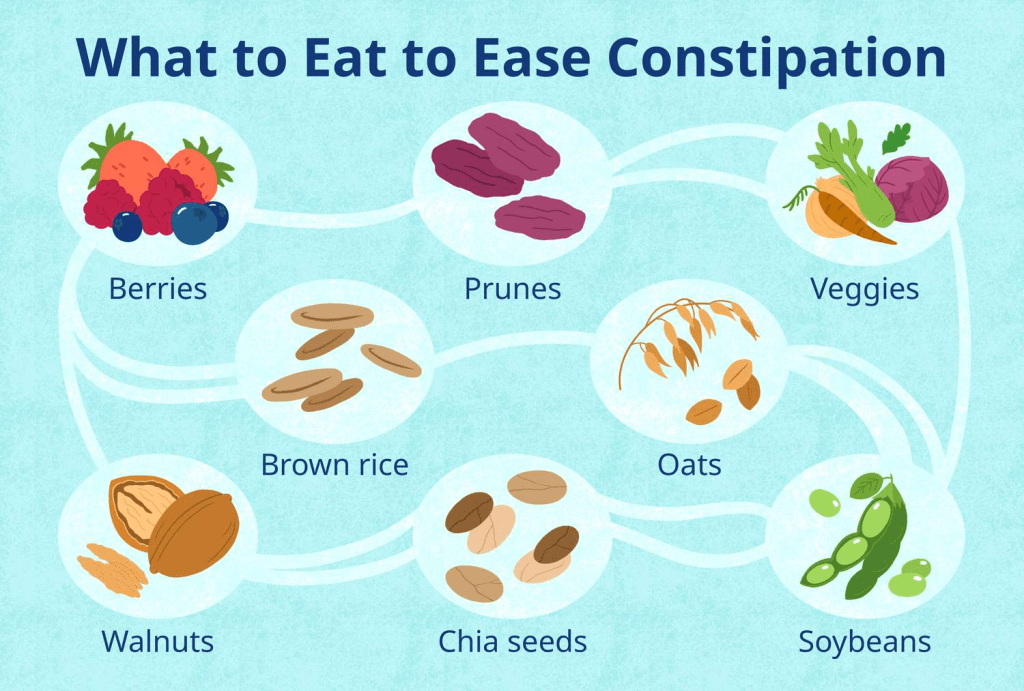
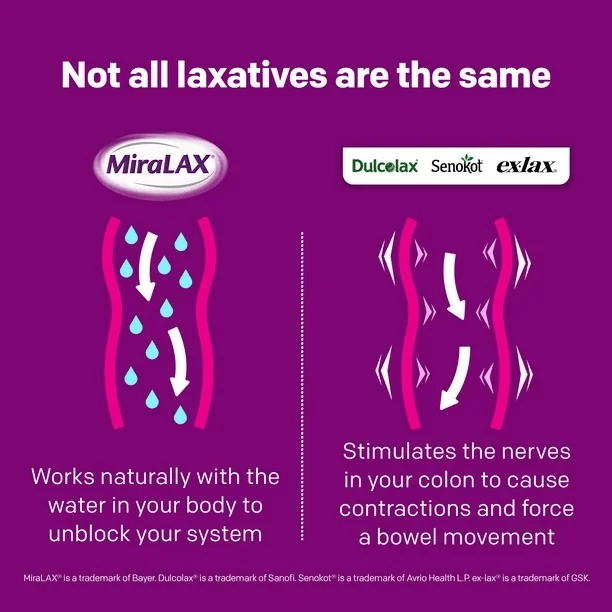
The Liz Moody Podcast – How to Eliminate Bloat & Constipation

https://www.gabethebassplayer.com/blog/saying-something

Thoughtful Thursday posts, Uncategorized

Thoughtful Thursday – September 21, 2023

Chasing Life – The Distracted Brain
Frugal Friends Podcast – How to Systematize Your Sunday Meal Prep
Sobriety Uncensored – Episode 41 – FAQs
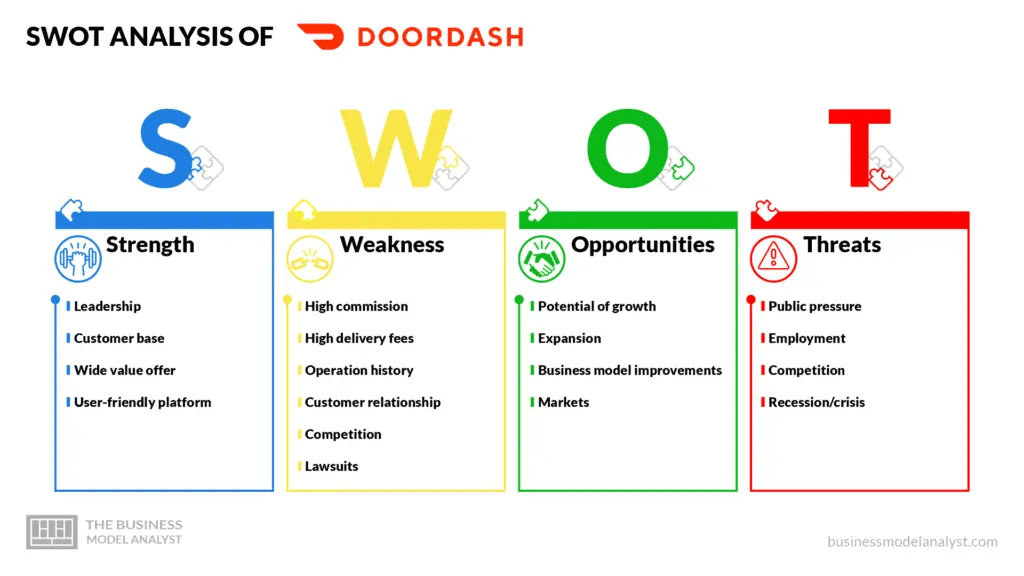
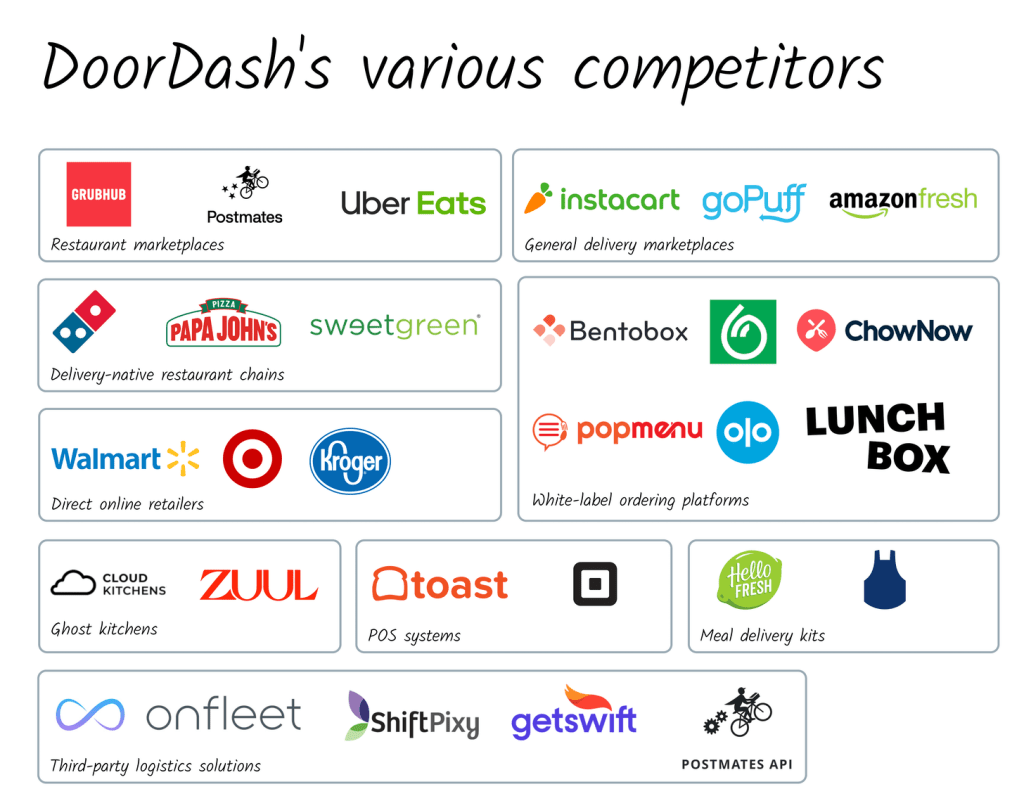
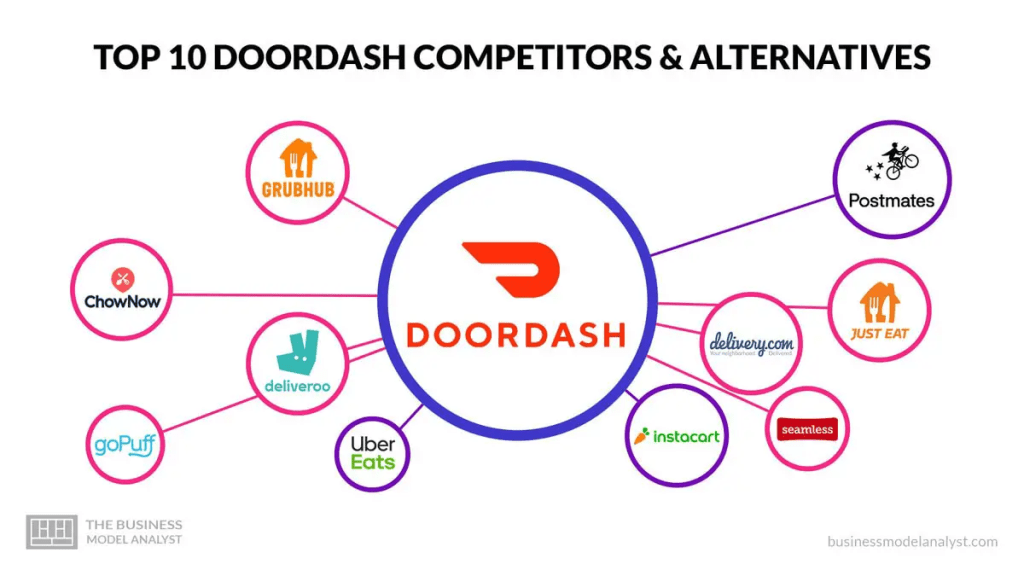
How I Built This with Guy Raz – DoorDash: Tony Xu

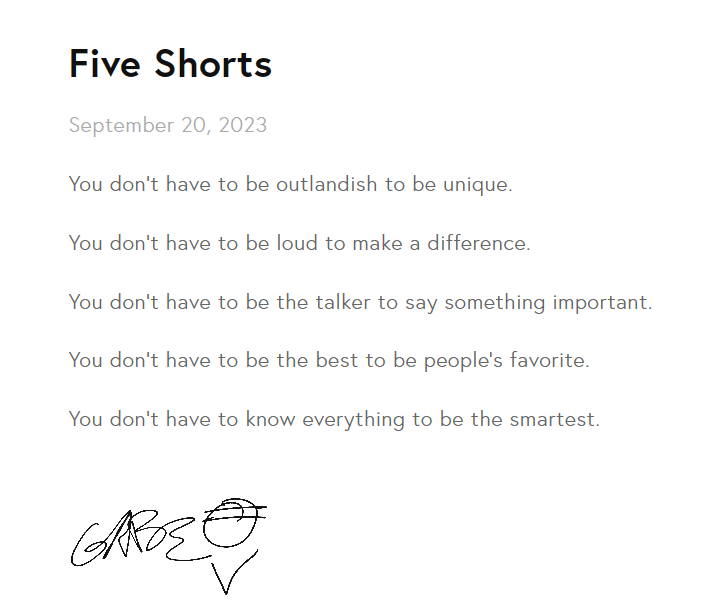
https://www.gabethebassplayer.com/blog/five-shorts

Book review posts, Uncategorized

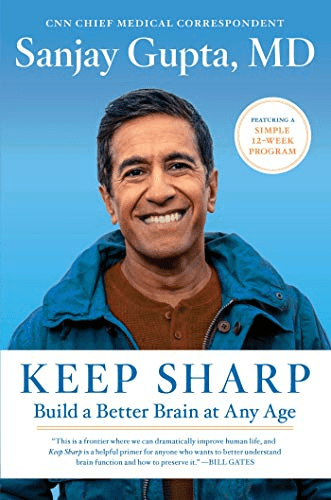
Keep Sharp – All About Your Brain Health

“Keep Sharp” was written by Sanjay Gupta, a neurosurgeon, chief medical correspondent for CNN, and four-time New York Times bestselling author once named as one of the ten most influential celebrities by Forbes Magazine. Sanjay is also the host of the Chasing Life Podcast and is widely regarded as one of the most trusted reporters in the media. His book was an educational, detailed, and fascinating read about the gimmicks and myths of brain health and revealed evidence-based practices along with guidance and insights for those already experiencing cognitive decline or caring for someone with dementia.

In order to best take care of your body, you have to first take care of your mind.

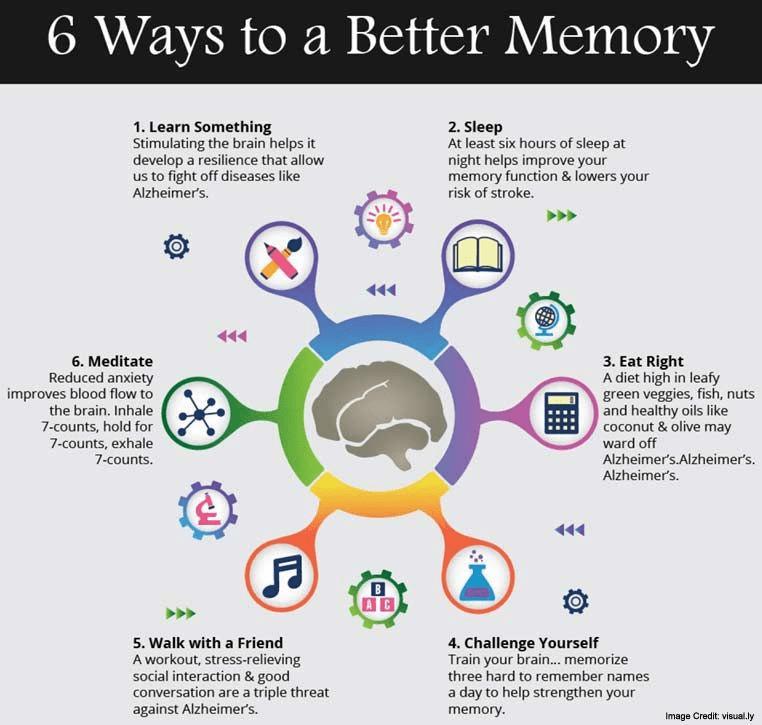
Cognitive decline is not inevitable! The five pillars of brain function include:

  1. exercise and movement
  2. sense of purpose, learning, and discovery
  3. sleep and relaxation
  4. nutrition
  5. social connection

The single most important thing you can do to enhance your brain’s function and resiliency to disease is to exercise. Move more and keep a regular fitness routine. Exercise improves digestion, metabolism, body tone and strength, and bone density. It also supports emotional stability, staves off depression and dementia, and increases self-esteem and sense of well-being.

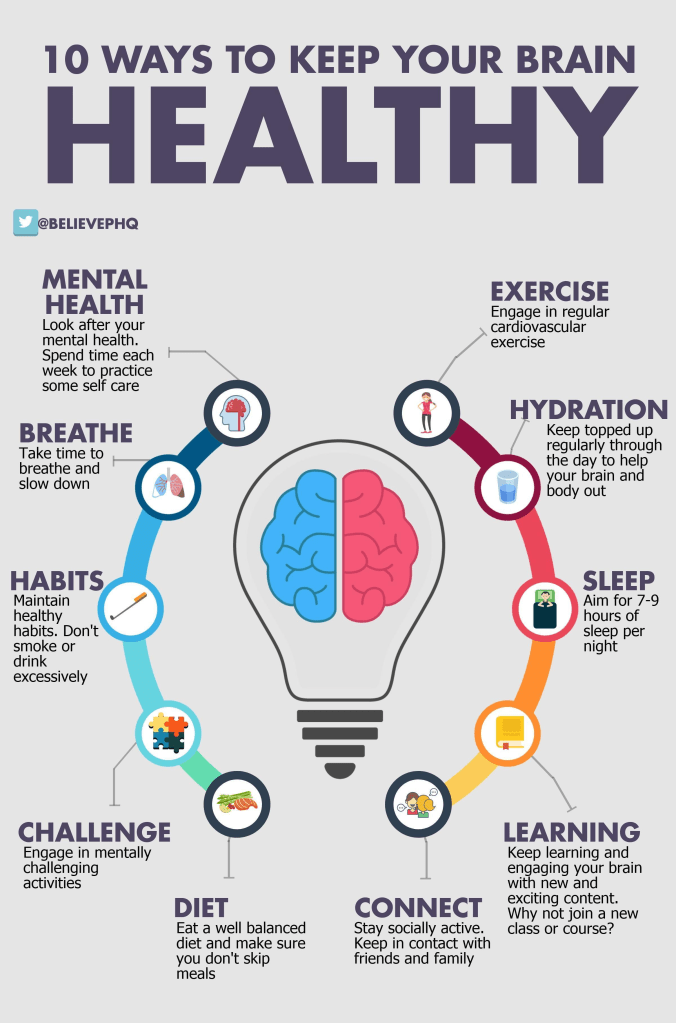
Steps to improve brain health:

  1. Move more throughout your day and build an exercise routine into your life.
  2. Find new ways to stimulate your brain through learning and challenging your mind.
  3. Prioritize getting restful, routine sleep at night and incorporate daily de-stressing practices into your routine.
  4. Introduce a new way of nourishing your body.
  5. Connect authentically with others and maintain a vibrant social life.

Follow the S.H.A.R.P. diet:

  • Slash the sugar and stick to the ABCs
  • Hydrate smartly – “drink instead of eat” when you think you’re hungry.
  • Add more omega-3 fatty acids from dietary sources (seafood, nuts, and seeds). Get your omega-3 from food, not supplements.
  • Reduce portions.
  • Plan ahead. Don’t get caught starving or resorting to junk food. Eat a wide variety of different colored vegetables to get a more diverse array of nutrients.

Supplements do not take the place of real food, and some can be harmful/largely unregulated. Also, no known dietary supplement improves memory or prevents cognitive decline or dementia.

Enjoying close ties to friends and family, as well as participating in meaningful social activities, may help keep your mind sharp and your memories strong. Loneliness has been shown to accelerate cognitive decline in older adults. Volunteer, join social clubs, and maintain connections.

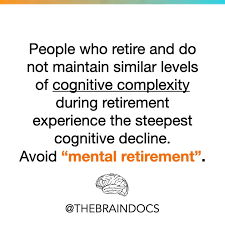
Delay retirement as long as possible. When you do retire, find activities that are joyful and stimulating and stay engaged. Maintain a sense of purpose by continuing to learn, discover, and complete complex tasks. Built and sustain your cognitive reserve by maintaining demands on your brain that keep it thinking, strategizing, learning, and solving problems.

“Brain games” are not always effective at slowing cognitive decline. Speed training games are effective at putting off dementia. I have used the free versions of the Lumosity and Elevate apps for the past year or so and have really improved my cognition and skills.

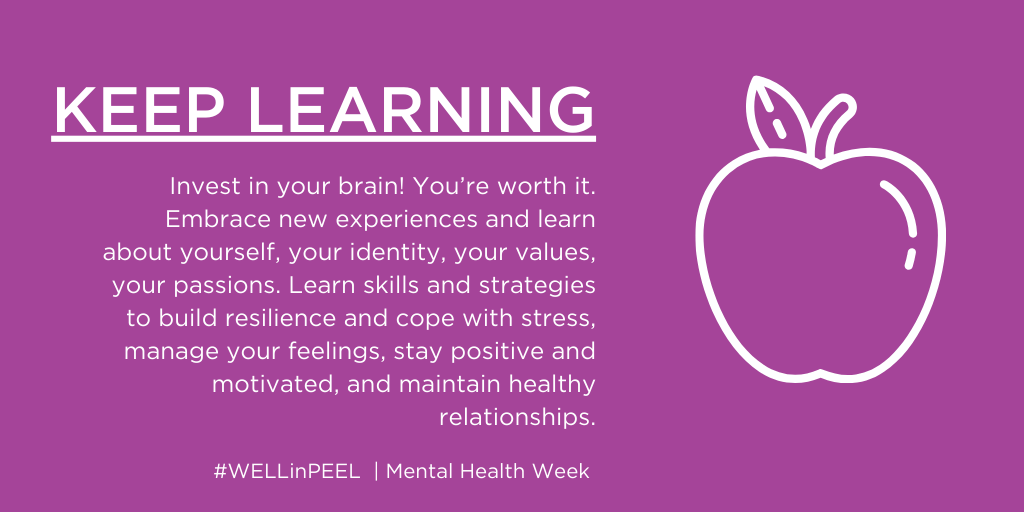
People with a sense of purpose are less likely to develop cognitive impairment. Learn something new, teach, volunteer, or do whatever you find joyful, satisfying, and meaningful.

I want to live my life like an incandescent lightbulb. Burn brightly my entire life, and then one day suddenly go out. We want the same for our brains, and anyone can built a better brain at any age.

Sanjay Gupta
  • It is the skin that contains pain fibers that must be dulled to perform brain surgery; the skull and the brain have no sensory receptors!
  • The human brain comprises about 2.0% to 2.5% of the body’s total weight but uses 20% of its total energy and oxygen intake.
  • Memory is fundamentally a learning process – the result of constantly interpreting and analyzing incoming information. Every time you use your memory, you change it.
  • The patterns of activity of neurons in sensory areas can be altered by patterns of attention. Moment by moment, we choose and sculpt how our ever-changing minds will work. We choose who we will be in the next moment in a very real sense, and these choices are left embossed in physical form in our material selves.
  • The brain remains plastic throughout life and can rewire itself in response to your experiences. It can also generate new brain cells under the right circumstances.

There are 6 senses processed in the brain:

  • proprioception (a sense of where your body parts are and what they’re doing)
  • equilibrioception (a sense of balance – tells you if you’re sitting, standing, or lying down)
  • nociception (sense of pain)
  • themo(re)ception (sense of temperature)
  • chronoception (sense of the passage of time)
  • interoception (sense of your internal needs, like hunger, thirst, or needing to use the bathroom)

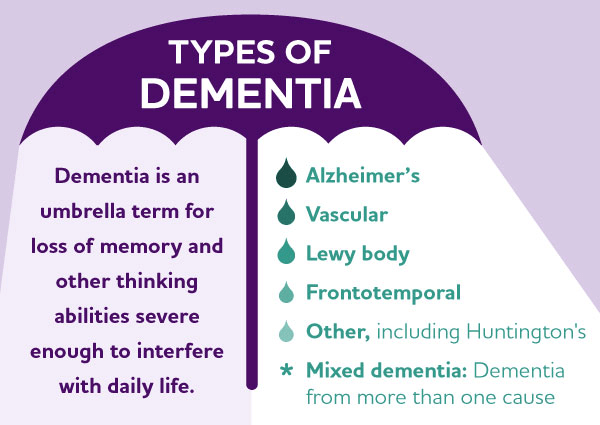
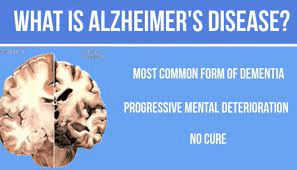
Dementia is not a single disease in itself; it encompasses several underlying diseases and brain disorders that impair memory, communication, and thinking. Alzheimer’s disease is the most common form of dementia, comprised of 60-80% of dementia cases and 1 in 9 Americans age 65 and older. There is also a correlation between diabetes and Alzheimer’s disease.

This book contained so much information about Alzheimer’s symptoms, diagnosis, treatment, and resources. Here is a very condensed version:

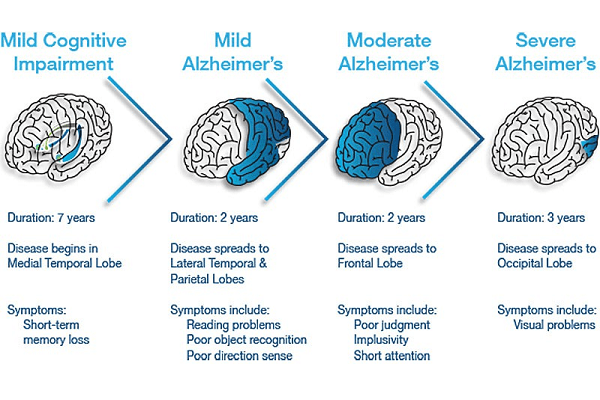
Alzheimer’s disease starts 20-30 years before any symptoms develop. This book covered the stages of Alzheimer’s, diagnosis tools, treatment options, and resources for patients, families, and caregivers. There is no cure for Alzheimer’s and the disease creates a devastating emotional, financial, and physical toll on the families of those who are diagnosed with it.

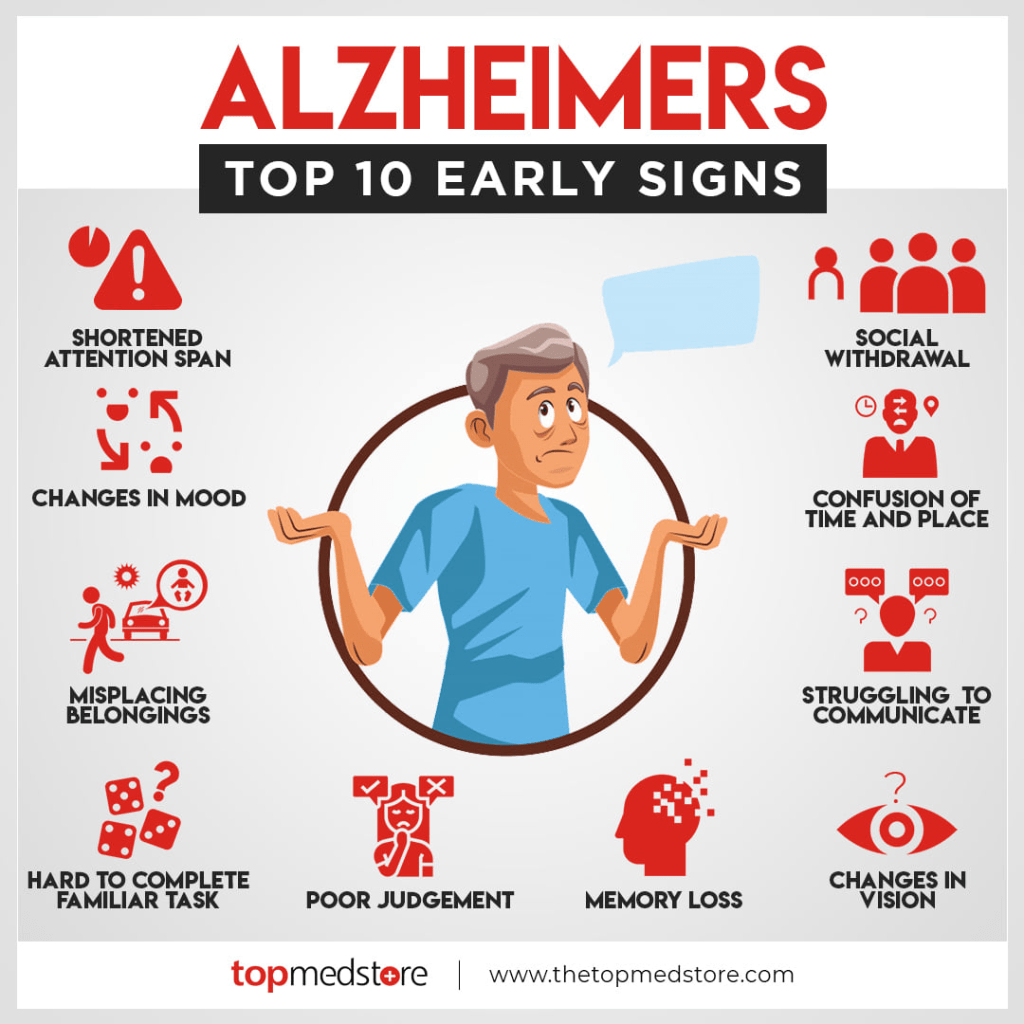
Stages of Alzheimer’s disease and top 10 early signs of Alzheimer’s

Drugs that may increase the risk of dementia: anticholinergic antidepressants, antiparkinson drugs and antihistamines, antipsychotic drugs, drugs for overactive bladder, and antiepileptic drugs.

Diagnosis tools: The Alzheimer’s Disease Assessment Scale – Cognitive Subscale (ADAS-Cog), the Mini-Mental State Exam, the Mini-Cog test, the Self-Administered Gerocognitive Examination (SAGE)

Resources: AARP, The Cleveland Clinic’s Lou Ruvo Center for Brain Health, the Dementia Action Alliance, the Family Caregiver Alliance, the Mayo Clinic’s Alzheimer’s Disease Research Center, the Memory Disorders Program at New York-Presbyterian/Weill Cornell Medical Center, the National Institute on Aging, UCLA’s Alzheimer’s and Dementia Care Program

After diagnosis: Find support and educational programs in your local area, find early-stage social engagement programs, find clinical trials matching your needs, keep your home safe, make a legal plan (POA/wills/trusts/advance care directive), make a financial plan (organize assets/debts/insurance policies/benefits), and build a care team.

Treatment: 2 drugs that temporarily improve symptoms of memory loss and problems with thinking and reasoning, both of which lose effectiveness as the disease progresses: cholinesterase inhibitors and NMDA receptor antagonists

When it comes to a person’s experience with dementia, the most important person is the caregiver. The majority of people with dementia in the U.S. live in their home, and for approximately 75% of these individuals, family and friends provide their care – mostly spouses or their children, many of which are unpaid. Women face difficulty because they often need to take care of their parent(s) and children. Caregivers of spouses with dementia are 6x more likely to develop dementia.

I highly recommend this book for anyone wanting to prevent cognitive decline or wanting to learn more about Alzheimer’s or dementia!⭐⭐⭐⭐⭐

I look forward to reading, learning, and sharing more with you soon!
Book review posts, Thoughtful Thursday posts, Uncategorized

Thoughtful Thursday – September 14, 2023

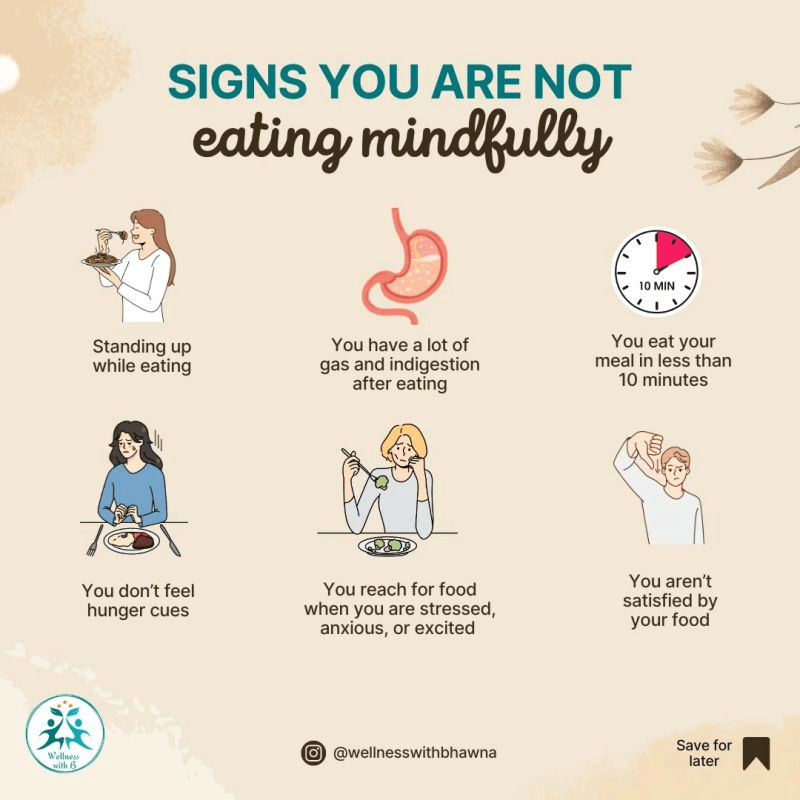
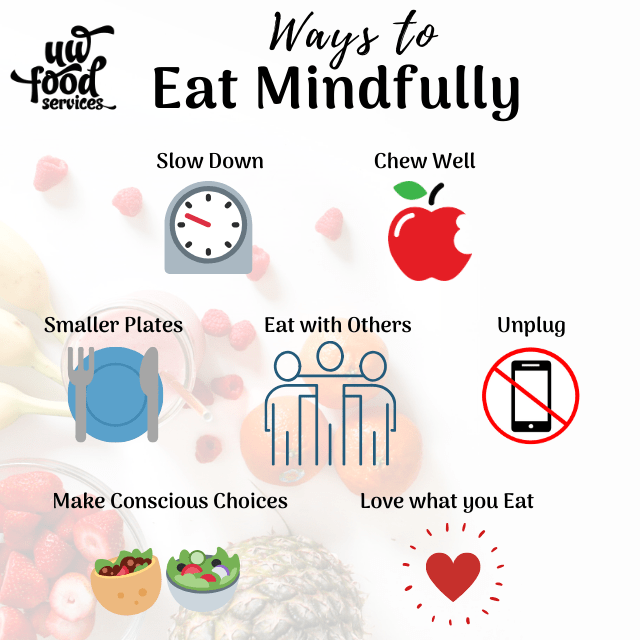
Life Kit – Scarfing down your food? Here’s how to slow down and eat more mindfully
Fit, Healthy & Happy Podcast – 8 Essential Habits to Become Ultra Fit
Mentally Stronger with Therapist Amy Morin – The Truth About Alcohol and Addiction Recovery with Former School Principal/Author Daniel Patterson
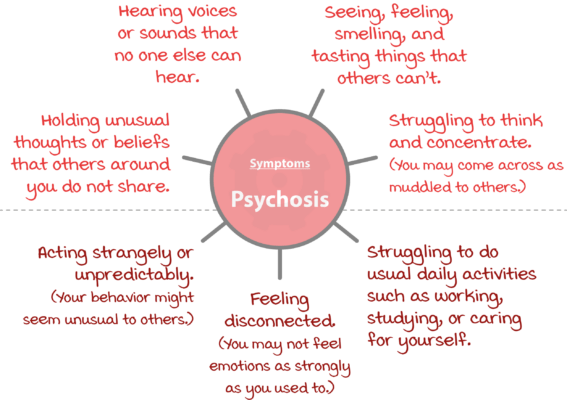
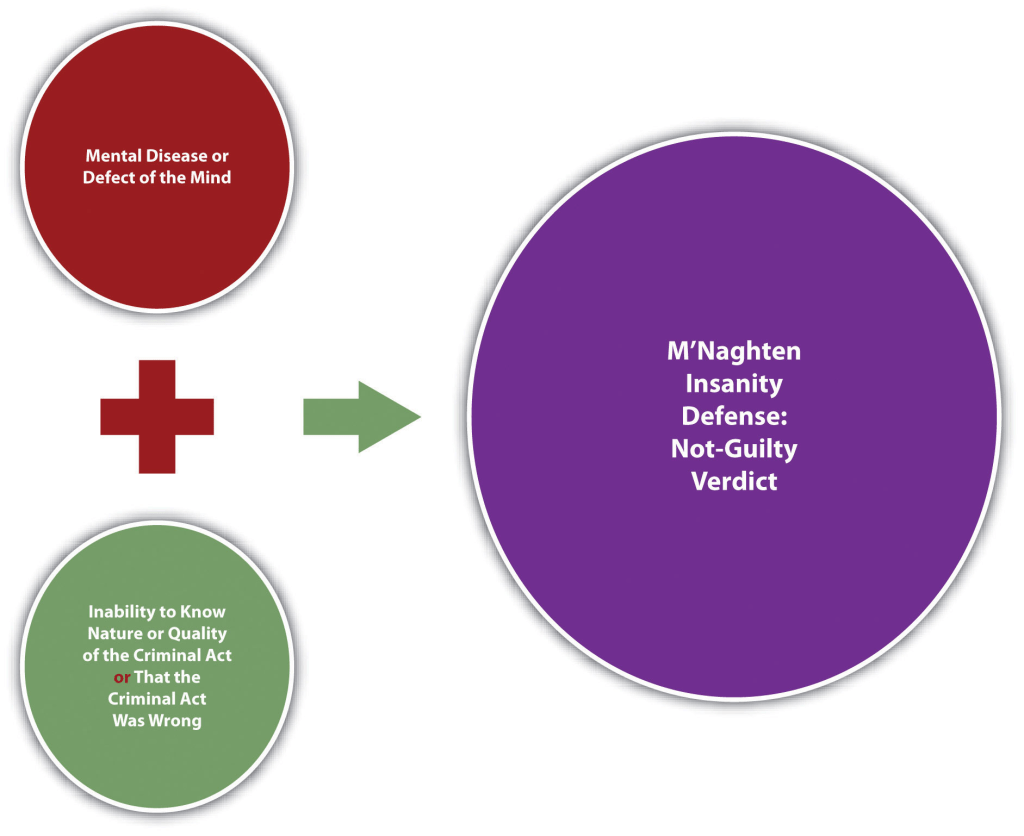
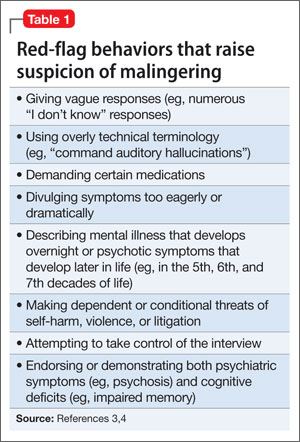
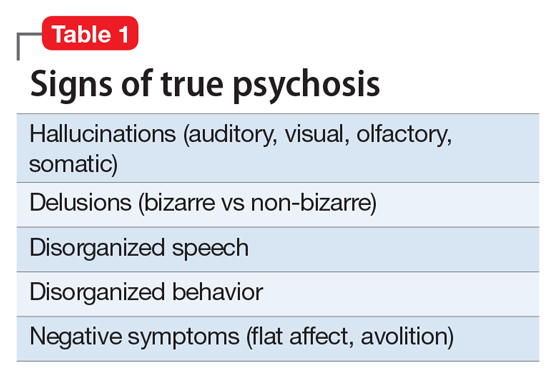
The Jordan Harbinger Show – Dr. Sohom Das – Rehabilitating the Criminally Insane

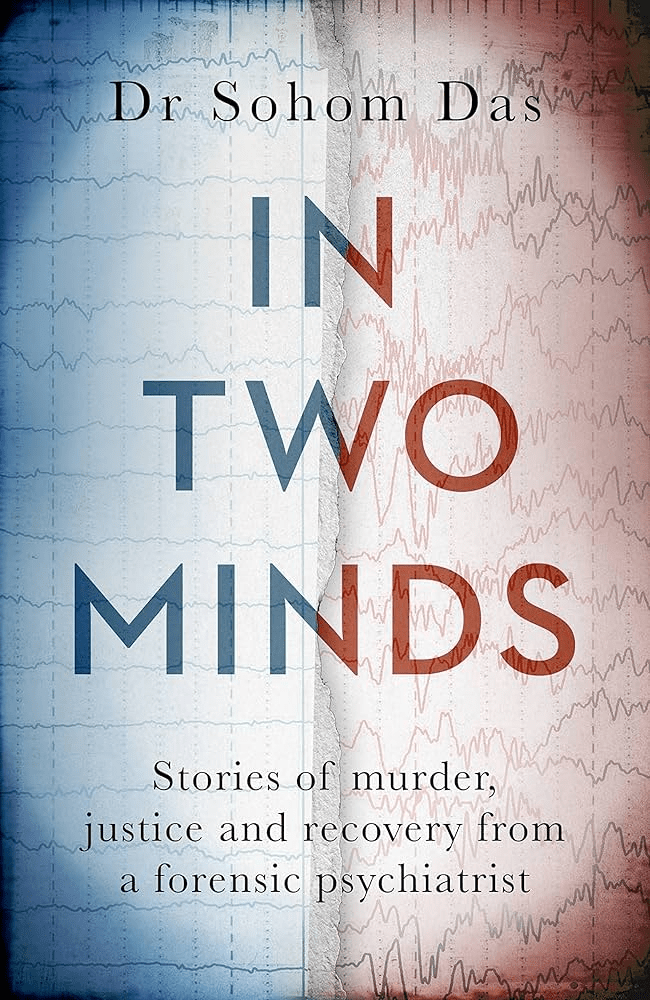
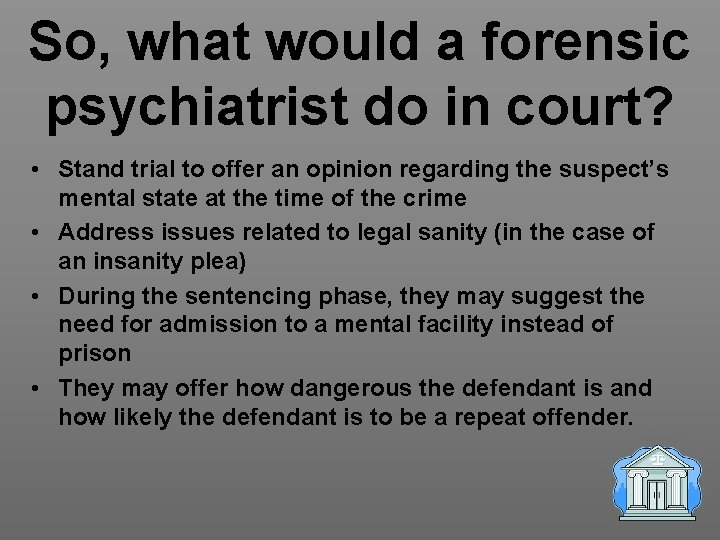
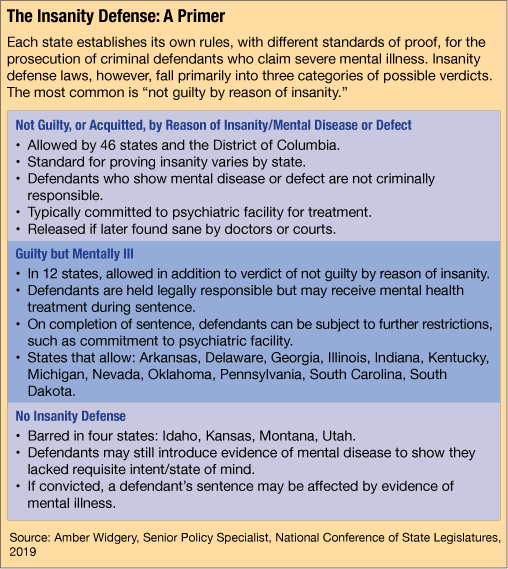
This week I listened to this podcast AND read the book “In Two Minds: Stories of Murder, Justice, and Recovery from a Forensic Psychiatrist” written by Dr. Sohom Das.

Thoughtful Thursday posts, Uncategorized

Thoughtful Thursday – September 7, 2023

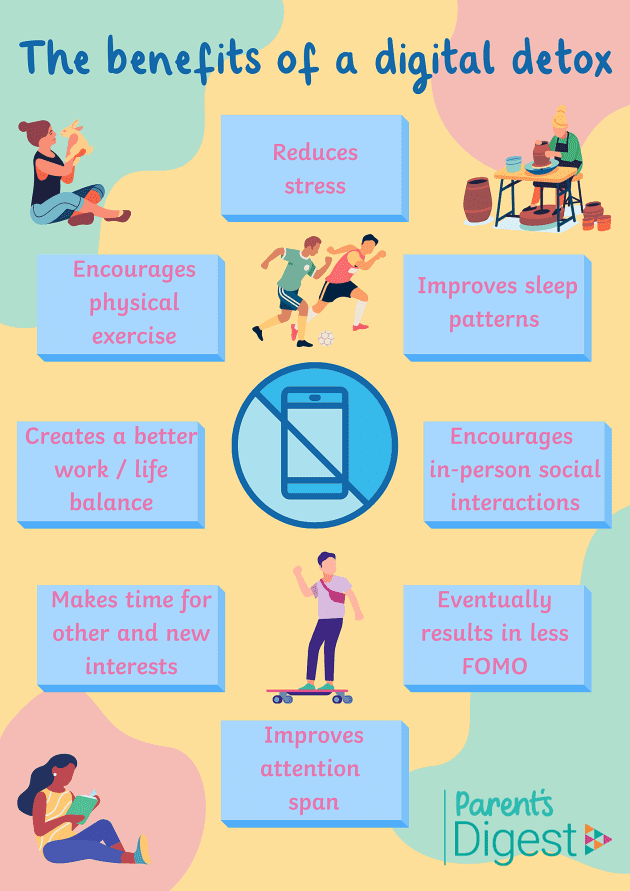
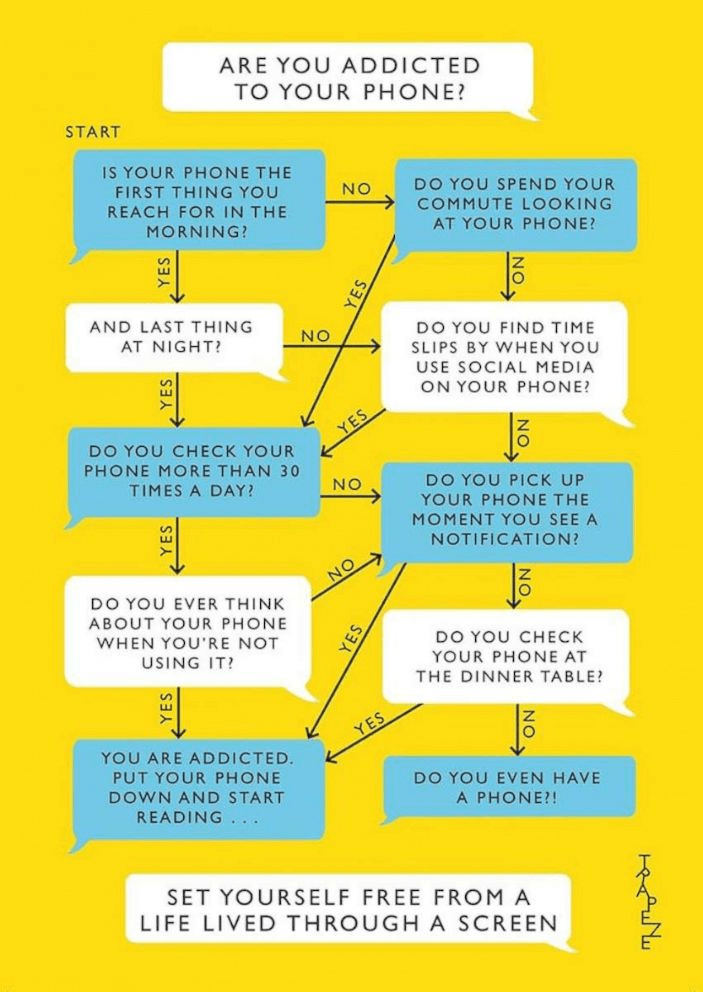
Chasing Life – Breaking Up (and Making Up) with Your Phone
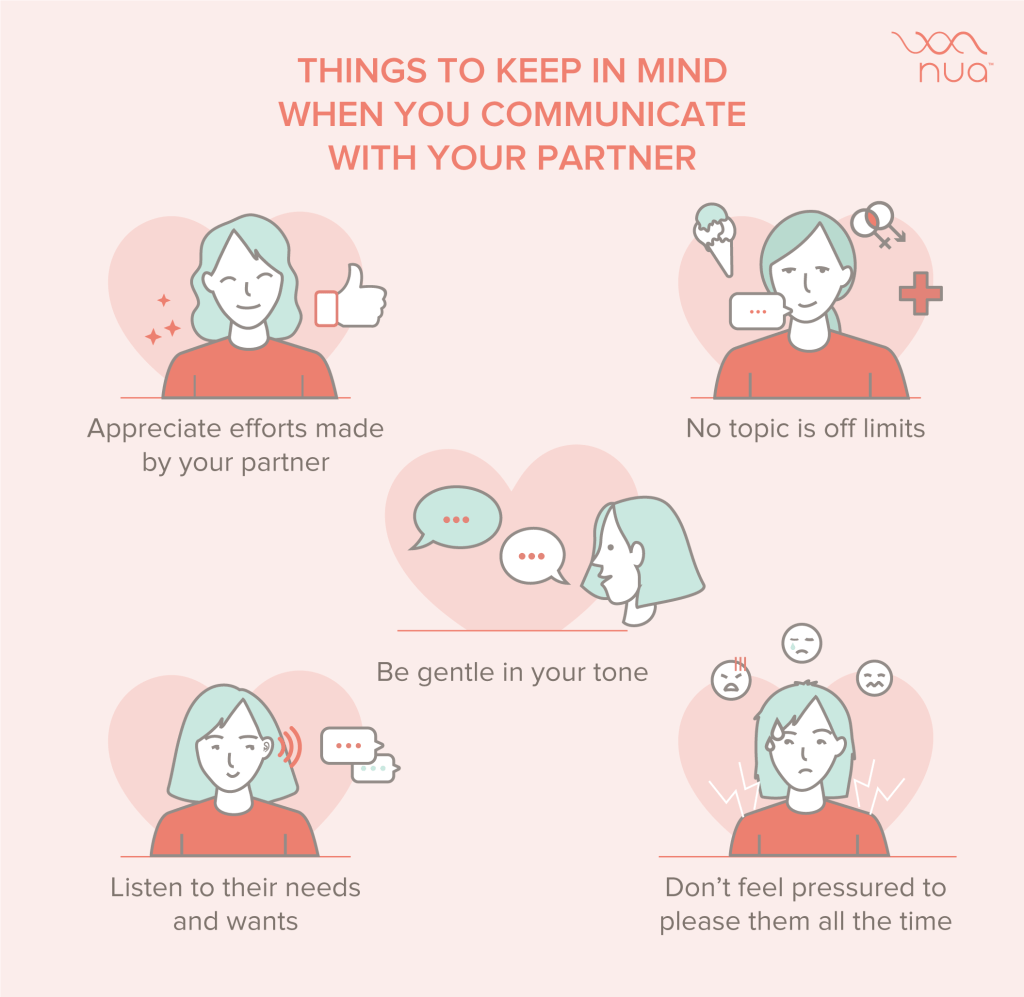
The Verywell Mind Podcast – Encore: Communication Mistakes Most Couples Make
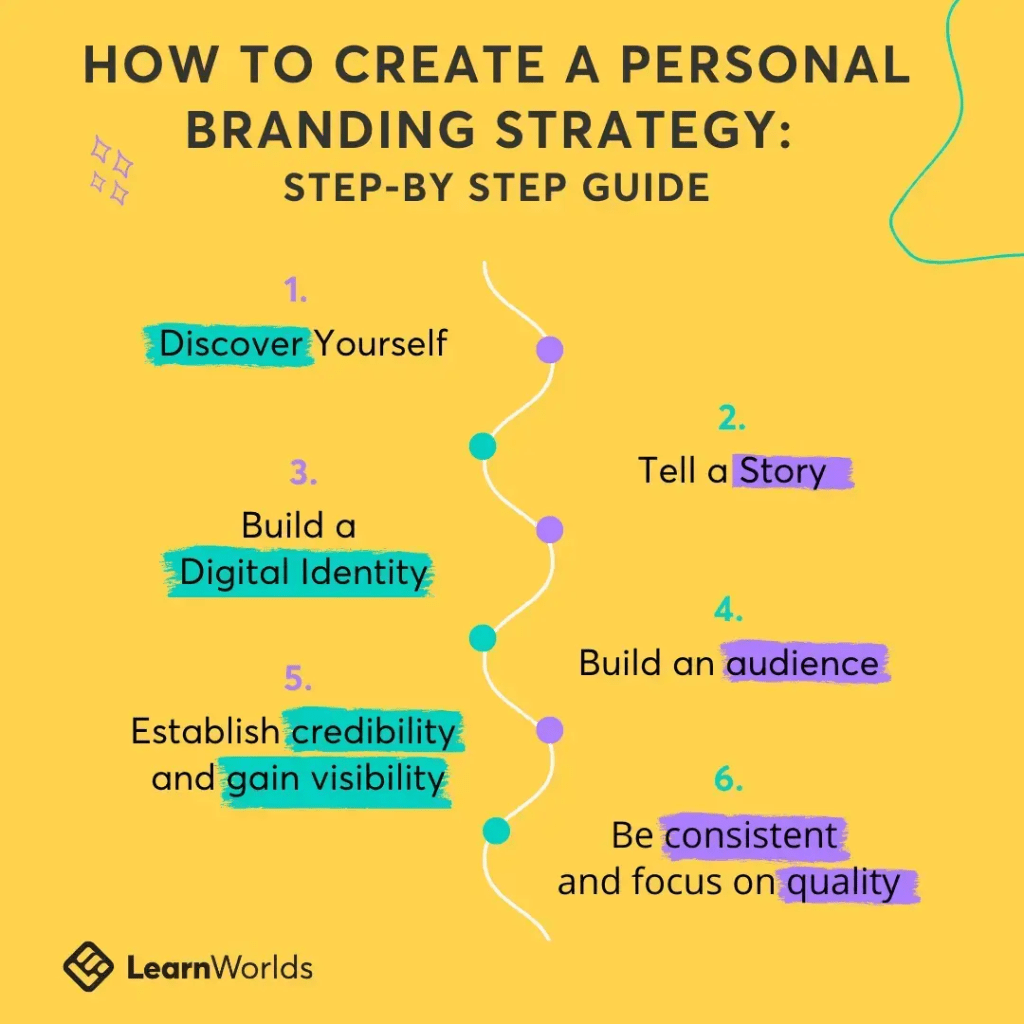
TED Talks Daily – 5 steps to building a personal brand you feel good about
Fit, Healthy & Happy Podcast – 10 Things We Wish We Knew Before We Started Lifting
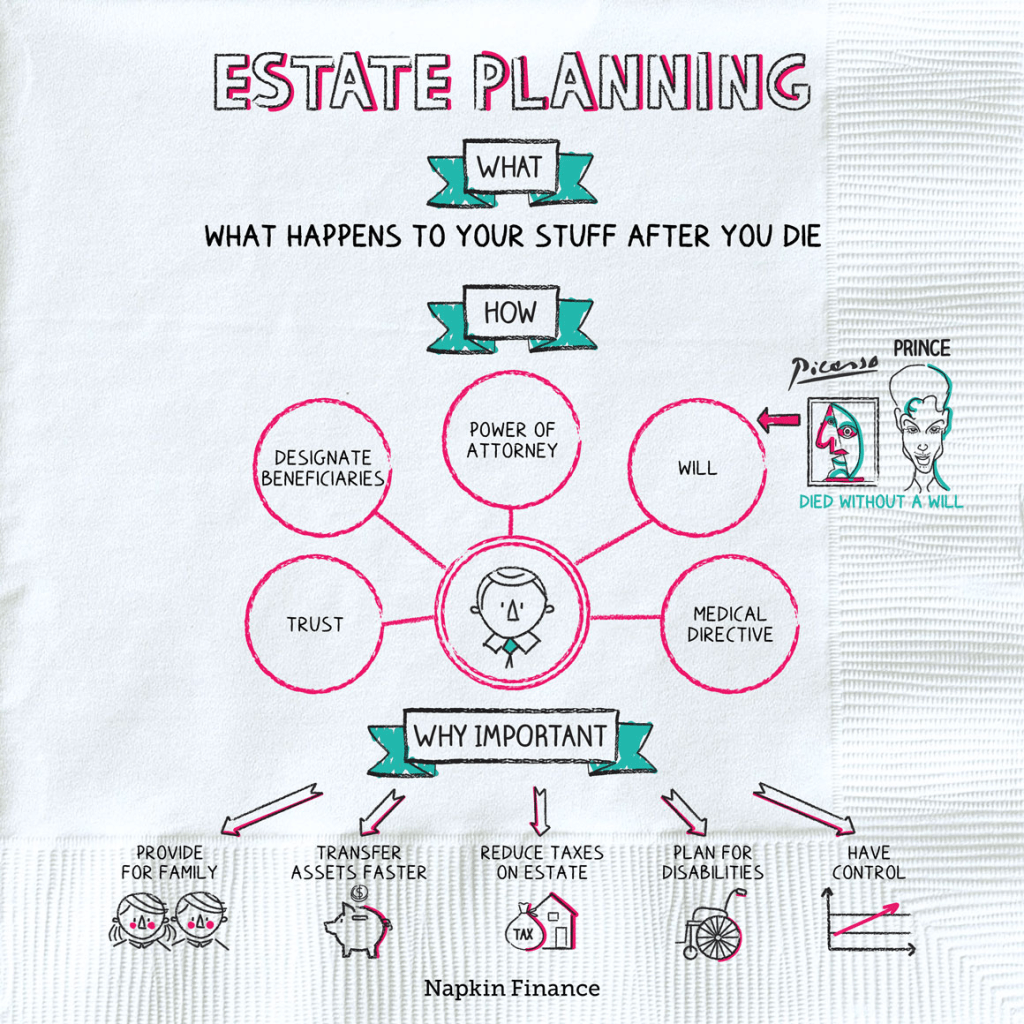
Optimal Finance Daily – Estate Planning 101 by Jesse Cramer
Book review posts, Uncategorized

13 Things Mentally Strong Women Don’t Do

  • What’s not helpful: violating rules out of laziness or disrespect, waiting for everyone else to take action first, following the rules without considering whether they’re helpful, and going with the flow even when you don’t want to
Thoughtful Thursday posts, Uncategorized

Thoughtful Thursday – August 31, 2023

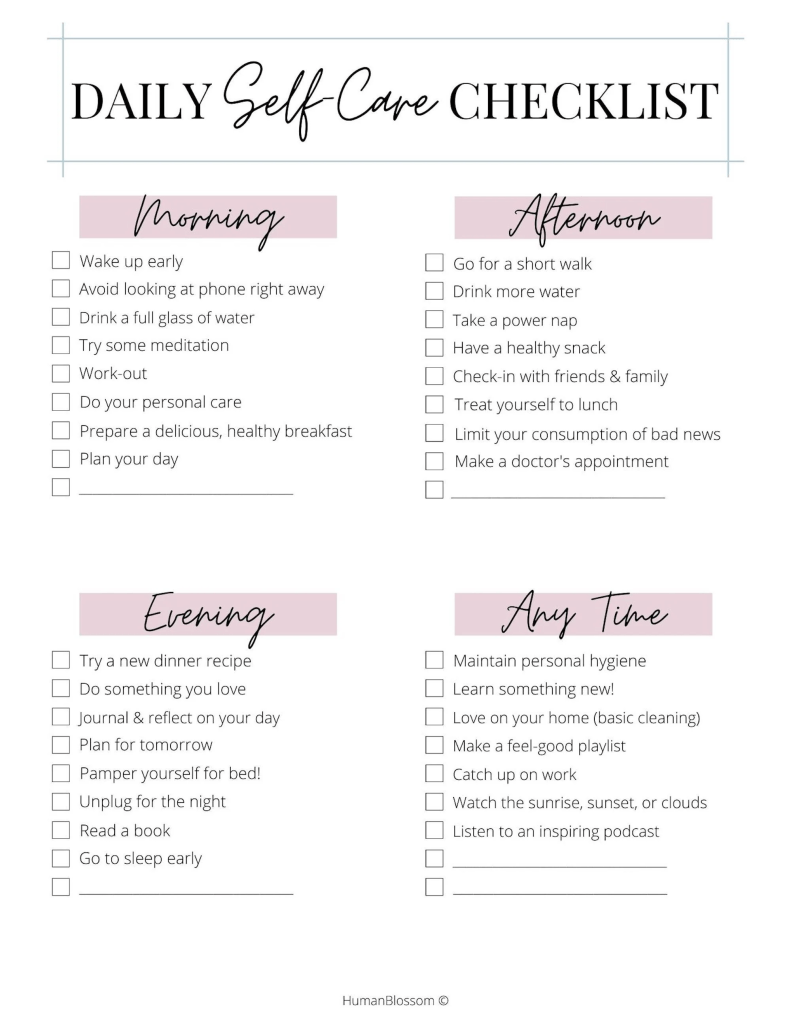
Optimal Living Daily – Self-Care Habits for Your Daily Routine
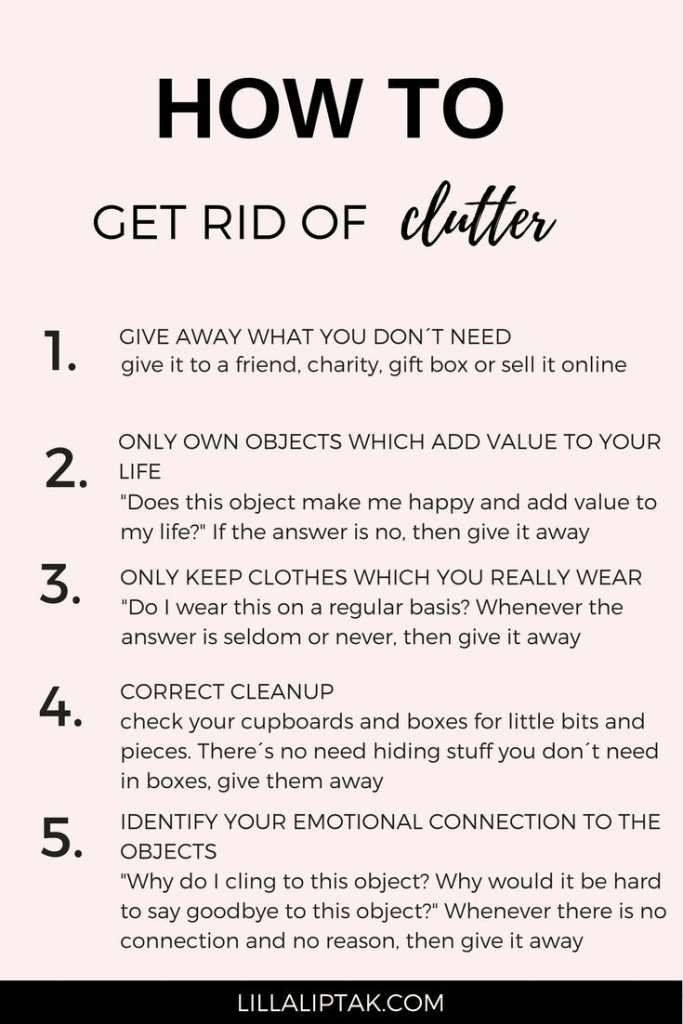
Optimal Living Daily – Where Do I Start Decluttering?

https://www.dummies.com/book/home-auto-hobbies/home-improvement-appliances/general-home-improvement-appliances/home-maintenance-for-dummies-2nd-edition-282279/

DIY Money – Whole Life Insurance
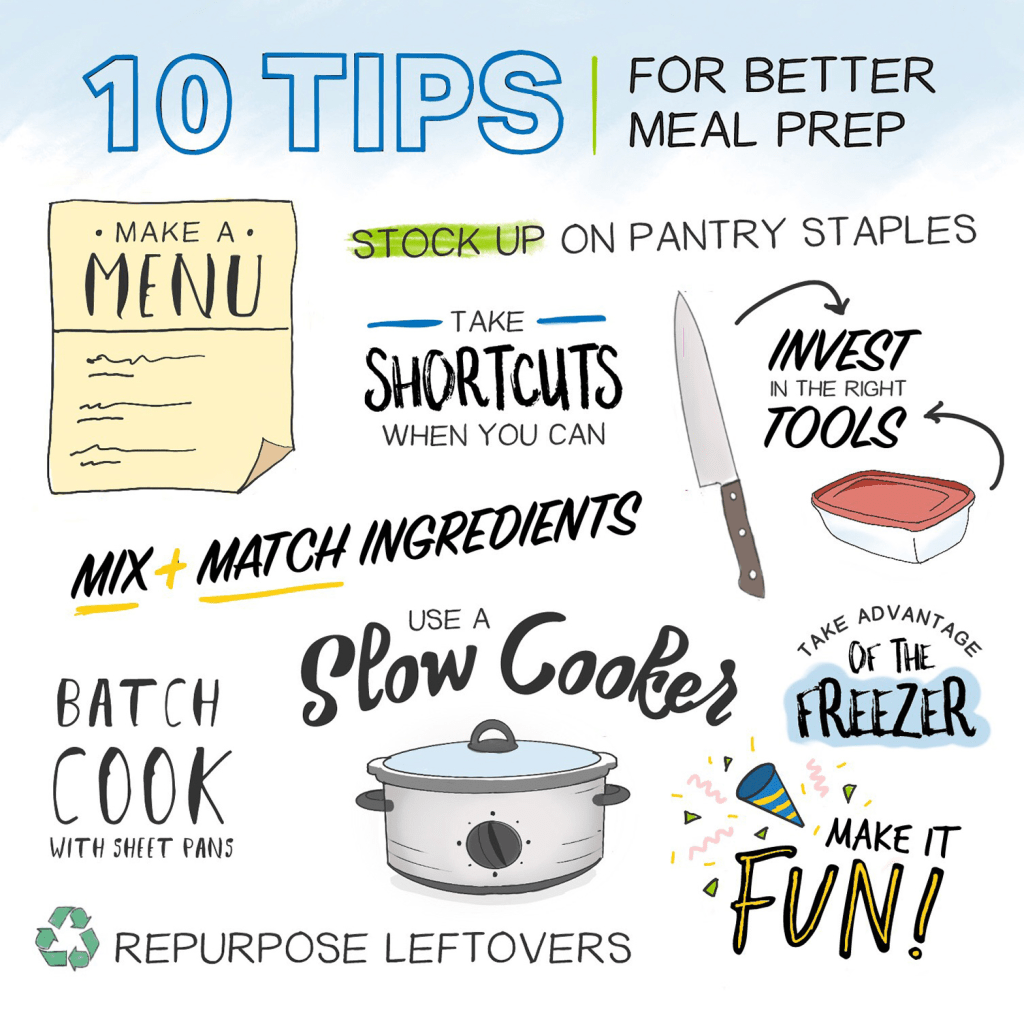
Life Kit – Meal prep made easy
Thoughtful Thursday posts, Uncategorized

Thoughtful Thursday – August 24, 2023

Fit, Healthy & Happy Podcast – 8 Tips For Better Workouts
Psych2Go On the GO – 4 Types of OCD & How They Manifest
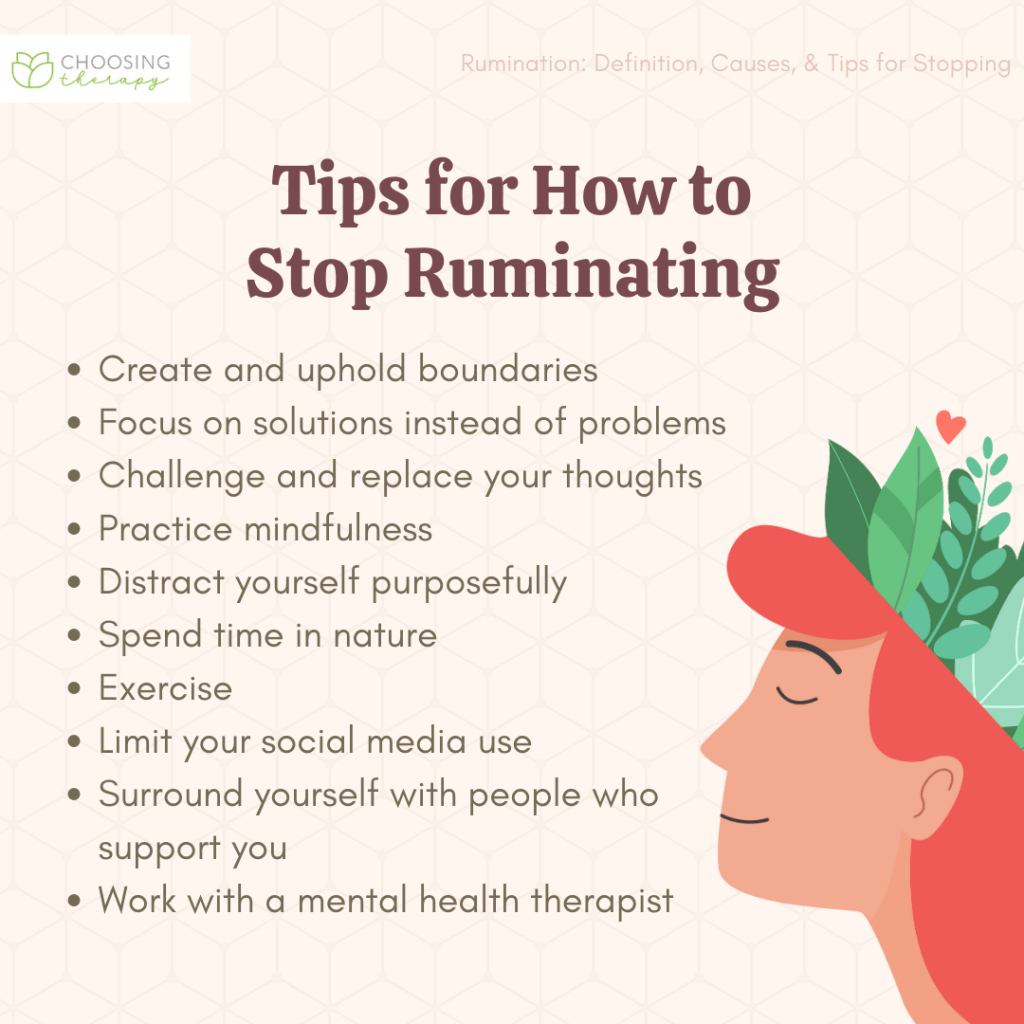
  • Intrusive thoughts and rumination: repetitive and constant thoughts ranging in topic, but common ones are violent intrusive thoughts, sexual intrusive thoughts, obsessions, and analyzing things followed by rituals or compulsions to make the bad things not happen. Ruminations are when one dwells upon a question or theme that is unproductive and likely to lead nowhere.

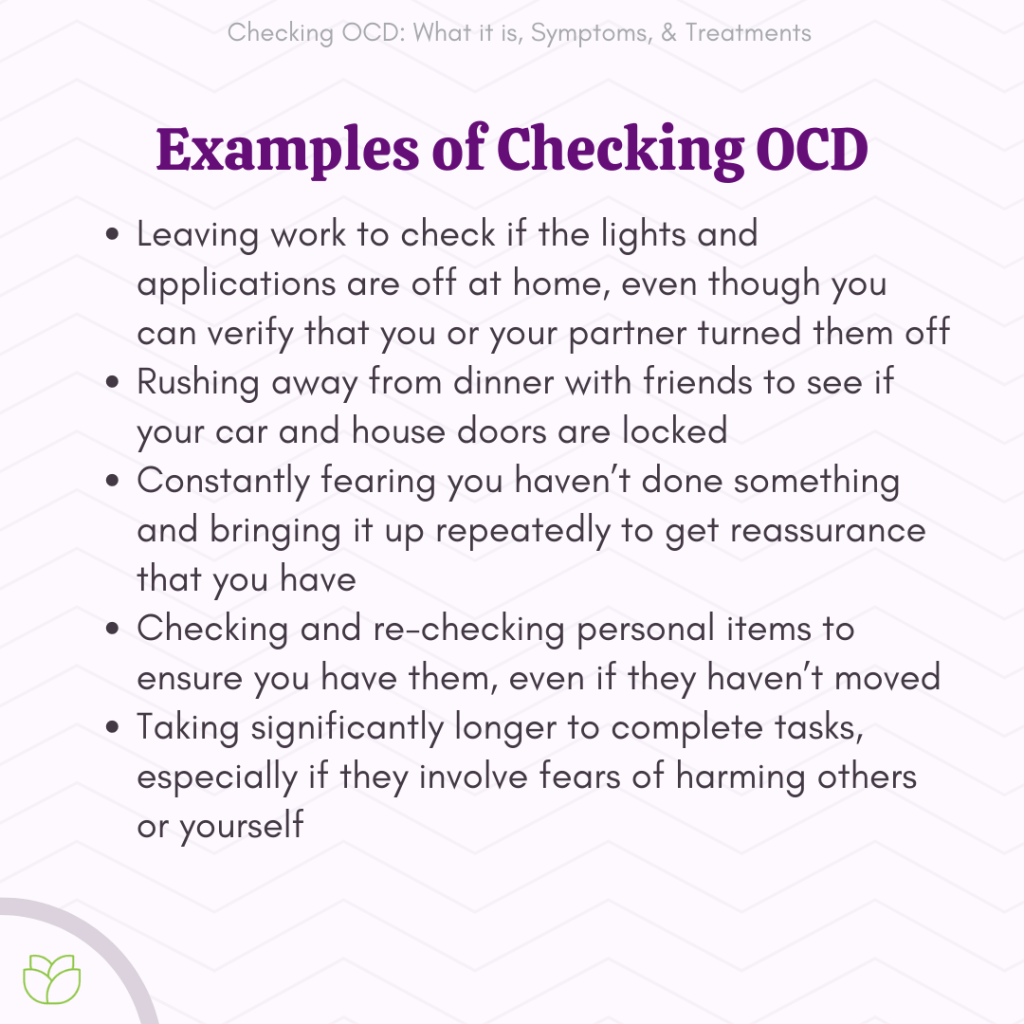
  • Checking: OCD can present itself in the need to check on something (acts on the compulsion). This can display itself in a variety of ways: checking in with family members to gain reassurance about their firms, unrelenting need to check the door repeatedly to make sure it’s locked out of fear of a burglary, checking an e-mail over and over analyzing imperfections, etc.

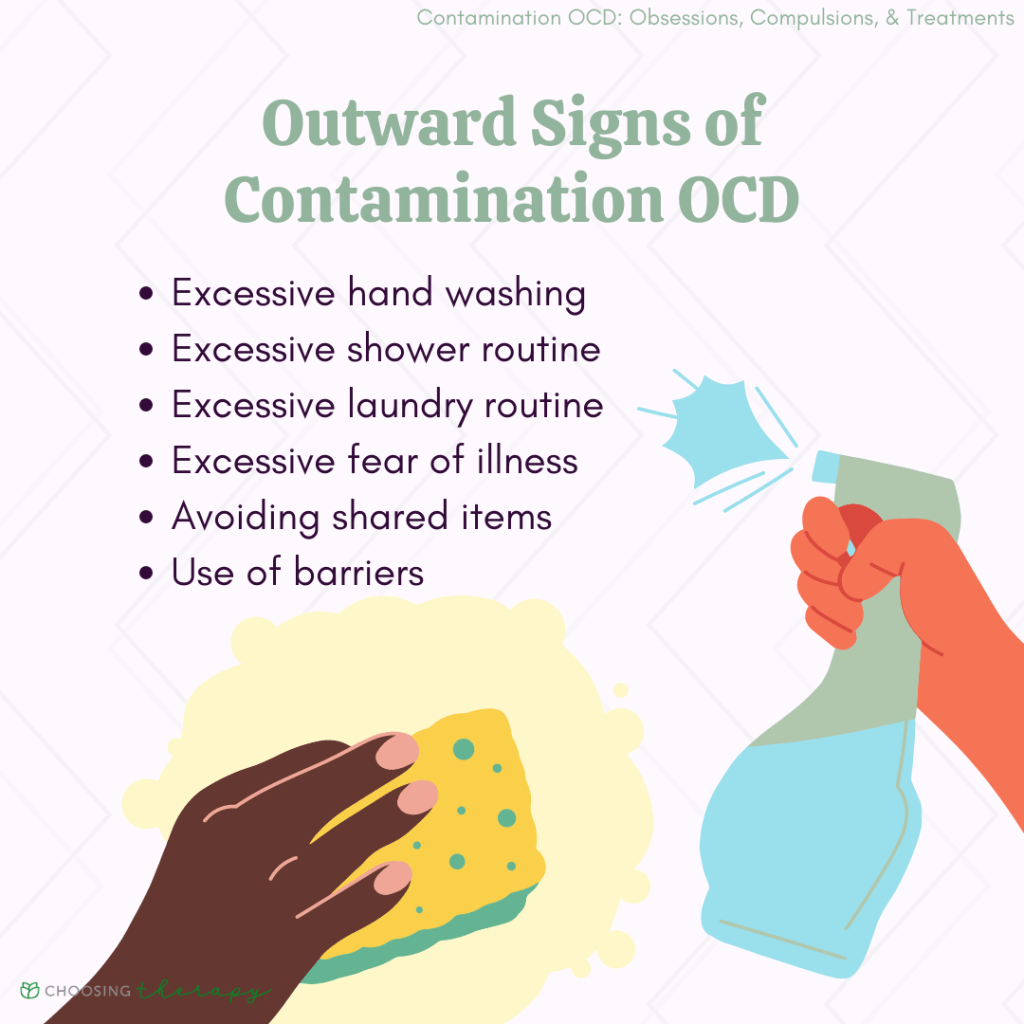
  • Contamination or mental contamination: characterized by the strong fear of being dirty or contracting germs from objects or people. Could excessively brush teeth or scrub hands or shower to wash away bad thoughts.

  • Symmetry and orderliness: organizing books or dvds, making sure everything is neat, clothes folded perfectly and hanging the same way. Can’t shake the strong feeling that it isn’t “just right.” With OCD, the compulsion only provides relief for a short amount of time

Self Improvement Daily – “The most important thing you’ll ever wear is your attitude.”
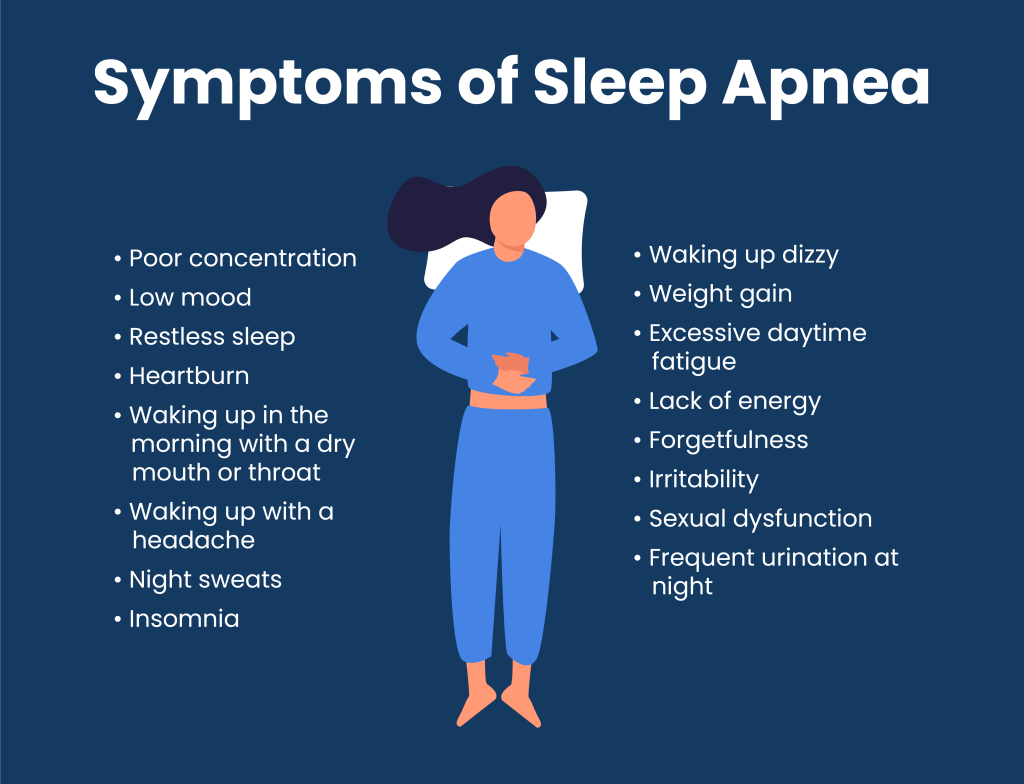
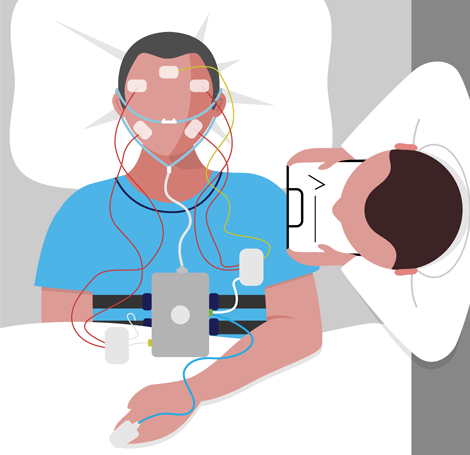
The Well Man’s Podcast – Sleep Apnea
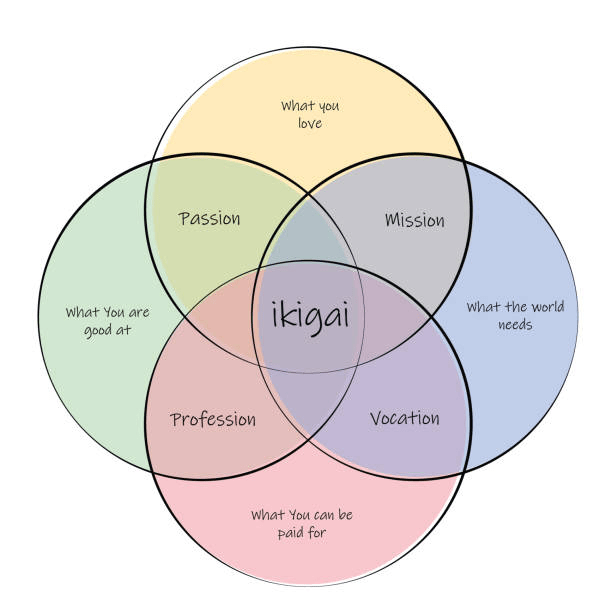
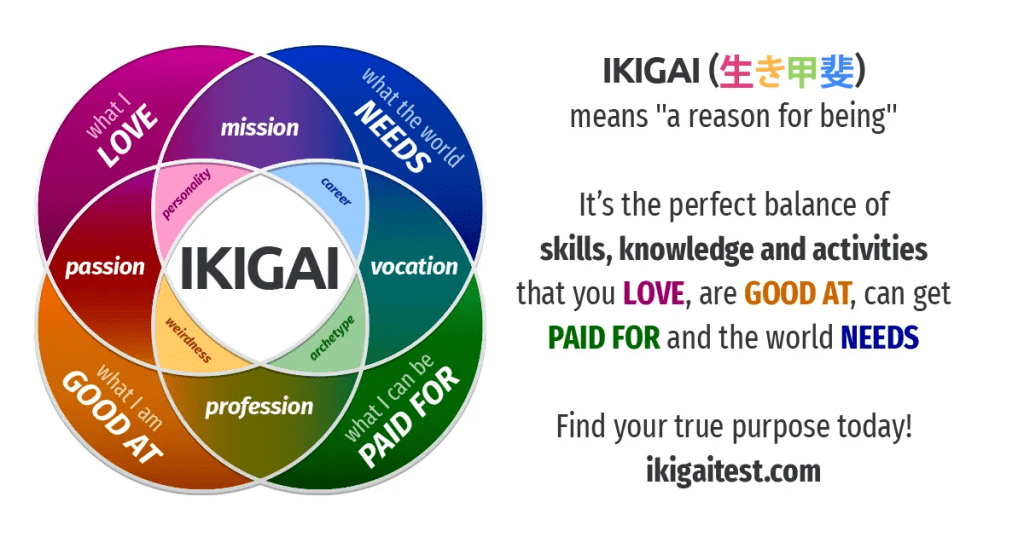
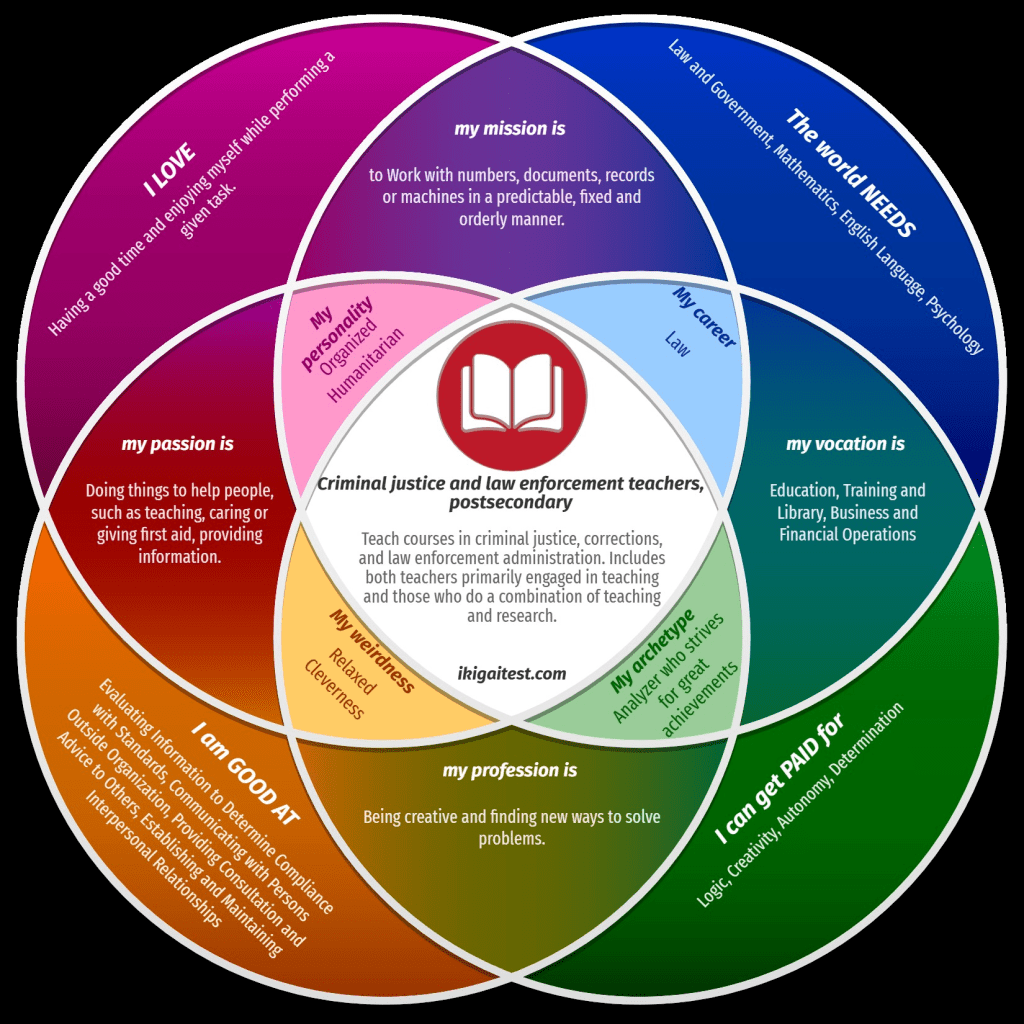
High Performance Mindset – What is Your Ikigai?