Book review posts, Thoughtful Thursday posts, Uncategorized

Thoughtful Thursday – September 14, 2023

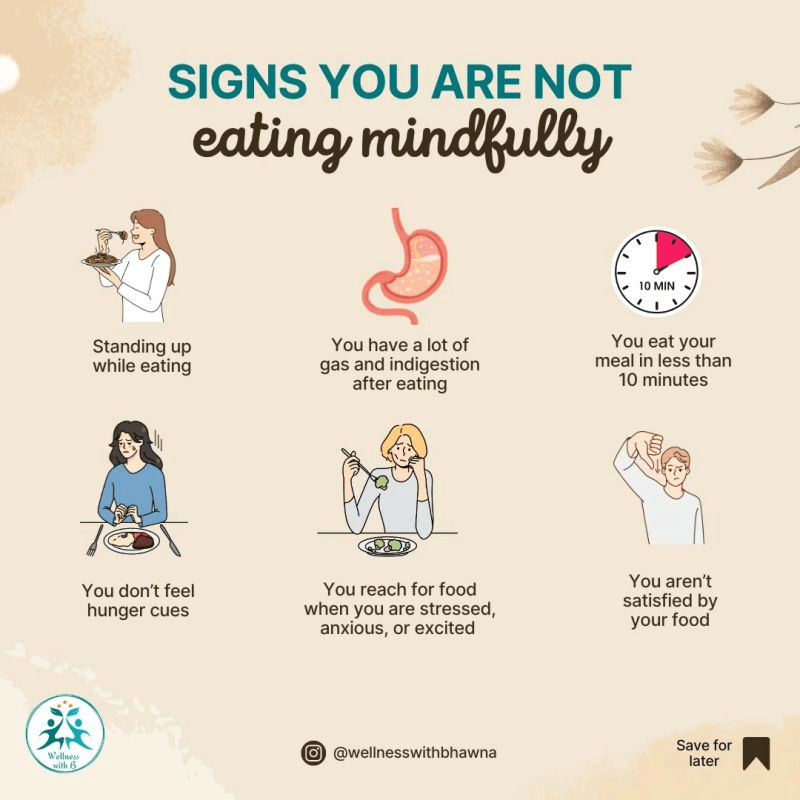
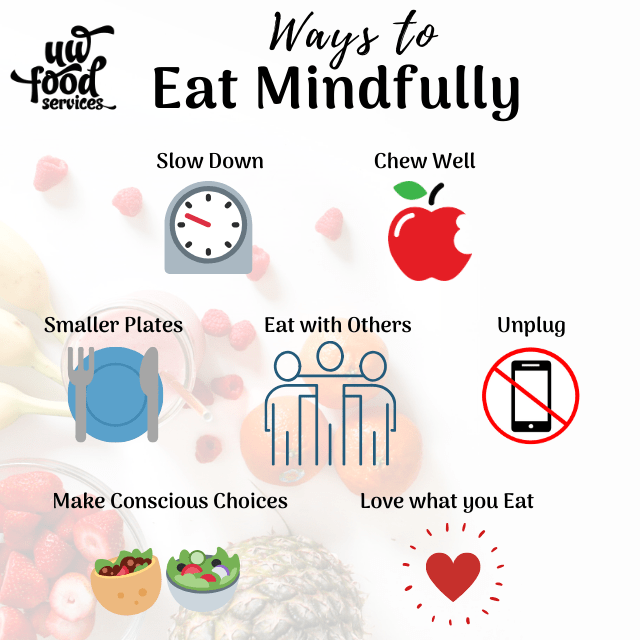
Life Kit – Scarfing down your food? Here’s how to slow down and eat more mindfully
Fit, Healthy & Happy Podcast – 8 Essential Habits to Become Ultra Fit
Mentally Stronger with Therapist Amy Morin – The Truth About Alcohol and Addiction Recovery with Former School Principal/Author Daniel Patterson
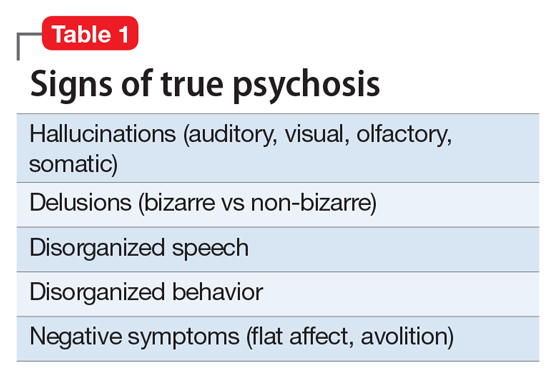
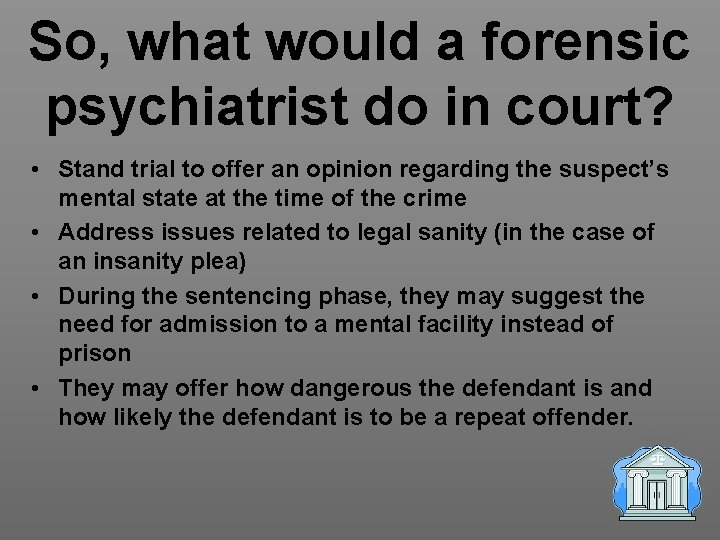
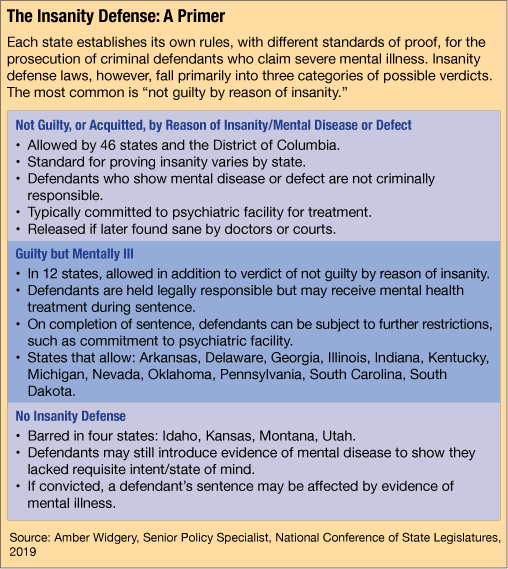
The Jordan Harbinger Show – Dr. Sohom Das – Rehabilitating the Criminally Insane

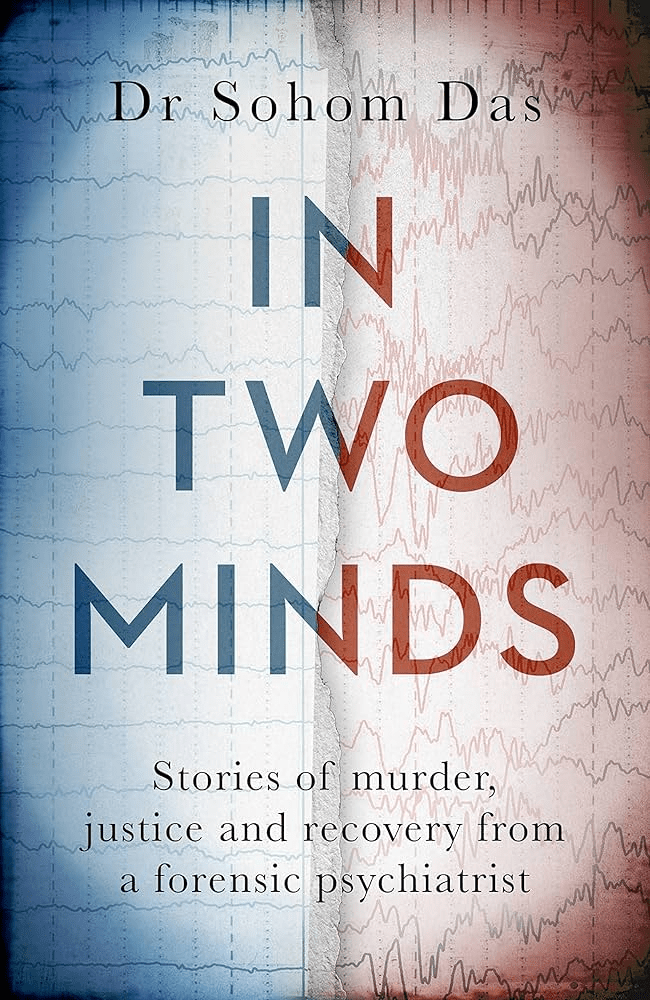
This week I listened to this podcast AND read the book “In Two Minds: Stories of Murder, Justice, and Recovery from a Forensic Psychiatrist” written by Dr. Sohom Das.

Thoughtful Thursday posts, Uncategorized

Thoughtful Thursday – September 7, 2023

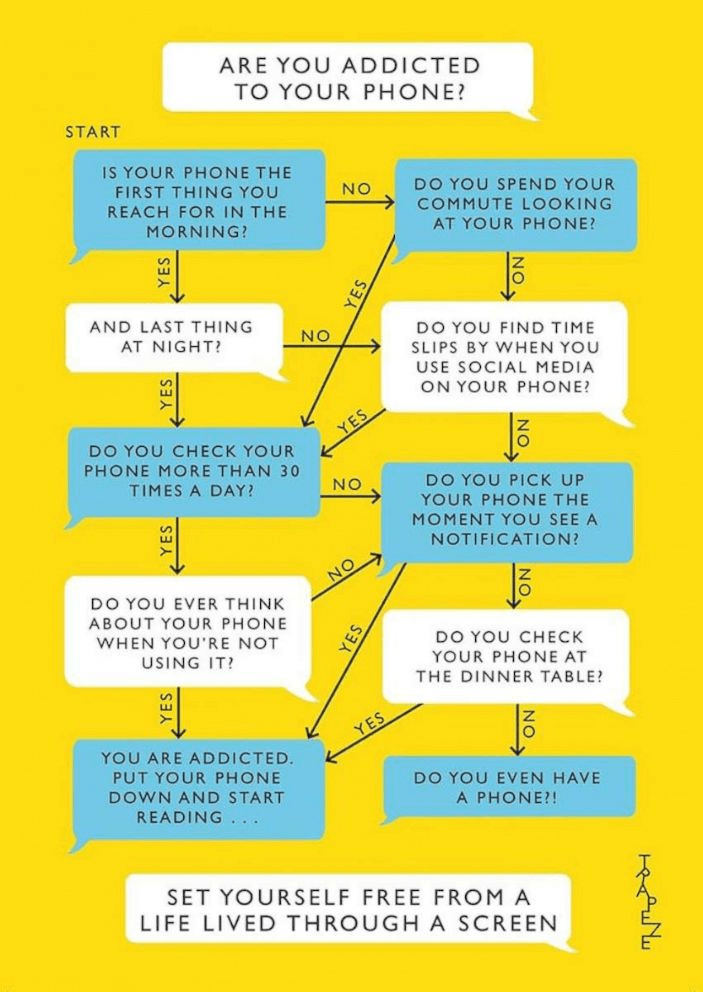
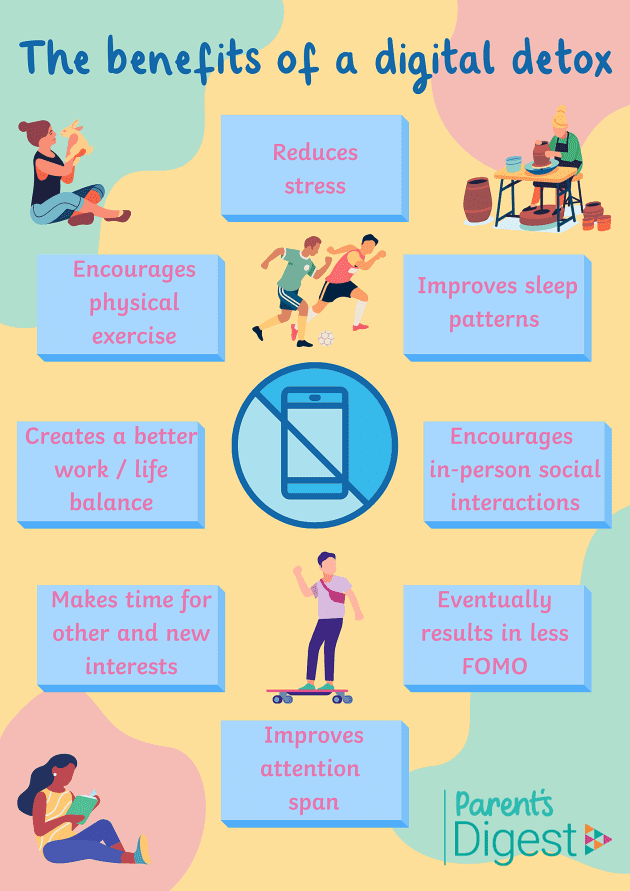
Chasing Life – Breaking Up (and Making Up) with Your Phone
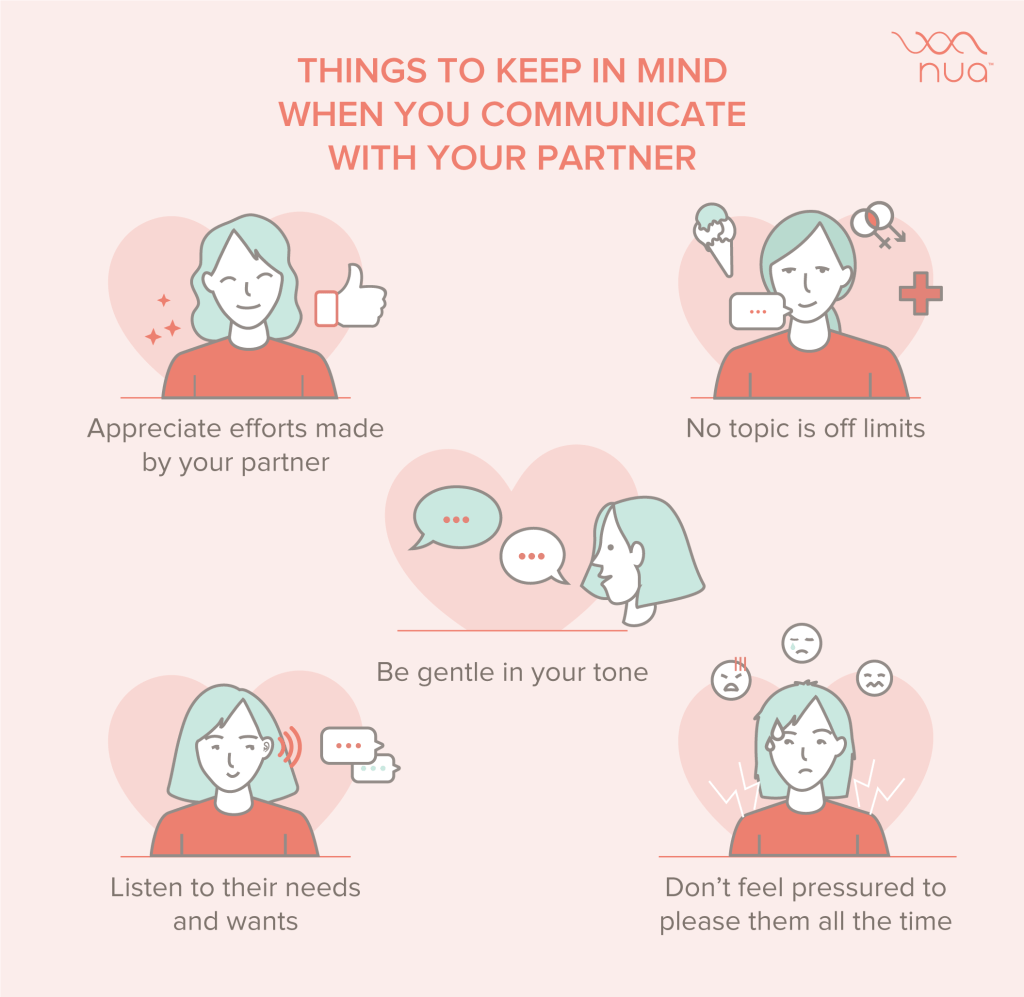
The Verywell Mind Podcast – Encore: Communication Mistakes Most Couples Make
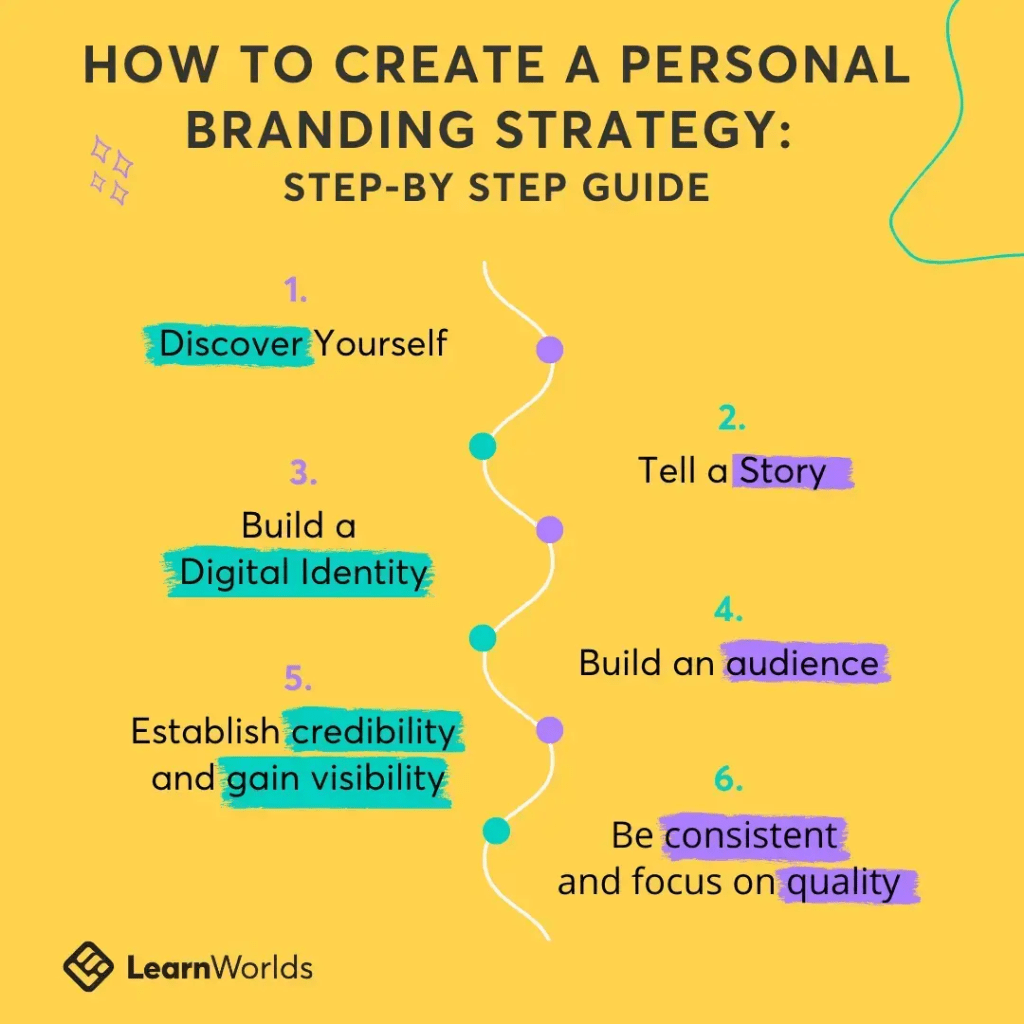
TED Talks Daily – 5 steps to building a personal brand you feel good about
Fit, Healthy & Happy Podcast – 10 Things We Wish We Knew Before We Started Lifting
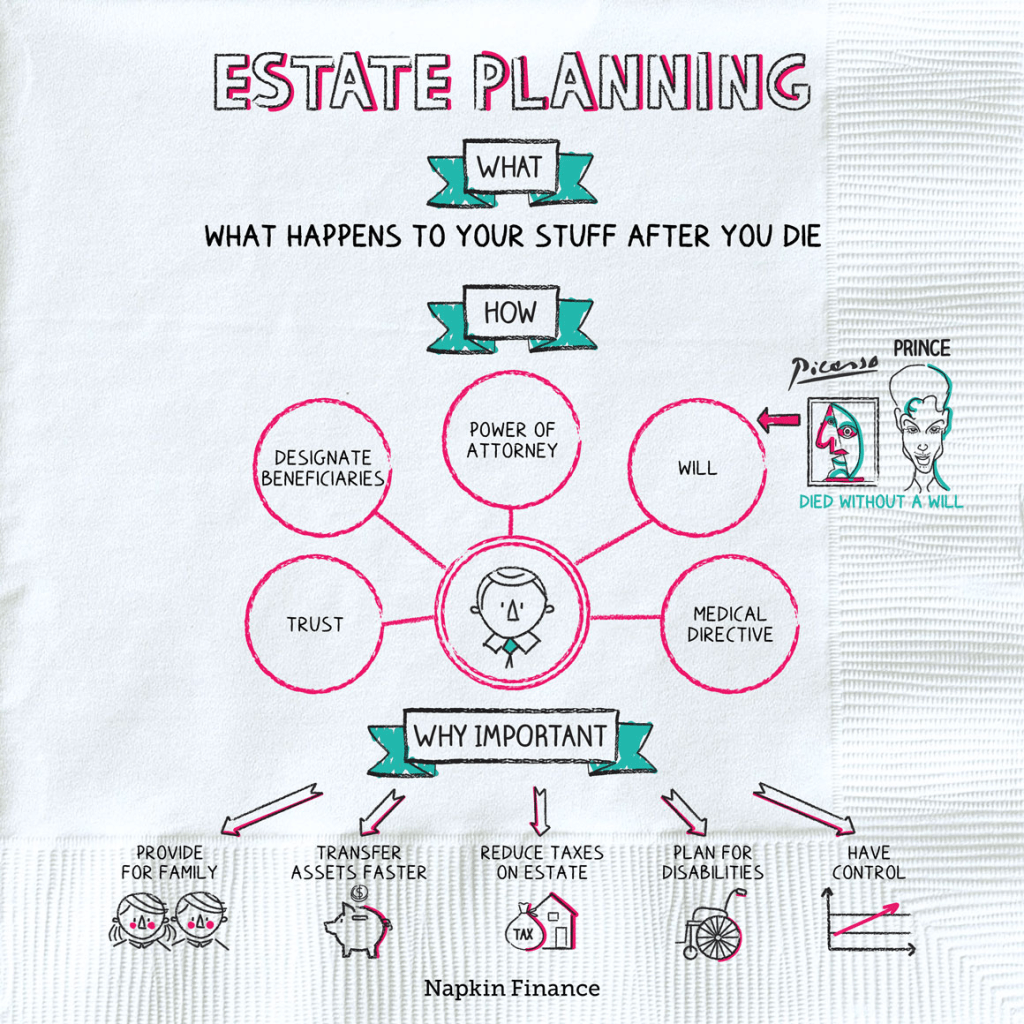
Optimal Finance Daily – Estate Planning 101 by Jesse Cramer
Thoughtful Thursday posts, Uncategorized

Thoughtful Thursday – August 31, 2023

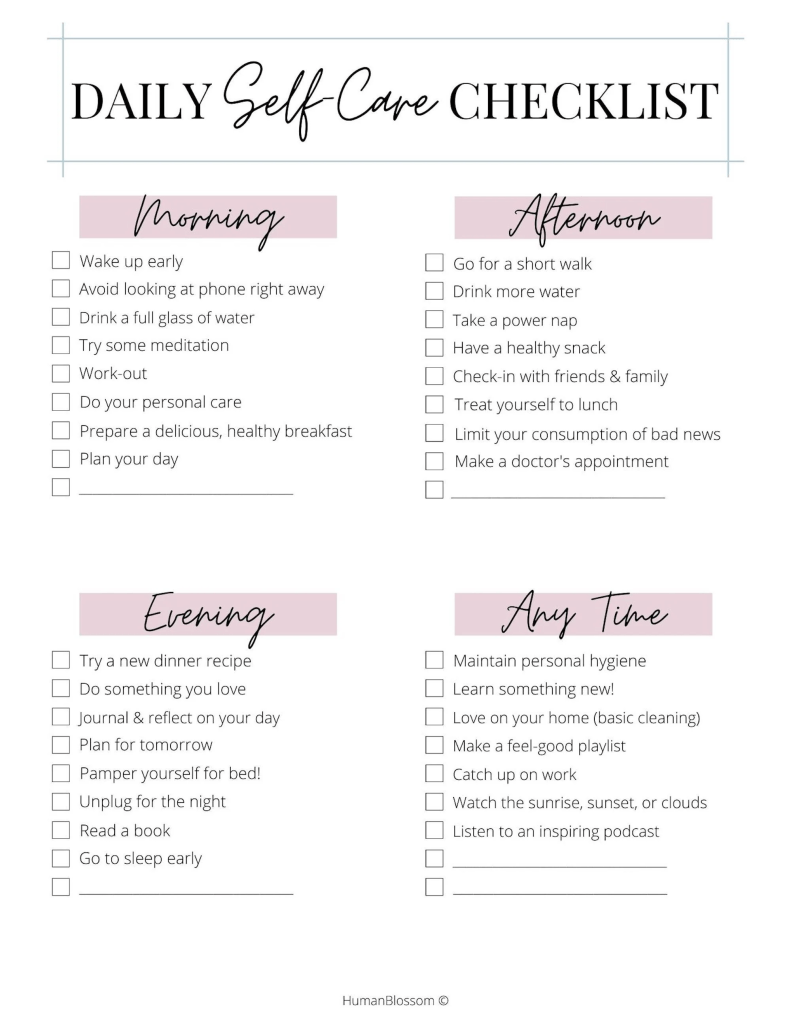
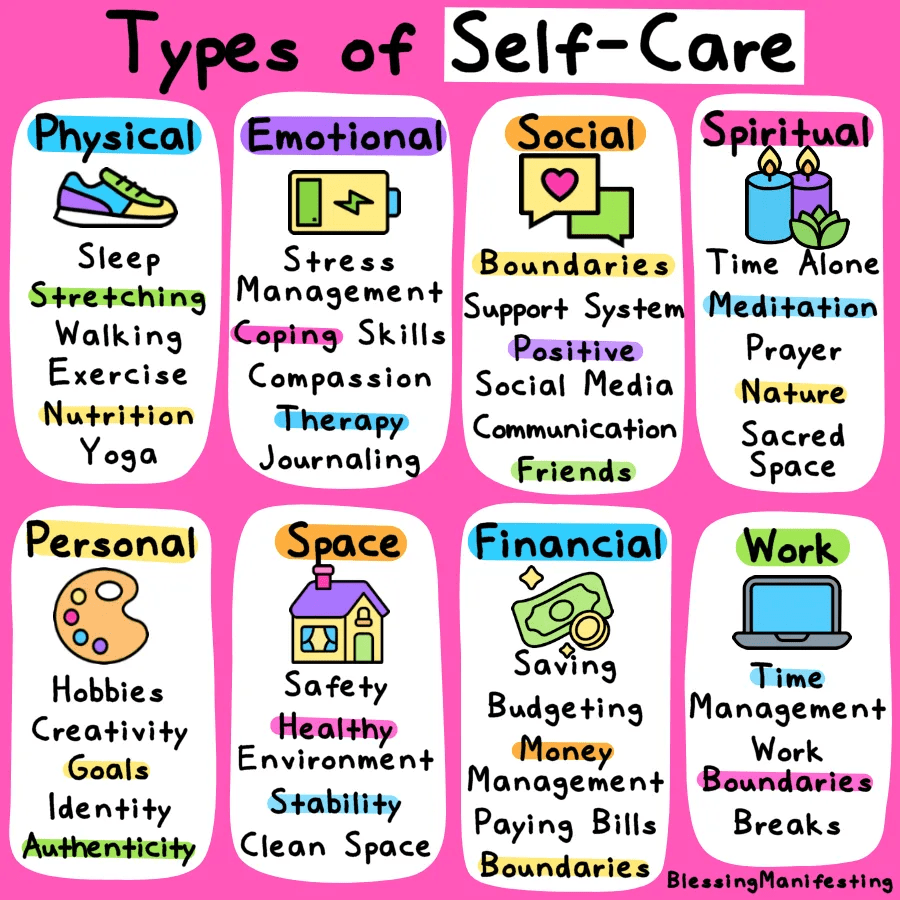
Optimal Living Daily – Self-Care Habits for Your Daily Routine
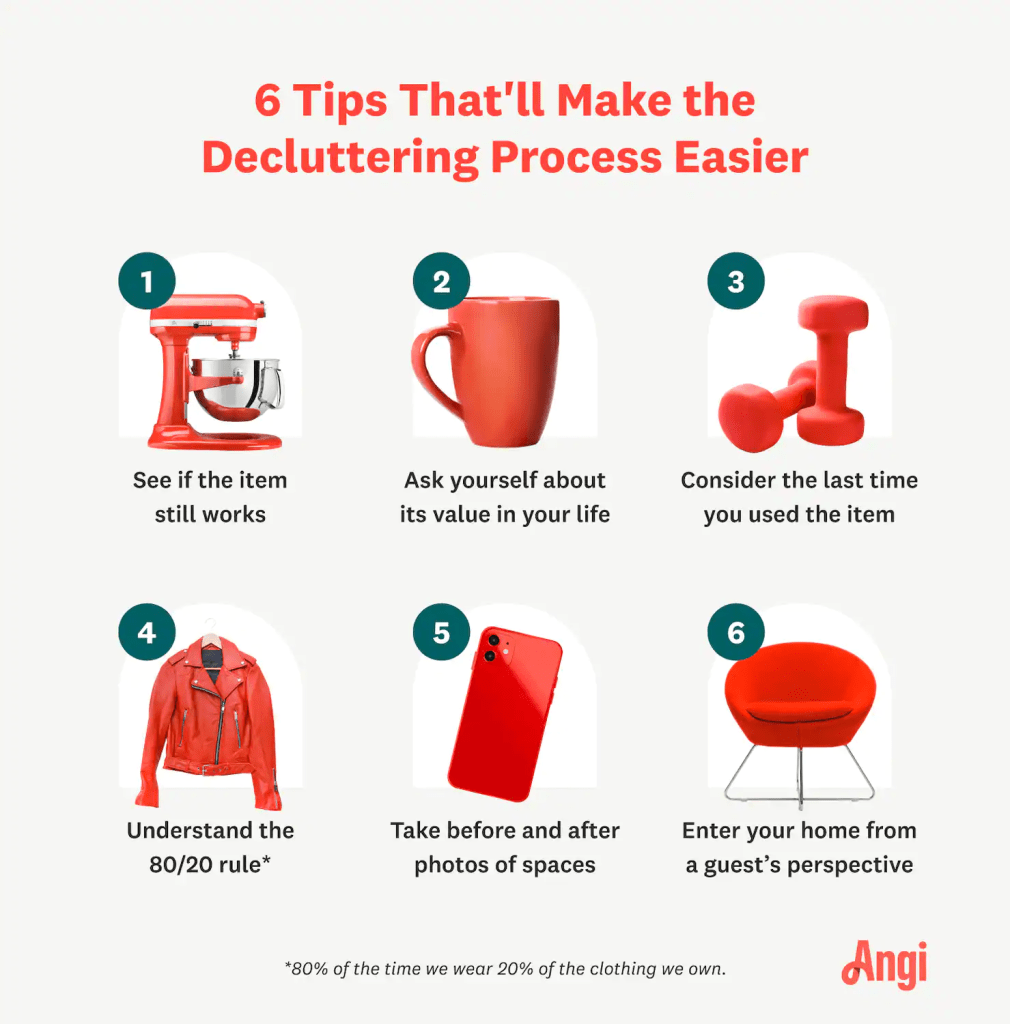
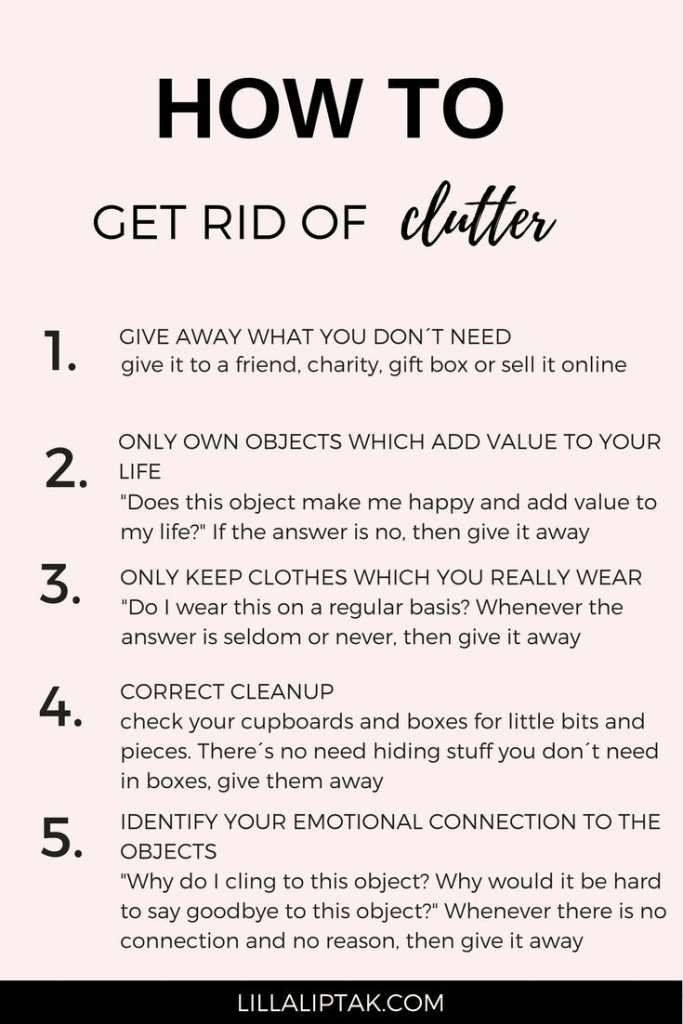
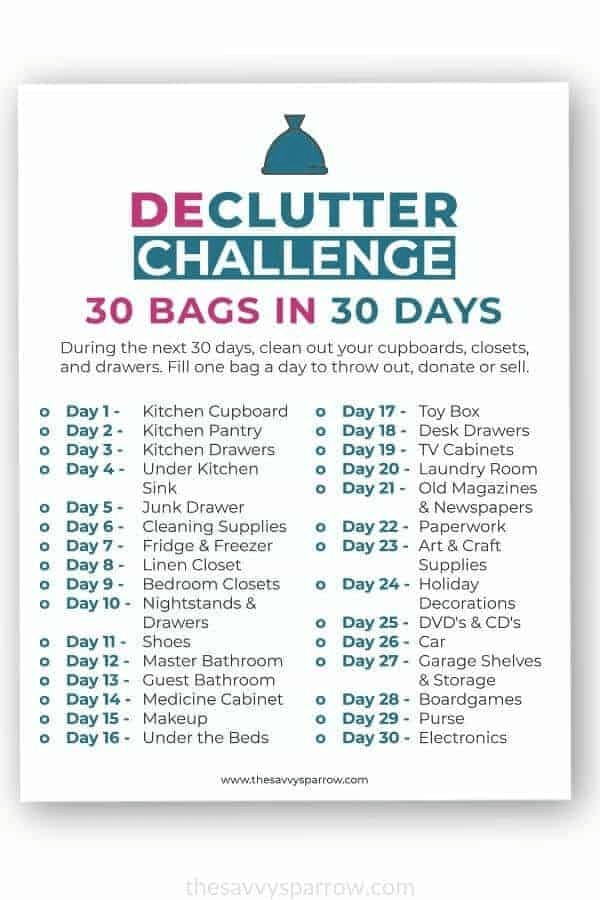
Optimal Living Daily – Where Do I Start Decluttering?

https://www.dummies.com/book/home-auto-hobbies/home-improvement-appliances/general-home-improvement-appliances/home-maintenance-for-dummies-2nd-edition-282279/

DIY Money – Whole Life Insurance
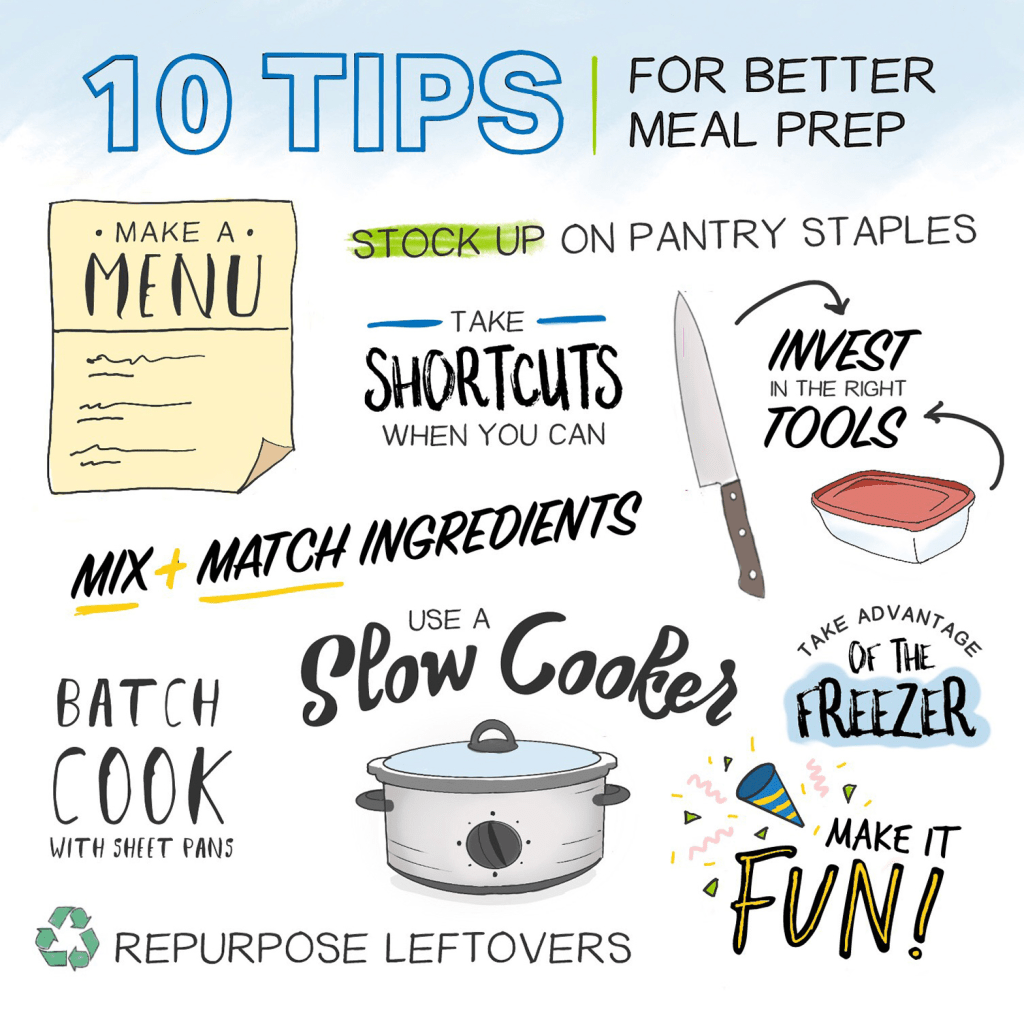
Life Kit – Meal prep made easy
Thoughtful Thursday posts, Uncategorized

Thoughtful Thursday – August 24, 2023

Fit, Healthy & Happy Podcast – 8 Tips For Better Workouts
Psych2Go On the GO – 4 Types of OCD & How They Manifest
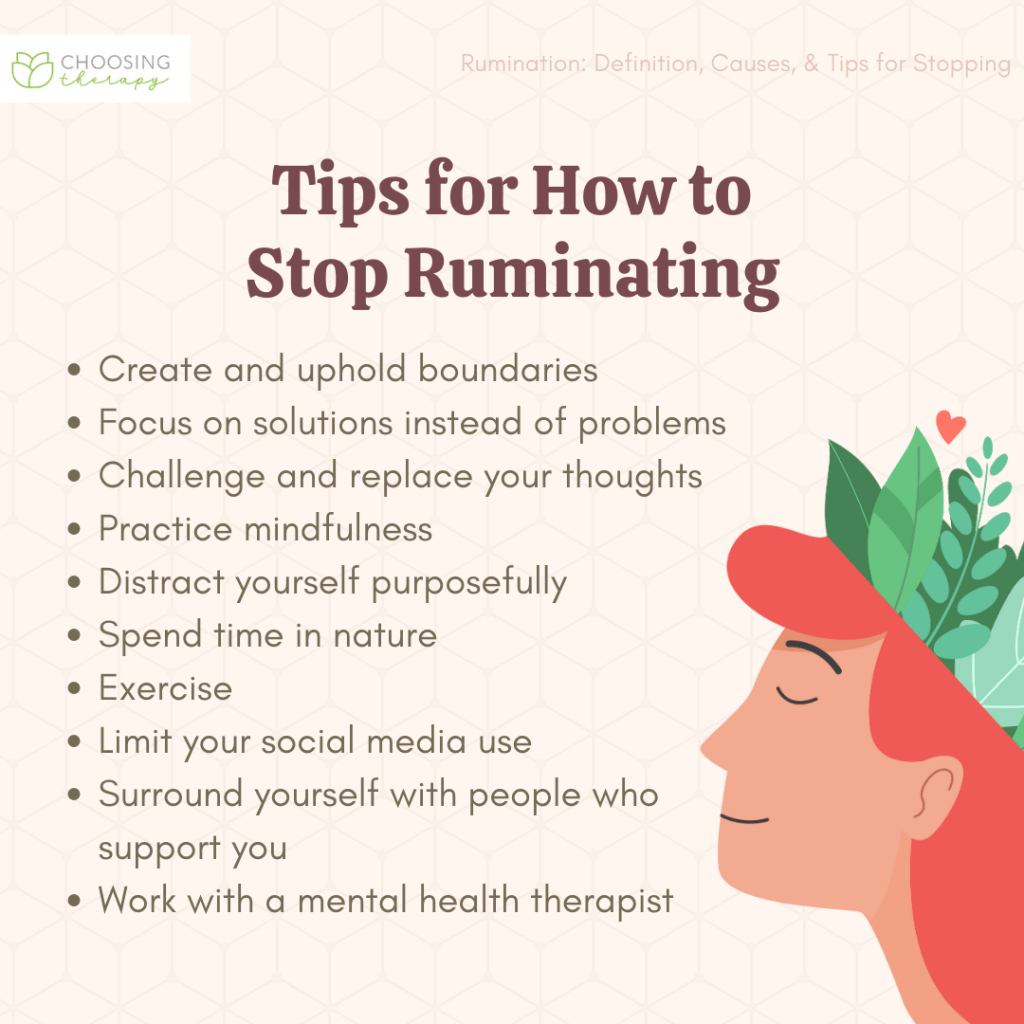
  • Intrusive thoughts and rumination: repetitive and constant thoughts ranging in topic, but common ones are violent intrusive thoughts, sexual intrusive thoughts, obsessions, and analyzing things followed by rituals or compulsions to make the bad things not happen. Ruminations are when one dwells upon a question or theme that is unproductive and likely to lead nowhere.

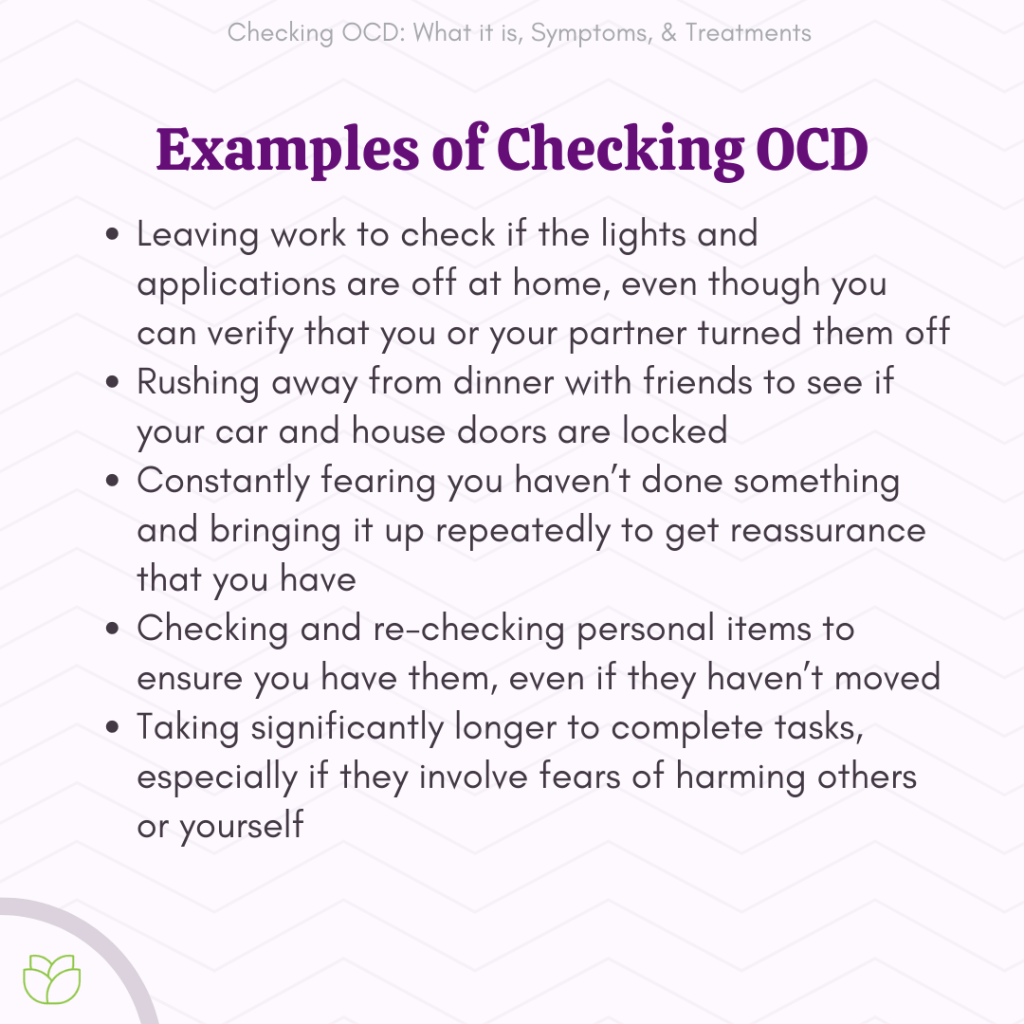
  • Checking: OCD can present itself in the need to check on something (acts on the compulsion). This can display itself in a variety of ways: checking in with family members to gain reassurance about their firms, unrelenting need to check the door repeatedly to make sure it’s locked out of fear of a burglary, checking an e-mail over and over analyzing imperfections, etc.

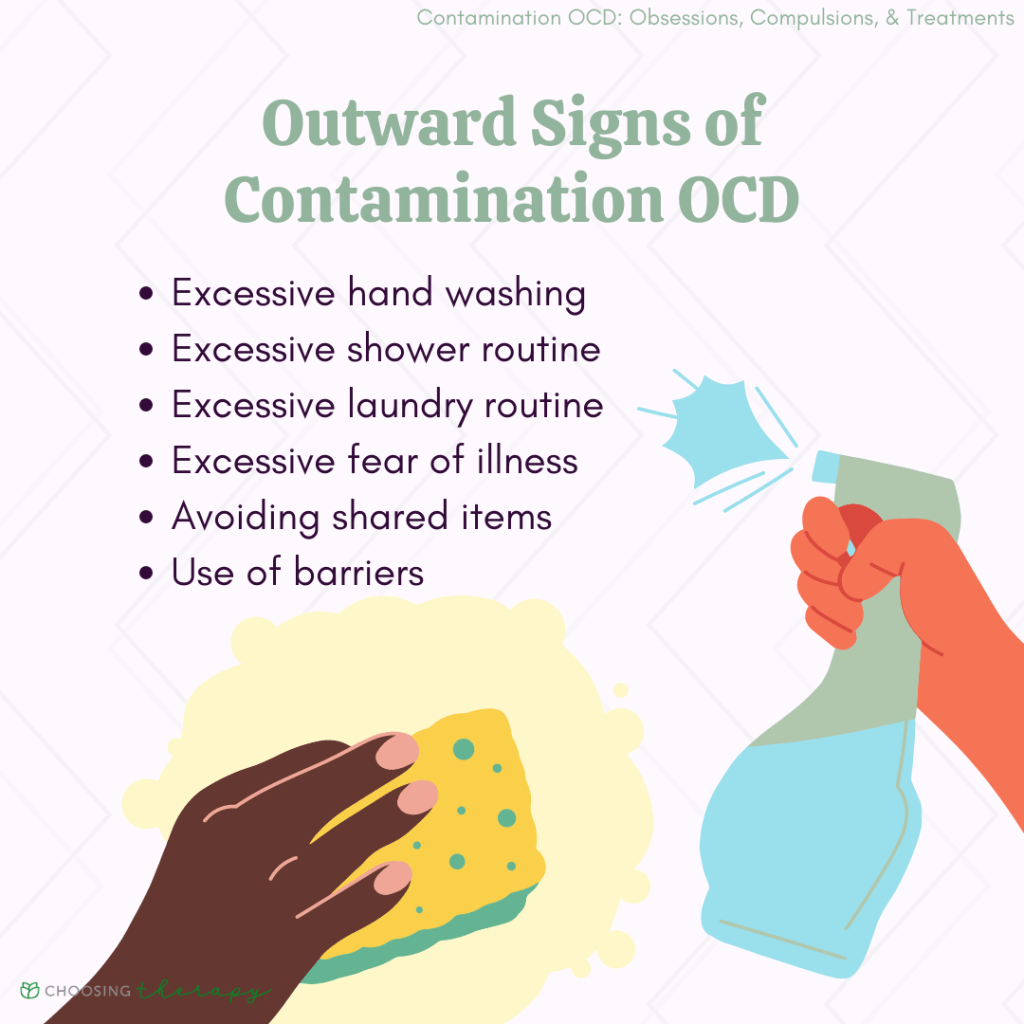
  • Contamination or mental contamination: characterized by the strong fear of being dirty or contracting germs from objects or people. Could excessively brush teeth or scrub hands or shower to wash away bad thoughts.

  • Symmetry and orderliness: organizing books or dvds, making sure everything is neat, clothes folded perfectly and hanging the same way. Can’t shake the strong feeling that it isn’t “just right.” With OCD, the compulsion only provides relief for a short amount of time

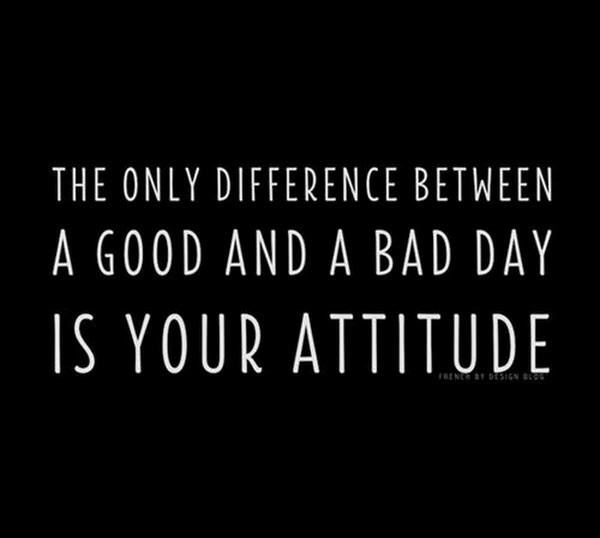
Self Improvement Daily – “The most important thing you’ll ever wear is your attitude.”
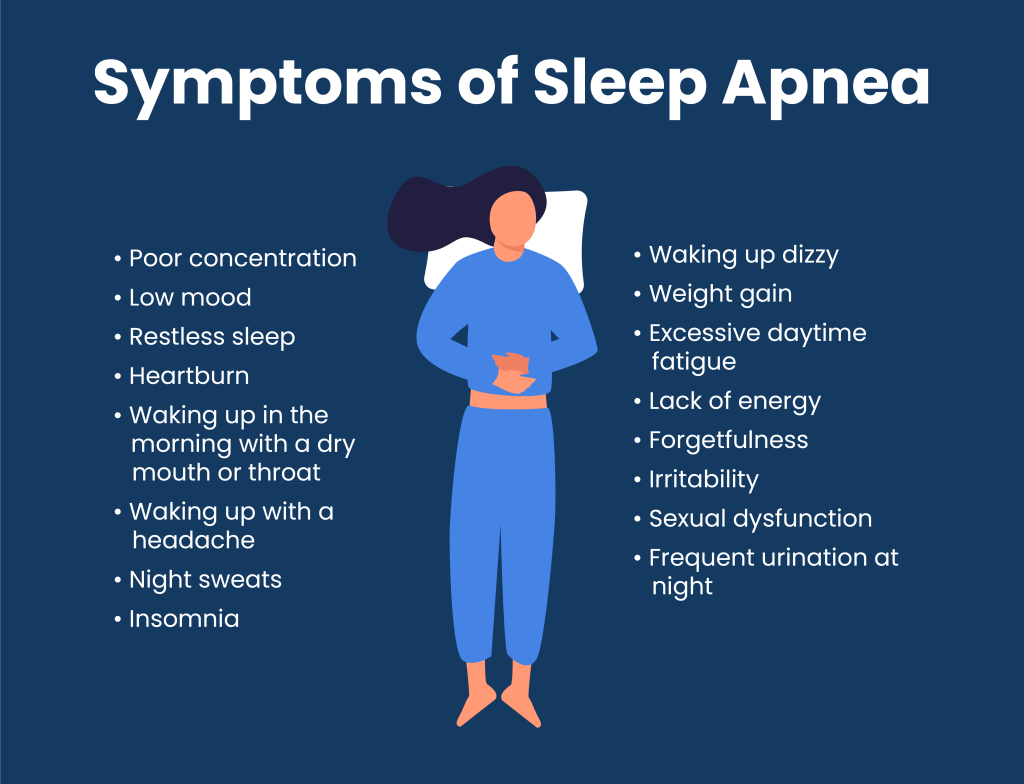
The Well Man’s Podcast – Sleep Apnea
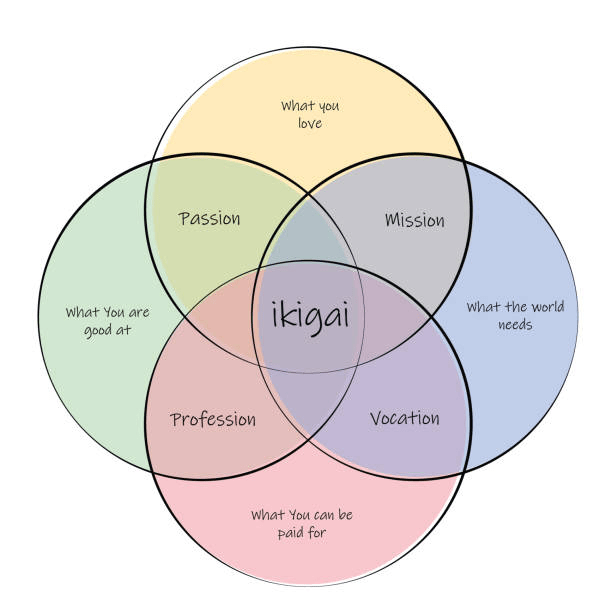
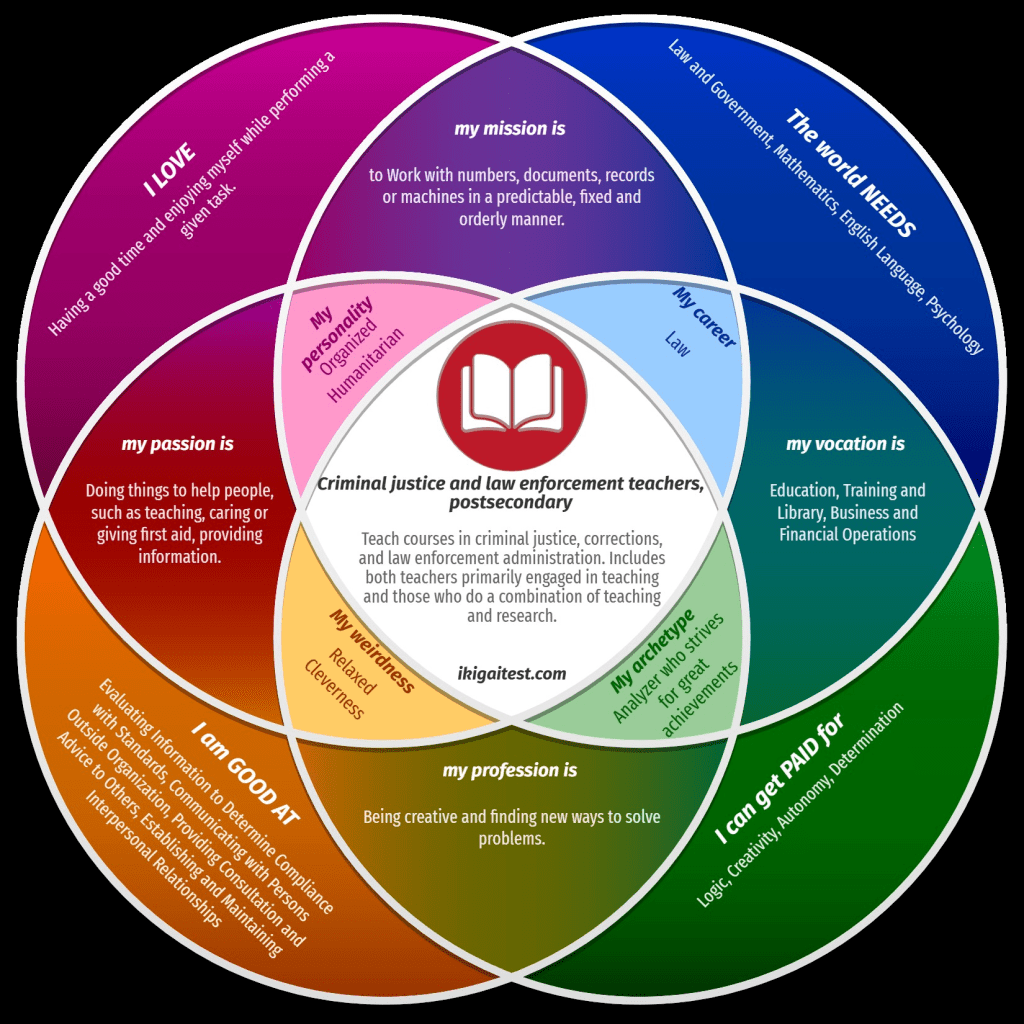
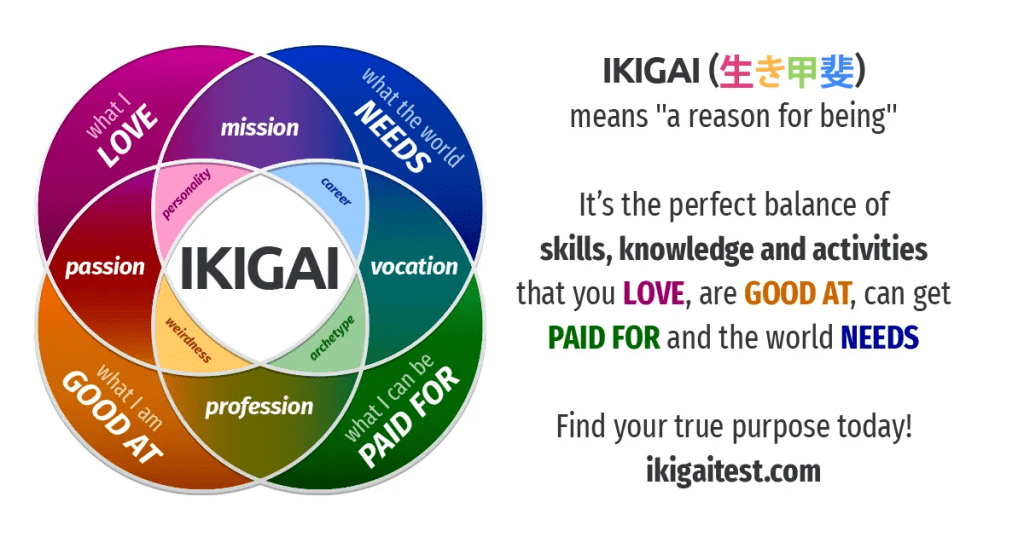
High Performance Mindset – What is Your Ikigai?
Thoughtful Thursday posts, Uncategorized

Thoughtful Thursday – August 17, 2023

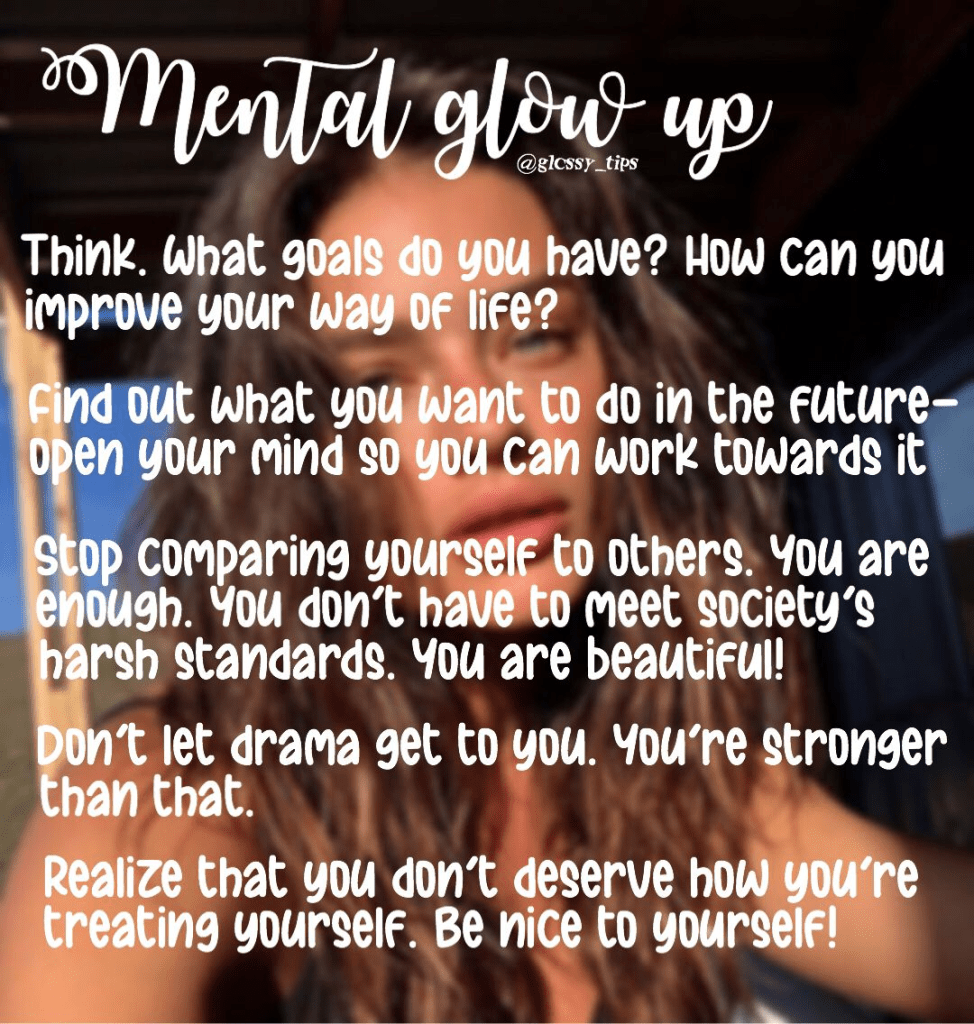
Fit, Healthy & Happy Podcast – How to Glow Up Mentally (Mental Health Checklist)
Sad to Savage – How I Became The Person I Was Envying
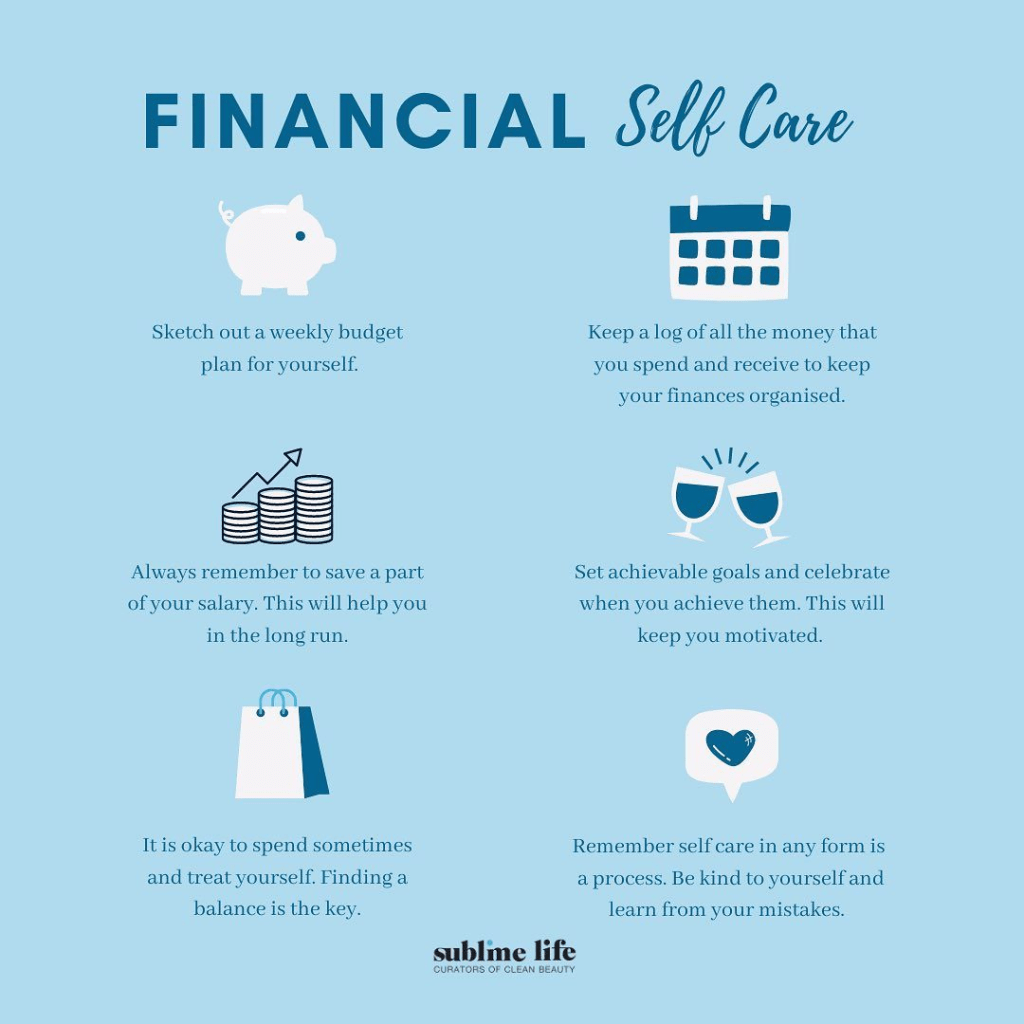
Life Kit – Start a financial self-care routine
  • Monthly:
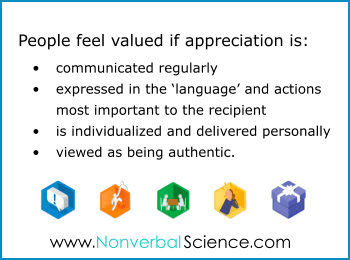
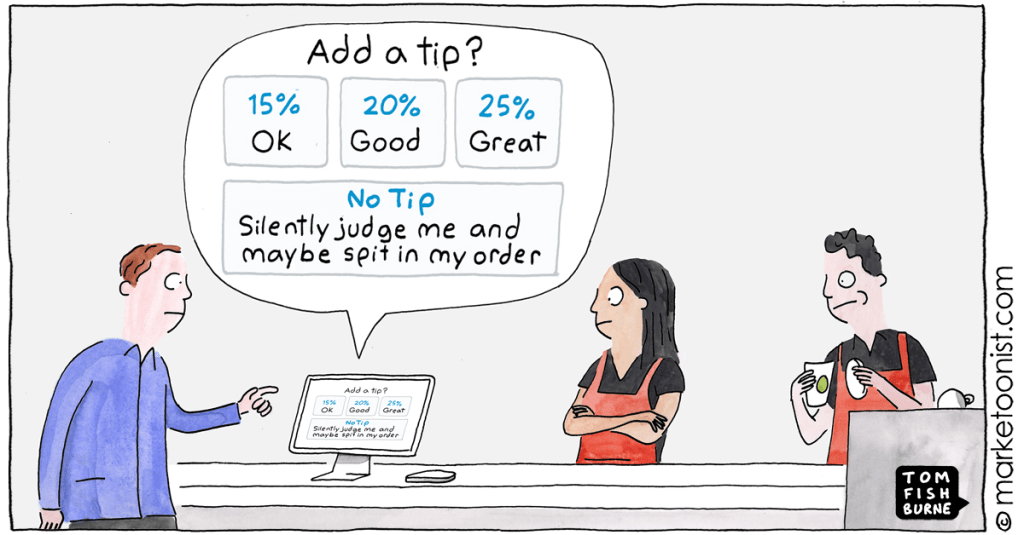
Frugal Friends Podcast – How Much Should You Tip?

Non-negotiable:

Thoughtful Thursday posts, Uncategorized

Thoughtful Thursday – August 10, 2023

My intention is to post a Thoughtful Thursday column each week and share some of the insights I have learned in the past week. Here are some of the things I’ve learned this week:

Optimal Health Daily – 10 Simple Fitness Tips You Can Implement Today by Lea Genders
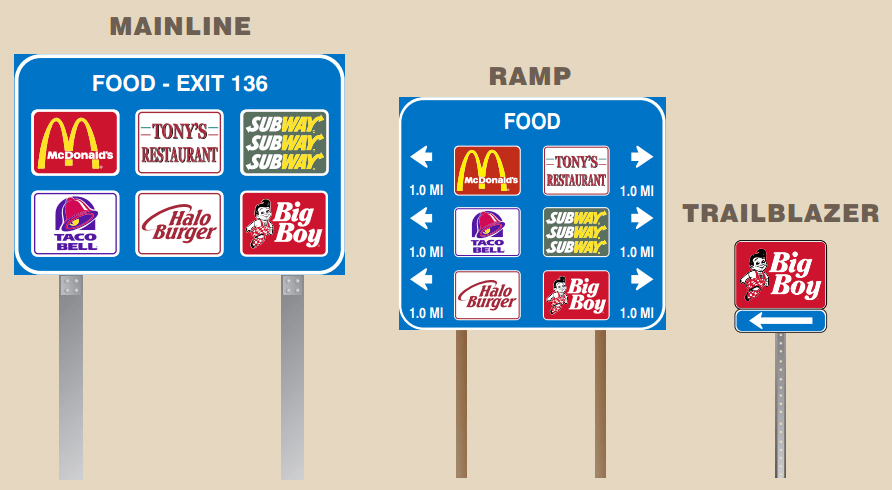
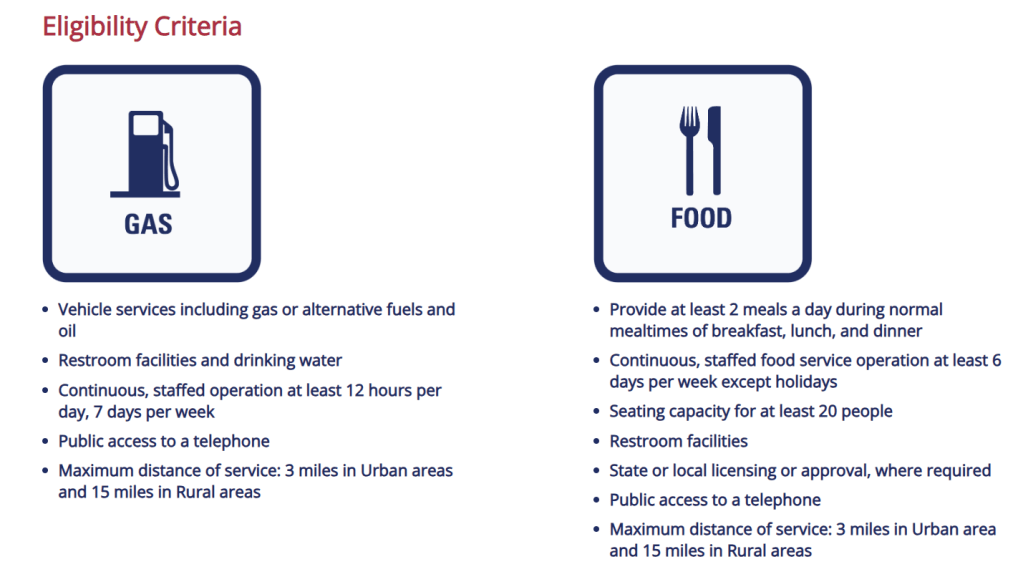
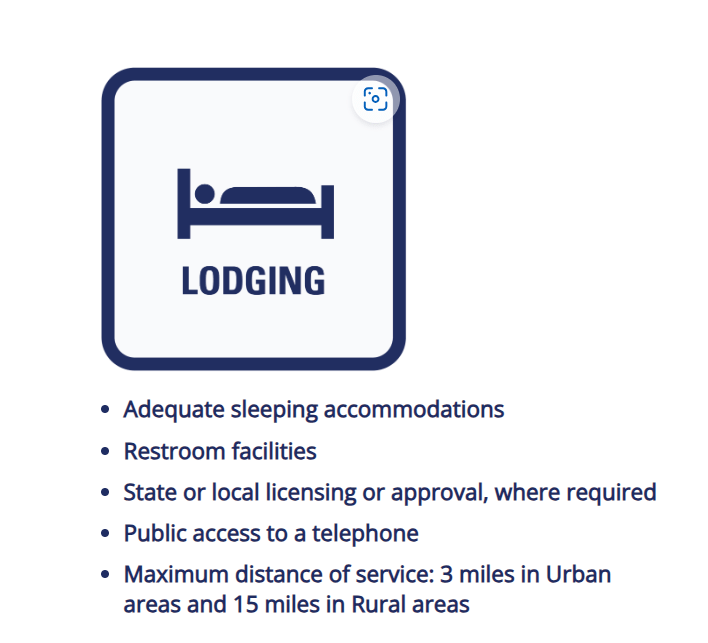
Stuff You Should Know – Short Stuff: Blue Highway Signs

https://minnesota.interstatelogos.com/state/eligibilityCriteria.aspx?programId=085

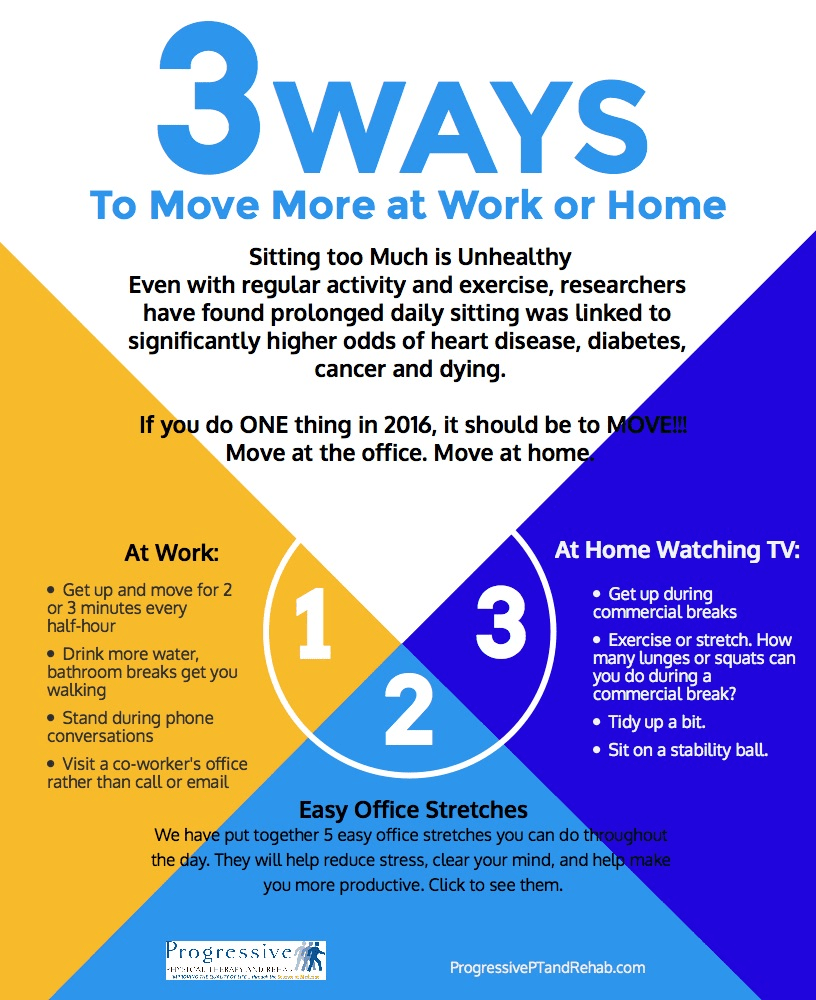
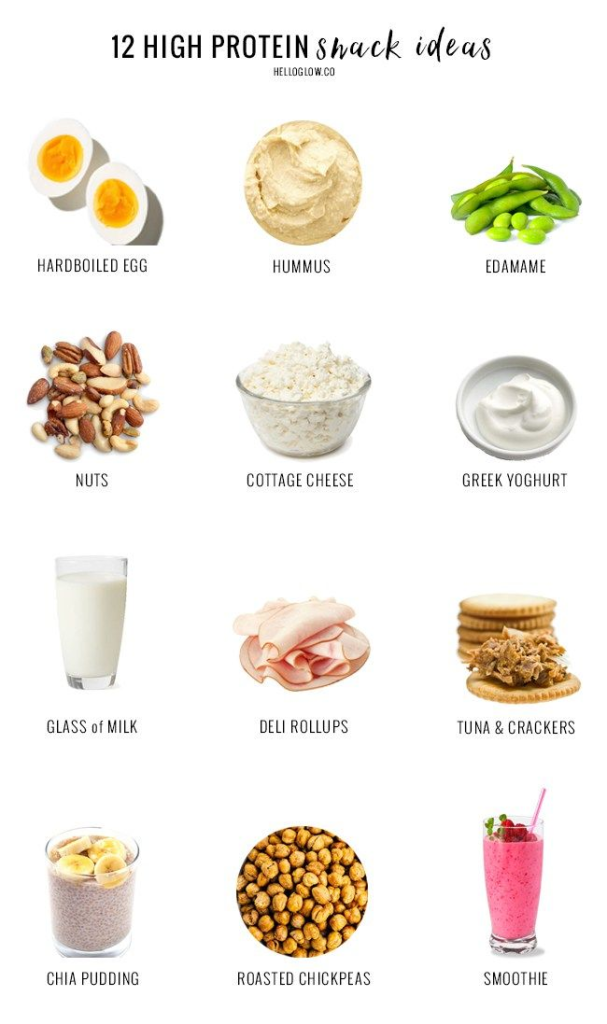
Fit, Healthy & Happy Podcast – 20 Healthiest Meals & Snacks to Eat In A Pinch

This post was taken directly from Seth’s Blog, a daily blog I read.

Anti-smart

There’s a difference between intellectual and smart. A plumber is smart, they know how to do a skilled and effective job on the task at hand. Intellectualism isn’t about practical results, it’s a passion for exploring what others have said, though this approach is sometimes misused to make others feel uninformed or to stall.

If you want to know what the scholars have written, ask an intellectual.

And if you’ve got a problem worth solving, it might pay to ask a smart person.

And yet, if the GPS is broken and we need directions, sometimes we hesitate to ask a local. And if your computer isn’t working, swearing at it might be less effective than asking an IT pro.

There are a couple of reasons we might resist help from someone who is smart:

–It exposes us to change and all the emotions that come from that. If we insulate ourselves from useful insight, we can stay put, stuck, with no changes required.

–It can make us seem dumb in comparison. It might be better to live with the problem than be seen as someone who didn’t know about it.

Access to smart is easier than ever before. But we need to seek it out.

Thoughtful Thursday posts, Uncategorized

Thoughtful Thursday – August 3, 2023

The Productive Woman – 9 Reasons to Declutter
Sad to Savage – In My Running Era & Habits For The Last Half of 2023

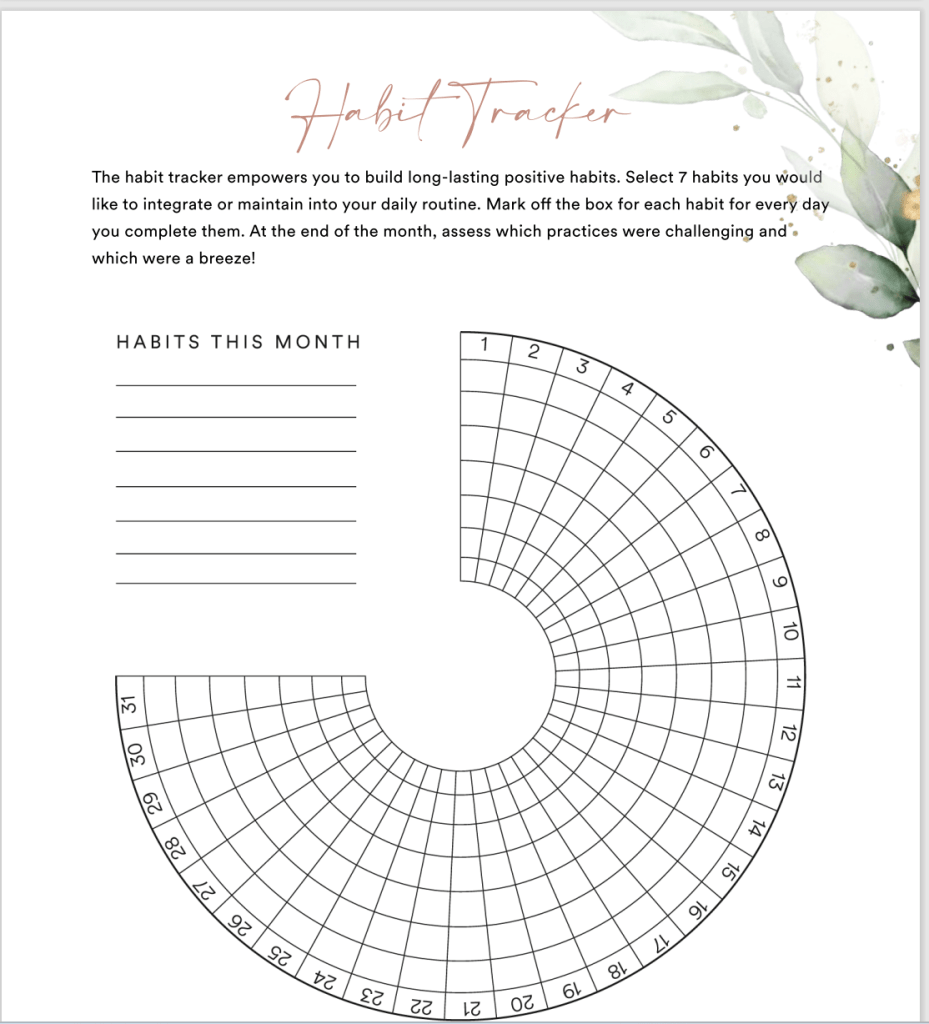
I use my Silk & Sonder journal to track my habits and you can get a free digital habit tracker here. It looks like the photo below.

https://www.silkandsonder.com/blogs/news/free-silk-and-sonder-printable

Life Kit – Let’s have some cheap fun
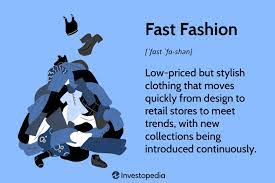
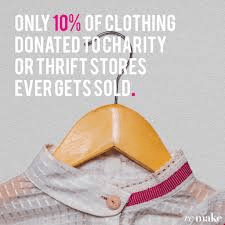
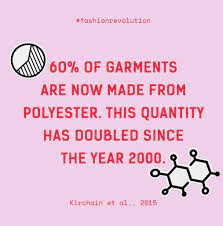
The Jordan Harbinger Show – Fast Fashion- Skeptical Sunday
Sad to Savage – Your New Daily Affirmations
Thoughtful Thursday posts, Uncategorized

Thoughtful Thursday – July 20, 2023

My intention is to post a Thoughtful Thursday column each week and share some of the insights I have learned in the past week. Here are some of the things I’ve learned this week:

Optimal Living Daily – Important Questions to Ask When Planning Your Week
  • What do I want/need to accomplish this week?
  • What’s the weather going to be like this week?
  • Is everything on my list in alignment with my unique priorities and values?
  • Is my to-do list for the week reasonable and realistic given my other commitments?
  • Do I have sufficient self-care scheduled in each day?
  • If something comes up last minute, do I have the flexibility to handle it with grace and ease?
NerdWallet’s Smart Money Podcast – Social Media Shopping Tips, and Smart Spare Cash Investing
  • Everything on social media seems so urgent. Influencers say that there is a limited time to make this purchase with their discount code, so people are likely to make impulse purchases. Realize that you can probably find a different discount code later if you really want to.
  • Take the time to compare prices and check out reviews online before purchasing items on social media. You can use the Honey browser extension to pull in discount codes.
  • I have been tempted to impulsively purchase items on social media, but after looking at reviews online, I have decided against it many times. Keep in mind that many influencers are being paid to promote products and do not have your best interests in mind. Sometimes these products are not highly-rated.
  • Consider using a credit card for extra fraud protection.
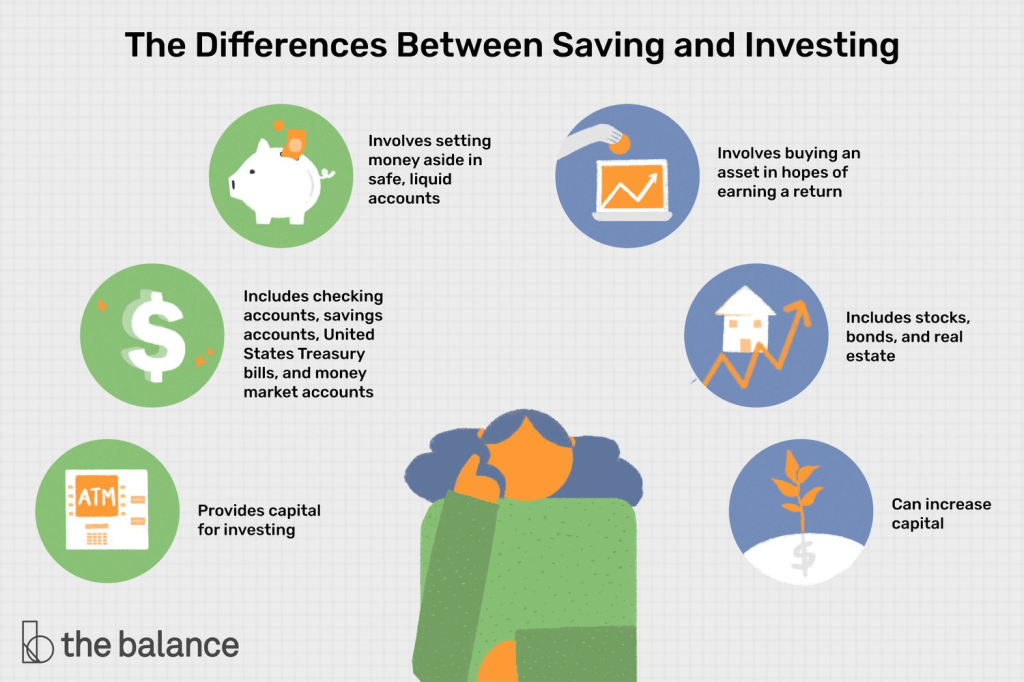
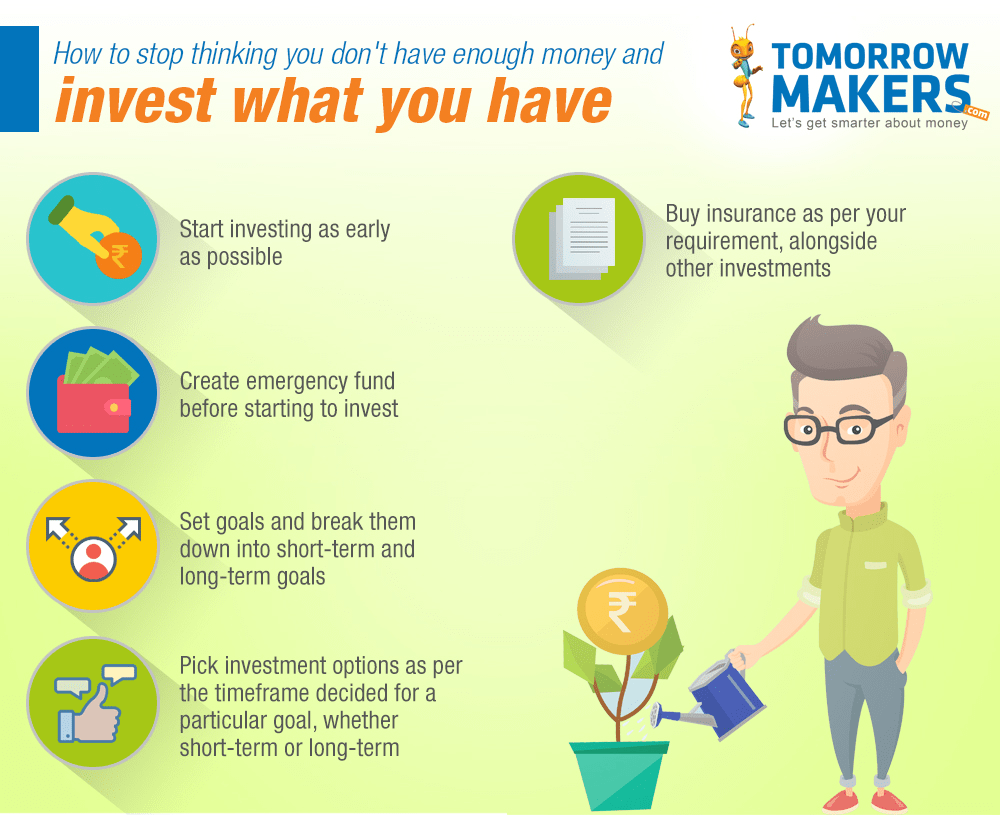
  • Know how to save for emergencies and work to save 3-6 months of essential costs. Weigh your investment options.
  • Invest in stocks if you don’t need the funds for at least five years. This is because dips in the stock market can take time to recover.
  • Index funds are a popular investment option because they are hands-off. They can generate a reliable return over long periods of time. Index funds average returns of up to 10% each year.
  • If you want to be more active than index funds, you can buy mutual funds or exchange traded funds (ETFs) that target particular segments of the market (ex: technology, healthcare, etc.) You could also buy individual stocks. Researching individual stocks can take a lot of work and they are likely to fluctuate a lot.
  • Short-term options: high-yield savings account, money market savings account, CDs, and short-term bonds
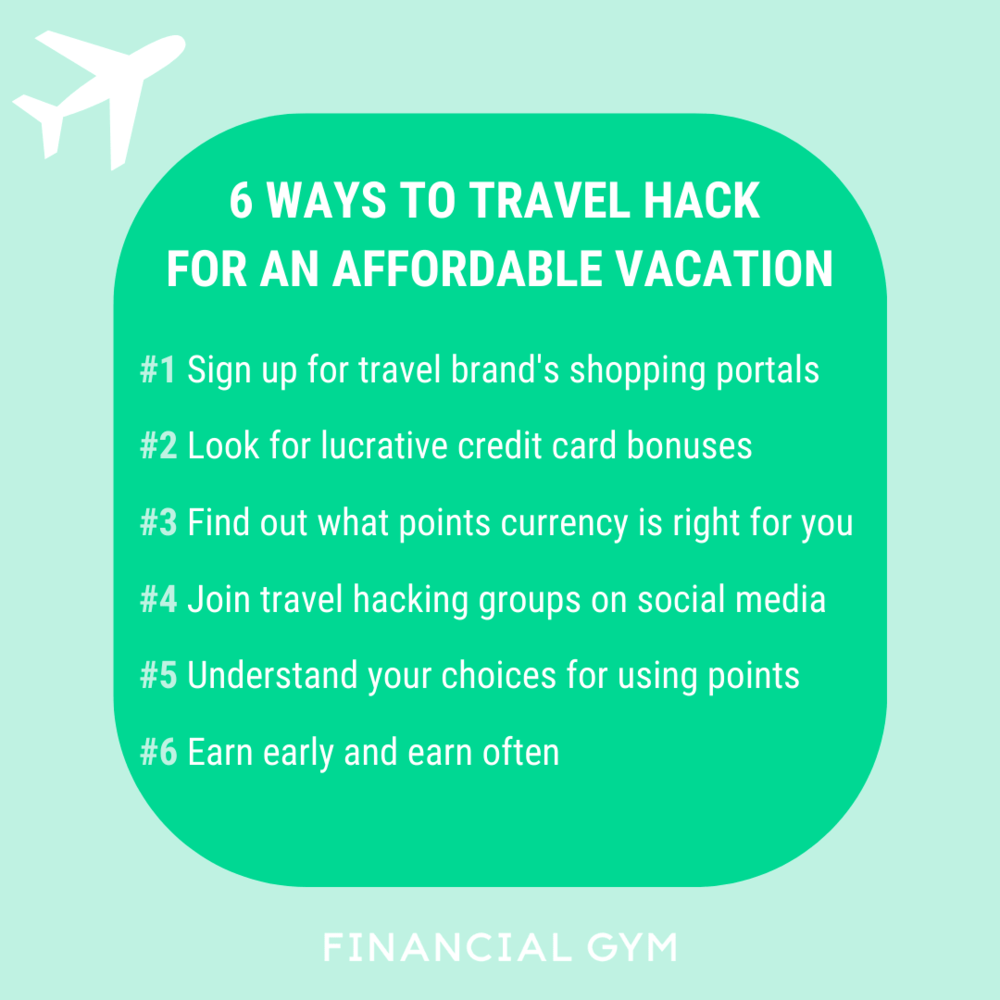
Frugal Friends Podcast – How to Hack Your Next Vacation with Chris Hutchins
  • Use Google Flights to search for multiple dates, airports, and airlines
  • International travel: book flights to a major city near the non-major city you want to travel to and then look into local options to get to non-major city (saves $$$)
  • Negotiate your Airbnb, especially if last-minute or a lot of availability is showing on their calendar. Reverse-image search to see if this listing is posted elsewhere at a lower cost. Then try to negotiate. I have never tried this, but I have read many success stories!
  • Large families- ask hotels if they have a discount for booking a second room.
  • Book hotels directly on the hotel’s website. Ask for upgrades.
  • Use Autoslash.com for car rentals.
  • Airalo – directory of esims you can buy all over the world for international travel for your phone.
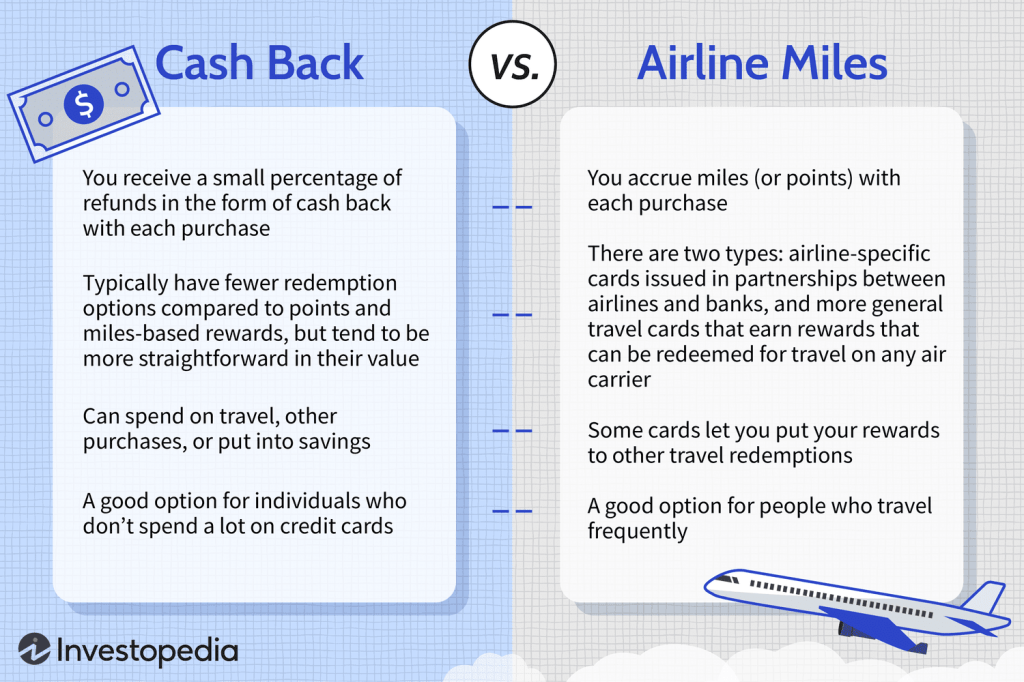
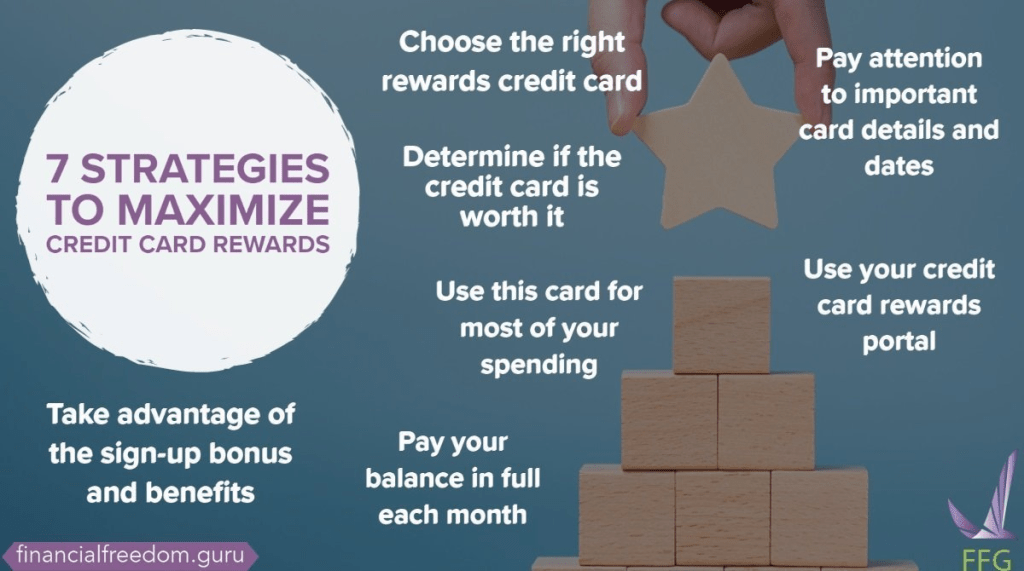
  • There is no amount of interest charged on a credit card that makes it worth getting points. If you can’t pay it in full each month, it’s not worth it.
  • If you’re using points and miles to go on a vacation, you could have used cash back to buy other things, so it’s not truly a “free vacation.”
  • In general, when you earn points and miles, you have two options: you can either use them as an equivalent cash rate (through Chase portal, Amex portal, etc.) or transfer the points to airlines and hotel rooms. Any trip you take using points is good. The best value you can get is to transfer the points to an airline and book directly.
  • Ways to earn: sign-up bonus with new card (spending $3-4k within first 3 months usually) or spending optimally. Some cards are great for airline tickets. Others are best for gas and groceries. Look at where you spend your money and choose a card that earns the most points on those categories. Some people use a card for a specific category and a different card for everything else.
  • Some cards are worth annual fees if the credits and perks they give you are utilized and worth more than the annual fee. Some cards come with travel credits, delivery credits, etc.
  • Travel hacking mistake: optimizing a trip by getting the best deal rather than going where you want to go and doing what you want to do.
  • Use points portals from your credit cards to get cash/points back with purchases you plan on making anyway, buy gift cards to meet minimum spends to get sign-up bonuses (Amazon, Home Depot, Menards, etc.) If your card awards you for grocery purchases, you could buy gift cards at a grocery store to maximize points. Retailer gift cards don’t have fees to buy them, but paying activation fees for things like Visa or Amex gift cards is usually not worth getting points for unless it is a last resort to achieve a minimum spend sign-on bonus.
  •  Get different auto insurance quotes every 6 months-1 year.
The Accidental Creative with Todd Henry – Excellent Advice for Living (with Kevin Kelly)
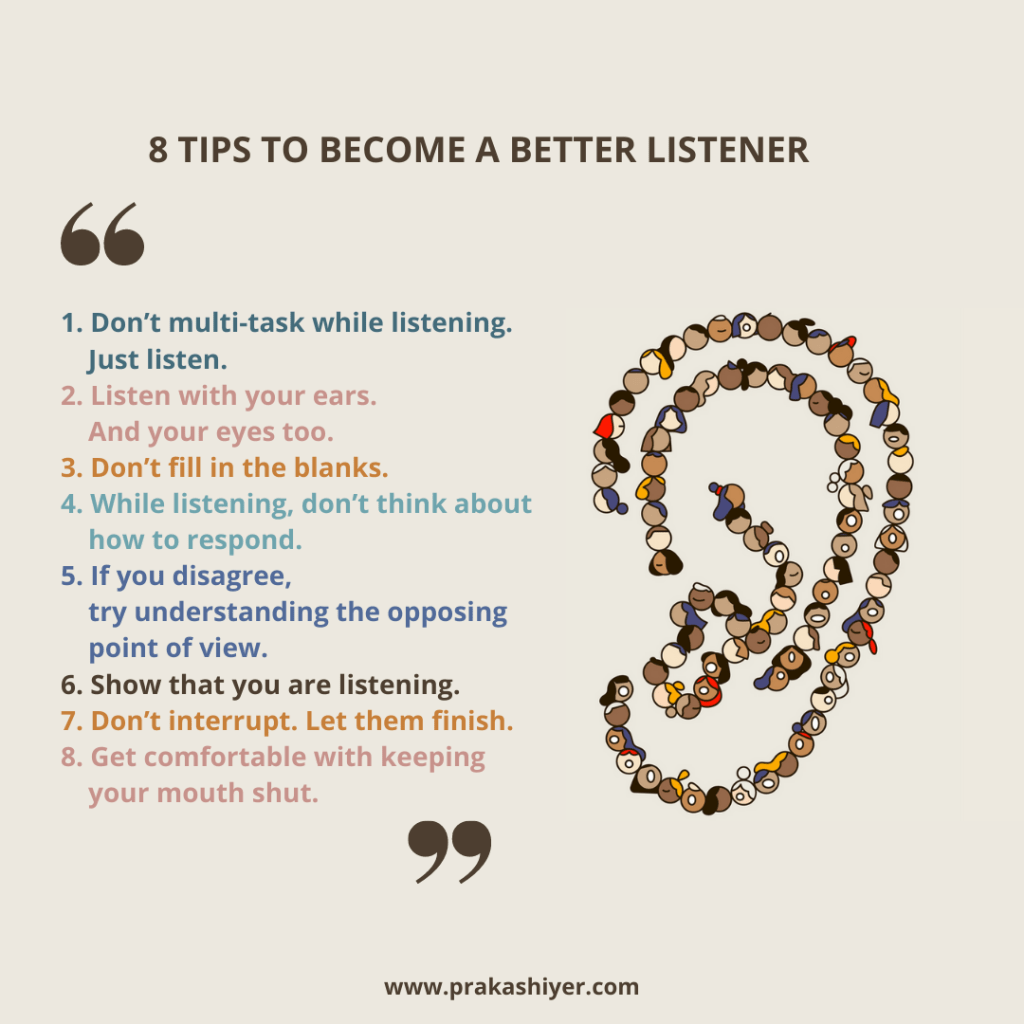
  • You don’t have to attend every argument you’re invited to. You can’t reason someone out of a position that they didn’t reason themselves into. Most views are not going to be changed within an argument with logic. The best way to change someone’s mind is to try to listen to them and understand why they believe what they believe. You will have much more power to nudge them by using compassion and listening.
  • You really don’t want to be famous. Read the biography of any famous person. It’s a burden.
Stuff You Should Know – James Beard: Food Legend
  • James Beard is a very highly regarded chef who was self-taught with no formal training. He started the farm-to-table concept and new American cuisine. He made a name for himself by making food for cocktail parties.
  • In 1937, he moved to New York and taught himself how to cook. He published his first cookbook in 1940.
  • He published 20 cookbooks from 1940-1983.  In 1972, he published James Beard’s American Cookery, a 877-page compendium with 1,500 recipes, in which he tried to do for American cooking what his friend Julia Child had achieved for French cooking with Mastering the Art of French Cooking.
  • James Beard took French food and Americanized it and made American cuisine in the process.
  • He founded, with restaurant critic, Gael Greene, City Meals on Wheels. It is similar to meals on wheels but covers New York City.
  • Julia Child and James Beard were very good friends and were some of the most well-known chefs in America.
  • Many of Beard’s cookbooks are still in print, and he is acknowledged as one the most influential exponents of good cooking in the twentieth century. The James Beard Foundation in New York preserves his residence and makes annual awards that carry on his legacy.
  • The James Beard Foundation gave awards for great American chefs with a certificate and chef’s knife. The James Beard Foundation Award, the most coveted individual honor in the American food industry, is known as the “Culinary Oscar.” The Michelin Star is also highly coveted and is awarded to restaurants, not individual chefs.
  • James Beard Chef and restaurant awards started in the early 1990s. Wolfgang Puck was the very first winner. Bobby Flay once won rising star chef.
  • Restaurants that have been nominated for a James Beard award typically double their reservations and increase sales by 20-25%.
  • Controversies: some award winners have reputations of berating chefs and treating employees poorly. There is also criticism that most winners have been white male chefs.
  • The James Beard awards were canceled for 2020 and 2021. They said it was due to the pandemic, but insiders report that it’s because every award winner is white and they were already being criticized for lack of diversity.
  • There is now an ethics committee that evaluates nominees on a personal level. Private investigators now investigate the nominees. This has also brought significant criticism.

This post is directly from Seth’s Blog, one of my favorite blogs and the top business blog:

Goals and expectations

[a note to a frustrated friend, just starting out on a long career]

There are three reasons that our goals might not be achieved. In order of palatability, they are:

Perhaps the goals are too lofty, too based on chance, unlikely for anyone to achieve, surrounded by barriers that are rooted in class or caste, or simply unrealistic.

If that’s the case, change expectations and/or pick different goals.

Or, perhaps the goals are useful, but we need more persistence, more time and some hard-earned lucky breaks along the way.

If so, be persistently patient.

Alas, if it’s not these two, the most likely reason is that we need to walk away from our expectations and our insistence that we’re already doing the work perfectly. It could be that we need to expend more effort than we hoped, develop new skills, find and embrace new strategies and develop a taste for the emotional labor that’s required to get from here to there.

Empathy, a cycle of skills improvement, developing new attitudes and showing up in service often accompanies the careers of people who get from here to there.

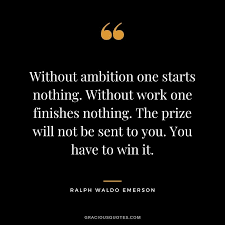
Ambition is insufficient.

I love the Jordan Harbinger Show podcast and this free networking course was recommended to me. I started this week and am looking forward to completing it soon! In this incredibly helpful course, Jordan outlines (through video and text) how to build your network, reconnect with past contacts, and dig the well before you get thirsty. In other words, he provides guidance on how to maintain your network instead of just reaching out to people when you need something (ex: a job). I highly recommend this course for anyone looking to improve their networking skills. This practice will soon be added to my daily habits!

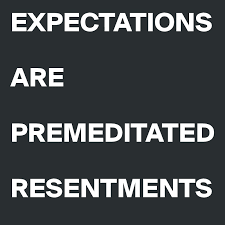
I heard this quote on TikTok this week and it has stuck with me: “Expectations are premeditated resentments.”

I look forward to reading, learning, and sharing more with you soon!

Thoughtful Thursday posts, Uncategorized

Thoughtful Thursday – July 13, 2023

My intention is to post a Thoughtful Thursday column each week and share some of the insights I have learned in the past week. Here are some of the things I’ve learned this week:

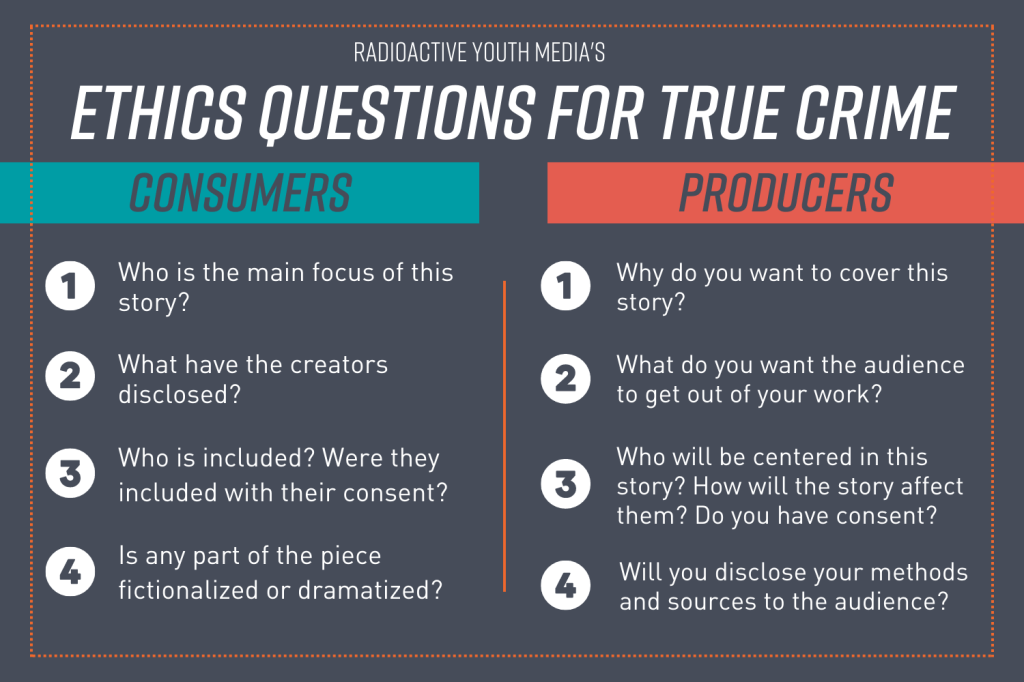
TED Talks Daily – Are you an ethical true crime fan? 4 questions to ask
  • Ask yourself – Why am I interested in this? Some people are driven by a sense of community or justice, but others are intrigued by horror or morbid curiosity. If that’s the only reason you’re interested, it might be time to try something new.
  • How does this make me feel? Hedonic motivations are not ethical.
  • How might the people involved in this story feel? Are they being hurt? Is there a justifiable reason to inflict that harm? Can some good come from retelling the story, or is it just for entertainment?
  • Am I motivated to act?
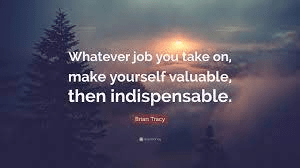
As We Work – The Value in Being Invaluable at Work
  • People who are invaluable aren’t just doing their job well. They’re doing the job that needs to be done. They’re paying attention to what’s going on around them and point themselves to the work that has the greatest impact for the organization.
  • Indispensable people are high-performing in their realm. They are focused on what they want to do and are focused on what their role/job is. Impact players are oriented on what’s happening around them and what needs to be done.
  • Most valuable people figure out how to solve problems and do things. They do the job that needs to be done, move to where the action is, and are ready to learn.
  • To go from indispensable to invaluable, train others on the things you’re skilled in. To be invaluable, see the agenda and get on the agenda. Offer help on specific things. Don’t offer to help by saying “let me know if you need anything.” Invaluable people need to be mindful of doing work quietly and behind the scenes. We need to be actively making sure people see our work. Elevate your contribution and make people see the good work you are doing (gracefully).
  • Swoop in to fix a problem, make a thoughtful contribution, offer to help, teach others how to do things only you know how to do, look around and above you to learn the company’s agenda and try to do that work. Don’t be afraid to share what you know.

Here are some recommendations to be invaluable at work:

  • Don’t be afraid to take the lead and take ownership.
  • Embrace change.
  • Derive and offer solutions to challenges or problems.
  • Focus more on the work that matters, not the work that spins the wheels. Anticipate needs and be proactive.
  • Be a thought leader. Apply yourself in a way that provides new and valuable thinking that benefits your team or company.
  • Take initiative.
  • Seek to gain more knowledge and always share knowledge and demonstrate your worth.
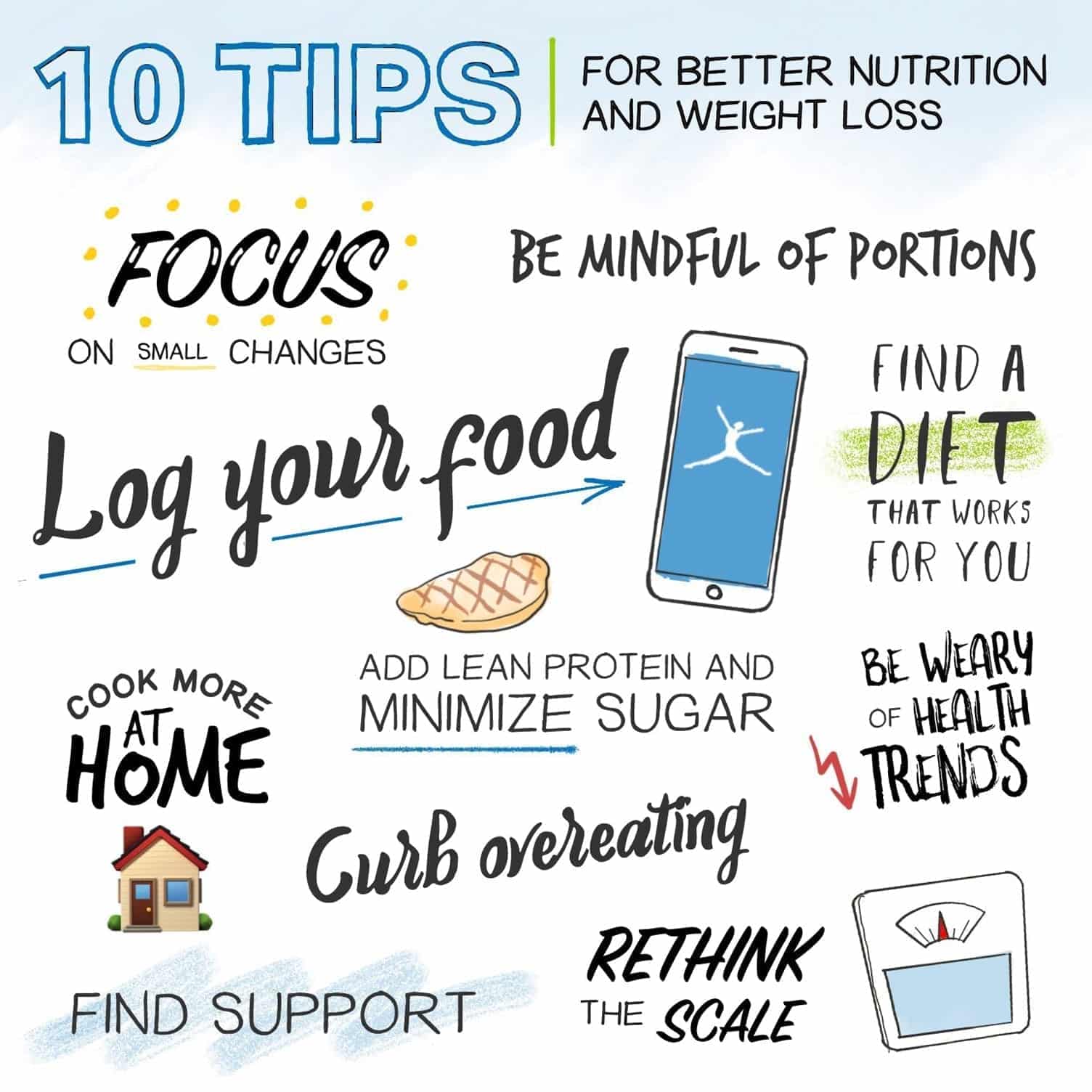
Fit, Healthy & Happy Podcast – The Worst Nutrition Mistakes that Everybody Makes (Avoid These)
  • Restrictive diets – keto, low carb, no carb, fasting. Instead, follow something you can consistently do long-term.
  • Skipping meals – can lead to making poor decisions and overeating later on
  • Not reading food labels- try to choose items that have more protein than fat.
  • Eating too many processed foods- high in sugar, salt, fat, and preservatives
  • Not getting enough fruits and vegetables
  • Overeating – usually caused by eating too quickly or not paying attention to feelings of fullness
  • Focusing on the micro over the macro – ex: focusing on supplements instead of proper amounts of water, focusing on timing of meals instead of protein intake
Speaking of Psychology – What does modern retirement look like? With Mo Wang, PhD
  • For many people, retirement is no longer an abrupt end to their working lives, but a slow process of transition. Many people participate in bridge employment, which occurs when they actively retire but still engage in paid work activities part-time. 2/3 of people generally engage in bridge employment before retiring.
  • Many people are not working for the money in retirement. They instead want a social environment and begin working again.
  • When organizations offer flexible work arrangements such as remote work, they are most likely to keep their older employees, who often delay retirement.
  • Retirees who retire from stressful or physically demanding jobs often experience an improvement in well-being in retirement. Others experience a decrease in well-being if they had a job with high status or have financial difficulties.
  • In today’s current Social Security system, two workers are supporting one retiree.
  • You need to find an identity outside of your work to maintain a sense of well-being!
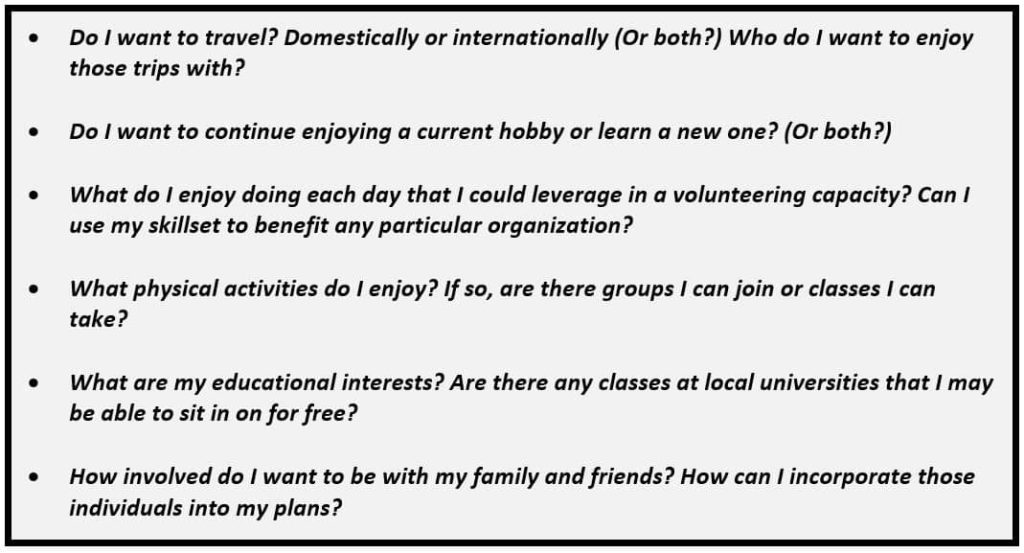
  • When considering retirement, ask yourself what you would like to do during retirement, have a plan for leisure activities, where you would like to live, and who you want to share retirement with. Without having a plan, many people lose their sense of identity or become bored because work was their entire identity.
The Clever Girls Know Podcast – 21 Money Myths to Ditch Now

Myths:

  • Myth: Money is the root of all evil. Fact: Money in itself is not evil. Change your mindset and think of money as a tool.
  • Myth: You cannot negotiate your bills. Fact: If you don’t ask, you aren’t going to know.
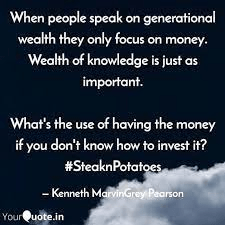
  • Myth: Building generational wealth is for the rich. Fact: Anyone can do this. Transferring generational knowledge (lessons about responsibility, lessons about investing) is a way of transitioning generational wealth. It doesn’t always need to involve monetary assets. Invest small amounts of money as you can. You choose what aspects you want to transition, whether it’s assets or knowledge or both.
  • Myth: Personal finance is confusing and complicated. Fact: It can be but doesn’t have to be. It’s up to us to take the time out to understand the basics of financial literacy. Personal finance can become easy to understand by taking action and reading a book or researching. Knowledge is power.
  • Myth: You should always buy the cheapest option. Fact: Sometimes the cheapest option is not the best option. Sometimes it is worth investing a little more to get quality over quantity.
  • Myth: It is impossible to have fun and save money at the same time. Fact: It is possible with good planning to live a good life and do things that make you happy while also saving money at the same time. It’s all about prioritizing and determining where you are going to spend your money. It’s all about doing things that matter to you that you enjoy and compromising priorities so that you can do both.
  • Myth: You need tons of money to start investing. Fact: You can start investing with small amounts. The key to investing is investing consistently over time. Small amounts add up due to compound interest.
  • Myth: Credit cards are bad for your finances. Fact: Credit cards are a tool. You need to build a budget and be able to pay the balance in full each month. Leverage credit cards as an option to built your credit.
  • Myth: Renting means you’re throwing away your money. Fact: You aren’t building equity, but renting offers flexibility and can be less expensive, especially if you need to move a lot. You don’t have the home expenses of repairs and renovations. Homes come with their own set of expenses and they can be very costly. Plan out your finances so that you are able to rent or buy a house AND invest at the same time.
  • Myth: Having a balance on your credit card is good for your credit. Fact: Avoid paying high interest by paying your balance in full. Credit companies want to see use of credit as well.
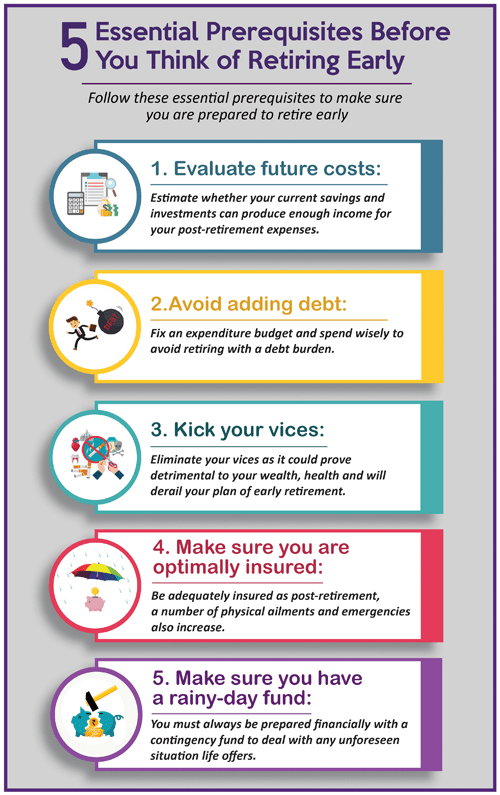
  • Myth: You can’t retire until you’re 65 or older. Fact: You choose when you want to retire by determining how aggressive you want to be with your retirement goals and exploring options to accelerate your goals toward early retirement. Early retirement is not for everyone. If it’s something you want to pursue, you will need to restructure your plan and save aggressively for retirement.
  • Myth: Investing is hard. Fact: Investing CAN be hard but doesn’t have to be. Learn how investing works by learning the basics and picking a low-maintenance low-cost index fund. Do your research, understand your risk tolerance, and get clear on your goals and objectives about why you are investing.
  • Myth: Your 401(k) can serve as your emergency fund. Fact: You should not be leveraging your 401(k) as an emergency fund. You will be hit with fees, penalties, and income tax. Save your 401(k) for retirement.
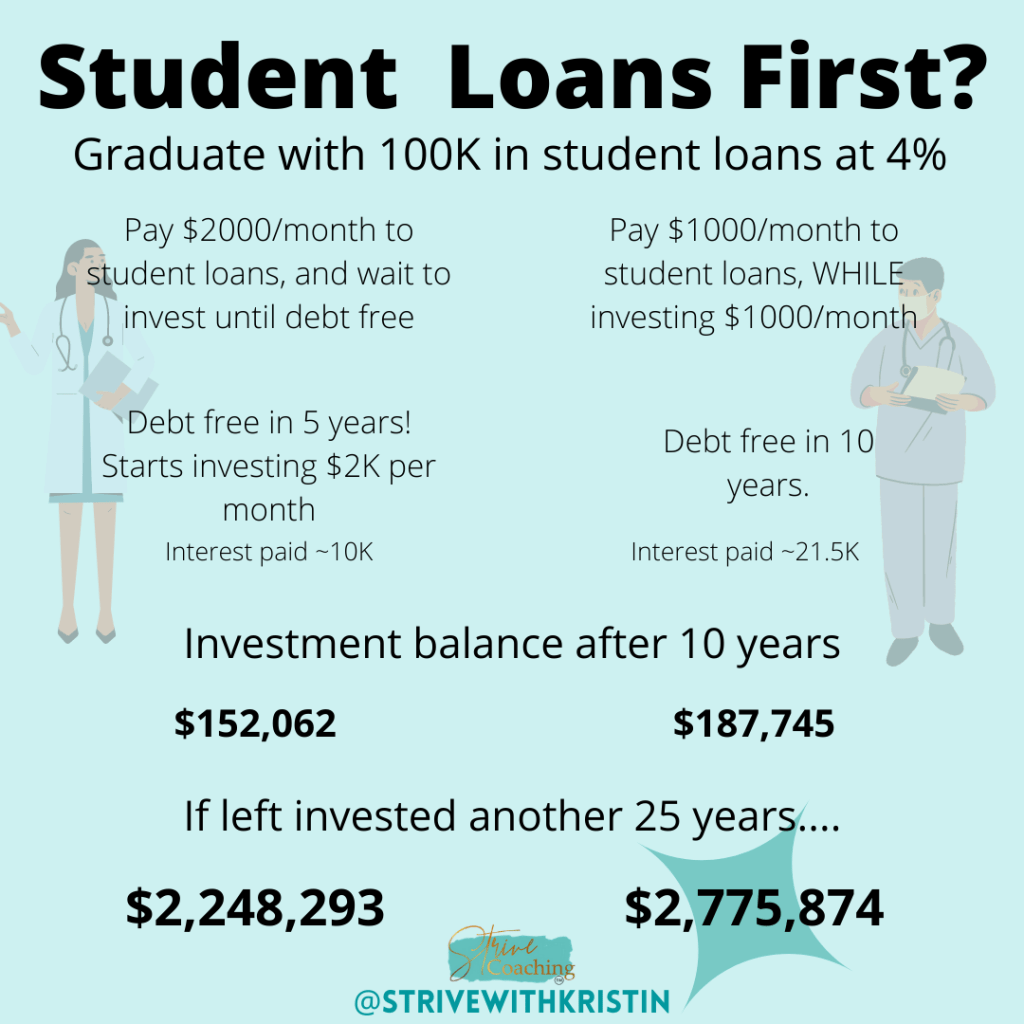
  • Myth: You cannot save if you have debt. Fact: You may have a mortgage, student loans, and credit card debt, but you can still save for retirement and should contribute up to your employer match due to the power of compound interest. Debt payoffs can take several years. That’s years of time that you are missing out on compound interest.
  • Myth: If you have a credit card, you do not need an emergency fund. Fact: A credit card is not an emergency fund because you will need to pay interest – often a high interest rate. Do not leverage a credit card as emergency savings. Instead, put money aside for emergency savings.
  • Myth: You should pay off your mortgage as quickly as possible. Fact: You should pay off high-interest debts first (such as credit cards).

To date, the biggest money mistake I’ve made is that I waited to save for retirement until after I paid off my student loans.

  • Myth: Don’t worry about retirement until you’re older. Fact: You want to begin saving for your retirement as soon as possible!
  • Myth: Student loans are the best way to finance your education. Fact: You should explore other options such as grants, scholarships, help from family members, and working part-time first.
  • Myth: You can never pay off debt. We are not all meant to be in debt. Fact: Prioritize paying off debt, especially high-interest debt. It is possible to pay off debt.
  • Myth: Money is a private topic and should not be talked about with anyone. Fact: Money can be private, but you grow from sharing and learning from others’ experiences and getting support and accountability. Find people and resources that you trust and leverage them to help you navigate through any financial situations you are facing and educate and empower yourself to do well with your money.
  • Myth: Money can’t buy happiness. Fact: The bottom line is that money is a tool and you can leverage money to achieve the things and buy the things that truly bring you joy.
Self Improvement Daily – Jumpstarting A Dead Battery

It’s fascinating to think about how a car is capable of producing its own energy, but it loses that ability with a dead battery. It has wasted potential because it cannot self-start and initiate the process that could fix it, yet a small outside spark is all it takes to kick the engine into gear so that it can return to its normal energy producing process.

There’s a similar process without ourselves, but instead of it being useful when we’re out of electricity, an outside force can help to reignite our self-belief. In the face of a major setback or failure, we sometimes find ourselves completely drained of self-belief and incapable of restoring it. The outside spark in this case is encouragement. All it takes is a little encouragement to jumpstart your self-belief and get you back on a better path.

We need more people seeking out opportunities to help each other, uplift each other, and to see the good in others that they fail to see themselves. There may be someone in your life who needs to be seen, acknowledge, supported, and encouraged. Be that person for others and let them reignite their self-belief.

I have finished reading two books in the past week.

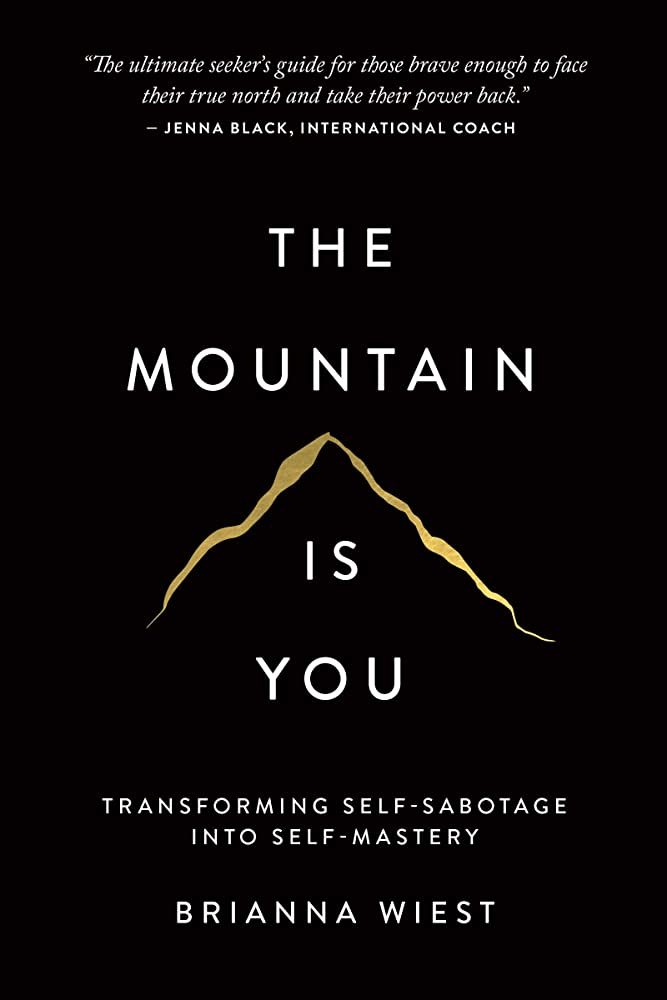
“The Mountain is You” was written by Brianna Wiest and emphasized the many ways self-sabotage obstructs our paths to becoming our best selves. I read this book as part of a book club I’m in. This book was very reflective and educational and covered patterns indicative of self-sabotage and how to tell if you’re in a self-sabotage cycle. 👍 Aside from the many examples, here are some of my favorite points:

➡️“Arriving” often makes us hungrier for more. When we want something really badly, it is often because we have unrealistic expectations associated with it. We imagine it will change our lives in some formidable way, and often, that’s not the case.

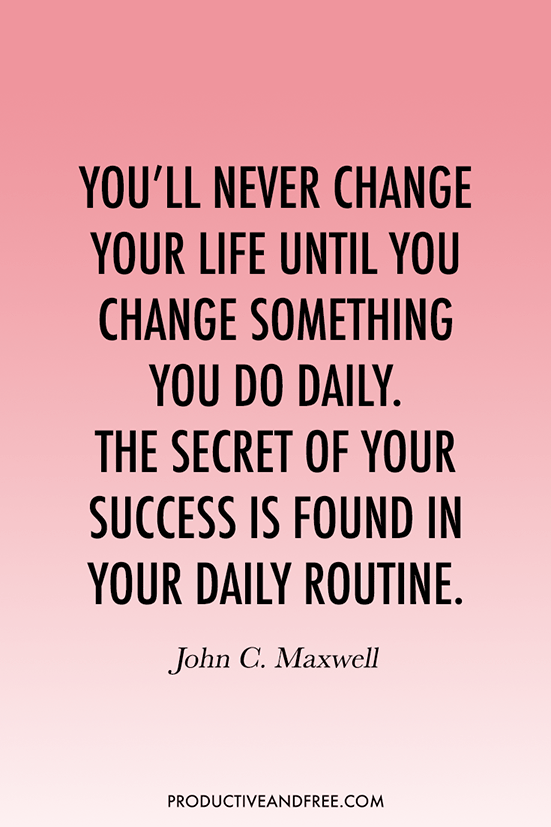
➡️What you do every single day accounts for the quality of your life and the degree of your success. It’s not whether you “feel” like putting in the work, but whether or not you do it regardless. ❤️ Listen to your behaviors. Filter out the noise. Manage your discomfort by making small changes. Become the best version of yourself. Find your inner peace.

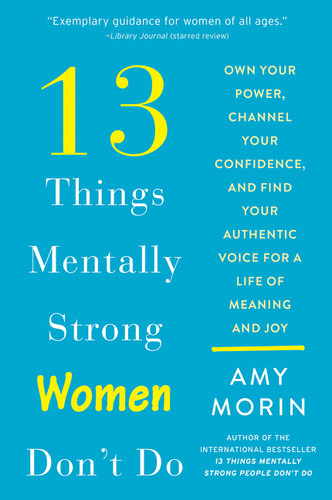
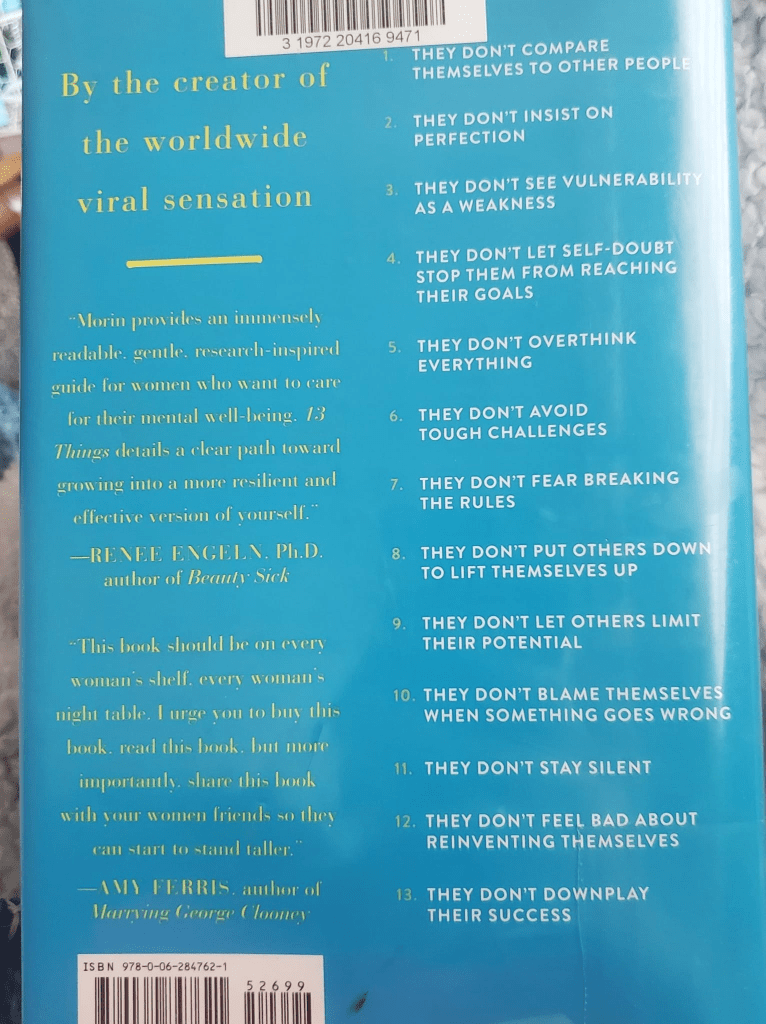
“13 Things Mentally Strong Women Don’t Do” was written by Amy Morin, a licensed clinical social worker, psychotherapist, and an instructor at Northeastern University. This book covered the 13 things mentally strong women don’t do in detail and included bullet lists of what’s helpful and not helpful with each of these traits. Here are a few takeaways:

“If you woke up tomorrow and a miracle had occurred, how would you know things were better? What would you be doing differently?” Go do those things. Change your behavior first and you’ll change how you feel.

Although I have really improved my mental strength in recent years, I often still struggle with some of the traits mentally strong people don’t do: insist on perfection (of myself and others), overthink everything (get caught up in analysis paralysis), and blame myself when something goes wrong. I loved this consideration: You can influence others, but you are not responsible for their choices. You have no way of knowing how things would have turned out if you had done them differently. You made your choices based on the information you had then, not the information you have now. Change the story you tell yourself. ❤️

I look forward to reading, learning, and sharing more with you soon!
Thoughtful Thursday posts, Uncategorized

Thoughtful Thursday – July 6, 2023

My intention is to post a Thoughtful Thursday column each week and share some of the insights I have learned in the past week. Here are some of the things I’ve learned this week:

Fit, Healthy & Happy Podcast – 10 New Habits to Add to Enrich Your Life to Become Fitter, Healthier & Happier
  1. Make a habit of waking up earlier.
  2. Get sunlight as early as you possibly can.
  3. Minimize screen time, especially early in the morning.
  4. Put your money where your mouth is and invest in yourself.
  5. Utilize cold showers as well as hot/cold therapy.
  6. Have a self-reflection process (meditation, breathing, journaling, etc.)
  7. Take time for self-care. Examples: journaling, meditation, going on a walk with no stimulus, being alone with your thoughts
  8. Be a life-long student. Challenge what you know and reaffirm what you know.
  9. Aim for 10k steps per day.
  10. Check out of your day and create a plan for the next day each evening.
  11. Set a phone cut off time each evening, utilize different focus modes on your phone, and cut out social media before bed.
TED Talks Daily – How to be a team player — without burning out with Rob Cross
  • We are doing more collaborative work than ever before, and the problem is that it is overloading us. Collaboration can help us work better and smarter, can help us come up with ideas we never would have had on our own, and can make us happier than executing tasks alone. Collaborative work is now taking up to 85% of people’s work week.
  • We are often too eager to jump into collaborations that burn up our time. About 50% of the collaboration overload problem starts with the beliefs we have about ourselves and what it means to be a good colleague and a productive person.
  • Trigger: the desire to help others – can get so bogged down in helping that it prevents you from meeting your own goals and over time, you become a bottleneck slowing others down. The need for accomplishment – the cycle can get addictive. It leads you to solve more and more small problems for other people and avoid the bigger ones critical to your success. Fear – fear of missing out – frantic need to be apart of something, fear of losing control, fear of what others will say. These fears drive unproductive choices and lead us into burnout.
  • Learn to get comfortable saying “no.” Be clear about what projects or deadlines you have. Every “yes” means saying “no” to something else. Remember you can delegate. Look for moments where you can give partial direction or empower someone. Be intentional in crafting your work life. Ask yourself how it aligns with your goals, how much time it will take, and what the upsides are.  

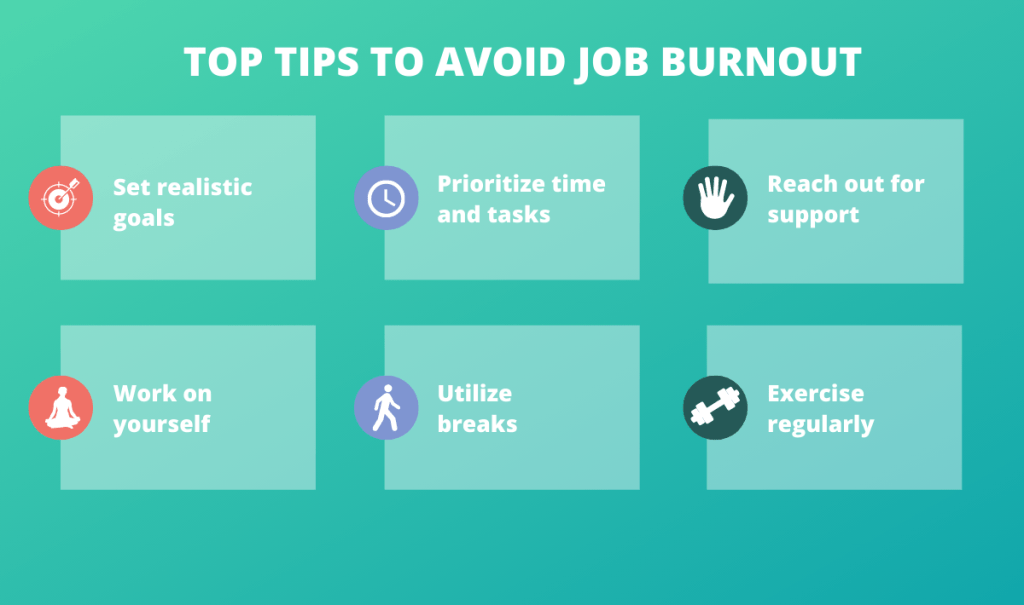
I can relate to this! I have a tendency to want to help others, feel accomplished or useful, and fear what others will say if I don’t help with something and have a free moment. It has caused burnout in the past and is something I am slowly working on.

Disclaimer: These next two podcast episodes were about different methods to parenthood. I am not personally undergoing either of these, but was curious to learn more, as NerdWallet has been covering the price of parenthood recently and had an episode about adoption. I wanted to see how these methods compare to adoption.

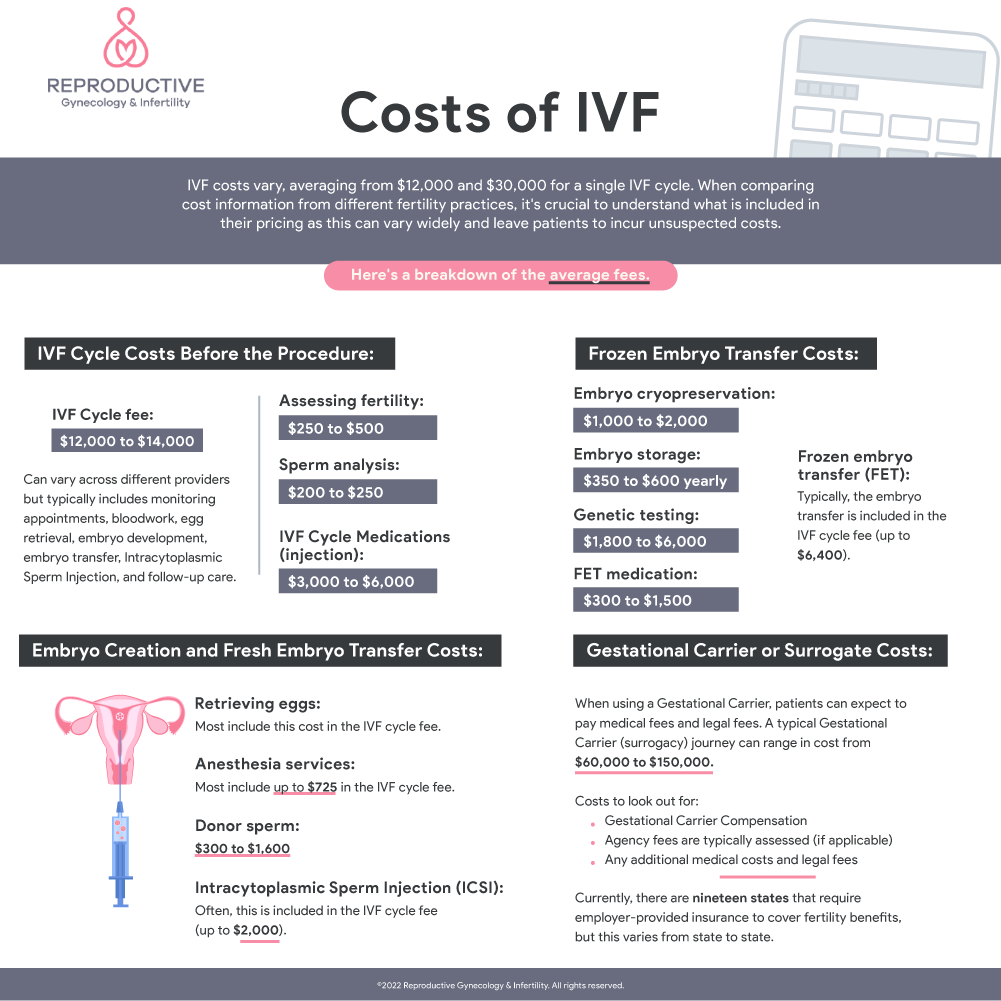
NerdWallet’s Smart Money Podcast – The Price of Parenthood: In Vitro Fertilization and the Future of Parenthood
  • More than 73,000 babies were born via IVF in 2020 from over 300,000 implantation cycles.
  • It is impossible to find an average cost, as the cost differs from state to state, insurance company, medications you take, and how many cycles you go through.
  • IVF- some insurance covers a few rounds and some insurance doesn’t cover any.
  • Initial cost: testing and medications needed: $5,000. Procedure cost for 1 cycle (collecting eggs and fertilizing them): $11,000 + costs of pregnancy and childbirth. Some patients do IVF and surrogacy. It may take several cycles of IVF for a successful pregnancy, and there is an added cost for each cycle.
  • IVF is generally considered a luxury treatment because it is not readily available to people who don’t have $. Insurance generally does not cover the cost, and people often go through a few cycles!
NerdWallet’s Smart Money Podcast – The Price of Parenthood: How Egg Freezing Works
  • Some insurance companies are required to cover medically necessary fertility preservation (sperm or egg freezing). This is often the case when patients are undergoing chemotherapy and desire to have kids someday.
  • Some insurance companies cover egg freezing even without a diagnosis that warrants it. Some insurance companies cover testing, procedures, and medication with a lifetime maximum benefit of $15k for procedures and $10k for medication.
  • You can save up by maxing out your HSA contributions every year.
  • Extraction costs= $6k-8k. You also need to pay for medications that can cost thousands of dollars. This is for one round of freezing, and generally people need at least two rounds. The cost is estimated at $20-$30k for two rounds. Storage costs average about $500/year.
  • One thing I found interesting is that egg freezing carries a similar cost of adoption!
Fit, Healthy & Happy Podcast – Debunking 7 Fitness Myths Everyone Believes
  • Myth: More sweat = better results and better workouts. Fact: Focus on progressive overload. The sauna is not your saving grace for losing weight; you are just losing water. Sweat every day.
  • Myth: Spot reduction. Fact: You are better off working your body as a whole.
  • Myth: Lifting weights will make women bulky. Fact: You need a combination of strength training with cardio.
  • Myth: You can build a great physique with just cardio. Fact: Lifting will improve your muscularity and physique. Lift 3x/week minimum.
  • Myth: You have to eat entirely clean to make progress. Fact: Allow yourself some treats.
  • Myth: Stretching before exercise will prevent injuries. Fact: Stretching can actually increase the chances of injury.
  • Myth: No carbs after (insert time here). Fact: Setting time limits on carbs is not necessary.
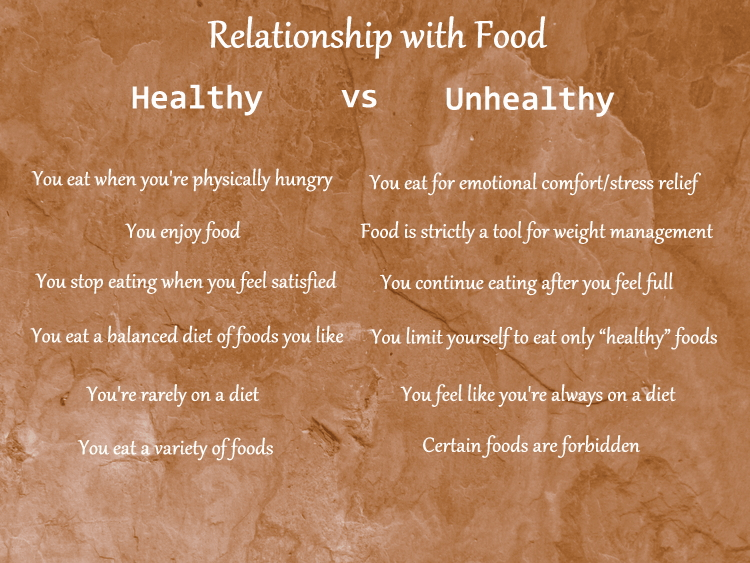
Food, We Need to Talk – A “Healthy” Relationship with “Unhealthy” Food ft. Jordan Syatt
  • In junior high, Jordan recalls his time in wrestling, where he and others went to extreme measures to “make weight” for competitions, such as working out in a sweatshirt, not drinking any water, and skipping meals. These practices can lead to eating disorders – wrestlers often binge eat then starve themselves to make weight for competitions.
  • Power lifting helped get over his eating disorder. He took his focus away from trying to be lean to trying to gain strength and knew he had to fuel his body properly. He became a 5-time world-record power lifter.
  • If you are hyper-focused on weight, it is important to have a balance between clean eating and splurges. A more balanced diet decreases binges.
  • Calorie counting can trigger binge eating for some people. As soon as a limit is put on how much you can eat that day, some people view it as a countdown to eating until you’re all out of calories.
  • Be more self-aware and structured with your diet by adding more fruits and vegetables.
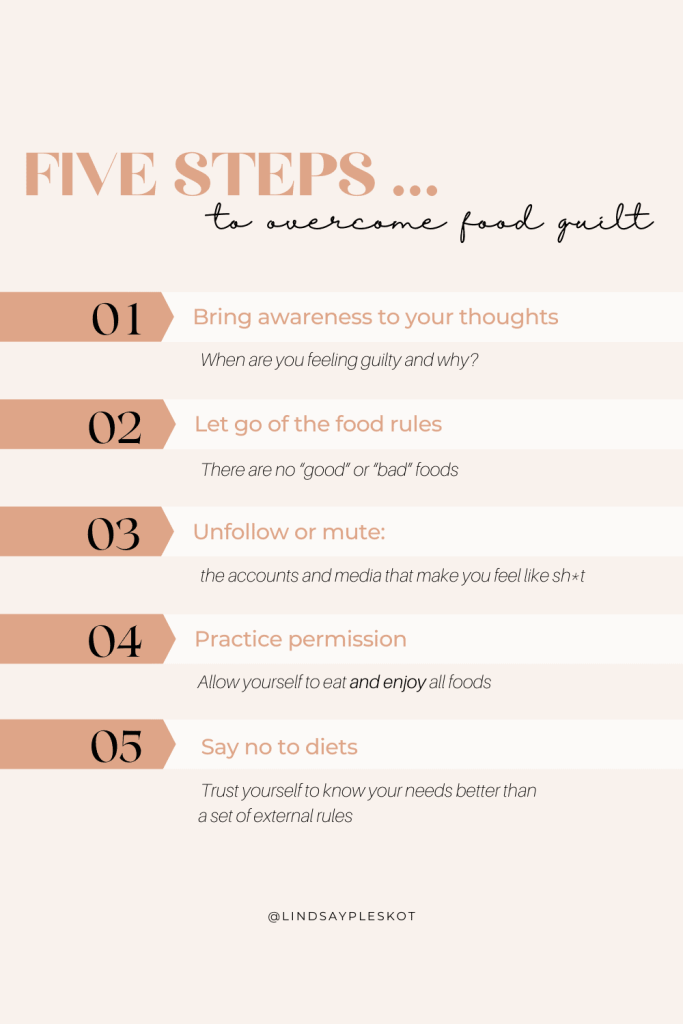
  • Being strict about only eating clean food can lead you to say no to social gatherings, refrain from eating cake at birthday parties, and refrain from some foods you love. Allow yourself to splurge sometimes. You can have any food you want. The majority of your food should be whole, minimally processed, nutrient-dense foods: fruits, vegetables, lean proteins, high fiber, and whole grains.

You should have zero guilt or negative emotions for having treats in moderation.

  • Jordan ate a Big Mac every day and ate a healthy diet overall and exercised regularly. He lost seven pounds in one month. The purpose of the Big Mac challenge was to show that you can still have treats and make progress as long as you are consistent with the other aspects of your life (overall nutrition and exercise).
  • If something scares you, it’s probably the right move. If stopping counting calories scares you, you should probably stop counting calories. If taking a rest day scares you, you should probably take a rest day. If going to the gym scares you, you should probably go to the gym.
Switched on Pop – My Beyonce Ticket Cost $4,000: Why The Touring Industry Might Be Broken
  • People were put in groups on Ticketmaster. You had to apply to a tiered status to try to get tickets. It’s like a lottery system. People are placed on waitlists.
  • The concert industry is broken. Part of the problem is Ticketmaster. Tickets and fees have never been more expensive. Some people spend thousands of dollars on tickets to Beyonce or Taylor Swift, and even nosebleed tickets are hundreds of dollars.

The monopoly of Ticket Master Live Nation has a total chokehold of the industry. They control the venues, they are the promoters, they are the management of the artists, they control the sale of tickets, and they control all aspects of the live music industry. Before they merged, Ticket Master was solely a ticketing agency. Live Nation was historically an artist manager and promoter. Live Nation was considering their own ticketing world to compete with Ticket Master, and they eventually merged.

  • AEG (a competitor promoter) was used for Taylor Swift’s tour. They still had to work with Ticket Master on selling the tickets they were promoting.
  • Solutions: legislation restricting the second-hand market in certain ways or a breakup of Ticket Master Live Nation so that it isn’t a monopoly.
The Jordan Harbinger Show – Fireworks – Skeptical Sunday
  • The fireworks industry netted $2.2 billion in 2021.
  • Cons: fireworks damage property, pollute the environment, and literally blow off fingers. Firework injuries are up 25% in the last 15 years. About 4,800 people per year have hand or finger injuries due to fireworks.
  • Fireworks emit metals and gases into the air.
  • The fear that fireworks conjure fascinates us. Neuroscientists say that the reason we enjoy fireworks is because they frighten us – similar to horror movies and haunted houses
  • Los Angeles had its worst air quality in a decade after the fourth of July in 2022.
  • There are over 14,000 fireworks displays in the U.S. alone during the 4th of July weekend. Fireworks used to celebrate independence temporarily increase particulate pollution by an average of 42%.

The Veterans’ Administration website indicates that fireworks often trigger combat veterans’ PTSD, resulting in flashbacks and nightmares. Many of them need to plan to get away from firework shows. Pets are also impacted and are often terrified. Some animals become so frightened that they run away. According to the American Kennel Club, more pets go missing during July 4th weekend than any other time of the year. In an ironic twist, the celebration of America can cause our nation’s iconic mascot, the bald eagle, to abandon their nests.

  • According to the National Fire Protection Association, fireworks account for approximately 19,500 fires per year, leading to an estimated $105 million in property damage.
  • The political and monetary reasons for fireworks are massive. Many people believe fireworks are protected by the second amendment (gunpowder). Gunpowder fuels the fireworks.

I look forward to reading, learning, and sharing more with you soon!