Book review posts, Uncategorized

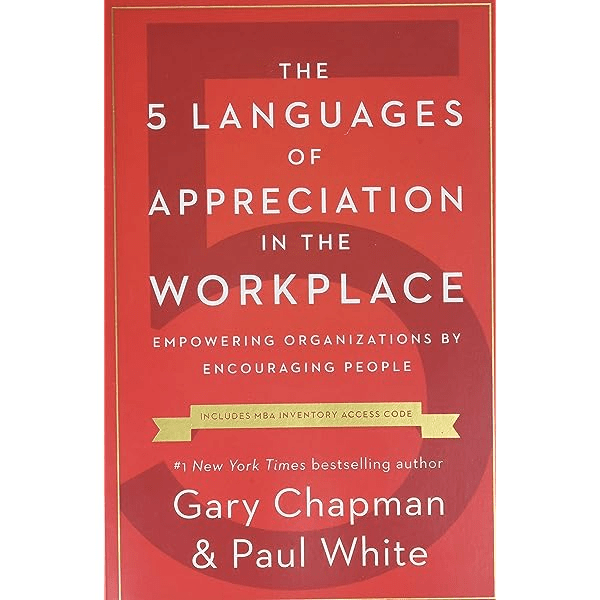
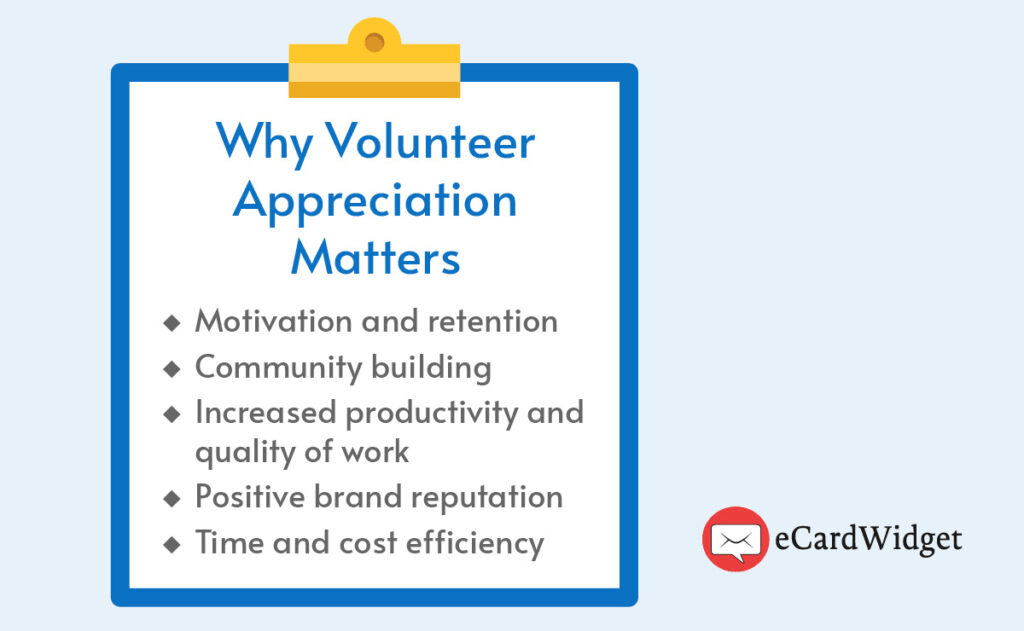
The 5 Languages of Appreciation in the Workplace

Book review posts, Thoughtful Thursday posts, Uncategorized

Thoughtful Thursday – October 12, 2023

The Mel Robbins Podcast – If You Only Listen to One Podcast Today, Make It This One
Eight Frugal Minutes – 5 Sneaky Ways to Save Money During the Week
Focus on Marriage Podcast – Listening Before Criticizing
The Journal – The Twinkie: From Bankruptcy to Billions
Book review posts, Uncategorized

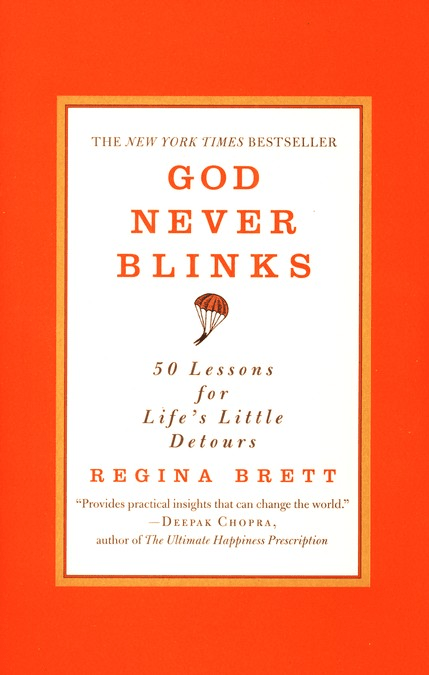
Life Lessons from “God Never Blinks: 50 Lessons for Life’s Little Detours”

“God Never Blinks: 50 Lessons for Life’s Little Detours” was written by Regina Brett, and most of these essays originally appeared in the Plain Dealer (Cleveland) or the Beacon Journal. The author always thought that God must have blinked when she arrived because she ended up confused by nuns at age 6, became a lost soul who drank too much at 16, an unwed mother at 21, a college graduate at 30, a single mother for 18 years, a wife at 40, and got cancer at 41. Here are some of my favorite lessons from the book:

Reframe your mindset. Instead of saying you “have to,” say you “get to.” “I get to go to work today.” “I get to get groceries.”

No one else is in charge of your happiness. You are the CEO of your joy. It takes work to rewire your thoughts about yourself, but when you do, everything in your life changes for the better, especially your most intimate relationships. Get up, dress up, and show up. Do the best you can do today.

Living an abundant life doesn’t mean winning the lottery, marrying rich, or getting a raise. It starts with a raise in consciousness and spreads from there. It starts with knowing that what you want isn’t always what you need and often isn’t what you truly want. It starts with making smart choices that lead to long-term gratification.

When an argument has reached an impasse, get comfortable with saying “You aren’t going to convince me and I’m not going to convince you, so let’s agree to disagree.”

“How will I ever believe that I am good enough?” – By helping others believe that they are good enough.

Get rid of anything that isn’t useful, beautiful, or joyful. Decluttering forces you to let go of the past and creates an opening for the future. When you finally let go of the person you used to be, you get to discover the person you are now and the person you want to become.

Ground rules for relationships – use the mnemonic SAFE:

  • Secret – can the relationship pass public scrutiny? If a relationship has to be kept a secret, you don’t belong in it.
  • Abusive – does it harm or degrade you or your children in any way?
  • Feelings – are you in the relationship to avoid painful feelings? Is it a mood-altering relationship?
  • Empty – is it empty of caring and commitment?

Stay away from unavailable people, keep no secrets, beware of addictions, be the real deal, tell the world what you want in a partner, ignore the wrapper (a tender heart will outlive the washboard tummy), and create a greater you.

How not to write (the condensed version): wait until you have children, wait until they go off to college, wait until you have two hours of uninterrupted time to write, wait until you retire, wait until a doctor says you have six months to live, then die with your words still inside of you.

It’s never too late to have a happy childhood. Go for it. This one is up to you.

3 simple steps can change your life:

  • Choose something you need to say no to – no to an unhealthy relationship, projects that don’t need to be done by you, people who ask you to donate your time and talent to one more committee or commitment.
  • Choose one things you need and want to say yes to. Say yes to what enhances your life and the world around you.
  • Share those two things – the yes and no – with your biggest cheerleader.

If you don’t ask, the answer is always no. You already gave it to yourself. You don’t ask, you don’t get.

A 40th birthday gift idea for a spouse was to gather 40 letters/cards about how he/she impacted their lives. Too often we don’t hear what we mean to others until it is too late. If you keep your friends high on the priority list, even if you lose your health, you’ll still have what matters most. Your job won’t take care of you when you’re sick, but your friends will. Stay in touch with them.

Read the Psalms. No matter what your faith, they cover every human emotion. They offer praises as well as curses, consolation, desolation, boasts of strength, and cries of weakness and also reveal the many faces of God: powerful rock, shepherd, companion, comforter, provider, host, creator, judge, advocate, and deliverer.

Have a personal mission statement. The author’s personal mission statement is the Prayer of Saint Francis of Assisi.

I look forward to reading, learning, and sharing more with you soon!

Book review posts, Uncategorized

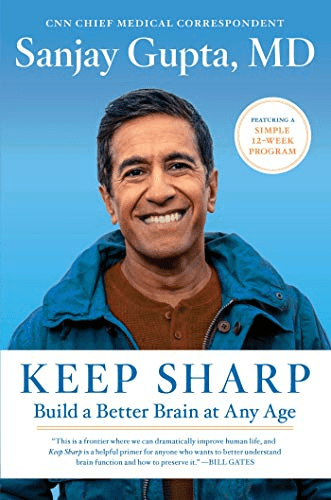
Keep Sharp – All About Your Brain Health

“Keep Sharp” was written by Sanjay Gupta, a neurosurgeon, chief medical correspondent for CNN, and four-time New York Times bestselling author once named as one of the ten most influential celebrities by Forbes Magazine. Sanjay is also the host of the Chasing Life Podcast and is widely regarded as one of the most trusted reporters in the media. His book was an educational, detailed, and fascinating read about the gimmicks and myths of brain health and revealed evidence-based practices along with guidance and insights for those already experiencing cognitive decline or caring for someone with dementia.

In order to best take care of your body, you have to first take care of your mind.

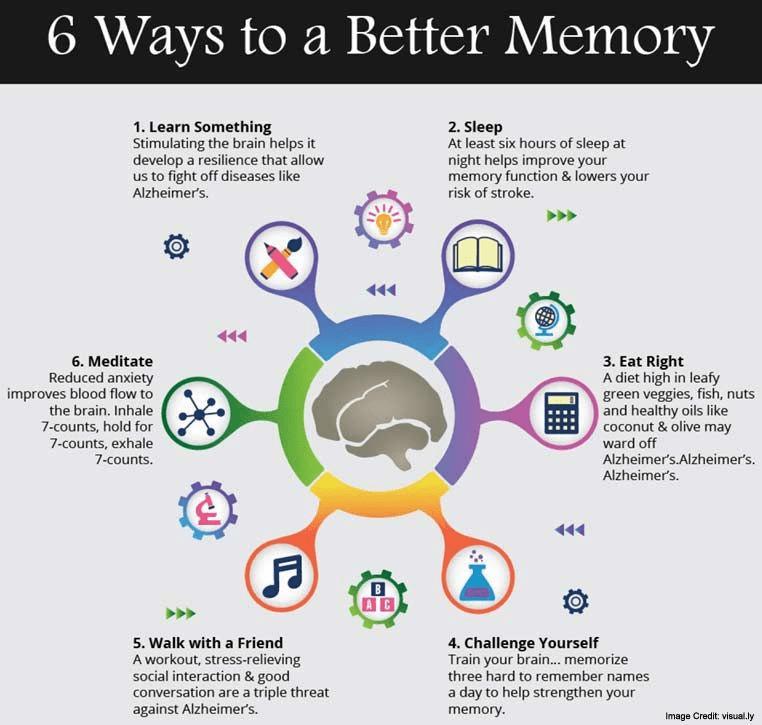
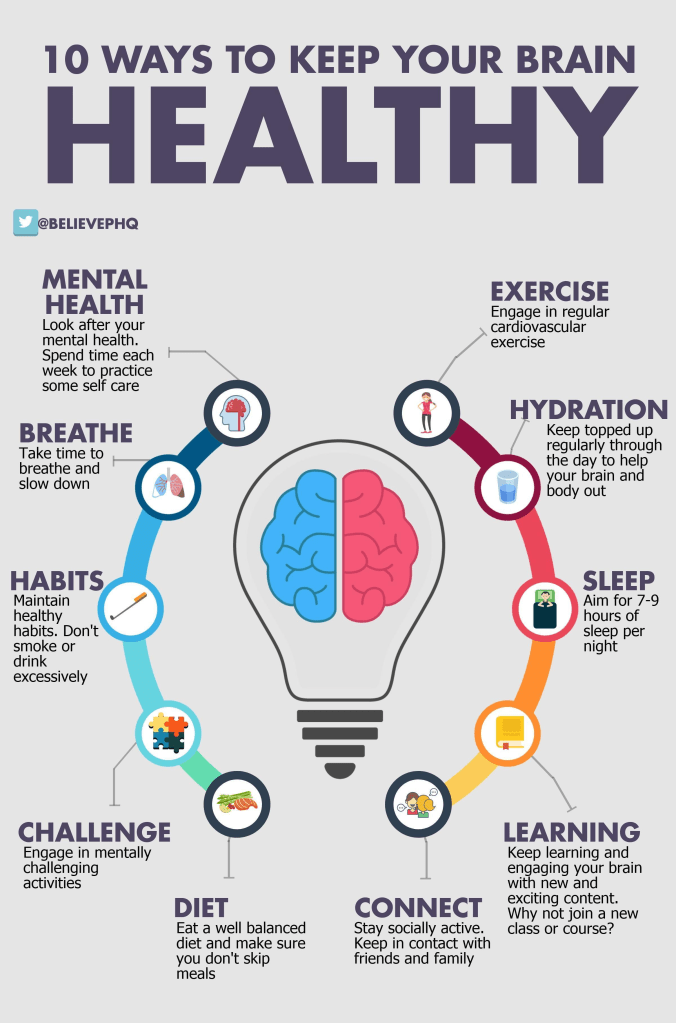
Cognitive decline is not inevitable! The five pillars of brain function include:

  1. exercise and movement
  2. sense of purpose, learning, and discovery
  3. sleep and relaxation
  4. nutrition
  5. social connection

The single most important thing you can do to enhance your brain’s function and resiliency to disease is to exercise. Move more and keep a regular fitness routine. Exercise improves digestion, metabolism, body tone and strength, and bone density. It also supports emotional stability, staves off depression and dementia, and increases self-esteem and sense of well-being.

Steps to improve brain health:

  1. Move more throughout your day and build an exercise routine into your life.
  2. Find new ways to stimulate your brain through learning and challenging your mind.
  3. Prioritize getting restful, routine sleep at night and incorporate daily de-stressing practices into your routine.
  4. Introduce a new way of nourishing your body.
  5. Connect authentically with others and maintain a vibrant social life.

Follow the S.H.A.R.P. diet:

  • Slash the sugar and stick to the ABCs
  • Hydrate smartly – “drink instead of eat” when you think you’re hungry.
  • Add more omega-3 fatty acids from dietary sources (seafood, nuts, and seeds). Get your omega-3 from food, not supplements.
  • Reduce portions.
  • Plan ahead. Don’t get caught starving or resorting to junk food. Eat a wide variety of different colored vegetables to get a more diverse array of nutrients.

Supplements do not take the place of real food, and some can be harmful/largely unregulated. Also, no known dietary supplement improves memory or prevents cognitive decline or dementia.

Enjoying close ties to friends and family, as well as participating in meaningful social activities, may help keep your mind sharp and your memories strong. Loneliness has been shown to accelerate cognitive decline in older adults. Volunteer, join social clubs, and maintain connections.

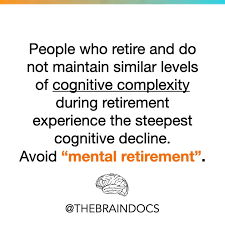
Delay retirement as long as possible. When you do retire, find activities that are joyful and stimulating and stay engaged. Maintain a sense of purpose by continuing to learn, discover, and complete complex tasks. Built and sustain your cognitive reserve by maintaining demands on your brain that keep it thinking, strategizing, learning, and solving problems.

“Brain games” are not always effective at slowing cognitive decline. Speed training games are effective at putting off dementia. I have used the free versions of the Lumosity and Elevate apps for the past year or so and have really improved my cognition and skills.

People with a sense of purpose are less likely to develop cognitive impairment. Learn something new, teach, volunteer, or do whatever you find joyful, satisfying, and meaningful.

I want to live my life like an incandescent lightbulb. Burn brightly my entire life, and then one day suddenly go out. We want the same for our brains, and anyone can built a better brain at any age.

Sanjay Gupta
  • It is the skin that contains pain fibers that must be dulled to perform brain surgery; the skull and the brain have no sensory receptors!
  • The human brain comprises about 2.0% to 2.5% of the body’s total weight but uses 20% of its total energy and oxygen intake.
  • Memory is fundamentally a learning process – the result of constantly interpreting and analyzing incoming information. Every time you use your memory, you change it.
  • The patterns of activity of neurons in sensory areas can be altered by patterns of attention. Moment by moment, we choose and sculpt how our ever-changing minds will work. We choose who we will be in the next moment in a very real sense, and these choices are left embossed in physical form in our material selves.
  • The brain remains plastic throughout life and can rewire itself in response to your experiences. It can also generate new brain cells under the right circumstances.

There are 6 senses processed in the brain:

  • proprioception (a sense of where your body parts are and what they’re doing)
  • equilibrioception (a sense of balance – tells you if you’re sitting, standing, or lying down)
  • nociception (sense of pain)
  • themo(re)ception (sense of temperature)
  • chronoception (sense of the passage of time)
  • interoception (sense of your internal needs, like hunger, thirst, or needing to use the bathroom)

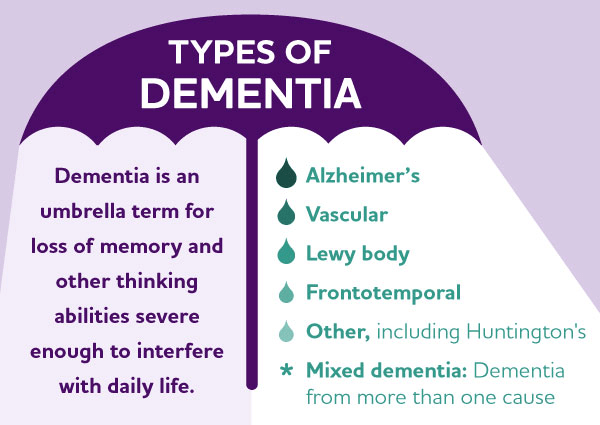
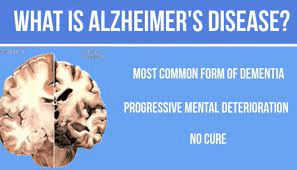
Dementia is not a single disease in itself; it encompasses several underlying diseases and brain disorders that impair memory, communication, and thinking. Alzheimer’s disease is the most common form of dementia, comprised of 60-80% of dementia cases and 1 in 9 Americans age 65 and older. There is also a correlation between diabetes and Alzheimer’s disease.

This book contained so much information about Alzheimer’s symptoms, diagnosis, treatment, and resources. Here is a very condensed version:

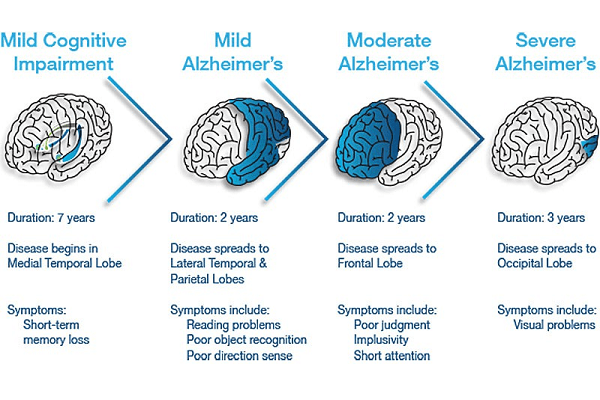
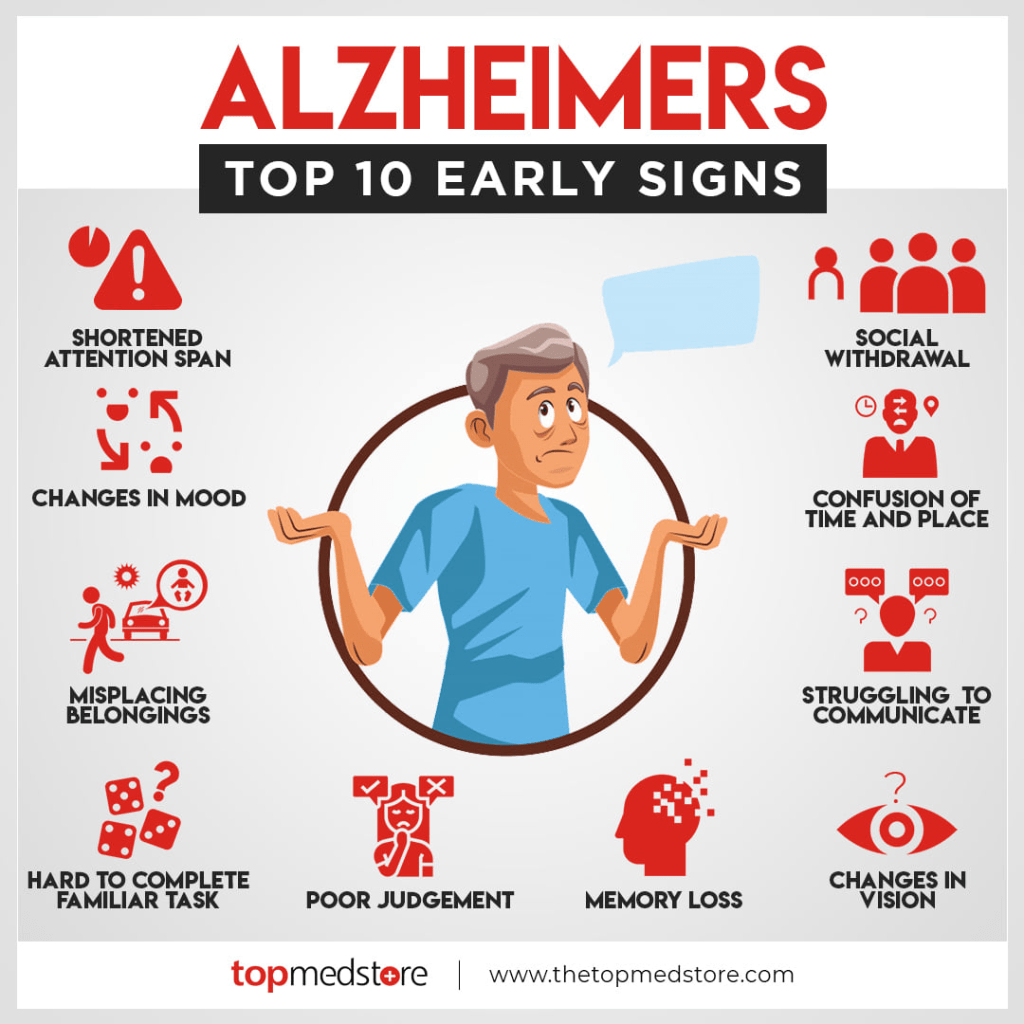
Alzheimer’s disease starts 20-30 years before any symptoms develop. This book covered the stages of Alzheimer’s, diagnosis tools, treatment options, and resources for patients, families, and caregivers. There is no cure for Alzheimer’s and the disease creates a devastating emotional, financial, and physical toll on the families of those who are diagnosed with it.

Stages of Alzheimer’s disease and top 10 early signs of Alzheimer’s

Drugs that may increase the risk of dementia: anticholinergic antidepressants, antiparkinson drugs and antihistamines, antipsychotic drugs, drugs for overactive bladder, and antiepileptic drugs.

Diagnosis tools: The Alzheimer’s Disease Assessment Scale – Cognitive Subscale (ADAS-Cog), the Mini-Mental State Exam, the Mini-Cog test, the Self-Administered Gerocognitive Examination (SAGE)

Resources: AARP, The Cleveland Clinic’s Lou Ruvo Center for Brain Health, the Dementia Action Alliance, the Family Caregiver Alliance, the Mayo Clinic’s Alzheimer’s Disease Research Center, the Memory Disorders Program at New York-Presbyterian/Weill Cornell Medical Center, the National Institute on Aging, UCLA’s Alzheimer’s and Dementia Care Program

After diagnosis: Find support and educational programs in your local area, find early-stage social engagement programs, find clinical trials matching your needs, keep your home safe, make a legal plan (POA/wills/trusts/advance care directive), make a financial plan (organize assets/debts/insurance policies/benefits), and build a care team.

Treatment: 2 drugs that temporarily improve symptoms of memory loss and problems with thinking and reasoning, both of which lose effectiveness as the disease progresses: cholinesterase inhibitors and NMDA receptor antagonists

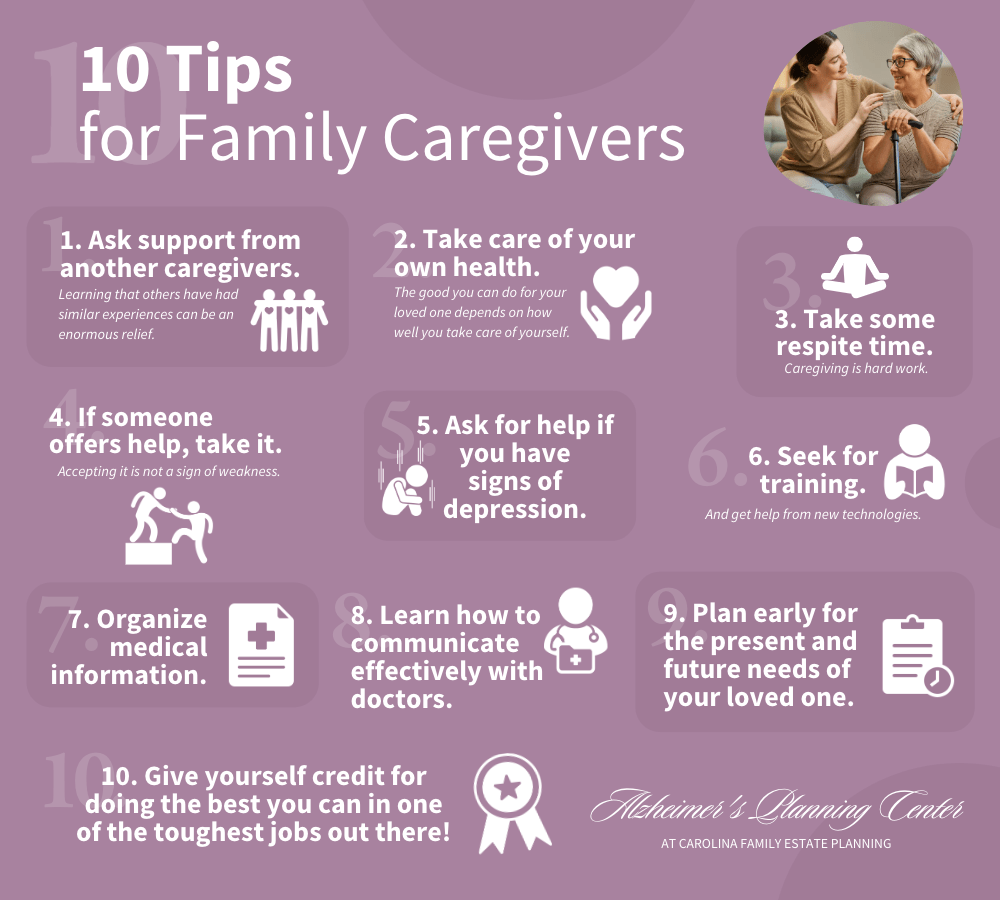
When it comes to a person’s experience with dementia, the most important person is the caregiver. The majority of people with dementia in the U.S. live in their home, and for approximately 75% of these individuals, family and friends provide their care – mostly spouses or their children, many of which are unpaid. Women face difficulty because they often need to take care of their parent(s) and children. Caregivers of spouses with dementia are 6x more likely to develop dementia.

I highly recommend this book for anyone wanting to prevent cognitive decline or wanting to learn more about Alzheimer’s or dementia!⭐⭐⭐⭐⭐

I look forward to reading, learning, and sharing more with you soon!
Book review posts, Thoughtful Thursday posts, Uncategorized

Thoughtful Thursday – September 14, 2023

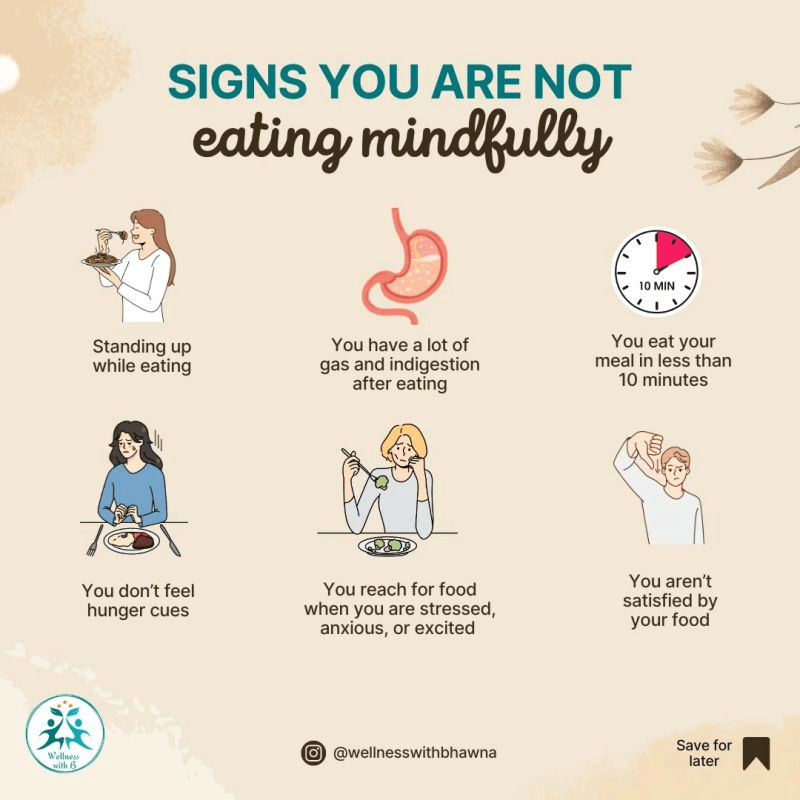
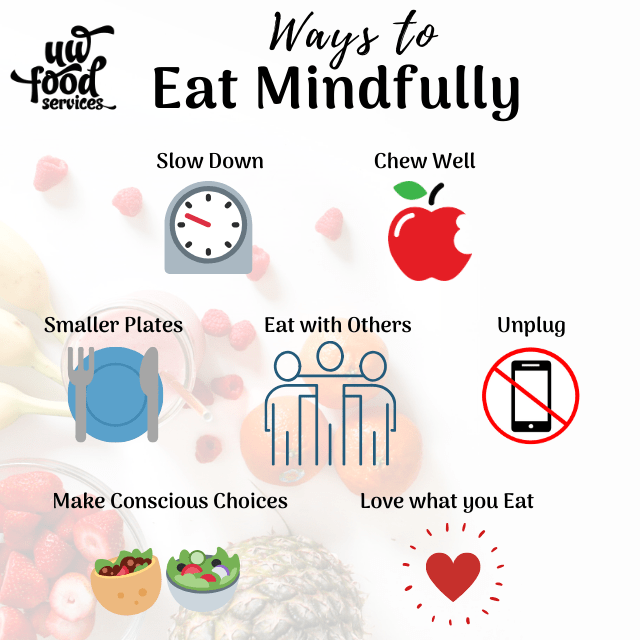
Life Kit – Scarfing down your food? Here’s how to slow down and eat more mindfully
Fit, Healthy & Happy Podcast – 8 Essential Habits to Become Ultra Fit
Mentally Stronger with Therapist Amy Morin – The Truth About Alcohol and Addiction Recovery with Former School Principal/Author Daniel Patterson
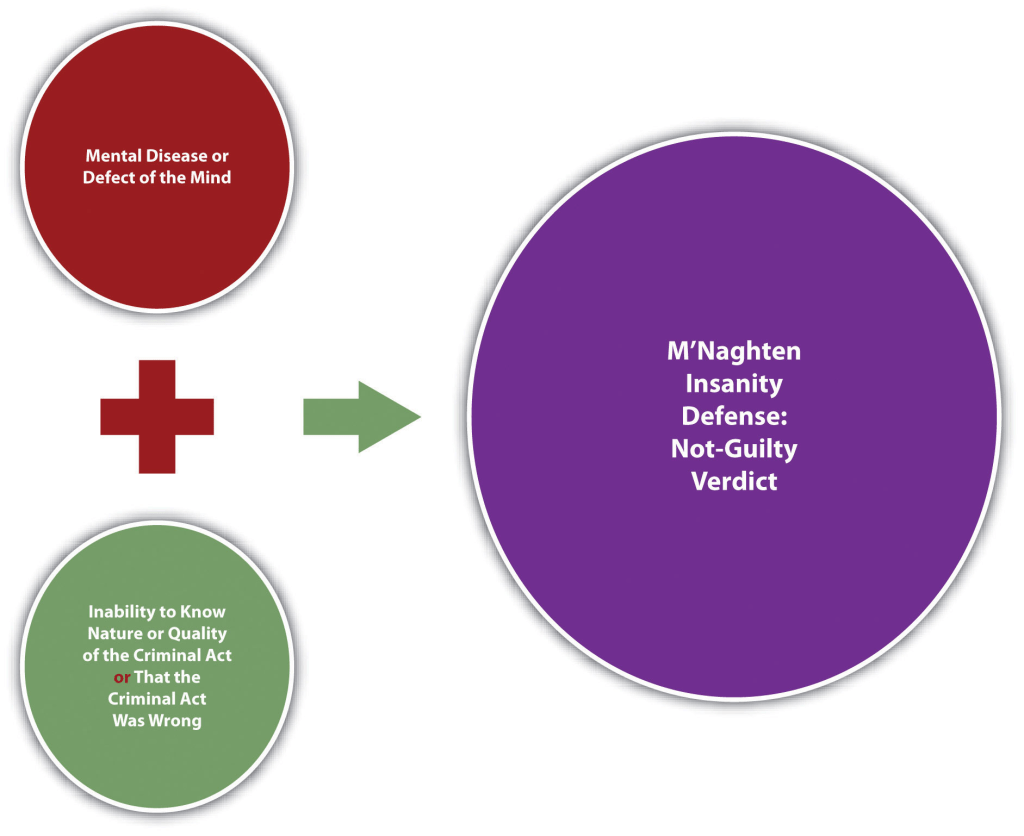
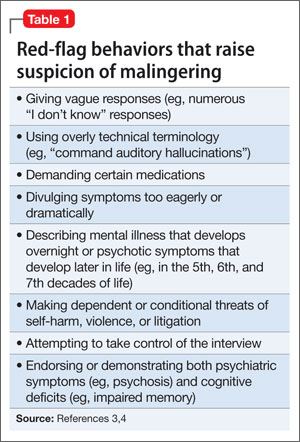
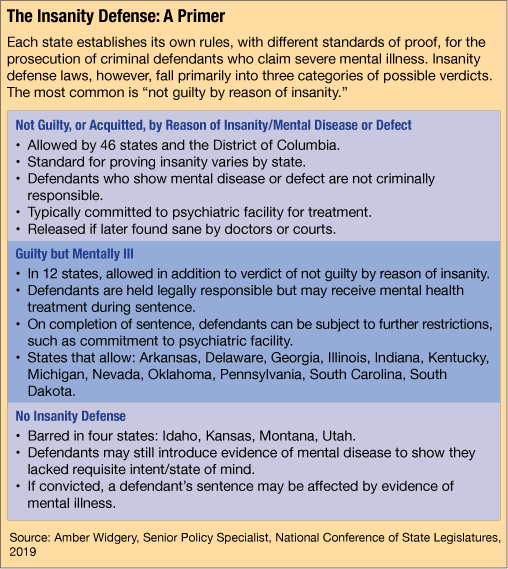
The Jordan Harbinger Show – Dr. Sohom Das – Rehabilitating the Criminally Insane

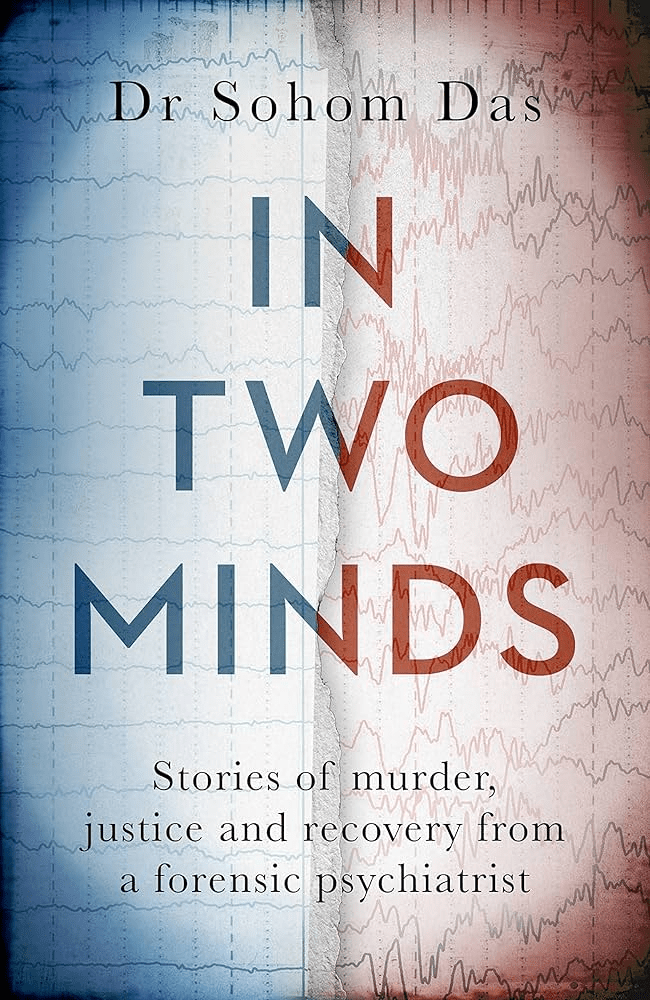
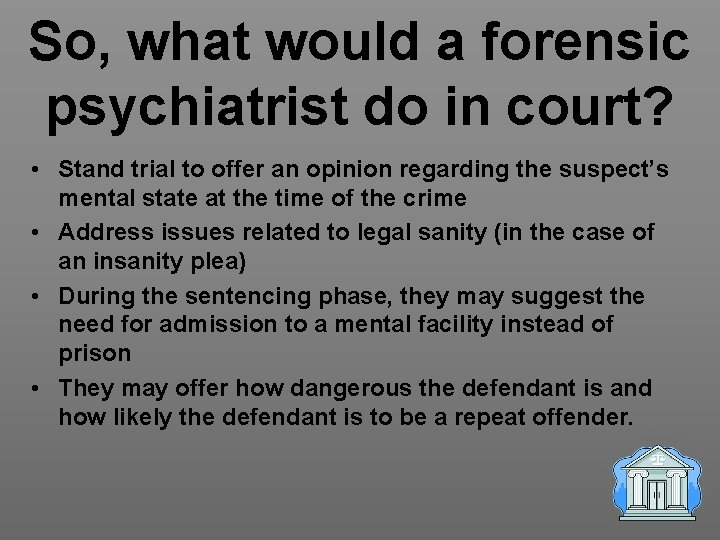
This week I listened to this podcast AND read the book “In Two Minds: Stories of Murder, Justice, and Recovery from a Forensic Psychiatrist” written by Dr. Sohom Das.

Book review posts, Uncategorized

13 Things Mentally Strong Women Don’t Do

  • What’s not helpful: violating rules out of laziness or disrespect, waiting for everyone else to take action first, following the rules without considering whether they’re helpful, and going with the flow even when you don’t want to
Book review posts, Uncategorized

Anxiety & Tools for Recognizing and Coping With It

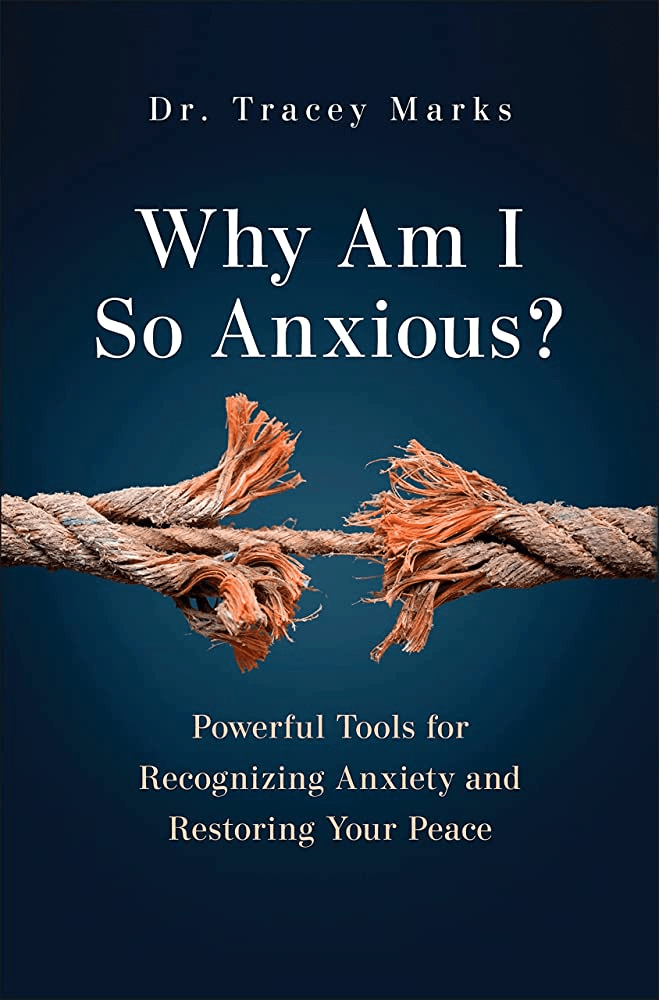
“Why am I so Anxious? Powerful Tools for Recognizing Anxiety and Restoring Your Peace” was a very thorough, educational, and interesting book written by Dr. Tracey Marks, a board-certified psychiatrist with a YouTube channel. This book covered anxiety symptoms, anxiety disorders, other conditions that can cause anxiety, medications available, and tools to relieve anxiety through manipulating your body and through changing mindset and perspective. Although I don’t have diagnosed anxiety, I was curious to learn more about anxiety.

Anxiety is the anticipation of a future threat. This threat can be real or imagined. An uncontrolled amydala and overactive default-mode network are two of the biological bases of anxiety. You can change your wiring. Neuroplasticity is the ability of the brain to remodel itself over time.

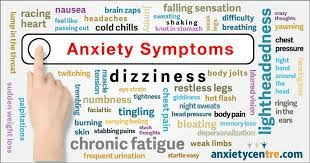
Anxiety physical symptoms include:

  • rapid heart rate
  • chest pain
  • choking or diffulty swallowing
  • sleeping problems
  • sweating
  • tremors
  • nausea
  • decreased appetite
  • heavy breathing
  • lightheadedness
  • numbness and tingling
  • heat sensations or chills

Anxiety mental symptoms include:

  • feeling on edge
  • worry
  • concentration problems
  • memory problems
  • assuming the worst
  • fear

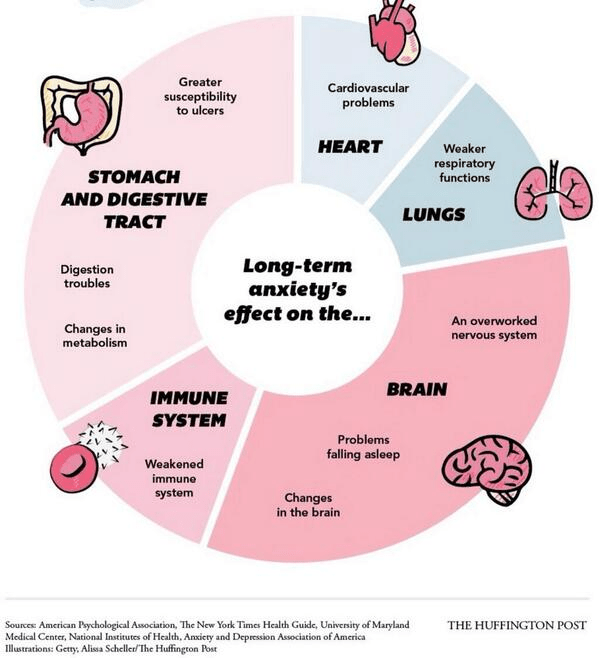
Long-term effects of anxiety include:

  • trouble concentrating
  • headaches
  • fatigue
  • high blood pressure
  • increased resting heart rate
  • lower immune system
  • worsening of respiratory problems
  • insomnia
  • body aches
  • low sex drive
  • irritability
  • gastrointestinal problems
  • depression

Anxiety and depression are highly comorbid. They occur together most of the time, making them more difficult to treat.

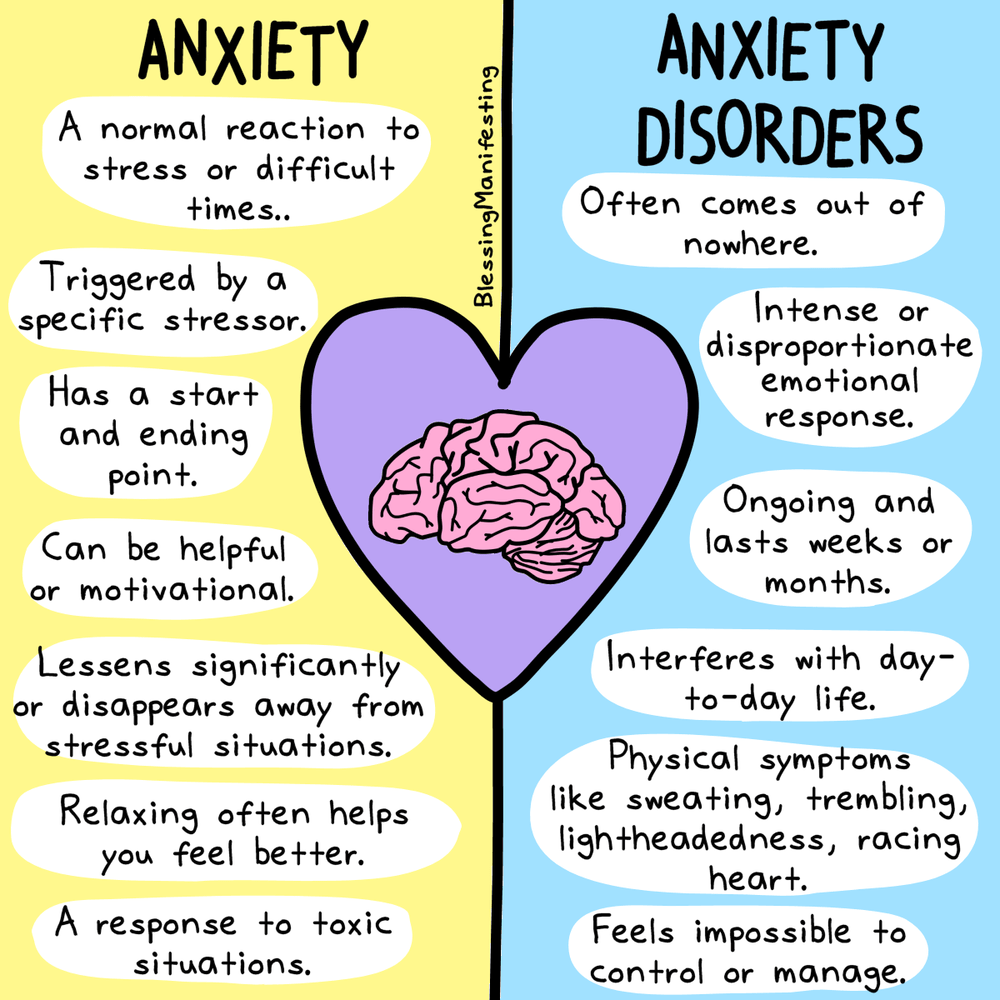
Anxiety conditions – from most to least common:

  • specific phobia (18.4%)
  • social phobia (13.0%)
  • post-traumatic stress disorder (10.1%)
  • generalized anxiety disorder (9.0%)
  • separation anxiety disorder (8.7%)
  • panic disorder (6.8%)
  • agoraphobia (3.7%)
  • obsessive-compulsive disorder (2.7%)

Obsessive-compulsive disorder (OCD) can also cause anxiety. Although people often joke about others “being” OCD or having OCD, OCD is a serious condition that impacts daily life and requires four out of these eight features to meet diagnosis criteria: rigidity and stubbornness, stinginess, hoarding, perfectionism, fixation with details, reluctance to delegate, excessive work productivity, and strict moral standards. For those with OCD, rules and principles supercede relationships. They have an extreme need for control and autonomy.

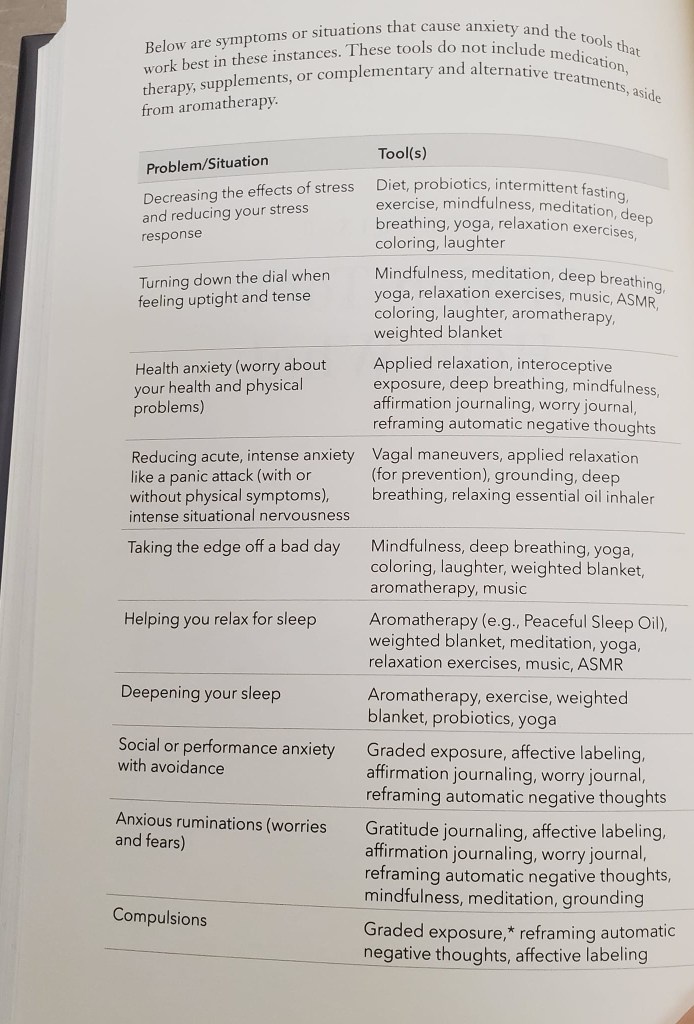
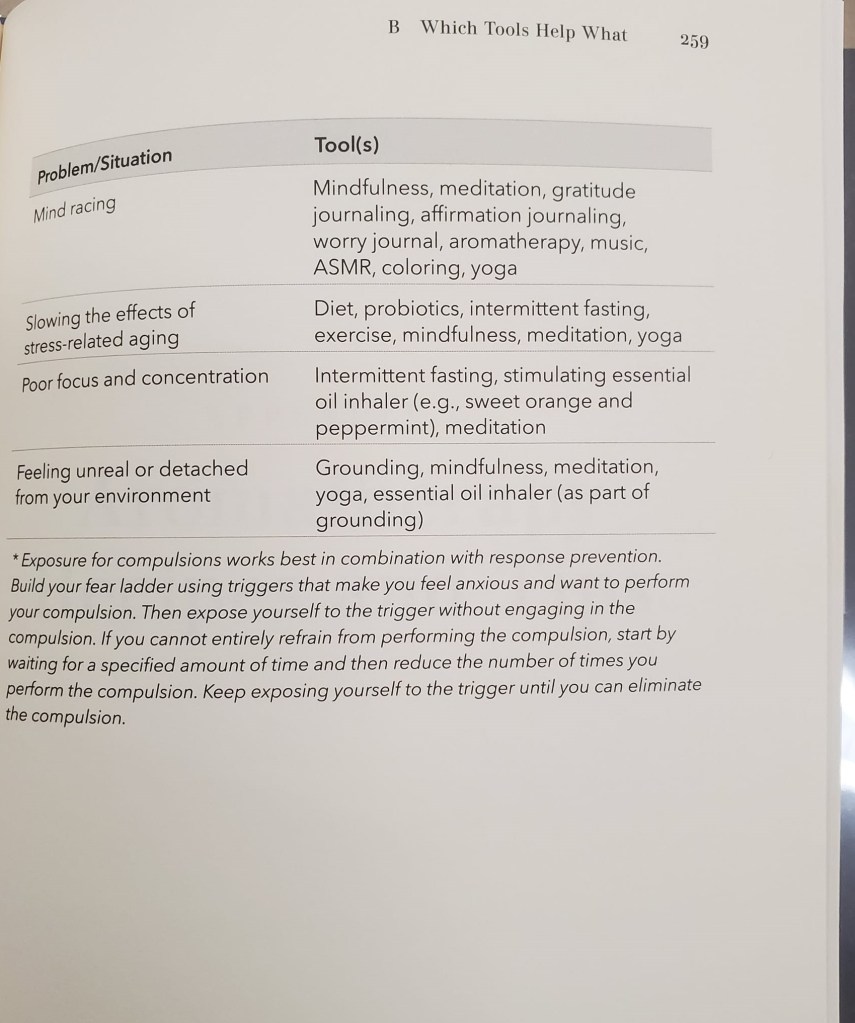
Treatment options for anxiety include:

  • Medications. For those who don’t want/need to take medication every day, benzodiazepines can be taken as needed/infrequently. There are no side effects without long-term use. Magnesium supplements are also effective.
  • Aromatherapy
  • Accupuncture
  • Attention tools: mindfulness, meditation, grounding, 5-4-3-2-1 environment awareness
  • Thought control tools: journaling, gratitude, affective labeling, affirmations, worry time, and reframing
  • Body tools: breathing, probiotics, increase activity level and sleep time, weighted blankets, intermittent fasting, nature sounds ASMR, coloring, laughter, exposure exercises

These handy toolkits were included in the book:

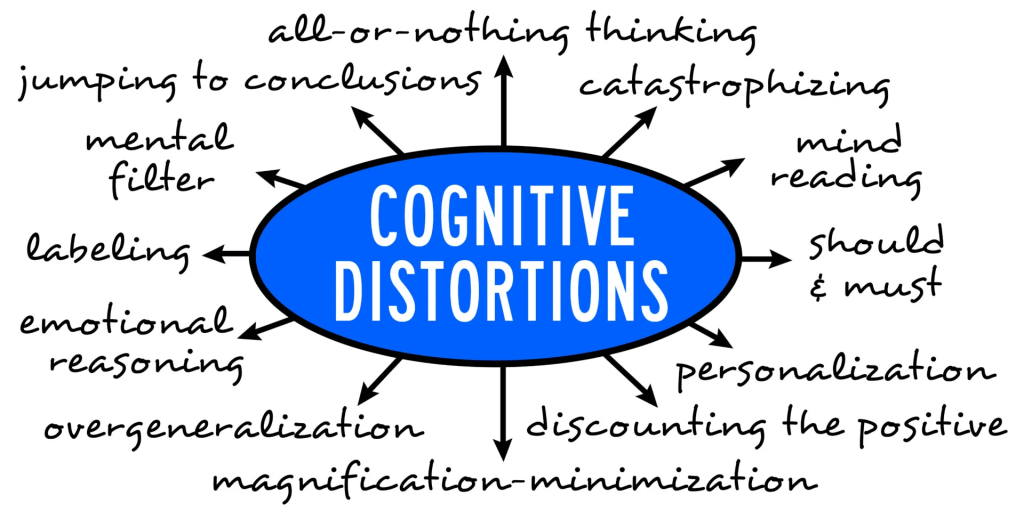
One common symptom of anxiety is having cognitive distortions. These distortions spell out the mnemonic SCALPED MOP:

  • “should” statements
  • catastrophizing
  • all-or-nothing thinking
  • labeling
  • premature conclusions
  • emotional reasoning
  • discounting the positive
  • magnifying and minimizing
  • overgeneralizing
  • personalization

To overcome these cognitive distortions, challenge the thought.

  • Is the evidence based on what someone said or did in this situation. or is it based on inferences, hunches, and past experiences?
  • Am I holding myself to an unreasonable standard?
  • Have I considered other possibilities before drawing these conclusions?

This book was so educational and interesting!

Highly recommend! ⭐⭐⭐⭐⭐

I look forward to reading, learning, and sharing more with you soon!
Book review posts, Uncategorized

The Top Five Regrets of the Dying

“The Top Five Regrets of the Dying” was written by Bronnie Ware, an Australian author, inspirational speaker, songwriter, and mother. This book was inspired by a blog post from the author with the same name, and this book has been published in 32 languages. Bronnie worked in palliative care, and to be honest, I felt bored while reading at times. This book seemed to be focused more on the author’s autobiography than the regrets of the dying.

The most common regret is the regret of not having lived a life true to themselves. This was also the regret that caused the most frustration, as it was realized too late.

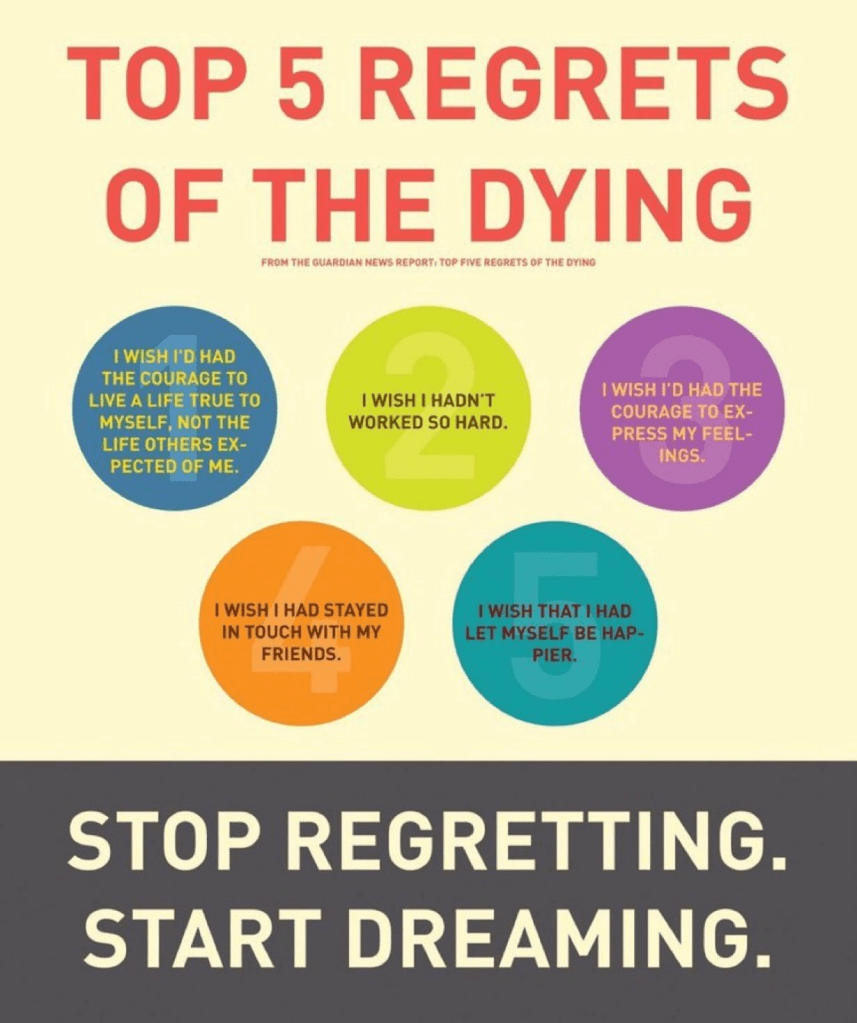
The top 5 regrets of the dying:

1. I wish I’d had the courage to live a life true to myself, not the life others expected of me. Compassion starts with yourself. If we are all to become a product of our environment, the best thing you can do is to choose the right environments that suit the direction you want your life to move towards.

2. I wish I hadn’t worked so hard. There is nothing wrong with loving your work and wanting to apply yourself to it, but there is so much more to life. Balance is important. Our true value is not what we own, but who we are. Nobody wished they had bought or owned more. What most occupied the thoughts of dying people were how they lived their lives, what they did, and whether they made a positive difference to those they left behind (family, friends, community, etc.)

3. I wish I’d had the courage to express my feelings. If you are already carrying guilt from things left unsaid to someone already dead, it is time to forgive yourself. You are not honoring your life by carrying guilt forward.

4. I wish I had stayed in touch with my friends. Don’t lose touch with the friends you value most. Those who accept you as you are, and who know you very well, are worth more than anything in the end. Don’t let life get in the way. Give yourself the gift of their company.

5. I wish that I had let myself be happier. Allow yourself to be happy without guilt. Don’t allow the opinions of others to become a part of who you are. Happiness is a choice.

We spend so much time making plans for the future and depending on things to happen at a later date to assure our happiness, or we assume we have all the time in the world, when all we ever have is our life today.

We miss out on a lot of potential happiness when we focus too much on the results rather than the journey. It is easy to think happiness depends on something falling into place, but things fall into place when happiness is already found.

The peace each of these people found is available now without having to wait until our final hours. We have the choice to change our life, to be courageous, to live true to ourselves, and to live without regrets.

Be who you are, find balance, speak honestly, value those you love, and allow yourself to be happy. Smile and know that this time will pass and good will follow.

I look forward to reading, learning, and sharing more with you soon!
Book review posts, Uncategorized

Still Doing Life: 22 Lifers, 25 Years Later

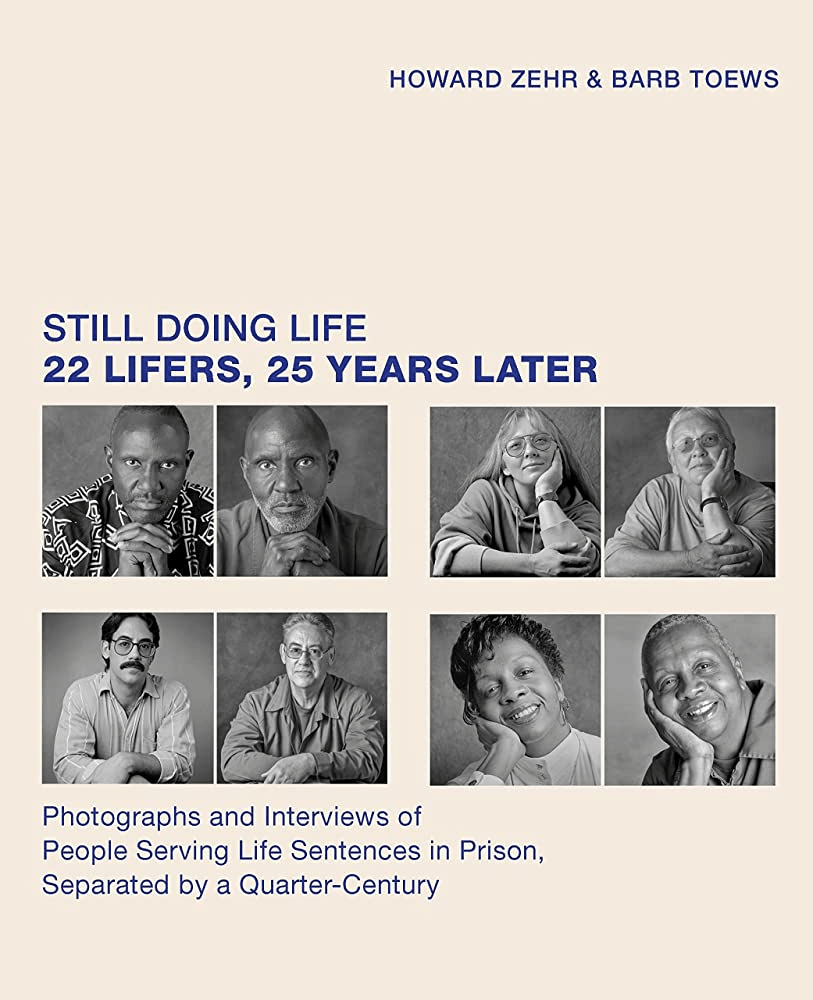
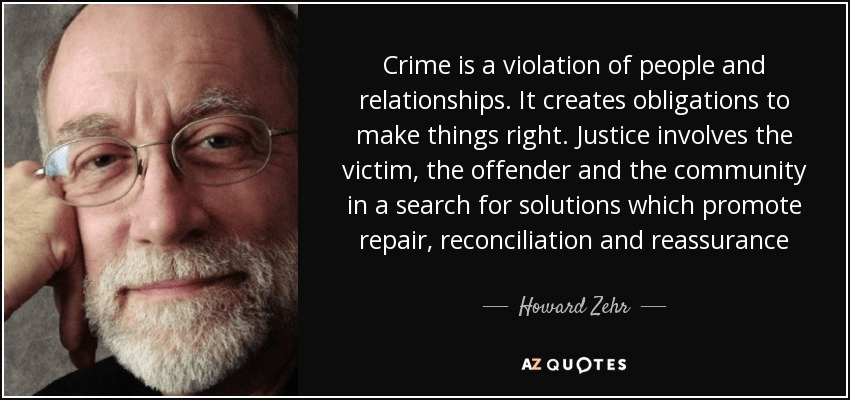
Still Doing Life: 22 Lifers, 25 Years Later” was an eye-opening book written by Howard Zehr and Barb Toews, who first interviewed people in this book in the early 1990s and followed up with them in 2017. Their first interviews resulted in the book “Doing Life: Reflections of Men and Women Serving Life Sentences.” Of note, those who have not managed to mature and change for the better are underrepresented in this book. This book was also published by New Press, a nonprofit public interest publisher.

MANY statements stood out to me. I didn’t agree with all of them but enjoyed reading new perspectives. The quotes I took from this book emphasized the weight of uncertainty of life sentences/release dates, prison sentences harming families and loved ones, rehabilitation, justice, trauma healing, and restorative justice.

Disclaimer: These are quotes that resonated with me. I do not agree with all of them. I am sharing them as simply quotes to provoke thinking, and these are not necessarily my views or opinions or those of my employer.

“The meeting with the victim’s family, telling her what actually happened, was the best thing in my whole incarceration. She told me what the loss meant to her and was understanding of what it’s done to me, and how I’ve changed and grown. It’s rewarding to know that, even after 35 years, they aren’t hating you, being vindictive, or wishing you were dead. They’re on my visitor’s list, send letters and cards, and have written letters for my commutation.”

“People think that rehabilitation means the system has succeeded in their program to be rehabilitate you…you have to rehabilitate yourself. There are women who have been here almost as long as I have who are no further ahead than the day they stepped in. There are others who are a true success story. These women chose to grow and to rehabilitate themselves, to make their lives not only suitable for the outside, but very suitable for living in prison.”

“I don’t favor life without parole because I think anyone can change. To say a person made a mistake and then lock them up for the rest of their life is inhumane. Actually, I would describe a life sentence as a death sentence. There’s a good possibility you will never get out.”

“They got a whole lot of lifers that they need to let out. Lifers could be an asset on the street because lifers know what it’s like to be out there. They are wasting the taxpayers’ money. They’re wasting a lot of good minds. I could talk to children and tell them what it’s like to drop out of school and get involved with drugs because I’ve been there before. If you can give a child any kind of experience, it’ll help more than telling them they shouldn’t do something.”

“Now I understand NOT the excuses for why it happened, but why it happened. It makes me able to accept my blame and not use someone else as a scapegoat. I know what I allowed with my codependent actions, my need for someone else, my fear of abandonment, the fear that I couldn’t make it on my own. Now I don’t think there’s much I can’t do on my own. Today I’m a healed individual. I’m more understanding and compassionate, but not to the point of letting someone else use me again. I’m a supportive individual, but there’s a limit to my being able to give beyond my boundaries. Before, I didn’t know I had boundaries.”

“I believe I’ve been forgiven by my God and myself, but it’s the forgiveness of the family of the victim and my family that’s the problem. I’m deprived of the opportunity to face them. If locking me up for the rest of my life would bring my victim back, I would understand. But that’s not the case. Justice without mercy isn’t justice. I need to be punished, but I need mercy to be fully restored.”

“It’s been rough on my family to see me here. It hurts them more than it hurts me. I know what’s going on with the family and children, but I try not to interfere with their lives. I’m the one who’s being punished, but they’re being punished too. It hurts more than it’s supposed to.”

“I would describe a life sentence as doing something you don’t want to do, being with people you don’t want to be with, being somewhere you don’t want to be. Not having your fate within your control. Life without parole is a death sentence without an execution date. You should be able to live in anticipation of something. The anticipation involved in being without you freedom should be the anticipation of being free.”

“I lived in a prison in my own home with an abusive husband. When I first came to jail, it was a refuge. I didn’t have to worry if he was going to kill me. But it didn’t take too long for the reality to set in. I’ve gone through stages. There was a period when it wasn’t hard, because the life I had before was rough. When I came to jail, I was safe for the first time. Now it’s getting really difficult. I’ve done everything I can do here. I’ve taken every opportunity the prison offers.”

“Many of us have grown up since we’ve been here. Our thought processes have certainly changed, so we want to feel and live this humanity, and live a normal life. I don’t know how we can sugar coat that it’s a totalitarian system here. It’s like: feed the dogs two times a day, let them go out to the bathroom, let them run around a little bit, then put them back in.”

“I was put in prison because I was a danger to society. I realize that. They did the right thing. But now, having lived in prison for the last 30 years as a responsible, model prisoner? I’ve worked in the recovery program. I’ve started programs at different prisons I’ve been at. I’ve made a responsible life in here. I’m no longer a threat. Why do I have to continue to be held in prison, when I can go out there and replicate exactly what I’m doing here? Especially after the prison has done what it’s supposed to do as far as transforming and changing individuals.”

“I’m not requesting commutation. They would notify the victim’s family, and they would have to go through this all over again. I couldn’t do it. I’ve been able to work through the crime myself, but to put them through it? No. I accept being here. I’m okay with that.”

“If I had one wish, I would ask to get out of jail and have the opportunity to reestablish my family life and myself as a productive citizen in society. Do the things the way that I should have done the first time I was out, like being more active in the community and with children so I could influence those who may be heading in this direction. Incarceration is an experience that sticks with you, but you can share it with people – not to intimidate them, but to try to convince them that this isn’t a worthy lifestyle.”

“Just because you’re in prison doesn’t mean you have to be hard and cold. Sometimes the smallest thing like a smile or a word of concern can lift someone so high. I refuse to let this place make me afraid to be human. I refuse to walk around here with my head hung down, and I refuse to let authority strip me of my pride and my dignity and my sense of who I am. I may be an inmate, a prisoner, whatever label you choose, but I am a person first.”

“That was restorative justice for me: Did I have things in my life that needed to be restored? Could I truly see other people’s positions besides how things affected me? How were other people affected by things that I might have done or said?”

“Trauma not transformed is often trauma transferred. Hurt people hurt people.”

Trauma healing requires safety, acknowledging painful experiences, and reconnection. People must “find themselves” in ways that restore self-worth, such as uncovering new skills, interests, and gifts. They must create community by participating in educational, therapeutic, and service programs and organizations. They must also value and nurture relationships outside prison walls by addressing people impacted by their actions, especially those most directly victimized by them.

“Meaningful accountability in the case of total violence is difficult to conceptualize because a deceased person cannot be brought back to life. Loved ones left behind know this better than anyone. Yet accountability is possible to some degree through the acknowledgement of responsibility for the violence, an understanding of the harm caused, taking steps to ensure the violence will not happen again, and paying it forward by helping others.”

This book was particularly interesting given my current career. To emphasize, these quotes are all taken from the book and do not necessarily represent my personal views or the views of my employer.

I look forward to reading, learning, and sharing more with you soon!
Book review posts, Uncategorized

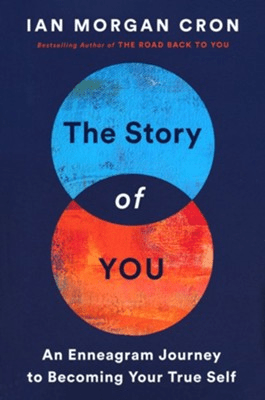
The Story of You – Enneagram Types and Rewriting Your Story

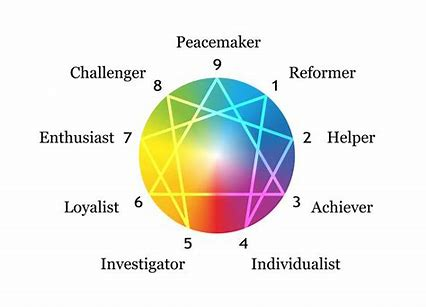
“The Story of You” is a book written by Ian Morgan Cron, an author, psychotherapist, Episcopal priest, songwriter, and founder of the Typology podcast. Using the nine Enneagram types, Ian revealed the broken stories that each type adopts and inhabits in childhood to make sense of the world and explored how to rewrite the self-sabotaging stories you tell yourself about who you are. I had SO many take-aways from this book, and it was among my top 20 favorite books I read in 2022.

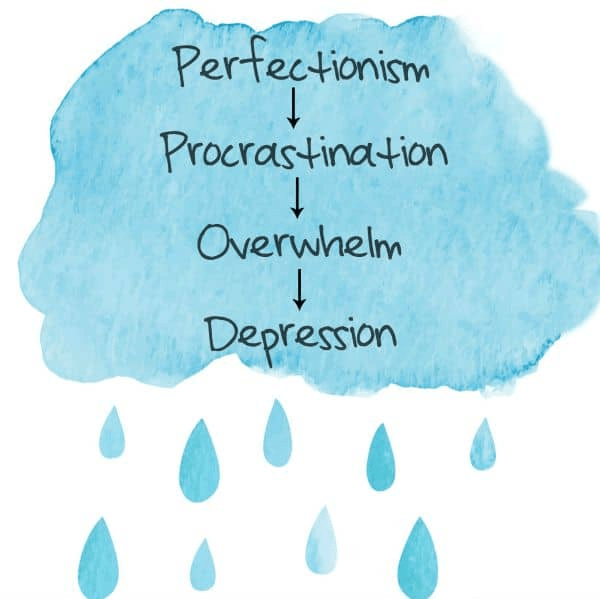
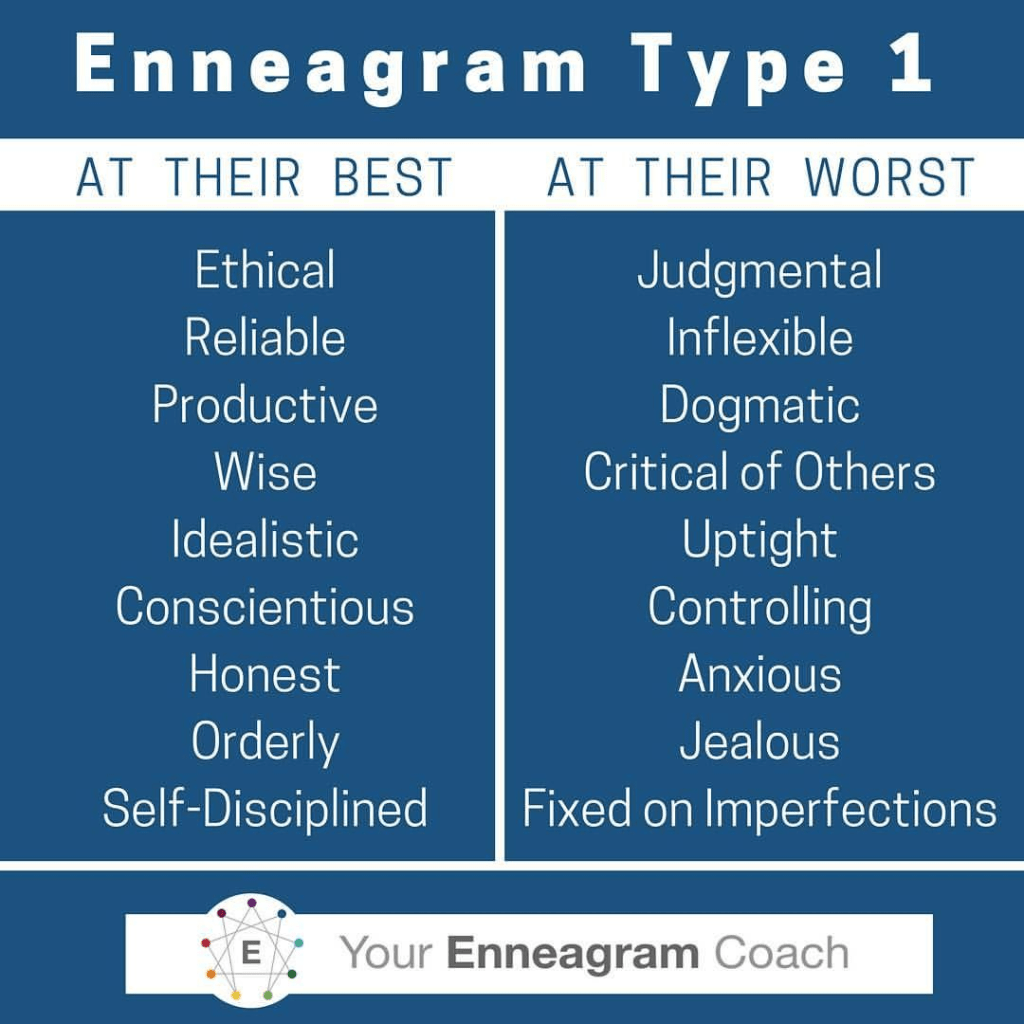
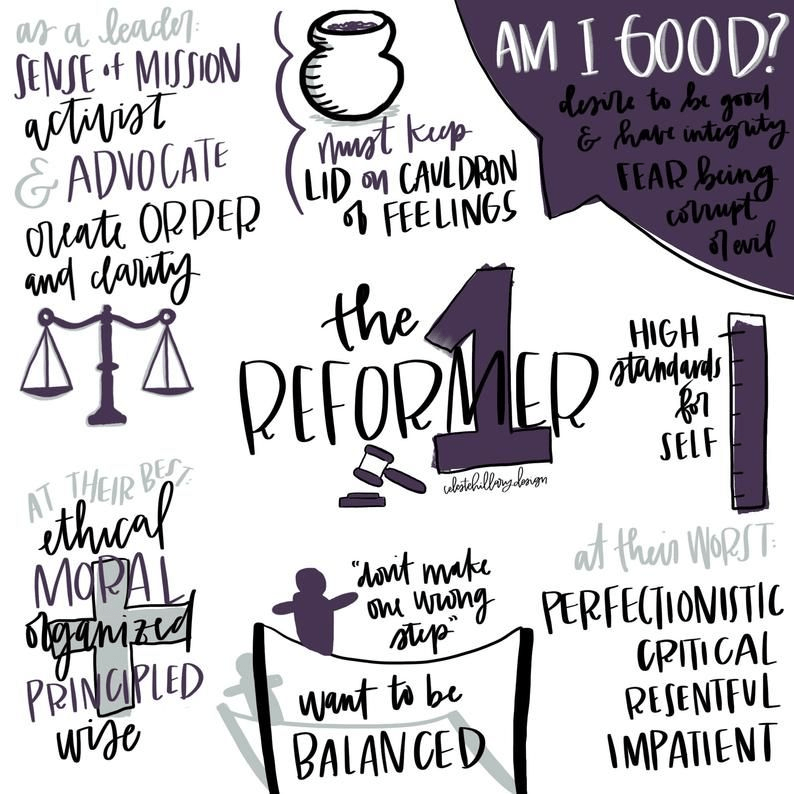
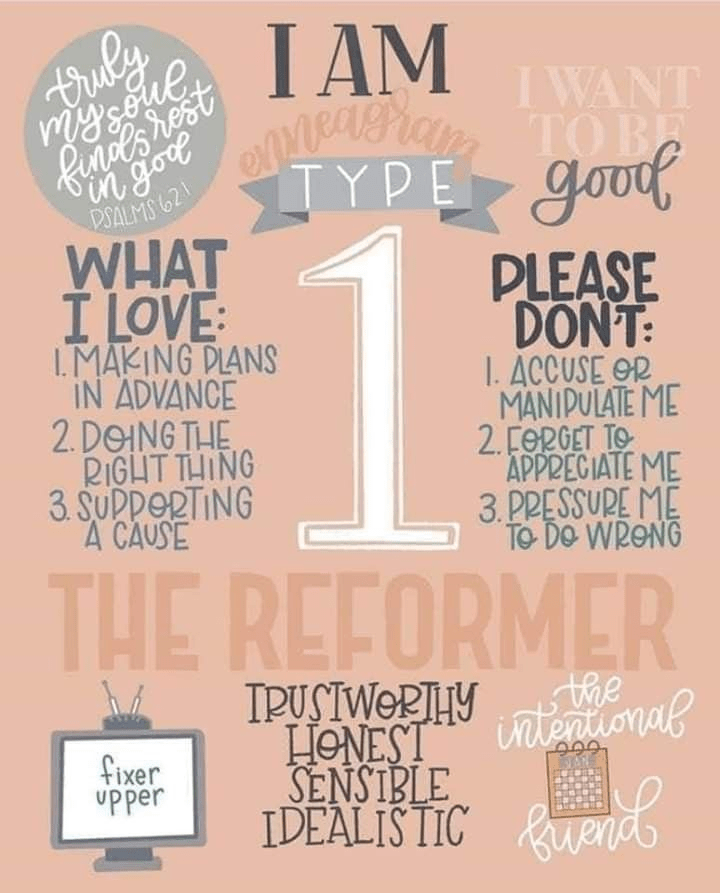
All nine Enneagram types were explored in this book in detail, and it was evident that I am mostly a type ONE on the Enneagram. Ones are well-behaved, mature, inherently principled natural leaders who want to know the standards and principles of morality, decency, and integrity and adhere to them. Ones are perfectionists always working to improve themselves and to be good, often expecting others to be the same way. Ones tell themselves that it’s their job to make the world a better place, so they work harder, do more, and put in extra hours to accomplish that.

Statements ONES relate to (aka the story of my life):

  • What I should do is more important than what I want to do.
  • I’ll finally be happy when I’m perfect.
  • I need to be good so people will like me.
  • I have to maintain control.
  • If I relax, all hell will break loose.
  • The risk of being criticized or judged is not worth the shame and self-judgment it could cause.
  • People will not accept me as a flawed human being.
  • Others won’t do as good a job as me.

For ONES, perfectionism is the source of unhappiness. The story Ones tell themselves includes self-improvement as the starting point for improving the world, so they are eager to pursue new systems, innovative practices, or fresh ideas that help them do more in able to be better. They often experience simmering resentment just below the surface waiting to boil over, self-condemnation for their imperfections, and exhaustion from always striving to improve and do more.
ONES breaking out of their own story:

  • make rest and relaxation a priority
  • schedule vacations/days off/downtime in order to recharge
  • stop worrying about what everyone else is thinking
  • accept themselves as they are, knowing that imperfection is essential
  • forgive themselves when they fall short
  • learn to endure disorder and chaos without running around and correcting others and modeling the right way to do things
  • let go of the need for certainty and extend grace to others for trying
  • realize that God’s love is not predicated on their accomplishments in perfecting themselves, others, and the world
  • Their new story starts when they begin to experience the virtue of serenity that comes when they accept that the world is imperfectly perfect and so are they.

You have control over the choices you make every day. You are the narrator of your own story. Assume control of your new story; don’t let your old story control you.

“Who would I be and what could I achieve if I pushed back against the false story about who I think I am and the nature of the world? What decisions can I make today to inhabit the new story that will help me become the highest and truest expression of myself?”

Ian Morgan Cron

I highly recommend reading this book if you want to rewrite your story!

I look forward to reading, learning, and sharing more with you soon!