Thoughtful Thursday posts, Uncategorized

Thoughtful Thursday- May 4, 2023

My intention is to post a Thoughtful Thursday column each week and share some of the insights I have learned in the past week. Here are some of the things I’ve learned this week:

Self Improvement Daily- Getting Started Setting Goals

Setting goals is an effective way to structure your efforts and get a desired result. However, many people set goals too big without a plan. Ex: go from not working out at all to working out 6 days per week. Others set goals without much of a plan. Ex: drink more water. Eat healthier.

You don’t need to wait to have a perfectly defined and thought through goal before getting started. As you begin pursuing your goals, you collect more reference points and information to aid in defining your goal and the structure of achieving your goal. As you get closer to your goals, they get clearer. You should always be intentional about pursuing more clarity.

A goal I had for quite some time was to drink more water. There were times I drank up to a gallon per day (too much for me), but other times, I got so consumed in my work that I didn’t finish my first 16 ounces until after lunch! “Drink more water” was not a clearly structured goal for me. When I noticed that I regularly wasn’t finishing my first 16 ounces until well into the afternoon, I revised my goal to include “drink 1 bottle of water before the workday starts.” That goal is structured, measurable, and helps me to drink more water throughout the day. I also use True Lemon packets (available in a variety of flavors) to increase my water intake.
Another goal could start off as “eat healthier.” This could be structured by committing to planning staple breakfast foods and meal prepping healthy lunches for the week so that you don’t have the urge to order takeout during the work week.

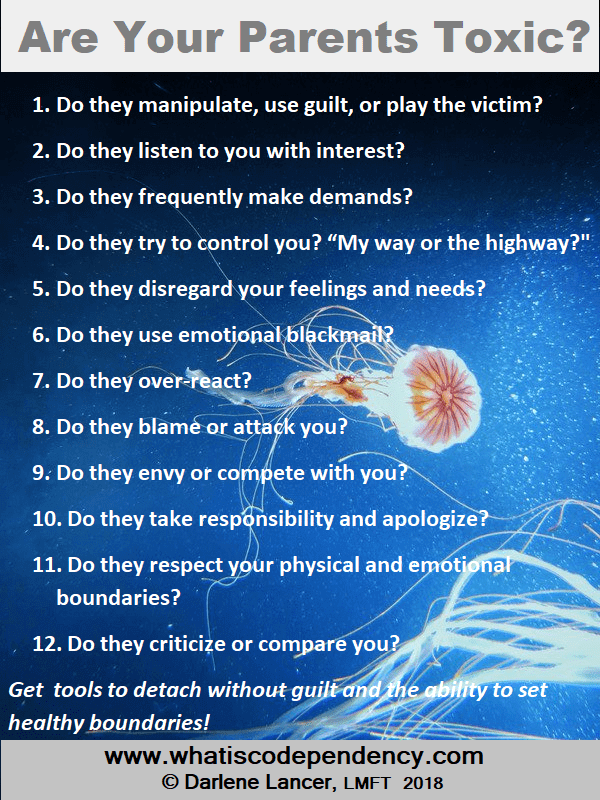
Psych2Go Mental Health Podcast- 10 Toxic Things Parents Say To Their Kids
  1. You look terrible.
  2. You’re a freak.
  3. You’re so immature.
  4. I’m going to send you to boarding school.
  5. Once you’re 18, I’m going to kick you out.
  6. This is your fault.
  7. Show me some respect (when it isn’t due/when it’s toxic).
  8. Do what I say or else.
  9. You are terrible at ___.
  10. You’re the worst student.

I am grateful that I didn’t hear any of these phrases directed at me growing up, but I know of people who have. It is important to show love to your children and allow them to make mistakes, express their own individuality, and overcome obstacles that can turn into learning experiences.

Life Kit- Put your savings to work

When we put money into a traditional savings account when inflation is high, its value is eroding.

Savings account interest rates may be as low as 0.01%, and the average interest rate is currently 0.24%. Some banks have increased interest rates due to inflation, and smaller banks are offering better rates than bigger banks.

Online banks offer better rates due to not having to maintain brick and mortar locations. Be sure to research minimum deposits and hidden fees and read the fine print! I recently created an account for CIT bank online, which offers interest rates between 4.50%-4.75%!

Aside from savings accounts, CDs are another option. The longer the term, the better the rate is. Be sure you can commit to the term, as you can’t withdraw $ during that term without paying a penalty.

Ibonds are inflation bonds where you are lending the government $ and the government agrees to pay you back at a later date with interest. Ibonds increased in popularity in 2022, as the interest rate was over 9%! The government sets Ibond rates every 6 months, and the term is for 5 years, although you can access your money before the 5-year term is up by forfeiting the last 3 months’ interest. The interest rate was just adjusted down to 4.30% in May 2023.

Taxes: the interest earned from savings accounts and CDs is taxable. Ibonds are exempt from state and local taxes, but you will have to pay federal income tax when you cash in on the bonds.

Consider switching savings accounts to one with a better interest rate. You may also want to consider government bonds for medium-term or long-term savings or CDs for short-term savings.

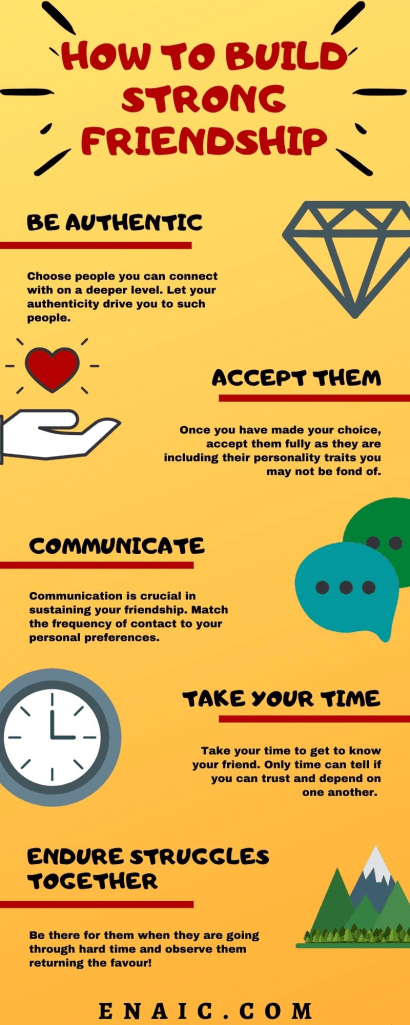
Self Care IRL- 14 Ways to Strengthen Your Friendships
  1. Make your friendships a priority.
  2. Start by staying in touch.
  3. Try to think about what your friend needs right now. How can you be helpful or of value?
  4. Stop judging. You are never going to be 100% approving of anyone or the decisions of anyone, including yourself!
  5. Give an occasional compliment.
  6. Spend time together.
  7. Find common interests that you share, and do those things together!
  8. Take on a new challenge together. Humans become closer with those they suffer with and overcome obstacles with.
  9. Take a road trip.
  10. Try new things together, such as restaurants, events, or activities.
  11. Play fair. Don’t one up your friends.
  12. Express your gratitude. Let them know you value them.
  13. Admit and apologize.
  14. Be authentic and be honest.
How to Be a Better Human- How to keep house while drowning

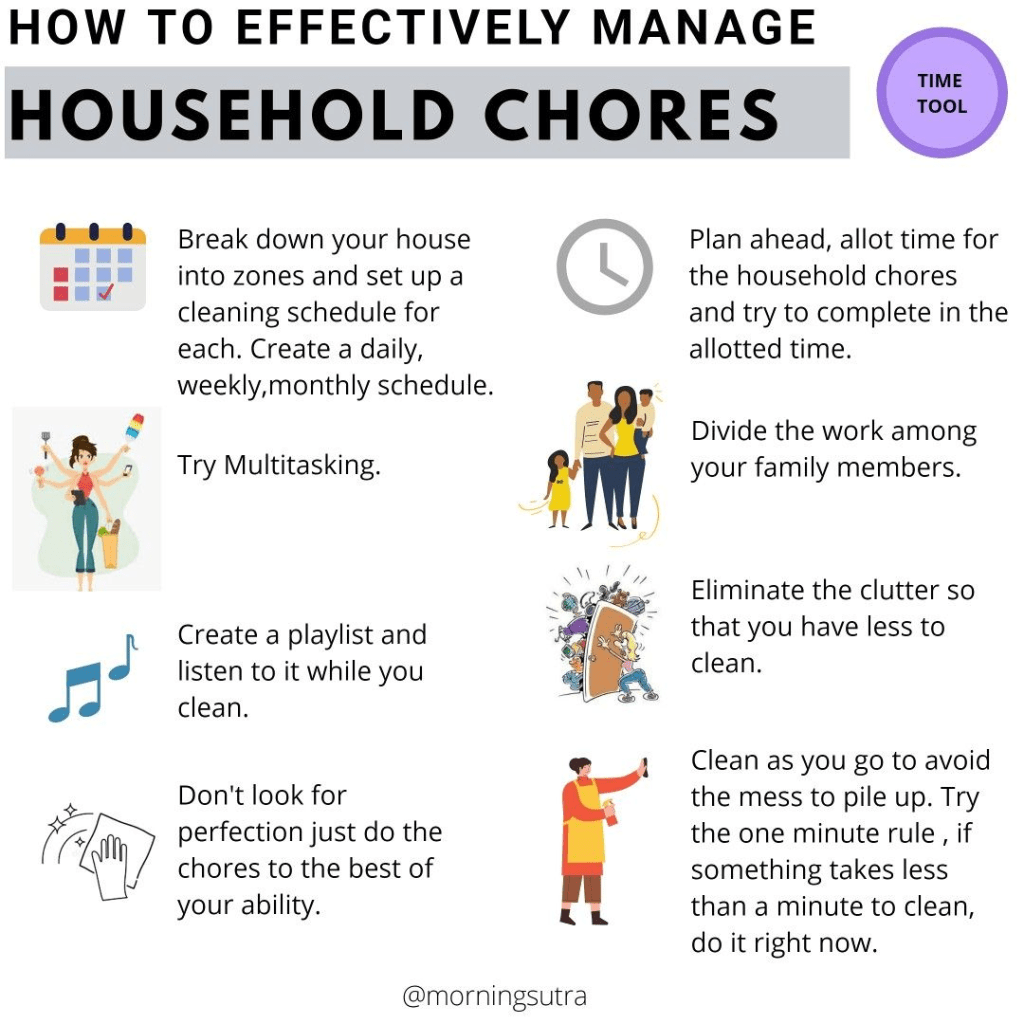
Reframe chores. Chores feel like an obligation. Some chores should be considered care tasks because they are tasks that you do to care for yourself, such as dishes, laundry, cleaning, exercising, cooking, organizing, and changing your sheets.

Ask yourself: What can I do right now in order to ensure that I’m being kind to my tomorrow self?

With other household stuff, acknowledge that good enough is perfect, and everything worth doing is worth doing partially. I struggle with this. I want to put my 100% into everything, so when I can’t dedicate the time and energy, sometimes I just don’t do it at all.

With chores, ask yourself these questions: What is the part you hate? What about it do you hate? Is there a way to skip that step or delegate? How can I add pleasure or joy to it? Ex: use a timer and dedicate a specific amount of time to a task, then stop when the timer goes off. Play your favorite playlist while doing a task you don’t enjoy doing.
Focus on Marriage Podcast- Common Problems and Letting Go of Selfishness

Many newly married couples have unrealistic expectations of marriage, such as “We are always going to agree on spending money. We will draw closer to our family and in-laws once we are married. We will divide up household responsibilities equally. We will have amazing sex often. I will never feel lonely in my marriage.” These unmet expectations are common sources of frustration in marriage.

Despite these common struggles, remember to ask yourself: What do you like about your partner? Why did you marry your partner? Why do you believe you’re married today?
One interesting point made in this podcast is that husbands are often looking for validation, and women feel resentment because they feel they are doing more than their husbands and it goes unnoticed.

Also, husbands often hear more about what they don’t do than about what they do do, leading them to feel unloved and unappreciated. They are seeking affirmations. Provide affirmations, appreciation, and validation, and also put effort into equalizing responsibilities.

Optimal Living Daily- How to Create Time for Self-Care Without Feeling Guilty by Ellen Burgan

When you take care of yourself, you have more energy, patience, and compassion for others AND yourself.

Common obstacles to self-care and what you can do about them:

“I don’t have enough time” ⇛ This is a sign that you’re prioritizing others above yourself. This is a matter of how we choose to use our time. Remember that taking care of yourself will ultimately make you more productive and efficient in the long run.

“I can’t afford it” ⇛ Self-care doesn’t have to be expensive. There are several free or low-cost options, such as going for a walk, doing yoga at home, journaling, reading a book, coloring, or listening to music or a podcast.

“I don’t know how to do it” ⇛ It doesn’t have to be complicated. Find something you enjoy doing, and go do it. Find what works for you and make it a regular part of your routine. For me, self-care includes reading, exercising, listening to podcasts, and journaling + the very occasional massage.

“I’m too tired” ⇛ This is an even better indication to take time for yourself! Self-care can help boost energy levels, relieve stress and burnout, and improve sleep.

“I don’t have anyone to do it with” ⇛ You can still take care of yourself while flying solo.
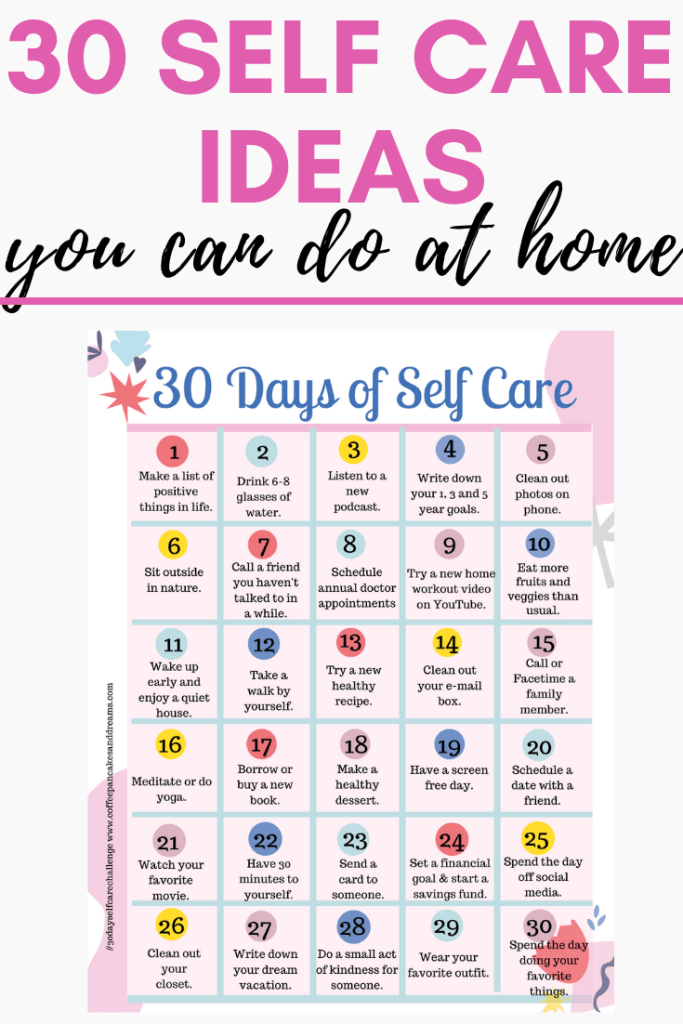
Tips:

  • Shift the way you think about self-care. Instead of feeling guilty, shift your thoughts to that of well-deserved time to focus on and care for yourself. If you take care of yourself, you will be a more fun person for others to be around.
  • Prioritize self-care. Schedule self-care and include it in your regular routine.
  • Set boundaries. Practice saying no to things that don’t align with your priorities or that are draining you. Every time you say no to another obligation, you are saying yes to yourself.
  • Use small chunks of time. If you can’t find a long burst of time for self-care, use the short bursts of time you have. Maybe spend 10 minutes a couple times a day for yourself, and as you get better at finding dedicated time to yourself, you can increase it to a daily routine.
  • Ask for help and be willing to accept help. Delegate tasks if you are able to so that you can have some time for yourself.

Crina and Kirsten Get to Work- Workplace Mental Health Takes Center Stage: A New Priority for the Surgeon General

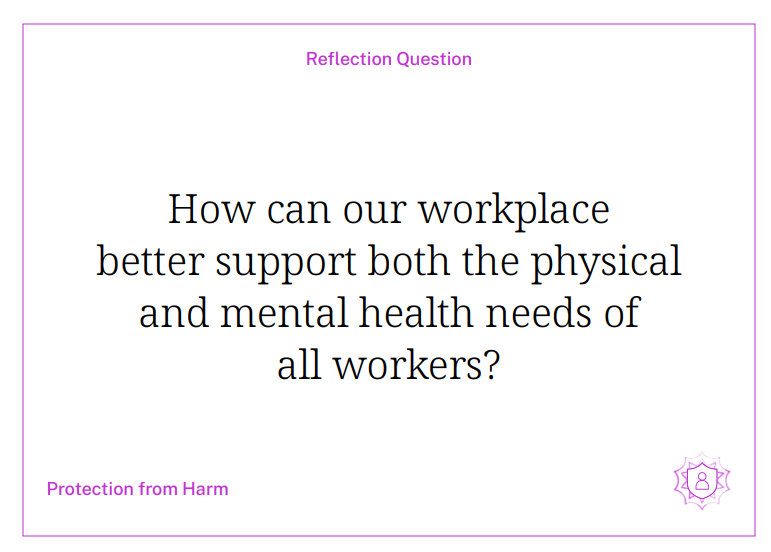
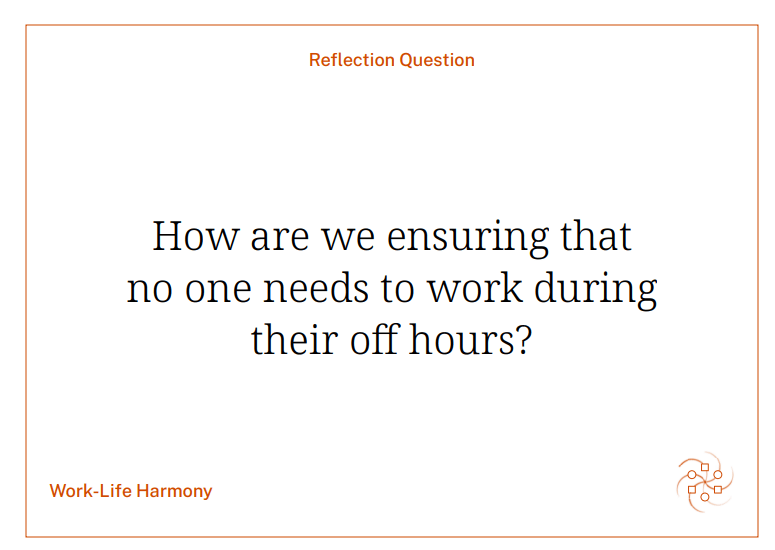
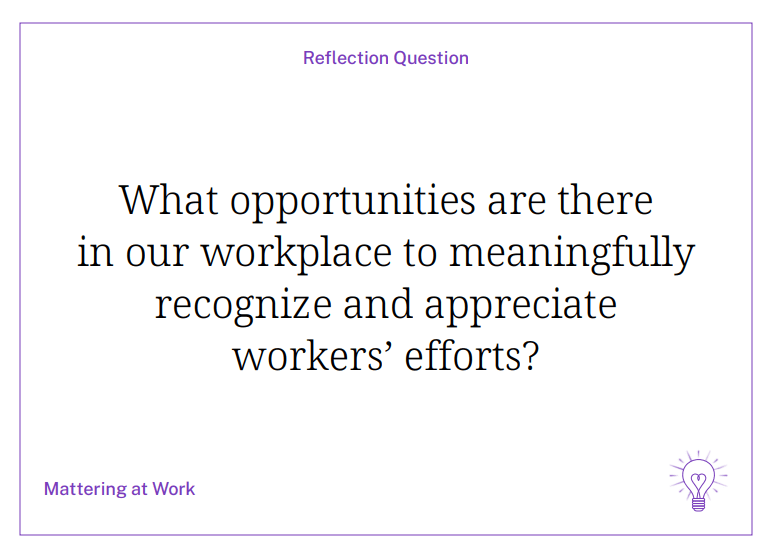
The Office of the Surgeon General created a framework for workplace mental health and well-being. All reflection questions are taken from: https://www.hhs.gov/sites/default/files/reflection-questions-workplace-mental-health-well-being.pdf

  • Protection from harm: safety and security.
    • Prioritize workplace physical and psychological health.
    • Enable adequate rest.
    • Normalize and support mental health by validating challenges, communicating mental health and well-being as priorities, and offering both support and prevention services.
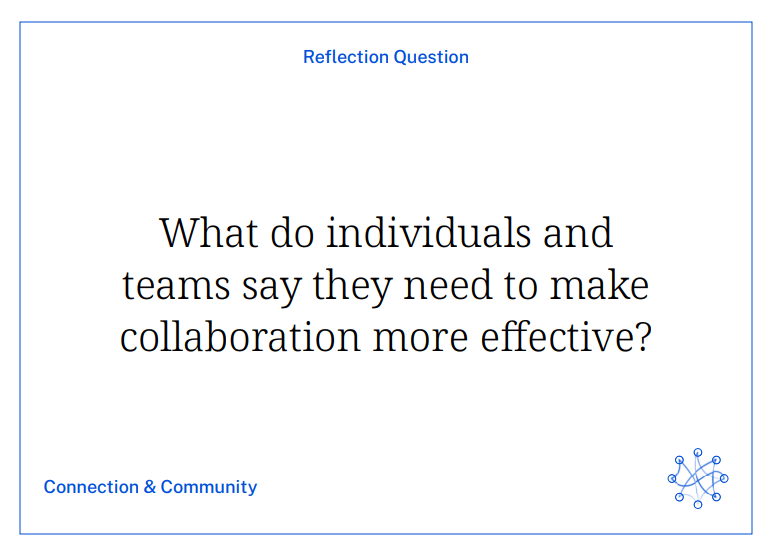
  • Connection and community: social support and belonging.
    • Create cultures of inclusion and belonging.
    • Cultivate trusted relationships.
    • Foster collaboration and teamwork.
  • Work-life harmony: autonomy and flexibility.
    • Provide more autonomy over how work is done.
    • Make schedules as flexible and predictable as possible.
    • Increase access to paid leave.
    • Respect boundaries between work and non-work time.
  • Mattering at work: dignity and meaning.
    • Provide a living wage.
    • Engage workers in workplace decisions.
    • Build a culture of gratitude and recognition.
    • Connect individual work with organizational mission (shared purpose).
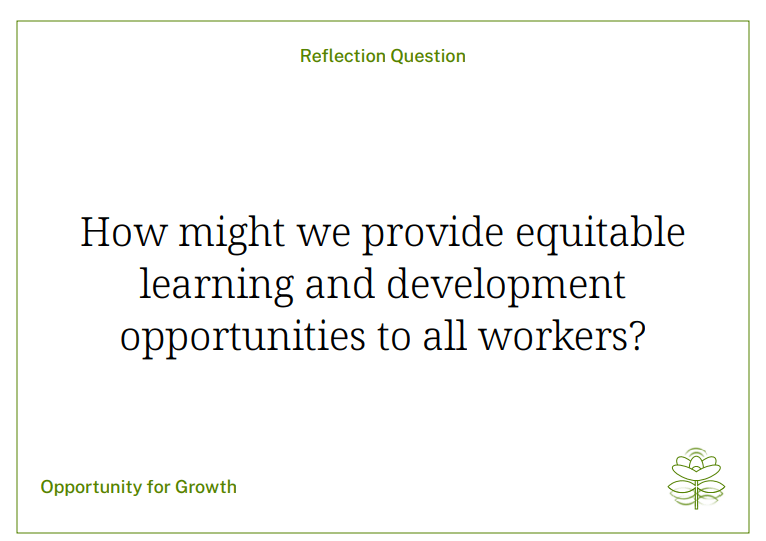
  • Opportunity for growth: learning and accomplishment.
    • Offer quality training, education, and mentoring.
    • Foster clear and equitable pathways for career advancement.
    • Ensure relevant and reciprocal feedback.
How is your employer doing with all of these?

I look forward to reading, learning, and sharing more with you soon!
Book review posts, Uncategorized

How Will You Measure Your Life?

“How Will You Measure Your Life?” was written by Clayton M. Chesterton, James Allworth, and Karen Dillon, all of whom were once associated with Harvard Business School or the Harvard Business Review. This book covered how to be successful and happy in your career, how to make your relationships an enduring source of happiness, and how to live a life of integrity. Several examples and insights were provided.

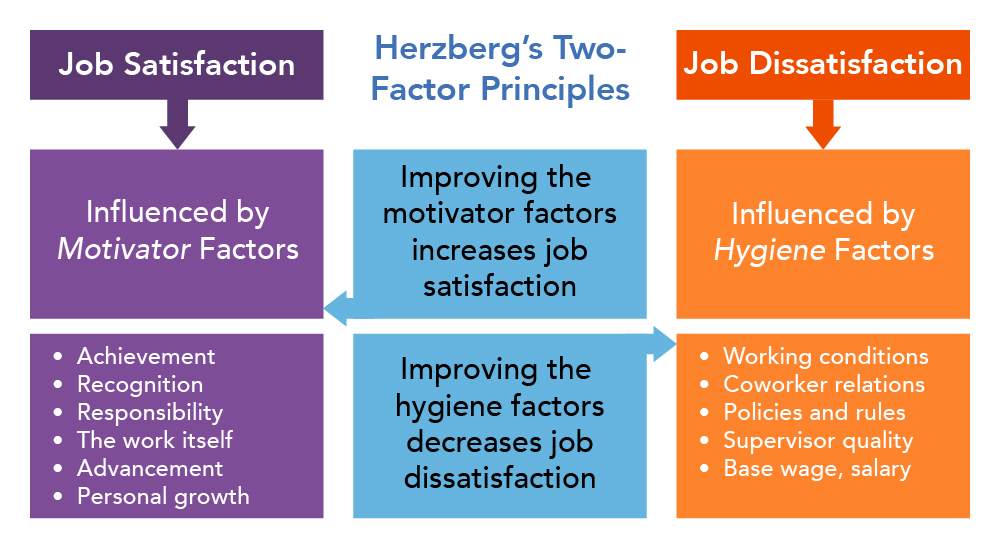
There are hygiene factors and motivators at work. Hygiene factors include status, compensation, job security, work conditions, company policies, and supervisory practices. If you have these, you won’t suddenly love your job; you just won’t hate it. Compensation is a hygiene factor. Motivators include challenging work, recognition, responsibility, personal growth, and meaningful work. These things make you enjoy a job and want to stay.

Many people choose jobs for the $ and then think they’ll later return to their passion but never do, causing resentment of their work. It is hard to dwindle back your lifestyle and transition to a field where you make less $.

Make sure your values and priorities align with how you spend your time, energy, talent, and money. With every decision you make about how you spend your time, energy, talent, and money, you are making a statement about what really matters to you.

High-achievers tend to focus a great deal on becoming the person they want to be at work and far too little on the person they want to be at home.

*If you defer investing your time and energy until you see that you need to, chances are that it will already be too late.

The path to happiness in marriage is about finding someone who you want to make happy – someone whose happiness is worth devoting yourself to.❤️

Thinking about your relationships from the perspective of the job to be done is the best way to understand what’s important to the people who mean the most to you. “What job does my spouse most need me to do?”

Don’t flood your children with your resources and do everything for them. They need to be challenged and solve hard problems and develop themselves.

Outsourcing can lead to losing valuable opportunities to help nurture and develop them. Teach them how to deal with pressure and build resilience and solve problems. Find the right experiences to help them build the skills they’ll need to succeed. Some of the greatest gifts are what your parents didn’t do for you.

When our children are ready to learn, we need to be there. We also need to be found displaying the priorities and values we want our children to learn – through our actions.

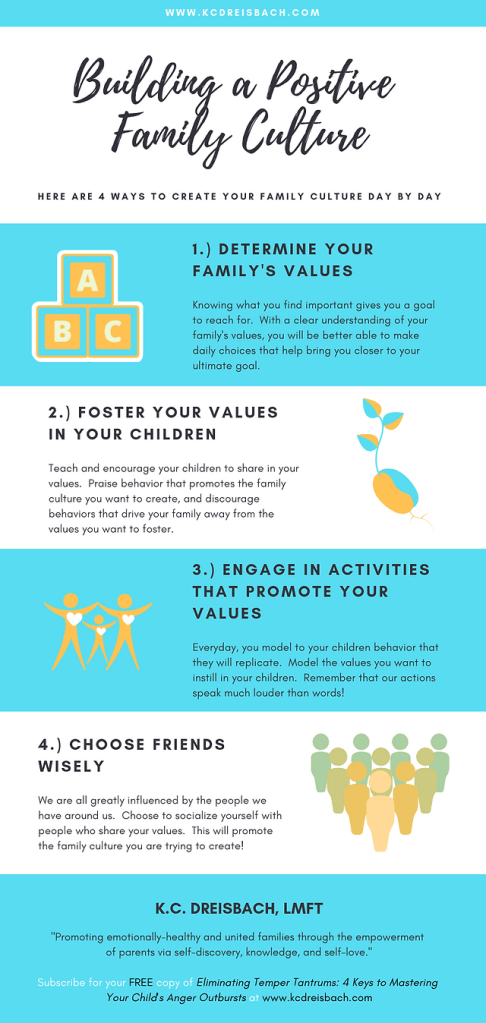
You have to build the culture you want in your family. If you do not consciously build it and reinforce it from the earliest stages of your family life, a culture will still form – but it will form in ways you may not like.

Decide what you stand for and stand for it all the time – no “just this once” exceptions.

This book really resonated with me. For several years, I prioritized working multiple jobs and paying off student loan debt/saving money, so I did not have a social life or really any personal hobbies I regularly devoted myself to. Work was essentially my identity. In the past year, I have prioritized daily habits, working less, socializing, and personal hobbies and am much more satisfied. I have been discerning whether to become an attorney, but from the insights I have gathered, the work-life balance is not enticing. Being an attorney has been my goal or plan since college, and now my mindset has shifted to consider work-life balance. Would this career path allow me a work-life balance to have personal hobbies, a social life, and quality time with my husband and future children? That is how I will measure my life.

The type of person you want to become – what the purpose of your life is – is too important to leave to chance. It needs to be deliberately conceived, chosen, and managed.

How will you measure your life?

I look forward to reading, learning, and sharing more with you soon!
Thoughtful Thursday posts, Uncategorized

Thoughtful Thursday- April 27, 2023

My intention is to post a Thoughtful Thursday column each week and share some of the insights I have learned in the past week. Here are some of the things I’ve learned this week:

Optimal Finance Daily- Rental Properties Pros and Cons by Andy Hill (Part 1)
Optimal Finance Daily- Rental Properties Pros and Cons by Andy Hill (Part 2)

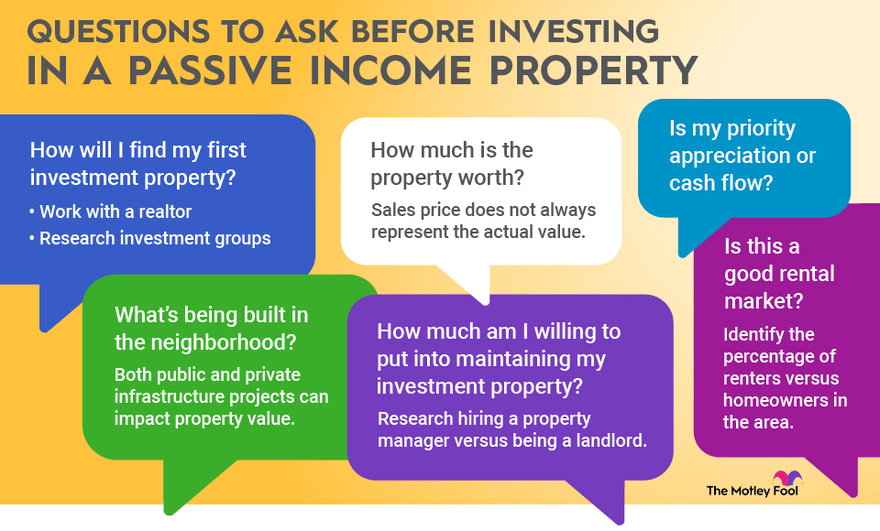
Many people aspire to own rental properties to earn more money and often refer to rental properties as passive income. Here are the facts.

Pros:

  • Real estate can outperform index funds.
  • You can grow your income stream more quickly.
  • House hacking- some people are able to rent a room or area of their homes that covers much of their housing costs.
  • You can work with a property manager so that you don’t need to field late-night calls of issues.

Cons:

  • *REAL ESTATE INVESTING IS NOT PASSIVE.* You need to dedicate time to ensure you’re doing it right financially, legally, and ethically.
  • Taxes and insurance costs can be unpredictable.
  • Neighborhoods can be unpredictable. A changing neighborhood can make it difficult to lease your property and can change the type of tenants who want to live there.
  • Leverage requires increased risk. You need to really understand how your money is invested and how your properties are generating income.
  • Home values can drop in tough times. It’s nearly impossible to predict how the real estate market will move.
Self Care IRL- All the reasons we need to stop saying, “I’m sorry for your loss” + 8 Alternatives

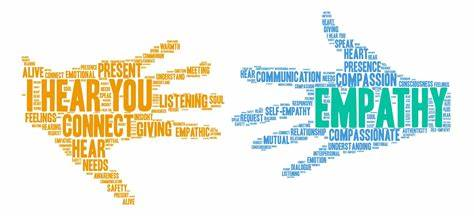
“I’m sorry for your loss.” We see this commented on social media and hear this phrase frequently when a loved one dies. Most people don’t know what else to say, and this phrase is so overused that it can come across as insincere. Here are 8 excellent and genuine alternatives to “I’m sorry for your loss.”

3 things you can say IF YOU ARE WILLING TO HELP/FOLLOW THROUGH:

“I’m so sorry that you’re in pain right now, but I am here with you and for you. I am willing to help in any way I can. Is there anything that you can think of that you need right now?” Tip: be prepared to help if asked. Do not use this if you won’t follow through.

“I know there will be some challenges ahead for you. I want you to know that I’m here and I’m willing to help. Would it be okay if I call next week to check in?” Tip: actually call next week and follow through.

“I know there’s nothing I can say right now to make things better, but also, I know that having someone to talk to at times like this is really important, so if it’s okay, I’ll call you next week when things settle for you.” Tip: actually call next week.

5 things you can say that don’t require you to help or follow through:

“Your mom was an incredible person. I see so much of her in you. I’m keeping you in my thoughts.”

“Your friendship/relationship was so special. I’m saddened by the news. You’re in my thoughts.” The podcast host said this is a great remark for someone you mostly know on social media.

“May God continue to shine a light on the joyful memories you get to hold in your heart.”

“Sending big hugs your way and wishing you peace, joy, and comfort.” The podcast host said this is perfect for online empathy.

Adult Education- Health Disparities with Dr. Lisa Cooper
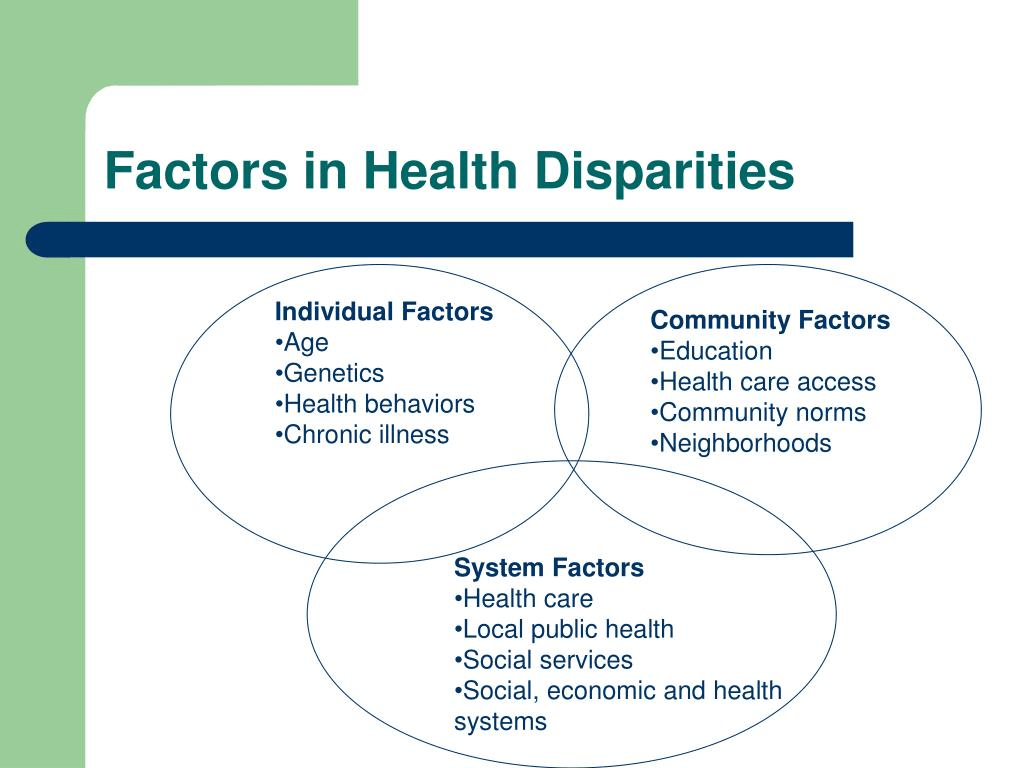
  • There are people in America who live on the same street who have very different access to healthcare. It is not just about $; it is about access and systems. This can include access to transportation, access to insurance, and access to networks and facilities covered by insurance.
  • Some neighborhoods where a lot of people of color live do not have access to supermarkets with many fresh fruits and vegetables, schools in these neighborhoods often don’t have the same investment, and oftentimes there are fewer businesses. These are all examples of possible health disparities.
  • Health disparities are avoidable differences in health among groups that have different levels of wealth, power, or prestige in society. They are unjust and unfair and can impact rural areas, women, people with disabilities, people in poverty, and minorities.
Stuff You Should Know- How Game Shows Work
  • The first game show was aired in 1938 Great Britain and was called Spelling Bee. It was an actual spelling bee.
  • If people are winning more $ than budgeted each episode, sometimes they are presented with lotto options, such as payouts over a number of years instead of all at once.
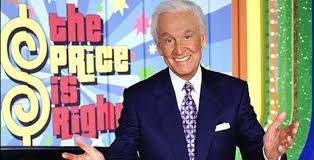
  • Bob Barker was a game show host from 1956-2007 (1956-1975 for Truth or Consequences + 1972-2007 for the Price is Right).
  • In 1991, there were 2 game shows still filming: Price is Right and Family Feud. Wheel of Fortune’s daytime show got the axe. Game shows came close to extinction, as they were replaced with daytime talk shows. The Price is Right and Family Feud never went away.
  • Game shows are cheap to produce, so you can find them in most countries around the world.
  • 3,000 people try out for Wheel of Fortune every year and only 500 make the cut.
  • Being on a game show sounds exciting, but 5-6 episodes are usually filmed each day, so there is a lot of standing around (without access to your phone)!
Freakonomics Radio- The Most Interesting Fruit in the World

Something to ponder: In a grocery store, there are a wide variety of apples, almost all of which were grown in the United States. Yet, they are more expensive (per pound) than bananas. This is wild to think about considering that bananas in the United States are all imported and have been grown, picked, boxed, washed, and placed in ripening rooms in another country. Bananas are typically the cheapest fruits around!

In 1900, Americans were eating 1.5 million bunches of bananas per year. By 1910, Americans were eating 40 million bunches of bananas per year!

Sailing as an export mode of transportation was not fast enough to reliably keep bananas from over-ripening. In the 1930s, refrigerated trucks allowed for bulk importation of bananas in the United States.

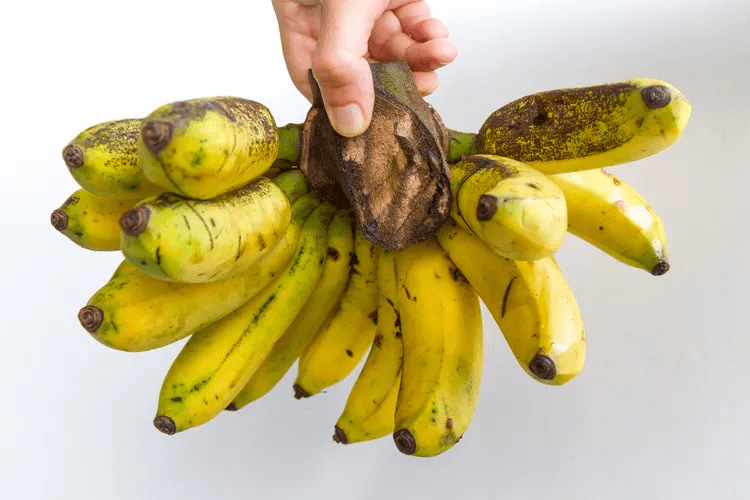
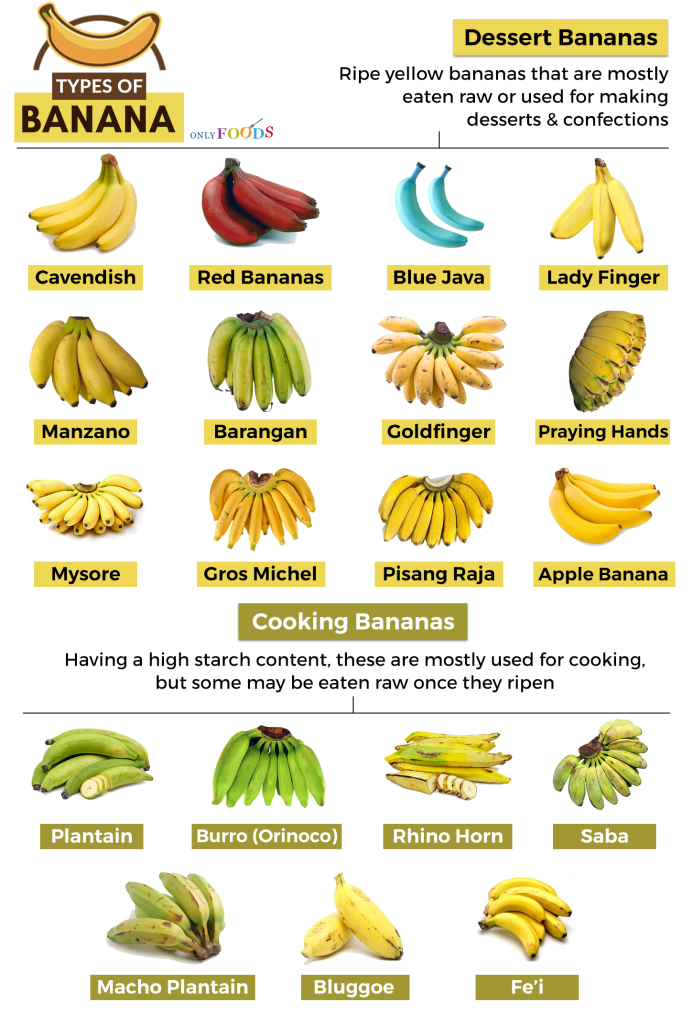
There are over 1,000 varieties of bananas in the world. The first popular one in the United States was the Gros Michel banana, also known as the “Big Mike” banana. This was the most popular banana until the 1950s, when Panama Disease mostly wiped it out. Panama Disease is a fungus that causes the banana plant to wilt. The Gros Michel variety has been virtually extinct since the 1950s, but this variety is still grown in Uganda.

This is a photo of the Gros Michel variety:

Bananas used to have seeds, but the banana was made seed-free using banana hybrids! The Cavendish banana is a human invention.

After Panama Disease wiped out most of the Gros Michel variety, the most popular banana changed to the Cavendish banana, which is what most of us eat today. Although the Cavendish bananas only account for 50% of global banana production, the Cavendish banana takes up 99% of the banana export market. India is the highest producer of bananas. and Ecuador is the largest exporter of bananas.

Bananas were once advertised as “fruit in a germ-proof wrapper.’

Bananas are the fourth most important crop in the world, behind rice, wheat, and corn! 400 million people rely on bananas as a source of food or a source of income.

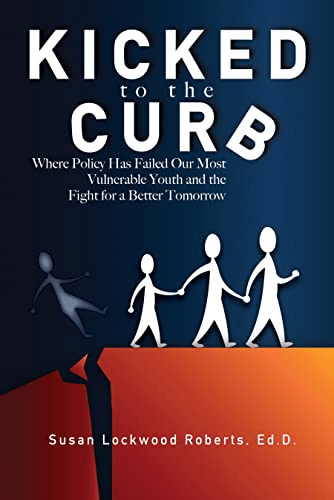
Earlier this week, I read “Kicked to the Curb: Where policy has failed our most vulnerable youth and the fight for a better tomorrow” written by Susan Lockwood Roberts. I learned so much and here is a summary of my thoughts.

This book was a very insightful, easy read. The author addressed the problems with the education system, especially in educating incarcerated youth using the same cookie-cutter approach used in the standard education system, yet with less funding. Under-performing youth are viewed as difficult and are often kicked to the curb, resulting in societal costs of unemployment, non-productivity in the workforce, and crime. Teachers often teach the way they were taught, and this does not usually work when teaching incarcerated children. Students who are at risk due to family relationships, aspiring to be a first-generation high school graduate, or poverty likely need relationships in order to succeed and may require a more individualized, targeted approach. The author worked in engaging policy problems and changing methodologies in order for children, teachers, and staff to succeed. Some of these programs included daily adult mentoring, work-based learning experiences, career exploration and goal setting, professional development for teachers so that they can shift the way they do things according to the backgrounds of the students, reforming curriculum and acquiring updated textbooks, and developing methods of engaging students using a variety of instructional strategies. The author acknowledges that progress has been made, but that more needs to be done.

When youth don’t finish high school, the path to a high school credential is through adult education, and adult education programs receive less than 10% of funding going to K-12 and less than 5% of what is spent to support higher education. As a result, fewer than 10% of the people who need adult education services can access them. As a society, we can’t figure out how to invest more money in education, but we don’t know about the $225 billion lost every year to low literacy and numeracy among our citizens. What do we value?

This blog post (https://www.gabethebassplayer.com/blog/your-contribution) made me consider 3 questions we should ask ourselves frequently in our jobs and our lives. Say you want to make progress toward a goal, such as starting a daily habit or training for a marathon. Ask yourself these questions and reflect:

  1. Are you content with your contribution (right now)?
  2. Are you content with what you’re contributing (right now)?
  3. What are you contributing (right now)?
TED Talks- Celeste Headlee- 10 Ways to Have a Better Conversation

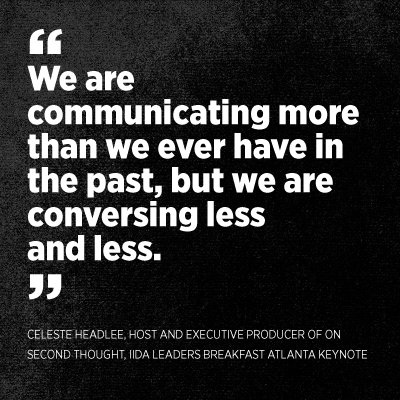
It used to be that in order to have a polite conversation, we just had to stick to the weather and our health. These days, with climate change and anti-vaxxing, those subjects are not always safe either.

A conversation requires a balance between talking and listening. Conversational competence might be the single most overlooked skill we fail to teach. An important skill is being able to have a coherent and competent conversation.

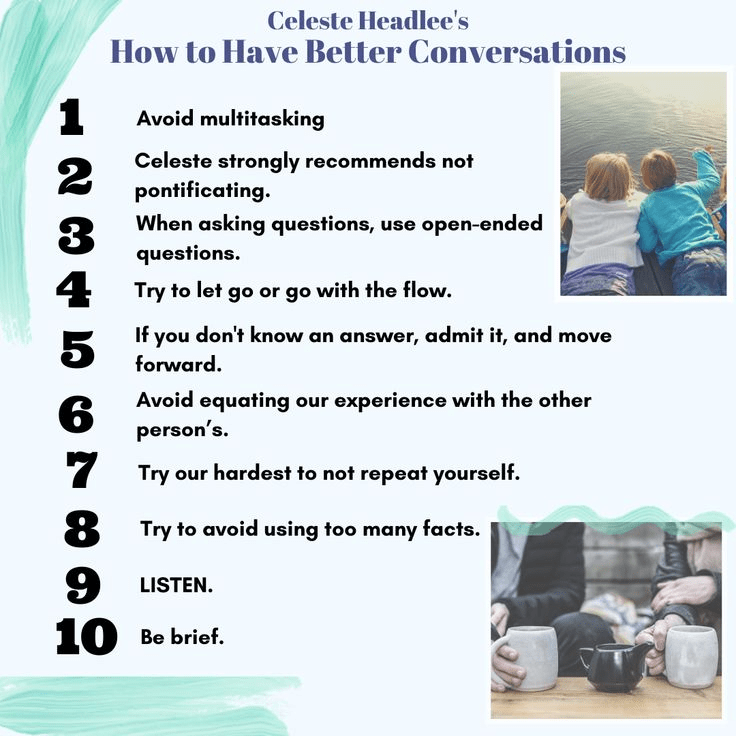
  1. Don’t multitask. Be fully present.
  2. Don’t pontificate. Enter every conversation assuming you have something to learn. Sometimes that means setting aside your personal opinion. Everyone you will ever meet knows something that you don’t.
  3. Use open-ended questions. Start your questions with who, what, where, when, why, or how. This allows people a chance to think about the question and respond with a genuine response.
  4. Go with the flow. Stories and ideas are going to come to you, but sometimes you need to let them go to fully listen to what the other person is saying.
  5. If you don’t know, say that you don’t know. Talk should not be cheap.
  6. Don’t equate your experience with theirs. All experiences are individual, and it is not always about you.
  7. Try not to repeat yourself. It’s boring and condescending.
  8. Stay out of the weeds. You don’t need to remember and present all of the details.
  9. LISTEN. If your mouth is open, you’re not listening and learning. Listen first to understand, then to reply.
  10. Be brief. Conversations should be short enough to retain interest, but long enough to cover the subject.

All of this boils down to one sentence: Be interested in other people. Go out, talk to people, listen to people, and be prepared to be amazed.

I look forward to reading, learning, and sharing more with you soon!
Book review posts, Uncategorized

The Blue Zones/Lessons in Longevity

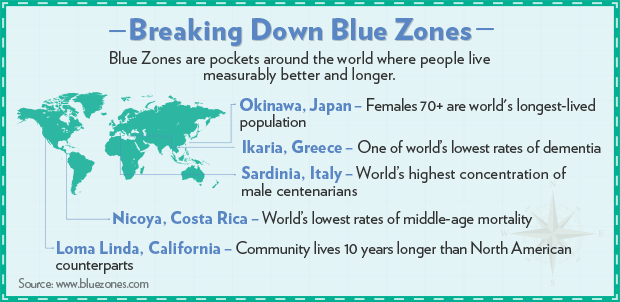
“The Blue Zones” is an interesting New York Times bestseller written by Dan Buettner, a longevity expert who traveled the world to meet the planet’s longest-living people in unique communities called Blue Zones, where common elements of diet, lifestyle, and outlook have led to a great quantity and quality of life.

Sardinia’s Blue Zone lessons (Italy):

  • Eat a lean, plant-based diet accented with meat. Drink goat’s milk. Drink a glass of red wine daily.
  • Put family first, celebrate elders, and laugh with friends.
  • Take a walk.

Okinawa’s longevity lessons (Japan):

  • Embrace an ikigai (purpose), secure social network, and affable smugness.
  • Rely on a plant-based diet and eat more soy.
  • Get gardening, enjoy the sunshine, stay active, and plant a medicinal garden.

Loma Linda’s Blue Zone secrets (California):

  • Find a sanctuary in time (ex: 24-hour Sabbath).
  • Maintain a healthy BMI and get regular, moderate exercise.
  • Spend time with like-minded friends and give something back.
  • Snack on nuts, eat in moderation, eat an early and light dinner, put more plants in your diet, and drink plenty of water.

Costa Rica’s longevity secrets:

  • Have a strong sense of purpose, keep a focus on family, maintain social networks, keep hard at work, and embrace a common history.
  • Drink hard water, eat a light dinner, and get some sensible sun.

Ikaria’s Blue Zone secrets (Greece):

  • Drink goat’s milk, eat a Mediterranean-style diet, stock up on herbal teas, and fast occasionally.
  • Mimic mountain living, nap, and make friends and family a priority.

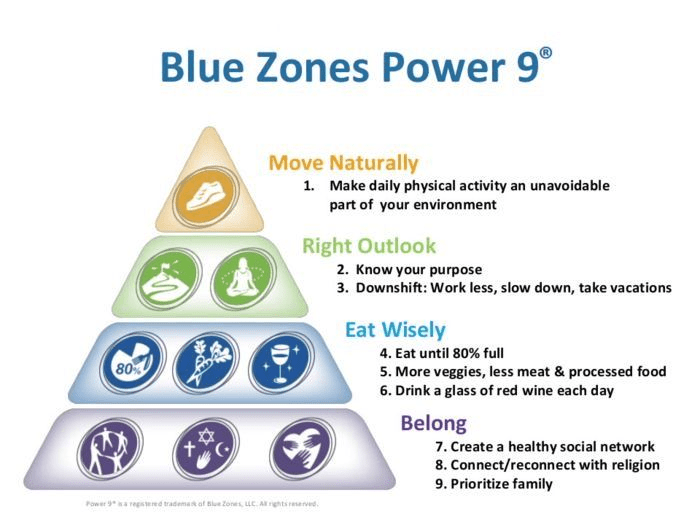
9 lessons overall:

  1. Move naturally and be active without having to think about it. Walk. Garden. Have fun.
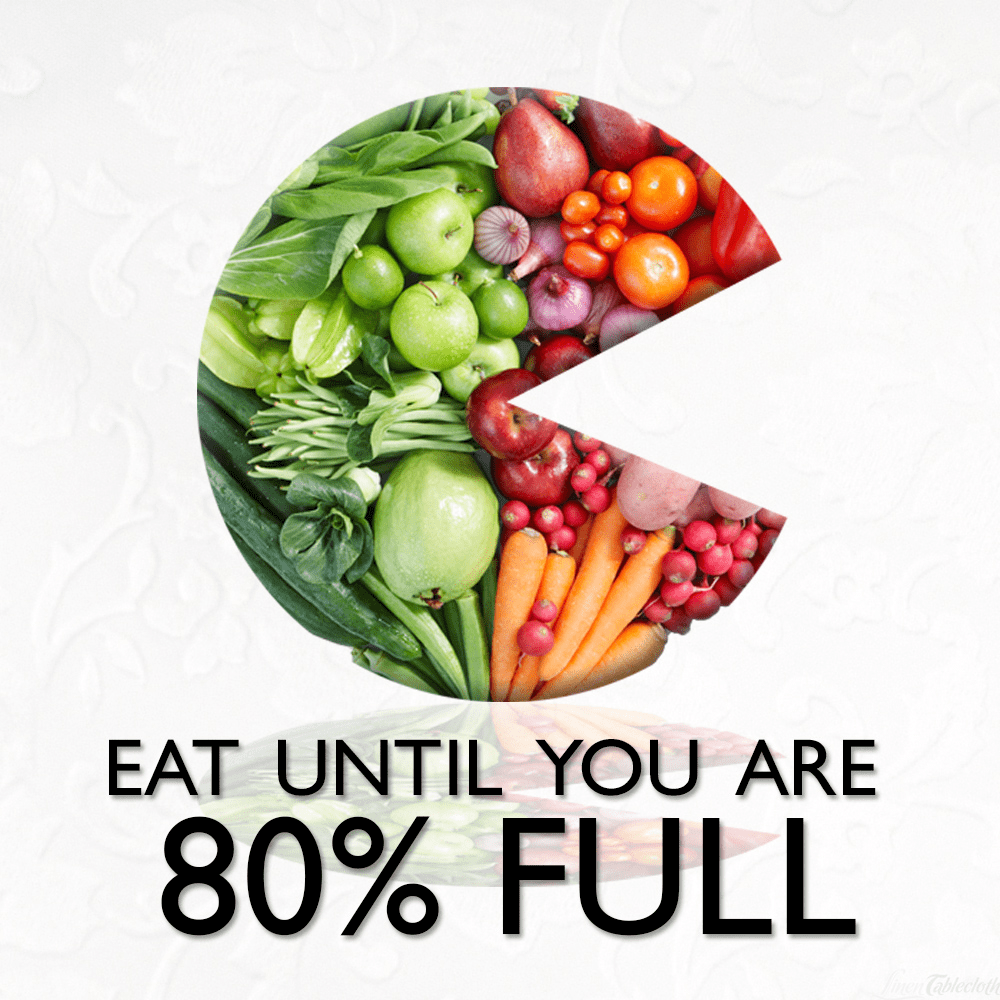
  2. Hara Hachi Bu– eat until you are 80% full. Serve yourself at your counter and put food away before eating. Use smaller plates. Eat more slowly, sit, and focus on food, not on work or tv.
  3. Avoid meat and processed foods. Limit meat, increase your bean consumption, eat nuts every day, and showcase fruits and vegetables.
  4. Introduce a glass of wine into a daily routine — high-quality red wine.
  5. Take time to see the big picture and realize your purpose. Craft a personal mission statement. Learn something new.
  6. Take time to relieve stress. Plan to be early, meditate, and minimize time spent with electronics.
  7. Participate in a spiritual community. Be involved.
  8. Make family a priority. Establish rituals. Create a family shrine.
  9. Be surrounded by those who share Blue Zone values. Identify your inner circle, be likable, and create time together.

You can take a test to calculate your life expectancy and how long you’ll stay healthy here:

https://apps.bluezones.com/en/vitality

I look forward to reading, learning, and sharing more with you soon!
Thoughtful Thursday posts, Uncategorized

Thoughtful Thursday- April 20, 2023

My intention is to post a Thoughtful Thursday column each week and share some of the insights I have learned in the past week. Here are some of the things I’ve learned this week:

Self Improvement Daily- Earn Respect, Not Validation

Our interest to prioritize and maintain strong social connections is fundamental to our success as a species, and in order to appease our ego, we seek validation, approval, and acknowledgement from others as a means to confirm our importance. This may cause us to do things that aren’t in alignment with who we want to be because we need quick access to the validating spike of feeling important.

What we’re actually searching for, that leaves a deeper and lasting impression, is other people’s respect. This goes beyond what you do and into who you are– your character and your values. This is more difficult to earn, and in a society that is addicted to immediate gratification, sometimes people don’t even have the patience to get there.

Ted Talks Daily- 4 ways to make hybrid work better for everyone

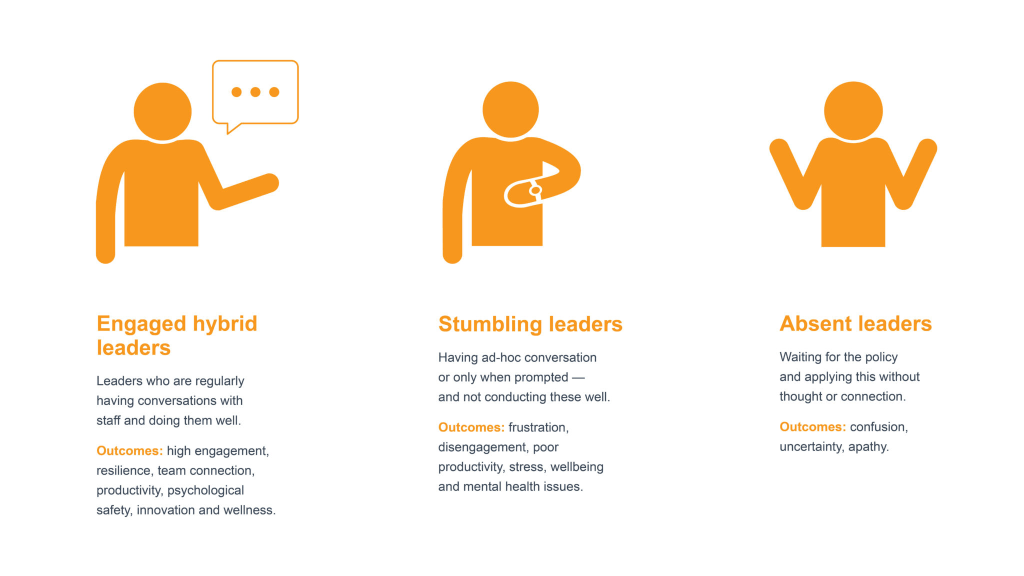
I was surprised to learn that, using surveys, polls, and meta-analyses, over 70% of employees in most global surveys want a mix of in-person and remote formats moving forward.

Many employers unexpectedly moved to a remote or hybrid format during the COVID-19 pandemic. Many also haven’t put much thought into a plan. Some employers want employees in the office a certain number of days each week, but don’t care when. Others haven’t set expectations. Others have clear expectations about when employees need to be in the office. Here are 4 ways to make hybrid work better for everyone:

  1. Coordinate anchor days — days you and those you collaborate with are in the office on the same day.
  2. Plan spontaneity. Set aside 6-7 minutes of online meetings to chat informally about something other than work. Consider happy hours, trivia challenges, or lunches or coffee with coworkers.
  3. Match digital tools with communication objectives. Sometimes e-mails, IMs, and phone calls won’t cut it. Use video calls for conversations when needed.
  4. Consistency between hybrid policies and attitudes is the only way to build a hybrid culture for everyone. If you want your employees to come in a certain number of days, assign days or make that expectation clear. If there aren’t any clear expectations and people don’t come in the same number of days, nobody should be made to feel guilty for not coming in as often as others.
Optimal Finance Daily- Budgeting Tips: 10 Ways to Lower Your Life’s Fixed Costs by Joshua Becker
  1. Buy or rent a smaller home. Housing costs generally take up the largest percentage of a person’s expenses.
  2. Avoid car payments.
  3. Double-check recurring expenses and cancel any you no longer need or use.
  4. Research insurance costs. Double-check your premiums and compare other options.
  5. Take your lunch to work.
  6. Pay off your credit card debt. Interest payments are like flushing dollars down the drain. We don’t receive anything for them.
  7. Stop upgrading your phone just because you are eligible.
  8. Cut utility bills at home. Get a programmable thermostat, lower the temperature on your water heater, unplug unused electronics, cut cable, or seal your home better for cold and heat.
  9. Research childcare options in your area. Sometimes new childcare centers are much less expensive than the one your child or children is currently enrolled in.
  10. Ditch the storage unit. If your storage unit is simply storing stuff because you own too much stuff, get rid of it. Stop paying money to keep stuff you don’t need.
Curious Kid Podcast- Curious About Prosthetics

https://www.bakersfield.com/news/health/15-interesting-facts-about-prosthetics/article_fd58fef4-a590-5067-8d3e-6463e5374126.html

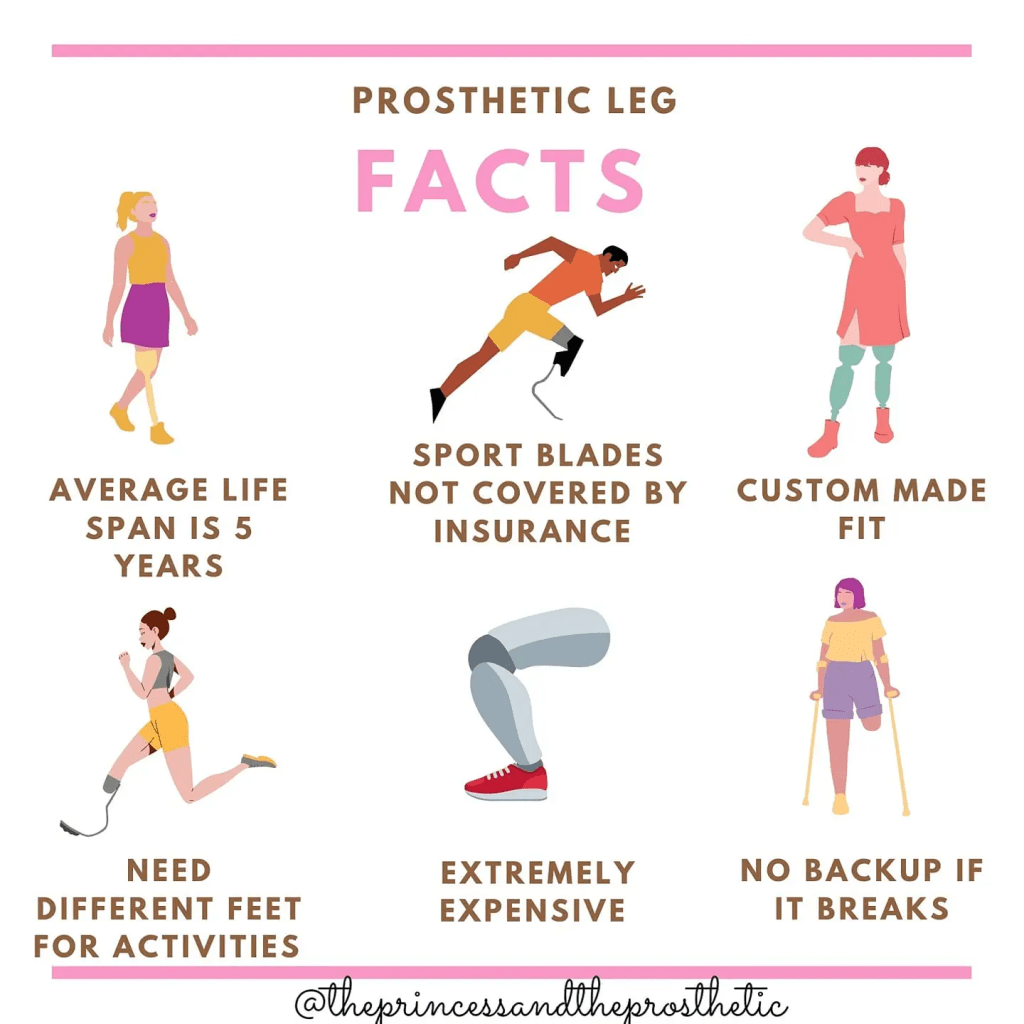
The word “prosthetic” is Greek. When translated to English, it means “addition.” A prosthetic is a device that provides support in place of the body part so that people can perform day-to-day functions.

  • In ancient Rome, there are accounts of warriors who used prosthetics made of iron and wood to make artificial arms and legs.
  • Thousands of years ago, prosthetics were cosmetic.
  • During the French Renaissance, prosthetics became functional and included harnesses and knee lock controls, as well as softer materials.
  • Limb loss can be caused by a disease or cancer that impacted that body part, a car accident, or being born without a body part.
  • Prosthetics are made according to what body part is missing. How it looks and how it is made is dependent on the person and body part. Generally, measurements are taken and a cast is made. A mold is made to specifications. It is shaped to be comfortable for the patient. Most prosthetics are constructed with lightweight carbon fiber, aluminum, and titanium components.

Nearly 75 percent of amputations are caused by diabetes and cardiovascular complication. The most common type of amputation is a below-knee amputation.

The average prosthetic lasts *only* three to five years!

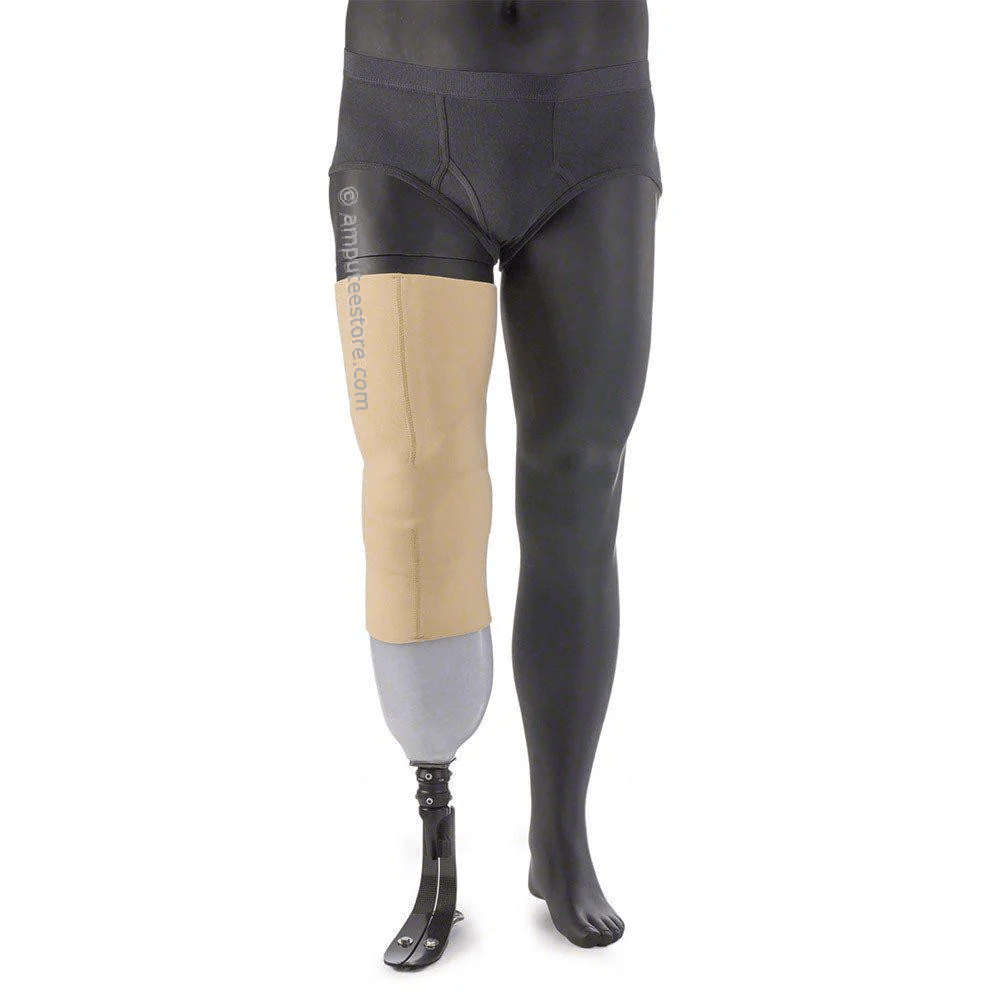
Most amputees wear a stump shrinker, which is a compression sock that keeps the limb from swelling when the prosthesis is not on their limb. Most amputees wear a silicone gel liner that helps to cushion and protect the limb during walking.

https://www.gabethebassplayer.com/blog/best-price-guaranteed

Best Price. Guaranteed.

But what does best mean?

Lowest?

Most efficient?

Most satisfaction?

Most bang for the buck?

The price most people would enjoy?

Since ‘best’ isn’t defined, the guarantee is also meaningless.”

Gabe the Bass Player at gabethebassplayer.com
The Economics of Everyday Things- Gas Stations

In the U.S., Americans use 374 million gallons of gas every day!

Gas is cheap in the U.S. relative to other countries. Considering the amount we use, though, every penny counts.

We often blame politicians and oil executives, but the easiest target is the gas station owner. There are 145,000 gas stations in the U.S. 8 out of 10 are independently owned and operated. They pay oil companies for the right to use their branding and gas. Many come from other countries.

  • 50-60% of cost of gas is from the cost of crude oil. $4.00 cost of one gallon of gas= $2 cost of crude, 70 cents to refine it, 40 cents to move it from refinery to gas station, 50 cents for federal/state/local taxes. For a $4.00 gallon of gas it costs about $3.60 to get it to the pump. Gas station owners make about 30-40 cents out of every gallon they sell, which has to cover maintenance, electric bill, rent, liability, etc. In the end, they are averaging 7 cents per gallon of profit.
  • Gas stations have a daily profit of about $300 after all expenses.
  • Gas stations regularly face competition with other area gas stations.
  • Station owners usually buy a few days of gas at a time and store it in underground tanks, but the price of wholesale gas changes every 24 hours. As a station owner, you can lower your prices and lose money or keep a little profit margin and watch your customers go to another station.
  • When crude prices go up, station owners are slow to pass on the extra cost to us at the pump, but when they fall, they don’t set the prices lower right away either. When gas prices increase, tight margin on gas gets squeezed even further, people buy less gas, and people also buy less inside the store. Higher gas prices also result in more theft.

Gas isn’t a big money maker. The bulk of a gas station owner’s income comes from selling food, where they have an average 33% gross profit inside the store.

Healthier Together- How to Know if You Should Have Kids + Debunking Myths About Parenthood

I don’t have kids (yet), so this was an interesting podcast with different perspectives and insights!

Many people ask “Are you going to have KIDS?” One point the podcast host made is “How will you know whether you want to have KIDS (plural)? Should I have KID? Then you can decide whether you should have KIDS.”

The most surprising point I learned on this podcast is that the ideal age to become a parent is said to be 38 or 39! This provides time to enjoy two adulthoods: 18-38 can be spent traveling, establishing your relationship with your partner, establishing your career, etc. Another adulthood starts when having kids at 38 or 39. This also results in having wisdom, perspective, and better finances, and, if you live long and are healthy, your kids can still care for you when you are old.

Many people have kids earlier due to societal or family pressure or the fear of infertility. If you have concerns about fertility with waiting, check with your doctor about fertility tests and risks. This makes more sense than having kids earlier simply due to this sometimes-unreasonable fear. Some fertility treatments are covered by insurance or are available through grants.

If you are concerned about finances, you can save money through hand-me-downs, secondhand retail, community or church groups, and neighborhood exchanges. You can also do a childcare exchange with friends.

Our society says we value children, but we do not put the $ or attention there. Many employers do not offer paid maternity or paternity leave, resources, or flexibility for childcare, etc.

You may never feel 100% confident in your decision to have kids. That’s okay. 60/40 confident is enough. It isn’t about baby or no baby. If you are postponing or thinking about not having kids, ask yourself if there’s anything you haven’t done yet in life that needs to happen. We will have some disappointments. Ask yourself “What hasn’t happened yet that I want to happen between now and when I die?” It’s about thinking about what is important to you that hasn’t happened yet and how you will fit that in. Be able to name those things and think about, if you actually have extra time and $, are you really going to do those things?

If you are afraid to bring a child into this world, know that people were also worried in the 80s and other decades. There have always been big issues dominating our consciousness and people still chose to have children and have not regretted it. There is always going to be some concern or worldly issue.

There is a lot of stress involved in raising kids, but the major factor is whether the child was planned or an accident and whether the parents had a close, high-quality relationship before having a child. Once kids are grown, parents rave about being parents.

There are many ways of finding life satisfaction and meaning even without having kids. Many parents do say that having kids has brought the most happiness in their lives, but that does not mean that you need to have kids to be happy. Volunteering, hobbies, career fulfillment, being a coach, and many other things can also bring meaning and happiness.

You can get to know your partner better than ever before just by thinking and talking this topic through. It’s not just “yes” or “no.” What are your fears? What do you want your life to look like? How will you share in the responsibilities? What is important to you?

I look forward to reading, learning, and sharing more with you soon!

Book review posts, Uncategorized

Wisdom from “1000+ Little Things Happy Successful People Do Differently”

“1000+ Little Things Happy Successful People Do Differently” was written by Marc Chernoff, co-author of the blog Marc & Angel Hack Life and New York Times bestseller “Getting Back to Happy.” This book was in a listicle format and, although the title is deceiving and inaccurate, I learned so much from this book.

Millions of people live their entire lives on default settings, never realizing they can customize everything. Dare to make edits and improvements. Dare to make your personal growth a top priority.

“Don’t ask ‘Why me? Why didn’t I…? What if…?‘ Instead, ask ‘What have I learned from this experience? What do I have control over? What can I do right now to move forward?‘”

Extend generosity and grace. When someone is grouchy, tired, or whatever you don’t desire, add “just like me sometimes.” Ex: “That person was so rude…just like me sometimes.”

Happiness cannot be traveled to, owned, earned, worn, or consumed. Happiness is the sacred experience of living every moment with love and gratitude.

“Imagine you had a ripe, juicy tangerine sitting on the table in front of you. You pick it up eagerly, take a bite, and begin to taste it.

You already know how a ripe, juicy tangerine should taste, and so when this one is a bit tarter than expected, you make a face, feel a sense of disappointment, and swallow it, feeling cheated out of the experience you expected.

Or perhaps the tangerine tastes completely normal— nothing special at all. So, you swallow it without even pausing to appreciate its flavor as you move on to the next unworthy bite, and the next.

In the first scenario, the tangerine let you down because it didn’t meet your expectations. In the second, it was too plain because it met your expectations to a T.

Do you see the irony here? Nothing really meets our expectations.”

We need to adopt a mindset free of needless, stifling expectations. The tangerine can be substituted for almost anything in your life: any event, any situation, any relationship, any person, any thought at all that enters your mind. If you approach any of these with expectations of “how it should be” or “how it has to be” in order to be good enough for you, they will almost always disappoint you in some way.

The only person who can make you happy is you. You are also the only person responsible for your success.

Failure is a part of success. Failure becomes success when we learn from it. Focus on how far you have come.

You will never feel 100 percent ready when an opportunity arises. Embrace the opportunity and allow yourself to grow emotionally and intellectually.

View every challenge as an educational assignment: “What is this situation meant to teach me?” Be a student of life every day. Experience it, learn from it, and absorb all the knowledge you can.

When someone upsets you, it’s often because they didn’t behave to your fantasy of how they “should” behave. The frustration stems not from their behavior, but your expectations. You can’t control how others behave or what happens to you, but you can control your response.

Life is kind of like a party. You invite a lot of people, some leave early, some laugh with you, and a few stay to help you clean up the mess. The ones who stay are your real friends in life.

Over the past month, what have your actions been silently saying about your priorities? Are there any changes you want to make?

If you had a friend who spoke to you in the same way that you sometimes speak to yourself, how long would you allow that person to be your friend? The way you treat yourself sets the standard for others.

Do your best with what’s in front of you and leave the rest to the powers above you.

Marc Chernoff

30-day challenge ideas to improve your life:

  • Get rid of one thing a day for 30 days
  • Wake up 30 minutes earlier than usual
  • Ditch 3 bad habits
  • Define one long-term goal and work on it for an hour every day
  • Watch or read something that inspires you every morning
  • Cook one new recipe each day
  • Each day, have a conversation with someone you rarely speak to
  • Document every day with one photograph and one paragraph

20 questions you should ask yourself every Sunday- linked here:

I look forward to reading, learning, and sharing more with you soon!
Thoughtful Thursday posts, Uncategorized

Thoughtful Thursday- April 13, 2023

My intention is to post a Thoughtful Thursday column each week and share some of the insights I have learned in the past week. Here are some of the things I’ve learned this week:

Science Vs. – Weight Loss Meds: Is Ozempic a Miracle Drug?
Food, We Need to Talk- Ozempic- The “Magical” Weight Loss Drug

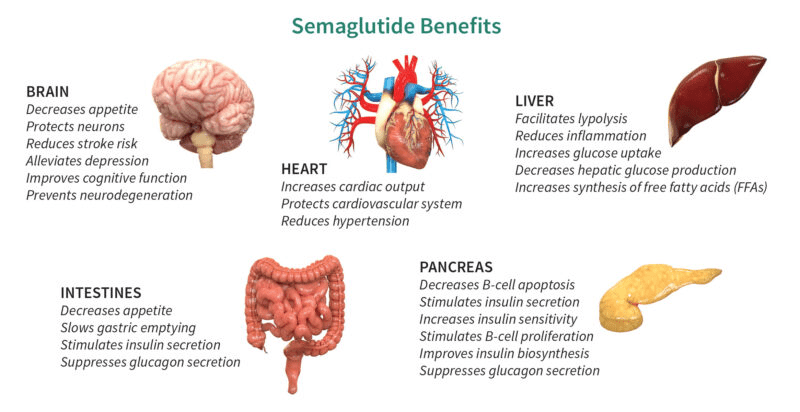
**I have not used Ozempic and am not authorized to make medical recommendations. I am simply reporting what I have learned.** Ozempic has been a popular topic in the news and social media lately, and I wanted to learn more about it. I have the following notes from the two podcasts:

  • Ozempic is a diabetes drug that also causes weight loss. Many people are using it strictly as a weight loss drug, resulting in a shortage due to an “unexpected increase in consumer demand.”
  • Ozempic has the lowest side effect profile and actually works. Side effects include nausea (after 5 months, 25% of people reported nausea) and GI issues. People have generally concluded that the side effects are worth it.
  • Wegovy was a popular weight loss drug, but during the pandemic, Wegovy faced supply chain issues for nearly one year, making Ozempic a popular alternative. Ozempic continues to be the most popular.
  • Many insurers won’t cover Ozempic unless diabetes has been diagnosed, but many people are willing to front the $1,200/month cost of Ozempic, especially celebrities.

The active ingredient in Ozempic is semaglutide, which works by inducing satietyOzempic reduces a consumer’s level of hunger and eliminates food cravings, resulting in people eating 1/4 to 1/3 less when taking Ozempic.

People who take this med will likely need to take this long-term. They gain most of their weight back when they stop taking the medication. Also, long-term effects have not been studied yet.

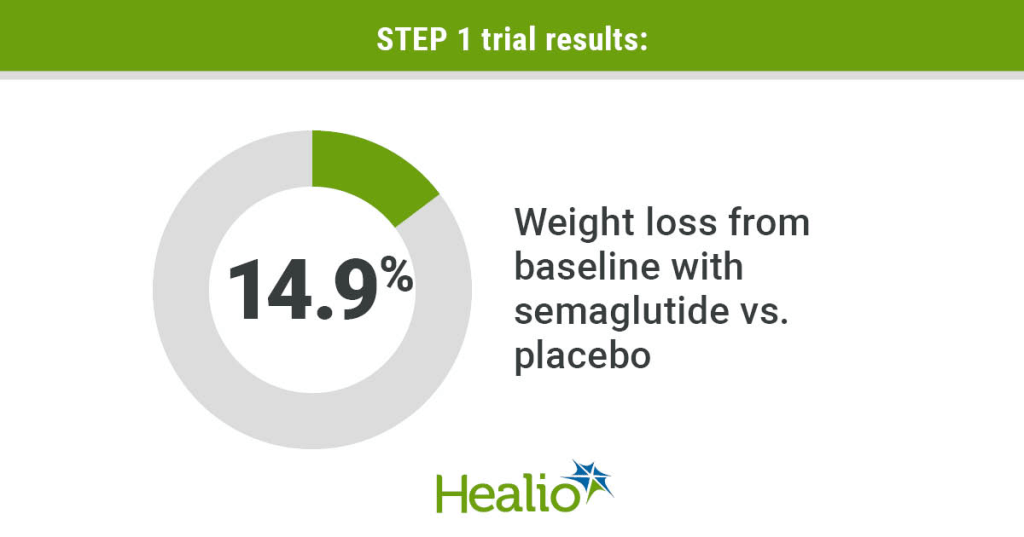
People are using Ozempic as a weight loss drug with great results. Some have lost 15-21% of their body weight!

It is important to continue exercising and having healthy habits even while taking a weight loss drug, and it is also emphasized that once people stop using Ozempic, they generally gain the weight back because their hunger levels and food cravings return to their normal levels pre-Ozempic.

The Daily Stoic- Don’t Make Assumptions

You don’t get a joke, so you say it’s not funny. You love your job, so you have no patience for people who complain about theirs. You’ve been successful, so you can’t understand why others struggle. Things that are different from your preferences are “weird.”

Our personal experiences make up a tiny percentage of the world, but a huge percentage of how we perceive the world.

A stoic tries not to jump to hasty judgments and puts their impressions up to the test. A stoic makes space for there to be other means of being, even the ways we don’t understand.

The Clever Girls Know Podcast- 9 Money Leaks Affecting Your Finances and How to Fix Them
  • Paying delivery fees. Before paying for shipping or delivery, Google search for free shipping or delivery codes!
  • Disposable products (water bottles, cutlery, paper towels). Use a reusable water bottle, pack your own utensils for your work lunches, and use rags or towels instead of paper towels.
  • Food waste. Buy only what you’re going to eat and cook. Meal prep. Freeze leftovers. Do an assessment of your food before shopping.
  • Bank fees (overdraft fees, ATM fees, account fees). Look for banks with overdraft protection, no account fees, and a wide network of free ATMs.
  • Subscriptions for products and services. Make sure you aren’t bulking up if not needed. Make sure you are using streaming services and other subscriptions. Cancel them if you aren’t.
  • Name brand products instead of generic. Often the generic products contain the same ingredients and taste the same.
  • Coffee and snack shops. Learn to make your own coffee or tea and buy the coffee beans or loose leaf tea your favorite shop uses. Keep snacks on hand.
  • Gym memberships- Are you getting your money’s worth? Cancel if you rarely go.
  • Unused insurance policies (vehicles). Do you still drive, or do you take public transportation? If you rarely drive, let your insurance know to see if you can get discounts on your premiums. If you never drive or rarely drive, you could consider selling your vehicle and taking public transportation or Uber/Lyft rides if that would be cheaper than paying for insurance and vehicle maintenance.
Self Care IRL- The best habits you should still hold onto post-pandemic
  • Learning and chasing new hobbies. Many people picked up a quarantine hobby.
  • Focus on supporting others (small businesses, healthcare workers, acts of kindness)
  • Embrace simplicity. You don’t always have to be doing something.
  • Make your home feel like home. You deserve to feel cozy and happy.
  • Taking care of yourself. Carve out space for you to be alone with your thoughts and feelings. You should be your #1 priority. Therapy, journaling, meditation, etc.
  • Spending more time in nature. Don’t make it so that you miss the calmness you were chasing during the pandemic. Go outside! Listen to the birds chirp. Go on a walk.
  • Not feeling guilty for spending a night in. Don’t feel pressured to go out. You can’t miss out on the time you spend with yourself.
  • Checking in on your loved ones. Random phone calls and video chats during the pandemic were at an all-time high. Remember when people called you just because?
  • Not going out or going to work if you feel sick. Listen to your body.

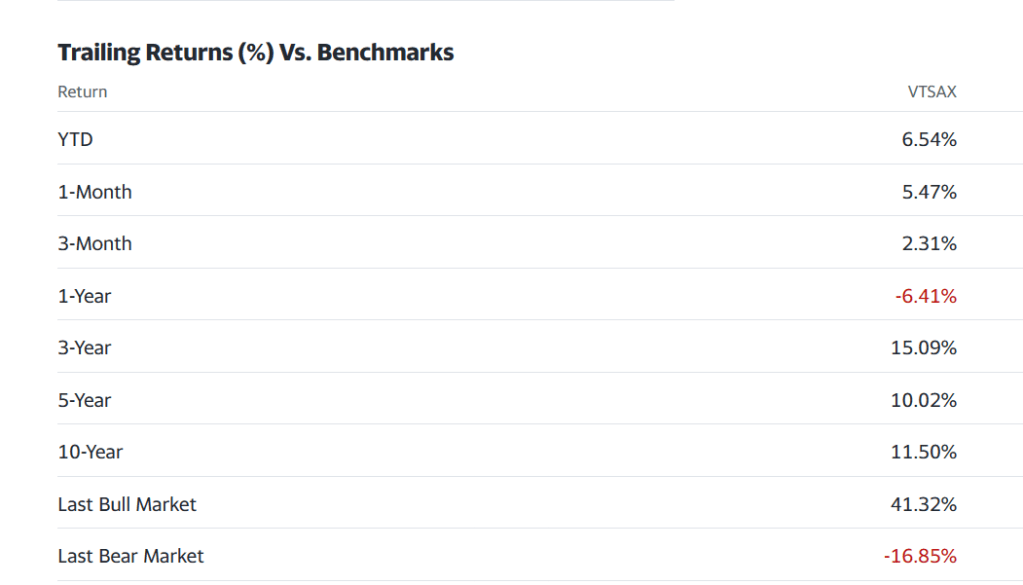
I have been reading “The Simple Path to Wealth” as part of a book club. This book emphasizes investing in VTSAX, Vanguard’s Total Stock Market Index Fund. I also read a blog post highlighting VTSAX for people who want to retire early:

https://www.ourrichjourney.com/post/5-reasons-why-vanguards-vtsax-index-fund-is-our-top-fire-investment

Some of the things I’ve learned:

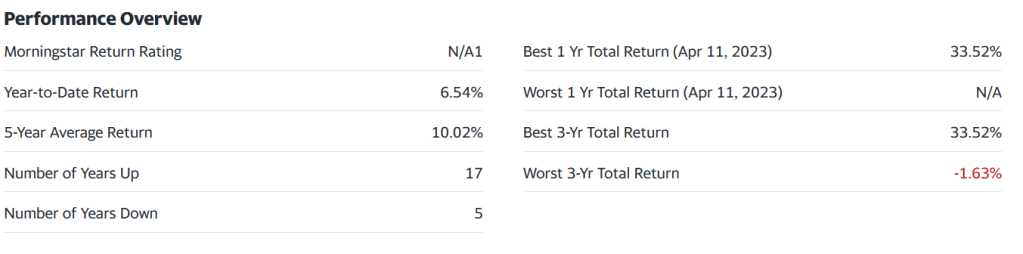
  • The expense ratio is 0.04%, which is over 70% lower than the industry average!
  • VTSAX also beats around 80% of actively managed mutual funds, and you save money by not having to pay for an active manager.
  • VTSAX invests in the total stock market. Owning VTSAX allows an investor to own almost all of the companies trading in the U.S. stock market.
  • VTSAX constantly self-cleanses. There are inevitably companies that fail and companies that succeed. As soon as a company fails, it will drop off the stock market and won’t be tracked by VTSAX, so VTSAX will *never* go to zero.
  • VTSAX is easy, straightforward, and requires very little effort to understand.

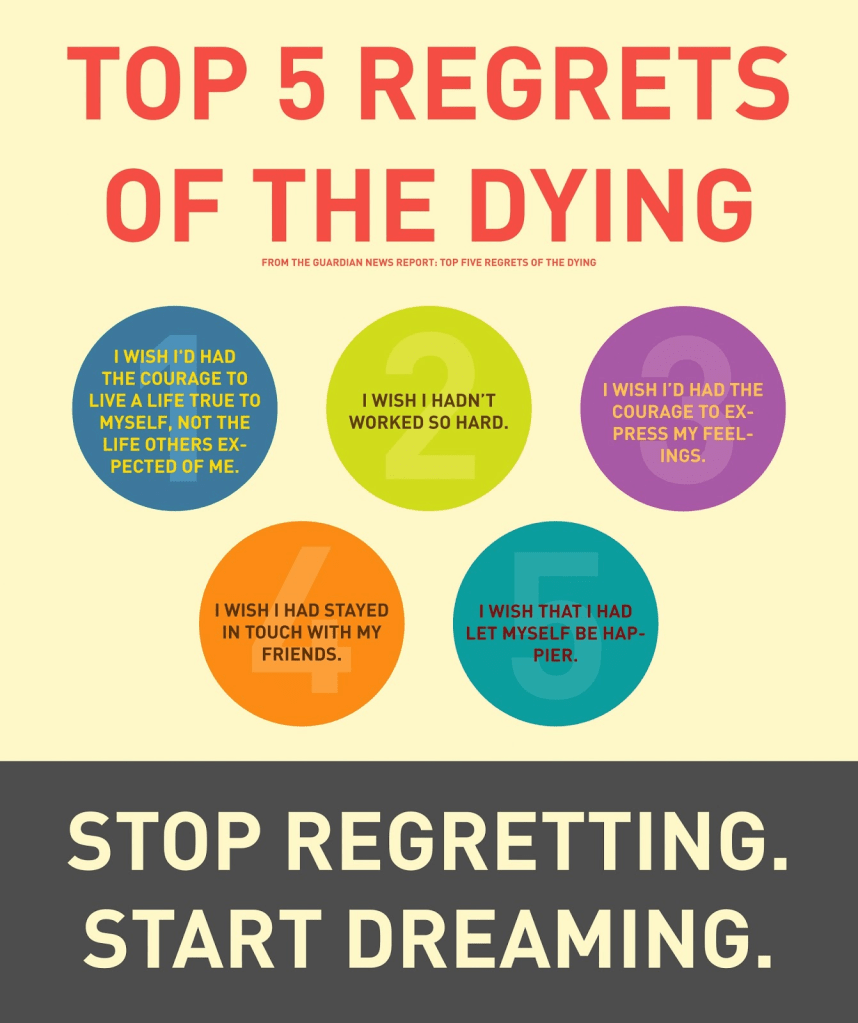
I finished reading “Top 5 Regrets of the Dying” written by Bronnie Ware. I was surprised to learn the top 5 regrets of the dying, and I was inspired to not have these same regrets:

  • 1. I wish I’d had the courage to live a life true to myself, not the life others expected of me.
  • 2. I wish I hadn’t worked so hard.
  • 3. I wish I’d had the courage to express my feelings.
  • 4. I wish I had stayed in touch with my friends.
  • 5. I wish that I had let myself be happier.

I look forward to reading, learning, and sharing more with you soon!
Book review posts, Uncategorized

Unwinding Anxiety + Habit Loops

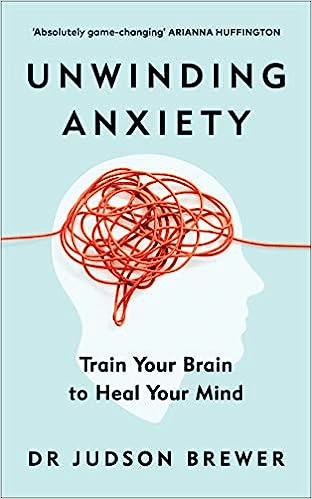
“Unwinding Anxiety” was written by Judson Brewer, MD, PhD, an internationally renowned addiction psychiatrist and neuroscientist, director of research and an associate professor at Brown University, and founder of Eat Right Now and Craving to Quit apps. Further, his 2016 Ted Talk “A Simple Way to Break A Bad Habit” has over 16 million views! This book emphasized that anxiety and addictions (eating, smoking, drinking, etc.) manifest themselves in habits and the first step to overcoming them is to understand the origin of the habits we want to eliminate or replace and update the reward values.

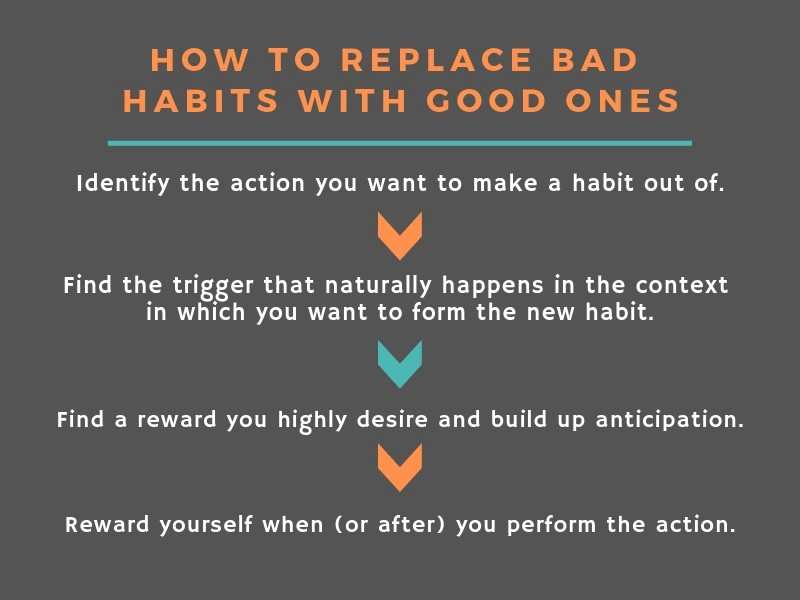
  • 1. Identify your habit loops.
  • 2. Update the reward values of the behaviors you want to change (using mindfulness and curiosity).
  • 3. Replace your old habits with new, healthier habits.

Paying attention is really important if you want to change a habit. If it’s a habit that you desperately want to break, you can’t tell, force, or wish it to stop because these likely don’t have an effect on its reward value. Look and learn. Ask yourself “What do I get from this?” when thinking about the result of bad habits.

If you struggle with overeating, focus on the full and bloated feeling you get when you’re done eating.

If you struggle with smoking, be mindful and think about the taste and smell (I was surprised to learn that most smokers in a study reported that when they paid attention when trying to quit, they realized they hated the smell and taste)!

Force your old brain to relearn and reassociate negative feelings with the habits you want to change. It is true that past behavior is likely the best predictor for future behavior, but what we do in the present moment, not what we did in the past, will determine the likelihood of continuing or changing that trajectory.

Use RAIN:

  • Recognize what is happening right now.
  • Allow/accept it.
  • Investigate body sensations, emotions, or thoughts.
  • Note what is happening in your experience.

Examples of habit loops:

  • Trigger: getting into an argument
  • Behavior: bingeing
  • Result: feeling physically, emotionally, and mentally awful with no improvement in relationship
  • Trigger: start working on long task and feel overwhelmed
  • Behavior: check social media
  • Result: avoidance; feel more stressed that no progress is made
  • Trigger: anxiety/sadness
  • Behavior: start drinking
  • Result: numbing, forgetting, feeling intoxicated, avoidance
  • Trigger: look at unfinished to-do list
  • Behavior: worry about not getting it done
  • Result: feel anxious

This book was an educational read and seemed geared more toward overall addictions and habits, not just anxiety.

I look forward to reading, learning, and sharing more with you soon!
Thoughtful Thursday posts, Uncategorized

Thoughtful Thursday- April 6, 2023

My intention is to post a Thoughtful Thursday column each week and share some of the insights I have learned in the past week. Here are some of the things I’ve learned this week:

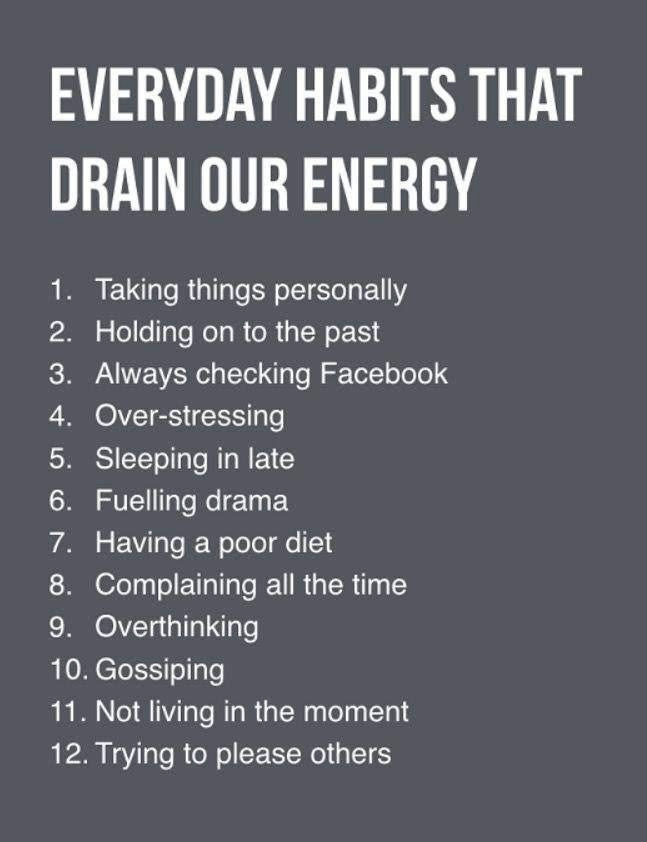
Psych2Go – 8 Daily Habits that Drain Your Energy

These daily habits can cause you to feel stressed, anxious, and exhausted:

  1. looking on the negative side of life/being a pessimist
  2. overthinking
  3. living in the past and taking your focus off of the present moment
  4. associating with negative people and drama
  5. using social media to bring you down and fall into the comparison trap
  6. having a poor diet
  7. not exercising regularly
  8. having an unhealthy or irregular sleep schedule

When a box of girl scout cookies is sold for $5.00, $1.50 goes to the bakery that made it and $3.50 stays local and is split between the regional troop and the troop you bought it from.

The career record is $180,000 boxes sold, resulting in a college scholarship. Girl scouts can increase sales by setting up a booth at a populated place, such as a supermarket parking lot. This results in more sales than going door-to-door.

In 2014, Girl Scouts started accepting credit cards using mobile card readers and began selling cookies online.

The pandemic resulted in fewer girls enrolling in Girl Scouts, supply chain issues, and labor shortages that made it harder for bakeries to produce cookies. The Scouts started using DoorDash to deliver cookies same-day!

DoorDash Partners with Girl Scouts of the USA to Offer Exclusive On-Demand Delivery as Girl Scout Cookie Season Kicks Off

Business lessons:

  • Each season, each scout commits to selling a specific # of boxes, and she gets to decide how many. The troop pays for the boxes upfront and the scout repays the troop with the money from the sales. If you have excess boxes because you didn’t sell as much as you committed to, you usually have to pay the troop, but sometimes you can swap flavors with cookie hubs.
  • The harsh realities of cookie season (competition, finance risk, supply chain issues, technological disruption) are a part of the commerce business. This presents a great opportunity to build business skills.
How I Built This with Guy Raz- Mark Cuban Cost Plus Drug Company

**I have not used Cost Plus Drug Company myself. I combined information from this June 2022 episode and this updated article:

https://www.forbes.com/sites/joshuacohen/2023/01/01/mark-cubans-cost-plus-drug-company-continues-to-revolutionize-generic-drug-pricing/

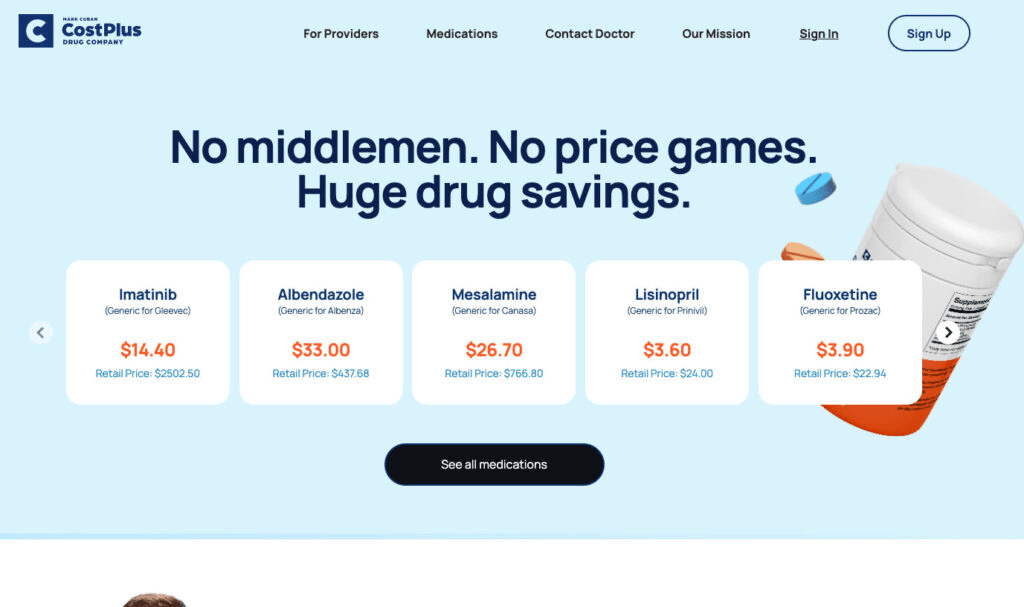
Mark Cuban got involved through a cold e-mail from a radiologist who was working on a compounding pharmacy that could sell pharmaceuticals for less. They spent four years working with manufacturers and regulatory agencies, and Mark subscribed to and read every report and article he could get his hands on regarding healthcare and pricing before starting costplusdrugs.com in January 2022.

In the standard U.S. market, the prices of pharmaceuticals are set by considering Medicare as a percentage of the retail price, insurance companies, rebates, paying pharmacy benefit managers, etc. Cost Plus Drugs (costplusdrugs.com) is transparent in pricing: 15% market from their cost + $3 for handling + $5 for shipping. They are able to keep costs low by eliminating all of the others involved in the standard insurance process, and they use True Pill as a pharmacy/fulfillment center.

Costplusdrugs.com offers over 800 generic drugs. The company/website is especially beneficial for those who are uninsured or those who have insurance but are in the high deductible phase. For many generic drugs, the co-payment can be higher than the actual price of the drug.

The challenge in getting this company to scale more has been getting manufacturers to sell to Cost Plus because they are afraid of the response they will get from insurance companies who also work with them. Cost Plus generally does not want to work with insurance companies because they want to be the low-cost provider of every drug they sell.

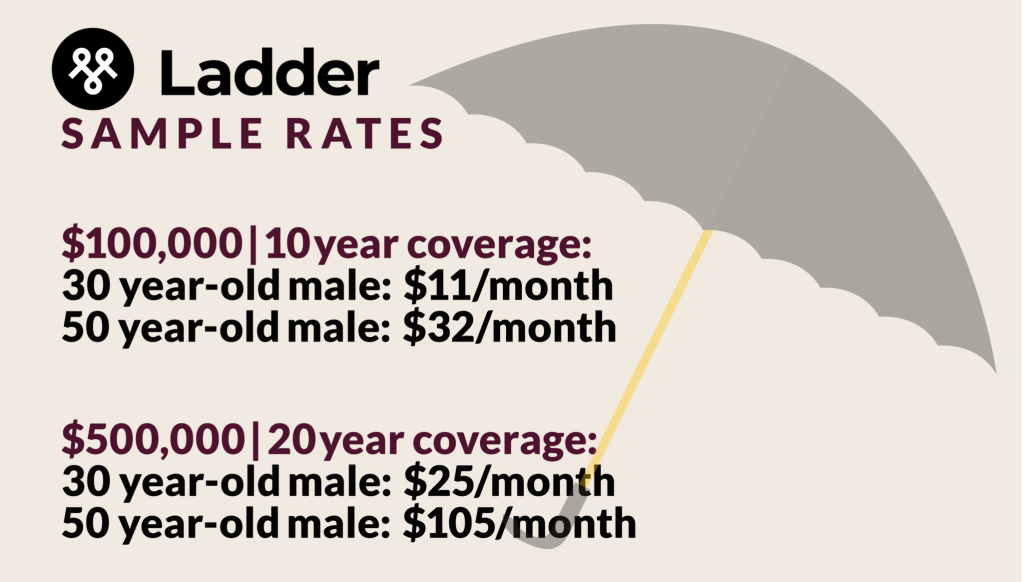
Financial Feminist- Life Insurance 101 with Ladder

Lessons learned about life insurance:

  • Index universal life insurance is a scam.
  • Life insurance is a selfless product. You are paying for something YOU will never benefit from.
  • The younger you are, the cheaper life insurance will be.
  • A good rule of thumb is to have 10x your salary to cover all of your liabilities. Most people are only covered for their salary.
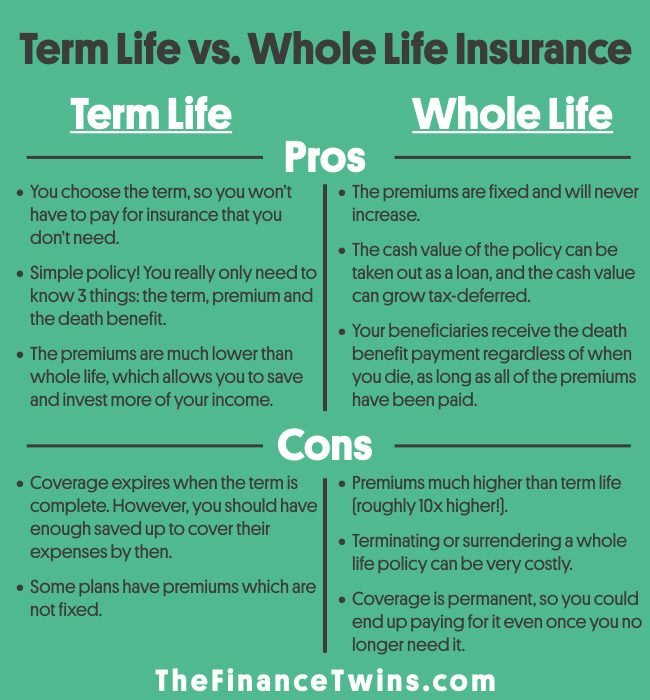
  • Term life insurance (offered through many companies such as Ladder) is the most cost-effective because you are only covered for a certain amount of time. You can invest the difference you would save buying term life instead of whole life insurance. Whole life insurance is permanent and is 4-10x more expensive.
  • Life insurance should be used for insurance, not an investment. Investing should be used for investing!
  • When looking for life insurance coverage, look for good pricing, reviews, financial ratings, transparency, and what’s being added on as riders.
  • If you are a stay-at-home mom, you should still have life insurance because your partner will need $ to cover childcare in the event you pass away. If you take care of your parents, you need life insurance to cover expenses for care providers for them in the event you pass away. If you have any liabilities, you should have life insurance.
  • If you don’t have financial liabilities (mortgage, auto loans, etc.), debts, or kids, life insurance is not necessary.
Self Care IRL- 8 Bedtime Rituals for your Mind & Body

The things you do right before bed can determine whether you toss and turn for hours or get a good night’s sleep.

Before bed, list priority items to handle the next day.

When you think of things you need to do during the day, think about whether you will do them today, tomorrow, or another day and schedule them. Then when you’re in bed you won’t have a racing mind of everything you need to do.

  1. Turn down the lights. Exposure to light causes your body to produce hormones that increase alertness. Don’t watch tv/use your computer/use your phone starting one hour before bedtime. Charge your phone in another room and use an actual alarm clock to wake you up.
  2. Slow down. By 8 p.m., your body should be in wind-down mode. Ditch the late-night workouts and active activities. Devote your evening to gentler activities.
  3. If you MUST, have a light snack or a treat. It doesn’t need to be something sweet. It can be something healthy but enjoyable to you—protein, a healthy carb, or chamomile tea
  4. Apply a fragrance. Lavender is an age-old remedy for insomnia. You can use lavender oil/vanilla pillow sprays, a diffuser, or a cotton ball with lavender in your pillowcase.
  5. Warm up. Raising your body temperature induces drowsiness. Take a hot bubble bath or slip under a heavy weighted blanket. A warm non-caffeinated beverage also works. Warm your body but keep your room cool.
  6. Treat your aches and pains earlier in the day to prepare yourself for sleep.
  7. Suspend all of your daily concerns. What if you get to bed on time but you lie awake worrying about credit card bills, tomorrow’s meeting, whether you watered your plants, called someone back, etc.> Let the day go and resolve to let go of distractions. You will sleep better if you can do this. If you are focusing on your breathing, your brain cannot simultaneously work overtime to worry.
  8. Meditate or pray.

Good quality sleep protects your mental and physical health. Rely on bedtime rituals that will help you doze off faster and stay asleep all night long.

Radio Headspace- Life Without Practice

We can have such tunnel vision of wanting to be better that we can lose sight of where we started. Stop, pause, and reflect on how far you’ve come and the progress you’ve made. TWe tend to forget about what our life was like before we achieved x, y, and z.

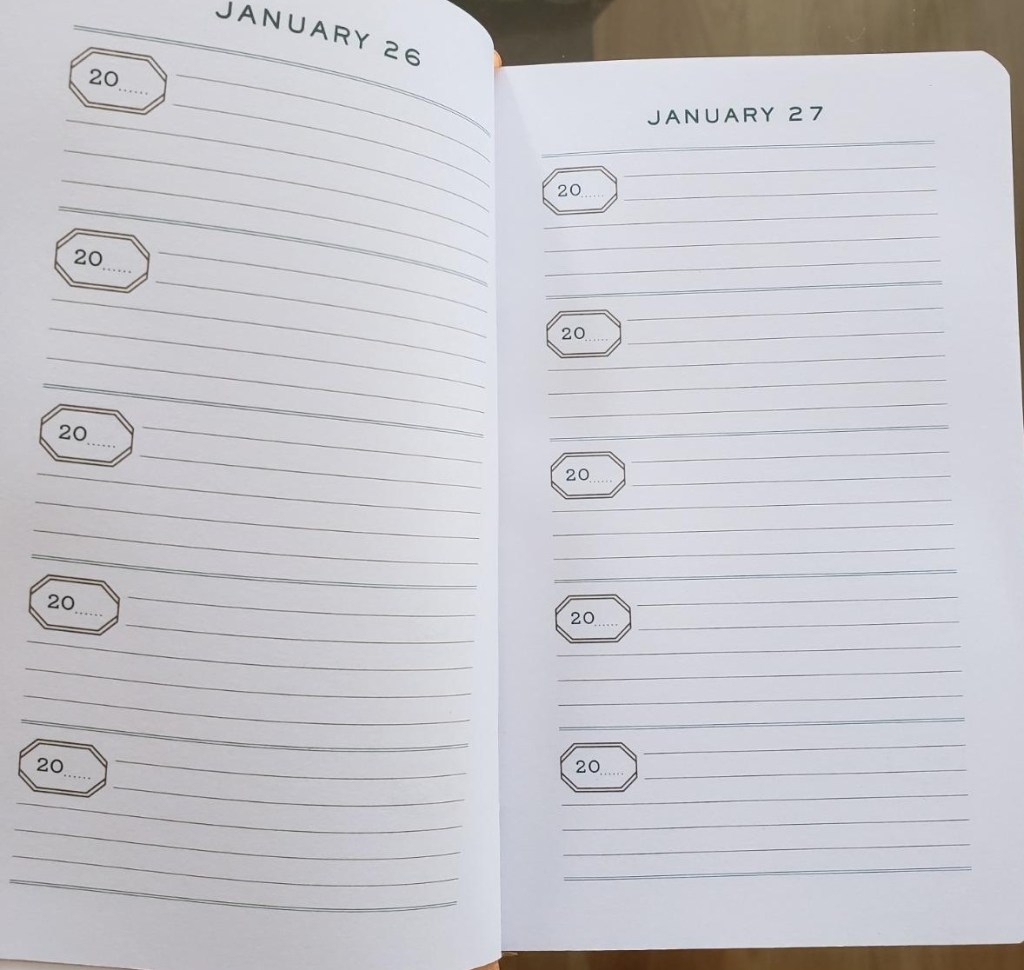
Document everything. Keep a notebook to record your emotions and thoughts. This will serve as a reference for how far you’ve come. I have been keeping a One Line A Day journal for over three years. It is a five-year dated journal in which you can look back on what you wrote that particular day for up to five years. Each night, I write something about my day–something that brought joy to my day, something I struggled with, something I did that day, etc. It has been interesting looking back at some things I wrote years ago and comparing those entries to where I’m at now.

Remember that you are a human before anything else and all moments of your life are worthy of being celebrated.

Sometimes when I am reading a book and come across an unfamiliar word, I Google it right then and there. One word I came across this week was bespectacled:

be·spec·ta·cled

[bəˈspektəkəld]

ADJECTIVE

  1. (of a person) wearing eyeglasses:

Ex: Mr. Merrick was a slim, quiet, bespectacled man.

I found this interesting because I have never heard anyone use that word!

I look forward to reading, learning, and sharing more with you soon!
Book review posts, Uncategorized

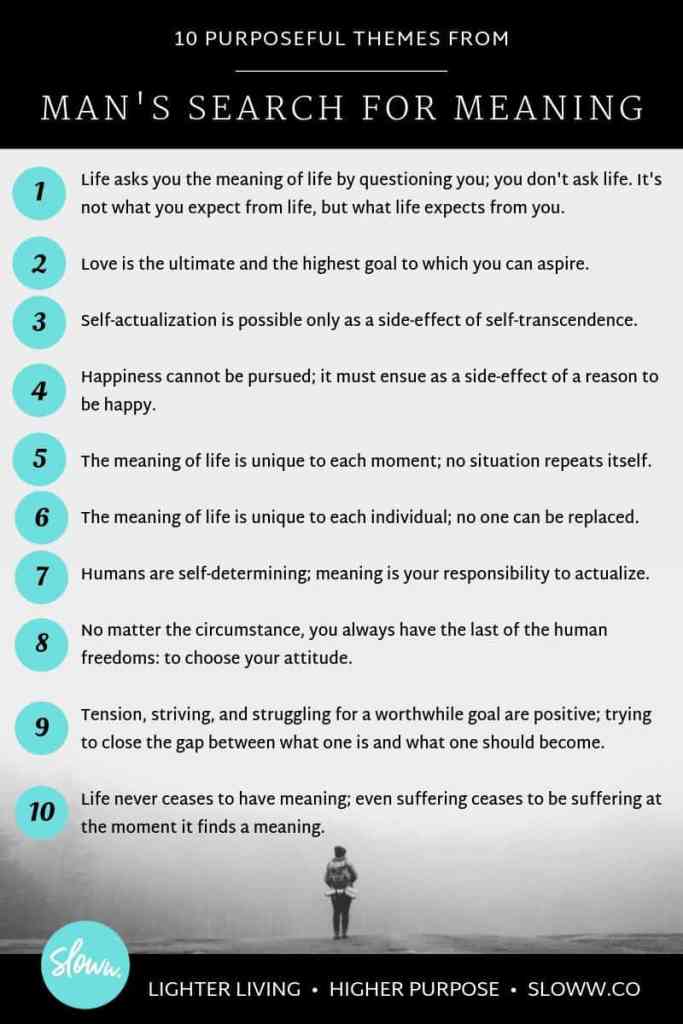
Man’s Search for Meaning

“Man’s Search for Meaning” written by Viktor E. Frankl has been translated into more than 50 languages and sold over 16 million copies, and it was one of the top 20 books I read in 2022. This book contained a riveting account of Viktor Frankl’s time in the Nazi concentration camps and his insightful exploration of the human will to find meaning in spite of suffering.

At the heart of his theory, known as logotherapy, is the belief that the primary human drive is not pleasure, but the pursuit of what we find meaningful.

To find a meaning in one’s life is the primary motivational force in man.

3 possible sources of meaning:

  • work- by doing something significant
  • love- by caring for another person
  • courage during difficult times

“Everything can be taken away from a man but one thing: the last of the human freedoms – to choose one’s attitude in any given set of circumstances – to choose one’s own way.”

Viktor E. Frankl

Any man can decide what shall become of him – mentally and spiritually. He may retain his human dignity even in a concentration camp.

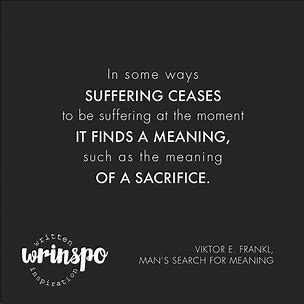
There is meaning in suffering. The way in which a man accepts his fate and all of the suffering it entails gives him ample opportunity to add a deeper meaning to his life.

I look forward to reading, learning, and sharing more with you soon!