
My intention is to post a Thoughtful Thursday column each week and share some of the insights I have learned in the past week. Here are some of the things I’ve learned this week:
Here are the lessons that resonated the most with me:
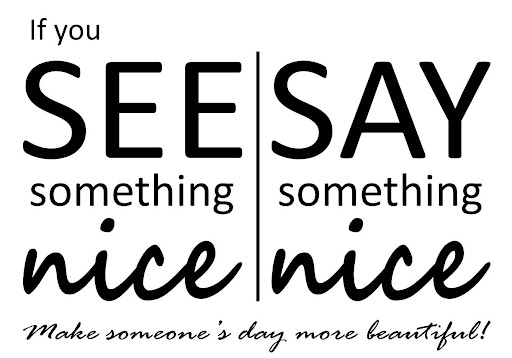
If you see something, say something. In a relationship, if you see something you love/admire/think they are doing well, don’t keep it to yourself.
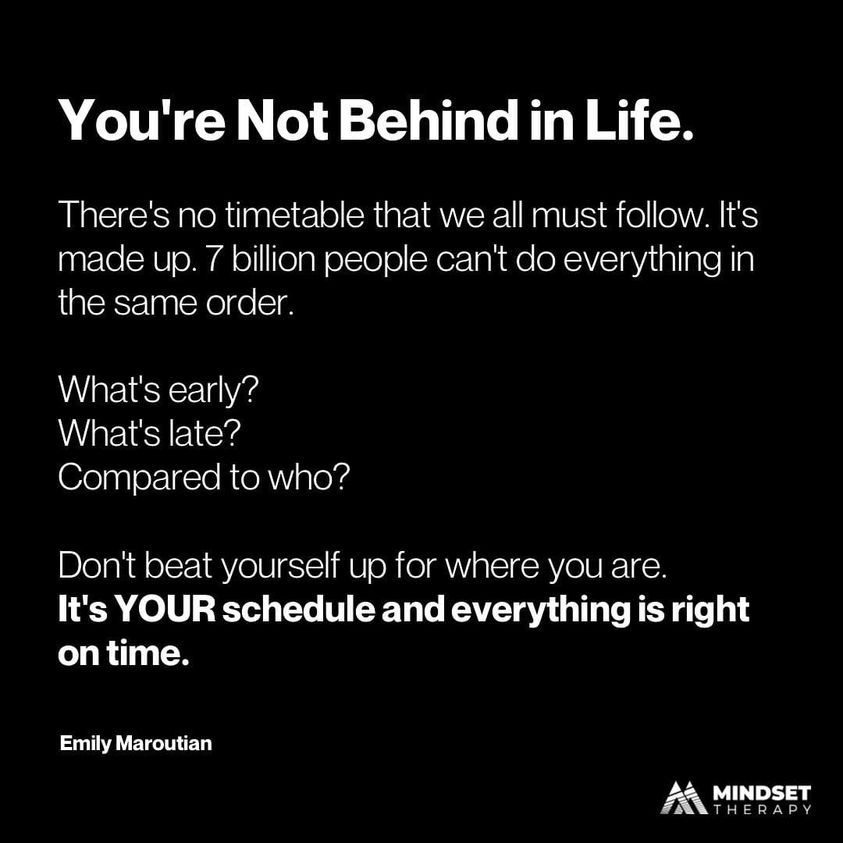
Question the “shoulds.” Be intentional about your decisions. Should you get engaged just because you’ve been together a certain amount of time? Should you have kids at a certain age or have kids at all? Should you drink any time someone else is at a social gathering? Should you follow pressures and milestones from society and friends? Your relationship is your relationship. Don’t compare yourself to others.
As work dynamics have changed, you need to be more intentional about making friends. Intentionally expose yourself to people on a regular basis through a book club, walking club, sport, etc. Put yourself in a reoccurring way in front of other people. Suggest avenues to your partner to gain connections.
If your relationship is boring, you need to do more interesting things. Give your relationship the new outputs it needs and deserves – conversations, activities, etc. Ex: Read a separate article each week and tell your partner what you read, learned, and anything interesting you would like to discuss from that article. It will result in more interesting conversations. Ex: podcast walks with partner – discuss podcast at the end of the walk to spark new conversations
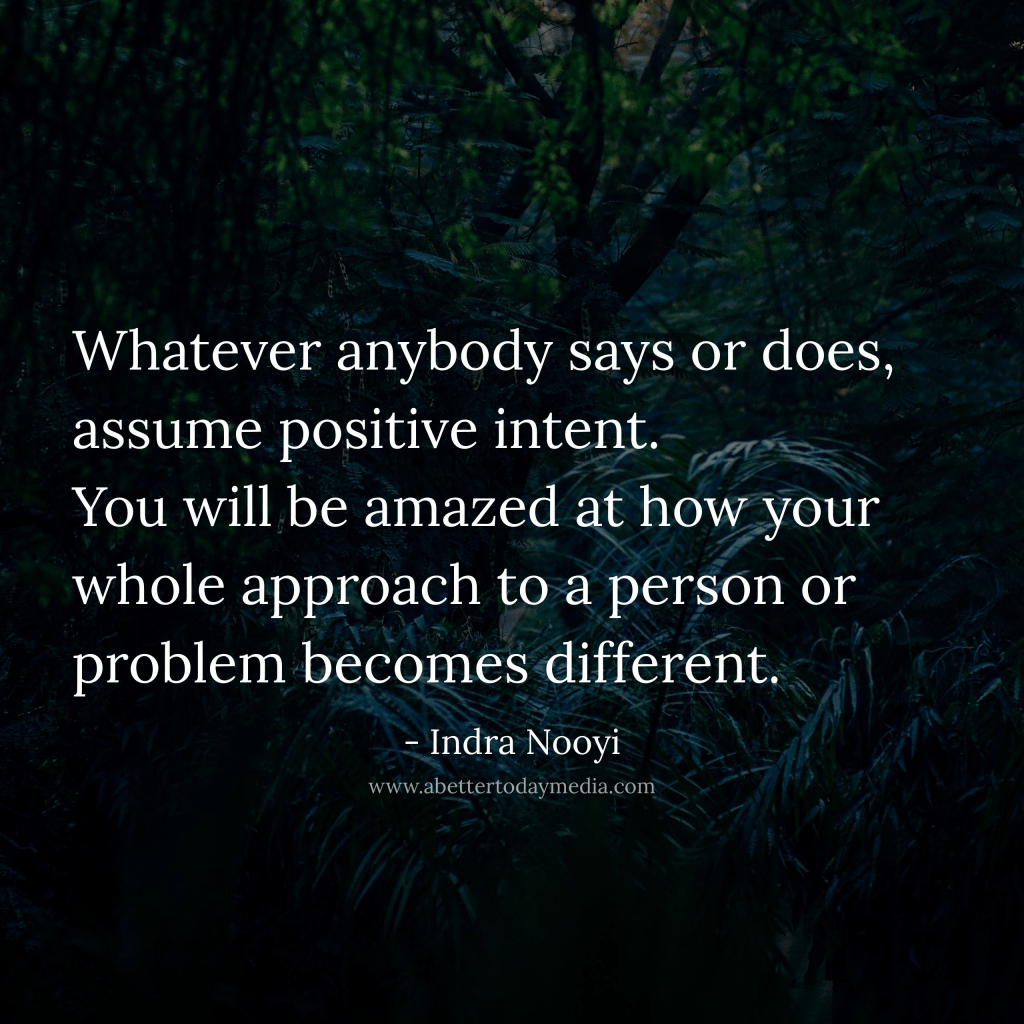
Assume the best intentions. Even if it is your partner’s fault, recognize that your partner can be at fault without intending to hurt you.
Plan together. It is really easy for people to change and for their desires to change. There are expectations people have, and when they are not spoken, we run into real problems. Communicate your desires so that you can plan together.
Communication is the crux of all relationship success and woes. Get your partner to know what you want in life and know what they want in life.

Here are some of the best lessons mentioned in this podcast:
- Putting up boundaries with other people starts with you making boundaries for yourself. It’s okay to be selfish with your time.
- The quality of the people you spend time with matters more than the quantity.
- Growth is not always linear, and sometimes you need to have low moments and face challenges to grow.
- You need to make the choice to walk away from something that no longer serves you.
- When life changes and things do not go according to plan, that’s because it’s not according to YOUR plan. God has a plan for you.

- Self-limiting beliefs can be broken. Figure out what your self-limiting beliefs are.
- Comparison truly is the thief of joy. Don’t compare your timeline to someone else’s.
- You will never find the time. You need to create it.
- You truly never know what someone is dealing with beyond the surface.
- Deal with papers immediately. As soon as you get the mail, toss all of the junk mail.
- For school papers, have kids do the homework ASAP and put it back into the backpack so it’s done and ready for the next day.
- Sign any permission slips and put them right back in the backpack.
- Let go of all of the drawings that were sent home. If you find something unique, you can take a picture with your child holding it and talk to your child about it before letting it go.
- Church bulletins – take a photo if needed, mark events on your calendar, and throw them away.

- Have an inbox for all of the papers that need to be dealt with soon.
- Have a long-term filing system for things that need to be kept, such as tax records, personal records, etc.
- Set a weekly time to catch up on paper. Take time each week to pay bills, deal with papers, etc.
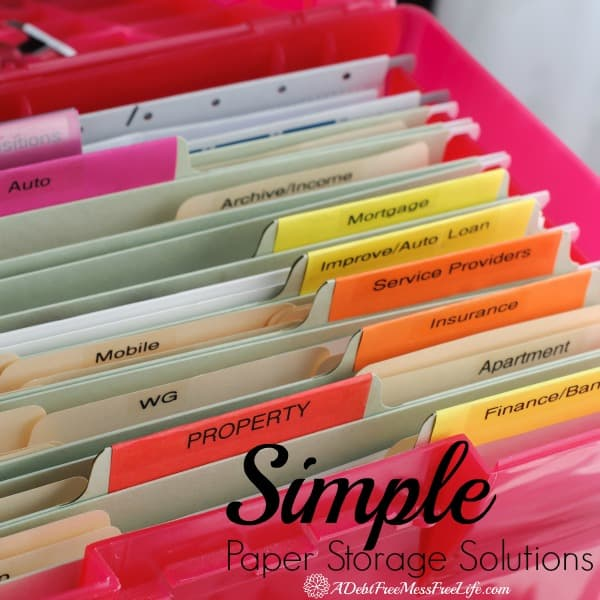
- Set as many statements as possible to “paperless.” Set aside time each week to pay/review/respond as necessary. Automate bills.
- Toss receipts if you don’t need them for tax purposes.
- Cancel magazine subscriptions.
- Avoid paper couponing.
This week I have been reading a fascinating book called “Like, Literally, Dude: Arguing for the Good in Bad English” by Valerie Fridland. Valerie pointed out research about the differences of “uh” vs “um” and their impact.
“Um” is used when longer delays in answering a question are anticipated. “Uh” indicates that our listener may need to wait a second or two for an answer, but “um” indicates they will need to wait longer. A filled pause (“uh” or “um” instead of silence) conveys information at a meta level.
“Uh” or “um” signals listeners to be on alert because there is generally something requiring greater cognitive effort happening. People typically use filled pauses when talking about unfamiliar, difficult, unpredictable, or abstract things, so we incorporate that knowledge into how we unpack what they say. People perform better on memory tests when hearing words such as “uh” or “um” before important statements or stories. This may be because we have more processing time to think about what is going to be said (during the filled pause of “um“). These pauses alert us to pay closer attention to what is being said.

I look forward to reading, learning, and sharing more with you soon!

 Read Learn Share