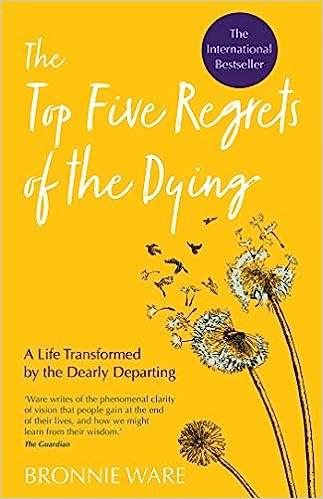
“The Top Five Regrets of the Dying” was written by Bronnie Ware, an Australian author, inspirational speaker, songwriter, and mother. This book was inspired by a blog post from the author with the same name, and this book has been published in 32 languages. Bronnie worked in palliative care, and to be honest, I felt bored while reading at times. This book seemed to be focused more on the author’s autobiography than the regrets of the dying.
The most common regret is the regret of not having lived a life true to themselves. This was also the regret that caused the most frustration, as it was realized too late.
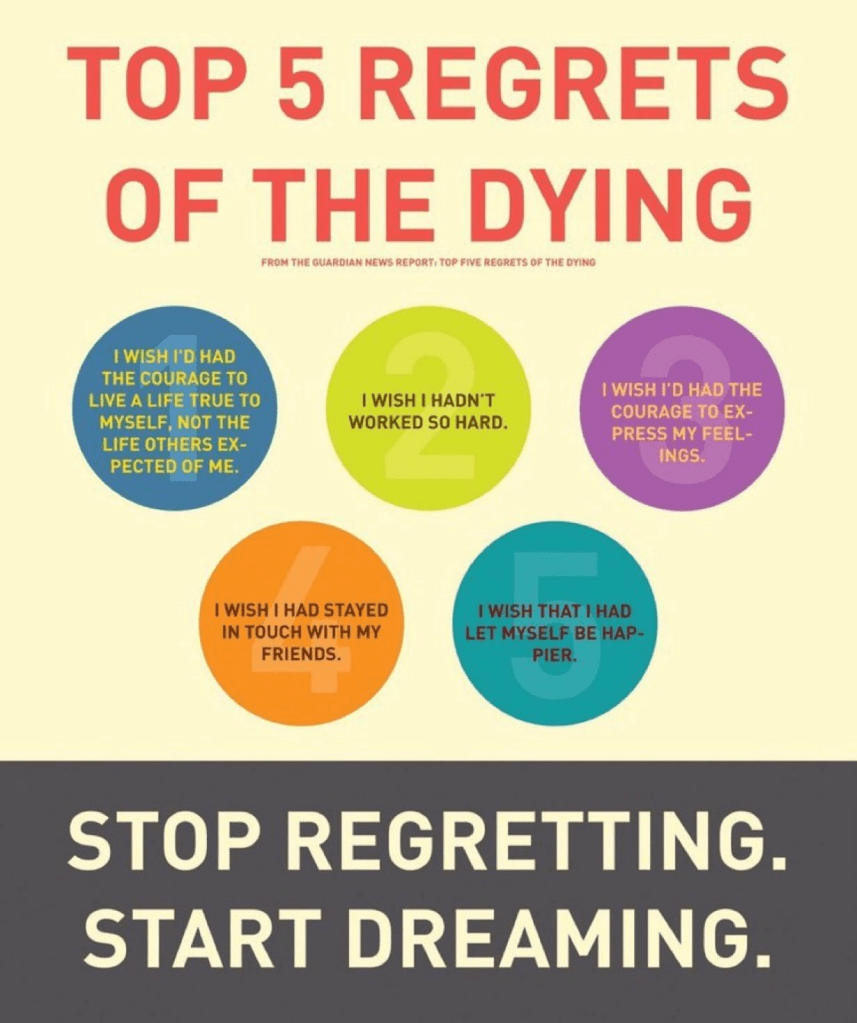
The top 5 regrets of the dying:
1. I wish I’d had the courage to live a life true to myself, not the life others expected of me.Compassion starts with yourself. If we are all to become a product of our environment, the best thing you can do is to choose the right environments that suit the direction you want your life to move towards.
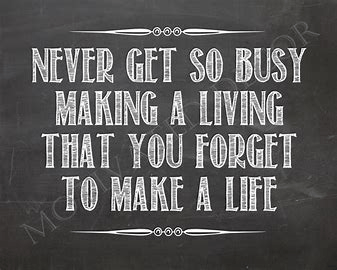
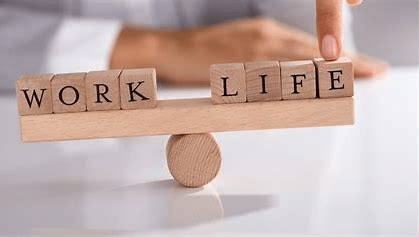
2. I wish I hadn’t worked so hard. There is nothing wrong with loving your work and wanting to apply yourself to it, but there is so much more to life. Balance is important. Our true value is not what we own, but who we are. Nobody wished they had bought or owned more. What most occupied the thoughts of dying people were how they lived their lives, what they did, and whether they made a positive difference to those they left behind (family, friends, community, etc.)
3. I wish I’d had the courage to express my feelings. If you are already carrying guilt from things left unsaid to someone already dead, it is time to forgive yourself. You are not honoring your life by carrying guilt forward.
4. I wish I had stayed in touch with my friends. Don’t lose touch with the friends you value most. Those who accept you as you are, and who know you very well, are worth more than anything in the end. Don’t let life get in the way. Give yourself the gift of their company.
5. I wish that I had let myself be happier. Allow yourself to be happy without guilt. Don’t allow the opinions of others to become a part of who you are. Happiness is a choice.
We spend so much time making plans for the future and depending on things to happen at a later date to assure our happiness, or we assume we have all the time in the world, when all we ever have is our life today.
We miss out on a lot of potential happiness when we focus too much on the results rather than the journey. It is easy to think happiness depends on something falling into place, but things fall into place when happiness is already found.
The peace each of these people found is available now without having to wait until our final hours. We have the choice to change our life, to be courageous, to live true to ourselves, and to live without regrets.
Be who you are, find balance, speak honestly, value those you love, and allow yourself to be happy. Smile and know that this time will pass and good will follow.
I look forward to reading, learning, and sharing more with you soon!
My intention is to post a Thoughtful Thursday column each week and share some of the insights I have learned in the past week. Here are some of the things I’ve learned this week:
Optimal Health Daily- 5 Small Habits For Big Changes in Fat Loss by Lea Genders
Prioritize protein/veggies at each meal. Protein helps you maintain muscle and protein and fiber from veggies help you feel full. Focus on what you can add to your meals to make them healthier rather than what you have to take away.
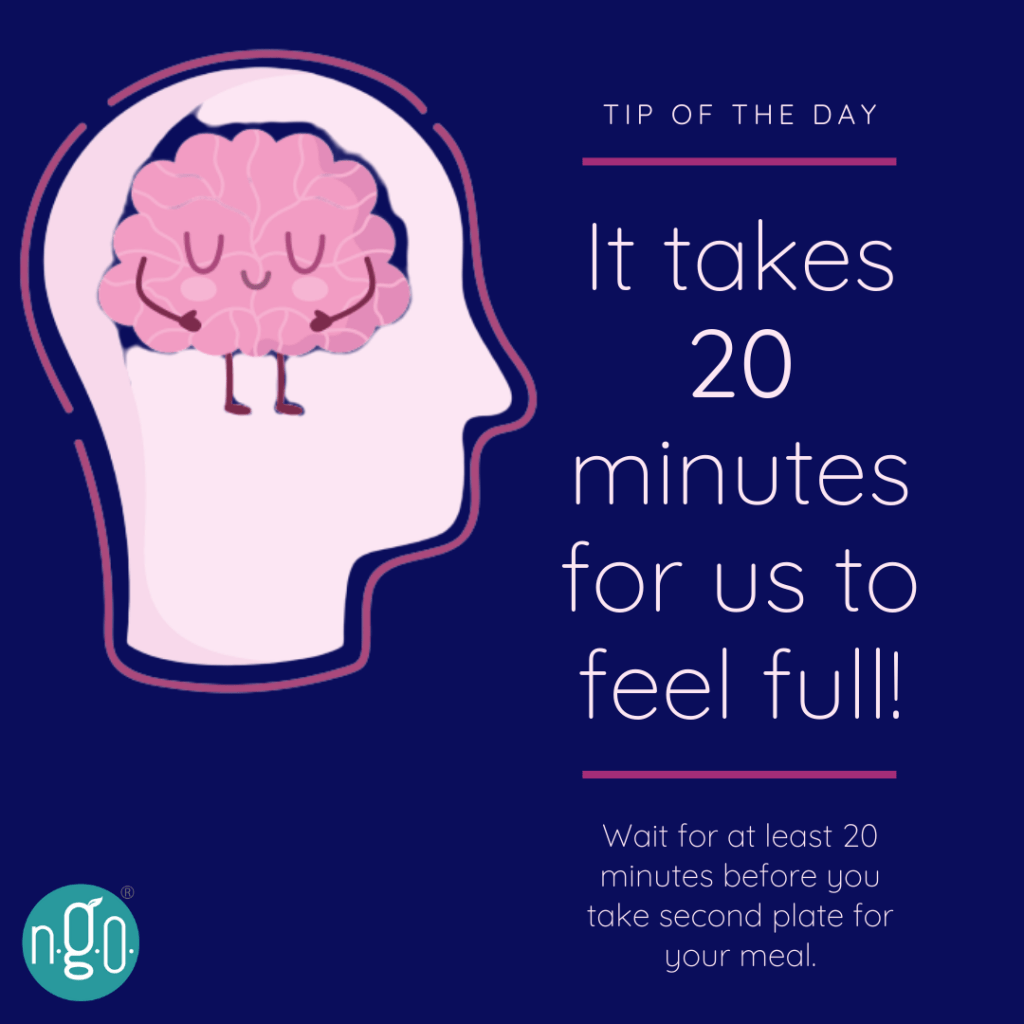
Eat slow and mindfully. When you gobble down your food quickly, you don’t give your stomach enough time to send the signal to your brain that it’s full. Pay attention to fullness signals and stop eating when you’re full.
Walk fast. Walk with purpose, bring a dog, or start a power walking routine.
Prioritize sleep. Create a sleep routine and aim for 7-8 hours of sleep each night.
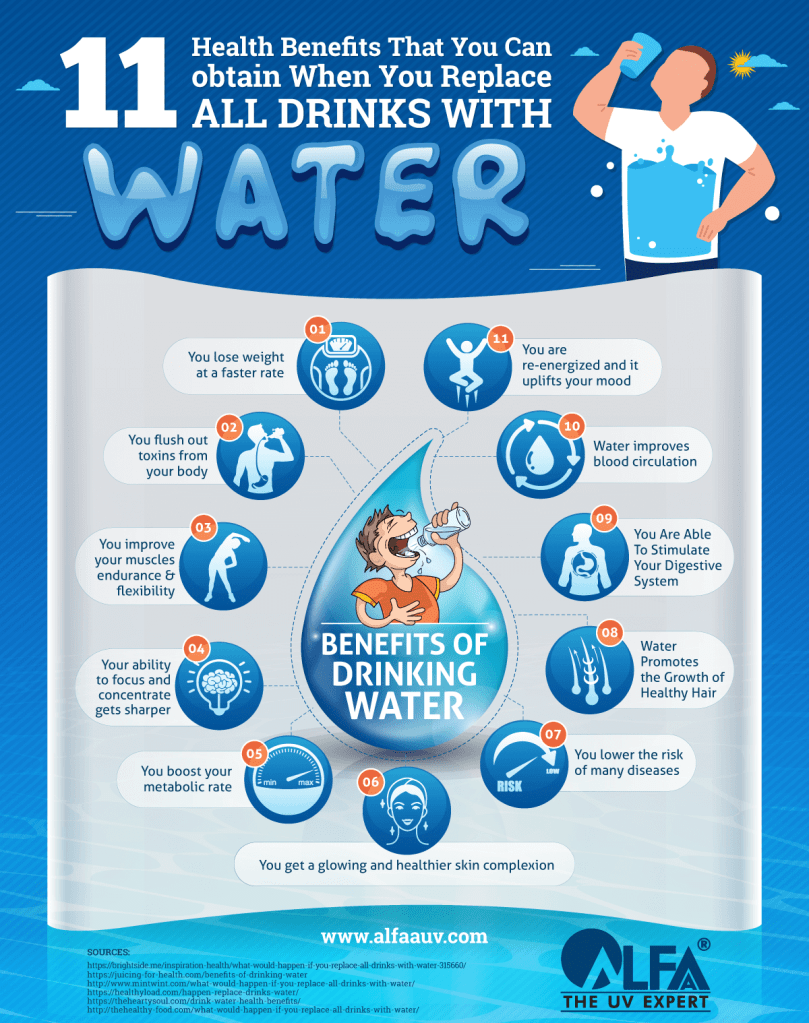
Replace all drinks with water. If you replace all soda, juice, energy drinks, and sugar-filled drinks with water, you’ll cut hundreds of empty calories each day. You can use some sugar-free flavoring packets to encourage you to drink more water. I love True Lemon packets, available in a variety of flavors at 0-10 calories each and 0-1 gram of sugar each. This might seem like a lot, but it’s a much better alternative to sugar-laden drinks.
Self Improvement Daily- HALT Before You Communicate
Often times we say things we don’t mean, that we’ll later regret, and wonder why we even said them in the first place. We wonder what caused us to not have the self-control needed in those situations. It’s usually a matter of feeling emotional. Our emotions often take precedence over logical reasoning.
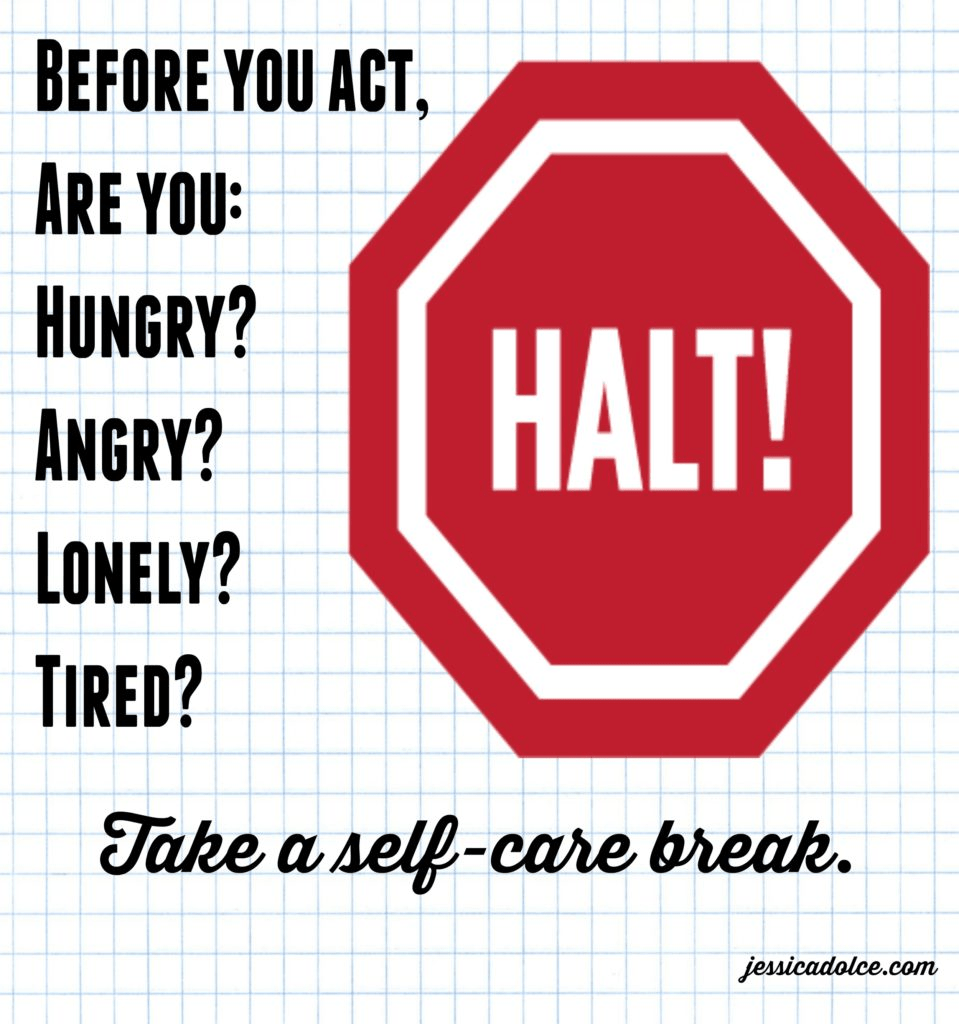
Before you communicate, especially when you’re feeling impulsive, HALT. Pause. Take a moment to think about how you’re feeling. In particular, reflect on these four things:
Hungry?
Angry?
Lonely?
Tired?
When you’re feeling any of these things, you’re more likely to say things you don’t mean because your mind is fixated on these specific needs. By calling out these emotions, you give your logical mind the information it needs to make the right decision.
TED Talks Daily- TikTok’s CEO on its future — and what makes its algorithm different – Shou Chew
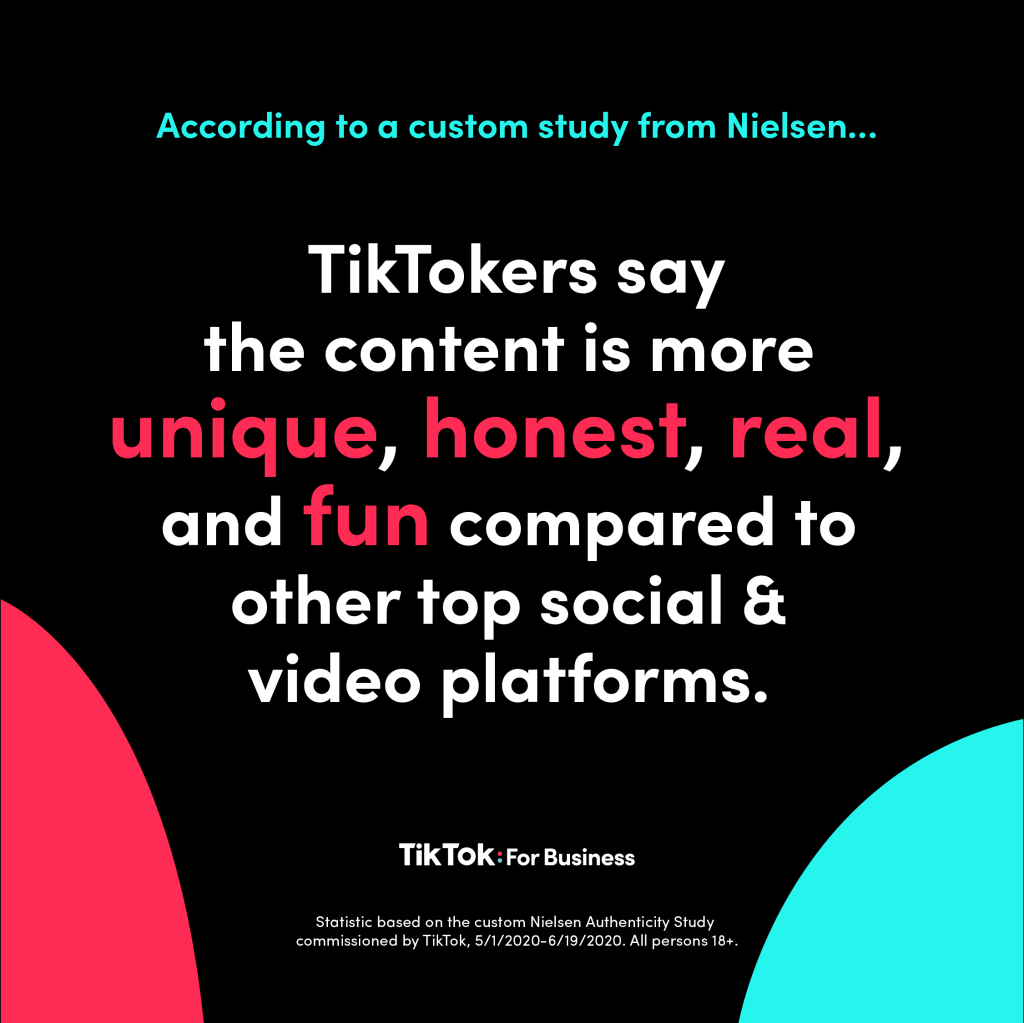
I discovered TikTok in the middle of the COVID-19 pandemic, and I have learned many things and spent countless hours on the app. One unique thing I realized right away about TikTok is that it gives people a platform to reach a larger audience than other social media apps.
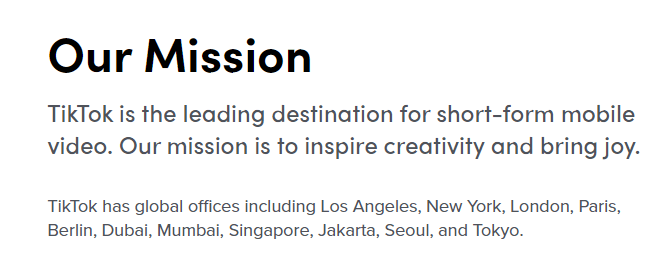
The mission of TikTok is to inspire creativity and bring joy. The vision is to provide a window to discover, give them a canvas to create, and provide bridges for people to connect.
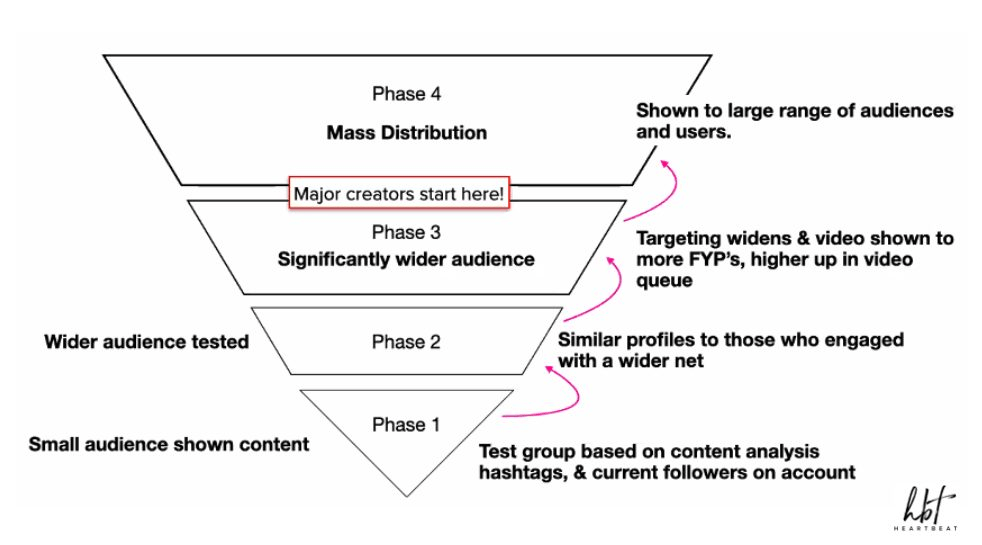
Per Shou Chew, the CEO: “What makes TikTok unique is the whole discovery engine behind it. We are showing people what they like. We have given the everyday person a platform to be discovered.”
The biggest creator, Khaby Lame, in TikTok didn’t even speak in any of his videos in the beginning. Lame is famous for his comic expressions and deadpan reactions to overstylized TikToks. Today he has 158 million followers on the platform. As long as you have talent, you have the chance to succeed.
TikTok has given many people a voice that they would otherwise not have. Other platforms basically made the chances of getting discovered very low. You almost had to be famous to get followers.
With TikTok, if you post something that’s not interesting to a lot of people, you aren’t going to get the virality you want. You need to have a message that resonates with people, and you will generate virality.
Recommendation algorithm- shows you what others are interested in who liked the same videos as you. Vision= window to discover. People find communities because of the content that they are posting.
Other apps are built for a different original purpose.
In order to fulfill its mission of discovery, showing users a diversity of content is essential.
TikTok has created a platform for people who never thought they would be a content creator. Has given them an audience. STEM (Science, Technology, Engineering, Math) content has over 160 billion views.
User guidelines: no pornography, child sexual abuse material, no violence. Users under 18 years old experience a more restricted app and can’t use the livestream experience. Users under 16 can’t instant message or go viral. A big part of the age guideline is based on the age the user reports when signing up.
TikTok’s goal is NOT to optimize and maximize time spent on the platform. Minors= 60 minute recommendation. TikTok has given parents tools to limit childrens’ time spent on TikTok.
Over 10,000 employees are currently looking at content moderation, and this group is based in Ireland. Most of the moderation has to be done by machines, but they aren’t always on point, so they complement with actual people.
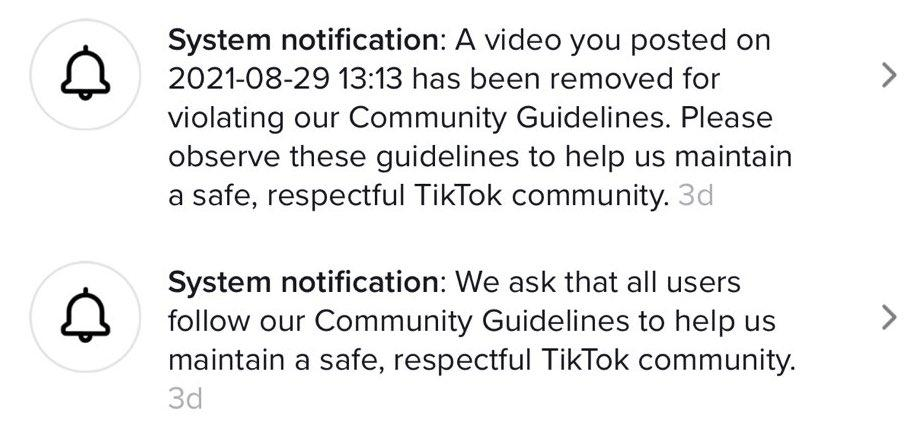
Guideline categories: mature, not suitable for teenagers. If content contains these guidelines, TikTok proactively removes it from users’ TikTok experience. If you search certain terms, you are redirected to a resource safety page.
Data access by employees is not the same as data access by the government. TikTok has implementing storing localized American data on American soil by an American company overseen by American personnel. This is beyond what any company in this industry has ever done- localizing in a way no company has ever done. All new U.S. Data is already stored in the Oracle cloud infrastructure.
TikTok’s desire is to keep Tiktok a place of freedom and expression (you can search for anything you want subject to community guidelines).
TikTok has popularized a variety of content: dancing, singing, science content, booktok, learning how to cook, sports, encouraging people to read. Booktok has 120 billion views globally.
TikTok is connecting people and communities together. 5 million businesses in the U.S. benefit from TikTok today.
Life Kit-A better way to talk to your doctor
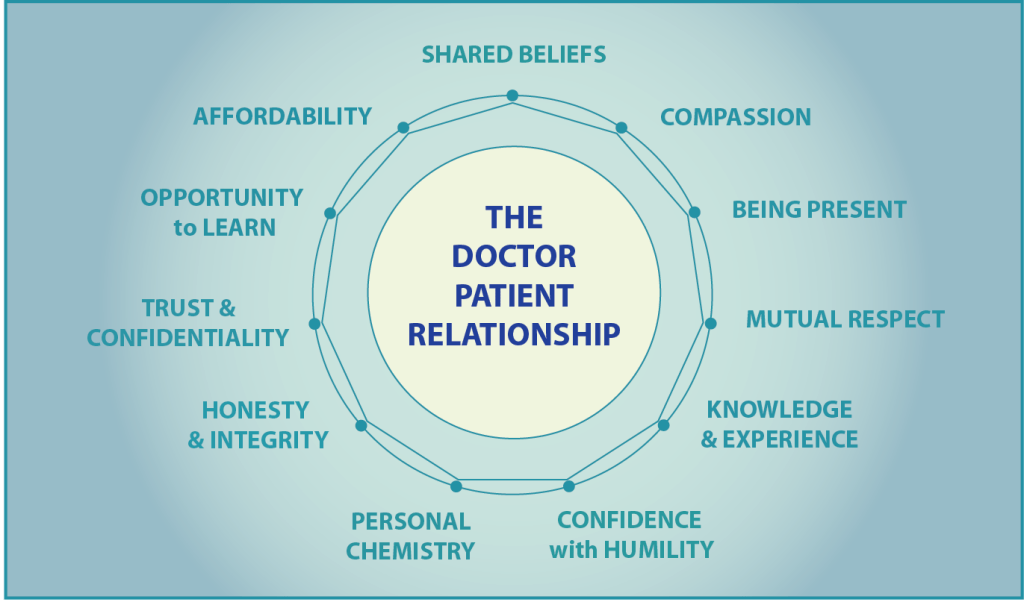
Find someone who you can built a partnership with, someone who listens, and someone who will take your symptoms seriously and foster that bond. Your health is your most important asset. You need to find someone who will be on your team and be a good partner.
Prepare as if you’re going to your accountant and getting ready for taxes. Write down what has been happening/symptoms and your family history, and answer when your symptoms started, what you were doing when symptoms started, what makes symptoms worse, how long symptoms have persisted, whether symptoms ever get better, and your previous history.
Anything you can describe (duration, time it started, details) can lead to higher chances of coming up with a diagnosis. Sometimes your doctor may not ever have a clear answer for you.
Your doctor might not know what’s going on right away. Instead, you may receive a differential diagnosis, or a list of possibilities. Schedule follow-ups.
Fill out docs on the patient portal before you get there to help maximize the time together.
When you get a diagnosis, ask for more information. What do we know? What do I have to do? What is the treatment plan?
If you feel dismissed, this is a sign this isn’t the doctor for you. It needs to be a partnership. You don’t need to stick with the doctor for the rest of your life if you aren’t comfortable.
Advocate for yourself. When you get a diagnosis, ask: What’s actually happening in my body right now? What’s the treatment? How does the treatment work? How often will I take that medication? Will this condition ever go away? How will this condition affect my life? When should we follow up?
Think of your relationship with your medical provider as a partnership. You should be working together to come up with a diagnosis or a plan. Keep a medical logbook with important details. When you get a diagnosis, consider a second opinion. It’s okay to change medical providers and it might be a good idea if they’re not listening to you, they confuse you, or if you don’t feel like you can talk to them.
NerdWallet’s Smart Money Podcast- Top Consumer Complaints and Car Shopping in 2023
The top consumer complaints of 2022 include negative information on credit reports that was not accurate, accounts that didn’t belong to consumers but were still on the report, credit inquiries that people didn’t recognize, and being pursued for a debt that the person didn’t owe.
Average price for a used car is still around $26k!!
Supplies still unable to meet demand- prices remain high
Tips: allow yourself time to shop around for both the car and the car loan. Get several auto loan offers before going to the auto dealer. Don’t tell the dealer upfront that you intend to pay cash. They may try to make up for lost revenue in the price of the car.
Auto rates are the highest they’ve been since 2009. Average used car loan is 11.03% interest. Some people can get 5% interest.
Tips: Shop around. Know your financing options. Think about the trade-offs. Buying a car with cash can keep you out of debt, but you might be able to get a better return on that investment.
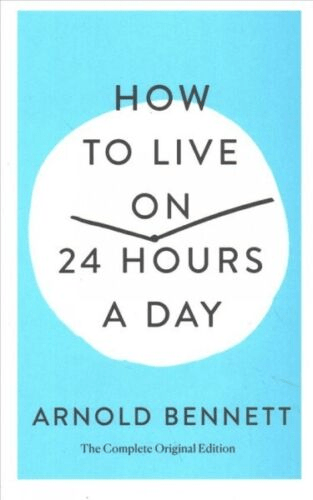
One book I’ve read this past week is “How to Live on 24 Hours a Day” written by Arnold Bennett and originally published in 1908. These points stood out to me:
We never shall have any more time. We have, and we have always had, all the time there is.
Arnold Bennett
Everyone receives the same 24 hours in a day. Many view their hours at work as a day and the rest as a margin. You say your day is already full to overflowing, yet you spend 8+ hours working and 7-8 hours sleeping. What are you doing during the other 8 hours?!
Arrange a day within a day. Think of your day outside of work as another day within your day. Have a reflective mood. Devote time each day to reading, learning, or bettering yourself. I have been committed to doing this as part of my daily habits.
You have to live on this twenty-four hours of daily time. Out of it, you have to spin health, pleasure, money, content, respect, and the evolution of your immortal soul. Which of us lives on twenty-four hours a day? And when I say “lives,” I do not mean “exists” or “muddles through.”
Arnold Bennett
I look forward to reading, learning, and sharing more with you soon!
“Getting Away- 75 Everyday Practices for Finding Balance in Our Always-On World” was published in 2020 and written by Jon Staff, a founder of Getaway. This was one of the most fascinating, insightful books I read in 2022 and it was packed with resources from hiking, phone apps, volunteering, flowers, etc.!
This book presented 75 ideas for finding balance in our daily lives. How we spend our days, is, of course, how we spend our lives.
Among my favorite suggestions: keep a gratitude journal, turn off push notifications and audit your phone usage, practice deep listening by not tending to your phone when having in-person conversations, wake up with a physical alarm clock, focus on one task at a time, observe a digital sabbath, listen to an album from start to finish, go on hikes, and add downtime to your calendar.
“Allowing an app to send you notifications is like allowing someone to insert a commercial into your life anytime they want.”
Jon Staff
Disable push notifications. Audit your phone usage by going to Settings (ScreenTime for iOS, Digital Wellbeing for Android). After reading this, I have regularly turned off most push notifications (Facebook, Messenger, Outlook, etc.) and it has been so freeing! I feel less stressed without these interruptions throughout the day and am more productive!
The average American spends 20 hours/week watching TV! This is the equivalent of a part-time job! Make a list of activities to do in your new free time instead.
Wake up to the radio as an alarm. Humans are conditioned to hear voices, not beeps. Also, listen to an AM/FM radio or an entire album sometimes. This creates an added level of discovery. You can’t control what plays and you are likely to hear something new. I know I’m guilty of switching songs every time I stream and don’t feel like listening to a song at a particular time and I think I will try this!
Several resources were also provided in this book:
Phone apps to control app usage: RescueTime, Self Control
Hiking: All Trails, Hiking Project, Outdoor Project, Trail Link
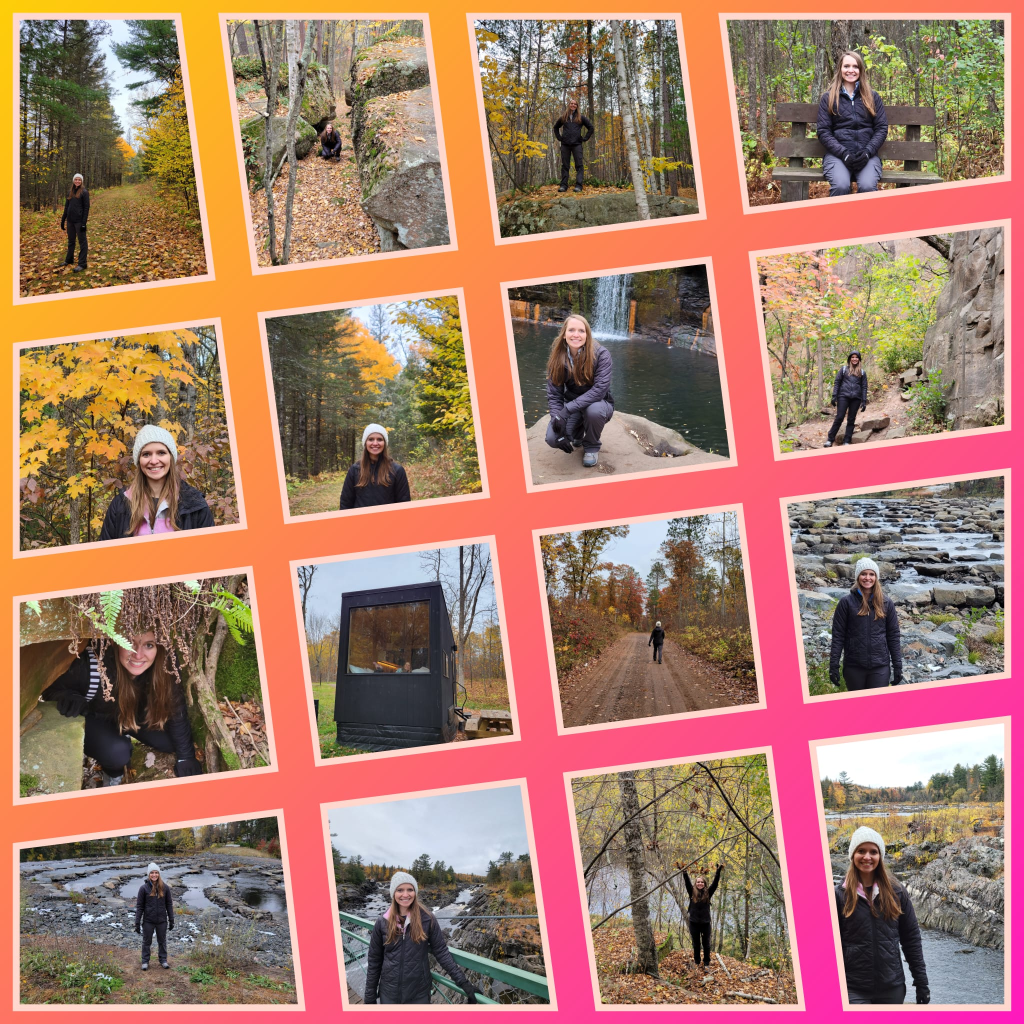
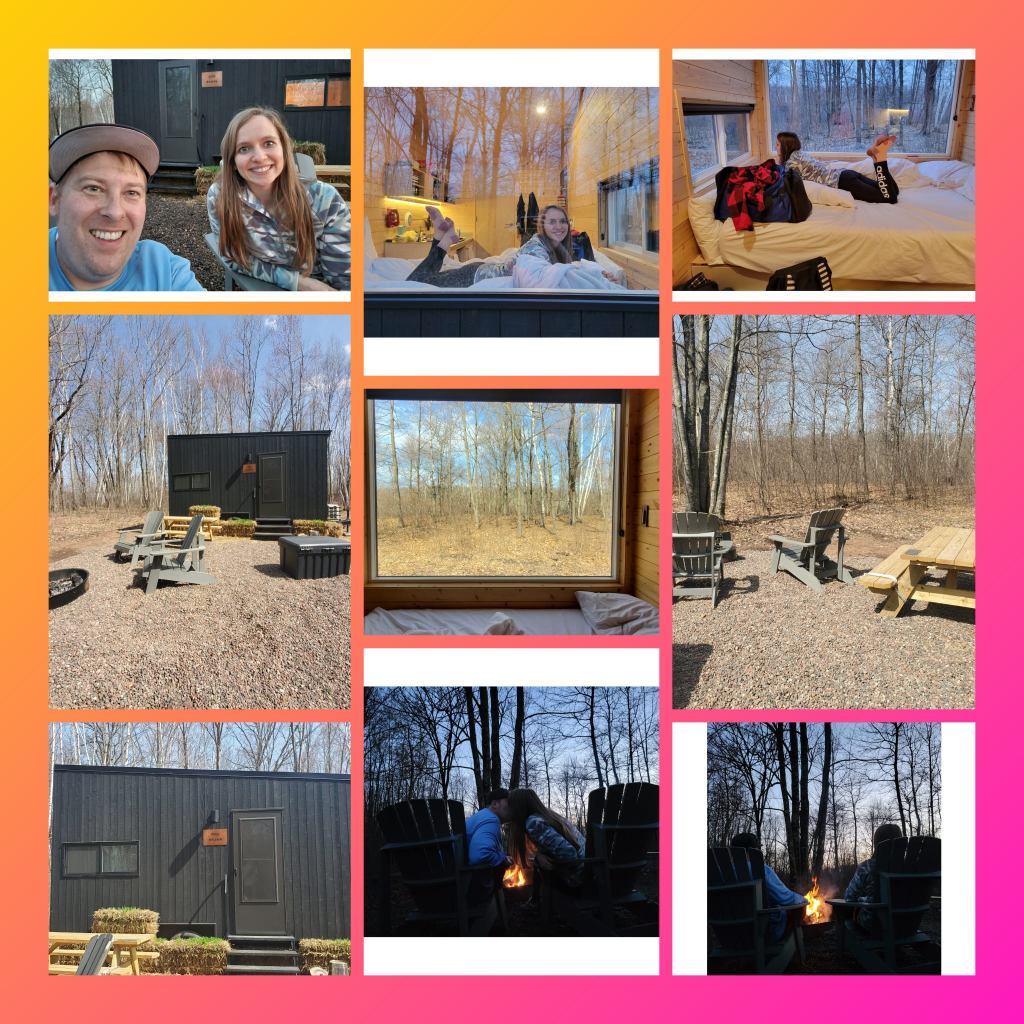
Getaway outposts are located throughout the United States. Find out more here: https://getaway.house/our-outposts.I have stayed at a tiny Getaway cabin a couple times, and I highly recommend it. I have loved the convenience of nature and several hiking trails and state parks somewhat nearby. Hiking is one of my favorite activities to “get away.”Last year, we stayed at Getaway for my birthday and hiked at four state parks in four days!
Some of my favorite personal photos from my Getaway trips:
I look forward to reading, learning, and sharing more with you soon!
My intention is to post a Thoughtful Thursday column each week and share some of the insights I have learned in the past week. Here are some of the things I’ve learned this week:
Self Improvement Daily- Getting Started Setting Goals
Setting goals is an effective way to structure your efforts and get a desired result. However, many people set goals too big without a plan. Ex: go from not working out at all to working out 6 days per week. Others set goals without much of a plan. Ex: drink more water. Eat healthier.
You don’t need to wait to have a perfectly defined and thought through goal before getting started. As you begin pursuing your goals, you collect more reference points and information to aid in defining your goal and the structure of achieving your goal. As you get closer to your goals, they get clearer. You should always be intentional about pursuing more clarity.
A goal I had for quite some time was to drink more water. There were times I drank up to a gallon per day (too much for me), but other times, I got so consumed in my work that I didn’t finish my first 16 ounces until after lunch! “Drink more water” was not a clearly structured goal for me. When I noticed that I regularly wasn’t finishing my first 16 ounces until well into the afternoon, I revised my goal to include “drink 1 bottle of water before the workday starts.” That goal is structured, measurable, and helps me to drink more water throughout the day.I also use True Lemon packets (available in a variety of flavors) to increase my water intake.
Another goal could start off as “eat healthier.” This could be structured by committing to planning staple breakfast foods and meal prepping healthy lunches for the week so that you don’t have the urge to order takeout during the work week.
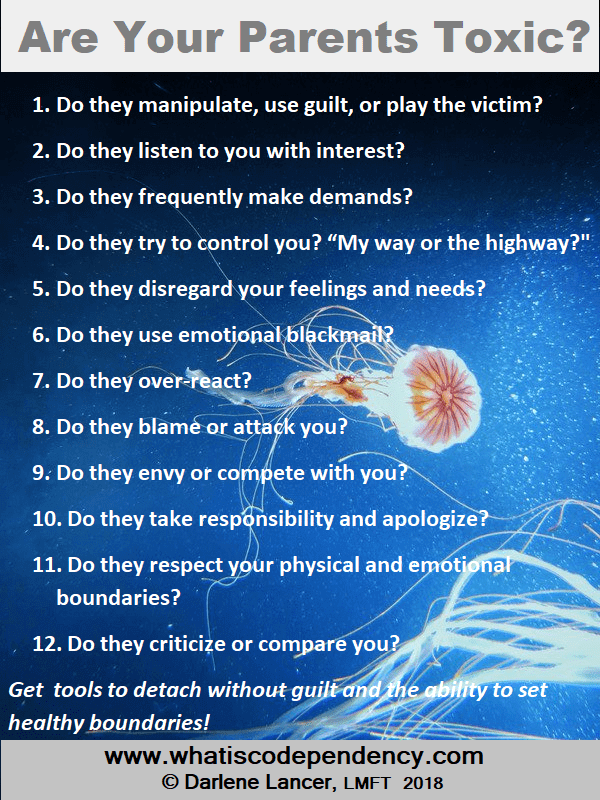
Psych2Go Mental Health Podcast- 10 Toxic Things Parents Say To Their Kids
You look terrible.
You’re a freak.
You’re so immature.
I’m going to send you to boarding school.
Once you’re 18, I’m going to kick you out.
This is your fault.
Show me some respect (when it isn’t due/when it’s toxic).
Do what I say or else.
You are terrible at ___.
You’re the worst student.
I am grateful that I didn’t hear any of these phrases directed at me growing up, but I know of people who have. It is important to show love to your children and allow them to make mistakes, express their own individuality, and overcome obstacles that can turn into learning experiences.
Life Kit- Put your savings to work
When we put money into a traditional savings account when inflation is high, its value is eroding.
Savings account interest rates may be as low as 0.01%, and the average interest rate is currently 0.24%. Some banks have increased interest rates due to inflation, and smaller banks are offering better rates than bigger banks.
Online banks offer better rates due to not having to maintain brick and mortar locations. Be sure to research minimum deposits and hidden fees and read the fine print! I recently created an account for CIT bank online, which offers interest rates between 4.50%-4.75%!
Aside from savings accounts, CDs are another option. The longer the term, the better the rate is. Be sure you can commit to the term, as you can’t withdraw $ during that term without paying a penalty.
Ibonds are inflation bonds where you are lending the government $ and the government agrees to pay you back at a later date with interest. Ibonds increased in popularity in 2022, as the interest rate was over 9%! The government sets Ibond rates every 6 months, and the term is for 5 years, although you can access your money before the 5-year term is up by forfeiting the last 3 months’ interest. The interest rate was just adjusted down to 4.30% in May 2023.
Taxes: the interest earned from savings accounts and CDs is taxable. Ibonds are exempt from state and local taxes, but you will have to pay federal income tax when you cash in on the bonds.
Consider switching savings accounts to one with a better interest rate. You may also want to consider government bonds for medium-term or long-term savings or CDs for short-term savings.
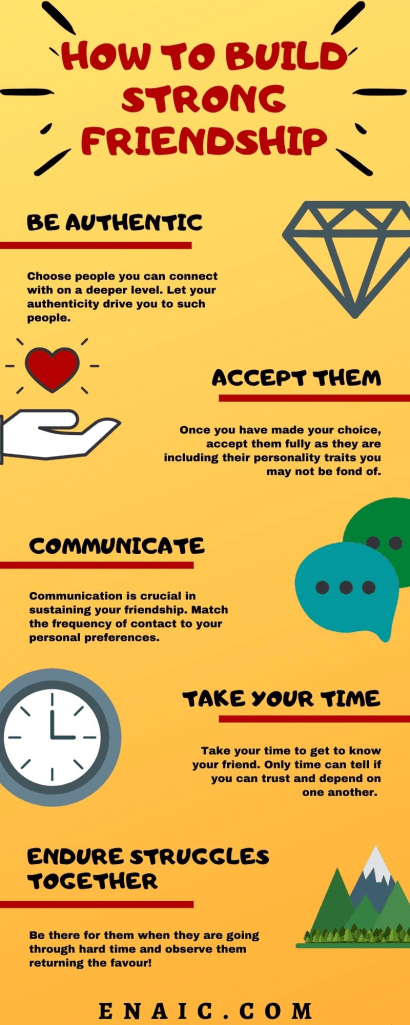
Self Care IRL- 14 Ways to Strengthen Your Friendships
Make your friendships a priority.
Start by staying in touch.
Try to think about what your friend needs right now. How can you be helpful or of value?
Stop judging. You are never going to be 100% approving of anyone or the decisions of anyone, including yourself!
Give an occasional compliment.
Spend time together.
Find common interests that you share, and do those things together!
Take on a new challenge together. Humans become closer with those they suffer with and overcome obstacles with.
Take a road trip.
Try new things together, such as restaurants, events, or activities.
Play fair. Don’t one up your friends.
Express your gratitude. Let them know you value them.
Admit and apologize.
Be authentic and be honest.
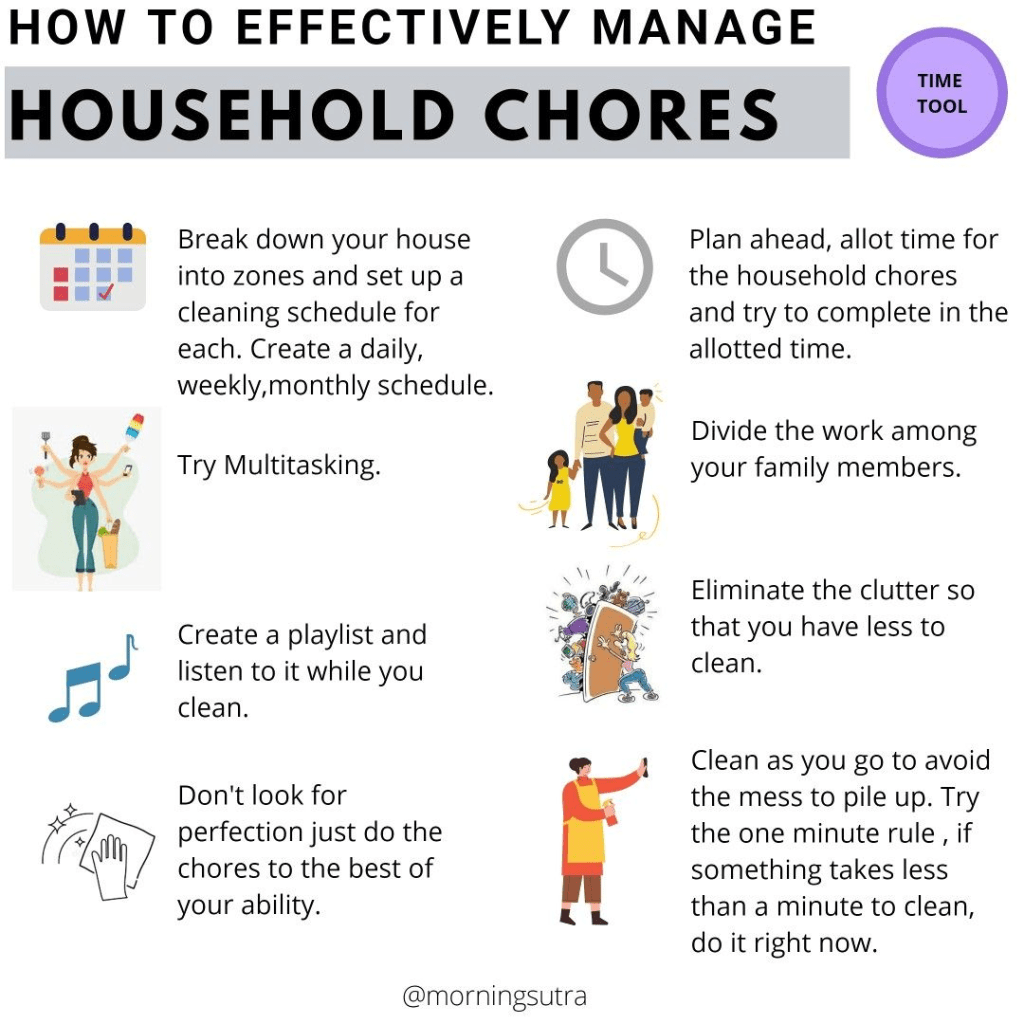
How to Be a Better Human- How to keep house while drowning
Reframe chores. Chores feel like an obligation. Some chores should be considered care tasks because they are tasks that you do to care for yourself, such as dishes, laundry, cleaning, exercising, cooking, organizing, and changing your sheets.
Ask yourself: What can I do right now in order to ensure that I’m being kind to my tomorrow self?
With other household stuff, acknowledge that good enough is perfect, and everything worth doing is worth doing partially. I struggle with this. I want to put my 100% into everything, so when I can’t dedicate the time and energy, sometimes I just don’t do it at all.
With chores, ask yourself these questions: What is the part you hate? What about it do you hate? Is there a way to skip that step or delegate? How can I add pleasure or joy to it? Ex: use a timer and dedicate a specific amount of time to a task, then stop when the timer goes off. Play your favorite playlist while doing a task you don’t enjoy doing.
Focus on Marriage Podcast- Common Problems and Letting Go of Selfishness
Many newly married couples have unrealistic expectations of marriage, such as “We are always going to agree on spending money. We will draw closer to our family and in-laws once we are married. We will divide up household responsibilities equally. We will have amazing sex often. I will never feel lonely in my marriage.” These unmet expectations are common sources of frustration in marriage.
Despite these common struggles, remember to ask yourself: What do you like about your partner? Why did you marry your partner? Why do you believe you’re married today?
One interesting point made in this podcast is that husbands are often looking for validation, and women feel resentment because they feel they are doing more than their husbands and it goes unnoticed.
Also, husbands often hear more about what they don’t do than about what they do do, leading them to feel unloved and unappreciated. They are seeking affirmations. Provide affirmations, appreciation, and validation, and also put effort into equalizing responsibilities.
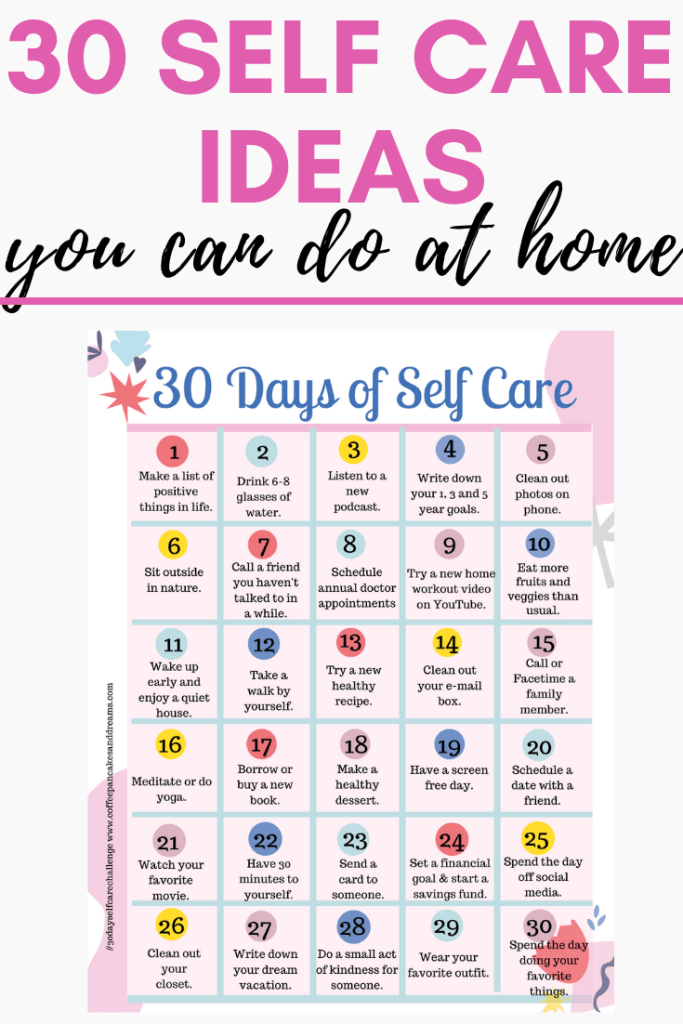
Optimal Living Daily- How to Create Time for Self-Care Without Feeling Guilty by Ellen Burgan
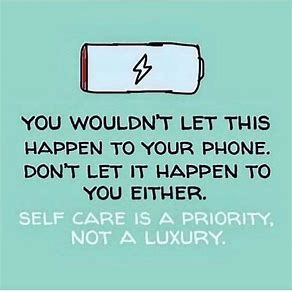
When you take care of yourself, you have more energy, patience, and compassion for others AND yourself.
Common obstacles to self-care and what you can do about them:
“I don’t have enough time” ⇛ This is a sign that you’re prioritizing others above yourself. This is a matter of how we choose to use our time. Remember that taking care of yourself will ultimately make you more productive and efficient in the long run.
“I can’t afford it” ⇛ Self-care doesn’t have to be expensive. There are several free or low-cost options, such as going for a walk, doing yoga at home, journaling, reading a book, coloring, or listening to music or a podcast.
“I don’t know how to do it” ⇛ It doesn’t have to be complicated. Find something you enjoy doing, and go do it. Find what works for you and make it a regular part of your routine. For me, self-care includes reading, exercising, listening to podcasts, and journaling + the very occasional massage.
“I’m too tired” ⇛ This is an even better indication to take time for yourself! Self-care can help boost energy levels, relieve stress and burnout, and improve sleep.
“I don’t have anyone to do it with” ⇛ You can still take care of yourself while flying solo.
Tips:
Shift the way you think about self-care. Instead of feeling guilty, shift your thoughts to that of well-deserved time to focus on and care for yourself. If you take care of yourself, you will be a more fun person for others to be around.
Prioritize self-care. Schedule self-care and include it in your regular routine.
Set boundaries. Practice saying no to things that don’t align with your priorities or that are draining you. Every time you say no to another obligation, you are saying yes to yourself.
Use small chunks of time. If you can’t find a long burst of time for self-care, use the short bursts of time you have. Maybe spend 10 minutes a couple times a day for yourself, and as you get better at finding dedicated time to yourself, you can increase it to a daily routine.
Ask for help and be willing to accept help. Delegate tasks if you are able to so that you can have some time for yourself.
Crina and Kirsten Get to Work- Workplace Mental Health Takes Center Stage: A New Priority for the Surgeon General
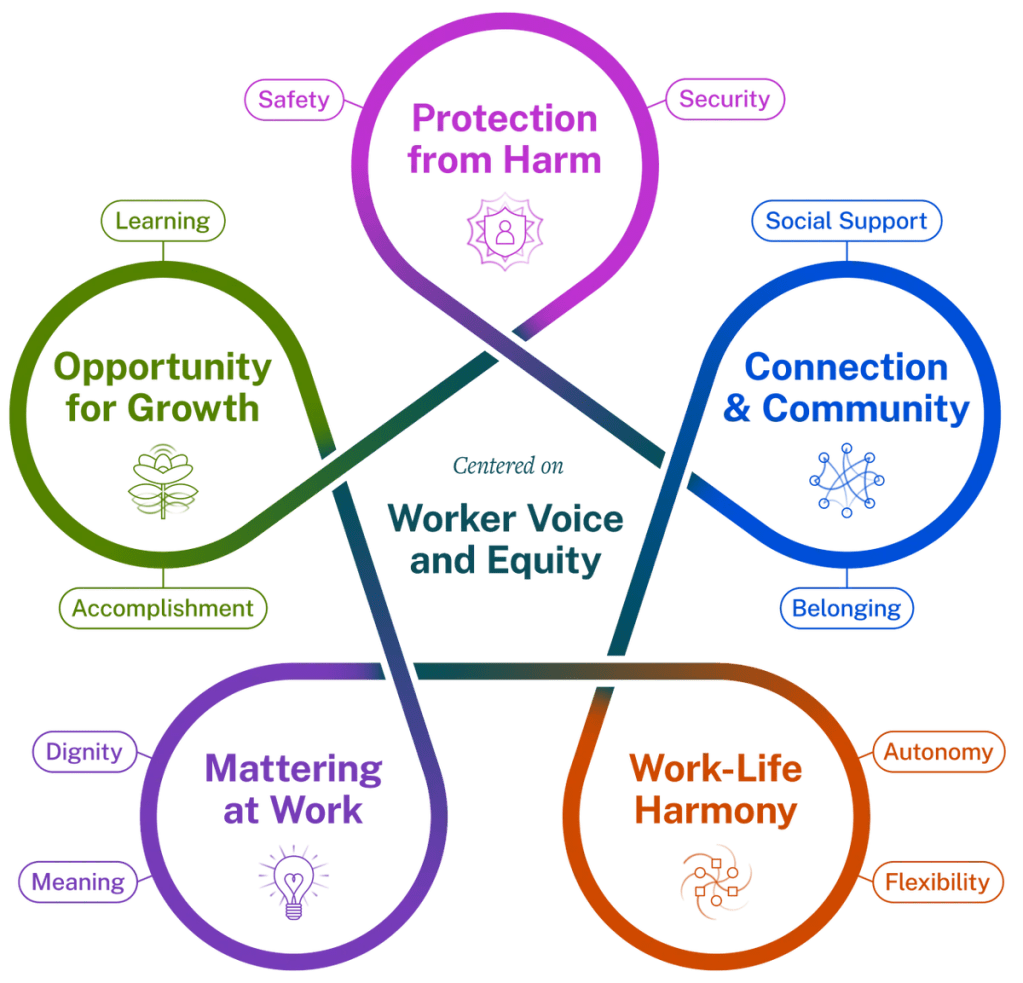
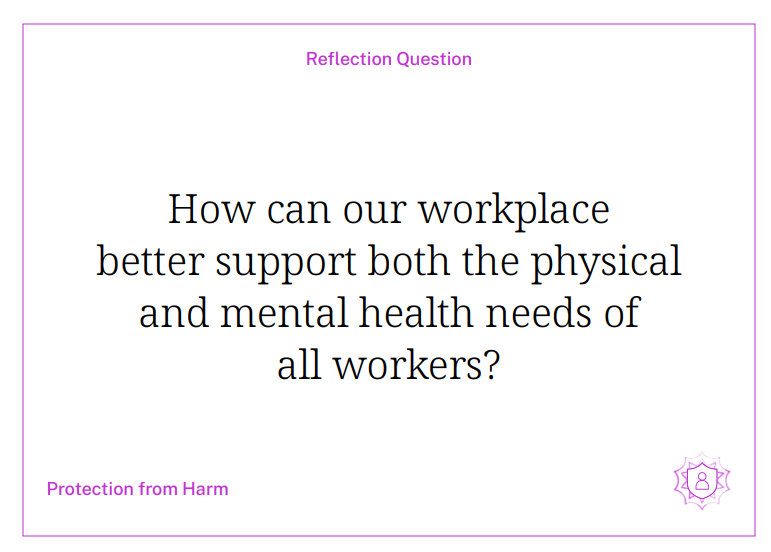
Prioritize workplace physical and psychological health.
Enable adequate rest.
Normalize and support mental health by validating challenges, communicating mental health and well-being as priorities, and offering both support and prevention services.
Connection and community: social support and belonging.
Create cultures of inclusion and belonging.
Cultivate trusted relationships.
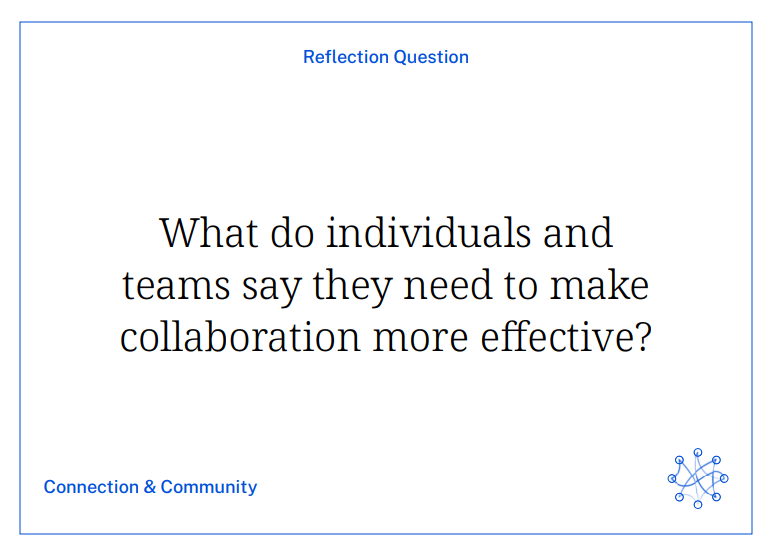
Foster collaboration and teamwork.
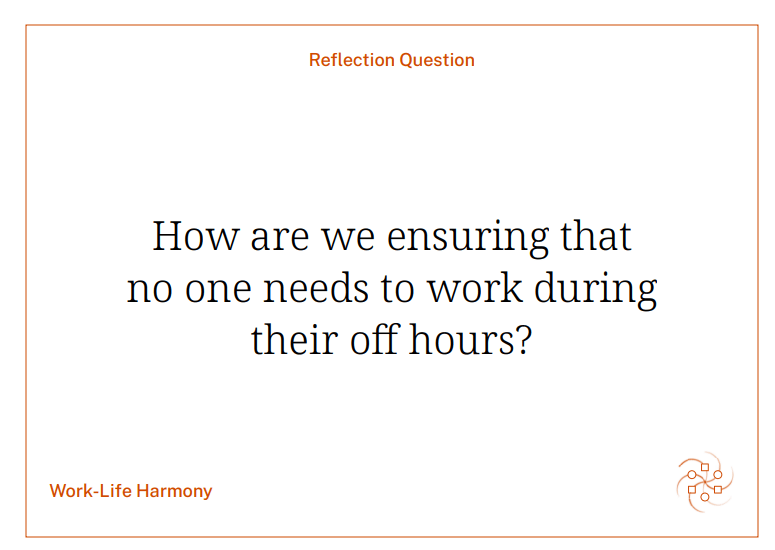
Work-life harmony: autonomy and flexibility.
Provide more autonomy over how work is done.
Make schedules as flexible and predictable as possible.
Increase access to paid leave.
Respect boundaries between work and non-work time.
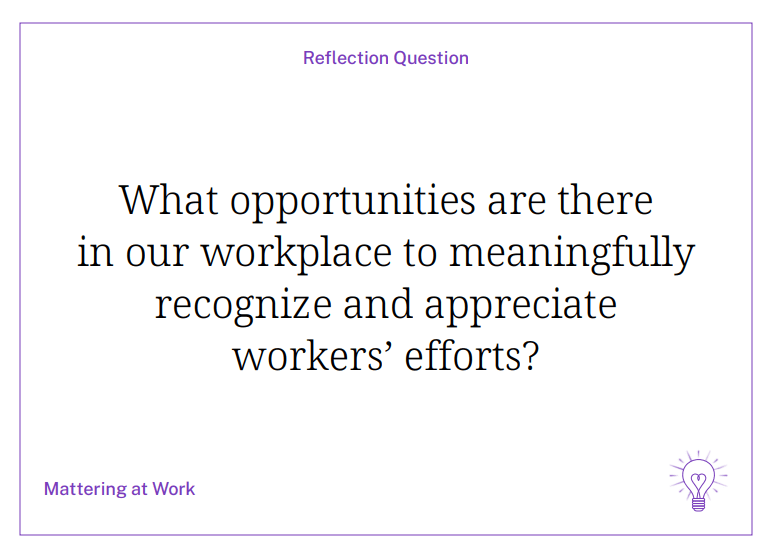
Mattering at work: dignity and meaning.
Provide a living wage.
Engage workers in workplace decisions.
Build a culture of gratitude and recognition.
Connect individual work with organizational mission (shared purpose).
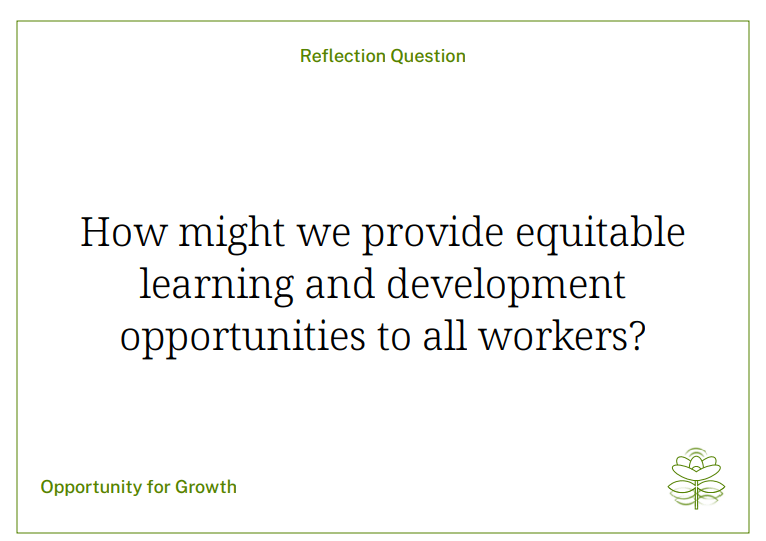
Opportunity for growth: learning and accomplishment.
Offer quality training, education, and mentoring.
Foster clear and equitable pathways for career advancement.
Ensure relevant and reciprocal feedback.
How is your employer doing with all of these?
I look forward to reading, learning, and sharing more with you soon!
“How Will You Measure Your Life?” was written by Clayton M. Chesterton, James Allworth, and Karen Dillon, all of whom were once associated with Harvard Business School or the Harvard Business Review. This book covered how to be successful and happy in your career, how to make your relationships an enduring source of happiness, and how to live a life of integrity. Several examples and insights were provided.
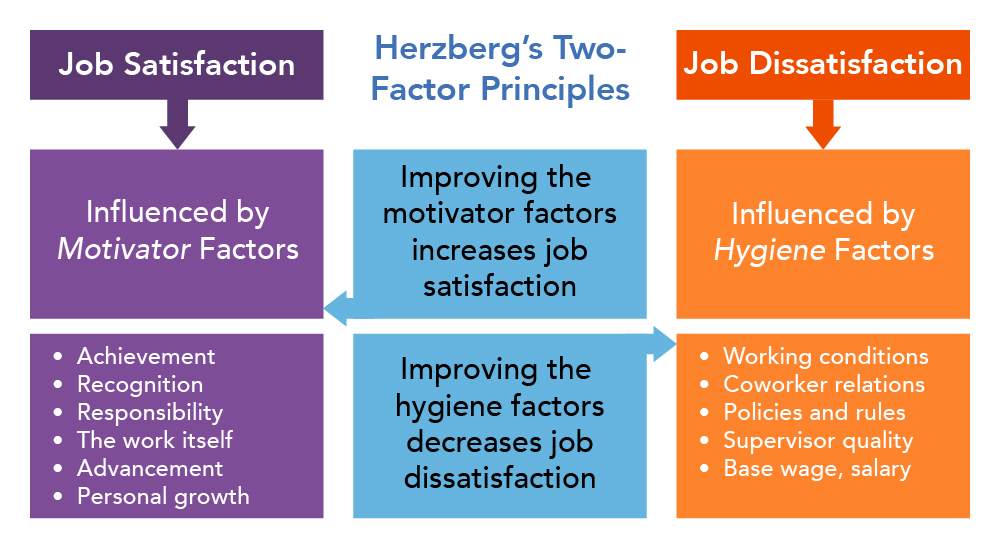
There are hygiene factors and motivators at work. Hygiene factors include status, compensation, job security, work conditions, company policies, and supervisory practices. If you have these, you won’t suddenly love your job; you just won’t hate it. Compensation is a hygiene factor. Motivators include challenging work, recognition, responsibility, personal growth, and meaningful work. These things make you enjoy a job and want to stay.
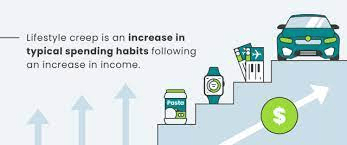
Many people choose jobs for the $ and then think they’ll later return to their passion but never do, causing resentment of their work. It is hard to dwindle back your lifestyle and transition to a field where you make less $.
Make sure your values and priorities align with how you spend your time, energy, talent, and money. With every decision you make about how you spend your time, energy, talent, and money, you are making a statement about what really matters to you.
High-achievers tend to focus a great deal on becoming the person they want to be at work and far too little on the person they want to be at home.
*If you defer investing your time and energy until you see that you need to, chances are that it will already be too late.
The path to happiness in marriage is about finding someone who you want to make happy – someone whose happiness is worth devoting yourself to.❤️
Thinking about your relationships from the perspective of the job to be done is the best way to understand what’s important to the people who mean the most to you. “What job does my spouse most need me to do?”
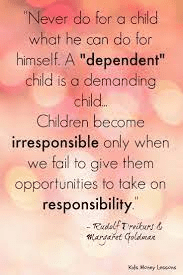
Don’t flood your children with your resources and do everything for them. They need to be challenged and solve hard problems and develop themselves.
Outsourcing can lead to losing valuable opportunities to help nurture and develop them. Teach them how to deal with pressure and build resilience and solve problems. Find the right experiences to help them build the skills they’ll need to succeed. Some of the greatest gifts are what your parents didn’t do for you.
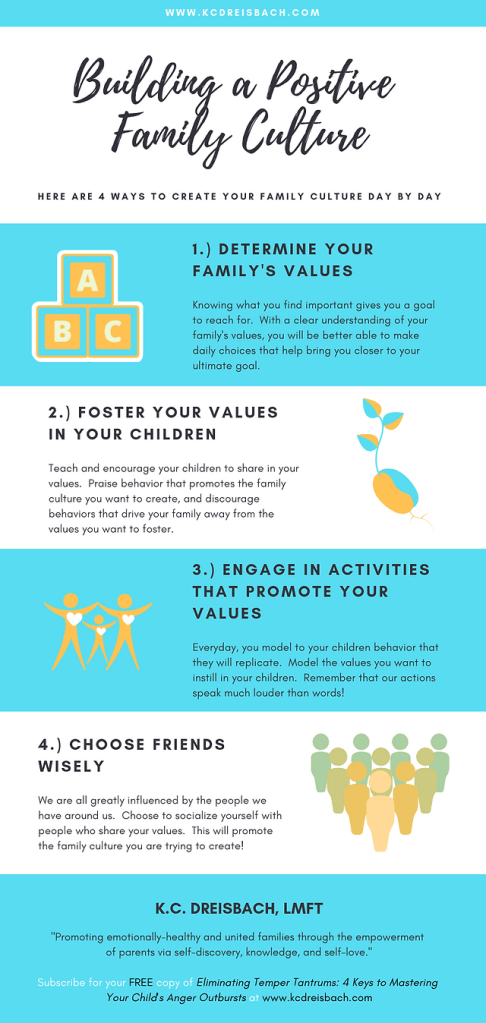
When our children are ready to learn, we need to be there. We also need to be found displaying the priorities and values we want our children to learn – through our actions.
You have to build the culture you want in your family. If you do not consciously build it and reinforce it from the earliest stages of your family life, a culture will still form – but it will form in ways you may not like.
Decide what you stand for and stand for it all the time – no “just this once” exceptions.
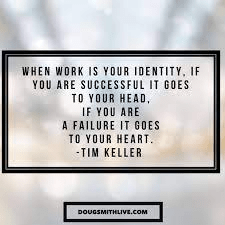
This book really resonated with me. For several years, I prioritized working multiple jobs and paying off student loan debt/saving money, so I did not have a social life or really any personal hobbies I regularly devoted myself to. Work was essentially my identity. In the past year, I have prioritized daily habits, working less, socializing, and personal hobbies and am much more satisfied. I have been discerning whether to become an attorney, but from the insights I have gathered, the work-life balance is not enticing. Being an attorney has been my goal or plan since college, and now my mindset has shifted to consider work-life balance. Would this career path allow me a work-life balance to have personal hobbies, a social life, and quality time with my husband and future children? That is how I will measure my life.
The type of person you want to become – what the purpose of your life is – is too important to leave to chance. It needs to be deliberately conceived, chosen, and managed.
How will you measure your life?
I look forward to reading, learning, and sharing more with you soon!
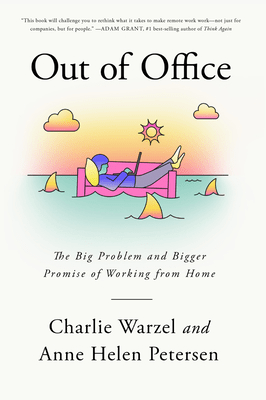
“Out of Office” was published in 2021 and written by Charlie Warzel and Anne Helen Petersen. This book was among my top 20 favorite books I read in 2022 and focused on the transition to white-collar remote work during the pandemic, particularly on HOW we will work.
“We worship work. We remain faithful to it because we want to support ourselves and our families, but it’s become more than a simple means of providing needs. Work has taken on such a place of primacy in our lives that it has subsumed our identities, diluted our friendships, and disconnected us from our communities.”
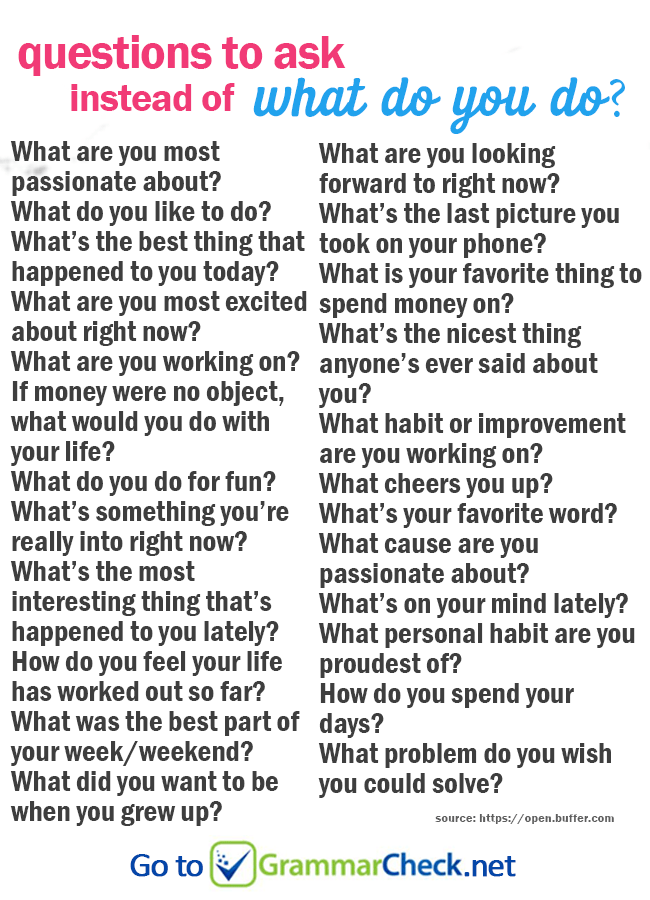
This is increasingly evident in our society. Upon first meeting someone, the most common question asked is “What do you do?” as in, “What do you do for work?” Your identity is whittled down to what you do for work, and someone’s opinion of your work often impacts whether or not the conversation continues and friendship ensues. This is dangerous, especially when people lose their jobs or retire and don’t have an identity outside of work.
Who would you be if work ceased to be the axis of your life? How would your relationships with friends and family change? What role would you serve within your community at large? What hobbies would you pursue? We are so conditioned to approach our lives as something to squeeze in around work.
Charlie Warzel and Anne Helen Petersen
I once worked for a boss who planned his work day around his desire to sleep longer, have a productive morning before work, and leave in the late afternoon for yoga or rock climbing. Although I thought it was odd, it became clear to me that he truly had a balance and planned work around his life, not life around his work.
The authors recommended auditing how we spend our time working and whether things need to be done during the standard work hours, getting rid of meetings that aren’t necessary and exploring asynchronous ways of communicating, considering four-day work weeks, setting boundaries to protect time away from work, dismantling any organizational monoculture, leveling the hybrid work playing field, and giving yourself space to explore hobbies and interests and commit to them.
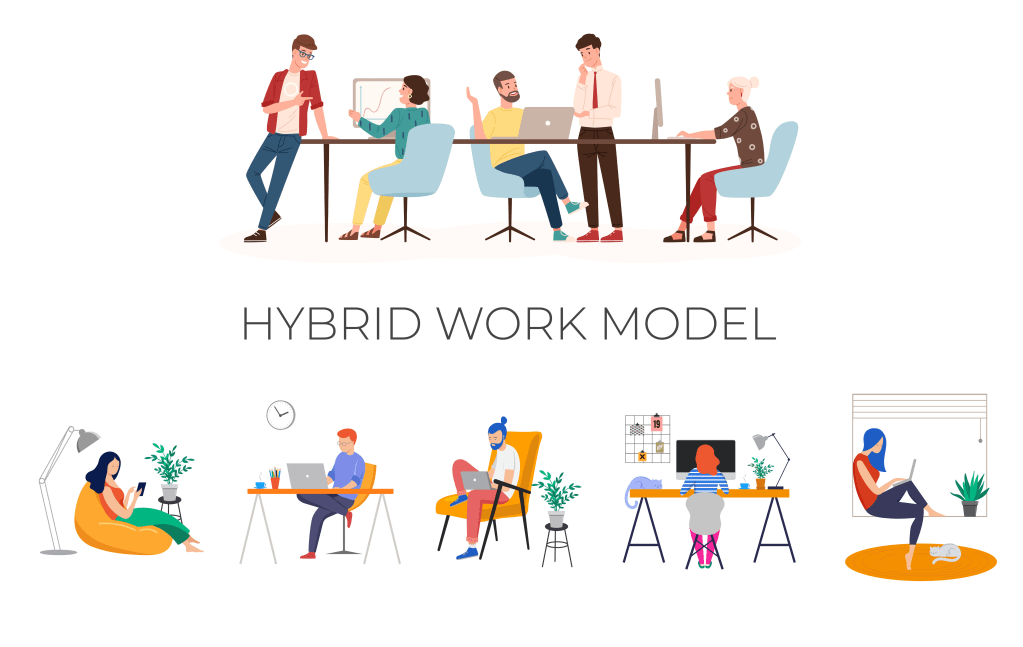
The authors identified and expanded upon four areas critical to achieving ideal work-life balance: flexibility, culture, technology, and community and provided examples of other companies’ approaches to remote work, flexible scheduling, and company culture. This book was particularly appealing to me because, during the pandemic, I have had different jobs and made transitions. One job turned fully remote for a time, one job was in person every day, and one job was a hybrid environment, which appeals to me the most.
The pandemic taught employees and businesses about flexibility. Employees who were told that positions couldn’t be done remotely prior to the pandemic suddenly were required or able to be done remotely. Businesses and employees were challenged to maintain the culture or build a culture outside of the office environment, using technology and community.
“This example from the retail world should be instructive: if you have only enough employees to barely get the work done as is, you’ve engineered a scenario in which employees may have theoretical permission to take time off, but understand that they’ll shoulder the burden of that time off in some way. Either they try to keep doing part of their work while on leave, a colleague takes on an even larger work burden, or a portion of essential work goes undone, slowing everyone on a team.”
I have witnessed this in different roles. At its worst, due to the workload and demands, I worked part-time during a medical leave and regularly made up for time that I was sick. I felt discouraged from taking time off due to the stress of coming back to a fuller plate. I am grateful to have found collaboration and cross-training on a team.
Management is used as a way to reward workers who distinguish themselves for their productivity. As a recent study by Harvard Business Review pointed out, the skills associated with high productivity- including knowledge and expertise, driving for results, taking initiative- are almost all indications of INDIVIDUAL-ORIENTED competencies. Management requires skills that are OTHER-ORIENTED: being open to feedback, supporting colleagues’ development, communicating well, and having good interpersonal skills.
Charlie Warzel and Anne Helen Petersen
I look forward to reading, learning, and sharing more with you soon!
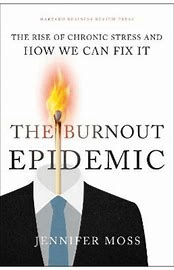
“The Burnout Epidemic: The Rise of Chronic Stress and How We Can Fix It” by Jennifer Moss was among my top 20 favorite books I read in 2022. Jennifer Moss is an award-winning journalist, author and international public speaker.
Packed with insightful research and data, this book examined what causes burnout and what organizations can do to prevent it, how companies can build an anti-burnout strategy, and how leaders can measure burnout in their own organizations. I will note that this book surprisingly focused more on organizations and leaders instead of the typical self-care ideas.
There are 6 causes of burnout:
Workload
Perceived lack of control
Lack of reward or recognition
Poor work relationships
Lack of fairness
Values mismatch
Leaders should ask themselves “How do we create a better, healthier workplace for people so they don’t burn out?” “Empathy drives great leadership. If that tenet is at the root of our decision making, we are more likely to prevent burnout because the pro-social payoffs are plenty.”
Jennifer Moss
MOTIVATION factors include challenging work, recognition for one’s achievements, responsibility, the opportunity to do something meaningful, involvement in decision making, and a sense of importance to the organization.
HYGIENE factors include salary, work conditions, company policy and administration, supervision, working relationships, and status and security.
“Often, employees don’t recognize when an organization has good hygiene, but bad hygiene can cause a major distraction.”
Jennifer Moss
Tips for leaders to help avoid burnout: focus on strengths, increase training, provide resources and support, give everyone a voice to share concerns or ideas, recognize hard work, and check in frequently but don’t micromanage.
Perfectionists (me!): stop trying to control everything, understand the difference between self-knowledge and self-awareness, accept help, and take care of yourselves so that you can take care of others.
In cases of workload burnout, ask yourself: “Is what I’m doing helping or harming me? Do I continue to raise my hand even though I know I should focus on accomplishing my current workload? Do I communicate to others when I feel like it’s too much? Do I delegate well? Have I identified what gives me energy and what drains me? Do I manage my distractions? Do I have outside interests or do I give my life to work? Do I have a close friend at work I can lean on for support?”
Working from home at the start of the COVID-19 pandemic was tough. I was suddenly working and quarantining in my small one-bedroom apartment at the time, and it was hard to separate work life from my home life since I was always home. The couch I sat on to read or watch tv was the same seat I sat on to work all day. As client demands increased, and training a colleague from home was not an option, my workload continued to pile up. There were many times I worked all day, took a break for supper, and then worked at night to keep up with the new demands. Without a social life or many hobbies, and with businesses closed, my work was my life. Some days I felt like I didn’t do anything exciting or anything for MYSELF; when I reflected on my day, all I could think about was work. My perception of my day was solely focused on my reflection of work that day.
I knew I needed a change, so eventually, I started focusing on daily habits or doing something for myself each day. I started with reading every day, later added listening to a podcast each day, and eventually added exercising each day. With businesses closed, I started walking on a walking path near my apartment to exercise each day, and on the walking path, I made a nearby friend who happened to work at the same company as I did! We were able to meet and go on walks for 3-5 miles most evenings. Getting out in nature while socializing quickly became the best part of my days and the best form of stress relief.
In 2022, I had focused extensively on forming daily habits. It was a life-changing year, and it helped me to cultivate passions outside of work. Sure, work was very stressful at times, but I took pride in looking back on my days knowing that I had done several things for ME. Through some career changes, I am also grateful to have found an organization that is invested in preventing employee burnout.
Some things are out of your control, but YOU can and should take action on the things that ARE in your control to prevent burnout.
I look forward to reading, learning, and sharing more with you soon!












 Read Learn Share