
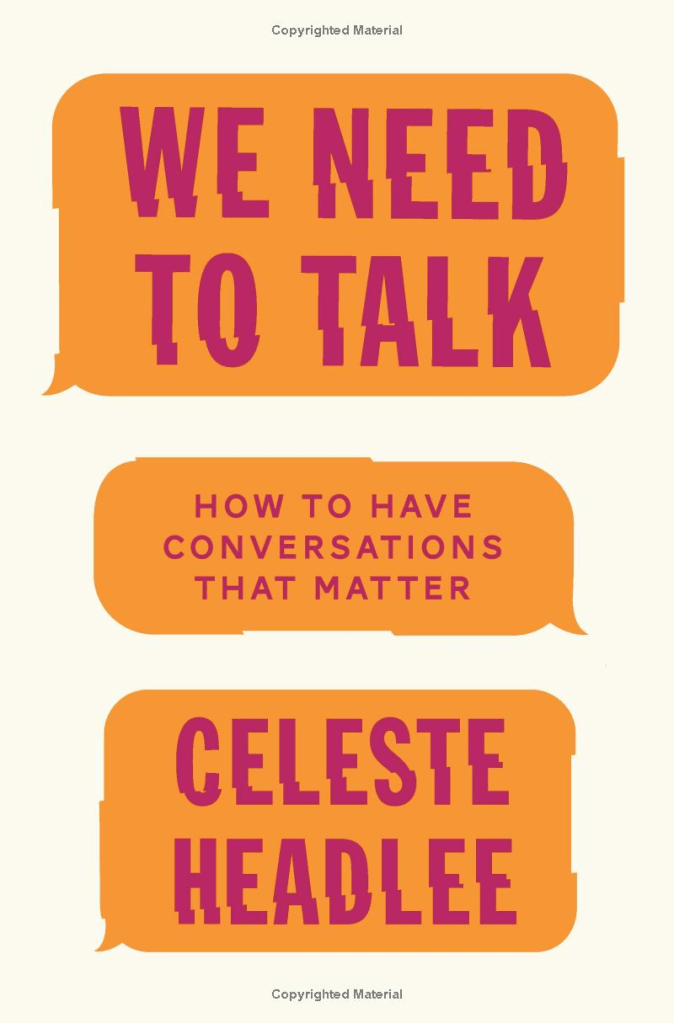
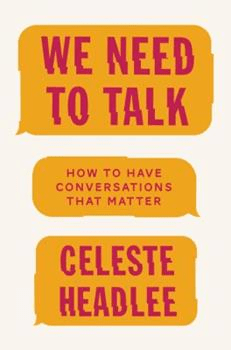
“We Need to Talk: How to Have Conversations that Matter” was written by Celeste Headlee, a public radio host, and based on the wildly popular TED Talk with more than 10 million views. This book contained strategies for effective communication. Here are some of my favorite takeaways.
Our reliance on screens for communication is detracting and distracting from our engagement in real-time talk.
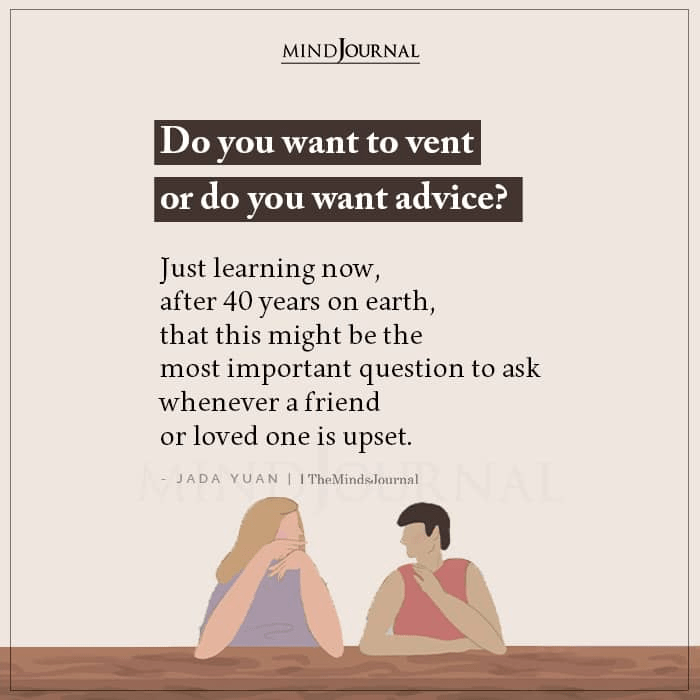
When communicating, explain what you want and what you expect and be honest. You first have to know what you want before you can express those expectations to someone else. Example: Are you looking to vent or to receive advice?
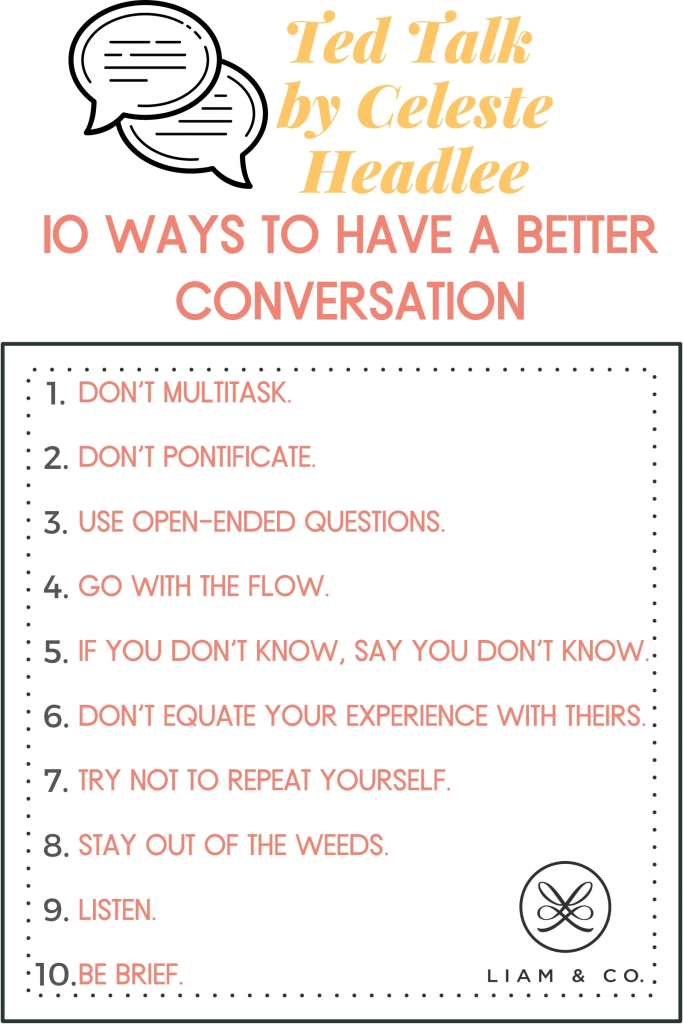
5 key strategies for a productive conversation:
- Be curious. Assume that everyone has something to teach you. You already know what’s inside your own head. Open yourself to the surprise and discovery inherent in someone else’s perspective.
- Check your bias. Consider how your thinking might be impacted if you’d been exposed to the same experiences.
- Show respect. Listen to understand, not to endorse.
- Stay the course. If a taboo topic comes up, don’t try to change the subject. Try to avoid getting frustrated and walking away. If you have nothing to say, just listen.
- End well. Accept that you may not reach an agreement and that disagreement is okay.
Apologize. Apologizing acknowledges someone’s anger or sadness and validates feelings, drops their defensive posture and makes you no longer a threat, and prepares their brain to forgive.
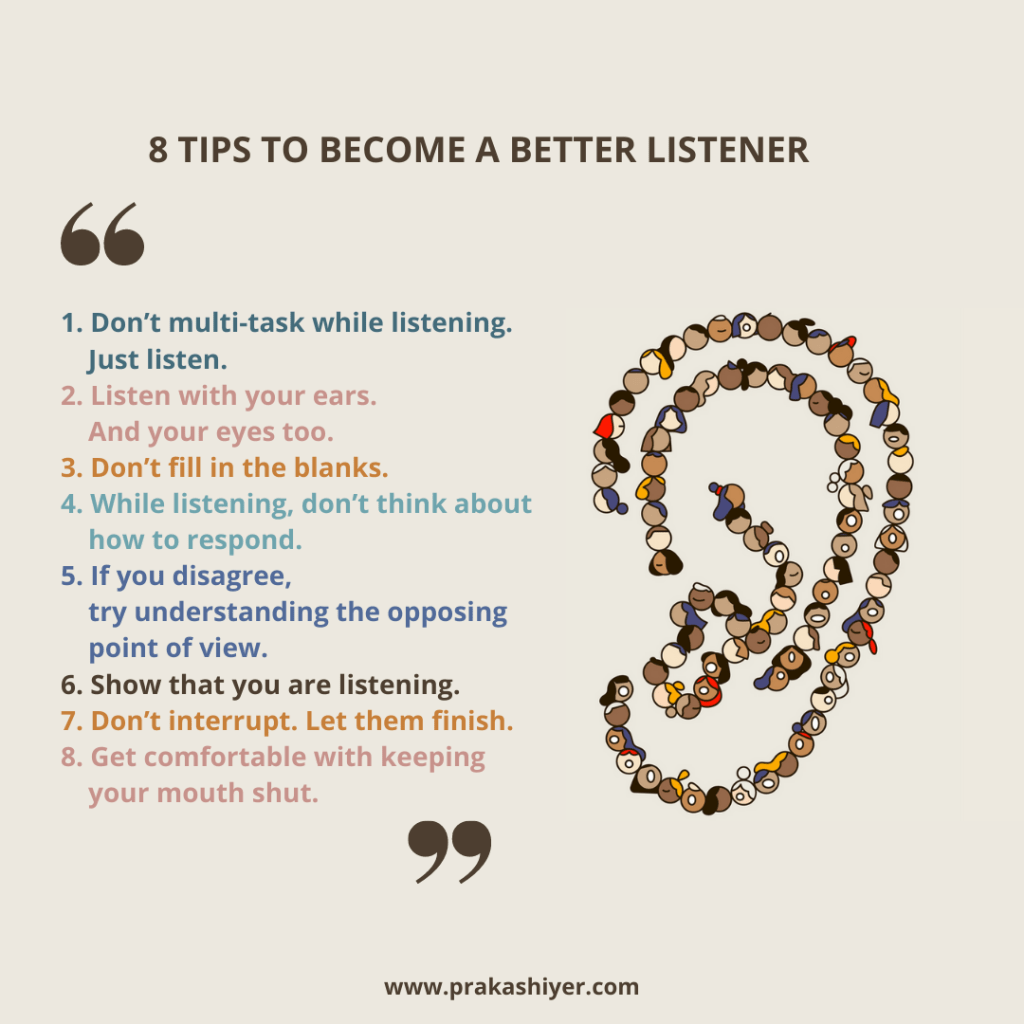
Be there or go elsewhere. You must fully commit to a conversation or walk away. If you’re too distracted, admit that to both yourself and the other person. Be present or be gone. Don’t build your responses during your partner’s turn. Listen, be present, and put away your phone! Conversations require patience and focus.
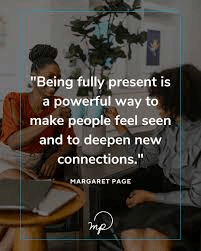
The most effective method for learning to be present in conversation is meditation. Mindfulness meditation teaches you how to be aware of your body, your breathing, and your thoughts.
Think of conversations as a game of catch.  Instead of shifting the conversation back to yourself, ask support questions that start with *who, what, where, when, why, and how.* Open-ended questions transfer control to the person responding.


Any time you enter a conversation, and especially when you are about to talk with someone who holds different beliefs than your own, ask yourself: What do you hope to get out of this exchange? What would you like to have happen at the end and how would you like to walk away from the other person? You can’t control what they take away from the conversation, but you can control what you get out of it.
Remember that everyone has something to teach you. Enter every conversation assuming you have something to learn.

Research shows that when we repeat something multiple times, it increases our chances of remembering it, but the benefit isn’t shared with the person listening. In fact, people are more likely to tune out after the first time you repeat something.
Just because someone doesn’t say “Yes, I hear and understand what you’re saying” doesn’t mean that he or she didn’t hear or understand you.
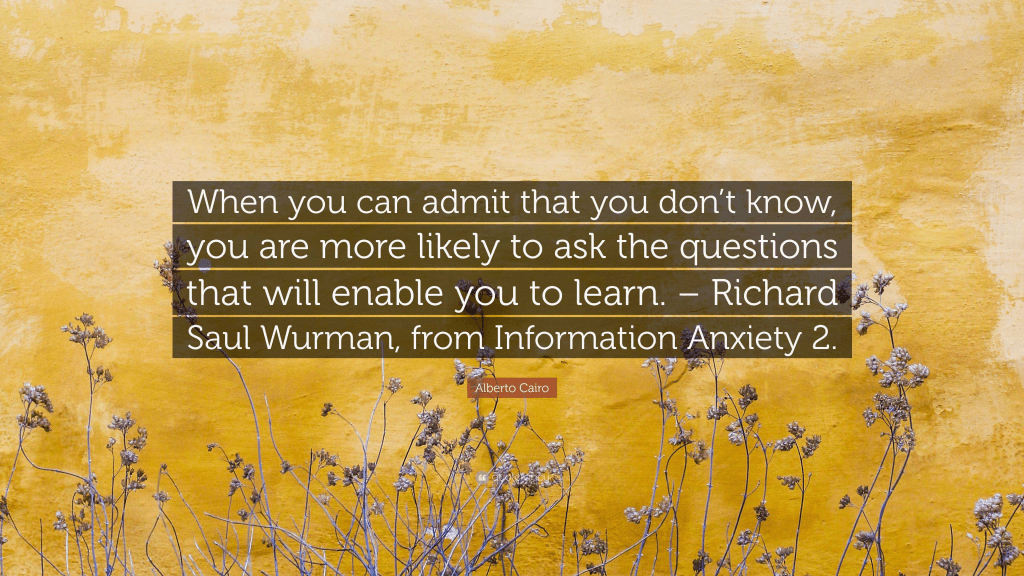
If you don’t know something, say “I don’t know.” These three words can strengthen the bond between you and another person and are a gateway to further exploration and growth.
Be aware of how you communicate. Don’t get into the weeds and give unnecessary details. Determine what information is essential and what is not. Don’t allow your random thoughts to derail the conversation.
4 ways to increase empathy: active listening, sharing in other people’s joys, looking for commonalities with others, and paying attention to faces.
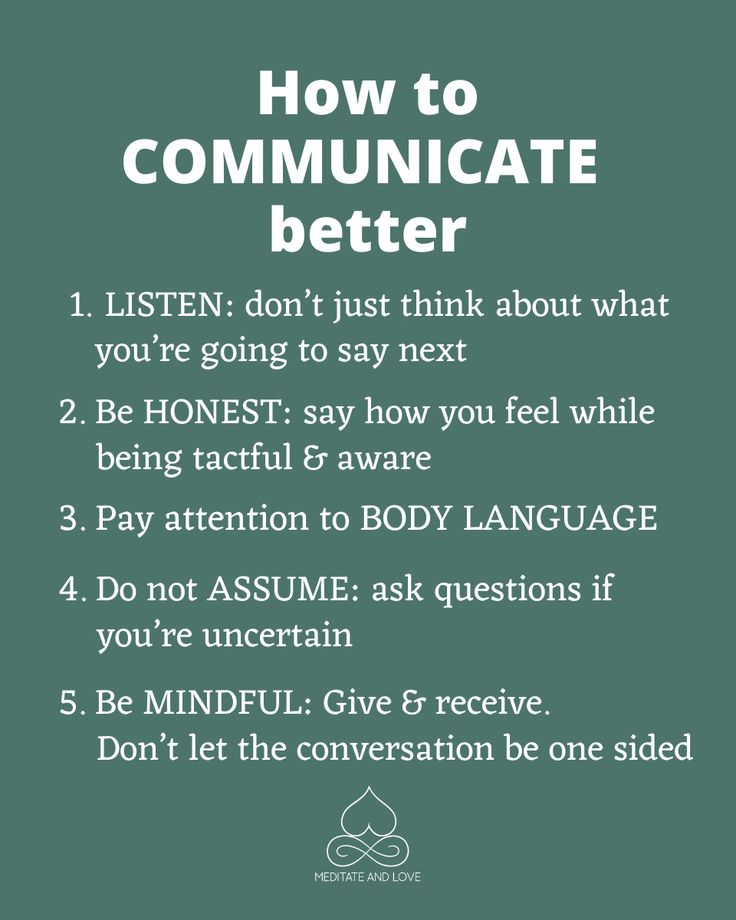
The best way to understand people is to listen to them. Seek first to understand, then to respond.
This book was very informational and served as both a guide for new tips and gentle reminders for effective communication!
I look forward to reading, learning, and sharing more with you soon!










 Read Learn Share