Thoughtful Thursday posts, Uncategorized

Thoughtful Thursday – February 6, 2025

As I discern the frequency of Thoughtful Thursday posts going forward, I wanted to share some of the insights I have learned in the past week. Here are some of the things I’ve learned this week:

Life Kit – The science behind the FDA ban on food dye Red No. 3

  • Desserts, candy, and medications that are bright cherry red often contain synthetic Red dye No. 3. It has been known to cause cancer in rats.
  • The FDA is now banning it in food and ingested drugs (revoking authorization)
  • Red dye No. 3 is a petroleum-based dye that gives products a bright cherry red color.
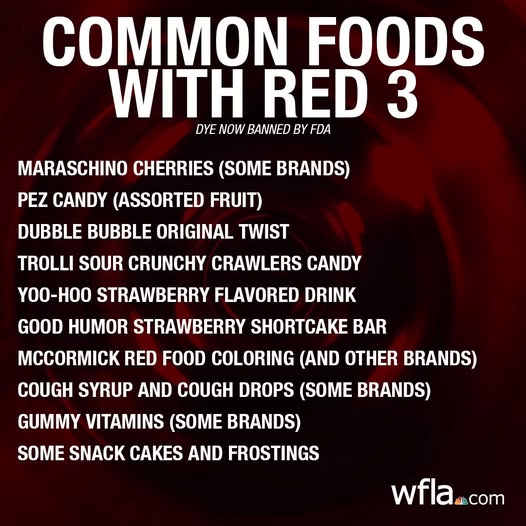
  • 2002 – petition was filed with the FDA to ban the dye, and the FDA has been reviewing the petition and research ever since.
    • Red dye No. 3 in high doses causes cancer in rats. The FDA previously concluded it was safe for humans in the amounts used in food and said that Americans aren’t going to eat Red dye No. 3 in amounts large enough to cause cancer
  • 2023 – California became the first U.S. state to ban Red dye No. 3, although the ban doesn’t take effect until 2027.
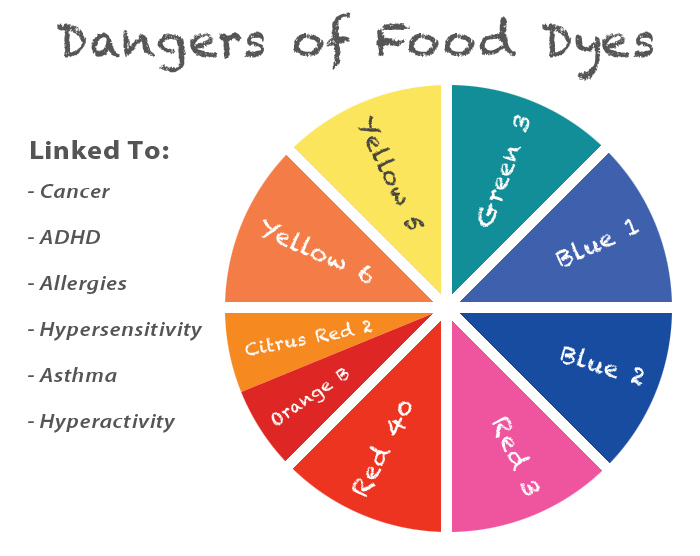
The Environment Working Group has compiled a list of over 3,000 packaged foods and drinks that contain Red dye No. 3!

  • There are also concerns about other synthetic food dyes linked to behavioral issues  and ADHD-like symptoms in children.
  • These dyes are more common in cheaper, ultra-processed foods.
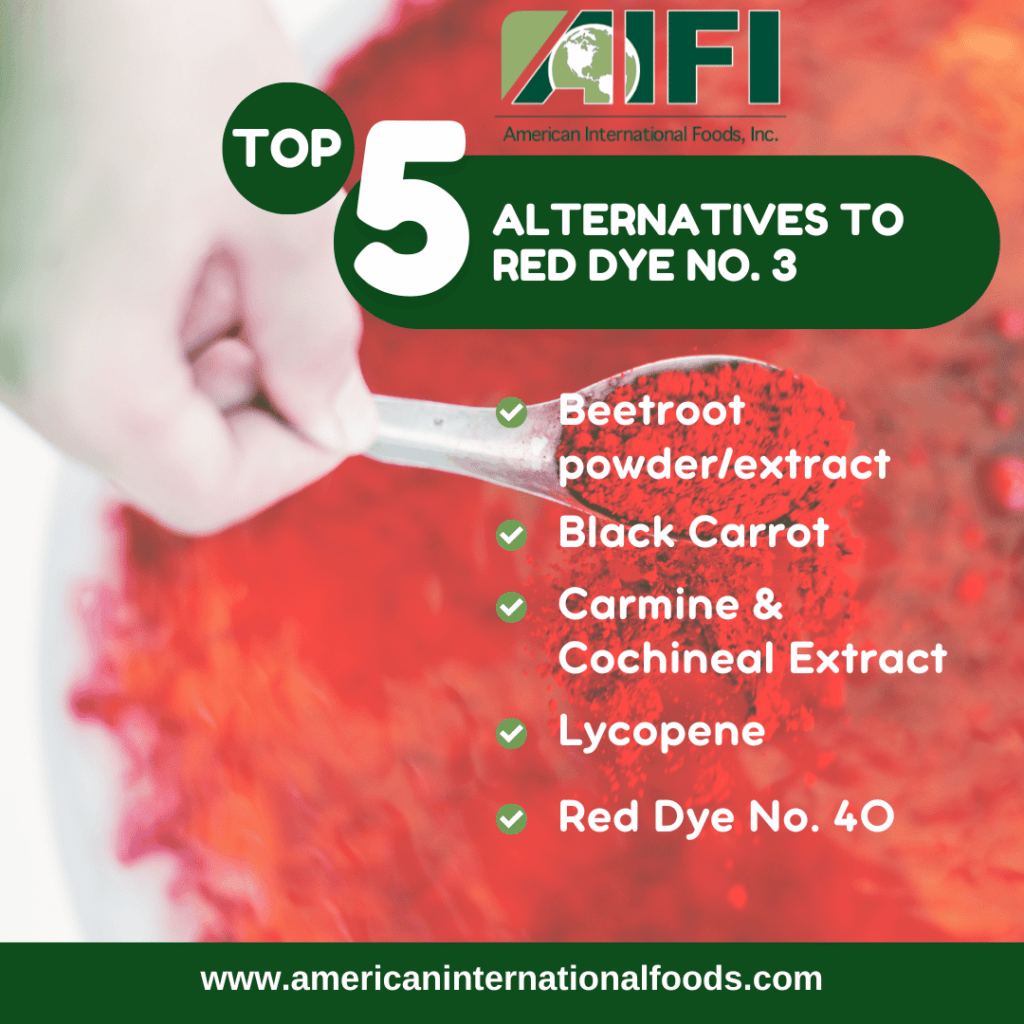
  • Food manufacturers have until January 2027 to remove red dye no. 3 from their products.
    • Replacing with Red 40 (also linked to behavioral issues in kids) or natural food compounds found from fruits and vegetables (ex: beets)
  • Check food labels and try to avoid food dyes.

Chasing Life – Want a Healthier Mocktail? Here’s How

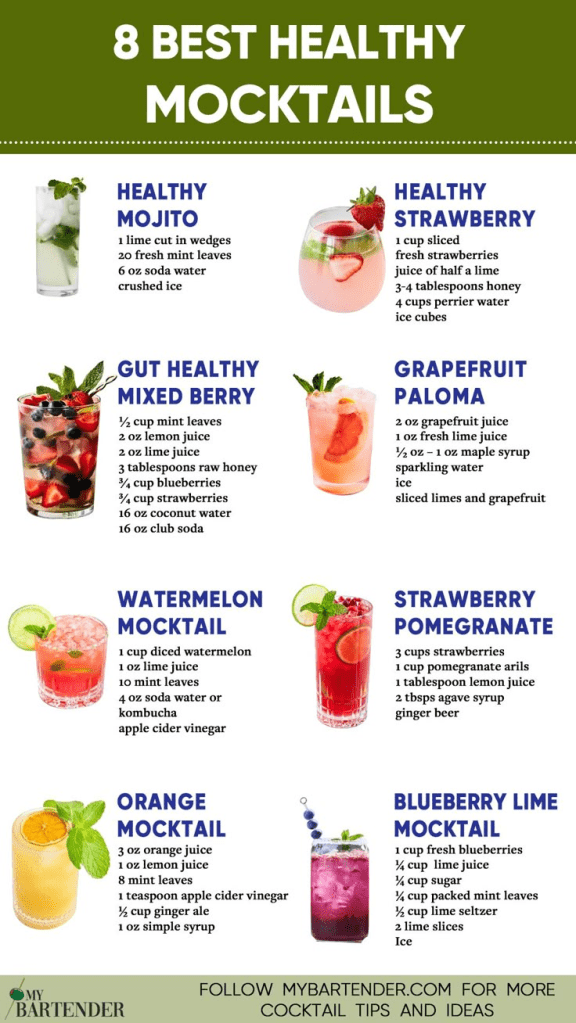
Disclaimer: My body doesn’t tolerate carbonation, alcohol, or mocktails, so I haven’t tried these recommendations!

  • Add water to get the volume right. Ex: instead of 2 oz of gin, add 2 oz of water.
  • Mocktails, like cocktails, are actually meant to be small and savory. You don’t need to use a lot of added sugar or syrups. Not meant to be a 12 oz beverage
  • If limiting alcohol instead of going alcohol-free, use sherry or fortified wines. These provide more of a flavor profile than NA drinks.
  • When you go alcohol-free, there is a chance you won’t miss it!
  • Many zero-proof options rely heavily on sodas, fruit juices, and syrups to try to compensate for the lack of alcohol. You can add water to tone down the sweetness.
  • 1 month without alcohol will improve your sleep, boost your energy, and lower your blood pressure. That’s pretty good incentive.

Self Improvement Daily – Plant Yourself In Fertile Soil

One of the most important impacts of your life and your success is your environment. Your environment is always pushing you to take make certain choices and take certain actions. 

It’s the difference between hanging around friends who always want to meet up for drinks instead of hanging out while hiking, working out, or socializing without alcohol. It’s the difference between having access to healthy food in your pantry rather than always grabbing and stocking up on junk food. It’s the difference between having a good book by your bed versus only having your phone within arm’s reach.
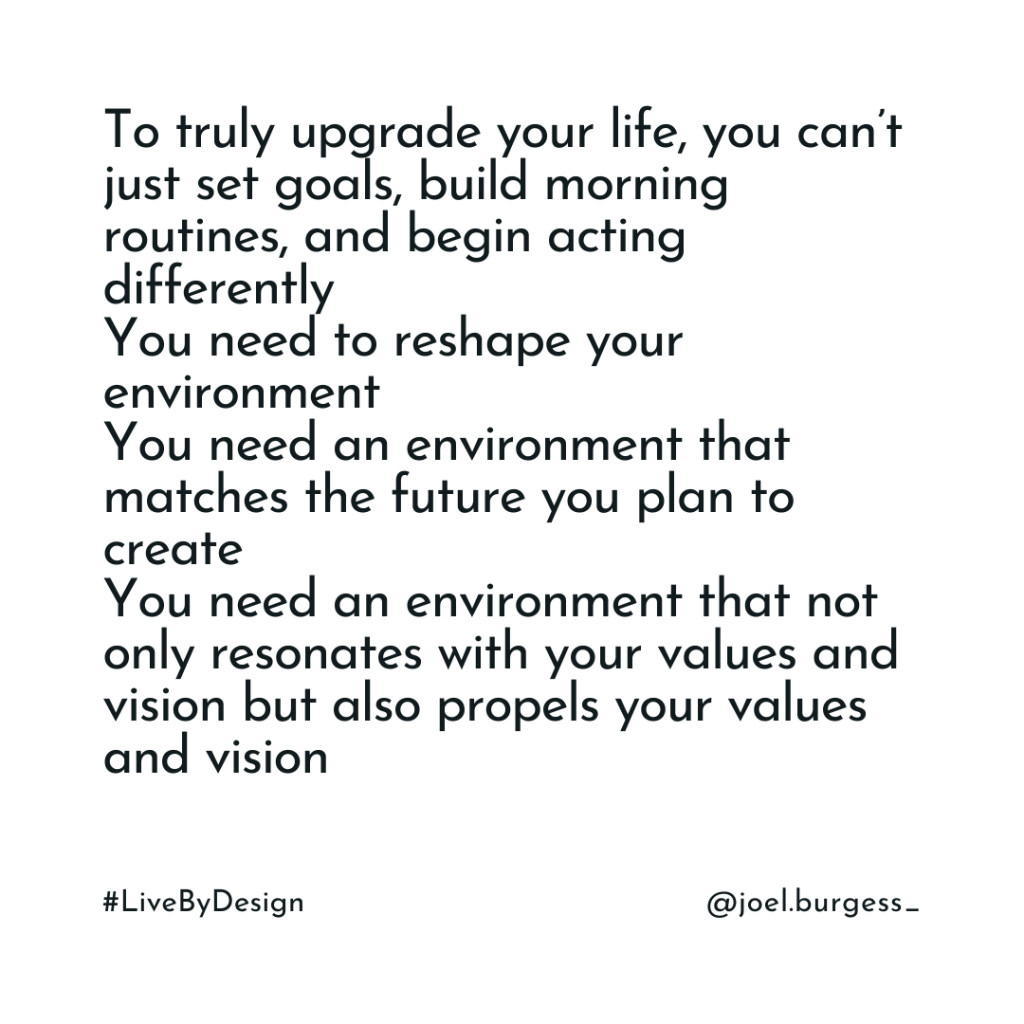
Environment influences what happens without our awareness. The majority of the time, we’re acting unconsciously and automatically.
“Here’s a metaphor I like to use that demonstrates the power of environment. Think of the potential of a seed.

A seed has everything it needs to grow into a tall mighty tree. A seed is fully capable, yet most of the time, it doesn’t even sprout. Why? Because it’s dependent on the soil. The seed requires a certain environment to thrive.

The same seed planted in two different places can lead to two very different outcomes. When it’s in fertile soil, it grows tall and strong. When it’s planted in sand, it doesn’t even have a chance. And that’s not because there’s anything wrong with the seed. It’s just in the wrong environment.

As humans, we experience the same thing. There are environmental conditions that bring out our best. The right people, opportunities, circumstances, and spaces set us up for success. But there are also environments that bring out our ‘not so best’, causing us to make choices that don’t serve us and limit our potential.

Unlike a seed, however, we can control our environment. We can choose our surroundings and therefore, shape the influence it has on us. We can plant ourselves in fertile soil and when we do, that’s when we are maximizing our growth and potential! 
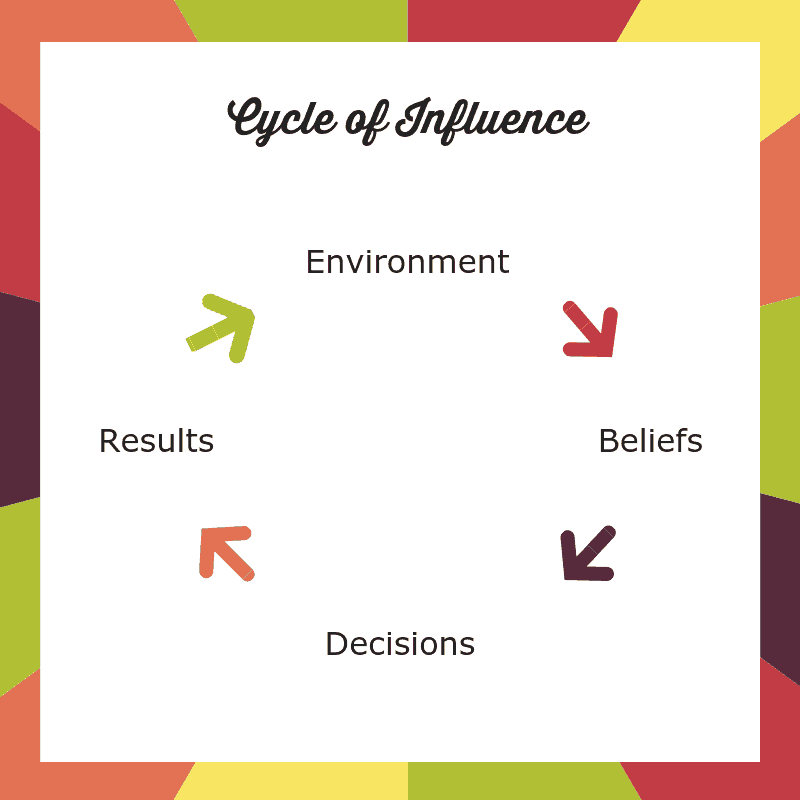
If you’re falling short of the level of consistency, productivity, good health habits, and impact that you know you’re capable of, it’s probably because you’re in the wrong soil. Choose to put yourself in a place where you can thrive and watch the results pour in!”

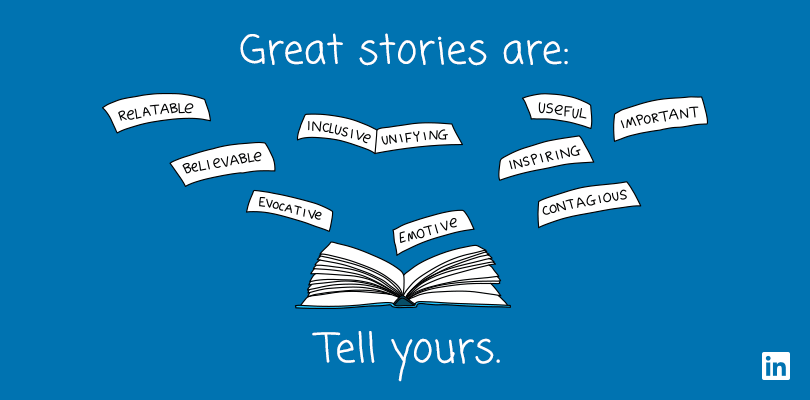
TED Talks Daily – The secret to telling a great story – in less than 60 seconds

  • Many great stories start with a question because it will make people stick until the end to find out the answer.
  • You want to get your audience’s attention immediately, so you want to start by asking something shocking.
  • After you’ve hooked your audience, you want to take them on a journey building up to your answer where you want them to feel constant progression so that as we’re moving closer and closer to our answer, they feel like they can’t stop listening.
  • If everything is smooth sailing, nobody cares. We want to add conflict before getting to our answer. Without conflict, the audience isn’t as invested.
  • After enough buildup, we finally need our answers. Build tension by making the answer feel uncertain to make a satisfying ending.
  • If it takes longer to tell your story than it does to make a fast food burger, you’re probably overcooking both.
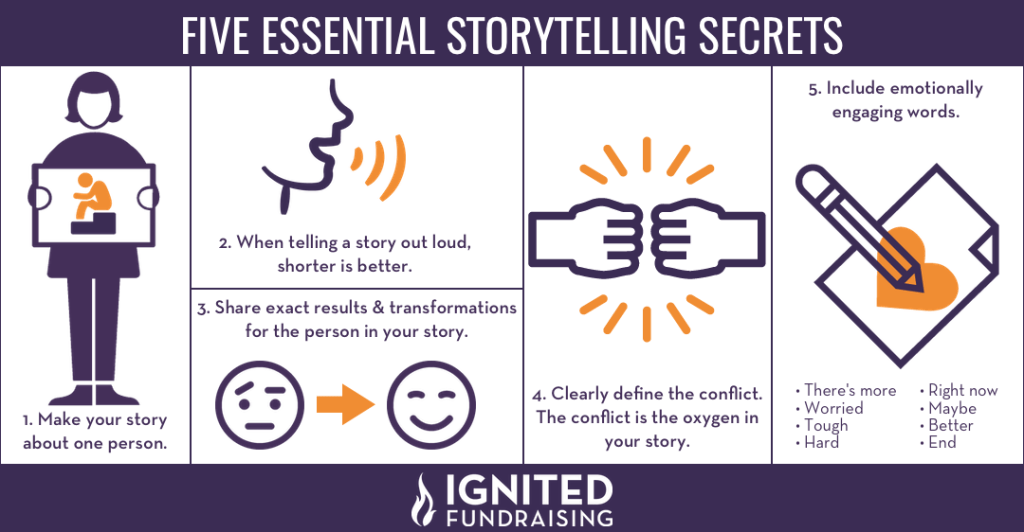
I’ve noticed this trend often on TikTok. People tell short stories with conflict to capture interest and build up progression before detailing the end of the story.
Mary’s Cup of Tea – How to Make Adult Friendships Easier with Kat Vellos

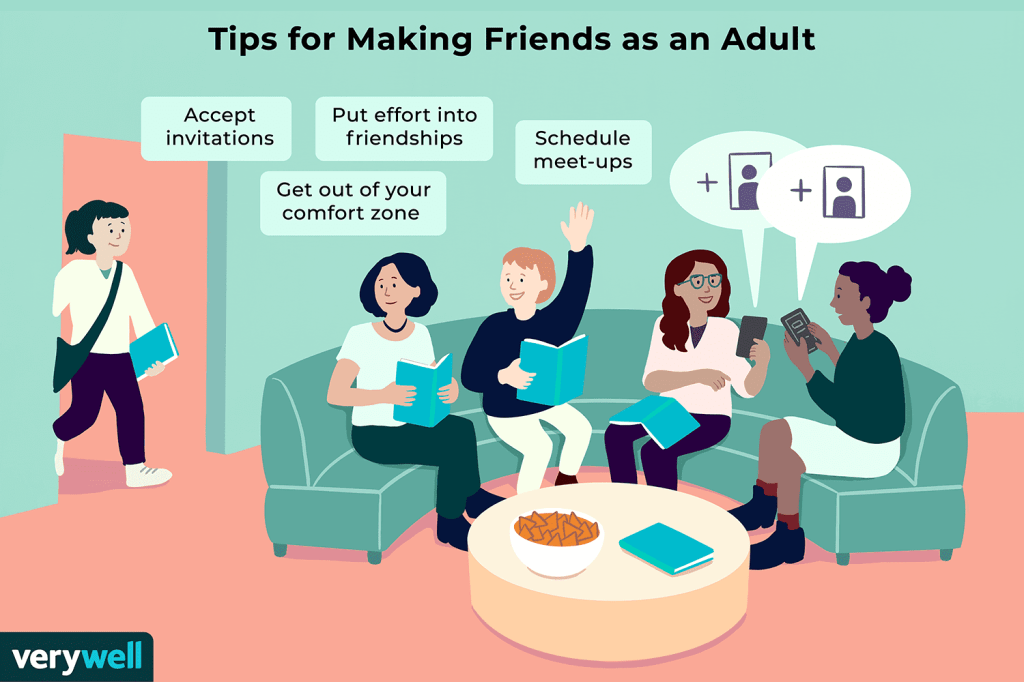
  • Connecting with existing friends more easily: If you are a busy or forgetful person, set reminders in your phone to follow up with the person. Don’t leave your hangout without setting your next hangout (just like a salon appointment). Connect your friends to each other to share time together.
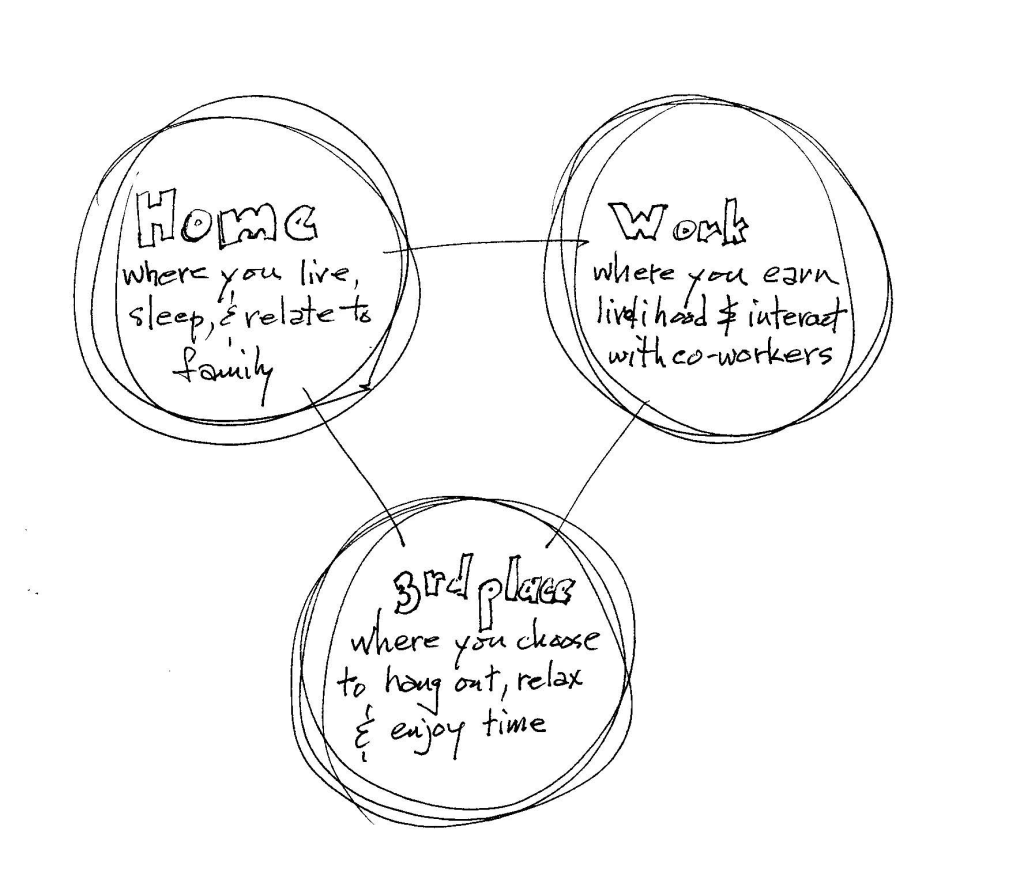
  • Making more friends nearby: Be aware of your limits and take it step by step. Start by making acquaintances with the people who already live near you and are easier to fit into the life you’re living – people on your block, people in your apartment building, people in your town. Become a regular at a third place – neither home nor work – somewhere you go to for enjoyment – gym, coffee shop, brewery, bar, etc. Host friends with frequency – ex: Sunday dinners at home.
  • When we say that friendship is hard, we often say it’s hard because we’re afraid to introduce ourselves to new people, scheduling is hard, we’re too busy, we aren’t getting close fast enough to people, friends don’t give as much as they take, etc. When we say friendship is hard, we might mean that having courage is hard, having confidence is hard, prioritization and persistence is hard, having patience is hard, or taking risks and dealing with disappointments and rejection is hard. These things are part of life, not just friendships!
  • If someone says you should get together and you reach out and they don’t schedule something, follow up suggesting something you think they would say yes to!
  • On average, adults lose 1-2 friends per year because they fall out of touch and things fade away. Like plants, you need to water and nourish your friendships.
Book: “We Should Get Together” – I look forward to reading this!

Thoughtful Thursday posts, Uncategorized

Thoughtful Thursday – June 20, 2024

Life Kit – Why we become bored with our lives (and how to find joy again)
All the Hacks with Chris Hutchins – Travel Wisdom from the World’s Most Traveled Man (Harry Mitsidis)
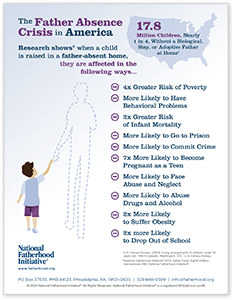
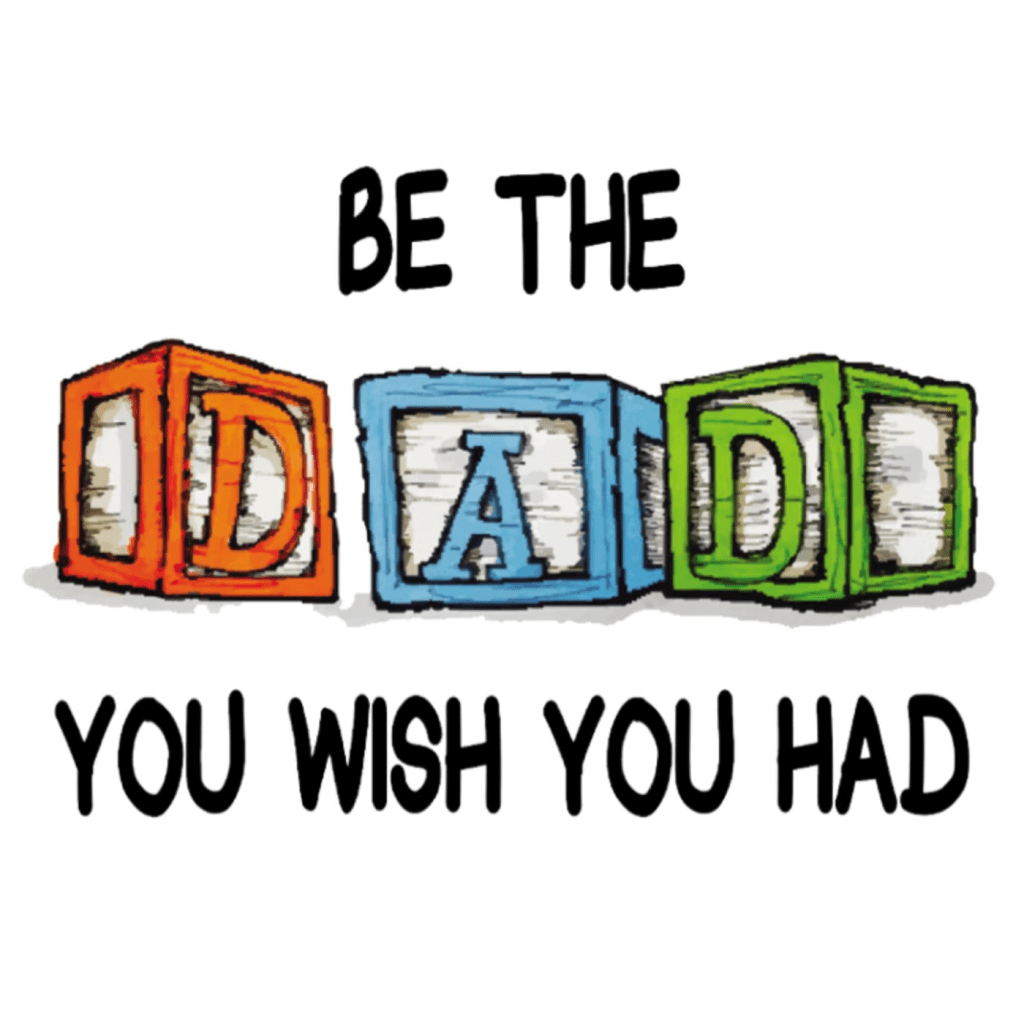
TED Talks Daily – A second chance for fathers to connect with their kids
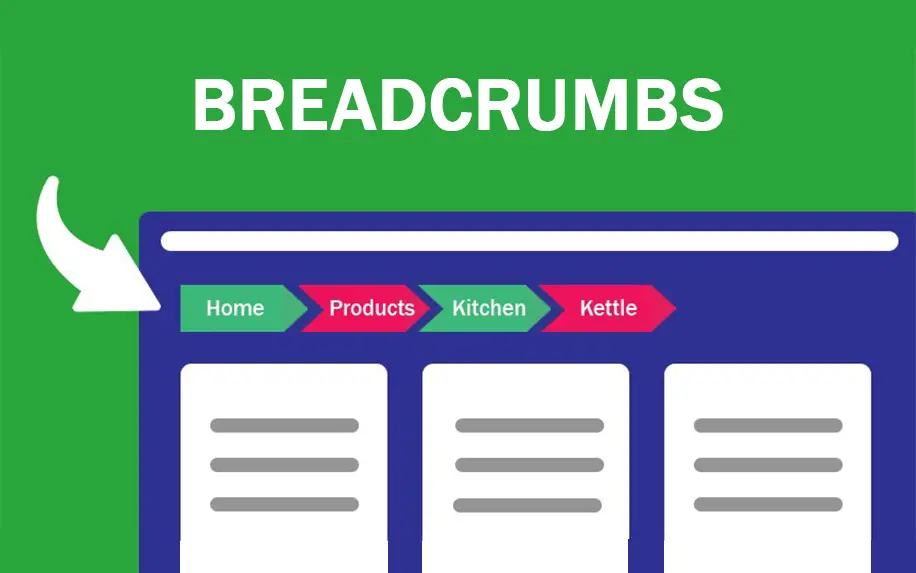
What is a breadcrumb example graphic

Breadcrumbs leave a visual trail of which pages a user has visited. Image source ProfileTree.com

Thoughtful Thursday posts, Uncategorized

Thoughtful Thursday – September 7, 2023

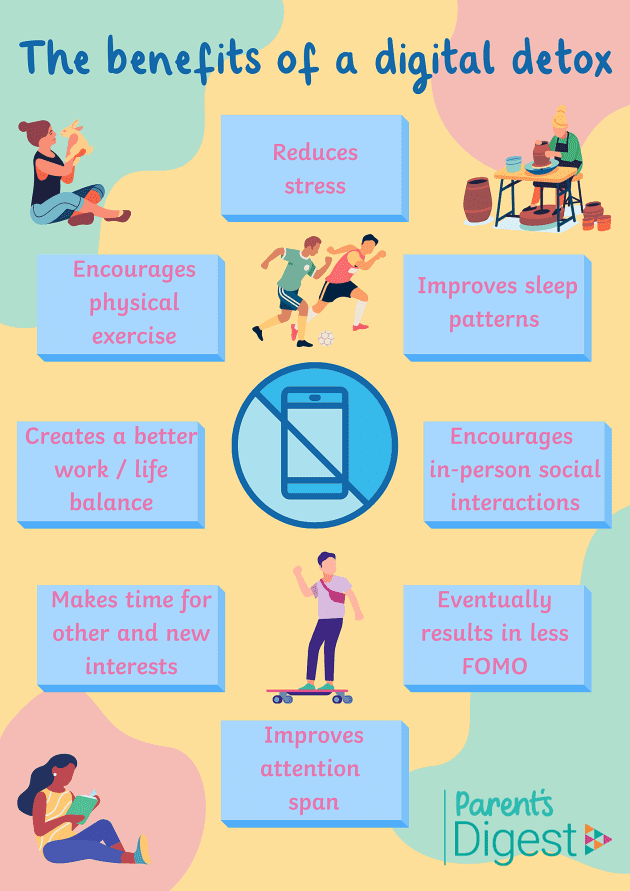
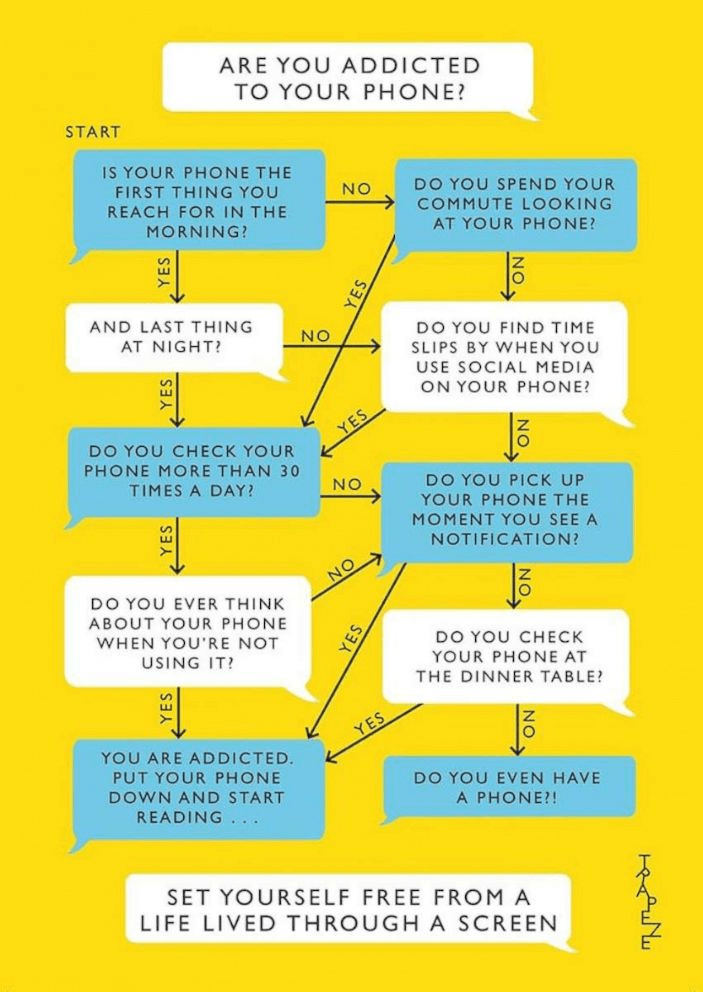
Chasing Life – Breaking Up (and Making Up) with Your Phone
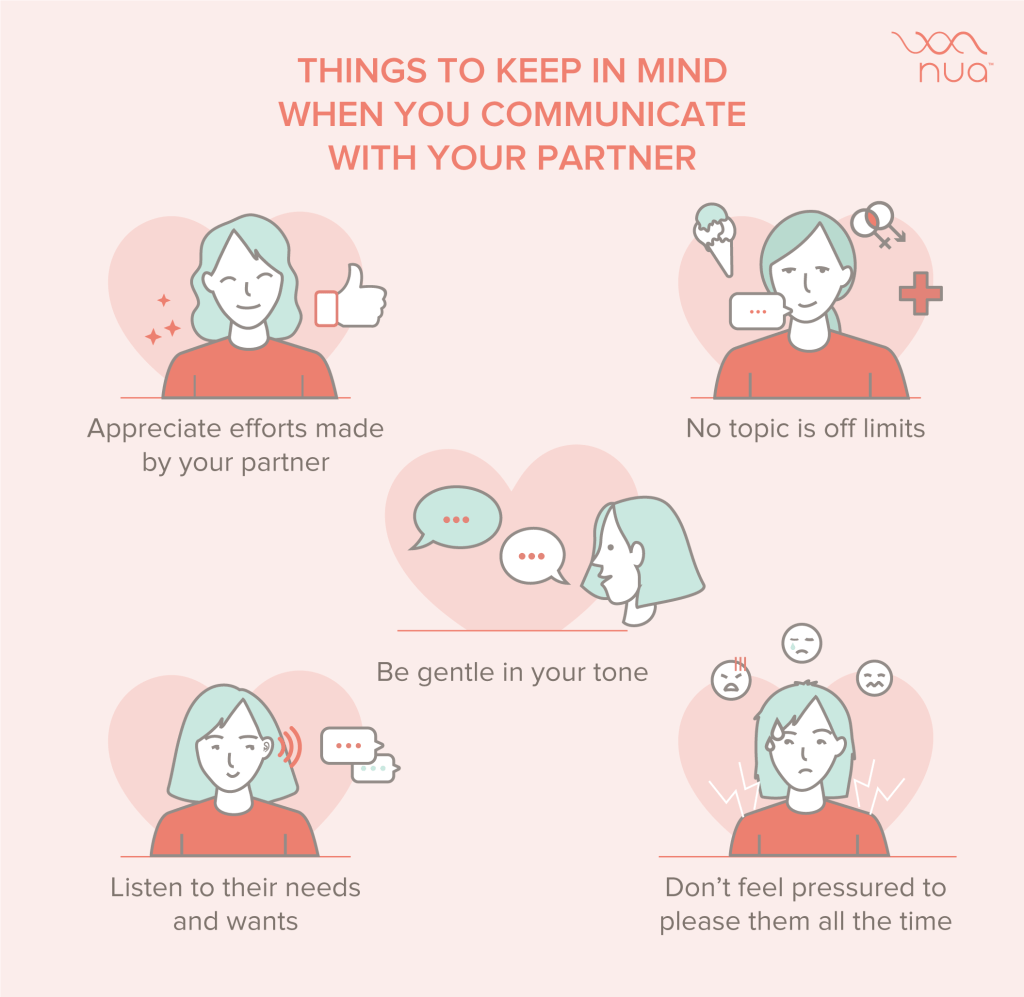
The Verywell Mind Podcast – Encore: Communication Mistakes Most Couples Make
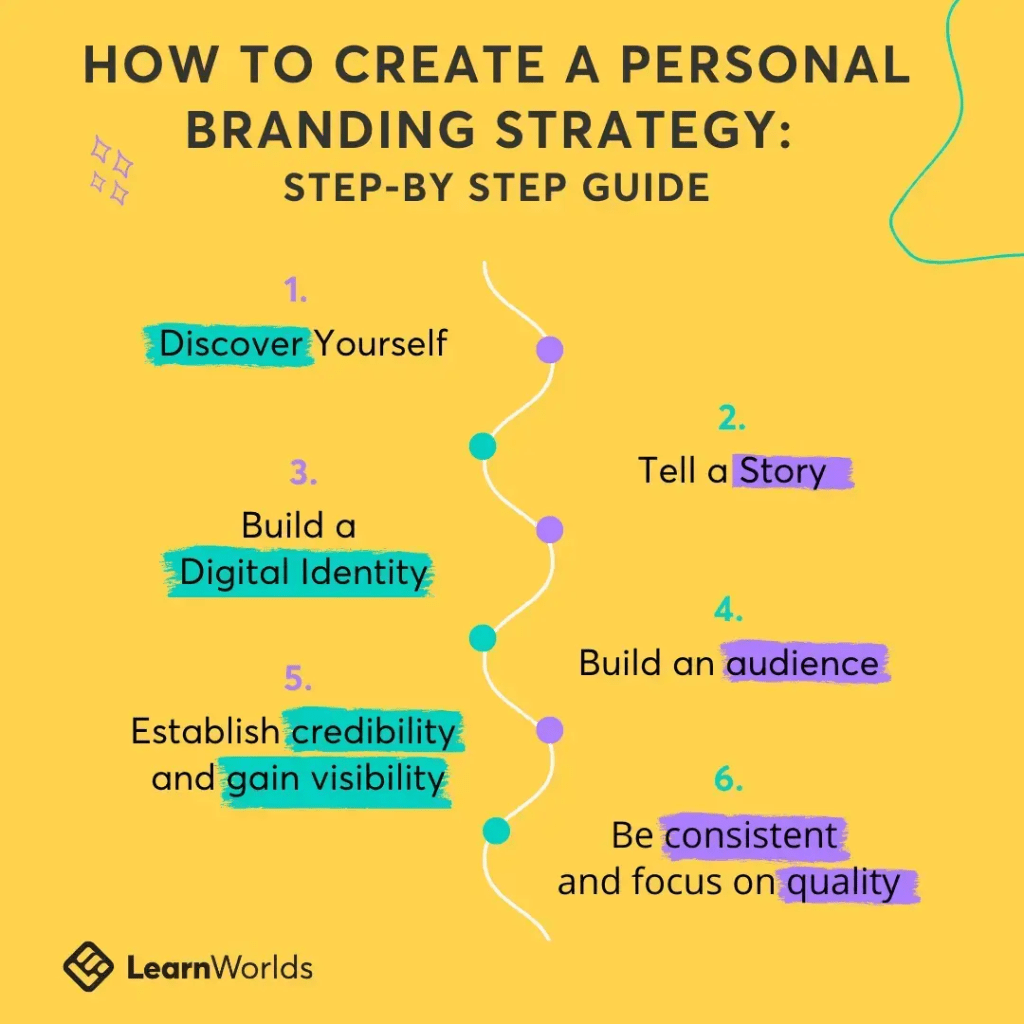
TED Talks Daily – 5 steps to building a personal brand you feel good about
Fit, Healthy & Happy Podcast – 10 Things We Wish We Knew Before We Started Lifting
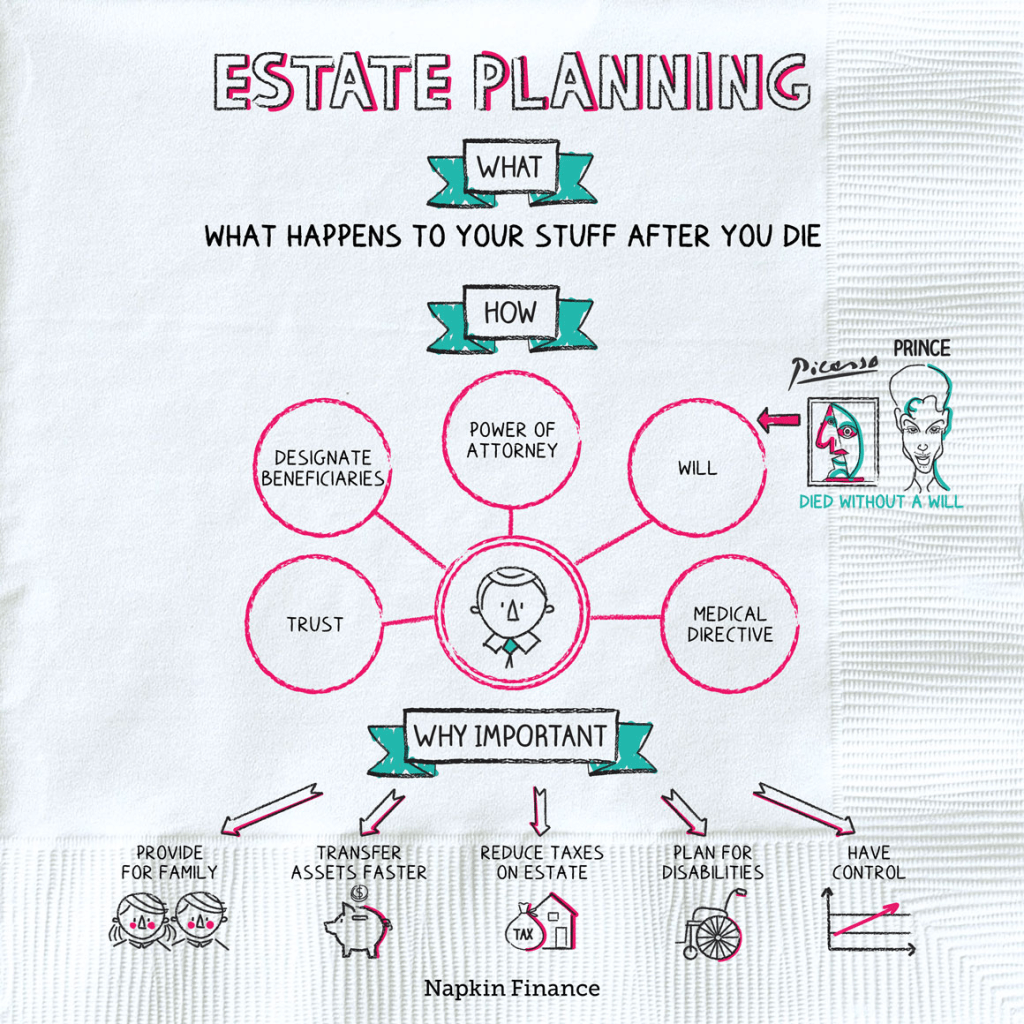
Optimal Finance Daily – Estate Planning 101 by Jesse Cramer
Thoughtful Thursday posts, Uncategorized

Thoughtful Thursday- May 25, 2023

My intention is to post a Thoughtful Thursday column each week and share some of the insights I have learned in the past week. Here are some of the things I’ve learned this week:

Self Improvement Daily- When You Are Your Own Friend

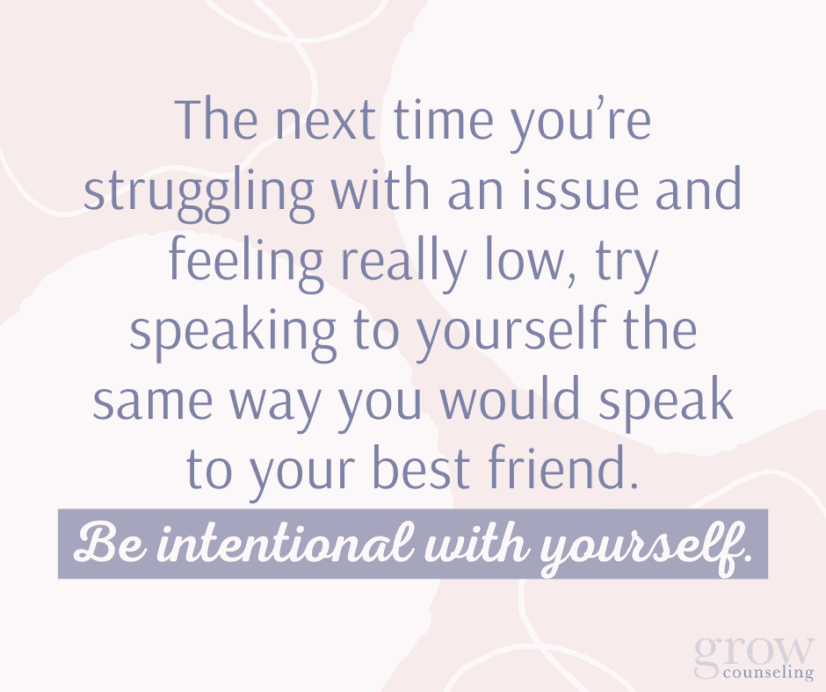
Let’s say you had a miscommunication, let someone down, and got defensive about it, or you got into a big fight with a family member. In your own head, you may get really critical and get upset that you didn’t have more emotional control. You tell yourself you’re an awful person.

Now look at the example from a different angle. Instead of you being the person involved in the fight that made a few mistakes, you’re a good friend of that person. After they tell you about the event and the circumstances around it, what would you say to them? You likely wouldn’t tell them how awful of a person they are. You would likely be supportive and encouraging. You’d highlight their best qualities and understand that this was an isolated incident.

This isn’t about a lack of taking responsibility for our actions. The point is that we are so quick to find the goodness and humanity in others and the flaws within ourselvesSo the next time you catch yourself criticizing or going through self-deprecating thoughts, ask yourself this question – “What would I tell myself if I were my own friend?”

Self Care IRL- The 8 small steps you need to start your self-improvement journey
  1. Do not change everything at once. Start with 1-3 small goals you can easily achieve. Ex: one healthy meal each day, walk 20 minutes every day, etc. You can increase and expand on your habits after a while. Progress is more important than perfection. Perfection does not exist.
  2. Make a plan of action and actually stick to it. Staying focused and motivated requires discipline. Discipline requires planning. Take action every day, even if it’s just a small step.
  3. Habit stacking. Ex: journal while drinking coffee. Listen to a podcast or watch tv while on the treadmill. Read while riding public transportation to work.
  4. Celebrate your wins—both big and small. Every step forward is success. Share your wins with friends to add accountability.
  5. Don’t be too hard on yourself. Everyone makes mistakes. You are bound to have setbacks along the way. Learn from your mistakes and keep going. Be patient with yourself. Progress takes time. Forgiving yourself is the ultimate flex in life. Practicing self-compassion is vital if you want to improve yourself.
  6. Find your support system. It is crucial if you have goals in sight. Whether you need hands-on support or emotional support, knowing that someone is there to lift you up will be incredibly helpful for encouragement and accountability. The podcast host mentioned getting together with a group of people weekly or monthly on a Wednesday to discuss “Wednesday wins”–“wins” each person has had in the past week or month. Lift each other up and encourage each other.
  7. Set goals for yourself. Document how soon you want to achieve it to determine a plan and how hard you need to work. Don’t feel overly committed to that number. Plans can change. Set weekly or monthly goals to track your progress just to see how far you have come.
  8. Be patient and keep working toward your goals, even when things get tough. You will have setbacks.
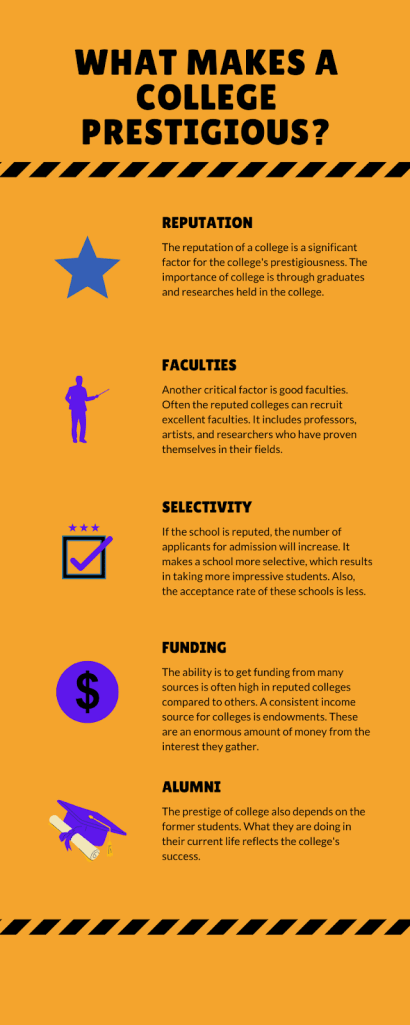
TED Talks Daily- What makes a “good college” — and why it matters – Cecilia M. Orphan
  • We say we want colleges to be more equitable and more accessible. We tend to obsess over a tiny group of colleges most of us could never get into. It’s not because we aren’t smart enough. It’s because there isn’t enough space for all of us. They intentionally cap the number of students that they accept.
  • Instead of calling them prestigious universities, some people refer to them as “highly rejective colleges” – Harvard, Stanford, Yale, Princeton, MIT, etc. These are all major research institutions.
  • Regional public universities (RPUs) are the exact opposite of highly rejective colleges.  They pride themselves in accepting almost everyone who applies — students are more likely to be first-generation college students, students of color, low-income students, veterans, and adults balancing work and family while going to school. RPU students often don’t have the test scores required to get into a highly rejective college. It’s not that they aren’t capable; it’s because they weren’t given the same advantages as other students. RPUs change more lives than prestigious universities by allowing more students access to education.
  • People sometimes criticize RPUs and refer to them as “the 13th grade,” “not real,” or “almost anyone can get in.”
  • The colleges that already have the largest endowments tend to receive the most charitable donations. Imagine if these donations were spread across the many RPUs in the country.
  • In the U.S. and throughout the world, far more public funding goes to highly rejective colleges than to regional public universities, causing RPUs to become more expensive, which hurts low-income students and causes student loan debt to skyrocket.
  • If we really want more low-income students to go to college and equity in higher education, we need to fund regional public universities. Instead of giving to your highly rejective alma mater, consider giving to universities that really need it.
  • Last year, billionaire philanthropist Mckenzie Scott gave $1.5 billion to 73 different colleges and universities that serve low-income students and students of color.
  • There is no better way to make a difference in higher education than to give to the colleges that change the lives of their students and communities. This isn’t all about money. We all have the power to change the way we think about and talk about regional public universities or stop people when they frame them in negative ways.
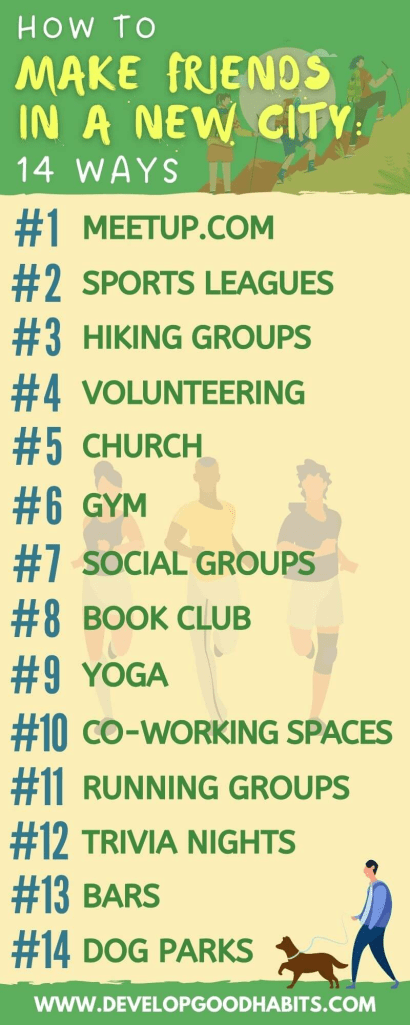
Life Kit- Making friends anywhere you move
  • Be active and intentional about making connections. Alert your network. Post on your socials and ask for introductions. Tell your coworkers, especially if you have a remote job. Communicate what kind of connection you’re looking for – someone to show you around, another couple with school-age kids, etc. We tend to think that it’s going to be so awkward to reach out to people who we aren’t in touch with anymore. You just have to own it.
  • Reconnect with old friends. You might end up better friends with them than before. Acknowledge the gap in time and that you haven’t been the best at keeping in touch. Propose specific plans for catching up. Follow up after meeting in person.
  • Incorporate more routine into your day. Ex: coffee shops. With routine, you are seeing the same faces and it becomes less intimidating to talk to them. You can incorporate any activity, community, or place you love. No matter where you live, you can develop that sense of home. Find a place for yourself that isn’t work and isn’t home: book club, soccer club, etc.
  • Find online groups, event listings, and meetups. Now is your chance to engage in an activity you’ve been thinking about. Ex: book clubs. You don’t have to know anyone there, but you can connect with others about the same book you’ve read. You meet regularly. Commit to showing up more than once. It changes the way you engage with people who are there. Stop trying to form a relationship with the collective and focus on forming relationships with the singular. It can be less intimidating to focus on individual members first.
  • When getting to know people, focus on the connection, not the relationship. Being honest about yourself is key to adult relationships. Get comfortable with the things that make you different and the interests that you have. If you are introverted, only say “yes” to the activities that you know will bring you joy. Focus your energy on one-on-one interactions. Making new friends takes effort, especially when you barely know anyone around you.
  • Take-aways: be open and intentional about making new friends. Tell your network that you’re moving or looking to meet people. Reconnect with old friends and acknowledge the passing of time. Make clear plans to meet. Build your own routines and find places you feel at ease. Go to group gatherings. For recurring groups, commit to going at least three times. Friendships start with one-on-one relationships. Remember that all of this takes time.

When I first moved to my city, I didn’t have any friends in the area aside from former coworkers. I am grateful to have met several girls in an online Facebook group for girls making friends. Through this group, I have joined a book club, hiking groups, and made many quality friends who share similar interests.

Optimal Finance Daily- Understanding the Seven Habits of Wealth by Rob Berger
  1. Hard work– achieving financial security is often the result of consistent diligence.
  2. Modest living– modest living can produce great wealth on a modest income.
  3. Patience– produces thoughtful, long-term decisions that can produce wealth while minimizing risk.  Patiently waiting for the right time to buy a stock or company
  4. Perseverance– working through challenges. Perseverance keeps us focused on our goals and enables us to confront all challenges.
  5. Balance– healthy balance of stocks, bonds, or other investments
  6. Self-awareness– brings into focus the motivations behind the daily decisions we make. Allows us to understand what motivates us to spend money, what investments are best for us given our tolerance for risk, and what will produce contentment in our lives.
  7. Learning– enables us to improve our careers, investments, and spending, as well as other areas of our lives

“What we are and what we have is a result of what we repeatedly do.” Wealth then, is not the result of an act, but the result of our habits.

How to Be a Better Human- How to set boundaries and find peace (w/ Nedra Glover Tawwab)
  • We want kids to be assertive, but we don’t teach them how to be assertive with us.
  • Pay attention to the things you complain most about. This will tell you where you need to set boundaries.
  • Many people right now are having boundary issues around being overwhelmed and overcommitting themselves. You can say no to things! People found pleasure during the pandemic by not having to attend social obligations. You don’t need to do those things if you don’t want to.  Place value on the relationships that are important.
  • Trying to do everything on your own/not asking for help- there are times when we don’t have the skillset, time, or mental capacity to do it all. We need to seek help. It can be hard to be vulnerable and ask for help.
  • Codependency- thinking “if I did this, this person would suffer this consequence because of my lack of support for their issue.” Stop thinking like this!
  • Set boundaries, find peace!

I posted an extensive blog post about this book recently. Check it out here:

Main Accounts: The Story of MySpace- Welcome to MySpace

Popularity:

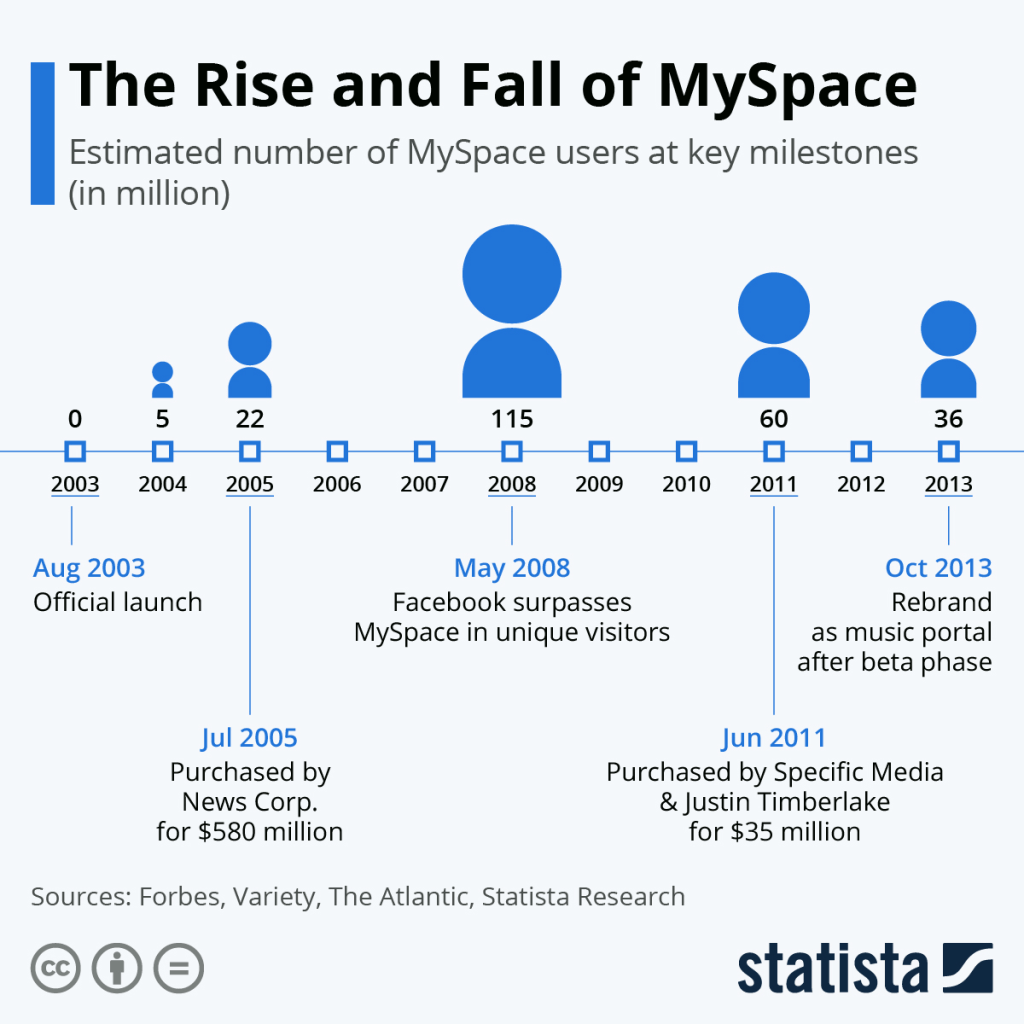
  • MySpace used to be the most popular website in America. It launched in August 2003. The creators, Tom Anderson and Chris Dewolfe, took inspiration from sites like Friendster and Asian Avenue. There were only 100,000 users in October 2003, but, the following year, after picking up dissatisfied Friendster users, the site exploded to 5 million users! MySpace peaked in 2008 with over 100 million users. At the height of its popularity, 250,000 people were signing up for new accounts every day. Most of the users were young – in their teens and twenties. It was at the center of their social lives.
  • In 2005, MySpace was seeing 16 million visitors per month and was the biggest social network in the world. It was sold to News Corporation, and Intermix negotiated the deal. This was done without the knowledge of the founders of MySpace. Chris and Tom were each paid $30 million. They left the company in 2009, and News Corporation brought in a new CEO and its own people.
  • When MySpace launched, social media was an unknown quantity. People had no idea how to make money off of social networks or even if they could make money off of it. The consequences of social media had yet to be seen.

Origins:

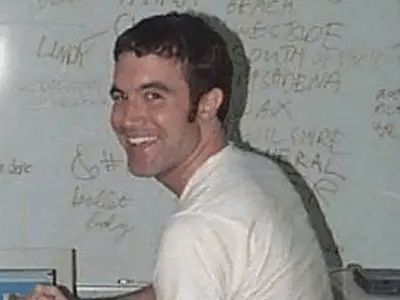
  • Tom Anderson had founded the company with Chris Dewolfe. Before MySpace, Tom had worked for Chris as a copywriter and product tester at another startup. Tom was a musician, went to film school, and dabbled in the hacker community as a teenager. MySpace does not have the typical Silicon Valley origin story.
  •  While at Euniverse, Tom and Chris had at their disposal the company’s database of over 30 million e-mail addresses. The e-mails of everyone who signed up with a new MySpace account could be added to the database. MySpace was a subsidiary of its parent company, Intermix.

What set MySpace apart:

  • MySpace offered opportunities for people to express their creativity and meet people in ways that felt thrilling and scary at the time. People used MySpace in the aftermath of Hurricane Katrina to keep in touch with friends and family after they evacuated Louisiana. Soldiers in Iraq and Afghanistan used it to connect with people back home. It was a place where millions of people could connect to one another. MySpace was one of many projects at the company EUniverse (an early ecommerce company). EUniverse was one of the few survivors of the dot com crash. EUniverse was later renamed Intermix.
  • On Friendster, users related to each other as a chain of connections. On MySpace, it didn’t really matter if your friends were strangers or actually friends. You added who you wanted and showed users who mattered to you by selecting users for your Top 8.
  • Top 8 created competition and encouraged users to curate their friends and spotlight people or bands that reflected on their personalities and personal tastes. From the glittery, sleezy design to the carefree way people communicated on it, MySpace felt like a party on the internet. People talked more casually on MySpace.
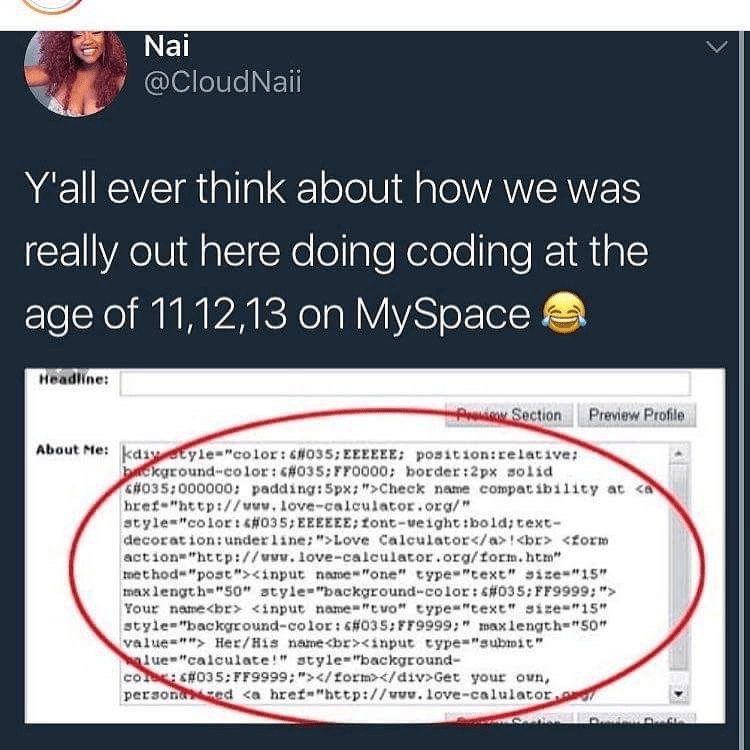
  • MySpace allowed you to tweak the HTML on your profile page so that you could change the color of the background, have a song playing while people looked at your page, etc. People put a lot of thought into it. Customizable pages (scrolling text, text that would blink, colorful texts, embedded music) allowed for self-expression.
  • MySpace was giving users free software. Previously, if you wanted to set up a website for yourself, you’d have to buy software. The way users were paying MySpace was with all of their data and information. The legacy of MySpace is the pioneering of this business model – of monetizing user data.
  • Another unique feature is that creator Tom Anderson was automatically everyone’s friend.

Why MySpace did not last:

  • MySpace was sold as “the perfect media company that generates free content through its users. It generates free traffic by its users inviting their friends, and all you have to do is sell the ads.”
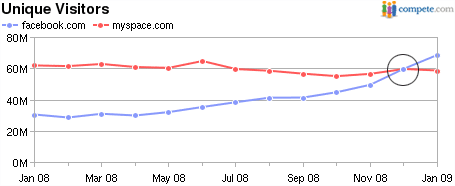
  • MySpace was on track to be the biggest mass platform for advertising in the world. Facebook is the biggest single mass platform for advertising in the world. The lack of engineering expertise and talent and the lack of focus on abilities to outcompete on the actual quality of the product is what doomed MySpace to fail against Facebook. You have to have great engineering and great talent, and that is what made Facebook win. MySpace lost relevance because it couldn’t scale up to be mainstream like Facebook.
  • The social network felt chaotic and open in a free-for-all sense much like the city where it was created: Los Angeles. It sometimes felt like a cool nightclub. However massive it was, it was still youth-oriented. With various scenes and clicks, it felt very niche. MySpace was notable and big, but it wasn’t TikTok size.
  • People who were big on the platform could not scale out and achieve mass fame. The internet culture was not mass culture in the 2000s. They were sort of niche. All of this was happening before there was viral content and before algorithms filtered what users would see. There wasn’t a “for you” page. You had to find it yourself.

https://www.gabethebassplayer.com/blog/festival-walking

I loved Gabe The Bass Player’s post on May 16 (all credit to Gabe the Bass Player):

Festival Walking

May 16, 2023

“Summer. The height of the music festival season. The height of…

“Is this band any good? I’m going to decide right now as I walk past the stage for thirty seconds…”

It doesn’t matter if you’re a well established act or a new act. No one gets a pass. You get the time it takes for someone walking past the stage to be compelling enough for them to stay. You gotta be good.

The truth is…you’ve probably got thirty seconds but their question is answered within five. And that interaction is what they’ll carry with them forever and tell their friends about when your name comes up.”

I look forward to reading, learning, and sharing more with you soon!
Thoughtful Thursday posts, Uncategorized

Thoughtful Thursday- May 18, 2023

My intention is to post a Thoughtful Thursday column each week and share some of the insights I have learned in the past week. Here are some of the things I’ve learned this week:

Optimal Health Daily- 5 Small Habits For Big Changes in Fat Loss by Lea Genders

Prioritize protein/veggies at each meal. Protein helps you maintain muscle and protein and fiber from veggies help you feel full. Focus on what you can add to your meals to make them healthier rather than what you have to take away.

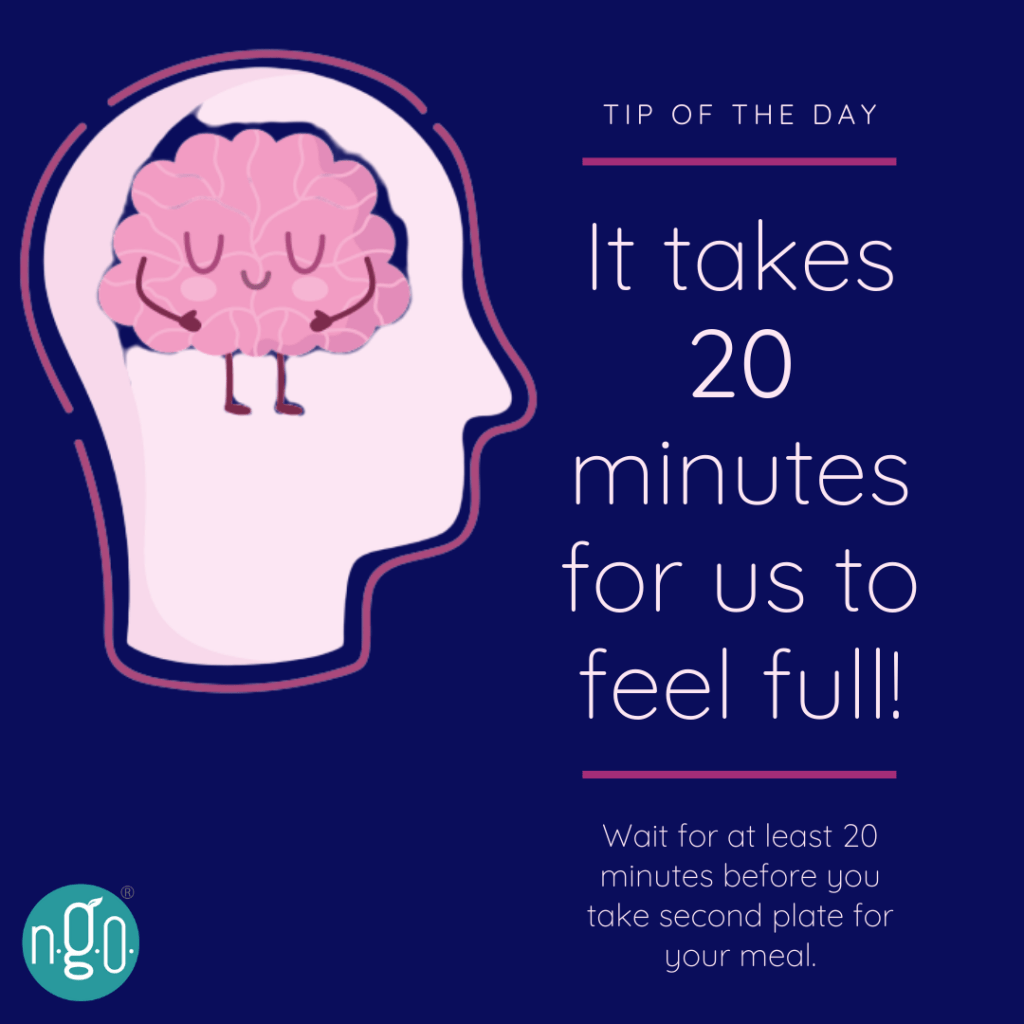
Eat slow and mindfully. When you gobble down your food quickly, you don’t give your stomach enough time to send the signal to your brain that it’s full. Pay attention to fullness signals and stop eating when you’re full.

Walk fast. Walk with purpose, bring a dog, or start a power walking routine.

Prioritize sleep. Create a sleep routine and aim for 7-8 hours of sleep each night.

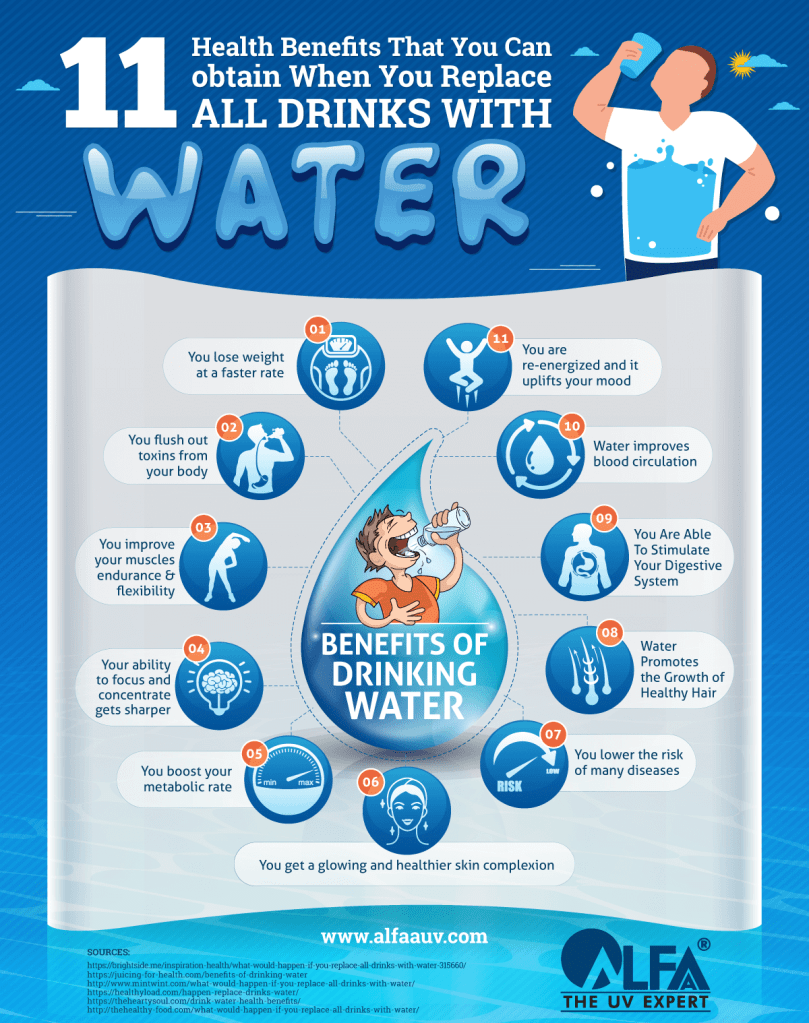
Replace all drinks with water. If you replace all soda, juice, energy drinks, and sugar-filled drinks with water, you’ll cut hundreds of empty calories each day. You can use some sugar-free flavoring packets to encourage you to drink more water. I love True Lemon packets, available in a variety of flavors at 0-10 calories each and 0-1 gram of sugar each. This might seem like a lot, but it’s a much better alternative to sugar-laden drinks.

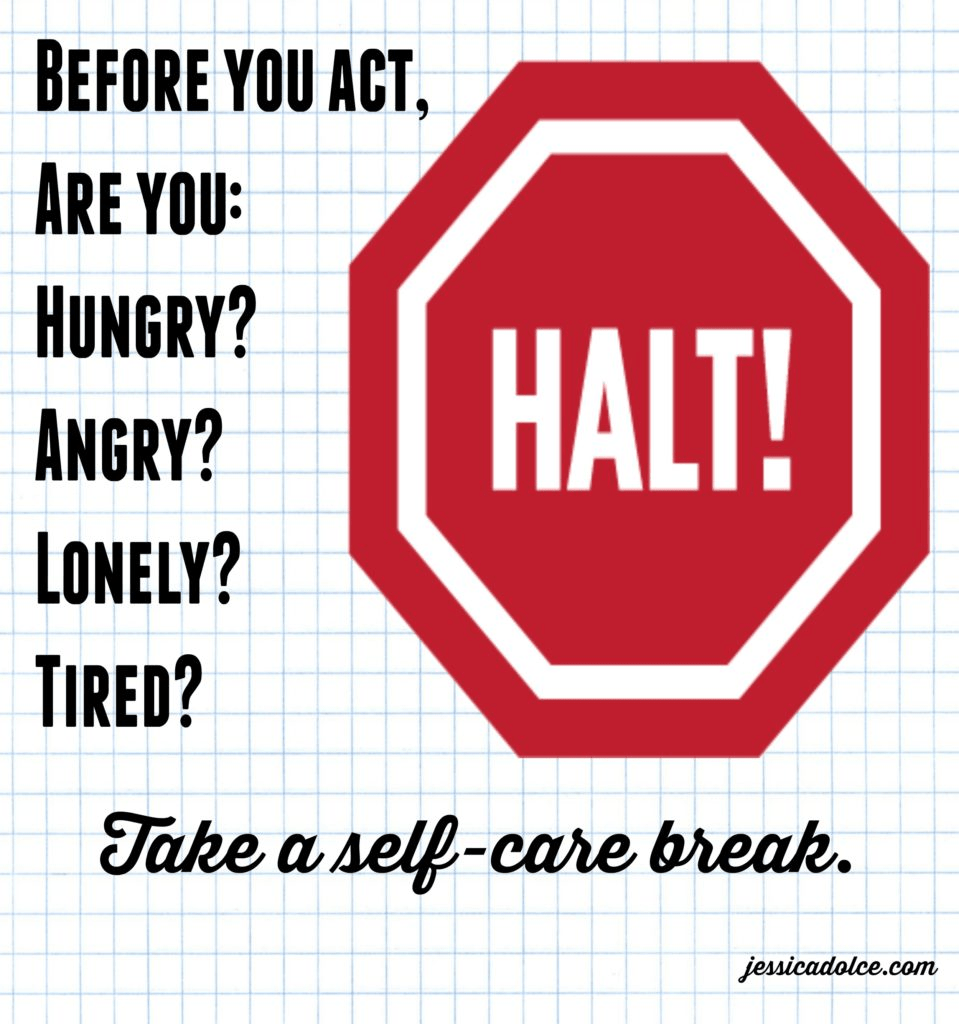
Self Improvement Daily- HALT Before You Communicate

Often times we say things we don’t mean, that we’ll later regret, and wonder why we even said them in the first place. We wonder what caused us to not have the self-control needed in those situations. It’s usually a matter of feeling emotional. Our emotions often take precedence over logical reasoning.

Before you communicate, especially when you’re feeling impulsive, HALT. Pause. Take a moment to think about how you’re feeling. In particular, reflect on these four things:

  • Hungry?
  • Angry?
  • Lonely?
  • Tired?

When you’re feeling any of these things, you’re more likely to say things you don’t mean because your mind is fixated on these specific needs. By calling out these emotions, you give your logical mind the information it needs to make the right decision.

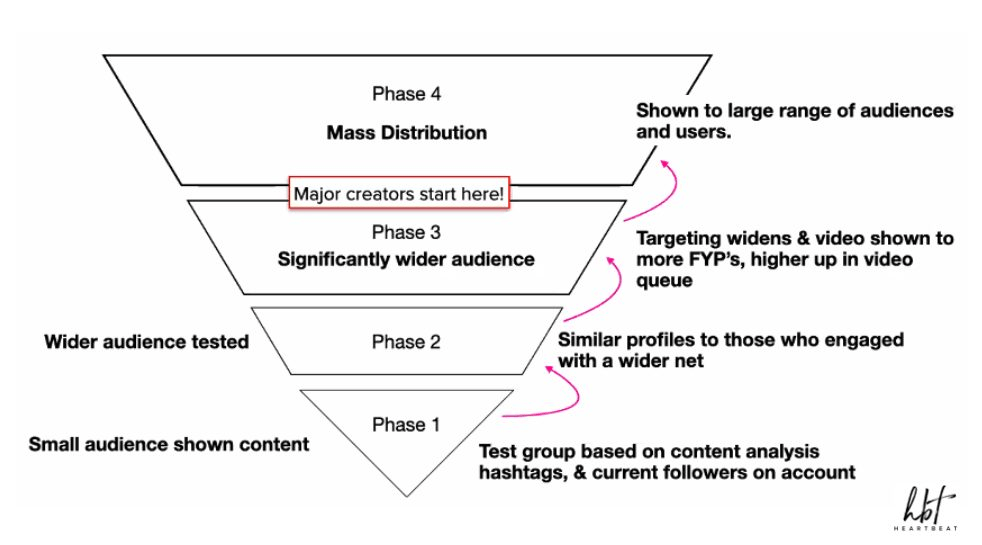
TED Talks Daily- TikTok’s CEO on its future — and what makes its algorithm different – Shou Chew
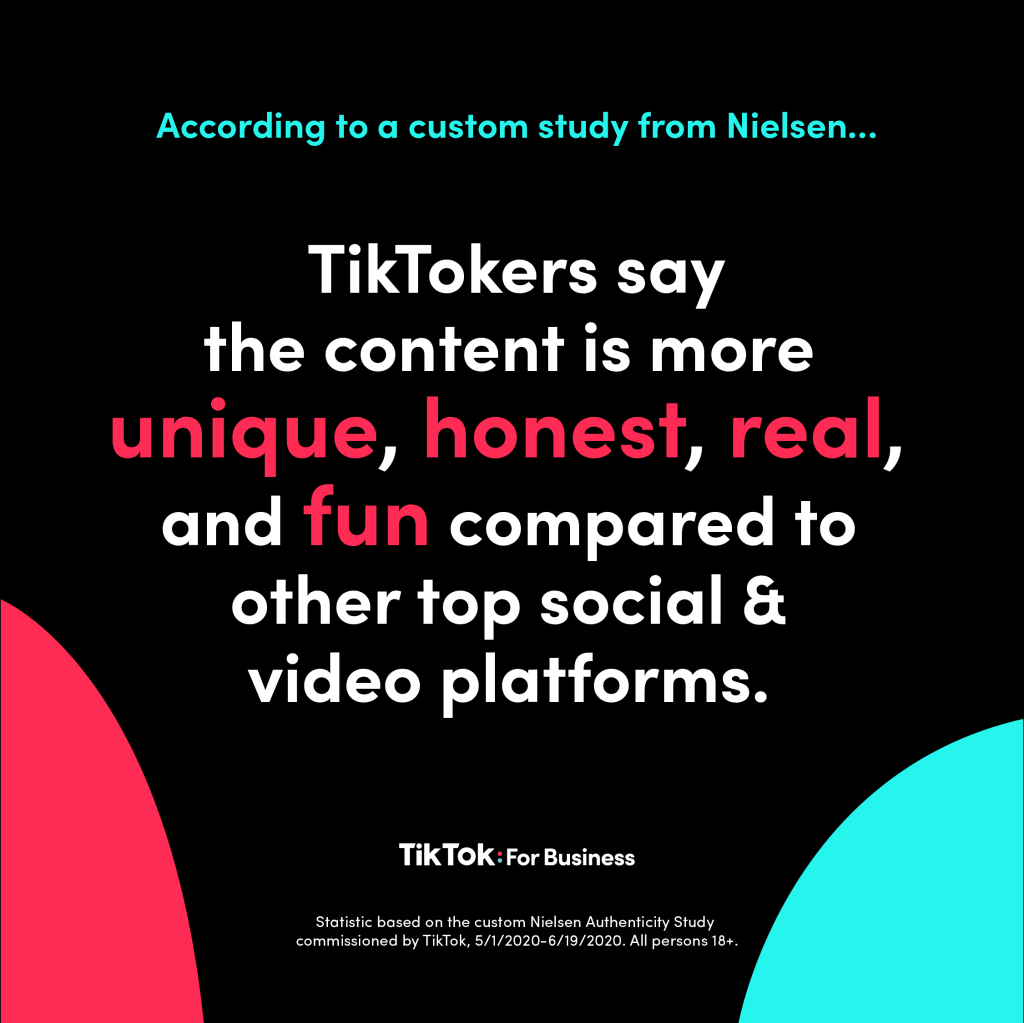
  • I discovered TikTok in the middle of the COVID-19 pandemic, and I have learned many things and spent countless hours on the app. One unique thing I realized right away about TikTok is that it gives people a platform to reach a larger audience than other social media apps.
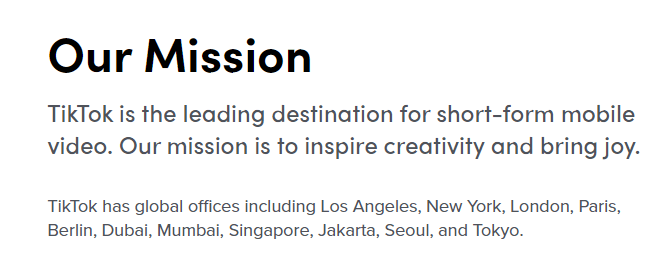
  • The mission of TikTok is to inspire creativity and bring joy. The vision is to provide a window to discover, give them a canvas to create, and provide bridges for people to connect.
  • Per Shou Chew, the CEO: “What makes TikTok unique is the whole discovery engine behind it. We are showing people what they like. We have given the everyday person a platform to be discovered.”
  • The biggest creator, Khaby Lame, in TikTok didn’t even speak in any of his videos in the beginning. Lame is famous for his comic expressions and deadpan reactions to overstylized TikToks. Today he has 158 million followers on the platform. As long as you have talent, you have the chance to succeed.
  • TikTok has given many people a voice that they would otherwise not have. Other platforms basically made the chances of getting discovered very low. You almost had to be famous to get followers.
  • With TikTok, if you post something that’s not interesting to a lot of people, you aren’t going to get the virality you want. You need to have a message that resonates with people, and you will generate virality.
  • Recommendation algorithm- shows you what others are interested in who liked the same videos as you. Vision= window to discover. People find communities because of the content that they are posting.
  • Other apps are built for a different original purpose.
  • In order to fulfill its mission of discovery, showing users a diversity of content is essential.
  • TikTok has created a platform for people who never thought they would be a content creator. Has given them an audience. STEM (Science, Technology, Engineering, Math) content has over 160 billion views.
  • User guidelines: no pornography, child sexual abuse material, no violence. Users under 18 years old experience a more restricted app and can’t use the livestream experience. Users under 16 can’t instant message or go viral. A big part of the age guideline is based on the age the user reports when signing up.
  • TikTok’s goal is NOT to optimize and maximize time spent on the platform. Minors= 60 minute recommendation. TikTok has given parents tools to limit childrens’ time spent on TikTok.
  • Over 10,000 employees are currently looking at content moderation, and this group is based in Ireland. Most of the moderation has to be done by machines, but they aren’t always on point, so they complement with actual people.
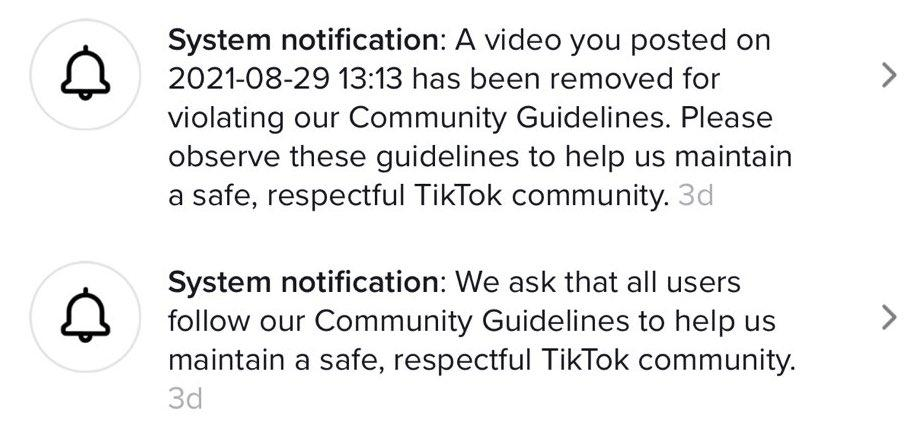
  • Guideline categories: mature, not suitable for teenagers. If content contains these guidelines, TikTok proactively removes it from users’ TikTok experience. If you search certain terms, you are redirected to a resource safety page.
  • Data access by employees is not the same as data access by the government. TikTok has implementing storing localized American data on American soil by an American company overseen by American personnel. This is beyond what any company in this industry has ever done- localizing in a way no company has ever done. All new U.S. Data is already stored in the Oracle cloud infrastructure.
  • TikTok’s desire is to keep Tiktok a place of freedom and expression (you can search for anything you want subject to community guidelines).
  • TikTok has popularized a variety of content: dancing, singing, science content, booktok, learning how to cook, sports, encouraging people to read. Booktok has 120 billion views globally.   
  • TikTok is connecting people and communities together. 5 million businesses in the U.S. benefit from TikTok today.
Life Kit-A better way to talk to your doctor
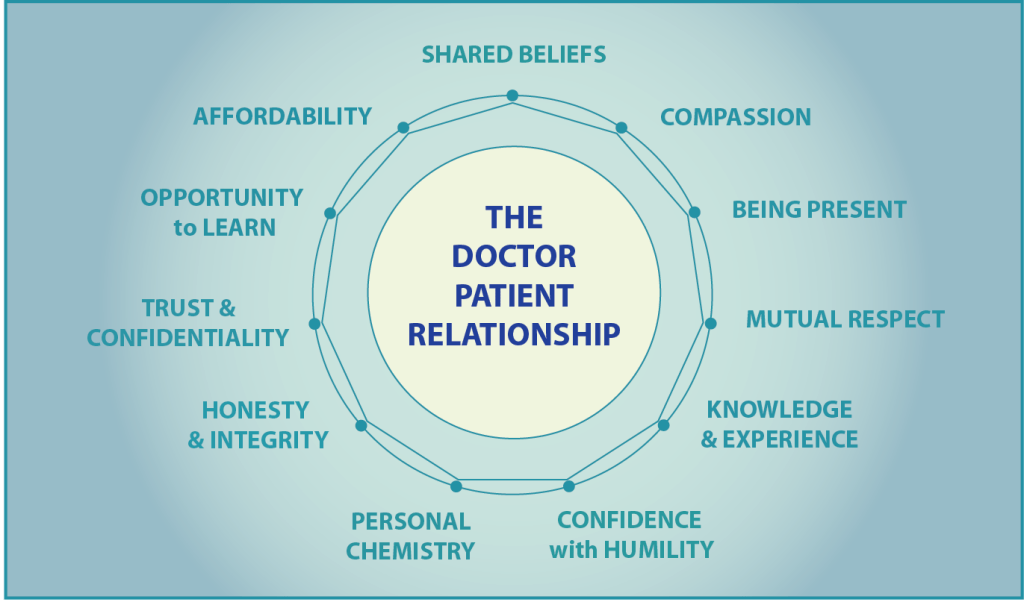
  • Find someone who you can built a partnership with, someone who listens, and someone who will take your symptoms seriously and foster that bond. Your health is your most important asset. You need to find someone who will be on your team and be a good partner.
  • Prepare as if you’re going to your accountant and getting ready for taxes. Write down what has been happening/symptoms and your family history, and answer when your symptoms started, what you were doing when symptoms started, what makes symptoms worse, how long symptoms have persisted, whether symptoms ever get better, and your previous history.
  • Anything you can describe (duration, time it started, details) can lead to higher chances of coming up with a diagnosis. Sometimes your doctor may not ever have a clear answer for you.
  • Your doctor might not know what’s going on right away. Instead, you may receive a differential diagnosis, or a list of possibilities. Schedule follow-ups.
  • Fill out docs on the patient portal before you get there to help maximize the time together.
  • When you get a diagnosis, ask for more information. What do we know? What do I have to do? What is the treatment plan?
  • If you feel dismissed, this is a sign this isn’t the doctor for you. It needs to be a partnership. You don’t need to stick with the doctor for the rest of your life if you aren’t comfortable.
  • Advocate for yourself. When you get a diagnosis, ask: What’s actually happening in my body right now? What’s the treatment? How does the treatment work? How often will I take that medication? Will this condition ever go away? How will this condition affect my life? When should we follow up?
  • Think of your relationship with your medical provider as a partnership. You should be working together to come up with a diagnosis or a plan. Keep a medical logbook with important details. When you get a diagnosis, consider a second opinion. It’s okay to change medical providers and it might be a good idea if they’re not listening to you, they confuse you, or if you don’t feel like you can talk to them.
NerdWallet’s Smart Money Podcast- Top Consumer Complaints and Car Shopping in 2023
  • The top consumer complaints of 2022 include negative information on credit reports that was not accurate, accounts that didn’t belong to consumers but were still on the report, credit inquiries that people didn’t recognize, and being pursued for a debt that the person didn’t owe.
  • Average price for a used car is still around $26k!!
  • Supplies still unable to meet demand- prices remain high
  • Tips: allow yourself time to shop around for both the car and the car loan. Get several auto loan offers before going to the auto dealer. Don’t tell the dealer upfront that you intend to pay cash. They may try to make up for lost revenue in the price of the car.
  • Auto rates are the highest they’ve been since 2009. Average used car loan is 11.03% interest. Some people can get 5% interest.
  • Tips: Shop around. Know your financing options. Think about the trade-offs. Buying a car with cash can keep you out of debt, but you might be able to get a better return on that investment.

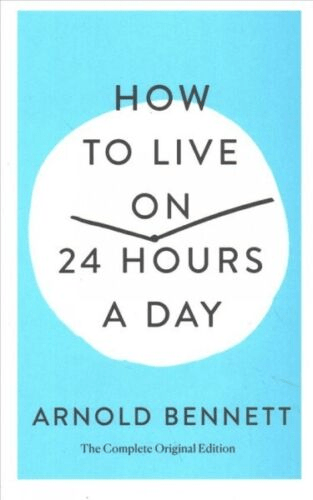
One book I’ve read this past week is “How to Live on 24 Hours a Day” written by Arnold Bennett and originally published in 1908. These points stood out to me:

We never shall have any more time. We have, and we have always had, all the time there is.

Arnold Bennett

Everyone receives the same 24 hours in a day. Many view their hours at work as a day and the rest as a margin. You say your day is already full to overflowing, yet you spend 8+ hours working and 7-8 hours sleeping. What are you doing during the other 8 hours?!

Arrange a day within a day. Think of your day outside of work as another day within your day. Have a reflective mood. Devote time each day to reading, learning, or bettering yourself. I have been committed to doing this as part of my daily habits.

You have to live on this twenty-four hours of daily time. Out of it, you have to spin health, pleasure, money, content, respect, and the evolution of your immortal soul. Which of us lives on twenty-four hours a day? And when I say “lives,” I do not mean “exists” or “muddles through.”

Arnold Bennett

I look forward to reading, learning, and sharing more with you soon!
Thoughtful Thursday posts, Uncategorized

Thoughtful Thursday- April 20, 2023

My intention is to post a Thoughtful Thursday column each week and share some of the insights I have learned in the past week. Here are some of the things I’ve learned this week:

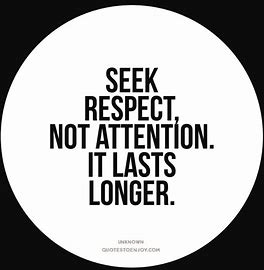
Self Improvement Daily- Earn Respect, Not Validation

Our interest to prioritize and maintain strong social connections is fundamental to our success as a species, and in order to appease our ego, we seek validation, approval, and acknowledgement from others as a means to confirm our importance. This may cause us to do things that aren’t in alignment with who we want to be because we need quick access to the validating spike of feeling important.

What we’re actually searching for, that leaves a deeper and lasting impression, is other people’s respect. This goes beyond what you do and into who you are– your character and your values. This is more difficult to earn, and in a society that is addicted to immediate gratification, sometimes people don’t even have the patience to get there.

Ted Talks Daily- 4 ways to make hybrid work better for everyone

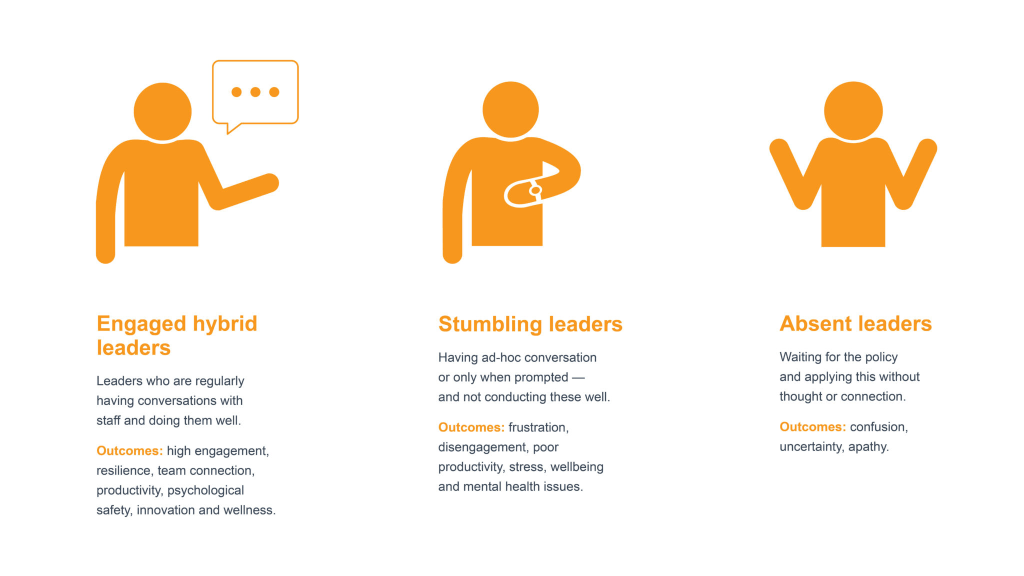
I was surprised to learn that, using surveys, polls, and meta-analyses, over 70% of employees in most global surveys want a mix of in-person and remote formats moving forward.

Many employers unexpectedly moved to a remote or hybrid format during the COVID-19 pandemic. Many also haven’t put much thought into a plan. Some employers want employees in the office a certain number of days each week, but don’t care when. Others haven’t set expectations. Others have clear expectations about when employees need to be in the office. Here are 4 ways to make hybrid work better for everyone:

  1. Coordinate anchor days — days you and those you collaborate with are in the office on the same day.
  2. Plan spontaneity. Set aside 6-7 minutes of online meetings to chat informally about something other than work. Consider happy hours, trivia challenges, or lunches or coffee with coworkers.
  3. Match digital tools with communication objectives. Sometimes e-mails, IMs, and phone calls won’t cut it. Use video calls for conversations when needed.
  4. Consistency between hybrid policies and attitudes is the only way to build a hybrid culture for everyone. If you want your employees to come in a certain number of days, assign days or make that expectation clear. If there aren’t any clear expectations and people don’t come in the same number of days, nobody should be made to feel guilty for not coming in as often as others.
Optimal Finance Daily- Budgeting Tips: 10 Ways to Lower Your Life’s Fixed Costs by Joshua Becker
  1. Buy or rent a smaller home. Housing costs generally take up the largest percentage of a person’s expenses.
  2. Avoid car payments.
  3. Double-check recurring expenses and cancel any you no longer need or use.
  4. Research insurance costs. Double-check your premiums and compare other options.
  5. Take your lunch to work.
  6. Pay off your credit card debt. Interest payments are like flushing dollars down the drain. We don’t receive anything for them.
  7. Stop upgrading your phone just because you are eligible.
  8. Cut utility bills at home. Get a programmable thermostat, lower the temperature on your water heater, unplug unused electronics, cut cable, or seal your home better for cold and heat.
  9. Research childcare options in your area. Sometimes new childcare centers are much less expensive than the one your child or children is currently enrolled in.
  10. Ditch the storage unit. If your storage unit is simply storing stuff because you own too much stuff, get rid of it. Stop paying money to keep stuff you don’t need.
Curious Kid Podcast- Curious About Prosthetics

https://www.bakersfield.com/news/health/15-interesting-facts-about-prosthetics/article_fd58fef4-a590-5067-8d3e-6463e5374126.html

The word “prosthetic” is Greek. When translated to English, it means “addition.” A prosthetic is a device that provides support in place of the body part so that people can perform day-to-day functions.

  • In ancient Rome, there are accounts of warriors who used prosthetics made of iron and wood to make artificial arms and legs.
  • Thousands of years ago, prosthetics were cosmetic.
  • During the French Renaissance, prosthetics became functional and included harnesses and knee lock controls, as well as softer materials.
  • Limb loss can be caused by a disease or cancer that impacted that body part, a car accident, or being born without a body part.
  • Prosthetics are made according to what body part is missing. How it looks and how it is made is dependent on the person and body part. Generally, measurements are taken and a cast is made. A mold is made to specifications. It is shaped to be comfortable for the patient. Most prosthetics are constructed with lightweight carbon fiber, aluminum, and titanium components.

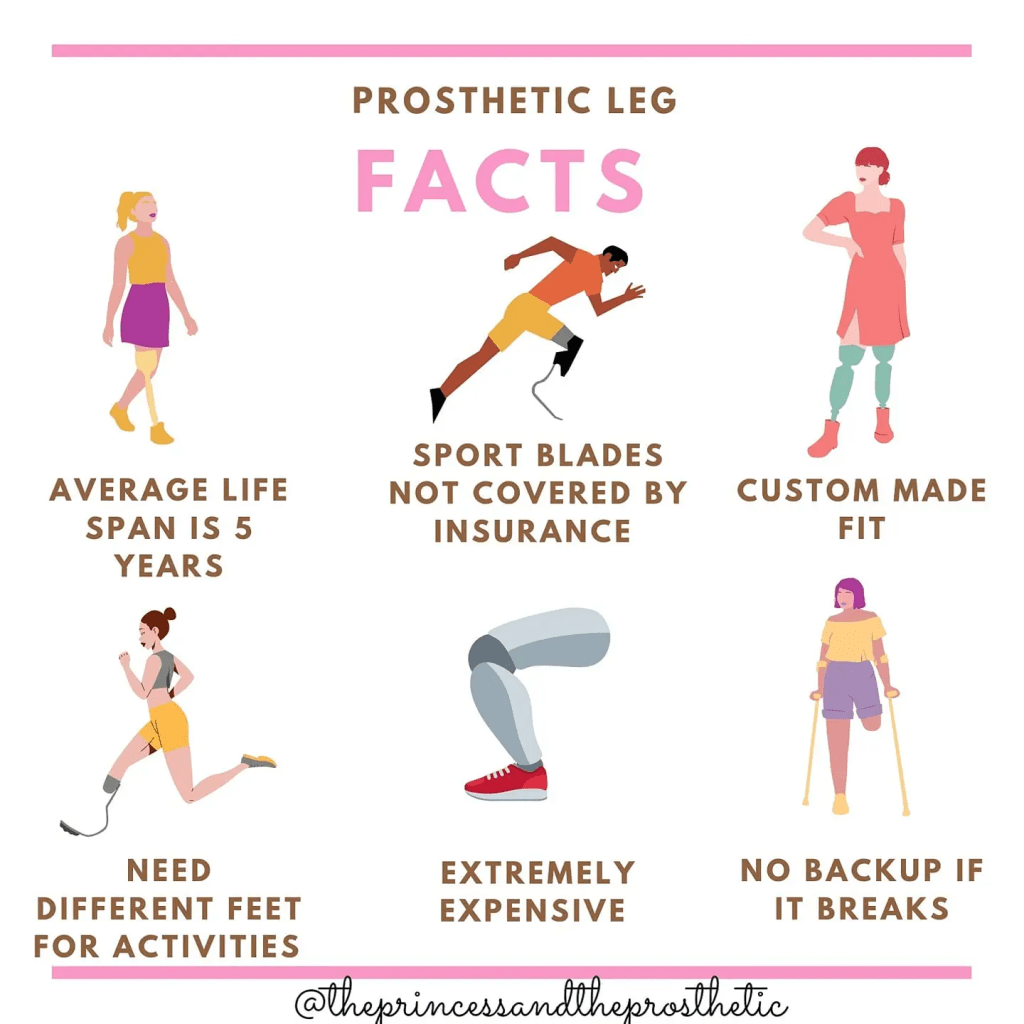
Nearly 75 percent of amputations are caused by diabetes and cardiovascular complication. The most common type of amputation is a below-knee amputation.

The average prosthetic lasts *only* three to five years!
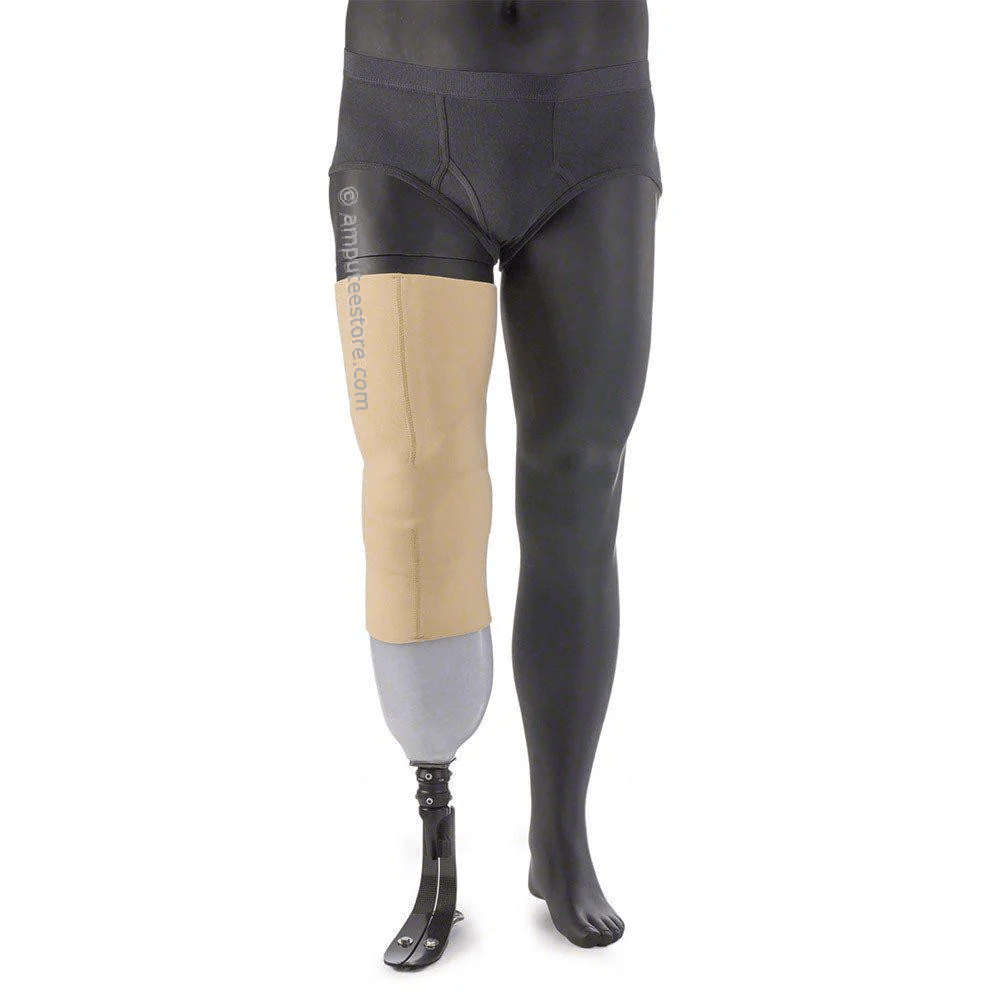
Most amputees wear a stump shrinker, which is a compression sock that keeps the limb from swelling when the prosthesis is not on their limb. Most amputees wear a silicone gel liner that helps to cushion and protect the limb during walking.

https://www.gabethebassplayer.com/blog/best-price-guaranteed

Best Price. Guaranteed.

But what does best mean?

Lowest?

Most efficient?

Most satisfaction?

Most bang for the buck?

The price most people would enjoy?

Since ‘best’ isn’t defined, the guarantee is also meaningless.”

Gabe the Bass Player at gabethebassplayer.com
The Economics of Everyday Things- Gas Stations

In the U.S., Americans use 374 million gallons of gas every day!

Gas is cheap in the U.S. relative to other countries. Considering the amount we use, though, every penny counts.

We often blame politicians and oil executives, but the easiest target is the gas station owner. There are 145,000 gas stations in the U.S. 8 out of 10 are independently owned and operated. They pay oil companies for the right to use their branding and gas. Many come from other countries.

  • 50-60% of cost of gas is from the cost of crude oil. $4.00 cost of one gallon of gas= $2 cost of crude, 70 cents to refine it, 40 cents to move it from refinery to gas station, 50 cents for federal/state/local taxes. For a $4.00 gallon of gas it costs about $3.60 to get it to the pump. Gas station owners make about 30-40 cents out of every gallon they sell, which has to cover maintenance, electric bill, rent, liability, etc. In the end, they are averaging 7 cents per gallon of profit.
  • Gas stations have a daily profit of about $300 after all expenses.
  • Gas stations regularly face competition with other area gas stations.
  • Station owners usually buy a few days of gas at a time and store it in underground tanks, but the price of wholesale gas changes every 24 hours. As a station owner, you can lower your prices and lose money or keep a little profit margin and watch your customers go to another station.
  • When crude prices go up, station owners are slow to pass on the extra cost to us at the pump, but when they fall, they don’t set the prices lower right away either. When gas prices increase, tight margin on gas gets squeezed even further, people buy less gas, and people also buy less inside the store. Higher gas prices also result in more theft.

Gas isn’t a big money maker. The bulk of a gas station owner’s income comes from selling food, where they have an average 33% gross profit inside the store.

Healthier Together- How to Know if You Should Have Kids + Debunking Myths About Parenthood

I don’t have kids (yet), so this was an interesting podcast with different perspectives and insights!

Many people ask “Are you going to have KIDS?” One point the podcast host made is “How will you know whether you want to have KIDS (plural)? Should I have KID? Then you can decide whether you should have KIDS.”

The most surprising point I learned on this podcast is that the ideal age to become a parent is said to be 38 or 39! This provides time to enjoy two adulthoods: 18-38 can be spent traveling, establishing your relationship with your partner, establishing your career, etc. Another adulthood starts when having kids at 38 or 39. This also results in having wisdom, perspective, and better finances, and, if you live long and are healthy, your kids can still care for you when you are old.

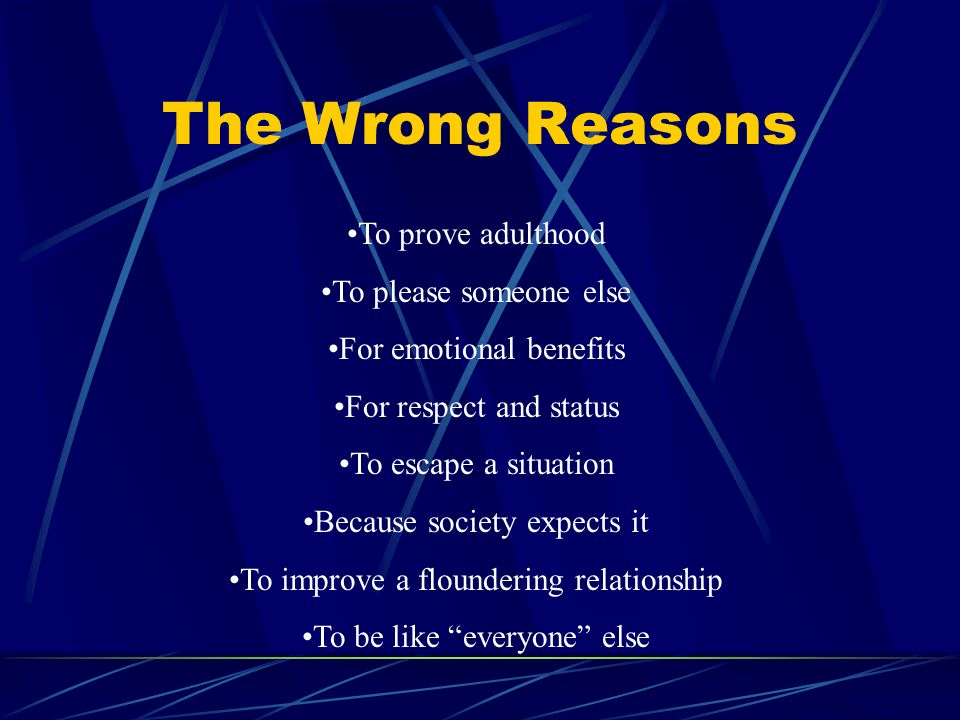
Many people have kids earlier due to societal or family pressure or the fear of infertility. If you have concerns about fertility with waiting, check with your doctor about fertility tests and risks. This makes more sense than having kids earlier simply due to this sometimes-unreasonable fear. Some fertility treatments are covered by insurance or are available through grants.

If you are concerned about finances, you can save money through hand-me-downs, secondhand retail, community or church groups, and neighborhood exchanges. You can also do a childcare exchange with friends.

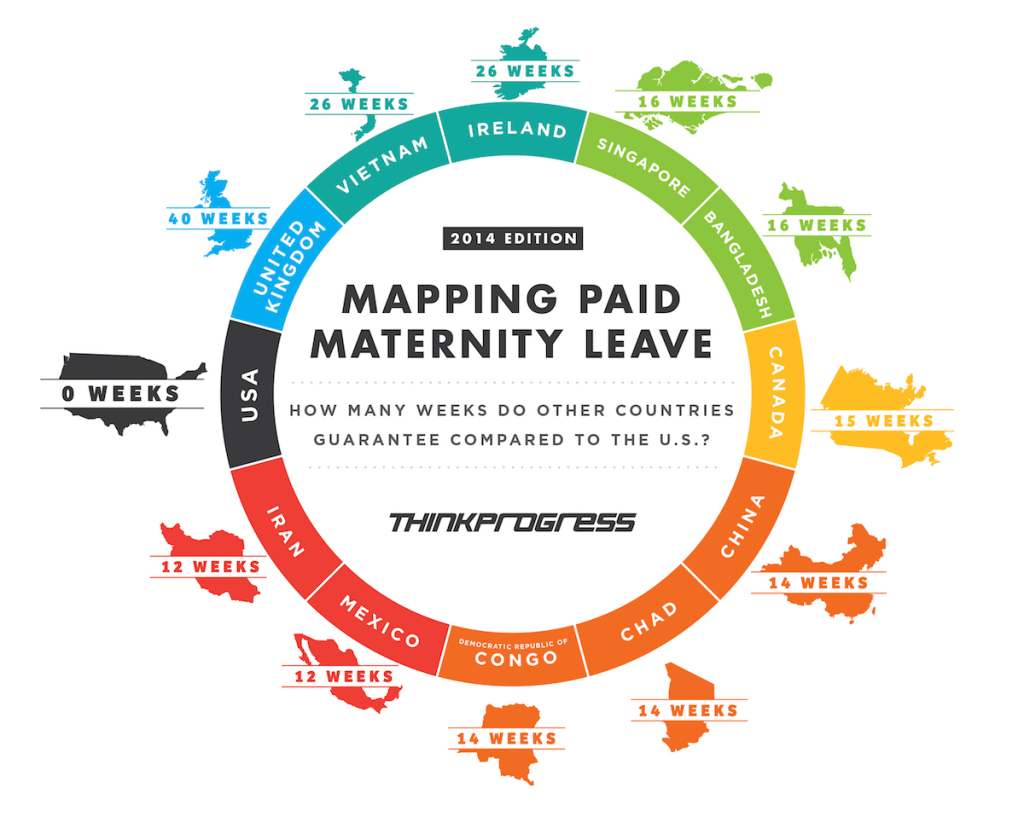
Our society says we value children, but we do not put the $ or attention there. Many employers do not offer paid maternity or paternity leave, resources, or flexibility for childcare, etc.

You may never feel 100% confident in your decision to have kids. That’s okay. 60/40 confident is enough. It isn’t about baby or no baby. If you are postponing or thinking about not having kids, ask yourself if there’s anything you haven’t done yet in life that needs to happen. We will have some disappointments. Ask yourself “What hasn’t happened yet that I want to happen between now and when I die?” It’s about thinking about what is important to you that hasn’t happened yet and how you will fit that in. Be able to name those things and think about, if you actually have extra time and $, are you really going to do those things?

If you are afraid to bring a child into this world, know that people were also worried in the 80s and other decades. There have always been big issues dominating our consciousness and people still chose to have children and have not regretted it. There is always going to be some concern or worldly issue.

There is a lot of stress involved in raising kids, but the major factor is whether the child was planned or an accident and whether the parents had a close, high-quality relationship before having a child. Once kids are grown, parents rave about being parents.

There are many ways of finding life satisfaction and meaning even without having kids. Many parents do say that having kids has brought the most happiness in their lives, but that does not mean that you need to have kids to be happy. Volunteering, hobbies, career fulfillment, being a coach, and many other things can also bring meaning and happiness.

You can get to know your partner better than ever before just by thinking and talking this topic through. It’s not just “yes” or “no.” What are your fears? What do you want your life to look like? How will you share in the responsibilities? What is important to you?

I look forward to reading, learning, and sharing more with you soon!