
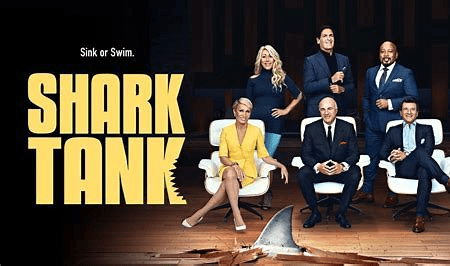
I really enjoy watching Shark Tank and listening to the podcast “How I Built This with Guy Raz.” This book is based on the highly acclaimed NPR podcast “How I Built This with Guy Raz” and offered insights, inspiration, and incredible stories from the world’s top entrepreneurs on how to start, launch, and build a successful venture. This is a must-read for people who dream of being entrepreneurs or those who want to learn about business origins, challenges, and successes. In this post, I will share some of the most valuable insights from this book.
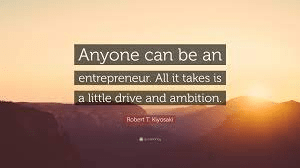
Anyone can be an entrepreneur. Entrepreneurs aren’t chosen. They are made. Self-made.
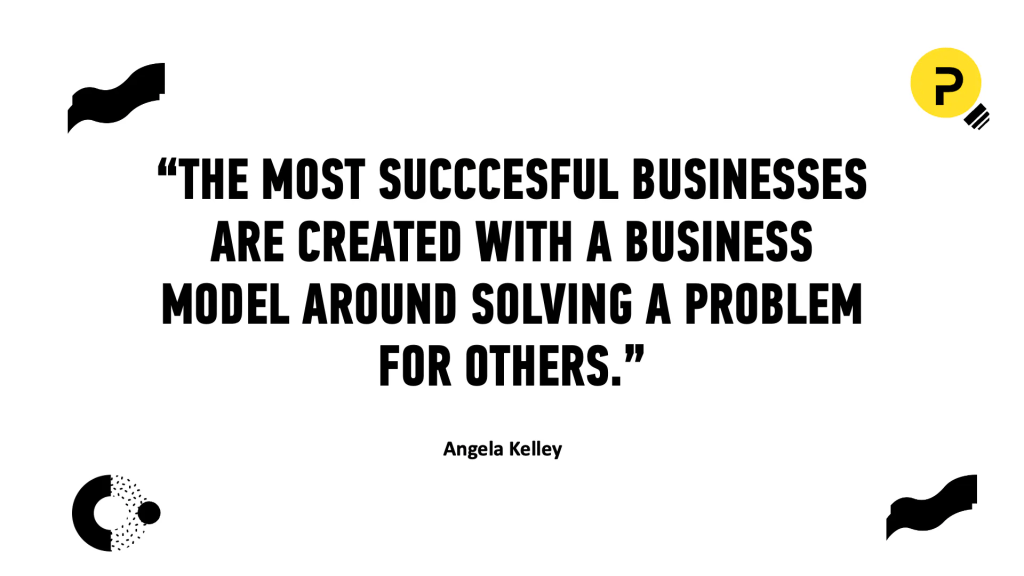
Customers don’t pay for passion. They pay for things they can use. The way to get startup ideas is not to try to think of startup ideas. It’s to look for problems, preferably problems you have yourself, and solve them.
The scariest thing about starting a business is the unknown. Either stay in your job until your startup demands more time than you can spare OR have a backup plan. It’s a way to have another shot at doing something you’ve already done before so that you don’t go broke while you gather yourself to try again.
The most successful founders know their stuff: their product, their business, their customers, their industry as a whole.

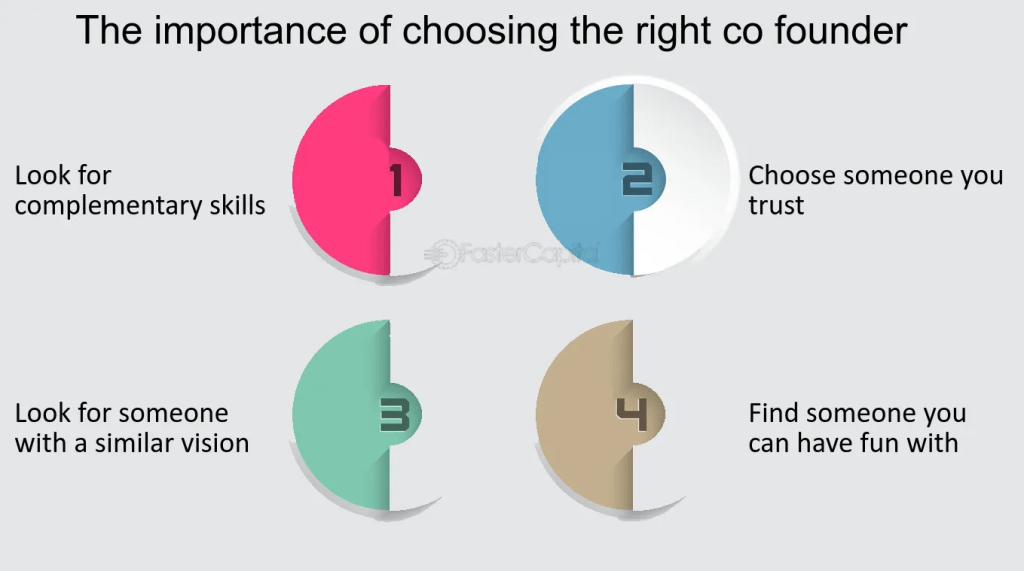
Every entrepreneur should look for a cofounder. You need a partner whose skillset complements yours. Someone who not only shares your vision but elevates it and holds you accountable to it, who does what you cannot, who thinks and sees things in a way you don’t, whose strengths compensate for your weaknesses.
Even if you could do all the work yourself, you need colleagues to brainstorm with, to talk you out of stupid decisions, and to cheer you up when things go wrong … the low points in a startup are so low that few could bear them alone.
Paul Graham
Bootstrapping involves using what you have at your disposal to get yourself where you want to be. Ex: credit cards, personal savings, cycling profits back into the business + keeping control of your business as long as you can.
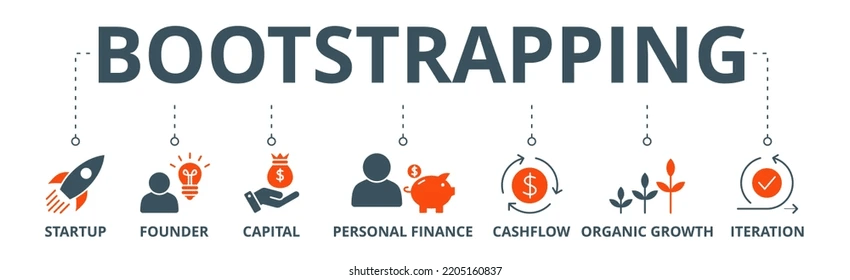
With some rare exceptions, bootstrapping will only take you so far. There will come a time when you need something that you can’t do yourself and you don’t have the $ to pay for even if you could. You may need other people’s $, manufacturing, mindpower, manpower, and marketing.
Fundraising is brutally hard at every level. It taxes your time, your energy, your ego, and sometimes your relationships. You can use crowdfunding sites. Once you’ve convinced people in your personal network to part with their money in support of your idea, that’s when the pressure to succeed really begins.
Every business is a story. The story connects everyone to the thing you’re building. The store goes from the name and logo to the function of the product, to the partners who founded it, all the way to the customers who patronize it!
All businesses are stories, and all stories are a process.

iteration – the incremental evolution of a product or service; tweaking a product based on feedback until it catches on.
Be open to relocating your business. Where you live matters. Sometimes you want to go where the industry is NOT. Ex: Ben & Jerry’s, Barre3
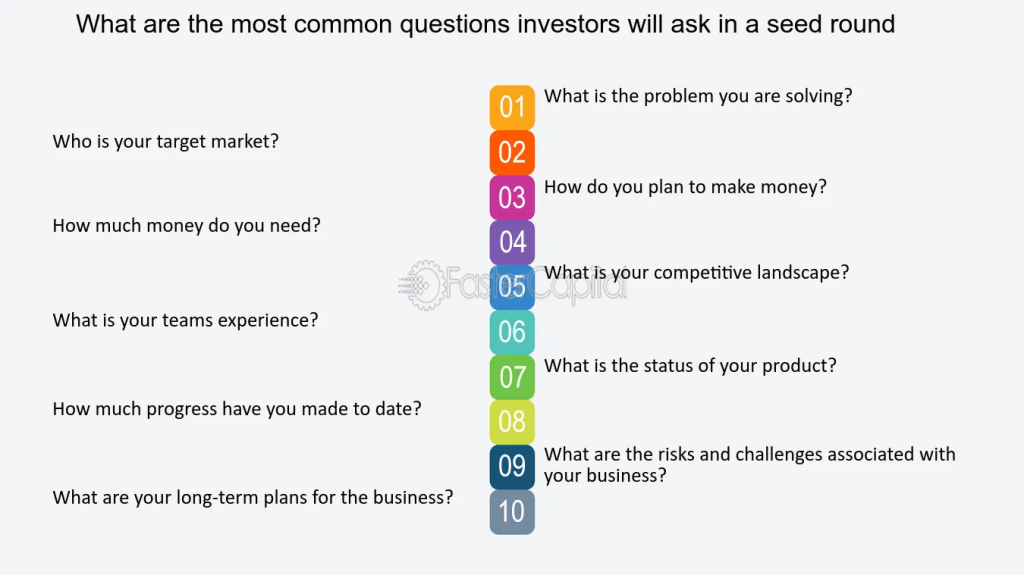
The first thing to understand is that raising venture capital is about making a promise: a promise that you have a product or service that people will pay money for, that you have a plan to reach as many people as possible, and that in exchange for lots of $, you will bust your butt to reach them. Prepare to answer:
- How do you expect to scale this?
- Where is the growth going to come from?
- Who is the customer for this?
- Doesn’t something like this already exist?
- How will you get costs down?
- Where will you manufacture?
- Where will you be based?
- What’s your marketing strategy?
- Why does anyone need this?
- Why would anyone do this?
As uncertain as the business world can be, one surefire way to know you’ve built something great that is primed to grow and scale is when your competitors start either copying you or suing you, sometimes both.
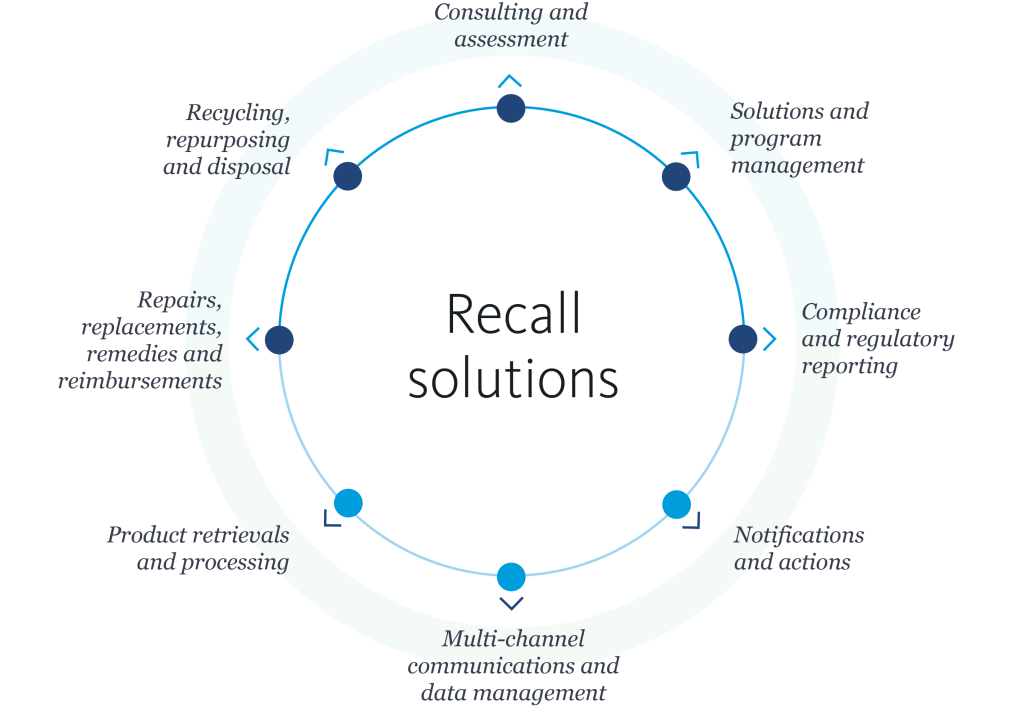
Mistakes/recalls – the only reliable way through that critical “before and after” moment is through quick, decisive, transparent action that puts people first and public perception second.
More work is never the real answer. To succeed as you scale, you have to leverage every person in the organization. And to do that, you have to be very intentional about how you craft the culture.
Reid Hoffman
You don’t scale. Only your idea, your story, and your values do, as long as you know them and share them. Know your values so you can make consistent decisions.
Guy Raz
Thinking like a parent and a partner is a skill every aspiring founder should cultivate in preparation for the challenges they will face with potential co-founders because they will invariably pour as much of their heart and soul and energy and money into building their business as they will into starting a family. If you would gladly sacrifice and do whatever it takes to protect your family, why would you not do the same for your business?
Guy Raz
Some people say, ‘Give the customers what they want.’ But that’s not my approach … people don’t know what they want until you show it to them. That’s why I never rely on market research.
Steve Jobs
One of my favorite company stories in the book is that of 5-Hour Energy, a product I’ve never personally used. Manoj Bhargava, the founder of 5-Hour Energy, was at a natural products trade show and looking for inventions he might acquire or license. He came across a 16-ounce energy drink that was better than others on the market. With the help of scientists from a company he’d founded for the express purpose of finding inventions just like this one, he had a comparable energy drink formula in a matter of months. It would turn out to be the easiest part of the process. The hardest part was getting his invention into stores. He knew that the beverage space is particularly challenging due to limited space.
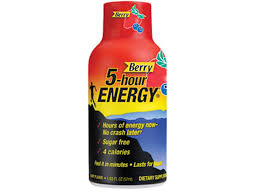
He realized that he wanted people to get energy without having to drink or chug a 16-ounce energy drink, so he came up with the idea of shrinking his product from 16 ounces to 2 ounces. At that size, it wasn’t competing with others in the beverage market, it didn’t need to be refrigerated, and it didn’t take up much shelf space. In fact, it could be on a counter right next to the cash register. His ingredients were also less about energy and more about focus – “vitamins for the brain” – so he positioned his product outside of the convenience and grocery channels, and the first place to sell 5-Hour Energy was GNC, the largest vitamin store. After being a hit at GNC, 5-Hour Energy started being sold in drug stores, convenience stores, and grocery stores.

I highly recommend this book!⭐⭐⭐⭐⭐
I look forward to reading, learning, and sharing more with you soon!





 Read Learn Share