Thoughtful Thursday posts, Uncategorized

Thoughtful Thursday- May 4, 2023

My intention is to post a Thoughtful Thursday column each week and share some of the insights I have learned in the past week. Here are some of the things I’ve learned this week:

Self Improvement Daily- Getting Started Setting Goals

Setting goals is an effective way to structure your efforts and get a desired result. However, many people set goals too big without a plan. Ex: go from not working out at all to working out 6 days per week. Others set goals without much of a plan. Ex: drink more water. Eat healthier.

You don’t need to wait to have a perfectly defined and thought through goal before getting started. As you begin pursuing your goals, you collect more reference points and information to aid in defining your goal and the structure of achieving your goal. As you get closer to your goals, they get clearer. You should always be intentional about pursuing more clarity.

A goal I had for quite some time was to drink more water. There were times I drank up to a gallon per day (too much for me), but other times, I got so consumed in my work that I didn’t finish my first 16 ounces until after lunch! “Drink more water” was not a clearly structured goal for me. When I noticed that I regularly wasn’t finishing my first 16 ounces until well into the afternoon, I revised my goal to include “drink 1 bottle of water before the workday starts.” That goal is structured, measurable, and helps me to drink more water throughout the day. I also use True Lemon packets (available in a variety of flavors) to increase my water intake.
Another goal could start off as “eat healthier.” This could be structured by committing to planning staple breakfast foods and meal prepping healthy lunches for the week so that you don’t have the urge to order takeout during the work week.

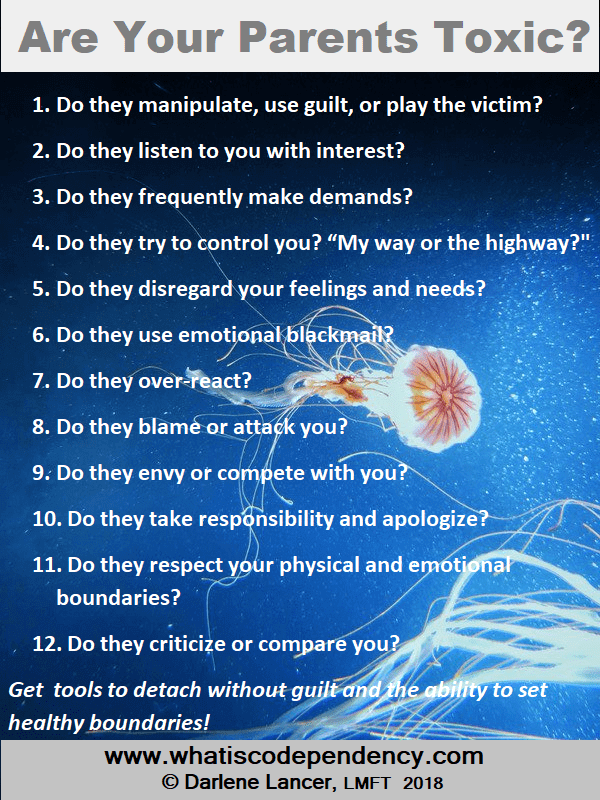
Psych2Go Mental Health Podcast- 10 Toxic Things Parents Say To Their Kids
  1. You look terrible.
  2. You’re a freak.
  3. You’re so immature.
  4. I’m going to send you to boarding school.
  5. Once you’re 18, I’m going to kick you out.
  6. This is your fault.
  7. Show me some respect (when it isn’t due/when it’s toxic).
  8. Do what I say or else.
  9. You are terrible at ___.
  10. You’re the worst student.

I am grateful that I didn’t hear any of these phrases directed at me growing up, but I know of people who have. It is important to show love to your children and allow them to make mistakes, express their own individuality, and overcome obstacles that can turn into learning experiences.

Life Kit- Put your savings to work

When we put money into a traditional savings account when inflation is high, its value is eroding.

Savings account interest rates may be as low as 0.01%, and the average interest rate is currently 0.24%. Some banks have increased interest rates due to inflation, and smaller banks are offering better rates than bigger banks.

Online banks offer better rates due to not having to maintain brick and mortar locations. Be sure to research minimum deposits and hidden fees and read the fine print! I recently created an account for CIT bank online, which offers interest rates between 4.50%-4.75%!

Aside from savings accounts, CDs are another option. The longer the term, the better the rate is. Be sure you can commit to the term, as you can’t withdraw $ during that term without paying a penalty.

Ibonds are inflation bonds where you are lending the government $ and the government agrees to pay you back at a later date with interest. Ibonds increased in popularity in 2022, as the interest rate was over 9%! The government sets Ibond rates every 6 months, and the term is for 5 years, although you can access your money before the 5-year term is up by forfeiting the last 3 months’ interest. The interest rate was just adjusted down to 4.30% in May 2023.

Taxes: the interest earned from savings accounts and CDs is taxable. Ibonds are exempt from state and local taxes, but you will have to pay federal income tax when you cash in on the bonds.

Consider switching savings accounts to one with a better interest rate. You may also want to consider government bonds for medium-term or long-term savings or CDs for short-term savings.

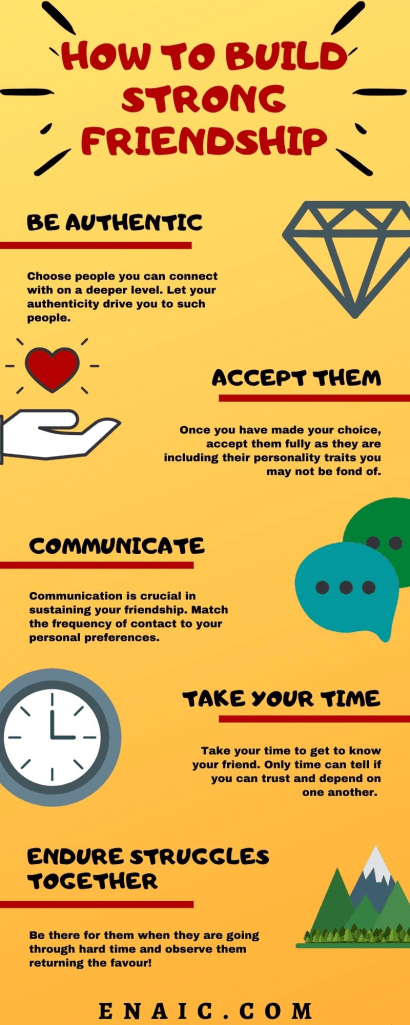
Self Care IRL- 14 Ways to Strengthen Your Friendships
  1. Make your friendships a priority.
  2. Start by staying in touch.
  3. Try to think about what your friend needs right now. How can you be helpful or of value?
  4. Stop judging. You are never going to be 100% approving of anyone or the decisions of anyone, including yourself!
  5. Give an occasional compliment.
  6. Spend time together.
  7. Find common interests that you share, and do those things together!
  8. Take on a new challenge together. Humans become closer with those they suffer with and overcome obstacles with.
  9. Take a road trip.
  10. Try new things together, such as restaurants, events, or activities.
  11. Play fair. Don’t one up your friends.
  12. Express your gratitude. Let them know you value them.
  13. Admit and apologize.
  14. Be authentic and be honest.
How to Be a Better Human- How to keep house while drowning

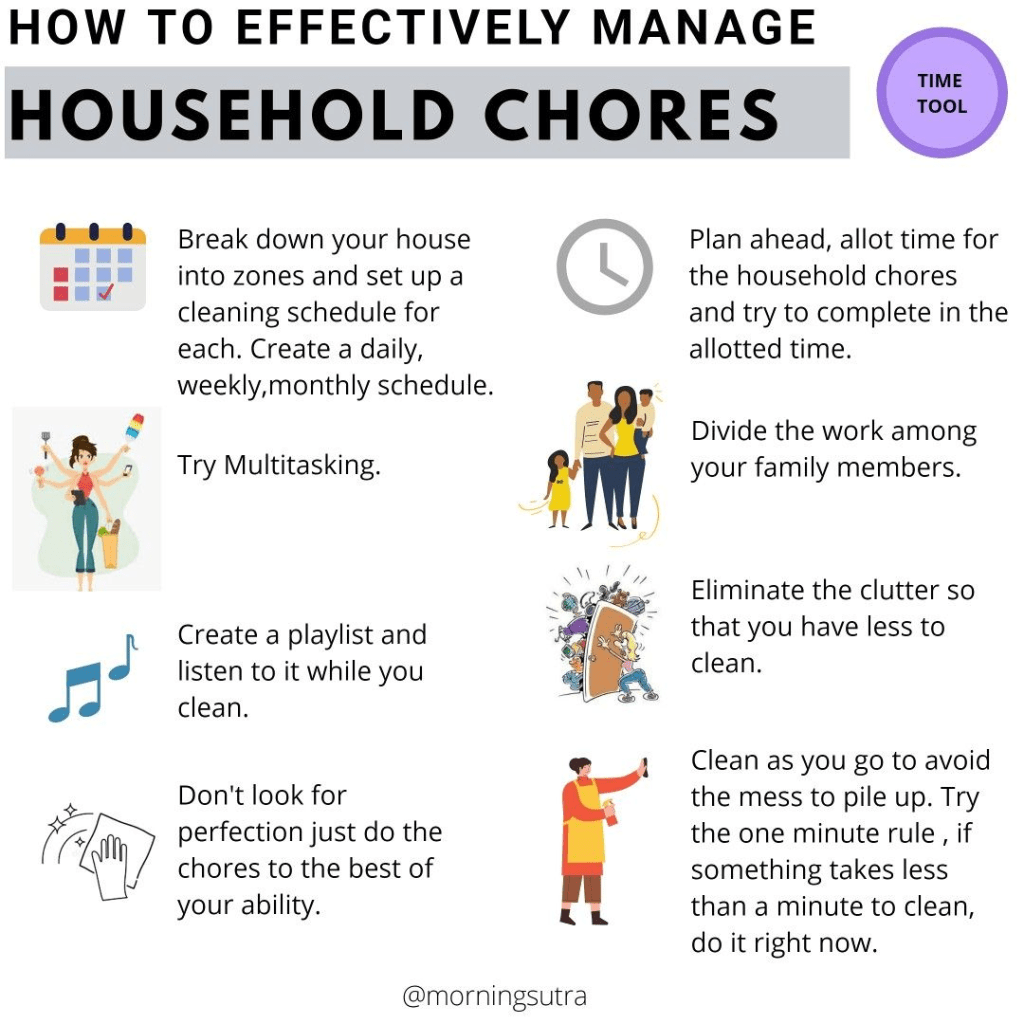
Reframe chores. Chores feel like an obligation. Some chores should be considered care tasks because they are tasks that you do to care for yourself, such as dishes, laundry, cleaning, exercising, cooking, organizing, and changing your sheets.

Ask yourself: What can I do right now in order to ensure that I’m being kind to my tomorrow self?

With other household stuff, acknowledge that good enough is perfect, and everything worth doing is worth doing partially. I struggle with this. I want to put my 100% into everything, so when I can’t dedicate the time and energy, sometimes I just don’t do it at all.

With chores, ask yourself these questions: What is the part you hate? What about it do you hate? Is there a way to skip that step or delegate? How can I add pleasure or joy to it? Ex: use a timer and dedicate a specific amount of time to a task, then stop when the timer goes off. Play your favorite playlist while doing a task you don’t enjoy doing.
Focus on Marriage Podcast- Common Problems and Letting Go of Selfishness

Many newly married couples have unrealistic expectations of marriage, such as “We are always going to agree on spending money. We will draw closer to our family and in-laws once we are married. We will divide up household responsibilities equally. We will have amazing sex often. I will never feel lonely in my marriage.” These unmet expectations are common sources of frustration in marriage.

Despite these common struggles, remember to ask yourself: What do you like about your partner? Why did you marry your partner? Why do you believe you’re married today?
One interesting point made in this podcast is that husbands are often looking for validation, and women feel resentment because they feel they are doing more than their husbands and it goes unnoticed.

Also, husbands often hear more about what they don’t do than about what they do do, leading them to feel unloved and unappreciated. They are seeking affirmations. Provide affirmations, appreciation, and validation, and also put effort into equalizing responsibilities.

Optimal Living Daily- How to Create Time for Self-Care Without Feeling Guilty by Ellen Burgan

When you take care of yourself, you have more energy, patience, and compassion for others AND yourself.

Common obstacles to self-care and what you can do about them:

“I don’t have enough time” ⇛ This is a sign that you’re prioritizing others above yourself. This is a matter of how we choose to use our time. Remember that taking care of yourself will ultimately make you more productive and efficient in the long run.

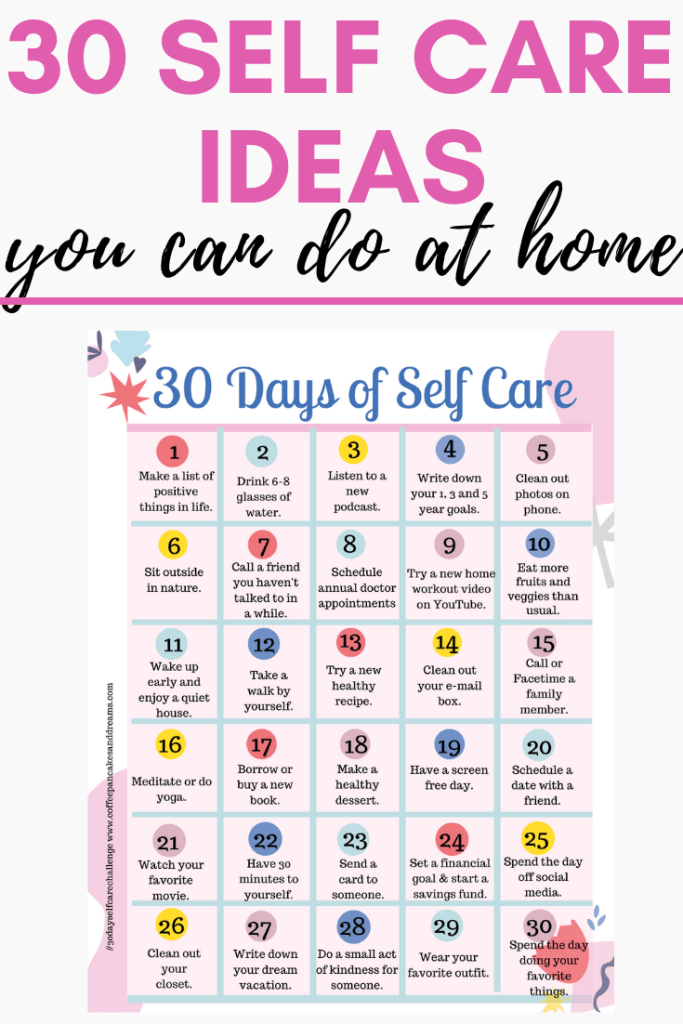
“I can’t afford it” ⇛ Self-care doesn’t have to be expensive. There are several free or low-cost options, such as going for a walk, doing yoga at home, journaling, reading a book, coloring, or listening to music or a podcast.

“I don’t know how to do it” ⇛ It doesn’t have to be complicated. Find something you enjoy doing, and go do it. Find what works for you and make it a regular part of your routine. For me, self-care includes reading, exercising, listening to podcasts, and journaling + the very occasional massage.

“I’m too tired” ⇛ This is an even better indication to take time for yourself! Self-care can help boost energy levels, relieve stress and burnout, and improve sleep.

“I don’t have anyone to do it with” ⇛ You can still take care of yourself while flying solo.
Tips:

  • Shift the way you think about self-care. Instead of feeling guilty, shift your thoughts to that of well-deserved time to focus on and care for yourself. If you take care of yourself, you will be a more fun person for others to be around.
  • Prioritize self-care. Schedule self-care and include it in your regular routine.
  • Set boundaries. Practice saying no to things that don’t align with your priorities or that are draining you. Every time you say no to another obligation, you are saying yes to yourself.
  • Use small chunks of time. If you can’t find a long burst of time for self-care, use the short bursts of time you have. Maybe spend 10 minutes a couple times a day for yourself, and as you get better at finding dedicated time to yourself, you can increase it to a daily routine.
  • Ask for help and be willing to accept help. Delegate tasks if you are able to so that you can have some time for yourself.

Crina and Kirsten Get to Work- Workplace Mental Health Takes Center Stage: A New Priority for the Surgeon General

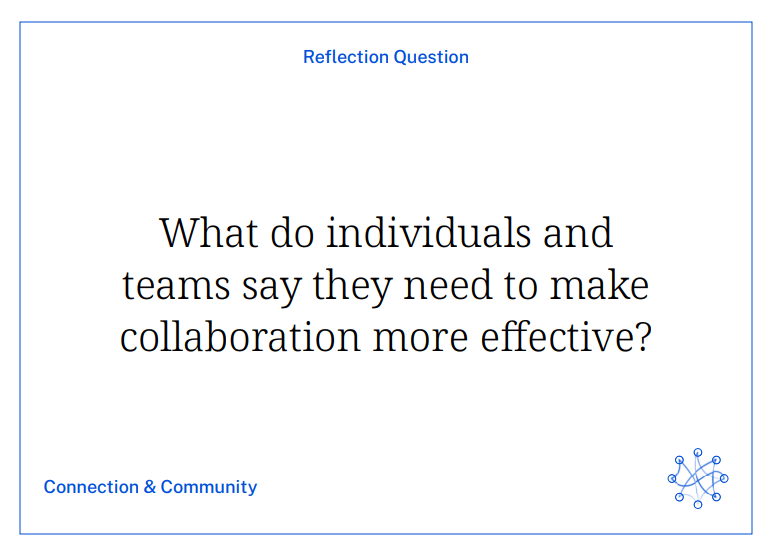
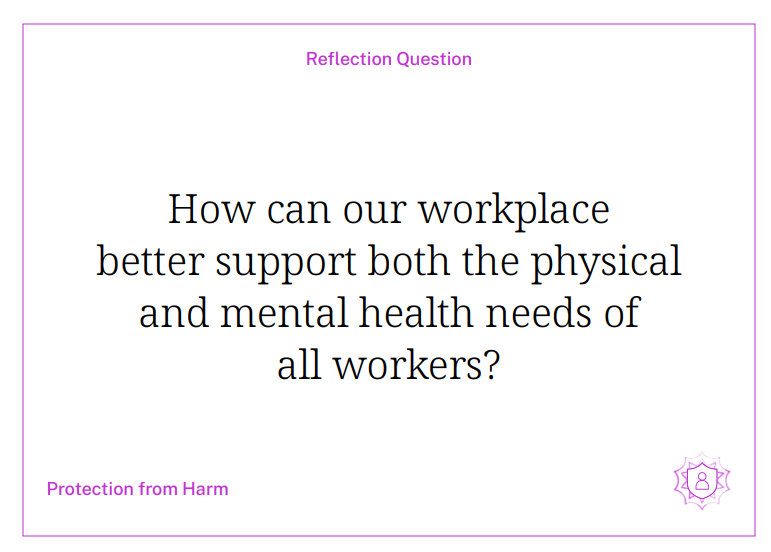
The Office of the Surgeon General created a framework for workplace mental health and well-being. All reflection questions are taken from: https://www.hhs.gov/sites/default/files/reflection-questions-workplace-mental-health-well-being.pdf

  • Protection from harm: safety and security.
    • Prioritize workplace physical and psychological health.
    • Enable adequate rest.
    • Normalize and support mental health by validating challenges, communicating mental health and well-being as priorities, and offering both support and prevention services.
  • Connection and community: social support and belonging.
    • Create cultures of inclusion and belonging.
    • Cultivate trusted relationships.
    • Foster collaboration and teamwork.
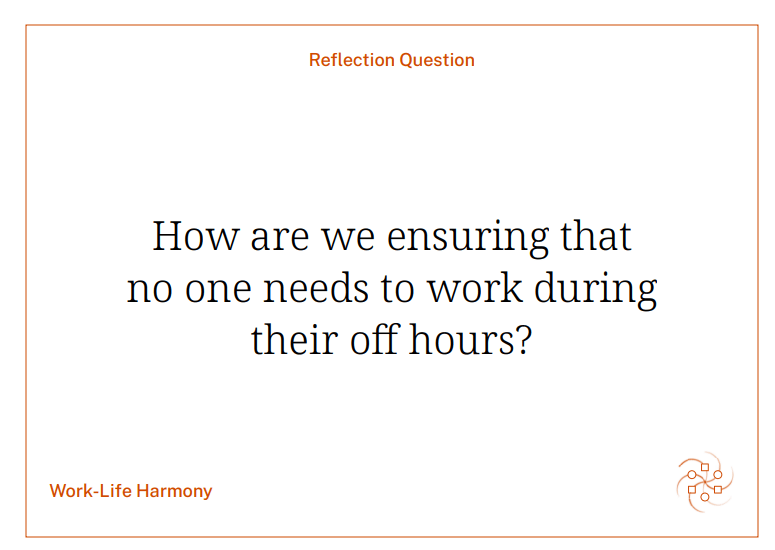
  • Work-life harmony: autonomy and flexibility.
    • Provide more autonomy over how work is done.
    • Make schedules as flexible and predictable as possible.
    • Increase access to paid leave.
    • Respect boundaries between work and non-work time.
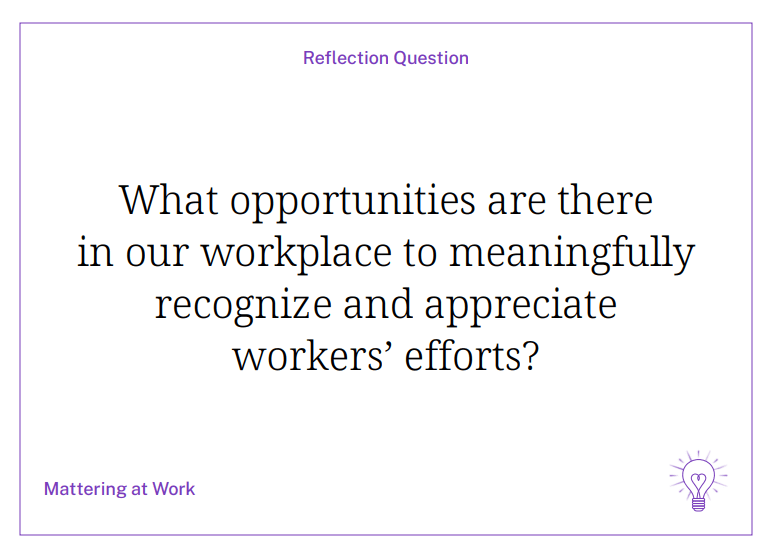
  • Mattering at work: dignity and meaning.
    • Provide a living wage.
    • Engage workers in workplace decisions.
    • Build a culture of gratitude and recognition.
    • Connect individual work with organizational mission (shared purpose).
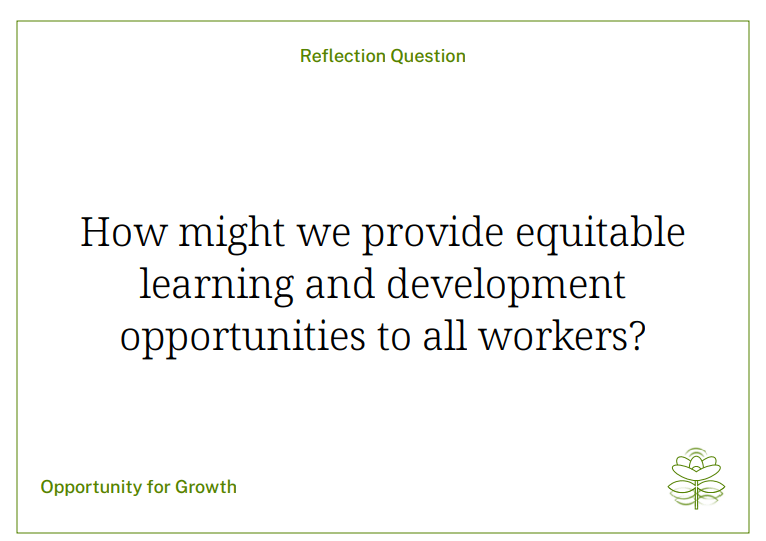
  • Opportunity for growth: learning and accomplishment.
    • Offer quality training, education, and mentoring.
    • Foster clear and equitable pathways for career advancement.
    • Ensure relevant and reciprocal feedback.
How is your employer doing with all of these?

I look forward to reading, learning, and sharing more with you soon!
Thoughtful Thursday posts, Uncategorized

Thoughtful Thursday- April 27, 2023

My intention is to post a Thoughtful Thursday column each week and share some of the insights I have learned in the past week. Here are some of the things I’ve learned this week:

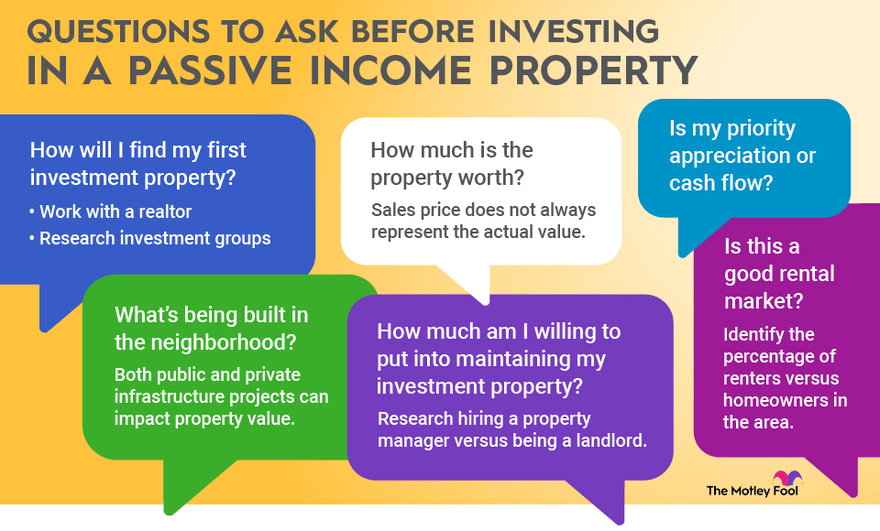
Optimal Finance Daily- Rental Properties Pros and Cons by Andy Hill (Part 1)
Optimal Finance Daily- Rental Properties Pros and Cons by Andy Hill (Part 2)

Many people aspire to own rental properties to earn more money and often refer to rental properties as passive income. Here are the facts.

Pros:

  • Real estate can outperform index funds.
  • You can grow your income stream more quickly.
  • House hacking- some people are able to rent a room or area of their homes that covers much of their housing costs.
  • You can work with a property manager so that you don’t need to field late-night calls of issues.

Cons:

  • *REAL ESTATE INVESTING IS NOT PASSIVE.* You need to dedicate time to ensure you’re doing it right financially, legally, and ethically.
  • Taxes and insurance costs can be unpredictable.
  • Neighborhoods can be unpredictable. A changing neighborhood can make it difficult to lease your property and can change the type of tenants who want to live there.
  • Leverage requires increased risk. You need to really understand how your money is invested and how your properties are generating income.
  • Home values can drop in tough times. It’s nearly impossible to predict how the real estate market will move.
Self Care IRL- All the reasons we need to stop saying, “I’m sorry for your loss” + 8 Alternatives

“I’m sorry for your loss.” We see this commented on social media and hear this phrase frequently when a loved one dies. Most people don’t know what else to say, and this phrase is so overused that it can come across as insincere. Here are 8 excellent and genuine alternatives to “I’m sorry for your loss.”

3 things you can say IF YOU ARE WILLING TO HELP/FOLLOW THROUGH:

“I’m so sorry that you’re in pain right now, but I am here with you and for you. I am willing to help in any way I can. Is there anything that you can think of that you need right now?” Tip: be prepared to help if asked. Do not use this if you won’t follow through.

“I know there will be some challenges ahead for you. I want you to know that I’m here and I’m willing to help. Would it be okay if I call next week to check in?” Tip: actually call next week and follow through.

“I know there’s nothing I can say right now to make things better, but also, I know that having someone to talk to at times like this is really important, so if it’s okay, I’ll call you next week when things settle for you.” Tip: actually call next week.

5 things you can say that don’t require you to help or follow through:

“Your mom was an incredible person. I see so much of her in you. I’m keeping you in my thoughts.”

“Your friendship/relationship was so special. I’m saddened by the news. You’re in my thoughts.” The podcast host said this is a great remark for someone you mostly know on social media.

“May God continue to shine a light on the joyful memories you get to hold in your heart.”

“Sending big hugs your way and wishing you peace, joy, and comfort.” The podcast host said this is perfect for online empathy.

Adult Education- Health Disparities with Dr. Lisa Cooper
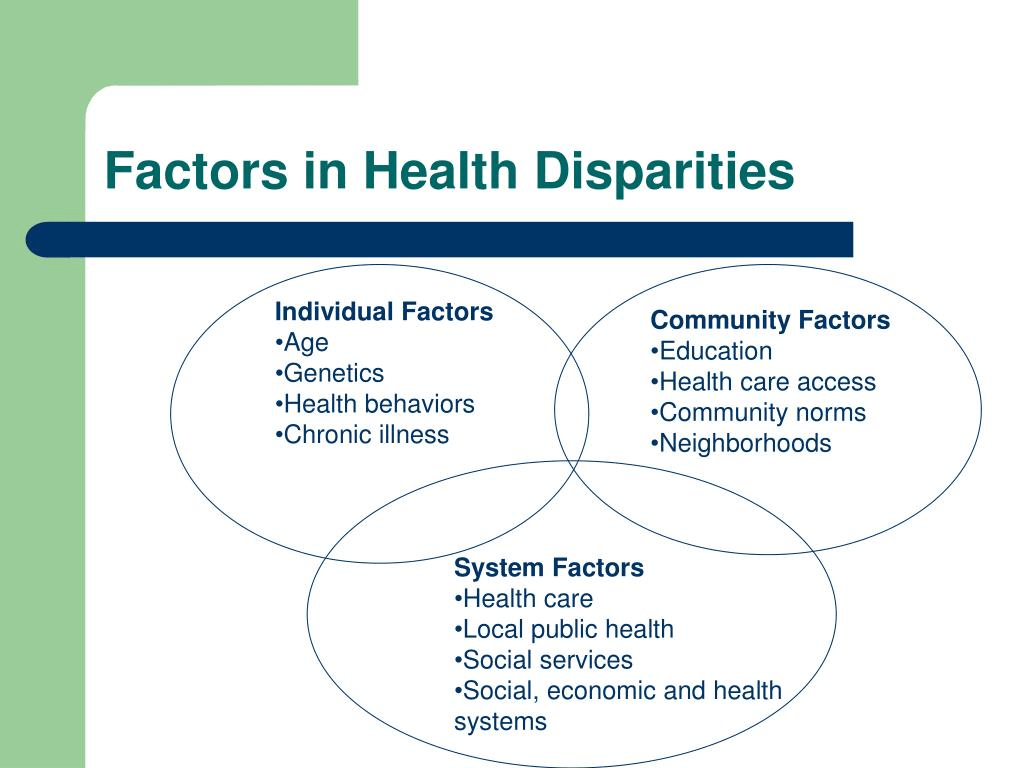
  • There are people in America who live on the same street who have very different access to healthcare. It is not just about $; it is about access and systems. This can include access to transportation, access to insurance, and access to networks and facilities covered by insurance.
  • Some neighborhoods where a lot of people of color live do not have access to supermarkets with many fresh fruits and vegetables, schools in these neighborhoods often don’t have the same investment, and oftentimes there are fewer businesses. These are all examples of possible health disparities.
  • Health disparities are avoidable differences in health among groups that have different levels of wealth, power, or prestige in society. They are unjust and unfair and can impact rural areas, women, people with disabilities, people in poverty, and minorities.
Stuff You Should Know- How Game Shows Work
  • The first game show was aired in 1938 Great Britain and was called Spelling Bee. It was an actual spelling bee.
  • If people are winning more $ than budgeted each episode, sometimes they are presented with lotto options, such as payouts over a number of years instead of all at once.
  • Bob Barker was a game show host from 1956-2007 (1956-1975 for Truth or Consequences + 1972-2007 for the Price is Right).
  • In 1991, there were 2 game shows still filming: Price is Right and Family Feud. Wheel of Fortune’s daytime show got the axe. Game shows came close to extinction, as they were replaced with daytime talk shows. The Price is Right and Family Feud never went away.
  • Game shows are cheap to produce, so you can find them in most countries around the world.
  • 3,000 people try out for Wheel of Fortune every year and only 500 make the cut.
  • Being on a game show sounds exciting, but 5-6 episodes are usually filmed each day, so there is a lot of standing around (without access to your phone)!
Freakonomics Radio- The Most Interesting Fruit in the World

Something to ponder: In a grocery store, there are a wide variety of apples, almost all of which were grown in the United States. Yet, they are more expensive (per pound) than bananas. This is wild to think about considering that bananas in the United States are all imported and have been grown, picked, boxed, washed, and placed in ripening rooms in another country. Bananas are typically the cheapest fruits around!

In 1900, Americans were eating 1.5 million bunches of bananas per year. By 1910, Americans were eating 40 million bunches of bananas per year!

Sailing as an export mode of transportation was not fast enough to reliably keep bananas from over-ripening. In the 1930s, refrigerated trucks allowed for bulk importation of bananas in the United States.

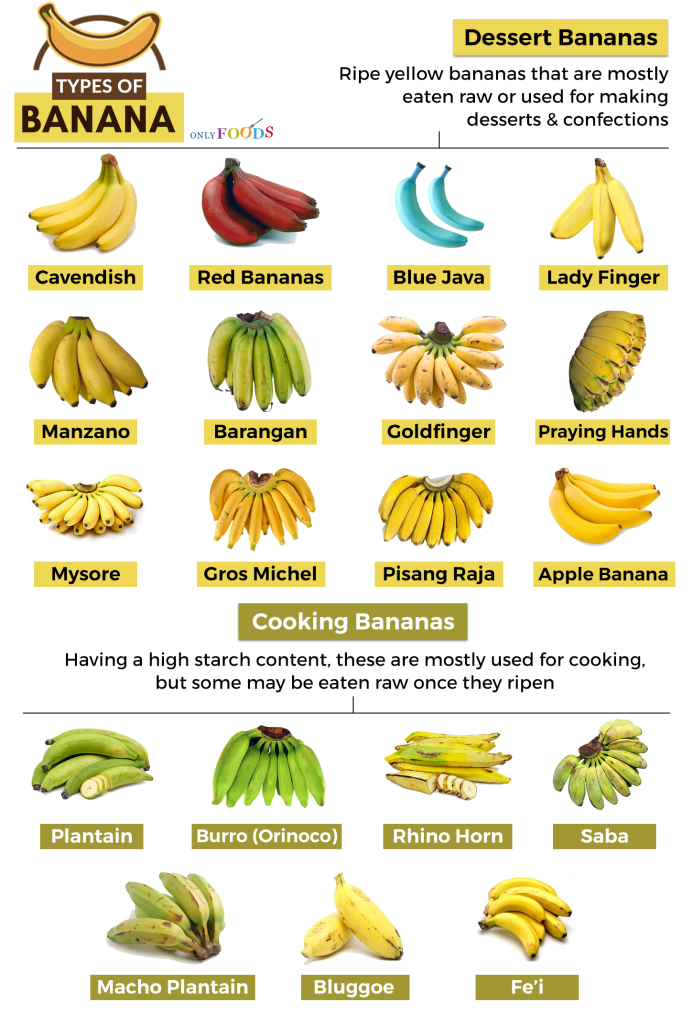
There are over 1,000 varieties of bananas in the world. The first popular one in the United States was the Gros Michel banana, also known as the “Big Mike” banana. This was the most popular banana until the 1950s, when Panama Disease mostly wiped it out. Panama Disease is a fungus that causes the banana plant to wilt. The Gros Michel variety has been virtually extinct since the 1950s, but this variety is still grown in Uganda.

This is a photo of the Gros Michel variety:

Bananas used to have seeds, but the banana was made seed-free using banana hybrids! The Cavendish banana is a human invention.

After Panama Disease wiped out most of the Gros Michel variety, the most popular banana changed to the Cavendish banana, which is what most of us eat today. Although the Cavendish bananas only account for 50% of global banana production, the Cavendish banana takes up 99% of the banana export market. India is the highest producer of bananas. and Ecuador is the largest exporter of bananas.

Bananas were once advertised as “fruit in a germ-proof wrapper.’

Bananas are the fourth most important crop in the world, behind rice, wheat, and corn! 400 million people rely on bananas as a source of food or a source of income.

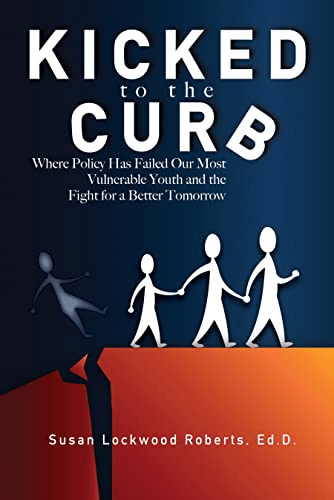
Earlier this week, I read “Kicked to the Curb: Where policy has failed our most vulnerable youth and the fight for a better tomorrow” written by Susan Lockwood Roberts. I learned so much and here is a summary of my thoughts.

This book was a very insightful, easy read. The author addressed the problems with the education system, especially in educating incarcerated youth using the same cookie-cutter approach used in the standard education system, yet with less funding. Under-performing youth are viewed as difficult and are often kicked to the curb, resulting in societal costs of unemployment, non-productivity in the workforce, and crime. Teachers often teach the way they were taught, and this does not usually work when teaching incarcerated children. Students who are at risk due to family relationships, aspiring to be a first-generation high school graduate, or poverty likely need relationships in order to succeed and may require a more individualized, targeted approach. The author worked in engaging policy problems and changing methodologies in order for children, teachers, and staff to succeed. Some of these programs included daily adult mentoring, work-based learning experiences, career exploration and goal setting, professional development for teachers so that they can shift the way they do things according to the backgrounds of the students, reforming curriculum and acquiring updated textbooks, and developing methods of engaging students using a variety of instructional strategies. The author acknowledges that progress has been made, but that more needs to be done.

When youth don’t finish high school, the path to a high school credential is through adult education, and adult education programs receive less than 10% of funding going to K-12 and less than 5% of what is spent to support higher education. As a result, fewer than 10% of the people who need adult education services can access them. As a society, we can’t figure out how to invest more money in education, but we don’t know about the $225 billion lost every year to low literacy and numeracy among our citizens. What do we value?

This blog post (https://www.gabethebassplayer.com/blog/your-contribution) made me consider 3 questions we should ask ourselves frequently in our jobs and our lives. Say you want to make progress toward a goal, such as starting a daily habit or training for a marathon. Ask yourself these questions and reflect:

  1. Are you content with your contribution (right now)?
  2. Are you content with what you’re contributing (right now)?
  3. What are you contributing (right now)?
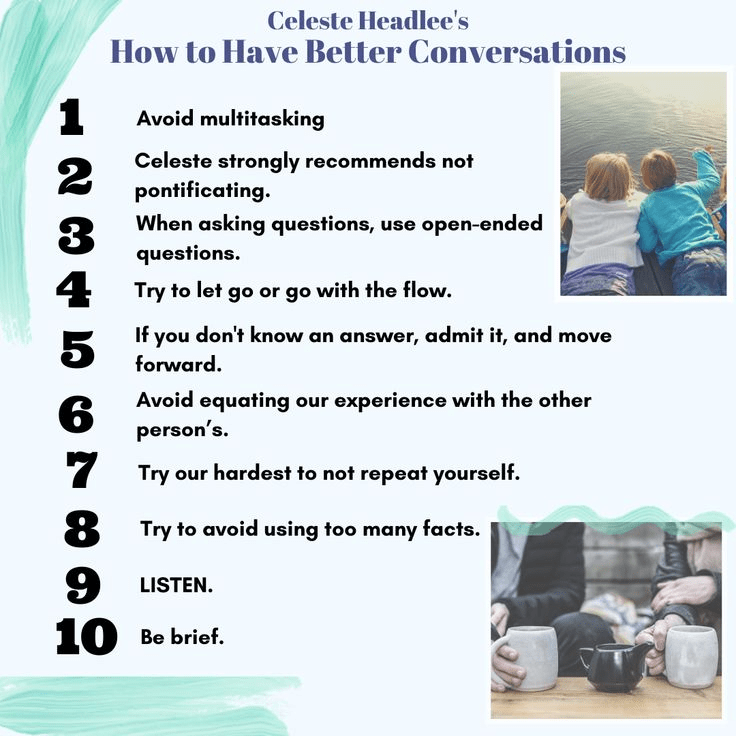
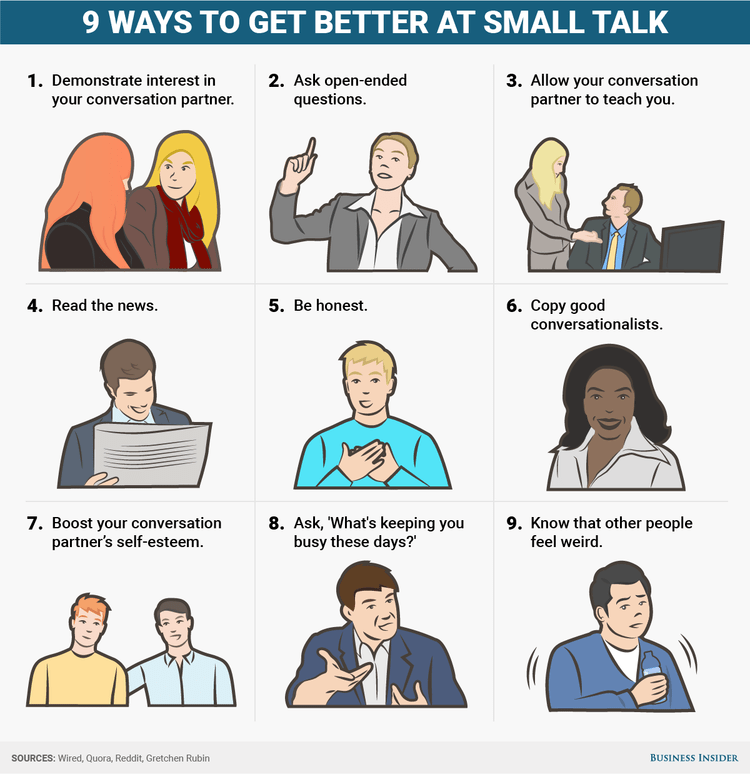
TED Talks- Celeste Headlee- 10 Ways to Have a Better Conversation

It used to be that in order to have a polite conversation, we just had to stick to the weather and our health. These days, with climate change and anti-vaxxing, those subjects are not always safe either.

A conversation requires a balance between talking and listening. Conversational competence might be the single most overlooked skill we fail to teach. An important skill is being able to have a coherent and competent conversation.

  1. Don’t multitask. Be fully present.
  2. Don’t pontificate. Enter every conversation assuming you have something to learn. Sometimes that means setting aside your personal opinion. Everyone you will ever meet knows something that you don’t.
  3. Use open-ended questions. Start your questions with who, what, where, when, why, or how. This allows people a chance to think about the question and respond with a genuine response.
  4. Go with the flow. Stories and ideas are going to come to you, but sometimes you need to let them go to fully listen to what the other person is saying.
  5. If you don’t know, say that you don’t know. Talk should not be cheap.
  6. Don’t equate your experience with theirs. All experiences are individual, and it is not always about you.
  7. Try not to repeat yourself. It’s boring and condescending.
  8. Stay out of the weeds. You don’t need to remember and present all of the details.
  9. LISTEN. If your mouth is open, you’re not listening and learning. Listen first to understand, then to reply.
  10. Be brief. Conversations should be short enough to retain interest, but long enough to cover the subject.

All of this boils down to one sentence: Be interested in other people. Go out, talk to people, listen to people, and be prepared to be amazed.

I look forward to reading, learning, and sharing more with you soon!
Thoughtful Thursday posts, Uncategorized

Thoughtful Thursday- April 13, 2023

My intention is to post a Thoughtful Thursday column each week and share some of the insights I have learned in the past week. Here are some of the things I’ve learned this week:

Science Vs. – Weight Loss Meds: Is Ozempic a Miracle Drug?
Food, We Need to Talk- Ozempic- The “Magical” Weight Loss Drug

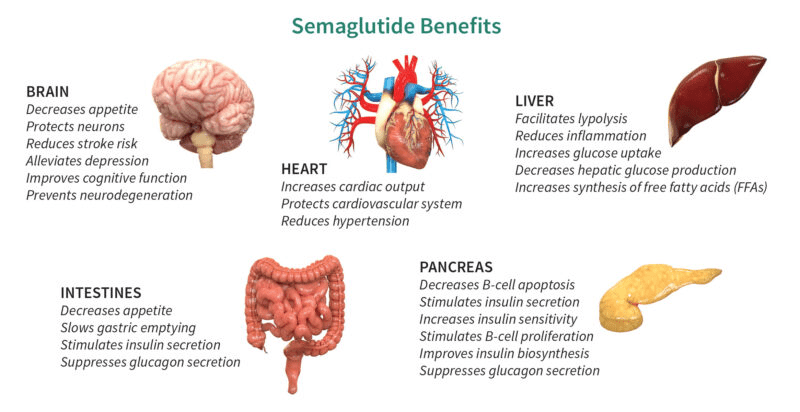
**I have not used Ozempic and am not authorized to make medical recommendations. I am simply reporting what I have learned.** Ozempic has been a popular topic in the news and social media lately, and I wanted to learn more about it. I have the following notes from the two podcasts:

  • Ozempic is a diabetes drug that also causes weight loss. Many people are using it strictly as a weight loss drug, resulting in a shortage due to an “unexpected increase in consumer demand.”
  • Ozempic has the lowest side effect profile and actually works. Side effects include nausea (after 5 months, 25% of people reported nausea) and GI issues. People have generally concluded that the side effects are worth it.
  • Wegovy was a popular weight loss drug, but during the pandemic, Wegovy faced supply chain issues for nearly one year, making Ozempic a popular alternative. Ozempic continues to be the most popular.
  • Many insurers won’t cover Ozempic unless diabetes has been diagnosed, but many people are willing to front the $1,200/month cost of Ozempic, especially celebrities.

The active ingredient in Ozempic is semaglutide, which works by inducing satietyOzempic reduces a consumer’s level of hunger and eliminates food cravings, resulting in people eating 1/4 to 1/3 less when taking Ozempic.

People who take this med will likely need to take this long-term. They gain most of their weight back when they stop taking the medication. Also, long-term effects have not been studied yet.

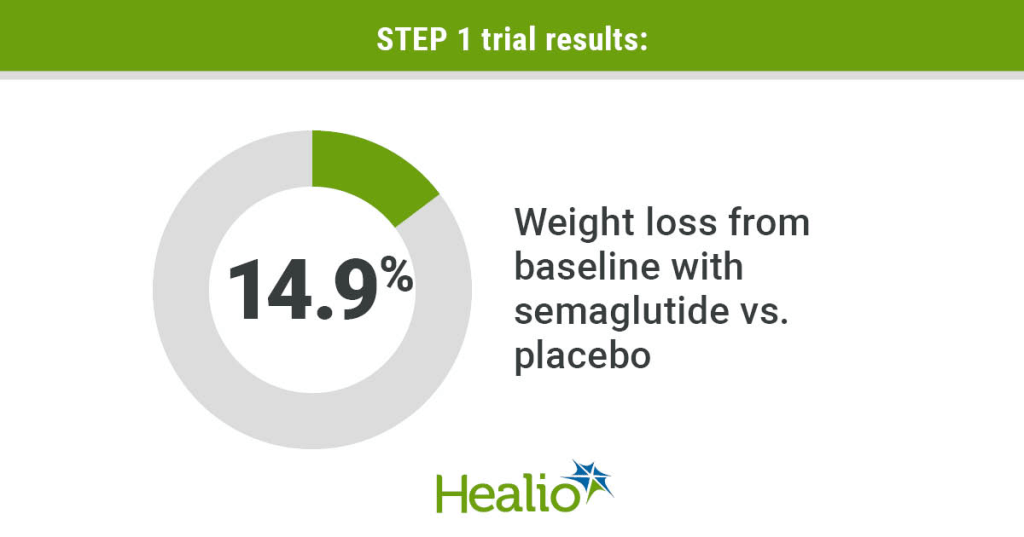
People are using Ozempic as a weight loss drug with great results. Some have lost 15-21% of their body weight!

It is important to continue exercising and having healthy habits even while taking a weight loss drug, and it is also emphasized that once people stop using Ozempic, they generally gain the weight back because their hunger levels and food cravings return to their normal levels pre-Ozempic.

The Daily Stoic- Don’t Make Assumptions

You don’t get a joke, so you say it’s not funny. You love your job, so you have no patience for people who complain about theirs. You’ve been successful, so you can’t understand why others struggle. Things that are different from your preferences are “weird.”

Our personal experiences make up a tiny percentage of the world, but a huge percentage of how we perceive the world.

A stoic tries not to jump to hasty judgments and puts their impressions up to the test. A stoic makes space for there to be other means of being, even the ways we don’t understand.

The Clever Girls Know Podcast- 9 Money Leaks Affecting Your Finances and How to Fix Them
  • Paying delivery fees. Before paying for shipping or delivery, Google search for free shipping or delivery codes!
  • Disposable products (water bottles, cutlery, paper towels). Use a reusable water bottle, pack your own utensils for your work lunches, and use rags or towels instead of paper towels.
  • Food waste. Buy only what you’re going to eat and cook. Meal prep. Freeze leftovers. Do an assessment of your food before shopping.
  • Bank fees (overdraft fees, ATM fees, account fees). Look for banks with overdraft protection, no account fees, and a wide network of free ATMs.
  • Subscriptions for products and services. Make sure you aren’t bulking up if not needed. Make sure you are using streaming services and other subscriptions. Cancel them if you aren’t.
  • Name brand products instead of generic. Often the generic products contain the same ingredients and taste the same.
  • Coffee and snack shops. Learn to make your own coffee or tea and buy the coffee beans or loose leaf tea your favorite shop uses. Keep snacks on hand.
  • Gym memberships- Are you getting your money’s worth? Cancel if you rarely go.
  • Unused insurance policies (vehicles). Do you still drive, or do you take public transportation? If you rarely drive, let your insurance know to see if you can get discounts on your premiums. If you never drive or rarely drive, you could consider selling your vehicle and taking public transportation or Uber/Lyft rides if that would be cheaper than paying for insurance and vehicle maintenance.
Self Care IRL- The best habits you should still hold onto post-pandemic
  • Learning and chasing new hobbies. Many people picked up a quarantine hobby.
  • Focus on supporting others (small businesses, healthcare workers, acts of kindness)
  • Embrace simplicity. You don’t always have to be doing something.
  • Make your home feel like home. You deserve to feel cozy and happy.
  • Taking care of yourself. Carve out space for you to be alone with your thoughts and feelings. You should be your #1 priority. Therapy, journaling, meditation, etc.
  • Spending more time in nature. Don’t make it so that you miss the calmness you were chasing during the pandemic. Go outside! Listen to the birds chirp. Go on a walk.
  • Not feeling guilty for spending a night in. Don’t feel pressured to go out. You can’t miss out on the time you spend with yourself.
  • Checking in on your loved ones. Random phone calls and video chats during the pandemic were at an all-time high. Remember when people called you just because?
  • Not going out or going to work if you feel sick. Listen to your body.

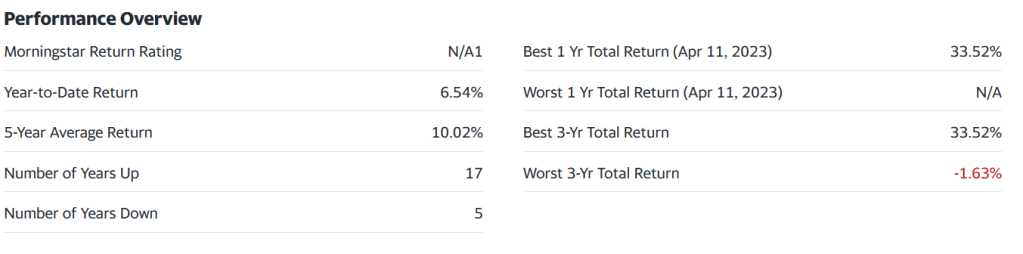
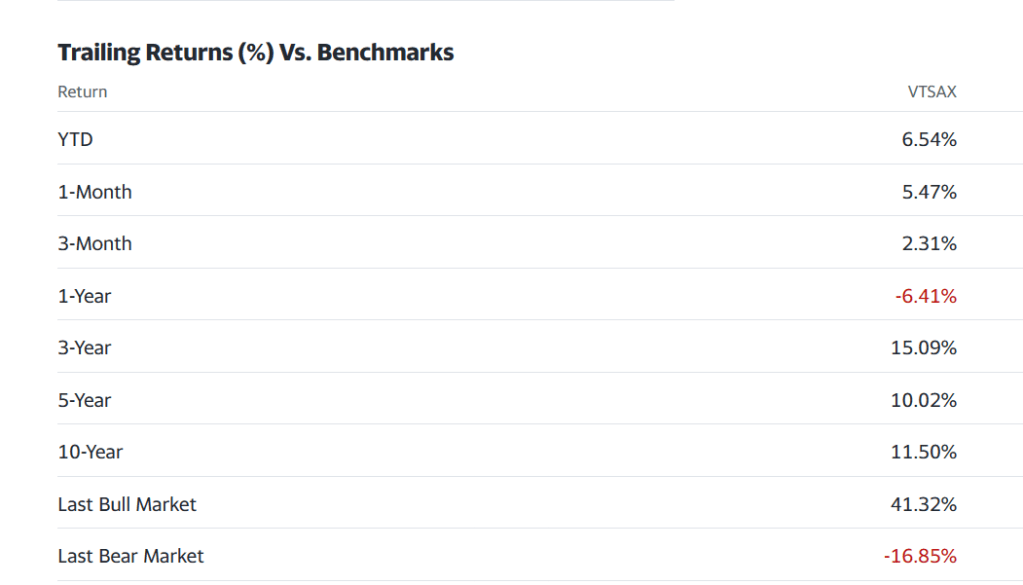
I have been reading “The Simple Path to Wealth” as part of a book club. This book emphasizes investing in VTSAX, Vanguard’s Total Stock Market Index Fund. I also read a blog post highlighting VTSAX for people who want to retire early:

https://www.ourrichjourney.com/post/5-reasons-why-vanguards-vtsax-index-fund-is-our-top-fire-investment

Some of the things I’ve learned:

  • The expense ratio is 0.04%, which is over 70% lower than the industry average!
  • VTSAX also beats around 80% of actively managed mutual funds, and you save money by not having to pay for an active manager.
  • VTSAX invests in the total stock market. Owning VTSAX allows an investor to own almost all of the companies trading in the U.S. stock market.
  • VTSAX constantly self-cleanses. There are inevitably companies that fail and companies that succeed. As soon as a company fails, it will drop off the stock market and won’t be tracked by VTSAX, so VTSAX will *never* go to zero.
  • VTSAX is easy, straightforward, and requires very little effort to understand.

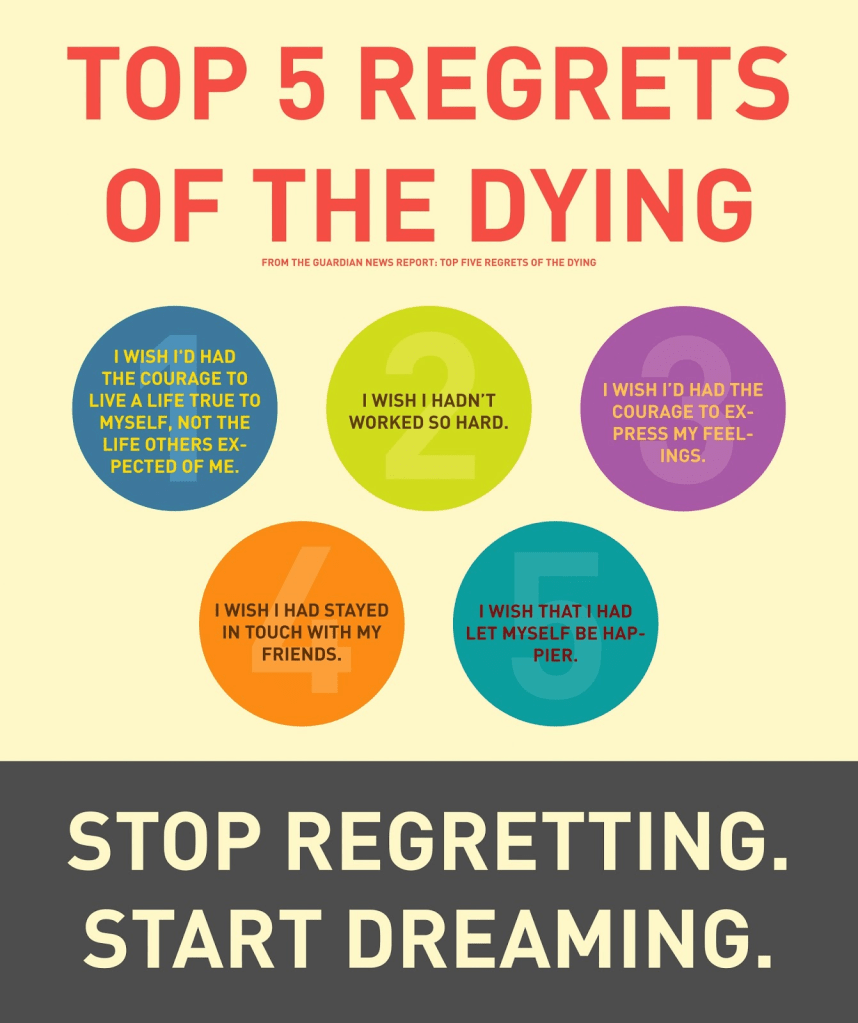
I finished reading “Top 5 Regrets of the Dying” written by Bronnie Ware. I was surprised to learn the top 5 regrets of the dying, and I was inspired to not have these same regrets:

  • 1. I wish I’d had the courage to live a life true to myself, not the life others expected of me.
  • 2. I wish I hadn’t worked so hard.
  • 3. I wish I’d had the courage to express my feelings.
  • 4. I wish I had stayed in touch with my friends.
  • 5. I wish that I had let myself be happier.

I look forward to reading, learning, and sharing more with you soon!
Thoughtful Thursday posts, Uncategorized

Thoughtful Thursday- April 6, 2023

My intention is to post a Thoughtful Thursday column each week and share some of the insights I have learned in the past week. Here are some of the things I’ve learned this week:

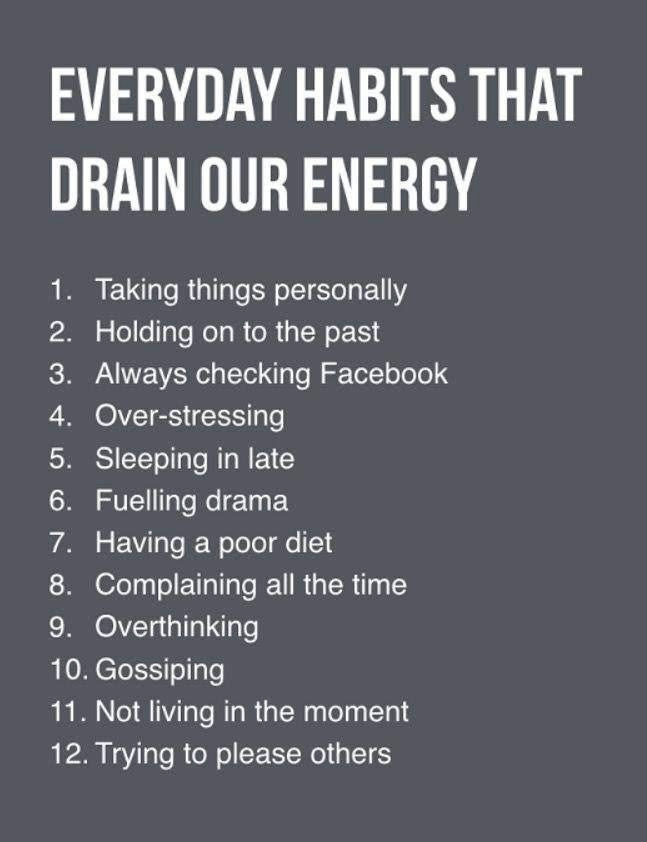
Psych2Go – 8 Daily Habits that Drain Your Energy

These daily habits can cause you to feel stressed, anxious, and exhausted:

  1. looking on the negative side of life/being a pessimist
  2. overthinking
  3. living in the past and taking your focus off of the present moment
  4. associating with negative people and drama
  5. using social media to bring you down and fall into the comparison trap
  6. having a poor diet
  7. not exercising regularly
  8. having an unhealthy or irregular sleep schedule

When a box of girl scout cookies is sold for $5.00, $1.50 goes to the bakery that made it and $3.50 stays local and is split between the regional troop and the troop you bought it from.

The career record is $180,000 boxes sold, resulting in a college scholarship. Girl scouts can increase sales by setting up a booth at a populated place, such as a supermarket parking lot. This results in more sales than going door-to-door.

In 2014, Girl Scouts started accepting credit cards using mobile card readers and began selling cookies online.

The pandemic resulted in fewer girls enrolling in Girl Scouts, supply chain issues, and labor shortages that made it harder for bakeries to produce cookies. The Scouts started using DoorDash to deliver cookies same-day!

DoorDash Partners with Girl Scouts of the USA to Offer Exclusive On-Demand Delivery as Girl Scout Cookie Season Kicks Off

Business lessons:

  • Each season, each scout commits to selling a specific # of boxes, and she gets to decide how many. The troop pays for the boxes upfront and the scout repays the troop with the money from the sales. If you have excess boxes because you didn’t sell as much as you committed to, you usually have to pay the troop, but sometimes you can swap flavors with cookie hubs.
  • The harsh realities of cookie season (competition, finance risk, supply chain issues, technological disruption) are a part of the commerce business. This presents a great opportunity to build business skills.
How I Built This with Guy Raz- Mark Cuban Cost Plus Drug Company

**I have not used Cost Plus Drug Company myself. I combined information from this June 2022 episode and this updated article:

https://www.forbes.com/sites/joshuacohen/2023/01/01/mark-cubans-cost-plus-drug-company-continues-to-revolutionize-generic-drug-pricing/

Mark Cuban got involved through a cold e-mail from a radiologist who was working on a compounding pharmacy that could sell pharmaceuticals for less. They spent four years working with manufacturers and regulatory agencies, and Mark subscribed to and read every report and article he could get his hands on regarding healthcare and pricing before starting costplusdrugs.com in January 2022.

In the standard U.S. market, the prices of pharmaceuticals are set by considering Medicare as a percentage of the retail price, insurance companies, rebates, paying pharmacy benefit managers, etc. Cost Plus Drugs (costplusdrugs.com) is transparent in pricing: 15% market from their cost + $3 for handling + $5 for shipping. They are able to keep costs low by eliminating all of the others involved in the standard insurance process, and they use True Pill as a pharmacy/fulfillment center.

Costplusdrugs.com offers over 800 generic drugs. The company/website is especially beneficial for those who are uninsured or those who have insurance but are in the high deductible phase. For many generic drugs, the co-payment can be higher than the actual price of the drug.

The challenge in getting this company to scale more has been getting manufacturers to sell to Cost Plus because they are afraid of the response they will get from insurance companies who also work with them. Cost Plus generally does not want to work with insurance companies because they want to be the low-cost provider of every drug they sell.

Financial Feminist- Life Insurance 101 with Ladder

Lessons learned about life insurance:

  • Index universal life insurance is a scam.
  • Life insurance is a selfless product. You are paying for something YOU will never benefit from.
  • The younger you are, the cheaper life insurance will be.
  • A good rule of thumb is to have 10x your salary to cover all of your liabilities. Most people are only covered for their salary.
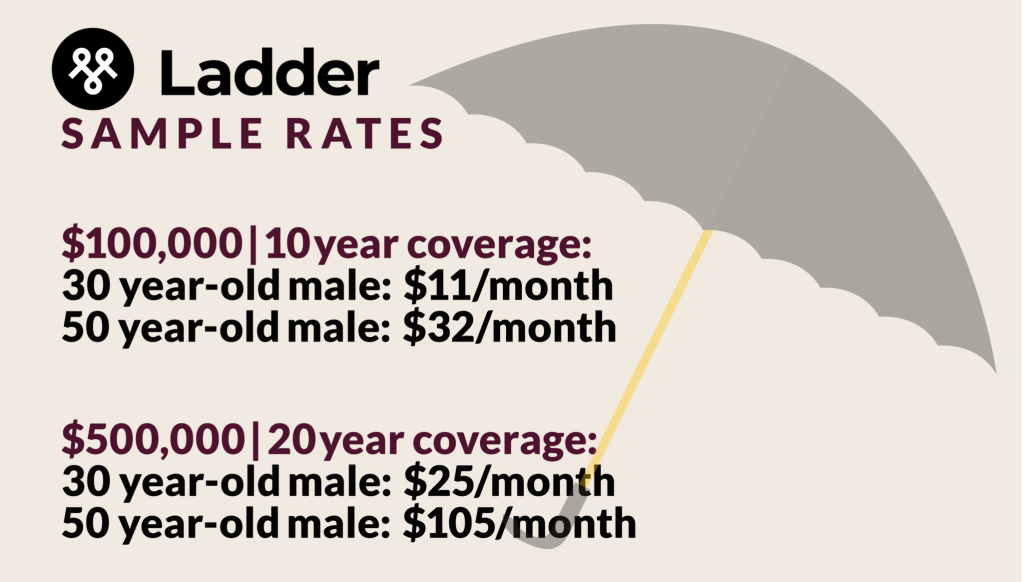
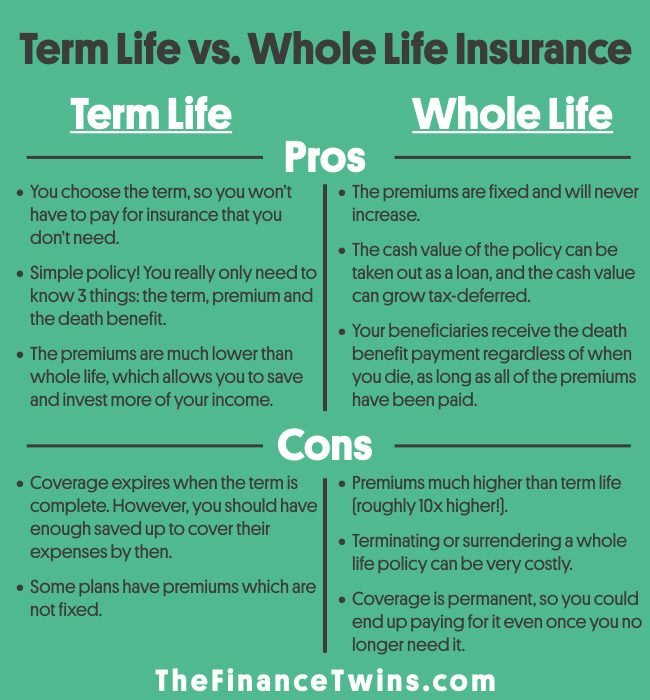
  • Term life insurance (offered through many companies such as Ladder) is the most cost-effective because you are only covered for a certain amount of time. You can invest the difference you would save buying term life instead of whole life insurance. Whole life insurance is permanent and is 4-10x more expensive.
  • Life insurance should be used for insurance, not an investment. Investing should be used for investing!
  • When looking for life insurance coverage, look for good pricing, reviews, financial ratings, transparency, and what’s being added on as riders.
  • If you are a stay-at-home mom, you should still have life insurance because your partner will need $ to cover childcare in the event you pass away. If you take care of your parents, you need life insurance to cover expenses for care providers for them in the event you pass away. If you have any liabilities, you should have life insurance.
  • If you don’t have financial liabilities (mortgage, auto loans, etc.), debts, or kids, life insurance is not necessary.
Self Care IRL- 8 Bedtime Rituals for your Mind & Body

The things you do right before bed can determine whether you toss and turn for hours or get a good night’s sleep.

Before bed, list priority items to handle the next day.

When you think of things you need to do during the day, think about whether you will do them today, tomorrow, or another day and schedule them. Then when you’re in bed you won’t have a racing mind of everything you need to do.

  1. Turn down the lights. Exposure to light causes your body to produce hormones that increase alertness. Don’t watch tv/use your computer/use your phone starting one hour before bedtime. Charge your phone in another room and use an actual alarm clock to wake you up.
  2. Slow down. By 8 p.m., your body should be in wind-down mode. Ditch the late-night workouts and active activities. Devote your evening to gentler activities.
  3. If you MUST, have a light snack or a treat. It doesn’t need to be something sweet. It can be something healthy but enjoyable to you—protein, a healthy carb, or chamomile tea
  4. Apply a fragrance. Lavender is an age-old remedy for insomnia. You can use lavender oil/vanilla pillow sprays, a diffuser, or a cotton ball with lavender in your pillowcase.
  5. Warm up. Raising your body temperature induces drowsiness. Take a hot bubble bath or slip under a heavy weighted blanket. A warm non-caffeinated beverage also works. Warm your body but keep your room cool.
  6. Treat your aches and pains earlier in the day to prepare yourself for sleep.
  7. Suspend all of your daily concerns. What if you get to bed on time but you lie awake worrying about credit card bills, tomorrow’s meeting, whether you watered your plants, called someone back, etc.> Let the day go and resolve to let go of distractions. You will sleep better if you can do this. If you are focusing on your breathing, your brain cannot simultaneously work overtime to worry.
  8. Meditate or pray.

Good quality sleep protects your mental and physical health. Rely on bedtime rituals that will help you doze off faster and stay asleep all night long.

Radio Headspace- Life Without Practice

We can have such tunnel vision of wanting to be better that we can lose sight of where we started. Stop, pause, and reflect on how far you’ve come and the progress you’ve made. TWe tend to forget about what our life was like before we achieved x, y, and z.

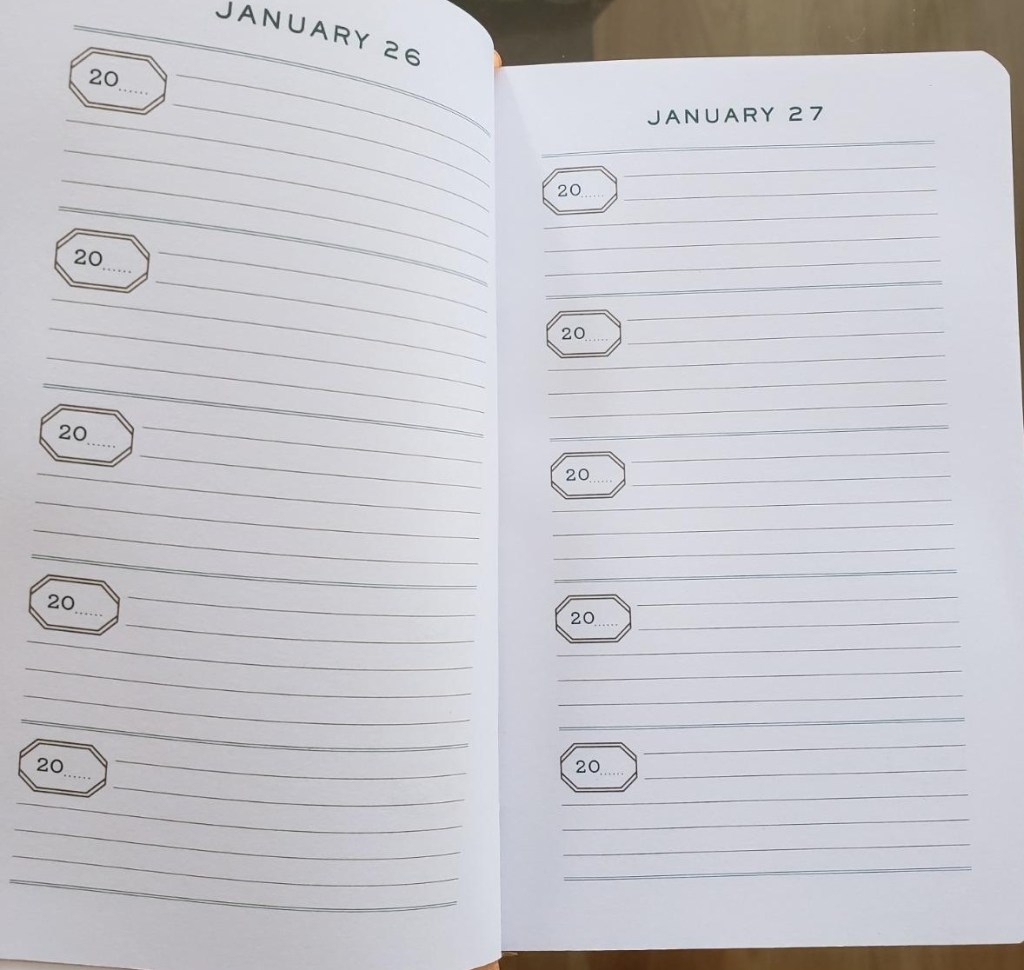
Document everything. Keep a notebook to record your emotions and thoughts. This will serve as a reference for how far you’ve come. I have been keeping a One Line A Day journal for over three years. It is a five-year dated journal in which you can look back on what you wrote that particular day for up to five years. Each night, I write something about my day–something that brought joy to my day, something I struggled with, something I did that day, etc. It has been interesting looking back at some things I wrote years ago and comparing those entries to where I’m at now.

Remember that you are a human before anything else and all moments of your life are worthy of being celebrated.

Sometimes when I am reading a book and come across an unfamiliar word, I Google it right then and there. One word I came across this week was bespectacled:

be·spec·ta·cled

[bəˈspektəkəld]

ADJECTIVE

  1. (of a person) wearing eyeglasses:

Ex: Mr. Merrick was a slim, quiet, bespectacled man.

I found this interesting because I have never heard anyone use that word!

I look forward to reading, learning, and sharing more with you soon!
Book review posts, Uncategorized

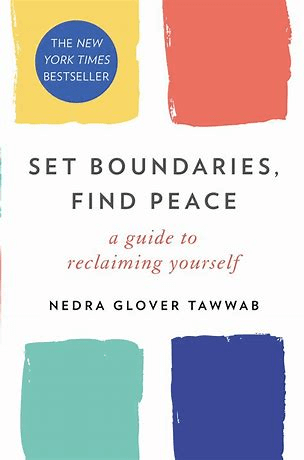
Set Boundaries, Find Peace

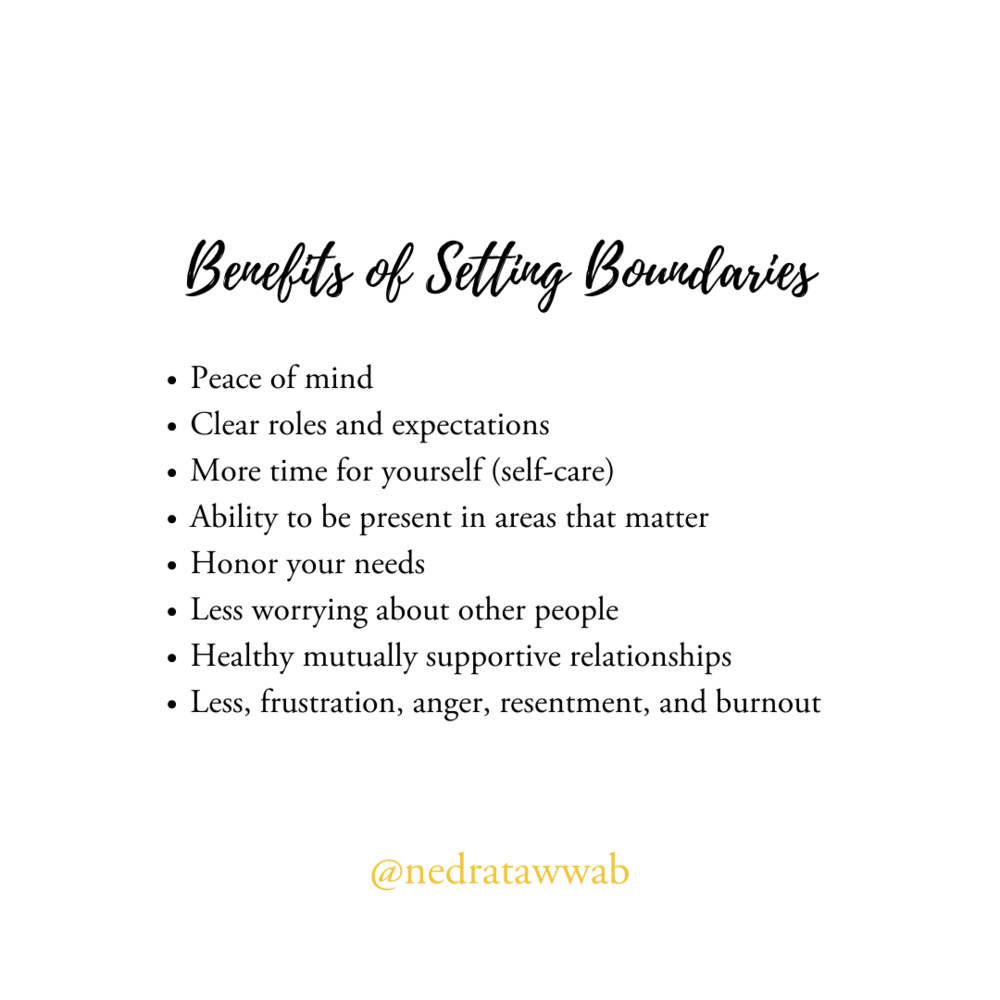
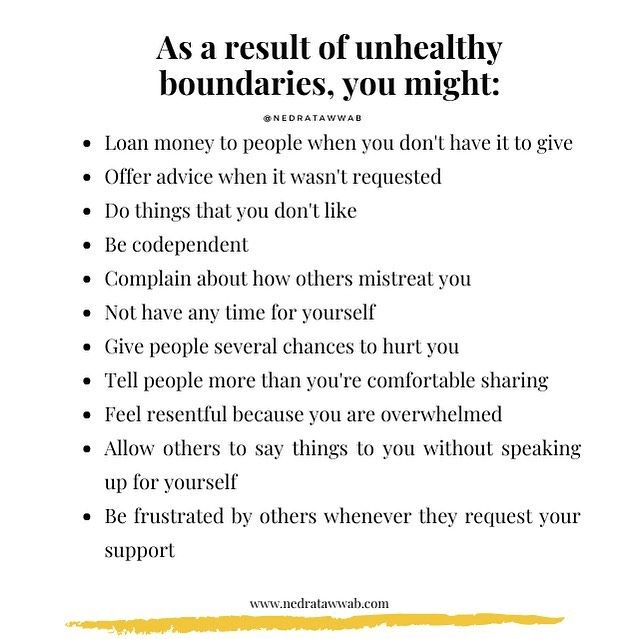
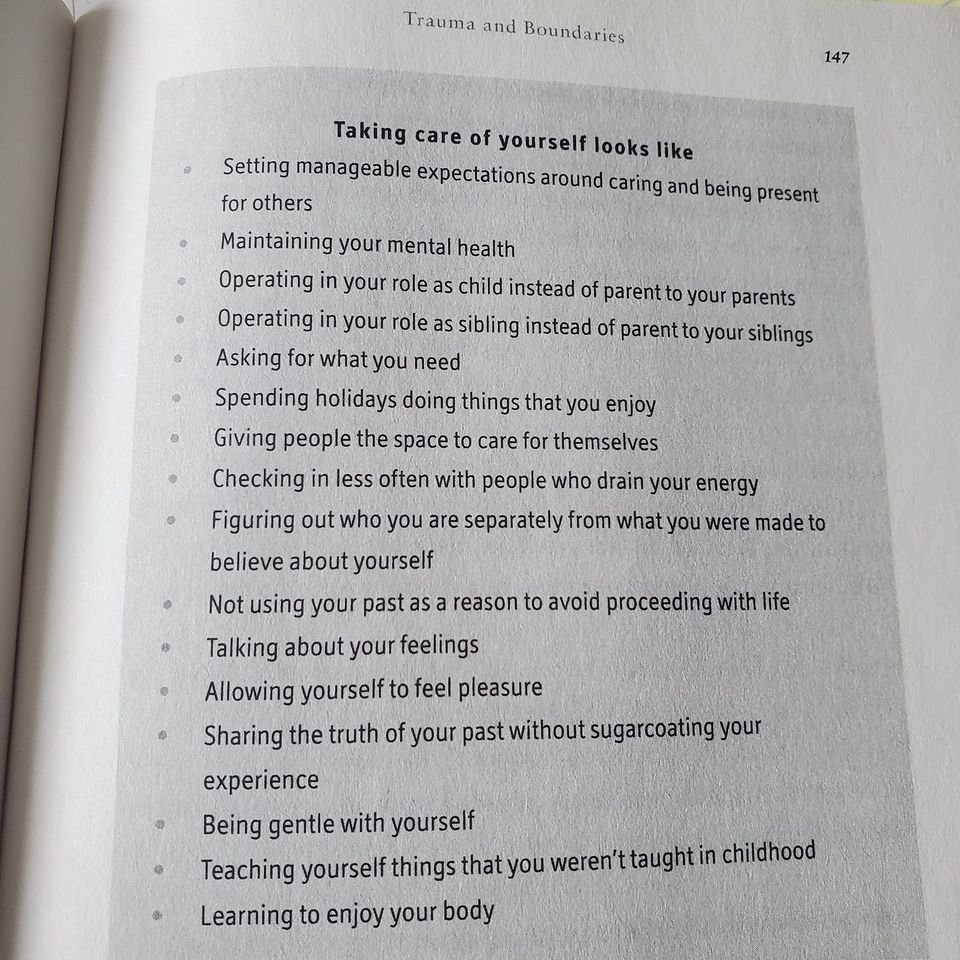
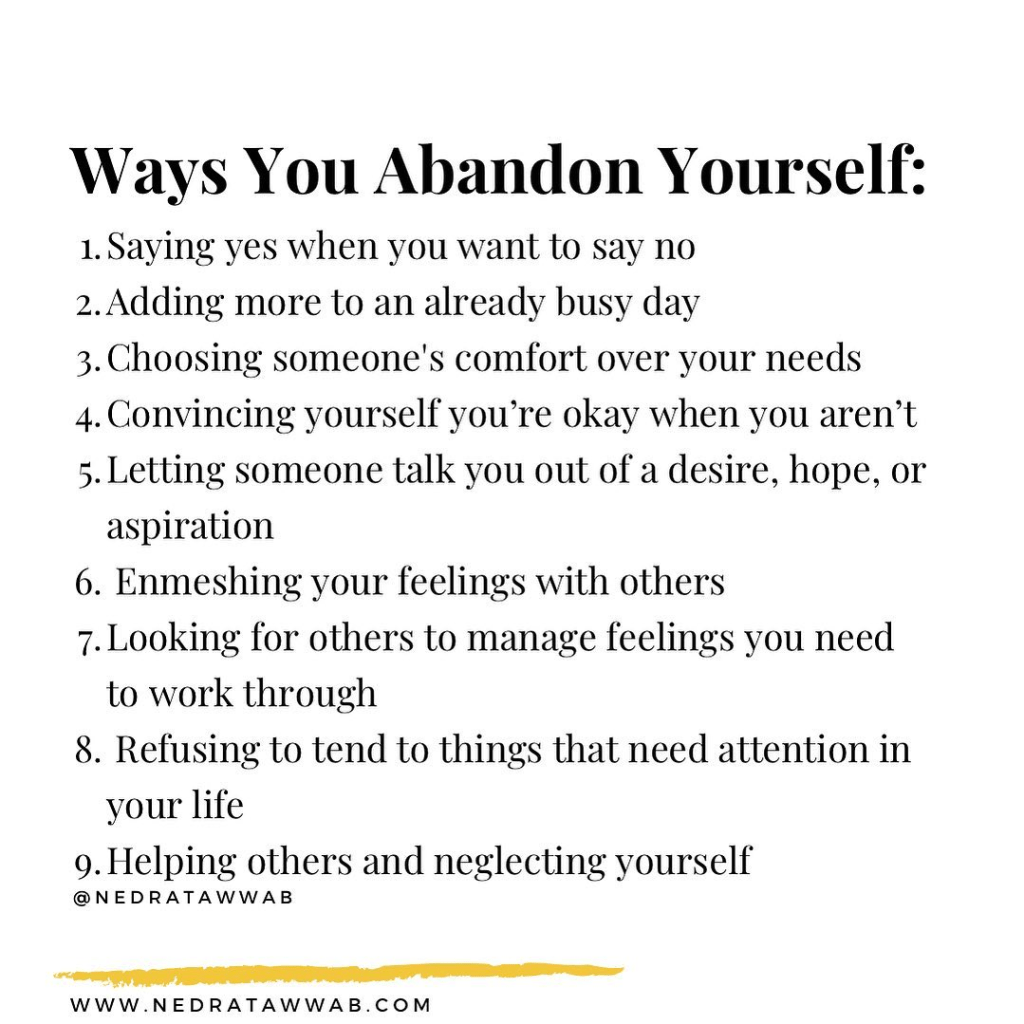
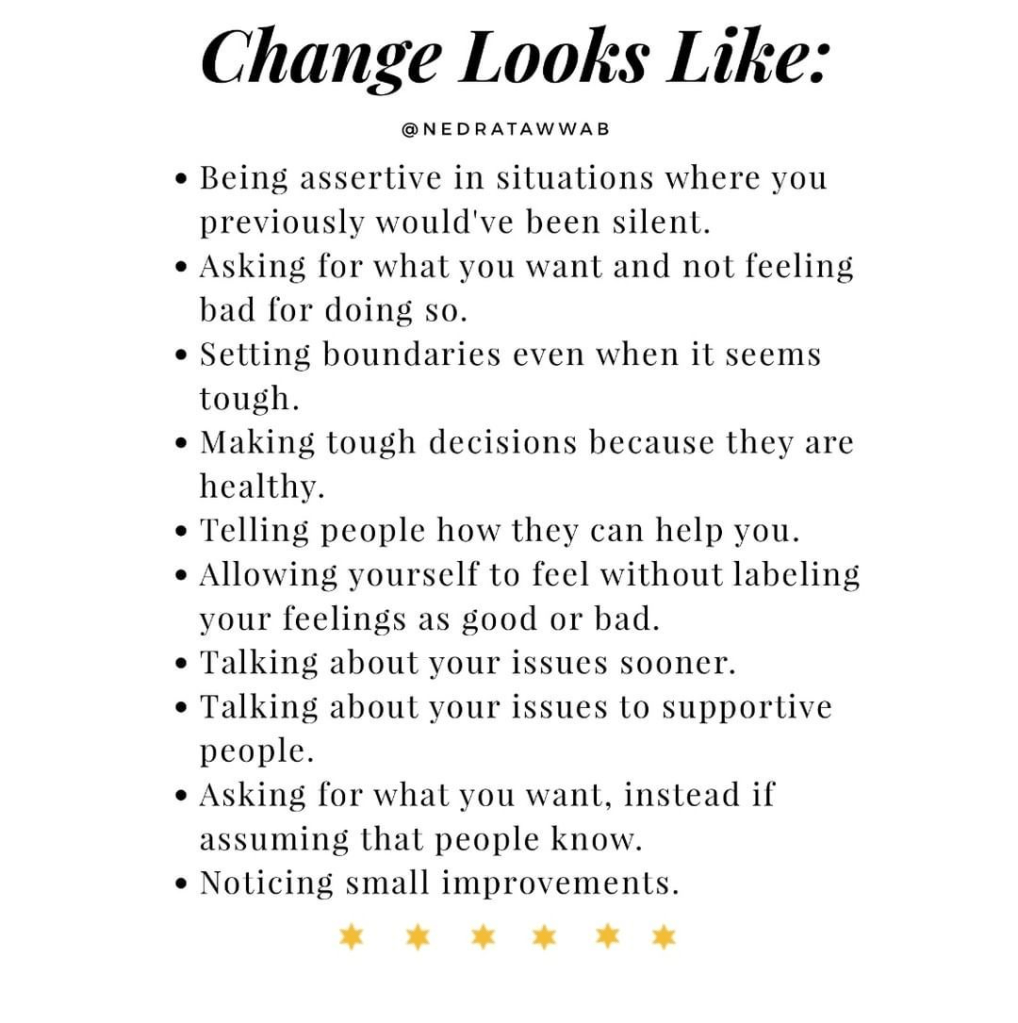
“Set Boundaries, Find Peace” was written by Nedra Glover Tawwab, a licensed therapist and sought-after relationship expert and owner of Kaleidoscope Counseling. Her philosophy is that a lack of boundaries and assertiveness underlies most relationship issues, and her gift is helping people create healthy relationships with themselves and others. This book was filled with insights about boundaries and actual examples of statements and boundaries that you can use. I believe everyone will get something out of this book!

You can follow her on Instagram at nedratawwab. She posts very helpful insights about boundaries and example statements of boundaries.

What are boundaries?

  • Boundaries are expectations and needs that help you feel safe and comfortable in your relationships. Put on your oxygen mask first before helping others.
  • Boundaries are a safeguard in overextending yourself, a self-care practice, a way to create healthy relationships, and a way to communicate your needs to others.
  • Boundaries are not unspoken rules. Unspoken boundaries are invisible. Avoid thinking “they should’ve known better” or “common sense would say…” Common sense is based on our own life experiences and isn’t the same for everyone. It is essential to communicate and not assume that people are aware of our expectations in relationships.

Don’t betray yourself to please others.

Nedra Tawwab

The healthiest way to communicate boundaries is to be assertive. Communicate your feelings openly and without attacking others.

The best boundaries are easy to understand: “I want…I need…I expect…” Examples: “I want you to stop asking me when I’m going to have kids.” “I need you to call me before you stop by.” “I expect you to return my ___ in good condition.”

There are two steps to boundaries: communication and action. You must uphold what you communicate through your behavior. If you don’t uphold your boundaries, others won’t either!

Common responses to boundaries: pushback, limit testing, ignoring, rationalizing and questioning, defensiveness, ghosting, silent treatment, and acceptance

  • Burnout is caused by not knowing when to say no, not knowing how to say no, prioritizing others over yourself, people-pleasing, and unrealistic expectations.
  • To avoid burnout, start asking yourself “Why is this important to me?” and only doing what is most important.

Ask yourself:

  1. Whose standard am I trying to meet?
  2. Do I have the time to commit to this?
  3. What’s the worst thing that could happen if I don’t do this?
  4. How can I honor my boundaries in this situation?

We learned about boundaries from family. We cried, fussed, and acted out when we wanted something, and we learned whether we could get our needs met based on how our parents or caretakers responded.

For kids, food preference is an attempt at setting limits. Do you:

  • (1) offer other options
  • (2) insist the child eats what they said they didn’t like
  • (3) punish the child by not allowing them to eat anything?
  • The results of option 1: Your child feels heard and respected.
  • The results of option 2: Your child recognizes their boundaries are not important to you and that you think you know what is best for them.
  • The results of option 3: Your child feels punished for having preferences.

Same goes with hugging someone. When a child sets a boundary by not wanting to hug someone, do you:

  • (1) allow the child to be self-selective about whom they feel comfortable showing affection to
  • (2) push the child to hug the person
  • (3) shame or threaten the child by saying that it’s not nice to tell people no or tell them you will punish them if they don’t comply
  • The results of option 1: Your child feels heard and respected.
  • The results of option 2: Your child recognizes their boundaries are not important to you and that you think you know what is best for them.
  • The results of option 3: Your child feels punished for having preferences.

Types of boundaries you can set:

Physical boundaries: verbalize your need for physical distance to others. Be clear with others about your discomfort with certain types of physical touch, such as hugging. Examples: “I’m not comfortable with public displays of affection. I’d prefer if we saved this until we got home.” “Please move back a little.”

Sexual boundaries: don’t make excuses for poor conduct. Report sexual misconduct that you experience or witness. Examples: “Your comments about my appearance make me feel uncomfortable.” “Your comment isn’t funny; it’s sexually inappropriate.”

Intellectual boundaries: Be respectful of people who are different than you. If you’re a parent, refrain from discussing adult matters with your kids. Examples: “You can disagree without being mean or rude.” “I won’t talk to you if you keep raising your voice.”

Emotional boundaries: Share only with people you trust who can hold space for your emotions. Ask people if they want you to just listen OR if they’re looking for feedback. Examples: “I hear that you have a lot of things going on and I don’t feel equipped to help you. Have you considered talking to a therapist?” “I don’t feel comfortable talking about that topic.”

Material boundaries: Do not loan things to people who’ve demonstrated that they will not respect your possessions. Share your expectations for your possessions up front. Examples: “I can’t loan you any money.” “I will not let anyone borrow or drive my car.”

Time boundaries: Before you say yes to a request, make sure you want to do it and aren’t overcommitting. When you’re busy, ignore calls/texts/ e-mails until it’s convenient to respond. Examples: “I’m unable to work late today.” “I can’t help you this weekend.”

Self-boundaries: your finances, your time management, your self-care, the treatment you allow from others, your unkind thoughts of yourself, your reactions, and the people you allow in your life. Examples: “I will save ___% before buying something new.” “I plan my day and delegate what I can.” “I say no to things that I don’t like/things that rob me of valuable time.” “I address issues with others when they arise.” “I allow myself to make mistakes without judging myself harshly.” “I allow myself to cry.” “I did my best.”

When you engage in activities that you don’t enjoy or get distracted with other people’s stuff, you take time away from yourself.

**This book also covered boundaries specific to in-laws, holidays, friendships, relationships, social media, and work.

You can’t change people, but you can change:

  • how you deal with them
  • what you accept
  • how you react to them
  • how often you interact with them
  • how much space you allow them to take up
  • what you participate in
  • what role they play in your life
  • what people you have contact with
  • who you allow in your life
  • your perspective

It’s healthy for you to have boundaries. Other people have boundaries that you respect. Setting boundaries is a sign of a healthy relationship. If boundaries ruin a relationship, your relationship was on the cusp of ending anyway.

What to avoid when setting boundaries:

  • Never apologize. It gives the impression that your expectations are negotiable or that you don’t believe you’re allowed to ask for what you want.
  • Don’t waver. Don’t allow people to get away with violating your boundary.

I highly recommend this book! ⭐⭐⭐⭐⭐

I look forward to reading, learning, and sharing more with you soon!
Thoughtful Thursday posts, Uncategorized

Thoughtful Thursday- March 30, 2023

My intention is to post a Thoughtful Thursday column each week and share some of the insights I have learned in the past week. Here are some of the things I’ve learned this week:

I was out with a friend who is on a bowling league. She explained that the next league is going to be more difficult. “More difficult? As in the competitors are more skilled,” I asked. She replied, “no, the oil patterns are different.” I was so confused about what I heard that I had to ask her if I heard correctly! It turns out, aside from the arm swing, how the ball is released, and the bowling ball material, the oil pattern also plays a major role in how well you perform.

Bowling oil patterns are covered in depth here:

In short, “the longer the pattern, the less your ball can hook.”

If you notice you aren’t performing well:

“If you throw your shot and realized that your ball isn’t hitting the target you intended due to the oil on the lane, you have two options:

  1. You can adjust your stance and just move your feet to the left or right by the number of boards that you missed and target the same spot. And hope that your adjustment should help and correct the error.
  2. You can completely change your style to match the lane conditions.

For example, if the lane is wet (has a lot of oil), you can bowl a straighter shot into the middle making the ball have only a small range of hook.
Or, if the lane is dry (has little oil), you can give it more speed or target more to the outside making the ball properly hook back to the pocket.

Here are some oil patterns:

Chasing Life- Will Banning TikTok Help Kids?

This podcast focused more on the concerns about TikTok, not all of which are related to kids. Some people have complained that TikTok should be taken down because it is harming kids mentally and emotionally. The Communications Decency Act (Section 230) protects website creators/app creators by not holding them legally responsible for the speech others put online. It also ensures TikTok can’t be sued for deciding to moderate content in the ways that they see fit. This is the same defense BackPage had, as they were not held accountable for the pimping that went on while using BackPage; they were only held accountable for the resulting money-laundering offenses.

TikTok was the most downloaded app in the entire world in 2022!

TikTok was created by a Chinese company, and many people are concerned about the threat to cybersecurity. The company is working with the U.S. government and working on voluntarily moving data it has on U.S. consumers from servers it controls in Virginia and Singapore to third-party servers controlled by Oracle, a U.S. company. They are working to ensure that no U.S. data is exposed to the Chinese government. Of note, there is currently no evidence that the Chinese government has been accessing our data, but there are concerns about influencing us for political purposes.

There is no national federal privacy standard. The U.K. and E.U. have more of an expectation that the government will impose rules ahead of time. In the U.S., corporation accountability tends to happen only after things go wrong.

There’s a lot we don’t know. We don’t know if lawmakers can come together and revise section 230 of the Communications Decency Act. We don’t know if social media companies will make meaningful changes. We don’t know the totality of how social media and screens impact our health.

I recently had a conversation with a friend about TikTok and whether it should be monitored. On one hand, people have the right to free speech. On the other hand, if content is moderated, how can we ensure that all of it is appropriately moderated before it is too late? Should all content go through a review process, requiring several TikTok employees to review it, before it is allowed to be published? If so, how would that impact the number of users and the type of content users see?

NerdWallet’s Smart Money Podcast- Is Banking Stable, and Traditional vs. Online Banks

You may have heard about the Silicon Valley Bank shutdown. Several start-ups used Silicon Valley Bank and pulled their money out at once. SVB had invested some of their money in assets that lost value and then sold the assets at a loss to get depositors their money. As start-ups, many had over $250,000 in deposits and were not fully insured. Signature Bank has faced similar difficulties.

**The FDIC insures $250,000 in full.** Your money will be returned to you no matter what happens to your bank. You have up to $250,000 protected at EACH bank. Ensure your bank is FDIC-insured or your credit union is insured through the National Credit Union Administration.

If you’re concerned that your bank might go out of business, you can spread out your accounts at multiple banks, you can get a credit card to cover your expenses while your bank situation is sorted out, you can call 211 for assistance programs, and you can request an extension on your mortgage or utilities if needed.

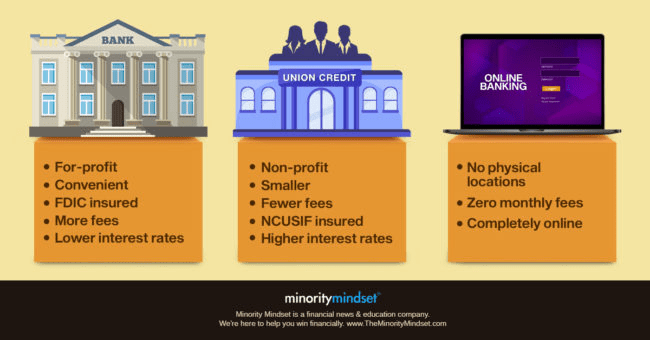
Traditional banks vs. online banks

Traditional banks:

  • You can go to a branch to open an account, deposit, withdraw, etc.
  • You can receive person-to-person service.
  • You can deposit cash, do wire transfers, etc.
  • It is easy to transfer funds from an online account to a traditional account.

Online banks:

  • You don’t usually have access to a branch.
  • You don’t receive person-to-person service.
  • They don’t usually have the costs of having buildings, so the rates are often better.
  • Many offer high-yield savings accounts.
  • You can only get money out through ATMs or by doing an electronic transfer to a traditional bank.

It’s best for most people to have a hybrid approach by having a traditional account for checking and possibly savings and having an online high-yield savings account.

As an illustration, many banks offer savings rates of less than 1%. The credit union I use offers variable rates for savings accounts starting at 0.1%, and my rate is 0.65%. I recently read about CIT bank, an online bank, that offers savings rates up to 4.40%–over 6 times my current rate! Imagine how much your savings could increase with an online high-yield savings account!

Healthier Together- What Everyone Gets Wrong About Self-Care & Burnout

Something that describes a healthy relationship of taking care of yourself is that you’re clear on what your priorities are and you understand what activities/relationships feed you and bring you energy. When somebody comes to you with a request, you’re able to be relatively decisive in your decision-making. You are able to operate in your life from a sense of agency and self-sufficiency.

Women are sold a contradictory set of expectations: be a mom but also a rockstar CEO, leading them to think “I need to do more.”

What does “having it/having it all” actually mean? It isn’t about checking things off the list: social life, mom, career, etc. Think about the things that actually fill you up and are impactful for you and how to build those things into your life. Don’t get lost in getting preoccupied with what everyone else/society thinks.

4 principles of self-care:

  • Getting clear on boundaries and dealing with guilt
  • Developing self-compassion in the way you talk to yourself
  • Identifying your values and getting closer to yourself
  • Recognize that this whole process is about power, and by reclaiming self-care, you are getting your power back.

If you aren’t making time for the things you value, getting a mani-pedi or massage isn’t going to help you recover from burnout. That’s checking a tool off of the list, but you haven’t done the deeper work of getting clear on what your values are and what pieces of your life and schedule are actually deeply nourishing for you.

Asking for help- start asking even before you NEED it. Asking for help does not decrease your self-worth.

Martyr mode- phenomenon where you’re taking care of everyone else and you are so resentful because nobody is paying attention to you, helping you, looking out for you, yet you are bending over backwards for others

“I’m so stressed” is often worn as a badge of honor. It means your time is valued and people desire your time and you have so much to do. The empty space can be anxiety-provoking. Yet, being stressed breeds resentment because you want to be seen and upheld as the person who saves the day, even if people didn’t ask for your help or want it.

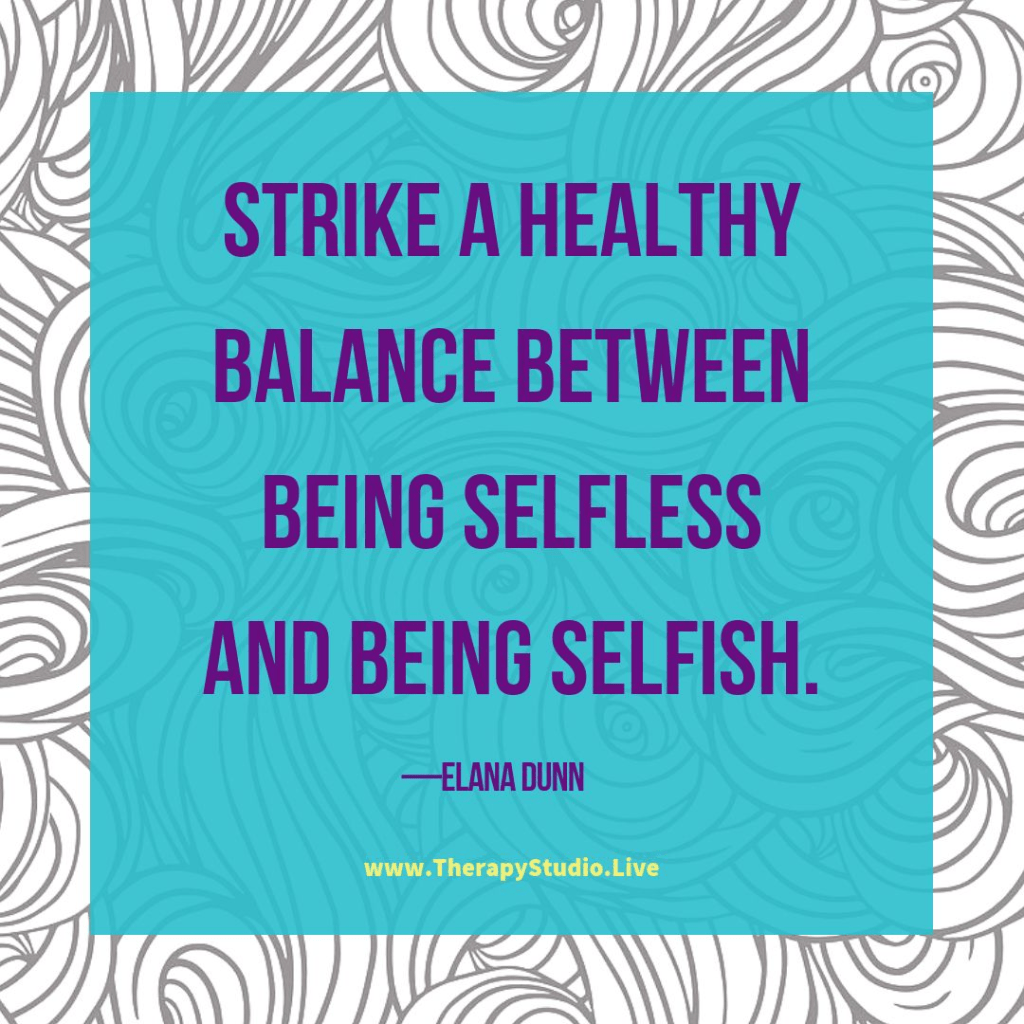
Your goal should be to find a balance between selfish and selfless.

Reflect on “what is enough? How will I know when I’ve done enough? How will I feel when I feel like “enough?” You might realize that what you’re doing is already enough.

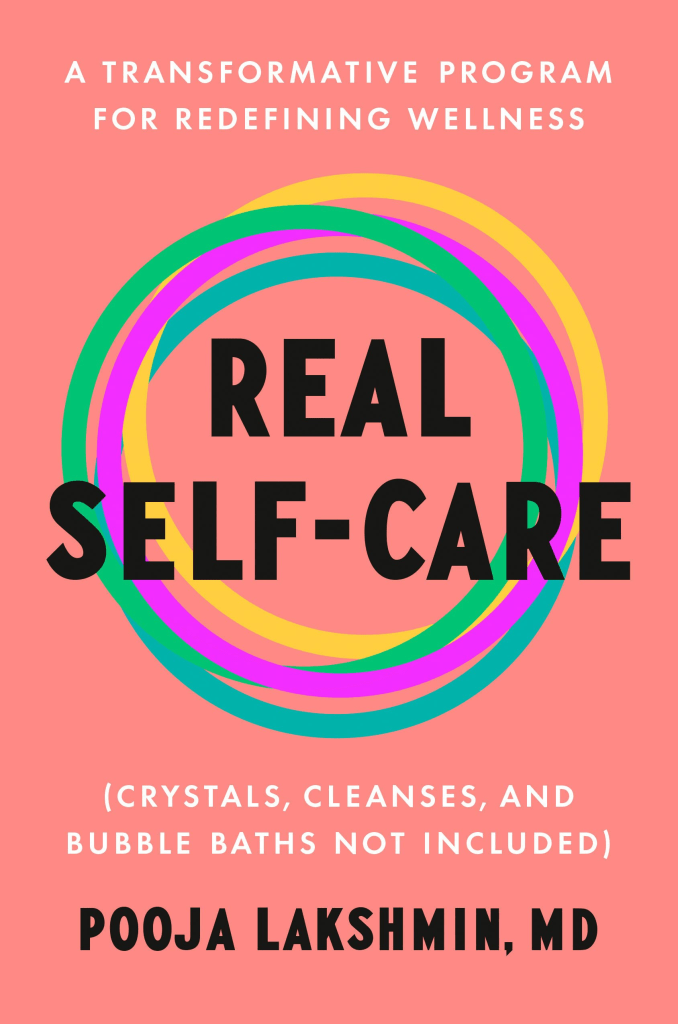
The podcast noted that these points are expanded upon in the new book: Real Self-Care: A Transformative Program for Redefining Wellness (Crystals, Cleanses, and Bubble Baths Not Included) written by Pooja Lakshmin, MD.

I look forward to reading, learning, and sharing more with you soon!