
My intention is to post a Thoughtful Thursday column each week and share some of the insights I have learned in the past week. Here are some of the things I’ve learned this week:
Who killed affordable housing? Accusations are flying around all over the place of the culprit: greedy landlords, developers, the short-term rental industry, and too many baby boomers active in the housing market causing millennials to not have a chance.
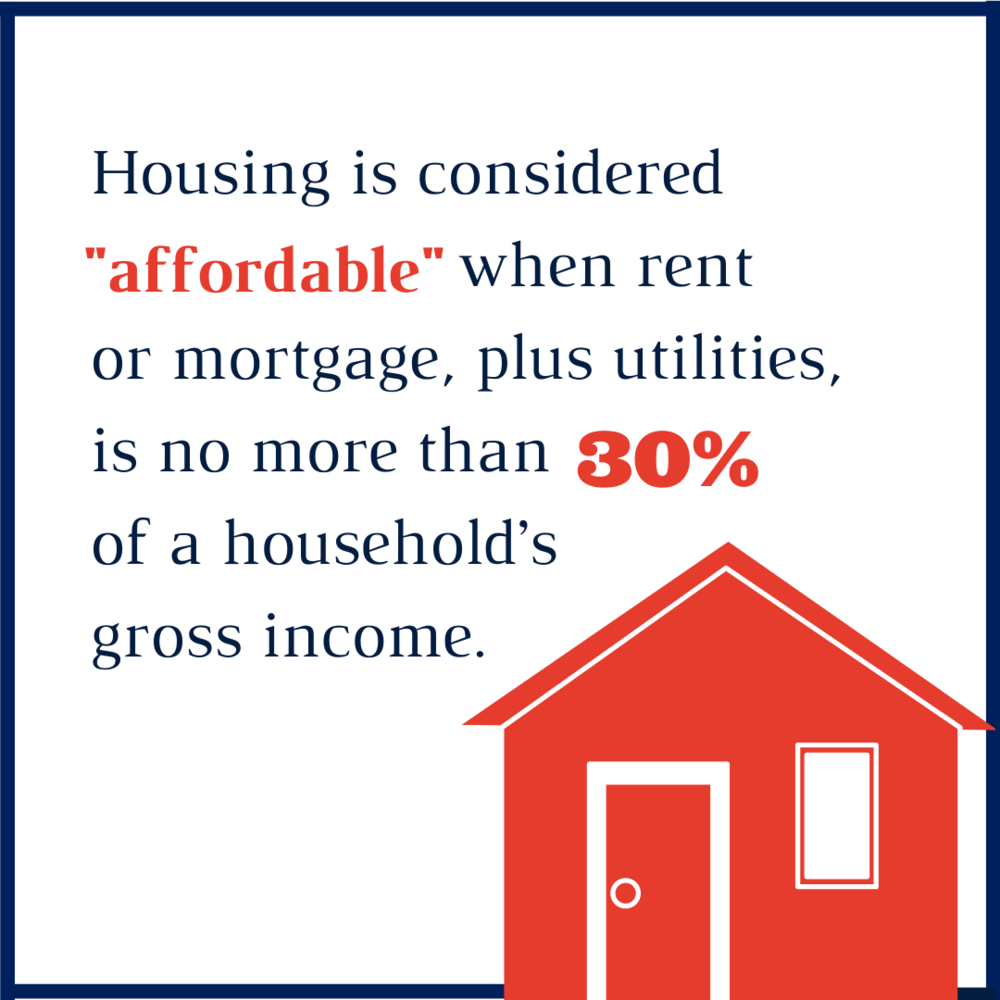
- Developers: often described as “rip-off artists, greedy, bulldozers, opportunists” out to make a profit off of housing.
- Many people think developers are responsible for raising the price of neighborhoods.
- Brand new apartments are going to be more expensive than older ones in the same way that new cars are more expensive than older cars. So the new market-rate building on your block is not going to be affordable unless you’re making good money.
- It’s generally not true that the building itself raises the prices of other buildings/rents in the neighborhood. Sometimes your rent will go up, but it isn’t because of the new development; it’s because you’re living in a desirable neighborhood that is seeing prices rise. That’s why the developers chose to put a new building there.
- Developers aren’t the heroes, but they aren’t the villains.
Airbnb: draws a lot of criticism and blame – most Airbnbs are entire homes, not a spare room or couch in someone’s home as the company was originally created to provide. Today, the vast majority (79%) of Airbnb supply are entire homes and apartments, and this has been the fastest growing component over the past 3 years as Airbnb grows further from its sharing economy roots. Studies have shown that Airbnbs are responsible for 20% of the increase in rent of the time period studied.
- Zoning: the rules that a city makes about what can be built and where it can be built.
- Many cities require a certain percentage of single-family detached homes. Some cities have laws that require 3 parking spots per studio apartment! This is a sneaky way to make it harder to build more housing/apartment buildings.
- Some zoning codes require minimum lot sizes – for example, in Connecticut, many homes require almost 2 acres of land per house even if not in a rural area! So many houses have doubled in size since the 1950s.
- Los Angeles is 74% single-family zoned. Seattle is 80% single-family zoned. The bottom line is that research shows that places with more red tape from zoning are more expensive.
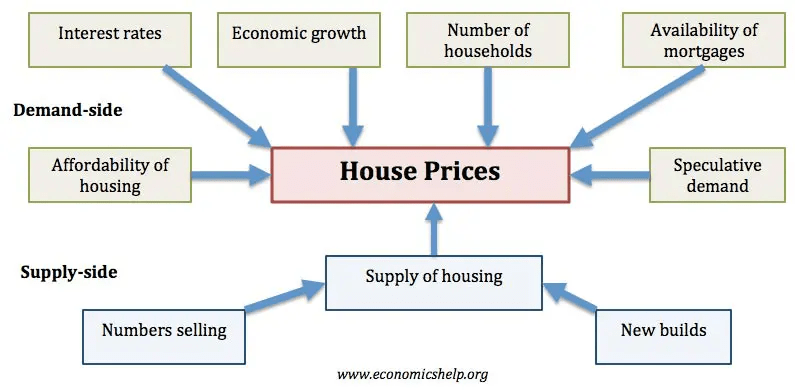
Supply and demand: Demand for housing has gone up. Back in the 1980s, rules changed about how financial institutions could lend money for mortgages. After that happened, more people had access to loans for mortgages, so people who previously weren’t eligible were now eligible, so now we are in a bidding war. When prices go up, housing becomes more valuable, and that attracts investors.
- Housing, transportation, groceries, taxes, and healthcare expenses make up about 72% of consumer spending.
- The biggest tip to saving money is to figure out what you value. You can spend money on the things you value and focus on saving money on what you don’t value. Example: one of my values is finding and trying gluten-free dairy-free items at a discount grocery store. I allow myself to splurge on these discounted items when I occasionally shop.
- Work on always aligning your spending with what you value or always trying to increase or decrease your income to be enough for what you value. Can you look at your bank statement and be happy with it?
- Don’t feel pressured to spend money on things others value. Example: latest fashion, expensive happy hours/restaurants, latest technology. Say no as often as you say yes so that you can empower yourself to know more about yourself and what you value.
- Simplify to streamline. Simplify your physical space to save money on other important physical products. Simplify your schedule for less takeout and services. Simplify your digital life for fewer online purchases and subscriptions.
- Many people struggle with their inner critic: “I’m not a runner.” Name that inner critic and tell it to chill out.
- Gear: pick up a new pair of running shoes. Go to a running specialty store and get a gait analysis/shoe fit. Get shorts and t-shirts. Avoid chafing by not wearing cotton socks and by wearing body lube.
- Blisters on your feet when you run can signal that you have the wrong shoes or wrong socks. Cotton socks can stick to your feet from the sweat and can create friction that causes blisters. Synthetic fibers (polyester or bamboo fiber are best).
Signs you’re wearing the wrong running shoes:

- If you’re going on your first run, start by walking for five minutes to get yourself warmed up and mentally together. You can start by running for 15 seconds and then walking for 1 minutes and slowly build up to longer run times and shorter walk times. Every two weeks, try to increase the intensity.
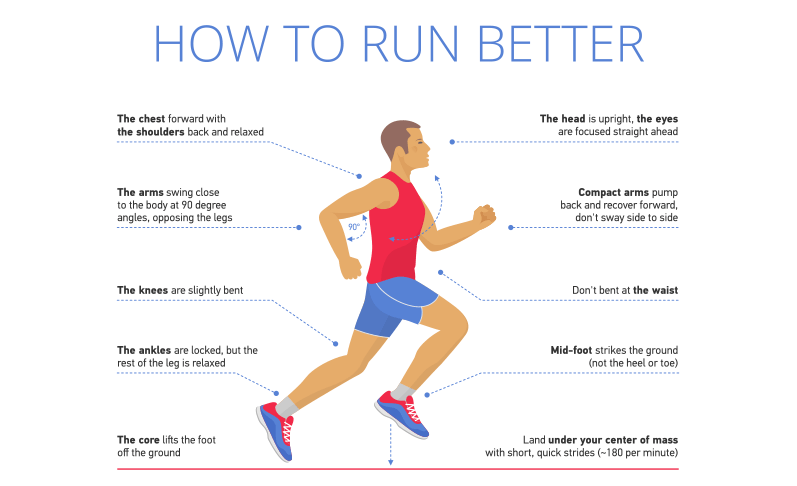
- Your natural form is special to you. Form tips: don’t clench your fists, loosely close your hands, don’t look down, look at the horizon 6-8 feet in front of you, and do belly breathing.
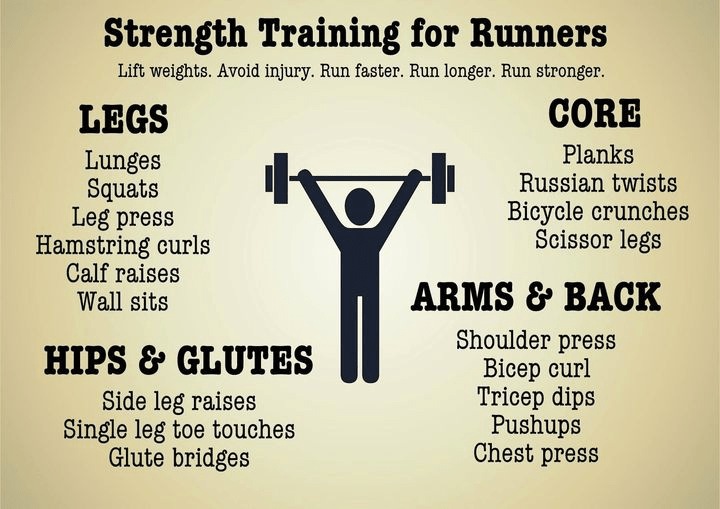
- On the days when you are not running, cross-train. Exercise your body in other forms that aren’t specific to running, such as cycling, yoga, or lifting weights. Many of us sit on our butts all day, so we need to strengthen our glutes. Make sure you are doing exercises for your glutes: glute bridges, banded clam shells, squats, leg raises, etc.
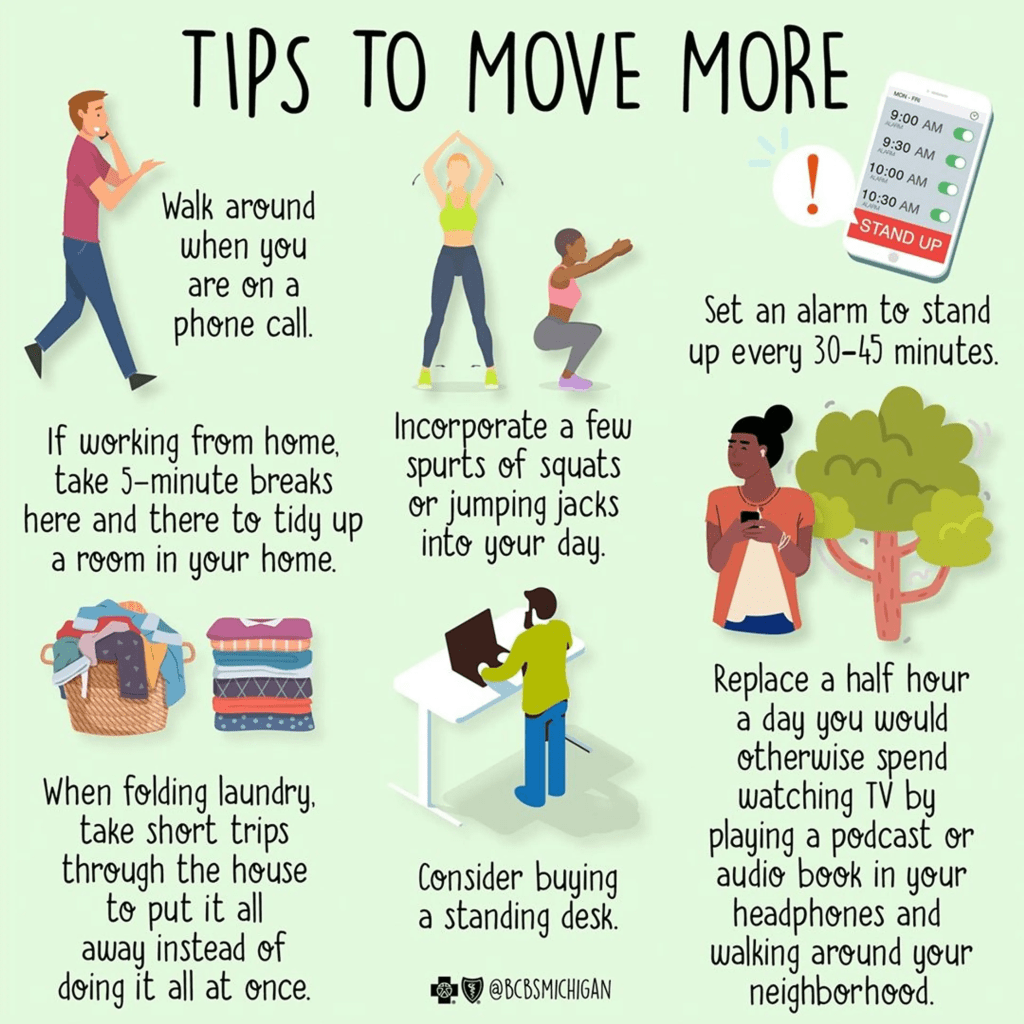
- If you are having issues with time, start with 2 days of running and 1 day of cross-training each week. Then, build up to 3 days of running and 2 days of cross-training. Get creative with your time. Can you work out while watching tv?
- After a while, you will start to notice that running is either not as hard as it used to be when you started, or you will realize that you hate it just as much as you did when you started. If you still hate running after a while, take up something else – cycling, paddle boarding, walking, swimming, etc. Regular exercise is vital.
- Running affirmations: No struggle, no progress. I’ll run if I have to run by myself. Your race, your pace. This is hard, but I can do hard things. Slow is steady, and steady is fast.
I won’t cover all 50, but here are those that most resonated with me:
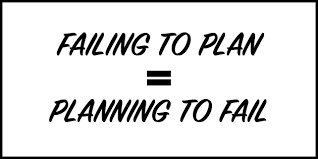
- By changing nothing, nothing changes.
- Read more and learn more. Reading non-fiction books will change your life. You don’t have to agree with everything in each book, but if you find one golden nugget that you can take with you to make you a little bit better, you will become your best self.
Choose your hard. Being overweight is hard, working out is hard, sleeping in is hard, waking up and getting everything else done is hard. Which hard are you going to choose? Choose the hard that will make you feel your best.

- Be on a routine that involves progressive overload.
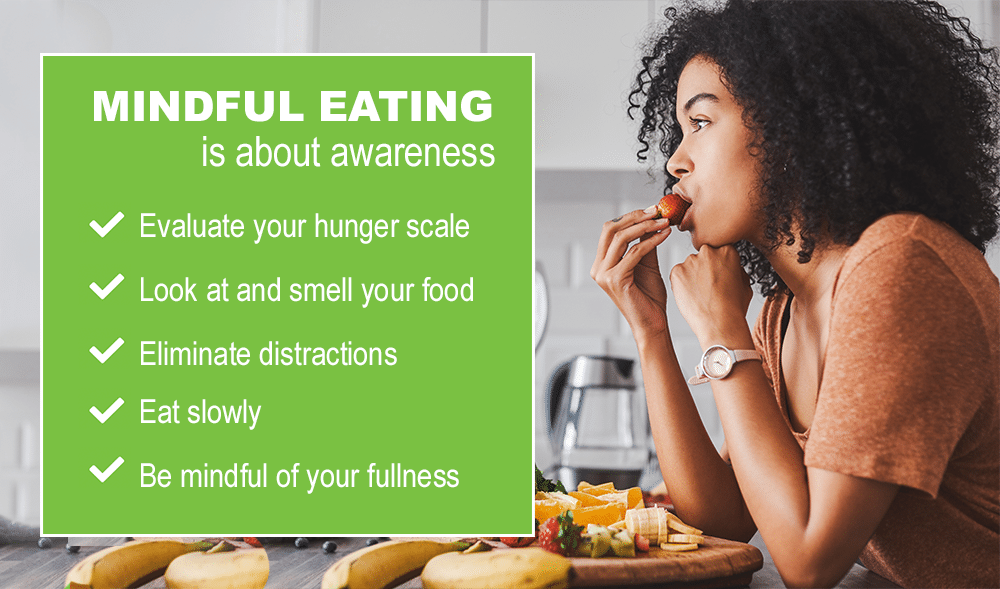
- Don’t eat out of boredom. Decide if you’re truly hungry.
- You can’t out-exercise a bad diet. You need to focus on both nutrition and fitness.
- Work hard and don’t look for shortcuts. A lot of your problems can be solved with
Eat until you’re satisfied, not until you’re stuffed.

- A clear space = a clear mind. Declutter.
- Stop hitting snooze! Hop out of bed and make the first decision for your day.
- Comparison is the thief of joy. Someone is always going to look better than you. Focus on your journey and your growth.
- Your self-worth isn’t how you look. Instead of being focused on how you look, focus on longevity, strength, and many other traits.
You could be good today. Instead, you choose tomorrow. Get started right now. Not all of the conditions are going to be perfect during any given day.

- Work hard and don’t look for shortcuts. A lot of your problems can be solved with hard work. Shortcuts are rarely the answer.
- Discipline trumps motivation. Don’t rely on motivation. Show up every single day.
- Purpose over pleasure. Think of long-term goals.
- Dropping one vice can give you amazing results.
- Small changes and habits + consistency each day = substantial results over time. The power of the compound effect
If you don’t fight for what you want, you deserve what you get. Choose your hard.
If you don’t make time for your wellness, you will be forced to make time for your illness.

- What angers you? Are there specific things that evoke a compassionate anger in you? We’re talking about the things that evoke a desire to intervene in a situation as an act of compassionate or to rectify a great wrong.
- What makes you cry? What moves you with emotion? Think about the last several instances that caused you to cry.
- What have you mastered? Are there tasks, skills, or opportunities that you have simply mastered and can do without thinking? Start with what you do well, and work your way toward your goal.
- What gives you hope? What do you look forward to? What great vision do you have for your future and the future of others?
- As a child, what did you want to be when you grew up? That can give us insight into the deeper seeds of fascination that may still reside within us.
- If you had all the time and money in the world, what would you do? We believe that a lack of resources is the obstacle to our happiness and fulfillment, but for many of us the limitation has nothing to do with a lack of money or time. The limitation is our fear of falling short of our own self-perception.
- What would blow your mind? List out everything that would thrill you if it were to happen, including relational things, business things, travel, ambitions, hopes, etc. It’s a great way to identify patterns in your motivation.
- What platform do you own? What platform do you already have for self-expression? What foundation can you build on to begin affecting the kinds of change you’d like to see?
- What change would you like to see in the world? If you could identify a single thing you would like to see before you die, what would it be? You may not be the one to lead this change, but you may be able to play a significant role in it.
- If you had one day left, how would you spend it? What questions would you ask? Who would you spend time with? What work would you do? This is a way to begin identifying patterns within your passions, skills, and experiences.
- If you have symptoms that interfere with your life, that cause your day to go differently (limitations to school/work/activities you enjoy doing), that is not normal. If the period pain is so bad that it interferes with your daily life, that should be investigated. GI symptoms are also common with endometriosis. People are generally told they have IBS. If you are experiencing nausea, fatigue, pain, migraines, and a lot of GI issues, talk to your OBGYN and advocate for yourself. Symptoms to look for: digestive issues- constipation, diarrhea, pain with bowel movements, severe bloating, body pain, menstrual pain, pain with intercourse, infertility
- The only definitive way to diagnose endometriosis is a surgery (laparoscopy). An excision surgery is the most important treatment option. Exercise, diet, and birth control alone cannot heal endometriosis.
- Resource: https://endowhat.com/

https://www.pbs.org/video/below-the-belt-the-last-health-taboo-wmzdvy/
This is a link to a PBS special covering endometriosis.
I look forward to reading, learning, and sharing more with you soon!
 Read Learn Share