
My intention is to post a Thoughtful Thursday column each week and share some of the insights I have learned in the past week. Here are some of the things I’ve learned this week:
- Aim to do more of what inspires you.
- Get adequate sleep (7-9 hours) and manage stress. Stick to a consistent sleep schedule by going to bed and waking up at the same time every day.
- Optimize your routine with better habits. Try to get fresh air outside right away in the morning.
- Engage in regular physical exercise.
- Eat a balanced diet. A diet of heavy, fast food can make you more tired. Lighter, healthier meals will make you feel more energized. Protein helps provide energy.
- Do a mid-day energy boost activity. Ex: walk during lunch.
- Spend 15-60 minutes getting inspired each day. Ex: audio books, podcasts, books, motivational videos
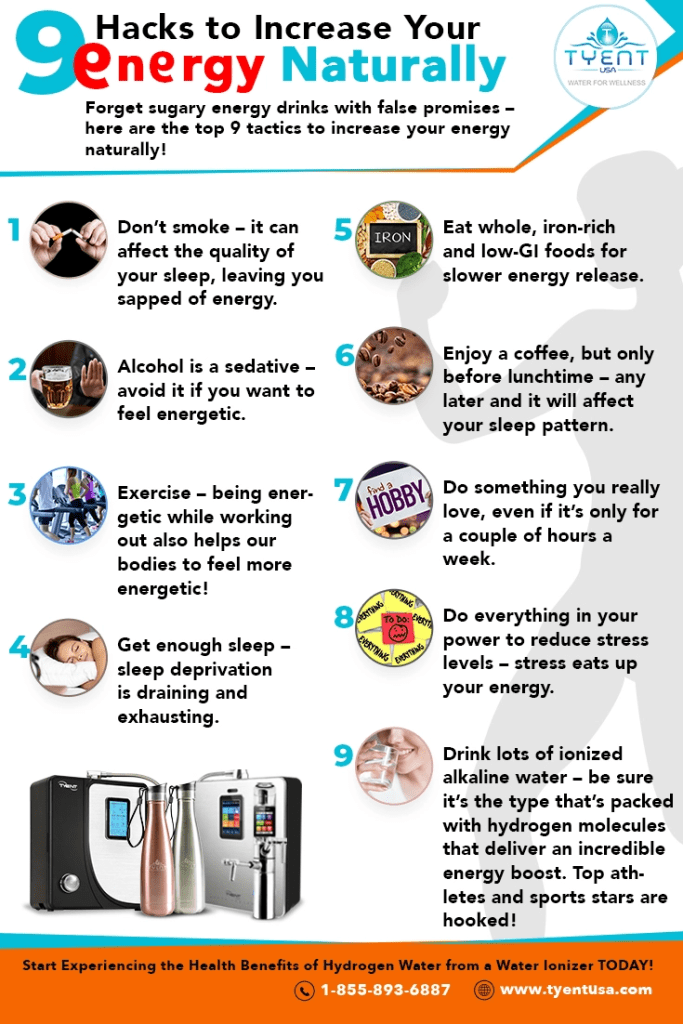
Taking Vitamin D supplements if you are deficient in Vitamin D can also increase your energy levels!
Note: These are habits that changed Liz’s life the most. With that said, “my” refers to Liz, not me.
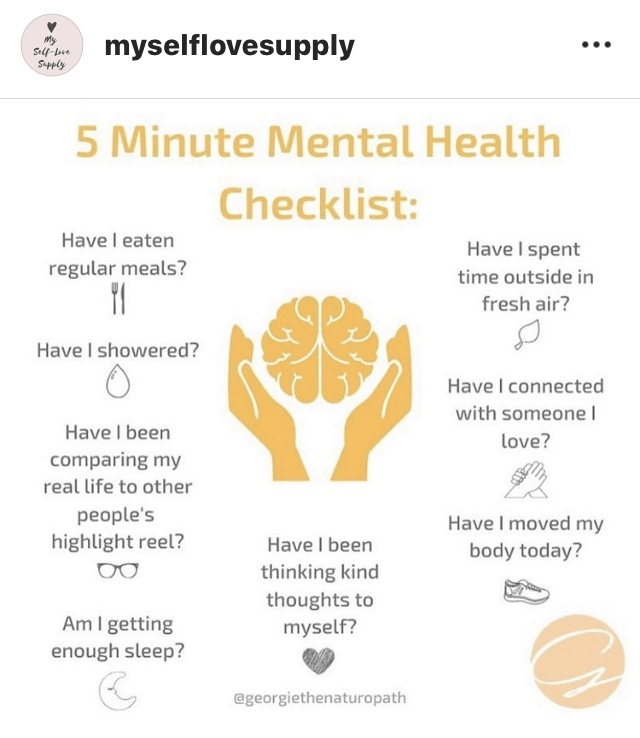
- Focusing on the base of the pyramid – create a mental health checklist. 5 things that make up the base for our mental health: social connection, good nutrition, routine, sleep, and movement. If you find yourself struggling with your mental health, go through the five habits and see if you have been missing one or more of them and focus on all five.
- Adding my personal goals to my calendar/blocking out time for my relationships and the things I want to do, not just work and social obligations. Ex: exercise, reading, self-care, time to catch up with friends, etc. I want to start implementing this one!
- Reevaluating relationship with alcohol – we are already the person alcohol is making us. All alcohol does is lower our inhibition so that we let that person come out. We are already witty/charming/a dancer/a conversationalist, etc. The alcohol just lets you silence your inner critic. Not drinking has helped her sleep, anxiety, relationships, and energy levels.
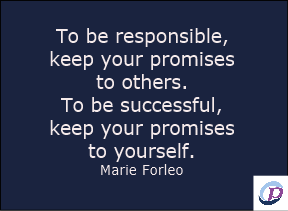
- Keeping promises to myself – self-love is dependent on self-trust, and self-trust is created by keeping the promises we make to ourselves. If you say you’re going to exercise, exercise. If you say you’re going to set boundaries, set boundaries. If you say you’re going to finish a project, do it. Stop setting yourself up to fail. Do whatever you say you’re going to do, even if it lets others down. Stop spending years letting yourself down.
- Thinking about my death – gives me perspective about what I do and don’t want to spend my time on, puts my relationship with social media in check, snaps me out of arguments with others, makes me call my loved ones, read, ask good questions, travel, put my phone away, take risks, clarifies the people I want to spend time with, and helps me work out and eat things that fuel my body. The next time you are faced with a problem, challenge, anxiety, or stressor, think about the you on your death bed. What choice will they be happy you made? What would they want you to let go of? How do they wish you would spend your days now? The answers are unique to you and are guiding.
I am looking forward to reading Liz’s new book: 100 Ways to Change Your Life.
- Buy a duplex, triplex, or quadplex before you get married. Have your partner do the same for at least a year before marriage. Live in it for one year, get an FHA loan, and save all of the downpayment money. I haven’t heard of this tip and it surprised me.
- Pay off high-interest consumer debt.
- Have a pre-nup conversation before getting engaged to help you flush out your partner’s beliefs and expectations. Most marriages end due to financial differences.
This post from Seth’s Blog really resonated with me:
“It could have easily gone the other way
It could have been way better. It could have been far worse. It’s easy to imagine that outcomes are inevitable, but they’re not.
Was it your fault, or was it luck (good or bad)?
If our story of the past is filled with second guesses, shame or blame, it can carry forward. Or perhaps we’ve over-sold ourselves on just how talented, hardworking and insightful we are, when in fact, we sort of got lucky.
When we rewrite our narrative of the past, we end up creating a different future.
We have more control over that narrative than we give ourselves credit for.”
I wanted to share snippets from three books I finished recently. I will expand on some of these more in their own blog posts at a later date.
“You Are Not a Before Picture” was written by Alex Light and was fascinating, educational, and covered a history of diet culture, symptoms of chronic dieters, intuitive eating tips, intuitive movement tips, and body image. I will cover this book in greater length on my blog sometime. Top tips for now:

How you look is the least interesting thing about you. Anytime we base our happiness on an external measure of worth, the reward will only ever be temporary.  If your body confidence comes from liking how you look, it will rise and fall with every nice or negative comment, every acceptance or rejection, every good or bad photo, and every physical or mental fluctuation.
If you want a healthy relationship with food, you need to learn how to nourish your body by knowing when to eat, what to eat, and how much to eat and recognize your emotional triggers to eating. You also need to fix your relationship with your body image and challenge your beliefs about your weight and value in the world.
 I highly recommended this book!!

“Read This Before Our Next Meeting” was written by Al Pittampalli, the founder of the Modern Meeting Company, which has helped organizations hold more effective meetings. This book was direct and to the point.
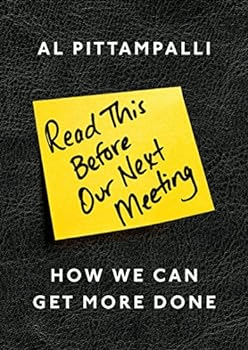
In sum, only after you’ve reached a preliminary decision can you call a meeting. Meetings have two primary functions: conflict and coordination. Meetings should move fast and end on schedule. Only people who are critical to the outcome should attend, and an agenda should be prepared and distributed ahead of time. Meetings should include brainstorming and result in committed action plans. Meetings should not be purely informational. Memos can be sent instead.
“101 Things I Learned in Business School” was written by Michael W. Preis and Matthew Frederick and included a variety of interesting facts and great advice. I’ll post more about this book on my blog sometime, but here are two of my favorite points:
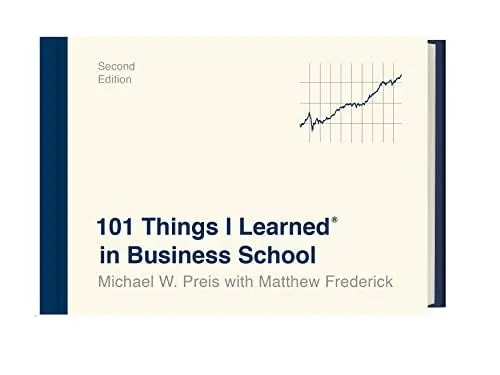
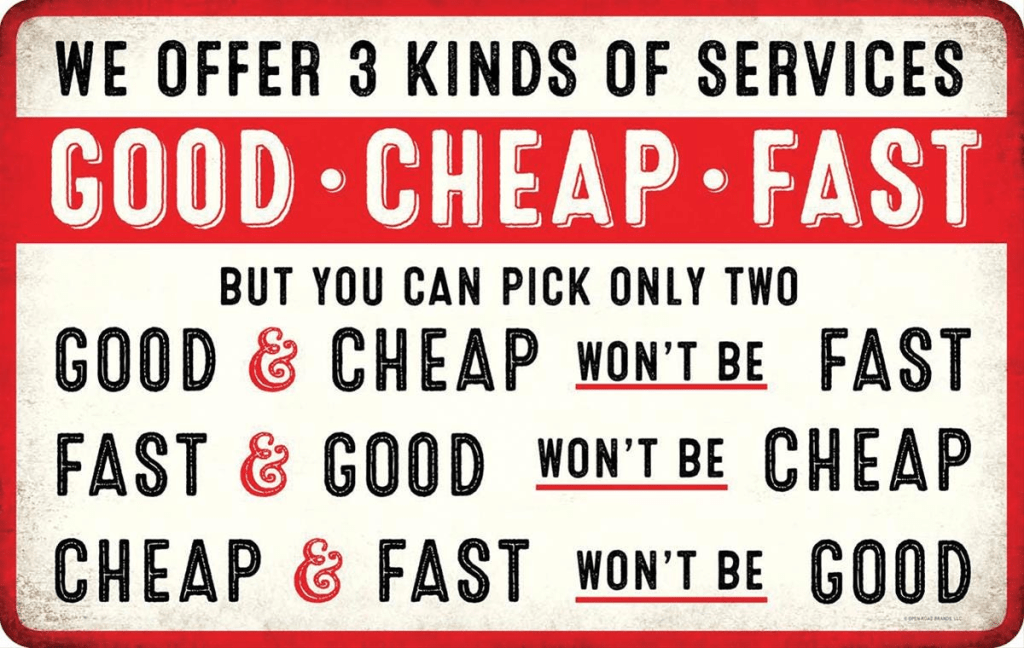
Good, fast, or cheap: pick two. Quality, price, or service: pick two. You don’t often get all three.
It’s vital to know the costs of bringing a product or service to the customer and also the competition’s pricing, but best to set a price based on the customers’ perception of value. Set prices accordingly to what the customer will pay. 
I look forward to reading, learning, and sharing more with you soon!

 Read Learn Share