Thoughtful Thursday posts, Uncategorized

Thoughtful Thursday – September 12, 2024

Thoughtful Thursday posts, Uncategorized

Thoughtful Thursday – June 1, 2023

My intention is to post a Thoughtful Thursday column each week and share some of the insights I have learned in the past week. Here are some of the things I’ve learned this week:

One of the best things I’ve heard this week is from this podcast.

Optimal Relationships Daily- If You Want to Know if Someone is Worth Your Time, Use the Ted Lasso Rule

If you want a quick way to determine if someone is worth your time, are they curious? Do they ask your questions? If not, are they worth even getting to know?

Many people skip the small talk in favor of talking about themselves.  They’re the ones missing out because they’re not being curious. Curiosity has been buried by ego.

Optimal Health Daily- Self-Care Ideas for Better Health and Nutrition by Danielle Omar
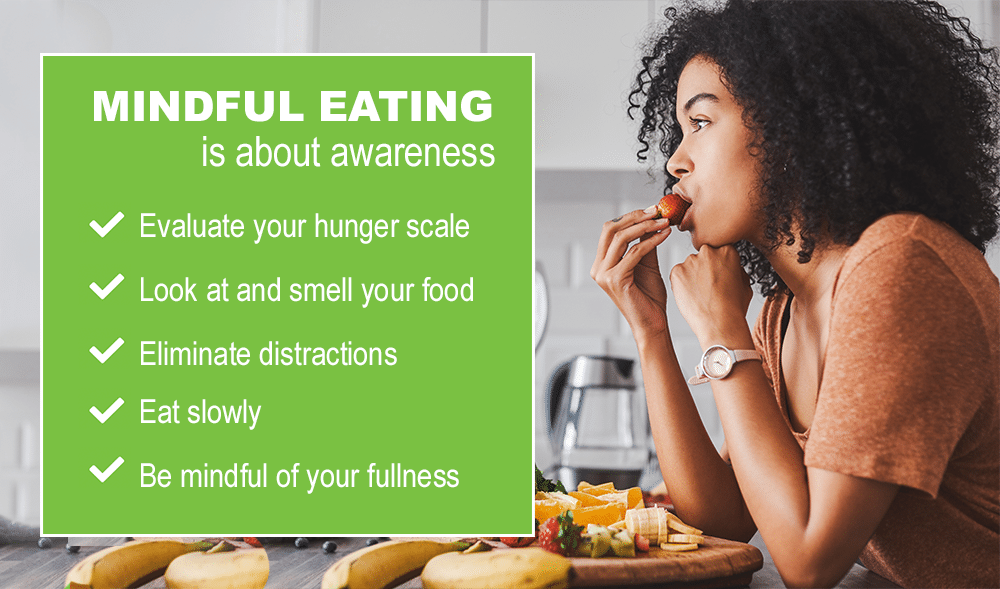
  • Thoroughly chew your food to improve digestion, engage the senses, and reduce energy intake.
  • Assess hunger and fullness to determine when it’s best for you to start and stop eating.
  • Reduce portion sizes and use smaller dishes to prevent overeating.
  • Eliminate distractions at mealtimes to better control food intake and focus on how food makes you feel.
  • Appreciate the food you’re eating without judgment and savor its appearance, smell, taste, and texture.
  • Eat foods that make you feel good.
  • Plan and prep your meals.
  • Satisfy your sweet tooth.

I gathered some dental insights from these two podcasts:

Science Vs – The Dentist: Toss the Floss? Flush the Brush?
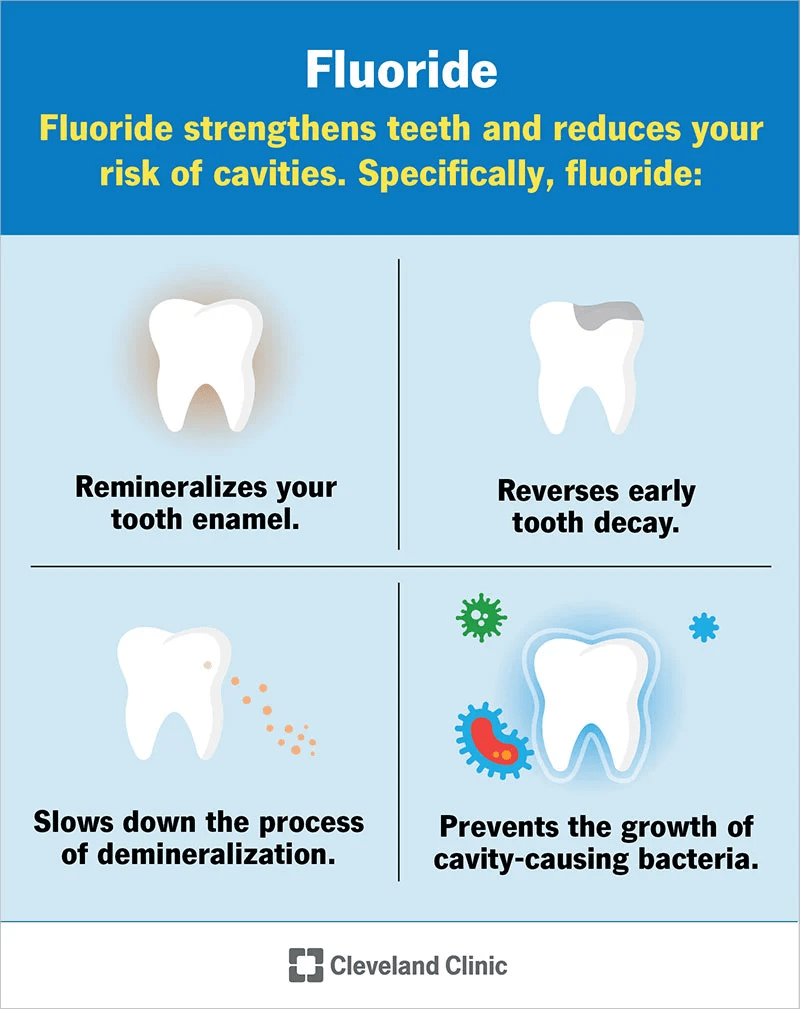
  • Oral hygiene alone did not prevent cavities in studies done. Fluoride was the main component in preventing cavities.
  • Brushing with fluoridated toothpaste helps prevent cavities. Brushing might also prevent gingivitis and gum disease. Flossing may help with tooth loss as you get older. Sugar is bad for teeth. Some dentists are shysters.
Life Kit- ‘Do I really need to floss?’ and other common questions about dental care
  • Finding a dentist is more than just picking from a list. Every procedure that a dental hygienist does is proactive in helping to prevent inflammation and reduce inflammation. A dentist is going to restore or be reactive to disease. A dental assistant assists the dentist.
  • To evaluate if a hygienist is a good fit for you, see how receptive they are to answering your questions. For example, ask about proper brushing techniques. Have the hygienists observe what you do and see what feedback you get. Overall, you want to make sure that the practice is for you, not a random cash grab.
  • Red flags- offices that do a lot of aggressive advertising, free x-rays, free exams, and free goodies to lure you in. Once you are in the chair, those dentists know you are more likely to say yes to extra procedures.
  • Get specific about your fears and then you can talk about them with your dental team. A good practitioner is going to be a great educator and help ease those fears. Is it going to hurt? Is it going to cost a lot? Is my face going to feel numb?
  • Find someone you feel comfortable with who doesn’t shame you.

Saving money:

  • Dental schools are a great option if you are looking to save money. You get the benefit of getting many different opinions and great advice. If you have the time to do it, visits to a dental school may be less expensive, but will take more time. Appointments can take up to 4 hours instead of 1 hour due to many people checking you out and the training involved.
  • Can look for sliding scale or mobile dental clinics

Frequency and technique:

  • Most healthy patients should come in 2x/year. Some patients may only need to come in once a year.
  • Clean teeth are all about technique.  Use a soft, high-quality toothbrush (if manual, switch out every 4-6 weeks), non-nylon floss, tongue scraper, and low abrasive toothpaste.
  • Teeth whitening- health and aesthetics are not the same thing! White teeth are a status symbol, but not necessarily a marker of health. Teeth aren’t naturally white as snow; there is a slight yellow white hue of your teeth due to dentin, an inner layer of the tooth under enamel. So if a dentist is immediately bringing up whitening procedures without any evaluation of cavities, gum disease, or other issues, be wary.
  • Charcoal and whitening toothpastes are so abrasive that they can make your teeth super sensitive and potentially wear down your teeth. They are removing stains,but are not actually changing the color of your teeth.
Life Kit- Why the 5-minute walk break is so powerful
  • People who sit for hours on end develop chronic diseases, including diabetes, heart disease, dementia, and cancer at much higher rates than those who move throughout the day.
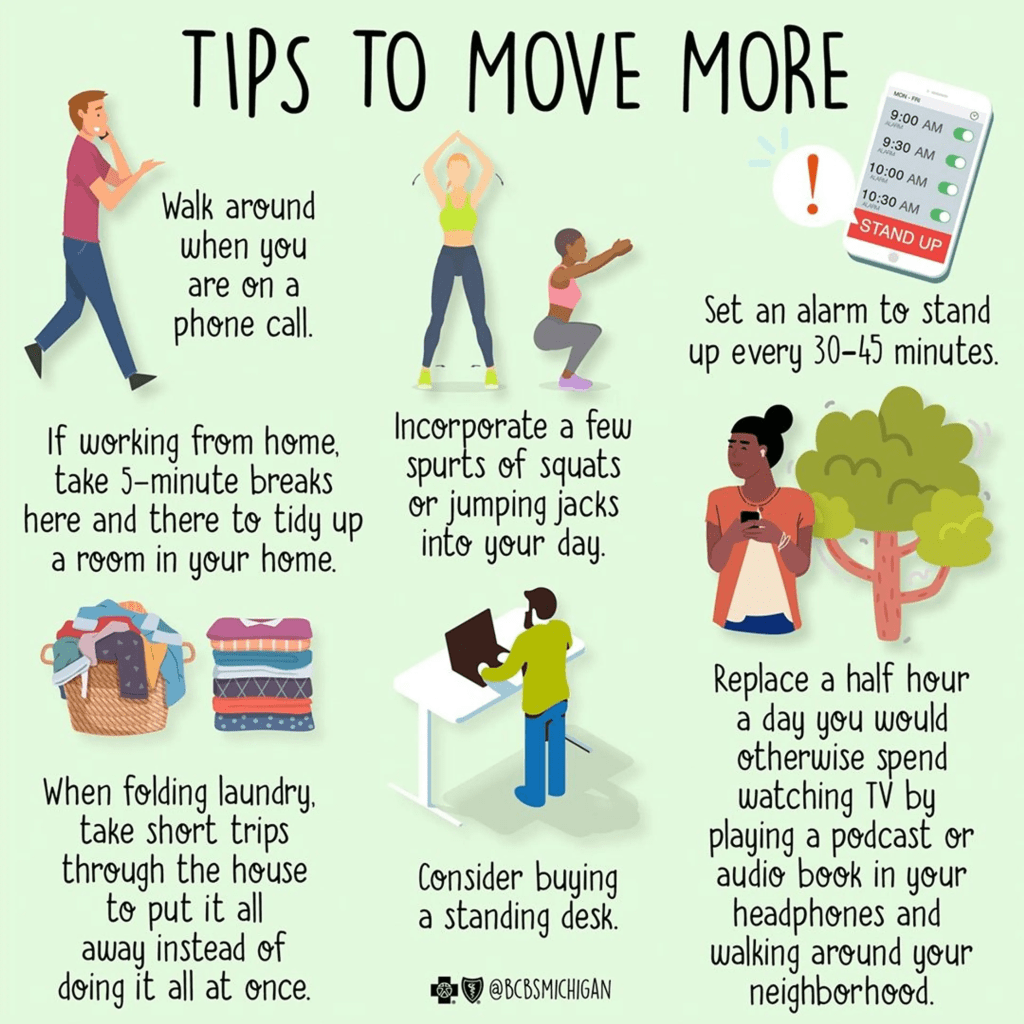
  • Taking a 1-2 minute walk once per hour lowers blood pressure. A 5-minute walk every half hour was able to offset a lot of the harms from sitting. Moving 5 minutes every hour resulted in the blood sugar spike after a meal being reduced by almost 60%. This may not be feasible with most office jobs, as you are losing 10 minutes of productivity each hour.
  • People are advised to get 150 minutes of moderate intensity physical activity each week (getting your heart rate up). You can break this up into 30 minutes a day 5 days a week, but small chunks of fast walking can count as well.
  • You will gain energy by moving every half hour or hour.
  • The whole point is to raise your heart rate—walking, dancing, etc.
Self Care IRL- Habits you have that you need to break TODAY!
  • Emotional eating– eating snacks and junk when you’re happy, sad, stressed, bored, etc. Be intentional with your eating and drink more water. Sometimes you think you’re hungry but you’re just thirsty.
  • Sitting for too long at one time– try to schedule a little break at the top of each hour to get up and move, use a sit-stand desk, etc. Boosts metabolism, reduces stress, and can create a more productive day
  • Hitting the snooze on your alarm clock. Go to sleep earlier than usual if you feel you’re not getting enough sleep each night.
  • Stop spending hours on social media. Daily social media users spend, on average, 2.5 hours on social media (including TikTok). It’s not always being used to relax or escape; it’s being used to procrastinate. Many people use social media to waste time. Limit your time on social media to 1 hour/day. You can use apps to monitor your social media intake. Instead of resorting to scrolling on social media with every spare moment, try reading, learning something from a podcast, moving around, or tackling something on your to-do list.
  • Working overtime. You give up family time, me time, and sleep time, and your physical and mental health starts to decline. If you don’t NEED the money, set time boundaries with your work.
  • These habits are draining our energy and preventing us from reaching our true potential.

I am guilty of most of these! I am focusing on being more intentional with breaking or limiting these habits this month.

Self Improvement Daily- Mistaking Happiness for Pleasure

We are designed to seek immediate gratification. Our unconscious pattern is to do things that make us feel good in the moment, which often conflicts with what makes us feel good later.

Sometimes we overindulge in a meal because we enjoy the taste of delicious food, but we end up feeling sick to our stomach later. Sometimes we scroll on social media when we are bored or procrastinating, and we later regret how we used our time.

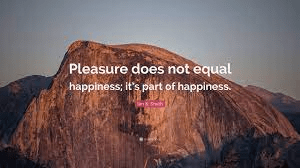
You can feel happiness and pleasure in a moment, but pleasure is concerned with the present moment and happiness is concerned with your core values, growth, development, and well-being.

If you can be more discerning between the two, happiness and pleasure, pursue happiness. It will lead to a much more enriching life where you feel good about who you are and how you’re filling your life with genuine joy.

I look forward to reading, learning, and sharing more with you soon!
Thoughtful Thursday posts, Uncategorized

Thoughtful Thursday- March 16, 2023

My intention is to post a Thoughtful Thursday column each week and share some of the insights I have learned in the past week. Here are some of the things I’ve learned this week:

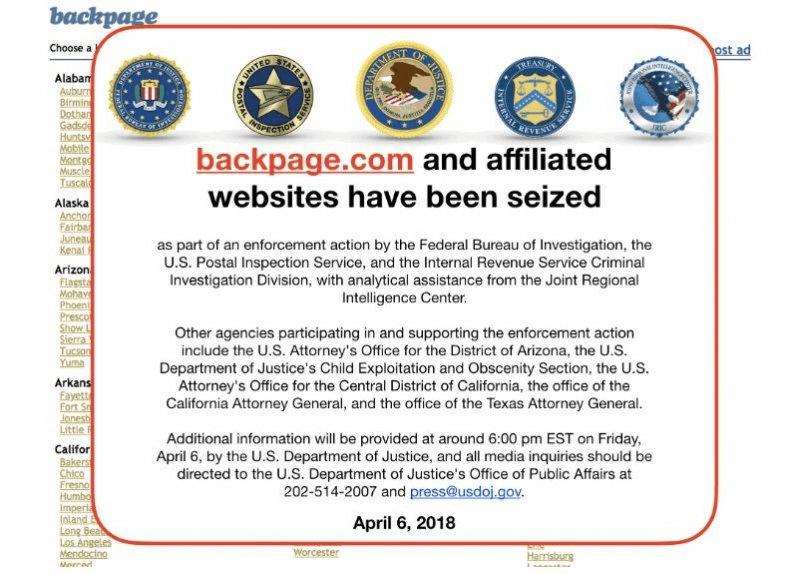
One book I read this past week was “Taking Down Backpage: Fighting the World’s Largest Sex Trafficker” written by Maggy Krell, a legal trailblazer who has taken on high-profile criminal and civil cases. One of the most important things I learned from this book is that The Communications Decency Act shields internet providers from facing suit over the content by those posted on their sites, but does not provide immunity if a provider engages in their own criminal acts. Despite its reputation, sadly Backpage could not be charged for pimping, but bank fraud and money laundering charges held, $200 million in assets were seized, and BackPage was shut down. Visitors to the page have been greeted by this message:

How to Be a Better Human- Why Kim Scott thinks you need to ask for feedback

One thought-provoking podcast I listened to this week was about soliciting feedback. Nearly all of us have experienced times when someone went off on us for something we had been doing for a while that people didn’t like but didn’t correct until they couldn’t take it anymore. We think “why didn’t you tell me?” One of the solutions to this is to solicit feedback regularly. There are four steps:

  • Think about the words you’re going to use to ask for feedback, and make sure the question can’t be answered with a “yes” or “no.” Don’t ask “Do you have any feedback for me?” Consider asking “What could I do or stop doing that would make it easier to work with me?” Some of my other favorites include “What could I do to be more successful in this role?” “What concerns do you have at the moment?”
  • Embrace the discomfort. No matter how good your question is, the other person may feel uncomfortable for a moment.
  • Listen with the intent to understand, not to respond. Ask follow up questions.
  • Reward the candor. Use the recommendations given. Continue asking for feedback after corrections have been made. Be open to changes.
Optimal Relationships Daily- How to Spend Money Wisely
  1. Make a list of what you value. The best way to spend money wisely is to align your spending with your values. Ask yourself: “Am I spending my money on things I value?”
  2. Make a list of things you really enjoy. Avoid spending too much money on things that aren’t at the top of your “joy” list.
  3. Make a list of places, things, or people that cause you to make poor spending choices. If you can identify these weak points, then you can begin to live your life in a way that helps to avoid some of these spending hot spots.
  4. Review your regular spending for things to eliminate. List your required spending for the month, such as rent or mortgage, insurance, debt payments, utilities, services, etc. Is there anything on that list that you don’t need or want?
  5. Review your regular spending to identify things to reduce. Can you call the providers to ask for a better rate?
  6. Create a budget.
  7. Start writing down each purchase you make.
  8. Switch to only cash if you have a problem with credit card spending.
  9. Implement a “sleep on it” rule. For any purchase over X amount, wait one night/a week/thirty days, etc. to evaluate the potential purchase against your values and your budget.
  10. Put future spending on a calendar. It allows you to prepare by saving for the spending requirement and allows you time to shop around for the best price.

When I graduated from college, I was determined to work hard, live frugally, and pay off my student loans early. In addition to working three low-paying jobs, I kept a categorized and color-coded Excel spreadsheet of all of my income and spending. I then evaluated my spending each month and worked on cutting back some expenses. It worked well for me! This month, I started tracking my spending again and am making an additional category: recurring, variable, and impulse purchases. I look forward to evaluating each month to get a better idea of my expenses and values.

The School of Greatness- 3 Daily Habits to Improve Your Life w/ James Clear

James Clear is the author of “Atomic Habits,” which has sold over 5 million copies. He recommends 3 daily habits to improve your life:

  1. Learn something new by reading or listening to podcasts.
  2. Physical activity
  3. Reflection and review of your day

The more your habits align with an expectation of a group or tribe, the easier they are to stick to. Join groups where your desired behavior is the normal behavior. One example listed was drinking habits. If you want to stay sober, make sure you spend time with people who are sober and don’t pressure you to drink.

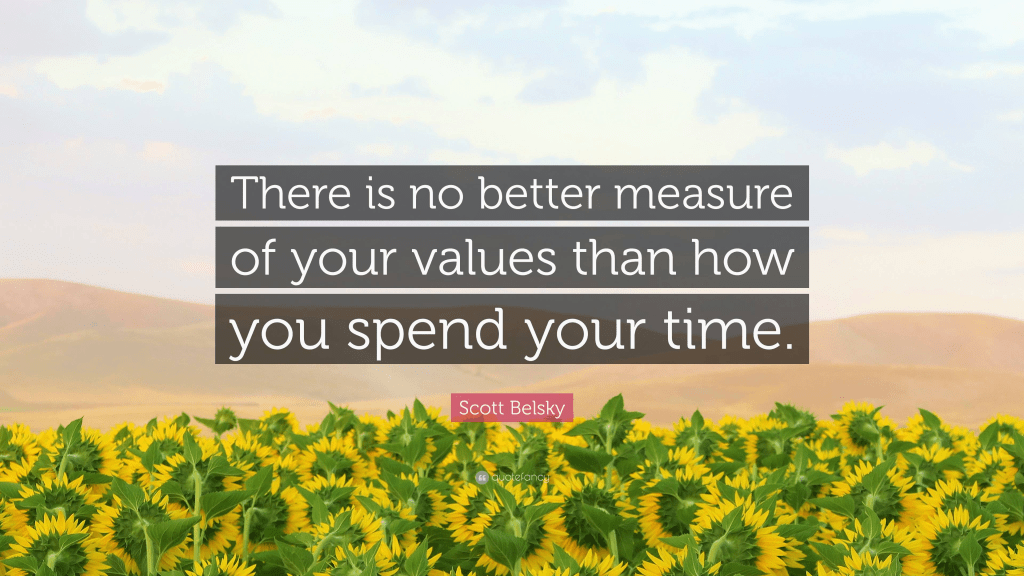
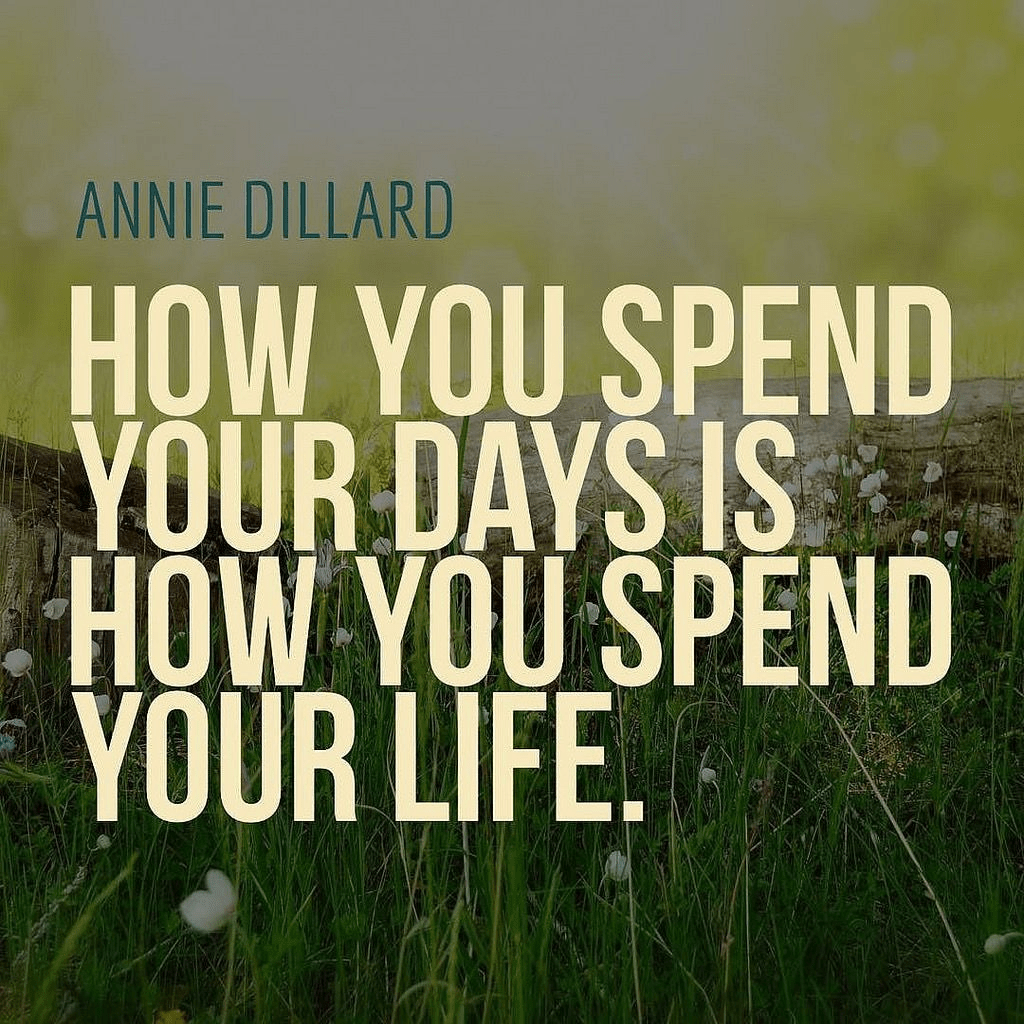
The way you spend your days is the way you spend your life. The bad days are more important than the good days. They test you and your values, and you need to find a way to show up.

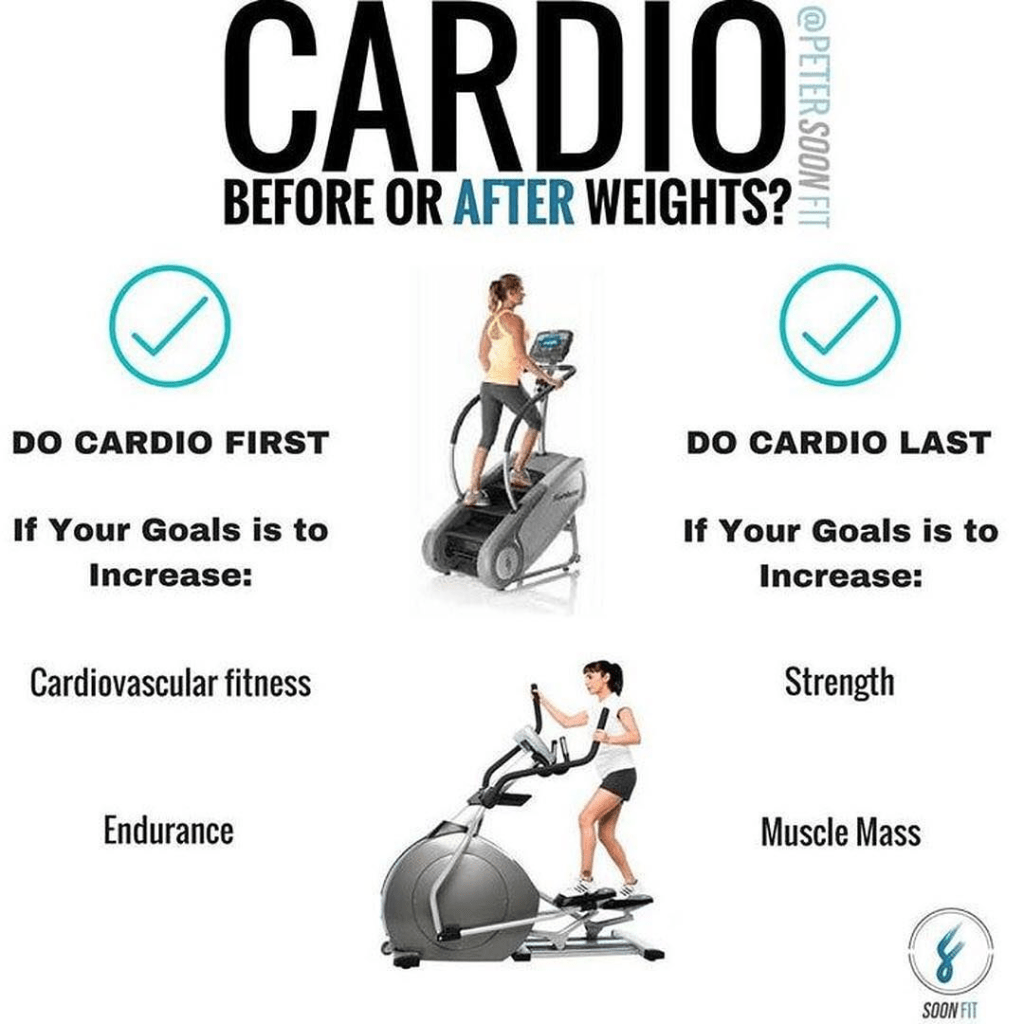
Food, We Need To Talk- Cardio, Lifting…or BOTH?

People who diet or want to lose weight tend to decrease calories and increase movement/cardio.

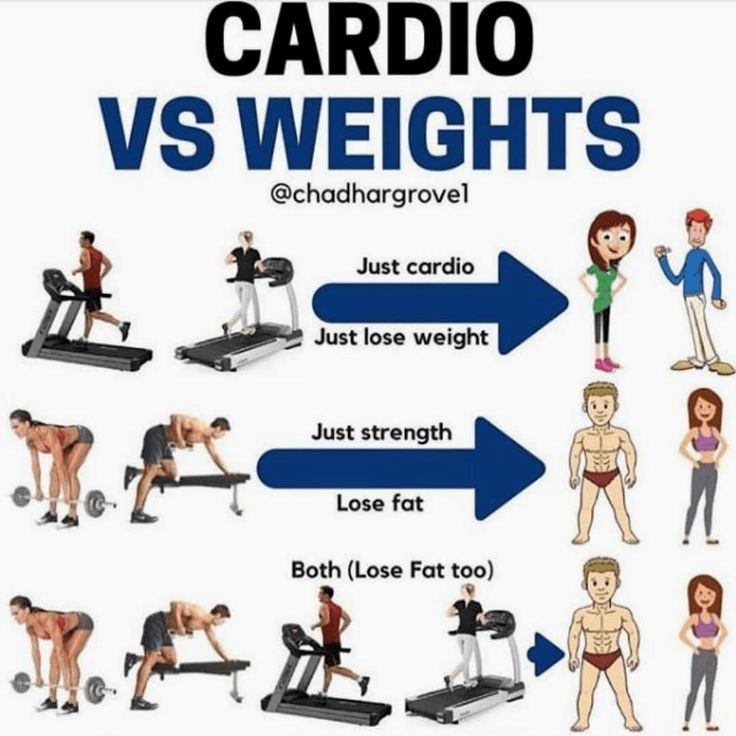
To lose weight, you need to burn more calories than you eat. Cardio is an easy way to burn calories, but you need to increase muscle mass to increase your metabolism. You need to do a mix of strength training and cardio. Cardio alone is one of the worst weight loss tools.

Over half of our daily metabolism comes from our basal metabolic rate. One of the biggest determinants of BMR is muscle mass. Muscle requires more calories to maintain. As you lose weight, your BMR is going down. Try to counteract that by building new muscle tissue by lifting weights.

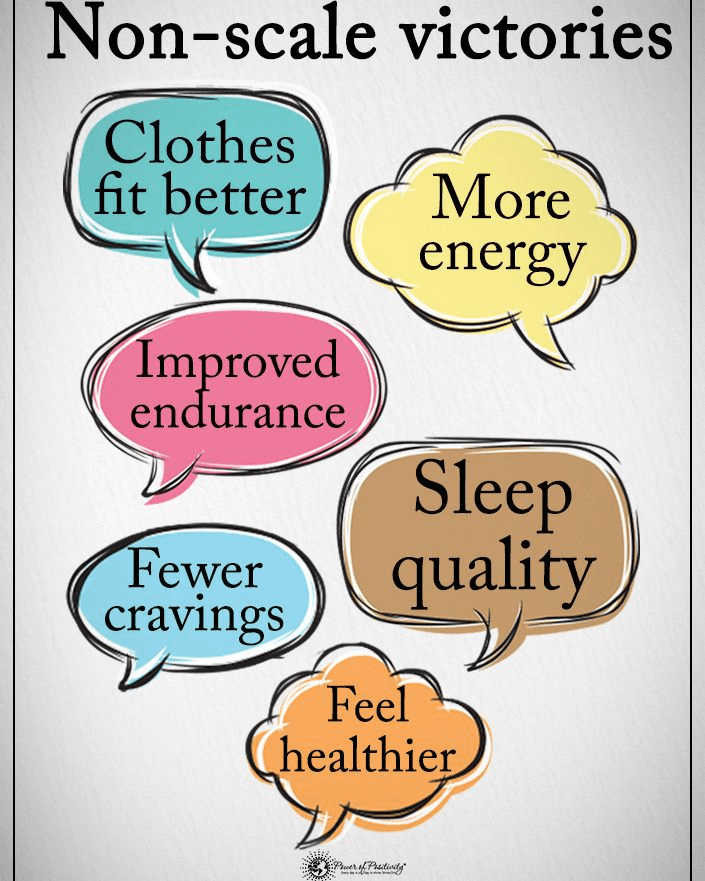
Don’t just look at the # on the scale. Muscle mass can cause you to be in the overweight/obese category weight-wise. Focus on increasing your muscle mass. The most ideal place for new weight loss clients is for the scale not to move at all (signaling you’re gaining muscle and losing fat and building your metabolism). Maintaining muscle is easier than building it. You only need to do 1/7 of the work to maintain it.

If you do the same thing every day or week, your body will get used to it. You need to switch things up and add more weight to your exercises.

Cardio is useful in overall health and preventing diseases, but if you have to do cardio and lifting on the same days, whatever you do first is what you’re going to get best at. Prioritize according to your goals. If your goal is to change your body composition, lift weights first.

I look forward to reading, learning, and sharing more with you soon!