Thoughtful Thursday posts, Uncategorized

Thoughtful Thursday – February 6, 2025

As I discern the frequency of Thoughtful Thursday posts going forward, I wanted to share some of the insights I have learned in the past week. Here are some of the things I’ve learned this week:

Life Kit – The science behind the FDA ban on food dye Red No. 3

  • Desserts, candy, and medications that are bright cherry red often contain synthetic Red dye No. 3. It has been known to cause cancer in rats.
  • The FDA is now banning it in food and ingested drugs (revoking authorization)
  • Red dye No. 3 is a petroleum-based dye that gives products a bright cherry red color.

  • 2002 – petition was filed with the FDA to ban the dye, and the FDA has been reviewing the petition and research ever since.
    • Red dye No. 3 in high doses causes cancer in rats. The FDA previously concluded it was safe for humans in the amounts used in food and said that Americans aren’t going to eat Red dye No. 3 in amounts large enough to cause cancer
  • 2023 – California became the first U.S. state to ban Red dye No. 3, although the ban doesn’t take effect until 2027.
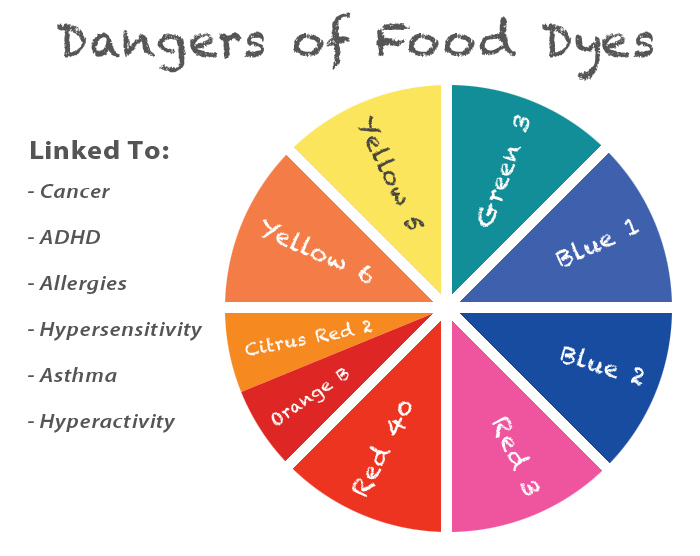
The Environment Working Group has compiled a list of over 3,000 packaged foods and drinks that contain Red dye No. 3!

  • There are also concerns about other synthetic food dyes linked to behavioral issues  and ADHD-like symptoms in children.
  • These dyes are more common in cheaper, ultra-processed foods.

  • Food manufacturers have until January 2027 to remove red dye no. 3 from their products.
    • Replacing with Red 40 (also linked to behavioral issues in kids) or natural food compounds found from fruits and vegetables (ex: beets)
  • Check food labels and try to avoid food dyes.

Chasing Life – Want a Healthier Mocktail? Here’s How

Disclaimer: My body doesn’t tolerate carbonation, alcohol, or mocktails, so I haven’t tried these recommendations!

  • Add water to get the volume right. Ex: instead of 2 oz of gin, add 2 oz of water.
  • Mocktails, like cocktails, are actually meant to be small and savory. You don’t need to use a lot of added sugar or syrups. Not meant to be a 12 oz beverage
  • If limiting alcohol instead of going alcohol-free, use sherry or fortified wines. These provide more of a flavor profile than NA drinks.
  • When you go alcohol-free, there is a chance you won’t miss it!
  • Many zero-proof options rely heavily on sodas, fruit juices, and syrups to try to compensate for the lack of alcohol. You can add water to tone down the sweetness.
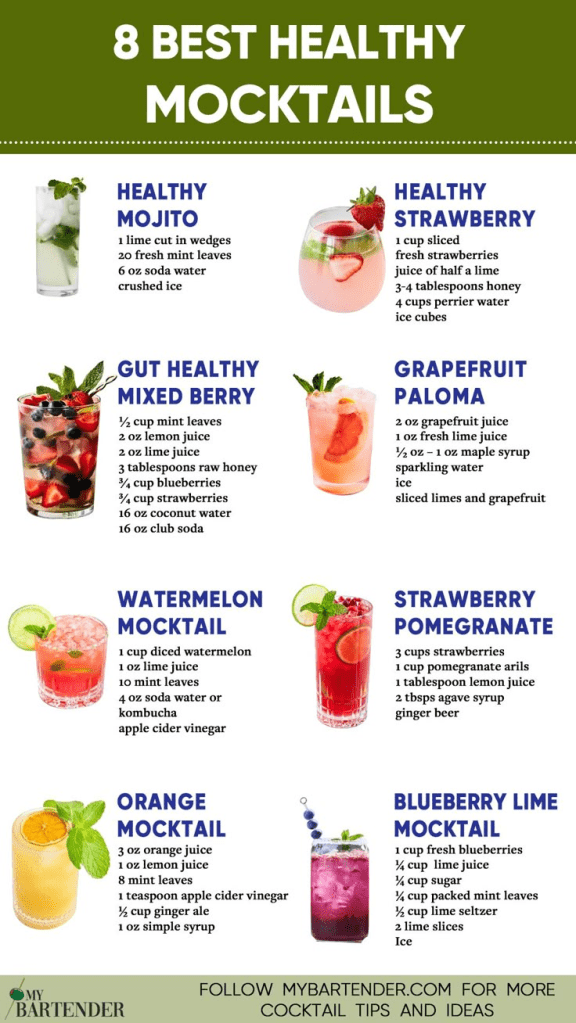
  • 1 month without alcohol will improve your sleep, boost your energy, and lower your blood pressure. That’s pretty good incentive.

Self Improvement Daily – Plant Yourself In Fertile Soil

One of the most important impacts of your life and your success is your environment. Your environment is always pushing you to take make certain choices and take certain actions. 

It’s the difference between hanging around friends who always want to meet up for drinks instead of hanging out while hiking, working out, or socializing without alcohol. It’s the difference between having access to healthy food in your pantry rather than always grabbing and stocking up on junk food. It’s the difference between having a good book by your bed versus only having your phone within arm’s reach.
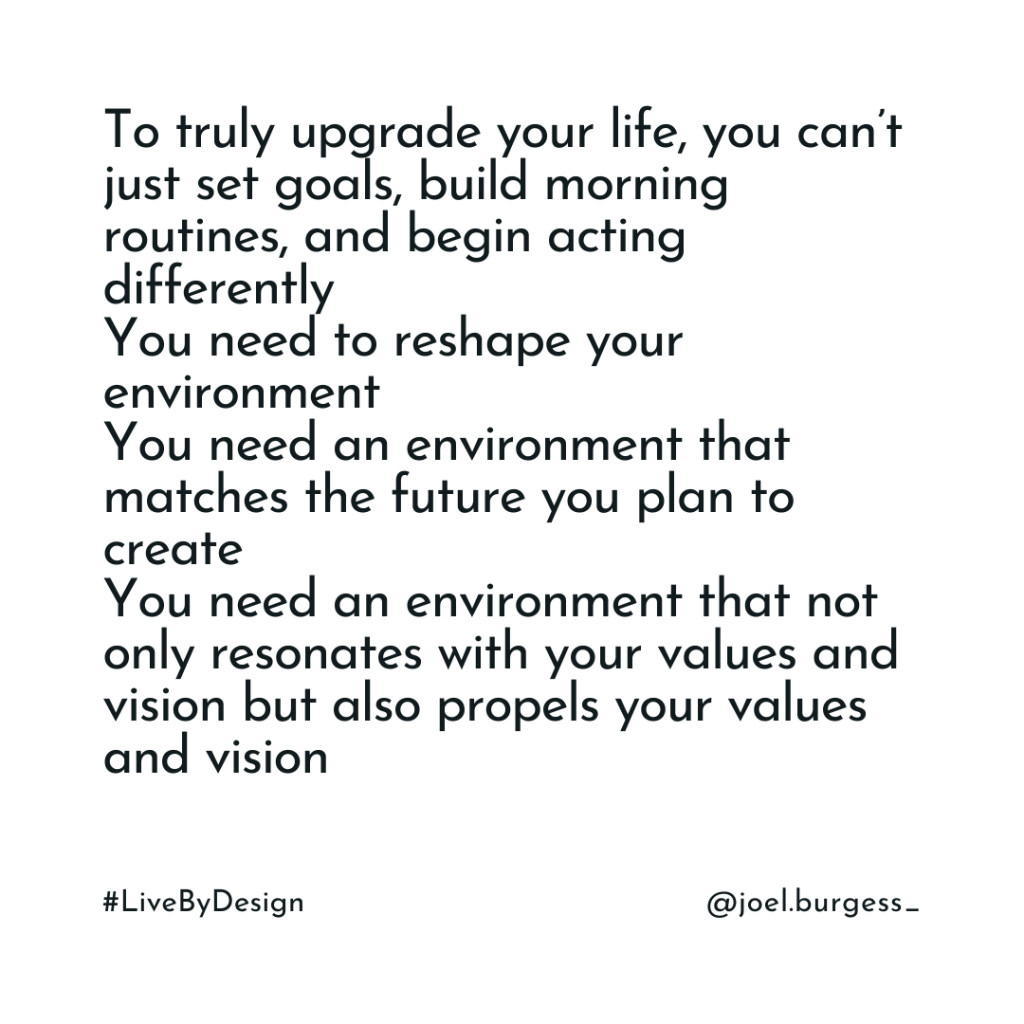
Environment influences what happens without our awareness. The majority of the time, we’re acting unconsciously and automatically.
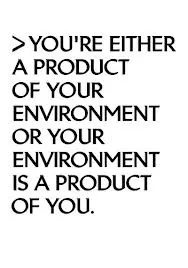
“Here’s a metaphor I like to use that demonstrates the power of environment. Think of the potential of a seed.

A seed has everything it needs to grow into a tall mighty tree. A seed is fully capable, yet most of the time, it doesn’t even sprout. Why? Because it’s dependent on the soil. The seed requires a certain environment to thrive.

The same seed planted in two different places can lead to two very different outcomes. When it’s in fertile soil, it grows tall and strong. When it’s planted in sand, it doesn’t even have a chance. And that’s not because there’s anything wrong with the seed. It’s just in the wrong environment.

As humans, we experience the same thing. There are environmental conditions that bring out our best. The right people, opportunities, circumstances, and spaces set us up for success. But there are also environments that bring out our ‘not so best’, causing us to make choices that don’t serve us and limit our potential.

Unlike a seed, however, we can control our environment. We can choose our surroundings and therefore, shape the influence it has on us. We can plant ourselves in fertile soil and when we do, that’s when we are maximizing our growth and potential! 
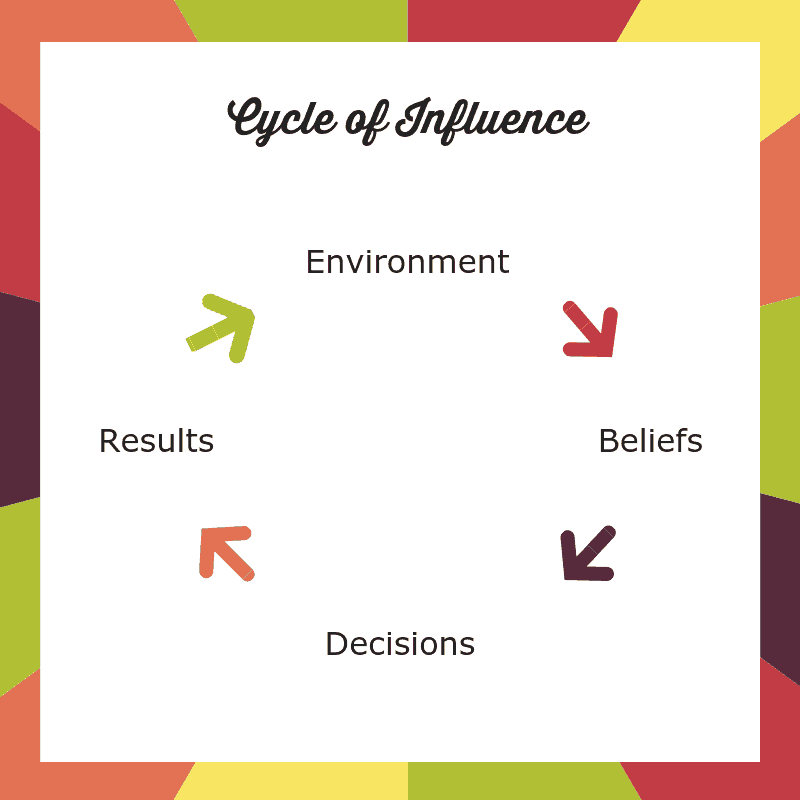
If you’re falling short of the level of consistency, productivity, good health habits, and impact that you know you’re capable of, it’s probably because you’re in the wrong soil. Choose to put yourself in a place where you can thrive and watch the results pour in!”

TED Talks Daily – The secret to telling a great story – in less than 60 seconds

  • Many great stories start with a question because it will make people stick until the end to find out the answer.
  • You want to get your audience’s attention immediately, so you want to start by asking something shocking.
  • After you’ve hooked your audience, you want to take them on a journey building up to your answer where you want them to feel constant progression so that as we’re moving closer and closer to our answer, they feel like they can’t stop listening.
  • If everything is smooth sailing, nobody cares. We want to add conflict before getting to our answer. Without conflict, the audience isn’t as invested.
  • After enough buildup, we finally need our answers. Build tension by making the answer feel uncertain to make a satisfying ending.
  • If it takes longer to tell your story than it does to make a fast food burger, you’re probably overcooking both.
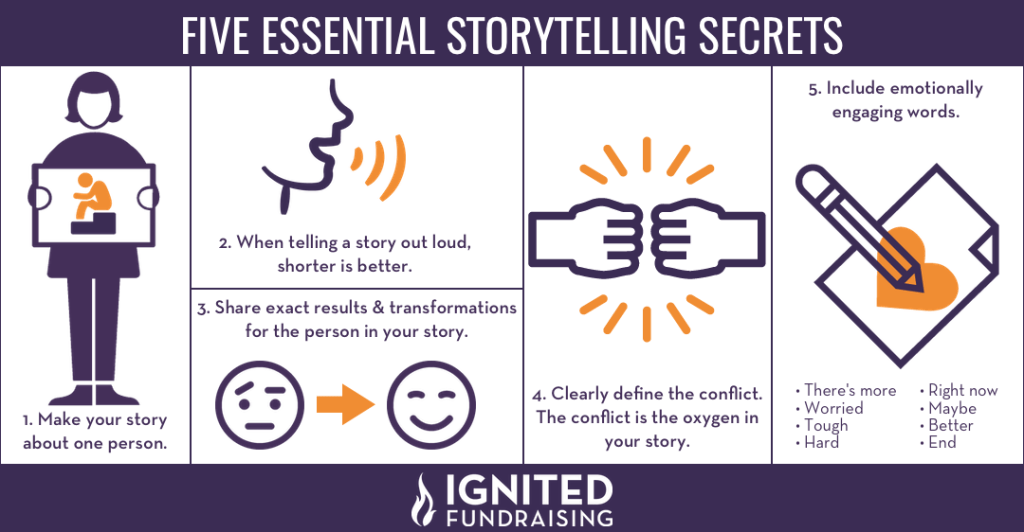
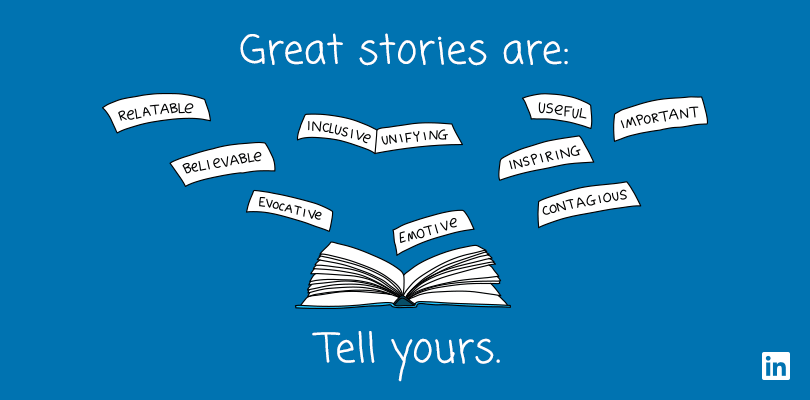
I’ve noticed this trend often on TikTok. People tell short stories with conflict to capture interest and build up progression before detailing the end of the story.
Mary’s Cup of Tea – How to Make Adult Friendships Easier with Kat Vellos

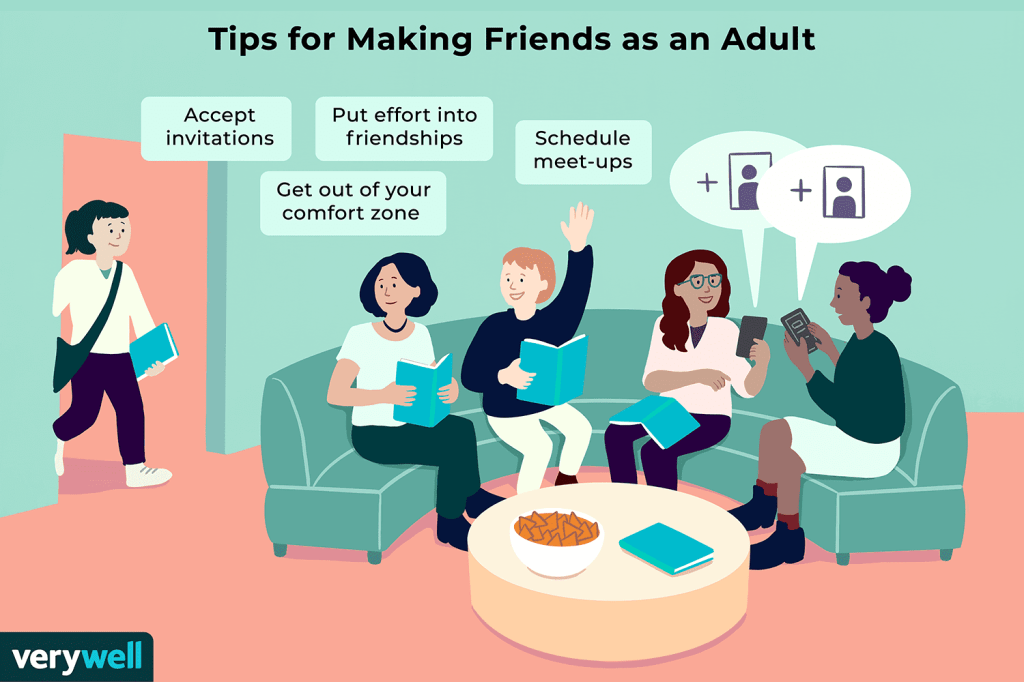
  • Connecting with existing friends more easily: If you are a busy or forgetful person, set reminders in your phone to follow up with the person. Don’t leave your hangout without setting your next hangout (just like a salon appointment). Connect your friends to each other to share time together.
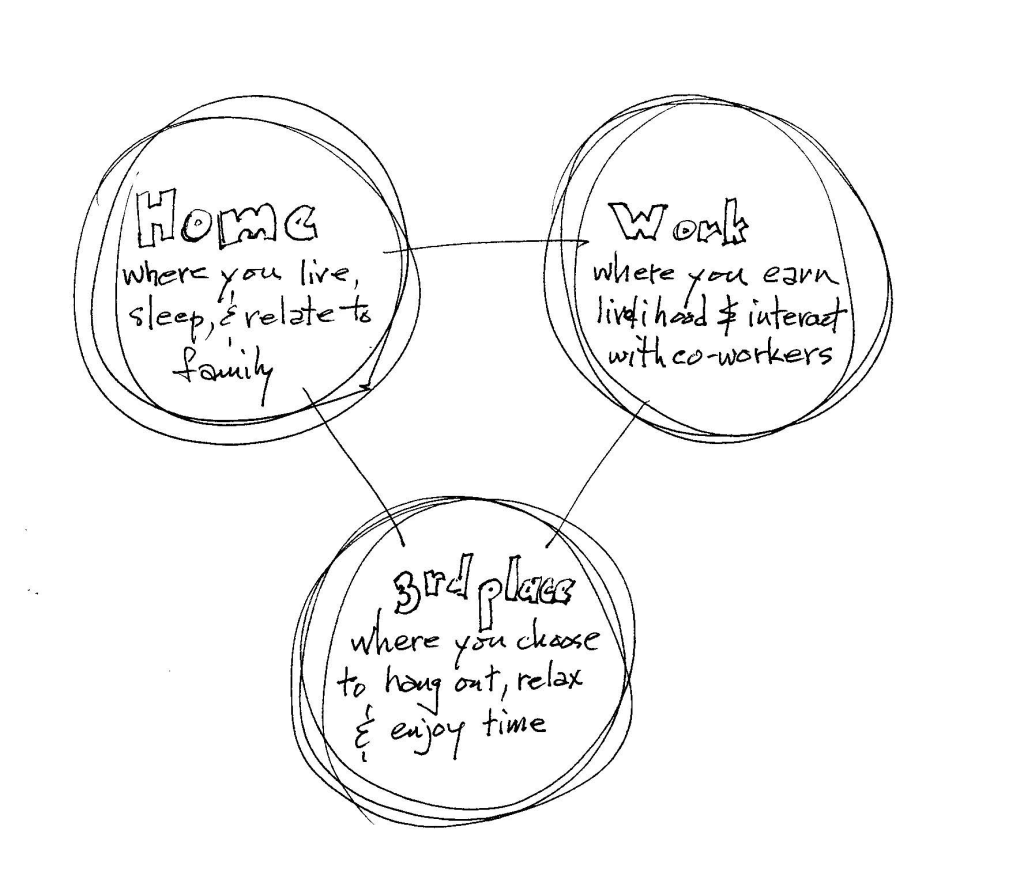
  • Making more friends nearby: Be aware of your limits and take it step by step. Start by making acquaintances with the people who already live near you and are easier to fit into the life you’re living – people on your block, people in your apartment building, people in your town. Become a regular at a third place – neither home nor work – somewhere you go to for enjoyment – gym, coffee shop, brewery, bar, etc. Host friends with frequency – ex: Sunday dinners at home.
  • When we say that friendship is hard, we often say it’s hard because we’re afraid to introduce ourselves to new people, scheduling is hard, we’re too busy, we aren’t getting close fast enough to people, friends don’t give as much as they take, etc. When we say friendship is hard, we might mean that having courage is hard, having confidence is hard, prioritization and persistence is hard, having patience is hard, or taking risks and dealing with disappointments and rejection is hard. These things are part of life, not just friendships!
  • If someone says you should get together and you reach out and they don’t schedule something, follow up suggesting something you think they would say yes to!
  • On average, adults lose 1-2 friends per year because they fall out of touch and things fade away. Like plants, you need to water and nourish your friendships.
Book: “We Should Get Together” – I look forward to reading this!
Thoughtful Thursday posts, Uncategorized

Thoughtful Thursday – November 14, 2024

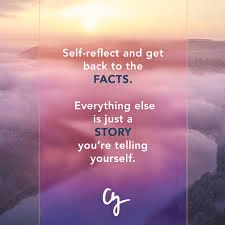
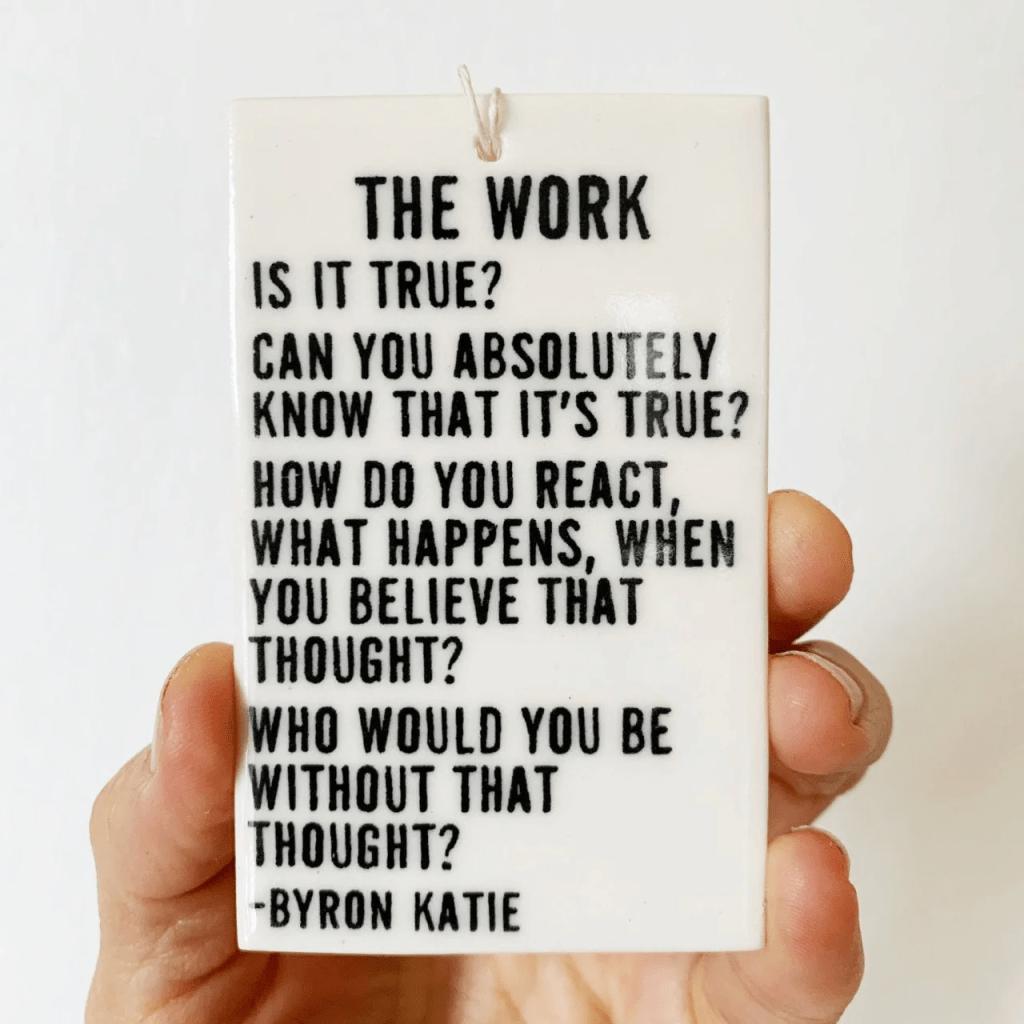
Self-Growth Nerds – 5 Most Powerful Questions to Ask Yourself

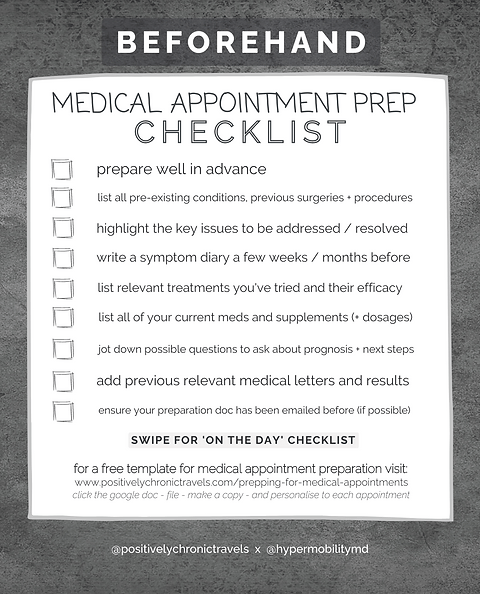
TED Health – A Healthier You: A 5-step guide to better doctor visits

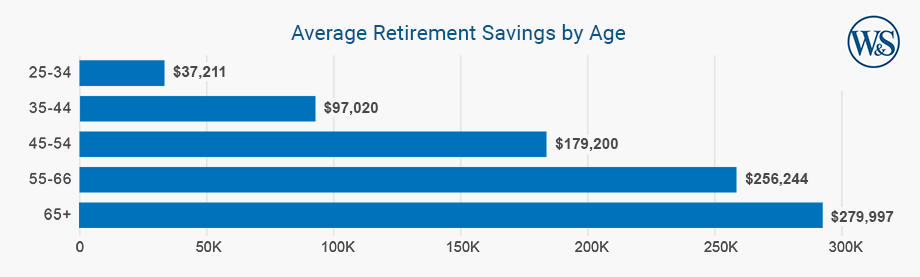
NerdWallet’s Smart Money Podcast – Are You Spending Like Your Generational Peers?

Fit, Healthy, & Happy Podcast – Fitness & Health Habits to Break

The problem with the movie version

There are lights, camera and action, but mostly there’s the unreality of making it fit.

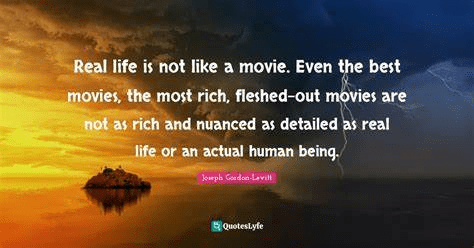
Happily ever after, a climax at just the right moment, perfect heroes, tension, resolution and a swelling soundtrack. Every element is amplified and things happen right on schedule.

Consume enough media and we may come to believe that our life is carefully scripted, and that we’re stars of a movie someone else is directing.

This distracts us from the truth that real life is more muddled and less scripted. There is no soundtrack. We’re actually signed up for a journey and a slog. Nothing happens ever after. It’ll change, often in a way we don’t expect.

We have no choice but to condense a story when we want to film it. Our real story, on the other hand, cannot be condensed, it can only be lived. Day by day.”

Thoughtful Thursday posts

Thoughtful Thursday – October 24, 2024

Stuff You Should Know – The Story of Spirit Halloween

  • There are more than 1,400 stores in the U.S. between August and November. Some are within miles of one another.
  • Spirit Halloween hires 25,000 temporary employees August-November. Stores close on November 2. Spirit Halloween’s online store is open year-round. 
  • 30-40% of stock carries over from year to year 

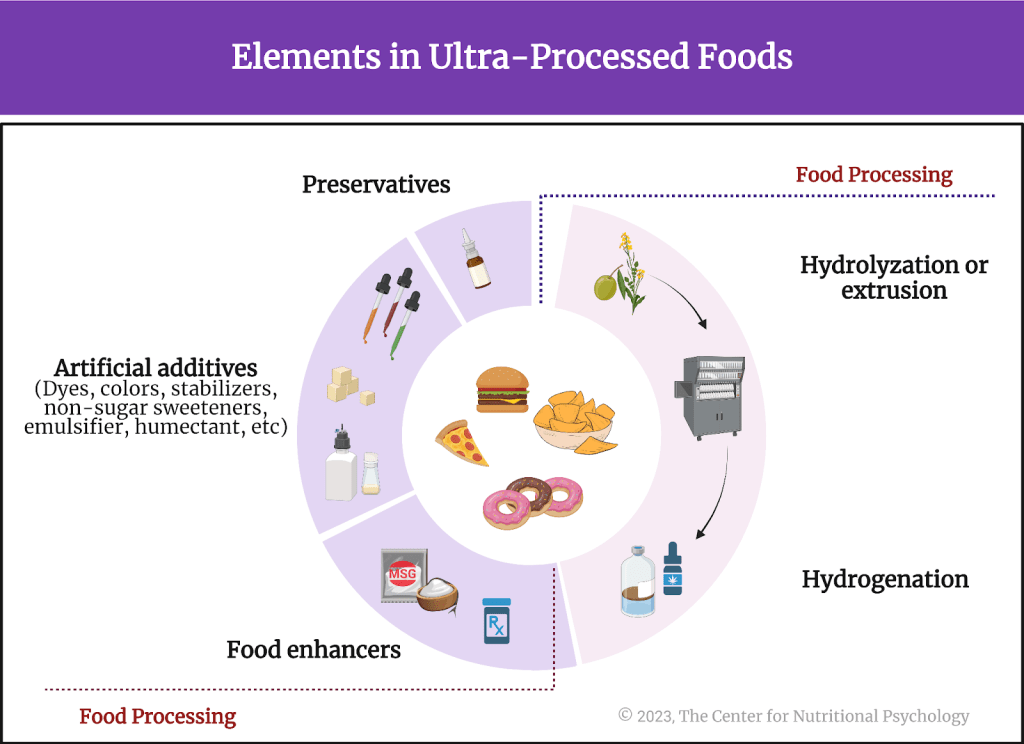
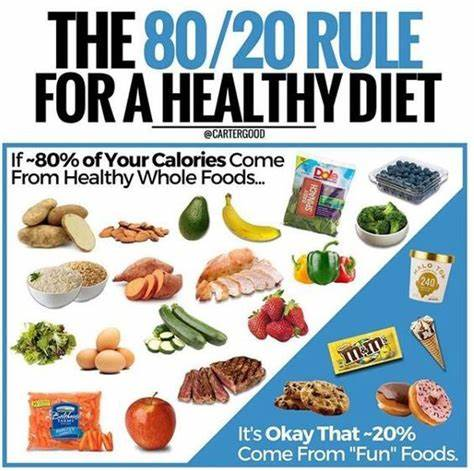
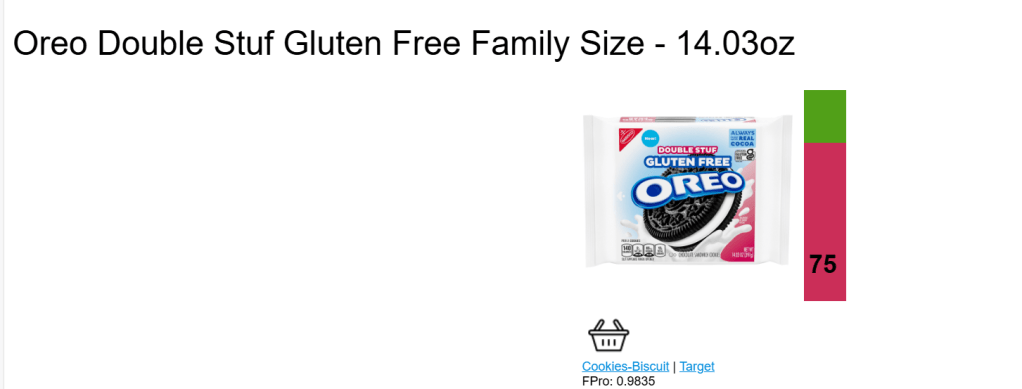
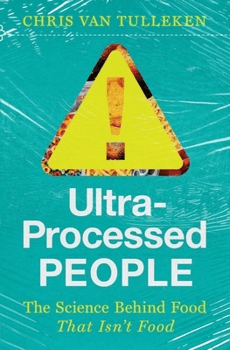
Life Kit: Health – How to cut ultra-processed foods from your diet 

Before Breakfast – Make it worth the commute 

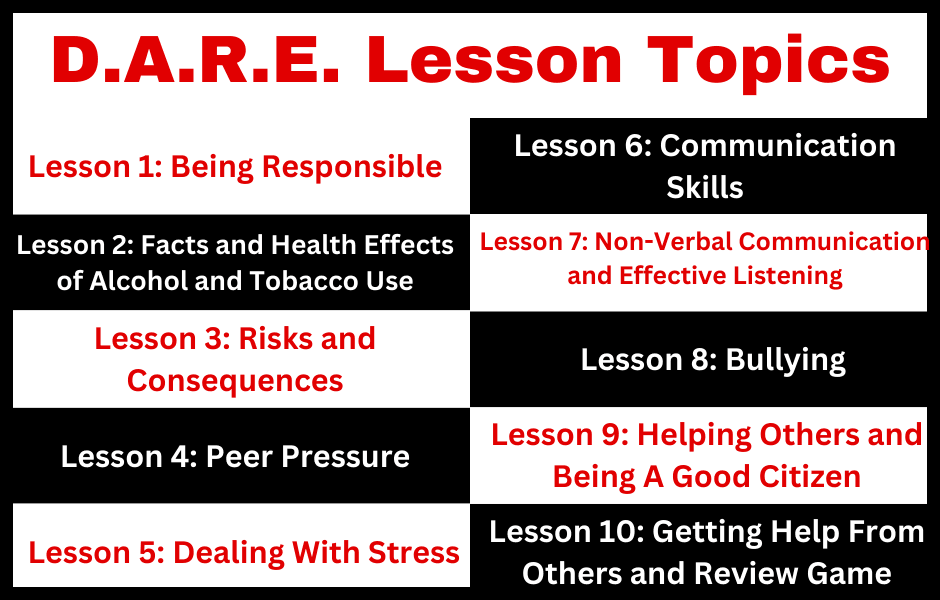
The Big Flop – The Truth About D.A.R.E. 

Confused about good

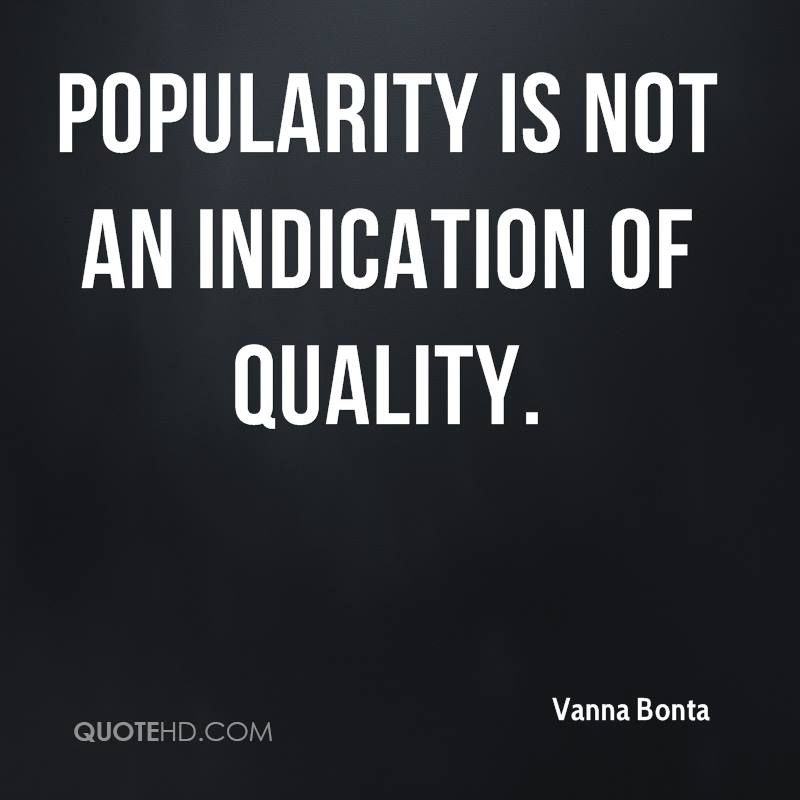
How often do we assume that popular things are good, and that good things become popular?

If your work doesn’t catch on, does that mean it wasn’t good?

In almost every field, people with insight, taste and experience admire and emulate good things that aren’t popular, and are surprised by popular things that aren’t good.

Perhaps we need to broaden our definition (or narrow it) so we can be clear about what we mean.”

Book review posts, Uncategorized

September 2024 Reads

Thoughtful Thursday posts, Uncategorized

Thoughtful Thursday – April 18, 2024

The 5 AM Miracle – 12 Productivity Tips You Need to Know
The Lazy Genius Podcast – 7 Routines That Work for Me
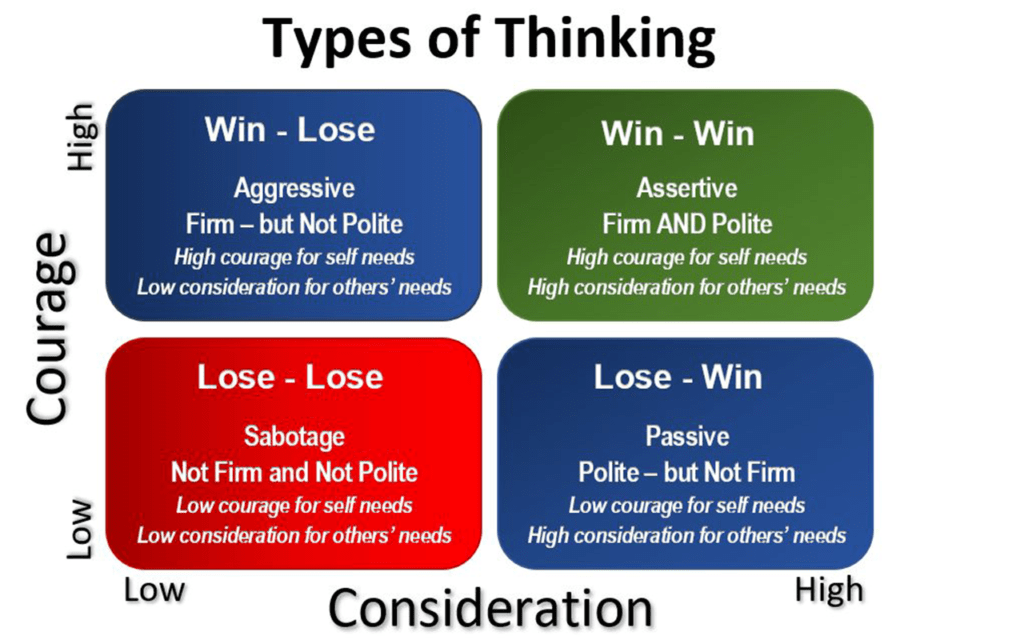
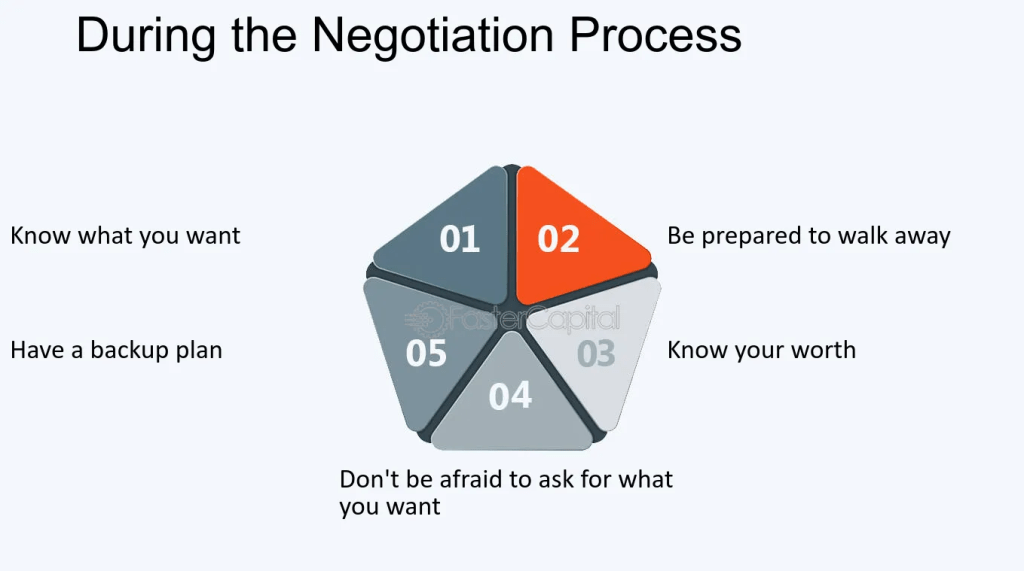
Life Kit – Negotiation tactics for everyday life
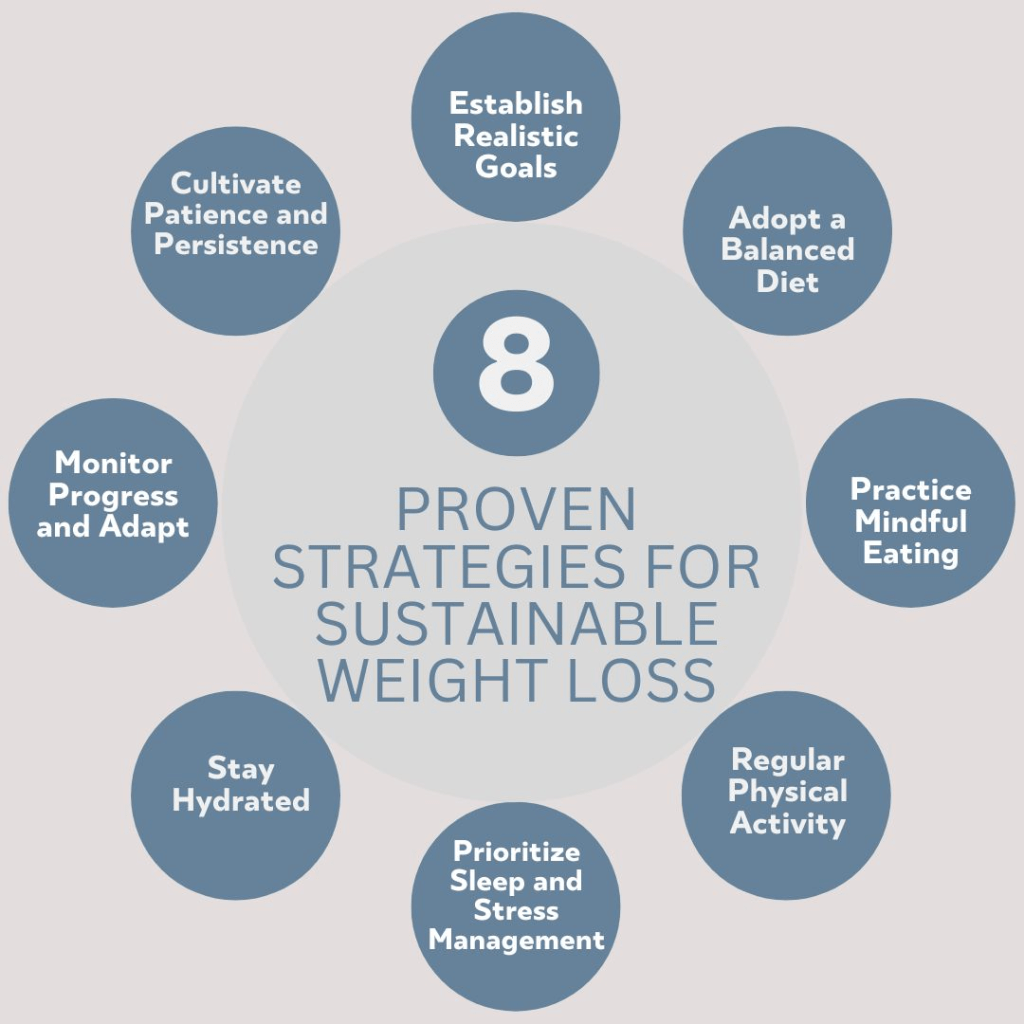
Chasing Life – Do These Quick Weight Loss Hacks Work?
Thoughtful Thursday posts, Uncategorized

Thoughtful Thursday – February 1, 2024

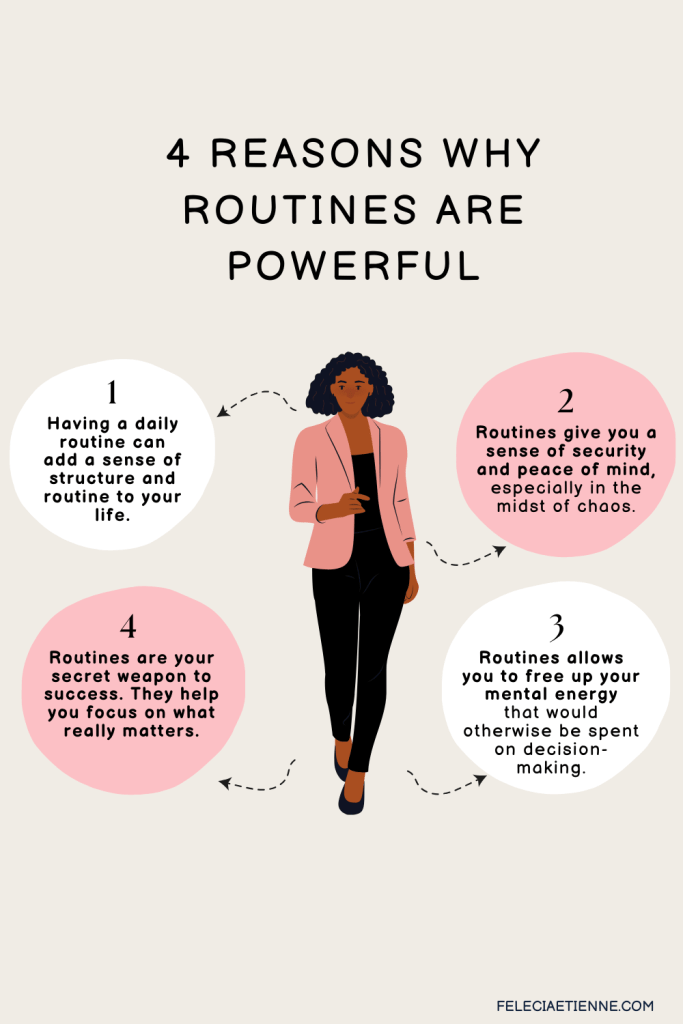
Juice & Toya Podcast – The Power of a Healthy Routine
The Unf*uck Your Fitness Podcast – 6 Steps to Starting A Successful Fitness Journey
The Unf*uck Your Fitness Podcast – 11 Truths You Need to Know About Fitness and Life
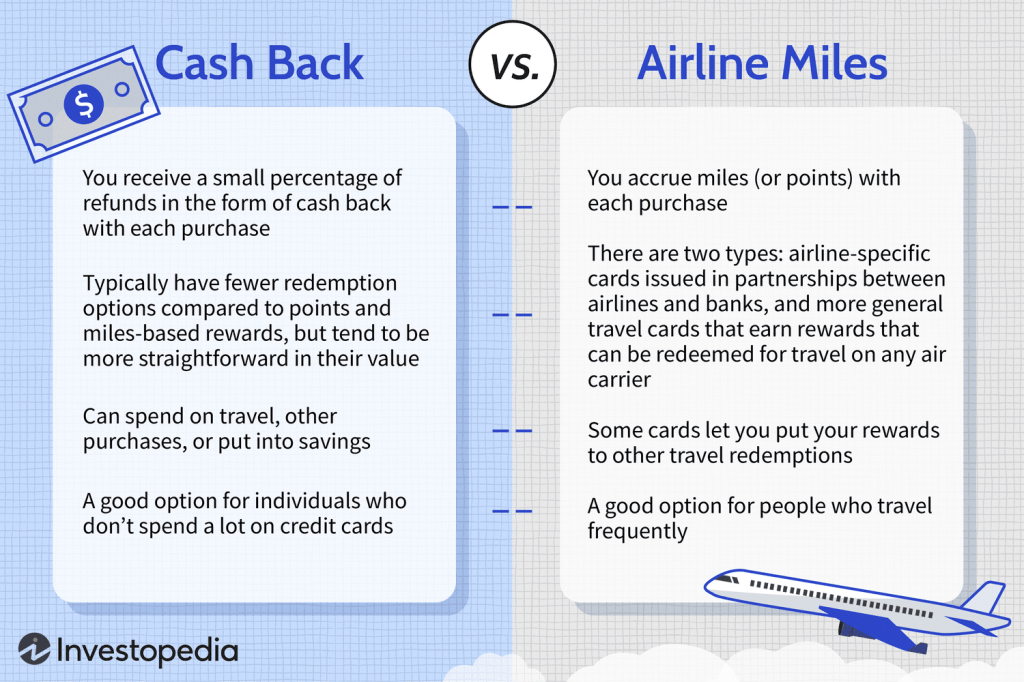
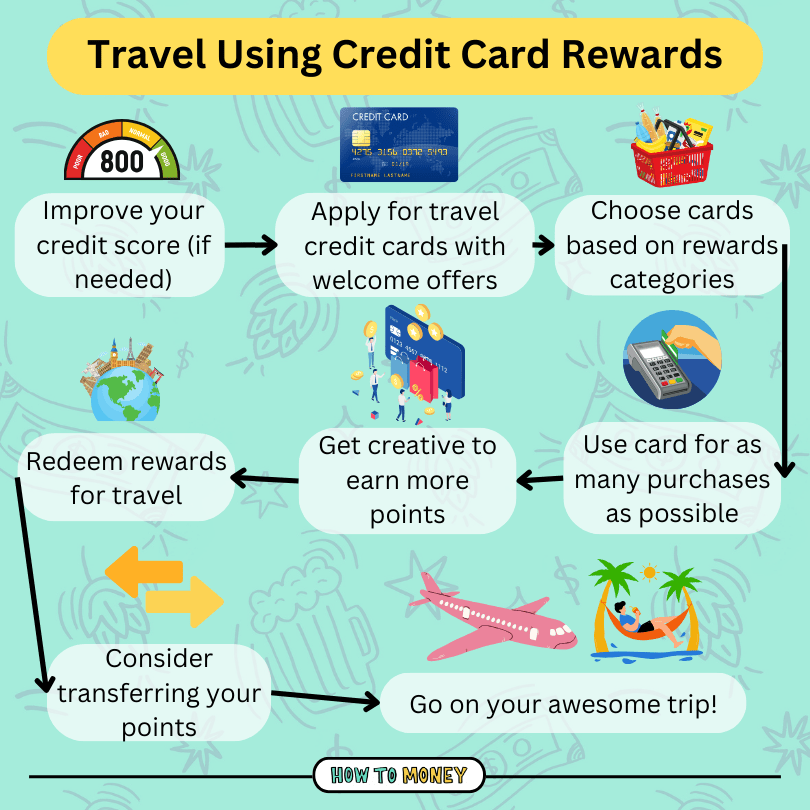
NerdWallet’s Smart Money Podcast – Saving Money with Credit Card Rewards Points: Travel, Cash Back, and More
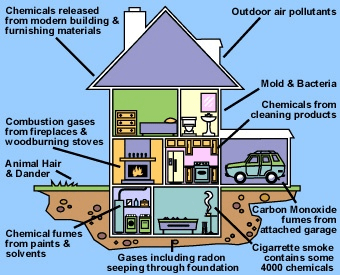
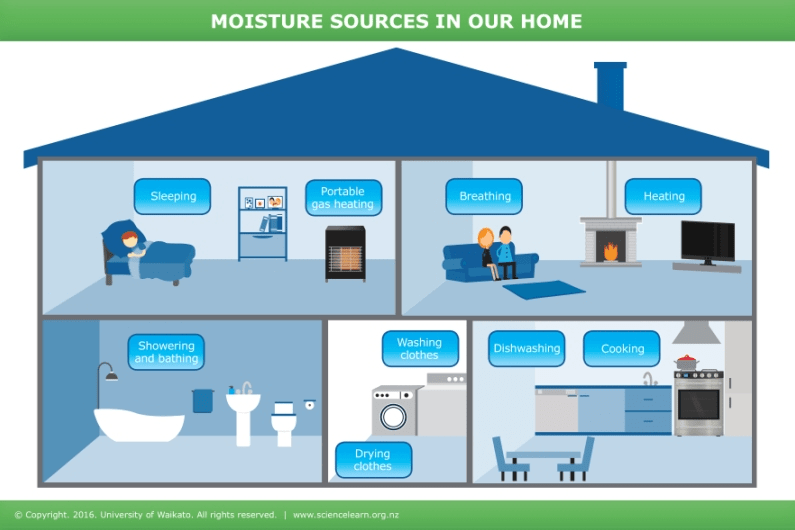
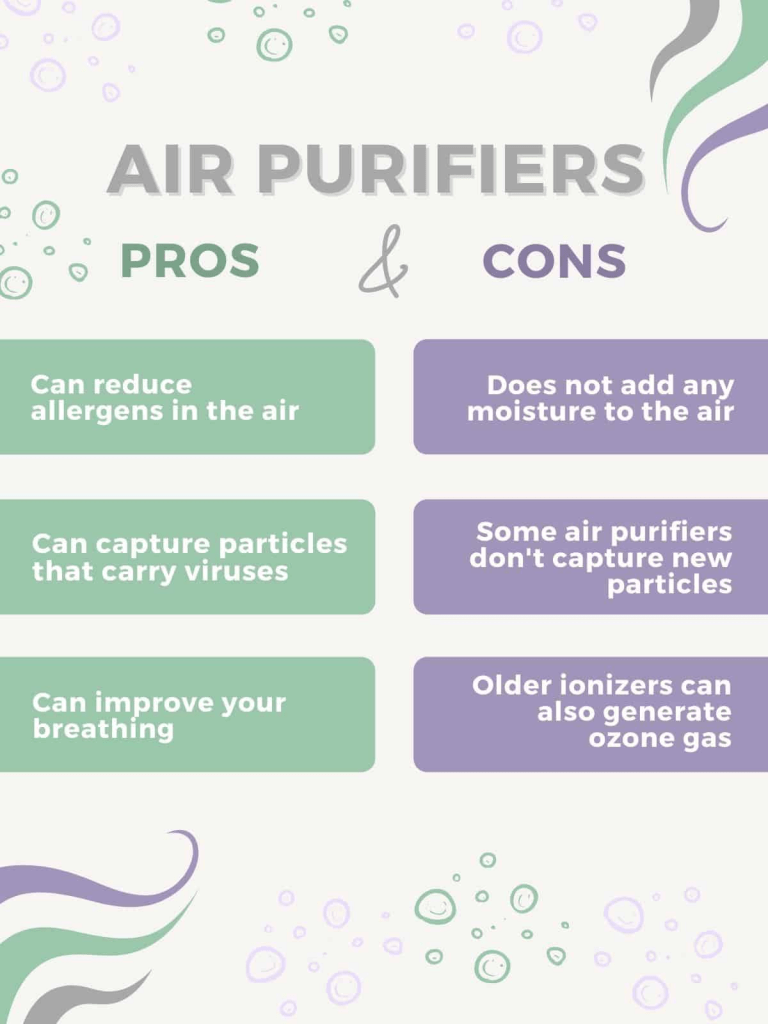
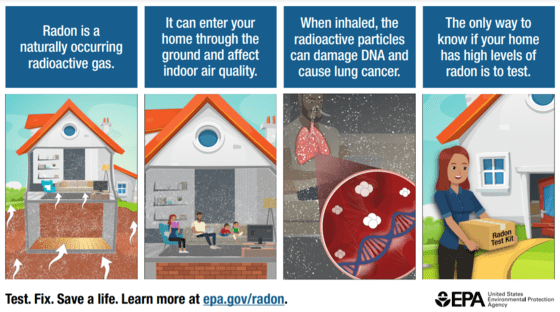
Lift Kit – Improve your indoor air quality

https://www.gabethebassplayer.com/blog/question-of-attention

Question Of Attention

Thoughtful Thursday posts, Uncategorized

Thoughtful Thursday – July 13, 2023

My intention is to post a Thoughtful Thursday column each week and share some of the insights I have learned in the past week. Here are some of the things I’ve learned this week:

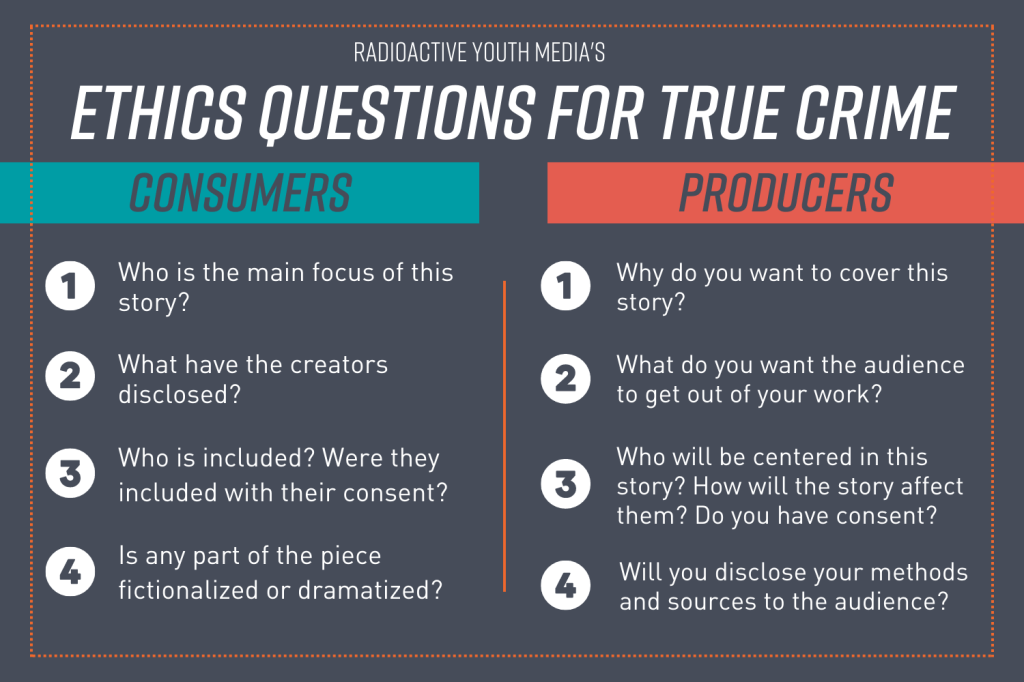
TED Talks Daily – Are you an ethical true crime fan? 4 questions to ask
  • Ask yourself – Why am I interested in this? Some people are driven by a sense of community or justice, but others are intrigued by horror or morbid curiosity. If that’s the only reason you’re interested, it might be time to try something new.
  • How does this make me feel? Hedonic motivations are not ethical.
  • How might the people involved in this story feel? Are they being hurt? Is there a justifiable reason to inflict that harm? Can some good come from retelling the story, or is it just for entertainment?
  • Am I motivated to act?
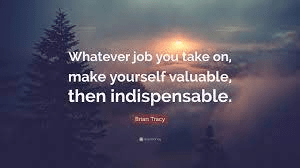
As We Work – The Value in Being Invaluable at Work
  • People who are invaluable aren’t just doing their job well. They’re doing the job that needs to be done. They’re paying attention to what’s going on around them and point themselves to the work that has the greatest impact for the organization.
  • Indispensable people are high-performing in their realm. They are focused on what they want to do and are focused on what their role/job is. Impact players are oriented on what’s happening around them and what needs to be done.
  • Most valuable people figure out how to solve problems and do things. They do the job that needs to be done, move to where the action is, and are ready to learn.
  • To go from indispensable to invaluable, train others on the things you’re skilled in. To be invaluable, see the agenda and get on the agenda. Offer help on specific things. Don’t offer to help by saying “let me know if you need anything.” Invaluable people need to be mindful of doing work quietly and behind the scenes. We need to be actively making sure people see our work. Elevate your contribution and make people see the good work you are doing (gracefully).
  • Swoop in to fix a problem, make a thoughtful contribution, offer to help, teach others how to do things only you know how to do, look around and above you to learn the company’s agenda and try to do that work. Don’t be afraid to share what you know.

Here are some recommendations to be invaluable at work:

  • Don’t be afraid to take the lead and take ownership.
  • Embrace change.
  • Derive and offer solutions to challenges or problems.
  • Focus more on the work that matters, not the work that spins the wheels. Anticipate needs and be proactive.
  • Be a thought leader. Apply yourself in a way that provides new and valuable thinking that benefits your team or company.
  • Take initiative.
  • Seek to gain more knowledge and always share knowledge and demonstrate your worth.
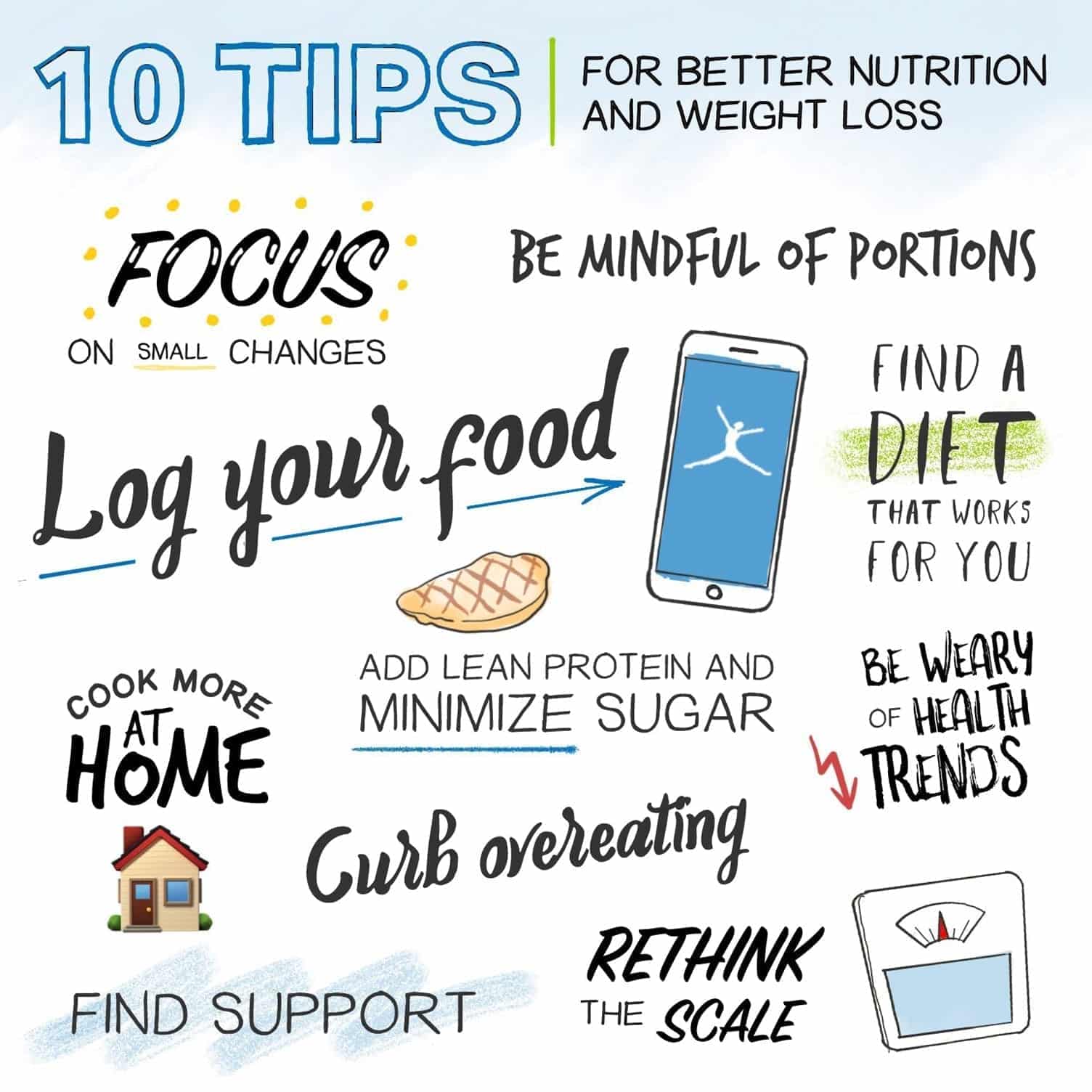
Fit, Healthy & Happy Podcast – The Worst Nutrition Mistakes that Everybody Makes (Avoid These)
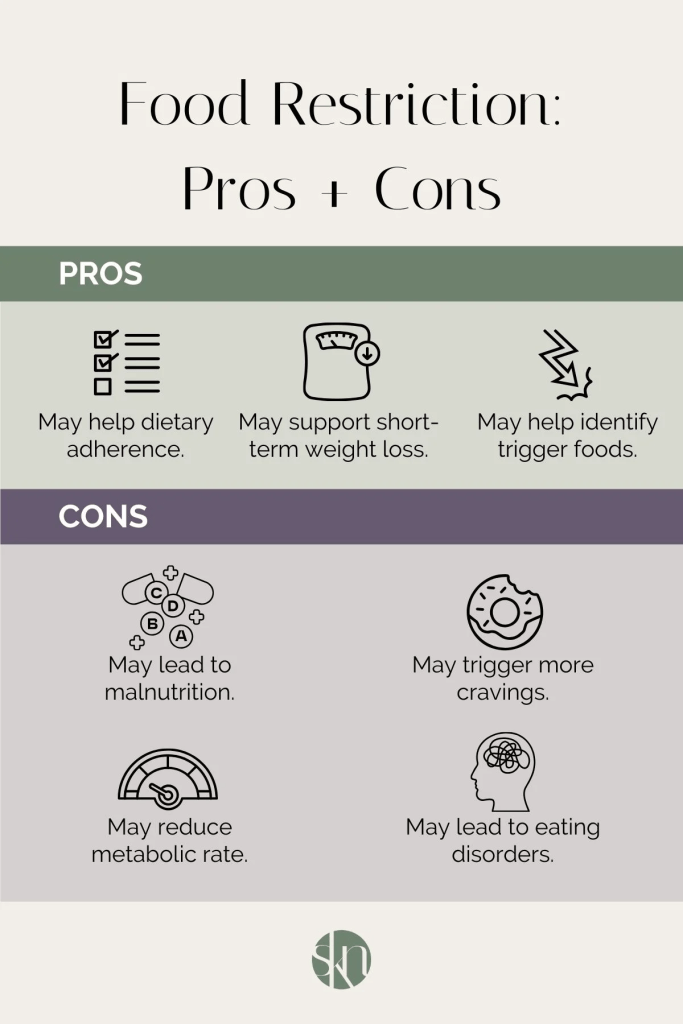
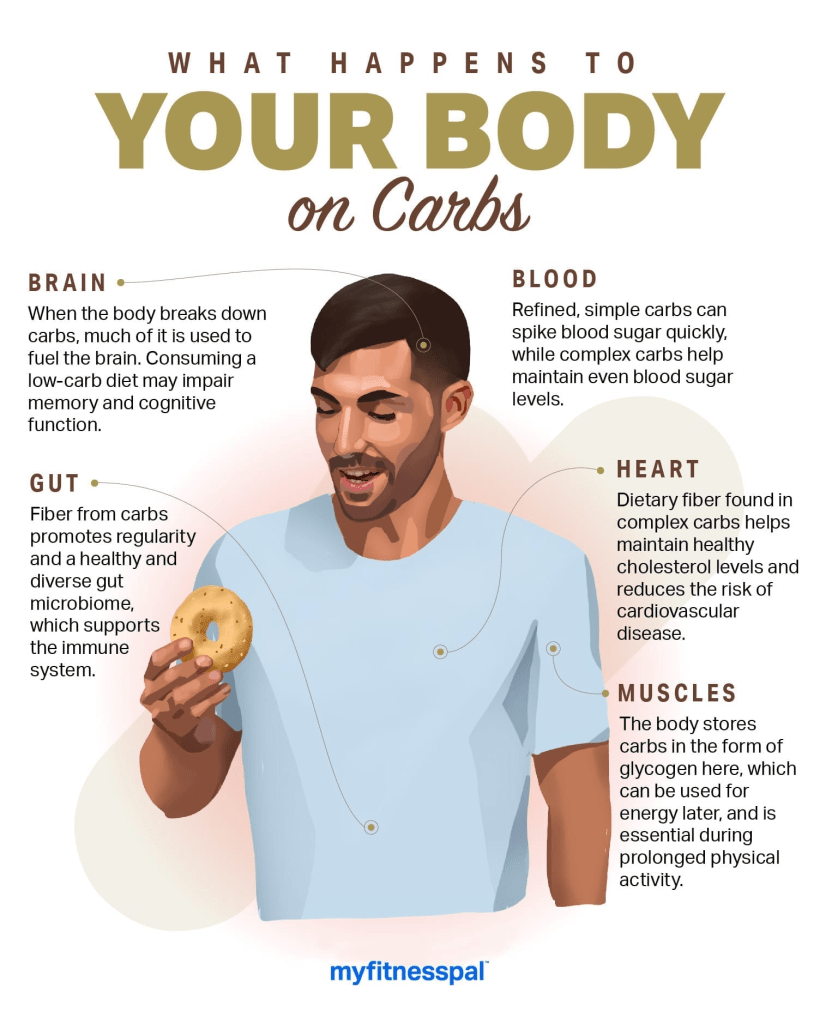
  • Restrictive diets – keto, low carb, no carb, fasting. Instead, follow something you can consistently do long-term.
  • Skipping meals – can lead to making poor decisions and overeating later on
  • Not reading food labels- try to choose items that have more protein than fat.
  • Eating too many processed foods- high in sugar, salt, fat, and preservatives
  • Not getting enough fruits and vegetables
  • Overeating – usually caused by eating too quickly or not paying attention to feelings of fullness
  • Focusing on the micro over the macro – ex: focusing on supplements instead of proper amounts of water, focusing on timing of meals instead of protein intake
Speaking of Psychology – What does modern retirement look like? With Mo Wang, PhD
  • For many people, retirement is no longer an abrupt end to their working lives, but a slow process of transition. Many people participate in bridge employment, which occurs when they actively retire but still engage in paid work activities part-time. 2/3 of people generally engage in bridge employment before retiring.
  • Many people are not working for the money in retirement. They instead want a social environment and begin working again.
  • When organizations offer flexible work arrangements such as remote work, they are most likely to keep their older employees, who often delay retirement.
  • Retirees who retire from stressful or physically demanding jobs often experience an improvement in well-being in retirement. Others experience a decrease in well-being if they had a job with high status or have financial difficulties.
  • In today’s current Social Security system, two workers are supporting one retiree.
  • You need to find an identity outside of your work to maintain a sense of well-being!
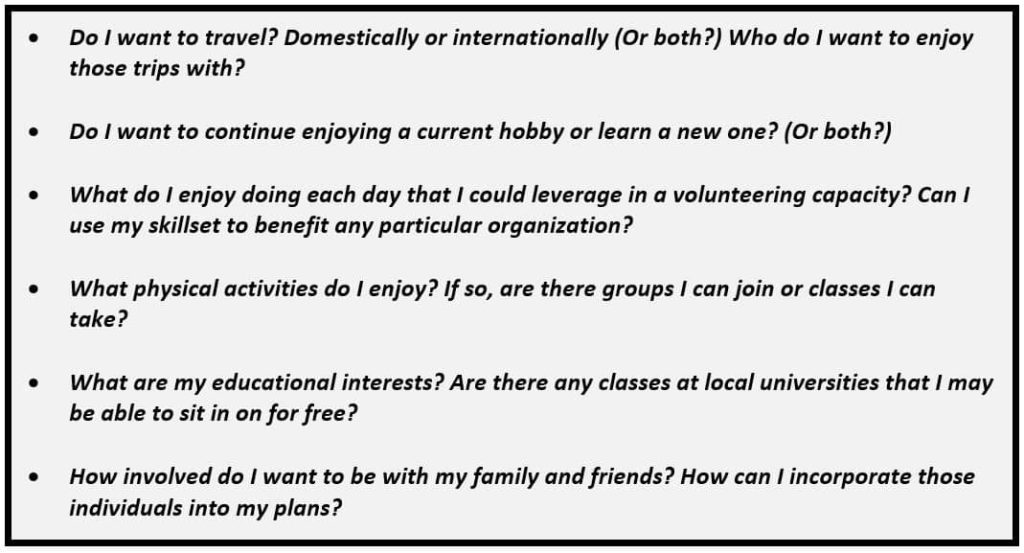
  • When considering retirement, ask yourself what you would like to do during retirement, have a plan for leisure activities, where you would like to live, and who you want to share retirement with. Without having a plan, many people lose their sense of identity or become bored because work was their entire identity.
The Clever Girls Know Podcast – 21 Money Myths to Ditch Now

Myths:

  • Myth: Money is the root of all evil. Fact: Money in itself is not evil. Change your mindset and think of money as a tool.
  • Myth: You cannot negotiate your bills. Fact: If you don’t ask, you aren’t going to know.
  • Myth: Building generational wealth is for the rich. Fact: Anyone can do this. Transferring generational knowledge (lessons about responsibility, lessons about investing) is a way of transitioning generational wealth. It doesn’t always need to involve monetary assets. Invest small amounts of money as you can. You choose what aspects you want to transition, whether it’s assets or knowledge or both.
  • Myth: Personal finance is confusing and complicated. Fact: It can be but doesn’t have to be. It’s up to us to take the time out to understand the basics of financial literacy. Personal finance can become easy to understand by taking action and reading a book or researching. Knowledge is power.
  • Myth: You should always buy the cheapest option. Fact: Sometimes the cheapest option is not the best option. Sometimes it is worth investing a little more to get quality over quantity.
  • Myth: It is impossible to have fun and save money at the same time. Fact: It is possible with good planning to live a good life and do things that make you happy while also saving money at the same time. It’s all about prioritizing and determining where you are going to spend your money. It’s all about doing things that matter to you that you enjoy and compromising priorities so that you can do both.
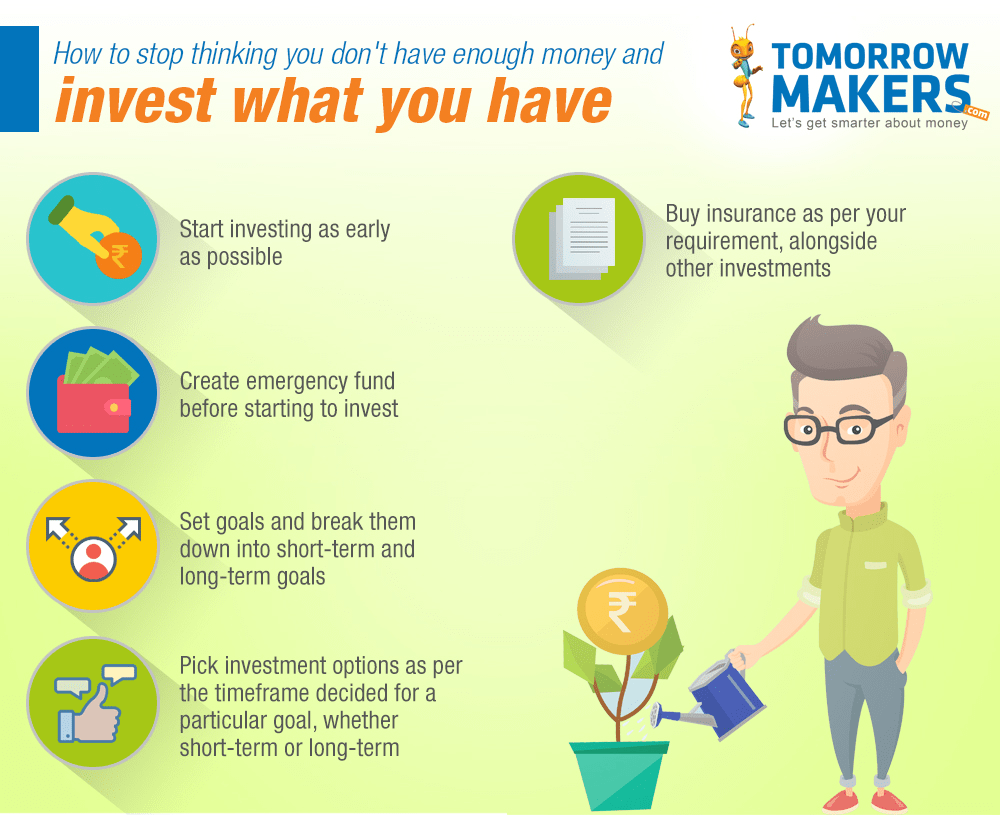
  • Myth: You need tons of money to start investing. Fact: You can start investing with small amounts. The key to investing is investing consistently over time. Small amounts add up due to compound interest.
  • Myth: Credit cards are bad for your finances. Fact: Credit cards are a tool. You need to build a budget and be able to pay the balance in full each month. Leverage credit cards as an option to built your credit.
  • Myth: Renting means you’re throwing away your money. Fact: You aren’t building equity, but renting offers flexibility and can be less expensive, especially if you need to move a lot. You don’t have the home expenses of repairs and renovations. Homes come with their own set of expenses and they can be very costly. Plan out your finances so that you are able to rent or buy a house AND invest at the same time.
  • Myth: Having a balance on your credit card is good for your credit. Fact: Avoid paying high interest by paying your balance in full. Credit companies want to see use of credit as well.
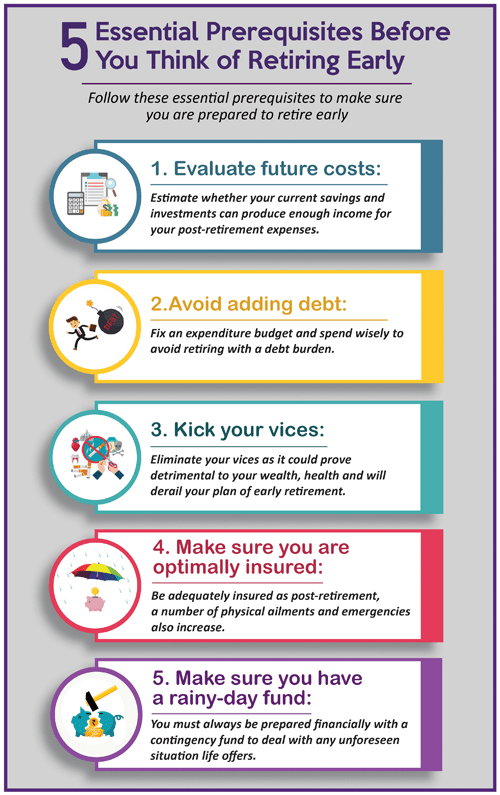
  • Myth: You can’t retire until you’re 65 or older. Fact: You choose when you want to retire by determining how aggressive you want to be with your retirement goals and exploring options to accelerate your goals toward early retirement. Early retirement is not for everyone. If it’s something you want to pursue, you will need to restructure your plan and save aggressively for retirement.
  • Myth: Investing is hard. Fact: Investing CAN be hard but doesn’t have to be. Learn how investing works by learning the basics and picking a low-maintenance low-cost index fund. Do your research, understand your risk tolerance, and get clear on your goals and objectives about why you are investing.
  • Myth: Your 401(k) can serve as your emergency fund. Fact: You should not be leveraging your 401(k) as an emergency fund. You will be hit with fees, penalties, and income tax. Save your 401(k) for retirement.
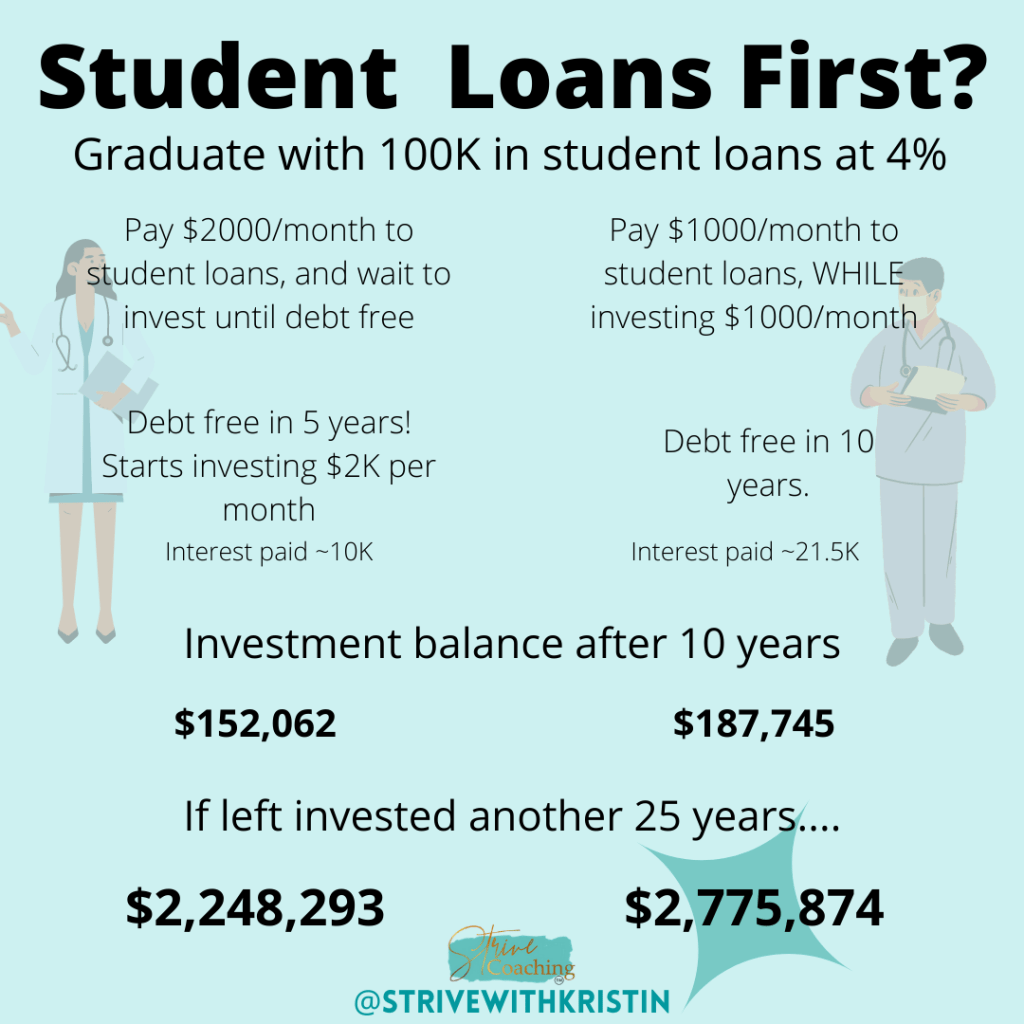
  • Myth: You cannot save if you have debt. Fact: You may have a mortgage, student loans, and credit card debt, but you can still save for retirement and should contribute up to your employer match due to the power of compound interest. Debt payoffs can take several years. That’s years of time that you are missing out on compound interest.
  • Myth: If you have a credit card, you do not need an emergency fund. Fact: A credit card is not an emergency fund because you will need to pay interest – often a high interest rate. Do not leverage a credit card as emergency savings. Instead, put money aside for emergency savings.
  • Myth: You should pay off your mortgage as quickly as possible. Fact: You should pay off high-interest debts first (such as credit cards).

To date, the biggest money mistake I’ve made is that I waited to save for retirement until after I paid off my student loans.

  • Myth: Don’t worry about retirement until you’re older. Fact: You want to begin saving for your retirement as soon as possible!
  • Myth: Student loans are the best way to finance your education. Fact: You should explore other options such as grants, scholarships, help from family members, and working part-time first.
  • Myth: You can never pay off debt. We are not all meant to be in debt. Fact: Prioritize paying off debt, especially high-interest debt. It is possible to pay off debt.
  • Myth: Money is a private topic and should not be talked about with anyone. Fact: Money can be private, but you grow from sharing and learning from others’ experiences and getting support and accountability. Find people and resources that you trust and leverage them to help you navigate through any financial situations you are facing and educate and empower yourself to do well with your money.
  • Myth: Money can’t buy happiness. Fact: The bottom line is that money is a tool and you can leverage money to achieve the things and buy the things that truly bring you joy.
Self Improvement Daily – Jumpstarting A Dead Battery

It’s fascinating to think about how a car is capable of producing its own energy, but it loses that ability with a dead battery. It has wasted potential because it cannot self-start and initiate the process that could fix it, yet a small outside spark is all it takes to kick the engine into gear so that it can return to its normal energy producing process.

There’s a similar process without ourselves, but instead of it being useful when we’re out of electricity, an outside force can help to reignite our self-belief. In the face of a major setback or failure, we sometimes find ourselves completely drained of self-belief and incapable of restoring it. The outside spark in this case is encouragement. All it takes is a little encouragement to jumpstart your self-belief and get you back on a better path.

We need more people seeking out opportunities to help each other, uplift each other, and to see the good in others that they fail to see themselves. There may be someone in your life who needs to be seen, acknowledge, supported, and encouraged. Be that person for others and let them reignite their self-belief.

I have finished reading two books in the past week.

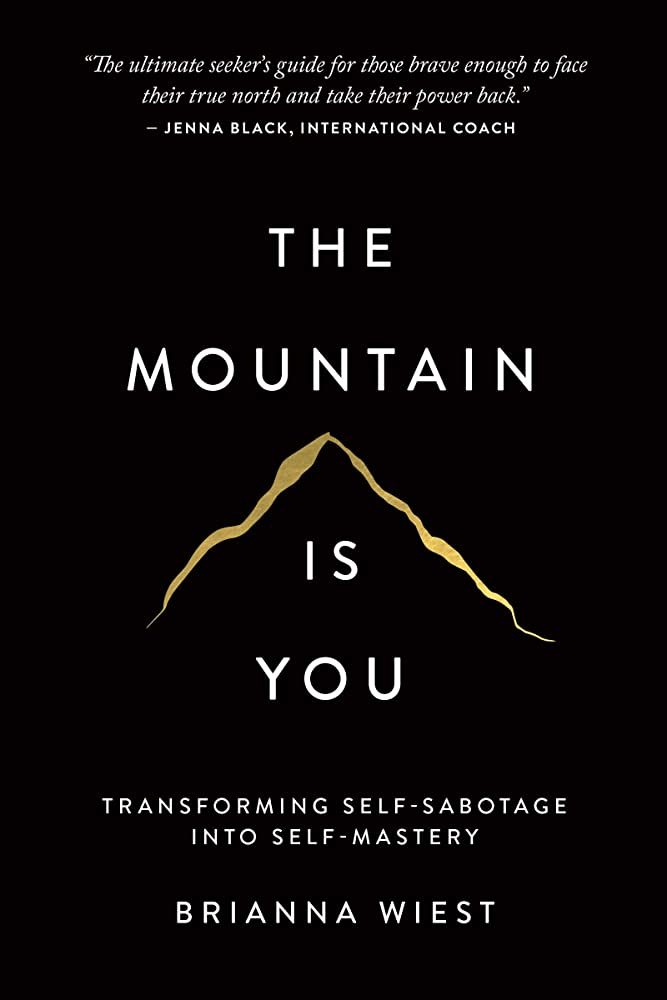
“The Mountain is You” was written by Brianna Wiest and emphasized the many ways self-sabotage obstructs our paths to becoming our best selves. I read this book as part of a book club I’m in. This book was very reflective and educational and covered patterns indicative of self-sabotage and how to tell if you’re in a self-sabotage cycle. 👍 Aside from the many examples, here are some of my favorite points:
➡️“Arriving” often makes us hungrier for more. When we want something really badly, it is often because we have unrealistic expectations associated with it. We imagine it will change our lives in some formidable way, and often, that’s not the case.

➡️What you do every single day accounts for the quality of your life and the degree of your success. It’s not whether you “feel” like putting in the work, but whether or not you do it regardless. ❤️ Listen to your behaviors. Filter out the noise. Manage your discomfort by making small changes. Become the best version of yourself. Find your inner peace.
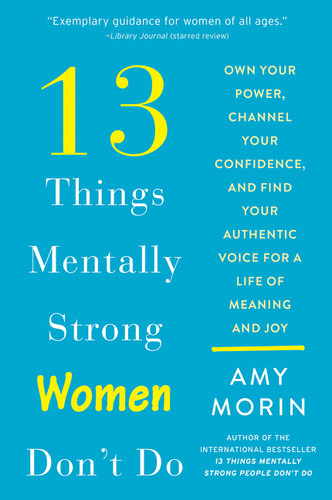
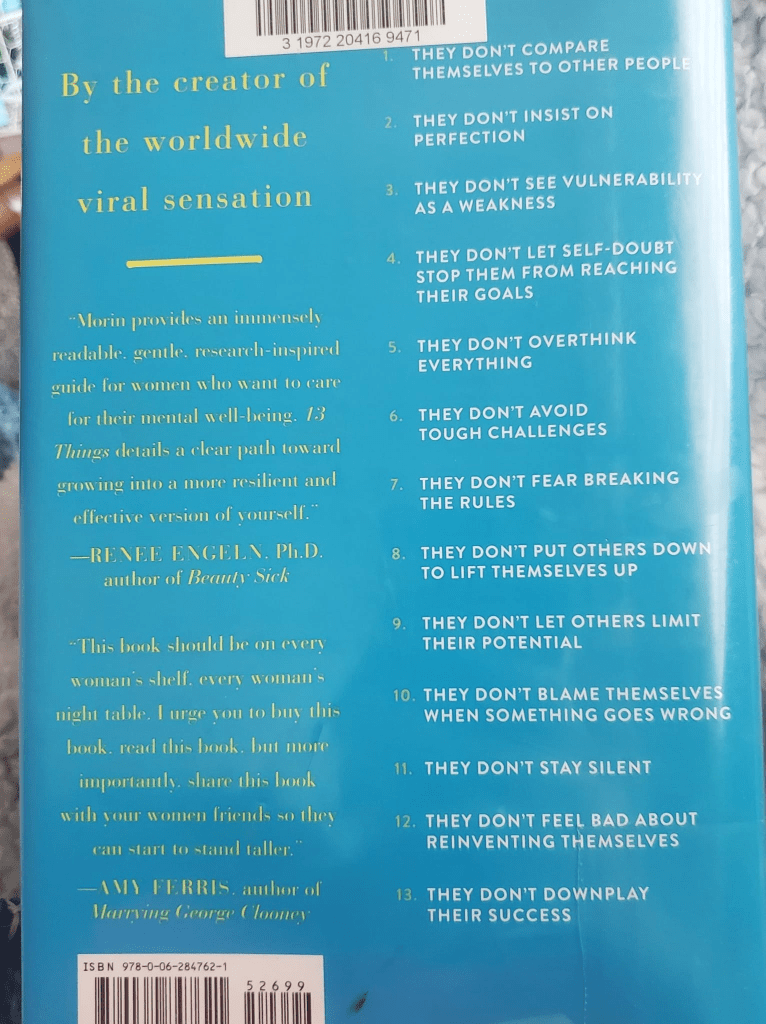
“13 Things Mentally Strong Women Don’t Do” was written by Amy Morin, a licensed clinical social worker, psychotherapist, and an instructor at Northeastern University. This book covered the 13 things mentally strong women don’t do in detail and included bullet lists of what’s helpful and not helpful with each of these traits. Here are a few takeaways:

“If you woke up tomorrow and a miracle had occurred, how would you know things were better? What would you be doing differently?” Go do those things. Change your behavior first and you’ll change how you feel.

Although I have really improved my mental strength in recent years, I often still struggle with some of the traits mentally strong people don’t do: insist on perfection (of myself and others), overthink everything (get caught up in analysis paralysis), and blame myself when something goes wrong. I loved this consideration: You can influence others, but you are not responsible for their choices. You have no way of knowing how things would have turned out if you had done them differently. You made your choices based on the information you had then, not the information you have now. Change the story you tell yourself. ❤️

I look forward to reading, learning, and sharing more with you soon!