My intention is to post a Thoughtful Thursday column each week and share some of the insights I have learned in the past week. Here are some of the things I’ve learned this week:
Mary’s Cup of Tea – 5 Mantras to Get You Through Tough Times
Be here now.
This too shall pass.
Everything happens for me, not to me.
Emotions need motion. We can’t sit with our feelings for too long. You need to do positive and productive things to get the feelings out.
Lead with love.
Life Kit – How to slow down when you eat
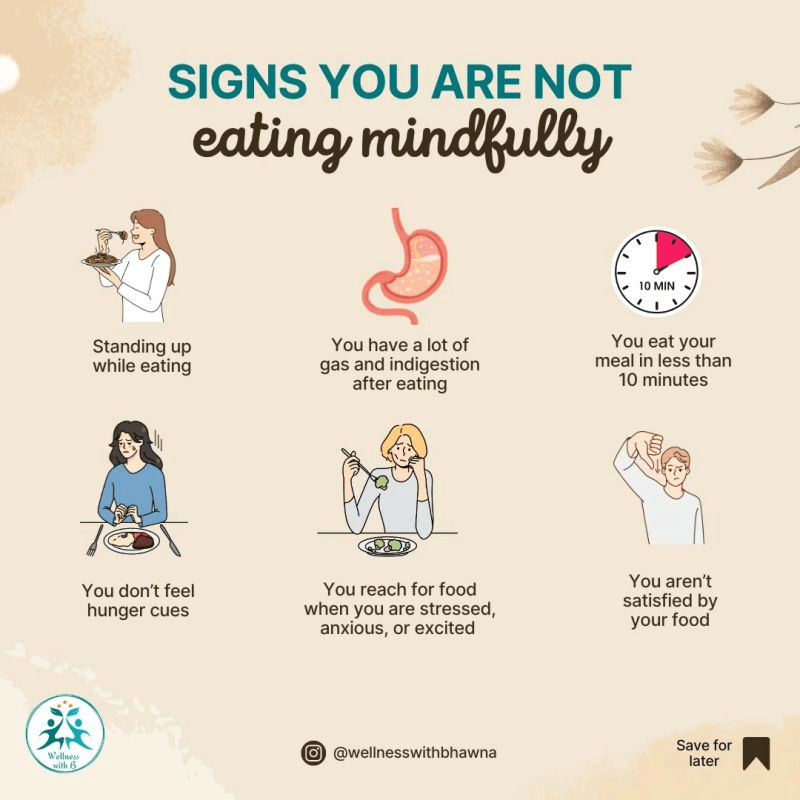
Signs you are eating too fast: hiccups, heartburn, feeling hungry right after eating
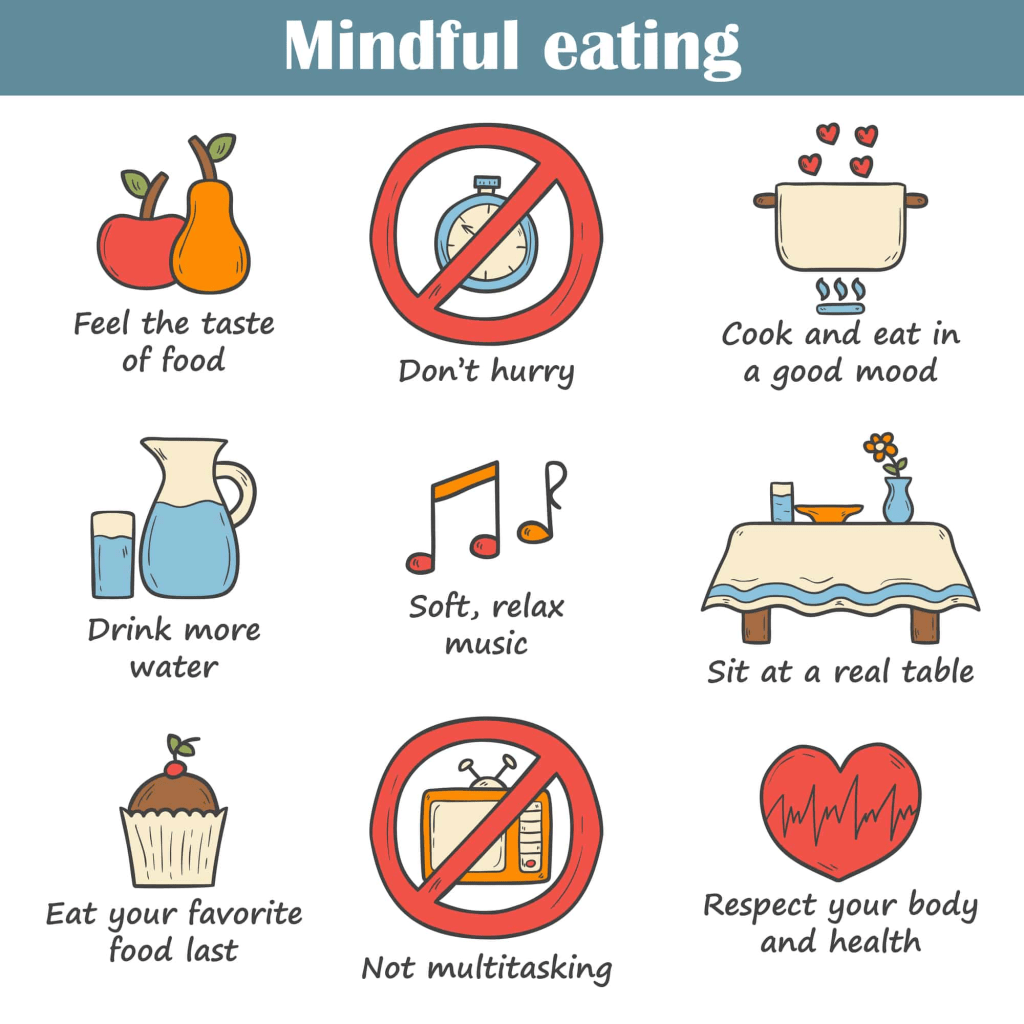
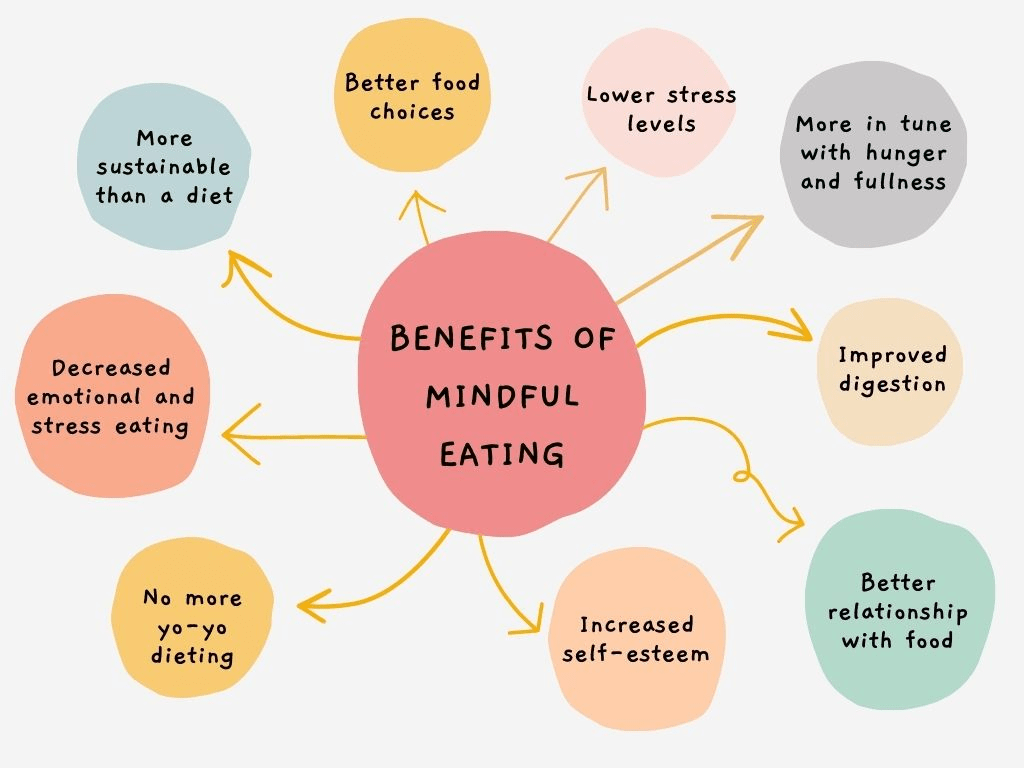
Mindful eating asks us to slow down and notice our food.
Most nutritionists urge us to take 20 minutes to eat a meal. It takes that long for your body to get the signal to the brain that you are full. If you eat fast, your brain is not getting that signal that you are full, causing you to eat too much.
Tips:
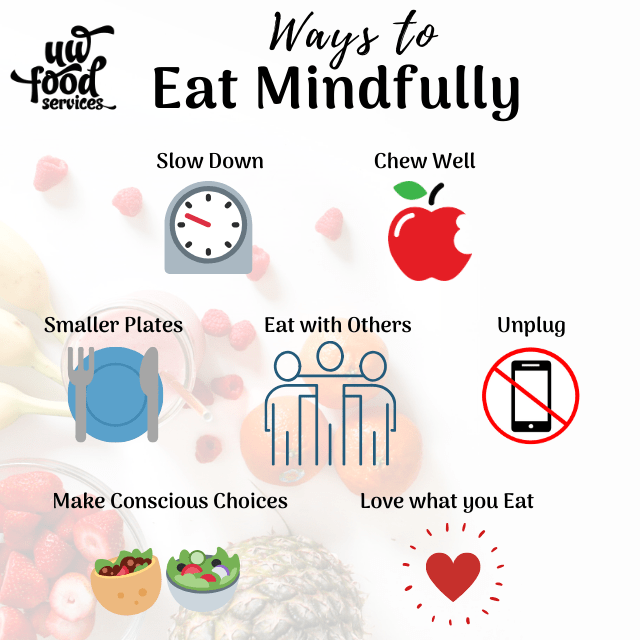
Allocate time to eat and only eat. Don’t use your phone while eating.
Engage your senses. Be with the food and notice the colors, scents, taste, texture, etc.
Pre-portion food. Take smaller portions to the table. Ex: put chips in a bowl ahead of time to keep you from overeating.
Chewing is important. Chew several times to ease digestion.
If you have limited time for meals, save some food to eat as a snack later.
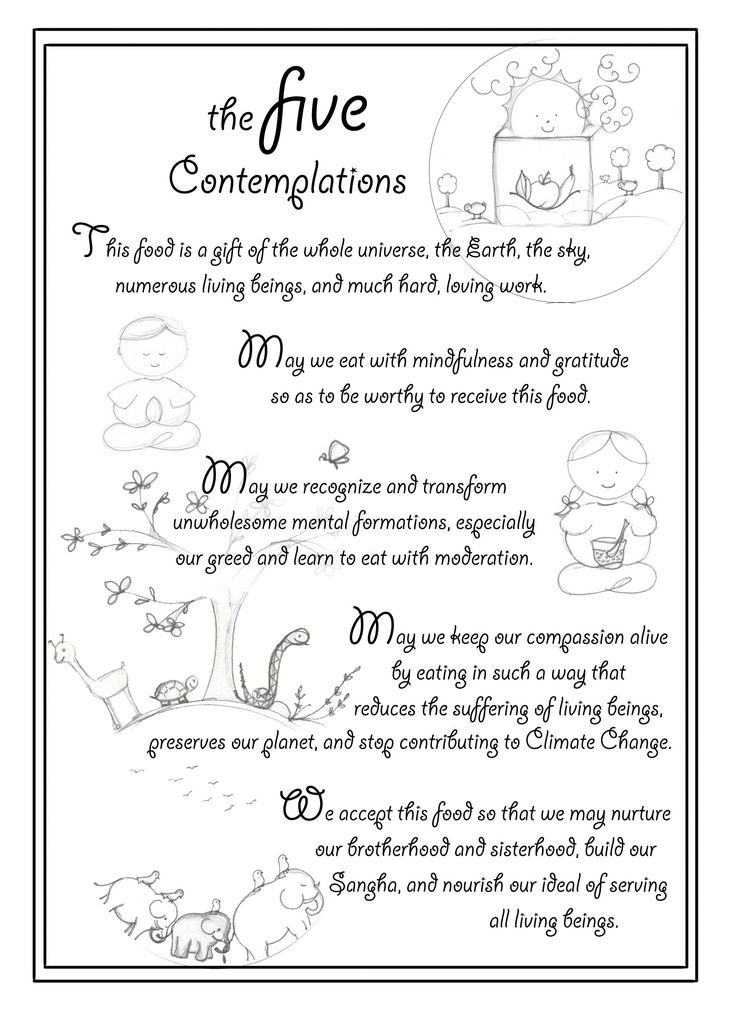
5 contemplations of mindful eating
Before Breakfast – Make space for friendship
Studies show that people think they’d be happier with more friends, but what actually makes us happier is being considered someone’s best friend.
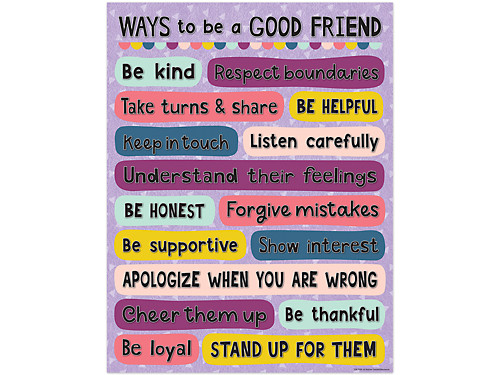
A better strategy is to be a dynamite teammate to 3-5 people.
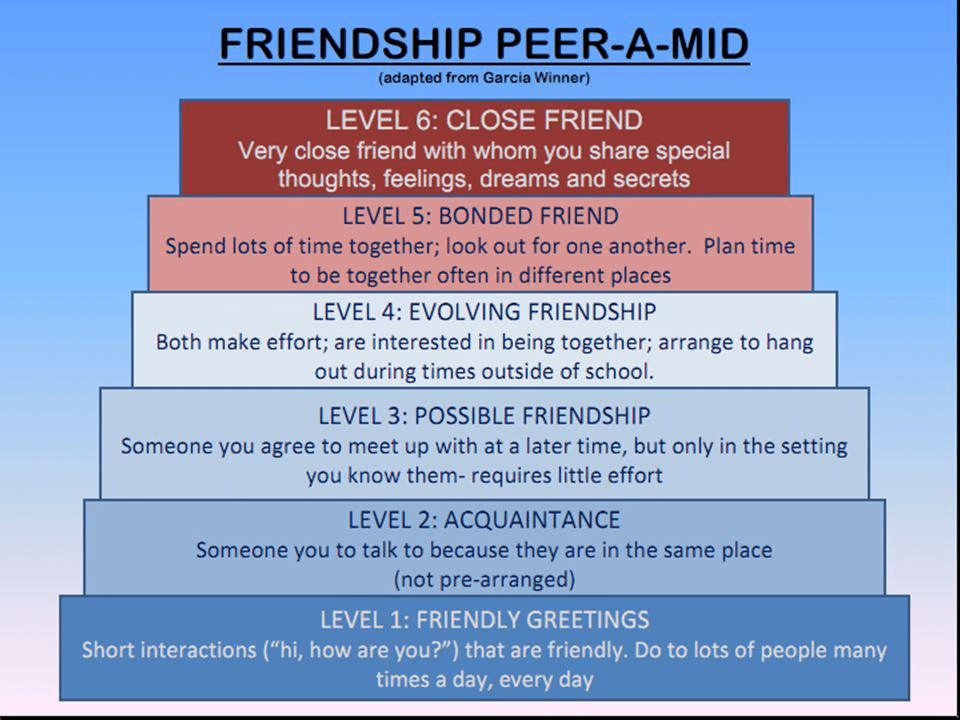
Friendships start out with shared activities.
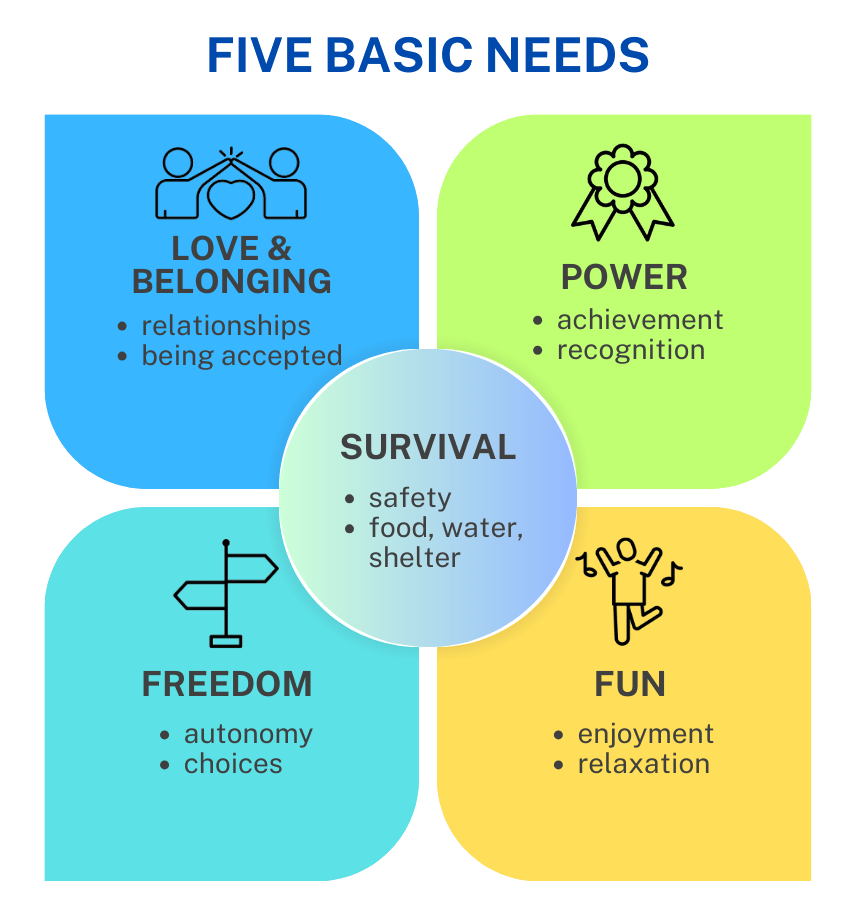
Choice theory says that we all have five inherent genetic needs: survival, power, love and belonging, freedom (self-expression), and fun. Friendships should have these elements.
The biggest mistake is that people don’t think about how their invitation lands in someone else’s inbox. Give specific times and locations.
Ask friends questions like “How can I help you? What are your pain points? Tell me what’s going on. How’s your job? How has your social life been?”Be an excellent teammate and be careful not to dominate conversations.
Make silence meaningful. Try to make a plan with someone very busy and say something like “If I don’t hear from you by ___, I’ll assume you can’t go.” By saying how you will interpret the silence, you are taking power and giving a kindness to the other person of “I understand you may not get back to me. Here’s how I will interpret a non-answer.”
Pick your elite tiers of people and commit to prioritizing them, being in contact with them, and seeing them regularly. Other connections are a bonus, but it’s not as overwhelming when you prioritize the top tier friends.
Law School Toolbox Podcast – Quick Tips – LinkedIn Best Practices for Law Students
Although I’m not in law school, I finally caved and signed up for LinkedIn after months of my professors and paralegal program classmates emphasizing its importance. I still have a lot to learn, but this podcast was helpful!
LinkedIn is the go-to professional networking platform
Your profile is often the first impression you make on potential employers for connection.
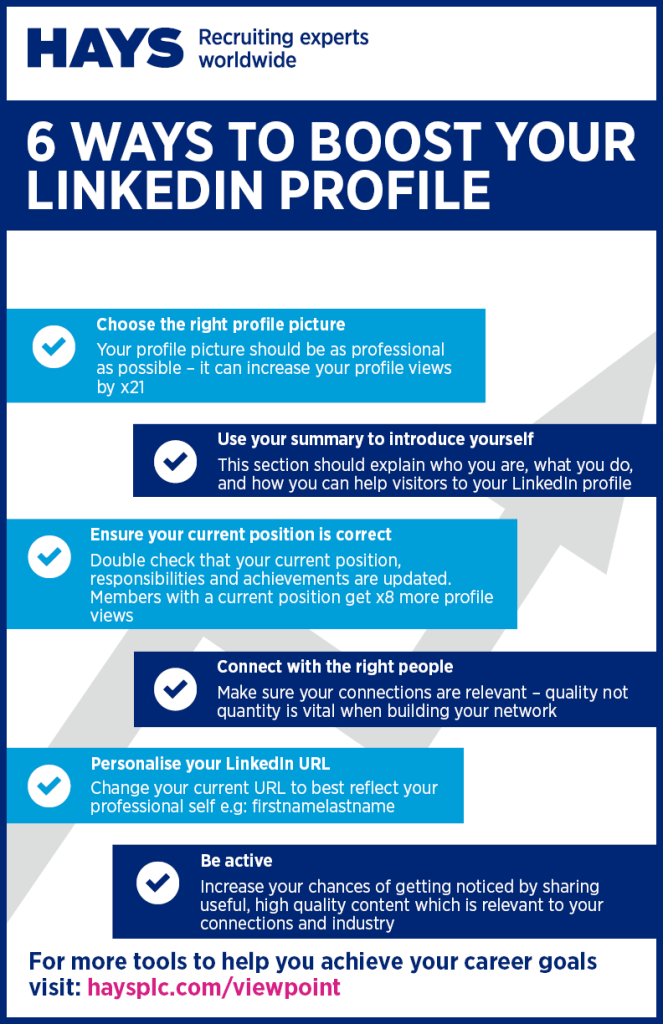
Use an up-to-date professional photo. Pay attention to your background.
Headline – title should be specific, not generic.
If an employer searches for terms you used in your title, your profile will likely appear closer to the top in their search results.
About section – summarize who you are, what your goals are, and how you achieved them. Who you are now, who you were before (what did you do/where did you work), who you aspire to be (what type of law, etc.) Try to add your personality into the mix.
Experience section – list all relevant experiences. Instead of using bullet points, write a full paragraph telling the story of your accomplishments, activities, and roles in each position. Be specific about your duties and outcomes.
Education – all higher education. Include activities and extracurriculars. Be specific about your roles. Include awards you received.
Licenses and certifications – NSLT, Lexis Nexis legal research certification course, etc.
Publications
Start by connecting with people you know – classmates, family members, friends, old coworkers, and professors
Use LinkedIn to connect with alumni from your school who work in the area of law you are interested in.Reach out to attorneys who work in areas you are interested in.
Like and comment on posts from your connections. Share your own updates, too.
Always maintain professionalism in every aspect of your profile. Proofread everything. Keep your profile updated and current. Quality over quantity for connections.
I enjoyed this post from Gabe the Bass Player this week:
You get to pick. But whatever time you post on the door we expect you to be fully open. Not a limited menu. Not partially attentive. Not just half the vibe.
Whatever it’s like when we walk in, we assume that’s the way it always is…so for whatever way you want to known, it starts from the time you open.”
I look forward to reading, learning, and sharing more with you soon!
My intention is to post a Thoughtful Thursday column each week and share some of the insights I have learned in the past week. Here are some of the things I’ve learned this week:
Life Kit – Scarfing down your food? Here’s how to slow down and eat more mindfully
We live in a society where many people eat while on the go, while scrolling on their phones, or while watching tv. When you are eating while scrolling on your phone or watching tv, you aren’t engaging your senses and aren’t conscious of the amount you are eating.
Mindful eating asks us to slow down and notice our food. Allocate time to eat and ONLY eat.
Most nutritionists urge us to take 20 minutes to eat a meal. It takes that amount of time for your brain to signal to your body that you are full. Otherwise, you get that signal too late and feel terrible.
Engage your senses as you eat. Notice the smells, colors, tastes, textures, and emotions that you’re feeling.
Honor the food. Acknowledge the work that went into that meal.
Take the time to taste the food. Try to eat one chip at a time. Put your food in a smaller dish beforehand to limit your intake. Allocate time to eat and ONLY eat.
Savor and chew your food thoroughly to engage your senses and help with digestion.
I’ve finished reading two books in the past week.
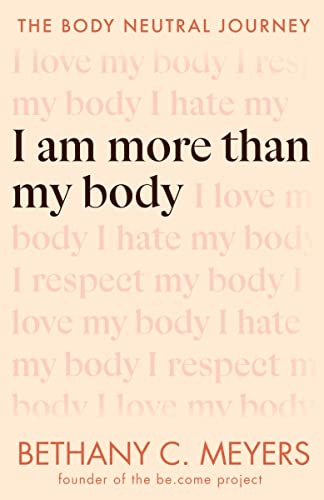
“I am more than my body: the body neutral journey” was written by Bethany C. Meyers, CEO of the be.come project. Bethany has over 15 years of experience in the fitness industry as an instructor, teacher, and workout creator. I struggle with my body image, and this book was much needed and thought-provoking. In fact, while I was reading this book, I had to refrain from exercising due to a foot injury, and my primary emotion was guilt. I felt guilty for not being able to be consistent with my habits. This book came at the right time. I will discuss this book in much more detail on my blog sometime, as I got SO much out of this book that may be helpful to others.
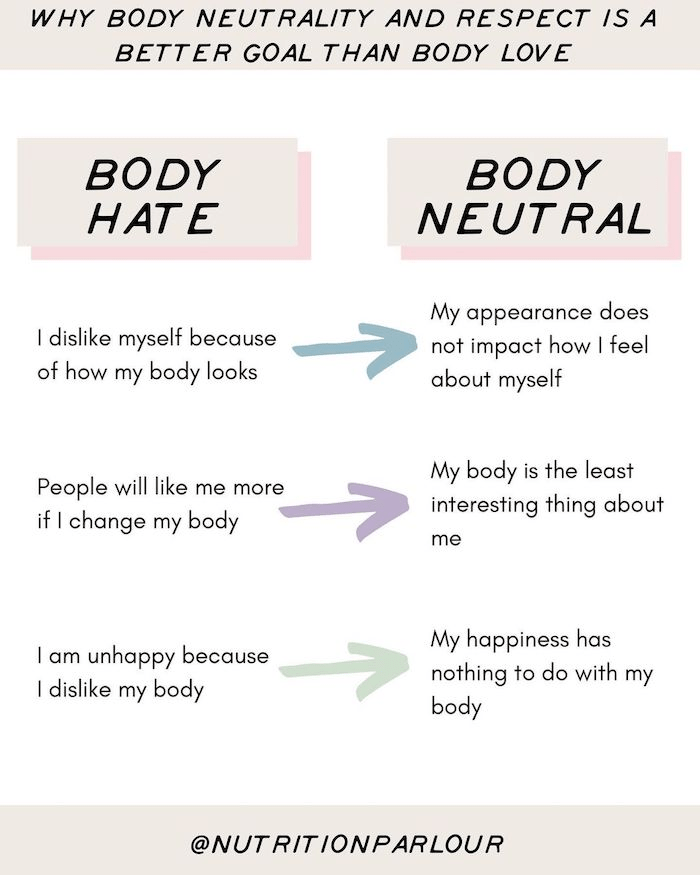
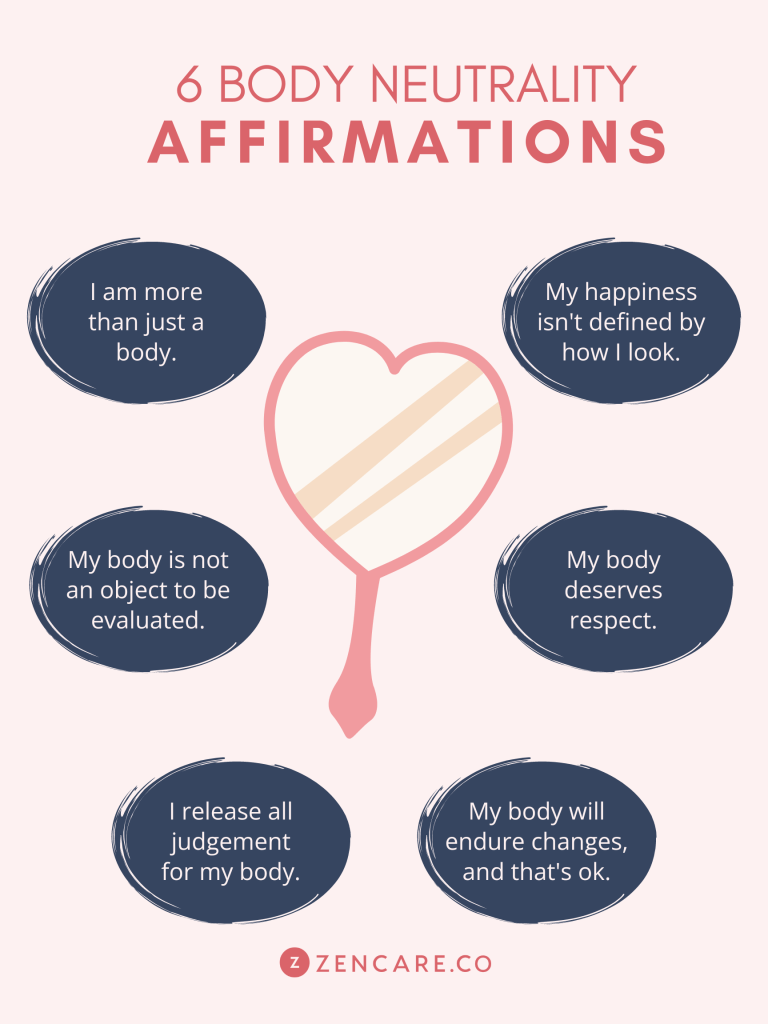
In short, body neutrality is the idea that each of us is more than our body, and our worth is not limited to our physical self. It is respecting our body even though we may feel differently about it on any given day.
The body neutral journey is to acknowledge the feelings we have, explore why those feelings came about, and reconnect with our self-worth.
Some of the many points to consider: If you have been speaking poorly to yourself and judging yourself harshly, how much of that is seeping out into your relationships with others? How do your own comments about your body impact the people around you who hear them (especially children)? Are you appreciating the functions of your body without criticism? Are you focused on your body’s failings? Are you comparing yourself to others? When choosing to exercise, are you solely focused on changing your physical form? What influences or media do you consume that frames exercise as a punishment, a requirement, or a means only to change your physical shape?
Fit, Healthy & Happy Podcast – 8 Essential Habits to Become Ultra Fit
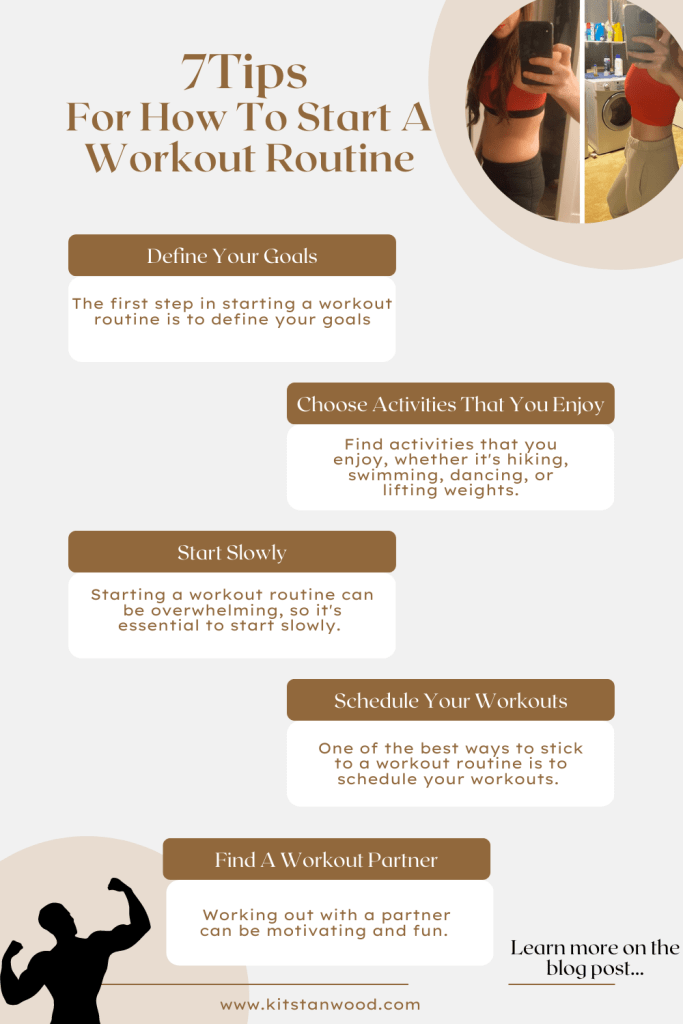
Look at your entire journey. What are your goals? What are you looking to achieve? Where do you want to be by the end of the year? Have you progressed? Have you regressed? Address that and understand why, and implement the changes necessary to make sure you are progressing. It is easy to make excuses, but you need to be honest with yourself about how you can improve and implement the necessary changes. Set a goal and be intentional in making progress to achieve it.
Establish a workout routine and keep track of it. Keeping track allows you to be more aware of what are doing and also allows you to more easily measure your progress.
Follow a nutrition protocol. Make sure you’re eating enough protein to maintain and build muscle. Eat mostly clean foods.
Prepare by planning your workouts and food and developing new goals and challenges.
Have accountability. Methods include using a habit tracker or checking in with friends or a fitness coach.
Continual learning. Listen to podcasts and do research. You don’t need sketchy supplements.
Develop habits that make it easier for you to achieve your goals.
Don’t be all or nothing. There will be ups and downs in your journey. Keep showing up.
Mentally Stronger with Therapist Amy Morin – The Truth About Alcohol and Addiction Recovery with Former School Principal/Author Daniel Patterson
I don’t drink, but I wanted to learn more about alcohol and addiction recovery. This podcast was very insightful!
1 out of 5 deaths for people between the ages of 20-49 is attributed to alcohol.
Many people go to great lengths to hide their drinking problems.
Daniel said that, in any situation, alcohol was the top priority: strategizing, sneaking around, mental equity spent wondering will I have enough, do I have enough, where can I get enough, should I drink beforehand, and not being present at outings.
Daniel got really defensive when his wife would call him out on his problem and would say things like “I can stop, I can take a break” and make empty promises like “I’m only going to drink on the weekends” and would last for a weekend. Pretty soon he was drinking every day again. Eventually he would use his trauma as his defense.
“You can quit for other people, but you can only stay sober for yourself.”
“My wife went to therapy to deal with how to understand me without enabling me. I would lie to my doctor about my alcohol use.”
“I was using my previous trauma as a hall pass to drink.”
“To quit, you have to be willing but you don’t need to be ready.” Many alcoholics will set a quit date and then make excuses like “we’re going to the lake and I like to drink at the lake, it’s the 4th of July and I’ll want to drink,” etc. There is always going to be a reason to drink, but there is always going to be a reason to not drink too.
After quitting, Daniel reports that his mental health became more manageable, he was sleeping better, and through therapy, his trauma became processed, so he had eliminated a lot of my talking points he would use to defend his drinking.
Many alcoholics will say “I don’t need medication. I don’t take medication” when referring to their mental health needs, which is interesting because they are using alcohol as self-medication.
To begin quitting, Daniel removed all alcohol from his house and would mark days off the calendar with an X, take two walks each day “sober walks”, watched tv, read books, listened to podcasts, etc. He tried to be sober for one month, and he felt better, so he stopped drinking altogether. He reports his energy and sleep were better, and he was so proud of himself.
“It’s never been easy, but it’s gotten easier.”
Access to resources is a huge barrier for many people. It requires good insurance and time freedom and financial freedom to go to treatment and take time off work.
“People say life is boring without alcohol, but life without alcohol is peaceful. I think they’re mistaking peace for boredom. It is a transition at first; you have been giving your brain an instant hit for years, so your brain is trained for instant gratification, and you take it away and have to sit with it. It can be lonely without drinking because the changes that have to be made for sustained recovery often require not doing the things you used to do with the people you used to do them with. You have to rest in your emotions and you can’t drink every time you’re anxious, nervous, sad, or celebrating. Alcohol has Velcroed itself to every situation, rite of passage, and emotion in our society that it is odd if you don’t drink and not odd if you do drink.”
“People are treatment-averse and label-averse. They are afraid of being labeled an alcoholic. I encourage people to ask the question: Does drinking benefit my mental health, my physical health, my finances, and my relationships?”
People who want to change their behavior but are unsure where to start or what to do can start listening to podcasts of others’ stories and experiences.
Advice for loved ones of alcoholics: treat alcoholism as a medical condition and not a moral failure. Encourage medical treatment for the addiction. This can help take the morality and shame out of it. Substance use disorders have a significant biological component to them. It’s not a moral failure, a sign of weakness, or a shortcoming. Getting health professionals involved is key for so many people who want to get into recovery. Al-anon is a good resource.
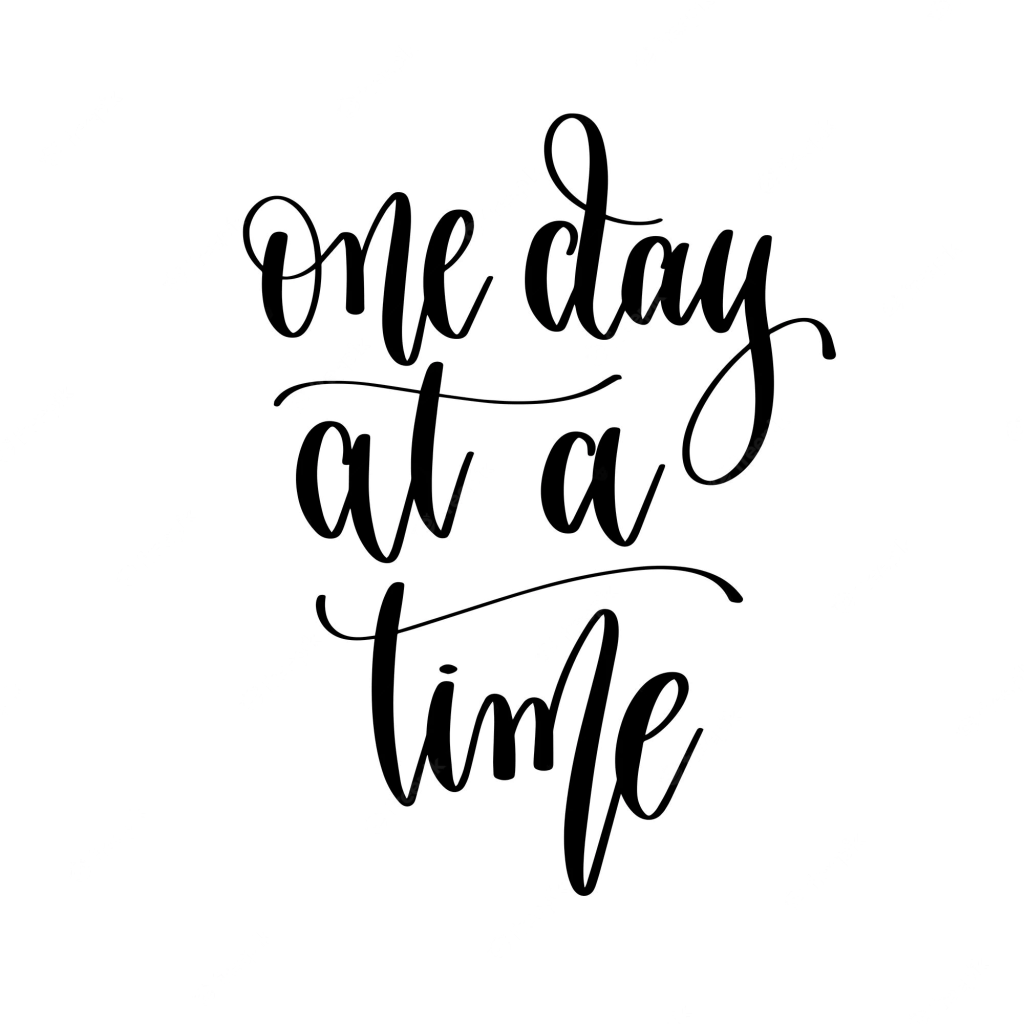
Advice for those struggling with addiction: Try cutting back or quitting as an experiment. Some people find it easier to think about it as “one day at a time.”
The Jordan Harbinger Show – Dr. Sohom Das – Rehabilitating the Criminally Insane
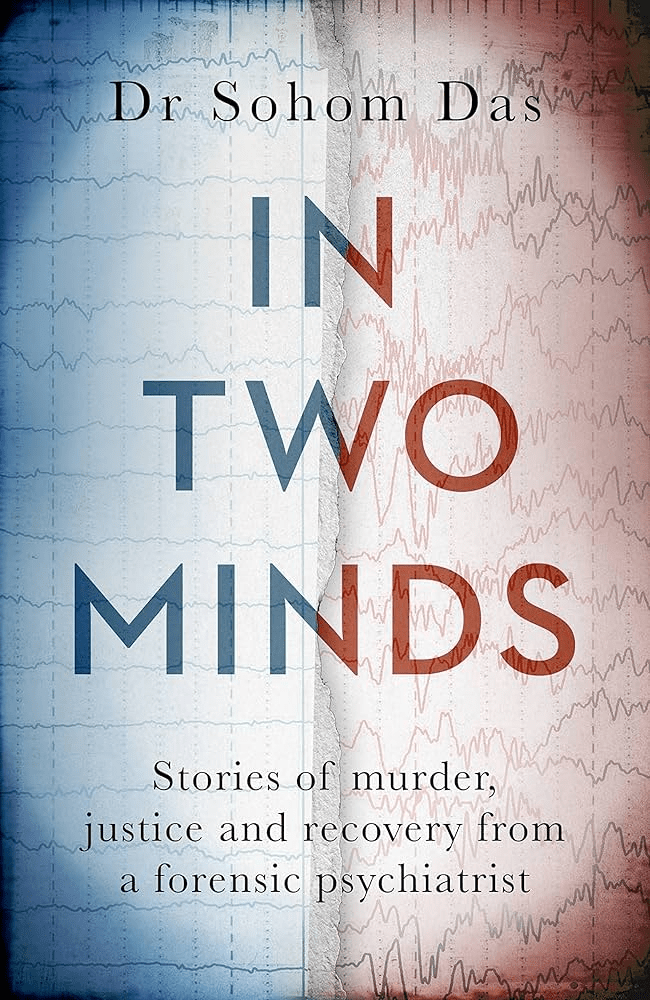
This week I listened to this podcast AND read the book “In Two Minds: Stories of Murder, Justice, and Recovery from a Forensic Psychiatrist” written by Dr. Sohom Das.
When a violent crime is committed, the justice system needs to determine if the perpetrator of that crime is a permanent danger to society who should be locked away for life, or if they’re mentally ill to a degree that proper treatment would allow them to re-enter that society. In other words, are they bad, or are they mad?
Dr. Sohom Das is a consultant forensic psychiatrist who works in prisons and criminal courts to assess and rehabilitate mentally ill offenders. He is also the author of “In Two Minds: Stories of Murder, Justice, and Recovery From a Forensic Psychiatrist.”
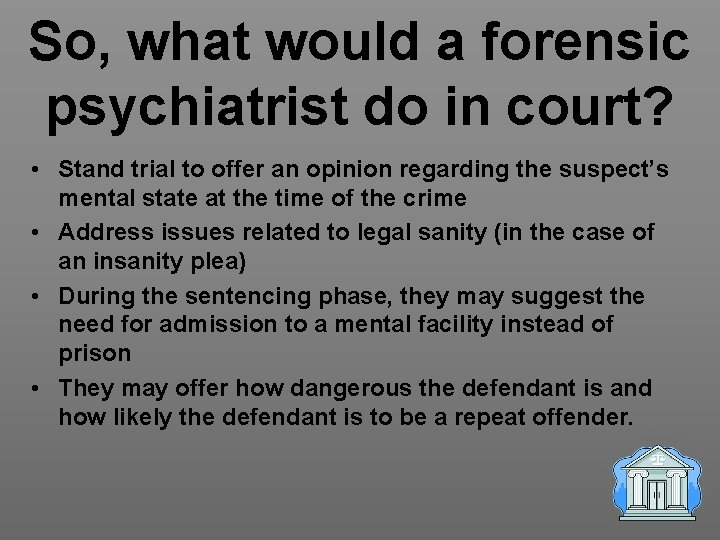
Forensic psychiatrists work in a few different environments. Dr. Sohom Das does most of his work in courts as an expert witness. His job is to decipher whether a defendant has a mental illness and whether they had symptoms at the time of the violent offense. If they did, he needs to determine whether their symptoms affect their criminal culpability. If they do, he makes a recommendation as to whether they should go to prison or to a psychiatric hospital.
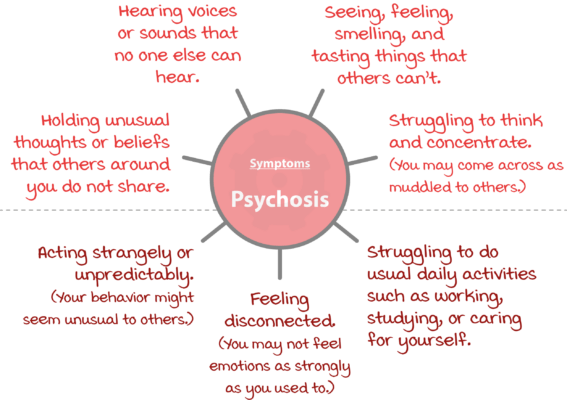
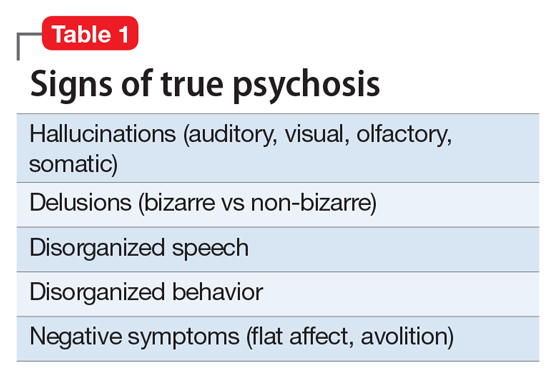
Determining mad vs. bad (a spectrum): mad (a psychotic illness – people hearing voices, telling them to hurt people, or people that have paranoid delusions). They might attack somebody because they have a delusional belief that that person’s a pedophile or that person wants to attack, hurt them, or kill them. So that’s one end of the spectrum.
The other end of the spectrum, which would be bad, would be a personality disorder. Psychopathy would be a really well-known one. Antisocial personality disorder causes people to be impulsive and aggressive. They don’t care about the rights and wrongs of other people. They are career criminals that just have a complete lack of empathy and remorse.
Dr. Sohom Das reports that 99 percent of the defendants that he has assessed have had some kind of trauma or abuse in their childhood: physical abuse, sexual abuse, neglectful parents, drug abuse, homelessness, witnessing violence, gang violence. These factors often cause criminality, but they also cause mental illness. So that’s why they’re so common. Dr. Sohom Das emphasized that he rarely sees someone who purely has a psychotic illness and has had no problems in their background or upbringing.
If you have a severe mental illness and you’re lucky enough to have a good family support structure that cares about you and will take you to a doctor and will make sure you take your prescribed medications, then your outcome generally is going to be a bit more positive.
A lot of his patients come from broken homes. They are adopted or brought up in the care system or have families that don’t look out for them. They drift into homelessness, and the mental illness itself can massively damage their physical health.
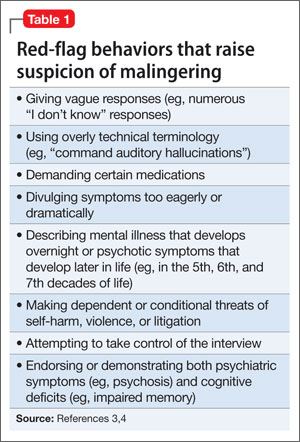
Regarding faking it: “If somebody tells me that they’re hearing voices, but they’ve been going to work every single day, they’re going down to the pub with their friends, they’re managing a normal home and family life, and they’re socializing, then I’m going to be suspicious. I’m looking at all of the evidence. I also see what their mental state is like from objective evidence from other people. If they’re remanded in prison, I will speak to the prison officers. If that person says they’re paranoid or is acting paranoid in front of me, but the prison officers say that they’re laughing and joking with others on the wings, then I’m suspicious.”
“The other telltale sign is that if somebody’s really, really unwell, they don’t have an agenda. They’re not trying to convince. They’re not trying to say that they need to be in the hospital because in their minds, those delusions are real. So they don’t think they need to be in the hospital or need antipsychotic medication. Whereas those who are trying to exaggerate or fabricate have an agenda. They tell me straight away that they’re hearing voices or that they’re paranoid.”
“So when somebody says, Voices inside my head,’ I’m already suspicious because an actual auditory hallucination feels as real as you hearing my voice now. It’s actually external outside to somebody’s head, even though people say ‘voices in my head’. The voices in psychosis tend to be quite blunt. If someone says they have a really detailed intellectual conversation with a voice, that’s really unlikely. It’s usually just one message and it’s negative, like ‘You’re a piece of sh*t‘ or ‘people think you’re a pedophile‘ or ‘these people want to rape you.’ They’re short, simple phrases that repeat over and over again.”
People can’t just fake it on the day of their psychiatric interview. If they claim to hear voices, it has to be bleed into their functioning and should affect their work, family members, and social functions. Witnesses would corroborate that a mentally ill person was acting bizarre and responding to themselves on the street, and police officers would also observe these behaviors. The police interview transcripts would indicate mental illness.
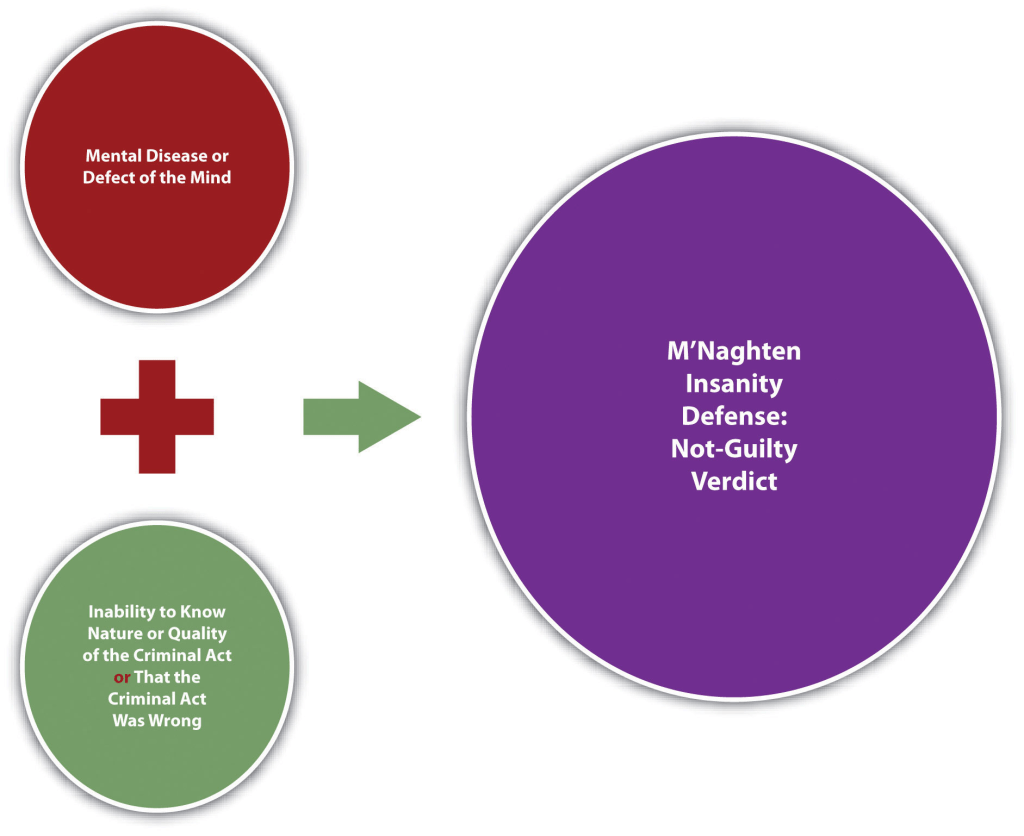
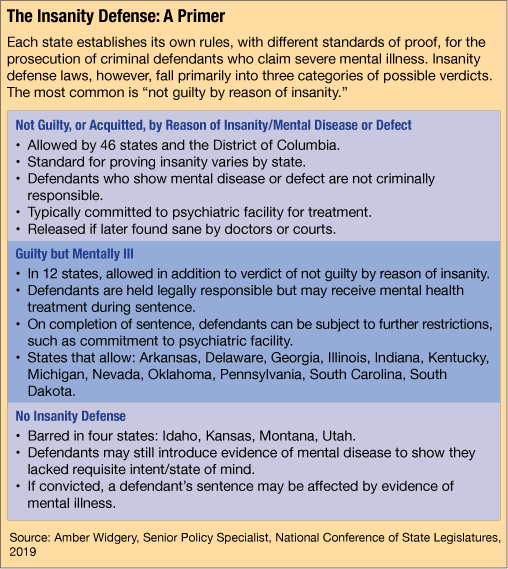
There’s a misconception that if you are found not guilty by reason of insanity, the case is dropped and you are released back onto the streets. That’s very rarely the case, especially if you’ve committed serious violence. The person would go to a secure psychiatric hospital for treatment, possibly for years.
By far the most common diagnosis is antisocial personality disorder. It’s somebody that’s impulsive, aggressive, doesn’t care about the rights and wrongs of other people, and doesn’t learn from their mistakes. They’ll have repeated prison sentences and won’t change their lifestyles. They are career criminals who intend to offend.
Psychopaths tend to have the symptoms of antisocial personality disorder, but also tend to be really charming, manipulative, and deceitful. It’s not obvious that they’re antisocial. They tend to be very charming and pleasant, but they will stab anyone in the back to get what they want.
Sociopaths tend to not be quite as skilled as psychopaths in fitting into society. They tend to be outlaws and career criminals. They don’t have the emotional stability to plot for months or weeks about how to hurt someone. Instead, they tend to explode in anger.
Borderline personality disorder came from being borderline between a personality disorder and a psychosis. People with borderline personality disorder don’t intend to offend and aren’t antisocial. They do have empathy and care about other people, but they have unstable relationships and tend to explode with anger because they can’t contain their emotions. They often lash out and regret it immediately, whereas psychopaths, sociopaths, and those with antisocial personality disorder don’t regret it.
Dr. Sohom Das has done over 1,000 evaluations for criminal court alone! His main priority is determining bad (personality disorder) vs. mad (psychosis). Because of their backgrounds with trauma, physical sexual abuse, homelessness, abusive parents, drug abuse, etc., they tend to have elements of personality disorder and elements of criminality. Although there are people on different points of the spectrum, the law is very black and white. So you either have a psychiatric defense like not guilty by reason of insanity or diminished responsibility for murder, or you don’t. There are no gray areas. It’s a yes or no. His role is never to decide whether someone’s guilty or not guilty or to decide the length of punishment.
If they end up going to prison, he can say that they should go to prison by saying that they shouldn’t go to hospital by process of elimination, but he can never say how long the prison sentence should be. He trusts and has to have trust in the court system.
Traits of school shooters Dr. Sohom Das has pointed out: They are usually quite isolated, withdrawn, and marginalized. They’re romantically and sexually unsuccessful (involuntarily celibate). They tend to find their own little communities on the internet and kind of weaponize and encourage misogyny. Entitlement is another trait. They feel entitled to sex. They feel that society is geared against them because they aren’t attractive.
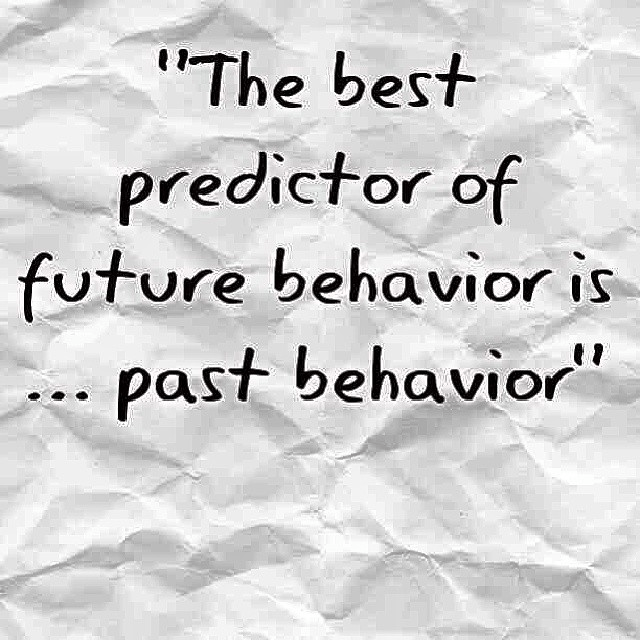
The easiest, simplest, and quickest predictor of future violence is previous violence, and it usually escalates. The majority of the time it’s young men who carry on offending, and their level of aggression and violence increases. They often don’t learn from their mistakes, so they serve prison sentences and carry on committing violence.
One of the cons of working as a forensic psychiatrist is the lack of customer satisfaction and success stories. They don’t hear about what happens to the clients after their assessment or treatment.
I look forward to reading, learning, and sharing more with you soon!
My intention is to post a Thoughtful Thursday column each week and share some of the insights I have learned in the past week. Here are some of the things I’ve learned this week:
One of the best things I’ve heard this week is from this podcast.
Optimal Relationships Daily- If You Want to Know if Someone is Worth Your Time, Use the Ted Lasso Rule
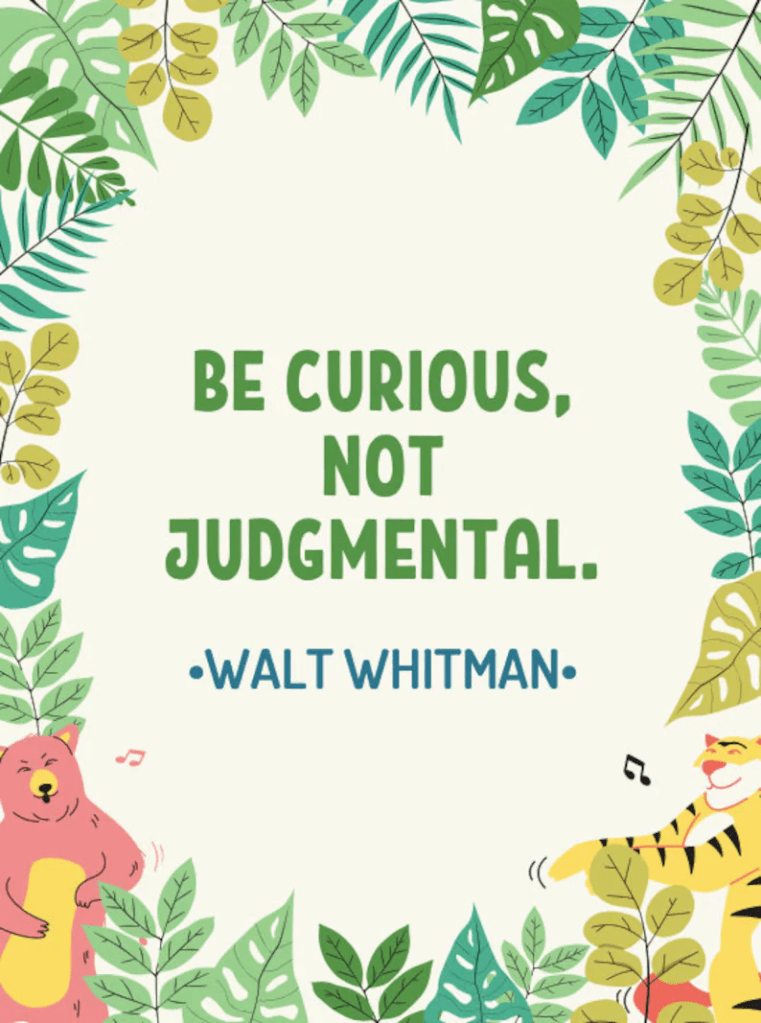
If you want a quick way to determine if someone is worth your time, are they curious? Do they ask your questions? If not, are they worth even getting to know?
Many people skip the small talk in favor of talking about themselves. They’re the ones missing out because they’re not being curious. Curiosity has been buried by ego.
Optimal Health Daily- Self-Care Ideas for Better Health and Nutrition by Danielle Omar
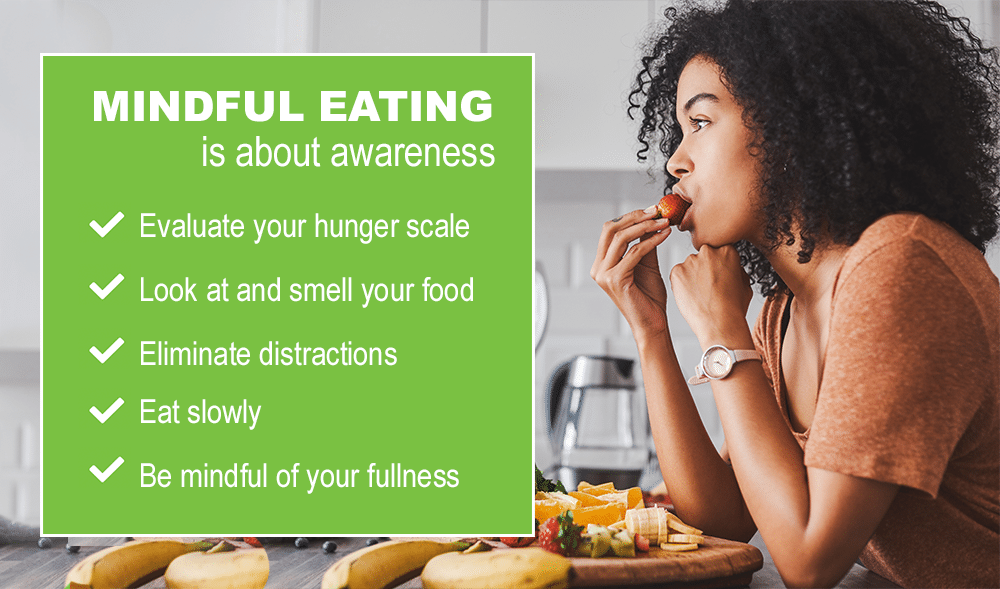
Thoroughly chew your food to improve digestion, engage the senses, and reduce energy intake.
Assess hunger and fullness to determine when it’s best for you to start and stop eating.
Reduce portion sizes and use smaller dishes to prevent overeating.
Eliminate distractions at mealtimes to better control food intake and focus on how food makes you feel.
Appreciate the food you’re eating without judgment and savor its appearance, smell, taste, and texture.
Eat foods that make you feel good.
Plan and prep your meals.
Satisfy your sweet tooth.
I gathered some dental insights from these two podcasts:
Science Vs – The Dentist: Toss the Floss? Flush the Brush?
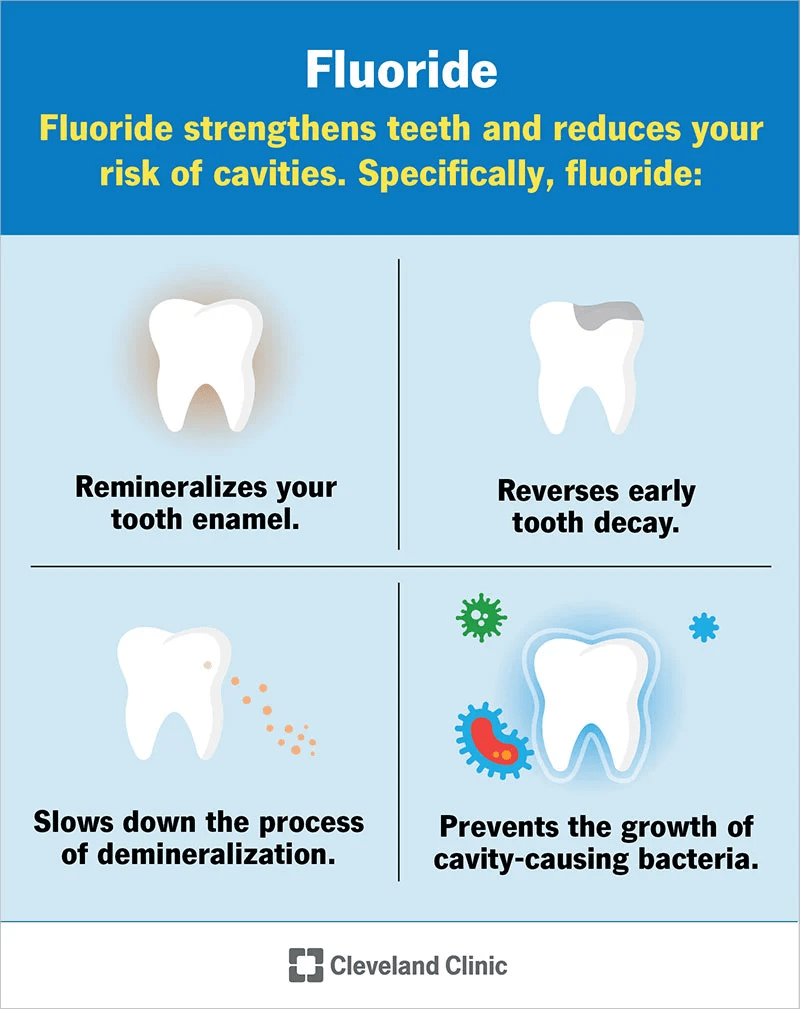
Oral hygiene alone did not prevent cavities in studies done. Fluoride was the main component in preventing cavities.
Brushing with fluoridated toothpaste helps prevent cavities. Brushing might also prevent gingivitis and gum disease. Flossing may help with tooth loss as you get older. Sugar is bad for teeth. Some dentists are shysters.
Life Kit- ‘Do I really need to floss?’ and other common questions about dental care
Finding a dentist is more than just picking from a list. Every procedure that a dental hygienist does is proactive in helping to prevent inflammation and reduce inflammation. A dentist is going to restore or be reactive to disease. A dental assistant assists the dentist.
To evaluate if a hygienist is a good fit for you, see how receptive they are to answering your questions. For example, ask about proper brushing techniques. Have the hygienists observe what you do and see what feedback you get. Overall, you want to make sure that the practice is for you, not a random cash grab.
Red flags- offices that do a lot of aggressive advertising, free x-rays, free exams, and free goodies to lure you in. Once you are in the chair, those dentists know you are more likely to say yes to extra procedures.
Get specific about your fears and then you can talk about them with your dental team. A good practitioner is going to be a great educator and help ease those fears. Is it going to hurt? Is it going to cost a lot? Is my face going to feel numb?
Find someone you feel comfortable with who doesn’t shame you.
Saving money:
Dental schools are a great option if you are looking to save money. You get the benefit of getting many different opinions and great advice. If you have the time to do it, visits to a dental school may be less expensive, but will take more time. Appointments can take up to 4 hours instead of 1 hour due to many people checking you out and the training involved.
Can look for sliding scale or mobile dental clinics
Frequency and technique:
Most healthy patients should come in 2x/year. Some patients may only need to come in once a year.
Clean teeth are all about technique. Use a soft, high-quality toothbrush (if manual, switch out every 4-6 weeks), non-nylon floss, tongue scraper, and low abrasive toothpaste.
Teeth whitening- health and aesthetics are not the same thing! White teeth are a status symbol, but not necessarily a marker of health. Teeth aren’t naturally white as snow; there is a slight yellow white hue of your teeth due to dentin, an inner layer of the tooth under enamel. So if a dentist is immediately bringing up whitening procedures without any evaluation of cavities, gum disease, or other issues, be wary.
Charcoal and whitening toothpastes are so abrasive that they can make your teeth super sensitive and potentially wear down your teeth. They are removing stains,but are not actually changing the color of your teeth.
Life Kit- Why the 5-minute walk break is so powerful
People who sit for hours on end develop chronic diseases, including diabetes, heart disease, dementia, and cancer at much higher rates than those who move throughout the day.
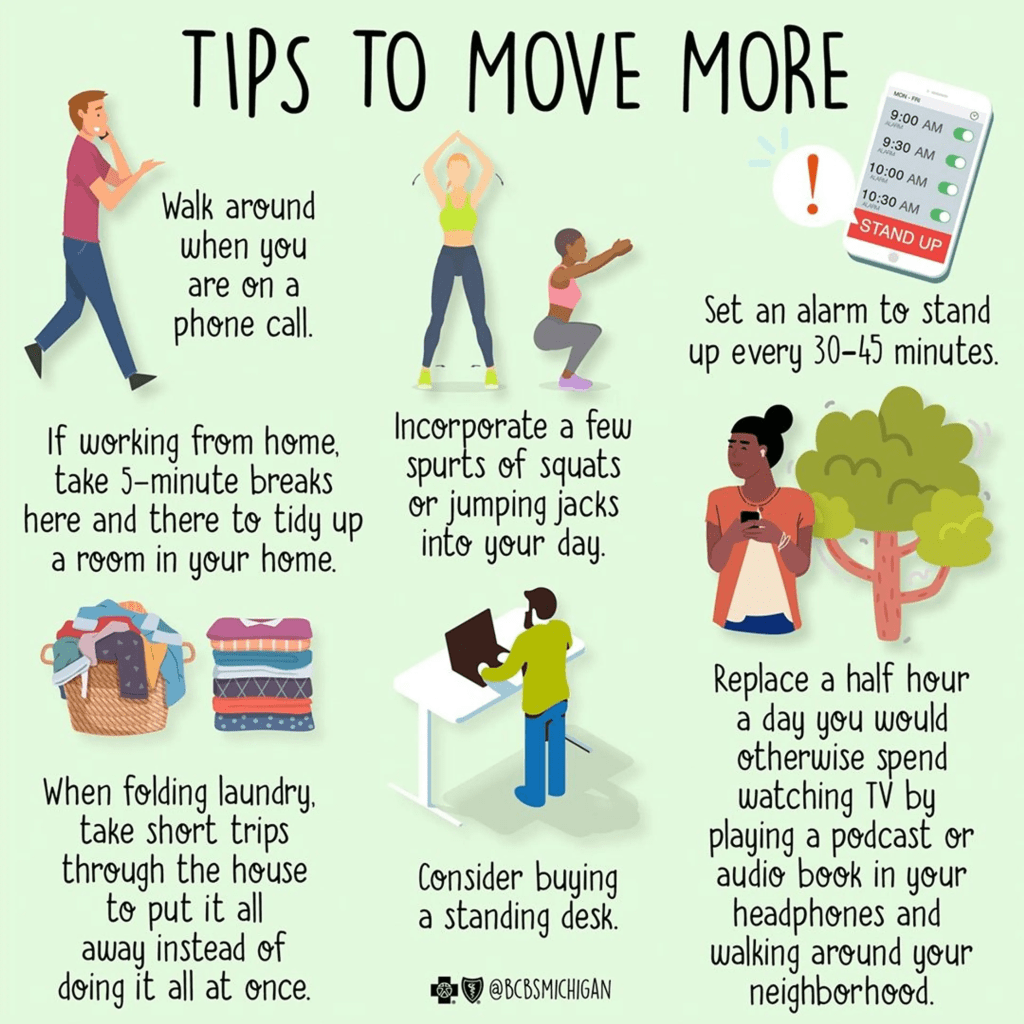
Taking a 1-2 minute walk once per hour lowers blood pressure. A 5-minute walk every half hour was able to offset a lot of the harms from sitting. Moving 5 minutes every hour resulted in the blood sugar spike after a meal being reduced by almost 60%. This may not be feasible with most office jobs, as you are losing 10 minutes of productivity each hour.
People are advised to get 150 minutes of moderate intensity physical activity each week (getting your heart rate up). You can break this up into 30 minutes a day 5 days a week, but small chunks of fast walking can count as well.
You will gain energy by moving every half hour or hour.
The whole point is to raise your heart rate—walking, dancing, etc.
Self Care IRL- Habits you have that you need to break TODAY!
Emotional eating– eating snacks and junk when you’re happy, sad, stressed, bored, etc. Be intentional with your eating and drink more water. Sometimes you think you’re hungry but you’re just thirsty.
Sitting for too long at one time– try to schedule a little break at the top of each hour to get up and move, use a sit-stand desk, etc. Boosts metabolism, reduces stress, and can create a more productive day
Hitting the snooze on your alarm clock. Go to sleep earlier than usual if you feel you’re not getting enough sleep each night.
Stop spending hours on social media. Daily social media users spend, on average, 2.5 hours on social media (including TikTok). It’s not always being used to relax or escape; it’s being used to procrastinate. Many people use social media to waste time. Limit your time on social media to 1 hour/day. You can use apps to monitor your social media intake. Instead of resorting to scrolling on social media with every spare moment, try reading, learning something from a podcast, moving around, or tackling something on your to-do list.
Working overtime. You give up family time, me time, and sleep time, and your physical and mental health starts to decline. If you don’t NEED the money, set time boundaries with your work.
These habits are draining our energy and preventing us from reaching our true potential.
I am guilty of most of these! I am focusing on being more intentional with breaking or limiting these habits this month.
Self Improvement Daily- Mistaking Happiness for Pleasure
We are designed to seek immediate gratification. Our unconscious pattern is to do things that make us feel good in the moment, which often conflicts with what makes us feel good later.
Sometimes we overindulge in a meal because we enjoy the taste of delicious food, but we end up feeling sick to our stomach later. Sometimes we scroll on social media when we are bored or procrastinating, and we later regret how we used our time.
You can feel happiness and pleasure in a moment, but pleasure is concerned with the present moment and happiness is concerned with your core values, growth, development, and well-being.
If you can be more discerning between the two, happiness and pleasure, pursue happiness. It will lead to a much more enriching life where you feel good about who you are and how you’re filling your life with genuine joy.
I look forward to reading, learning, and sharing more with you soon!








 Read Learn Share