
As I discern the frequency of Thoughtful Thursday posts going forward, I wanted to share some of the insights I have learned in the past week. Here are some of the things I’ve learned this week:
Life Kit – The science behind the FDA ban on food dye Red No. 3
- Desserts, candy, and medications that are bright cherry red often contain synthetic Red dye No. 3. It has been known to cause cancer in rats.
- The FDA is now banning it in food and ingested drugs (revoking authorization)
- Red dye No. 3 is a petroleum-based dye that gives products a bright cherry red color.
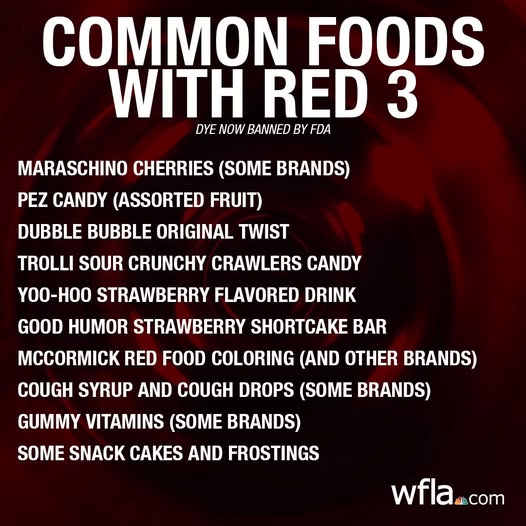
- 2002 – petition was filed with the FDA to ban the dye, and the FDA has been reviewing the petition and research ever since.
- Red dye No. 3 in high doses causes cancer in rats. The FDA previously concluded it was safe for humans in the amounts used in food and said that Americans aren’t going to eat Red dye No. 3 in amounts large enough to cause cancer
- 2023 – California became the first U.S. state to ban Red dye No. 3, although the ban doesn’t take effect until 2027.
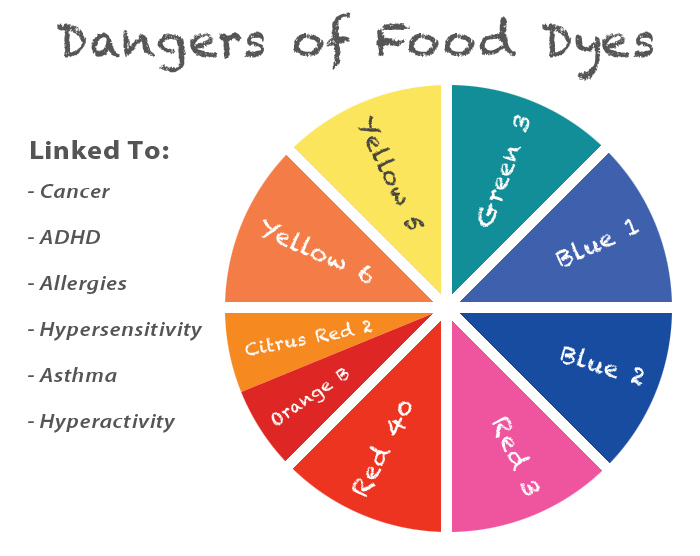
The Environment Working Group has compiled a list of over 3,000 packaged foods and drinks that contain Red dye No. 3!
- There are also concerns about other synthetic food dyes linked to behavioral issues and ADHD-like symptoms in children.
- These dyes are more common in cheaper, ultra-processed foods.
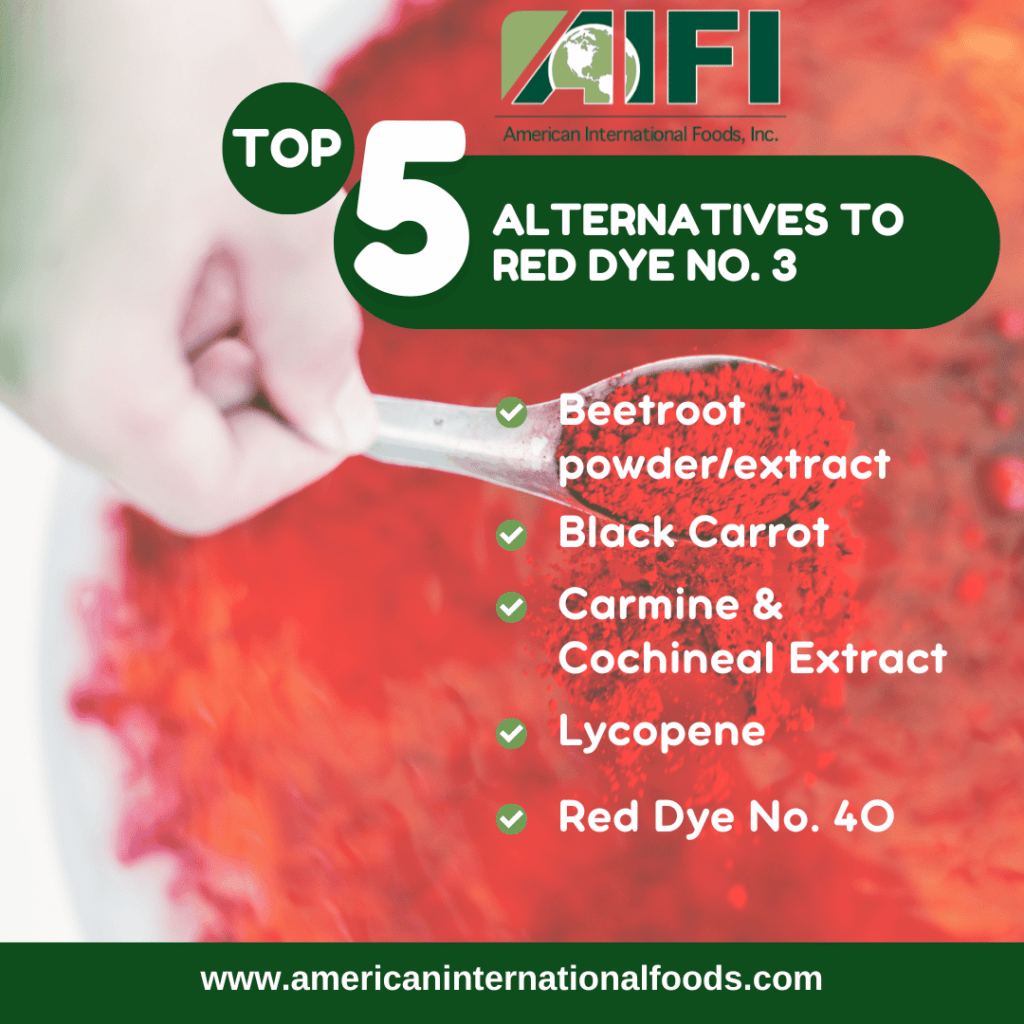
- Food manufacturers have until January 2027 to remove red dye no. 3 from their products.
- Replacing with Red 40 (also linked to behavioral issues in kids) or natural food compounds found from fruits and vegetables (ex: beets)
- Check food labels and try to avoid food dyes.
Chasing Life – Want a Healthier Mocktail? Here’s How
Disclaimer: My body doesn’t tolerate carbonation, alcohol, or mocktails, so I haven’t tried these recommendations!
- Add water to get the volume right. Ex: instead of 2 oz of gin, add 2 oz of water.
- Mocktails, like cocktails, are actually meant to be small and savory. You don’t need to use a lot of added sugar or syrups. Not meant to be a 12 oz beverage
- If limiting alcohol instead of going alcohol-free, use sherry or fortified wines. These provide more of a flavor profile than NA drinks.
- When you go alcohol-free, there is a chance you won’t miss it!
- Many zero-proof options rely heavily on sodas, fruit juices, and syrups to try to compensate for the lack of alcohol. You can add water to tone down the sweetness.
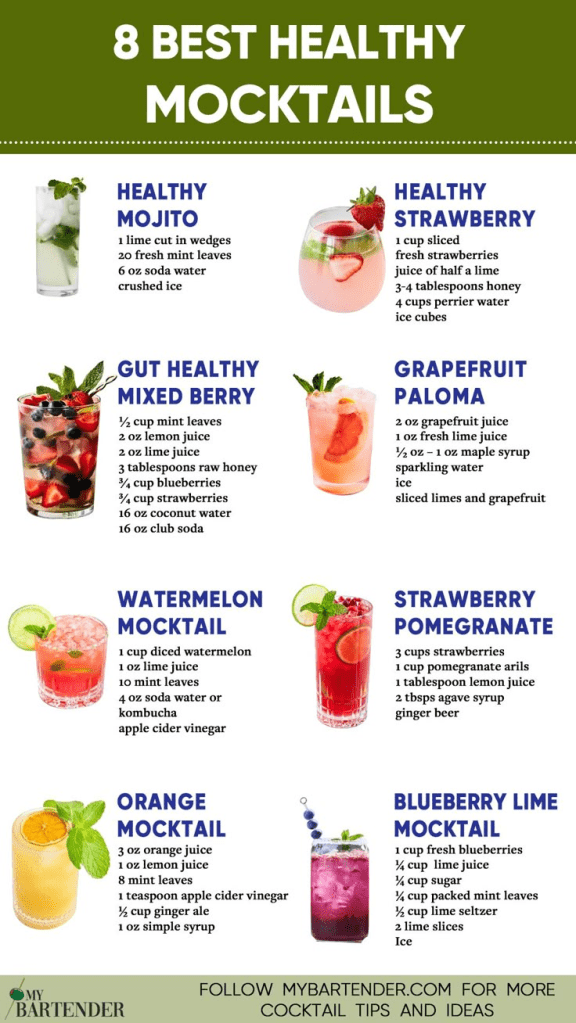
- 32 best non-alcoholic drinks The best nonalcoholic drinks for Dry January and beyond | CNN Underscored
- 1 month without alcohol will improve your sleep, boost your energy, and lower your blood pressure. That’s pretty good incentive.
Self Improvement Daily – Plant Yourself In Fertile Soil
One of the most important impacts of your life and your success is your environment. Your environment is always pushing you to take make certain choices and take certain actions.
It’s the difference between hanging around friends who always want to meet up for drinks instead of hanging out while hiking, working out, or socializing without alcohol. It’s the difference between having access to healthy food in your pantry rather than always grabbing and stocking up on junk food. It’s the difference between having a good book by your bed versus only having your phone within arm’s reach.
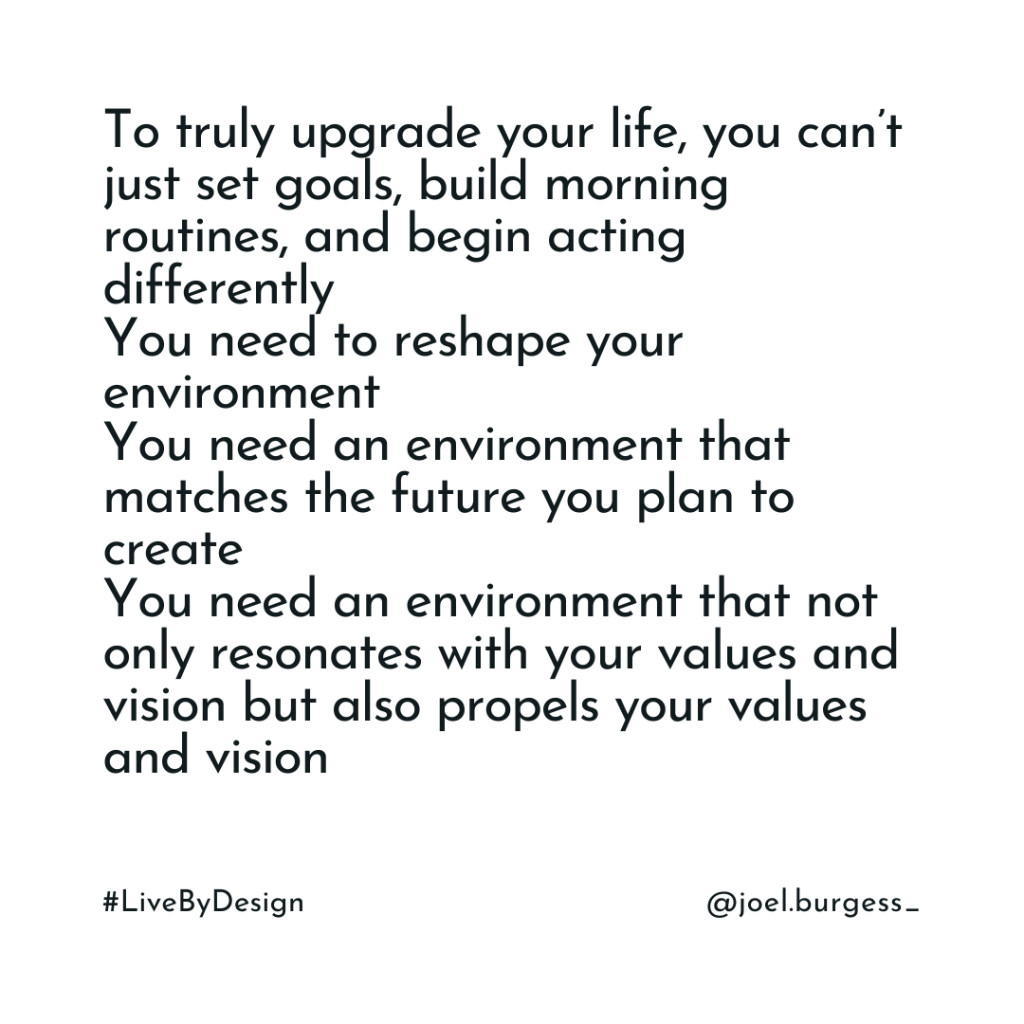
Environment influences what happens without our awareness. The majority of the time, we’re acting unconsciously and automatically.
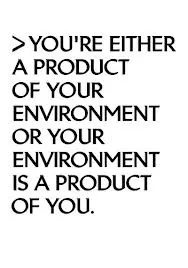
“Here’s a metaphor I like to use that demonstrates the power of environment. Think of the potential of a seed.
A seed has everything it needs to grow into a tall mighty tree. A seed is fully capable, yet most of the time, it doesn’t even sprout. Why? Because it’s dependent on the soil. The seed requires a certain environment to thrive.
The same seed planted in two different places can lead to two very different outcomes. When it’s in fertile soil, it grows tall and strong. When it’s planted in sand, it doesn’t even have a chance. And that’s not because there’s anything wrong with the seed. It’s just in the wrong environment.
As humans, we experience the same thing. There are environmental conditions that bring out our best. The right people, opportunities, circumstances, and spaces set us up for success. But there are also environments that bring out our ‘not so best’, causing us to make choices that don’t serve us and limit our potential.
Unlike a seed, however, we can control our environment. We can choose our surroundings and therefore, shape the influence it has on us. We can plant ourselves in fertile soil and when we do, that’s when we are maximizing our growth and potential!
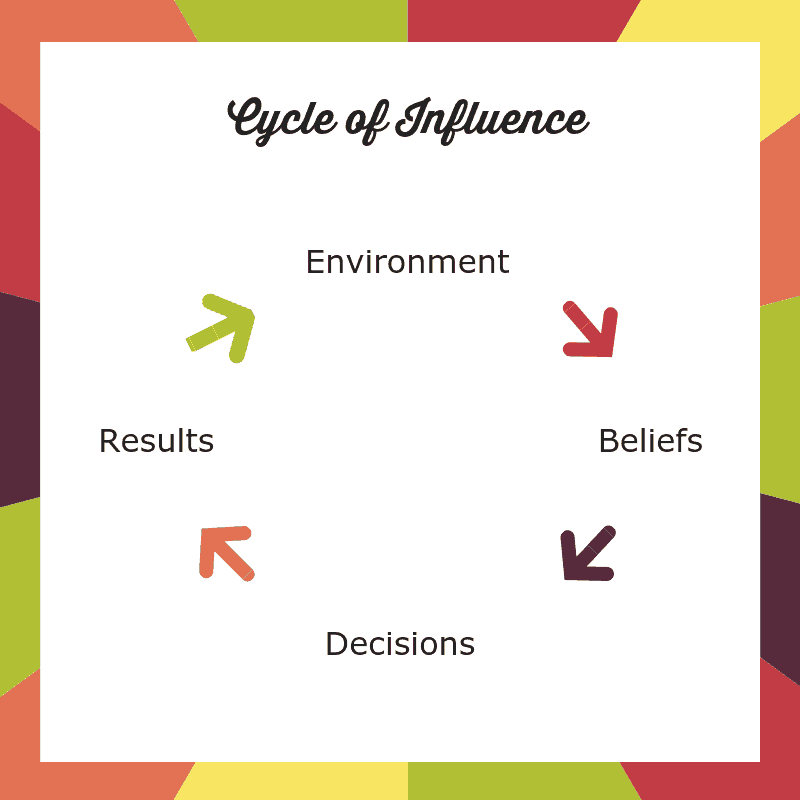
If you’re falling short of the level of consistency, productivity, good health habits, and impact that you know you’re capable of, it’s probably because you’re in the wrong soil. Choose to put yourself in a place where you can thrive and watch the results pour in!”
TED Talks Daily – The secret to telling a great story – in less than 60 seconds
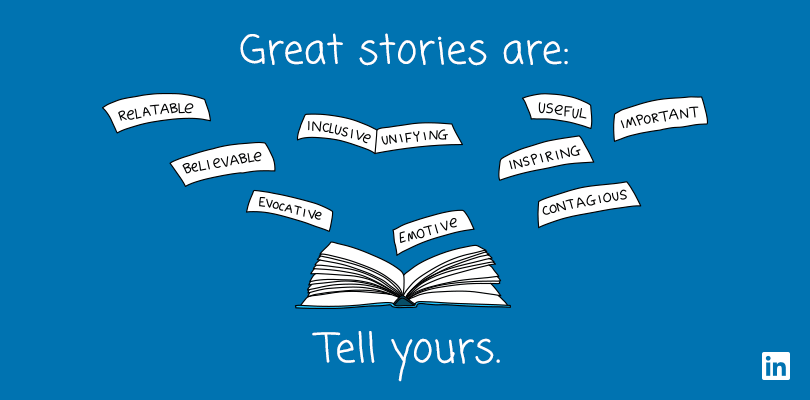
- Many great stories start with a question because it will make people stick until the end to find out the answer.
- You want to get your audience’s attention immediately, so you want to start by asking something shocking.
- After you’ve hooked your audience, you want to take them on a journey building up to your answer where you want them to feel constant progression so that as we’re moving closer and closer to our answer, they feel like they can’t stop listening.
- If everything is smooth sailing, nobody cares. We want to add conflict before getting to our answer. Without conflict, the audience isn’t as invested.
- After enough buildup, we finally need our answers. Build tension by making the answer feel uncertain to make a satisfying ending.
- If it takes longer to tell your story than it does to make a fast food burger, you’re probably overcooking both.
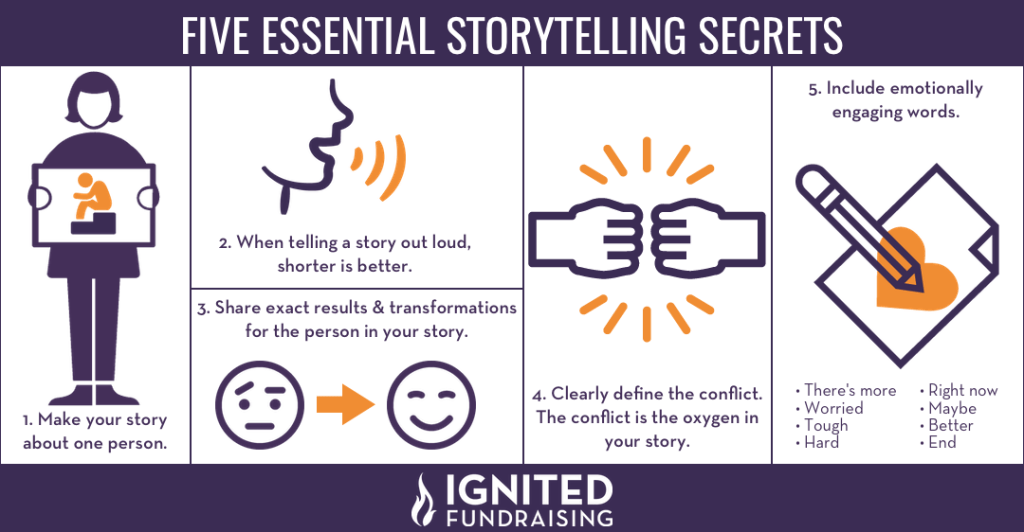
I’ve noticed this trend often on TikTok. People tell short stories with conflict to capture interest and build up progression before detailing the end of the story.
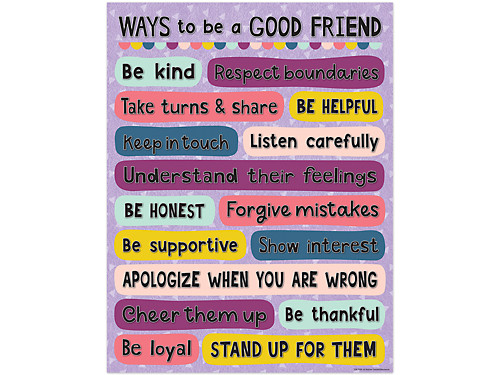
Mary’s Cup of Tea – How to Make Adult Friendships Easier with Kat Vellos
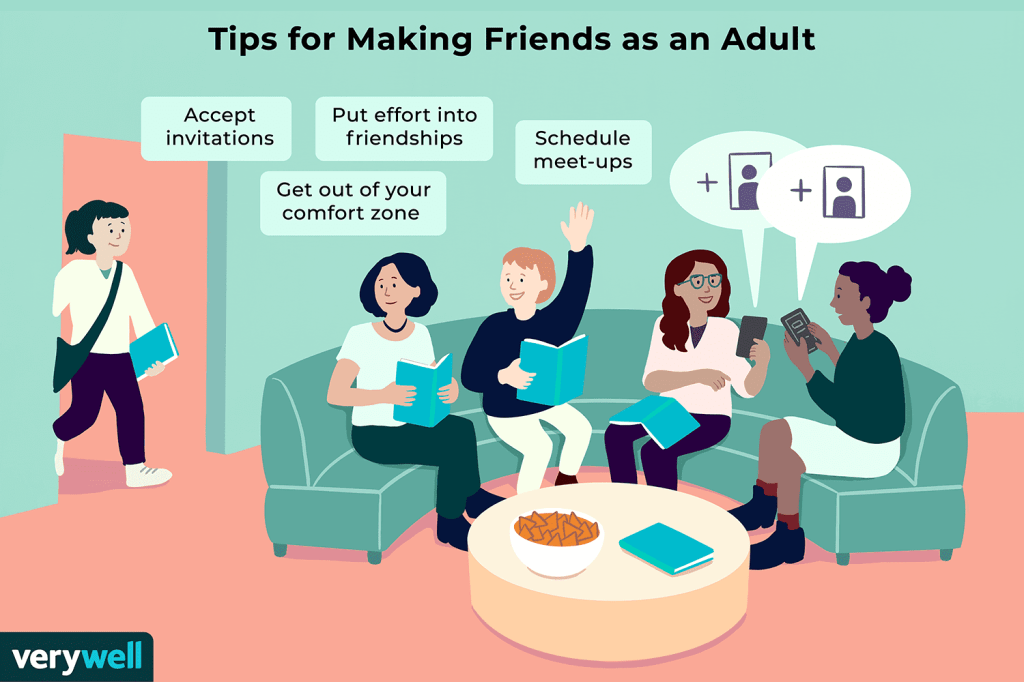
- Connecting with existing friends more easily: If you are a busy or forgetful person, set reminders in your phone to follow up with the person. Don’t leave your hangout without setting your next hangout (just like a salon appointment). Connect your friends to each other to share time together.
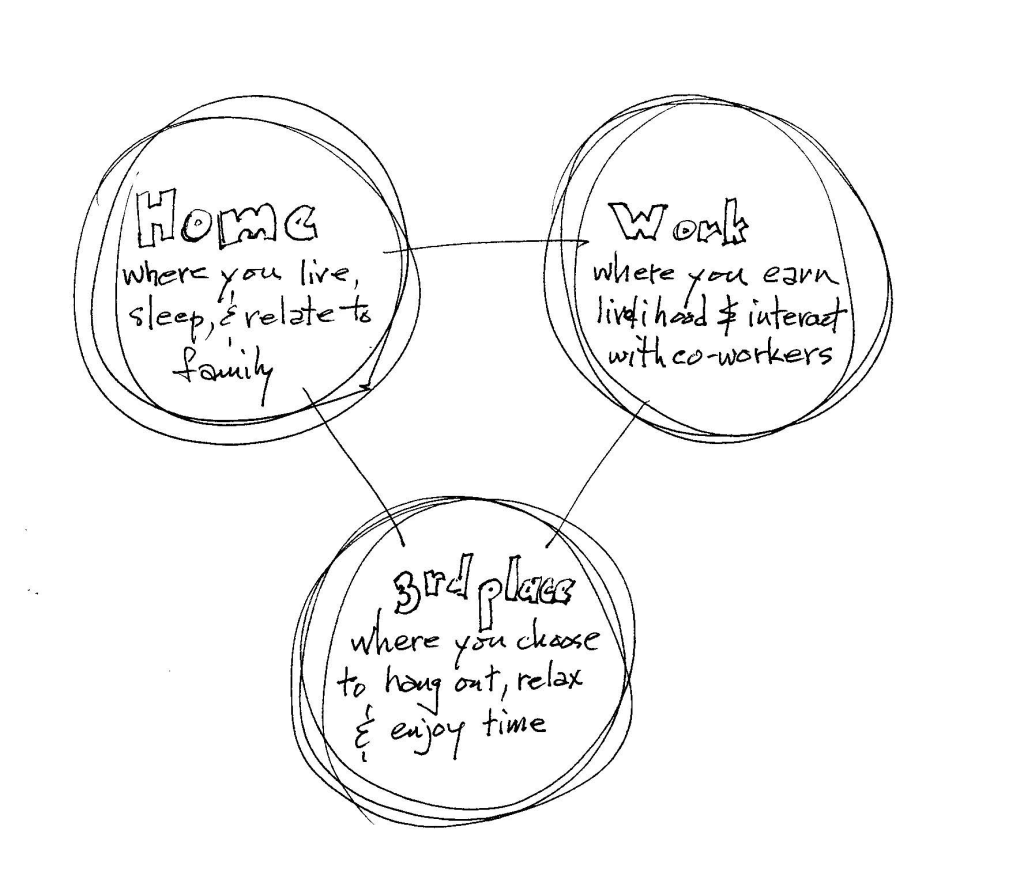
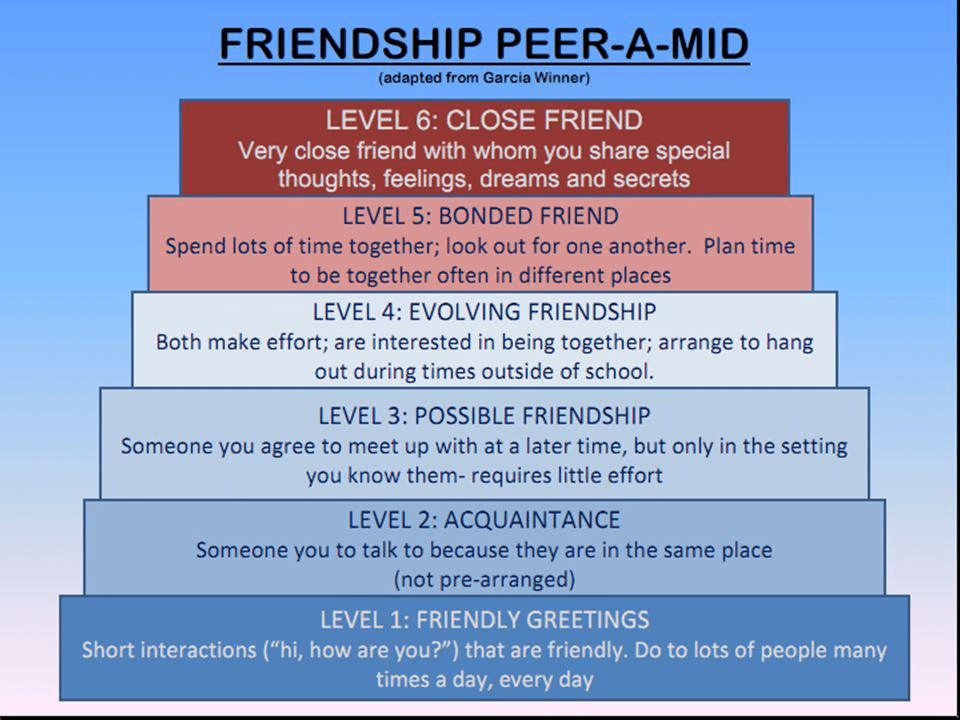
- Making more friends nearby: Be aware of your limits and take it step by step. Start by making acquaintances with the people who already live near you and are easier to fit into the life you’re living – people on your block, people in your apartment building, people in your town. Become a regular at a third place – neither home nor work – somewhere you go to for enjoyment – gym, coffee shop, brewery, bar, etc. Host friends with frequency – ex: Sunday dinners at home.
- When we say that friendship is hard, we often say it’s hard because we’re afraid to introduce ourselves to new people, scheduling is hard, we’re too busy, we aren’t getting close fast enough to people, friends don’t give as much as they take, etc. When we say friendship is hard, we might mean that having courage is hard, having confidence is hard, prioritization and persistence is hard, having patience is hard, or taking risks and dealing with disappointments and rejection is hard. These things are part of life, not just friendships!
- If someone says you should get together and you reach out and they don’t schedule something, follow up suggesting something you think they would say yes to!
- On average, adults lose 1-2 friends per year because they fall out of touch and things fade away. Like plants, you need to water and nourish your friendships.
Book: “We Should Get Together” – I look forward to reading this!
I look forward to reading, learning, and sharing more with you soon!


 Read Learn Share