
My intention is to post a Thoughtful Thursday column each week and share some of the insights I have learned in the past week. Here are some of the things I’ve learned this week:
Prioritize protein/veggies at each meal. Protein helps you maintain muscle and protein and fiber from veggies help you feel full. Focus on what you can add to your meals to make them healthier rather than what you have to take away.
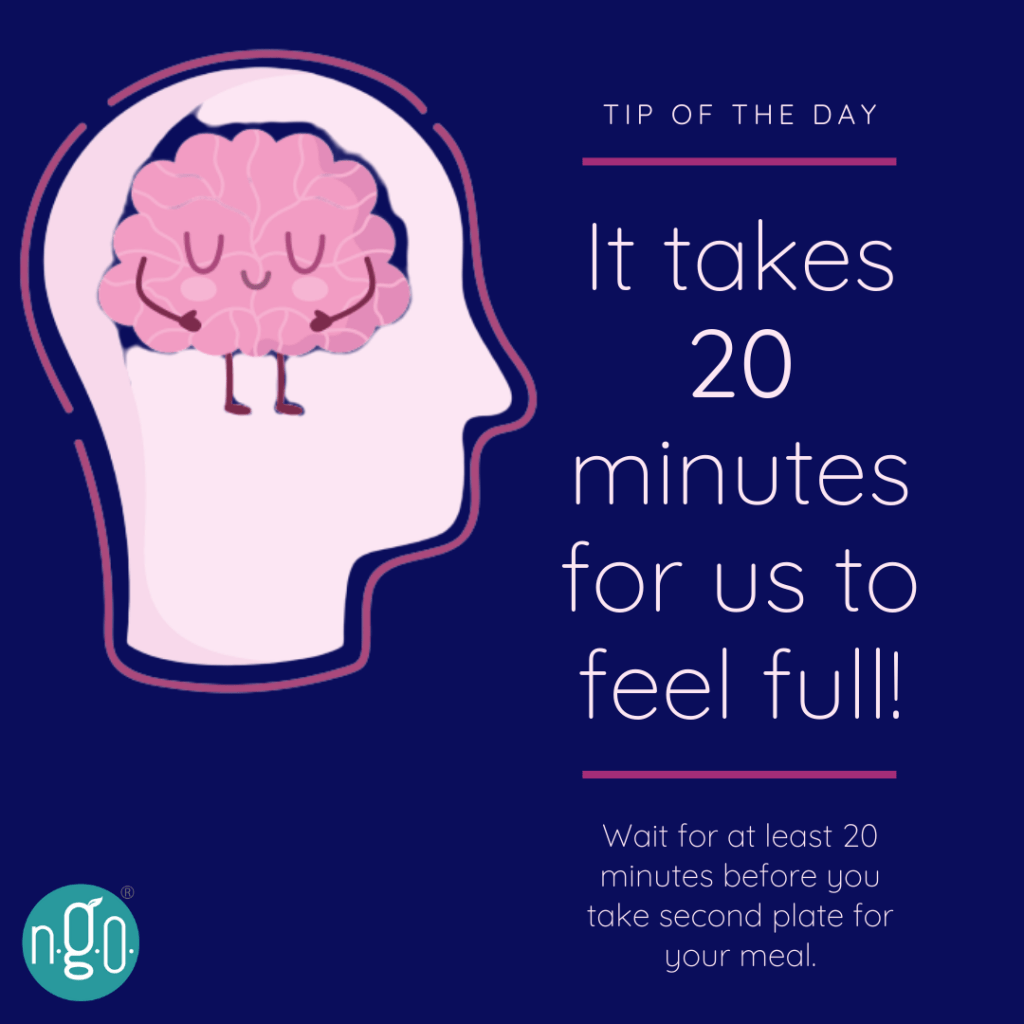
Eat slow and mindfully. When you gobble down your food quickly, you don’t give your stomach enough time to send the signal to your brain that it’s full. Pay attention to fullness signals and stop eating when you’re full.
Walk fast. Walk with purpose, bring a dog, or start a power walking routine.
Prioritize sleep. Create a sleep routine and aim for 7-8 hours of sleep each night.
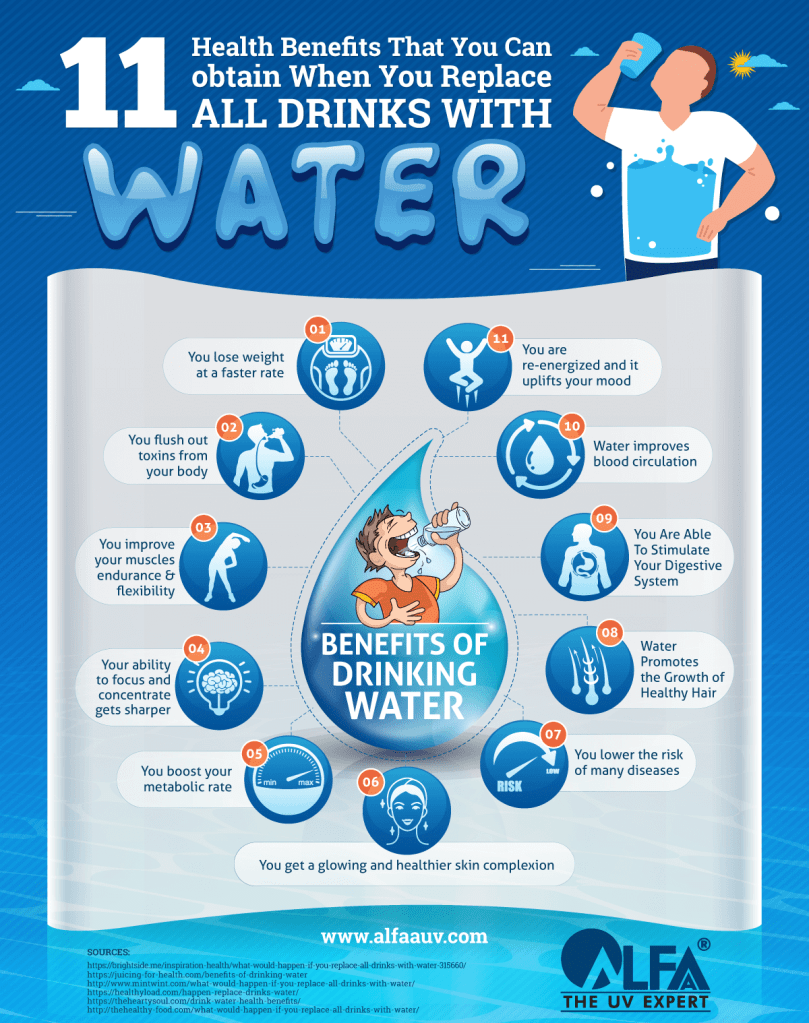
Replace all drinks with water. If you replace all soda, juice, energy drinks, and sugar-filled drinks with water, you’ll cut hundreds of empty calories each day. You can use some sugar-free flavoring packets to encourage you to drink more water. I love True Lemon packets, available in a variety of flavors at 0-10 calories each and 0-1 gram of sugar each. This might seem like a lot, but it’s a much better alternative to sugar-laden drinks.
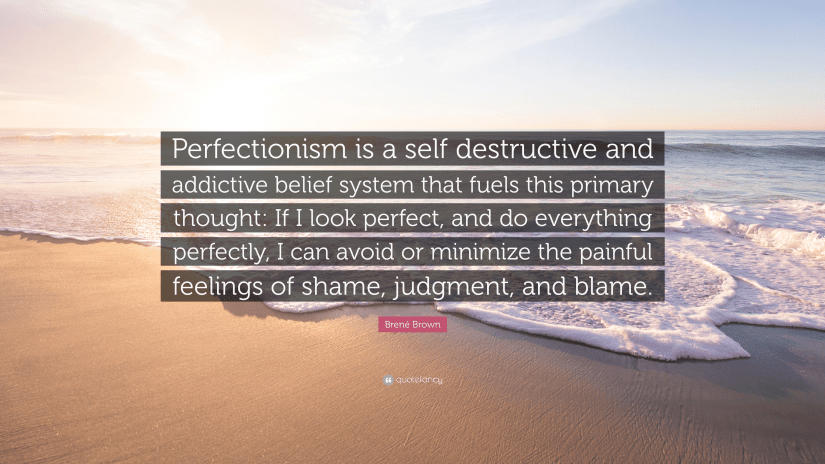
Often times we say things we don’t mean, that we’ll later regret, and wonder why we even said them in the first place. We wonder what caused us to not have the self-control needed in those situations. It’s usually a matter of feeling emotional. Our emotions often take precedence over logical reasoning.
Before you communicate, especially when you’re feeling impulsive, HALT. Pause. Take a moment to think about how you’re feeling. In particular, reflect on these four things:
- Hungry?
- Angry?
- Lonely?
- Tired?
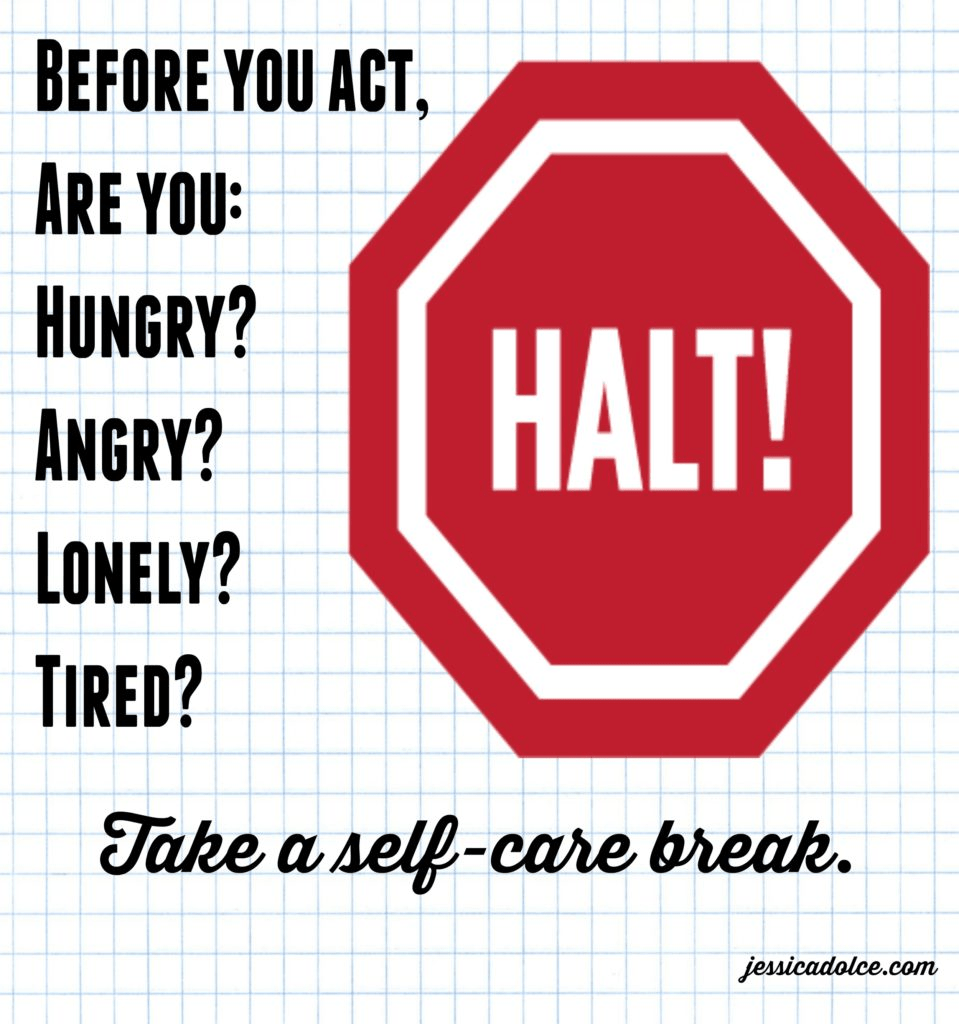
When you’re feeling any of these things, you’re more likely to say things you don’t mean because your mind is fixated on these specific needs. By calling out these emotions, you give your logical mind the information it needs to make the right decision.
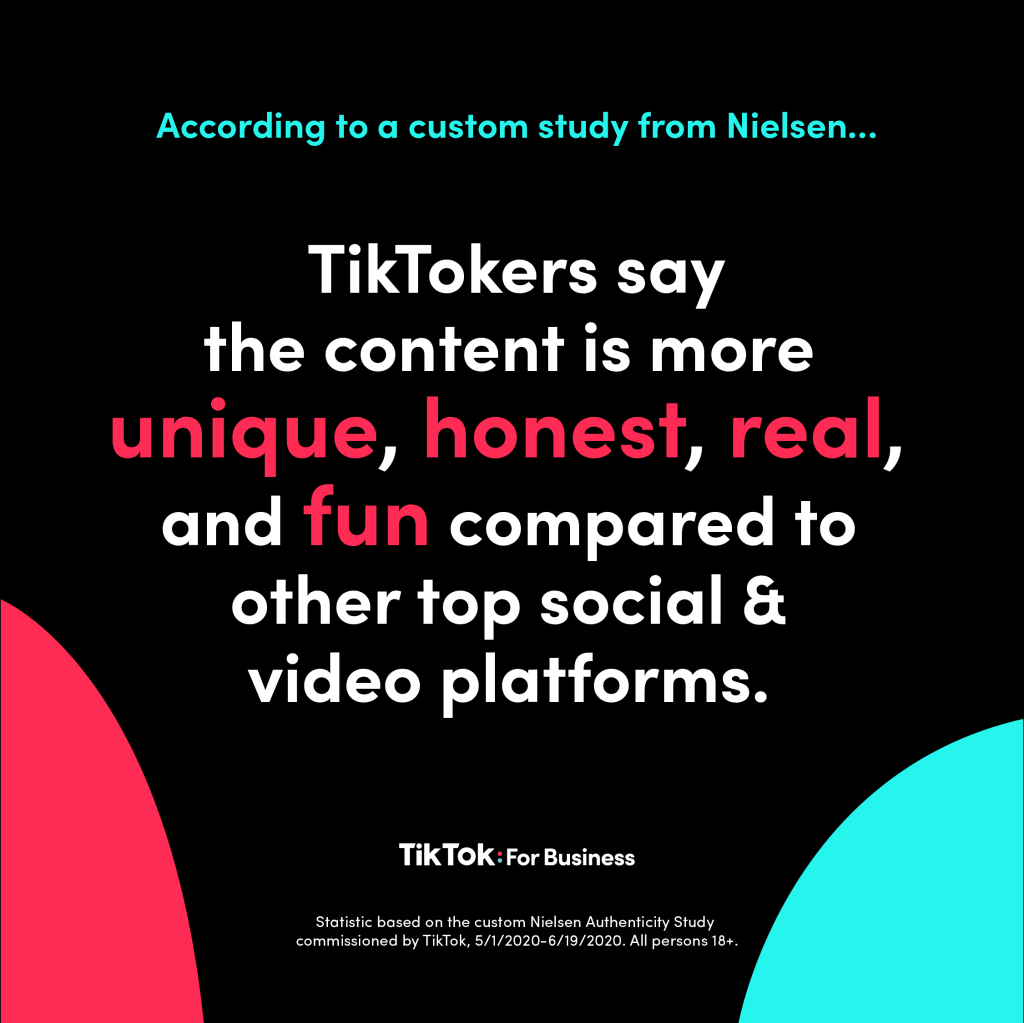
- I discovered TikTok in the middle of the COVID-19 pandemic, and I have learned many things and spent countless hours on the app. One unique thing I realized right away about TikTok is that it gives people a platform to reach a larger audience than other social media apps.
- The mission of TikTok is to inspire creativity and bring joy. The vision is to provide a window to discover, give them a canvas to create, and provide bridges for people to connect.
- Per Shou Chew, the CEO: “What makes TikTok unique is the whole discovery engine behind it. We are showing people what they like. We have given the everyday person a platform to be discovered.”
- The biggest creator, Khaby Lame, in TikTok didn’t even speak in any of his videos in the beginning. Lame is famous for his comic expressions and deadpan reactions to overstylized TikToks. Today he has 158 million followers on the platform. As long as you have talent, you have the chance to succeed.
- TikTok has given many people a voice that they would otherwise not have. Other platforms basically made the chances of getting discovered very low. You almost had to be famous to get followers.
- With TikTok, if you post something that’s not interesting to a lot of people, you aren’t going to get the virality you want. You need to have a message that resonates with people, and you will generate virality.
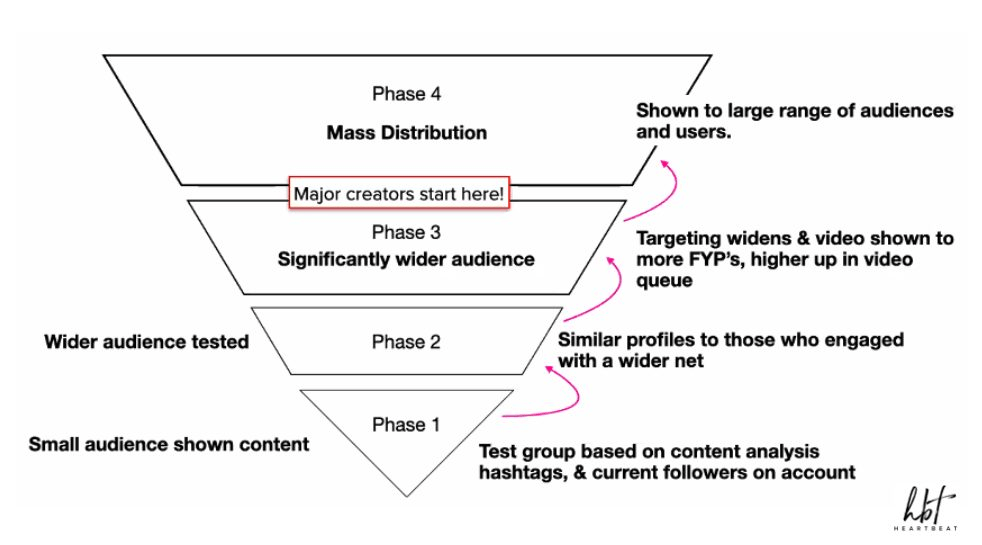
- Recommendation algorithm- shows you what others are interested in who liked the same videos as you. Vision= window to discover. People find communities because of the content that they are posting.
- Other apps are built for a different original purpose.
- In order to fulfill its mission of discovery, showing users a diversity of content is essential.
- TikTok has created a platform for people who never thought they would be a content creator. Has given them an audience. STEM (Science, Technology, Engineering, Math) content has over 160 billion views.
- User guidelines: no pornography, child sexual abuse material, no violence. Users under 18 years old experience a more restricted app and can’t use the livestream experience. Users under 16 can’t instant message or go viral. A big part of the age guideline is based on the age the user reports when signing up.
- TikTok’s goal is NOT to optimize and maximize time spent on the platform. Minors= 60 minute recommendation. TikTok has given parents tools to limit childrens’ time spent on TikTok.
- Over 10,000 employees are currently looking at content moderation, and this group is based in Ireland. Most of the moderation has to be done by machines, but they aren’t always on point, so they complement with actual people.
- Guideline categories: mature, not suitable for teenagers. If content contains these guidelines, TikTok proactively removes it from users’ TikTok experience. If you search certain terms, you are redirected to a resource safety page.
- Data access by employees is not the same as data access by the government. TikTok has implementing storing localized American data on American soil by an American company overseen by American personnel. This is beyond what any company in this industry has ever done- localizing in a way no company has ever done. All new U.S. Data is already stored in the Oracle cloud infrastructure.
- TikTok’s desire is to keep Tiktok a place of freedom and expression (you can search for anything you want subject to community guidelines).
- TikTok has popularized a variety of content: dancing, singing, science content, booktok, learning how to cook, sports, encouraging people to read. Booktok has 120 billion views globally.
- TikTok is connecting people and communities together. 5 million businesses in the U.S. benefit from TikTok today.
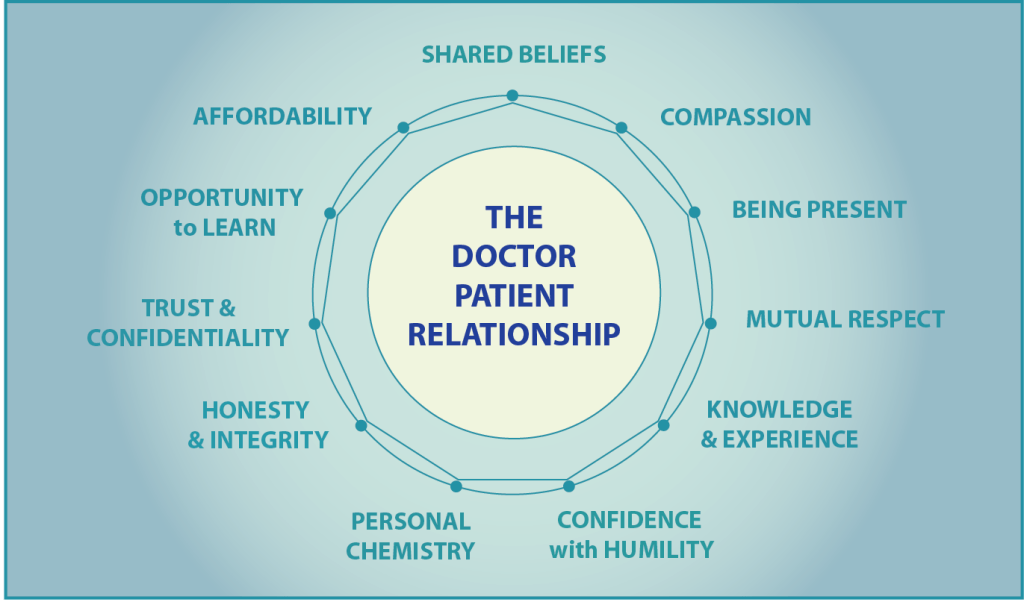
- Find someone who you can built a partnership with, someone who listens, and someone who will take your symptoms seriously and foster that bond. Your health is your most important asset. You need to find someone who will be on your team and be a good partner.
- Prepare as if you’re going to your accountant and getting ready for taxes. Write down what has been happening/symptoms and your family history, and answer when your symptoms started, what you were doing when symptoms started, what makes symptoms worse, how long symptoms have persisted, whether symptoms ever get better, and your previous history.
- Anything you can describe (duration, time it started, details) can lead to higher chances of coming up with a diagnosis. Sometimes your doctor may not ever have a clear answer for you.
- Your doctor might not know what’s going on right away. Instead, you may receive a differential diagnosis, or a list of possibilities. Schedule follow-ups.
- Fill out docs on the patient portal before you get there to help maximize the time together.

- When you get a diagnosis, ask for more information. What do we know? What do I have to do? What is the treatment plan?
- If you feel dismissed, this is a sign this isn’t the doctor for you. It needs to be a partnership. You don’t need to stick with the doctor for the rest of your life if you aren’t comfortable.
- Advocate for yourself. When you get a diagnosis, ask: What’s actually happening in my body right now? What’s the treatment? How does the treatment work? How often will I take that medication? Will this condition ever go away? How will this condition affect my life? When should we follow up?
- Think of your relationship with your medical provider as a partnership. You should be working together to come up with a diagnosis or a plan. Keep a medical logbook with important details. When you get a diagnosis, consider a second opinion. It’s okay to change medical providers and it might be a good idea if they’re not listening to you, they confuse you, or if you don’t feel like you can talk to them.
- The top consumer complaints of 2022 include negative information on credit reports that was not accurate, accounts that didn’t belong to consumers but were still on the report, credit inquiries that people didn’t recognize, and being pursued for a debt that the person didn’t owe.
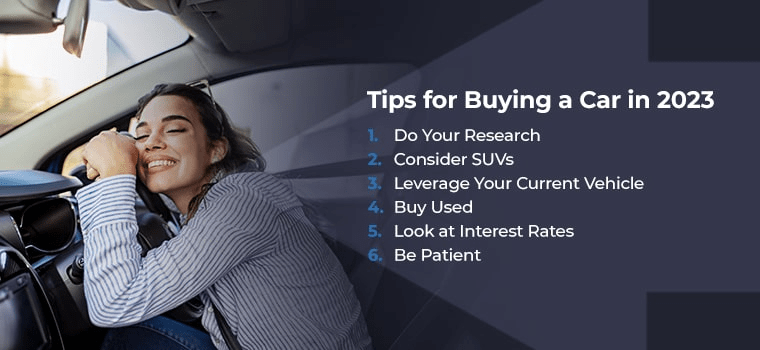
- Average price for a used car is still around $26k!!
- Supplies still unable to meet demand- prices remain high
- Tips: allow yourself time to shop around for both the car and the car loan. Get several auto loan offers before going to the auto dealer. Don’t tell the dealer upfront that you intend to pay cash. They may try to make up for lost revenue in the price of the car.
- Auto rates are the highest they’ve been since 2009. Average used car loan is 11.03% interest. Some people can get 5% interest.
- Tips: Shop around. Know your financing options. Think about the trade-offs. Buying a car with cash can keep you out of debt, but you might be able to get a better return on that investment.
One book I’ve read this past week is “How to Live on 24 Hours a Day” written by Arnold Bennett and originally published in 1908. These points stood out to me:
We never shall have any more time. We have, and we have always had, all the time there is.
Arnold Bennett
Everyone receives the same 24 hours in a day. Many view their hours at work as a day and the rest as a margin. You say your day is already full to overflowing, yet you spend 8+ hours working and 7-8 hours sleeping. What are you doing during the other 8 hours?!
Arrange a day within a day. Think of your day outside of work as another day within your day. Have a reflective mood. Devote time each day to reading, learning, or bettering yourself. I have been committed to doing this as part of my daily habits.
You have to live on this twenty-four hours of daily time. Out of it, you have to spin health, pleasure, money, content, respect, and the evolution of your immortal soul. Which of us lives on twenty-four hours a day? And when I say “lives,” I do not mean “exists” or “muddles through.”
Arnold Bennett
I look forward to reading, learning, and sharing more with you soon!


 Read Learn Share