
My intention is to post a Thoughtful Thursday column each week and share some of the insights I have learned in the past week. Here are some of the things I’ve learned this week:
- Toxic people – toxicity breeds negativity
- People who make you feel unsafe –you have the right to feel safe and not on edge
- People who disregard your emotional wellbeing and feelings –you deserve to have the freedom to express your feelings
- Situations that make you feel unwanted –you are worthy
- Negative self-talk –be reflective rather than critical
- Comparing yourself to other people –everyone is different and unique, and everyone has their own flaws, abilities, and strengths
- Bad partners –you have no obligation to stay in a relationship
- Resisting growth and healing –you are your own masterpiece, and you can own every aspect of who you are
- Needless waiting –you can’t recover your wasted time.
- Letting other people’s opinions determining your worth –people will always have an opinion of you. Opinions are not facts.
- Shrinking yourself to fit in –you’re missing out on the opportunities to grow and reach your greatest potential

Say no to the things that aren’t serving you so that you’ll be saying yes to a clear mind and happier life surrounded by more love and light.
- Take more couple time alone – uninterrupted time for just the two of you.
- Manage your own irritability and stress. Take care of your health and get adequate sleep.
- Use your everyday life to reduce stress. Tune in as your partner talks about their day:
- frustrations and irritations
- the things they are proud of
- the unpredictable events or people in our lives

- Couples learn, over time:
- They learned the cast of characters in each other’s lives.
- They learned more about the worries and pressures each faced.
- They offered no advice, criticism, solutions, or suggestions.
- Instead, they offered a supportive listening ear, true friendship and empathy, and support and validation.
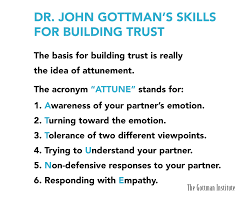
- Ask for an ally, not a problem-solver.
- Use touch to effectively communicate. Actions speak louder than words. Show you care.
- Tune in to dreams, hopes, and aspirations. As you learn your partner’s dreams, hopes, and aspirations, both of you will feel more connected.
- Myth: it doesn’t matter what time of day you sleep.
- Truth: It does matter. Your circadian rhythm is influenced by natural sunlight in your environment. We need to get exposure to natural sunlight. Blackout curtains and wearing sunglasses on the way home in the morning (shift work) can help your circadian rhythm if you are a shift worker.
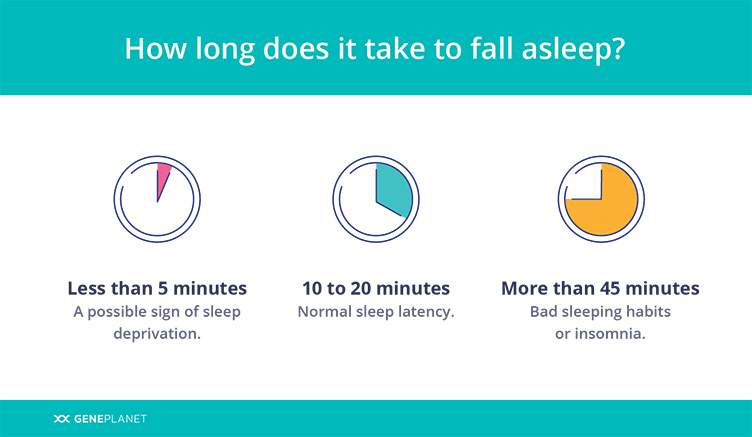
- Myth: Being able to fall asleep any time, anywhere, is a good thing.
- Truth: It takes a well-rested, healthy person 15-20 minutes or longer to fall asleep. Being able to fall asleep right away generally means you aren’t getting enough sleep.
- Myth: One night of sleep deprivation will have lasting negative effects.
- Truth: One night of sleep deprivation can happen from time to time and is normal. Try to get back on track as fast as possible.
- Myth: Many adults only need 5 hours of sleep or less per night for general health.
- Truth: Not getting enough sleep can result in compensatory naps. Sleeping for 7-9 hours each night is best for optimal health and well-being – improved heart health, longevity, brain health, etc.
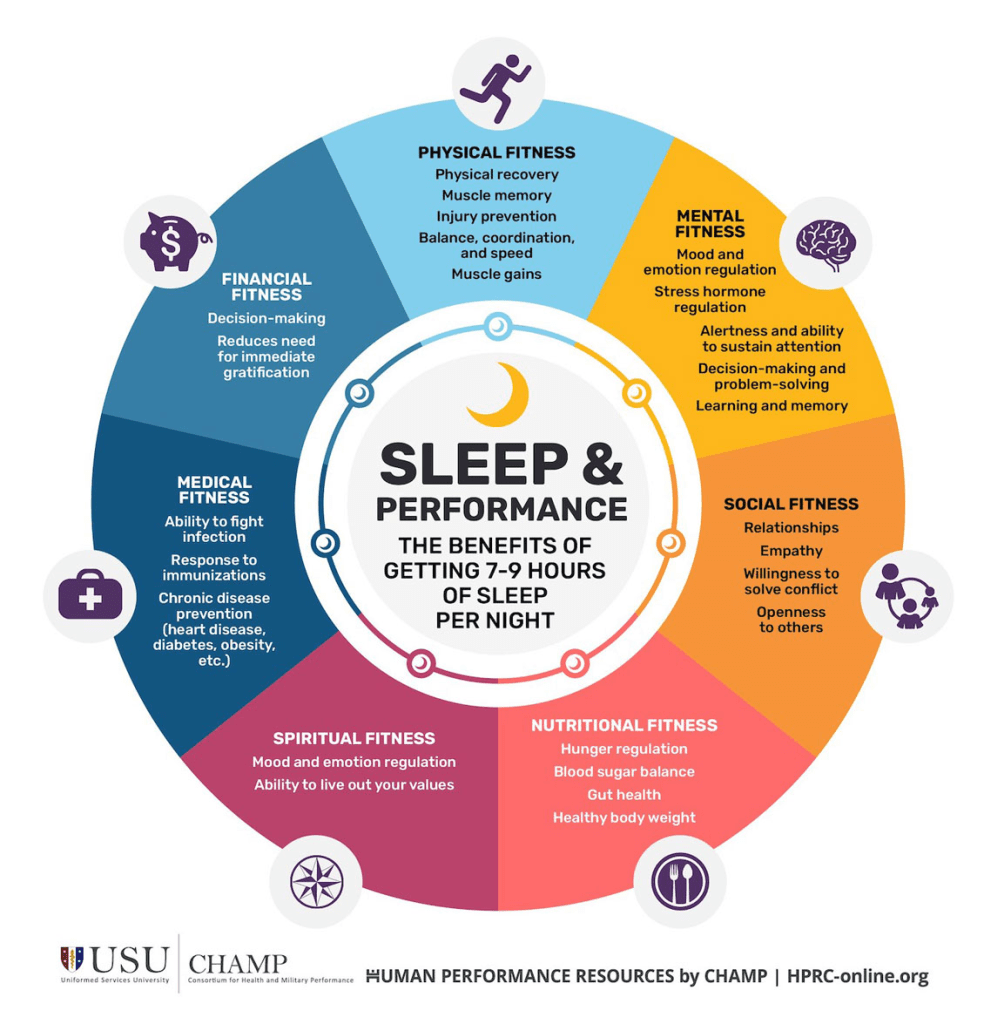
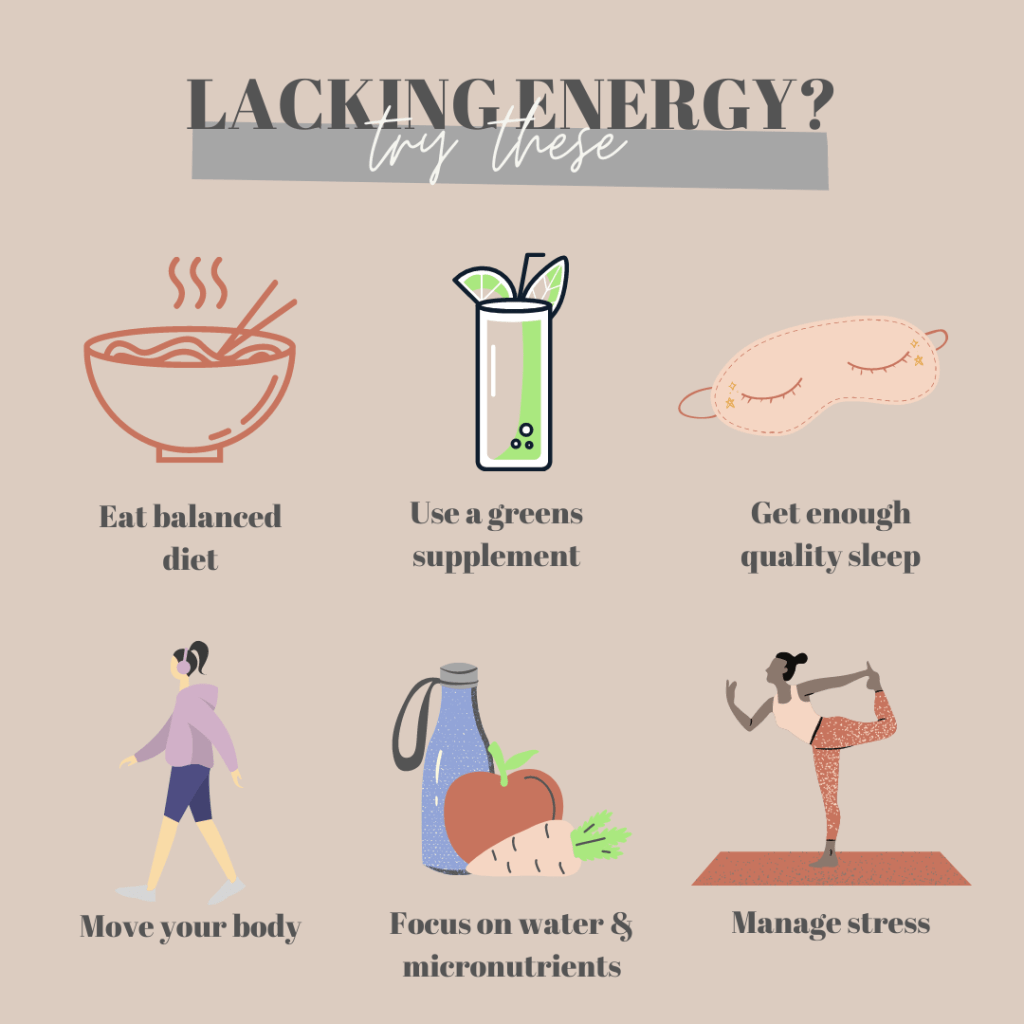
- The best way to get into the recommended range is to start adding 15 minutes to your overall sleep routine and add more sleep time as needed until you wake up feeling refreshed and have energy through the day without reaching for coffee or energy drinks.
- Watching tv is not recommended before bed. Reduce screen time.
- Make sure your bedroom is under 70 degrees when sleeping. Increasing temperatures results in more nightmares and more tossing and turning.
- Myth: Exercising within four hours of bedtime will disturb your sleep.
- Truth: Data does not back this up. Exercising can result in better sleep. Exercise releases endorphins, which are mood elevators and can help with the number one cause of sleep difficulties, which is stress.
Talks at Google – Shelmina Babai Abji – 8 Strategies for Women to Emerge as Leaders at Work
- What value am I going to create? What is it that I would know that they don’t already know? Speak up. You have ideas that matter.
- Scan your mental chatter and intentionally pick a response that will allow you to show your worth. You are hired for one reason: the value you create towards the success of your organization.

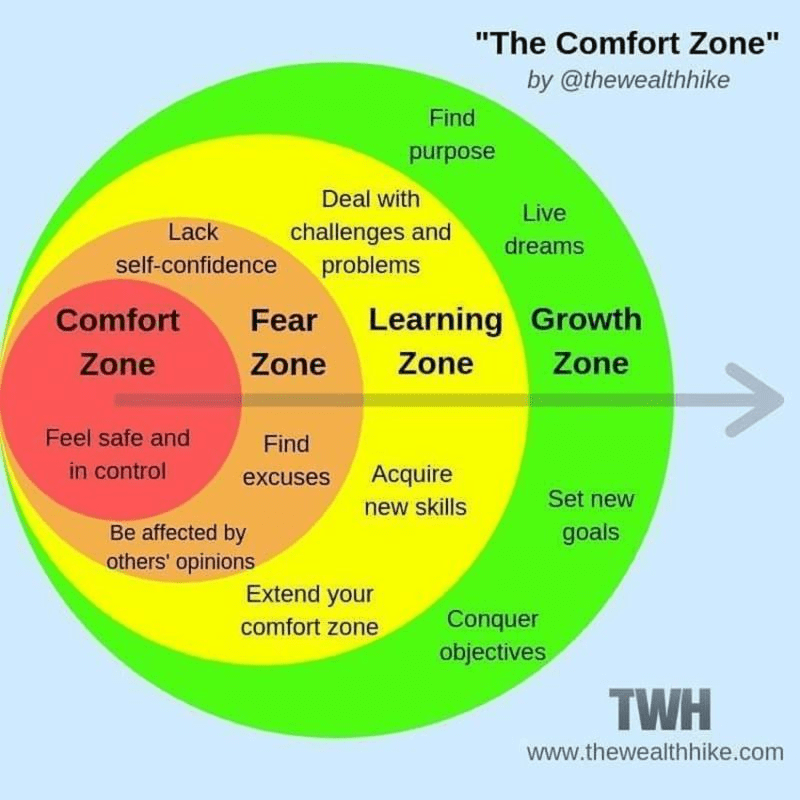
- Intentionally seek assignments that push you out of your comfort zone, that challenge your current competence, and that build new competence. The more competence built, the higher the value you create for your organization. The best way to build more competence is to step outside your comfort zone.
- Listen and learn. When you step outside your comfort zone, if you’re not stumbling, you’re not pushing yourself hard enough. You’re learning as you’re stumbling.
- Look back at who you were before you learned so much. Look at how far you’ve grown.
- Who knows you? How are you known? The conversation about people that people are having in the room while they aren’t present is determining their career projection. The way people talk about you when you aren’t in the room is your personal branding.
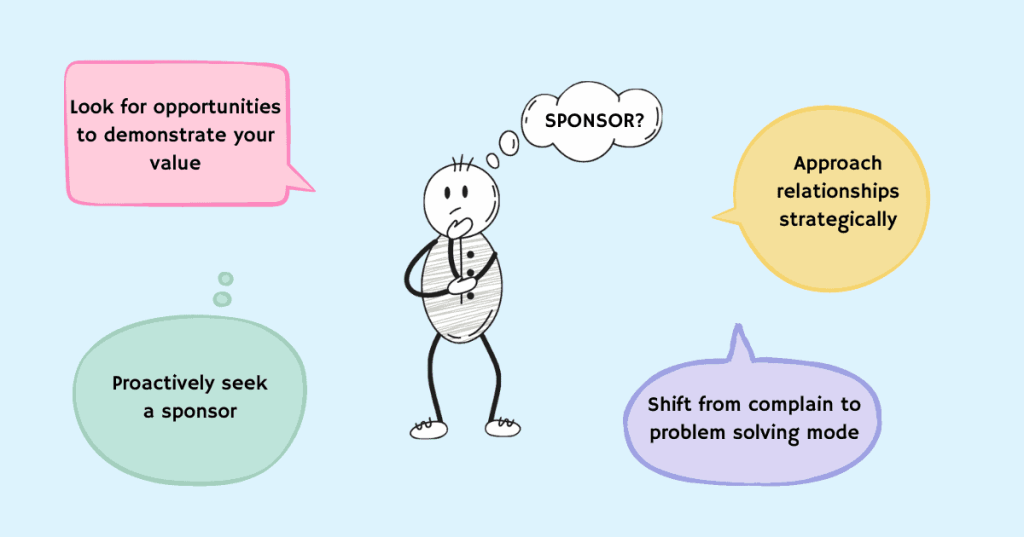
- Panel interviews – the person who gets the job depends on who around the table advocates for them. Find “sponsors” who will advocate for you.
- Create a personal success plan. Every week, set aside time to reflect on what you’ve learned and what successes you’ve had in the last week.
- Surround yourself with people who are celebrating you, or you become your own cheerleader. Don’t wait for anyone. Recognize that you have worked so hard to be where you are and achieve what you’re doing.

- Focus on what you can control. Do not expend your time and energy on what you can’t control. Uncertainty is always going to be there.
- You have limited energy and limited attention, and you get to decide where you’re going to allocate your energy and attention. Always be asking: Is this worthy of my attention? Should I be doing this task? Will it move me closer to my definition of success? Will it contribute toward the success of my organization? If not, learn to say no. Structure your days around your highest priorities.
- Saying no can show people that you respect your attention, time, and energy. When you respect yourself, others will respect you.
- When you go into a meeting, set intentions. If you don’t set intentions, you will be driven by someone else. When you become intentional, you will not let their behavior drive your behavior. Behave in alignment with the brand you want for yourself. Show up as a leader no matter what. If you show up as a leader when the conversation is highly emotionally charged, people will remember that.
- Be very intentional about who you seek advice from. If you have a mentor who is not challenging you, who is not contributing to your growth, or who does not have the capacity to advise you to move forward, you are blocking your success. Have multiple people you seek advice from and seek “sponsors” who support and advocate for you.
- **Note that this podcast did not actually cover the eight strategies expanded upon in her book.**
Perfectionism is an avoidance tactic and a form of self-sabotage. Perfectionism can lead to indecision, the limiting belief that you aren’t good enough, and never accepting something as finished. In order to overcome perfectionism, you need to take imperfect action and overcome self-sabotage to become that next, better version of yourself. That can only happen through taking action.
I have reflected on this quite a bit this week because it resonates with me.
Yesterday, January 17, marked one year at my job, a job I love and am passionate about. Yesterday also marked the end of week two of my post-graduate paralegal certificate program, which has been very interesting and demanding so far.
I had been discerning being a criminal prosecutor for *years* since college, yet I was hesitant to accept my current (non-attorney) role due to ongoing health issues and uncertainty in the number of appointments and treatments I would endure. I accepted the job anyway, even though the timing wasn’t *perfect*.

This past year, in my position, I decided to gather more information and talk to actual criminal prosecutors at my job and ultimately decided not to pursue being a criminal prosecutor – something I had been thinking about for *many* years. A paralegal certificate program was never on my radar. In the process of conversation and achieving clarity, I decided to go for it and pursue a paralegal certificate, despite not having it all figured out. 

The point is, I was uncomfortable and was waiting for the perfect time for everything: the perfect time to accept this job, the perfect time to gain clarity in my discernment process, the perfect time to start this paralegal program. Yet, if I had waited for the perfect time to take this job (when my ongoing health issues were resolved), I would not have come this far and discovered all I have. I would still be waiting. Boy, would my life be very different today if I had still been waiting for the perfect time to start. 

I look forward to reading, learning, and sharing more with you soon!
 Read Learn Share