
“Unwinding Anxiety” was written by Judson Brewer, MD, PhD, an internationally renowned addiction psychiatrist and neuroscientist, director of research and an associate professor at Brown University, and founder of Eat Right Now and Craving to Quit apps. Further, his 2016 Ted Talk “A Simple Way to Break A Bad Habit” has over 16 million views! This book emphasized that anxiety and addictions (eating, smoking, drinking, etc.) manifest themselves in habits and the first step to overcoming them is to understand the origin of the habits we want to eliminate or replace and update the reward values.
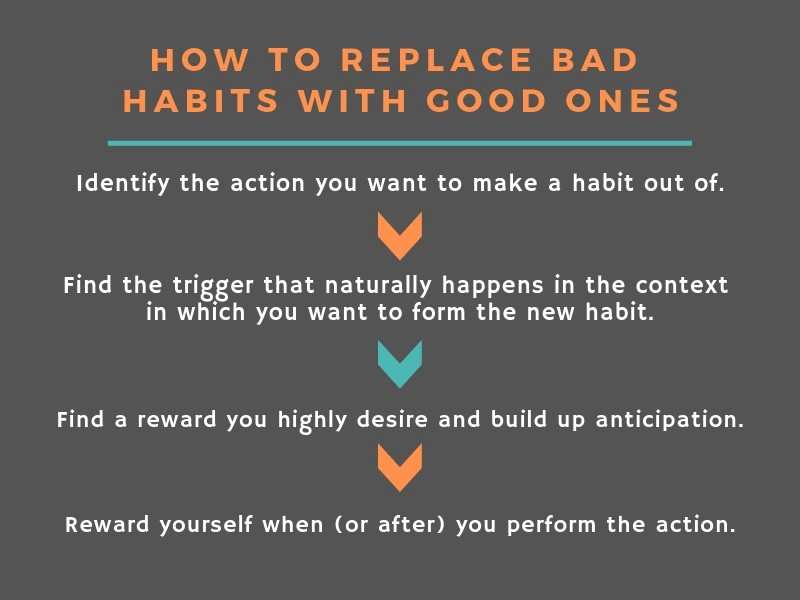
- 1. Identify your habit loops.
- 2. Update the reward values of the behaviors you want to change (using mindfulness and curiosity).
- 3. Replace your old habits with new, healthier habits.
Paying attention is really important if you want to change a habit. If it’s a habit that you desperately want to break, you can’t tell, force, or wish it to stop because these likely don’t have an effect on its reward value. Look and learn. Ask yourself “What do I get from this?” when thinking about the result of bad habits.
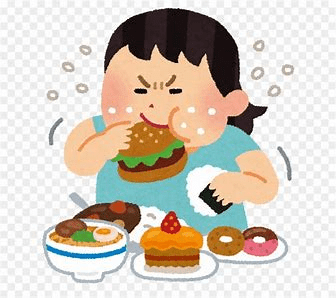
If you struggle with overeating, focus on the full and bloated feeling you get when you’re done eating.
If you struggle with smoking, be mindful and think about the taste and smell (I was surprised to learn that most smokers in a study reported that when they paid attention when trying to quit, they realized they hated the smell and taste)!
Force your old brain to relearn and reassociate negative feelings with the habits you want to change. It is true that past behavior is likely the best predictor for future behavior, but what we do in the present moment, not what we did in the past, will determine the likelihood of continuing or changing that trajectory.
Use RAIN:
- Recognize what is happening right now.
- Allow/accept it.
- Investigate body sensations, emotions, or thoughts.
- Note what is happening in your experience.
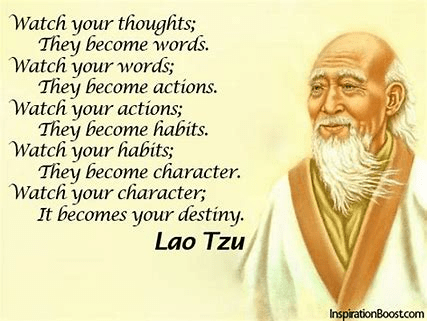
Examples of habit loops:
- Trigger: getting into an argument
- Behavior: bingeing
- Result: feeling physically, emotionally, and mentally awful with no improvement in relationship
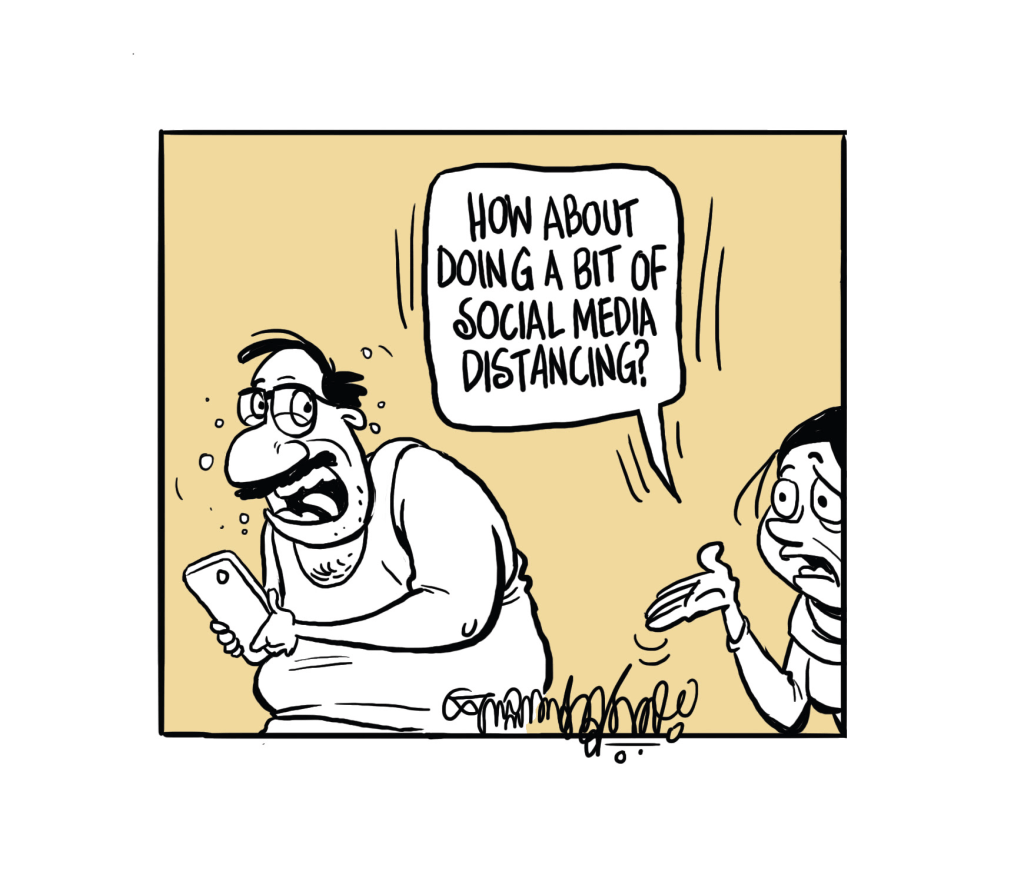
- Trigger: start working on long task and feel overwhelmed
- Behavior: check social media
- Result: avoidance; feel more stressed that no progress is made
- Trigger: anxiety/sadness
- Behavior: start drinking
- Result: numbing, forgetting, feeling intoxicated, avoidance
- Trigger: look at unfinished to-do list
- Behavior: worry about not getting it done
- Result: feel anxious
This book was an educational read and seemed geared more toward overall addictions and habits, not just anxiety.
I look forward to reading, learning, and sharing more with you soon!
 Read Learn Share