
My intention is to post a Thoughtful Thursday column each week and share some of the insights I have learned in the past week. Here are some of the things I’ve learned this week:
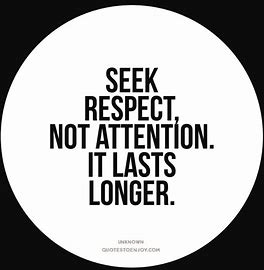
Our interest to prioritize and maintain strong social connections is fundamental to our success as a species, and in order to appease our ego, we seek validation, approval, and acknowledgement from others as a means to confirm our importance. This may cause us to do things that aren’t in alignment with who we want to be because we need quick access to the validating spike of feeling important.
What we’re actually searching for, that leaves a deeper and lasting impression, is other people’s respect. This goes beyond what you do and into who you are– your character and your values. This is more difficult to earn, and in a society that is addicted to immediate gratification, sometimes people don’t even have the patience to get there.
I was surprised to learn that, using surveys, polls, and meta-analyses, over 70% of employees in most global surveys want a mix of in-person and remote formats moving forward.
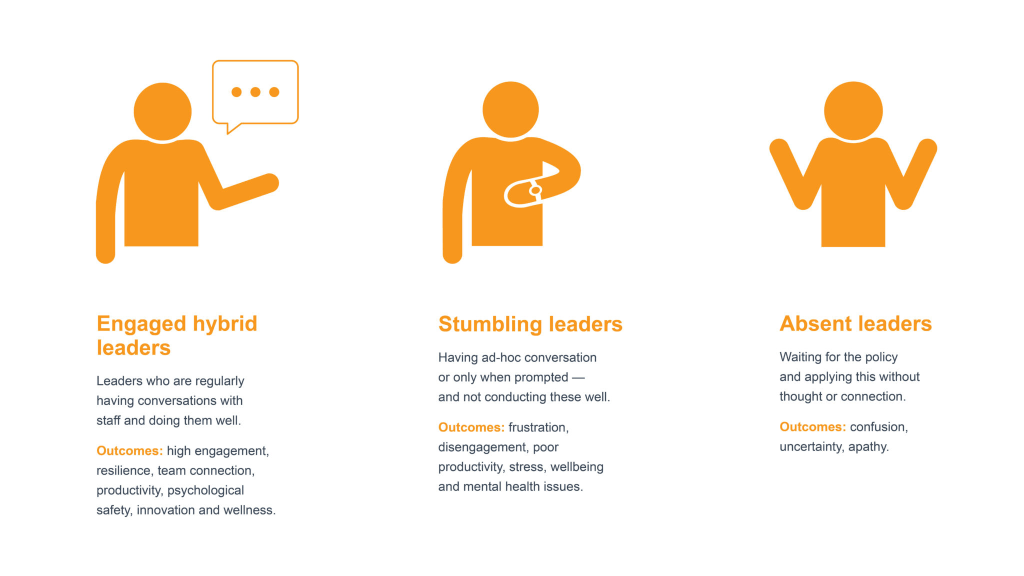
Many employers unexpectedly moved to a remote or hybrid format during the COVID-19 pandemic. Many also haven’t put much thought into a plan. Some employers want employees in the office a certain number of days each week, but don’t care when. Others haven’t set expectations. Others have clear expectations about when employees need to be in the office. Here are 4 ways to make hybrid work better for everyone:
- Coordinate anchor days — days you and those you collaborate with are in the office on the same day.
- Plan spontaneity. Set aside 6-7 minutes of online meetings to chat informally about something other than work. Consider happy hours, trivia challenges, or lunches or coffee with coworkers.
- Match digital tools with communication objectives. Sometimes e-mails, IMs, and phone calls won’t cut it. Use video calls for conversations when needed.
- Consistency between hybrid policies and attitudes is the only way to build a hybrid culture for everyone. If you want your employees to come in a certain number of days, assign days or make that expectation clear. If there aren’t any clear expectations and people don’t come in the same number of days, nobody should be made to feel guilty for not coming in as often as others.
- Buy or rent a smaller home. Housing costs generally take up the largest percentage of a person’s expenses.
- Avoid car payments.
- Double-check recurring expenses and cancel any you no longer need or use.
- Research insurance costs. Double-check your premiums and compare other options.
- Take your lunch to work.
- Pay off your credit card debt. Interest payments are like flushing dollars down the drain. We don’t receive anything for them.
- Stop upgrading your phone just because you are eligible.
- Cut utility bills at home. Get a programmable thermostat, lower the temperature on your water heater, unplug unused electronics, cut cable, or seal your home better for cold and heat.
- Research childcare options in your area. Sometimes new childcare centers are much less expensive than the one your child or children is currently enrolled in.
- Ditch the storage unit. If your storage unit is simply storing stuff because you own too much stuff, get rid of it. Stop paying money to keep stuff you don’t need.

The word “prosthetic” is Greek. When translated to English, it means “addition.” A prosthetic is a device that provides support in place of the body part so that people can perform day-to-day functions.
- In ancient Rome, there are accounts of warriors who used prosthetics made of iron and wood to make artificial arms and legs.
- Thousands of years ago, prosthetics were cosmetic.
- During the French Renaissance, prosthetics became functional and included harnesses and knee lock controls, as well as softer materials.
- Limb loss can be caused by a disease or cancer that impacted that body part, a car accident, or being born without a body part.
- Prosthetics are made according to what body part is missing. How it looks and how it is made is dependent on the person and body part. Generally, measurements are taken and a cast is made. A mold is made to specifications. It is shaped to be comfortable for the patient. Most prosthetics are constructed with lightweight carbon fiber, aluminum, and titanium components.
Nearly 75 percent of amputations are caused by diabetes and cardiovascular complication. The most common type of amputation is a below-knee amputation.
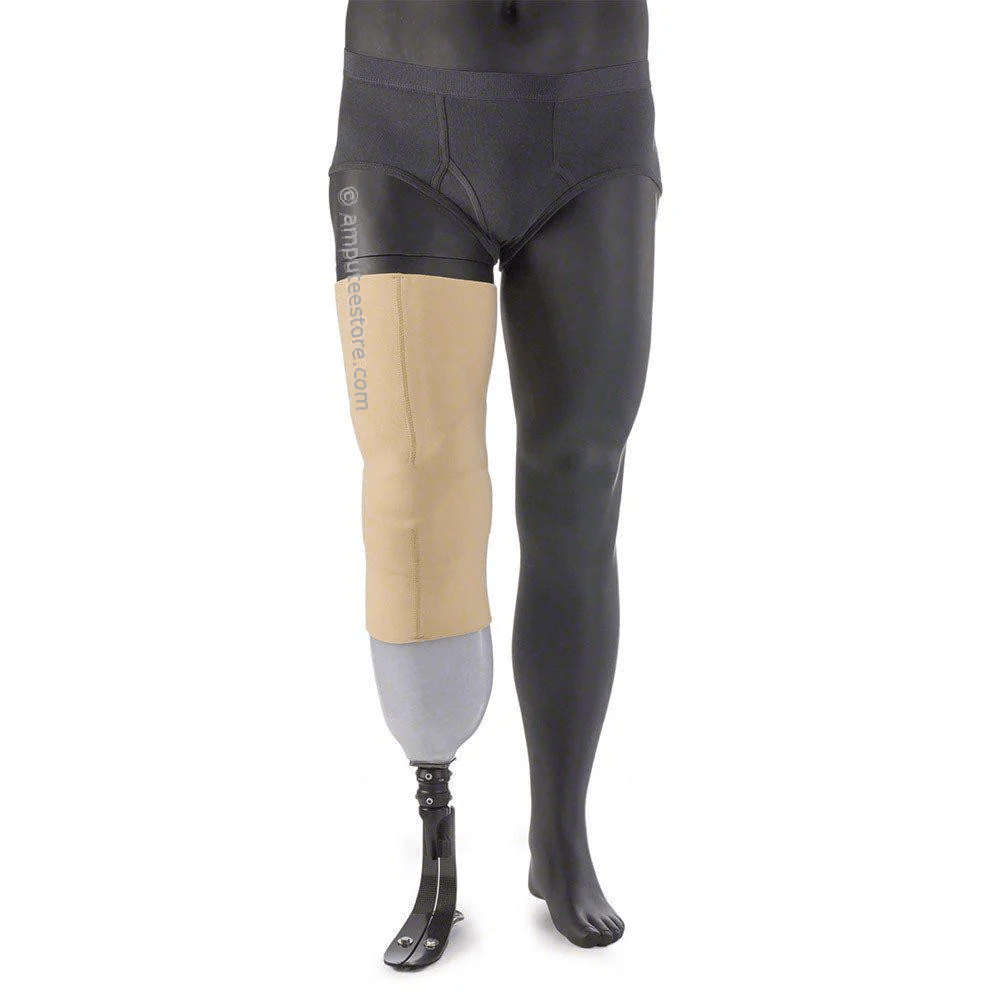
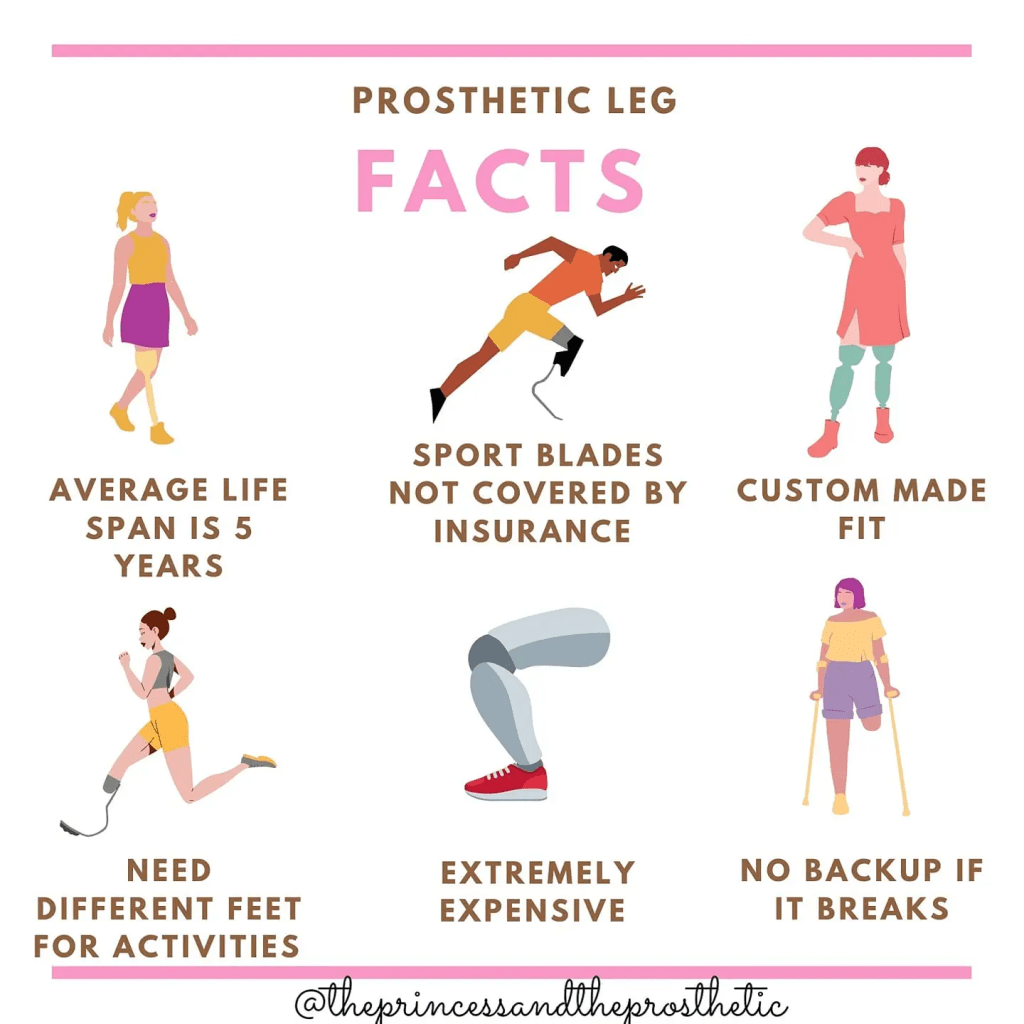
The average prosthetic lasts *only* three to five years!
Most amputees wear a stump shrinker, which is a compression sock that keeps the limb from swelling when the prosthesis is not on their limb. Most amputees wear a silicone gel liner that helps to cushion and protect the limb during walking.
https://www.gabethebassplayer.com/blog/best-price-guaranteed
Best Price. Guaranteed.
But what does best mean?
Lowest?
Most efficient?
Most satisfaction?
Most bang for the buck?
The price most people would enjoy?
Since ‘best’ isn’t defined, the guarantee is also meaningless.”
Gabe the Bass Player at gabethebassplayer.com

In the U.S., Americans use 374 million gallons of gas every day!
Gas is cheap in the U.S. relative to other countries. Considering the amount we use, though, every penny counts.
We often blame politicians and oil executives, but the easiest target is the gas station owner. There are 145,000 gas stations in the U.S. 8 out of 10 are independently owned and operated. They pay oil companies for the right to use their branding and gas. Many come from other countries.
- 50-60% of cost of gas is from the cost of crude oil. $4.00 cost of one gallon of gas= $2 cost of crude, 70 cents to refine it, 40 cents to move it from refinery to gas station, 50 cents for federal/state/local taxes. For a $4.00 gallon of gas it costs about $3.60 to get it to the pump. Gas station owners make about 30-40 cents out of every gallon they sell, which has to cover maintenance, electric bill, rent, liability, etc. In the end, they are averaging 7 cents per gallon of profit.
- Gas stations have a daily profit of about $300 after all expenses.
- Gas stations regularly face competition with other area gas stations.
- Station owners usually buy a few days of gas at a time and store it in underground tanks, but the price of wholesale gas changes every 24 hours. As a station owner, you can lower your prices and lose money or keep a little profit margin and watch your customers go to another station.
- When crude prices go up, station owners are slow to pass on the extra cost to us at the pump, but when they fall, they don’t set the prices lower right away either. When gas prices increase, tight margin on gas gets squeezed even further, people buy less gas, and people also buy less inside the store. Higher gas prices also result in more theft.
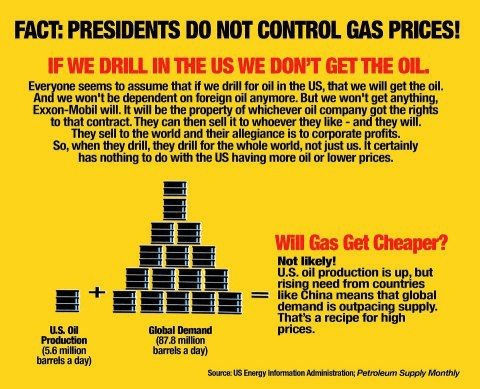
Gas isn’t a big money maker. The bulk of a gas station owner’s income comes from selling food, where they have an average 33% gross profit inside the store.
I don’t have kids (yet), so this was an interesting podcast with different perspectives and insights!
Many people ask “Are you going to have KIDS?” One point the podcast host made is “How will you know whether you want to have KIDS (plural)? Should I have KID? Then you can decide whether you should have KIDS.”

The most surprising point I learned on this podcast is that the ideal age to become a parent is said to be 38 or 39! This provides time to enjoy two adulthoods: 18-38 can be spent traveling, establishing your relationship with your partner, establishing your career, etc. Another adulthood starts when having kids at 38 or 39. This also results in having wisdom, perspective, and better finances, and, if you live long and are healthy, your kids can still care for you when you are old.
Many people have kids earlier due to societal or family pressure or the fear of infertility. If you have concerns about fertility with waiting, check with your doctor about fertility tests and risks. This makes more sense than having kids earlier simply due to this sometimes-unreasonable fear. Some fertility treatments are covered by insurance or are available through grants.
If you are concerned about finances, you can save money through hand-me-downs, secondhand retail, community or church groups, and neighborhood exchanges. You can also do a childcare exchange with friends.
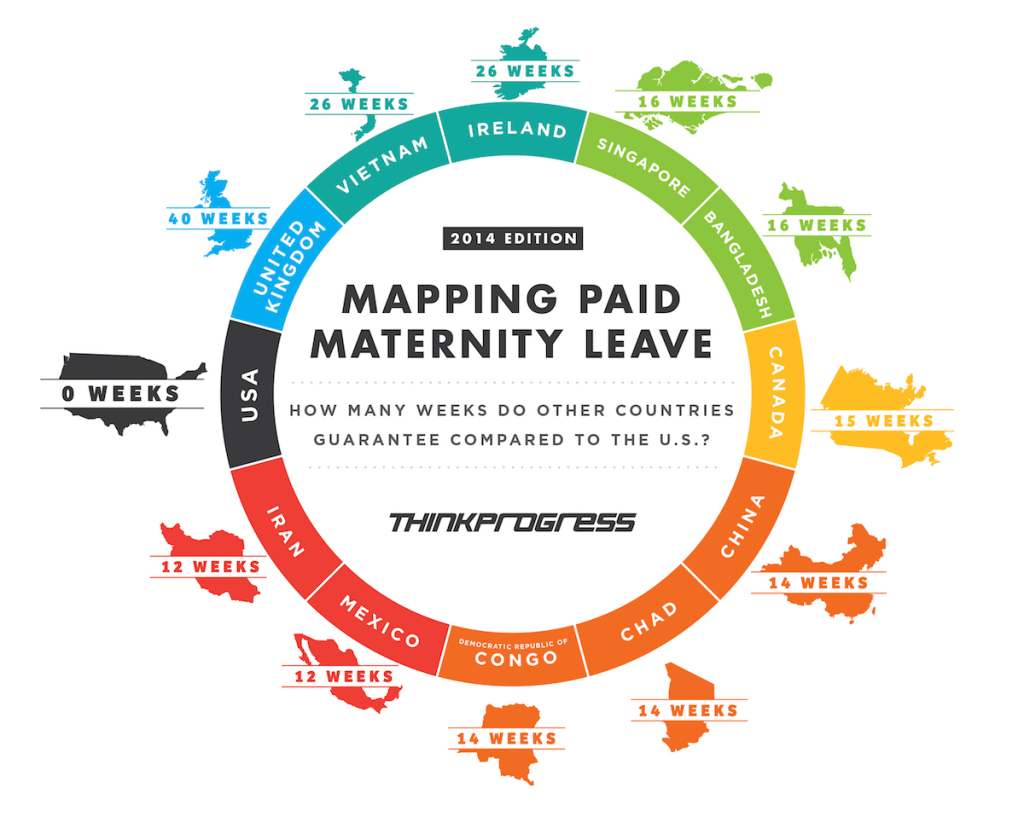
Our society says we value children, but we do not put the $ or attention there. Many employers do not offer paid maternity or paternity leave, resources, or flexibility for childcare, etc.
You may never feel 100% confident in your decision to have kids. That’s okay. 60/40 confident is enough. It isn’t about baby or no baby. If you are postponing or thinking about not having kids, ask yourself if there’s anything you haven’t done yet in life that needs to happen. We will have some disappointments. Ask yourself “What hasn’t happened yet that I want to happen between now and when I die?” It’s about thinking about what is important to you that hasn’t happened yet and how you will fit that in. Be able to name those things and think about, if you actually have extra time and $, are you really going to do those things?
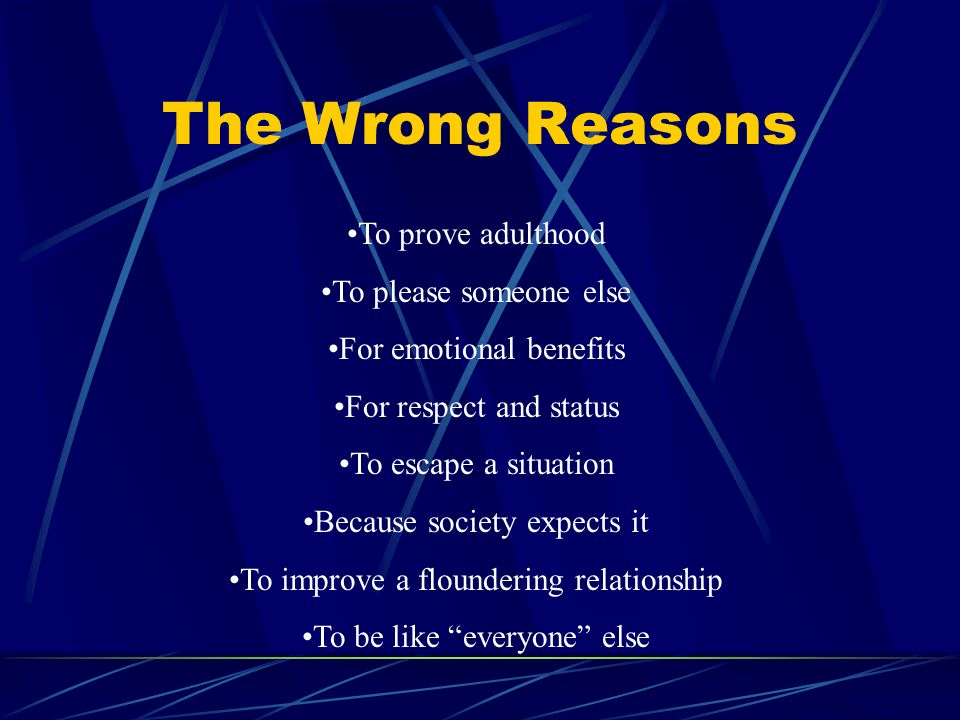
If you are afraid to bring a child into this world, know that people were also worried in the 80s and other decades. There have always been big issues dominating our consciousness and people still chose to have children and have not regretted it. There is always going to be some concern or worldly issue.
There is a lot of stress involved in raising kids, but the major factor is whether the child was planned or an accident and whether the parents had a close, high-quality relationship before having a child. Once kids are grown, parents rave about being parents.

There are many ways of finding life satisfaction and meaning even without having kids. Many parents do say that having kids has brought the most happiness in their lives, but that does not mean that you need to have kids to be happy. Volunteering, hobbies, career fulfillment, being a coach, and many other things can also bring meaning and happiness.
You can get to know your partner better than ever before just by thinking and talking this topic through. It’s not just “yes” or “no.” What are your fears? What do you want your life to look like? How will you share in the responsibilities? What is important to you?
I look forward to reading, learning, and sharing more with you soon!




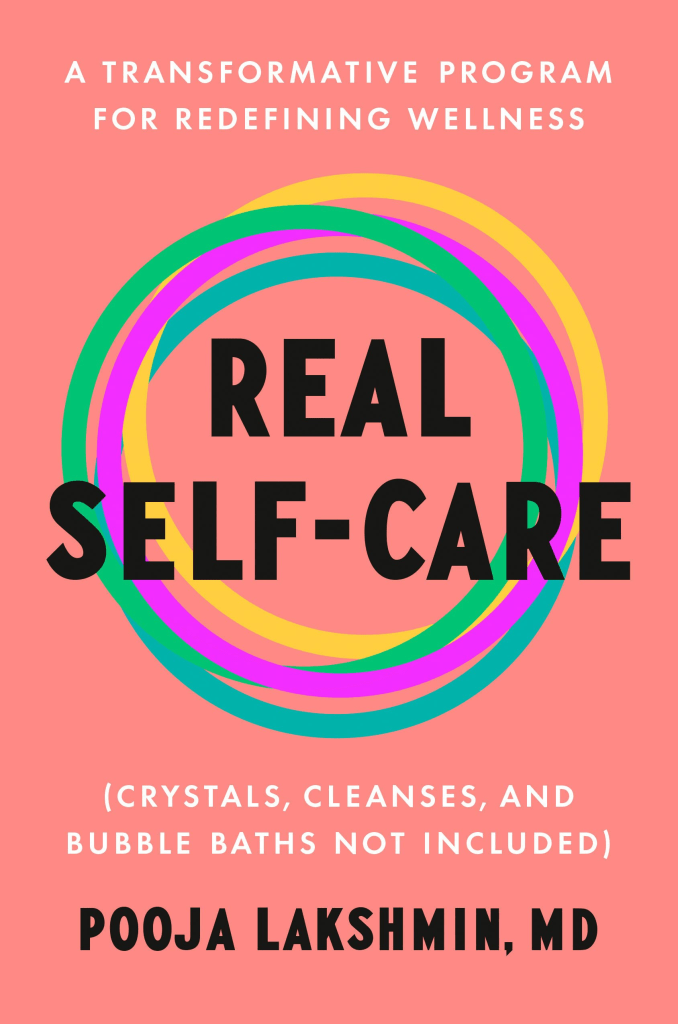
 Read Learn Share