It’s been a while since I’ve posted on this blog since I have had other priorities. I read 2 books in August and gave myself permission to quit 2 other books – a true act of self-care. Previously, I didn’t allow myself to not finish books. Here is a blurb of each of the books I read in August.
“The Ritual Effect: Unlocking the Extraordinary Power of the Ordinary” was written by Michael Norton, professor of Business Administration at Harvard Business School. Here are some main takeaways:
The essence of habit is the what – something we do – brush our teeth, go to the gym, pay bills, etc. The essence of ritual is the how. It matters to us not simply that we complete the action but the specific way that we complete it. When rituals are disrupted, people report feeling “off” all day.
Some rituals become so intricate that the ritual interferes instead of prepares. Ex: performance rituals – baseball players engage in an average of 83 movements when batting.
Rituals and repetition can be powerful tools for honing our self-control, but ritualistic behavior can, over time, start to control us instead. Among the most common treatments for compulsive behaviors is “habit reversal” training – identifying the root behavior that’s causing problems and replacing it with something else.
The 4 Lessons of Relationship Rituals
Rituals wake up our experience of commitment – doing things together.
Relationship rituals are exclusive.
Rituals – not routines – bring the magic.
Consensus is a critical factor. Do you and your partner agree that it’s a ritual and not just a routine?
Food and drink are often central to rituals, but how we share them is what shapes family identity.
Rituals can be the practices that call us home and bring family together.
Family rituals immerse us in the moment, strengthen identity, and create lasting meaning.
Rituals give us a sense of ownership, an affirmation of identity or belonging, or an increased feeling of meaning.
Personal rituals are more adaptable and meaningful than inherited rituals since we can shape them to fit our values and goals.
Rituals strengthen social bonds through shared meals, celebrations, or communal ceremonies.
Rituals don’t have to be complex. Simple, intentional actions can transform daily life.
4 out of 5 stars
“Crush Your Money Goals” was written by Bernadette Joy, an expert money coach and founder of CRUSH Your Money Goals. Here are some main points.
CRUSH:
Curate your accounts. Coordinate accounts and track spending.
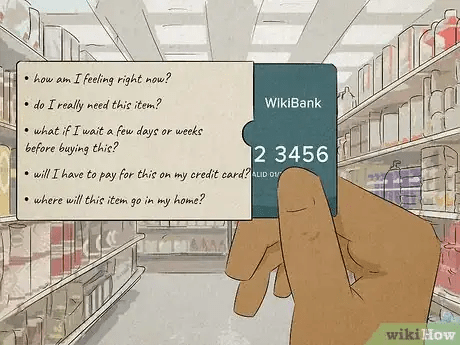
Reverse into independence. Set clear financial independence goals. Use the $1 rule to question non-essential purchases.
Understand your net worth and track it.
Spend intentionally. Align spending with values.
Heal your money wounds. Address emotional triggers that lead to overspending.
Net worth trackers organize your accounts into cash & cash equivalents, investments, property, credit cards, and loans. Trackers mentioned in this book include Empower (free) and Monarch Money (paid subscription).
Budget:
Survive – basic necessities, including housing, utilities, food, transportation, and health
Revive – current expenses that aren’t necessary but make life worth living for you, such as vacations, clothing, entertainment, and hobbies
Strive – anything that helps you grow your net worth
The CRUSH method consists of 50% strive, 25% survive, and 25% strive. In other words, saving/investing half of your income – which does not seem attainable for most people, especially people who don’t earn six figures.The author mentioned that if this is not attainable, people should work to increase their income.
Other tips:
Remember that the interest you pay on any debt is making someone else rich by being their passive income stream. Ex: your mortgage, auto loans, and credit cards.
Unsubscribe from email marketing and digitally detox from constant comparisons. Reduce impulse spending.
Implement a $1 cost per use rule – technology, furniture, clothing, accessories, home goods.
Invest in a Roth IRA, where you won’t pay taxes on growth. All income earned is tax-free.
Compare insurance plan rates each year. Ask for discounts from service providers.
4 out of 5 stars
I look forward to reading, learning, and sharing more with you soon!
My intention is to post a Thoughtful Thursday column each week and share some of the insights I have learned in the past week. Here are some of the things I’ve learned this week:
Self-Growth Nerds – 5 Most Powerful Questions to Ask Yourself
What do I make ___ mean about myself? Ex: rejection – “I make it mean that I will never find someone because I am deeply flawed.” I make it mean . . . creates distance between you and your thoughts. You get to be the observer of your thoughts.
What else could it mean/what else could be true? This opens your mind to other possibilities that you might not have considered because you are so focused on the one that is making you suffer.
What would ___ say? What would someone I look up to say? What would my most loving and confident friend say?
So what? Dedramatize the situation you’re in.
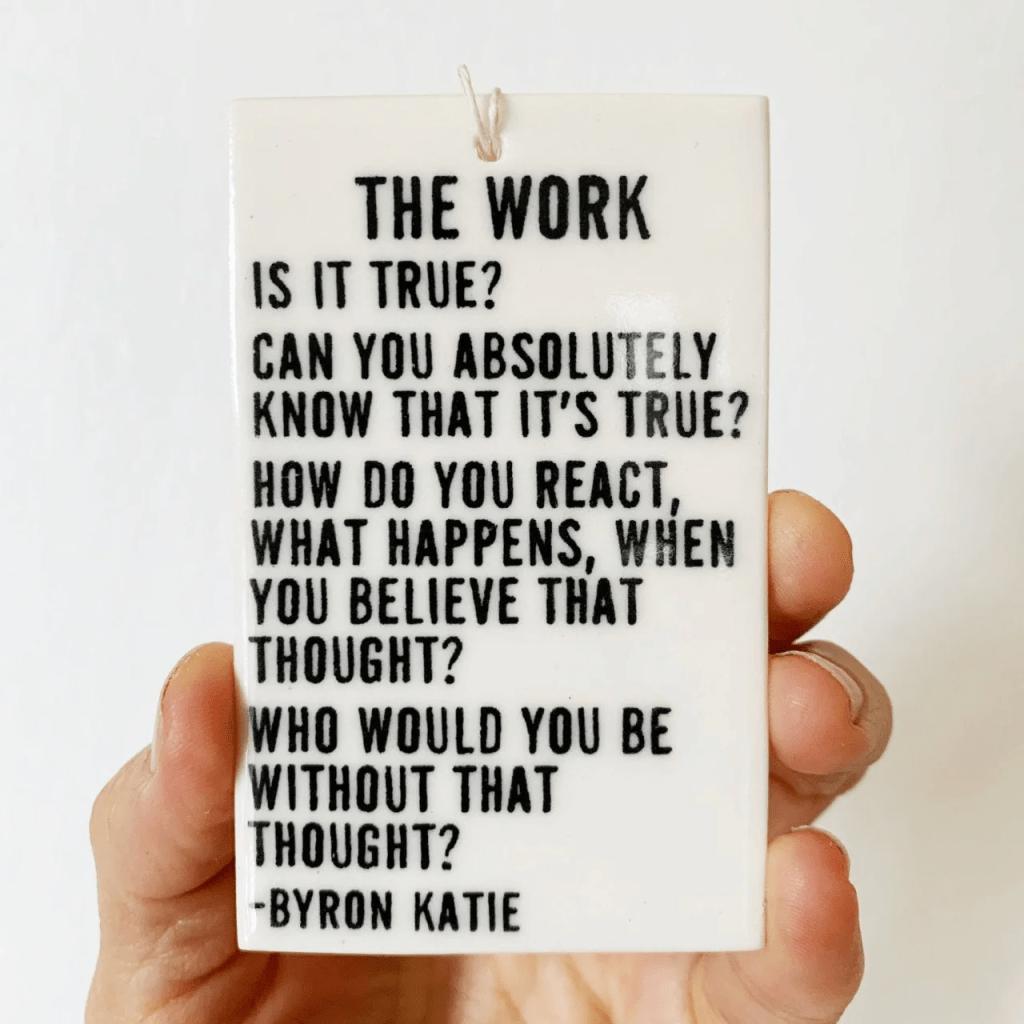
Who would you be without that thought? The thought you are so attached to is a choice. Someone else with a different background might not have that thought.
TED Health – A Healthier You: A 5-step guide to better doctor visits
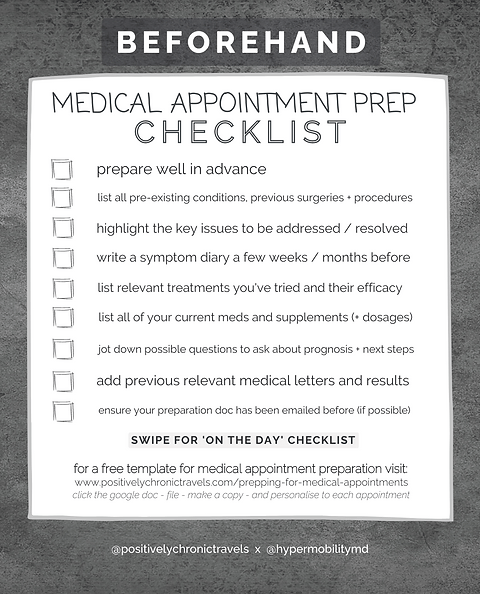
Prepare for the appointments. Write down questions or concerns to ask your doctor about.
Be real with your doctor, even if it feels awkward. Tell them the whole story. Tell them exactly how pain or illnesses or medical procedures affect your day-to-day life.
Don’t be afraid to ask questions or even get a second or third opinion. Clarifying things is necessary.
Bring a trusted person to your appointments if you can. Take detailed notes that you can review later.
Don’t be afraid to follow up. Be persistent. Push for answers or referrals to specialists. You’re never a burden for asking questions or pushing for better care. Follow up until you get the care that you deserve.
What’s one step that you can take today to be a better advocate for your own health? Maybe it’s scheduling an appointment you’ve been putting off, writing down questions for your next appointment, or following up and requesting a referral to a specialist.
NerdWallet’s Smart Money Podcast – Are You Spending Like Your Generational Peers?
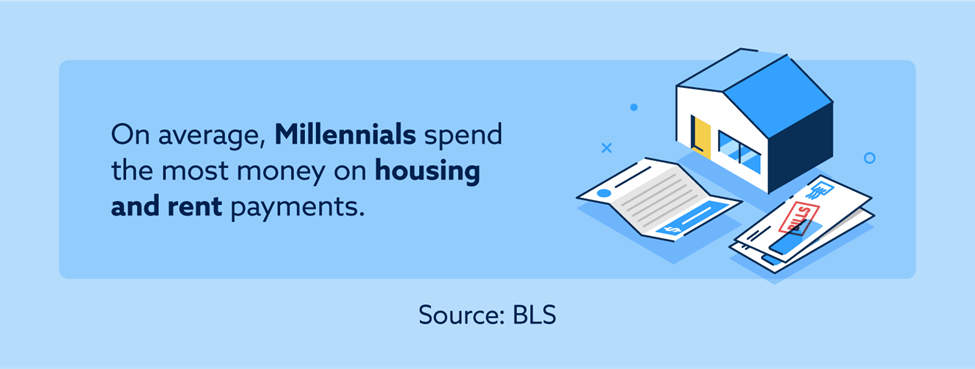
BLS data – Baby Boomers spend 95% of annual income after taxes, Gen Z spends 93% of annual income after taxes, Millennials spend 83%, and Gen X spends 84%.
Millennials and Gen X are spending close to 15% of total expenses on retirement. Gen Z are spending close to 12% on retirement. These are averages!
Food accounts for 12-13% of expenditures among all generations.
Groceries account for 7% of all spending and takeout takes up 6% of spending
Gen Z spend on average 4% on healthcare expenses.
The highest-earning generation spends the most money on transportation (car, flights, public transit). Gen X spent $17,000 on average in 2023 compared to $10,000 for Gen Z.
Are you spending and saving like your generational peers? Or are you doing better or worse?
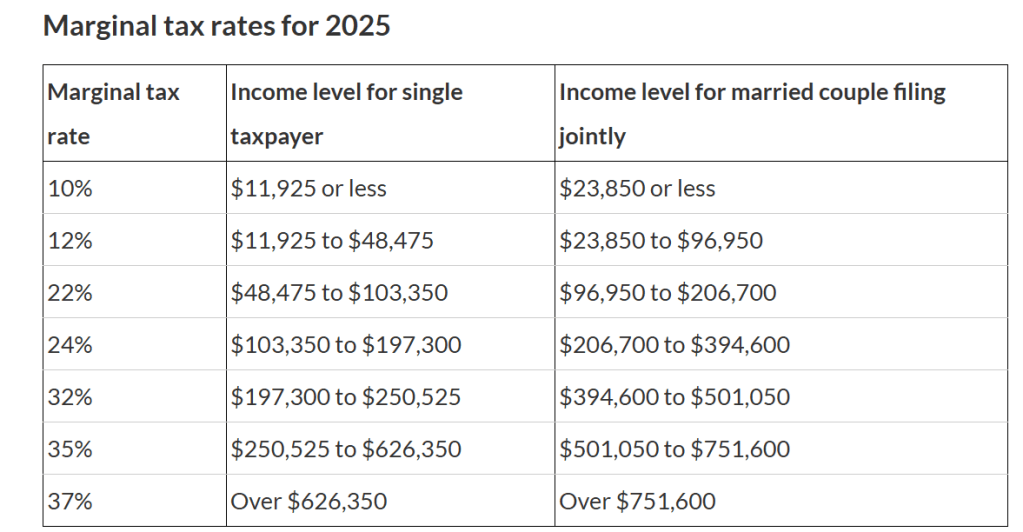
New tax brackets for 2025 + new standard deductions
Fit, Healthy, & Happy Podcast – Fitness & Health Habits to Break
Pre-workout – too much caffeine. Don’t drink more than 500 mg per day. You shouldn’t need pre-workout every day. Analyze your consumption and don’t rely on pre-workout. Are you getting enough sleep?
Over-reliance on warms ups/needing certain machines/shoes/equipment – some people are so particular and don’t deviate from warmup routines, an Apple Watch, etc.
All or nothing mentality (weekends especially) – it won’t always be a perfect day to work out and you won’t have as much time as you’d like to but move your body anyway.
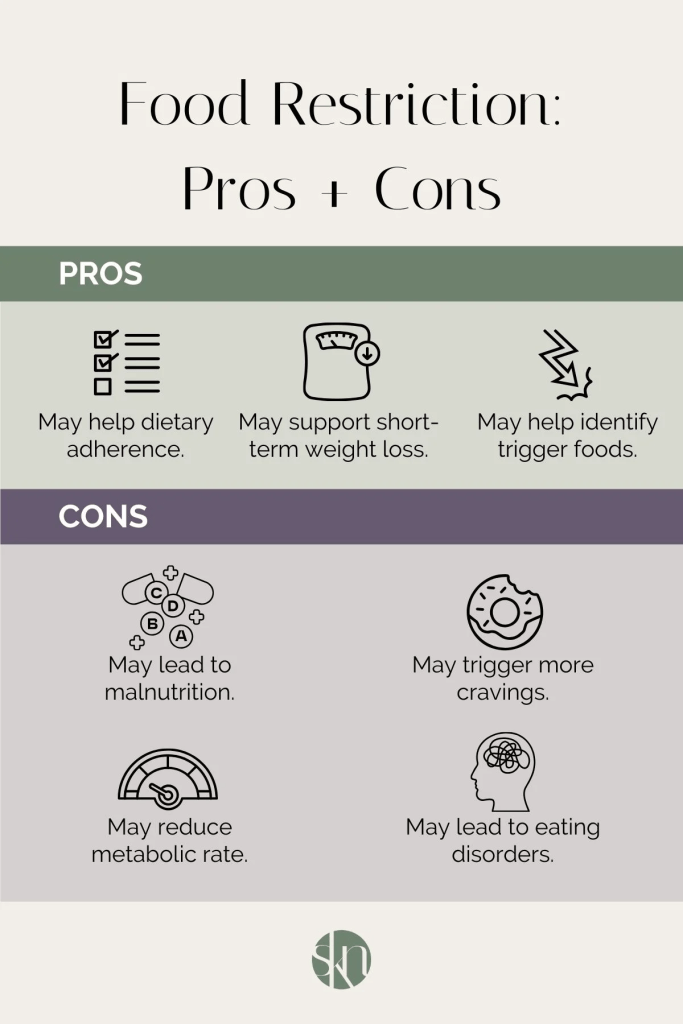
Demonizing foods – restriction causes cravings. Don’t put labels on foods. Moderation is the key to success. 80/20 clean eating
Neglecting sleep/recovery – cut off caffeine consumption by 12 p.m. Prioritize sleep and recovery.
Crutching protein and protein supplements – focus on whole food sources for protein.
Lifting with bad form – have a season where you really focus on perfecting your form.
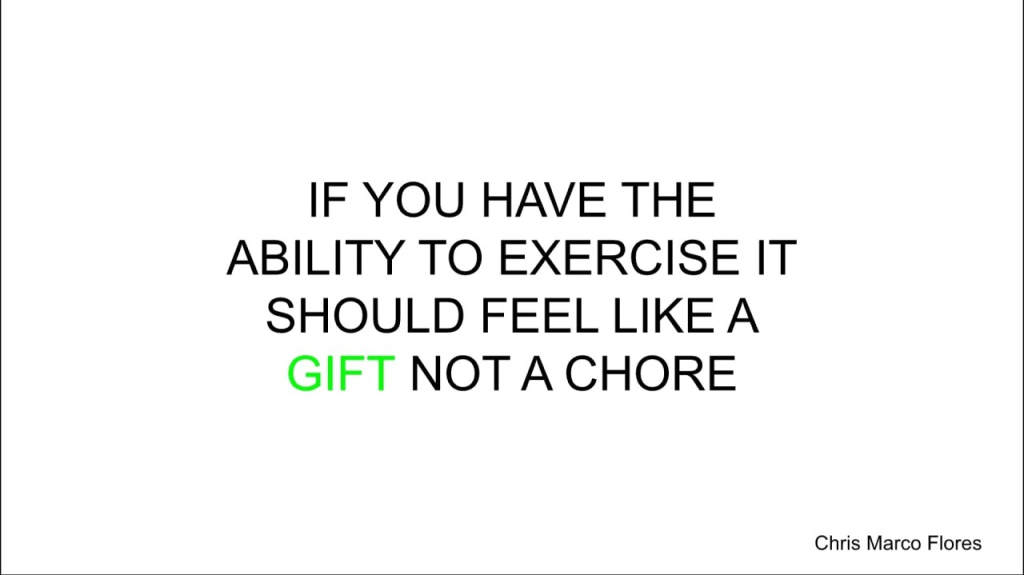
Treating it as a chore and not having much to look forward to – if you view working out as a chore, you won’t push yourself or make progress. Find something to look forward to and set goals you want to hit. When you see results or progress, working out is more exciting. Update your routine or goals or try a new challenge.
Only allowing yourself to see results or having no social life – have a balance of working out and a social life. Fitness and health need to be integrated within your life. Have some flexibility with your fitness to have a social life.
Refusing to change your mind/update your beliefs – you need to try new things, update your beliefs, and have the capacity to change your mind. Ex: you can have carbs and still be in shape.
There are lights, camera and action, but mostly there’s the unreality of making it fit.
Happily ever after, a climax at just the right moment, perfect heroes, tension, resolution and a swelling soundtrack. Every element is amplified and things happen right on schedule.
Consume enough media and we may come to believe that our life is carefully scripted, and that we’re stars of a movie someone else is directing.
This distracts us from the truth that real life is more muddled and less scripted. There is no soundtrack. We’re actually signed up for a journey and a slog. Nothing happens ever after. It’ll change, often in a way we don’t expect.
We have no choice but to condense a story when we want to film it. Our real story, on the other hand, cannot be condensed, it can only be lived. Day by day.”
I look forward to reading, learning, and sharing more with you soon!
My intention is to post a Thoughtful Thursday column each week and share some of the insights I have learned in the past week. Here are some of the things I’ve learned this week:
Optimal Living Daily – How to Find Meaning in Life: 7 Steps to a More Fulfilling Existence
Define what it is that you want in life. What are your goals and aspirations? What brings you happiness and fulfillment? Be clear about what you want.
Connect with others and build meaningful relationships. When you have close relationships with other people, they can provide a sense of connection and purpose. Get involved in activities that bring you together with other people, such as clubs, groups, or social events.
Find your passion and do what you love every day.What are you interested in and what do you love doing? When you’re passionate about something, it brings a sense of joy and excitement into your life. You’ll be more motivated to pursue these interests, and you’ll feel more fulfilled when you’re doing them. Explore different activities and interests and see which ones make you feel the most alive.
Serve others and make a difference in the world. Helping others can give your life purpose and meaning. You’ll feel more connected to something larger than yourself, and you’ll have a sense of satisfaction from knowing that you’re making a positive impact in the world.
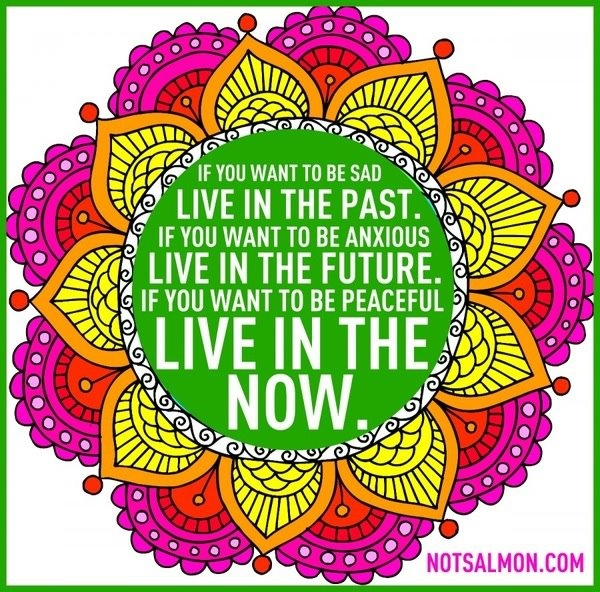
Live in the present moment and appreciate the here and now. When you’re constantly living in the past or future, you miss out on all the beauty that exists in the present.
Be accepting of change and understand that things will not always go according to plan. When you’re constantly expecting things to stay the same, it can lead to disappointment and frustration. When you accept change and understand that it’s a normal part of life, you’ll be more prepared for when things don’t go as expected.
Be your most authentic self. When you’re being genuine and true to yourself, it helps you connect more with others and build meaningful relationships. It allows you to live a more fulfilling life since you’re not pretending to be someone that you’re not.
The Jordan Harbinger Show – Sovereign Citizens – Skeptical Sunday
Sovereign citizens are people who don’t acknowledge the legitimacy of the United States government – don’t pay taxes, don’t have IDs, don’t register their cars, or acknowledge zip codes
They don’t believe the police or the courts have jurisdiction over them. They are not subject to the laws of the United States of America.
They represent themselves in legal matters and use pseudo legalese.
The roots of the movement grew out of White Nationalism. The modern sovereign citizen movement has an African American branch, the Moorish Sovereign Citizens.
Some sovereign citizens believe there are two classes of citizens within the United States: sovereign (original) citizens and federal (U.S.) citizens. Sovereign citizens have all of the rights of the Constitution but federal citizens don’t. Federal citizens voluntarily surrendered their freedom in exchange for benefits from the U.S. Government. Sovereign citizens renounce federal citizenship and reclaim the rights as common law citizens.
Sovereign citizen arguments have no basis in law and have never been successful in court.
Sovereign citizens believe that you are not the person on your birth certificate. The birth certificate is its own entity. A birth certificate is ALL CAPS, a separate entity. They insist that the corporation that is the U.S. Government uses citizens as collateral to the Federal Reserve.
Sovereign citizens believe that as long as they don’t travel for commerce or cross state lines, they don’t need a license or registration. They will paint private use on their vehicles and issue themselves license plates.
Gurus sell sovereign citizen ideology. They appeal to desperate people, such as people in foreclosure or debt.
Gurus sell diplomatic immunity cards. If they create their own country and issue themselves cards that say diplomatic immunity, they believe they will have diplomatic immunity. Gurus also sell how-to books and membership cards. They are really just selling hope.
They believe that not only are you out of debt because your birth certificate is the one who owes the debt, not you, but that there is a bunch of money waiting for you somewhere. The corporations masquerading as our country owe you money.
Straw man account is the bank account attached to the corporate entity on your birth certificate (ALL CAPS) and this bank account is overflowing with cash – known as redemption. According to the sovereigns, the government set up secret bank accounts in our birth certificate names. They believe that with the magic words and forms, you can access it.
In 2016, the IRS discovered a sovereign citizen straw man scheme but only after issuing more than $43 million to sneaky sovereigns.
Bond process – by submitting the right set of papers, sovereign citizens believe they can wipe out their mortgage, tax bills, and student loans. Many people find themselves in the sovereign citizen movement through financial desperation.
There are between 200,000-300,000 people who consider themselves sovereign citizens.
The courts often reject sovereign citizen arguments without much explanation. No sovereign citizen has ever successfully argued their points in a court of law.
The Personal Finance Podcast – How Much Should You Spend on a Family Vacation?
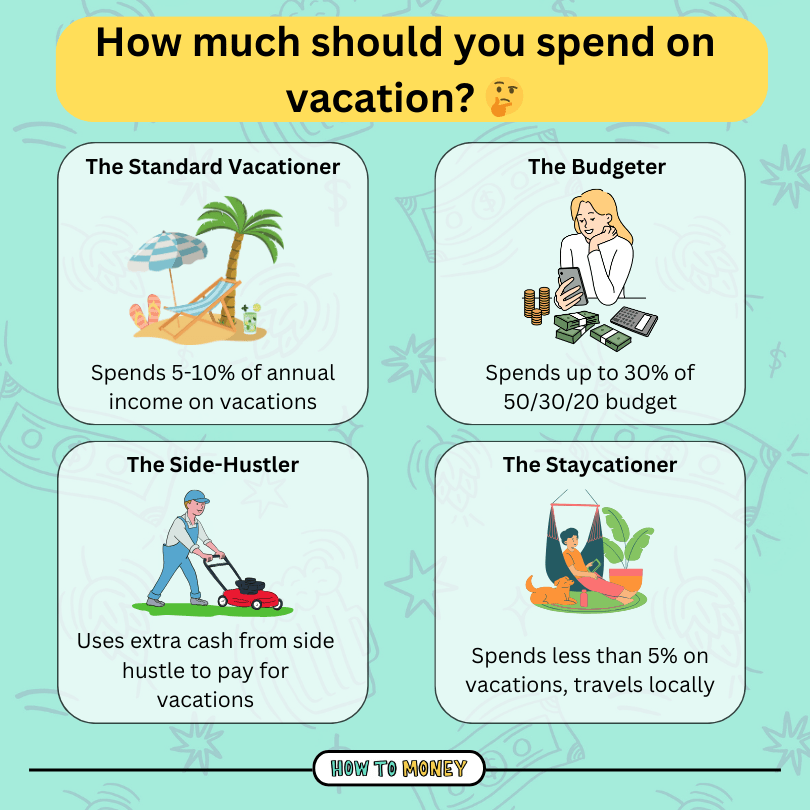
This episode really surprised me. It suggested that people should aim to spend 5-10% of their net income on vacations (without going into debt). I definitely spend much less than that and instead have prioritized saving for retirement and short-term needs. I am curious to hear your thoughts about this!
You should never go into debt for a vacation.
Know your NET monthly income and monthly expenses. Know how much debt you have.
Have your emergency fund fully funded. 3-6 months of expenses
Be on track to hit your retirement goals. Investing your dollars is the only way to prepare for retirement.
Look at your short-term goals. Prioritize those goals.
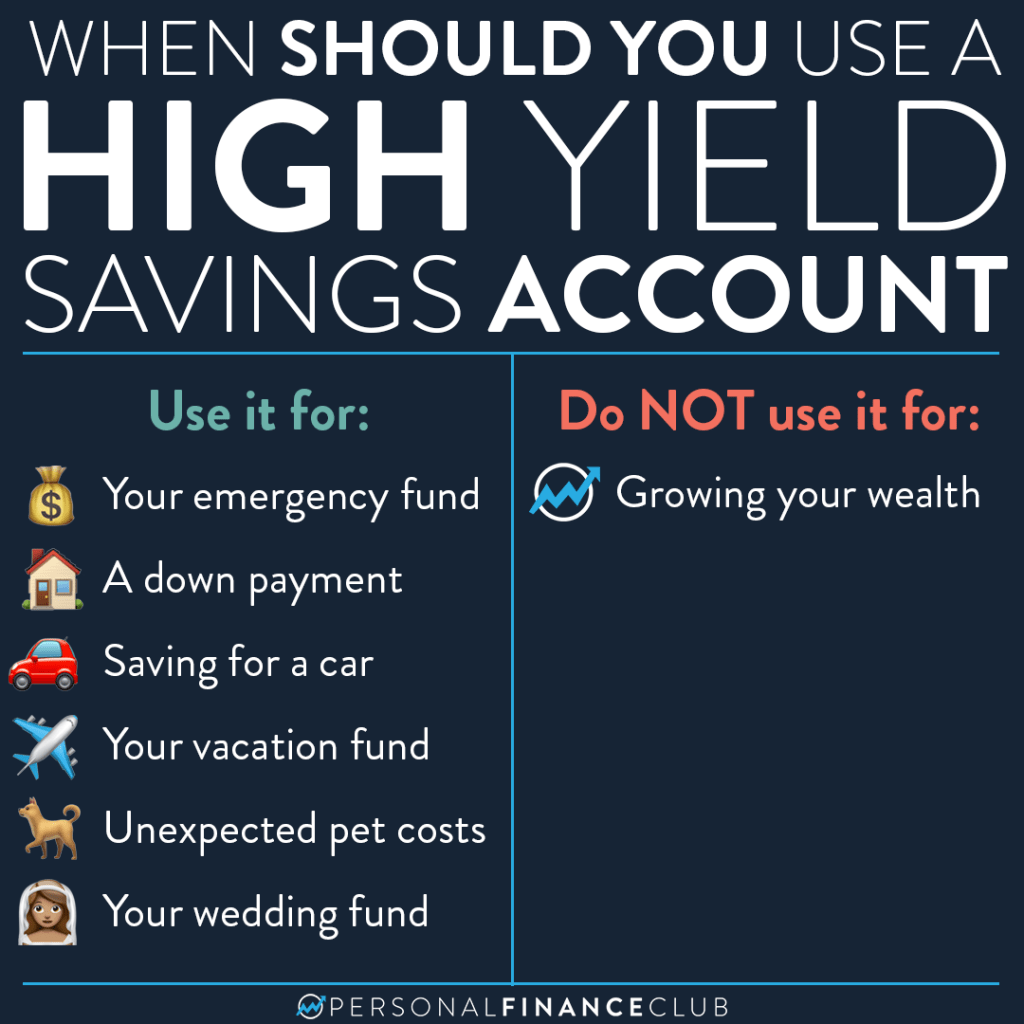
Calculate your disposable income. Determine if there are any savings earmarked for vacation. Put savings in a high-yield savings account.
Automate savings using discretionary income – example: 5-10%
Once you build wealth, you may be able to spend 20-30% of your income on vacations.
By income:
$40k: 5% of net income – $2k per year on vacations/ 10%: $4k per year on vacations (will need to travel hack)
$60k net: 5%: $3k per year on vacations/ 10%: $6k per year on vacations (travel hack or side hustle)
$80k net: 5%: $4k per year/ 10%: $8k per year on vacations
$100k net: 5%: $5k per year/ 10%: $10k per year on vacations
Look for ways to increase your salary, get a side hustle, or learn to travel hack.
This post from Gabe the Bass Player stood out to me this week:
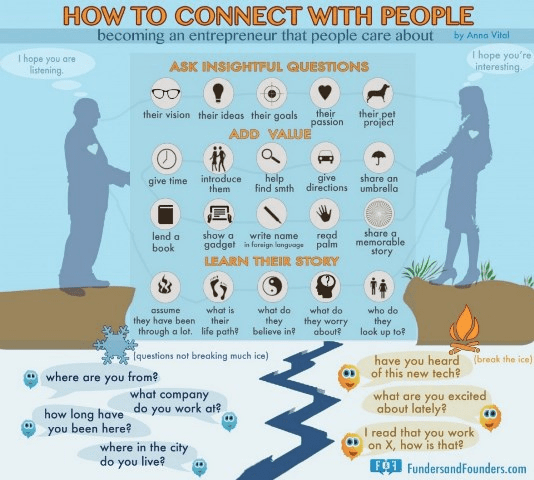
“If you are looking for chances to connect you will find them all over the place.
You’ll probably have to go first. It might be a little weird. It will be scary. You might not get the response you’re hoping for. You might over share. You might ask the wrong question. Your effort might not get reciprocated.
But it beats the alternative…
If you’re not looking for chances to connect, the depth of your relationships and your relational maturity are at the mercy of others’ initiative…and your indifference.“
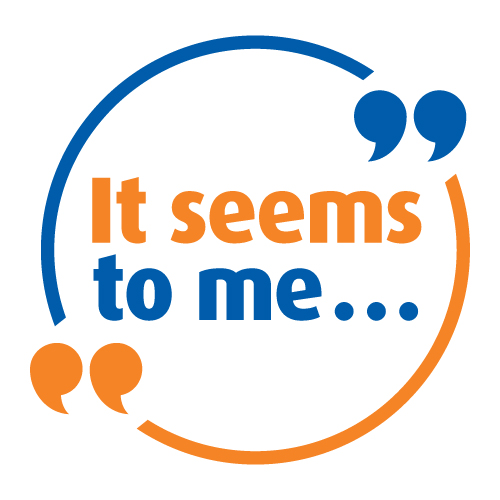
“What a simple verb. A five-letter modifier that opens the door to discussion.
If we state something as a fact, we’re asking for an argument.
But seems opens the door to learning and discussion.
What are you seeing that I’m not seeing?”
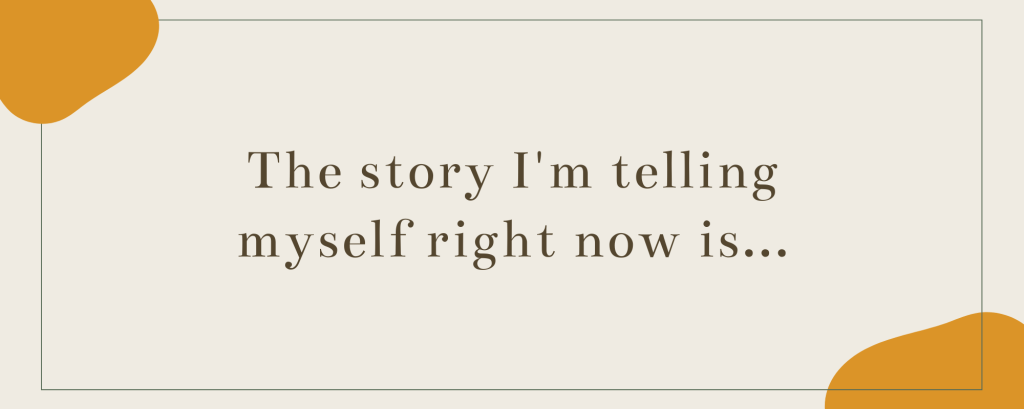
Often times we fail to see or consider other perspectives. We state something as fact, argue with others, and put the blame on others. We tell ourselves stories and accept them as truth. We forget that our feelings and thoughts are not facts. One phrase I’ve learned in therapy is “The story I tell myself is…” This phrase has been really helpful. Rather than put blame on others, verbally attack others, or believe my thoughts are truth, I put my thoughts out there with that phrase – and I have noticed that sometimes my perspective was wrong. I assumed incorrect intentions, didn’t have all of the context, etc. What story are you telling yourself?
I look forward to reading, learning, and sharing more with you soon!
My intention is to post a Thoughtful Thursday column each week and share some of the insights I have learned in the past week. Here are some of the things I’ve learned this week:
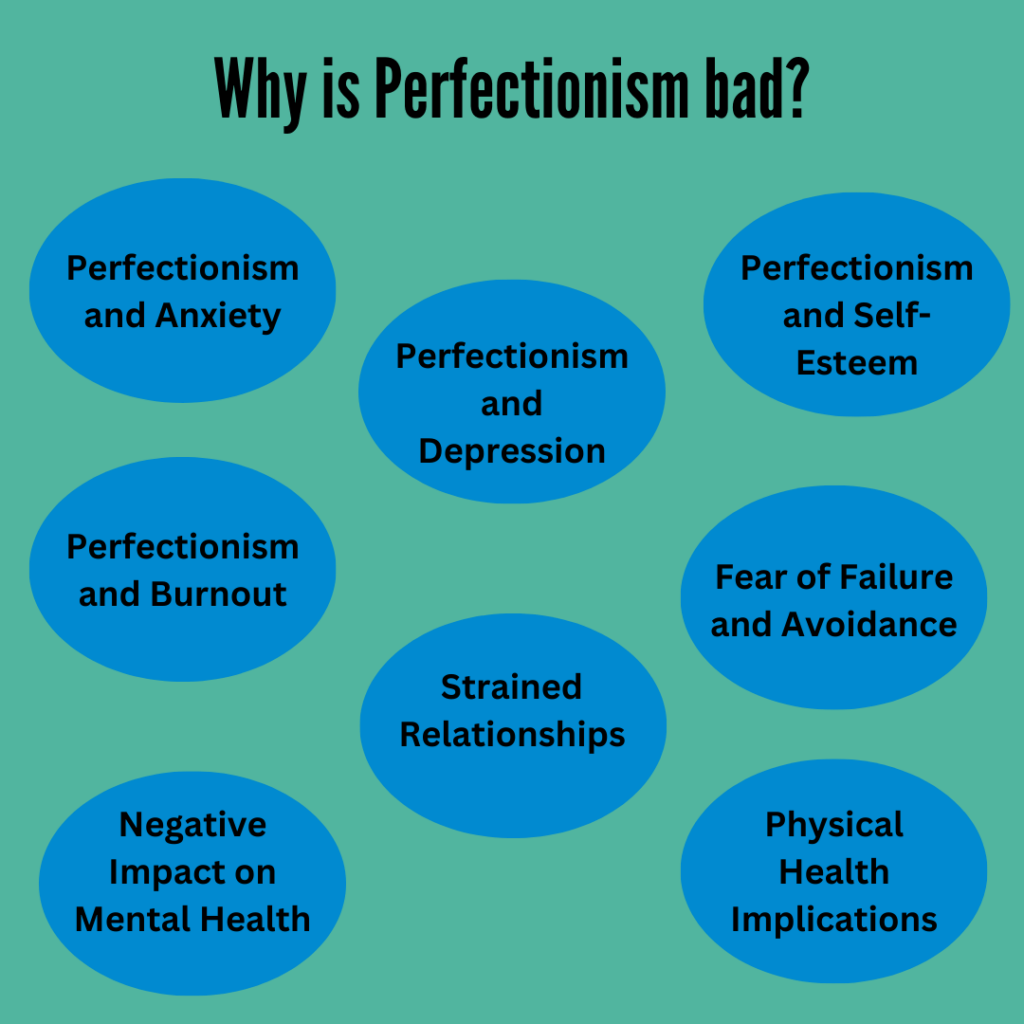
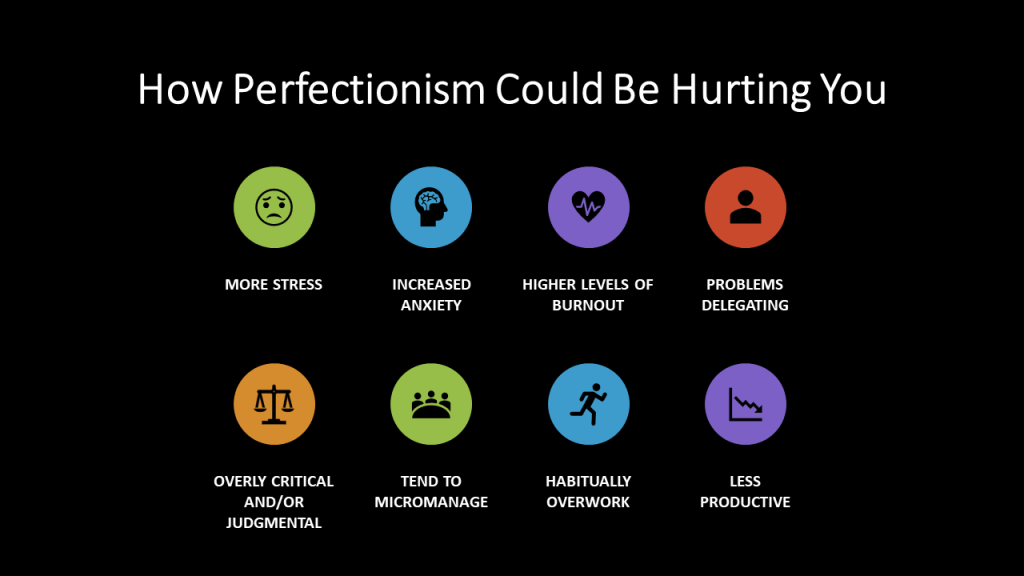
Optimal Living Daily – 8 Signs You’re A Perfectionist
You have the all or nothing mindset. The outcome has to either be perfect or there will be no outcome at all. You are either a success or a failure.
You fear failure. You have a fear of putting yourself out there and going out of your comfort because you might not be seen as “perfect.”
You might have trust issues. This has to do with the fear of letting go of control. You have the idea that if something needs to be done perfectly, you need to do it yourself. Letting go of this need for control and learning to trust other people is crucial for overcoming perfectionism.
You “should” all over yourself. You spend a lot of time in the “shoulda, woulda, coulda” land.
You procrastinate without end to find the right time to work on your goals.
You would rather give up than not do something perfectly. Putting decent work out there is a must to drive you all the way to your dream destination.
You spot mistakes everywhere. You see mistakes where other people don’t and you make it your mission in life to uncover them in all situations.
You fear judgment.The truth is that people don’t really think about you as much as you think they do. You don’t need other people’s approval to live your life; you just need your own.
Sad to Savage – Making Health and Fitness A Lifestyle With Savannah Wright
Make a plan for the week. Know that some weeks will be busier with events and obligations and you might not be able to work out as much as you want to. That is fine. Overall consistency is key, but not every week will be perfect.
Know that your body will change. You will need to alter your workouts. Don’t compare your body to how it was years ago. Your body may be looking for a different kind of workout.
Mindful mile – run a mile without music – focus on mindfulness – your breath and your thoughts
Yet, at the same time, you show up every day for work and for others. Show up every day for yourself. Don’t rely on motivation. Rely on self-respect, commitment, and dedication.
Give a new fitness program 90 days before deciding if it’s for you long-term.
Don’t wait until you “have the time.” Find the time. Prioritize yourself and your health.
If you can stream shows for an hour or hours, you have time to work out. You can even walk on the treadmill or lift weights while you watch.
Determine your why. Is it longevity? Physique? An event? You want to feel better? You’re only doing it because someone told you to do it?
Life Kit – How to practice ‘deep reading’
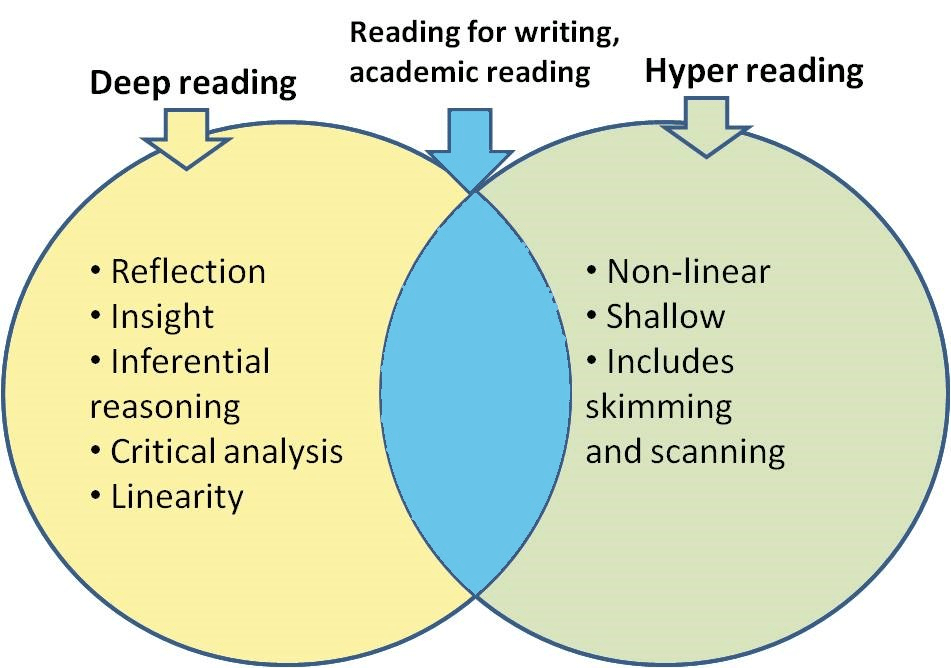
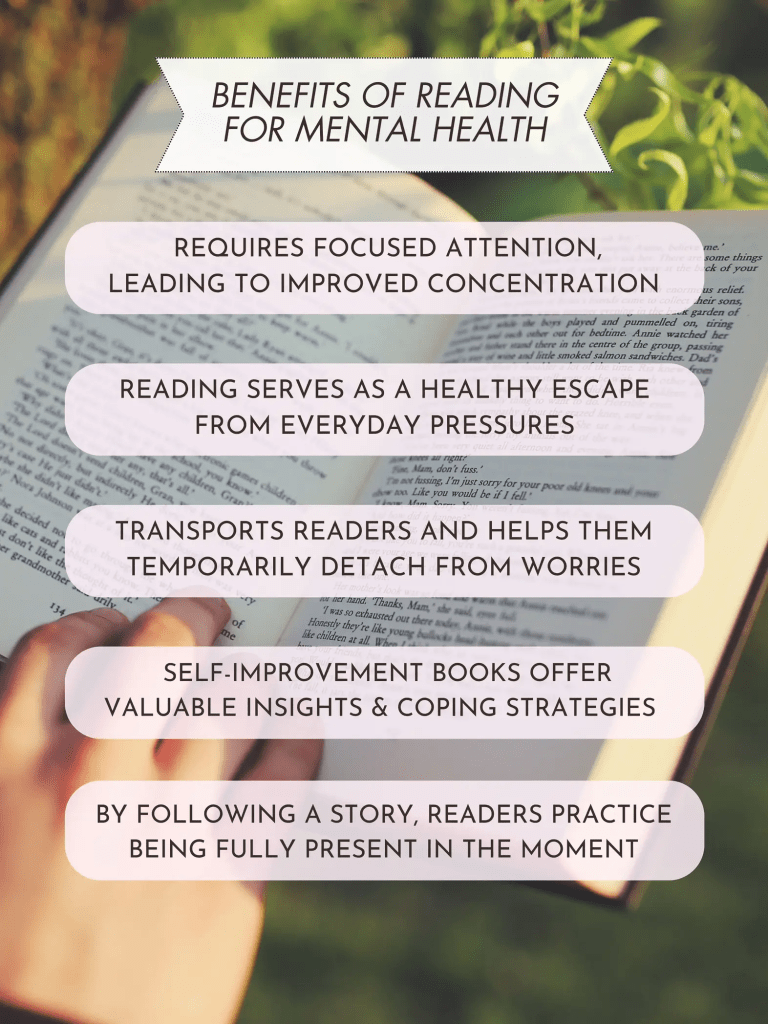
Reading can be extremely difficult because things are competing for your attention. Our brains aren’t meant to deep read; it is supposed to be hard.
Reduce distractions.
Deep reading takes place when we become so immersed in deep thought and concentration and don’t give in to distractions.
We tend to skim instead of deep read. Skimming is one of the greatest disruptions of deep reading. It’s a defense mechanism.
Screens are fine if you are skimming. If you want to deep read, you have a better chance of minimizing distractions if you read on paper, where you can go at your own pace.
Start by forcing yourself to read at least 20 minutes per day in print – not on screens.
Deep reading takes practice, discipline, and finding time devoted to it each day.
Do not be concerned about how many books you are reading. People read at different speeds and different books require different paces. Let the book determine your pace and enjoy your own pace.
There is more memory that consolidates than we have immediate perceptible access to. On the other hand, when we skim, we consolidate less. Taking notes adds to your ability to remember and reading the notes about what you read activates what you actually did remember and have stored.
Deep reading is a place of discovery of others, discovery of beauty, and discovery of appreciation for our ability to think outside the bounds of our everyday lives.
Real Simple Tips – 5 Grocery Items to Avoid, According to Professional Chefs
Store-bought pesto – hard no for many. It is so easy to make at home with whatever greens you like and need to use up, and you can make it dairy-free if needed.
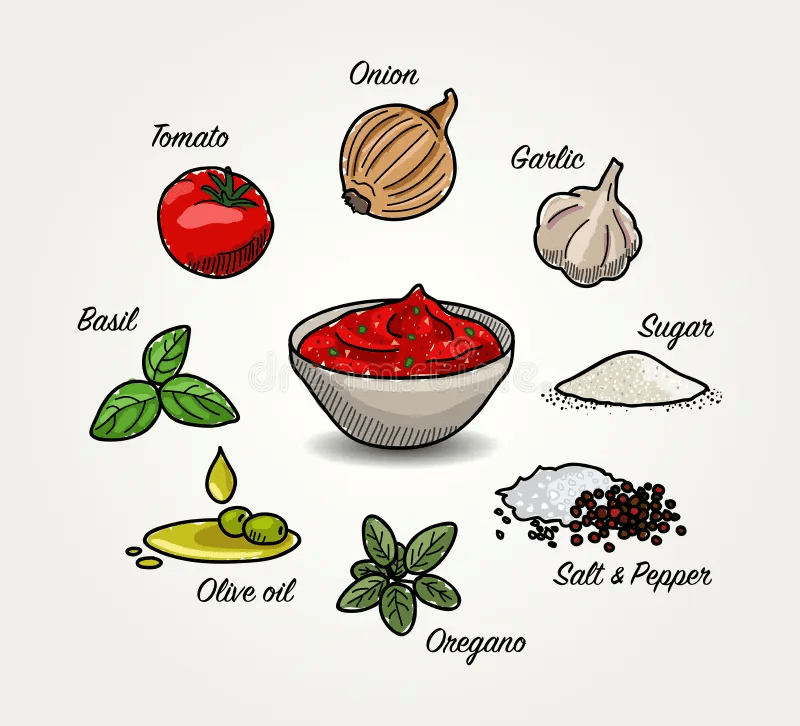
Jarred tomato sauce – full of sugars and preservatives. Instead, buy canned, whole, organic tomatoes, blend them up, and cook them down with your favorite aromatics in twenty minutes.
Premade salad dressings – make your own with olive oils, lemon juice, garlic, and herbs.
Boxed broth – save your veggie scraps (carrot peels, herb stems, garlic skins, etc.) and make broth when you have enough scraps. Use your veggie scraps with water, salt, and herbs and refrigerate or freeze batches.
Pre-grated parmesan – seek out parmesan and grate it fresh when you need it.
This list surprised me. I love cooking, although I am not a professional chef. Still, to save time, I buy jarred tomato sauce, premade salad dressings, and boxed broth!
The Personal Finance Podcast – Why Most Americans Are Poor (And How to Change That)
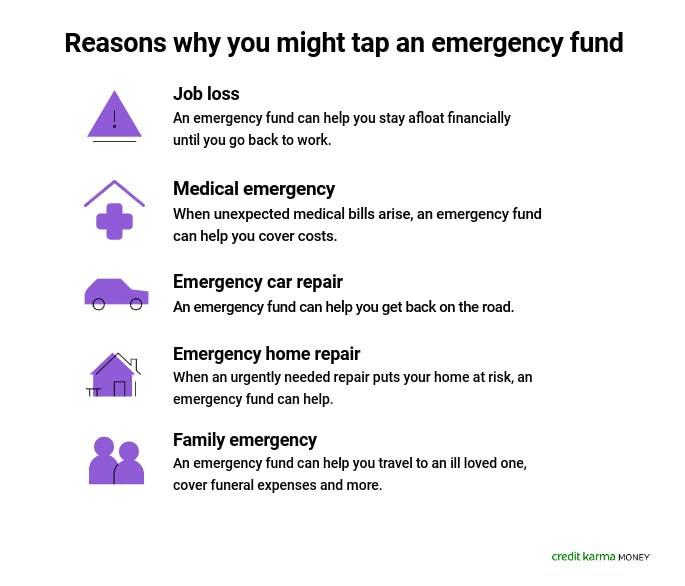
Credit card dependence – don’t use credit cards as an emergency expense vehicle. Have an emergency fund in place and take the time to build it up. Nearly half of Americans use credit cards to cover essential living expenses. Nearly half of Americans have reached their credit card limits at some point.
If you aren’t making enough money to make ends meet, reduce expenses or increase your income. When you fall into credit card debt, you are paying an extremely high interest rate (often over 20%). Compound interest can cost you thousands of dollars. If you struggle with credit card debt, get rid of your credit cards and force yourself to make it work. Your credit card debt is robbing you of your financial freedom.
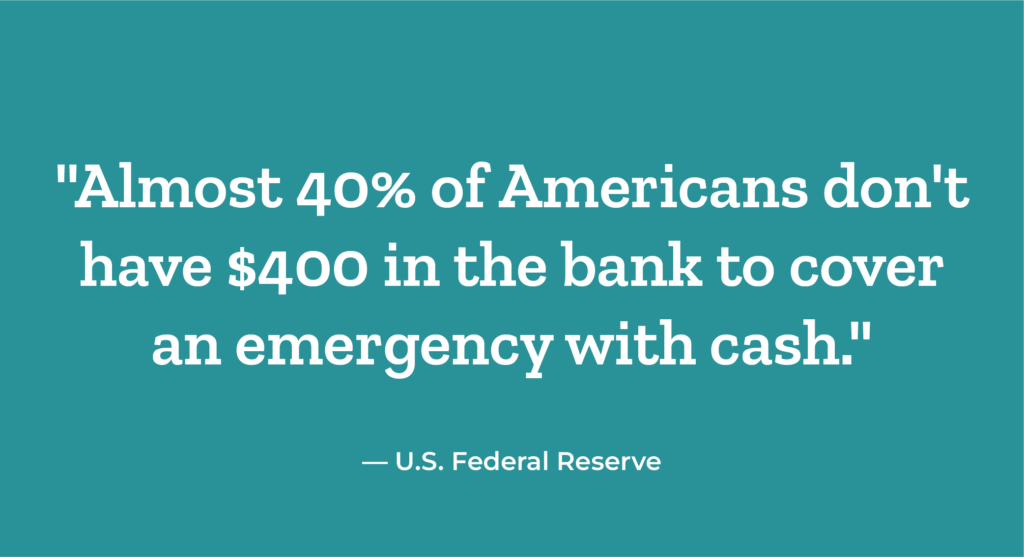
Decreased financial preparedness – when you are trying to build up your emergency fund, it can seem like you will never get ahead due to emergencies. You are likely either spending too much money or not making enough money. Income is the propeller that allows you to build more wealth. Have an emergency fund to protect you from life – medical deductible, vet, car repairs, etc.
Focus on how to get extra cash on hand. Open a high-yield savings account and automate contributions. Put at least $5,000 in a high-yield savings account then start to work up to 6 months of your monthly expenses.
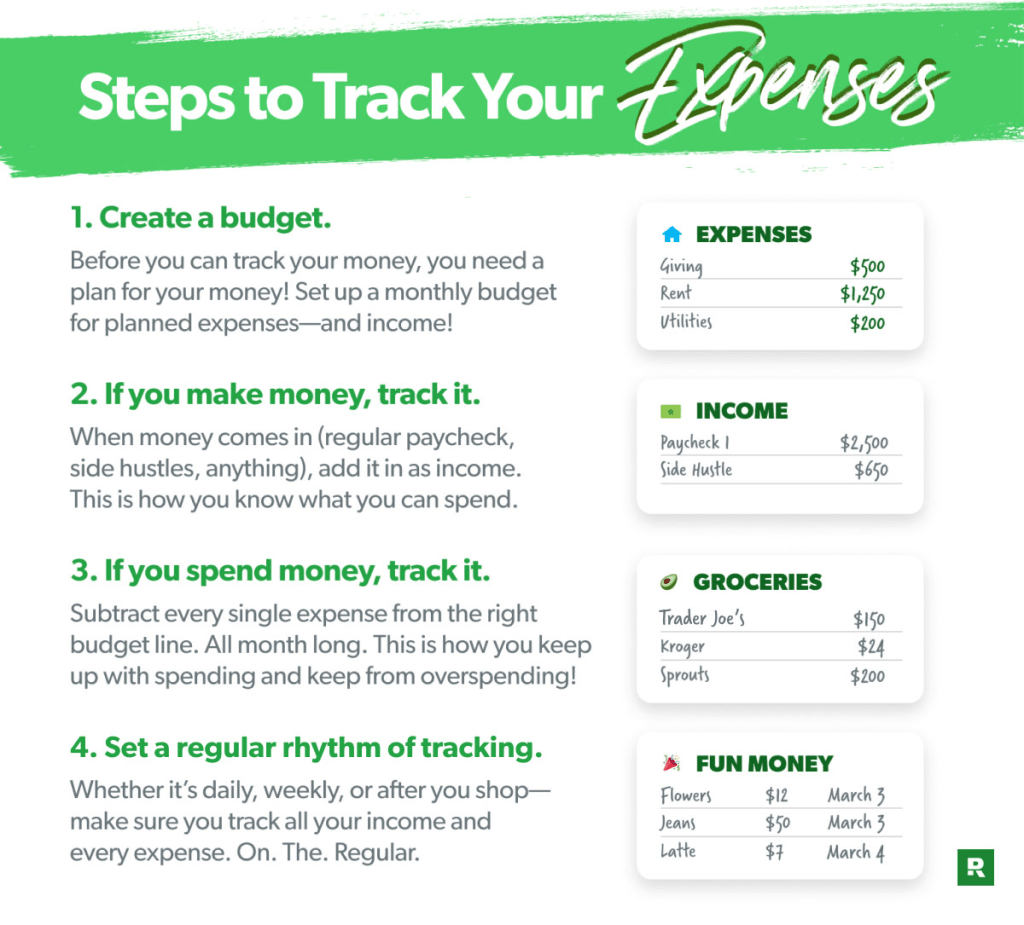
People do not prioritize money flow. Figure out how much money you have coming in and where that money is going to go. Keep a list of all of your income and expenses in a spreadsheet.
First, focus on housing, food, and transportation and get those expenses down. Car payments, groceries, and eating out are easy expenses to overspend on. Get them under control.
People worry about $10 problems instead of bigger problems: investment fees, mortgage interest, asset allocation, negotiating your salary, transportation costs, and student loan interest. Some of these will cost you six figures over time!
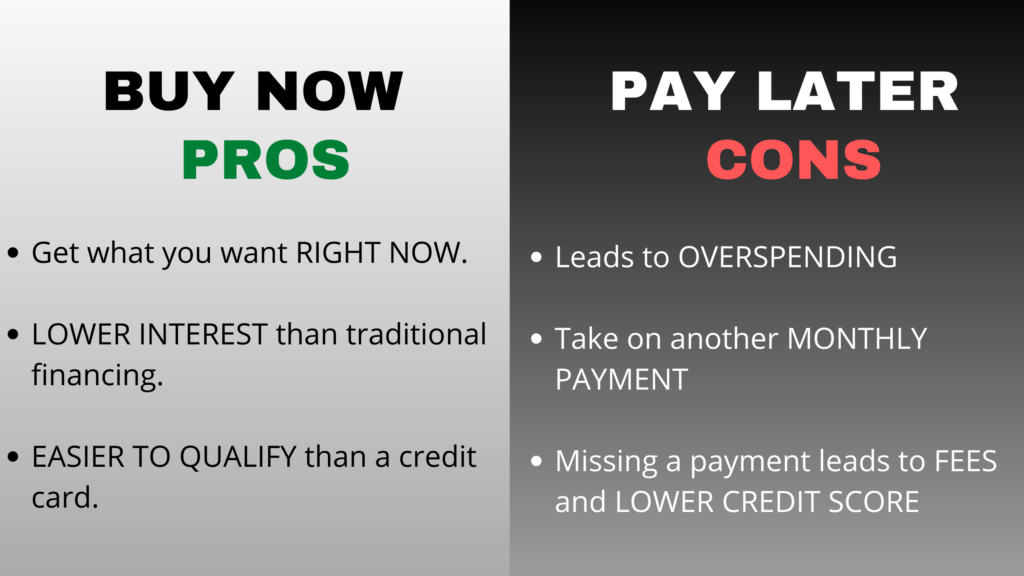
Over-reliance on buy now, pay later services for basic necessities – many people do it to avoid credit card interest. 46% of people use buy now, pay later for electronics, 56% use it for clothing, and 31% use it for furniture and appliances. Instead, save up for these items. If you don’t have the money, don’t buy it. Focus on building up your emergency fund. Buy now, pay later increases your debt volume, reduces your net worth, and can result in late fees and financial penalties
Lifestyle inflation and mismanagement of raises or bonuses – when you get married, it is easy to increase your lifestyle and want to do more. However, it’s still important to have a gap between your income and expenses.
Every time you get a raise, put half of it toward investments and allow yourself to use half of it to increase your lifestyle.
Lack of financial education and planning – can use a financial planner (can cost a couple thousand dollars), take a class, or read books and research yourself
Low national savings rate – the average American saves 3.6% of their income. You need to save and invest the savings to retire. Experts say to save at least 20% of your income (and invest it) so that you can be able to retire. Some people save 50% of their income to retire very early!
People are trying to access their retirement funds early and doing it often – 10% penalty. Don’t do that. Don’t interrupt compound interest unnecessarily. This year, Americans will pay $6.1 billion in penalties for early 401k withdrawals!
People don’t understand compound interest – they don’t realize how much it impacts your finances and retirement.
I look forward to reading, learning, and sharing more with you soon!
My intention is to post a Thoughtful Thursday column each week and share some of the insights I have learned in the past week. Here are some of the things I’ve learned this week:
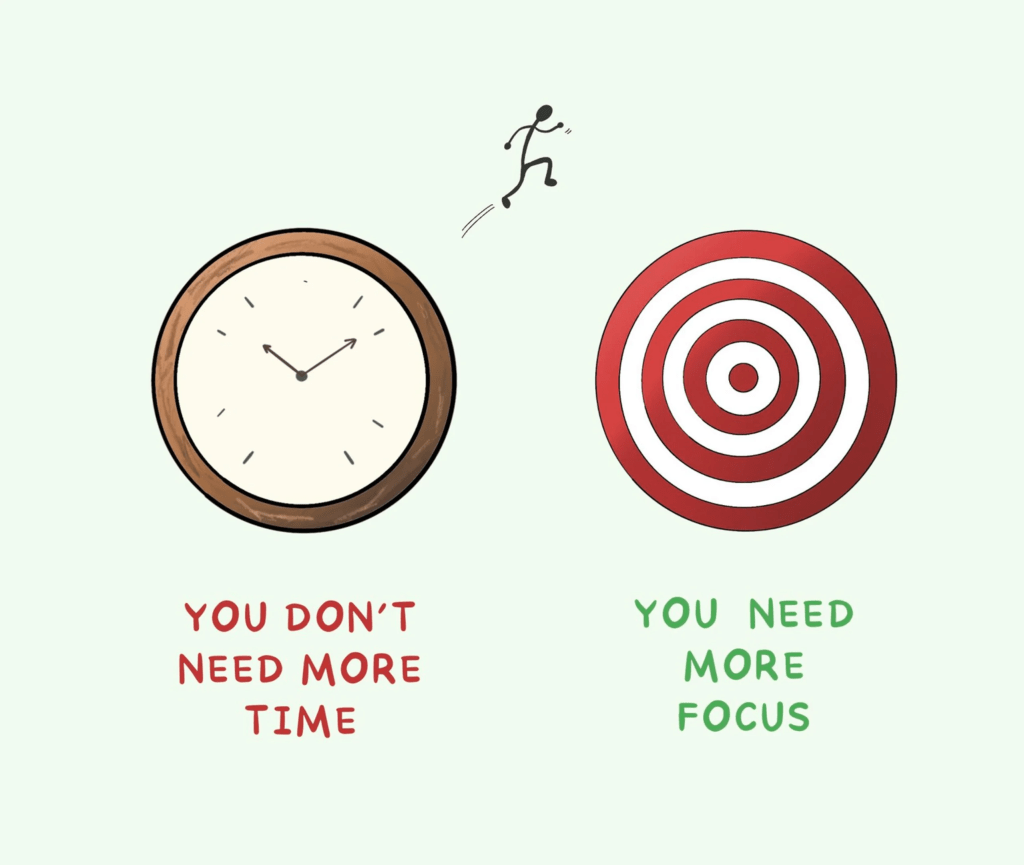
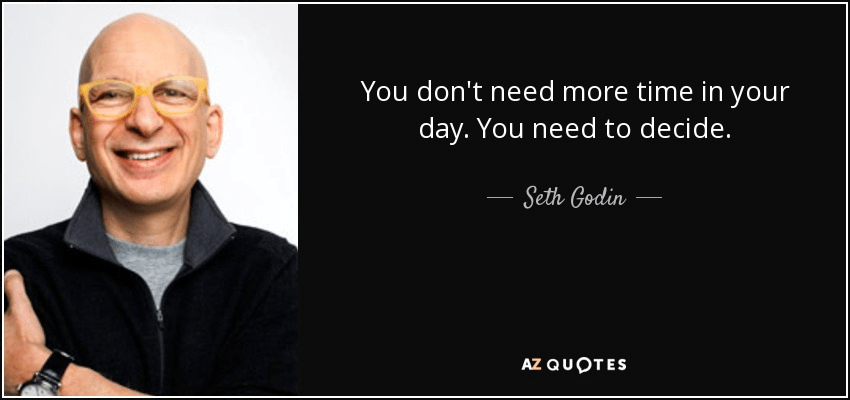
Before Breakfast – You don’t need more time
You probably don’t need more time in order to do the things you want to do. Instead of looking for more time, change up how you’re spending your time now. You may be surprised at what can fit.
Getting an extra day in the year (leap day) does not, by itself, change much for most people. Time is about choices. If you’d like to spend time differently, figure that out and make it happen. Make the most of your time.
I recently read the book “How to Break Up With Your Phone” by Catherine Price, an award-winning writer and science journalist and learned that, on average, Americans spend more than four hours a day on their phones! If you were to limit phone use to one hour a day, what could you accomplish with the extra three hours? Our actions often show what our values are. We often don’t need more time; we need to examine our priorities.
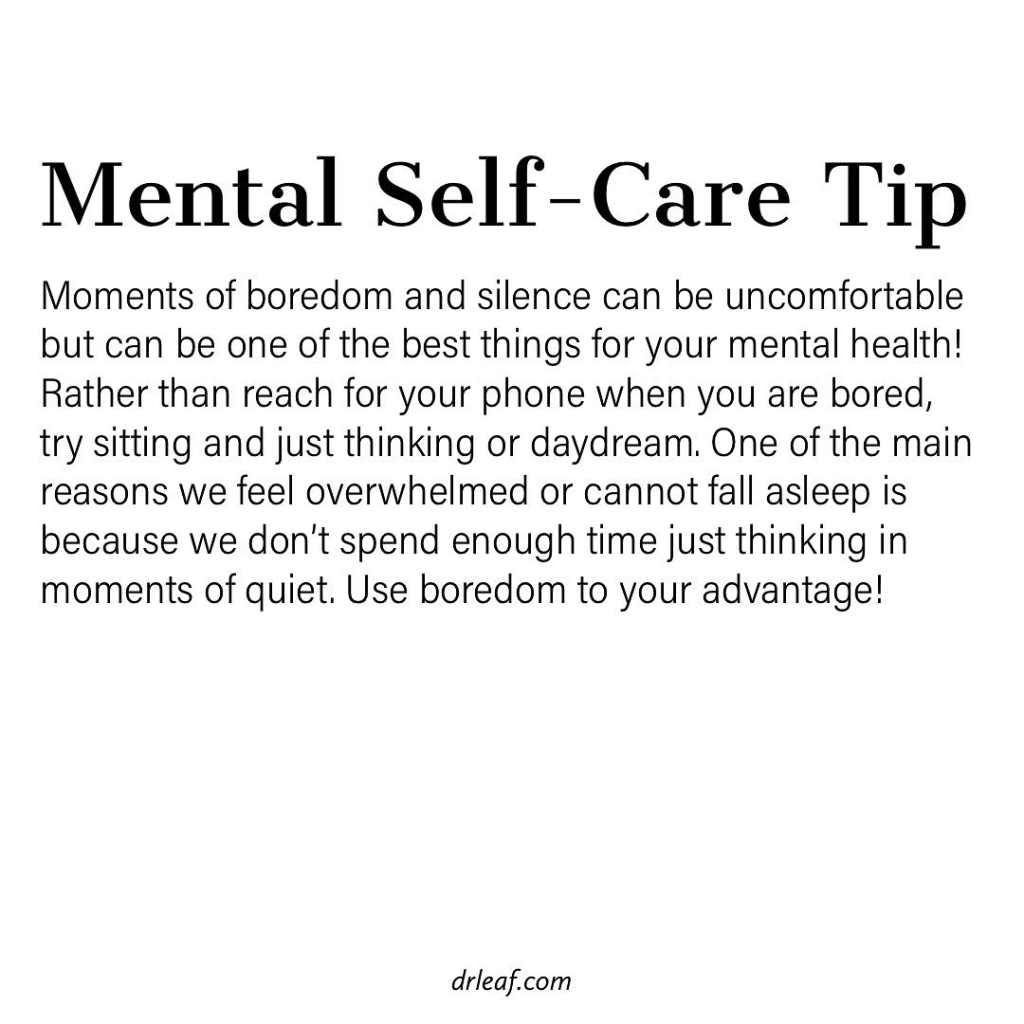
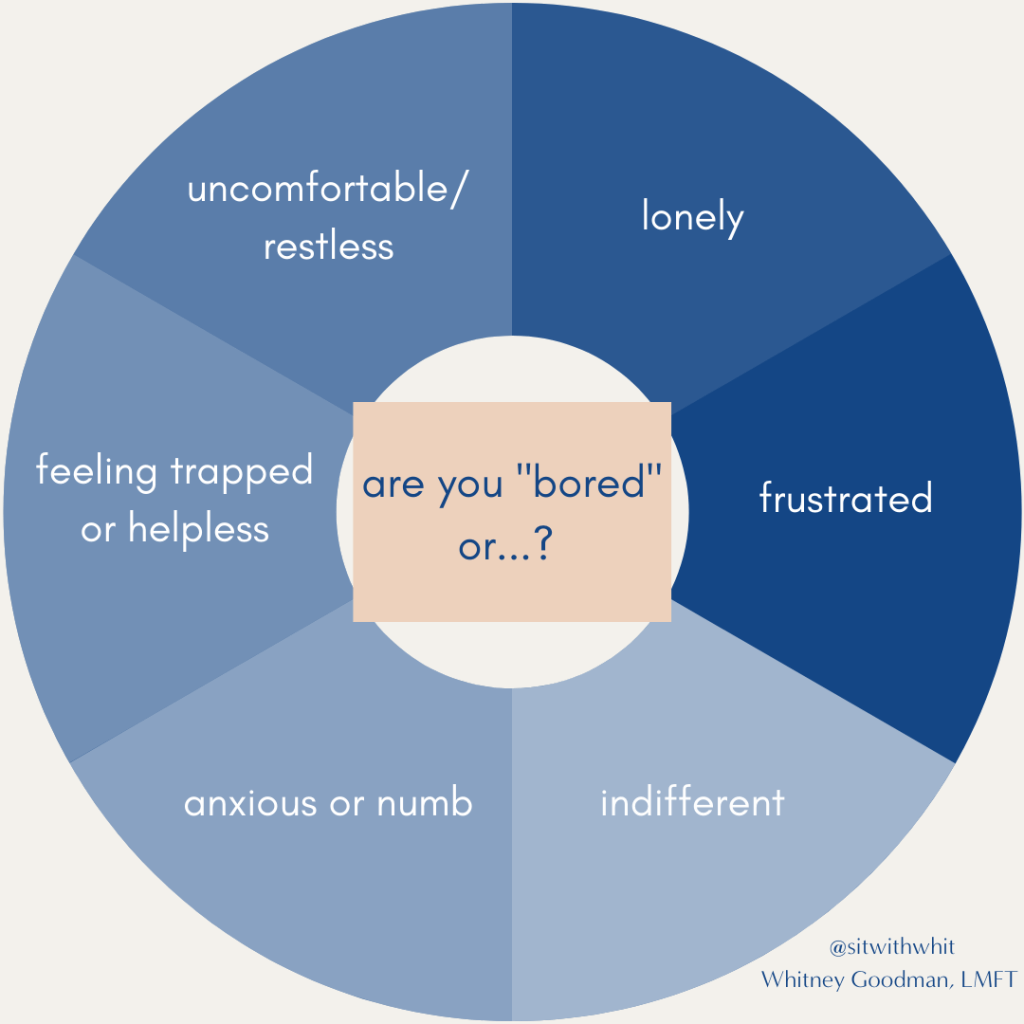
TED Health – Why you shouldn’t trust boredom
Our boredom and how we snap out of it can tell us a lot about ourselves.
Boredom is a problem in schools. When students are bored in school, they can’t focus, they lose interest, and they misbehave. Students who are chronically bored may drop out. When we’re bored, we drink too much, eat too much, spend too much money, half-listen to people, idle our time with social media and scrolling, etc.
Boredom tends to objectify things. Ex: that’s a boring person, that’s a boring book, etc. What bores one person can be very interesting to another person, so boredom is a curious and perplexing mood state and is not objective.
Boredom itself allows creativity to flow. However, modern society with all its gadgets has gotten really good at distracting us from this boredom.
In the right environment, boredom fuels creative people. Instead of staring at your phone, stare at the blank page. Instead of sitting in front of the TV, sit in front of the canvas.
Avoidance – many of us who are in a boring situation question how to get out of the situation. We don’t sit with our feelings; we often check our phones to avoid boredom.
Resignation – endure boredom.
Boredom is often viewed as a lack of imagination and a loss of agency: “I’m so bored. There’s nothing to do.”
As a teacher, the podcaster usually gathered with other teachers to complain about administrators, students, parents, etc. and got bored with it. It was the same complaint culture every day. Eventually, he found other teachers who, instead of complaining, talked about books they were enjoying, hobbies they loved, or what went well in their teaching. These conversations were restorative.
Takeaways:
Boredom should not be trusted. We tend to trust boredom and make an implicit judgment about something or someone and it is often wrong. It is arrogant.
We need to protect our attention. A bored mind is looking to be distracted. If we are in an environment where we are easily distracted, boredom will get the better of us.
We need to talk about boredom. We all have strategies we employ and we need to talk about them. We can share them and give our attention to the things we love and the people we care about.
DIY Money – Where to Hold Your Emergency Fund
Don’t keep an emergency fund at a bank that doesn’t really give you any interest (most big banks don’t).
Look for a bank that will give you over 4% per year in interest. Many online banks and credit card companies offer high-yield savings accounts with great rates.
Keep 3-6 months of expenses in an emergency fund and a separate $1,000 of “fast cash” in an account that you can get immediately. Ex: for a car repair
Interest rates fluctuate, so you don’t need to keep searching for where you will get the highest yield once you already have found one.
Life Kit – Investing for beginners
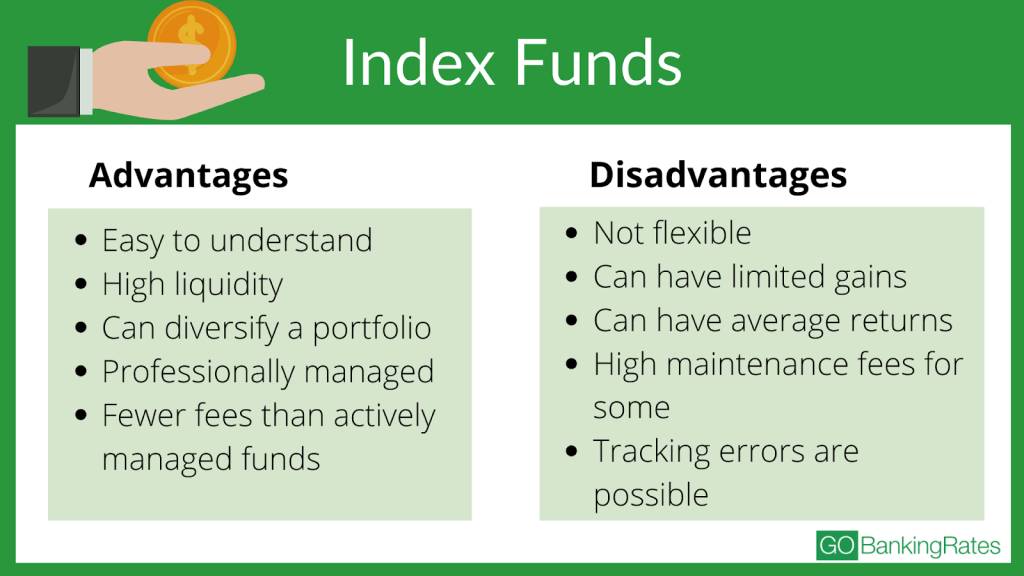
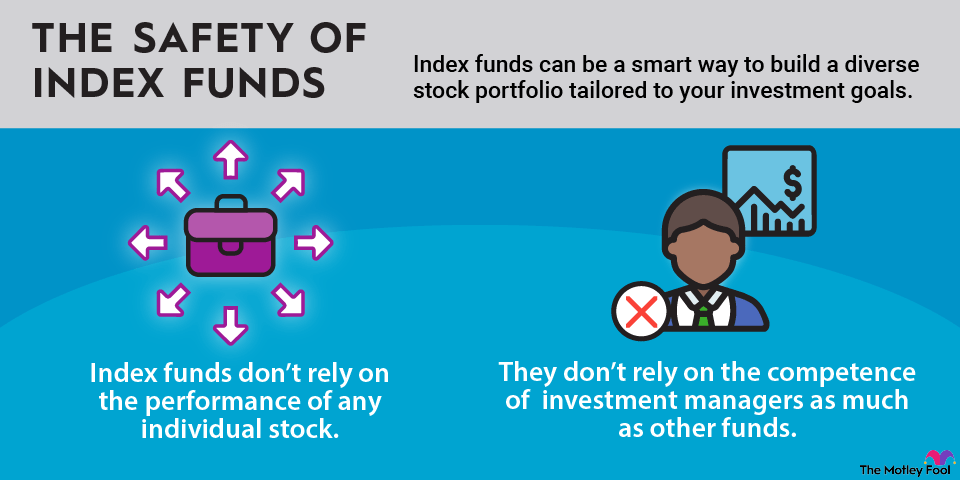
You need to be invested in the stock market! Stocks have a much better return than bonds and other investments. It isn’t a good idea to buy individual stocks; it’s almost impossible, even for professionals, to pick individual stocks that outperform the overall market. 80-90% of mutual fund managers fail at this!
Don’t buy individual stocks. Buy the entire stock market using index funds.
Don’t buy a bunch of stocks when performance goes up and sell stocks as soon as performance is down. Losing money feels painful but selling your stock at the bottom locks in those losses. If you don’t sell, you can ride the rollercoaster back up when the market recovers.
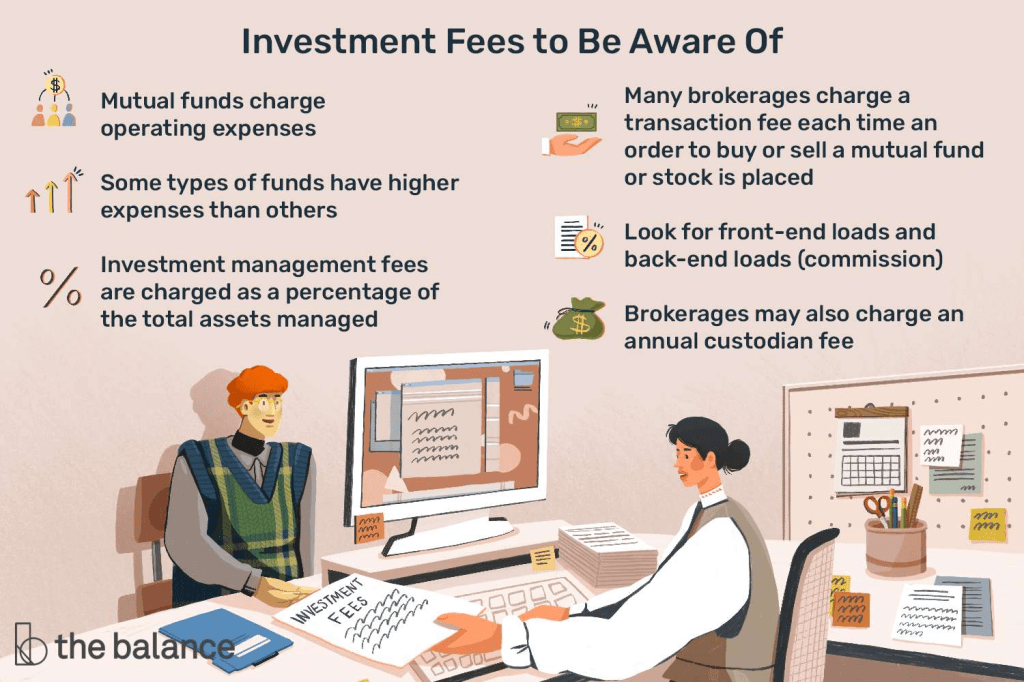
Make sure you aren’t paying much in fees! Fees are not charged as a separate line item. For example, 2% seems like a small number to pay in fees, but 2% off of a 5-10% return is a huge chunk. A 2% fee could eat up to 40% of your investment returns, which has a huge impact on how quickly your money accumulates. Many people don’t even know what fees they are paying.
Taken together, you shouldn’t be paying more than 0.15% in annual fees in your mix of index funds and other investments.
Passively managed index funds are the way to go. Ex: S&P 500. Index funds are far better off than actively managed alternatives. Look for lw-cost broad based index funds.
Vanguard is different than all of the other investment firms because it is structured as a nonprofit. Vanguard offers a range of index funds with very low fees. You don’t need to have an actively managed portfolio.
Rebalance your investments at least once a year. Sell what has gone up in value and buy what has gone down in value. Make sure your portfolio is where you want it to be.
Obsessing doesn’t help and is likely to lead to interventions that would be counterproductive. It’s really easy to let our emotions take over and make mistakes.
Don’t pay someone else to pick stocks for you.
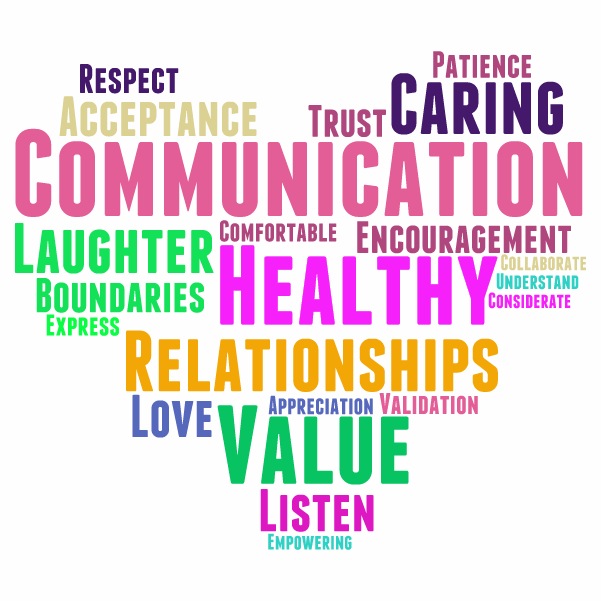
Psych2Go – 12 Signs You’re in a Healthy Relationship
You communicate openly. A great relationship starts with transparency.
You argue. Arguing is sometimes healthy in a relationship; otherwise, you are likely bottling up your feelings and letting them turn into resentment.
You keep relationship details private. You don’t post your relationship problems on social media.
You don’t hold grudges. Be sure to talk it out and learn to let go.
You have realistic expectations. The perfect partner doesn’t exist. Healthy couples understand that the key to a long-lasting relationship is commitment, open communication, and compromise.
You take time and space for yourself. You can have separate lives, interests, and friends and maintain your own sense of individuality outside of the relationship.
You trust each other. You respect your partner’s decisions and feel secure.
You enjoy spending time together. A healthy relationship means taking time out of your busy schedule to connect with your partner.
You’re friends. Great couples share common interests, enjoy hanging out together, and making each other laugh.
You make decisions together. Healthy relationships allow partners to have equal say. Compromise is key.
You get intimate. Intimacy can mean different things. Show affection through love languages: gift giving, words of affirmation, quality time, physical touch, acts of service, etc.
You make each other better. Fixing is not the same as supporting. You love each other for who you are.
I really enjoyed this post from Gabe the Bass Player this week:
My intention is to post a Thoughtful Thursday column each week and share some of the insights I have learned in the past week. Here are some of the things I’ve learned this week:
Self Improvement Daily- Getting Started Setting Goals
Setting goals is an effective way to structure your efforts and get a desired result. However, many people set goals too big without a plan. Ex: go from not working out at all to working out 6 days per week. Others set goals without much of a plan. Ex: drink more water. Eat healthier.
You don’t need to wait to have a perfectly defined and thought through goal before getting started. As you begin pursuing your goals, you collect more reference points and information to aid in defining your goal and the structure of achieving your goal. As you get closer to your goals, they get clearer. You should always be intentional about pursuing more clarity.
A goal I had for quite some time was to drink more water. There were times I drank up to a gallon per day (too much for me), but other times, I got so consumed in my work that I didn’t finish my first 16 ounces until after lunch! “Drink more water” was not a clearly structured goal for me. When I noticed that I regularly wasn’t finishing my first 16 ounces until well into the afternoon, I revised my goal to include “drink 1 bottle of water before the workday starts.” That goal is structured, measurable, and helps me to drink more water throughout the day.I also use True Lemon packets (available in a variety of flavors) to increase my water intake.
Another goal could start off as “eat healthier.” This could be structured by committing to planning staple breakfast foods and meal prepping healthy lunches for the week so that you don’t have the urge to order takeout during the work week.
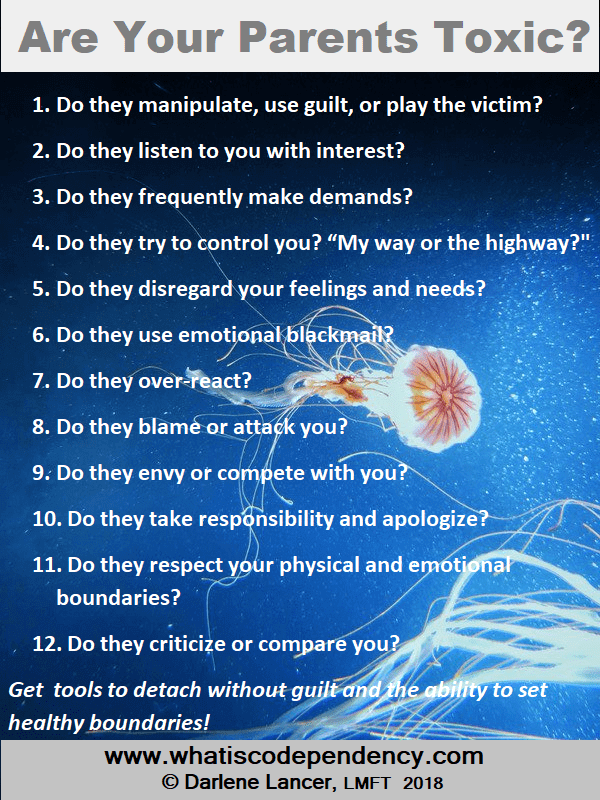
Psych2Go Mental Health Podcast- 10 Toxic Things Parents Say To Their Kids
You look terrible.
You’re a freak.
You’re so immature.
I’m going to send you to boarding school.
Once you’re 18, I’m going to kick you out.
This is your fault.
Show me some respect (when it isn’t due/when it’s toxic).
Do what I say or else.
You are terrible at ___.
You’re the worst student.
I am grateful that I didn’t hear any of these phrases directed at me growing up, but I know of people who have. It is important to show love to your children and allow them to make mistakes, express their own individuality, and overcome obstacles that can turn into learning experiences.
Life Kit- Put your savings to work
When we put money into a traditional savings account when inflation is high, its value is eroding.
Savings account interest rates may be as low as 0.01%, and the average interest rate is currently 0.24%. Some banks have increased interest rates due to inflation, and smaller banks are offering better rates than bigger banks.
Online banks offer better rates due to not having to maintain brick and mortar locations. Be sure to research minimum deposits and hidden fees and read the fine print! I recently created an account for CIT bank online, which offers interest rates between 4.50%-4.75%!
Aside from savings accounts, CDs are another option. The longer the term, the better the rate is. Be sure you can commit to the term, as you can’t withdraw $ during that term without paying a penalty.
Ibonds are inflation bonds where you are lending the government $ and the government agrees to pay you back at a later date with interest. Ibonds increased in popularity in 2022, as the interest rate was over 9%! The government sets Ibond rates every 6 months, and the term is for 5 years, although you can access your money before the 5-year term is up by forfeiting the last 3 months’ interest. The interest rate was just adjusted down to 4.30% in May 2023.
Taxes: the interest earned from savings accounts and CDs is taxable. Ibonds are exempt from state and local taxes, but you will have to pay federal income tax when you cash in on the bonds.
Consider switching savings accounts to one with a better interest rate. You may also want to consider government bonds for medium-term or long-term savings or CDs for short-term savings.
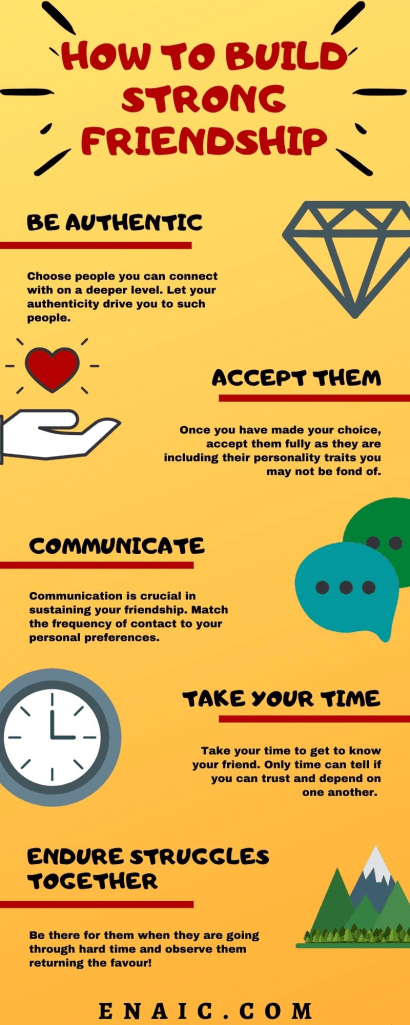
Self Care IRL- 14 Ways to Strengthen Your Friendships
Make your friendships a priority.
Start by staying in touch.
Try to think about what your friend needs right now. How can you be helpful or of value?
Stop judging. You are never going to be 100% approving of anyone or the decisions of anyone, including yourself!
Give an occasional compliment.
Spend time together.
Find common interests that you share, and do those things together!
Take on a new challenge together. Humans become closer with those they suffer with and overcome obstacles with.
Take a road trip.
Try new things together, such as restaurants, events, or activities.
Play fair. Don’t one up your friends.
Express your gratitude. Let them know you value them.
Admit and apologize.
Be authentic and be honest.
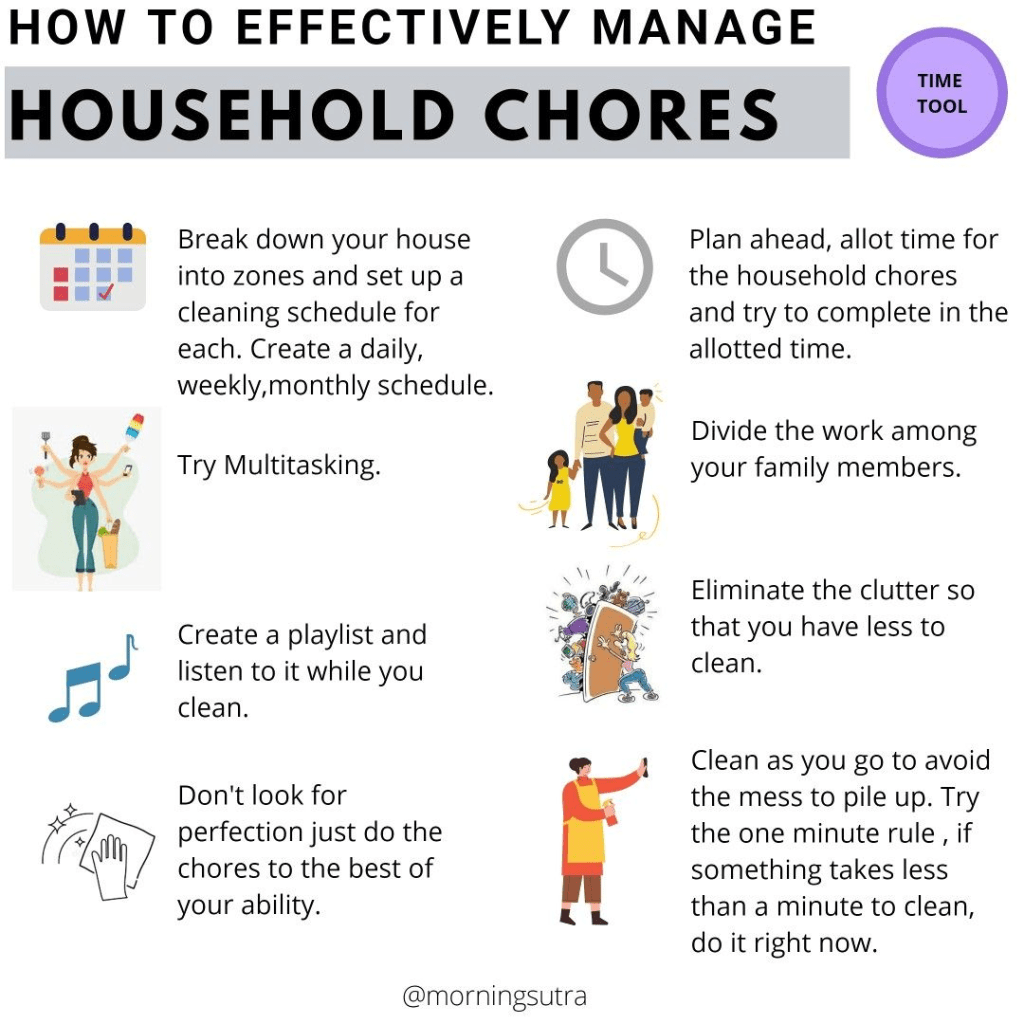
How to Be a Better Human- How to keep house while drowning
Reframe chores. Chores feel like an obligation. Some chores should be considered care tasks because they are tasks that you do to care for yourself, such as dishes, laundry, cleaning, exercising, cooking, organizing, and changing your sheets.
Ask yourself: What can I do right now in order to ensure that I’m being kind to my tomorrow self?
With other household stuff, acknowledge that good enough is perfect, and everything worth doing is worth doing partially. I struggle with this. I want to put my 100% into everything, so when I can’t dedicate the time and energy, sometimes I just don’t do it at all.
With chores, ask yourself these questions: What is the part you hate? What about it do you hate? Is there a way to skip that step or delegate? How can I add pleasure or joy to it? Ex: use a timer and dedicate a specific amount of time to a task, then stop when the timer goes off. Play your favorite playlist while doing a task you don’t enjoy doing.
Focus on Marriage Podcast- Common Problems and Letting Go of Selfishness
Many newly married couples have unrealistic expectations of marriage, such as “We are always going to agree on spending money. We will draw closer to our family and in-laws once we are married. We will divide up household responsibilities equally. We will have amazing sex often. I will never feel lonely in my marriage.” These unmet expectations are common sources of frustration in marriage.
Despite these common struggles, remember to ask yourself: What do you like about your partner? Why did you marry your partner? Why do you believe you’re married today?
One interesting point made in this podcast is that husbands are often looking for validation, and women feel resentment because they feel they are doing more than their husbands and it goes unnoticed.
Also, husbands often hear more about what they don’t do than about what they do do, leading them to feel unloved and unappreciated. They are seeking affirmations. Provide affirmations, appreciation, and validation, and also put effort into equalizing responsibilities.
Optimal Living Daily- How to Create Time for Self-Care Without Feeling Guilty by Ellen Burgan
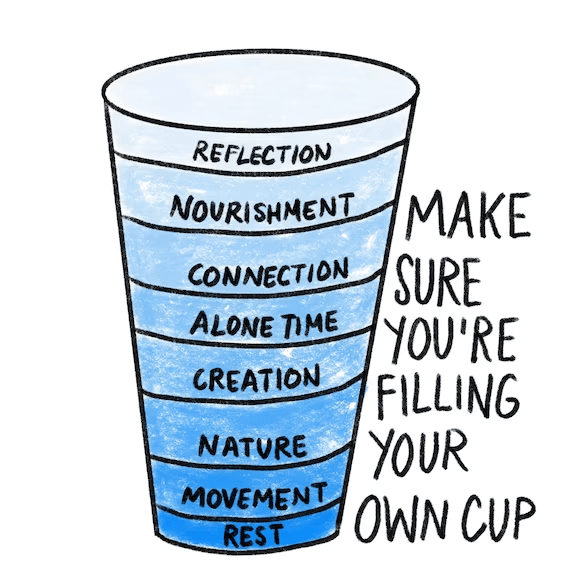
When you take care of yourself, you have more energy, patience, and compassion for others AND yourself.
Common obstacles to self-care and what you can do about them:
“I don’t have enough time” ⇛ This is a sign that you’re prioritizing others above yourself. This is a matter of how we choose to use our time. Remember that taking care of yourself will ultimately make you more productive and efficient in the long run.
“I can’t afford it” ⇛ Self-care doesn’t have to be expensive. There are several free or low-cost options, such as going for a walk, doing yoga at home, journaling, reading a book, coloring, or listening to music or a podcast.
“I don’t know how to do it” ⇛ It doesn’t have to be complicated. Find something you enjoy doing, and go do it. Find what works for you and make it a regular part of your routine. For me, self-care includes reading, exercising, listening to podcasts, and journaling + the very occasional massage.
“I’m too tired” ⇛ This is an even better indication to take time for yourself! Self-care can help boost energy levels, relieve stress and burnout, and improve sleep.
“I don’t have anyone to do it with” ⇛ You can still take care of yourself while flying solo.
Tips:
Shift the way you think about self-care. Instead of feeling guilty, shift your thoughts to that of well-deserved time to focus on and care for yourself. If you take care of yourself, you will be a more fun person for others to be around.
Prioritize self-care. Schedule self-care and include it in your regular routine.
Set boundaries. Practice saying no to things that don’t align with your priorities or that are draining you. Every time you say no to another obligation, you are saying yes to yourself.
Use small chunks of time. If you can’t find a long burst of time for self-care, use the short bursts of time you have. Maybe spend 10 minutes a couple times a day for yourself, and as you get better at finding dedicated time to yourself, you can increase it to a daily routine.
Ask for help and be willing to accept help. Delegate tasks if you are able to so that you can have some time for yourself.
Crina and Kirsten Get to Work- Workplace Mental Health Takes Center Stage: A New Priority for the Surgeon General
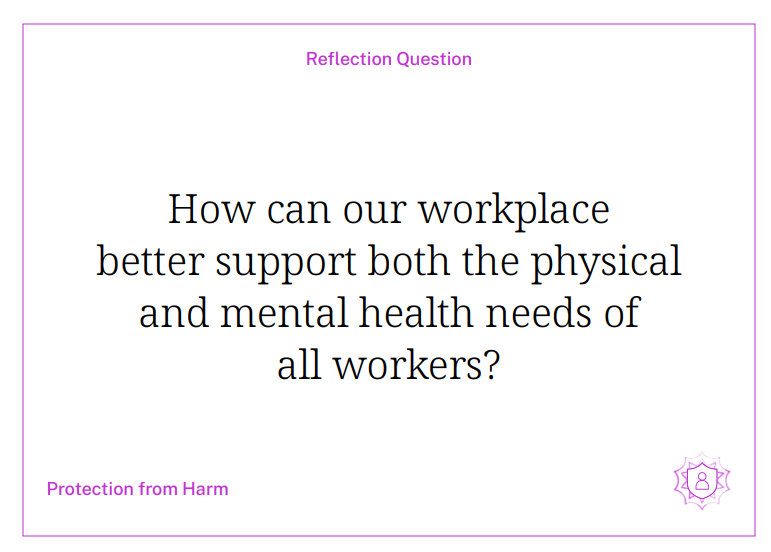
Prioritize workplace physical and psychological health.
Enable adequate rest.
Normalize and support mental health by validating challenges, communicating mental health and well-being as priorities, and offering both support and prevention services.
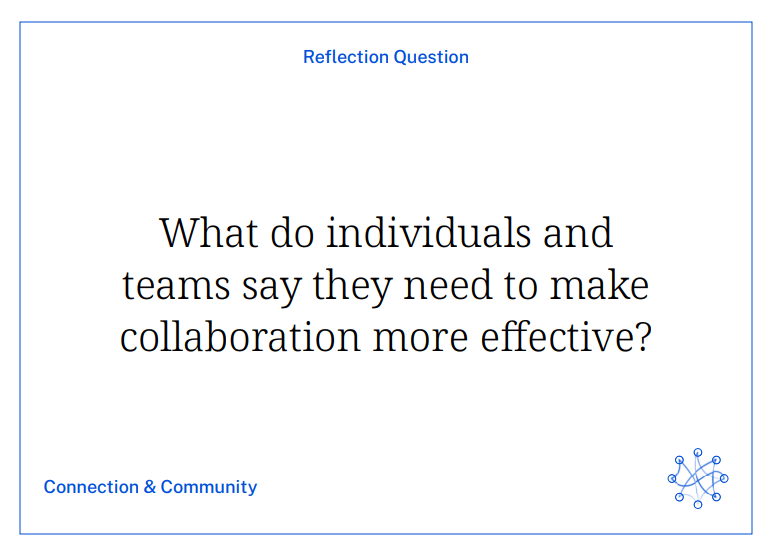
Connection and community: social support and belonging.
Create cultures of inclusion and belonging.
Cultivate trusted relationships.
Foster collaboration and teamwork.
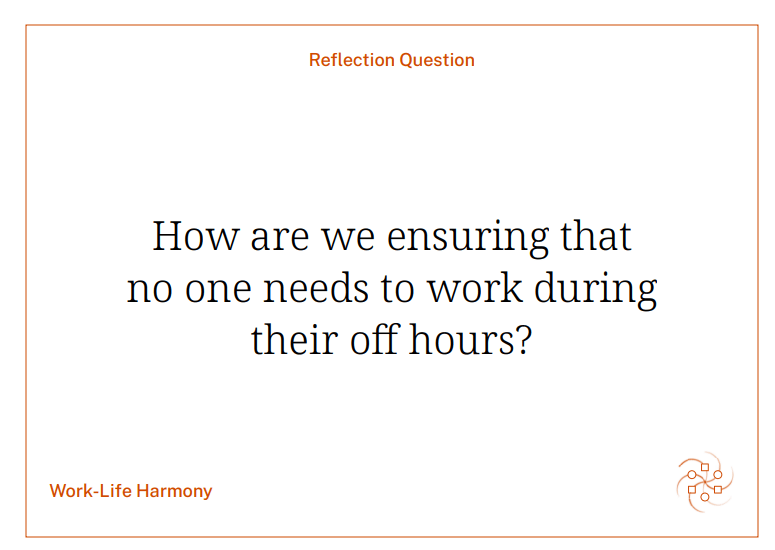
Work-life harmony: autonomy and flexibility.
Provide more autonomy over how work is done.
Make schedules as flexible and predictable as possible.
Increase access to paid leave.
Respect boundaries between work and non-work time.
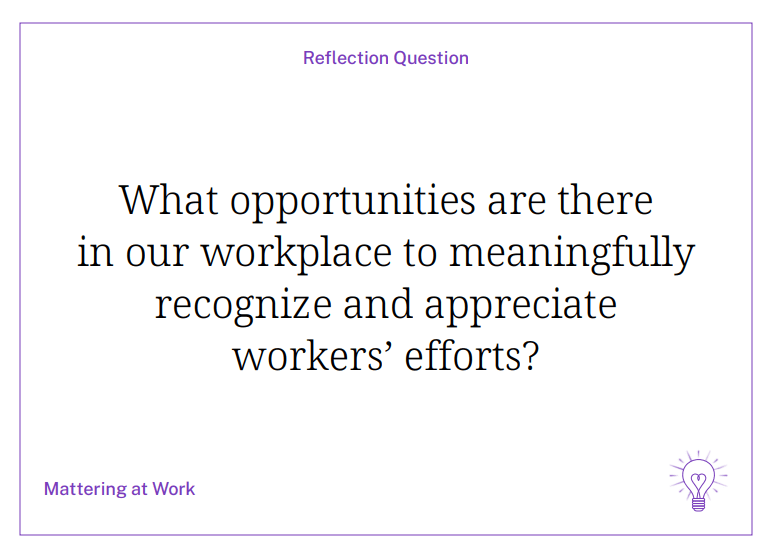
Mattering at work: dignity and meaning.
Provide a living wage.
Engage workers in workplace decisions.
Build a culture of gratitude and recognition.
Connect individual work with organizational mission (shared purpose).
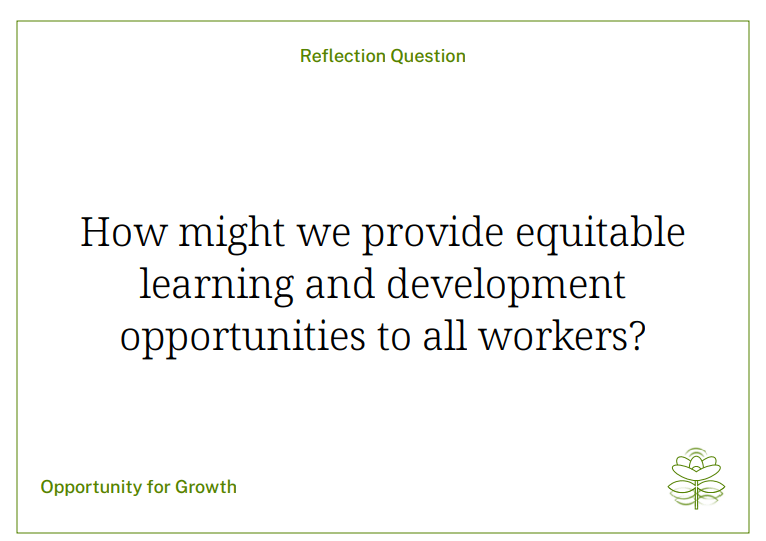
Opportunity for growth: learning and accomplishment.
Offer quality training, education, and mentoring.
Foster clear and equitable pathways for career advancement.
Ensure relevant and reciprocal feedback.
How is your employer doing with all of these?
I look forward to reading, learning, and sharing more with you soon!























 Read Learn Share