
My intention is to post a Thoughtful Thursday column each week and share some of the insights I have learned in the past week. Here are some of the things I’ve learned this week:
- If you’ve been validated based on meeting or exceeding expectations, then when you don’t overachieve, you feel the complete opposite and feel like you are failing or falling behind. What if you aren’t falling behind but are where you need to be but you’re so used to being validated by external arbitrary expectations?
- If you are constantly trying to perform, perfect, achieve, and do, you are disconnecting from the “being.” You’re turning yourself into a human doing rather than a human being.
- Feeling behind in life is a result of comparison. It’s about comparing yourself to others based on external factors.
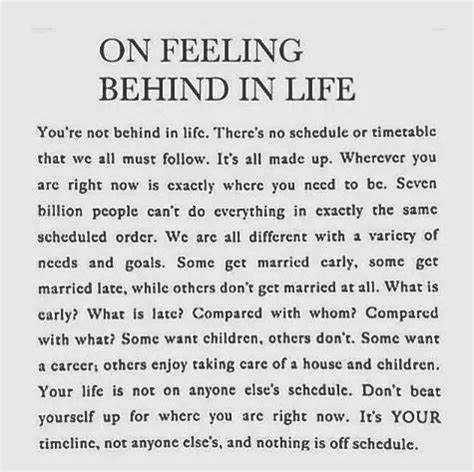
- If you believe the solution to feeling behind is to catch up and get ahead, that is still comparison. That is still basing your worth and feelings of security, confidence, and assurance on some random arbitrary timeline.
- “If the path before you is clear, you’re probably on someone else’s.”
- It’s only a success if it’s aligned with your true desires. What some of us view as successful is not what the “achievers” deem successful.
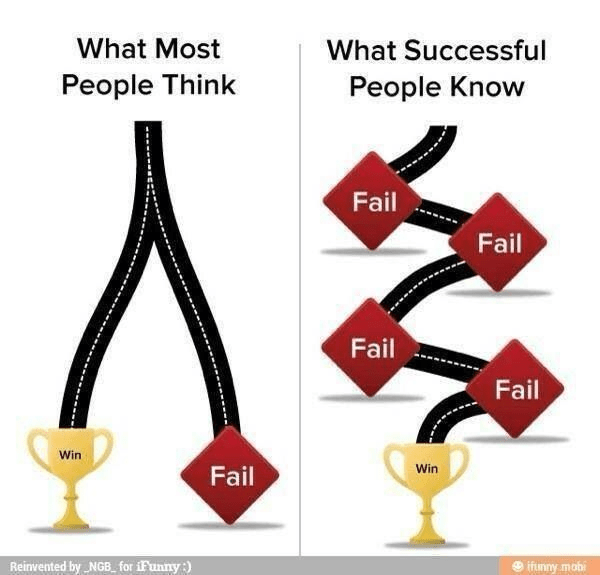
- When you compare yourself to people who graduated, got jobs, got married, reproduced, bought cars and houses and vacations, not only are you doing a disservice to yourself, but you’re also contributing to the narrative that “success” is measured by external achievements rather than inner fulfillment.
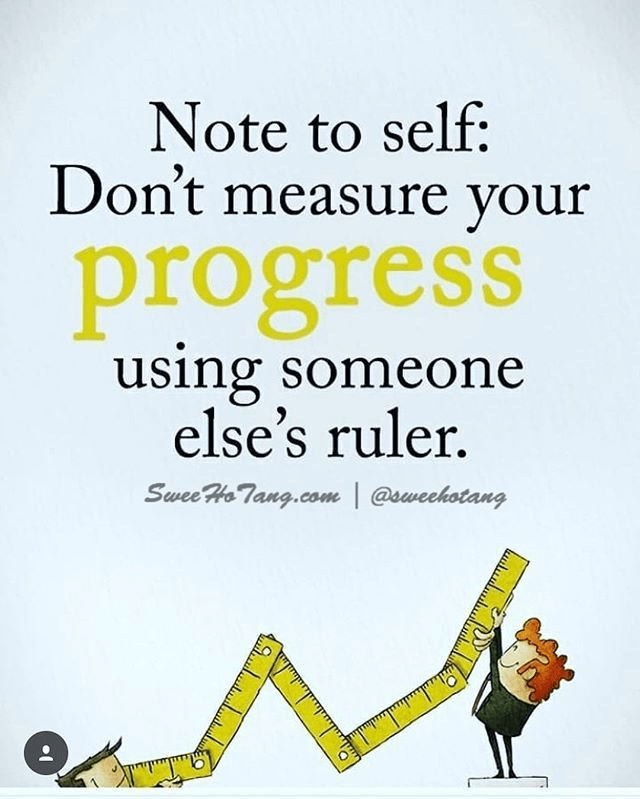
- Whose ruler are you using to measure your success? Is that aligned with your true desires and values? Who is judging how behind or ahead you are? Is it society or that external validation voice you’ve internalized? Why are you continuing to use that against yourself? We are all paving our own way.
This podcast really resonated with me because sometimes I have felt “behind” in life. Nine years post-college, I am now pursuing a paralegal certificate, I don’t have kids yet, I haven’t traveled the world, and, although I am proud of many things in my life, my life doesn’t look like what I thought it would at my age. Yet, some people I know have compared themselves to me. It is easy to fall into the comparison trap.
Living with chronic pain, fatigue, or other persistent symptoms can feel like an endless battle, consuming every aspect of your life.
The Five Fs that keep you stuck in chronic pain and symptoms
Fear – constantly reacting to the symptoms with fear will intensify your suffering, and the anticipation of discomfort will lead you to avoid certain activities or movements, perpetuating the cycle of pain and anxiety.
- Confront these fears head-on through education, reassurance, and gradual exposure to previously avoided activities. Challenge irrational beliefs and perceptions.
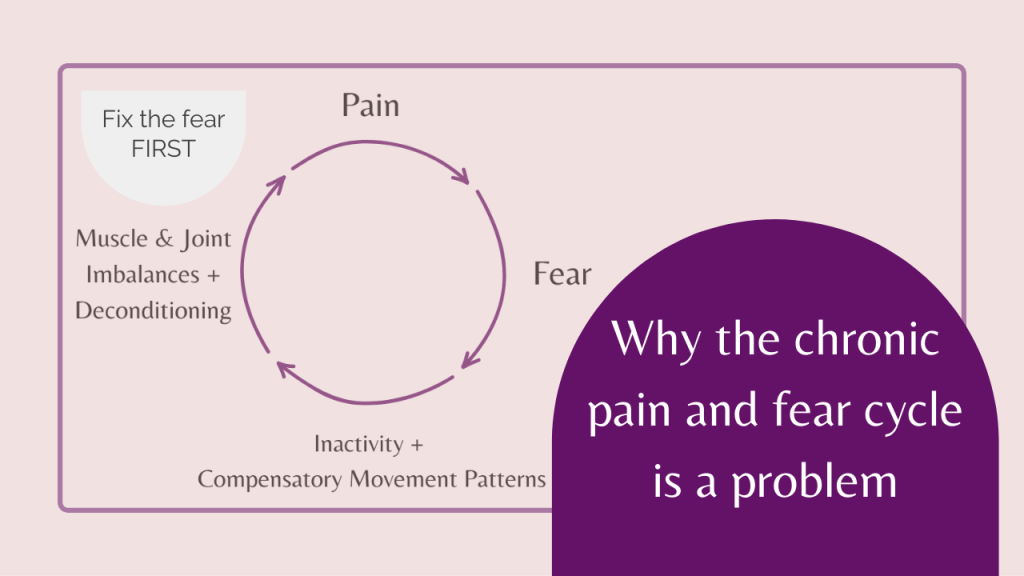
Fixing – medical interventions have their place, but often fail to address the underlying emotional and neurological factors contributing to chronic illness.
Focus – where you focus your attention matters.
- Learn to redirect your focus away from pain and toward things that bring you joy.
- Frustration – living with chronic pain often breeds feelings of frustration, especially when you’re putting in so much time/money/effort to healing.
- Be patient with yourself and accept where you are on your path to recovery. Embrace the process as a gradual and non-linear journey.
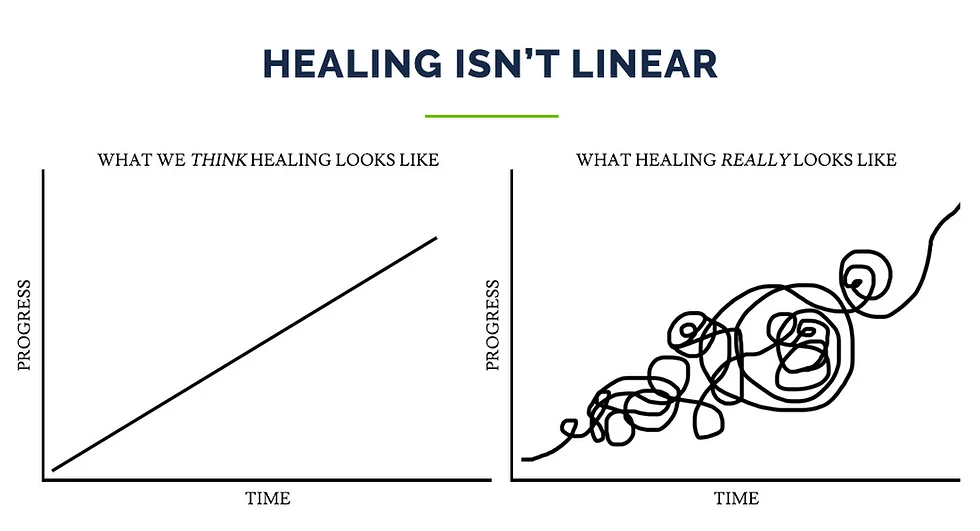
- Fighting – can exacerbate your suffering. What you resist persists.
- Surrender to what is and practice acceptance. Acknowledge your pain and allow yourself to experience it fully.
- Fiber keeps you regular, lowers cholesterol, helps regulate blood sugar levels, keeps your hunger in check, and is the primary food source for microbes that live in our guts.
- Microbes play a critical role in influencing health throughout your body. Those microbes are adapted to work with different fibers.
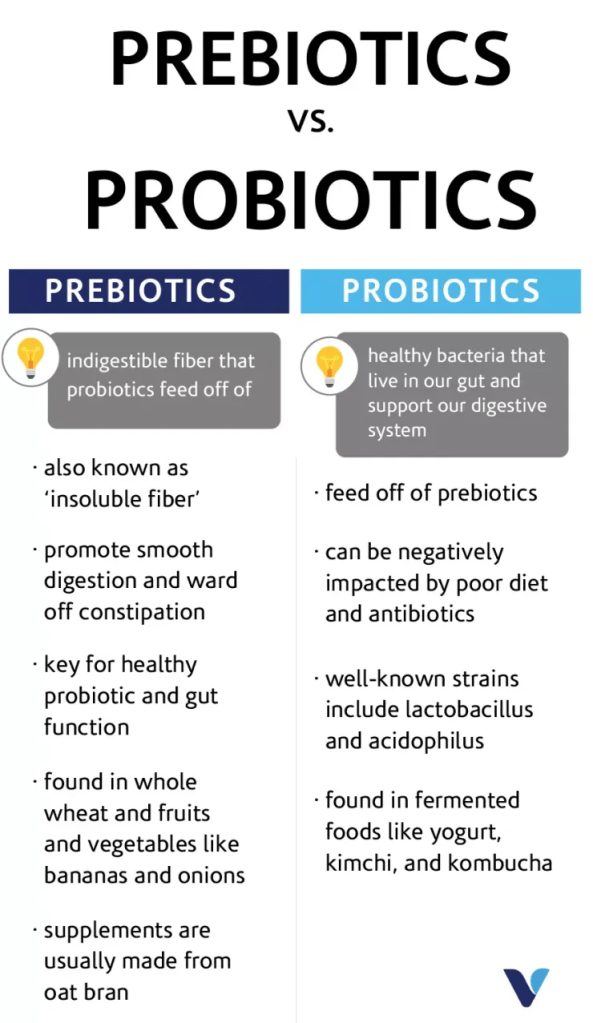
- Probiotics are foods or supplements that contain live microorganisms that have a proven health benefit (kombucha, yogurt, etc.). Prebiotics are the food or fuel for those good microbes in your gut. All prebiotics are fiber, but not all fibers are prebiotics.
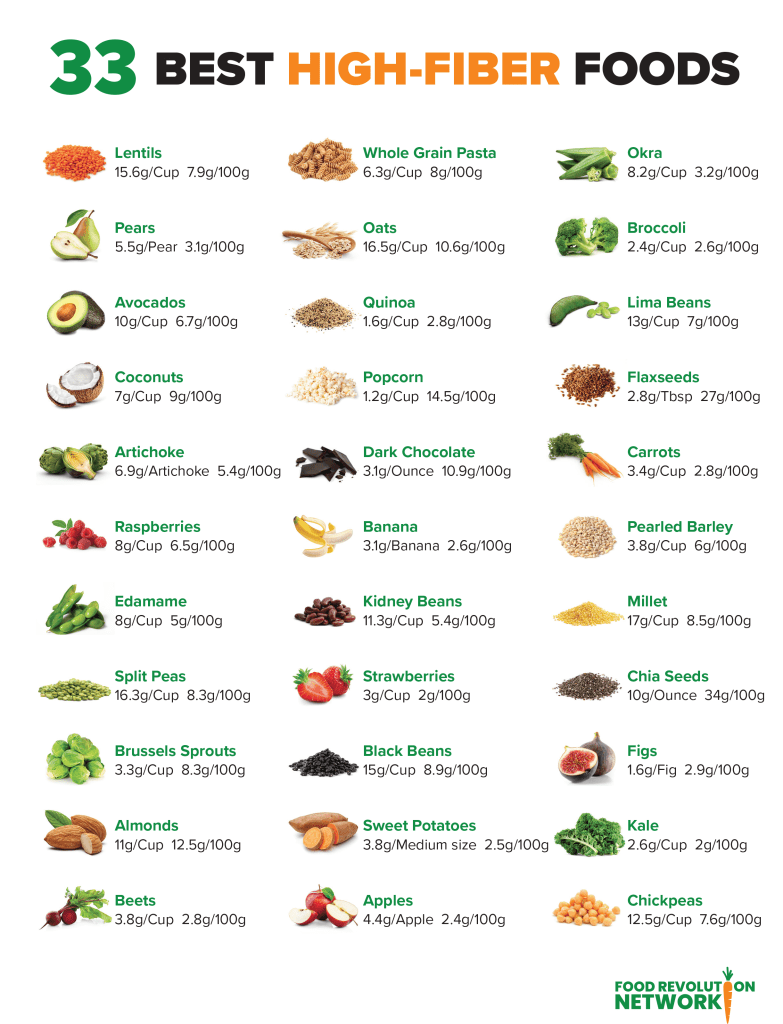
- Recommended 25-30 grams of fiber per day – 14 grams per 1,000 calories per day
- Eat the rainbow. Eat a variety of foods rich in fibers – sweet potatoes, avocados, berries, asparagus, artichoke, brown rice, quinoa, beans, lentils, etc.
- Your best bet is to get fiber from a variety of plant-based foods instead of fiber supplements so that you can also get the vitamins and nutrients from foods. The fiber used in supplements has been highly purified and is a simple structure; these simpler fibers tend to get fermented faster by gut microbes, which means they might not reach all the microbes throughout your gut.

Tips:
- Switch out white bread with whole grain bread.
- Drink lots of water to help the fiber bind.
- Eat a variety of foods rich in fibers.
- Take note of which foods cause you to be gassy. Moving after eating can help with this.
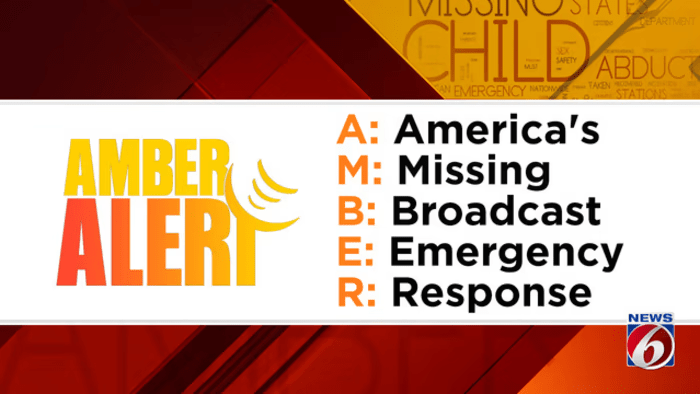
- AMBER alert: America’s Missing: Broadcast Emergency Response
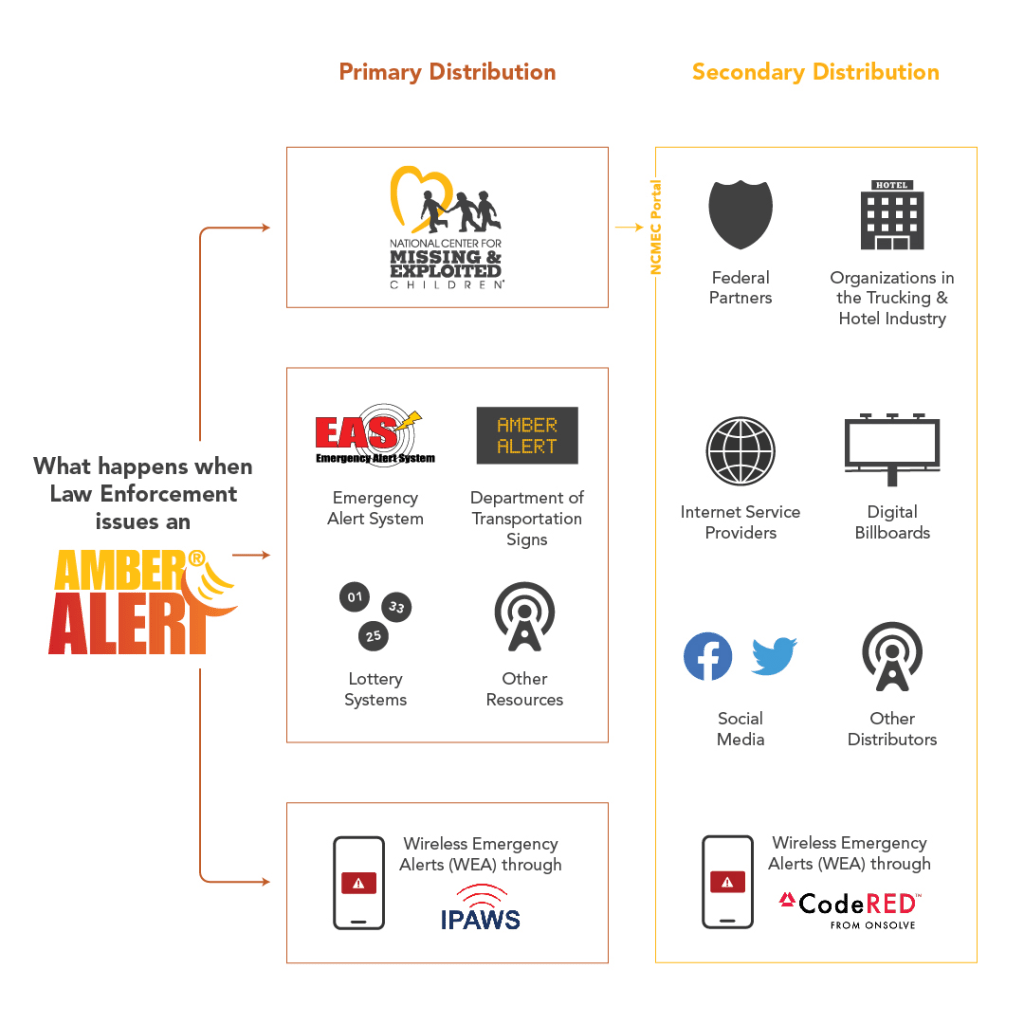
- An amber warning is when a child has gone missing and it ends up being a statewide or nationwide alert. Vehicle info is included – vehicle model and license plate
- January 1996 – Amber – 9-year-old from Arlington, TX. She was riding a bicycle in her neighborhood and was abducted by a man in a pickup truck. There was a nationwide search for Amber. This was pre-AMBER alert. Three days later, a dogwalker found her body in a creek.
- Every state has different criteria for issuing AMBER alerts. The Department of Justice has issued guidelines about recommendations: law enforcement has a reasonable belief that a child was abducted, law enforcement believes a child will suffer serious bodily harm or worse, enough detail about the appearance and abduction of the child
- Enter info in NCIC system – flag as a child abduction – will be a nationwide alert
- Most missing kids do not meet the criteria of any AMBER alert. If people weren’t abducted and if you don’t know what the kid was wearing, you won’t meet the criteria for an AMBER alert.
- In 2020, there were 365,000 entries that year in the NCIC system for missing kids and only 200 of them met the criteria for AMBER alerts to be issued.
- The point is that an AMBER alert is very serious and action is needed fast. People wouldn’t take them seriously if they got notifications on their phone frequently. They would be desensitized.
- AMBER alerts have contributed to the recovery of 1,186 children in the last seven years!
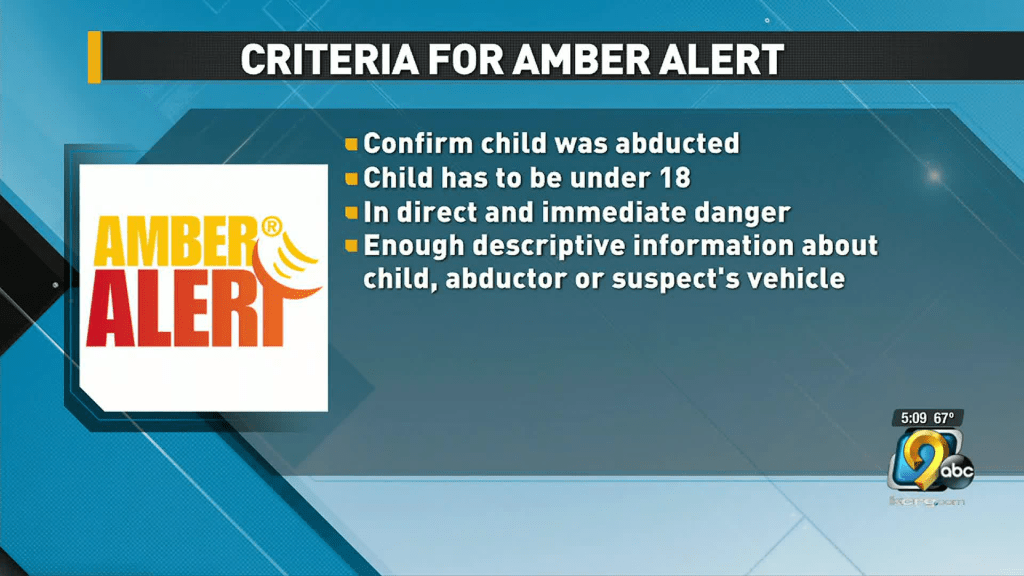
For Minnesota: The Amber Plan requires law enforcement to meet two criteria when evaluating a non-familial child abduction. Law enforcement must have both parts of the scenario before an activation can occur:
- The AMBER Plan should be activated when a child 17 years of age or younger is abducted and there is reason to believe the victim is in imminent danger of serious bodily injury or death. AND,
- There is information available to disseminate to the public which could assist with the safe recovery of the victim and/or the apprehension of the suspect.
The Amber Plan is activated by the Bureau of Criminal Apprehension only when the two requirements above are met; as a result, the Amber Plan is not activated for every child abduction. In cases where the Amber Plan criteria are not met, the Minnesota Crime Alert Network may be activated to notify the public and request information on the case.
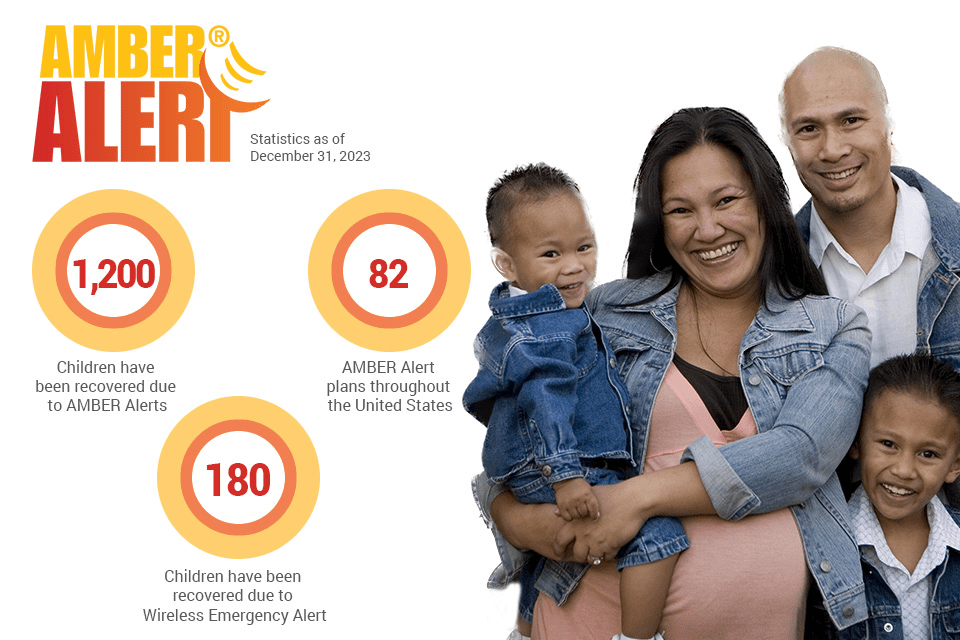
Summary of Department of Justice Recommended Criteria
- There is reasonable belief by law enforcement that an abduction has occurred.
- The law enforcement agency believes that the child is in imminent danger of serious bodily injury or death.
- There is enough descriptive information about the victim and the abduction for law enforcement to issue an AMBER Alert to assist in the recovery of the child.
- The abduction is of a child aged 17 years or younger.
- The child’s name and other critical data elements, including the Child Abduction flag, have been entered into the National Crime Information Center (NCIC) system.
This post from Gabe the Bass Player resonated with me this week:
https://www.gabethebassplayer.com/blog/good-enough-to-try-things
Good Enough To Try Things
June 7, 2024
Not ‘good enough to have it all figured out’.
Not ‘good enough to not make a big mistake.’
Not ‘good enough to get by’.
Are you good enough to try things?
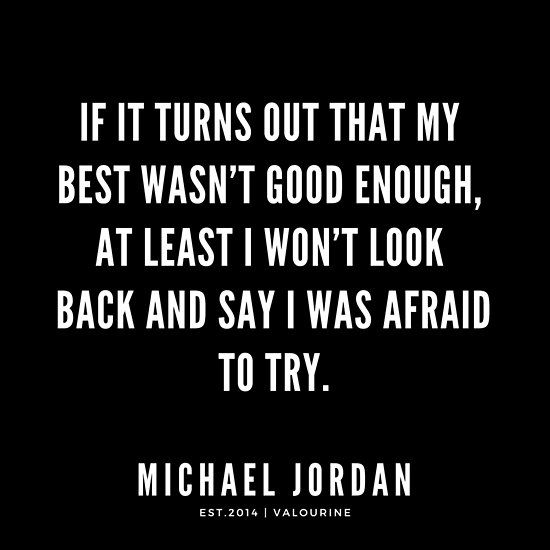
Do you have the faith and guts and confidence to try something in the face of it maybe not working and the ‘mistake’ might make you look less-than to some people…that’s a scary question. And you have to be next level good to pull it off.

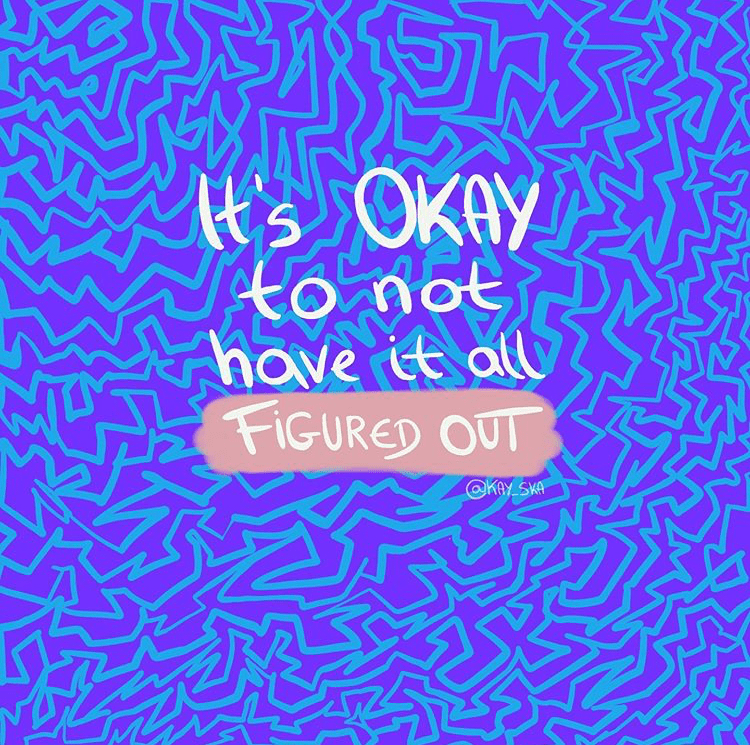
I look forward to reading, learning, and sharing more with you soon!
 Read Learn Share