
My intention is to post a Thoughtful Thursday column each week and share some of the insights I have learned in the past week. Here are some of the things I’ve learned this week:
- If you are feeling stuck, experiment with a break from your daily routine. That could be a vacation or weekend trip, a walk around the block, or a few minutes of internal reflection.
- Introduce more variety into your life – a new city, a new job, a new haircut, a new hobby or class, etc. Prioritize a variety of experiences over a variety of material possessions.
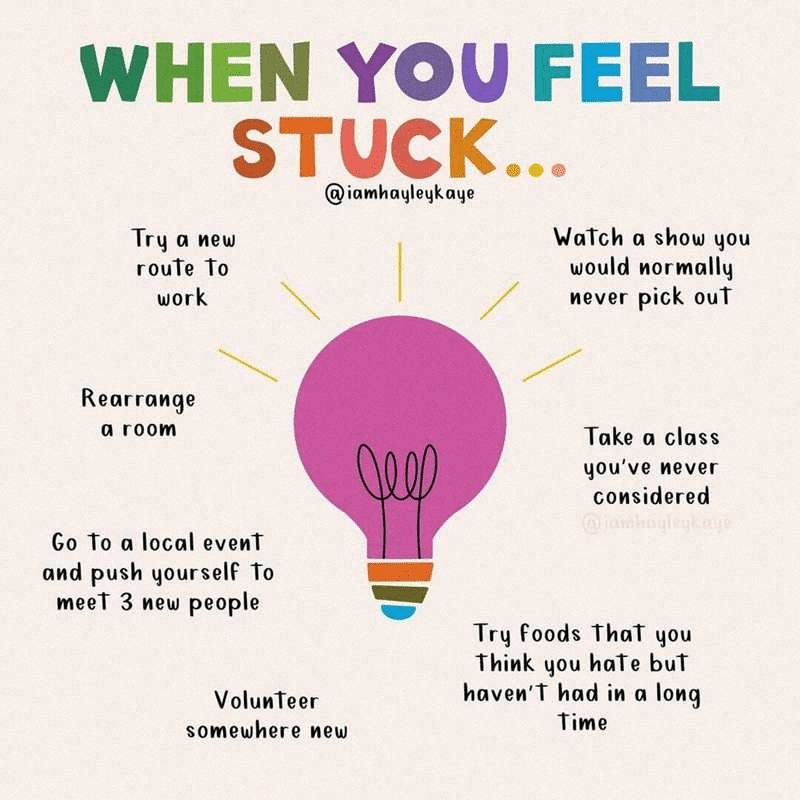
- To dishabituate from your environment, change your environment. If you change your environment in a very simple way (work in a different area, go for a walk, etc.), you become more creative. The creativity boosts don’t last long but can be very important for eureka moments and looking at problems with fresh eyes.
- It can be scary but err on the side of more change rather than less change. Change helps you dishabituate, have more variety in your life, and often makes you happier.
- After a big change, you may have transition pains. Give yourself time to habituate and see what you’re still unhappy with a few months down the line.

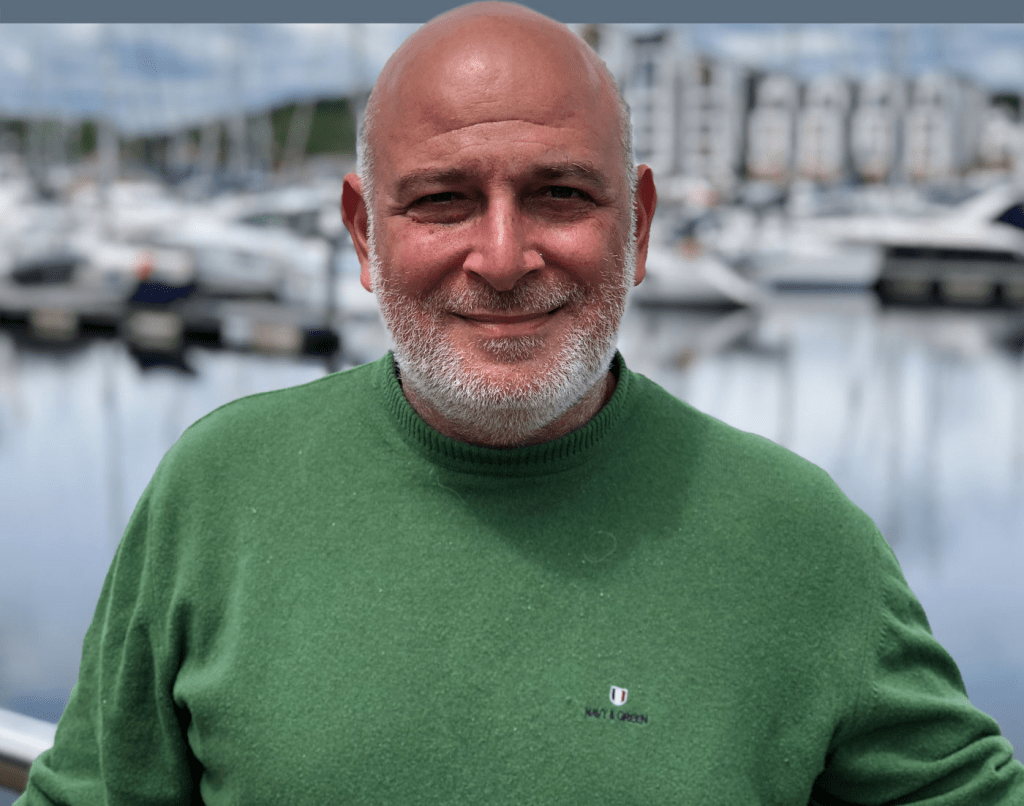
- Harry Mitsidis – world’s most traveled man – one of only three people to have visited every country in the world twice!
- Harry’s parents are from different countries and Harry realized he had a curiosity to travel.
- Time, cost, and will are the main parameters to travel.
- Optimize travels by putting different destinations together to make the most out of your trip.
- Equatorial Guinea was the hardest country to visit. It is on the west coast of Central Africa. It is a notoriously difficult visa.
- There is a lot more to countries than the capital or major city. Harry wanted to truly experience the countries by being a slow traveler. Ex: more than just visiting London in England, more than just visiting New York City in the USA
This point stuck out to me – “more than just visiting London in England, more than just visiting New York City in the USA.” We would all agree that New York City is not representative of the entire United States, yet many of us consider visiting one city “enough” for a state or one city enough for a country!
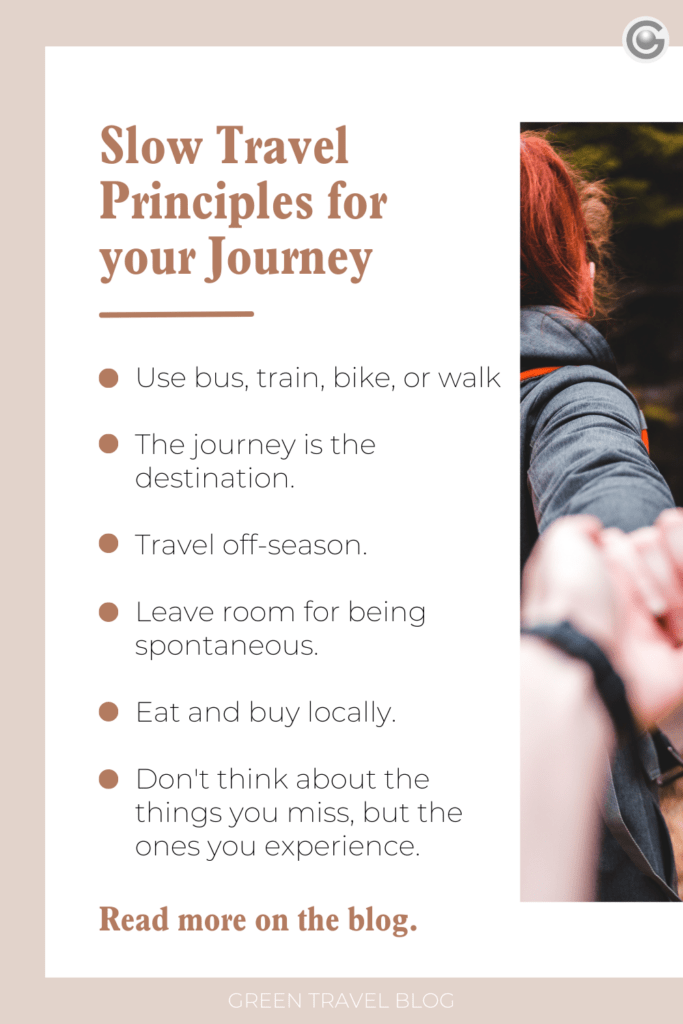
- Harry says 7 days is not really enough time to truly experience some of the bigger countries.
- Benefits of travel: you learn about yourself by putting yourself out of your comfort zone, you learn about your behaviors, increase in optimism with kindness/helpfulness/selflessness experiences, never bored with constant changes
Harry’s Recommendations:
- Which country should everyone visit? North Korea – there’s no other country like it. It’s like being on another planet. You can’t have a mobile phone and you aren’t really connected to the outside world. You are surrounded by propaganda.
- Underappreciated countries that don’t get enough attention: Sweden, Romania, Laos, Tuvalu
- Harry finds food at his local favorites and tries to chat with the locals.
- Canada: spend time off the beaten path – Nova Scotia, New Brunswick
- Argentina – people usually go to Buenos Aires – check out Salta, Cordoba
- For people who have already traveled, there are a lot of opportunities to go further and to see so much more. It’s just a matter of wanting to.

- Many people who have gone to a country a second time enjoy their second trip more. They are able to skip all of the main tourist destinations the second time and explore the country more. You can probably understand more about the place than the first time.
- Disappointments – pre-conceived ideas based on high expectations. Ex: Bhutan – Himalayan paradise. Thought it was too structured and inauthentic the first time around
- When you are a traveler, you’re not just going to a place to take things from the place. You’re going and you’re going to give things to the place. You represent your country and place of origin. You should be giving good energy, positivity, and as much happiness as possible.
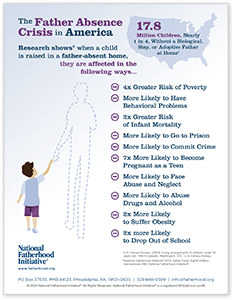
- An estimated 10 million children in the United States see their fathers less than once each month.
- Research tells us what happens to children without father figures in their lives. Poverty rates double, emotional and behavior health issues increase, high school dropout rates increase, and crime and prison rates increase.
- The reasons that don’t get talked about enough are shame, guilt, and embarrassment. These emotions can cause so much harm beyond the absence of a father figure.
- Co-parenting issues, restraining orders, challenges navigating the family court – shame from not being able to see kids, guilt due to absence, embarrassment due to not being able to spend time with kids on a consistent basis
- Through prior relationships, men learn to love and hate. Relationships that emphasize self-love and life-long relationships that emphasize an individual’s ability to mirror new behavior and connection play an integral role in rehabilitation.
- Individual and group therapy can help.

- Think about the people who loved you when you lost your way, who hugged you when you needed it, who assumed best intention, who validated you and embraced you even when you felt undeserving – whoever came to mind, try to be that to someone else.
- The assumption is that dads who aren’t physically present don’t care about their kids. What was found is that the dads who are absent care for their kids more than people think; they just feel as if their kids are better off without them because they can’t do what society says they need to do for them. Men have an emphasis on providing food, shelter, etc. and many men who can’t provide that feel they must be absent.

- Men should define what type of father they want to be and try to do that.
- What works: Tell men they are loved, hug them, call them on birthdays and holidays, make sure they have the verbiage to identify and communicate emotions, make sure they know they aren’t their past mistakes, encourage them to reconnect with kids, etc.
- A lot of dads who have been absent didn’t have a father in their lives. They feel guilt, shame, and embarrassment and feel their kids would be better off without them. Yet, if you ask them to consider “Were you better off without your father?” they don’t feel they were better off.
- Kids want to have time with dads, attention, and want to feel their presence.
I did a legal technology training this week as part of my paralegal certificate program and was amused to learn about digital breadcrumbs – a term I had not heard of!

Breadcrumbs leave a visual trail of which pages a user has visited. Image source ProfileTree.com
“Breadcrumb menus display the current page location and hierarchy in relation to higher-level pages on a site through clickable links in sequence like Home > Shop > Electronics > tvs.”
I wanted to share some things I learned from the book “Excellent Advice for Living: Wisdom I Wish I’d Known Earlier” written by Kevin Kelly. I will post about this book in more depth at a future date, but just wanted to share a handful of lessons this week:

When you keep people waiting, they begin to think of all your flaws.
Nothing elevates a person higher than taking responsibility for their mistakes. If you mess up, fess up. It’s astounding how powerful this ownership is. This has been so true in my experiences!

Every person you meet knows an amazing lot about something you know virtually nothing about. It won’t be obvious, and your job is to discover what it is.
How to apologize: quickly, specifically, and sincerely. Don’t ruin an apology with an excuse.
I look forward to reading, learning, and sharing more with you soon!
 Read Learn Share