
My intention is to post a Thoughtful Thursday column each week and share some of the insights I have learned in the past week. Here are some of the things I’ve learned this week:
- Make movement part of your lifestyle, even on days when you’re busy. Have some type of structure. Make certain things a priority in your day that are non-negotiable and build that structure into your day.
- Ex: my fitness routine in January 2024 for my health:
- Walk every day (one Ifit workout) – mornings when working from home, evenings when in the office.
- 10 minutes abs or glutes each day.
- Lift weights Tuesdays, Thursdays, and Sundays – Tuesdays/Thursdays during part of lunch when working from home
- Ex: my fitness routine in January 2024 for my health:
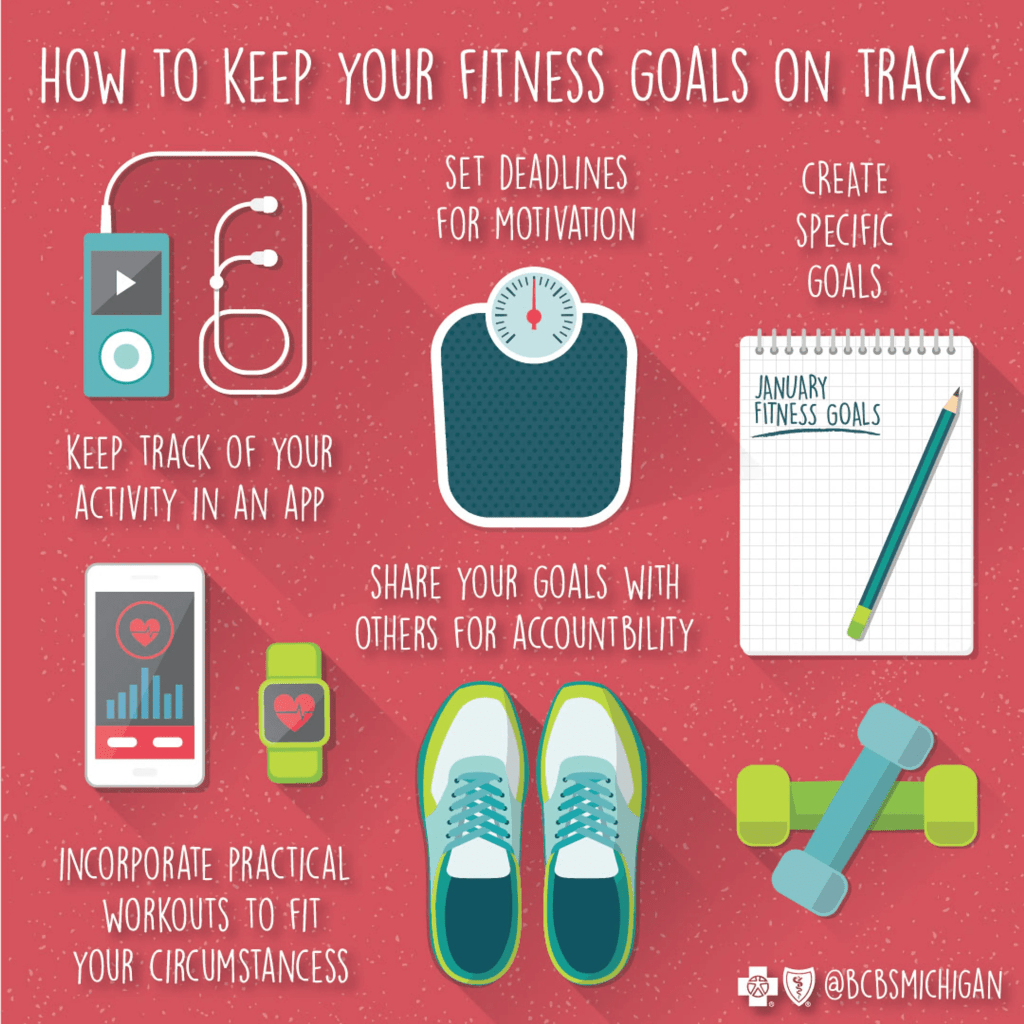
- Nutrition: meal plan and prep. Have designated mealtimes.
- Create structure around a goal. Make parts of your routine goal oriented.
- Use some Juice & Toya workouts from YouTube. They also have challenges on YouTube.
- Your nutrition is far more important than your workouts!!
- Every day is a chance to grow.
These are pieces of advice from the podcaster, Kristy Castillo, not me:
- Track your food for two full weeks, eating exactly what you are eating without making any changes. Then you will know what you need to change.
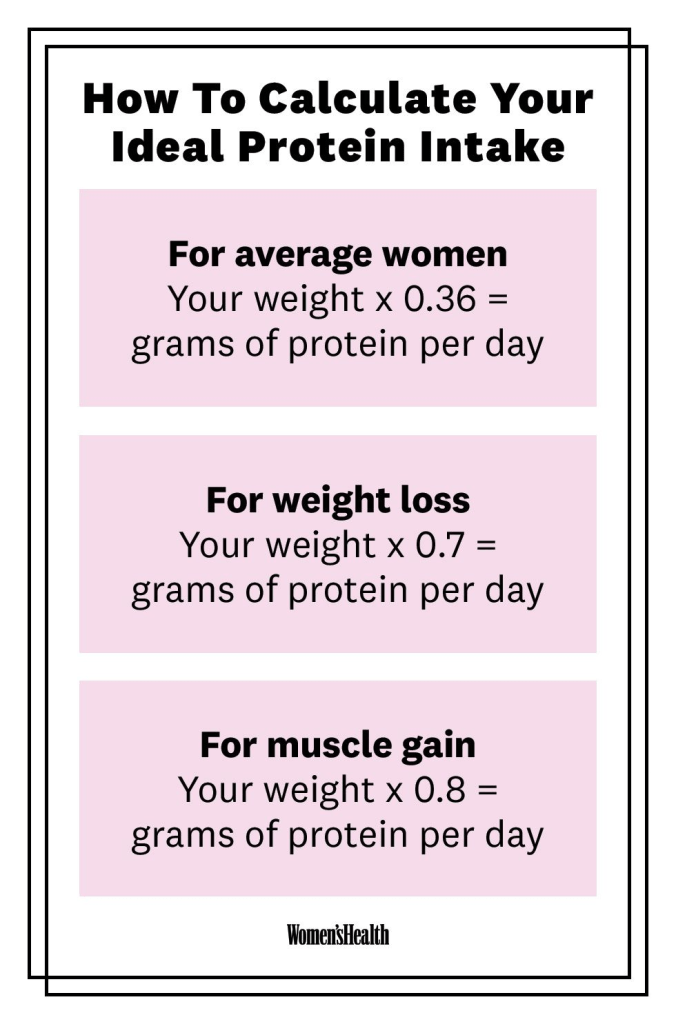
- If your goal is weight loss, put yourself in a deficit of 200 calories. If your goal is body re-composition, stay at your average amount of calories, but increase your protein. 1 gram of protein per pound of your goal body weight – fill out the rest of those calories with fats and carbs
Some sources suggest 1 gram of protein per pound of your goal body weight is too much. Here is a different recommendation:
- Start lifting weights four days a week. Hit 8,000 to 10,000 steps per day.
- Start supplementing with protein shakes, protein bars, collagen, reds, and greens.
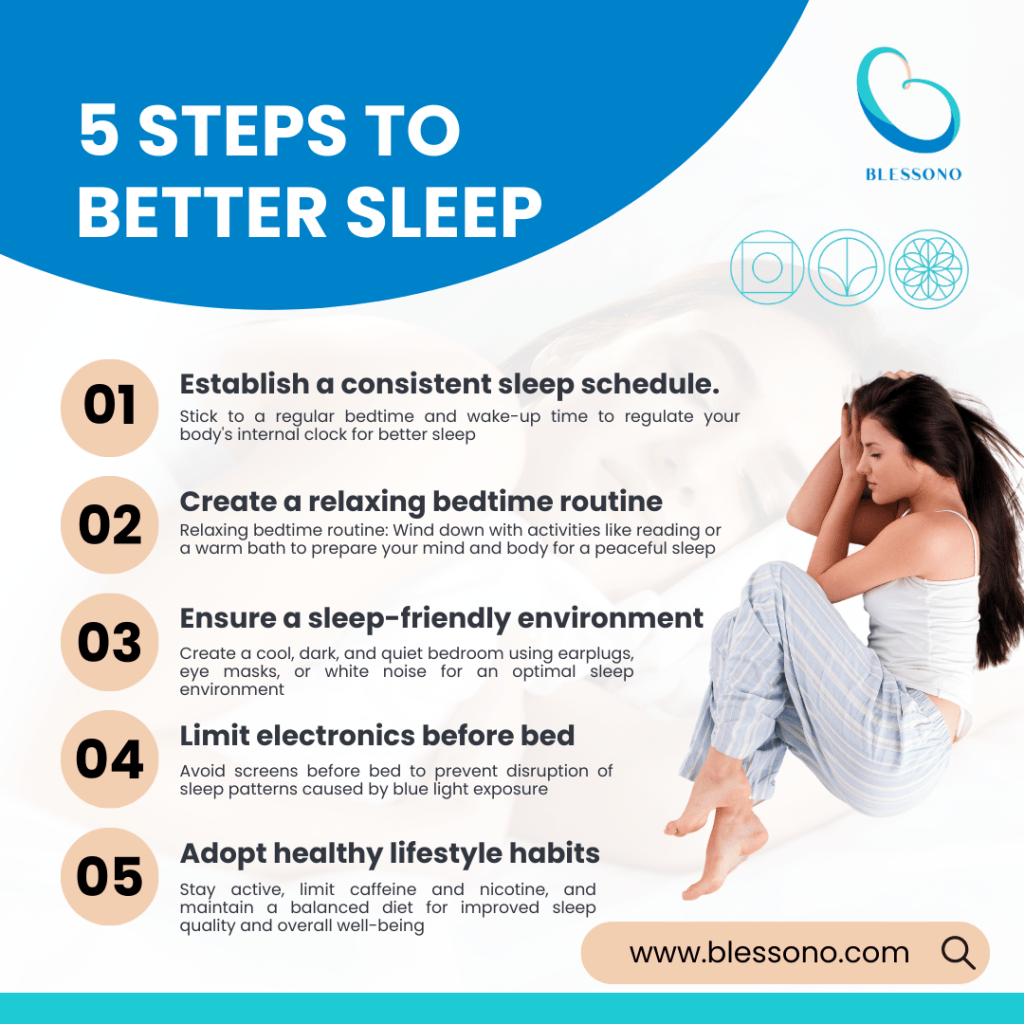
- Get better/more sleep. Establish a wind down routine to get better/more sleep. Manage stress. Start going to therapy.
- Start saying no to anything you don’t have time for. It’s okay to not say yes to everything.
Here are the tips that most resonated with me:
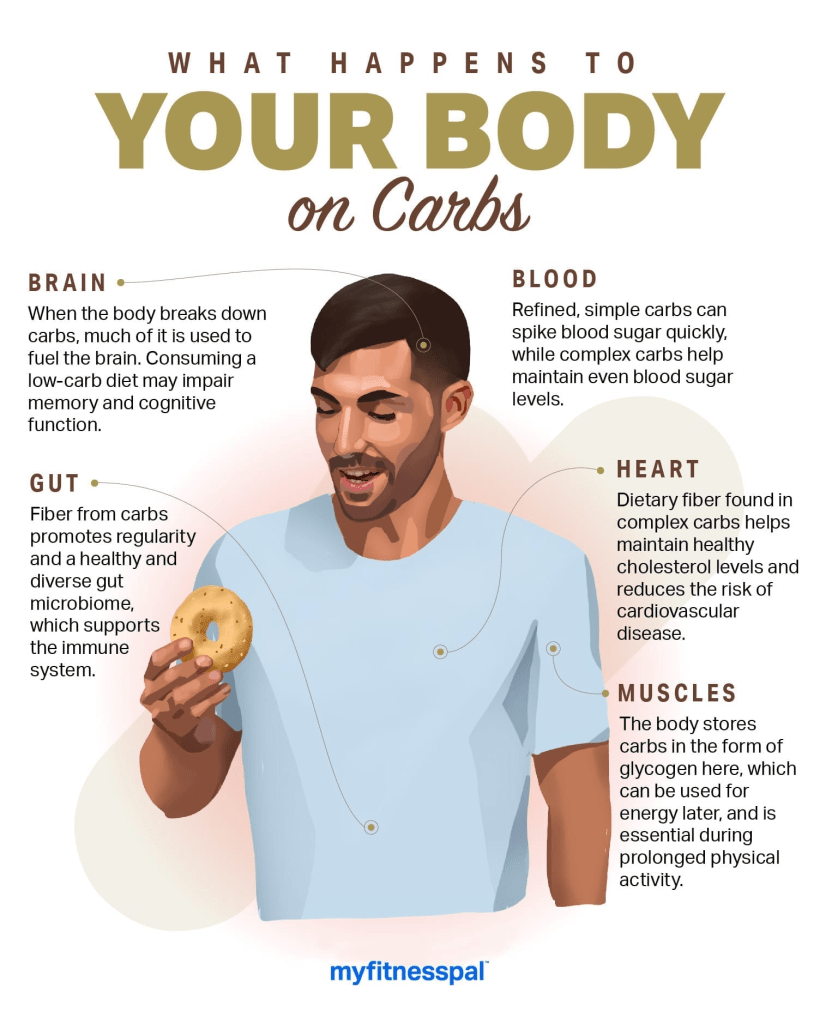
You need carbs. Carbs are energy for your body, and the longer you restrict carbs from your diet, the longer your body will have to use stored body fat to compensate for the lack of carbs. The sooner you start to eat carbs, the sooner your body will feel better and shed body fat.
You need rest. Your muscles only grow when you’re resting.
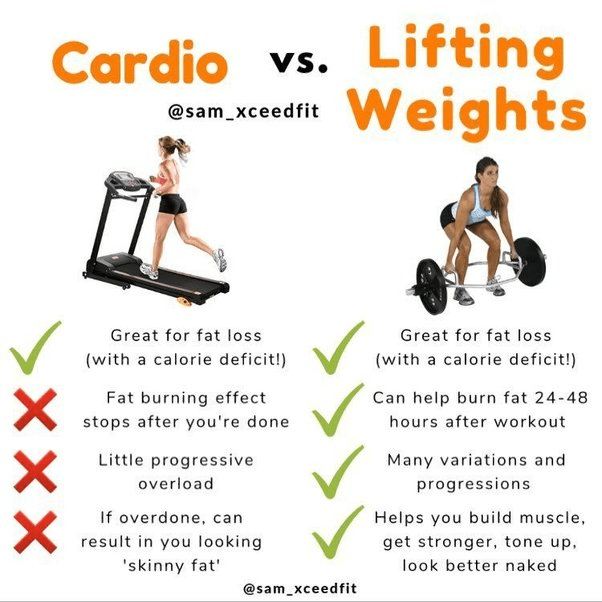
If you don’t have much weight to lose and you want to tone up, you need to stop doing cardio.
I personally still do cardio since I sit all day…
You will need to say no to things that don’t align with you sooner rather than later: people, celebrations, food, parties, etc. The sooner you can figure out that you can say no to anything, the better off you’ll be.
Your fitness journey is a lifestyle. You can start with a 6-week program, but if you’re only starting with a 6-week mindset, you’re going to fail. Your fitness is a part of your life, becomes who you are, and is part of your journey. You have to make fitness a part of your lifestyle.
- The amount of points you will need for a trip can fluctuate. It is important to check in on your points several times each year.
- Delta changed the requirements to earn elite status in future years and put limits on some of the benefits credit card holders can use, such as airport lounge access. Alaska Airlines made changes to its award chart, which determines the number of miles you’ll need to pay for a ticket. The lesson is that you should never have all of your eggs in one basket. Having only one credit card that earns points for one brand really limits your options, as travel loyalty programs change or get devalued often with little or no notice.
- Carrying a co-branded airline or hotel credit card can be really beneficial for certain perks, such as free checked bags or free travel companions. It is recommended to lean more toward flexible rewards credit cards that often earn more rewards on everyday purchases.

- Flexible rewards credit cards often have their own travel points, such as Chase Ultimate Rewards, Citi Thank You points, etc. They can be used to book all kinds of travel, not just a Delta flight or an Alaska flight. Many providers allow you to transfer those points to certain hotel and airline providers.
- There are still good bonus options for new card holders. Welcome bonuses are an important part of the travel credit card strategy for many people.
- If you use Chase Ultimate Rewards at Amazon to check out, they’re worth 0.8 cents each. Those same points can be worth up to 1.5 cents each when you use them to book travel through Chase or even more than 1.5 cents each if you transfer them to travel partners.
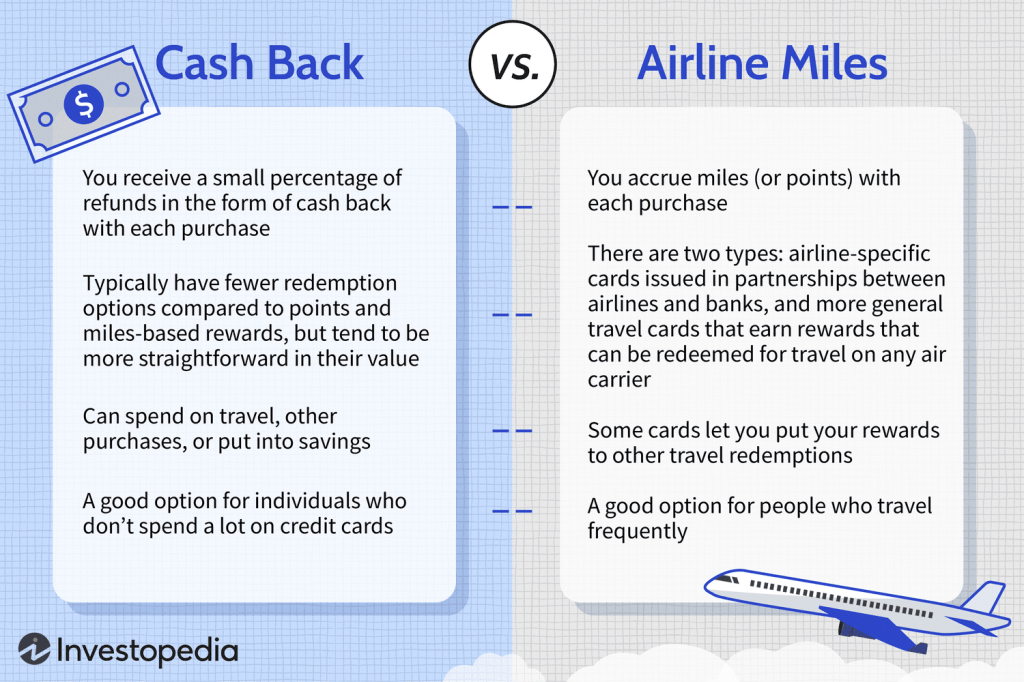
- Recommendation: seek a card where you will earn flexible points. Don’t get scared off by credit card annual fees. The rewards and the perks can far outweigh the fee itself – if you use the perks! Upon annual review, if you don’t use the perks anymore, reconsider having the card.
- Every year, make sure each card you use still makes sense for you in terms of the annual fee (if applicable), and the perks. Don’t just open cards willy nilly without a plan. Keep a spreadsheet of the perks and conditions of each card you have. Make sure you can meet the minimum spending requirements when you do open a new credit card to get the welcome bonus. Have a plan to meet those spending requirements without spending more money than you intend to or would otherwise.
- Some cards have bonus categories. That’s why it is not wise to use a travel card for all purchases. To ramp up your points, have one card for groceries, one for restaurants, etc. if possible – depending on the bonus categories. Different cards are better for different categories.
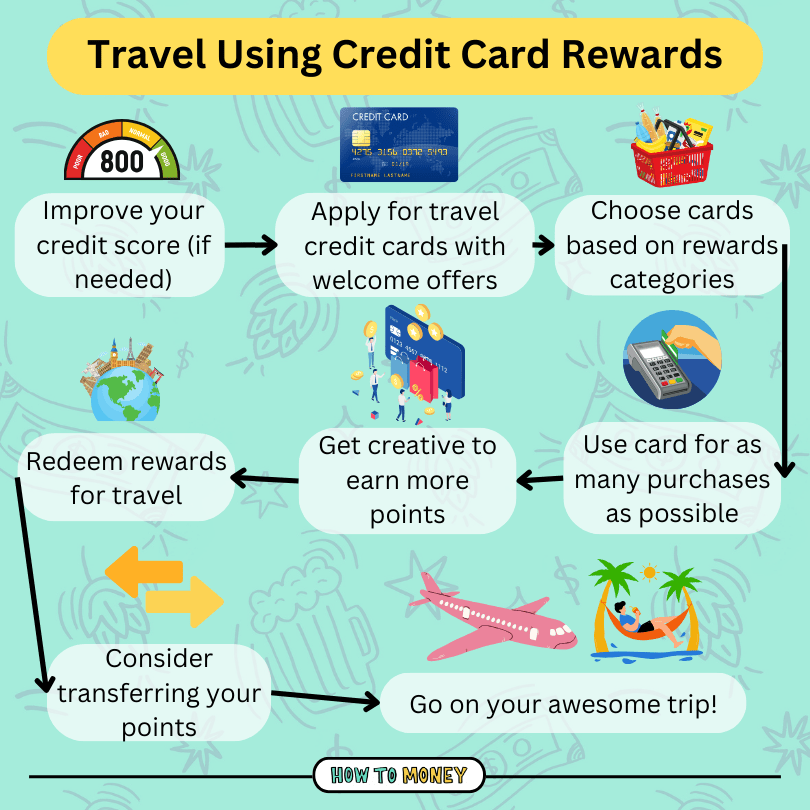
- If the largest part of your spending is at grocery stores, find a credit card that offers the most points at grocery stores and a different card for the rest of your purchases.
- The interest that you’ll pay on balances that aren’t paid in full every month will far outweigh any rewards that you will earn.
- Cash – if you have to pay a surcharge to use a credit card, the surcharge you’ll pay usually outweighs the rewards you will earn.
- Credit Card Competition Act – proposed legislation that can impact the points you earn from using credit cards.
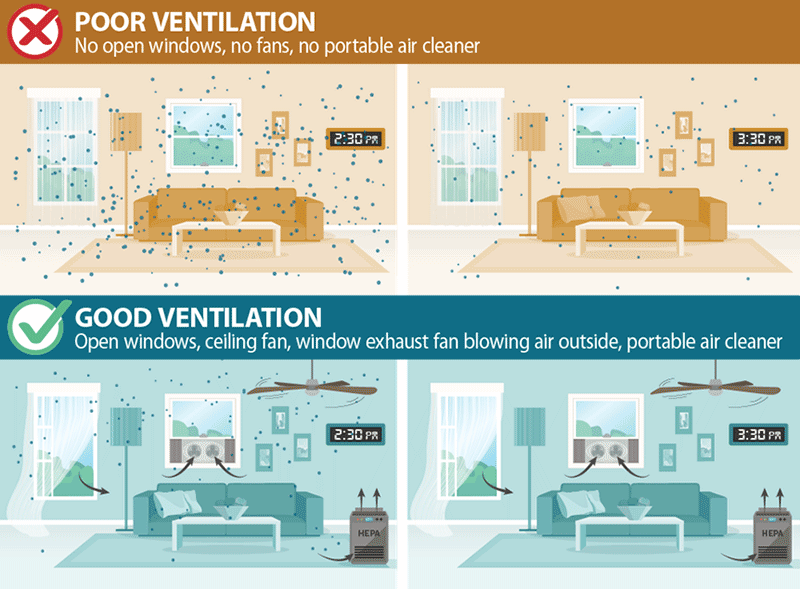
- When thinking about air quality, consider the pollution that is coming from inside your house: cooking, cleaning, home improvement projects, etc. Ventilate! Open the windows and turn on a fan that vents outside.
- Gas stoves burn fossil fuel inside your house. Nitrogen dioxide is present when using a gas stove, which can cause respiratory issues.
- Ventilate when you burn things like incense or when you use cleaners. Check the quality of the air outside as well before ventilating.
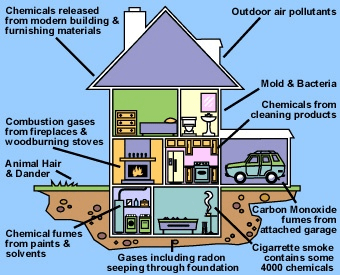
- Keep your house as dust-free as possible. Dust is made up of fibers, hair, dead skin cells, and chemicals. Take off your shoes at the door of your house so that you aren’t bringing chemicals, dirt, and pollutants from outside into your space.
- Dust your home regularly. Avoid dry dusting. Use a damp cloth.
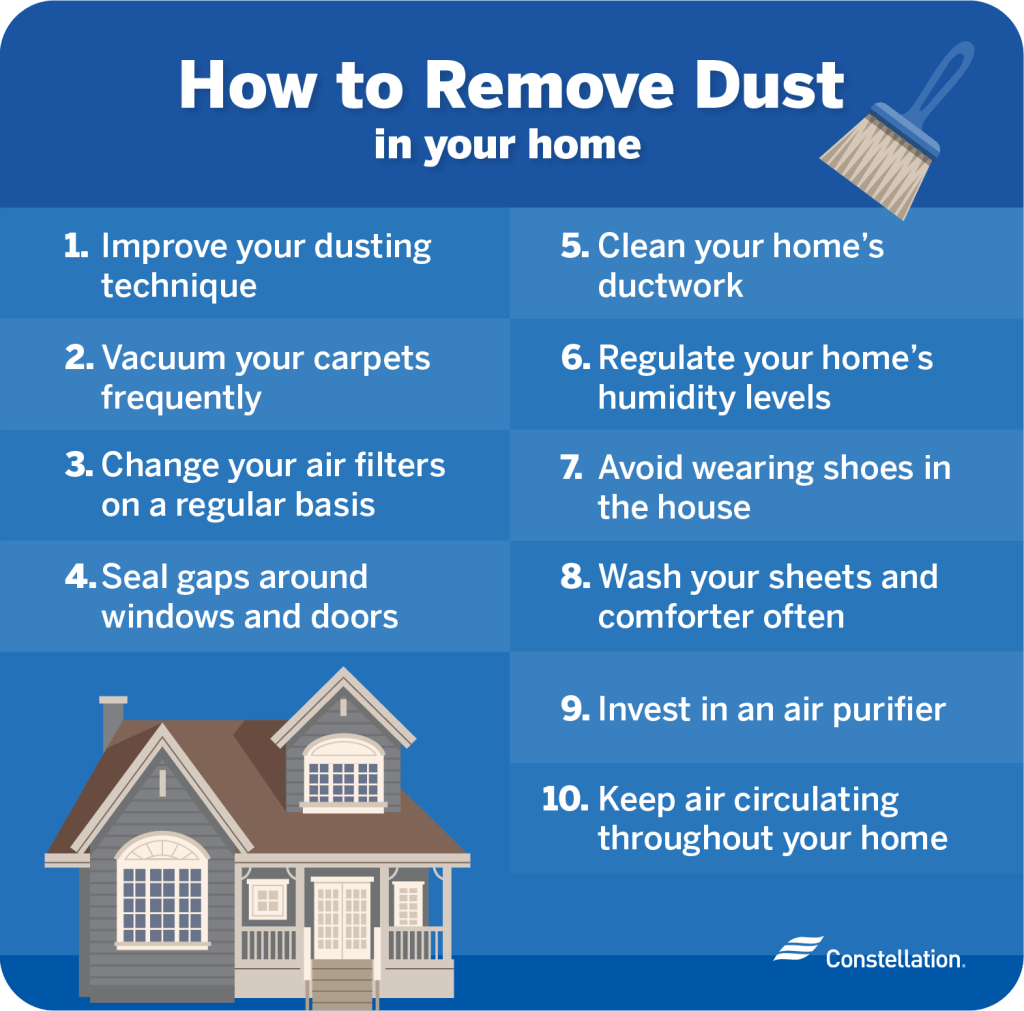
- Get a good vacuum with a HEPA (high efficiency particulate air) filter, which can remove 99.97% of dust, pollen, mold, bacteria, and many other airborne particles.
- When you’re cleaning, open a window. Think about what cleaning materials you are using and any potential health risks associated with them.
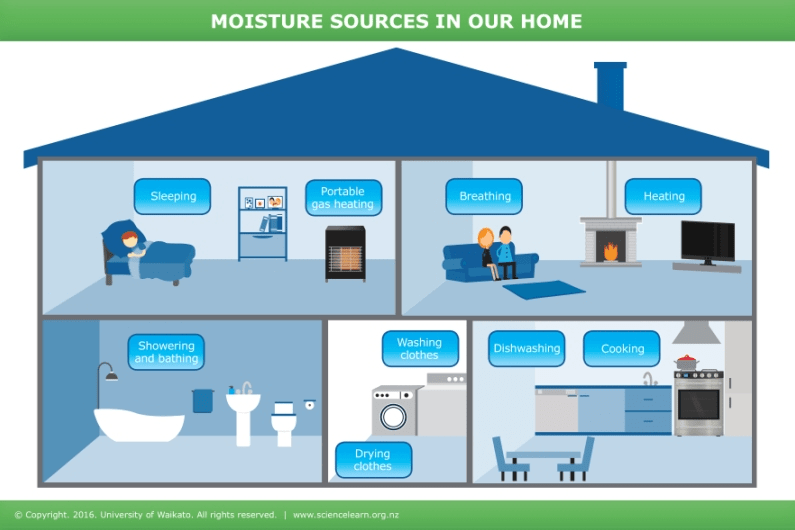
- Look for mold growing in your bathroom and on surfaces like drywall, dust, etc. Mold releases spores into the air that can cause allergic reactions or trigger allergy symptoms. Figure out where the moisture is coming from and where water damage came from before you make repairs. If you do the cleanup yourself, put on some rubber gloves, goggles, and an N95 mask. If the mold is on a hard surface, scrub it down with dish soap and water, not bleach!
- Prevent mold in the future by keeping your house as dry as possible. Think carefully before you get a humidifier. Condensation can start creating mold problems.
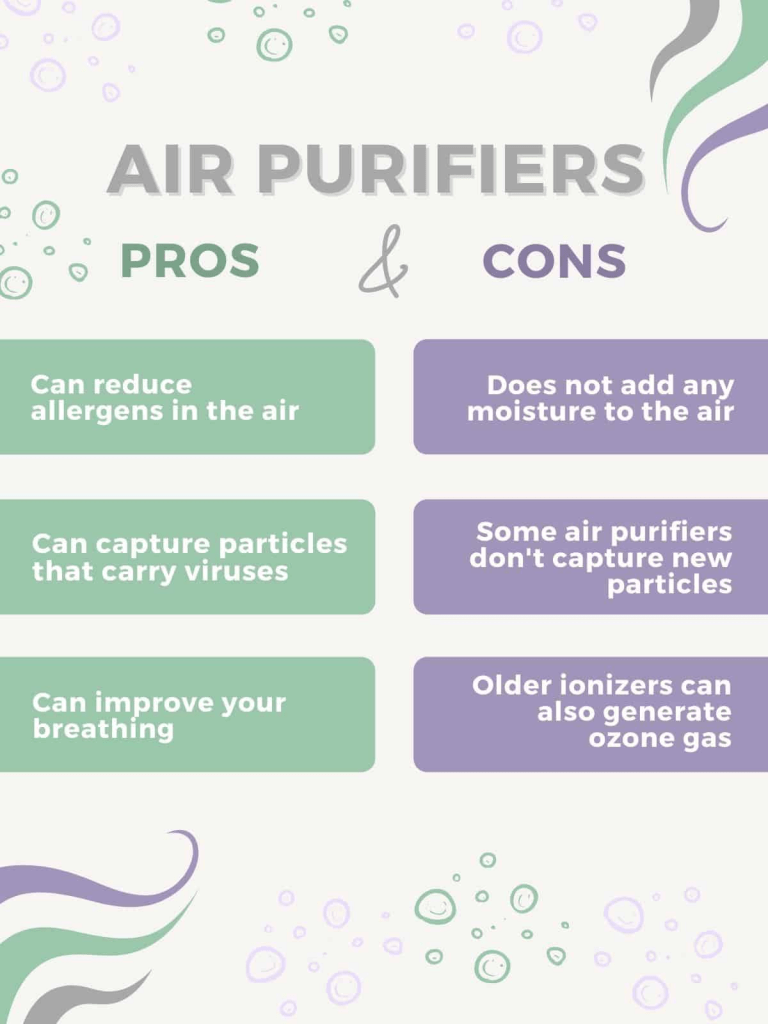
- Get an air cleaner or make one. Air cleaners filter the air in your home using a HEPA filter. Pay attention to the clean air delivery rate.
- Air sensors can measure the levels of pollutants in your home: fine particles, ozone, carbon dioxide, and nitrogen dioxide. If you buy a sensor, use it to get smarter about what you do at home and when you need to ventilate.
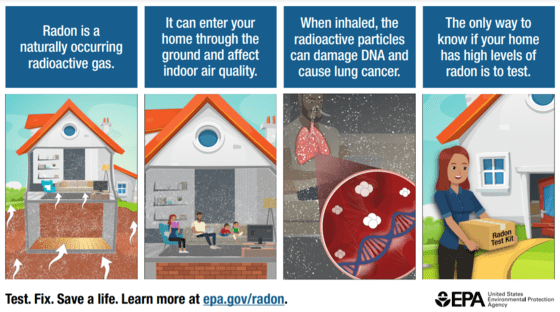
- Consider radon testing. Radon seeps into our homes through cracks in the floor or walls or gaps around pipes. It is the second leading cause of lung cancer in the United States, aside from cigarette smoking. You can get an at-home radon test kit. If your radon levels are higher than recommended, you should hire a contractor to fix your home, as it requires technical knowledge and special skills.
https://www.gabethebassplayer.com/blog/question-of-attention
I really liked this blog post from Gabe the bass player this week:
Question Of Attention
January 31, 2024
We spend a lot of time paying attention. Scrolling, clicking, listening, reading, watching.
So it’s worth asking…what do you want to pay attention to?
Our time, action and attention are too valuable to not consider our answer.
»» Keep in mind…the list of things we care about is very long but the list of things we care FOR is very short.
I look forward to reading, learning, and sharing more with you soon!
 Read Learn Share