I read four books in May 2024. Here is a brief synopsis of the four books I read in May 2024, some of which I will post about in greater detail in the future.
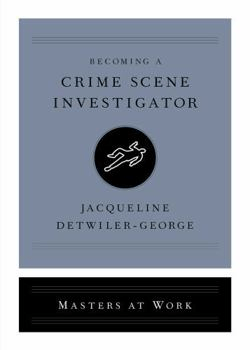
“Becoming A Crime Scene Investigator” by Jacqueline Detwiler-George was an interesting overview of crime scene investigation and forensic science. Here are some of the main points covered in this book:
- This job has many names: crime scene investigator, evidence technician, forensic investigator, crime scene technician, crime scene analyst, and crime scene examiner.
- The science part of crime scene investigation involves knowing how to collect evidence so that it can be analyzed and deployed in court and knowing what to grab at the scene.
- Crime scene investigators do not perform all of the functions they are depicted handling on tv. It is different everywhere. Some police/sheriff’s departments have their own crime labs, while others send all evidence to regional or state labs for processing.
- Crime scene investigators used to be generalists. Now they specialize. Forensic analysts often collect master’s degrees and professional certifications.
- Most standard crimes can be solved with a combination of photography, DNA evidence, serology, fingerprints, ballistics comparison, drug chemistry, and computer forensics.
- Less common: blood spatter analysis, trace evidence analysis, forensic anthropology, and questioned documents
- A background in hard science and forensics can lead a person toward dozens of different exciting careers, such as forensic anthropology, veterinary forensics, mail crime, digital forensics, arson investigation, bomb analysis, medical and mortuary sciences, chemical warfare forensics, etc.
4 out of 5 stars

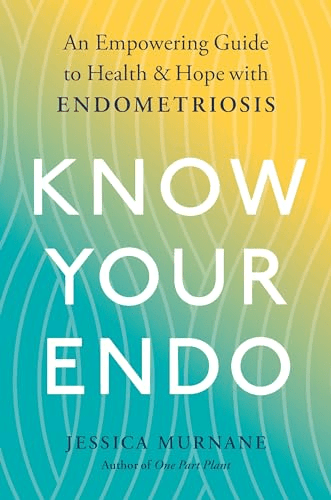
“Know Your Endo” was written by Jessica Murnane and merged the science and research on pain and endometriosis with the real-world experiences of people living with endo. This book also included management practices for endometriosis while also emphasizing that there is no cure. I highly recommend this book to anyone with endometriosis.
Here are some main takeaways:
If you’re a person living with endometriosis, caring for yourself needs to be your number-one priority.
Think about how much your pain and symptoms get in the way of your relationships, your work, and/or giving back to your community. Now think about how much more time you would have to give to them if you felt better.
- Many people with endo can have inflammation of their appendix, colon, or the lining of their stomach that can cause bloat and swelling.
- Endo fatigue is one of the hardest symptoms to manage – an intense, deep, and permeating feeling of exhaustion that can be hard to shake, no matter how hard you try.
- Management practices: self-compassion, meaningful connections, mindfulness, movement, supplements, avoiding inflammatory foods, and prioritizing yourself
Big inflammatories: processed and packaged foods, dairy, red meat, refined sugars and synthetic sweeteners, fried foods, soda, refined carbs, alcohol, and caffeine. **You are the only one who knows how your body feels when you eat certain foods, and it’s your responsibility to listen to it.**
4 out of 5 stars
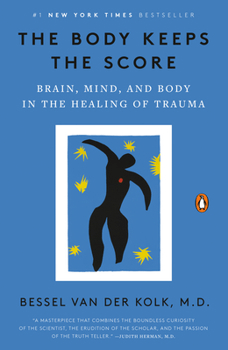
“The Body Keeps the Score” was an intense read about the effects of trauma and pathways to recovery written by Bessel Van Der Kolk, M.D. This book took me a whopping thirteen days to read – mostly because I found it pretty depressing and wasn’t eager to read it each day. I regularly read about traumatic experiences in the course of my work, and adding this book on top of that was sometimes too much. With that said, I learned SO much from this book and will post more about it at another time. I highly recommend this book to anyone who has experienced trauma. Here are some main lessons that stood out to me:
In today’s world, your zip code, even more than your genetic code, determines whether you will lead a safe and healthy life. Income, family structure, housing, employment, and educational opportunities affect risk of developing traumatic stress and access to effective help to address it. Poverty, unemployment, inferior schools, social isolation, widespread availability of guns, and substandard housing are all breeding grounds for trauma. Trauma breeds further trauma. Hurt people hurt other people.”
What has happened cannot be undone. What can be dealt with are the imprints of the trauma on the body, mind, and soul. The challenge of recovery is to reestablish ownership of your body and your mind – finding a way to become calm and focused; learning to maintain that calm in response to images, thoughts, sounds, or physical sensations that remind you of the past; finding a way to be fully alive in the present and engaged with the people around you; and not having to keep secrets from yourself, including secrets about the ways that you have managed to survive.
“The greatest sources of our suffering are the lies we tell ourselves.”
Treatments explored in this book include medications, sensorimotor psychotherapy and somatic experiencing, cognitive behavioral therapy, virtual reality therapy, acupuncture, massage, yoga, EMDR, writing to yourself, neurofeedback training, theater, self-awareness, and having a good support network.
Many psychiatrists today resort to doling out pills to relieve pain, anxiety, or depression, which doesn’t address the real issues: What are these patients trying to cope with? What are their internal or external resources? Do they have caring relationships with their bodies? Do they have dynamic interactions with other people? Whom can they count on? Are they members of a community? Do they have a sense of purpose? How can we help them feel in charge of their lives?
4 out of 5 stars

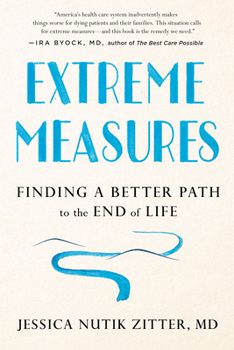
“Extreme Measures: Finding A Better Path to the End of Life” was written by Jessica Nutik Zitter, MD, an expert on the medical experience of death and dying who is double-boarded in the two specialties of pulmonary/critical care medicine and palliative care medicine – a rare combination. This book was fascinating, educational, emotional, and empowering. So many points and stories in this book will stick with me and I highly recommend this book to everyone. Here are some main points:
- Often people die in the ICU on the end-of-life conveyer belt, where issues are treated until the patient dies. People who request treatment rarely understand the realities involved in “doing everything.” In the ICU, very few people have the opportunity to live life all the way through to the end. Too often the tools take life away from the dying.
- There are certain treatments that Americans have come to see as their rights, whether or not the physician deems them to be beneficial in a particular case: breathing machines, feeding tubes, cardiac resuscitation with electric shocks and chest compressions, and dialysis. Most physicians feel they are powerless to withhold these treatments if the patient/family insists on their use.
- Ask about the benefits and burdens of treatments, alternatives, and your or your family member’s prognosis.
- Don’t expect your family to know your wishes or to make difficult decisions in the ICU. Identify what matters to you. What is your conception of a life worth living? Being free of pain? Engaging in relationships? Autonomy? Engaging in work and meaningful tasks? Living in your own home? Not being a physical/emotional/financial burden on your family? The best-laid paths to the end of life have been paved with ongoing reflection and communication. As people approach death, their priorities shift. Tools to convey your wishes include the Advance Directive, DNR order (good only for a particular admission at a particular time), and the POLST (follows you everywhere).
5 out of 5 stars

I look forward to reading, learning, and sharing more with you soon!
 Read Learn Share