Book review posts, Uncategorized

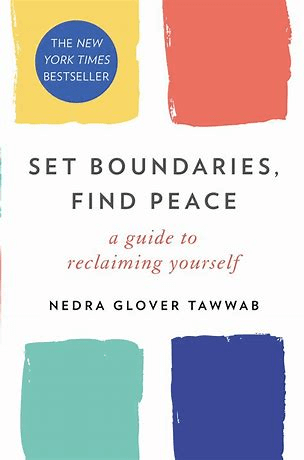
Set Boundaries, Find Peace

“Set Boundaries, Find Peace” was written by Nedra Glover Tawwab, a licensed therapist and sought-after relationship expert and owner of Kaleidoscope Counseling. Her philosophy is that a lack of boundaries and assertiveness underlies most relationship issues, and her gift is helping people create healthy relationships with themselves and others. This book was filled with insights about boundaries and actual examples of statements and boundaries that you can use. I believe everyone will get something out of this book!
You can follow her on Instagram at nedratawwab. She posts very helpful insights about boundaries and example statements of boundaries.

What are boundaries?

  • Boundaries are expectations and needs that help you feel safe and comfortable in your relationships. Put on your oxygen mask first before helping others.
  • Boundaries are a safeguard in overextending yourself, a self-care practice, a way to create healthy relationships, and a way to communicate your needs to others.
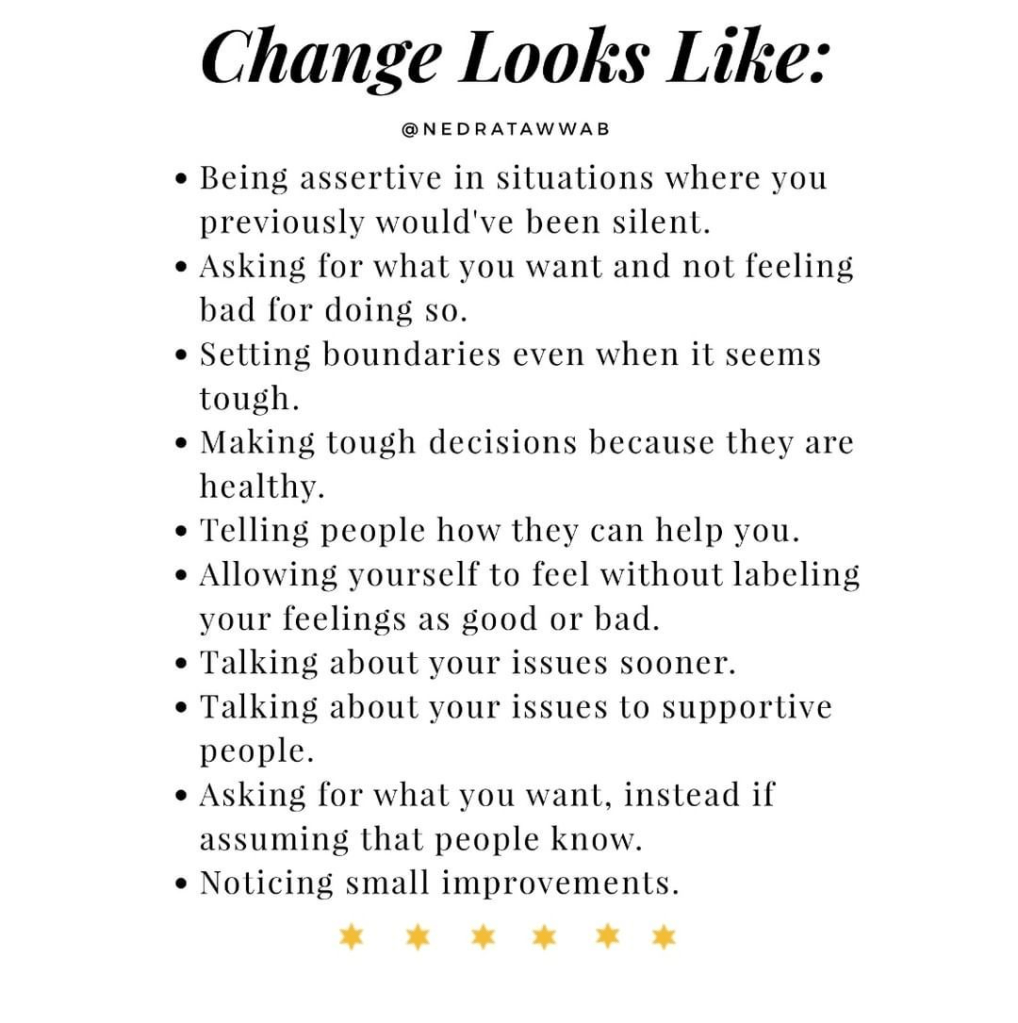
  • Boundaries are not unspoken rules. Unspoken boundaries are invisible. Avoid thinking “they should’ve known better” or “common sense would say…” Common sense is based on our own life experiences and isn’t the same for everyone. It is essential to communicate and not assume that people are aware of our expectations in relationships.

Don’t betray yourself to please others.

Nedra Tawwab
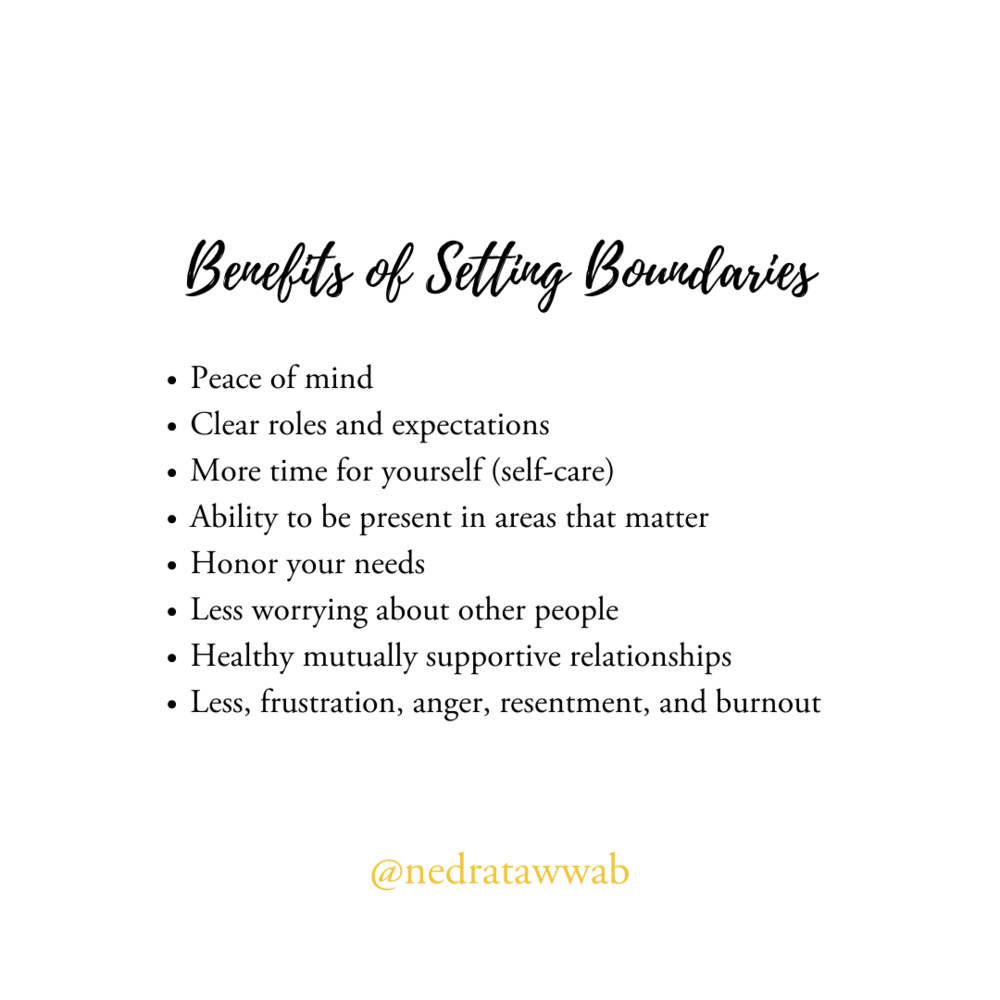
The healthiest way to communicate boundaries is to be assertive. Communicate your feelings openly and without attacking others.

The best boundaries are easy to understand: “I want…I need…I expect…” Examples: “I want you to stop asking me when I’m going to have kids.” “I need you to call me before you stop by.” “I expect you to return my ___ in good condition.”
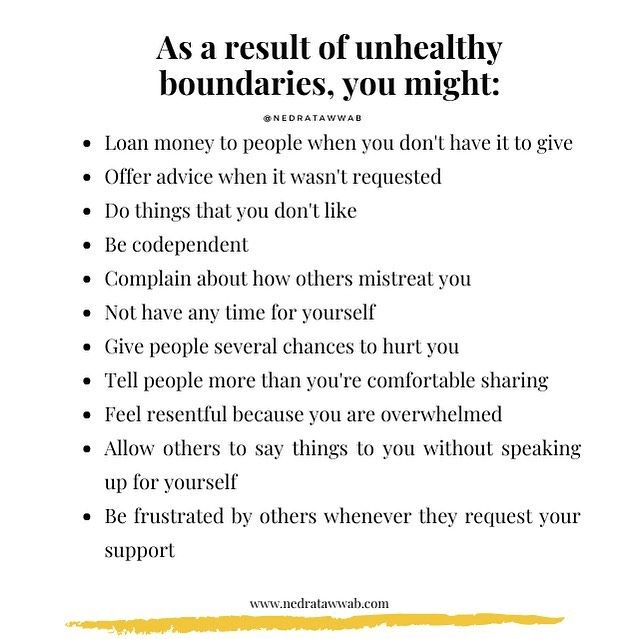
There are two steps to boundaries: communication and action. You must uphold what you communicate through your behavior. If you don’t uphold your boundaries, others won’t either!

Common responses to boundaries: pushback, limit testing, ignoring, rationalizing and questioning, defensiveness, ghosting, silent treatment, and acceptance

  • Burnout is caused by not knowing when to say no, not knowing how to say no, prioritizing others over yourself, people-pleasing, and unrealistic expectations.
  • To avoid burnout, start asking yourself “Why is this important to me?” and only doing what is most important.

Ask yourself:

  1. Whose standard am I trying to meet?
  2. Do I have the time to commit to this?
  3. What’s the worst thing that could happen if I don’t do this?
  4. How can I honor my boundaries in this situation?

We learned about boundaries from family. We cried, fussed, and acted out when we wanted something, and we learned whether we could get our needs met based on how our parents or caretakers responded.

For kids, food preference is an attempt at setting limits. Do you:

  • (1) offer other options
  • (2) insist the child eats what they said they didn’t like
  • (3) punish the child by not allowing them to eat anything?
  • The results of option 1: Your child feels heard and respected.
  • The results of option 2: Your child recognizes their boundaries are not important to you and that you think you know what is best for them.
  • The results of option 3: Your child feels punished for having preferences.

Same goes with hugging someone. When a child sets a boundary by not wanting to hug someone, do you:

  • (1) allow the child to be self-selective about whom they feel comfortable showing affection to
  • (2) push the child to hug the person
  • (3) shame or threaten the child by saying that it’s not nice to tell people no or tell them you will punish them if they don’t comply
  • The results of option 1: Your child feels heard and respected.
  • The results of option 2: Your child recognizes their boundaries are not important to you and that you think you know what is best for them.
  • The results of option 3: Your child feels punished for having preferences.

Types of boundaries you can set:

Physical boundaries: verbalize your need for physical distance to others. Be clear with others about your discomfort with certain types of physical touch, such as hugging. Examples: “I’m not comfortable with public displays of affection. I’d prefer if we saved this until we got home.” “Please move back a little.”

Sexual boundaries: don’t make excuses for poor conduct. Report sexual misconduct that you experience or witness. Examples: “Your comments about my appearance make me feel uncomfortable.” “Your comment isn’t funny; it’s sexually inappropriate.”

Intellectual boundaries: Be respectful of people who are different than you. If you’re a parent, refrain from discussing adult matters with your kids. Examples: “You can disagree without being mean or rude.” “I won’t talk to you if you keep raising your voice.”

Emotional boundaries: Share only with people you trust who can hold space for your emotions. Ask people if they want you to just listen OR if they’re looking for feedback. Examples: “I hear that you have a lot of things going on and I don’t feel equipped to help you. Have you considered talking to a therapist?” “I don’t feel comfortable talking about that topic.”

Material boundaries: Do not loan things to people who’ve demonstrated that they will not respect your possessions. Share your expectations for your possessions up front. Examples: “I can’t loan you any money.” “I will not let anyone borrow or drive my car.”

Time boundaries: Before you say yes to a request, make sure you want to do it and aren’t overcommitting. When you’re busy, ignore calls/texts/ e-mails until it’s convenient to respond. Examples: “I’m unable to work late today.” “I can’t help you this weekend.”

Self-boundaries: your finances, your time management, your self-care, the treatment you allow from others, your unkind thoughts of yourself, your reactions, and the people you allow in your life. Examples: “I will save ___% before buying something new.” “I plan my day and delegate what I can.” “I say no to things that I don’t like/things that rob me of valuable time.” “I address issues with others when they arise.” “I allow myself to make mistakes without judging myself harshly.” “I allow myself to cry.” “I did my best.”

When you engage in activities that you don’t enjoy or get distracted with other people’s stuff, you take time away from yourself.
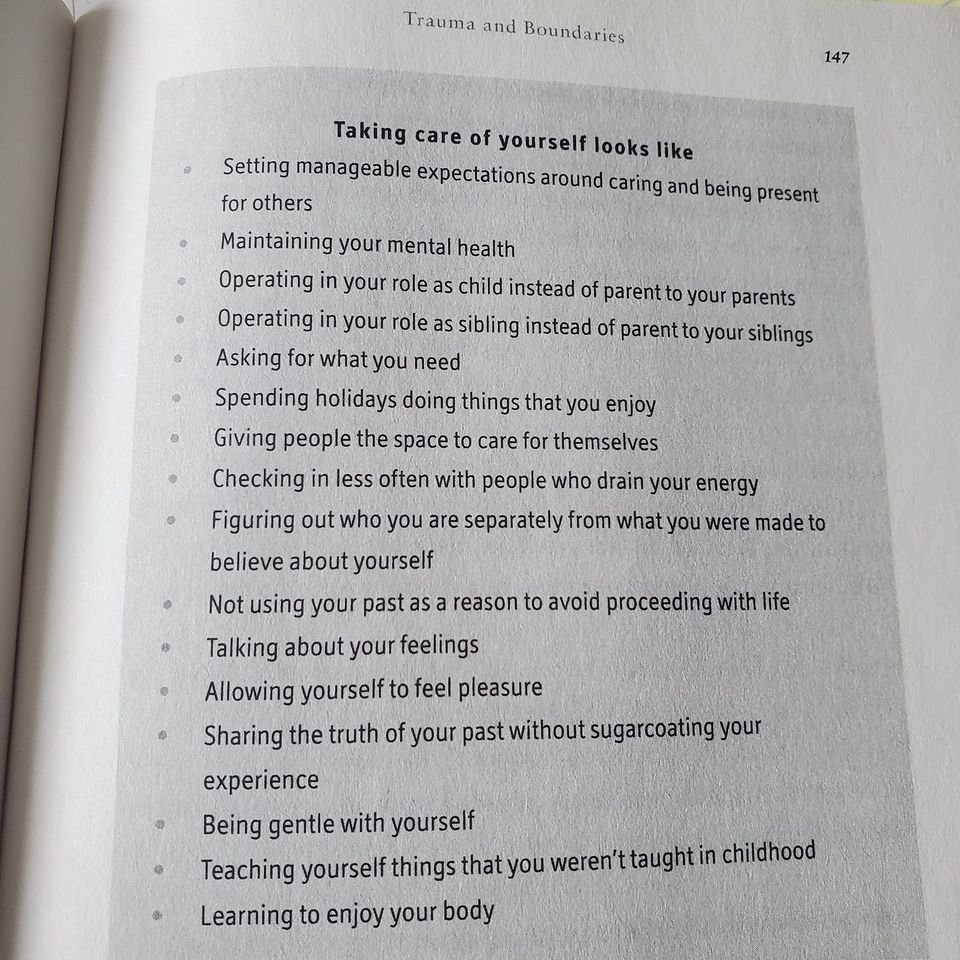
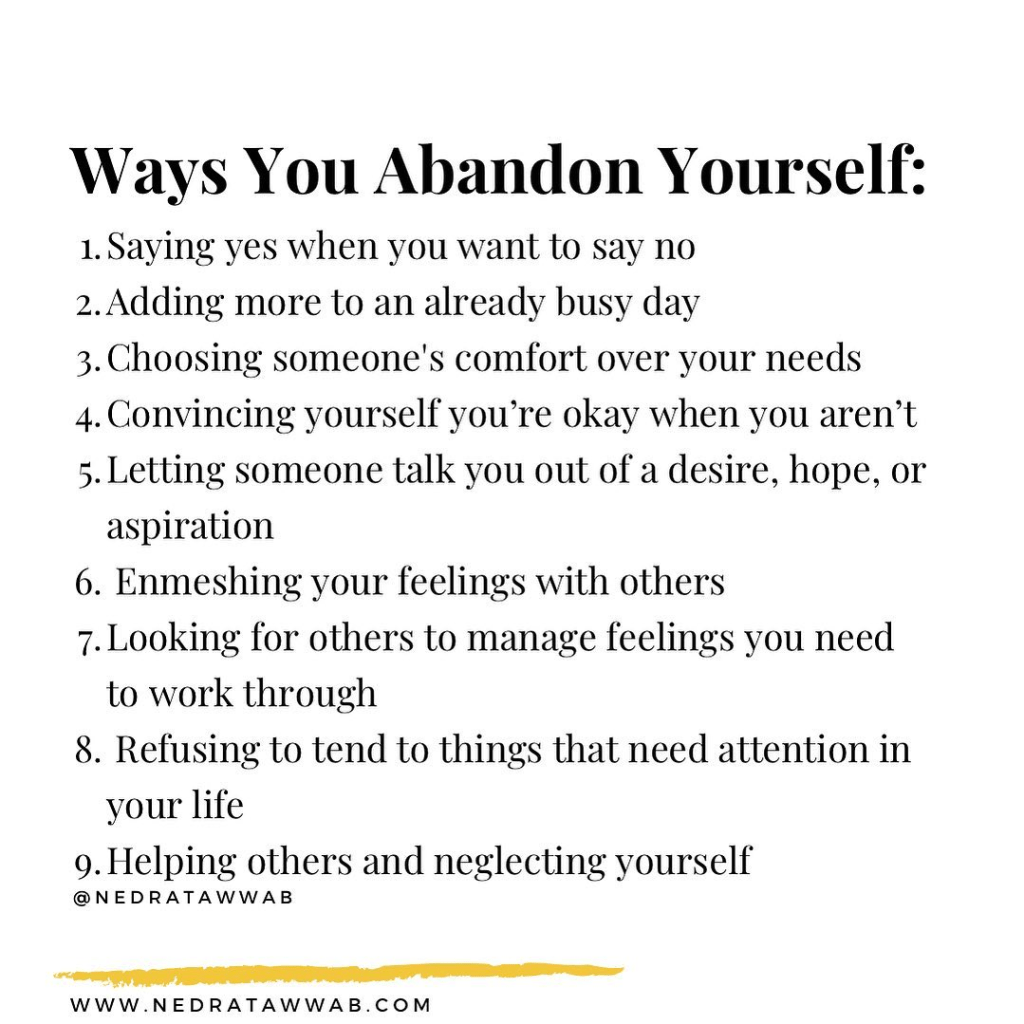
**This book also covered boundaries specific to in-laws, holidays, friendships, relationships, social media, and work.

You can’t change people, but you can change:

  • how you deal with them
  • what you accept
  • how you react to them
  • how often you interact with them
  • how much space you allow them to take up
  • what you participate in
  • what role they play in your life
  • what people you have contact with
  • who you allow in your life
  • your perspective

It’s healthy for you to have boundaries. Other people have boundaries that you respect. Setting boundaries is a sign of a healthy relationship. If boundaries ruin a relationship, your relationship was on the cusp of ending anyway.

What to avoid when setting boundaries:

  • Never apologize. It gives the impression that your expectations are negotiable or that you don’t believe you’re allowed to ask for what you want.
  • Don’t waver. Don’t allow people to get away with violating your boundary.

I highly recommend this book! ⭐⭐⭐⭐⭐

I look forward to reading, learning, and sharing more with you soon!
Book review posts, Uncategorized

Tips For When Your Love Drives You Crazy

“Keep Showing Up: How to Stay Crazy in Love When Your Love Drives You Crazy” was a very insightful Christian book written by Karen Ehman. So many thoughts resonated with me.

Your marriage is a message, and people are watching you preach.

Your husband is your husband; he is not your God. Only God can meet our needs, has endless patience, all the answers, and an unconditional love for us. Pick love when you’d rather pick a fight. Keep looking for the magic in the midst of the mundane. Every marriage is a unique blend of awesome and awful.

Love is patient. It is not easily angered. It keeps no record of wrongs.

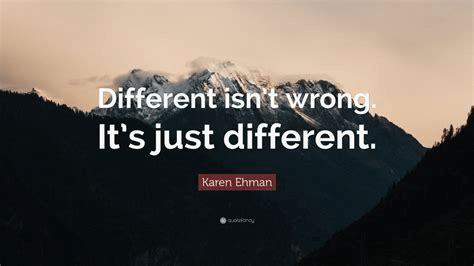
Different DOES NOT equal wrong… around the house, when dealing with in-laws, in parenting, in areas of romance and intimacy, in how you spend money, etc.

“Aren’t you so thankful that God doesn’t treat us this way – getting so angry and losing patience with us, or dredging up our past sins and offenses?” God’s word can help us give the benefit of the doubt, listen before lashing out, understand that different is not wrong, and ultimately act in love.

Baggage, expectations, and perceptions lead to most arguments, especially expectations based on past family experiences and comparisons from social media.

Think of your marriage as a fragile teacup. Learn to ask “Do you have any chips?” and “What do you need from me this week?”

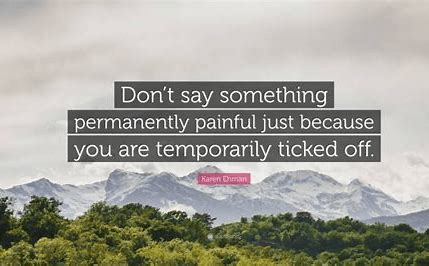
When something bothers you, bring it up before it has had time to fester and grow. Don’t discuss issues when heading out the door or when one is tired and needs to go to bed. Refrain from using superlatives, bringing up history, and assigning a motive.

Strive for love, joy, peace, patience, kindness, goodness, faithfulness, gentleness, and self-control.

This was a great Christian book!

I look forward to reading, learning, and sharing more with you soon!

Book review posts, Uncategorized

Investing Basics- “Broke Millennial Takes on Investing”

“Broke Millennial Takes on Investing” written by Erin Lowry was among my top 20 favorite books I read in 2022. It was an informative book packed with helpful information about investing basics and options available. *Disclosure: I am not a financial planner.

Where can I invest my $?

Full-service brokerages (cost more $): Morgan Stanley, Edward Jones, and Merrill Lynch

Discount brokerages (DIY approach, saving you more $ in fees): Vanguard, Fidelity, Charles Schwab, and TD Ameritrade

Online advisors: Betterment, Swell, Personal Capital, Wealthfront, Wealthsimple, and Ellevest

Apps: Acorns, Stash, and Robinhood

Fee models: assets under management, commission, trading or transaction fees, and account service fees

**Are you getting value for the cost of the expense ratio and any other fees you’re paying?

Many finance experts warn that paying an assets under management fee can be costly; as your investments increase, your costs increase, and that may not be worth paying if you are a hands-on investor.

What you need to know about an advisor:

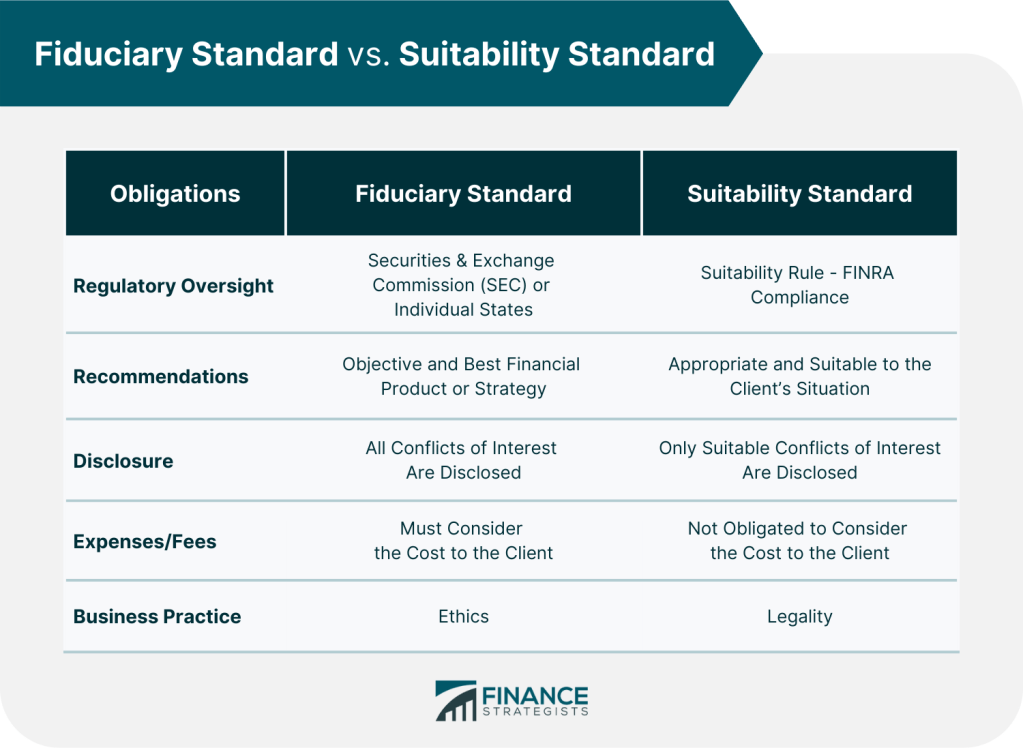
  • 1. Does he or she uphold the fiduciary or suitability standards?
  • 2. How does your advisor get paid?
  • 3. What are your advisor’s credentials? CFP?

Other things to consider:

  • Rebalance annually to ensure that your overall asset allocation continues to be aligned with your goals, time horizon, tax strategy, and risk tolerance.
  • You don’t make or lose $ until you sell! Remember your time horizon. Fluctuations are to be expected.
  • When deciding whether to invest in stocks, research the company and determine: Is it profitable? Is it reputable? What’s the history of returns?
  • Some brokers offer a stop-loss order option in which you can have your broker sell your shares when a stock falls more than a percentage you set. Not everyone offers this, so if this is important to you, make sure you read all of the terms before selecting a broker.
  • Capital gains tax- long-term= 15-20%. Short-term= same as ordinary income (10-37%).

Further resources provided in this book:

  • BrokerCheck- vet a potential broker/investment advisor
  • CFP.net to find a certified financial planner
  • Websites: Investopedia.com, MorningStar, Fidelity.com, Stock Series blog, Teal Holcomb
  • Podcasts: Afford Anything, Better Off, Investors Podcast, Planet Money, and Marketplace Morning Report

I look forward to reading, learning, and sharing more with you soon!
Book review posts, Uncategorized

How to Win Friends and Influence People

“How to Win Friends and Influence People” was written by Dale Carnegie, originally published in 1936 and most recently revised and republished in 2022, has sold more than 15 million copies, and resulted in the Dale Carnegie Foundation of global training courses. This was among my top 20 favorite books I read in 2022.

I first want to point out that the techniques likely work with some people, particularly in the corporate world, but genuine true friendships don’t require techniques or “winning.” With that said, many of these techniques are useful.

I consider my ability to arouse enthusiasm among my people the greatest asset I possess, and the way to develop the best that is in a person is by appreciation and encouragement.

Charles Schwab

Fundamental Techniques in Handling People:

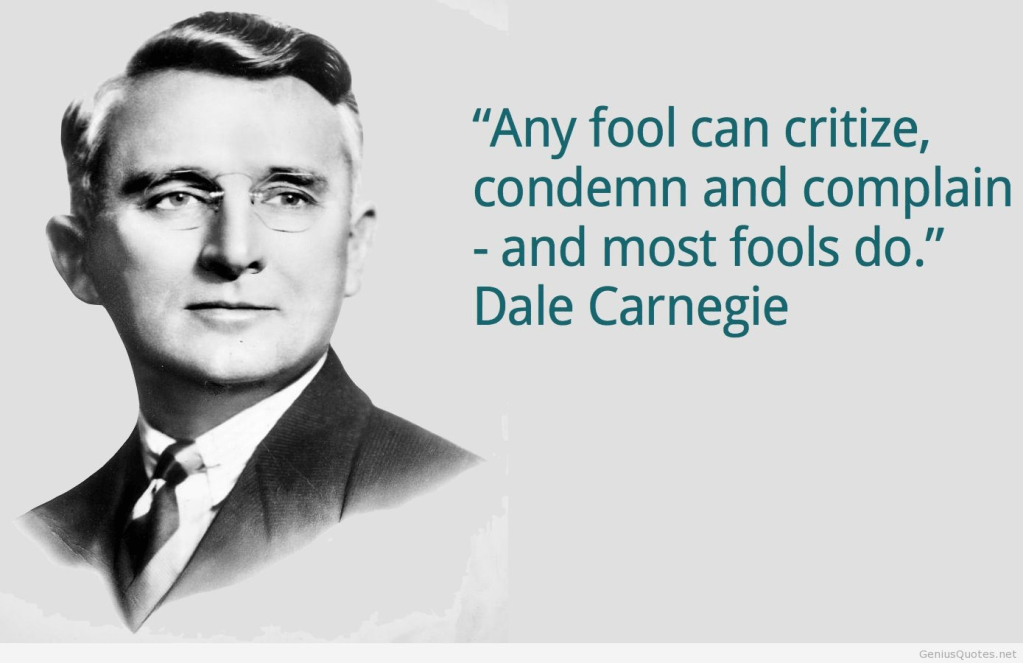
  1. Don’t criticize, condemn, or complain.
  2. Give honest and sincere appreciation.
  3. Arouse in the other person an eager want.

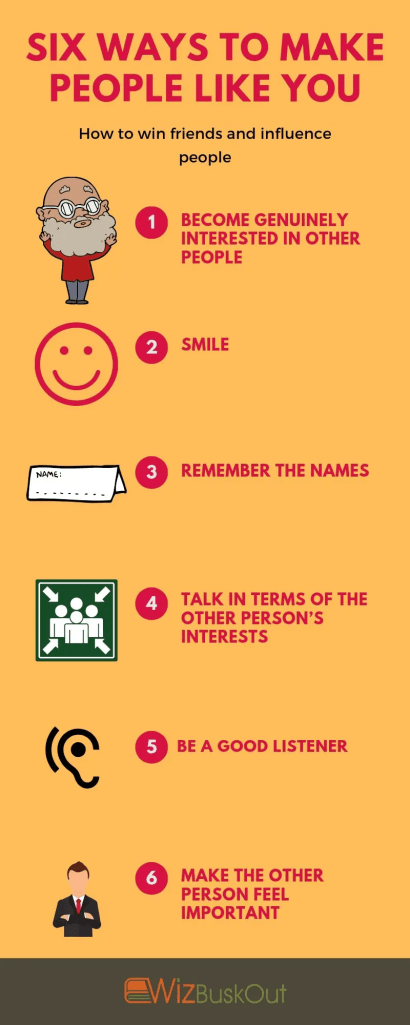
6 ways to make people like you:

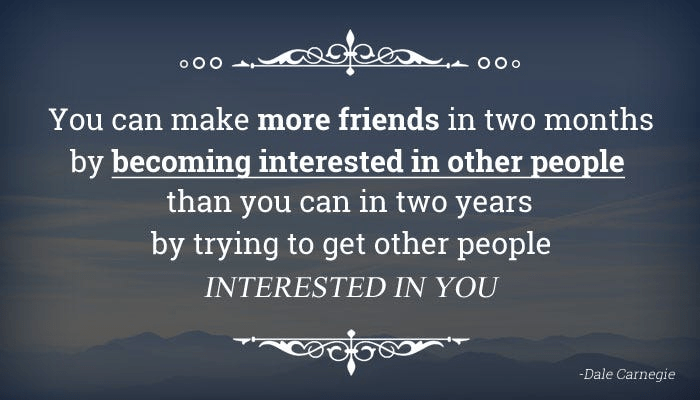
  1. Become generally interested in other people.
  2. Smile!
  3. Remember that a person’s name is to that person the sweetest and most important sound in any language.
  4. Be a good listener. Encourage others to talk about themselves.
  5. Talk in terms of the other person’s interests.
  6. Make the other person feel important – and do it sincerely.

12 ways to win people to your way of thinking:

  1. The only way to get the best of an argument is to avoid it.
  2. Show response for the other person’s opinions. Never say “you’re wrong.”
  3. If you are wrong, admit it quickly and emphatically.
  4. Begin in a friendly way.
  5. Get the other person saying “yes, yes” immediately.
  6. Let the other person do a great deal of the talking.
  7. Let the other person feel that the idea is his or hers.
  8. Try honestly to see things from the other person’s point of view.
  9. Be sympathetic with the other person’s ideas and desires.
  10. Appeal to the nobler motives.
  11. Dramatize your ideas.
  12. Throw down a challenge.

9 ways to change people without giving offense or arousing resentment:

  1. Begin with praise and honest appreciation.
  2. Call attention to people’s mistakes indirectly.
  3. Talk about your own mistakes before criticizing the other person.
  4. Ask questions instead of giving direct orders.
  5. Let the other person save face.
  6. Praise the slightest improvement and every improvement.
  7. Give the other person a fine reputation to live up to.
  8. Give encouragement. Make the fault easy to correct.
  9. Make the other person happy about doing the thing you suggest.

If there is any one secret of success, it lies in the ability to get the other person’s point of view and see things from that person’s angle as well as from your own.

Dale Carnegie

Among my favorite takeaways: Give honest and sincere appreciation, be a good listener and encourage others to talk about themselves, show respect for the other person’s opinions, and call attention to people’s mistakes indirectly.

This book was filled with information and useful stories of examples and I highly recommend it!

I look forward to reading, learning, and sharing more with you soon!
Book review posts, Uncategorized

The Power of Habit

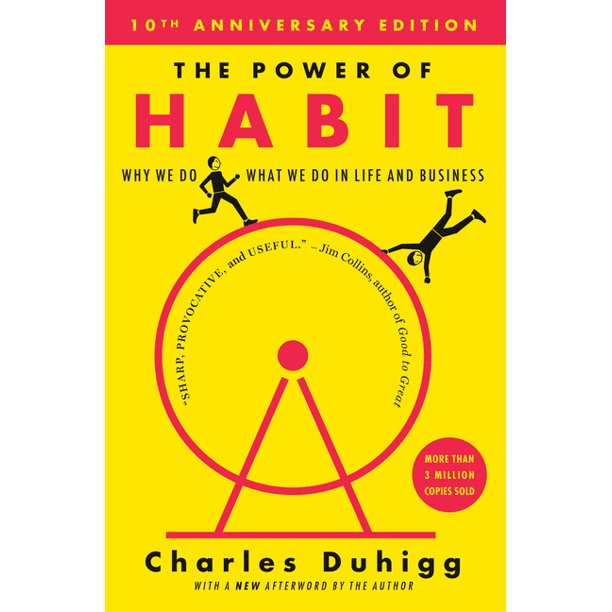
“The Power of Habit” written by Charles Duhigg is among my favorite books I’ve read this year and among the most helpful books I have ever read. This book focused on the process of creating and modifying habits, habitual cues and rewards, and contained many interesting marketing examples shaped by habits: Pepsodent, Febreze, Target, foaming shampoo/toothpaste/laundry detergent, the response to Rosa Parks, AA, etc.

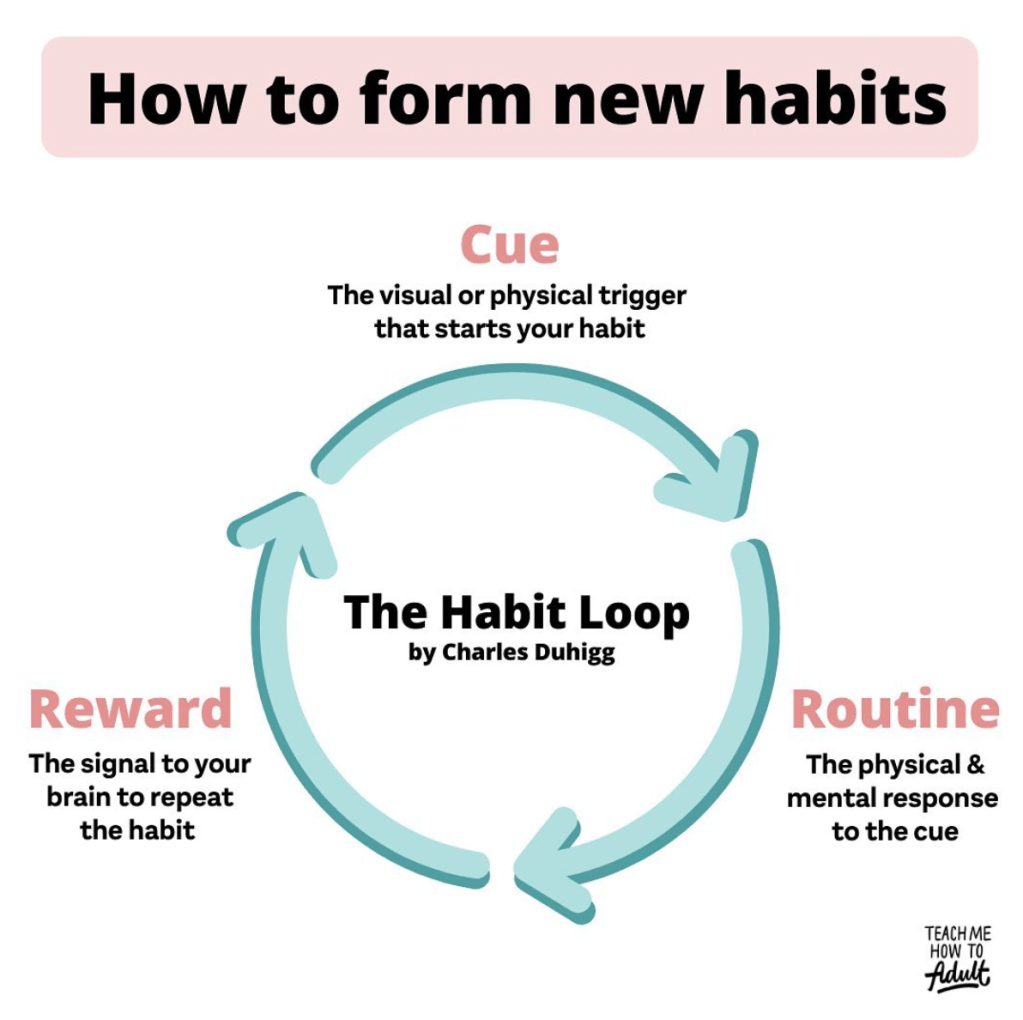
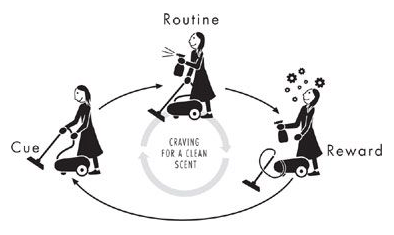
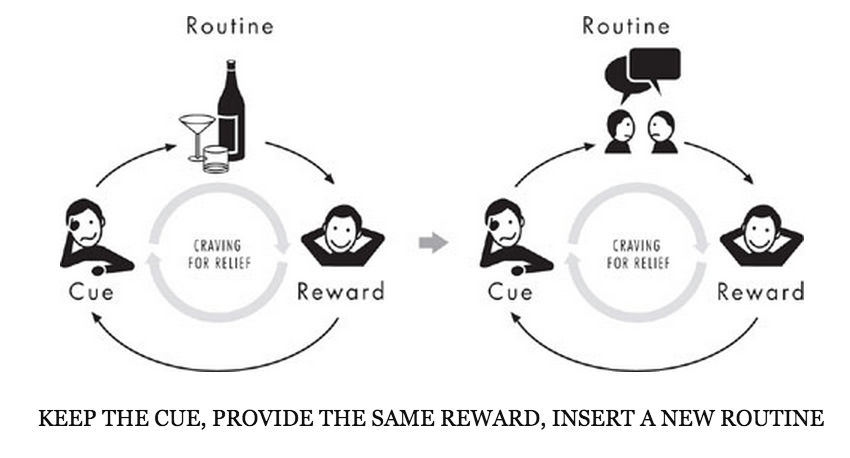
The habit cycle consists of the cue➡️routine➡️reward. If you use the same cue and provide the same reward, you can shift the routine and change the habit. Almost any behavior can be transformed if the cue and reward stay the same.

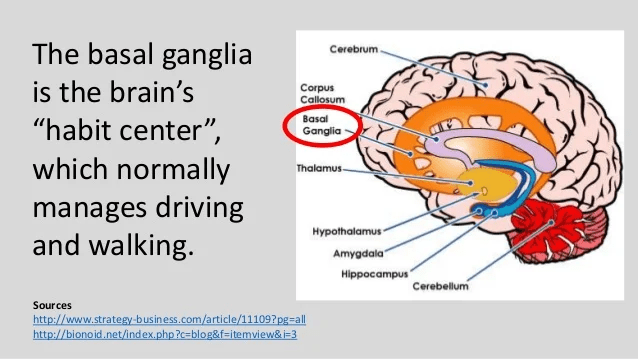
The basal ganglia (part of your brain) stores hundreds of habits we rely on every day. If the basal ganglia gets damaged, such as in those with Parkinson’s or Huntington’s disease, you may lose your habits.

If you want to change a habit, you must find an alternative routine, and your odds of success go up dramatically when you commit to changing as part of a group.

To modify a habit, you must decide to change it. You must consciously accept the hard work of identifying the cues and rewards that drive the habit’s routines and find alternatives. You must know you have control and be self-conscious enough to use it.”

Charles Duhigg

Almost all of the patterns that exist in our lives – how we eat, sleep, talk to people, spend our time, spend our money – are habits. You have the freedom and responsibility to change these habits.

Once you understand that habits can be rebuilt, the power of habit becomes easier to grasp, and the only option left is to get to work.

Charles Duhigg

Almost all habitual cues fit into one of five categories: location, time, emotional state, other people, and the immediately preceding action.

Here are some common habits (related to eating) that I can think of that fall into these categories:

Location: eating popcorn at a movie theater, drinking at a bar, eating cake at a birthday party

Time: eating breakfast, lunch, or supper around the same time each day, even if you aren’t actually hungry

Emotional state: feeling stressed or sad can result in binge-eating junk food

Other people: being surrounded by people at parties and social events may urge you to eat or drink

Immediately preceding action: eating dessert or something sweet after a meal because it is your way of ending the meal

❗❗One of the most interesting stories was about the history of Febreze, which was initially manufactured to destroy odors. Researchers provided free bottles to households with pets, and upon following up with them months later, found that people couldn’t detect most of the bad smells in their homes because they became desensitized. The product’s cue was hidden from those who needed it most, so Febreze ended up in the back of a closet. Febreze then changed to a distinct scent and was positioned as a reward: the nice smell that occurs at the end of a cleaning routine. The irony is that a product manufactured to destroy odors was transformed into the opposite: an air freshener used as the finishing touch when things are already clean!❗

Pepsodent increased awareness of tooth film as a cue to become the best-selling toothpaste for more than 30 years. The reward was marketed as beautiful teeth. Mint oil and other chemicals were used to create a cool, tingling sensation on the tongue and gums. People craved that irritation, and although it doesn’t make the product work any better, it convinces people that it’s doing the job.

Later, Crest became the top seller by featuring fluoride, which was the first ingredient in toothpaste that actually made it effective at fighting cavities.

Foaming is a huge reward. Shampoo, toothpaste, and laundry detergent often contain foaming agents. Although there’s no cleaning benefit, once the customer starts expecting that foam, the habit starts growing.

Alcoholics Anonymous (AA) is a method for attacking the habits that surround alcohol use. AA forces people to identify the cues and rewards that encourage their alcoholic habits and then helps them find new behaviors.

It’s not obvious from the way the 12 steps are written, but to complete those steps, someone has to create a list of all the triggers for their alcoholic urges.

J. Scott Tonigan

Then, AA asks alcoholics to search for the rewards they get from alcohol: escape, relaxation, companionship, the blunting of anxieties, and an opportunity for emotional release.

If order to offer alcoholics the same rewards they get at a bar, AA has built a system of meetings and companionship – “the sponsor” each member works with along with frequent meetings.

“Hey Ya!” by Outkast was a flop at first. Many people changed the radio station when it came on. It needed to become part of an established listening habit to become a hit, so it was sandwiched between songs that were already popular, and it grew in popularity.

The author discussed that the response to Rosa Parks and societal change was the result of social ties across dozens of groups.

Movements don’t emerge because everyone suddenly decides to face the same direction at once. They rely on social patterns that begin as the habits of friendship, grow through the habits of communities, and are sustained by new habits that change participants’ sense of self.

Charles Duhigg

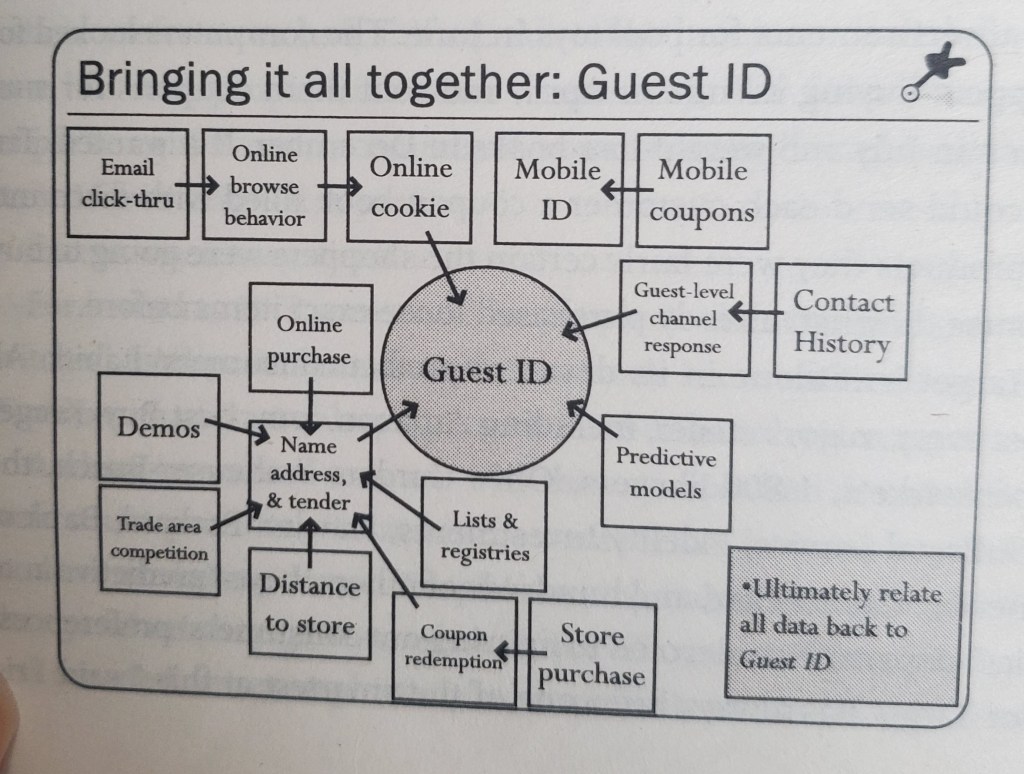
Target extensively tracks customers’ buying habits. Every person has a permanent Guest ID #, and Target analyzes shopping habits, demographics, age, marital status, kids, how far from the store the customer lives, websites visited, etc.

To read more about habits and my habits journey, check out:

A podcast I highly recommend that focuses on habits is Sad to Savage with Shelby Sacco.

I look forward to reading, learning, and sharing more with you soon!

Book review posts, Uncategorized

Out of Office- Reflecting on How We Work

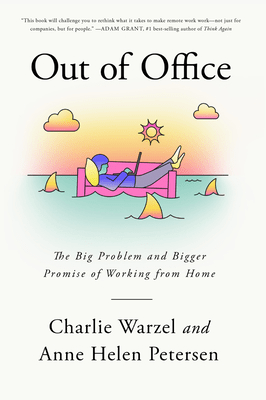
“Out of Office” was published in 2021 and written by Charlie Warzel and Anne Helen Petersen. This book was among my top 20 favorite books I read in 2022 and focused on the transition to white-collar remote work during the pandemic, particularly on HOW we will work.

“We worship work. We remain faithful to it because we want to support ourselves and our families, but it’s become more than a simple means of providing needs. Work has taken on such a place of primacy in our lives that it has subsumed our identities, diluted our friendships, and disconnected us from our communities.”

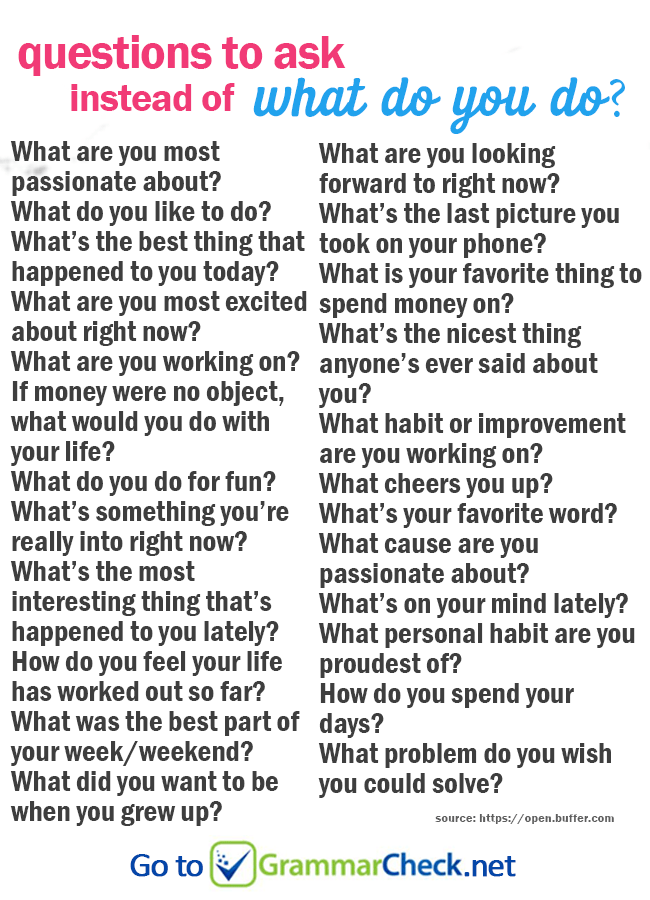
This is increasingly evident in our society. Upon first meeting someone, the most common question asked is “What do you do?” as in, “What do you do for work?” Your identity is whittled down to what you do for work, and someone’s opinion of your work often impacts whether or not the conversation continues and friendship ensues. This is dangerous, especially when people lose their jobs or retire and don’t have an identity outside of work.

Who would you be if work ceased to be the axis of your life? How would your relationships with friends and family change? What role would you serve within your community at large? What hobbies would you pursue? We are so conditioned to approach our lives as something to squeeze in around work.

Charlie Warzel and Anne Helen Petersen

I once worked for a boss who planned his work day around his desire to sleep longer, have a productive morning before work, and leave in the late afternoon for yoga or rock climbing. Although I thought it was odd, it became clear to me that he truly had a balance and planned work around his life, not life around his work.

The authors recommended auditing how we spend our time working and whether things need to be done during the standard work hours, getting rid of meetings that aren’t necessary and exploring asynchronous ways of communicating, considering four-day work weeks, setting boundaries to protect time away from work, dismantling any organizational monoculture, leveling the hybrid work playing field, and giving yourself space to explore hobbies and interests and commit to them.

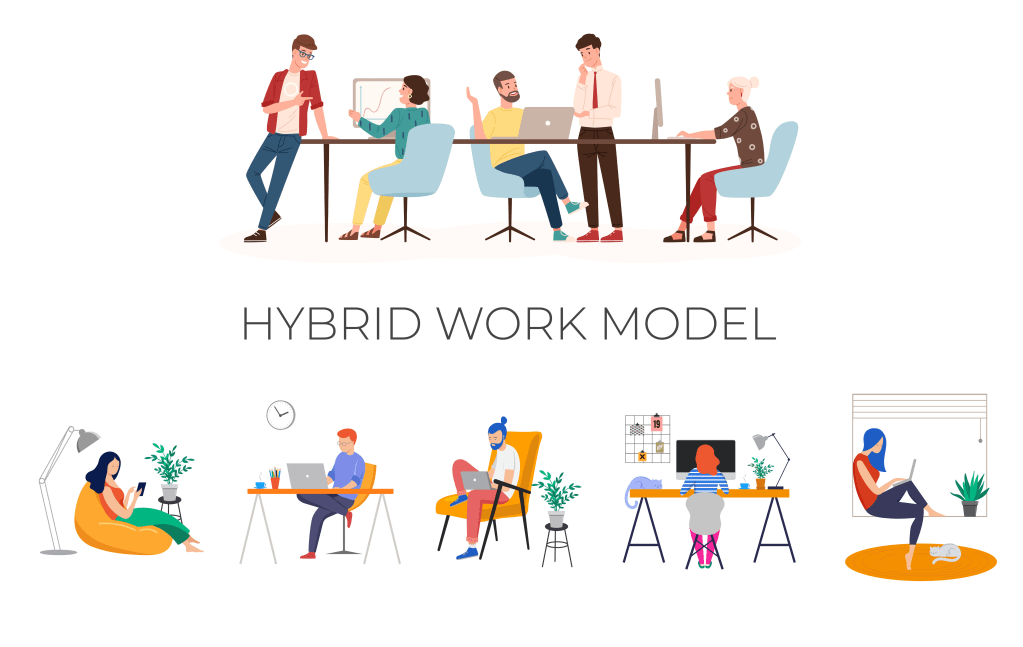
The authors identified and expanded upon four areas critical to achieving ideal work-life balance: flexibility, culture, technology, and community and provided examples of other companies’ approaches to remote work, flexible scheduling, and company culture. This book was particularly appealing to me because, during the pandemic, I have had different jobs and made transitions. One job turned fully remote for a time, one job was in person every day, and one job was a hybrid environment, which appeals to me the most.

The pandemic taught employees and businesses about flexibility. Employees who were told that positions couldn’t be done remotely prior to the pandemic suddenly were required or able to be done remotely. Businesses and employees were challenged to maintain the culture or build a culture outside of the office environment, using technology and community.

“This example from the retail world should be instructive: if you have only enough employees to barely get the work done as is, you’ve engineered a scenario in which employees may have theoretical permission to take time off, but understand that they’ll shoulder the burden of that time off in some way. Either they try to keep doing part of their work while on leave, a colleague takes on an even larger work burden, or a portion of essential work goes undone, slowing everyone on a team.”

I have witnessed this in different roles. At its worst, due to the workload and demands, I worked part-time during a medical leave and regularly made up for time that I was sick. I felt discouraged from taking time off due to the stress of coming back to a fuller plate. I am grateful to have found collaboration and cross-training on a team.

Management is used as a way to reward workers who distinguish themselves for their productivity. As a recent study by Harvard Business Review pointed out, the skills associated with high productivity- including knowledge and expertise, driving for results, taking initiative- are almost all indications of INDIVIDUAL-ORIENTED competencies. Management requires skills that are OTHER-ORIENTED: being open to feedback, supporting colleagues’ development, communicating well, and having good interpersonal skills.

Charlie Warzel and Anne Helen Petersen

I look forward to reading, learning, and sharing more with you soon!
Book review posts, Uncategorized

Four Thousand Weeks: Time Management for Mortals + All About Productivity

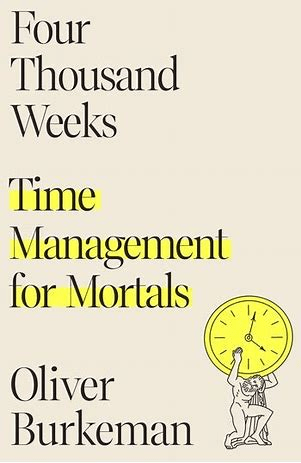
“Four Thousand Weeks: Time Management for Mortals” was written by Oliver Burkeman, published in 2021, was named after the concept of an average lifetime being just 4000 weeks, and is one of the most useful books I have ever read.

If you succeed in getting things done on your to-do list, more things will inevitably seem important, meaningful, or obligatory. Getting things done won’t generally result in the feeling of having “enough time” – the demands will increase to offset any benefits. You’ll be creating more things to do.

Oliver Burkemann

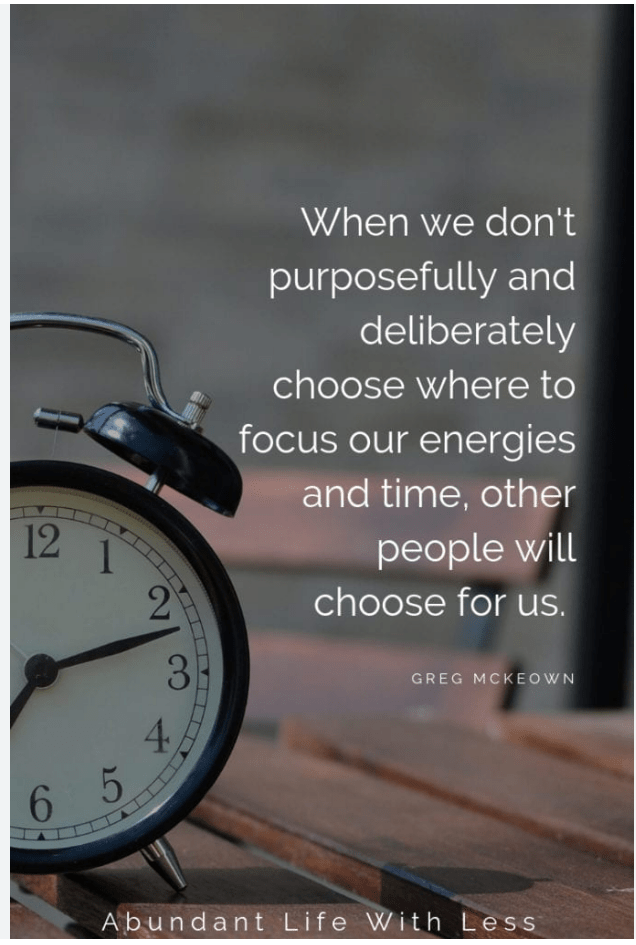
The more you believe you might succeed in “fitting everything in,” the more commitments you naturally take on, and the less you feel the need to ask whether each new commitment is truly worthy of a portion of your time – and so your days inevitably fill with more activities you don’t especially value. This is why it is SO important to learn how to say NO to obligations without feeling guilt, pressure, or obligation.

People complain that they no longer have “time to read,” but the reality, as the novelist Tim Parks has pointed out, is rarely that they can’t locate an empty half hour in the course of the day. What they mean is that when they do find time and use it to try to read, they’re impatient to give themselves to the task because they’re inclined to interruption. Social media and what we think of as “distractions” aren’t the ultimate cause of our being distracted. They’re just the places we go to seek relief from the discomfort of confronting limitation.

Tim Parks

When you get tremendously efficient at answering e-mail, all that happens is you get more e-mail.

“Nobody ever really gets four thousand weeks in which to live – not only because you might end up with fewer than that, but because in reality you never GET a single week, in the sense of being able to guarantee that it will arrive, or that you’ll be in a position to use it precisely as you wish.”

“We treat our plans as though they are a lasso, thrown from the present around the future, in order to bring it under our command. A plan is an expression of your current thoughts about how you’d ideally like to deploy your modest influence over the future. The future, of course, is under no obligation to comply.”

Oliver Burkemann

“The day will never arrive when you finally have everything under control—when the flood of emails has been contained; when your to-do lists have stopped getting longer; when you’re meeting all your obligations at work and in your home life; when nobody’s angry with you for missing a deadline or dropping the ball; and when the fully optimized person you’ve become can turn, at long last, to the things life is really supposed to be about. Let’s start by admitting defeat: none of this is ever going to happen.”

Oliver Burkemann

Spending at least some of your time “wastefully,” focused solely on the pleasure of the experience, is the only way NOT to waste it – to be truly at leisure, rather than covertly engaged in future-focused self-improvement. In order to most fully inhabit the only life you ever get, you have to refrain from using every spare hour for personal growth.

Tips: focus on one big project at a time, keep an open and closed to-do list with a fixed # of entries to have on your current to-do list, establish predetermined time boundaries for your daily work, accept that you can’t dedicate as much time as you want to everything and decide in advance what to not give as much effort to in your life, seek out novelty in the mundane and pay more attention in every moment, and practice doing nothing.

When in doubt, do the next most necessary thing.

Five questions to consider:

1. Where in your life or your work are you currently pursuing comfort, when what’s called for is a little discomfort? We naturally tend to make decisions about our daily use of time that prioritize anxiety-avoidance.

2. Are you holding yourself to, and judging yourself by, standards of productivity or performance that are impossible to meet?

3. In what ways have you yet to accept the fact that you are who you are, not the person you think you ought to be? Once you no longer feel the stifling pressure to become a particular kind of person, you can confront the personality/strengths, weaknesses/talents, and enthusiasm you find yourself with and follow where they lead.

4. In which areas of your life are you still holding back until you feel like you know what you’re doing?

5. How would you spend your days differently if you didn’t care so much about seeing your actions reach fruition?

If you want to learn or hear more, Oliver Burkemann has been featured on many podcasts on Spotify! I highly recommend listening to this link to a Talks at Google YouTube video with Oliver Burkemann:

This book is one of the best books I have read and I highly recommend it!

I look forward to reading, learning, and sharing more with you soon!

Book review posts, Uncategorized

All About Sleep – Why We Sleep

“Why We Sleep” written by Matthew Walker, PhD was one of my top 20 books I read in 2022. Matthew Walker, PhD is a professor of neuroscience and psychology at UC Berkeley and director of its Sleep and Imaging Lab. He has published more than a hundred scientific studies. This book was PACKED with information, and I will share some of the research I found most fascinating.

Contrary to what most people believe, you cannot “catch up” on sleep by sleeping in on the weekends. It takes much longer, and consistent sleep is vital. Getting too little sleep across the adult life span significantly increases your risk of developing Alzheimer’s disease and increases the risk of cancer development. Also, the less you sleep, the more you are likely to eat, and you increase your probability of gaining weight and developing Type 2 diabetes.

Poor sleep quality increases the risk of cancer development, and, if cancer is established, provides a virulent fertilizer for its rapid and more rampant growth.

Matthew Walker, PhD

Dolphins, whales, and some birds can sleep with half a brain at a time and remain alert with the other half! In flocks of birds, with the exception of the birds at the end of the line, the rest of the group will allow both halves of the brain to indulge in sleep, while the end of the line has 1/2 brain sleeping and 1/2 alert for threat detection! Wow!

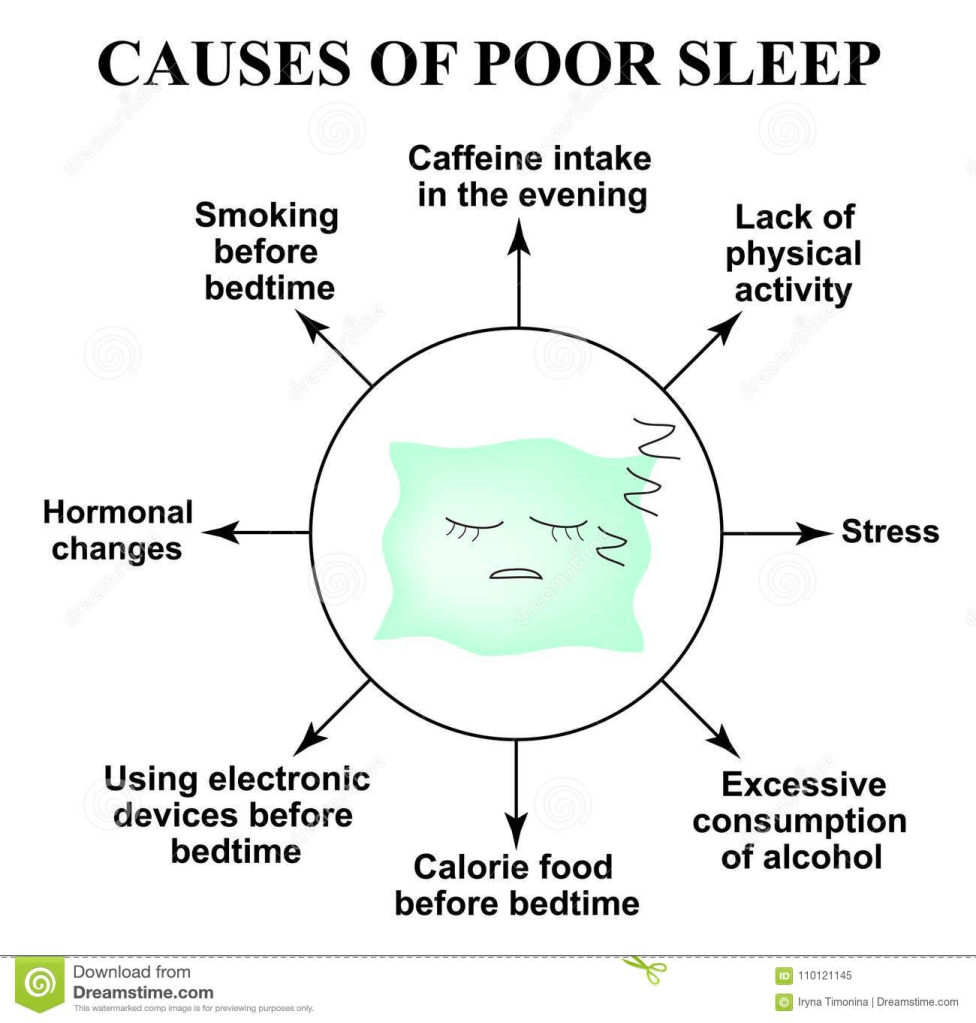
We use the term “half-life” when discussing a drug’s efficacy (length of time it takes for the body to remove 50% of a drug’s concentration). Caffeine has an average half-life of 5-7 hours, so any caffeine after noon will impact your sleep!

Decaffeinated does NOT mean uncaffeinated. One cup of decaf usually contains 15-30% of the dose of a regular cup of coffee!

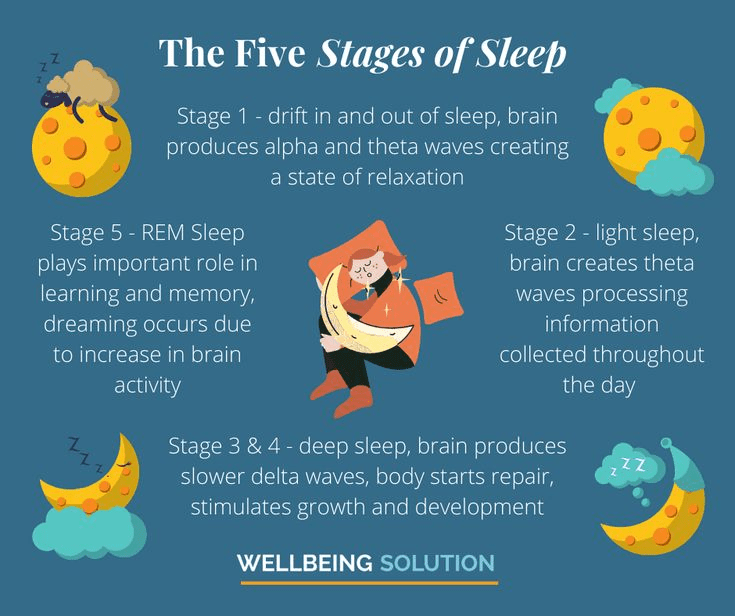
The different sleep stages play different roles in information processing. The wake state is focused on reception – experiencing and constantly learning the world around you. The NREM sleep state is focused on reflection – storing and strengthening those raw ingredients of new facts and skills. The REM state is focused on integration – interconnecting these raw ingredients with each other and with past experiences, resulting in innovative insights and problem-solving abilities.

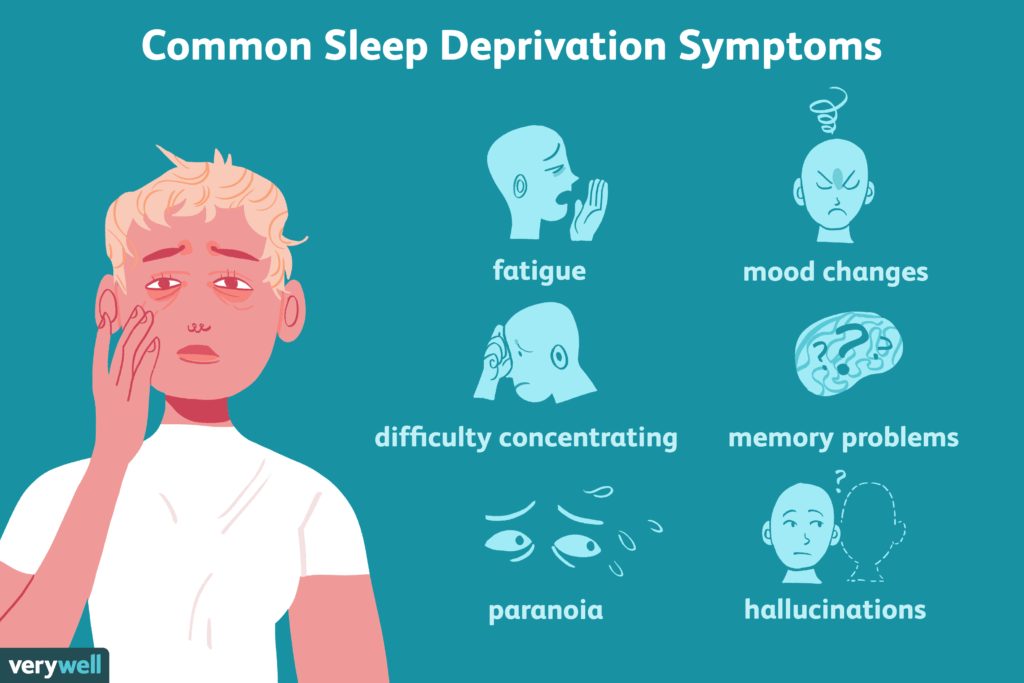
Some signs of insufficient sleep include not being able to get up on time without an alarm, having to read and reread sentences at your computer, and having standard ADHD symptoms of irritableness, moodiness, being more distractable and unfocused during the day, and having mental health instability.

Vehicle accidents caused by drowsy driving exceed those caused by alcohol and drugs combined! Driving drowsy is worse than driving drunk in that being drunk results in late response times in braking and maneuvering, whereas falling asleep results in not reacting altogether.

5 key factors have powerfully changed how much and how well we sleep: constant electric light/LED light, regularized temperature, caffeine, alcohol, and a legacy of punching time cards. This book mentioned that Edina, MN schools were one of the first to experiment with shifting the start time and reported much higher scores on SATs. Other schools have reported better GPAs.

This book also briefly discussed some sleep disorders such as insomnia and narcolepsy. Fatal familial insomnia is a rare sleep disorder caused by a mutation on chromosome 20, which makes the protein insoluble. When it converts, the protein causes plaque to form in the thalamus, which is the region responsible for the regulation of sleep. Fatal familial insomnia has no treatments or cures! I did find it interesting that Prazosin, a medication used to treat high blood pressure, is used in the treatment of repetitive trauma nightmares.

Tips for better sleep:

  1. Stick to a sleep schedule. Wake up and go to bed at the same time each day, including weekends.
  2. Try to exercise at least 30 minutes on most days but not later than 2 or 3 hours before your bedtime.
  3. Avoid caffeine in the afternoons/evenings and avoid nicotine.
  4. Avoid alcoholic drinks before bed. Heavy alcohol ingestion robs you of REM sleep and disrupts your breathing at night.
  5. Avoid large meals and beverages late at night.
  6. If possible, avoid medications that delay or disrupt your sleep. Some commonly prescribed heart, blood pressure, and asthma medications, as well as some over-the-counter and herbal remedies for coughs, colds, and allergies can disrupt sleep patterns. Talk to your doctor or pharmacist if you are having trouble sleeping to see if any of your medications may be contributing.
  7. Don’t take naps after 3 p.m.
  8. Relax and unwind before bed. A relaxing routine, such as reading or listening to music, should be part of your nightly routine.
  9. Take a hot bath before bed. The drop in body temperature after getting out of the bath may help you feel sleepy.
  10. Your bedroom should be dark, cool, and gadget-free.
  11. Get sunlight exposure during the day. Daylight is key to regulating daily sleep patterns.
  12. Don’t lie in bed awake. If you can’t fall asleep after 20 minutes, get up and do a relaxing activity until you feel sleepy. The anxiety of not being able to sleep can make it harder to fall asleep.

More information at: https://www.nia.nih.gov/health/good-nights-sleep

I learned SO much from this book, and I am just covering the tip of the iceberg. I definitely don’t currently practice all of the tips mentioned in this book, but I look forward to implementing some of them for better sleep and more energy!

I look forward to reading, learning, and sharing more with you soon!
Book review posts, Uncategorized

No Such Thing As Normal

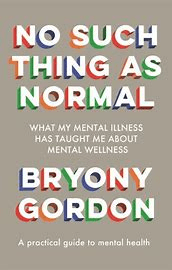
“No Such Thing As Normal” was written by Bryony Gordon, founder of Mental Health Mates in the UK, an organization that hosts walking meet-ups to talk about mental health. I am grateful that I generally don’t struggle with mental health, but I still gained insights from this book.

**WHAT OTHER PEOPLE THINK OF YOU IS NONE OF YOUR BUSINESS. WHAT OTHER PEOPLE DO IS NOT YOUR RESPONSIBILITY.**

Bryony Gordon

I wish I had read this sooner! Also, if someone tells you or shows you who they are, and you don’t like it, do NOT waste time and energy trying to make them like you. The single most important factor for your well-being is not what other people think of you; it is what you think of yourself.

Worrying about the thing is almost always worse than the thing itself. This is SO true!

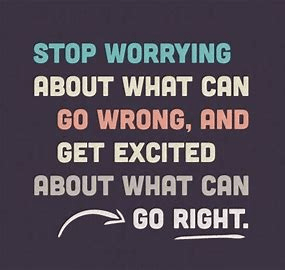
Instead of asking yourself “What if it all goes wrong?” ask yourself “What if it all goes right?”

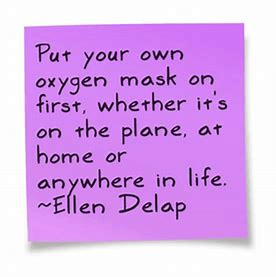
Put your own mask on before attempting to help anyone else with theirs. Take care of yourself. However, if you have time to help others, it’s very hard to feel useless when you are being useful.

Things will get better when you do the work. Exercise can be one of the most important tools for helping mental illness. How to get through bad days: make a plan for each day, contact at least one person, go outside, be patient, and think about what you CAN control.

Never say anything to yourself you would not say to someone else.

Tips for better sleep: get into a routine, read before bed, and do breathing exercises.

Most people with mental health issues have to jump through hoops to get anywhere near treatment. So perhaps we should stop marginalizing and stereotyping them as weak and instead recognize them for their absolutely mind-bending strength.

There is no such thing as normal.

There were SO many resources provided in this book. However, they were all in the UK since the author lives in the UK.

I look forward to reading, learning, and sharing more with you soon!
Book review posts, Uncategorized

All About High Performance Habits

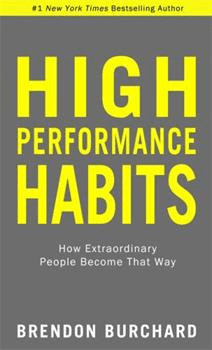
I recently read “High Performance Habits” written by Brendon Burchard, the world’s leading high performance coach and one of the most watched, quoted, and followed personal development trainers in history. I highly recommend this book!
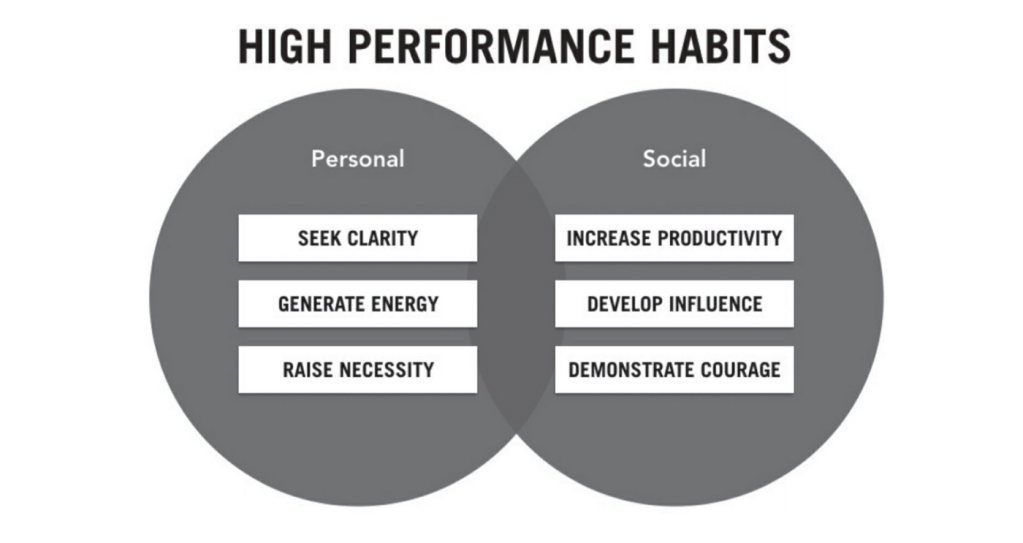
The gist of this book is that, to become a high performer, you must seek clarity, generate energy, raise necessity, increase productivity, develop influence, and demonstrate courage.

Seek clarity on who you want to be, how you want to interact with others, what you want, and what will bring you the greatest meaning. As every project begins, ask yourself: “What kind of person do I want to be while I’m doing this? How should I treat others? What are my intentions and objectives? What can I focus on that will bring me a sense of connection and fulfillment? Consistently seek clarity.”

Generate energy so that you can maintain focus, effort, and well-being.

If you want to feel more energized, creative, and effective at work – and still leave work with enough oomph for the ‘life’ part, the ideal breakpoint is to stop your work and give your mind and body a break every 45-60 minutes.”

Brendon Burchard

Get up, walk around, and fill up your water.

If the demands of your job or life require you to learn fast, deal with stress, be alert, pay attention, remember important things, and keep a positive mood, then you must take exercise more seriously. If you care about your contribution to the world, you’ll care about yourself.”

Brendon Burchard

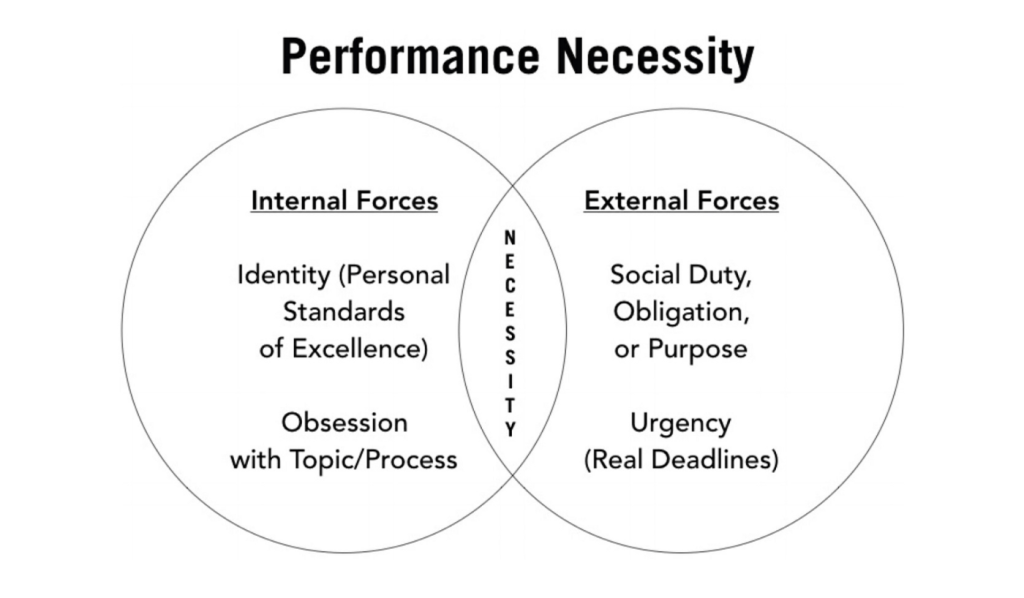
Raise necessity. For exceptional performance, know your whys – internal and external. Internal whys may include your identity, your standards, and your obsessions. External whys may include real deadlines, your social duty, and your sense of obligation and purpose. To raise necessity:

  • High necessity= “I feel a deep emotional drive and commitment to succeeding, and it consistently forces me to work hard, stay disciplined, and push myself.”
  • Know who needs your A game. With multiple priorities, consider “Who needs me on my A game the most right now?”
  • “Have I associated the important activities of my day with my identity and my sense of obligation?”

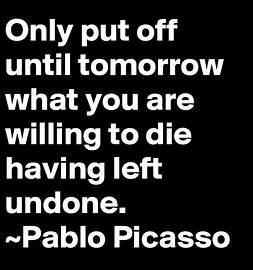
Only put off until tomorrow what you are willing to die having left undone.

Pablo Picasso

Increase productivity in your primary field of interest. Slow down, be more strategic, and say no more often. Take ownership of your day.

Develop influence with those around you. Develop a positive support network. People support what they create. Ask people what they want, how they’d like to work together, and what outcomes they care about.

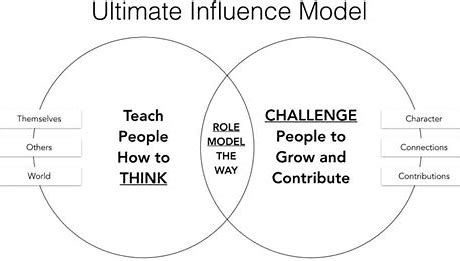
To gain influence with others, teach them how to think about themselves, others, and the world; challenge them to develop their character, connections, and contributions; and role model the values you wish to see them embody. High performers have discovered that it is by connecting with others that they learn more about themselves and the world.

Find a group of people who challenge and inspire you, spend a lot of time with them, and it will change your life.

Amy Poehler

Demonstrate courage by expressing your ideas and taking action despite uncertainty. You are capable of remarkable things that you could never foretell and will never discover without taking action.” What leaps could you take now?

Passion + Growth + Contribution = Personal Satisfaction

Enthusiasm + Connection + Satisfaction + Coherence = Meaning

If you want to be a high performer, show up and bring the joy. High performers cultivate joy by how they think, what they focus on, and how they engage in and reflect on their days.

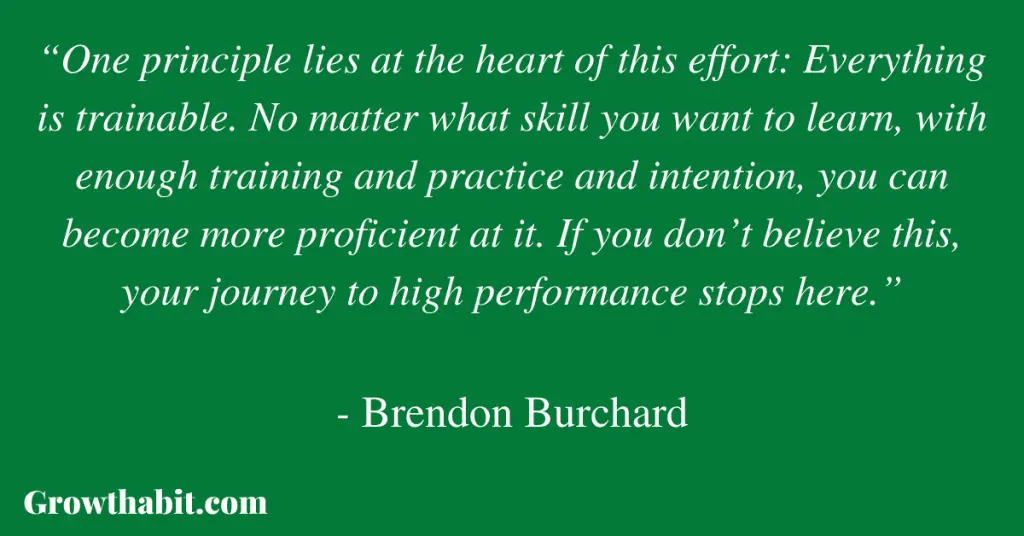
When people say “I can’t,” it usually means “I am unwilling to do the long-term training and conditioning necessary to achieve that.” Everything is trainable.

High performers are learners, and their belief that they can learn what is necessary to win in the future gives them as much confidence as their current skillsets.”

Brendon Burchard

Between each task in your day, remember this: *RELEASE TENSION, SET INTENTION*

Don’t bring tension to all future aspects of your day. How many times have we been guilty of having a rough morning and carrying it into all aspects of our day? Have you had a conversation or meeting that didn’t pan out the way you wanted it to and resulted in you carrying frustration or resentment toward those involved? Have you had a rough day at work and carried it into your relationships at home?

High performers have shaped their identity by conscious will and have aligned their thoughts, feelings, and behaviors to support that identity.

Brendon Burchard

Superior-minded people are certain they are better, more capable, and more deserving, and it’s that certainty that closes their minds to learning, connection with others, and growth. Stay humble. If you’re going to maintain high performance, you need to avoid the traps of superiority, dissatisfaction, and neglect.

I look forward to reading, learning, and sharing more with you soon!