
My intention is to post a Thoughtful Thursday column each week and share some of the insights I have learned in the past week. Here are some of the things I’ve learned this week:
- Checklists are everything. When you can optimize every task with detailed checklists, you’ve won.
- Respond to every e-mail within 24 hours if you possibly can.
- Make sure your technology is not an obstacle to your success. Properly working, fast technology is a gamechanger.
- Arguing is almost always a complete waste of time. Arguing with people on social media is not worth it. It wastes your time and life.
- Pack a produce bag for work so that you will eat the healthiest things you can.
- Introduce one-minute workouts each hour.
- Work alone or work anonymously whenever possible. This helps limit distractions.
- Work in a boring office. This will help you execute tasks.
- Work with a timer to keep you focused and help you maintain a sense of urgency.
- Drink water between your coffee or other caffeinated beverages. This will help you have the best energy and focus you need for yourself.
- Dress for the job you want, even if you work from home. If you present yourself to yourself as you would like to, you’re maintaining standards for yourself and others.
- Read something for personal or professional growth for a half hour each day. Use a physical book. The level of focus and engagement with a physical book is significantly higher than a digital resource or audio resource that would allow you to be distracted and go do something else. Physical books change your level of engagement.
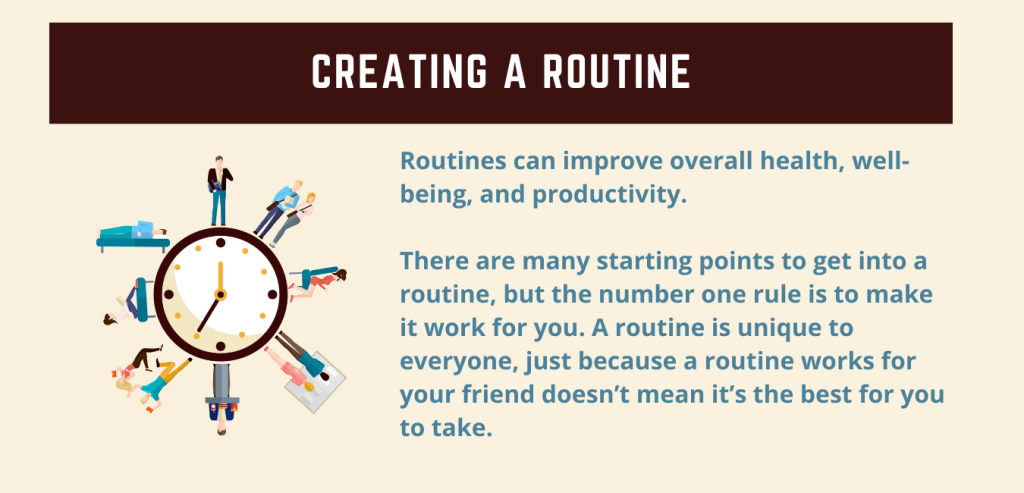
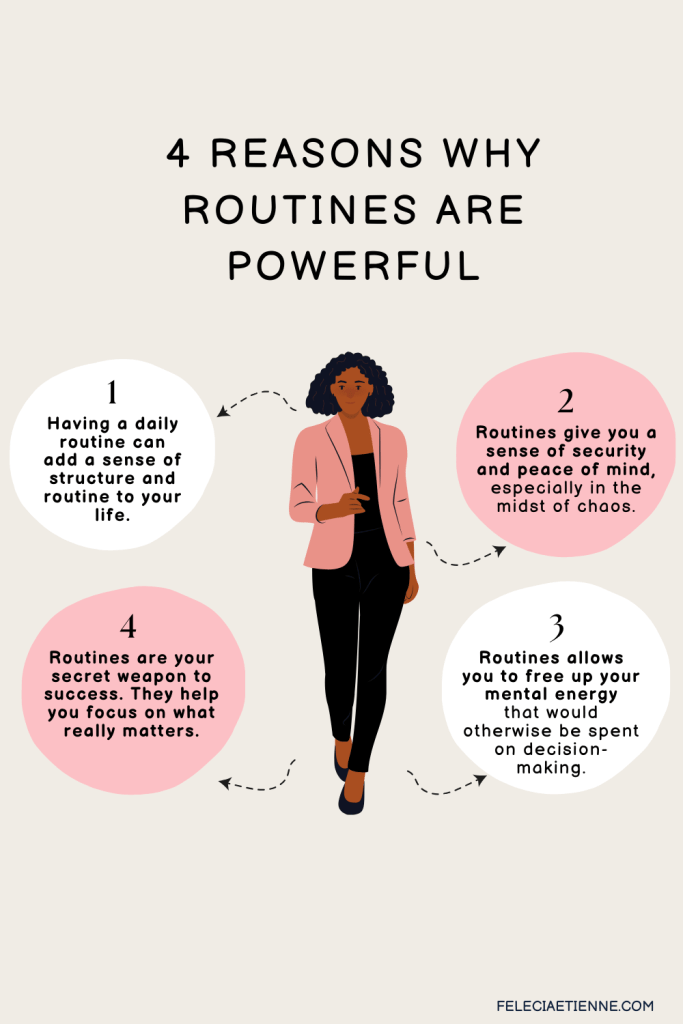
• Your routines should support what matters to you. Routines that work for others might not work for you or might not be needed for you. These routines work for the podcaster. These are not my routines.
- Weekly meal planning routine – meal plan on Sundays for the upcoming week. Write the meals on a whiteboard and shop for groceries or place a grocery delivery order.
- Morning weekday routine – get up, get kids ready, unload dishwasher, pack lunches, etc.
- Saturday morning routine – stay in bed, read, go for a walk, or do whatever you want to do in the morning.
- One Line A Day journal and Connections/Joy journal – to write down and keep memories
- Weekday lunch break – delicious and colorful lunch
- Afternoon weekday routine – support kids through snacks, homework, driving carpools, play, etc.
- Monthly routine of workdays – connect with someone monthly and work together
I am still working on creating my ideal morning and evening routines, but here are insights into some of my routines:
Daily – always. No matter what:
- Read 30+ minutes.
- Play cognition/brain games in Lumosity and Elevate apps.
- Listen to a podcast/read a podcast transcript.
Nightly:
- Dishes before bed
- Log food I ate and symptoms that day.
- Write in my One Line A Day journal.
- Read Seth’s Blog, Gabe the Bass Player blog, and daily devotional.
Lunches when working from home – eat lunch and get movement in.
Lunches when working in the office – eat lunch and read.
Sundays – meal plan and prep lunches/suppers
15th and last day of each month – financial check-in – review and log all transactions, note account balances, and check retirement account balances and performance.
Last day of each month – reflect on the month – accomplishments, highlights, challenges, and lessons learned. Think about what I want to focus on in the month ahead.
- Benchmarking – researching good information (objective data) and determining an appropriate price point (ex: salary or purchases) – Ask, People resources, Paper resources
- Ex: delayed flight compensation– ask at the counter, ask people within your networks, research online
- Win/win – what do we both want in this situation and how do we benefit from that?
- Present a menu of options with three different options – ex: messy house – options: change cleaning schedule, change division of tasks, or hire housecleaner.
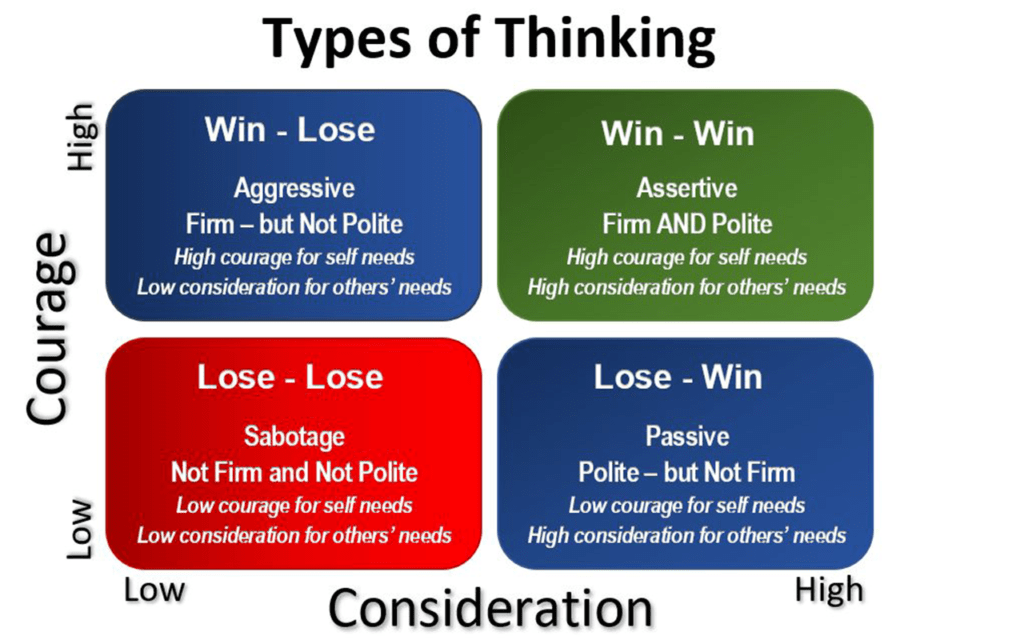
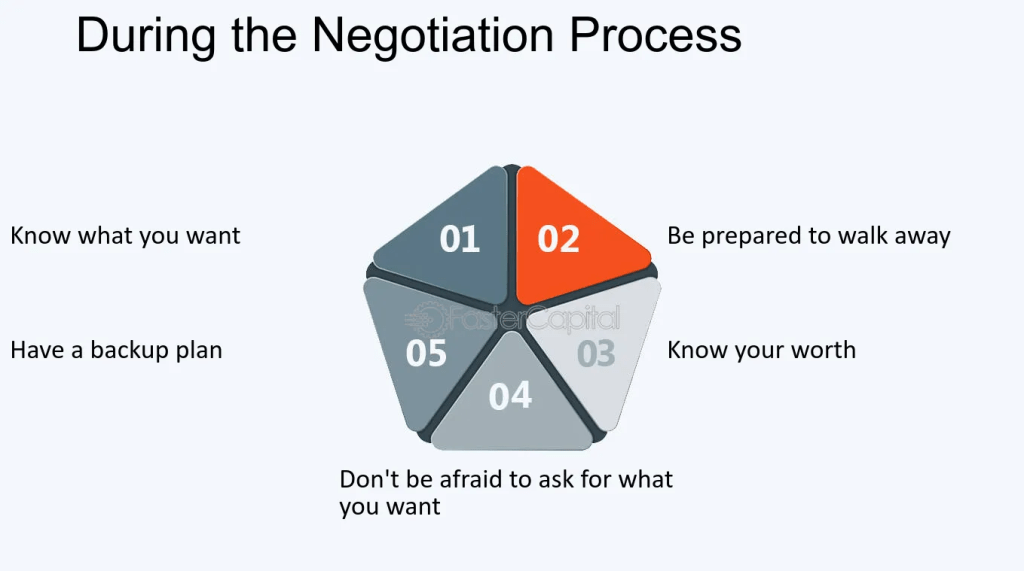
- Think about your backup plan. If you are unable to negotiate with this person, what is your alternative? Have a really good alternative so that you are able to think with a clear head and are less likely to make a decision you will regret later on. You want to signal to them subtly that you have a backup plan.
- When you have a strong backup plan, it influences your negotiation performance. If you don’t have a strong backup plan, it impacts the way you engage in a negotiation and leaves you feeling in a corner.
- Parties involved in negotiations – power broker, decision maker, and messenger.
- Knowing who these people are in negotiations is important and will impact how you direct your energy in a negotiation.
- Set a collaborative tone. HALT: Any time you are feeling hungry, angry, lonely, or tired is probably a bad time to engage in negotiations. Be mindful of the timing and context of the situation.
- Know when it’s time to step away from a negotiation. If it is a long-standing relationship that you value and want to maintain, make sure that how you negotiate and how frequently you negotiate isn’t wearing out or fatiguing that relationship.
- IKA experts – “I know all” experts – there is often a correlation between how little knowledge someone has on a topic and how much confidence they have around that topic.
- There are many people making questionable promises when it comes to weight loss.
- Weight loss product ads are everywhere. Marketers do a great job at targeting the most vulnerable populations: those who have been hurt by the healthcare system, those with autoimmune conditions or nonspecific symptoms, those who have trouble losing weight, and those who have terrible insecurities.

- Our general attitude is “might help, won’t hurt, why not.” Tummy teas – pretending to fix one problem (weight) but creating more (dehydration, laxative effect)
- Don’t challenge people who are seeing benefit or wish to do a specific task. Instead, educate them on potential risks based on what science says. Challenge the individuals spreading misinformation and the companies selling miracle cures. There is always a risk and you need to understand if that risk is acceptable to you for the potential benefit.
- Seek something sustainable and long-term.
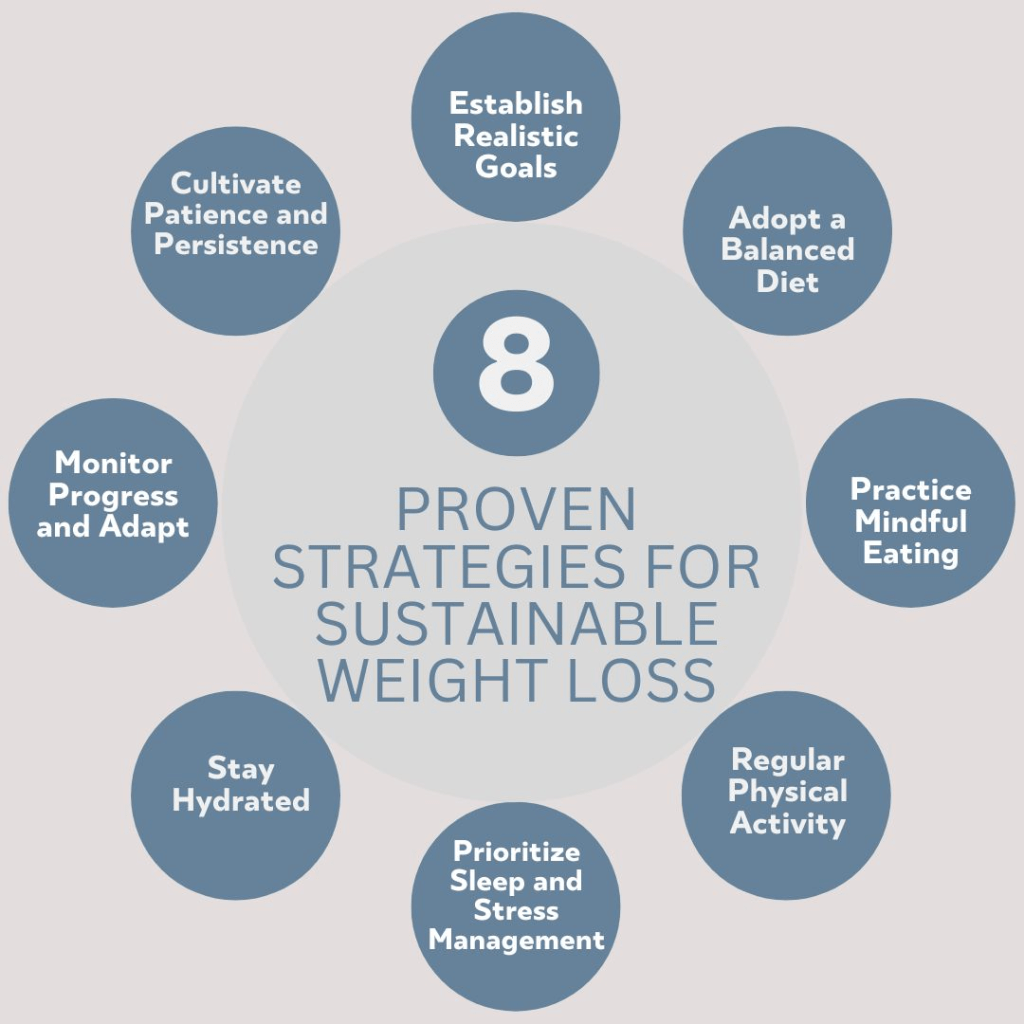
- Calories in, calories out is very accurate. If you overeat calories and you don’t burn enough calories, you will gain weight.
- Intermittent fasting – eat less – narrow time window
- Keto – high fat meals that are dense and hard to overeat
- Limiting types of foods you can eat – restricting calories
- Whichever one of these restrictive diets you can stay on for the rest of your life, because they don’t feel restrictive to you since they match your lifestyle and taste -that’s ultimately what’s going to help you lose weight and keep the weight off.
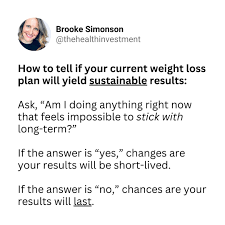
- We need to have a long-term relationship with a doctor to provide continuity of care and sustain weight loss.
- Patients should be engaged in their own health to look something up before their visits to a doctor, but you need to pair your resources with information from a doctor. Some people get sucked into products and claims that are harmful.
- If something sounds too good to be true, it likely is. There are no miracle shortcuts when it comes to weight loss.
- Be aware of buzz words and fuzzy claims on products.
- Anything not regulated by the FDA does not have to adhere to their strict standards of safety or effectiveness.
I look forward to reading, learning, and sharing more with you soon!

 Read Learn Share