
My intention is to post a Thoughtful Thursday column each week and share some of the insights I have learned in the past week. Here are some of the things I’ve learned this week:
- The ideal sleep rhythm is between 10 p.m. and 6 a.m.
- In order to sleep well, you need a good stress response/stress reduction. Melatonin won’t fix this.
- Melatonin levels decrease with age. Melatonin can be found in supplements and in food (tart cherries, grapes, strawberries, nuts, eggs, fish, milk, tomatoes, peppers, mushrooms, etc.)

- Supplements are not regulated by the FDA. Look for a third-party tested supplement (NSF Sport, Informed Choice, Informed Sport label certifications)
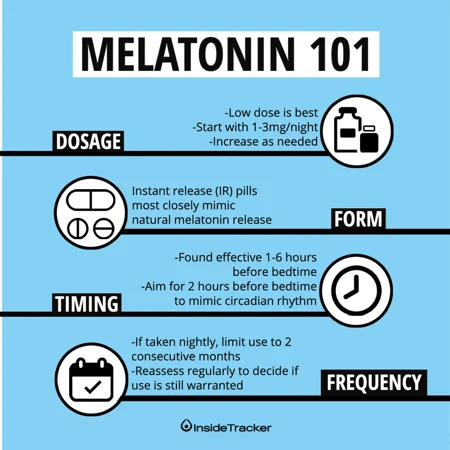
- Dosing – best in about 0.5-3 mg doses. If you take a dose and wake up feeling groggy, it could be because you didn’t take it at the right time or because you took too much.
- You should take melatonin about two hours before your bedtime to help mimic the circadian rhythm. Take the lowest effective dose for you two hours before your bedtime. Otherwise, it could backfire and make you feel much more tired in the morning.
- You know it’s working if it improves the duration and quality of your sleep, especially your ability to fall asleep quicker. It shouldn’t automatically make you fall asleep, but it should make that process more efficient. It can’t cancel out bad nutrition habits, poor stress management, or poor sleep hygiene habits.
I was baffled when I learned that melatonin should be taken about two hours before your bedtime in a dose of about 0.5-3 mg. Like most people, I was taking melatonin right before bed and using it as a sleep aid to put me to sleep. I was taking doses of 10 mg right before bed and continued to wake up groggy. Since learning this this week, I changed to a 1 mg dose 2 hours before bed and am feeling more alert in the mornings!
Melatonin can be a good idea if you have a melatonin deficiency, if you have diagnosed insomnia, if you have jetlag, if you do shiftwork and don’t sleep typical hours at night, if you have PTSD, or if you have migraines.

Melatonin is not a good idea for those who are pregnant or breastfeeding (ask your doctor), the elderly or people with dementia, those on dialysis, those with impaired liver function, those with certain autoimmune conditions, or those with a high risk for bone injuries.
Tips to improve sleep:
- Optimize your stress management
- Avoid artificial light 1-2 hours before bed
- Keep your tv out of the bedroom
- Get adequate sunlight throughout the day, especially in the morning
- Get adequate vitamin D, whether from the sun or from a supplement
- Get adequate B vitamins and magnesium through foods or supplements
- Get enough protein in your diet
- All of these things help with sleep and may not require melatonin.
- Agent commissions might fall in the coming years, and real estate negotiations might become more complicated.
- For decades, home sellers had to set the commission rates for the agents on both sides. As a seller, you’re obliged to disclose how much you’re going to pay the buyer’s agent. Under the new rules, they will disclose how much they are going to pay the listing agent, but buyers will need to decide how much their agents will be paid. The goal is to foster competition and innovation.
- Old rule: 6% commission is standard but there is not a requirement that commission be 6%. If you’re selling a 100k house, usually each agent gets 3% (listing agent and buyer’s agent). The seller collects the $100k for the house and the seller gets $94k after paying those commissions.
- New rule hypothetical: seller sells house for $100k. Seller owes $3k to the listing agent. The buyer is responsible for paying their agent, and the buyer will likely ask the seller for that money out of the proceeds of the home sale. They may bump up price to $103k (instead of $100k) and tell the seller to provide the $3k to the buyer’s agent at closing.
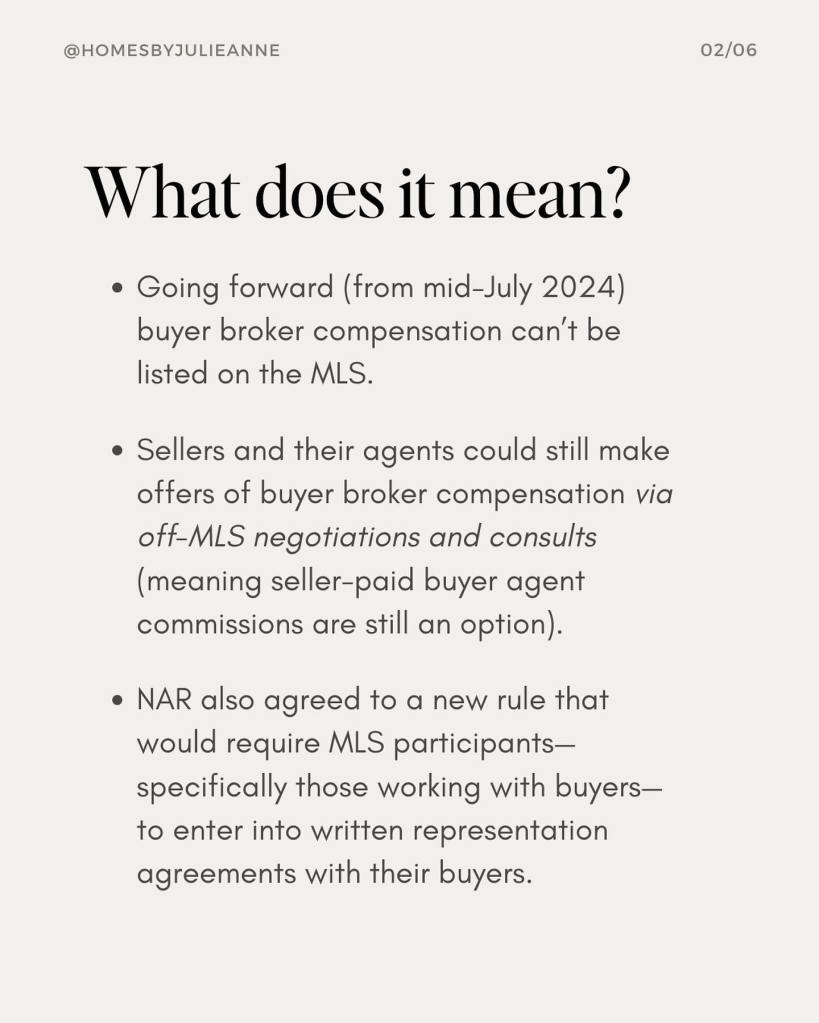
- There is now negotiating room for how much you’re going to pay a realtor for their services.
- The U.S. government wants realtor commissions to go down.
- It can impact when and how you pay for a realtor’s service. Agents may go to a fee-based model. Buyers are likely to add the agent’s paycheck to the home cost and include that in the mortgage. Some agents may want all or some of the money upfront and be reimbursed at closing. Some realtors may decide to charge a fee for showings, submitting offers, or a flat fee for the entire process.
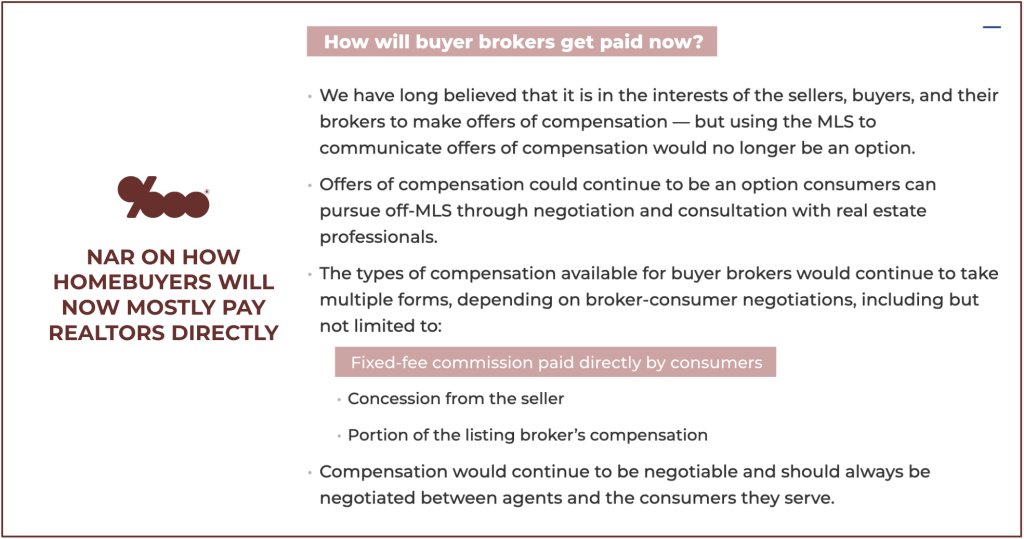
- It can put first-time homebuyers or people who don’t have much cash at a disadvantage.
- Some buyers will forego hiring an agent because they will be worried that they may have to pay upfront.
- Over time, buyer agents will likely be paid less than the current 2.5% or 3%.
- VA loans/FHA loans have rules about how fees can be paid out of closing costs. It’s unclear right now if, when you close, you can just have the seller pay the buyer’s agent. The VA might need to change its rules.
- The biggest brokerages in each market might bypass the MLS and post listings to their own websites. The new rules indicate that you can advertise how much you’ll pay the buyer agent if it’s not on the MLS.
- Under these new rules, sellers will likely keep more proceeds of the home sale. Sellers may be more likely to sell knowing they can keep more of the proceeds.
- The new rules may encourage mobility and home sales.
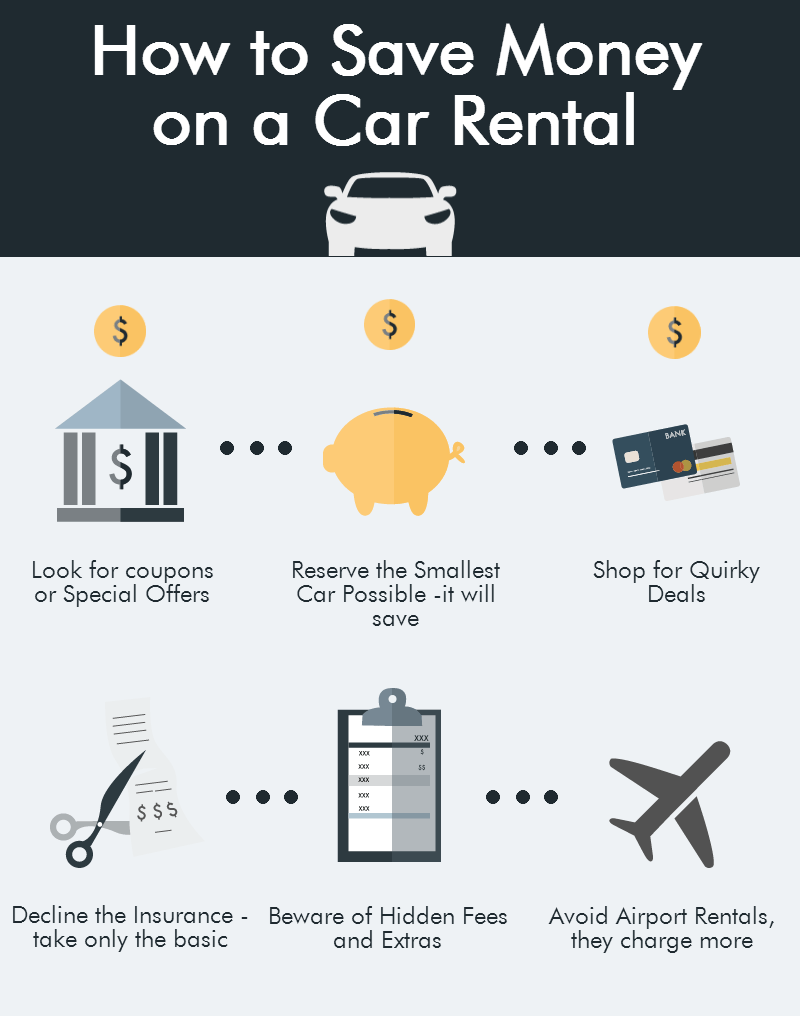
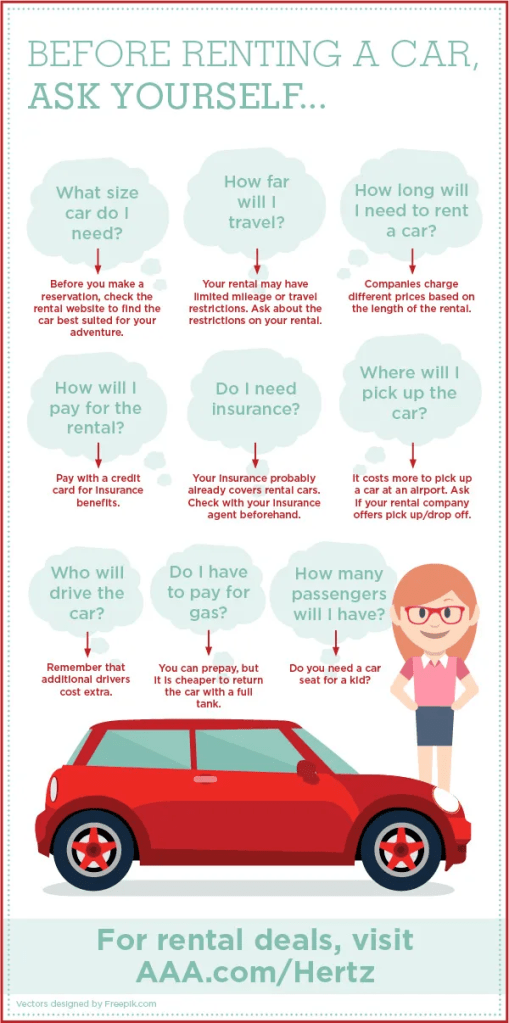
- Go in with the assumption that you will need to pay a lot to rent a car.
- Seek out rental car elite status through your credit card.
- It is significantly cheaper to rent a car through a downtown location than it is from the airport. Take a taxi downtown and only rent a rental car on the day(s) you actually need it to avoid paying for parking fees, several days, etc.
- Renting an electric car – need to account for how far you’re driving/consider where you will be charging it and consider charging fees
- Turo, Getaround, Kite, and other companies offer rental car alternatives. They are like an Airbnb for cars. These cars are usually owned by regular people.
- Pros: cheaper, some offer delivery services
- Cons: can vary in quality, more limited customer service
- Account for everyone and make sure everyone and all luggage will fit. Consider whether people in your group will want to split off (may want two vehicles rather than one for group travel)
- RV – combine the rental car and hotel into one. They can be difficult to drive and more difficult to park. They use a lot of gas (10-12 miles per gallon). You will likely need to dump your own sewage. You can connect with RV share or Outdoorsy and have an RV delivered so that you don’t need to drive it.
- Trains/Amtrak – Can take a scenic ride that is cheaper than flying. You can take a train between destinations.
- Public transportation – many can take you from the airport to downtown. Use public transportation instead of a car: Denver, San Francisco, Chicago, and New York.
- Hop on/hop off tourist buses if you’re only going to common tourist stops in town
Below, I have listed the myths covered and the truths listed in italics.
- Whatever happens, take responsibility. No, please don’t take on extra responsibility for things that aren’t your fault. You aren’t responsible for how others behave or for the things that happened when you were a kid.
- Being physically fit means you must be mentally strong. Working out is a great way to build mental muscle, but just because you work out a lot doesn’t mean you are mentally strong. Some people who work out a lot have an exercise addiction, emotional pain, or low self-esteem.
- You can’t love anyone until you love yourself. It’s really tough to love yourself if nobody ever showed you what love feels like.
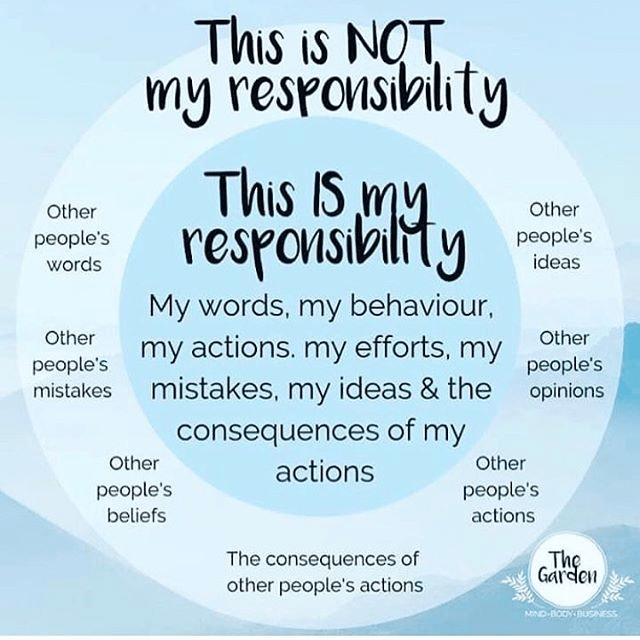
- The ultimate goal is to make yourself happy. Making happiness your ultimate goal will probably leave you feeling miserable. Focus instead on gratitude, generosity, or being a kind person.
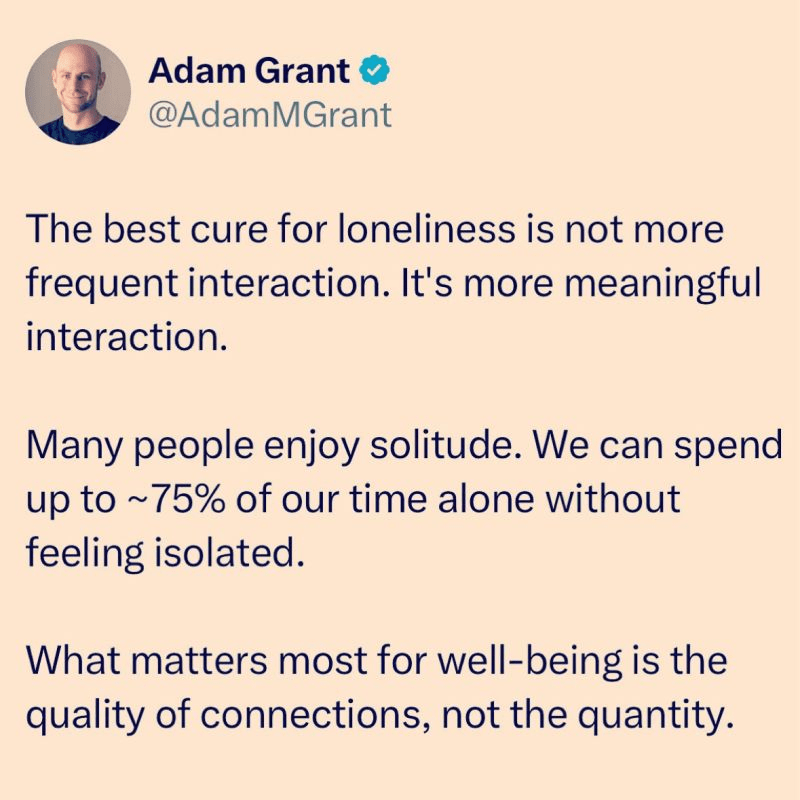
- Embrace loneliness because it means you’re getting more connected to yourself. Being alone isn’t the same as being lonely. The cure for loneliness is connection with other people. Loneliness is harmful for your mental and physical health.
- Stop doubting yourself. Self-doubt helps you perform better. If you have a little self-doubt, you’re much more likely to prepare better for a test, competition, etc.
- What other people think of you is none of your business. You shouldn’t ignore the feedback about how your behavior impacts other people. If you’re hearing the same feedback over and over again, pay attention to it.
- Stop thinking you have social anxiety; you’re just surrounding yourself with the wrong people. If you have social anxiety, it doesn’t matter who you surround yourself with; you’ll be anxious across the board. Social anxiety is treatable, but it’s not their fault for surrounding themselves with the wrong people.
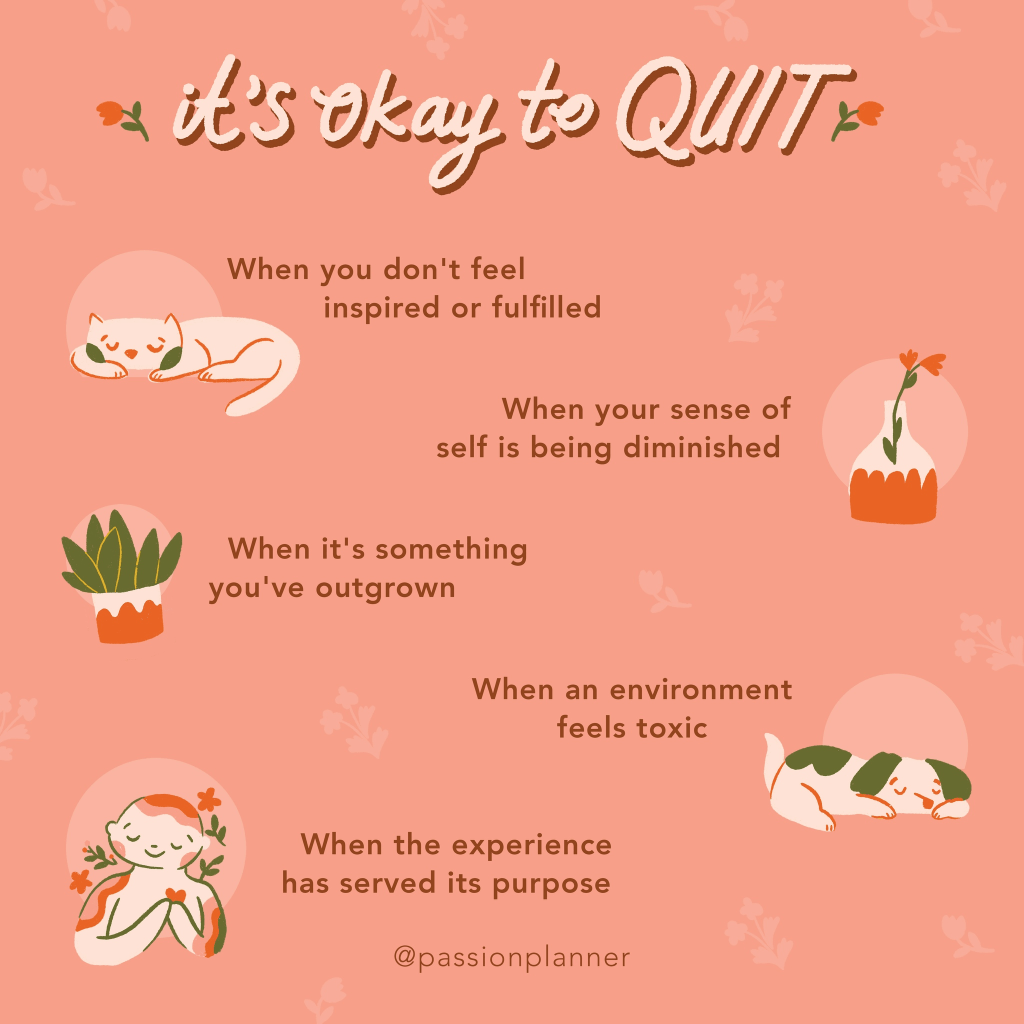
- The only way to fail is to quit. It’s okay to quit; it’s the refusal to quit that leads to mental health issues and failure. There are so many reasons to quit things that aren’t serving you well. Quitting doesn’t mean you failed; it means you were brave enough to try something and smart enough to stop doing it when you realized it wasn’t a good idea to keep failing.
- People don’t abandon people they love; they abandon people they’re using. Sometimes relationships aren’t healthy or are self-destructing; it doesn’t mean they never loved you or were using you.
I look forward to reading, learning, and sharing more with you soon!

 Read Learn Share