
My intention is to post a Thoughtful Thursday column each week and share some of the insights I have learned in the past week. Here are some of the things I’ve learned this week:
- Most leaders and organizations try to drive the point of why we do what we do. They look to their mission statement and send it out in e-mails, print it on posters, and put it on a company website that no one visits.
- Most people are less inspired by a compelling answer to “Why?” and more motivated by a clear answer to the question “Who? Who is served by the work that we do?” If I asked you to think of a time when you felt highly engaged and inspired at work, you would probably think of the last time you felt your work was important to someone else – the last time a client thanked you or expressed appreciation.
- Ex: call centers soliciting donations – some of the workers got to meet with a student who had received scholarship funds raised by that call center and got to hear how receiving those funds made a positive impact on them. They got to meet the answer to their question, “Who is served by the work that we do?” When the researchers followed up a month later, they made double the number of calls per hour and solicited 5x the amount of donations. Pro-social motivation – the desire to protect and promote the well-being of others

- If you think about the people your work positively impacts, you will be more motivated in your work. Who is served by the work that we do?
- If you are in a leadership role, part of your job is to become the chief storytelling officer – always ready to tell the story of the client, coworker, or community member whose life is made better by the work your team does. If you aren’t in a leadership role, you can still motivate yourself and other people by capturing every instance you hear of someone who is served by the work you are doing and every thank you that you get for any time you or anyone else needs a positive story about how the work that we are doing matters. Help them find the answer to the question “Who?”
During part of the COVID-19 pandemic, I was a part-time Shipt shopper. I fulfilled Target orders by shopping and delivering them directly to customers within a 15-mile radius, communicated with the customers regarding order status, out of stock items, recommended substitutions, and preferences throughout the process, and used self-check-out to ring up and bag orders. This gig was very satisfying, especially when I focused on how I was serving others – people who had just become parents, elderly people who don’t drive, people who were more susceptible to getting COVID-19, etc. I often received feedback about my communication, expertise in picking out produce and bagging items, and about how much of an impact this had on them.
Instead of asking “Why do I do this?” ask “Who am I serving?”
- Expect that life is going to get hard. There is going to be a time when you don’t feel like working out. How are you going to plan for those disasters? You don’t need to be perfect, but you do need to be consistent overall.
- You need to look at your workouts as “I get to work out” instead of “I have to work out.”
- You need to have habits and a routine in place. If it’s not a part of your life, you will be quick to decide that it’s not important. It needs to be just as much of a routine as brushing your teeth.
- It’s not optional. Once you commit to a healthy lifestyle and workout program, it isn’t optional. When life gets hard, the last thing you should do is quit on yourself. When life gets out of control, you need to control what you can! You can control what you eat, what you drink, and how much you work out.
- Have a plan. When you’re following a plan, you can pick up where you left off without feeling lost.
- Have some accountability. Having someone encourage you and maybe work out with you is so important.

- Timeshares are a $10.5 billion industry and there are over 1,500 timeshare resorts. Over 10 million households in the U.S. own one or more timeshares.
- Over half of timeshare owners are GenZ or millennials. The average age of a timeshare owner is 39 years old.
- 63% of timeshare owners have a four-year college degree.
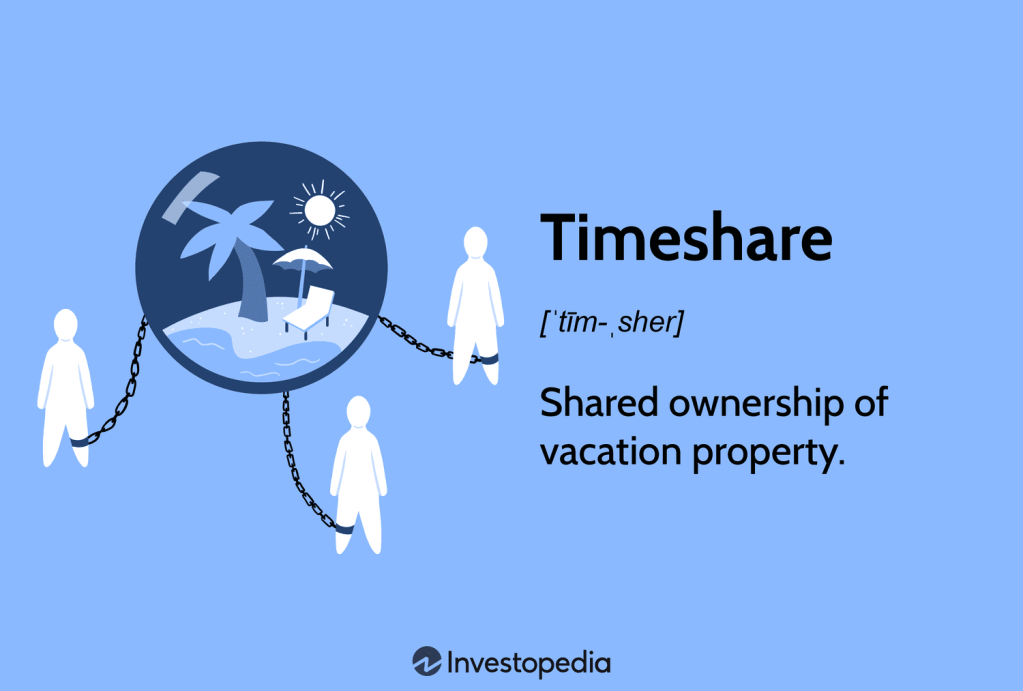
A timeshare is basically owning a vacation. You are committing to paying an annual fee to go on a trip at the same resort for the rest of your life.
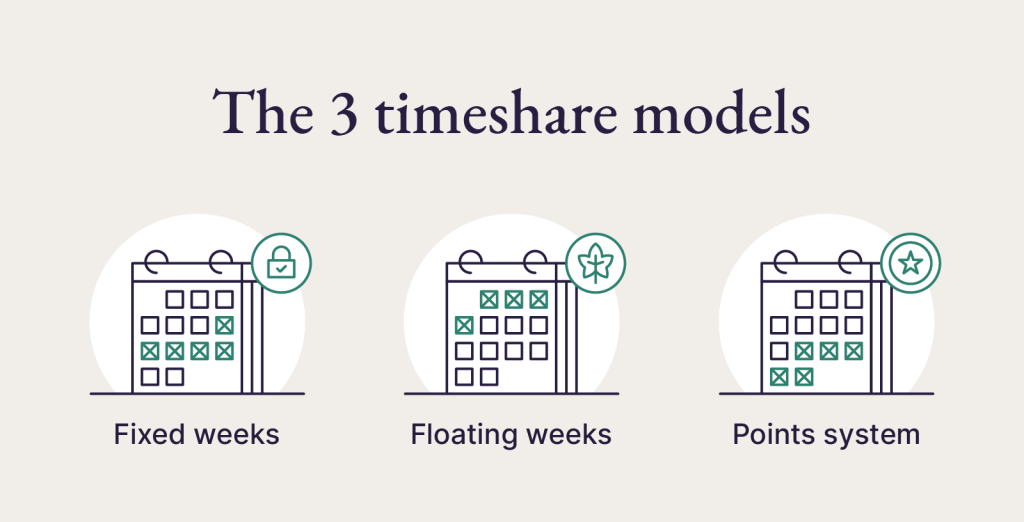
3 models
- Fixed term: buying the right to exclusively use the property in the same place during the same week every year
- Floating: more flexibility – you and others need to figure out when you get to use it each year. Everyone usually wants the exact same weeks.
- Points-based: variety – get to pick a different location each time if you want to. Highly desired destinations cost more points
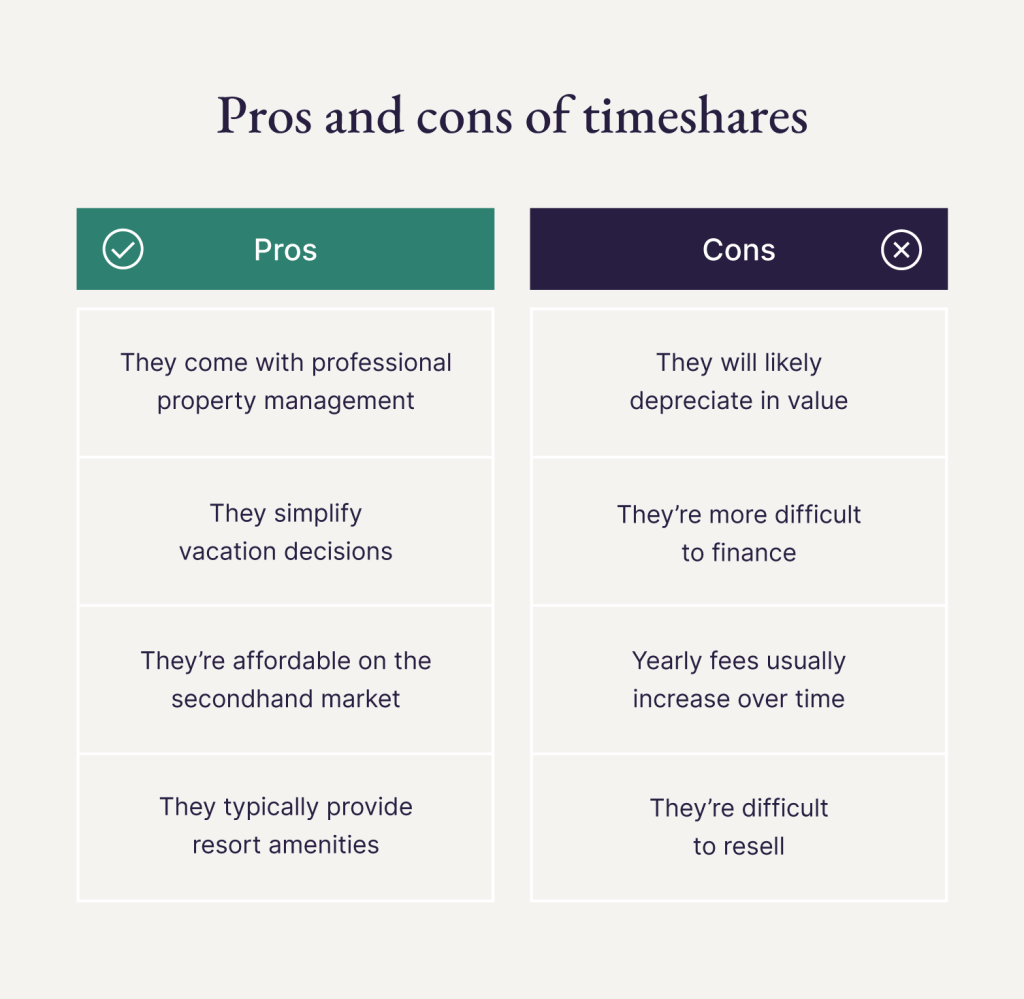
Why would people choose to get a timeshare instead of going on vacation whenever they want wherever they want? For some, it involves less decision fatigue and planning because you’re super limited in where and when you can go. Some large companies, such as Disney, Hilton, and Marriott are more vetted and care about their brand.

NEGATIVES:
- Maintenance fees ($1,000 average/yr that can increase each year) – generally also costs $24k to pay for timeshare up front – many people take out a loan from the timeshare developer that carries an interest rate of 6-17%!
- Points-system – points are devalued over time and people have difficulty finding a booking that fits their needs
- The companies try to sell you the idea that if you don’t want your timeshare anymore, you can get out of it by selling it. The problem is that nobody wants it.
- It is hard to get out of the contracts. Law firms specialize in getting people out of timeshares.
Overall, the true cost of the timeshare and maintenance fees is not a deal for most people. The selection of destinations is limited. As opposed to timeshares, planning an individual vacation allows you to choose your destination, dates, and allows you to pick your lodging based on the location of other things.
This post from Seth’s Blog resonated with me this week:
Willfully uninformed
“Access to information used to be scarce. We ranked college libraries on how many books they had, and time at the microfilm reader was booked in advance.
Today, if there’s something I don’t know, it’s almost certainly because I haven’t cared enough to find out.
I don’t understand molecular biology, the history of Sardinia or much of agronomy–but that’s my choice. Now that information is widely and freely available, our sense of agency around knowledge needs to change.
It pays to acknowledge that this is a choice, and to be responsible for it. What else have we chosen not to know?”

You might not even realize it, but there’s something about your life right now that used to be your goal or dream. Maybe you bought a house, moved to a new city, got married, landed that job, completed that project, ran that race, or brought that event to life.
Maybe it doesn’t feel like it. We often don’t see all of the life milestones we’ve reached because we’re focused on new goals, new aspirations, and new dreams. Rather than measuring our progress from who we used to be and where we are today, we often measure the difference between where we are now and where we want to go.

You’re living what used to be a goal of yours. When we acknowledge how far we’ve come, we remind ourselves that we have what it takes to keep on going.
I look forward to reading, learning, and sharing more with you soon!

 Read Learn Share