
“The Rare Find: Spotting Exceptional Talent Before Everyone Else” was written by George Anders, one of the founding writers at Bloomberg View. This was a useful, educational, well-researched, fascinating book about hiring talent. This book detailed methods companies have successfully used to spot resilience, curiosity, and self-reliance, among many other highly desired traits, that are not usually visible on a resume or in an interview.
CEOs who are persistent and proactive get things done. CEOs who are not, do not get things done, even if they are good listeners, team players, etc. And if you do not get things done, the people working for you get frustrated or even leave, particularly the better ones.”
Steve Kaplan
Identify leaders with the skills and resolve to succeed, rather than getting sidetracked by the short-lived allure of glittering resumes and charming personalities.
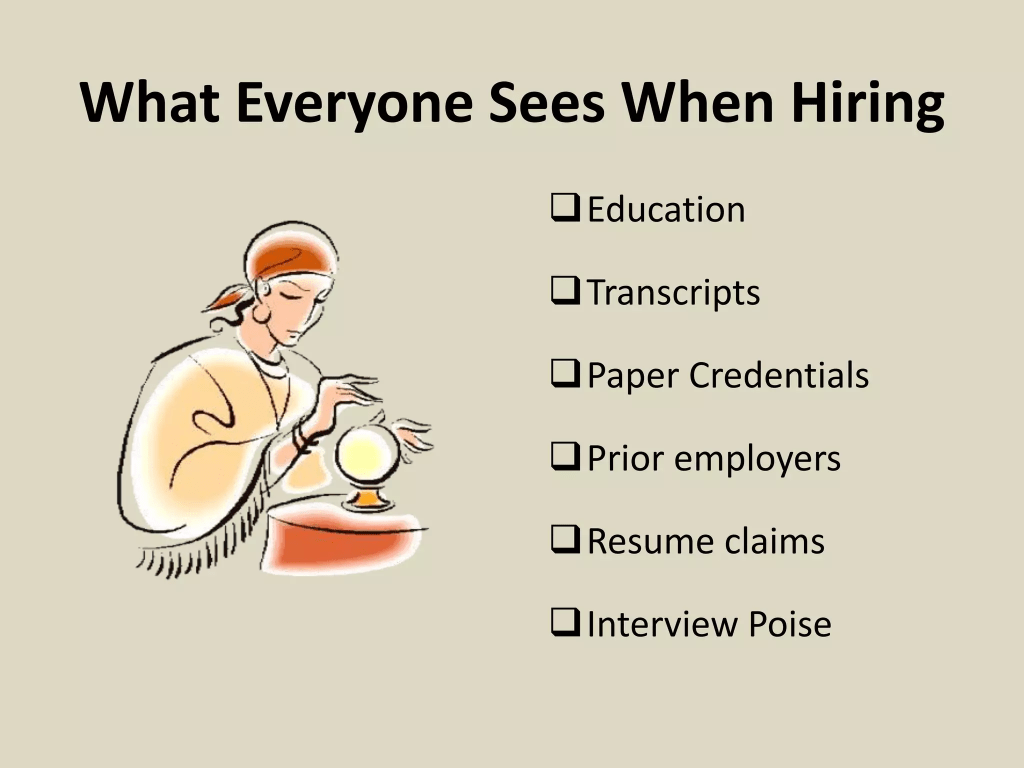
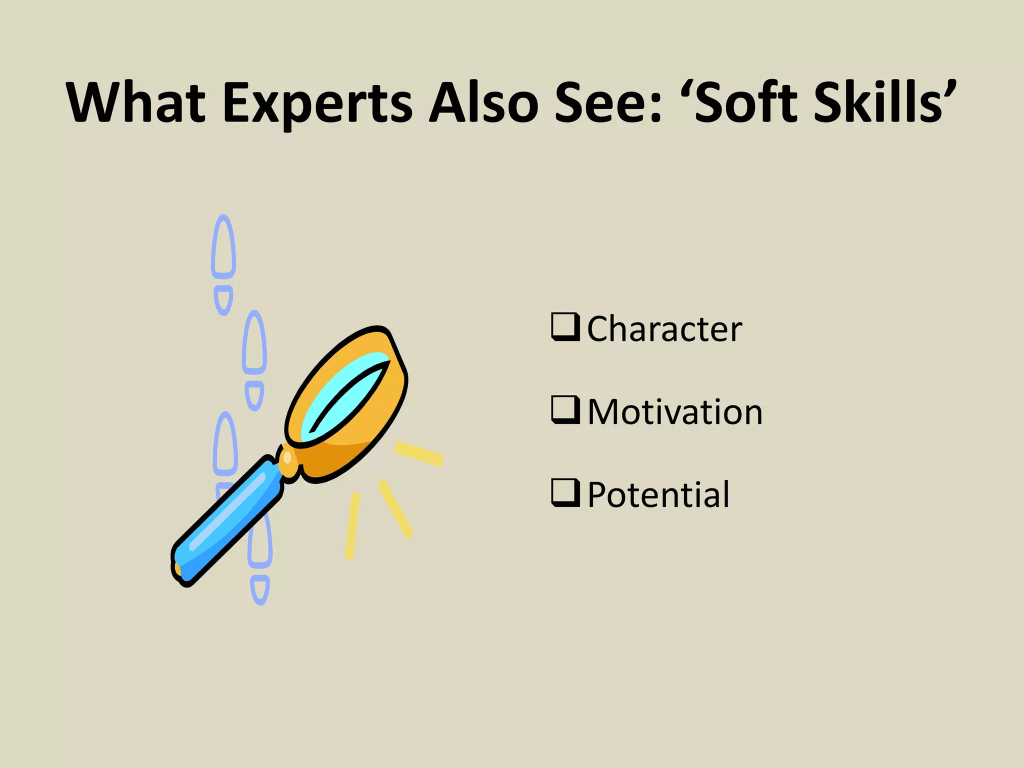
Look for the hidden virtues. One of the most overlooked strengths is resilience. It’s invisible on most resumes and can be hard to spot in a brief interview. Resilience can differentiate between those who do vastly better than expected and those who turn out to be severe disappointments. Example: Teach for America, Army Special Forces tests
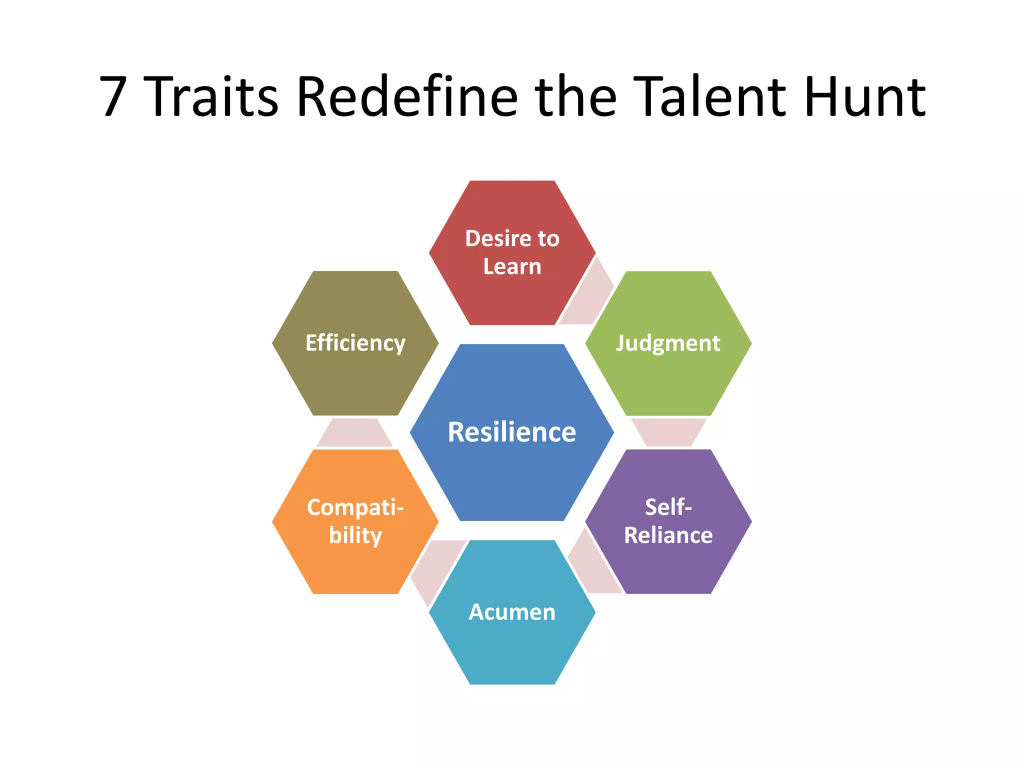
Other hidden virtues include ingenuity, curiosity, and compassion.
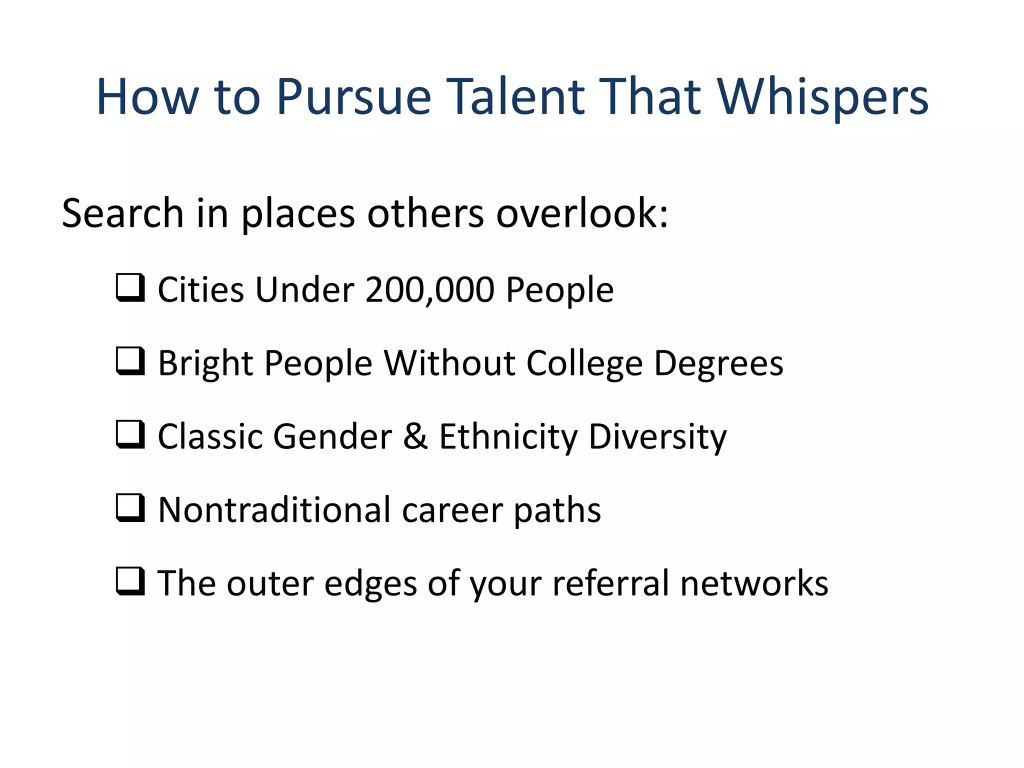
Find your unlikely stars by noticing what others don’t see – “talent that whispers.”
Push your best candidates to grow even stronger – “talent that shouts.”
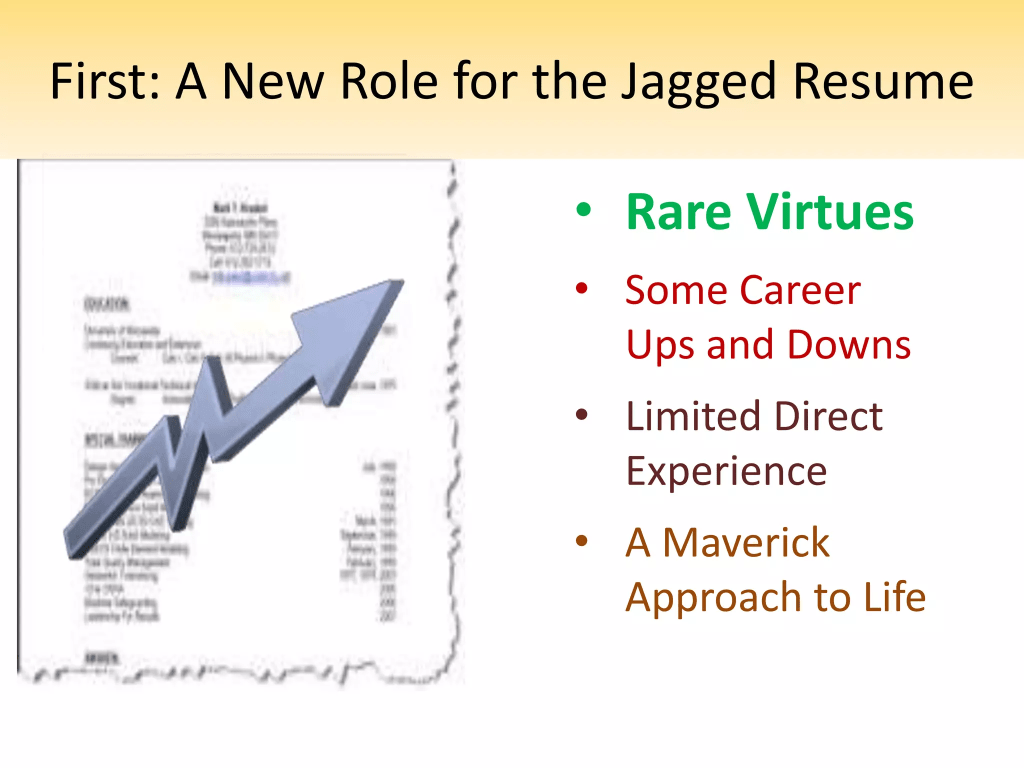
Compromise on experience; don’t compromise on character. The difference between growth and stagnation comes down to bold, fresh approaches who can create new opportunities.
When hiring, your own career is a template; use it. Use your own life experiences to help you find the traits you are seeking.
Rely on auditions to see why people achieve the results they do. Ex: teachers, pilots, musicians, leaders
Who tries hard? Who works well with others? Who recovers quickly from a setback? Conversely, who cuts corners? Who turns brittle under pressure? Who doesn’t care?

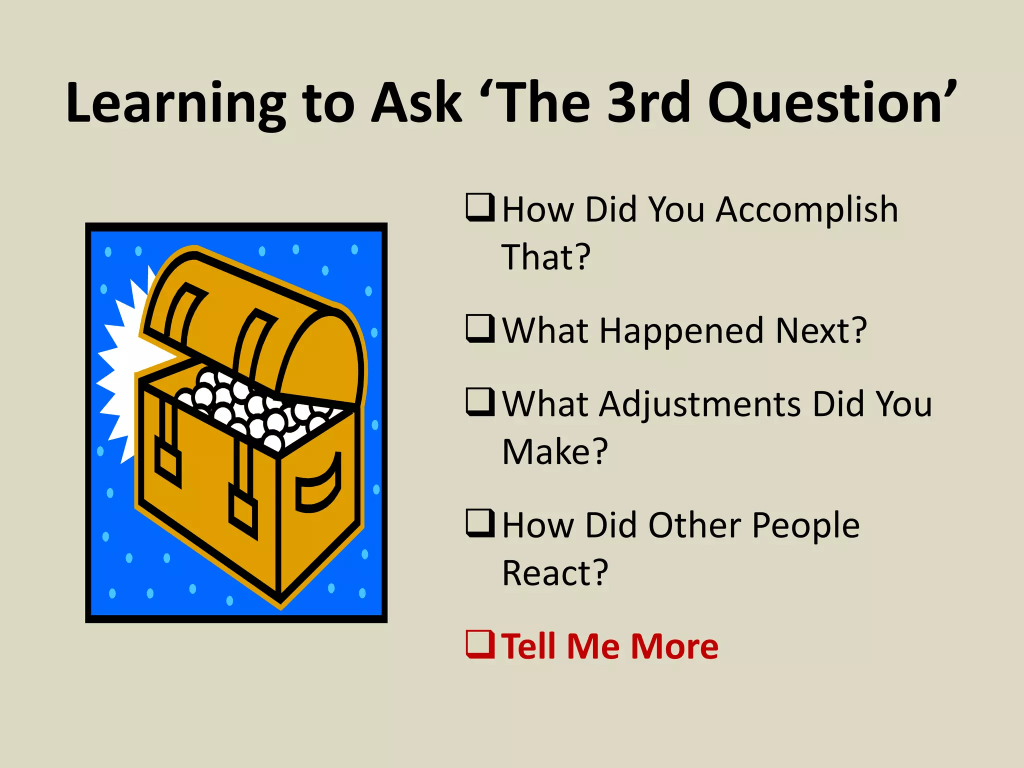
The process of getting to know candidates is defined far more by questions involving “why” and “how” – and less about “what” or “when.”
We must visit the critical junctures in our lives and look at them calmly and with clarity to gain insights. Reflection is powerful.
The FBI’s hostage rescue team and dozens of other high-talent organizations seek:
- initiative, perseverance, and compatibility
- discipline, trainability, and judgment
- loyalty, leadership, and maturity
Examples:
- hauling sandbags of various sizes various distances. Does anyone take shortcuts?
- spending 10 hours on a rugged hike with no meals and then being placed in a conference room with not enough chicken for everyone
- basketball scouting during time outs – “You’ll see some players run into the huddle, paying attention to the coach, eager to do everything right on the next play. Others drift on the court, ignoring their coach and team. This informs me which are likely to respond well to coaching or clash with authority.” – Tom Konchalski, long-time scout
Break down barriers that restrict where you look. Executives take small risks, make the most of their fortunate hunches, and let go of mistakes before they become ruinously costly.
Example: Book and music publishers often don’t sell enough to justify the advance paid to authors and musicians. However, the intermittent winners count for a lot. Some examples include JK Rowling and Taylor Swift.
“Talent that shouts” – everything hinges on an ability to make the most of wide-ranging ambitions and restless spirits. These people need to feel tied to the organization that hired them; otherwise, quarrels, betrayals, squandered opportunities, and job-hopping can occur in moments of anger. This talent wants to be challenged, not coddled.
Great talent is no substitute for the right talent. Ex: GE chief executive didn’t work out for Albertsons grocers.
Sometimes resumes need to be read bottom to top. Ex: GE’s leadership program requiring frequent challenges and relocations.
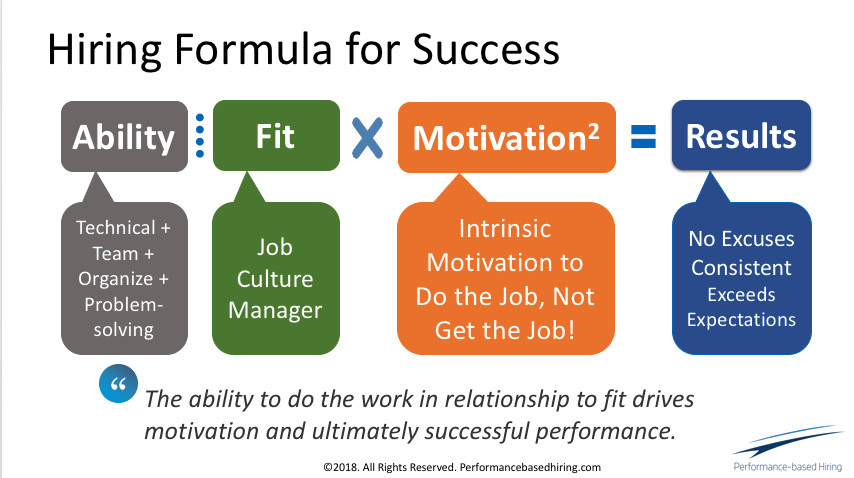
You can’t take motivation for granted. The most glamorous jobs can get ugly at times, with nonstop commitments, relentless travel, public setbacks, and media scrutiny of a person’s weakest moments. Motivation could crumble in the face of tougher challenges.
Top tips:
- CEO desired traits: organization, aggressiveness, commitment, persistence, proactiveness, setting high standards, and holding people accountable
- Less valuable: teamwork, flexibility, and being open to criticism
- Draw out the “hidden truths” of each job. Think through the assignment. What are you really looking for?
- Master the art of aggressive listening. Ask a lot of follow-up questions” “Why?” “What happened next?” Look for ways to decode candidates’ aspirations, frustrations, and habits.
- Be alert to other invisible virtues – curiosity, efficiency, and self-reliance.
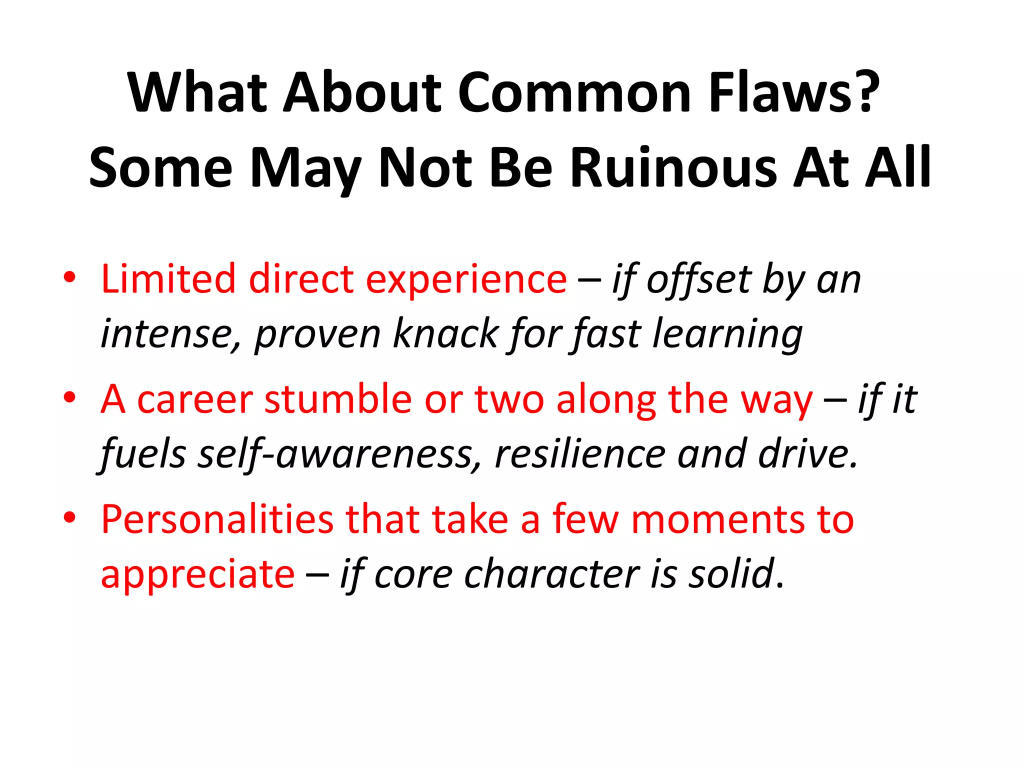
I once applied for a job I did not meet all desired qualifications for. The employer was looking for years of experience in a specialty legal field on Indeed. Indeed informed me that the employer viewed my application, but after a few weeks, I didn’t hear back. I boldly messaged the employer following up and asking “What can I do to show you I can be successful in this position?” That message resulted in an interview immediately afterwards and a subsequent job offer. I believe this message demonstrated curiosity, motivation, and resilience, and these qualities are not always visible with the standard job hiring process. I am grateful that employer took a chance on me, and I learned so much and became quite successful in the position.
This book was very useful, educational, well-researched, and fascinating. Note: Some photo credits to George Anders via Slideshare
I look forward to reading, learning, and sharing more with you soon!

 Read Learn Share