
My intention is to post a Thoughtful Thursday column each week and share some of the insights I have learned in the past week. Here are some of the things I’ve learned this week:
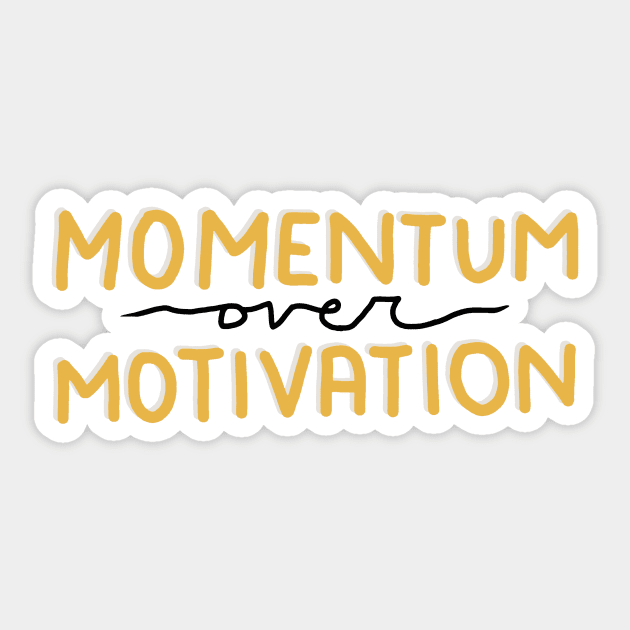
- When it comes to getting things done, momentum is more important than motivation. The problem with motivation is that you won’t always feel motivated. Use 5% momentum to do 5% of the task instead of waiting until you have 100% momentum to do everything. Once you get started, you may be motivated to finish it.
- Give yourself self-compassion. Shame is arresting; self-compassion is motivating. First address how you are speaking to yourself. Don’t get overwhelmed and down on yourself for all of the tasks you still need to do. Allow yourself to process your emotions and remember you are allowed to be human. You aren’t perfect. Shame causes paralysis; you won’t get the tasks done.
- Get rid of the things that are too small that you’ll never fit into again but that you keep telling yourself “one day.” Your body is not meant to fit into clothes. Clothes are meant to fit your body.
- People get pets and they are behavior-prone, yappy, flea-infested, etc. and we still decide to care for them and believe they are worthy. Yet, we don’t show that care to ourselves.
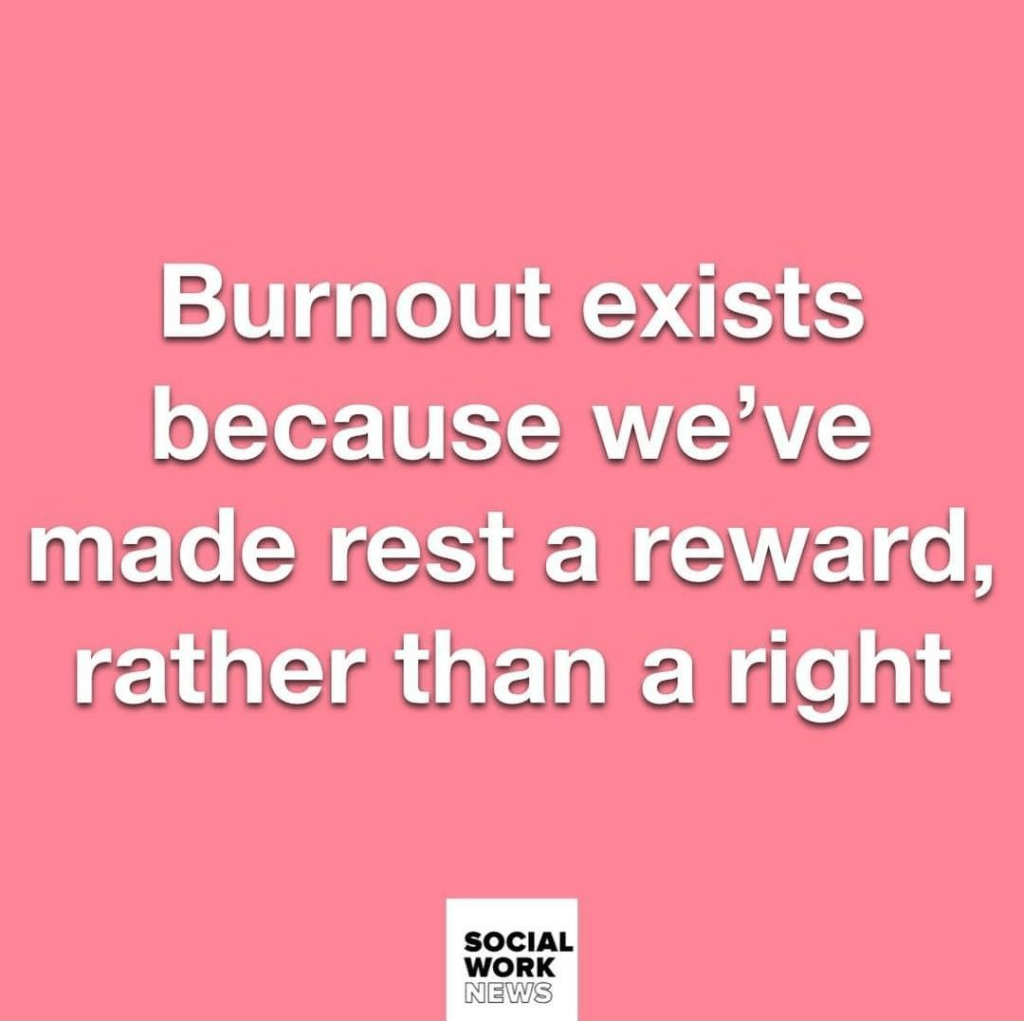
- Think of rest as a right, not a reward. We often get the message that rest and recreation are a reward for productivity. You don’t need to get your entire to-do list done before you give yourself time to relax.
- People who rest in shame work in shame. If you sit down, you shouldn’t be thinking about all of the things you should be doing. This causes overwhelm and burnout.
- Paper plates – “You can’t save the rainforest if you’re depressed.” It’s better to take shortcuts now to get you back to being a functional human being where you can actually have the energy and capacity to contribute to causes in a way that matters.
- Everyone deserves to clock out of home labor and out-of-house labor.
- Let go of perfectionism.
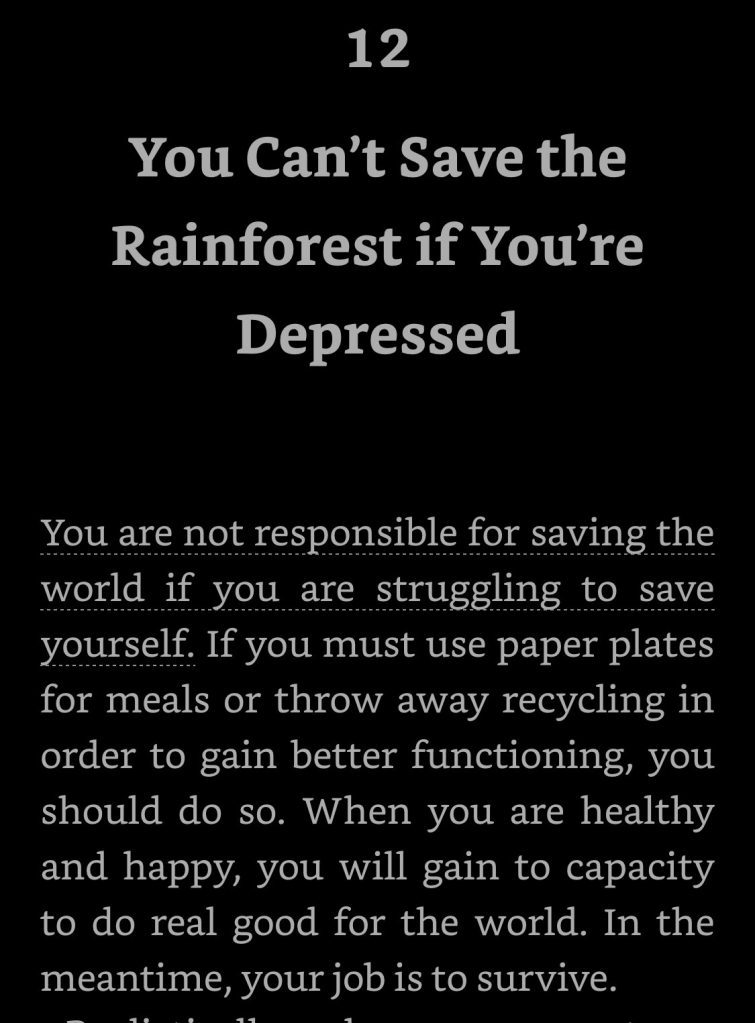
Photo From how to keep house while drowning, by KC Davis.
When expectations aren’t met with household chores, do you go right to accusations or do you give your partner grace?
- Wash your clothes in warm water. This activates laundry soap and detergent faster, so you don’t have to use as much detergent.
- Use your washer’s express cycle.
- Instead of dry-cleaning wool, silk, lined, or other delicate clothes, place them in mesh bags to keep them from rubbing against each other.
- Air dry your clothes as much as possible. I try to air dry workout pants, jeans, compression stockings, sweaters, and dresses.
- Use dryer balls to cut down on drying time. Only put your clothes in the dryer for as long as they need to get dry.
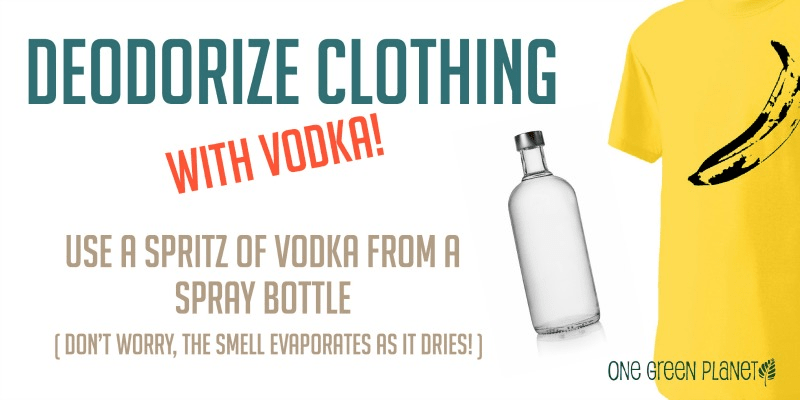
- To get rid of odors and extend the life of your clothes before you wash them, try spritzing them with vodka. It nixes orders and dries odorless and colorless. I hadn’t heard of this tip before!
- TikTok says it doesn’t share user data with China.
- TikTok has 150 million users in the United States.
- TikTok is owned by Byte Dance. Byte Dance is not owned or controlled by the Chinese government. It’s a private company, and 60% of the company is owned by global institutional investors.
- Back in 2012, before TikTok was even created, Byte Dance got money from a U.S. investment firm founded by a man named Jeff Yaz. Jeff is one of the richest people in America and runs a financial firm that trades stock options and other securities, and he is a libertarian. He is also one of the biggest political donors in the country.
- Jeff’s firm, Susquehanna, owns 15% of Tik Tok’s parent company. Based on a recent valuation, that could be a stake worth more than $40 billion.

- TikTok launched in 2016 and is China’s most successful tech export. In 2019, some senators raised concerns about TikTok’s Chinese ownership. TikTok has always rejected the accusation that it shares American user data with the Chinese.
- In 2020, President Trump tried to ban downloads of TikTok. Two judges said President Trump overstepped his authority. President Biden came in and was concerned about TikTok’s national security risk.
- In 2022, Congress passed a bill that prohibits the downloading of TikTok on most federal government devices.
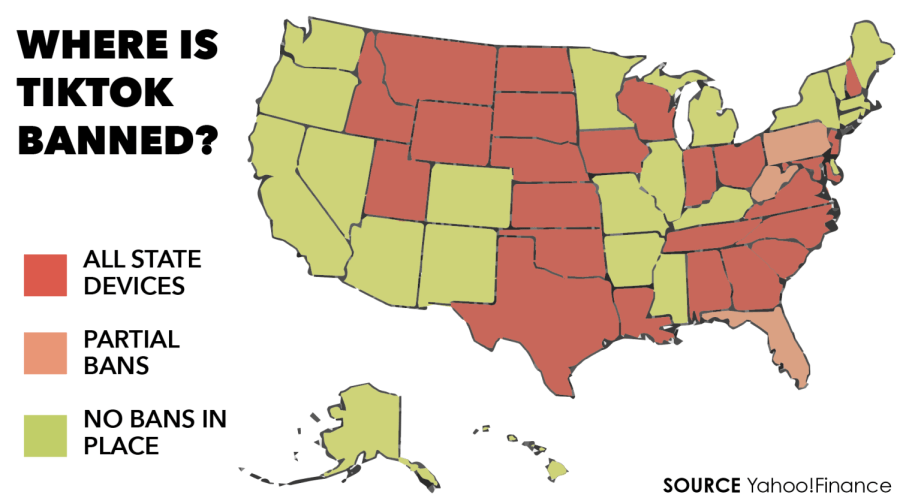
- There has been a bipartisan effort to ban TikTok in the U.S.
- None of the bills banning TikTok passed. Senator Rand Paul spoke out in favor of TikTok due to the Bill of Rights/freedom of speech. One of Rand Paul’s largest donors is Jeff Yaz, the investor in TikTok. He and his wife have given Senator Rand Paul $24 million over the past decade, either directly to him as a candidate or to committees that support Rand Paul. Yaz and his wife have supported other Republicans who have recently come to TikTok’s defense. All of the Republicans who have come out publicly in favor of TikTok/not wanting to ban TikTok have received political backing from Jeff Yaz.
- The Republicans who have been asked about the connection between the money they got from Yaz and their rejection of a ban on TikTok said that this is entirely consistent with their libertarian beliefs in protecting free speech. If you ban TikTok, that would be harming free speech.
I enjoyed reading this article about the situation and the right to free speech:
- Going to therapy doesn’t mean you’re weak. There is still a stigma associated with going to therapy, but seeking other medical treatments does not result in stigma. End the stigma. You don’t need to have a serious mental health problem to go to therapy.
- Therapy doesn’t have to last a long time. Most therapists don’t see people every week forever. Some therapists handle solution-focused therapy: how to solve a problem or cope with it. Some people attend therapy as needed: weekly or monthly or whenever they think they need it.
- There are different types of therapy. Some therapists use EMDR (addresses past trauma), narrative therapy (changing the story you tell yourself), etc. Before you start therapy, ask the therapist what kinds of therapy they use.
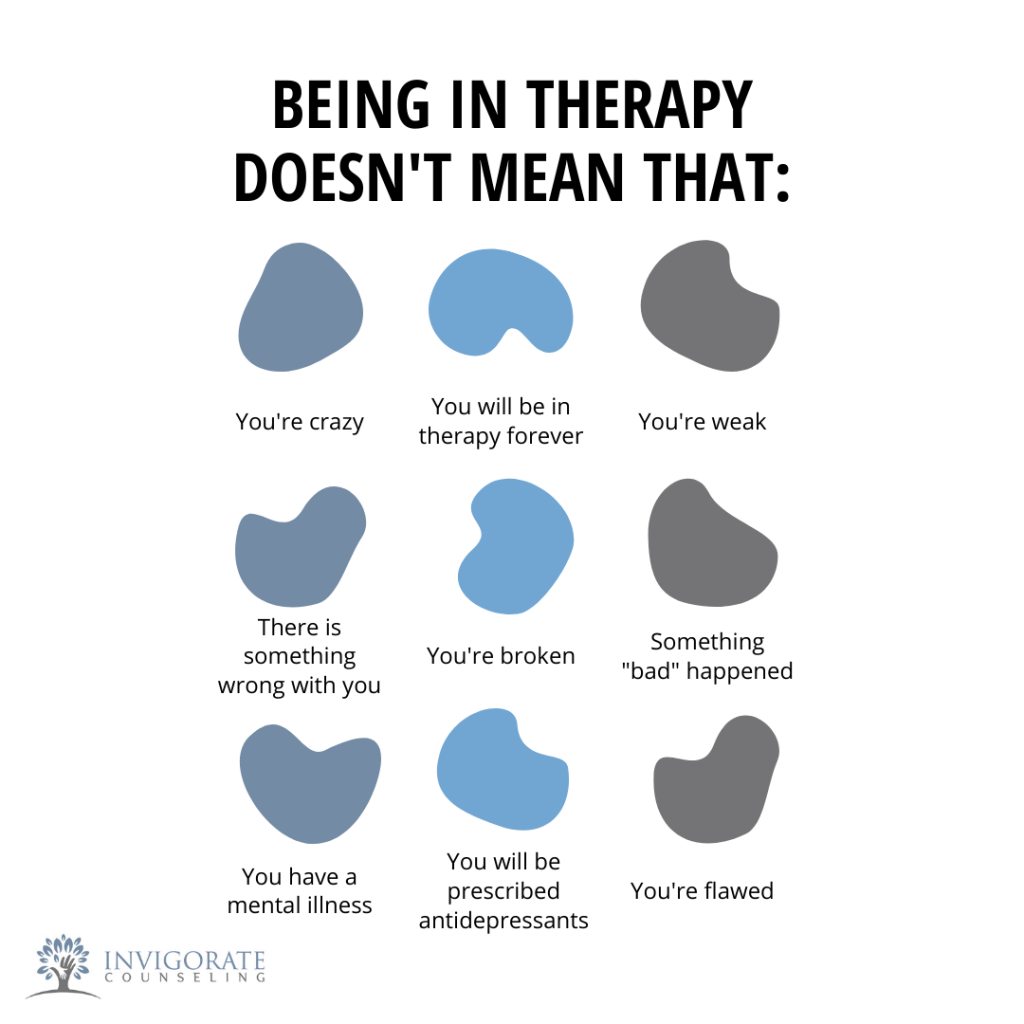
- Your comfort level with your therapist matters more than the type of therapy the therapist uses. You need to have a positive, trusting relationship with your therapist. You may be more comfortable with online therapy (video chat).
- You can talk about whatever you want with your therapist. Your therapist won’t judge you.
- You don’t need to have a mental illness to see a therapist. You might see a therapist because you’re stressed out, you’re having a relationship issue, or you just want to better understand yourself. You don’t need to be referred by your physician.
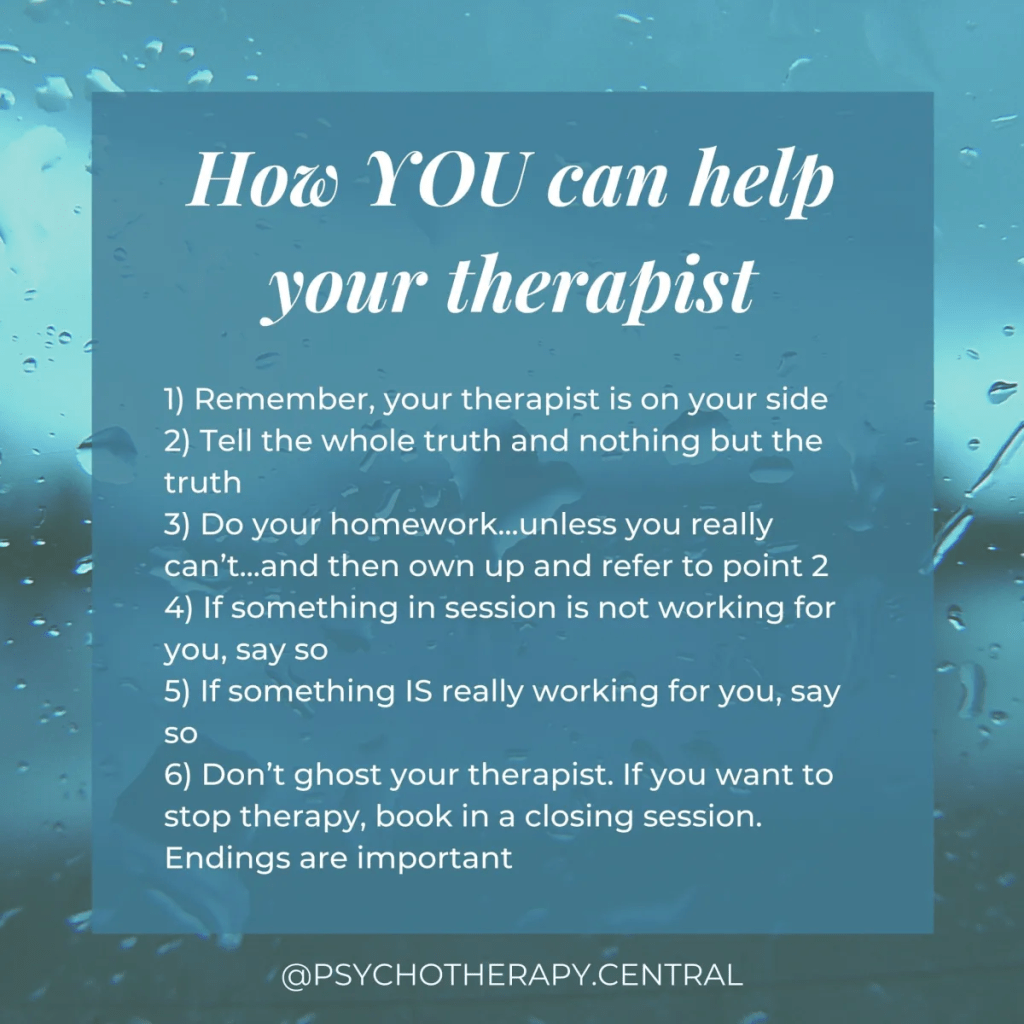
- You are in control of your treatment. People often put off going to therapy because they don’t want to address tough topics. You are welcome to say you don’t want to talk about certain things. You don’t need to take medication, try a different kind of therapy, or do anything you don’t want to do. If your treatment isn’t working, you can talk to your therapist, switch therapists, or leave therapy whenever you want. If you are concerned about the cost, ask about free, lower-cost, or sliding scale services.
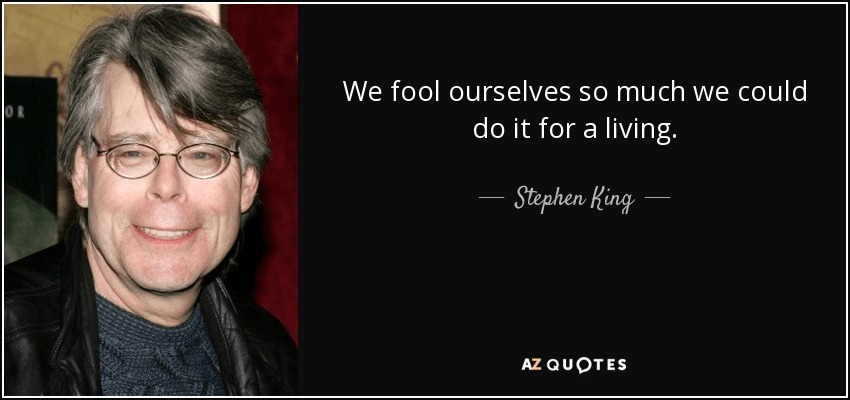
I LOVED this post from Seth’s Blog this past week.
“Fooling ourselves
It’s tempting to believe that we’re not easy to fool.
Not by a magician, a politician or a banker. Other folks might be easily duped by a spammer or a hustler, but not us.
And yet, no one fools you more than you.
When you look in the mirror, do you see what others see, or is it possible you see someone far less (or far more) attractive than others do?
Do we assume that our work is so good and so useful that anyone who doesn’t see that is confused or misguided?
Perhaps we feel like an impostor, a fraud or an unseen genius…
These are all forms of self-deception.
A useful way forward might be to ask, “is it working?”
If the marketplace of ideas, of commerce or of relationships sees something of value, perhaps they’re right. And if they don’t, perhaps we might develop the empathy to understand what’s missing in our narrative about what we do or how we do it.
Marketing to others begins with marketing to ourselves.
If it turns out that our self-deception is a reliable source of fuel for us to achieve our goals, it might be worth living with. But at some point, our ability to fool ourselves becomes toxic. It blocks our ability to create generous and useful work, and it eats away at our confidence and peace of mind.
It’s not easy to see ourselves as others do. But perhaps they’re onto something.”

I look forward to reading, learning, and sharing more with you soon!

 Read Learn Share