
“13 Things Mentally Strong Women Don’t Do” was written by Amy Morin, a licensed clinical worker, psychotherapist, and instructor at Northeastern University. Amy gave one of the most viewed Tedx talks of all time.

There are three parts to mental strength: thoughts, feelings, and behavior.
- They don’t compare themselves to other people. Every flower blooms at a different pace. There will always be someone better than you or who has more than you do.
Consider: What information does this person have that could be helpful to me? What can I learn from this person?
- What’s helpful: recognizing when you’re comparing yourself to others, reframing your comparison language, acccepting your discomfort, separating factual thoughts from judgments, and competing against yourself
- What’s not helpful: using words like “should,” “wish,” or “better”, using downward comparisons to temporarily boost your mood, viewing everyone as your competition, using social media to compare your life to the lives of others
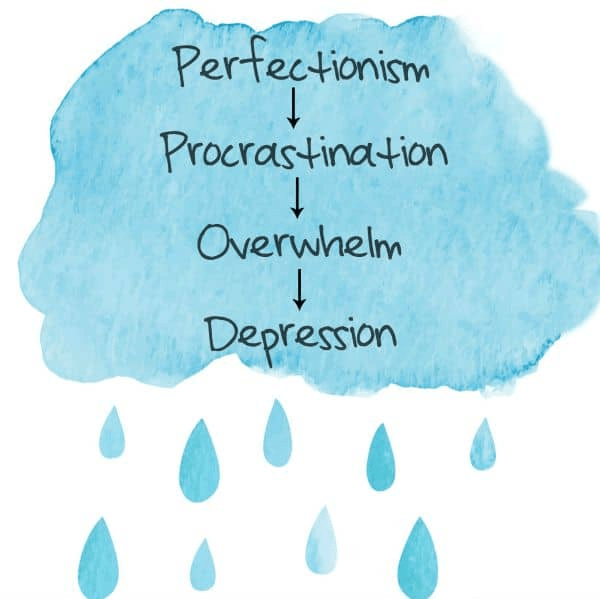
2. They don’t insist on perfection.
- What’s helpful: identifying what perfectionism costs you, admitting your flaws, recognizing when you expect too much from others
- What’s not helpful: expecting other people to be perfect, using harsh words to criticize yourself, assuming that you must be flawless to succeed, and hiding your potential flaws from others
3. They don’t see vulnerability as a weakness.
- Phrases to incorporate into your conversations: I’m sorry, I need help, I made a mistake, I’m scared, My feelings are hurt, I was wrong
- What’s helpful: identifying the protective armor you use to protect yourself from emotional wounds, owning your story without letting your story own you, practicing vulnerability, and incorporating vulnerability language into your conversations
- What’s not helpful: maintaining a tough exterior so people can’t hurt you, suppressing your emotions, avoiding risks because you think you can’t handle rejection or disappointment, lashing out in anger to mask your pain
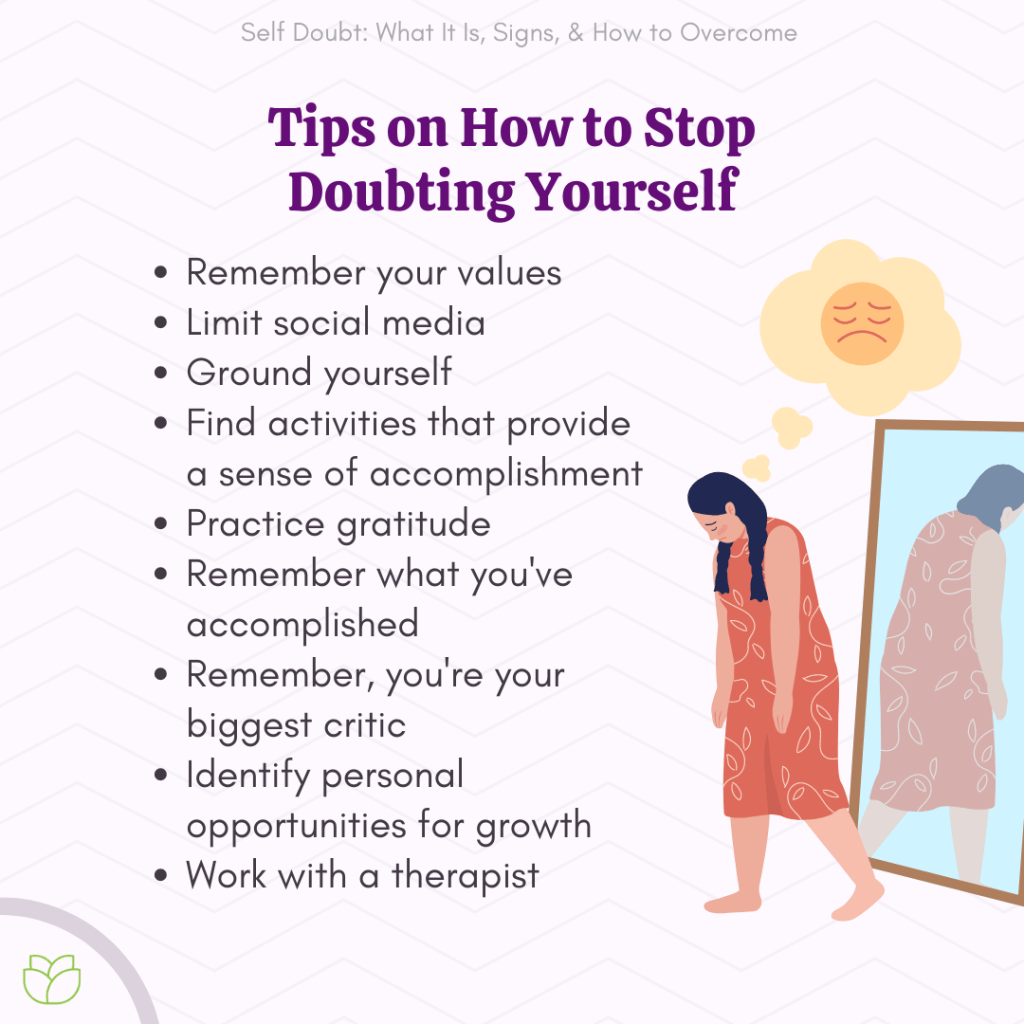
4. They don’t let self-doubt stop them from reaching their goals.
- What’s helpful: monitoring your emotions, doubting your doubt, examining the evidence behind your self-doubt, considering the worst-case scenario, embracing a little self-doubt
- What’s not helpful: believing everything you think, getting caught up in self-doubt and inaction, confusing fear for intuition, waiting until you feel 100% confident to proceed
5. They don’t overthink everything.
- What’s helpful: scheduling time to worry, changing the channel in your brain, practicing mindfulness
- What’s not helpful: allowing overthinking to overtake your entire day, getting caught up in analysis paralysis, and believing that devoting more time to thinking will help you resolve everything
6. They don’t avoid tough challenges.
- What’s helpful: acting as if you feel brave, surrounding yourself with people who choose to challenge themselves, knowing your values and your purpose, and thinking about challenges as opportunities
- What’s not helpful: avoiding anything that feels stressful, passively waiting to feel courageous, looking at past failures or rejections as proof you shouldn’t try again, and letting other people discourage you from trying to reach your goals

7. They don’t fear breaking the rules.
- What’s helpful: identifying the unwritten rules you follow, justifying your choices to yourself, showing people what you’re capable of doing, helping others see their potential, and considering the consequences of following the rules
- What’s not helpful: violating rules out of laziness or disrespect, waiting for everyone else to take action first, following the rules without considering whether they’re helpful, and going with the flow even when you don’t want to
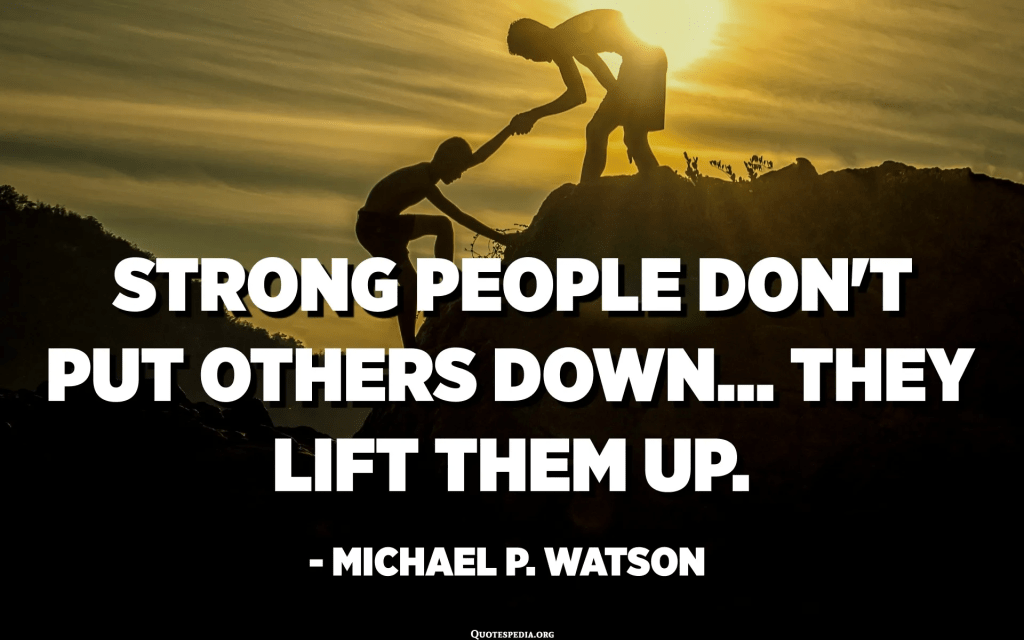
8. They don’t put others down to lift themselves up.
- These shouldn’t dictate your self-worth: your appearance, your net worth, who you know, what you do, and what you achieve.
- What’s helpful: recognizing when you’re tempted to put someone down, uncovering the thoughts and feelings behind your desire to lash out, building your self-worth on who you are at your core, reframing the thoughts you have about other people to acknowledge that it’s your opinion (not a fact), and proactively building other people up
- What’s not helpful: lashing out when you feel threatened by someone else’s success, separating yourself from others to maintain a competitive edge, pointing out others’ flaws, convincing yourself you are “warning” others when you speak ill of someone
9. They don’t let others limit their potential. No one can make you feel inferior without your consent.
- What’s helpful: examining the self-limiting beliefs you may have accepted as truth, recognizing thinking errors, working toward your goals despite other people’s doubt, establishing clear boundaries, and seeking helpful feedback
- What’s not helpful: giving up because you were rejected, living up to your labels, staying stuck in unhealthy thinking patterns, letting other people’s doubt prevent you from trying, and allowing unwanted advice to hold you back
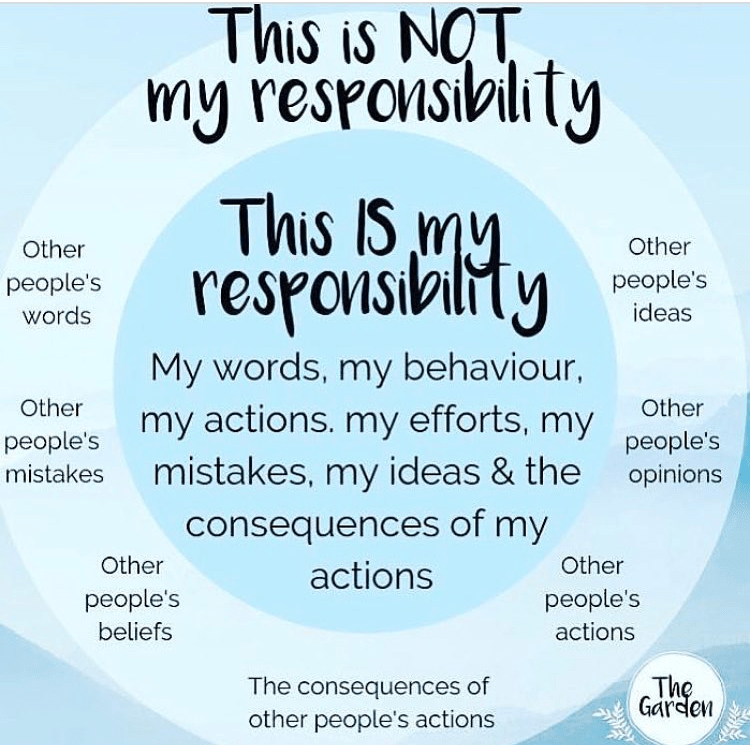
10. They don’t blame themselves when something goes wrong.
- You can influence others, but you are not responsible for their choices. You have no way of knowing how things would have turned out if you had done things differently. You made your choices based on the information you had then, not the information you have now. Change the story you tell yourself.
- What’s helpful: changing the story you tell yourself, asking for forgiveness when you’ve made a mistake, making reparation when you have hurt others, and gaining social support to help you deal with excessive guilt
- What’s not helpful: engaging in grueling self-punishment, forgiving yourself too quickly for hurting others, feeling responsible for other people’s actions, and believing your’e a bad person as opposed to thinking you made a bad choice
11. They don’t stay silent.
- What’s helpful: acknowledging when you’ve been victimized or discriminated against, telling someone about your experiences, speaking up for those who can’t speak up for themselves, establishing clear guidelines, and doing your part to ensure your voice is heard
- What’s not helpful: assuming discrimination would never happen to you, staying passive about sexual harassment, being a silent bystander, and keeping your experiences secret
12. They don’t feel bad about reinventing themselves by changing habits, embracing spirituality, getting a new job, meeting new people, developing a hobby, changing something about their appearance, shifting their attitude, realigning their priorities, and learning new skills.
- What’s helpful: taking a step back to examine when you ‘re living according to your values, identifying changes you want to make, thinking about ways you could use your skillset
- What’s not helpful: getting stuck in a rut, assuming the grass is always greener on the other side, refusing to change because it feels too hard, thinking you have to stay the same to be authentic, and waiting until you feel like changing
13. They don’t downplay their success.
- What’s helpful: recognizing when you’re downplaying your success, saying “thank you” when you are given a compliment, listing achievements to remind yourself of your success, and mentoring/teaching/training others
- What’s not helpful: flaunting your achievement, refusing compliments, and minimizing yourself to help others feel important
This book was very thorough and insightful! One of my favorite takeaways was:
“If you woke up tomorrow and a miracle had occurred, how would you know things were better?” What would you be doing differently? Go do those things. Change your behavior first and you’ll change how you feel.
I look forward to reading, learning, and sharing more with you soon!

 Read Learn Share