
My intention is to post a Thoughtful Thursday column each week and share some of the insights I have learned in the past week. Here are some of the things I’ve learned this week:
Five kinds of perfectionists:
- Classic perfectionist: highly organized. They do what they say they’re going to do, when they said they were going to do it, and in the way they said they’d do it. They are highly reliable and add structure to any environment they enter. They cannot be as spontaneous and sometimes don’t welcome collaboration and connection. People working with them can end up feeling more transactional.
- I consider myself a classic perfectionist most of the time.
- Procrastinator: waits for conditions to be perfect before starting. They tend to ruminate. They can prepare so well and see things from a 360-degree angle and are not impulsive. They encounter challenges around getting projects off the ground because they experience anxiety around beginnings.

- Messy: in love with beginnings. They can start anything effortlessly. When they hit the middle of the process and the tedium that is involved in staying committed to carrying out those goals, they lose interest and energy because the middle isn’t perfect and doesn’t match the perfect romanticized energy around starting.
- Intense: razor sharp focus. They are really great at generating outcomes. Sometimes they prize the outcome so much that they lose the sense of team/relationship building in the process. They get their desired outcome at the great expense of others around them. Others’ safety depends on their outbursts.
- Gordon Ramsay was listed as an example of an intense perfectionist, as conveyed in his television shows, such as Hell’s Kitchen.
- Parisian: wanting perfect connection. They often practice people-pleasing at the expense of sacrificing their own sense of identity and pleasure. They are genuinely warm people who focus on inclusion, collaborate well, and enjoy working with others.
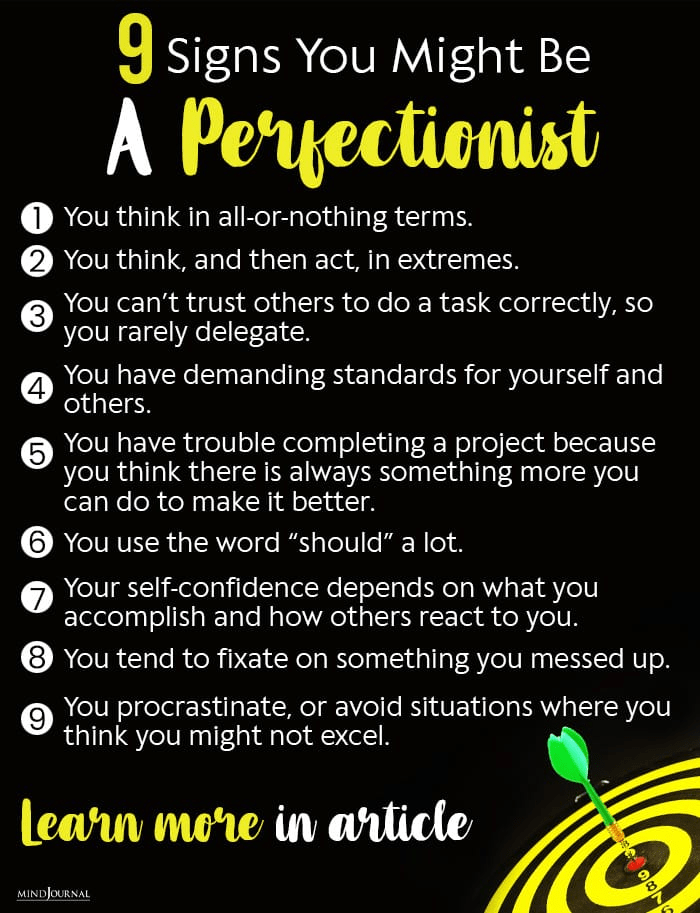
Ways to work with and reframe our types of perfectionism:
Explaining vs. expressing. When you only explain and you don’t express, it emphasizes a transactional, no-team-oriented, get-it-done attitude. It makes people feel disconnected. If you only express (messy and Parisian types), you talk a lot about how you feel but you aren’t asserting your wants and needs. You need to explain and help others understand you better.
Control vs. power. They look very similar, but they are very different. Control is about manipulating and planning one step at a time. This leaves you frantic, and your desperate energy and anxiety can be felt by others around you.
Power is about influencing and being a visionary. You accept that, no matter what happens with the outcome, you know what’s important to you and trust yourself to understand what to do next.
You can’t think yourself through your life. You have to be open and surrender. You don’t know what’s coming next. You can’t be in surrender and in control at the same time.

Questions to ask yourself:
- Are you hurting or helping the people around you in pursuit of your ideals?
- Does this action serve to connect or distance you from your values?
- Are you pursuing this ideal for the right reasons, or are you seeking some kind of arbitrary external validation?
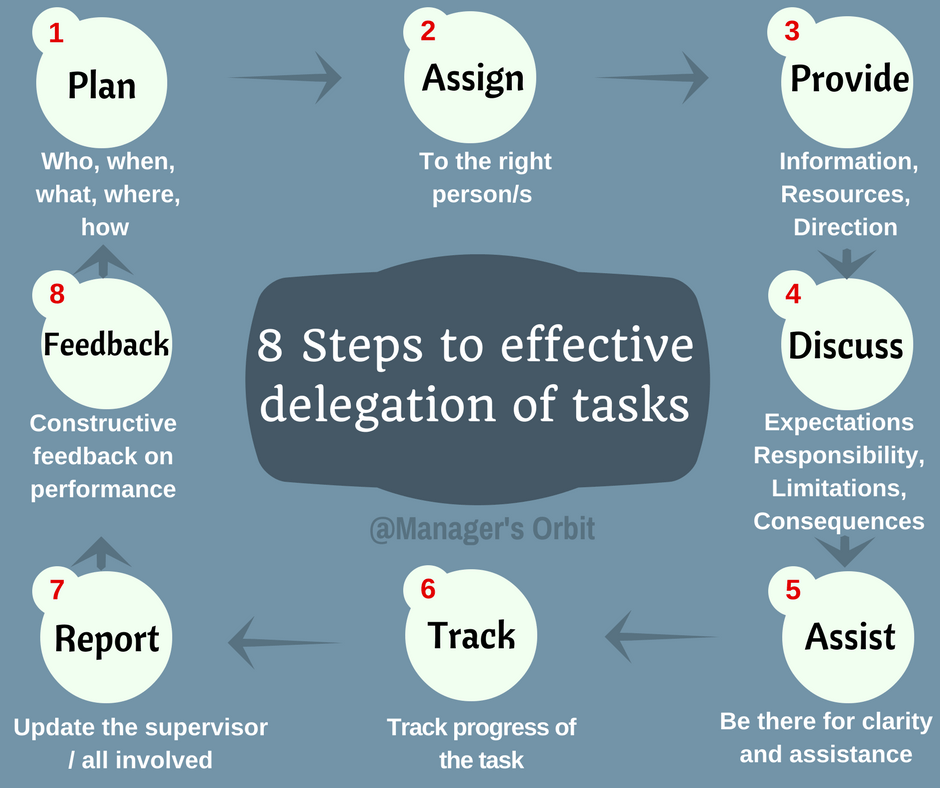
Perfectionists tend to want control of everything in their lives. When it comes to work, as the work piles on, they may become overwhelmed because they feel that they can’t delegate or trust others to complete tasks to their expectations. Here are some tips:
- Set up standard operating procedures. Make it easier to delegate. Test the process yourself according to your instructions before you delegate! It can be so easy to think that others will do it your way, but they won’t without detailed instructions!
- Start really small with one small task at a time. Delegating and giving up control doesn’t come naturally to most of us, and giving up too much control causes us to feel overwhelmed and micromanage. Delegate little bits at a time!
- Communicate your expectations and dissatisfactions clearly and kindly. Encourage people to ask you questions! If a question is repeated, remind them that you’ve been through this before, and challenge them to look at examples and convey that you trust them. People can’t read your mind. You have to tell them and show them what you want by example, by screensharing, etc. You have to tell them what you don’t like and correct them so it doesn’t drive you crazy for an eternity!
- The sky is not falling when they drop the ball. Expect them to drop the ball. Something is bound to slip from your control. Give them the room to succeed and make mistakes to help them develop as well. No one will be perfect. Mistakes are inevitable.
The biggest lesson I learned in this podcast is to have contingencies! So many people list their spouse’s name as a beneficiary with no contingencies. If a beneficiary dies, the benefits will go to the contingent. If you and your spouse are both killed in a car crash at the same time, without a contingency, your benefits are left in limbo. Several contingencies must be clearly identified.
This week I finished reading “1000+ Little Things Happy Successful People Do Differently” written by Marc Chernoff. One thing that stood out to me was an example of a tangerine.
“Imagine you had a ripe, juicy tangerine sitting on the table in front of you. You pick it up eagerly, take a bite, and begin to taste it.

You already know how a ripe, juicy tangerine should taste, and so when this one is a bit tarter than expected, you make a face, feel a sense of disappointment, and swallow it, feeling cheated out of the experience you expected.
Or perhaps the tangerine tastes completely normal— nothing special at all. So, you swallow it without even pausing to appreciate its flavor as you move on to the next unworthy bite, and the next.
In the first scenario, the tangerine let you down because it didn’t meet your expectations. In the second, it was too plain because it met your expectations to a T.”
How ironic! The tangerine can be substituted for almost anything in your life: any event, situation, relationship, person, or thought. If you approach any of these with expectations of “how it should be” or “how it has to be” in order to be good enough for you, they will almost always disappoint you in some way.
I look forward to reading, learning, and sharing more with you soon!

 Read Learn Share